
- Home
- »
- Medical Devices
- »
-
Point-Of-Care Glucose Testing Market Report, 2026-2033GVR Report cover

Point-of-Care Glucose Testing Market (2026 - 2033)
Size, Share & Trends Analysis Report By Product (Professional POC Testing, Home-use/Self Testing), By End Use (Institutional Channels, Home-care Settings ), By Region, And Segment Forecasts
Market Size, 2025
$3.9BMarket Estimate, 2026
$4.1BMarket Forecast, 2033
$5.7BCAGR, 2026–2033
4.7%Point-of-Care Glucose Testing Market Summary
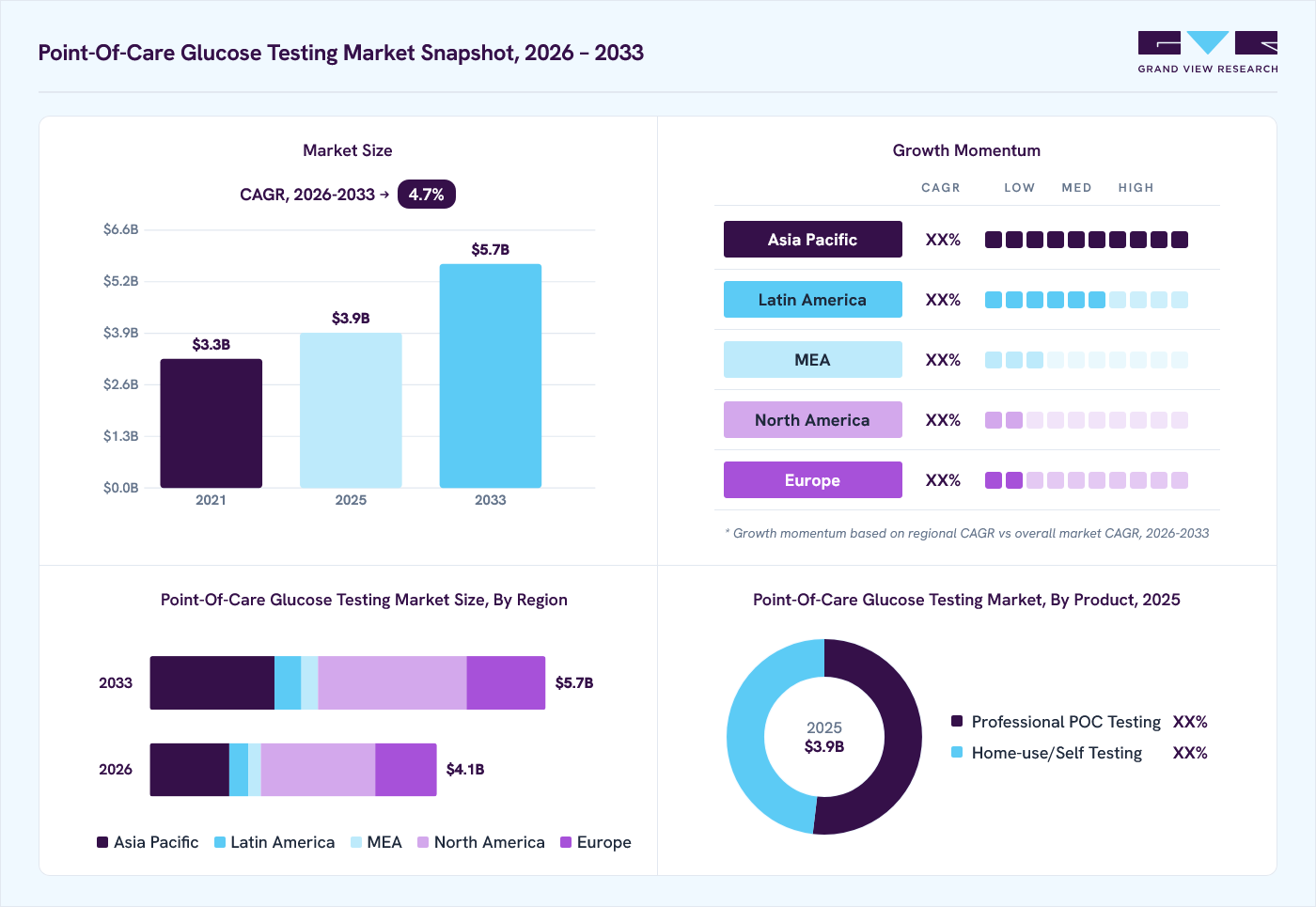
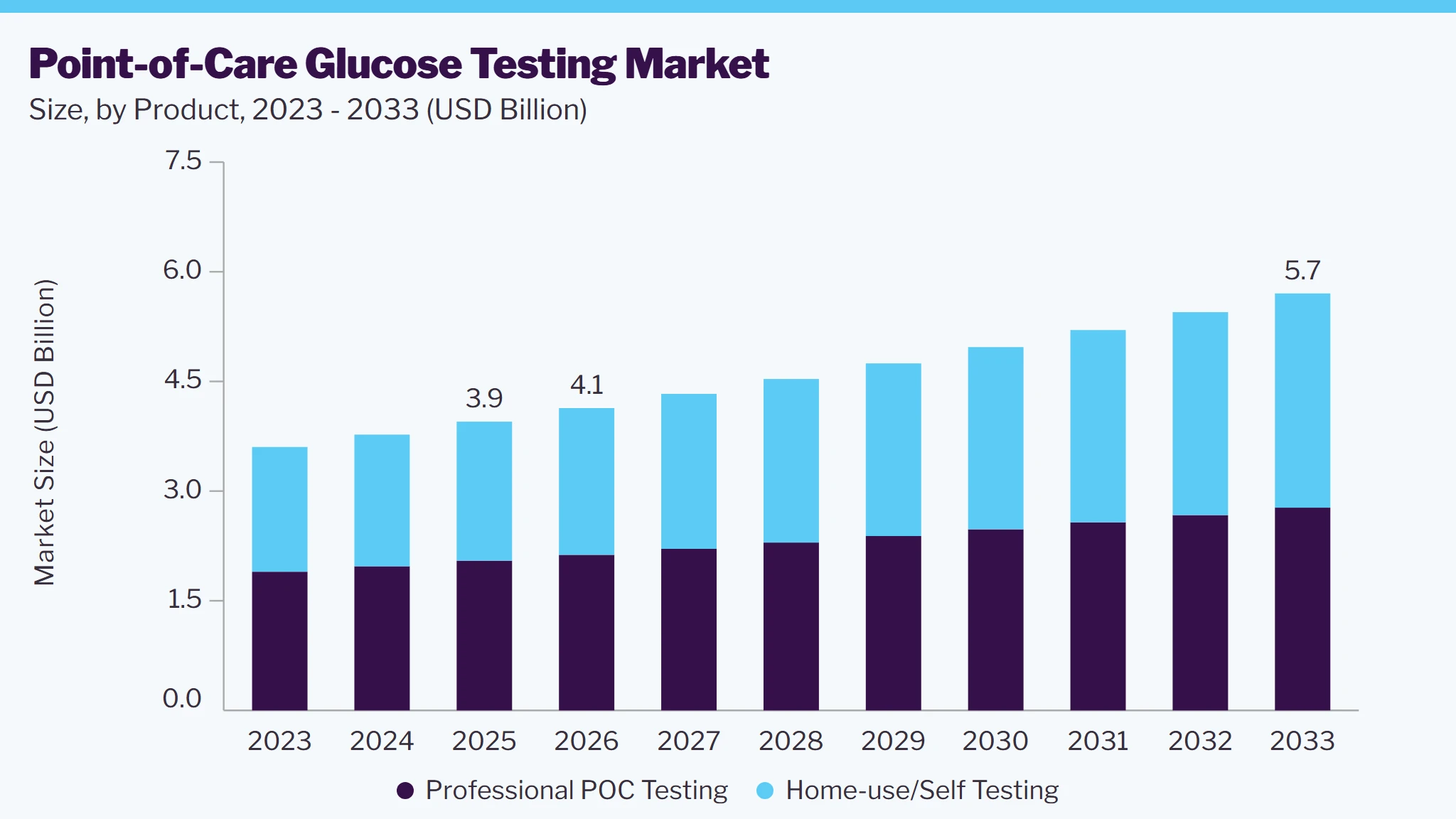
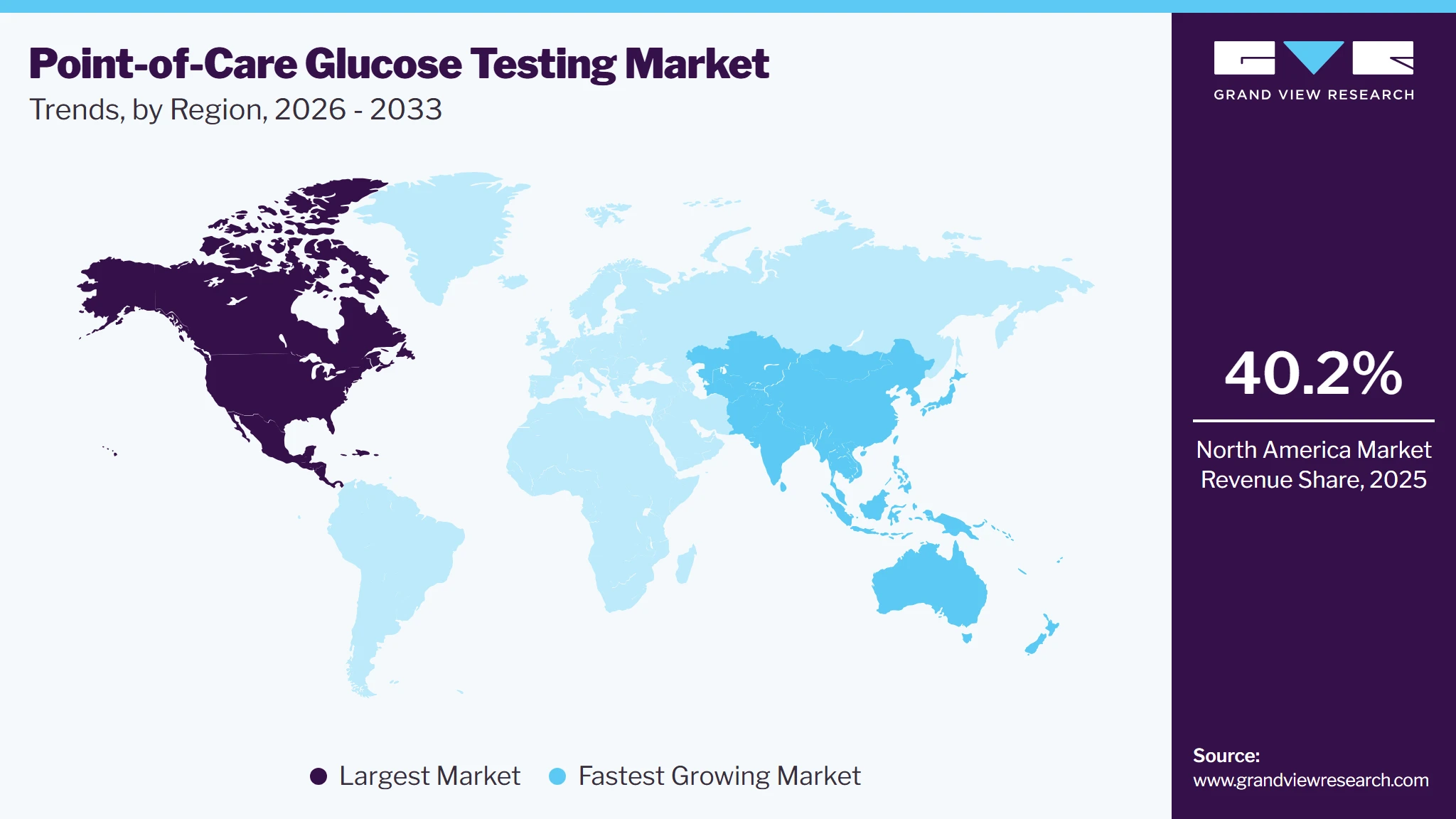
The global point-of-care glucose testing market size was valued at USD 3.9 billion in 2025 and is projected to grow from USD 4.1 billion in 2026 to USD 5.7 billion by 2033, at a CAGR of 4.7% from 2026 to 2033. North America dominated the market, accounting for a revenue share of 40.2% in 2025. The market is an established segment of the broader point-of-care diagnostics and blood glucose monitoring industry, supported by the need for rapid glucose measurement close to the patient.
 Source: Grand View Research, IR Documents, Primary Interviews, Paid DatabasesTo learn more about this report,
 Download Free Sample Report
Key Market Trends & Insights
- By product: The professional POC testing segment held the highest market share of 51.9% in 2025.
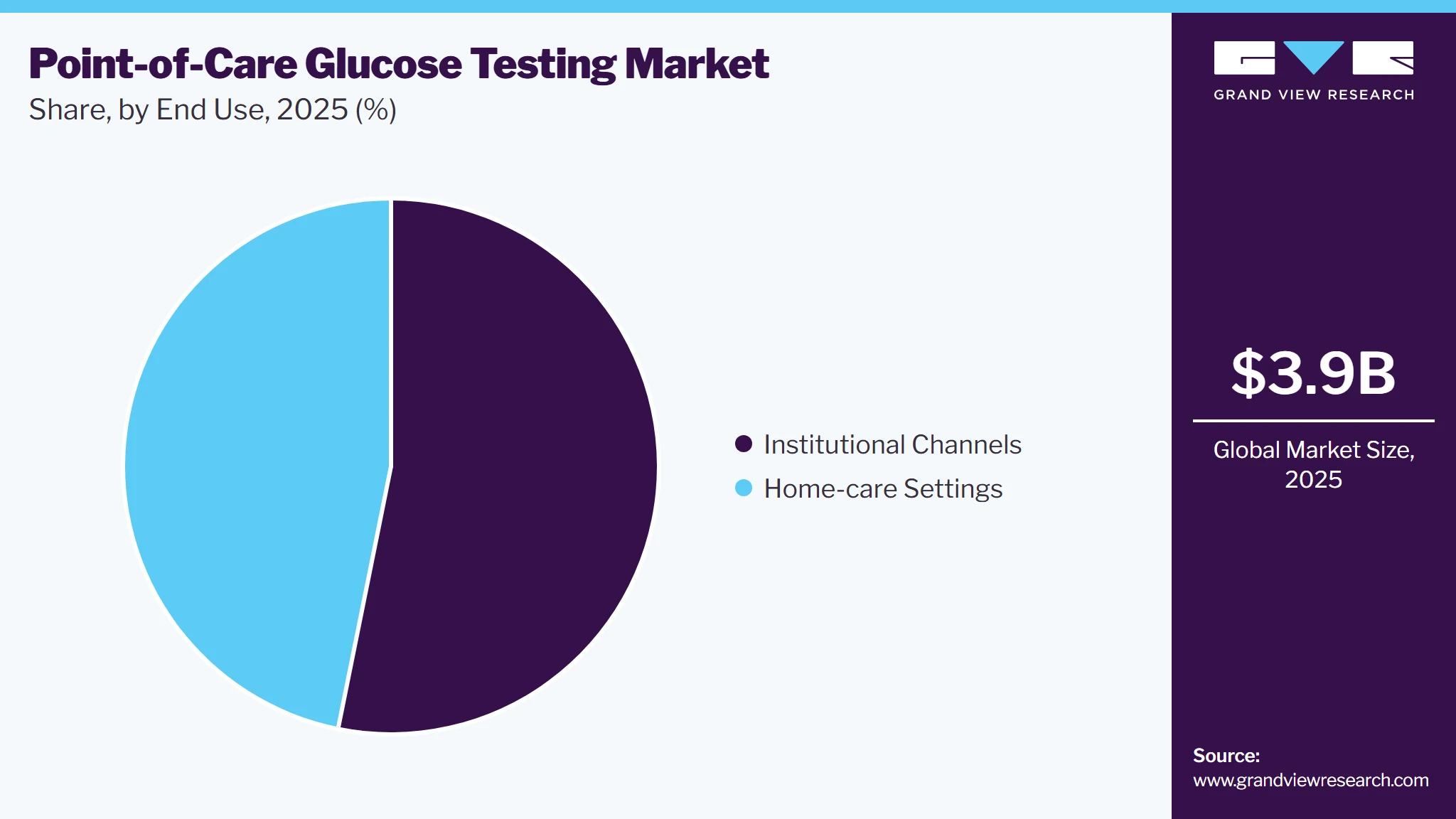
- By end use: The institutional channels segment held a leading market share of 53.2% in 2025.
Regional Highlights
- Largest regional market: North America (40.2% revenue share, 2025)
- Fastest-growing regional market: Asia Pacific (highest CAGR, 2026-2033)
- By country: The U.S. held the largest share in 2025
Market Size & Forecast
- Market Size in 2025: USD 3.9 billion
- Estimated Market Size in 2026: USD 4.1 billion
- Projected Market Size by 2033: USD 5.7 billion
- CAGR (2026-2033): 4.7%
Three ways to get this report
Buy it, customize it, or ask a question.Ask an Analyst
Analyst response in 1 business day
- AccessReport author, directly
- Reply timeWithin 1 working day
- No sales callDirect answer only
- FormatEmail reply
- CostFree, no cost
Get the Full Report
What the study covers
- FormatsPDF · Excel · Dashboard
- Timeline2026–2033 annual, 2025 base
- Coverage20+ countries, 5 regions
- Companies10+ key players profiled
Customize the Report
20% free customization
- IncludeCountries, segments, points
- TailorTo your product definition
- ExtendDeeper competitor detail
- OrA fully bespoke study
- Turnaround5–10 working days
POC glucose testing is primarily used in hospitals, emergency departments, physician offices, clinics, long-term care facilities, and other professional healthcare settings where immediate glucose results can support treatment decisions. The market mainly includes handheld blood glucose meters, compatible test strips, blood-sampling accessories, quality-control solutions, and connected data-management technologies. A key factor supporting demand is the continued clinical requirement for rapid glucose measurement in hospital settings, particularly for patients requiring close glycemic monitoring. POC glucose testing allows results to be generated without sending blood samples to a central laboratory, supporting faster clinical intervention.
 To learn more about this report, Download Free Sample Report
The market is therefore driven by the need for rapid turnaround, bedside accessibility, repeated glucose measurements, and decentralized testing workflows across inpatient departments and other professional care environments. The FDA's POC-specific guidance requires manufacturers to demonstrate appropriate analytical and clinical performance for prescription-use systems, reflecting the importance of reliable glucose results when these devices are used for clinical decision-making.
 To learn more about this report, Download Free Sample Report
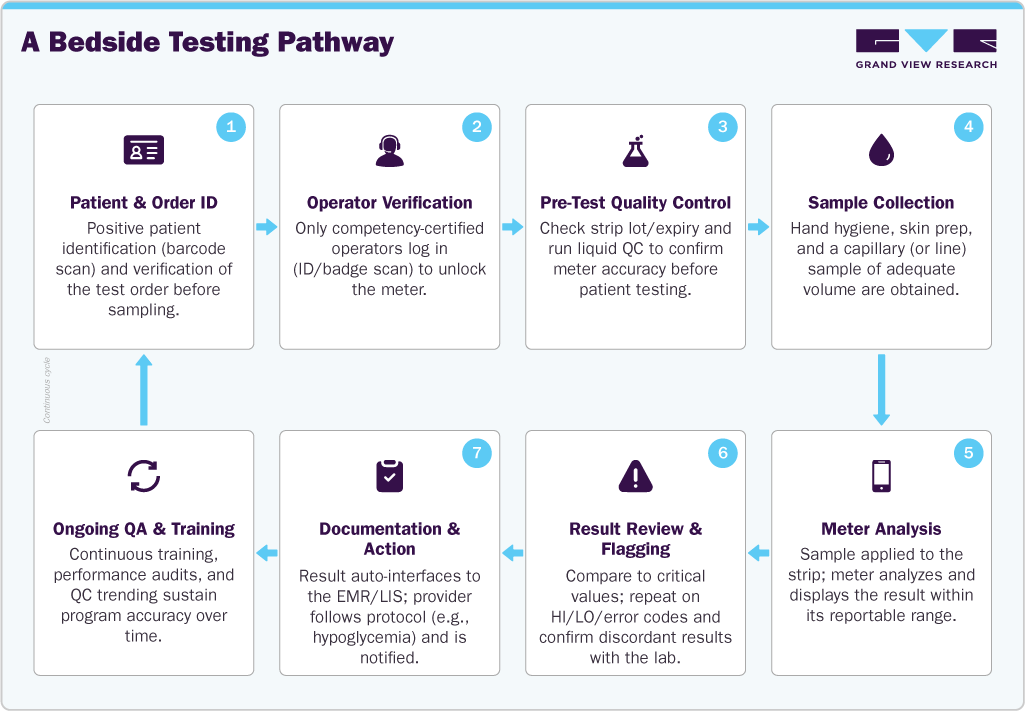
Technological innovation and connectivity are increasingly important growth factors within the POC glucose testing market. Manufacturers are developing systems with barcode-based patient identification, wireless connectivity, automated data transfer, quality-control management, and integration with hospital information systems and digital POC-management platforms. Roche's hospital POC portfolio, for example, includes the Accu-Chek Inform II and cobas pulse systems, with the company highlighting connectivity with existing hospital infrastructure and integration with its navify POC digital solutions to support reporting, compliance, and workflow management. These capabilities are particularly relevant in hospitals with large numbers of meters and testing personnel, where automated patient identification and electronic result transmission can reduce manual data-entry requirements.
Recent regulatory activity also demonstrates continued product development specifically within professional POC glucose testing. For instance, in June 2026, the FDA cleared Roche Diagnostics' cobas pulse blood glucose monitoring system through the 510(k) pathway as a prescription-use blood glucose meter for near-patient testing. The FDA record identifies the device under product code PZI and confirms that the submission was determined to be substantially equivalent to legally marketed predicate devices. In addition, the FDA granted a CLIA waiver to the cobas pulse system on June, 2026, further supporting its use in applicable lower-complexity testing environments. The FDA's CLIA database also records the earlier February 2024 CLIA waiver of Nova Biomedical's StatStrip Glucose Hospital Meter System, demonstrating continued regulatory activity around professional POC glucose systems.
At the same time, accuracy, patient identification, quality control, and data-management requirements remain important considerations for market participants. A recent FDA recall provides a directly relevant example: on September 2026, the FDA classified a Class I recall of Nova Biomedical's StatStrip Glucose Hospital Meter System MultiPack after identifying a software synchronization issue that could cause a previously scanned patient barcode to remain displayed, potentially resulting in a glucose result being assigned to the wrong patient's medical record. The issue did not affect the analytical accuracy of the glucose measurement, but it highlighted the importance of correct patient identification and data transmission within hospital POC glucose workflows.
Market Dynamics
The point-of-care glucose testing market is witnessing steady growth as healthcare providers increasingly adopt rapid, decentralized glucose measurement technologies to support timely patient assessment and glucose management. Demand is supported by the growing burden of diabetes, increasing use of glucose monitoring across hospitals and outpatient settings, the need for rapid turnaround of test results, and continued improvements in meter accuracy, connectivity, and ease of use. Point-of-care glucose testing primarily includes blood glucose meters and compatible test strips, supported by lancing devices, quality-control solutions, data-management platforms, and connectivity technologies. Professional-use systems are designed for testing across hospital and healthcare settings, including different patient populations and specimen types, while compact and easy-to-use systems support decentralized testing in clinics and other care environments.
The rising global prevalence of diabetes is a major driver for the point-of-care (POC) glucose testing market, as the expanding diabetic population increases the need for frequent and timely blood glucose measurement across hospitals, clinics, emergency departments, physician offices, and other decentralized healthcare settings. The International Diabetes Federation (IDF) Diabetes Atlas 2025 further estimated that 589 million adults aged 20-79 years were living with diabetes in 2024, representing approximately one in nine adults globally, and projects this number to reach 853 million by 2050. The IDF also reported that approximately 252 million adults with diabetes were unaware of their condition, highlighting the continued need for diabetes detection and glucose assessment. The increasing disease burden is consequently expanding the need for rapid glucose measurement to support diagnosis, monitoring, medication adjustment, and inpatient glycemic management, creating sustained demand for POC glucose meters and test strips.
Accuracy and reliability challenges in clinical settings are a key restraint for the growth of the point-of-care glucose testing market, as POC glucose results can be influenced by patient conditions, interfering substances, specimen collection, operator technique, test-strip handling, and environmental factors. The FDA notes that conditions such as abnormal hematocrit, dehydration, certain medications, and extreme temperature or humidity can affect glucose-meter results, making accuracy particularly important when measurements are used to guide treatment decisions. In addition, POC testing is often performed by healthcare staff outside of traditional laboratory environments, increasing the importance of proper training, quality control, and adherence to manufacturer instructions. The CDC stated in April 2026 that even waived tests such as glucose testing are not completely error-proof and that incorrect testing can have serious health consequences because glucose results may be used to adjust medication doses.
Market Concentration & Characteristics
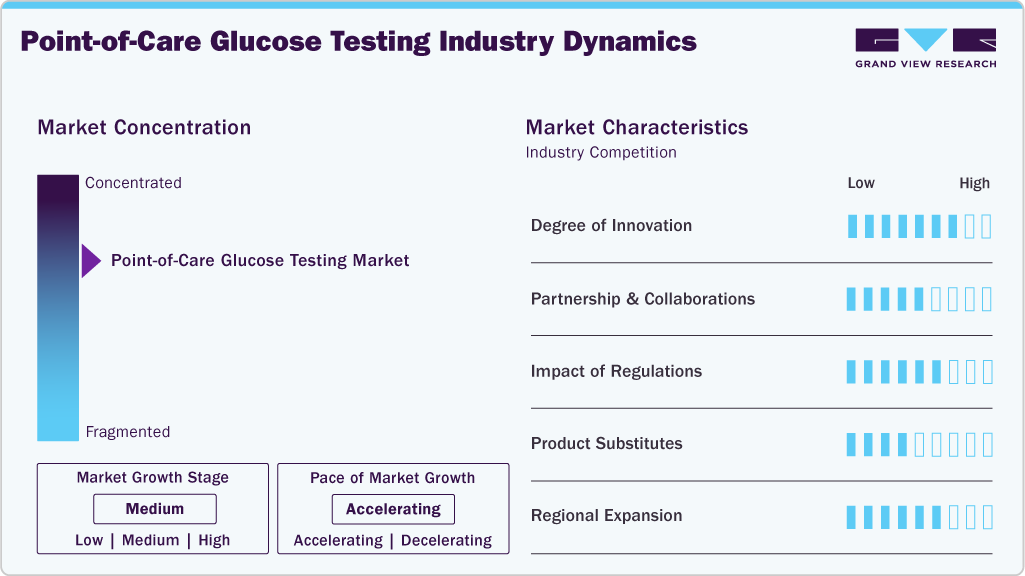
The point-of-care glucose testing market is moderately concentrated, with established diagnostic and point-of-care testing companies maintaining strong positions through hospital glucose monitoring systems, handheld meters, test strips, connectivity solutions, and supporting software. Key market participants include Roche Diagnostics, Abbott, Nova Biomedical, Siemens Healthineers, Danaher/Beckman Coulter, EKF Diagnostics, and ARKRAY, offering glucose-testing technologies for hospitals, emergency departments, clinics, and other near-patient settings. FDA records, for example, identify prescription blood glucose meters specifically intended for near-patient testing, including Nova Biomedical's StatStrip Glucose Hospital Meter System.
The point-of-care glucose testing market is characterized by a high degree of technological innovation, as manufacturers continue to improve glucose meters, test strips, connectivity, and data-management capabilities to deliver faster, more accurate, and easier-to-use testing in decentralized healthcare settings. Innovation is increasingly focused on small blood-sample requirements, rapid turnaround times, improved interference management, extended hematocrit ranges, touchscreen interfaces, barcode-based patient identification, wireless connectivity, cybersecurity, and integration with hospital information systems and laboratory information systems. These developments are intended to improve testing accuracy, reduce operator and identification errors, streamline bedside workflows, and enable rapid transmission of glucose results for clinical decision-making.
 To learn more about this report, Download Free Sample Report
Partnerships and collaborations are becoming an important strategy in the point-of-care glucose testing market, as manufacturers seek to combine glucose-testing technologies with digital health platforms, hospital information systems, insulin-delivery technologies, and healthcare workflows to improve accessibility, data connectivity, and clinical decision-making. Rather than relying solely on internal product development, companies are increasingly collaborating with healthcare organizations, technology providers, diabetes-management companies, and digital-health firms to strengthen connected glucose-monitoring ecosystems. For instance, in August 2026, Abbott and Google announced a multi-year collaboration to combine Abbott’s glucose-monitoring technologies with Google Health’s AI and digital health capabilities. The partnership aims to integrate glucose insights with other health and wellness data through digital platforms, enabling more personalized health guidance and supporting improved diabetes and metabolic health management.
Regulatory oversight has a significant impact on the point-of-care glucose testing market, as manufacturers of blood glucose meters and test strips must demonstrate appropriate analytical performance, accuracy, safety, and usability before commercialization. In the U.S., prescription blood glucose meters intended for near-patient testing are classified as Class II medical devices under 21 CFR 862.1345 and product code PZI, and are generally subject to the FDA 510(k) premarket notification pathway. The FDA evaluates whether a new system is substantially equivalent to a legally marketed predicate device, with regulatory submissions addressing areas such as intended use, analytical performance, interference testing, precision, reproducibility, labeling, and risk management.
The point-of-care glucose testing market faces substitution from alternative glucose-testing technologies and centralized laboratory testing, depending on the clinical setting, testing requirements, and patient condition. Central laboratory glucose analyzers can serve as an alternative when higher analytical accuracy, comprehensive laboratory testing, or confirmatory results are required, although they generally involve longer turnaround times and are less suitable for immediate bedside decision-making. In addition, continuous glucose monitoring (CGM) systems are increasingly used to provide frequent or continuous glucose measurements and can reduce reliance on repeated finger-stick testing in appropriate patient populations.
Regional expansion is an important growth strategy in the point-of-care glucose testing market, as manufacturers seek to broaden their geographic presence through regulatory clearances, local distribution networks, healthcare partnerships, and expansion of glucose-monitoring portfolios across hospitals, clinics, physician offices, pharmacies, and community-based care settings. Expansion strategies include establishing local manufacturing and distribution capabilities, working with regional healthcare providers and distributors, adapting products to local regulatory requirements, and offering connected glucose-testing solutions that can support remote and decentralized care. For instance, in May 2025, Roche stated that its Indianapolis diagnostics facility supplies Accu-Chek diabetes test strips to 53 countries, highlighting the role of global manufacturing and distribution networks in expanding access to glucose-monitoring products.
Product Insights
The professional POC testing segment dominated the market in 2025 and accounted for the 51.9% of the overall revenue. The growth is supported by the widespread use of rapid blood glucose testing across hospitals, clinics, physician offices, emergency departments, and other healthcare settings. Professional glucose testing enables healthcare providers to obtain immediate glucose measurements at or near the patient, supporting faster clinical decision-making and diabetes management, particularly for patients requiring frequent monitoring or those presenting with abnormal glucose levels. In addition, FDA guidance specifically recognizes the importance of CLIA-waived blood glucose monitoring systems for professional point-of-care settings, supporting the use of simplified testing systems in healthcare facilities where rapid results are required. The combination of rising diabetes prevalence, increasing demand for rapid bedside testing, and the need for timely glucose assessment in acute and routine care settings is therefore expected to sustain demand for professional POC glucose testing systems.
The home-use/self testing segment is expected to witness the fastest CAGR of 5.6% over the forecast period. The growth is driven by the increasing emphasis on patient-led diabetes management, rising prevalence of diabetes, and greater accessibility of consumer-oriented blood glucose monitoring systems. Self-testing allows individuals to measure glucose levels outside clinical settings and use the results to monitor daily fluctuations and support treatment decisions in consultation with healthcare professionals. The global diabetes burden is further expanding the addressable user base, with WHO reporting that the number of people living with diabetes increased from 200 million in 1990 to 830 million in 2022, while its Global Diabetes Compact identifies access to blood glucose self-monitoring as an important component of diabetes management. Regulatory activity is also supporting the availability of consumer-oriented products; for example, the FDA recorded the clearance of ACON Laboratories' On Call Sure GK Blood Glucose & Ketone Monitoring System for OTC use in October 2025, following other recent OTC glucose-monitoring clearances.
End Use Insights
The institutional channels segment held the largest revenue share in 2025. The growth is supported by the established use of point-of-care glucose testing across hospitals, clinics, physician offices, nursing facilities, and other healthcare institutions. Institutional settings require rapid glucose measurements for diabetes management, medication and insulin-related decisions, and assessment of patients with suspected hypo- or hyperglycemia. The FDA classifies prescription blood glucose meters specifically for near-patient testing across hospitals and professional healthcare settings, highlighting the established role of these systems in institutional care. Demand is further supported by the increasing need for routine glucose monitoring among the growing diabetic population and by healthcare providers' reliance on rapid results to support treatment decisions. The combination of high patient volumes, the need for immediate test results, established hospital workflows, and continued availability of CLIA-waived professional systems is expected to maintain the institutional channel's leading position.
 To learn more about this report, Download Free Sample Report
The home-care settings segment is anticipated to grow at fastest CAGR over the forecast period. The growth is primarily due to the growing emphasis on self-management of diabetes, increasing demand for convenient monitoring outside healthcare facilities, and wider availability of easy-to-use glucose testing devices. Regular blood glucose monitoring enables patients to identify glucose patterns, understand the effects of food, medicines, and physical activity, and provide information that can support diabetes-care decisions. The expanding global diabetes burden is further increasing the need for accessible home monitoring; WHO reports that more than 800 million adults worldwide live with diabetes, while its Global Diabetes Compact includes access to affordable blood glucose self-monitoring as a specific target for people with type 1 diabetes. Regulatory developments are also supporting the expansion of consumer-accessible testing. Together, the shift toward patient-centered care, increasing self-management, expanding diabetes prevalence, and greater availability of consumer-oriented monitoring technologies are expected to support faster growth of home-care settings.
Regional Insights
North America point-of-care glucose testing market is domimated the global market with revenue share of 40.2% in 2025. The growth is supported by the region's high diabetes burden, strong healthcare infrastructure, and widespread use of rapid glucose testing across hospitals, physician offices, emergency departments, and other care settings. The IDF estimates that 56.2 million adults aged 20-79 years in North America and the Caribbean were living with diabetes in 2024, with an age-standardized prevalence of 13.8%, while approximately 29.1% of diabetes cases were undiagnosed. The region also recorded the world's highest diabetes-related healthcare expenditure, estimated at USD 438.6 billion in 2024. These conditions support continued demand for rapid blood glucose measurement for diagnosis, treatment monitoring, and acute-care decision-making.
 To learn more about this report, Download Free Sample Report
The U.S. point-of-care glucose testing market is experiencing robust growth, driven by the large diabetes population, increasing need for rapid testing in acute-care settings, and continued expansion of decentralized testing. The CDC reported that in 2024, approximately 38 million U.S. adults have diabetes, with about one in five unaware of their condition, creating continued demand for screening and glucose monitoring. Point-of-care testing is particularly relevant in emergency and hospital settings where rapid glucose results can support immediate clinical decisions. In addition, CMS's CLIA framework specifically recognizes blood glucose testing using FDA-cleared home-use glucose-monitoring devices as waived testing, supporting the use of simple glucose-testing technologies outside traditional central laboratories.
Europe Point-of-Care Glucose Testing Market Trends
The Europe point-of-care glucose testing market is accounted for the significant revenue share in 2025. The growth is supported by a large diabetes population, established national healthcare systems, and increasing emphasis on early diagnosis and long-term disease management. According to the IDF, approximately 65.6 million adults aged 20-79 years were living with diabetes in Europe in 2024, corresponding to an age-standardized prevalence of 8.0%, while around 33.6% of cases remained undiagnosed. Diabetes-related healthcare expenditure in the region reached approximately USD 193 billion in 2024. The combination of an aging population, chronic disease management requirements, and the need for regular glucose assessment is supporting demand for rapid glucose testing across primary care, hospitals, outpatient facilities, and home-based care.
The UK point-of-care glucose testing market is steadily growing. The growth is attributed to the country's established diabetes-care pathway and continued focus on regular blood glucose monitoring. The NHS provides specific commissioning recommendations for blood glucose and ketone meters, testing strips, and lancets, following a national clinical assessment of available products; the guidance was updated in October 2025. The NHS also recognizes home blood glucose testing as an important way for people with diabetes to monitor glucose levels between healthcare visits. In addition, the UK government's April 2026 diabetes profile incorporated data from the 2024-2025 National Diabetes Audit and Quality and Outcomes Framework, demonstrating continued national monitoring of diabetes prevalence, care, and treatment. These initiatives support sustained demand for convenient glucose-monitoring technologies across primary care, hospitals, and home settings.
The Spain point-of-care glucose testing marketexperiencing significant growth in global point-of-care glucose testing market. The growth is supported by the country's focus on diabetes prevention, early diagnosis, disease monitoring, and reduction of diabetes-related complications. Spain's Ministry of Health maintains a national Diabetes Strategy aimed at improving the quality of care for people with diabetes through prevention, early diagnosis, adequate disease control, reduction of complications, and equitable access to effective interventions across the healthcare system. The strategy also promotes integrated and continuous care and greater patient participation in self-management. These priorities support the use of rapid glucose testing in primary care and other decentralized healthcare settings, particularly as healthcare providers seek to identify diabetes earlier and improve ongoing disease management.
Asia Pacific Point-of-Care Glucose Testing Market Trends
Asia Pacific point-of-care glucose testing market is gaining significant momentum. The growth is attributed to the region's large population, rising diabetes burden, urbanization, changing lifestyles, and increasing emphasis on early screening and community-based disease management. The IDF estimates that the Western Pacific region had an age-standardized diabetes prevalence of 11.1% in 2024, while South-East Asia recorded 10.8%, indicating a substantial population requiring diabetes screening and monitoring. Governments across the region are also strengthening primary-care screening and chronic disease management, increasing the need for simple and rapid glucose measurement outside centralized laboratories.
China's point-of-care glucose testing market is experiencing rapid expansion, driven by the country's large diabetes population and stronger emphasis on screening and primary-level disease management. China's National Health Commission has recommended that people aged 40 years and above receive fasting blood glucose testing at least once a year, while individuals at high risk of diabetes should undergo regular glucose testing and health guidance. The government has also called for greater diabetes screening capability at primary healthcare institutions and improved integration between higher-level hospitals and community healthcare facilities. In 2025, Shanghai researchers also reported development of a non-invasive glucose-monitoring approach at Ruijin Hospital, reflecting continued domestic innovation aimed at improving patient acceptance and regular glucose monitoring.
South Korea's point-of-care glucose testing market is experiencing strong growth, supported by a substantial diabetes burden, an aging population, increasing metabolic risk factors, and continued improvement in chronic disease monitoring. According to September 2024 study based on Korea National Health and Nutrition Examination Survey data reported diabetes prevalence of 12.5% among people aged 19 years and older and 14.8% among those aged 30 years and older, with an estimated 5.4 million people aged 19 years and older living with diabetes. The Korea Disease Control and Prevention Agency's 2023 national health survey also reported that diabetes prevalence among adults remained at a substantial level, while obesity and hypercholesterolemia trends reinforced the need for continued chronic disease management. These factors support demand for convenient glucose testing across hospitals, clinics, screening programs, and patient self-management.
Latin America Point-of-Care Glucose Testing Market Trends
The Latin America point-of-care glucose testing market is emerging as a high-growth market, supported by the increasing prevalence of diabetes, growing obesity-related risk, expansion of primary healthcare services, and greater emphasis on early diagnosis and chronic disease management. IDF data indicate that the South and Central America region had an age-standardized diabetes prevalence of 10.1% in 2024, with the prevalence expected to increase further over time. The growing burden of diabetes is creating greater requirements for routine blood glucose assessment, particularly in primary healthcare and community settings where rapid testing can provide immediate results without dependence on centralized laboratories.
The Brazil point-of-care glucose testing market is growing. The growth is attributed to the rising diabetes burden and the country's large primary healthcare network under the Unified Health System (SUS). Brazil's Ministry of Health reported that the number of Brazilian adults with diabetes increased from 5.5% in 2006 to 12.9% in 2024, highlighting the substantial increase in the population requiring disease monitoring. The Ministry also maintains dedicated diabetes-care guidance covering longitudinal care, consultations, examinations, home visits, and patient assessment through primary healthcare. In addition, Brazil continued to update its clinical protocols for diabetes management in 2025-2026, while its national health system maintains programs supporting diabetes treatment and monitoring. These developments are creating continued demand for accessible glucose testing across primary care and other decentralized settings.
Middle East & Africa Point-of-Care Glucose Testing Market Trends
The Middle East & Africa (MEA) point-of-care glucose testing market is witnessing steady growth. Rising diabetes burden, increasing obesity and lifestyle-related risk factors, expanding healthcare infrastructure, and greater focus on early diagnosis and prevention contributing to the markets growth. More than half of people with diabetes in the region were estimated to be undiagnosed and untreated, highlighting the need for improved screening and accessible diagnostic services. In the Middle East, high diabetes prevalence is similarly encouraging governments to strengthen awareness, early diagnosis, regular testing, and long-term disease management, creating opportunities for decentralized glucose-testing technologies.
The Saudi Arabia point-of-care glucose testing market is experiencing notable growth, driven by the country's high diabetes burden, government-led awareness programs, increasing emphasis on early diagnosis, and expansion of preventive and primary healthcare services. Saudi Arabia's Ministry of Health has identified diabetes as a major chronic disease and emphasizes regular health checks, blood glucose monitoring, early diagnosis, and prevention of complications. In March 2026, the Saudi Red Crescent Authority reported responding to 2,042 diabetes-related emergency cases since the beginning of Ramadan, while the Ministry emphasized the importance of recognizing and responding to hypoglycemia. Saudi Arabia's 2024 health-system report also indicated expansion of healthcare services and wider access to integrated care. These developments support the need for rapid glucose assessment in emergency, primary-care, hospital, and community healthcare settings.
Key Point-of-Care Glucose Testing Company Insights
The point-of-care glucose testing market is competitive, with manufacturers and diagnostic technology providers focusing on advancing blood glucose meters, test strips, integrated glucose monitoring systems, connectivity-enabled devices, and professional point-of-care testing platforms used across hospitals, clinics, physician offices, emergency departments, and other near-patient settings. Market participants are increasingly emphasizing improved measurement accuracy, faster turnaround times, smaller blood sample requirements, connectivity with electronic health records and hospital information systems, automated data management, and ease of use to support rapid glucose assessment and treatment decisions in professional healthcare environments.
Key Point-of-Care Glucose Testing Companies
The following key companies have been profiled for this study on the point-of-care gluscose testing market.
-
F. Hoffmann-La Roche Ltd.
-
Abbott
-
Nova Biomedical
-
LifeScan IP Holdings, LLC
-
Ascensia Diabetes Care Holdings AG
-
Trividia Health, Inc.
-
EKF Diagnostics Holdings plc
-
ARKRAY, Inc.
-
A. Menarini Diagnostics S.r.l.
-
AgaMatrix, Inc.
Competitive Benchmarking
Category
Operating Strategies
Competitive Edge
Weakness
Established Players (F. Hoffmann-La Roche Ltd., Abbott, Nova Biomedical)
- Focus on expanding hospital-grade blood glucose monitoring systems, connected glucose meters, test-strip portfolios, and integrated point-of-care testing solutions.
- Emphasize strategic partnerships with hospitals, healthcare networks, laboratories, and distributors, while investing in regulatory compliance and digital connectivity.
- Strong brand recognition, established hospital relationships, extensive distribution networks, and broad product portfolios support widespread adoption.
- Advanced meters offering rapid testing, automated quality-control features, data connectivity, barcode identification, and integration with hospital information systems strengthen workflow efficiency.
- High R&D, regulatory, manufacturing, and quality-assurance requirements increase operating costs.
- Large installed bases and complex hospital workflows can make product upgrades and technology transitions slower.
Emerging Players (Trividia Health, Inc., EKF Diagnostics Holdings plc, ARKRAY, Inc.)
- Focus on compact, user-friendly, connected glucose meters and cost-effective point-of-care testing solutions for hospitals, clinics, physician offices, and decentralized care settings.
- Prioritize innovation in wireless connectivity, cloud-based data management, smartphone integration, automated data capture, and simplified testing workflows.
- Faster product-development cycles and flexible technology platforms enable emerging companies to introduce connected and digitally enabled glucose-testing solutions.
- Compact designs, simplified workflows, low sample-volume requirements, and connectivity features can support differentiation in decentralized testing environments.
- Limited financial resources, smaller distribution networks, and lower brand recognition can restrict penetration into large hospital systems.
- Regulatory validation, clinical performance requirements, and quality-management obligations can increase time and cost to commercialization.
Recent Development
-
In May 2026, Trividia Health announced an update to the medical-device labeling correction for its TRUE METRIX, TRUE METRIX AIR, TRUE METRIX GO, and TRUE METRIX PRO blood glucose monitoring systems, including revised instructions for the E-5 error code. The company is working with the U.S. FDA to develop updated meter software and plans to implement a comprehensive upgrade program for affected meters, supporting continued improvement of its home-use blood glucose monitoring portfolio.
-
In October 2025, Nova Biomedical announced that Advanced Instruments and Nova Biomedical had officially merged under the unified Nova Biomedical brand, combining their analytical instrumentation, R&D, and global customer-support capabilities. The combined company continues to offer point-of-care meters and clinical analyzers, including glucose-testing solutions used in hospital and other healthcare settings, strengthening its capabilities and global presence in the professional POC testing market.
Point-of-Care Glucose Testing Market Report Scope
Report Attribute
Details
Market size in 2025
USD 3.9 billion
Estimated market size in 2026
USD 4.1 billion
Projected market size by 2033
USD 5.7 billion
Growth rate
CAGR of 4.7% from 2026 to 2033
Base year for estimation
2025
Historical data
2021 - 2024
Forecast period
2026 - 2033
Quantitative units
Revenue in USD million/billion and CAGR from 2026 to 2033
Report coverage
Revenue forecast, company ranking, competitive landscape, growth factors, and trends
Segments covered
Product, end use, and region
Regional scope
North America; Europe; Asia Pacific; Latin America; MEA
Country scope
U.S.; Canada; Mexico; UK; Germany; France; Italy; Spain; Denmark; Sweden; Norway; Japan; China India; Australia; Thailand; South Korea; Brazil; Argentina; South Africa; Saudi Arabia; UAE; Kuwait
Key companies profiled
F. Hoffmann-La Roche Ltd.; Abbott; Nova Biomedical; LifeScan IP Holdings, LLC; Ascensia Diabetes Care Holdings AG; Trividia Health, Inc.; EKF Diagnostics Holdings plc; ARKRAY, Inc.; A. Menarini Diagnostics S.r.l.; AgaMatrix, Inc.
Customization scope
Free report customization (equivalent up to 8 analyst’s working days) with purchase. Addition or alteration to country, regional, and segment scope
Pricing and purchase options
Avail customized purchase options to meet your exact research needs. Explore purchase options
Global Point-of-Care Glucose Testing Market Report Segmentation
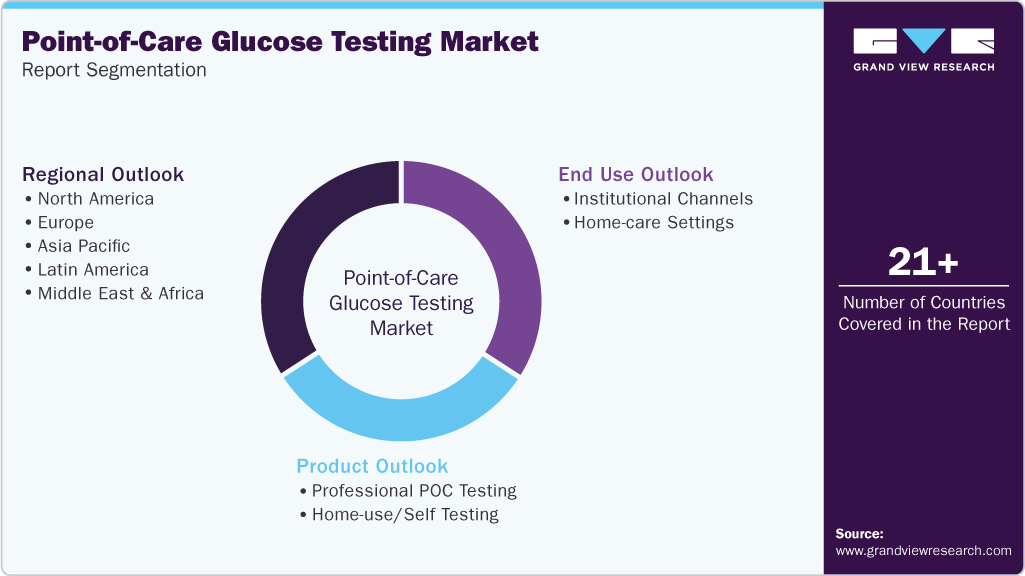
This report forecasts revenue growth at global, regional, and country levels and provides an analysis of the latest industry trends in each of the sub-segments from 2021 to 2033. For this study, Grand View Research has segmented the global point-of-care glucose testing market report based on product, end use, and region:
 To learn more about this report, Download Free Sample Report
-
Product Outlook (Revenue, USD Million, 2021 - 2033)
-
Professional POC Testing
-
Handheld Glucose Meters
-
Benchtop/Desktop Glucose Analyzers
-
Multiparameter POC Analyzers
-
Test Strips
-
Cartridges
-
Reagents & Controls
-
Lancets & Other Consumables
-
-
Home-use/Self Testing
-
Blood Glucose Meters
-
Test Strips
-
Lancets & Lancing Devices
-
Other Accessories & Consumables
-
-
-
End Use Outlook (Revenue, USD Million, 2021 - 2033)
-
Institutional Channels
-
Hospitals and Clinics
-
Outpatient Facilities/Ambulatory Centers
-
Long-term Care Facilities
-
-
Home-care Settings
-
-
Region Outlook (Revenue, USD Million, 2021 - 2033)
-
North America
-
U.S.
-
Canada
-
Mexico
-
-
Europe
-
UK
-
Germany
-
France
-
Italy
-
Spain
-
Norway
-
Denmark
-
Sweden
-
-
Asia Pacific
-
China
-
Japan
-
South Korea
-
Thailand
-
Australia
-
India
-
-
Latin America
-
Brazil
-
Argentina
-
-
MEA
-
South Africa
-
Saudi Arabia
-
UAE
-
Kuwait
-
-
Research Methodology
The point-of-care glucose testing market figures in this report are based on a proven research process that combines executive interviews with secondary research from proprietary databases, company filings, and recognized regulatory and institutional sources. Market size is built through value-chainsizing-reconciling supply-side and demand-side estimates-and triangulated with bottom-upand top-down approaches. Every estimate passes multiple levels of expert validation before publication, with each point-of-care glucose testing segment quantified using the revenue-capture definitions in the table below.
Segment Definition
Segment - Product
Revenue capture definition
Professional POC Testing
Revenue is generated through the commercialization of hospital-grade, connected point-of-care glucose monitoring meters, critical-care multi-parameter analyzer systems, and centralized diagnostic workstations. Manufacturers earn upfront revenue from hardware device placements alongside significant, recurring revenue streams from high-precision single-use test strips, control solutions, calibration cartridges, micro-cuvettes, and enterprise middleware software licenses that integrate test results directly into electronic health record (EHR) systems.
Home-use/Self Testing
Revenue flows from the direct-to-consumer and pharmacy distribution of over-the-counter (OTC) and prescription self-monitoring blood glucose (SMBG) devices. Market participants primarily derive income through a high-margin, recurring consumable model, capturing continuous sales from replacement test strips, lancets, sensor pods, and transmitters, supplemented by premium subscription fees for mobile digital health apps and remote family/clinician monitoring platforms.
Segment - End Use
Revenue capture definition
Institutional Channels
Revenue is generated through the commercialization of hospital-grade, connected point-of-care glucose monitoring systems, multi-patient blood glucose meters, and integrated handheld analyzers deployed across clinical environments. Manufacturers earn revenue from initial hardware placement, central database/EMR middleware connectivity software licenses, and highly consistent, repeat purchases of individually wrapped sterile test strips, quality control solutions, lancets, and replacement docking stations.
Home-care Settings
Revenue flows from the sale of consumer-facing blood glucose meters and over-the-counter (OTC) self-monitoring kits designed for direct patient use. Market participants generate baseline income through low-cost or subsidized starter meter kits, while capturing the vast majority of high-margin recurring revenue through continuous retail and pharmacy sales of disposable test strips, lancing devices, single-use lancets, and premium integrated mobile tracking applications.
Estimation Model
Scope Definition
Build the Product Base
Estimate Penetration
Revenue Conversion
What glucose testing products, testing settings, and revenue streams are being sized?
How many glucose tests are performed through point-of-care settings?
What proportion of eligible healthcare settings uses POC glucose testing, and how intensively are devices utilized?
How does point-of-care glucose testing activity translate into market revenue?
PROCESS STEPS
PROCESS STEPS
PROCESS STEPS
PROCESS STEPS
1 Define the point-of-care glucose testing product scope, including blood glucose meters/analyzers, test strips, lancets and associated consumables, where applicable.
1 Estimate the number of healthcare facilities and POC testing sites
1 Assess penetration of POC glucose testing systems
1 Collect average selling prices (ASP) for POC glucose meters/analyzers and applicable testing consumables.
2 Segment the market by product type and others
2 Determine the number of patients requiring POC glucose testing across different settings
2 Estimate the number of active meters/analyzers per facility and replacement cycles
2 Calculate revenue from instrument placements/sales, test strips, lancets and other recurring consumables
3 Define key testing settings
3 Estimate average glucose tests per patient and testing frequency by care setting
3 Evaluate utilization by tests per meter per day/month, distinguishing high-volume hospital environments from lower-volume outpatient settings.
3 Apply setting-specific utilization and pricing to estimate annual consumable revenue
4 Establish geographic and temporal scope
4 Calculate the addressable annual testing volume
4 Assess adoption of connected, wireless, automated and data-management-enabled glucose testing systems
4 Cross-check market estimates using manufacturer revenues, distributor sales, procurement/tender values, and other
DATA SOURCESFDA/CLIA databases, FDA glucose monitoring guidance, CDC, CMS, WHO, national diabetes associations
DATA SOURCESHospital utilization statistics, diabetes prevalence data, national health statistics, hospital surveys
DATA SOURCESFDA/CLIA clearance and waiver databases, hospital surveys, healthcare provider interviews, manufacturer information
DATA SOURCESManufacturer price lists and financial filings, distributor pricing, hospital procurement/tender databases
Delivered Customizations
This report has been delivered with the following In-depth customizations
Client Request
Customization Delivered
Value Adds
Segmentation Analysis
Conducted a detailed segmentation analysis of the global point-of-care (POC) glucose testing market based on product type, technology, sample type, end use, patient population, and geography. The analysis differentiated glucose meters, test strips, lancets and lancing devices, and integrated POC glucose testing systems, while assessing electrochemical and other glucose-testing technologies. The study further evaluated adoption across hospitals, physician offices, ambulatory and outpatient facilities, emergency departments, pharmacies, diabetes clinics, and other point-of-care settings, with consideration of inpatient and outpatient testing requirements. Segmentation was also assessed by whole blood and capillary blood testing, as applicable, and across North America, Europe, Asia Pacific, Latin America, and the Middle East & Africa.
Enables stakeholders to identify high-value and high-volume segments, understand differences in purchasing and utilization patterns, and prioritize product development and commercialization strategies.
Competitive Landscape
Conducted a comprehensive competitive landscape assessment of the global POC glucose testing market, covering manufacturers offering blood glucose meters, test strips, integrated glucose monitoring systems, lancing technologies, connectivity-enabled devices, and hospital-grade POC glucose analyzers. The assessment examined product portfolios, glucose-testing accuracy, sample-volume requirements, testing time, ease of use, connectivity and data-management capabilities, regulatory approvals, pricing and consumable models, distribution networks, partnerships, product launches, technological developments, and geographic presence. The analysis also evaluated competitive differentiation through Bluetooth and wireless connectivity, smartphone integration, electronic health record connectivity, automated data capture, multi-patient hospital platforms, infection-control features, and interoperability with digital diabetes-management ecosystems.
Enables stakeholders to understand competitive positioning, product differentiation, pricing dynamics, and commercialization strategies within the POC glucose testing ecosystem. The assessment helps identify technology gaps, opportunities for connected and data-enabled testing solutions, potential partnership or distribution opportunities, and areas where manufacturers can strengthen their portfolios.
PESTEL Analysis
Conducted a detailed PESTEL analysis of the global point-of-care glucose testing market, assessing political factors such as diabetes programs and healthcare policies; economic factors including healthcare spending, affordability, reimbursement, and manufacturing costs; social factors such as rising diabetes prevalence, aging populations, and demand for convenient testing; technological factors including connected meters, smartphone integration, and digital health platforms; environmental factors related to disposable testing waste and sustainable manufacturing; and legal factors covering medical-device regulations, data privacy, labeling, and regulatory requirements across major markets.
Enables stakeholders to assess the macro-level opportunities and risks affecting the POC glucose testing market and incorporate external market conditions into strategic planning. The analysis helps manufacturers anticipate regulatory and compliance requirements, assess the effect of healthcare spending and inflation on purchasing decisions, identify markets supported by diabetes-management initiatives.
Frequently Asked Questions About This Report
The global Point-of-Care glucose testing market size was valued at USD 3.9 billion in 2025 and is estimated at USD 4.1 billion for 2026.
Some key players operating in the point-of-care glucose testing market include F. Hoffmann-La Roche Ltd., Abbott, Nipro, Nova Biomedical, ACON Laboratories, Inc., Trividia Health, Inc., Prodigy Diabetes Care, LLC, Bayer AG/Ascensia Diabetes Care Holdings AG, and EKF Diagnostics.
Key factors that are driving the point-of-care glucose testing market growth include the increasing diabetes population and technological population.
By product, the professional POC testing segment held the highest market share of 51.9% in 2025.
By end use, the institutional channels segment held a leading market share of 53.2% in 2025.
Asia Pacific is the fastest-growing region over the forecast period.
The global Point-of-Care glucose testing market is expected to grow at a CAGR of 4.7% from 2026 to 2033, reaching USD 5.7 billion by 2033.
North America point-of-care glucose testing market held the largest share of 40.2% of the global market in 2025. This is attributable to the presence of key players such as Abbott, Nova Biomedical, and Prodigy Diabetes Care, LLC.
About the Author(s)
Medical Devices Research Team
Healthcare · Medical DevicesThis report was authored by the medical devices research team at Grand View Research - comprising two research analysts, one senior research analyst, and one industry expert - with specialized expertise in the medical devices segment of the healthcare industry. All findings are based on proprietary healthcare databases, executive interviews, and regulatory analysis, subject to internal peer review prior to publication.
Last Updated:
Speak to Analyst

Customize this report to your needs - add regions, segments, or data points, with 20% free customization.
Or view our licence options:


ISO 9001:2015 & 27001:2022 Certified
We are GDPR and CCPA compliant! Your transaction & personal information is safe and secure. For more details, please read our privacy policy.


