
- Home
- »
- Clinical Diagnostics
- »
-
Point of Care Infectious Disease Testing Market Report, 2026-2033GVR Report cover

Point Of Care Infectious Disease Testing Market (2026- 2033)
Size, Share & Trends Analysis Report By Type, By Disease (HIV POC, Clostridium Difficile POC), By End-use (Clinics, Hospitals, Home, Laboratory), By Region, And Segment Forecasts
Market Size, 2025
$13.4BMarket Estimate, 2026
$14.0BMarket Forecast, 2033
$16.9BCAGR, 2026–2033
2.7%Point Of Care Infectious Disease Testing Market Summary
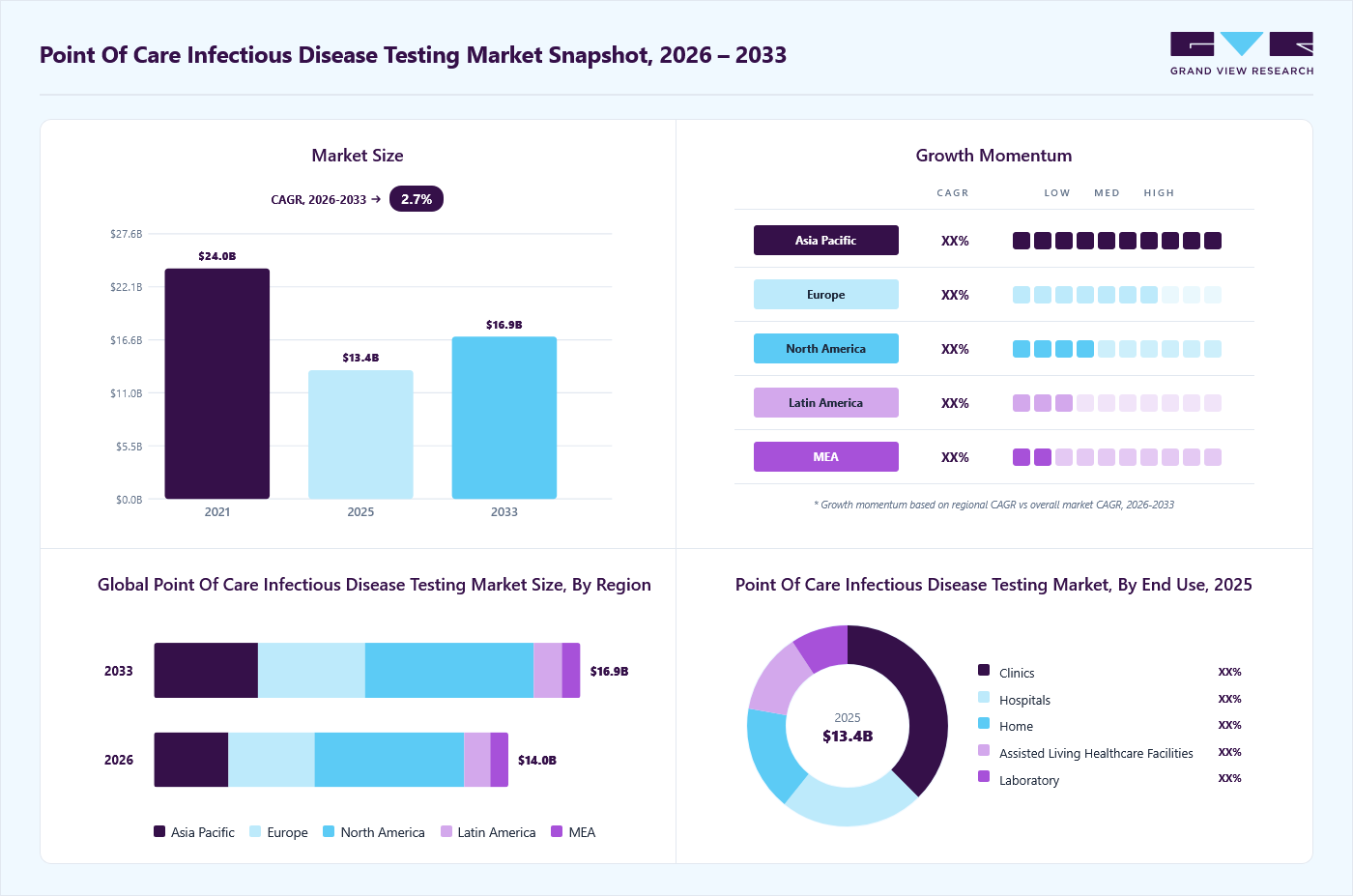
The global point of care infectious disease testing market size was valued at USD 13.4 billion in 2025 and is projected to grow from USD 14.0 billion in 2026 to USD 16.9 billion by 2033, at a CAGR of 2.7% from 2026 to 2033. North America dominated the market, accounting for a revenue share of 42.6% in 2025. The market is driven by the rising infectious diseases, demand for precise diagnostics tools and technological advancements such as molecular diagnostics & agglutination test.
 Source: Grand View Research, IR Documents, Primary Interviews, Paid DatabasesTo learn more about this report,
 Download Free Sample Report
Key Market Trends & Insights
- By Type: POC rapid diagnostic single-test segment led the market with the largest revenue share of 76.0% in 2025.
- By Disease: COVID-19 segment led the market with the largest revenue share of 92.8% in 2025.
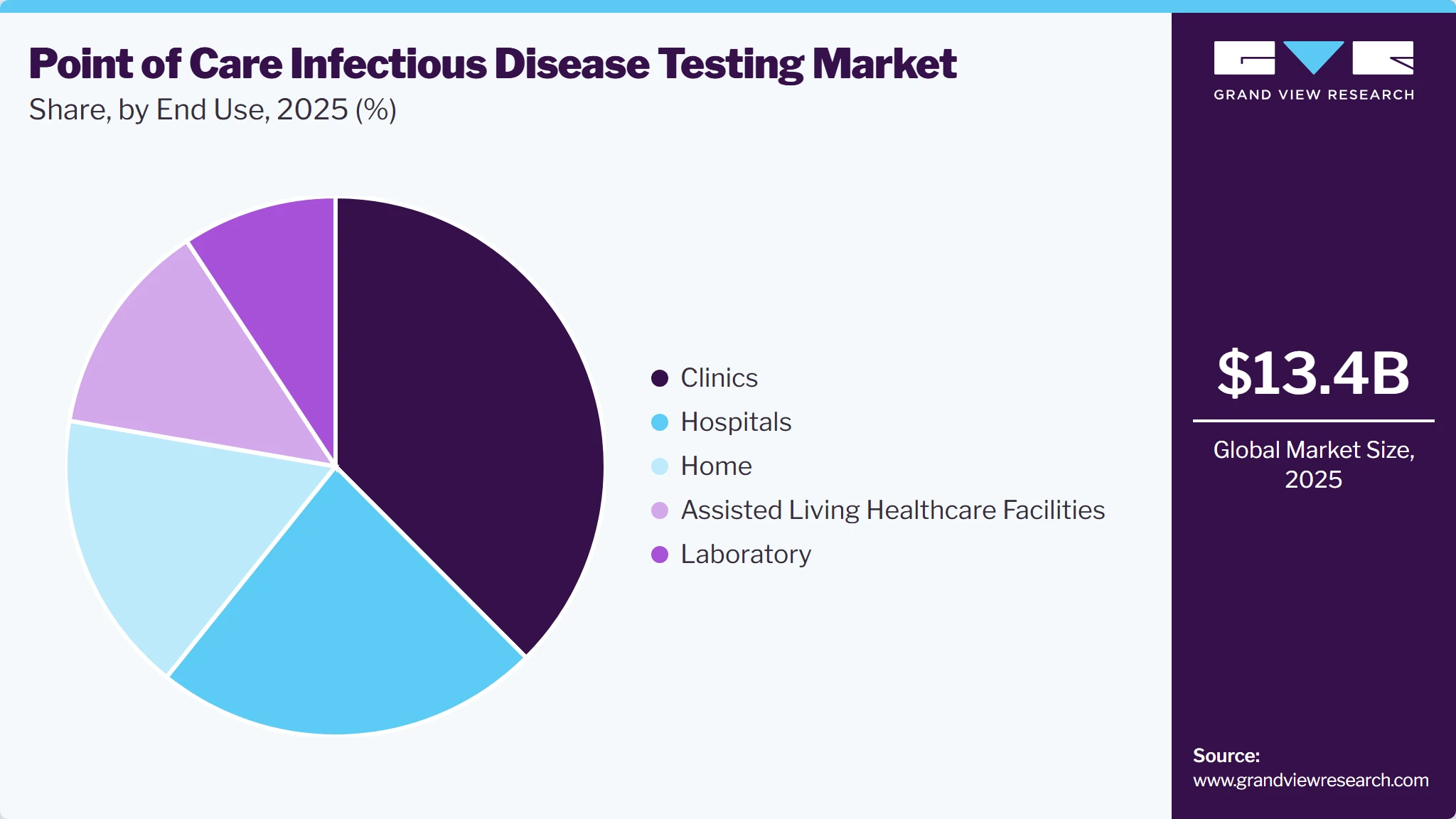
- By end-use: clinics segment led the market with the largest revenue share of 37.5% in 2025.
Regional Highlights
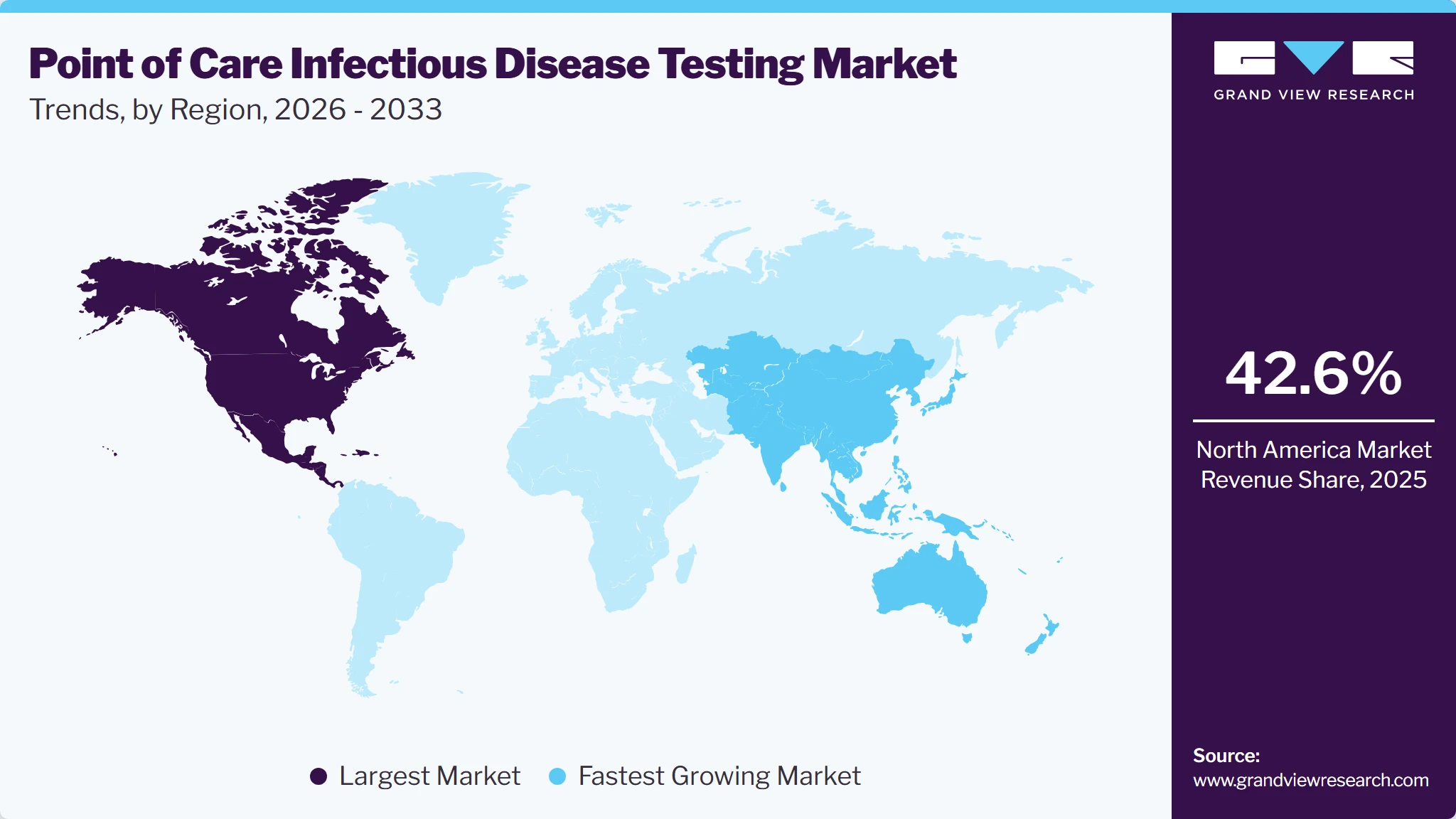
- Largest regional market: North America (42.6% revenue share, 2025)
- Fastest-growing regional market: Asia Pacific (highest CAGR, 2026-2033)
- By country: The U.S. held the largest market share in 2025.
Market Size & Forecast
- Market size in 2025: USD 13.4 Billion
- Estimated market size in 2026: USD 14.0 Billion
- Projected market size by 2033: USD 16.9 Billion
- CAGR (2026-2033): 2.7%
GVR research-powered AIAsk Prism AI about the point of care infectious disease testing marketGet cited answers from GVR research on market growth, segments, regulations and forecasts.Start with✓ Source-linked answers ✓ Market-specific context ✓ Traceable figuresExplore Prism AI ↗
The rising contagious disease and increasing aging population along with the supportive government policies promoting the adoption of point of care (POC) testing are the factors likely to fuel the market growth during the forecast period. The rising demand for diagnostic tools is increasing due to the increasing number of infectious diseases such as HIV, hepatitis, and tuberculosis. These point-of-care tests are becoming more common as many illnesses need to be found early to be treated as soon as possible.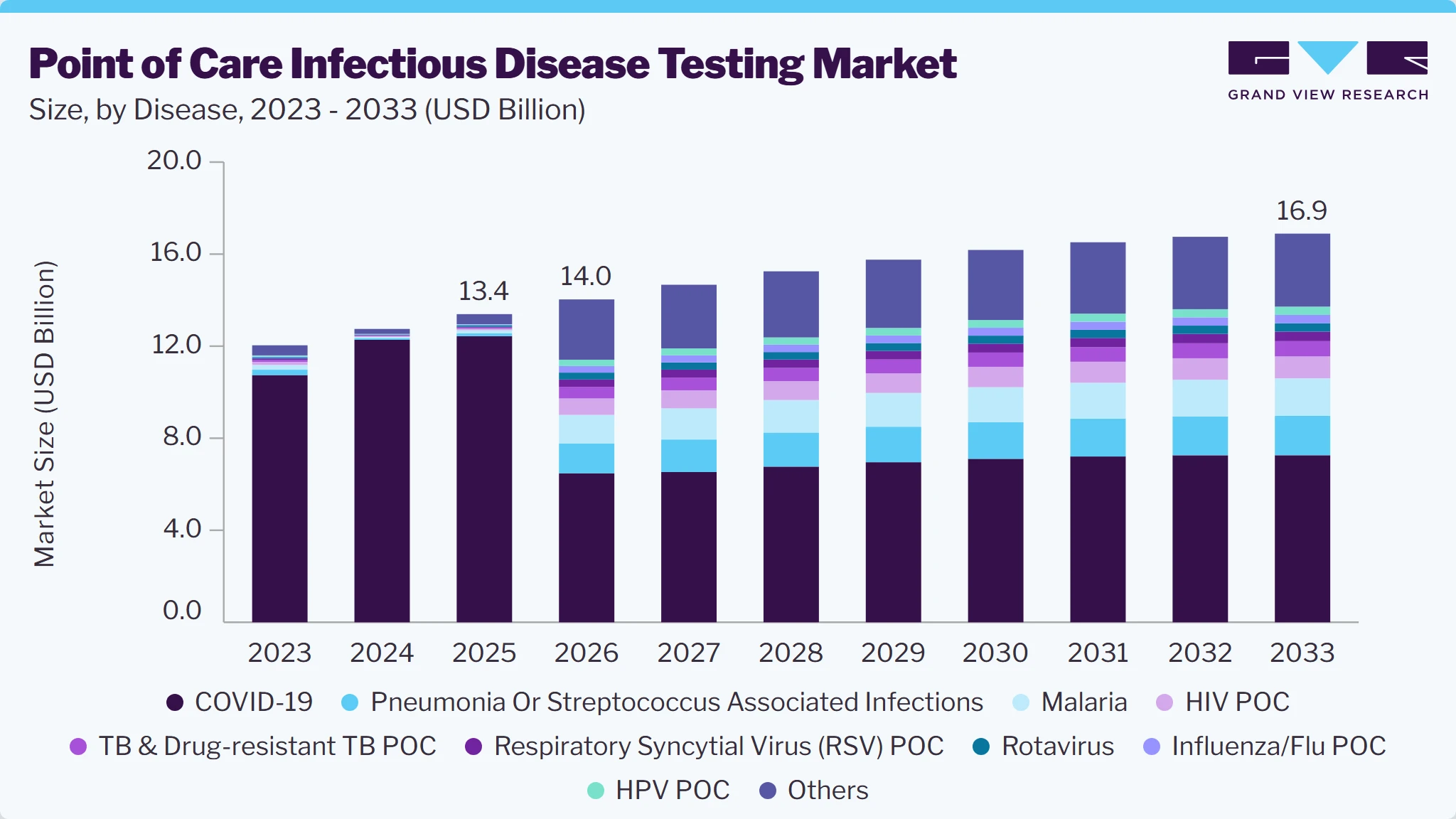 To learn more about this report, Download Free Sample Report
There is an increasing shift towards rising communicable diseases and rise in home healthcare preferred by many patients, especially the elderly and individuals with chronic conditions such as heart disease, diabetes and cancer. This shift contributes to POC diagnostics tools by allowing tests to be done outside typical medical places, even at home. This brings benefits like convenience, lower expenses, and more control for patients. Easy-to-use POC tests give accurate results, letting patients keep tabs on their health and require fewer doctor hospital visits.
Market Dynamics
The global point of care infectious disease testing market is experiencing steady growth driven by the increasing need for rapid diagnosis, expanding decentralized healthcare services, and continuous innovation in molecular and immunoassay-based testing technologies. Healthcare providers are increasingly adopting point of care testing to reduce diagnostic turnaround times, support immediate treatment decisions, and improve patient outcomes across hospitals, clinics, pharmacies, and community healthcare settings. The growing prevalence of respiratory infections, sexually transmitted infections, and vector borne diseases continues to strengthen demand for accessible diagnostic solutions. Industry participants are also expanding their product portfolios to improve testing accuracy and workflow efficiency. For instance, in January 2025, Roche received U.S. FDA 510(k) clearance and CLIA waiver for its cobas liat CT/NG and CT/NG/MG molecular assays, expanding its point of care infectious disease testing portfolio for sexually transmitted infections and enabling rapid PCR based diagnosis in decentralized healthcare settings. The increasing focus on early disease detection, public health surveillance, and regulatory support is expected to sustain market expansion throughout the forecast period.
The increasing demand for rapid and decentralized infectious disease diagnosis is a major factor driving the growth of the point of care infectious disease testing market. Timely diagnosis is essential for initiating appropriate treatment, reducing disease transmission, and improving patient outcomes, particularly during outbreaks and in resource limited settings. Point of care testing enables healthcare professionals to obtain diagnostic results within minutes, eliminating dependence on centralized laboratories and supporting faster clinical decision making across hospitals, clinics, pharmacies, and community healthcare facilities. The growing emphasis on expanding access to healthcare services is further accelerating the adoption of rapid testing solutions. The increasing burden of infectious diseases continues to reinforce the need for decentralized diagnostic technologies. According to the World Health Organization, an estimated 1.3 billion people acquired HIV and 630,000 people died from HIV related causes in 2024, highlighting the continued importance of accessible and timely diagnostic services. Similar trends are observed for respiratory infections, sexually transmitted infections, and vector borne diseases, where early diagnosis plays a critical role in disease management and infection control. Continuous regulatory approvals for advanced point of care diagnostic platforms are further supporting market expansion by improving access to rapid and accurate testing. For instance, in June 2025, Cepheid received U.S. FDA 510(k) clearance with CLIA waiver for its Xpert Xpress CoV 2 plus and Xpert Xpress CoV 2 Flu RSV plus assays for use on the GeneXpert Xpress System. The approval expanded the availability of laboratory quality molecular testing in decentralized healthcare settings, enabling rapid detection of SARS CoV 2, influenza A, influenza B, and respiratory syncytial virus while strengthening the adoption of point of care infectious disease testing.
The limited diagnostic accuracy of rapid antigen based point of care tests remains a significant restraint for the point of care infectious disease testing market. Although these tests offer rapid results and operational simplicity, their sensitivity is generally lower than laboratory based molecular diagnostics, particularly in asymptomatic individuals or patients with low pathogen loads. Variations in specimen collection, disease stage, and testing conditions can further influence diagnostic performance, increasing the likelihood of false negative or false positive results. Consequently, healthcare providers often require confirmatory molecular testing to establish a definitive diagnosis, adding to diagnostic time and healthcare costs. These limitations reduce clinical confidence in certain rapid antigen assays and may restrict their adoption for diseases where high analytical accuracy is essential for patient management and infection control.
The expansion of point of care testing across low resource and community healthcare settings presents a significant opportunity for the point of care infectious disease testing market. Increasing investments in primary healthcare infrastructure, mobile diagnostic services, and community based screening programs are improving access to rapid infectious disease diagnosis in underserved populations. The growing emphasis on early disease detection, decentralized healthcare delivery, and universal health coverage is creating sustained demand for portable, easy to use, and highly accurate diagnostic solutions that can be deployed outside traditional laboratory environments. For instance, in July 2025, the World Health Organization prequalified the Determine Antenatal Care Panel, the first bundled rapid diagnostic test capable of simultaneously detecting HIV, hepatitis B, and syphilis at the point of care. This milestone supports broader adoption of integrated rapid testing in maternal healthcare programs and expands opportunities for point of care infectious disease testing across low and middle income countries.
Analyst Perspective
The point of care infectious disease testing market is expected to witness sustained growth as healthcare systems continue to prioritize rapid diagnosis, decentralized care, and timely clinical decision making. Increasing adoption of molecular point of care platforms, multiplex diagnostic assays, and digital connectivity is improving diagnostic accuracy while expanding testing beyond traditional laboratory settings. Regulatory support, expanding infectious disease screening programs, and growing investments in primary healthcare infrastructure are further strengthening market demand. In addition, continuous product innovation and strategic collaborations among leading manufacturers are expected to accelerate commercialization of advanced testing solutions, enabling broader access to reliable infectious disease diagnostics across both developed and emerging markets.
Disease Insights
Based on disease, the COVID-19 segment led the market with the largest revenue share of 92.8% in 2025. This high percentage can be attributed to the rising number of infectious cases and need for fast and accessible diagnostics testing solutions. Point-of-care tests were crucial as they delivered results quickly, allowing for rapid identification and management of cases. These tests could be done outside traditional labs, like in clinics or even at home, making them highly convenient.
The pneumonia or streptococcus associated infections segment is anticipated to witness the fastest CAGR during the forecast period, owing to the rising cases of communicable disease and developments of new drugs in treatment of disease. Pneumococcal disease is caused by bacteria called Streptococcus pneumonia. Streptococcus bacteria are very common and can be spread easily through an infected person owing to rapid diagnosis importance to the disease. POC test provides faster results, allowing for faster treatments.
Type Insights
Based on Type, the POC rapid diagnostic single-test segment led the market with the largest revenue share of 76.0% in 2025, owing to rising number of patients due to infectious disease and advancements in molecular testing. Molecular tests are highly accurate and capable of detecting genetic materials. Molecular diagnostics devices deliver faster and accurate results, which is essential for patient care and helpful for doctors for quicker treatment decisions.
Lateral flow immunoassay is expected to register the fastest CAGR of 5.7% during the forecast period. The growth can be attributed to increasing prevalence of infectious diseases such as respiratory disease and technological advancements in point of care diagnostics device. A lateral flow immunoassay is a diagnostic device that confirms the presence of substance from a sample. Lateral flow tests are portable and lightweight and are great for point of care settings such as homes, offices and remote regions with small healthcare facilities. The rise in consumer demand for lateral flow immunoassay devices is likely to drive the growth due to its several benefits.
End Use Insights
Based on end-use, the clinics segment led the market with the largest revenue share of 37.5% in 2025. The growth can be attributed to increasing establishments of point of care diagnostics laboratory centers and rising number of communicable diseases. Clinics play a crucial role serving as an important point of care center for treating and testing patients for various diseases such as TB, etc.
 To learn more about this report, Download Free Sample Report
The home segment is projected to grow at the fastest CAGR of 5.5% over the forecast period, owing to increasing adoption of point of care testing among geriatric population and increasing emphasis on personalized and preventive home care facilities. Home care provides patients with convenience and accessibility. Easy-to-use tools for diagnosing infectious diseases at home allow patients to test themselves without requiring healthcare professionals. Moreover, convenience encourages people to manage their health better by getting tested quickly, which helps find and treat infectious diseases early.
Regional Insights
North America dominated the point of care infectious disease testing market with the largest revenue share of 42.6% in 2025 owing to the rising number of infectious and advancements in technology. The presence of advanced healthcare infrastructure, high adoption of point of care testing and home to some of largest companies operating in point of care infectious disease testing market are some of the factors propelling the market growth. Moreover, the rising healthcare expenditure and increasing geriatric population in countries such as U.S. Canada & Mexico is boosting the region growth.
 To learn more about this report, Download Free Sample Report
U.S. Point Of Care Infectious Disease Testing Market Trends
The point of care infectious disease testing market in the U.S. held the largest share in the North America region in 2025 due to rising number of infectious in the nation. According to centers for disease control and prevention, there were more than 9,500 cases of TB registered in 2023, a 16% increase from 2022. Furthermore, the country has a robust infrastructure for research and development and a better advanced healthcare system.
Europe Point Of Care Infectious Disease Testing Market Trends
Europe point of care infectious disease testing market was identified as a lucrative region in 2023. The growth can be attributed to the increasing prevalence of infectious disease. Rising healthcare expenditure and growing awareness among people for point of care testing is driving the region’s growth. The private sector is playing a crucial role in development of new diagnostics devices which are easy to use and convenient.
The UK point of care infectious disease testing market is expected to grow rapidly in the coming years due to increasing number of communicable disease and public health initiatives. The UK government focuses strong emphasis on public health and preventing health issues, with support from organizations such as National Health Service. Furthermore, the health initiatives and research & development by the UK government is likely to contribute to the growth in the country.
The point of care infectious disease testing market in Germany held a substantial market share in 2023 owing to increasing geriatric population and rising prevalence of infectious disease. The country possesses robust healthcare infrastructure and ranks 3rd in healthcare innovation. Moreover, the government policy and initiatives for healthcare system such as mandatory health insurance for all residents is likely to propel the region’s growth.
Asia Pacific Point Of Care Infectious Disease Testing Market Trends
Asia Pacific market point of care infectious disease diagnostics is anticipated to witness the fastest CAGR of 5.0% during the forecast period. This growth is due to the significantly increasing population in the region and rising infectious diseases. Infectious diseases are more common compared to other places and infectious diseases spread easily due to large and rising geriatric population in countries like China, Japan and India. The rising demand for fast and easy ways to diagnose the disease is fueling the growth.
The China point of care infectious disease testing market held a substantial market share in 2023 driven by large population and rising cases of infectious diseases such as TB, and hepatitis. The adoption of advanced diagnostic medical devices such as molecular diagnostics and lateral flow immunoassay are fueling the country’s growth.
The point of care infectious disease testing market in India is expected to witness significant growth during the forecast period, owing to the increasing population, rise in prevalence of communicable disease in children under age of 3 and population over the age of 65.
Key Point Of Care Infectious Disease Testing Company Insights
Some of the key companies in the point of care infectious disease testing market include Abbott; Thermo Fisher Scientific Inc; F. Hoffmann-La Roche Ltd; Siemens Healthineers; Quest Diagnostics Incorporated. Organizations are focusing on increasing customer base to gain a competitive edge in the industry. Therefore, key players are taking several strategic initiatives, such as mergers and acquisitions, and partnerships with other major companies.
Key Point Of Care Infectious Disease Testing Companies:
The following key companies have been profiled for this study on the point of care infectious disease testing market.
- Abbott
- Thermo Fisher Scientific Inc
- F. Hoffmann-La Roche Ltd
- Siemens Healthineers
- Becton, Dickinson & Company
- Chembio Diagnostics Inc.
- Trinity Biotech
- Cardinal Health
- Quest Diagnostics Incorporated
- Bio-Rad Laboratories Inc.
- bioMérieux SA
- Sight Diagnostics Ltd.
- Gene POC
- Trivitron Healthcare
- OJ-Bio Ltd.
- Ortho-Clinical Diagnostics.
Competitive Benchmarking
Category
Operating Strategies
Competitive Edge
Weakness
Well-Established Players (Abbott, Thermo Fisher Scientific Inc., F. Hoffmann-La Roche Ltd., Siemens Healthineers, Becton, Dickinson & Company, bioMérieux SA, Bio-Rad Laboratories Inc., Quest Diagnostics Incorporated)
- Focus on expanding comprehensive point of care infectious disease testing portfolios through rapid antigen tests, molecular PCR platforms, multiplex assays, and connected diagnostic systems. These companies emphasize regulatory approvals, CLIA waived products, strategic collaborations, acquisitions, manufacturing expansion, digital health integration, and geographic expansion while leveraging broad diagnostics portfolios to strengthen decentralized infectious disease testing.
- Strong global brands, extensive distribution networks, established relationships with hospitals, laboratories, and government agencies, broad regulatory expertise, and diversified infectious disease testing portfolios. Their large installed instrument base, continuous product innovation, and comprehensive after sales support enable widespread adoption across hospitals, clinics, pharmacies, and community healthcare settings.
- Large organizational structures may slow product development and commercialization timelines. Premium pricing of advanced molecular point of care platforms, dependence on complex regulatory approvals, and broad portfolio management may reduce flexibility in addressing niche diagnostic applications and the needs of smaller healthcare providers.
Emerging Players (Chembio Diagnostics Inc., Trinity Biotech, Sight Diagnostics Ltd., GenePOC, Trivitron Healthcare, OJ-Bio Ltd., Ortho Clinical Diagnostics, Cardinal Health)
- Focus on developing innovative rapid diagnostic technologies, portable molecular platforms, AI enabled diagnostic solutions, and disease specific point of care assays. Their strategies include targeted product launches, regional expansion, research collaborations, technology licensing, distribution partnerships, and customized solutions for resource limited and decentralized healthcare settings.
- Greater flexibility enables rapid innovation, faster product customization, and strong focus on underserved infectious disease applications. These companies can quickly respond to evolving diagnostic needs, develop cost effective testing solutions, and address regional healthcare requirements with specialized point of care technologies.
- Limited financial resources, smaller manufacturing capacity, and restricted global commercial presence may constrain large scale market penetration. Emerging companies also face challenges in obtaining extensive regulatory approvals, expanding distribution networks, scaling production, and competing with the established installed base of multinational diagnostic companies.
Recent Developments
-
In January 2024, Roche acquired LumiraDx’s point of care technology. The LumiraDx’s platform includes a range of immunoassay and clinical chemical tests. The addition of LumiraDx’s to Roche may enable the company to transform testing at the point of care.
-
In February 2023, Thermo Fisher partnered with Mylab, announced to launch made-in-India RTPCR kits for infectious disease in India. Mylab in partnership with Thermo Fisher aims to access of the test to a greater portion of the population in India as well as the world.
Point Of Care Infectious Disease Testing Market Report Scope
Report Attribute
Details
Market size in 2025
USD 13.4 billion
Estimated market size in 2026
USD 14.0 billion
Projected market size by 2033
USD 16.9 billion
Growth rate
CAGR of 2.7% from 2026 to 2033
Historical data
2021 - 2024
Forecast period
2026 - 2033
Quantitative units
Revenue in USD billion/million and CAGR from 2026 to 2033
Report coverage
Revenue forecast, company ranking, competitive landscape, growth factors, and trends
Segments covered
Type, disease, end-use, regional
Regional scope
North America; Europe; Asia Pacific; Latin America; MEA
Country scope
U.S.; Canada; Mexico; Germany; UK; France; Italy; Spain; Denmark; Sweden; Norway; Japan; China; India; South Korea; Australia; Thailand; Brazil; Argentina; South Africa; Saudi Arabia; UAE; Kuwait
Key companies profiled
Abbott, Thermo Fisher Scientific Inc., F. Hoffmann-La Roche Ltd., Siemens Healthineers, Becton, Dickinson & Company, Chembio Diagnostics Inc., Trinity Biotech, Cardinal Health, Quest Diagnostics Incorporated, Bio-Rad Laboratories Inc., bioMérieux SA, Sight Diagnostics Ltd., GenePOC, Trivitron Healthcare, OJ-Bio Ltd., Ortho Clinical Diagnostics.
Customization scope
Free report customization (equivalent up to 8 analysts' working days) with purchase. Addition or alteration to country, regional & segment scope.
Pricing and purchase options
Avail customized purchase options to meet your exact research needs. Explore purchase options
Global Point Of Care Infectious Disease Testing Market Report Segmentation
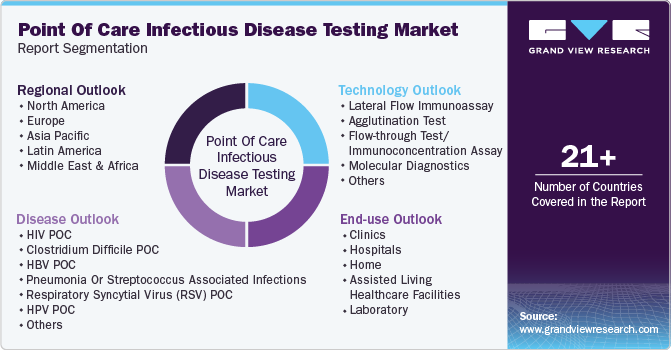
This report forecasts revenue growth at global, regional, and country levels and provides an analysis of the latest industry trends in each of the sub-segments from 2021 to 2033. For this study, Grand View Research has segmented the global point of care infectious disease testing market report based on technology, disease, end use, and region:
 To learn more about this report, Download Free Sample Report
-
Technology Outlook (Revenue, USD Billion, 2021 - 2033)
-
Lateral Flow Immunoassay
-
Agglutination Test
-
Flow-through test/Immunoconcentration Assay
-
Molecular Diagnostics
-
Others
-
-
Disease Outlook (Revenue, USD Billion, 2021 - 2033)
-
HIV POC
-
Clostridium Difficile POC
-
HBV POC
-
Pneumonia Or Streptococcus Associated Infections
-
Respiratory Syncytial Virus (RSV) POC
-
HPV POC
-
Influenza/Flu POC
-
HCV POC
-
MRSA POC
-
TB & Drug-resistant TB POC
-
HSV POC
-
COVID-19
-
Other Infectious Diseases
-
-
End Use Outlook (Revenue, USD Billion, 2021 - 2033)
-
Clinics
-
Hospitals
-
Home
-
Assisted Living Healthcare Facilities
-
Laboratory
-
-
Regional Outlook (Revenue, USD Billion, 2021 - 2033)
-
North America
-
U.S.
-
Canada
-
Mexico
-
-
Europe
-
UK
-
Germany
-
France
-
Italy
-
Spain
-
Denmark
-
Sweden
-
Norway
-
-
Asia Pacific
-
Japan
-
China
-
India
-
Australia
-
South Korea
-
Thailand
-
-
Latin America
-
Brazil
-
Argentina
-
-
Middle East and Africa (MEA)
-
South Africa
-
Saudi Arabia
-
UAE
-
Kuwait
-
-
Research Methodology
The point of care infectious disease testing market figures in this report are based on a proven research process that combines executive interviews with secondary research from proprietary databases, company filings, and recognized regulatory and institutional sources. Market size is built through value-chain sizing - reconciling supply-side and demand-side estimates - and triangulated with bottom-up and top-down approaches. Every estimate passes multiple levels of expert validation before publication, with each point of care infectious disease testing quantified using the revenue-capture definitions in the table below.
Segment Definition
Segment - Type
Revenue capture definition
POC Rapid Diagnostic Single-test
Includes point of care tests designed to detect a single infectious pathogen from one patient sample. Market value is primarily captured from single analyte rapid antigen, antibody, or molecular test kits used for targeted infectious disease diagnosis.
POC Rapid Diagnostic Combo-test
Includes point of care tests that simultaneously detect two or more infectious pathogens or biomarkers from a single patient sample. Revenue flows from multiplex rapid diagnostic kits that enable differential diagnosis, improve clinical efficiency, and reduce the need for multiple individual tests.
Segment - Disease
Revenue capture definition
HIV POC
Includes point of care tests for detecting Human Immunodeficiency Virus infection. Market value is primarily captured from rapid antigen, antibody, and molecular assays used for screening and diagnosis.
Chlamydia & Gonorrhea
Includes point of care tests for the simultaneous or individual detection of Chlamydia trachomatis and Neisseria gonorrhoeae. Revenue flows from rapid and molecular diagnostic kits used in sexual health screening.
Adenovirus
Includes point of care tests for detecting adenovirus infections associated with respiratory, ocular, and gastrointestinal diseases. Market value is derived from rapid antigen and molecular diagnostic assays.
Rotavirus
Includes point of care tests for diagnosing rotavirus infections causing acute gastroenteritis. Revenue is primarily captured through rapid antigen detection kits used in pediatric and emergency care settings.
Norovirus
Includes point of care tests for identifying norovirus infections responsible for acute viral gastroenteritis. Revenue streams originate from rapid diagnostic assays used during outbreaks and routine clinical testing.
Shigella
Includes point of care tests for detecting Shigella infections causing bacterial dysentery. Market value is supported by rapid diagnostic kits utilized in hospitals, clinics, and outbreak investigations.
Dengue
Includes point of care tests for detecting dengue virus infection using NS1 antigen, antibody, or molecular assays. Revenue flows from rapid diagnostic kits deployed in endemic and outbreak settings.
Zika
Includes point of care tests designed to identify Zika virus infection. Market value is captured through rapid antigen, antibody, and molecular diagnostic assays used for clinical screening.
Typhoid
Includes point of care tests for diagnosing Salmonella Typhi infection. Revenue is driven by rapid serological and antigen based diagnostic kits used in endemic regions.
Syphilis
Includes point of care tests for detecting antibodies associated with Treponema pallidum infection. Market value is generated through rapid treponemal and non treponemal screening assays.
Malaria
Includes point of care tests for diagnosing Plasmodium infections. Revenue primarily arises from rapid antigen detection kits used for routine screening and disease management in endemic areas.
Anti-TP (Treponema pallidum)
Includes point of care assays specifically detecting antibodies against Treponema pallidum. Revenue is captured from treponemal specific rapid diagnostic tests used for syphilis confirmation and screening.
Monkeypox
Includes point of care tests for detecting monkeypox virus infection. Market value is supported by rapid molecular and antigen based diagnostic assays used during outbreak response.
Strep A
Includes point of care tests for detecting Group A Streptococcus infections. Revenue flows from rapid antigen and molecular assays used for pharyngitis diagnosis.
H. pylori
Includes point of care tests for diagnosing Helicobacter pylori infection. Market value is derived from rapid antigen and antibody tests supporting gastrointestinal disease diagnosis.
HBV POC
Includes point of care tests for detecting hepatitis B virus infection. Revenue is primarily captured through rapid HBsAg and molecular diagnostic assays used for screening and disease monitoring.
Pneumonia or Streptococcus Associated Infections
Includes point of care tests for pathogens causing pneumonia, including Streptococcus pneumoniae. Revenue flows from rapid antigen and molecular assays supporting respiratory infection diagnosis.
Respiratory Syncytial Virus (RSV) POC
Includes point of care tests for diagnosing respiratory syncytial virus infection. Market value is captured from rapid antigen and molecular assays used across pediatric and adult care settings.
HPV POC
Includes point of care tests for detecting high risk human papillomavirus infection. Revenue is supported by rapid molecular assays used in cervical cancer screening programs.
Influenza/Flu POC
Includes point of care tests for detecting influenza A and B viruses. Revenue primarily originates from rapid antigen and molecular assays used during seasonal influenza surveillance.
HCV POC
Includes point of care tests for hepatitis C virus detection. Market value is generated through rapid antibody, antigen, and molecular assays supporting screening and diagnosis.
MRSA POC
Includes point of care tests for identifying methicillin resistant Staphylococcus aureus. Revenue flows from rapid molecular and antigen based assays used for infection control and hospital screening.
TB & Drug-resistant TB POC
Includes point of care tests for detecting tuberculosis and drug resistant tuberculosis. Market value is driven by rapid molecular diagnostic assays supporting early diagnosis and treatment selection.
HSV POC
Includes point of care tests for diagnosing herpes simplex virus infection. Revenue is captured through rapid antigen, antibody, and molecular diagnostic assays used in clinical settings.
COVID-19
Includes point of care tests for detecting SARS CoV 2 infection. Market value is primarily captured from rapid antigen and molecular diagnostic kits used for screening, diagnosis, and surveillance.
Other Infectious Diseases
Includes point of care tests for infectious diseases not separately categorized, including emerging and region specific pathogens. Revenue is derived from diverse rapid diagnostic assays addressing niche and evolving clinical applications.
Segment - End-use
Revenue capture definition
Clinics
Includes point of care infectious disease testing performed in outpatient clinics, physician offices, and primary healthcare centers. Market value is primarily captured from rapid diagnostic tests used for immediate patient assessment and treatment decisions.
Hospitals
Includes point of care infectious disease testing conducted in hospitals, including emergency departments, inpatient wards, and intensive care units. Revenue flows from rapid diagnostic assays supporting timely diagnosis, patient triage, and infection management.
Home
Includes point of care infectious disease tests designed for self testing or caregiver assisted testing in home settings. Market value is derived from over the counter and prescription based rapid diagnostic kits for convenient disease detection.
Assisted Living Healthcare Facilities
Includes point of care infectious disease testing performed in nursing homes, long term care centers, and assisted living facilities. Revenue is supported by rapid diagnostic tests used for routine screening, infection surveillance, and outbreak prevention.
Laboratory
Includes point of care infectious disease testing performed in independent diagnostic laboratories and near patient laboratory settings. Market value is generated through rapid diagnostic assays processed using point of care platforms to support clinical diagnosis.
Estimation Model
The market size was estimated using a bottom up approach by identifying key manufacturers of point of care infectious disease testing products, benchmarking their product portfolios, and analyzing revenue generated from relevant diagnostic platforms. Market estimates were further validated through technology wise adoption rates, patient utilization patterns, company market share analysis, and primary interviews with industry experts to ensure accurate market sizing and forecasting.
Delivered Customizations
This report has been delivered with the following In-depth customizations
Client Request
Customization Delivered
Value Adds
Point of Care Infectious Disease Testing Competitive Landscape & Technology Assessment
Assessed the global competitive landscape across manufacturers of point of care infectious disease diagnostics, including rapid antigen, molecular PCR, isothermal amplification, multiplex, and digital health enabled platforms. Evaluated product portfolios, technology differentiation, regulatory approvals, pipeline products, strategic collaborations, and commercialization strategies across hospitals, clinics, pharmacies, and home testing markets.
Enabled benchmarking of established and emerging market participants, identified technology adoption trends, evaluated competitive positioning across rapid and molecular diagnostics, and highlighted innovation opportunities in decentralized, connected, and home-based infectious disease testing.
Point of Care Infectious Disease Testing Regulatory, Reimbursement, Market Access & Commercialization Assessment
Analyzed regulatory pathways and reimbursement frameworks across major markets, including FDA, CLIA Waiver, CE IVDR, WHO Prequalification, and country specific approval processes. Evaluated commercialization strategies, reimbursement coverage, market access barriers, quality requirements, post market surveillance, and healthcare procurement practices influencing adoption.
Supported regulatory and commercialization planning, identified reimbursement opportunities and market access challenges, evaluated regional adoption drivers, and provided strategic recommendations for accelerating product approvals and expanding decentralized testing across developed and emerging markets.
Comprehensive Point of Care Infectious Disease Testing Innovation & Market Opportunity Assessment
Evaluated advancements in molecular point of care diagnostics, multiplex infectious disease testing, AI enabled diagnostic solutions, microfluidics, biosensors, smartphone connectivity, cloud-based data management, and portable sample to answer platforms. Assessed technology adoption across respiratory infections, sexually transmitted infections, tuberculosis, vector borne diseases, and emerging infectious diseases.
Identified high growth technology areas, evaluated future commercialization opportunities, highlighted innovation trends supporting decentralized healthcare, and assessed competitive positioning across next generation point of care infectious disease testing platforms and disease specific applications.
Frequently Asked Questions About This Report
The global POC infectious disease diagnostics market size was estimated at USD 13.4 billion in 2025 and is expected to reach USD 14.0 billion in 2026.
The global POC infectious disease diagnostics market is expected to grow at a compound annual growth rate of 2.7% from 2026 to 2033 to reach USD 16.9 billion by 2033.
Some key players operating in the POC infectious disease diagnostics market include Alere, Thermo Fisher Scientific Inc, F. Hoffmann-La Roche Ltd, Siemens Healthineers, BD & Company, Chembio Diagnostics Inc., Trinity Biotech, Cardinal Health, Quest Diagnostics Inc., Bio-Rad Labs Inc., and bioMérieux SA.
Key factors that are driving the POC infectious disease diagnostics market growth include outbreak of COVID-19, rising demand for rapid test to contain the disease spread, and the advent of next-generation point of care diagnostics technologies.
North America dominated the point of care infectious disease testing market with the largest revenue share of 42.6% in 2025 owing to the rising number of infectious and advancements in technology.
Asia Pacific market point of care infectious disease diagnostics is anticipated to witness the fastest CAGR of 5.0% during the forecast period. This growth is due to the significantly increasing population in the region and rising infectious diseases.
Based on Type, the POC rapid diagnostic single-test segment led the market with the largest revenue share of 76.0% in 2025, owing to rising number of patients due to infectious disease and advancements in molecular testing.
Based on disease, the COVID-19 segment led the market with the largest revenue share of 92.8% in 2025. This high percentage can be attributed to the rising number of infectious cases and need for fast and accessible diagnostics testing solutions.
Clinics segment led the market with the largest revenue share of 37.5% in 2025.
About the Author(s)
Clinical Diagnostics Research Team
Healthcare · Clinical DiagnosticsThis report was authored by the clinical diagnostics research team at Grand View Research - comprising two research analysts, one senior research analyst, and one industry expert - with specialized expertise in the clinical diagnostics segment of the healthcare industry. All findings are based on proprietary healthcare databases, executive interviews, and regulatory analysis, subject to internal peer review prior to publication.
Last Updated:
Speak to Analyst

Customize this report to your needs - add regions, segments, or data points, with 20% free customization.
Or view our licence options:


ISO 9001:2015 & 27001:2022 Certified
We are GDPR and CCPA compliant! Your transaction & personal information is safe and secure. For more details, please read our privacy policy.


