
- Home
- »
- Pharmaceuticals
- »
-
Prostate Cancer Therapeutics Market Size Report 2026-2033GVR Report cover

Prostate Cancer Therapeutics Market (2026 - 2033)
Size, Share & Trends Analysis Report By Drug Class (Hormonal Therapy, Chemotherapy, Immunotherapy, Targeted Therapy), By Distribution Channel, By Region, And Segment Forecasts
Market Size, 2025
$19.1BMarket Estimate, 2026
$21.6BMarket Forecast, 2033
$39.0BCAGR, 2026–2033
8.8%Prostate Cancer Therapeutics Market Summary
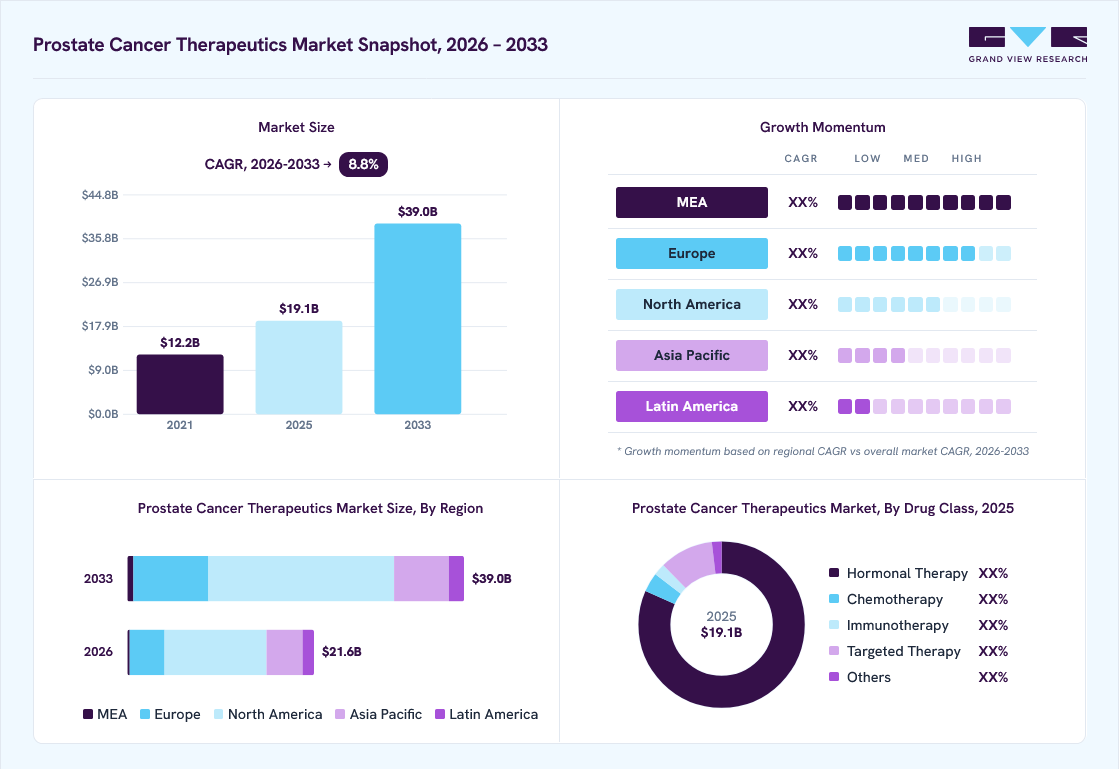
The global prostate cancer therapeutics market size was valued at USD 19.1 billion in 2025 and is projected to grow from USD 21.6 billion in 2026 to USD 39.0 billion by 2033, at a CAGR of 8.8% from 2026 to 2033. North America dominated the market, accounting for the largest revenue share of 53.3% in 2025. The prostate cancer therapeutics market is supported by a large patient population and sustained demand for medicines used across localized, recurrent, and advanced prostate cancer.
 Source: Grand View Research, IR Documents, Primary Interviews, Paid DatabasesTo learn more about this report,
 Download Free Sample Report
 Key Market Trends & Insights
- By drug class: Hormonal therapy segment held the highest market share of 81.5% in 2025.
- By distribution channel: Hospital pharmacies segment held the highest market share in 2025.
Regional Highlights
- Largest regional market: North America (53.3% revenue share, 2025)
- Fastest-growing regional market: Middle East & Africa (highest CAGR, 2026-2033)
- By country: The U.S. held the largest market share in 2025.
Market Size & Forecast
- Market size in 2025: USD 19.1 Billion
- Estimated market size in 2026: USD 21.6 Billion
- Projected market size by 2033: USD 39.0 Billion
- CAGR (2026-2033): 8.8%
Three ways to get this report
Buy it, customize it, or ask a question.Ask an Analyst
Analyst response in 1 business day
- AccessReport author, directly
- Reply timeWithin 1 working day
- No sales callDirect answer only
- FormatEmail reply
- CostFree, no cost
Get the Full Report
What the study covers
- FormatsPDF · Excel · Dashboard
- Timeline2026–2033 annual, 2025 base
- Coverage20+ countries, 5 regions
- Companies10+ key players profiled
Customize the Report
20% free customization
- IncludeCountries, segments, points
- TailorTo your product definition
- ExtendDeeper competitor detail
- OrA fully bespoke study
- Turnaround5–10 working days
Treatment demand varies with disease stage, metastatic status, androgen sensitivity, genetic profile, and prior treatment exposure. Hormone therapy remains a core treatment option, particularly androgen deprivation therapy combined with androgen receptor pathway inhibitors for advanced disease. The treatment mix also includes chemotherapy, PARP inhibitors, immunotherapy, and radiopharmaceuticals, providing multiple therapeutic options across different disease settings. The market is also becoming more biomarker-driven, with molecular testing supporting treatment selection for patients with specific genetic alterations.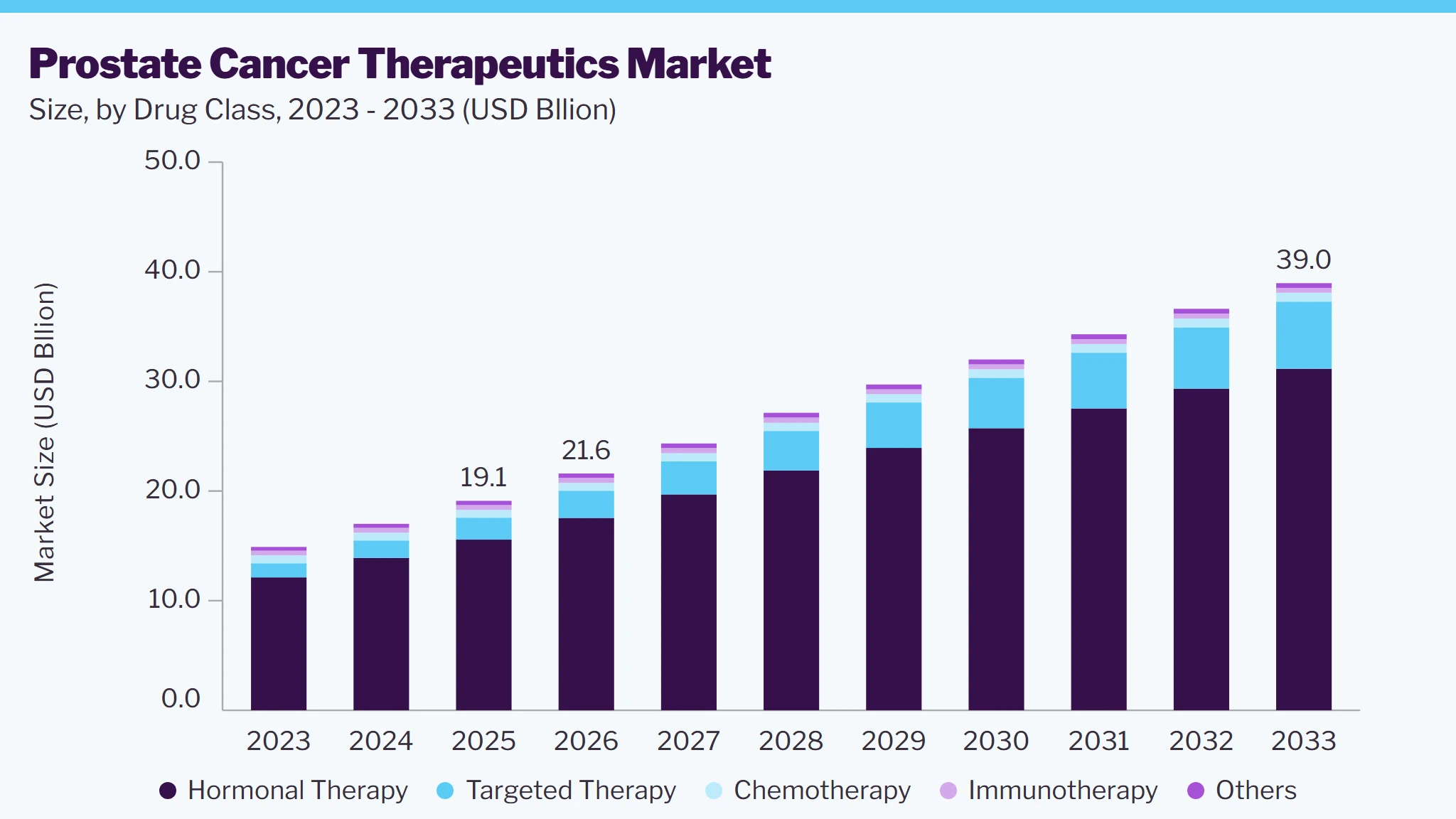 To learn more about this report, Download Free Sample Report
 Radioligand therapies are gaining a role in selected patients with biomarker-confirmed disease, while oral hormonal therapies continue to support long-term treatment management. Overall, the market is characterized by continued use of established hormonal treatments alongside targeted therapies and radiopharmaceuticals, with treatment selection increasingly linked to disease characteristics, biomarker status, treatment history, and patient response.
Market Dynamics
The prostate cancer therapeutics market is supported by the continued use of androgen deprivation therapy, androgen receptor pathway inhibitors, chemotherapy, PARP inhibitors, and radiopharmaceuticals across different stages of disease. Hormonal treatment remains a core component of advanced prostate cancer management, while combination regimens are being used to improve disease control. The availability of additional therapies supports treatment selection based on disease stage, metastatic status, molecular profile, and previous treatment. For instance, in June 2025, the FDA approved darolutamide for metastatic castration-sensitive prostate cancer (mCSPC), expanding its use for patients with metastatic hormone-sensitive disease. The addition of approved hormonal therapies across different disease stages supports treatment diversification and provides physicians with additional options for managing advanced prostate cancer. Continued development of inhibitors of the androgen receptor pathway also supports combination treatment strategies, particularly for patients with metastatic disease. This creates a broader treatment base for pharmaceutical companies operating across hormonal and targeted therapies.
Treatment selection in prostate cancer is becoming more dependent on disease stage, previous therapy, molecular alterations, and biomarker status. This creates additional requirements for patient assessment before some targeted treatments are prescribed. PARP inhibitors are used for tumors with specific DNA repair alterations, whereas radioligand therapies require confirmation of PSMA expression. These requirements can limit treatment use to defined patient groups and increase the role of molecular and imaging tests in treatment decisions. Treatment sequencing also becomes more complex as patients move between androgen-sensitive and castration-resistant disease. Physicians need to consider previous treatments, disease progression, biomarker findings, and patient-specific factors when selecting subsequent therapies. The growing number of treatment options therefore, adds complexity to clinical decision-making. Diagnostic testing requirements can also affect access to biomarker-specific therapies, particularly where molecular testing and specialized imaging are needed before treatment selection. These factors can restrict the broader use of some newer therapies across the prostate cancer patient population.
Radioligand therapy is creating an opportunity for broader treatment use in prostate cancer, particularly through PSMA-directed therapies. These treatments combine a targeting molecule with a radioactive isotope to deliver radiation to PSMA-expressing cancer cells. Their use in earlier disease stages can expand the patient population considered for radiopharmaceutical treatment. For instance, in July 2026, the FDA approved lutetium Lu 177 vipivotide tetraxetan with androgen receptor pathway inhibitor therapy for adults with PSMA-positive metastatic androgen pathway modulation-naïve or -sensitive prostate cancer. The expansion of radioligand therapy into earlier disease stages presents an opportunity for pharmaceutical companies to develop additional PSMA-targeted products and combination regimens. It also supports broader use of molecular imaging and radiopharmaceutical treatment within prostate cancer care. Further development of PSMA-targeted therapies can expand treatment options across metastatic prostate cancer and support the use of radiopharmaceuticals alongside established hormonal treatments.
Market Concentration & Characteristics
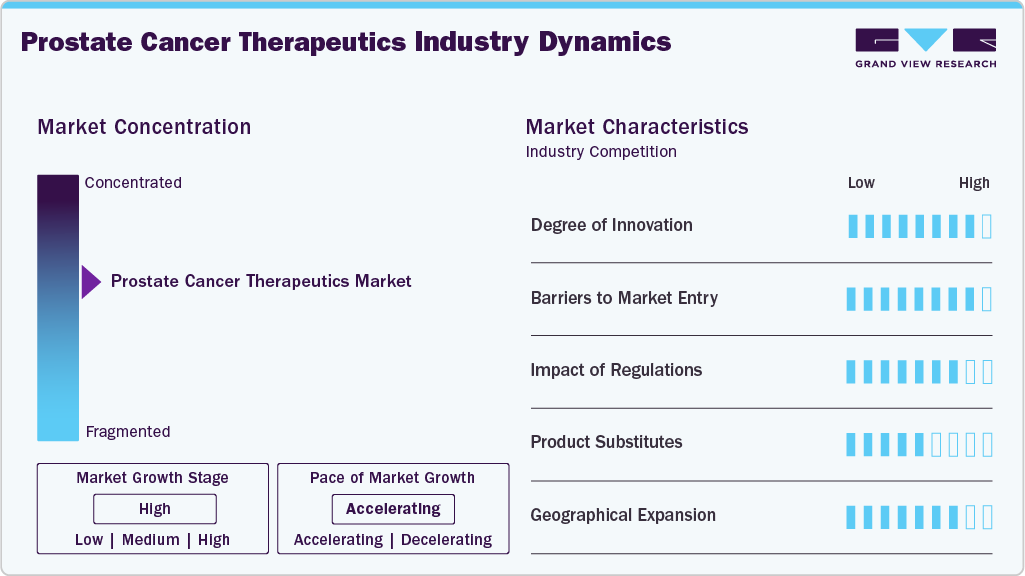
The degree of innovation is high, driven by the development of targeted therapies, biomarker-based treatment, and radioligand therapy. PSMA-directed treatments are expanding the role of molecular imaging in treatment selection. PARP inhibitors provide treatment options for patients with specific genetic alterations. Combination therapies are also being developed for advanced prostate cancer. Pharmaceutical companies are focusing on treatment differentiation through mechanism of action, biomarker selection, dosing, and combination use. Radiopharmaceutical development is adding another area of product development alongside established hormonal treatments. These developments are expanding the treatment base across different disease stages and supporting continued research into therapies with more specific patient selection.
The barriers to market entry are high, with clinical development, regulatory approval, and specialized manufacturing creating major requirements for new companies. Targeted therapies can require companion diagnostic testing for patient identification. Radiopharmaceuticals require specialized manufacturing, isotope supply, radioactive material handling, and treatment infrastructure. Established companies also have clinical evidence, physician relationships, distribution networks, and oncology expertise. New entrants, therefore, need capabilities across research, clinical development, manufacturing, regulatory compliance, and commercialization. Smaller companies can enter through focused technologies or partnerships, while broader commercial expansion requires additional resources. These requirements increase the time and investment required to launch new products, thereby supporting high barriers to entry across the market.
 To learn more about this report, Download Free Sample Report
 The impact of regulations is high, driven by requirements for clinical evidence, product approval, patient selection, and post-approval monitoring. Targeted treatments can require biomarker testing and companion diagnostics. Radiopharmaceuticals face additional requirements related to manufacturing, handling, transportation, and administration. Regulatory requirements also influence clinical trial design, product labeling, manufacturing processes, and safety monitoring. Approved indications determine the patient groups that can receive specific therapies. Pharmaceutical companies, therefore, need regulatory capabilities throughout product development and commercialization. These requirements influence development timelines, product launches, and treatment availability. Regulatory compliance also remains important after approval, making regulations a major factor affecting product development and competition.
The availability of product substitutes is moderate, while treatment options vary by disease stage, biomarker status, prior therapy, and treatment response. Hormonal therapies, chemotherapy, targeted therapies, PARP inhibitors, and radiopharmaceuticals compete across different patient groups. Different androgen receptor pathway inhibitors compete for use in hormonal treatment, while targeted therapies address specific populations. Radiopharmaceuticals provide another option for patients with suitable disease characteristics. Surgery and radiation therapy can also be used for selected patients with localized diseases. However, these treatments are not fully interchangeable. Their use depends on clinical requirements and patient characteristics. This creates competition across treatment classes while limiting direct substitution between individual products.
The potential for geographical expansion is high, supported by demand for prostate cancer treatment across major healthcare markets and the increasing availability of advanced therapies. Hormonal therapies are widely used, while targeted treatments and radiopharmaceuticals are expanding treatment options. Access varies across countries due to regulatory approval, diagnostic infrastructure, reimbursement, and specialized treatment centers. Oral therapies are easier to distribute than radiopharmaceuticals, which require specialized production and treatment facilities. Molecular testing also affects access to targeted products. Pharmaceutical companies have opportunities to expand into countries with developing oncology infrastructure. Improvements in diagnostic capabilities and treatment infrastructure can further support geographic expansion, while differences in healthcare systems continue to affect the rate of adoption across countries.
Analyst Perspective
The Prostate Cancer Therapeutics Market is shaped by rising treatment demand, wider use of hormonal therapies, and continued development of targeted treatments. Product expansion across advanced and metastatic prostate cancer is increasing competition among pharmaceutical companies. Improved diagnosis and broader access to oncology care are also supporting treatment demand. New product approvals and clinical development remain important for portfolio expansion. At the same time, pricing pressure, patent expiry, treatment access, and competition from alternative therapies remain key factors affecting the market.
Drug Class Insights
The hormonal therapy segment dominated the market with the largest revenue share of 81.5% in 2025, driven by its established role in managing advanced prostate cancer. Androgen deprivation remains a core part of treatment across advanced diseases. Combination treatment supports broader use among patients with metastatic disease. Long-term treatment requirements sustain demand for hormonal medicines. Oral formulations provide convenient administration for several therapies, while injectable options support continued use of hormone-based treatment. The availability of multiple products also provides treatment choices across patient groups and healthcare systems. Treatment sequencing further supports demand for this drug class. For instance, in December 2025, Johnson & Johnson received FDA approval for niraparib and abiraterone acetate with prednisone for BRCA2-mutated metastatic castration-sensitive prostate cancer, expanding a combination treatment option for patients with a defined genetic alteration.
The targeted therapy drug class segment is projected to register the fastest CAGR of 13.7% over the forecast period, supported by growing research into molecularly targeted treatment for prostate cancer. Development is focused on targeting specific genetic changes, proteins, and biological pathways involved in tumor growth. New targeted treatment options are also being studied for advanced disease, where treatment resistance remains a key concern. Combination treatment with established therapies provides another area for development. Biomarker research is supporting more specific patient selection and helping developers identify groups that can benefit from targeted treatment. The segment is also gaining attention through the development of PARP inhibitors and other molecularly directed products. These factors are supporting pipeline activity and creating scope for wider use of targeted therapy in prostate cancer treatment.
Distribution Channel Insights
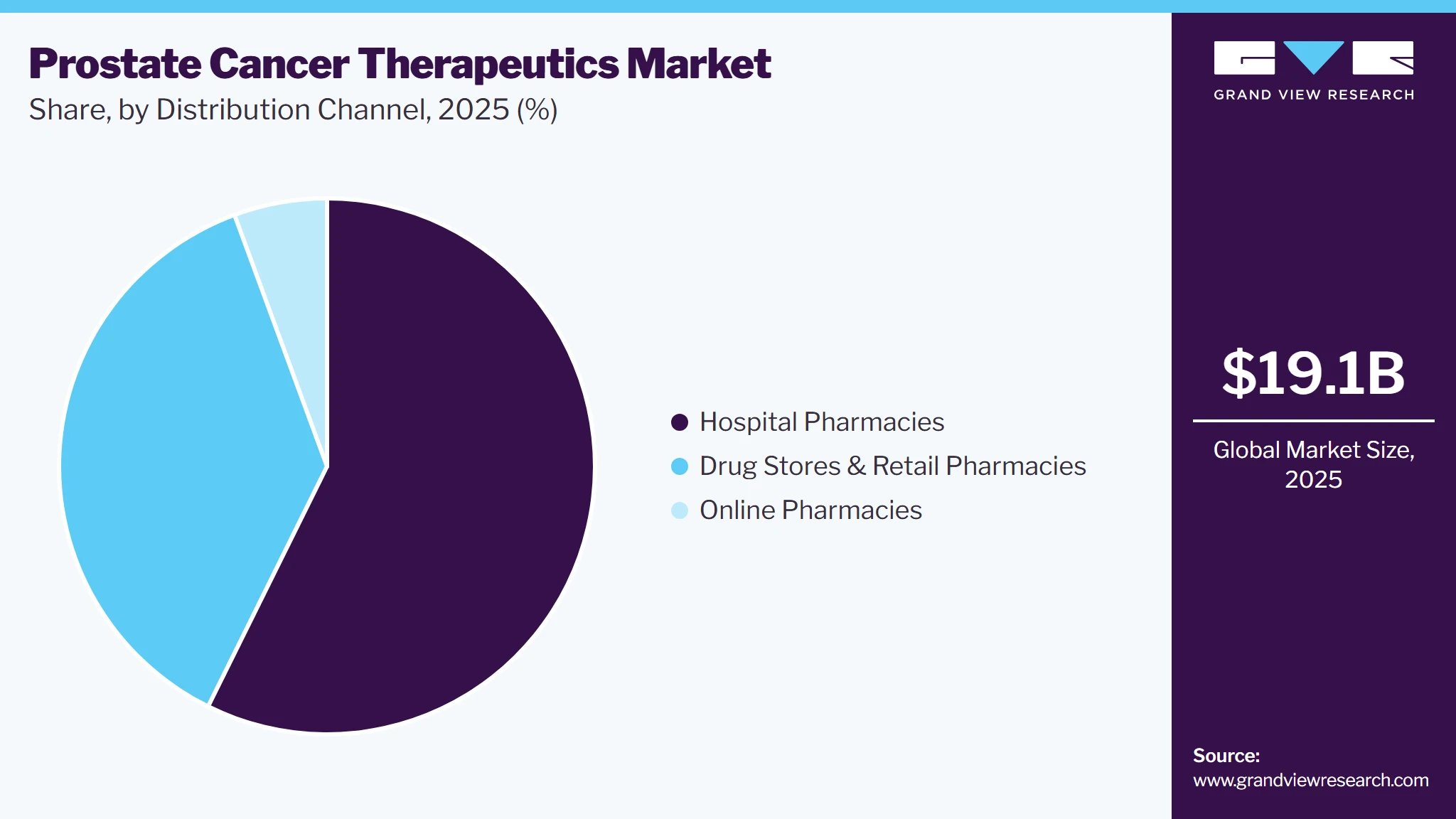
The hospital pharmacies segment dominated the market with the largest revenue share of 57.3% in 2025, supported by the use of prescription-based prostate cancer therapies within hospital-led treatment. Hospital pharmacies provide direct access to medicines used under specialist supervision. They support dispensing for patients receiving injectable and infusion-based therapies. They also manage storage and handling requirements for temperature-sensitive and specialized products. Coordination between oncologists, urologists, pharmacists, and hospital procurement teams supports this channel. Hospital pharmacies also facilitate treatment initiation and monitoring for patients receiving complex therapies. For instance, in June 2025, Merck and Daiichi Sankyo initiated a Phase III trial of ifinatamab deruxtecan for metastatic castration-resistant prostate cancer, supporting continued development of a specialist-administered oncology product for hospital-based care.
 To learn more about this report, Download Free Sample Report
 The online pharmacies segment is projected to register the fastest CAGR of 9.7% over the forecast period, supported by increasing use of oral prostate cancer medicines and the growing role of digital prescription fulfillment. Online channels provide home delivery and simplify repeat ordering for patients receiving long-term oral treatment. Digital pharmacy services can also improve access for patients who face travel or mobility challenges. Electronic prescriptions and home delivery support continued treatment without frequent pharmacy visits. These factors can increase the use of digital dispensing for suitable oral therapies. However, adoption remains linked to prescription regulations, reimbursement practices, and availability of specialty medicines through online channels. For instance, in June 2025, Pfizer received FDA approval for updated labeling of talazoparib in combination with enzalutamide for homologous recombination repair gene-mutated metastatic castration-resistant prostate cancer, supporting continued availability of an oral prostate cancer therapy suitable for prescription-based dispensing.
Regional Insights
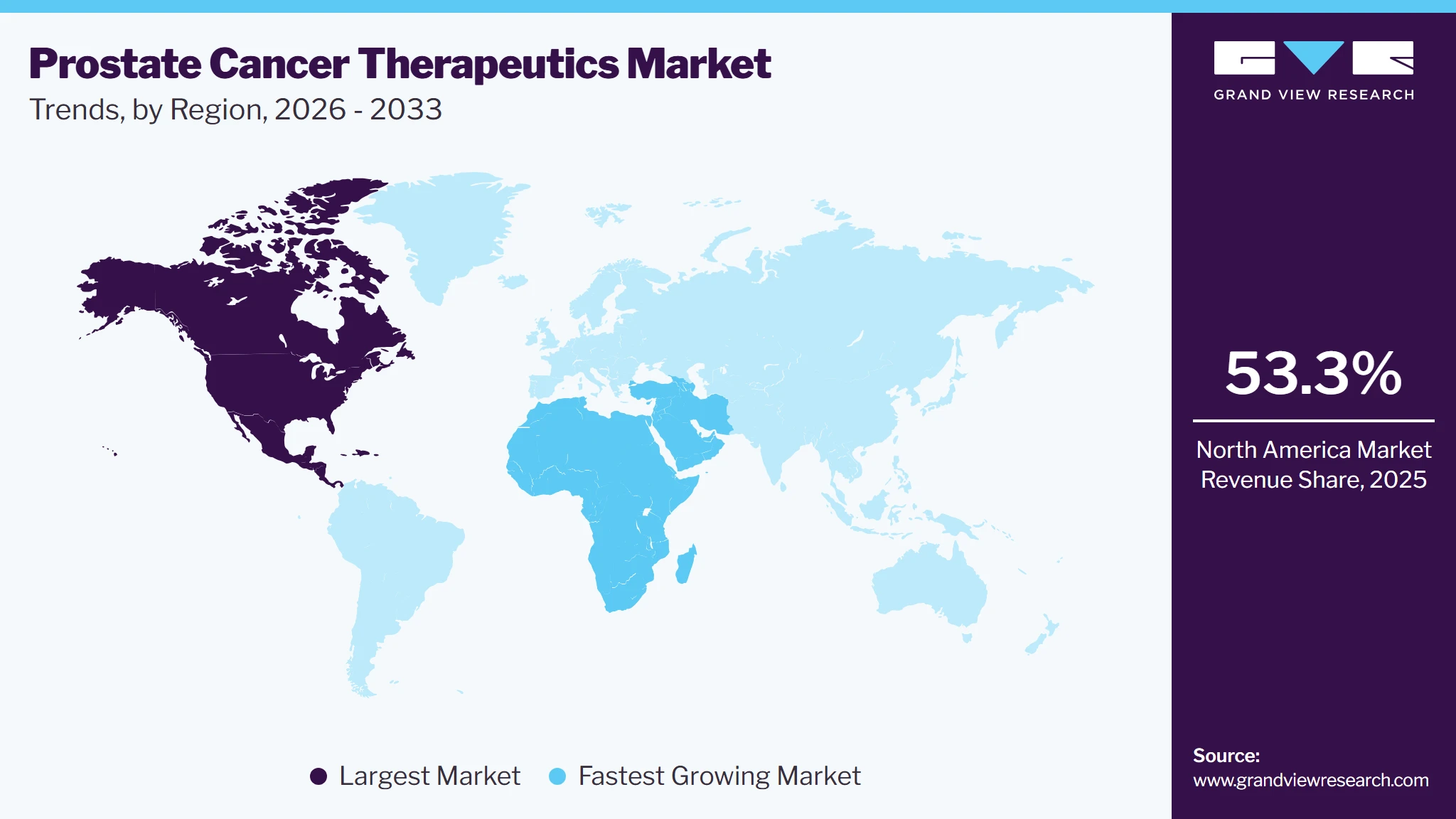
North America dominates the prostate cancer therapeutics market in 2025 with a market share of 53.3%, driven by a large diagnosed patient population and broad use of prostate cancer medicines. The U.S. accounts for a major portion of regional treatment demand. Hormonal therapies remain important for advanced disease, while targeted medicines and radiopharmaceuticals provide additional options. Molecular testing is gaining importance in treatment selection for patients with advanced disease. Clinical research activity covers androgen signaling, DNA repair, immune-based treatment, and radioligand therapy. These factors support continued demand for prostate cancer therapeutics across the region.
 To learn more about this report, Download Free Sample Report
 U.S. Prostate Cancer Therapeutics Market Trends
The U.S. accounts for a major portion of North American demand, with prostate cancer remaining one of the most commonly diagnosed cancers among men. Hormonal therapy, chemotherapy, targeted medicines, and radiopharmaceuticals are used across different disease stages. Treatment selection increasingly considers disease stage, genetic alterations, and previous treatment. PSMA-based imaging is also being used to identify patients for selected targeted radiopharmaceutical treatments. Research programs continue to examine hormonal treatment, DNA repair, immunotherapy, and other treatment areas. These factors support continued product use and development within the U.S. prostate cancer therapeutics market.
Europe Prostate Cancer Therapeutics Market Trends
Europe represents a key regional market, reflecting the high prostate cancer burden across several countries. Germany, France, and the UK account for substantial treatment demand in the region. Hormonal therapy remains widely used for advanced disease, while targeted medicines and radiopharmaceuticals are expanding treatment options. Treatment practices differ between countries based on diagnosis, disease stage, and access to medicines. Specialist urology and oncology services support treatment planning for localized and advanced disease. Continued use of systemic medicines alongside surgery and radiotherapy maintains demand for prostate cancer therapeutics across Europe.
The UK prostate cancer therapeutics market has sustained demand, with prostate cancer being the most commonly diagnosed cancer among men in the country. Population aging contributes to the number of men requiring treatment. Hormonal therapy remains important for advanced disease and is also used with radiotherapy for selected patients. Surgery and radiotherapy continue to serve patients with localized cancer. Newer systemic treatments provide additional options for advanced disease. Specialist urology and oncology services support treatment decisions across different disease stages. These factors maintain demand for prostate cancer medicines throughout the UK.
The Germany prostate cancer therapeutics market records substantial treatment demand, with prostate cancer representing an important cancer among German men. Treatment includes surgery, radiotherapy, hormonal therapy, and systemic medicines based on disease stage. Hormonal treatment has an important role in advanced and metastatic disease. Diagnostic services support disease assessment and treatment selection. Specialist urology and oncology services also enable the use of complex treatment regimens. Newer systemic medicines provide additional options for patients whose disease progresses after earlier treatment. These treatment patterns support continued demand for prostate cancer therapeutics in Germany.
The France prostate cancer therapeutics market is witnessing significant growth. The country has consistent demand for prostate cancer therapeutics, reflecting the high occurrence of prostate cancer among French men. Treatment includes active surveillance, surgery, radiotherapy, hormonal therapy, and systemic medicines. Hormonal treatment remains important for advanced disease, while newer systemic options provide additional choices after disease progression. Diagnostic services support disease assessment and treatment selection. Specialist oncology services also manage patients requiring complex treatment. The use of different treatment types at different disease stages creates demand for several drug classes. These factors support the continued development of the prostate cancer therapeutics market in France.
Asia Pacific Prostate Cancer Therapeutics Market Trends
Asia Pacific is a key regional market for prostate cancer therapeutics, supported by population aging and a rising prostate cancer burden across major countries. Japan has a well-developed prostate cancer treatment system, while China is expanding access to cancer care. Increasing diagnosis is bringing more patients into treatment. Hormonal therapies remain widely used, with targeted medicines providing additional options for advanced disease. Specialist oncology services are expanding across major urban centers. Greater access to diagnosis and treatment is increasing demand for prostate cancer medicines. These factors are supporting market development across Asia Pacific.
The Japan prostate cancer therapeutics market records continued demand with population aging contributing to the number of men requiring treatment. Prostate cancer is an important cancer among Japanese men. Hormonal therapy is widely used for advanced and recurrent disease. Surgery and radiotherapy remain important for localized cancer. Specialist urology services support long-term treatment and patient monitoring. Newer systemic medicines provide additional options for patients with advanced disease. The combination of demographic change, established treatment practices, and specialist cancer services supports continued demand for prostate cancer therapeutics in Japan.
The China prostate cancer therapeutics market is a key growth market in Asia Pacific, driven by its large male population and increasing prostate cancer burden. Population aging is increasing the number of men at risk of the disease. Greater diagnosis is also increasing the number of patients entering treatment. Hormonal therapy remains an important option for advanced prostate cancer. Targeted medicines are adding treatment choices for selected patients. Access to specialist oncology care is expanding in major urban centers. These factors are increasing demand for prostate cancer therapeutics and supporting market growth in China.
Latin America Prostate Cancer Therapeutics Market Trends
Latin America has growing demand for prostate cancer therapies, with prostate cancer representing an important cancer burden among men. Brazil contributes substantially to regional treatment demand, while other countries add to the regional patient pool. Hormonal therapy remains important for advanced disease, while surgery and radiotherapy are used for localized cancer. Access to newer systemic therapies differs across countries. Diagnosis and specialist oncology capacity also vary between healthcare systems. These differences affect treatment availability across the region. Increasing diagnosis and access to prostate cancer medicines support market development throughout Latin America.
The Brazil prostate cancer therapeutics market contributes substantially to Latin American market demand, with prostate cancer representing a major cancer burden among Brazilian men. Treatment varies according to disease stage and includes surgery, radiotherapy, hormonal therapy, and systemic medicines. Hormonal treatment remains important for advanced and metastatic disease. Specialist oncology centers provide diagnosis and treatment for patients across different disease stages. Newer systemic medicines are adding treatment options for advanced cancer. Improvements in prostate cancer diagnosis also increase the number of patients entering treatment. These factors support continued demand for prostate cancer therapeutics in Brazil.
Middle East & Africa Prostate Cancer Therapeutics Market Trends
The Middle East & Africa market recorded the fastest CAGR of 14.4% during the forecast period, supported by rising treatment demand across several countries. Access to diagnosis and specialist oncology care differs widely across the region. Hormonal therapy remains an important treatment option for advanced disease. Major healthcare markets have greater access to systemic medicines and specialist cancer services. Availability of newer prostate cancer therapies varies between countries. Differences in diagnosis, treatment infrastructure, and medicine access create variation in treatment use. Wider access to specialist care and prostate cancer medicines can support further market development across the region.
The Saudi Arabia prostate cancer therapeutics market records demand, with prostate cancer forming part of the country's male cancer burden. Age is an important risk factor, with disease occurrence increasing among older men. Treatment options include hormonal therapy, chemotherapy, radiotherapy, surgery, and biological treatment based on disease characteristics. Specialist healthcare centers provide diagnosis and treatment for patients requiring oncology care. Access to advanced systemic medicines is concentrated around major healthcare facilities. Improvements in prostate cancer diagnosis can increase the number of patients receiving treatment. These factors support the continued development of the prostate cancer therapeutics market in Saudi Arabia.
Key Prostate Cancer Therapeutics Company Insights
The prostate cancer therapeutics market is highly competitive, with pharmaceutical companies competing across hormonal therapies, targeted treatments, PARP inhibitors, chemotherapy, and radiopharmaceuticals. Astellas Pharma Inc. and Pfizer Inc. maintain a strong competitive position through their enzalutamide portfolio, which is used across multiple prostate cancer indications. Johnson & Johnson Services, Inc. and Bayer AG also hold important positions through prostate cancer therapies targeting different stages of advanced disease. In parallel, AstraZeneca is strengthening its position through targeted oncology treatments, while Sanofi, Ipsen Pharma, Ferring Pharmaceuticals, Sumitomo Pharma Co., Ltd., and AbbVie Inc. compete through hormone-based and systemic prostate cancer therapies. Competition is influenced by product indications, treatment stage, clinical differentiation, geographic availability, and the breadth of each company's prostate cancer portfolio.
Key Prostate Cancer Therapeutics Companies:
The following key companies have been profiled for this study on the prostate cancer therapeutics market.
-
Johnson & Johnson Services, Inc.
-
Astellas Pharma Inc.
-
Pfizer Inc.
-
Bayer AG
-
AstraZeneca
-
Sanofi
-
Ipsen Pharma
-
Ferring Pharmaceuticals
-
Sumitomo Pharma Co., Ltd.
-
AbbVie Inc.
Competitive Benchmarking
Operating Strategies
Competitive Edge
Weaknesses
Mature Players: Johnson & Johnson Services
- Expand prostate cancer portfolios across hormonal therapies, targeted treatments, PARP inhibitors, and radiopharmaceuticals.
- Invest in clinical development, combination therapies, and product lifecycle management.
- Use established commercial and distribution networks to expand product access across major markets.
- Broad oncology portfolios covering multiple prostate cancer treatment stages.
- Established clinical research capabilities and relationships with oncology and urology specialists.
- Strong manufacturing, regulatory, and commercial infrastructure across multiple markets.
- Several leading products face competition from generic or alternative therapies after patent expiry or loss of exclusivity.
- Large global operations involve higher research, manufacturing, and regulatory costs.
- Portfolio performance is concentrated around key oncology products, creating dependence on successful product lifecycle management.
Emerging Players: Ipsen Pharma
- Focus on selected prostate cancer treatment areas, mainly hormone-based therapies and advanced disease.
- Strengthen existing products through lifecycle management and additional clinical development.
- Expand geographic presence through partnerships, licensing arrangements, and commercial expansion.
- Focused prostate cancer portfolios provide direct exposure to selected treatment segments.
- Established products support relationships with urology and oncology specialists.
- Focused operations allow resources to remain directed toward specific prostate cancer indications.
- Narrower prostate cancer portfolios provide less coverage across treatment classes than diversified oncology companies.
- Smaller product breadth limits participation across multiple stages of prostate cancer treatment.
- Dependence on selected products creates greater exposure to product-specific competition and patent expiry.
Recent Developments:
-
In November 2025, Johnson & Johnson Services, Inc. entered into an agreement to acquire Halda Therapeutics, adding an investigational prostate cancer therapy and targeted treatment platform to its oncology portfolio.
-
In October 2025, Astellas Pharma Inc. and Pfizer Inc. reported final Phase III EMBARK results for enzalutamide plus leuprolide in men with non-metastatic hormone-sensitive prostate cancer with high-risk biochemical recurrence. The results provided additional evidence for use of the existing treatment regimen in this patient group.
-
In June 2025, Sumitomo Pharma America entered into licensing and supply agreements with Knight Therapeutics to commercialize relugolix in Canada for advanced prostate cancer.
Prostate Cancer Therapeutics Market Report Scope
Report Attribute
Details
Market size in 2025
USD 19.1 billion
Estimated market size in 2026
USD 21.6 billion
Projected market size by 2033
USD 39.0 billion
Growth rate
CAGR of 8.8% from 2026 to 2033
Base year for estimation
2025
Historical data
2021 - 2024
Forecast period
2026 - 2033
Quantitative units
Revenue in USD billion and CAGR from 2026 to 2033
Report coverage
Revenue forecast, company ranking, competitive landscape, growth factors, trends
Segments covered
Drug Class, distribution channel and region
Regional scope
North America; Europe; Asia Pacific; Latin America; Middle East & Africa
Country scope
U.S.; Canada; Mexico; UK; Germany; France; Italy; Spain; Denmark; Sweden; Norway; China; Japan; India; Australia; South Korea; Thailand; Brazil; Argentina; South Africa; Saudi Arabia; UAE; Kuwait
Key company profiled
Johnson & Johnson Services, Inc.; Astellas Pharma Inc.; Pfizer Inc.; Bayer AG; AstraZeneca; Sanofi; Ipsen Pharma; Ferring Pharmaceuticals; Sumitomo Pharma Co., Ltd.; AbbVie Inc.
Customization scope
Free report customization (equivalent up to 8 analysts working days) with purchase. Addition or alteration to country, regional & segment scope.
Pricing and purchase options
Avail customized purchase options to meet your exact research needs. Explore purchase options
Global Prostate Cancer Therapeutics Market Report Segmentation
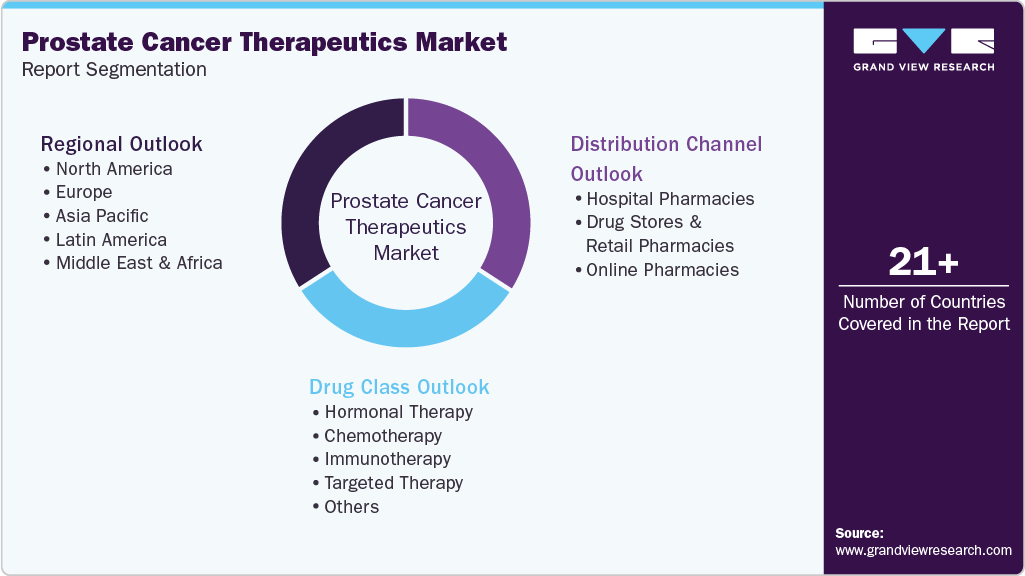
This report forecasts revenue growth at global, regional, and country levels and provides an analysis of the latest industry trends in each of the sub-segments from 2021 to 2033. For this study, Grand View Research has segmented the global prostate cancer therapeutics market report based on drug class, distribution channel, and region:
 To learn more about this report, Download Free Sample Report
 -
Drug Class Outlook (Revenue, USD Billion, 2021 - 2033)
-
Hormonal Therapy
-
Chemotherapy
-
Immunotherapy
-
Targeted Therapy
-
Others
-
-
Distribution Channel Outlook (Revenue, USD Billion, 2021 - 2033)
-
Hospital Pharmacies
-
Drug Stores & Retail Pharmacies
-
Online Pharmacies
-
-
Regional Outlook (Revenue, USD Billion, 2021 - 2033)
-
North America
-
U.S.
-
Canada
-
Mexico
-
-
Europe
-
UK
-
Germany
-
France
-
Italy
-
Spain
-
Denmark
-
Sweden
-
Norway
-
-
Asia Pacific
-
Japan
-
China
-
India
-
Australia
-
South Korea
-
Thailand
-
-
Latin America
-
Brazil
-
Argentina
-
-
Middle East & Africa
-
South Africa
-
Saudi Arabia
-
UAE
-
Kuwait
-
-
Research Methodology
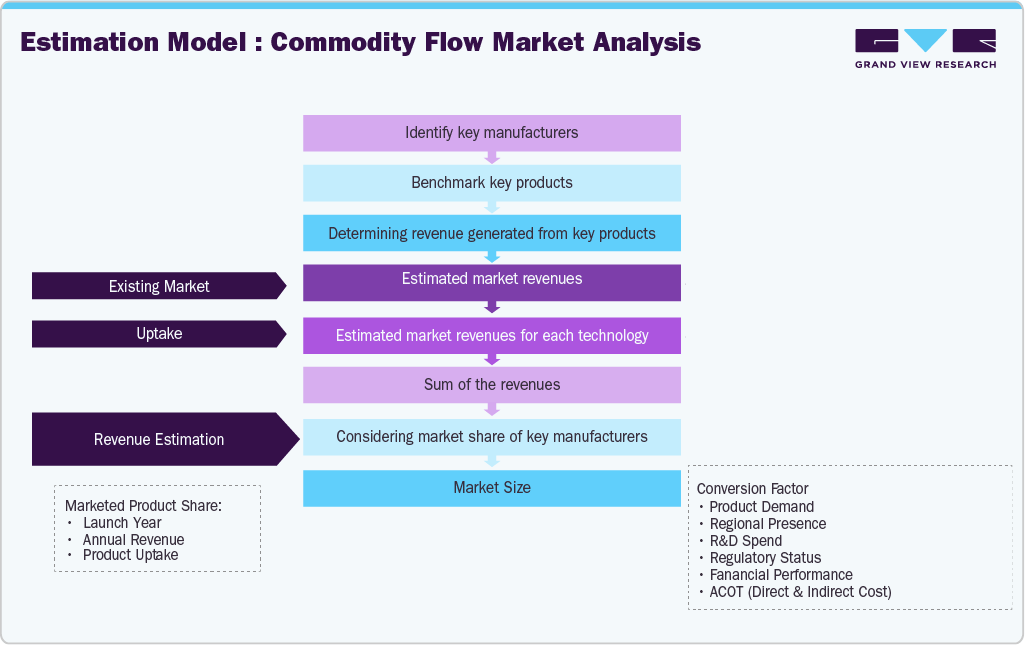
The prostate cancer therapeutics market was estimated using a commodity flow and revenue-based market analysis approach. The study began by identifying key manufacturers and marketed prostate cancer therapies across hormonal therapy, chemotherapy, immunotherapy, targeted therapy, and other drug classes. Key products were benchmarked based on reported product revenues, prescription trends, product uptake, pricing, patent status, approved indications, and geographic presence. The treated patient pool was assessed using prostate cancer incidence, prevalence, diagnosis rates, treatment rates, and therapy duration across countries and regions. Product-level revenues were analyzed through company annual reports, financial filings, and official disclosures. Products without separately reported revenues were evaluated using treatment volumes, average annual therapy costs, prescription trends, and manufacturer information. Country-level market values were aggregated to regional and global levels. The estimates were validated using patient volumes, treatment patterns, product availability, pricing data, primary interviews, secondary research, and data triangulation.
Segment Definition
Segment - Drug Class
Revenue capture definition
Hormonal Therapy
Includes medicines that reduce androgen production or block androgen activity to control prostate cancer growth. This segment covers androgen deprivation therapies, androgen receptor inhibitors, and androgen synthesis inhibitors used for prostate cancer treatment.
Chemotherapy
Includes cytotoxic medicines that destroy or inhibit the growth of cancer cells. This segment covers systemic chemotherapy products used for prostate cancer, mainly in advanced or metastatic disease, either as standalone treatment or in combination with other therapies.
Immunotherapy
Includes medicines that use or modify the patient’s immune response to recognize and attack prostate cancer cells. This segment covers immune-based treatments specifically used for prostate cancer and excludes hormonal, chemotherapy, and molecularly targeted therapies.
Targeted Therapy
Includes medicines designed to act on specific molecular targets, genetic alterations, or proteins involved in prostate cancer growth and survival. This segment covers biomarker-directed treatments, including PARP inhibitors, used for patients with defined molecular or genetic characteristics.
Others
Includes prostate cancer therapeutics that do not fall under hormonal therapy, chemotherapy, immunotherapy, or targeted therapy. This segment covers other therapeutic classes used for prostate cancer treatment and excludes products already classified within the four defined drug classes.
Segment - Distribution Channel
Revenue capture definition
Hospital Pharmacies
Includes prostate cancer therapeutics dispensed through pharmacies operated within hospitals or hospital systems. This segment covers medicines supplied to inpatients and outpatients receiving treatment through hospital-based oncology, urology, or other clinical services.
Drug Stores & Retail Pharmacies
Includes prostate cancer therapeutics dispensed through physical community pharmacies, drug stores, and retail pharmacy outlets. This segment covers prescription medicines supplied directly to outpatients through physical pharmacy locations and excludes hospital and online pharmacy transactions.
Online Pharmacies
Includes prostate cancer therapeutics ordered and dispensed through internet-based pharmacy platforms. This segment covers prescription medicines purchased through online pharmacy services and delivered to patients, excluding transactions completed through physical retail or hospital pharmacies.
Estimation Model
 To learn more about this report, Download Free Sample Report
 Delivered Customizations
This report has been delivered with the following In-depth customizations
CLIENT REQUEST
CUSTOMIZATION DELIVERED
VALUE ADDS
Global Prostate Cancer Therapeutics Market Opportunity Assessment
Conducted a detailed assessment of prostate cancer treatment demand across major markets, covering disease incidence, diagnosed and treated patient pools, treatment patterns, drug classes, product availability, pricing, reimbursement structures, and distribution channels. The study evaluated hormonal therapy, chemotherapy, immunotherapy, targeted therapy, and other treatment categories across key countries and regions.
Helped the client assess treatment demand, identify therapy segments with commercial potential, evaluate geographic expansion opportunities, and understand pricing and reimbursement factors affecting prostate cancer therapeutics. The analysis also supported portfolio planning and resource allocation across major prostate cancer treatment markets.
Prostate Cancer Therapeutics Competitive Benchmarking & Product Portfolio Assessment
Delivered a comprehensive benchmarking analysis of leading prostate cancer therapeutics companies and their product portfolios. The assessment covered marketed products, drug classes, approved indications, clinical development programs, product launches, FDA approvals, partnerships, licensing activities, mergers and acquisitions, and geographic presence across major treatment markets.
Enabled the client to assess competitor product portfolios, identify gaps across treatment classes, evaluate pipeline activity, and monitor company expansion strategies. The analysis supported competitive positioning, portfolio planning, partnership assessment, and evaluation of opportunities across hormonal, targeted, chemotherapy, immunotherapy, and other prostate cancer treatments.
Emerging Market Prostate Cancer Treatment Access & Commercial Assessment
Conducted a country-level assessment of prostate cancer treatment access across selected emerging markets. The study analyzed patient burden, diagnosis and treatment rates, healthcare infrastructure, availability of oncology and urology services, treatment adoption, pricing structures, reimbursement mechanisms, distribution networks, and access to prostate cancer medicines.
Supported healthcare market planning by identifying treatment access gaps, product availability issues, distribution opportunities, and areas with unmet treatment demand. The assessment helped the client evaluate market entry priorities, commercial expansion opportunities, resource allocation, and product access strategies across emerging prostate cancer treatment markets.
Frequently Asked Questions About This Report
North America dominated with a 40.8% revenue share in 2024.
Some key players operating in the prostate cancer therapeutics market are Johnson & Johnson Services, Inc., Astella, Inc., Eli Lilly and Company, Sanofi, Ipsen, Bayer AG, AstraZeneca, Valeant Pharmaceuticals International, Inc. Merck & Co., Inc., Pfizer Inc.
Key drivers that are driving the market growth include factors such as the increasing prevalence of prostate cancer, adoption of novel screening and diagnostic technologies, and government support for new therapies to cure prostate cancer.
The global prostate cancer therapeutics market size was valued at USD 17.0 billion in 2024 and is estimated at USD 21.6 billion for 2026.
The global prostate cancer therapeutics market is expected to grow at a CAGR of 10.9% from 2025 to 2030, reaching USD 31.9 billion by 2030.
About the Author(s)
Pharmaceuticals Research Team
Healthcare · PharmaceuticalsThis report was authored by the pharmaceuticals research team at Grand View Research - comprising two research analysts, one senior research analyst, and one industry expert - with specialized expertise in the pharmaceuticals segment of the healthcare industry. All findings are based on proprietary healthcare databases, executive interviews, and regulatory analysis, subject to internal peer review prior to publication.
Last Updated:
Speak to Analyst

Customize this report to your needs - add regions, segments, or data points, with 20% free customization.
Or view our licence options:


ISO 9001:2015 & 27001:2022 Certified
We are GDPR and CCPA compliant! Your transaction & personal information is safe and secure. For more details, please read our privacy policy.


