
- Home
- »
- Pharmaceuticals
- »
-
Renal Cell Carcinoma Market Size & Share report 2026-2033GVR Report cover

Renal Cell Carcinoma Market (2026 - 2033)
Size, Share & Trends Analysis Report By Therapeutic Class (Immune Checkpoint Inhibitors, mTOR Inhibitors), By RCC Type (Clear Cell RCC, Non-Clear Cell RCC), By Route Of Administration, By Distribution Channel, By Region, And Segment Forecasts
Market Size, 2025
$6.1BMarket Estimate, 2026
$6.4BMarket Forecast, 2033
$9.7BCAGR, 2026–2033
6.1%Renal Cell Carcinoma Market Summary
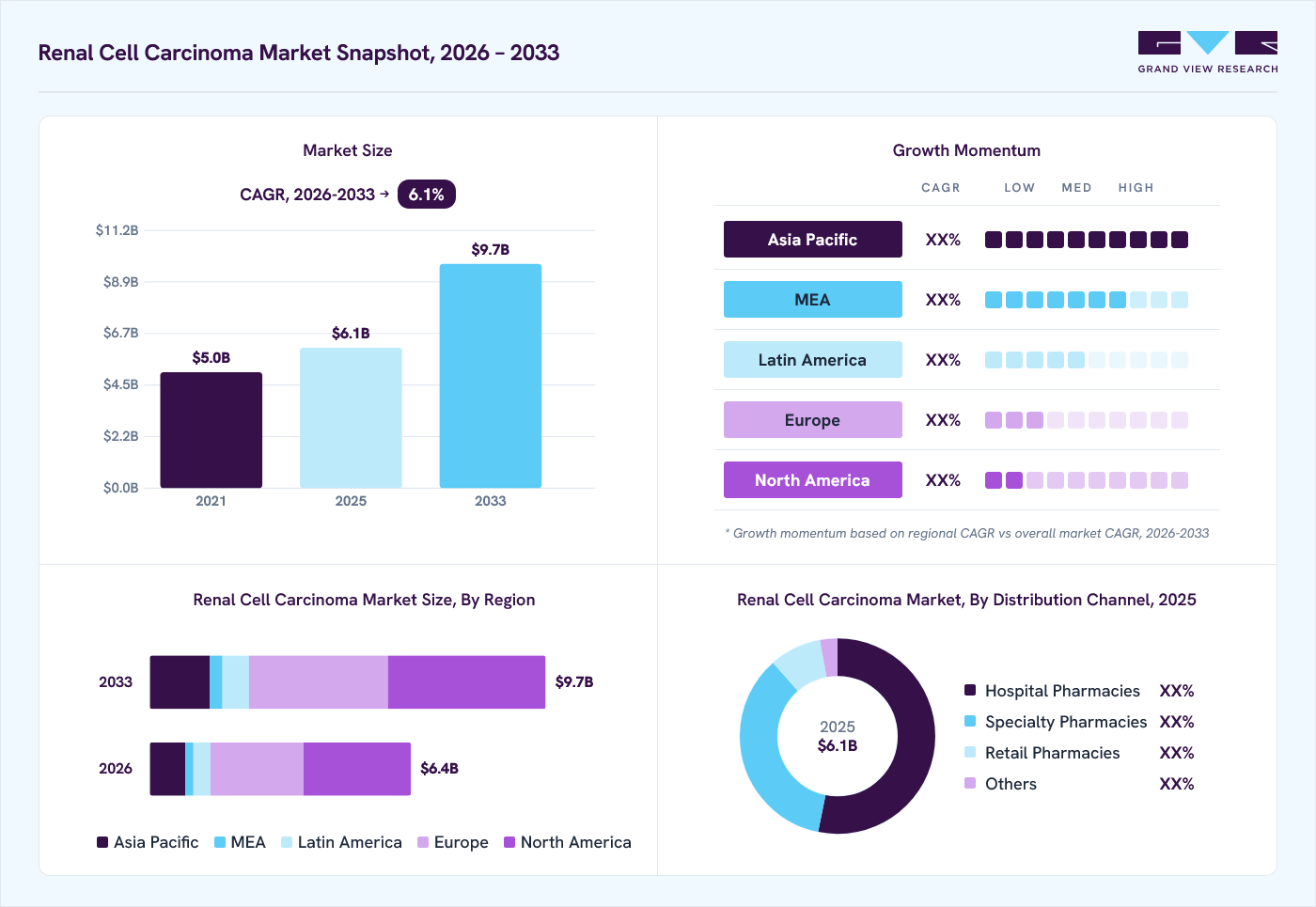
The global renal cell carcinoma market size was valued at USD 6.1 billion in 2025 and is projected to grow from USD 6.4 billion in 2026 to USD 9.7 billion by 2033, at a CAGR of 6.1% from 2026 to 2033. North America dominated the market, accounting for the largest revenue share of 41.2% in 2025. The Renal Cell Carcinoma (RCC) market is driven by the need for effective treatments for localized, advanced, and metastatic kidney cancer.
 Source: Grand View Research, IR Documents, Primary Interviews, Paid DatabasesTo learn more about this report,
 Download Free Sample Report
Key Market Trends & Insights
- By therapeutic class: Immune checkpoint inhibitors segment held the highest market share of 45.2% in 2025.
- By RCC type: Clear Cell RCC segment held the highest market share of 85.5% in 2025.
- By route of administration: Oral segment dominated the RCC market, accounting for the largest revenue share of 50.4%.
- By distribution channel: Hospital pharmacies segment held the highest market share of 53.1% in 2025.
Regional Highlights
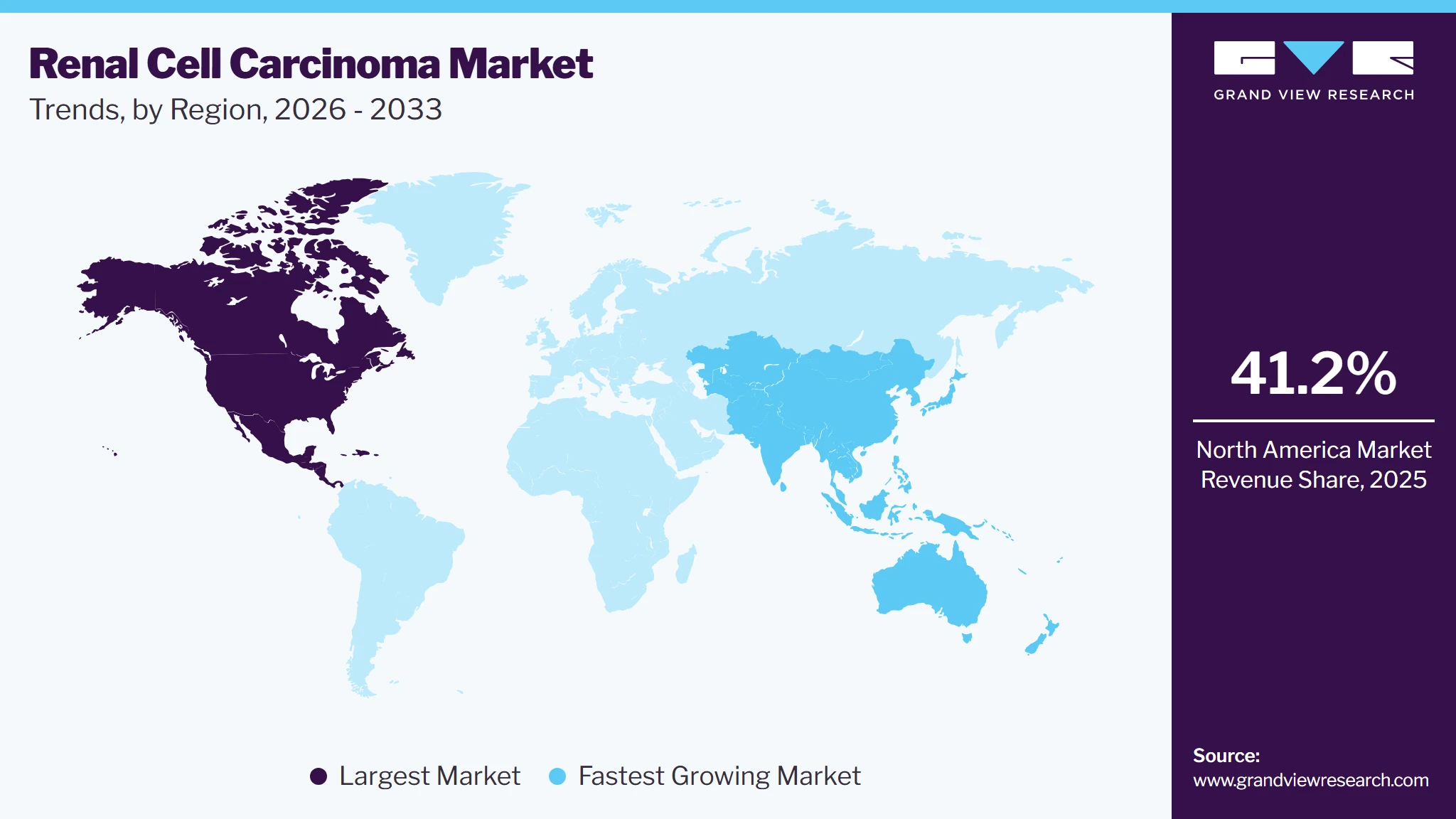
- Largest regional market: North America (41.2% revenue share, 2025)
- Fastest-growing regional market: Asia Pacific (highest CAGR, 2026-2033)
- By country: The U.S. held the largest market share in 2025.
Market Size & Forecast
- Market size in 2025: USD 6.1 Billion
- Estimated market size in 2026: USD 6.4 Billion
- Projected market size by 2033: USD 9.7 Billion
- CAGR (2026-2033): 6.1%
Three ways to get this report
Buy it, customize it, or ask a question.Ask an Analyst
Analyst response in 1 business day
- AccessReport author, directly
- Reply timeWithin 1 working day
- No sales callDirect answer only
- FormatEmail reply
- CostFree, no cost
Get the Full Report
What the study covers
- FormatsPDF · Excel · Dashboard
- Timeline2026–2033 annual, 2025 base
- Coverage20+ countries, 5 regions
- Companies10+ key players profiled
Customize the Report
20% free customization
- IncludeCountries, segments, points
- TailorTo your product definition
- ExtendDeeper competitor detail
- OrA fully bespoke study
- Turnaround5–10 working days
Clear cell RCC accounts for the largest share of cases and remains a key focus of drug development. Surgery remains an important treatment for localized disease, while targeted therapies and immunotherapies are widely used to manage advanced disease. Treatment combinations involving immune checkpoint inhibitors and vascular endothelial growth factor tyrosine kinase inhibitors have expanded treatment options and changed clinical practice. The market also includes newer therapies for patients whose disease progresses after previous treatment. Pharmaceutical companies continue to invest in drug development to improve treatment response and address resistance to existing therapies. However, high treatment costs, adverse effects, and differences in healthcare access affect the availability of advanced treatments across countries. Competition among established drugs, combination regimens, and emerging therapies continues to shape treatment choices and commercial activity in the RCC market.
 To learn more about this report, Download Free Sample Report
Market Dynamics
The RCC market is supported by the development of combination therapies that target different mechanisms involved in tumor growth. Treatment increasingly includes immune checkpoint inhibitors combined with VEGF/VEGFR-targeted therapies or HIF-2α inhibitors. These combinations provide additional options for patients with advanced disease, including those whose cancer progresses after previous treatment. Drug development also focuses on improving progression-free survival and tumor response. The availability of oral targeted therapies alongside intravenous immunotherapies supports treatment selection based on disease status and prior treatment. Recent regulatory approvals support this development. For instance, in September 2026, the U.S. FDA approved belzutifan combined with lenvatinib for advanced RCC following PD-1 or PD-L1 inhibitor treatment. The Phase 3 LITESPARK-011 trial reported median progression-free survival of 14.6 months compared with 10.6 months with cabozantinib.
High treatment costs and adverse effects remain key restraints in the RCC market. Immunotherapies and targeted therapies often require prolonged treatment, regular clinical monitoring, and management of treatment-related complications, increasing the overall cost of care for patients and healthcare providers. Patients receiving combination regimens may face additional monitoring requirements because each drug has its own safety profile. Adverse effects can also lead to dose interruptions, treatment discontinuation, and additional medical care, affecting treatment continuity. The National Cancer Institute reported that, in the KEYNOTE-564 trial of adjuvant pembrolizumab, grade 3 or higher adverse events occurred in 32% of patients, while serious adverse events occurred in 20%. These findings indicate the safety-related burden associated with RCC treatment. In addition, access to advanced therapies varies across countries because reimbursement coverage, insurance arrangements, and the availability of specialist oncology services differ. High out-of-pocket expenditure and cost differences between newer therapies and generic alternatives further affect treatment affordability. These factors limit access to some treatment options, particularly in healthcare systems with restricted reimbursement coverage, requiring healthcare providers to consider clinical outcomes, safety, and affordability when selecting RCC treatments.
The expansion of adjuvant treatment creates opportunities in the RCC market, particularly for patients with clear cell RCC who face a risk of recurrence after surgery. Nephrectomy remains an important treatment for localized disease, but some patients develop recurrent or metastatic cancer after surgery. Adjuvant therapies aim to reduce this risk and expand treatment options for patients who have undergone tumor removal. Pharmaceutical companies are also developing combination therapies that target different biological mechanisms to improve clinical outcomes. These developments support treatment options beyond advanced disease and create opportunities for drug manufacturers to expand their role in earlier stages of RCC. Clinical evidence on disease-free survival supports treatment decisions and regulatory reviews. Continued research into adjuvant therapies can help identify suitable patient groups and improve treatment selection based on recurrence risk. These factors support further development of the clear cell RCC segment and create opportunities for pharmaceutical companies to address unmet treatment needs.
Market Concentration & Characteristics
The degree of innovation in the Renal Cell Carcinoma (RCC) market is high, driven by the development of targeted therapies, immunotherapies, and combination treatments. Pharmaceutical companies are focusing on treatment options that improve disease control and address resistance to existing therapies. Immune checkpoint inhibitors are used with VEGF/VEGFR-targeted therapies to improve treatment outcomes in advanced RCC. HIF-2α inhibitors have also expanded treatment options for selected patients with advanced disease. Research is also focused on adjuvant treatment to reduce the risk of recurrence following surgery. Clinical trials continue to evaluate new drug combinations, treatment sequences, and therapies for patients whose disease progresses after previous treatment. However, innovation requires substantial investment in clinical research and regulatory approval. The need to demonstrate clinical benefits and acceptable safety profiles also affects the rate at which new therapies enter the market.
Barriers to entry in the renal cell carcinoma (RCC) market are high because developing and commercializing a new cancer therapy requires substantial financial investment, clinical research, and regulatory approval. Drug developers must conduct clinical trials to demonstrate safety and efficacy across relevant patient groups. Oncology drug development also involves long development periods and the risk of trial failure. Established companies benefit from approved products, clinical evidence, physician familiarity, and established relationships with healthcare providers. New entrants must demonstrate a clear clinical benefit or address an unmet treatment need to compete with available therapies. Manufacturing controls, pharmacovigilance requirements, and post-approval studies add further operational requirements. Companies developing combination treatments must also establish the safety and efficacy of the proposed regimen. These factors limit entry by smaller companies without sufficient funding, clinical development capabilities, or partnerships with established pharmaceutical manufacturers.
 To learn more about this report, Download Free Sample Report
Regulatory requirements have a high impact on the RCC market because new therapies must meet established standards for safety, efficacy, and manufacturing quality before receiving approval. Regulatory agencies such as the U.S. Food and Drug Administration and the European Medicines Agency review clinical trial evidence, product quality, and benefit-risk profiles. Changes to approved indications, combination regimens, and treatment use also require regulatory review where applicable. After approval, pharmaceutical companies must continue safety monitoring and comply with reporting requirements. Regulatory decisions also affect the timing of product launches and the availability of treatments across countries. Different approval procedures and evidence requirements can result in varying launch dates between regions. In addition, changes to clinical guidelines and reimbursement policies affect patient access, although these processes are separate from regulatory approval. Companies must account for these requirements when planning clinical development, product launches, and geographic expansion.
The renal cell carcinoma (RCC) market has a moderate level of product substitution because several drug classes are available for treatment, but their use depends on disease stage, histology, previous treatment, and patient health. Immune checkpoint inhibitors, VEGF/VEGFR-targeted therapies, mTOR inhibitors, and HIF-2α inhibitors offer different treatment options. Combination regimens also allow physicians to select alternatives based on clinical evidence and patient response. However, these treatments are not fully interchangeable because their approved indications, safety profiles, and clinical benefits differ. Surgery remains an important option for selected patients with localized disease, while systemic therapies are used for advanced or metastatic disease. Treatment changes may occur when cancer progresses or adverse effects limit continued use. Generic versions of selected established medicines also provide alternatives to branded products. Therefore, substitution is present, but clinical requirements and treatment guidelines limit direct replacement across all patient groups.
Geographical expansion in the renal cell carcinoma (RCC) market is moderate because pharmaceutical companies can introduce approved therapies into additional countries, but access depends on regulatory approval, reimbursement, pricing, and healthcare infrastructure. North America and Europe have established oncology treatment facilities and access to several targeted therapies and immunotherapies. Access varies across Asia Pacific, Latin America, and other regions because healthcare expenditure, insurance coverage, and specialist availability differ. Companies entering new countries must meet local regulatory requirements and establish distribution arrangements, pricing strategies, and medical support. Partnerships with regional pharmaceutical companies can help manage these requirements and support product availability. However, the high cost of newer cancer therapies can limit patient access in countries with restricted reimbursement. Differences in diagnostic capacity and access to specialist oncology care also affect treatment use. These factors create opportunities for geographic expansion while limiting the rate of entry into some markets.
Analyst Perspective
The renal cell carcinoma market is supported by the use of immunotherapies, targeted therapies, and combination treatments across different disease stages. Clear cell RCC remains the main revenue contributor, while research into non-clear cell subtypes creates further treatment opportunities. Oral therapies and new drug formulations support changes in treatment delivery. However, high treatment costs, adverse effects, and disparities in healthcare access affect patients' access to care. Continued clinical research and product approvals will shape market growth and competition.
Therapeutic Class Insights
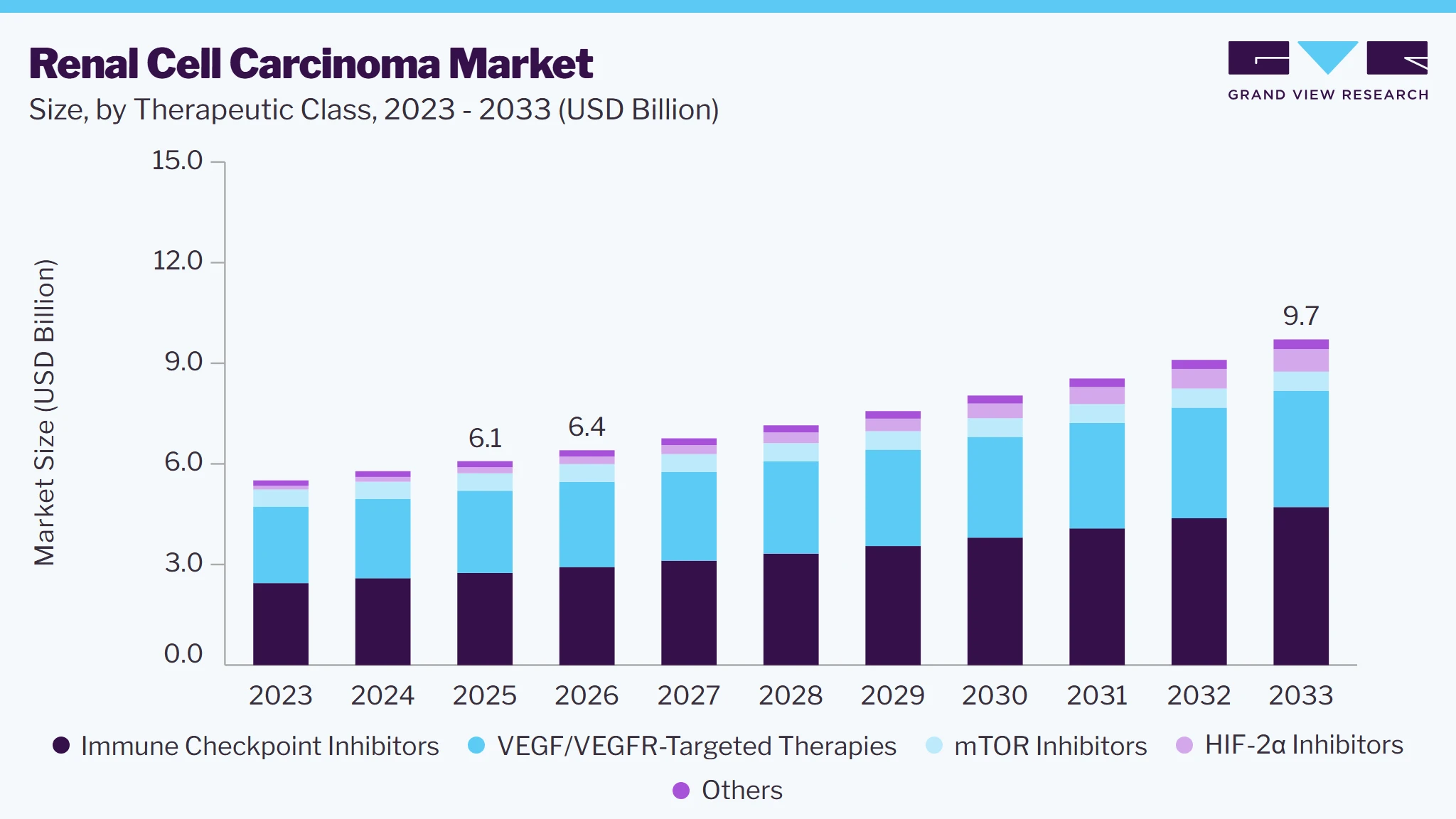
The immune checkpoint inhibitors segment dominated the renal cell carcinoma market, accounting for the largest revenue share of 45.2%. Its leading position is supported by the established use of immunotherapy in advanced RCC and its role in combination treatment. Key drivers include the use of PD-1 and PD-L1 inhibitors, combination regimens with VEGF/VEGFR-targeted therapies, clinical evidence supporting treatment outcomes, use in first-line treatment, adjuvant treatment for selected patients following surgery, and continued expansion of approved treatment options. These therapies help address different treatment needs across localized and advanced disease. Pharmaceutical companies also invest in new formulations to improve treatment delivery and patient convenience.
The HIF-2α inhibitors segment is projected to register the fastest CAGR of 17.2%, driven by expanding clinical use and research into therapies that target tumor growth mechanisms in clear cell RCC. These inhibitors block HIF-2α activity, which contributes to tumor development and progression. Growth is supported by treatment needs among patients whose disease progresses after previous therapies, the oral administration of available treatments, and research into combinations with other drug classes. Additional opportunities arise from the evaluation of HIF-2α inhibitors in earlier-stage disease and their potential role in reducing recurrence after surgery. Continued clinical research and approvals in additional regions also support segment growth.
RCC Type Insights
The clear cell RCC segment dominated the market, accounting for the largest revenue share of 85.5%. Its leading position is supported by its high prevalence among RCC cases and the availability of several approved treatment options. Key drivers include established clinical guidelines, use of immune checkpoint inhibitors, combination treatment with VEGF/VEGFR-targeted therapies, development of HIF-2α inhibitors, demand for treatments for advanced disease, and clinical research focused on reducing recurrence after surgery. Clear cell RCC also receives substantial attention in oncology drug development because its biological characteristics support targeted treatment strategies. Pharmaceutical companies continue to evaluate new combinations and treatment sequences to improve patient outcomes. These factors support demand across different stages of the disease and maintain clear cell RCC as the main revenue-generating segment within the RCC market.
The non-clear cell RCC segment is projected to register the fastest CAGR of 7.3%, supported by growing research into treatment options for less common RCC subtypes. Growth is driven by the need for therapies tailored to papillary, chromophobe, and other non-clear cell tumors, which have different biological features and treatment responses. Limited treatment options for some subtypes create demand for clinical research and new drug combinations. Pharmaceutical companies are also evaluating targeted therapies and immunotherapies to improve outcomes in patients with advanced disease. Greater attention to subtype-specific diagnosis supports patient identification and clinical trial recruitment. Research collaborations and clinical studies can also help generate evidence for treatment decisions. However, differences in tumor biology and smaller patient populations create challenges for drug development. These factors support research activity and future treatment opportunities in the segment.
Route of Administration Insights
The oral segment dominated the RCC market, accounting for the largest revenue share of 50.4%. Its leading position is supported by the availability of oral VEGF/VEGFR-targeted therapies and HIF-2α inhibitors used in RCC treatment. Key drivers include convenient administration, reduced dependence on infusion visits, established use in advanced disease, availability of multiple oral drug classes, use in combination regimens, and suitability for continued treatment with regular clinical monitoring. Oral medicines also support outpatient care and provide patients with greater flexibility in managing treatment schedules. Pharmaceutical companies continue to develop oral therapies for patients with different treatment histories and disease stages. However, patients still require monitoring for adverse effects, dose adjustments, and treatment response. These factors support demand for oral therapies across the RCC market.
The subcutaneous segment is projected to register the fastest CAGR of 11.7%, driven by demand for treatment delivery methods that reduce administration time and simplify oncology care. Subcutaneous formulations can reduce the need for prolonged intravenous infusions and improve convenience for eligible patients. Growth is also supported by advances in drug formulation, improved delivery technologies, and efforts to reduce pressure on infusion facilities. Pharmaceutical companies are investing in formulations that maintain treatment effectiveness while offering alternative routes of administration. Wider use depends on regulatory approvals, clinical evidence, physician acceptance, and suitability for specific therapies. Subcutaneous delivery also requires appropriate administration training and monitoring for injection-related reactions. These factors support segment growth as healthcare providers consider options that improve treatment delivery, patient convenience, and resource use.
Distribution Channel Insights
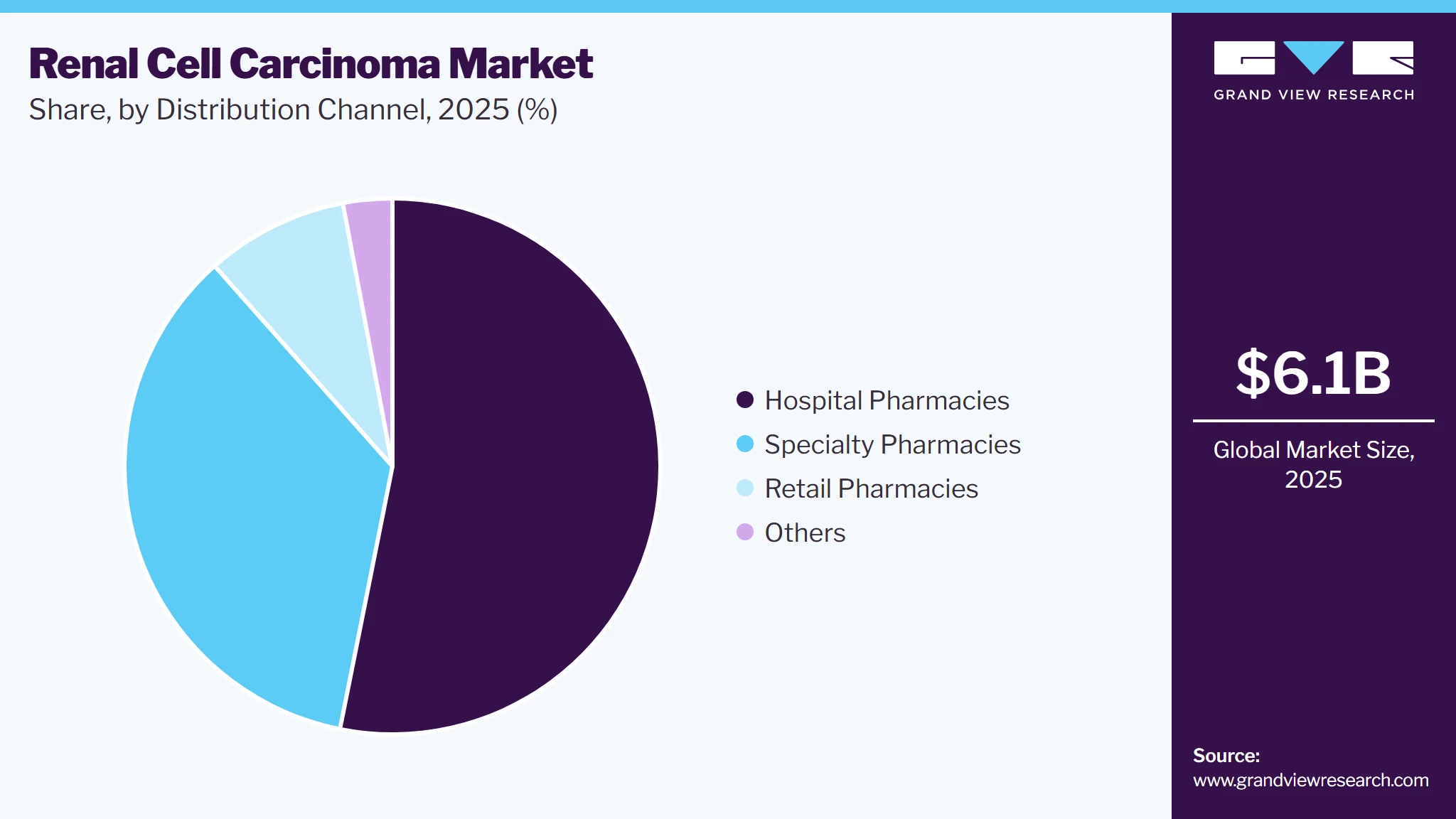
The hospital pharmacies segment dominated the RCC market, accounting for the largest revenue share of 53.1% in 2025. Its leading position is supported by the use of hospital-based oncology services, administration of intravenous immunotherapies, access to specialist oncologists, and the need for monitoring during treatment. Hospital pharmacies also manage the procurement, storage, dispensing, and supply of cancer medicines in line with institutional protocols. Their role in coordinating treatment combinations, managing adverse effects, and supporting dose adjustments further supports demand. In addition, hospitals provide access to diagnostic services and multidisciplinary care, which are important for patients with advanced RCC. The availability of specialized pharmacy staff helps manage complex treatment schedules and drug interactions. These factors support hospital pharmacies as the main distribution channel for RCC medicines, particularly for patients requiring supervised treatment and regular clinical assessment.
 To learn more about this report, Download Free Sample Report
The specialty pharmacies segment is projected to register the fastest CAGR of 7.3%, driven by the growing use of targeted oral therapies and the need for specialized patient support. Many RCC treatments require regular monitoring, adherence support, management of adverse effects, and coordination with oncology teams. Specialty pharmacies can support these needs through medication counseling, refill coordination, and communication with healthcare providers. Growth is also supported by the increasing use of long-term oral therapies, which require consistent access and adherence outside hospital visits. Their role in helping patients manage complex treatment schedules can improve continuity of care. In addition, specialty pharmacies can coordinate insurance approvals and prescription fulfillment for high-cost cancer medicines. As treatment increasingly includes oral targeted drugs alongside immunotherapies, demand for specialized dispensing and patient support services is likely to increase, supporting growth in this distribution channel.
Regional Insights
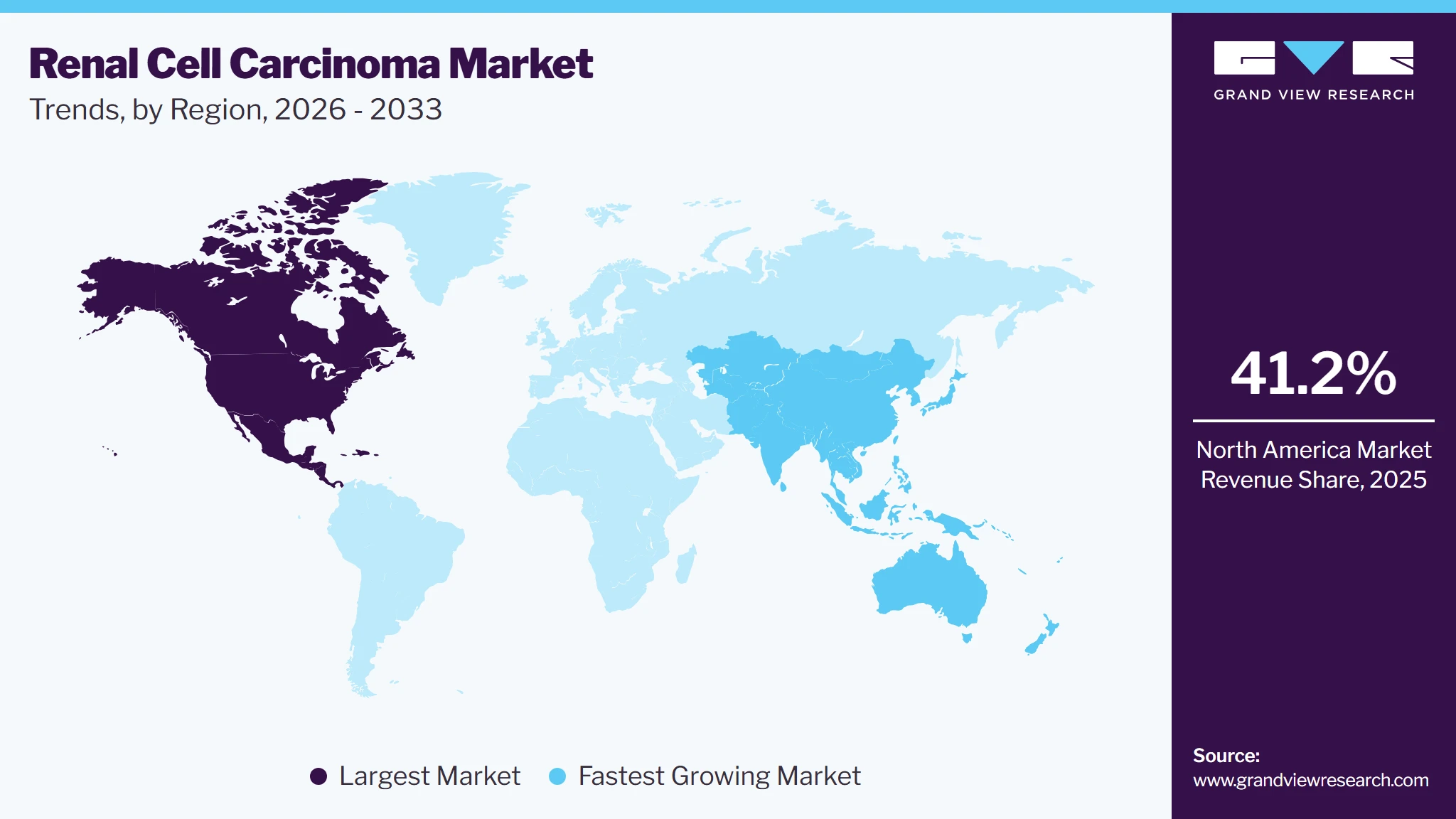
North America dominated the renal cell carcinoma market, accounting for a revenue share of 41.2%, supported by established oncology care, access to advanced diagnostic services, and the availability of targeted therapies and immunotherapies. High use of combination treatments supports demand for RCC medicines across different disease stages. Strong clinical research activity also supports the development and adoption of new treatment options. Access to specialist oncologists and cancer centers helps patients receive treatment based on disease characteristics and prior therapy.
 To learn more about this report, Download Free Sample Report
U.S. Renal Cell Carcinoma Market Trends
The U.S. renal cell carcinoma market is supported by the availability of approved immunotherapies, VEGF/VEGFR-targeted drugs, and HIF-2α inhibitors. Established cancer centers and specialist oncology networks support diagnosis and treatment across disease stages. Clinical trials contribute to the development of new drug combinations and treatment options for patients with advanced RCC. Broad access to advanced imaging supports disease assessment and treatment planning. Demand is also supported by the use of adjuvant therapy in selected patients at risk of recurrence after surgery.
Europe Renal Cell Carcinoma Market Trends
The European renal cell carcinoma market is supported by established cancer care systems, access to specialist oncology services, and the availability of targeted therapies and immunotherapies. The use of combination regimens supports demand for medicines used in advanced and metastatic disease. Clinical research across the region contributes to the evaluation of new treatment options. Access to diagnostic imaging and pathology services supports early disease identification and treatment planning. Differences in reimbursement coverage and access to newer medicines influence treatment use across European countries. These factors shape regional demand for RCC therapies.
The UK renal cell carcinoma market is supported by established oncology services, specialist cancer centers, and access to systemic treatments. The use of immunotherapies and targeted drugs supports treatment demand among patients with advanced disease. Access to diagnostic imaging and pathology services helps clinicians identify RCC subtypes and select suitable treatments. Clinical research supports the evaluation of new therapies and combination regimens. Treatment guidelines and reimbursement decisions influence the use of newly approved medicines. Differences in access to specialist services and newer treatments across care settings also affect market development.
The German renal cell carcinoma market benefits from established hospital infrastructure, specialist urology services, and access to oncology treatments. The availability of targeted therapies and immune checkpoint inhibitors supports treatment across advanced disease stages. Diagnostic imaging and pathology services help guide treatment selection based on tumor characteristics. Clinical research activity supports the assessment of new therapies and treatment combinations. Hospital-based cancer care supports the management of patients who require complex treatment and monitoring. Reimbursement arrangements and treatment costs influence the use of newer medicines across the country.
The French renal cell carcinoma market is supported by specialist cancer centers, established diagnostic services, and access to systemic cancer treatments. Immunotherapy and targeted therapy combinations contribute to demand for medicines used in advanced RCC. Access to imaging and pathology supports diagnosis and assessment of disease progression. Clinical research contributes to the evaluation of new treatment options for different patient groups. Treatment recommendations and reimbursement decisions influence the use of approved medicines. Differences in access to specialist care and newer therapies also affect treatment delivery across the country.
Asia Pacific Renal Cell Carcinoma Market Trends
The Asia Pacific renal cell carcinoma market is projected to register the fastest CAGR of 7.7% during the forecast period. Growth is supported by increasing cancer diagnosis, wider access to oncology services, and rising use of targeted therapies and immunotherapies. Improvements in diagnostic imaging and pathology services support the identification of kidney tumors and RCC subtypes. Expansion of specialist cancer centers is increasing access to treatment in major urban areas. Clinical research and pharmaceutical company activity are supporting the availability of additional treatment options. However, differences in healthcare expenditure, reimbursement, and specialist infrastructure continue to affect access across countries.
The Japanese renal cell carcinoma market is supported by established oncology services, access to advanced diagnostic technologies, and the availability of targeted therapies and immunotherapies. An aging population contributes to demand for cancer diagnosis and treatment services. Specialist hospitals support the management of patients with localized, advanced, and metastatic RCC. Clinical research contributes to the evaluation of new treatment combinations and therapies for patients whose disease progresses after previous treatment. Access to molecular and pathological testing supports treatment selection. Drug pricing and reimbursement requirements influence the use of newer therapies in clinical practice.
The Chinese renal cell carcinoma market is supported by a large patient population, expanding oncology infrastructure, and increasing access to cancer diagnosis. Greater use of imaging services supports the identification and assessment of kidney tumors. Domestic pharmaceutical companies contribute to the development of targeted therapies and immunotherapies. Clinical research activity supports the evaluation of new medicines and treatment combinations for RCC. Expansion of specialist cancer services in urban areas improves access to treatment. Differences in healthcare access, reimbursement coverage, and specialist availability between urban and rural areas continue to affect treatment use.
Latin America Renal Cell Carcinoma Market Trends
The Latin American renal cell carcinoma market is supported by increasing access to cancer diagnosis and the gradual expansion of specialist oncology services. Demand for targeted therapies and immunotherapies is linked to the treatment needs of patients with advanced and metastatic RCC. Improvements in diagnostic imaging support disease identification and treatment planning. Major urban centers account for a large part of specialized cancer care due to the availability of oncology professionals and hospital infrastructure. Access to newer therapies varies across countries based on reimbursement coverage and healthcare expenditure. Treatment affordability and differences in diagnostic capacity remain key factors affecting regional market development.
The Brazilian renal cell carcinoma market is supported by demand for cancer diagnosis, specialist treatment, and systemic therapies for advanced disease. Access to oncology services in major cities supports the use of targeted drugs and immunotherapies. Diagnostic imaging and pathology services help identify RCC subtypes and guide treatment selection. The presence of specialized cancer centers supports treatment delivery and patient monitoring. Differences between public and private healthcare access affect the availability of newer medicines. Treatment costs, reimbursement arrangements, and uneven distribution of specialist services continue to influence market growth.
Middle East & Africa Renal Cell Carcinoma Market Trends
The MEA renal cell carcinoma market is supported by the gradual expansion of oncology services and increasing access to diagnostic imaging. Demand for systemic therapies is linked to the need to treat advanced and metastatic kidney cancer. Specialist hospitals in major cities provide access to targeted therapies, immunotherapies, and multidisciplinary cancer care. Improvements in pathology services support disease classification and treatment planning. Access to newer medicines varies across countries due to differences in healthcare expenditure, reimbursement, and hospital infrastructure. Limited specialist availability in some areas continues to affect diagnosis and treatment access.
The Saudi Arabia renal cell carcinoma market is supported by the expansion of specialist cancer care, access to advanced hospitals, and increasing use of diagnostic imaging. Oncology centers provide treatment options that include targeted therapies and immunotherapies for eligible patients. Access to specialist urologists and oncologists supports treatment planning across different disease stages. Improved diagnostic and pathology services help identify tumor characteristics and guide clinical decisions. The availability of newer medicines supports treatment options for patients with advanced RCC. Differences in access to specialist services between major cities and less-served areas continue to influence treatment delivery.
Key Renal Cell Carcinoma Company Insights
The renal cell carcinoma market is moderately concentrated, with several companies competing across different treatment classes. Merck & Co., Bristol Myers Squibb, Exelixis, Pfizer, Novartis, Bayer, Eisai, Roche/Genentech, AVEO Oncology/LG Chem, and HUTCHMED/BeiGene compete through immunotherapies, targeted therapies, and combination treatments. Competition varies across therapeutic classes, approved indications, clinical outcomes, safety profiles, routes of administration, and geographic presence. Immune checkpoint inhibitors and VEGF/VEGFR-targeted therapies play key roles in RCC treatment, while HIF-2α inhibitors provide options for selected patients with advanced disease. Companies with established products, clinical evidence, and combination therapy portfolios maintain a strong competitive presence in the market.
Key Renal Cell Carcinoma Companies
The following key companies have been profiled for this study on the renal cell carcinoma market.
-
Merck & Co., Inc.
-
Bristol Myers Squibb
-
Exelixis, Inc.
-
Eisai Co., Ltd.
-
Pfizer Inc.
-
Novartis AG
-
Roche/Genentech
-
Bayer AG
-
AVEO Oncology/LG Chem
-
HUTCHMED/BeiGene
Competitive Benchmarking
Operating Strategies
Competitive Edge
Weaknesses
Mature Players: Merck & Co.
- Expand oncology portfolios through immunotherapies, targeted therapies, and combination treatments.
- Invest in clinical trials to extend treatment options across RCC stages and patient groups.
- Develop new treatment combinations and seek regulatory approvals for additional indications.
- Use established commercial networks to support product access across major markets.
- Established oncology portfolios and clinical research capabilities.
- Experience in regulatory submissions and product launches across multiple countries.
- Established relationships with oncologists, hospitals, and specialty pharmacies.
- Resources to support clinical development and post-approval studies
- High costs associated with oncology research and clinical trials.
- Dependence on clinical outcomes and regulatory decisions for new products.
- Competition from other approved therapies and combination regimens.
- Patent expiry and generic competition for selected products.
Emerging Players: Exelixis, Inc.
- Focus on targeted therapies and treatments for specific RCC patient groups.
- Expand approved indications through clinical research and regulatory submissions.
- Develop combination regimens with other oncology drug classes.
- Use licensing agreements and regional partnerships to expand product access.
- Focused expertise in selected oncology drug classes.
- Established products or development programs relevant to RCC treatment.
- Opportunities to address treatment needs in specific patient groups.
- Partnerships that support product development and geographic reach.
- Smaller product portfolios than some diversified pharmaceutical companies.
- Dependence on selected products or therapeutic areas for commercial performance.
- Clinical trial outcomes and regulatory decisions can affect expansion plans.
- Competition from companies with multiple approved RCC therapies and combination regimens.
Recent Developments:
-
In June 2026, Merck & Co. announced that the U.S. FDA had approved belzutifan combined with pembrolizumab for adults with clear cell RCC at intermediate-high or high risk of recurrence following nephrectomy.
-
In September 2025, Merck & Co. announced U.S. FDA approval of a subcutaneous pembrolizumab formulation for use across eligible solid tumor indications, including RCC.
-
In February 2025, Merck & Co. announced European Commission approval of belzutifan for selected patients with advanced clear cell RCC following previous immunotherapy and VEGF-targeted treatments.
Renal Cell Carcinoma Market Report Scope
Report Attribute
Details
Market size in 2025
USD 6.1 billion
Estimated market size in 2026
USD 6.4 billion
Projected market size by 2033
USD 9.7 billion
Growth rate
CAGR of 6.1% from 2026 to 2033
Base year for estimation
2025
Historical data
2021 - 2024
Forecast period
2026 - 2033
Quantitative units
Revenue in USD billion and CAGR from 2026 to 2033
Report coverage
Revenue forecast, company ranking, competitive landscape, growth factors, trends
Segments covered
Therapeutic Class, RCC type, route of administration, distribution channel, region
Regional scope
North America; Europe; Asia Pacific; Latin America; Middle East & Africa
Country scope
U.S.; Canada; Mexico; UK; Germany; France; Italy; Spain; Denmark; Sweden; Norway; China; Japan; India; Australia; South Korea; Thailand; Brazil; Argentina; South Africa; Saudi Arabia; UAE; Kuwait
Key company profiled
Merck & Co., Inc.; Bristol Myers Squibb; Exelixis, Inc.; Eisai Co., Ltd.; Pfizer Inc.; Novartis AG; Roche/Genentech; Bayer AG; AVEO Oncology/LG Chem; HUTCHMED/BeiGene
Customization scope
Free report customization (equivalent up to 8 analysts working days) with purchase. Addition or alteration to country, regional & segment scope.
Pricing and purchase options
Avail customized purchase options to meet your exact research needs. Explore purchase options
Global Renal Cell Carcinoma Market Report Segmentation
This report forecasts revenue growth at global, regional, and country levels and provides an analysis of the latest industry trends in each of the sub-segments from 2021 to 2033. For this study, Grand View Research has segmented the global Renal Cell Carcinoma (RCC) market report based on therapeutic class, RCC type, route of administration, distribution channel, and region:
-
Therapeutic Class Outlook (Revenue, USD Million, 2021 - 2033)
-
Immune Checkpoint Inhibitors
-
VEGF/VEGFR-Targeted Therapies
-
mTOR Inhibitors
-
HIF-2α Inhibitors
-
Others
-
-
RCC Type Outlook (Revenue, USD Million, 2021 - 2033)
-
Clear Cell RCC
-
Non-Clear Cell RCC
-
-
Route of Administration Outlook (Revenue, USD Million, 2021 - 2033)
-
Oral
-
Intravenous
-
Subcutaneous
-
Others
-
-
Distribution Channel Outlook (Revenue, USD Million, 2021 - 2033)
-
Hospital Pharmacies
-
Specialty Pharmacies
-
Retail Pharmacies
-
Others
-
-
Regional Outlook (Revenue, USD Million, 2021 - 2033)
-
North America
-
U.S.
-
Canada
-
Mexico
-
-
Europe
-
UK
-
Germany
-
France
-
Italy
-
Spain
-
Denmark
-
Sweden
-
Norway
-
-
Asia Pacific
-
Japan
-
China
-
India
-
Australia
-
South Korea
-
Thailand
-
-
Latin America
-
Brazil
-
Argentina
-
-
Middle East & Africa
-
South Africa
-
Saudi Arabia
-
UAE
-
Kuwait
-
-
Research Methodology
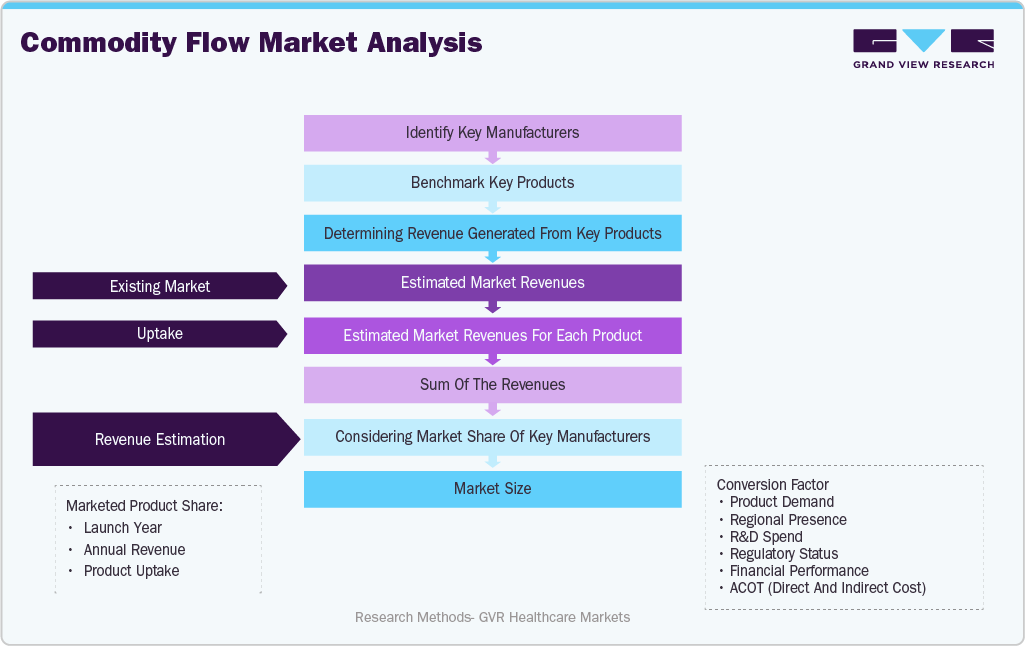
The renal cell carcinoma market was estimated using a revenue-based modeling approach. The study began by identifying key pharmaceutical companies and approved therapies across major countries and regions. Product portfolios were analyzed across immune checkpoint inhibitors, VEGF/VEGFR-targeted therapies, mTOR inhibitors, HIF-2α inhibitors, and other therapeutic classes. Products were assessed based on RCC type, route of administration, approved indications, treatment duration, patient eligibility, and average annual treatment costs. Company annual reports, financial disclosures, product information, clinical trial records, regulatory documents, and investor presentations were used to assess product sales and treatment availability. RCC incidence, diagnosed patient populations, treatment rates, therapy utilization, pricing, and reimbursement coverage were used to validate market estimates. For products indicated for multiple cancers, RCC-specific revenues were estimated using available indication-level data and treatment utilization. Country-level estimates were aggregated into regional and global market values and validated through primary interviews, secondary research, company-level analysis, and data triangulation.
Segment Definition
Therapeutic Class
Revenue capture definition
Immune Checkpoint Inhibitors
This segment includes revenues from immune checkpoint inhibitor drugs used to treat RCC by blocking immune regulatory proteins, such as PD-1, PD-L1, or CTLA-4, to support immune responses against tumor cells. It covers approved monotherapies and combination regimens, with only revenue attributable to RCC treatment included.
VEGF/VEGFR-Targeted
Therapies
This segment includes revenues from drugs used to treat RCC by inhibiting vascular endothelial growth factor (VEGF) or its receptors (VEGFR), thereby limiting tumor blood vessel formation. It covers VEGFR tyrosine kinase inhibitors and other agents that primarily target the VEGF/VEGFR system.
mTOR Inhibitors
This segment includes revenues from drugs used to treat RCC by inhibiting the mammalian target of rapamycin (mTOR) signaling pathway, which is involved in cell growth, proliferation, and tumor development. Only medicines approved or used for RCC treatment within the defined market scope are included.
HIF-2α Inhibitors
This segment includes revenues from drugs used to treat RCC by inhibiting hypoxia-inducible factor 2 alpha (HIF-2α), a protein involved in tumor growth and survival. It covers eligible HIF-2α inhibitor treatments, including approved monotherapies and combination regimens, with revenue attributable to RCC treatment included.
Others
This segment includes revenues from RCC medicines that do not fall under immune checkpoint inhibitors, VEGF/VEGFR-targeted therapies, mTOR inhibitors, or HIF-2α inhibitors. It covers other therapeutic classes and agents used for RCC treatment within the defined market scope.
RCC Type
Revenue capture definition
Clear Cell RCC
This segment includes revenues from drugs used to treat clear cell renal cell carcinoma, the most common histological subtype of RCC. It covers eligible treatments for localized, advanced, or metastatic clear cell disease, including therapies used according to the patient's disease stage and approved treatment indication.
Non-Clear Cell RCC
This segment includes revenues from drugs used to treat RCC subtypes other than clear cell RCC, including papillary, chromophobe, and other recognized non-clear cell histologies. It covers treatments used for these subtypes, with revenue assigned according to the tumor histology and treatment indication.
Route of Administration
Revenue capture definition
Oral
This segment includes revenues from RCC medicines administered by mouth as tablets, capsules, or other oral dosage forms. It covers oral therapies used in hospital, outpatient, or home-based care, regardless of therapeutic class or dispensing channel.
Intravenous
This segment includes revenues from RCC medicines administered directly into a vein through injection or infusion. It covers products delivered intravenously in hospitals, infusion centers, or other qualified healthcare facilities, including eligible immunotherapies and targeted treatments.
Subcutaneous
This segment includes revenues from RCC medicines administered by injection into the tissue beneath the skin. It covers approved subcutaneous formulations used for RCC treatment, whether administered by healthcare professionals or patients where permitted by the product labeling.
Others
This segment includes revenues from RCC medicines administered through routes other than oral, intravenous, or subcutaneous delivery. It covers eligible products delivered through other approved routes within the defined market scope.
Distribution Channel
Revenue capture definition
Hospital Pharmacies
This segment includes revenues from RCC medicines dispensed or supplied through hospital pharmacy departments for inpatient or outpatient treatment. It covers hospital-operated pharmacies responsible for procuring, storing, dispensing, and supplying medicines to patients receiving hospital-based care.
Specialty Pharmacies
This segment includes revenues from RCC medicines dispensed through specialty pharmacies that manage complex or high-cost therapies. These pharmacies provide services such as medication counseling, refill coordination, adherence support, and coordination with oncology care teams.
Retail Pharmacies
This segment includes revenues from RCC medicines dispensed through community or commercial retail pharmacies that supply prescription medicines directly to patients. It covers eligible medicines supplied through independent or chain pharmacies, excluding those classified under hospital or specialty pharmacies.
Others
This segment includes revenues from RCC medicines distributed through channels other than hospital pharmacies, specialty pharmacies, and retail pharmacies. It covers direct-to-patient supply programs, manufacturer-operated dispensing services, and other authorized pharmacy or dispensing channels that supply medicines directly to eligible patients.
Estimation Model
 To learn more about this report, Download Free Sample Report
Delivered Customizations
This report has been delivered with the following In-depth customizations
Client Request
Customization Delivered
Value Adds
RCC Market Assessment
Conducted a detailed assessment of market size, growth drivers, restraints, opportunities, treatment patterns, and pricing factors. The study evaluated disease burden, diagnosis rates, treatment availability, regulatory requirements, reimbursement conditions, and access to oncology care.
Helped the client understand market demand, assess growth opportunities, identify treatment gaps, and evaluate factors affecting treatment access. The analysis supported market sizing, growth assessment, and evaluation of factors shaping RCC treatment demand.
RCC Competitive Benchmarking
Assessed key market participants based on product portfolios, approved indications, clinical development activities, regulatory milestones, and strategic initiatives. The study also examined competitive positioning, treatment offerings, clinical evidence, and product development activities.
Supported competitor profiling, product benchmarking, and evaluation of competitive positioning. The analysis helped identify product portfolio gaps, assess development activities, and understand areas of competition and potential business development opportunities.
RCC Market Opportunity Assessment
Evaluated differences in disease burden, diagnosis, treatment access, healthcare infrastructure, pricing, reimbursement, and clinical research activity across major markets. The assessment also examined variations in treatment availability and access to oncology services.
Supported geographic prioritization, market opportunity assessment, and identification of unmet treatment needs. The analysis helped the client evaluate differences in market access, treatment affordability, and healthcare infrastructure to support business planning and resource allocation.
About the Author(s)
Pharmaceuticals Research Team
Healthcare · PharmaceuticalsThis report was authored by the pharmaceuticals research team at Grand View Research - comprising two research analysts, one senior research analyst, and one industry expert - with specialized expertise in the pharmaceuticals segment of the healthcare industry. All findings are based on proprietary healthcare databases, executive interviews, and regulatory analysis, subject to internal peer review prior to publication.
Last Updated:
Speak to Analyst

Customize this report to your needs - add regions, segments, or data points, with 20% free customization.
Or view our licence options:


ISO 9001:2015 & 27001:2022 Certified
We are GDPR and CCPA compliant! Your transaction & personal information is safe and secure. For more details, please read our privacy policy.


