
- Home
- »
- Medical Devices
- »
-
Self-injection Devices Market Size & Share Report, 2033GVR Report cover

Self-injection Devices Market (2026 - 2033)
Size, Share & Trends Analysis Report By Product (Autoinjectors, Pen Injectors), By Usability (Disposable, Reusable), By Application (Cancer, Autoimmune Disorders, Hormonal Disorders), By Region, And Segment Forecasts
Market Size, 2025
$10.5BMarket Estimate, 2026
$11.4BMarket Forecast, 2033
$21.3BCAGR, 2026–2033
9.4%Self-injection Devices Market Summary
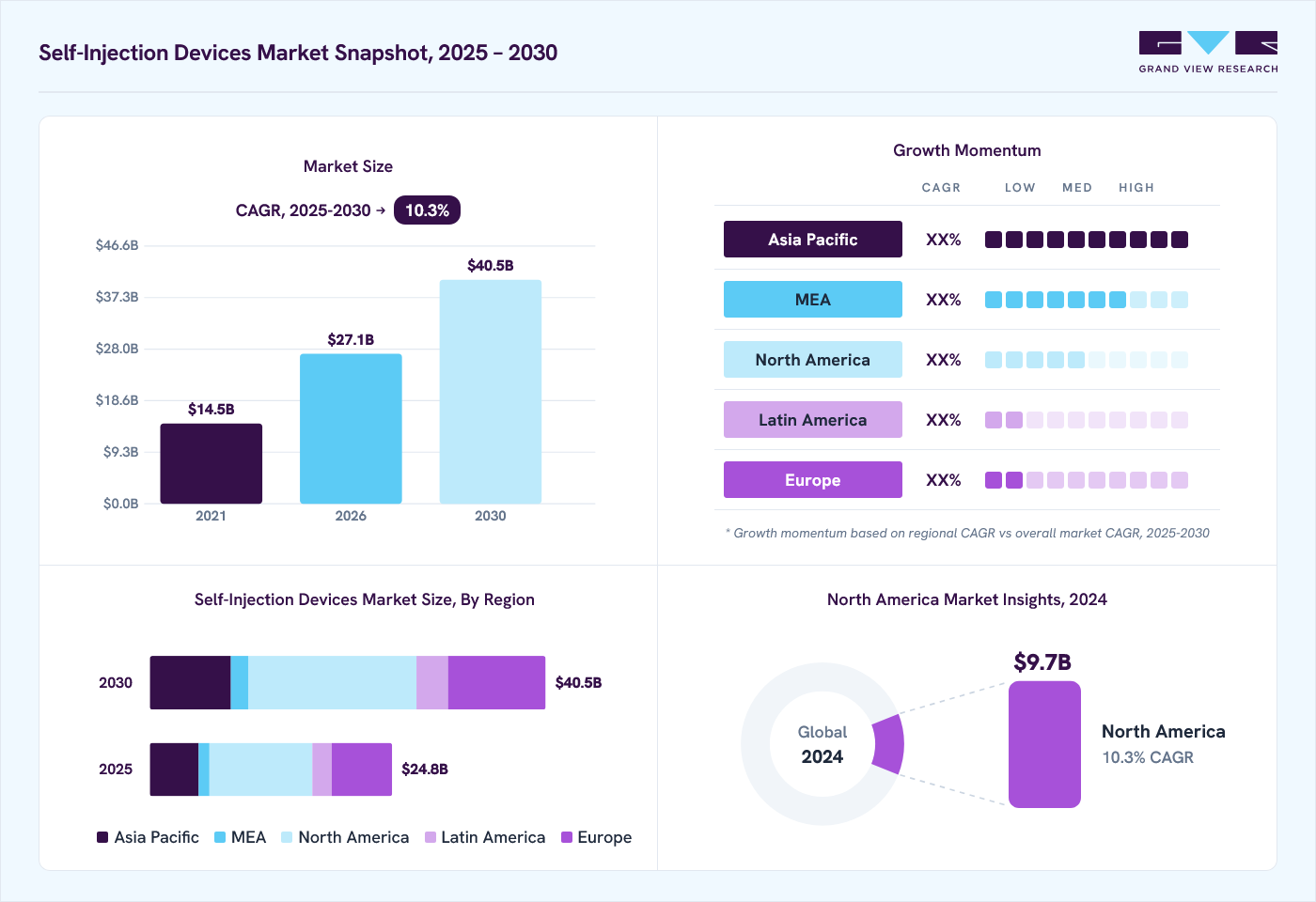
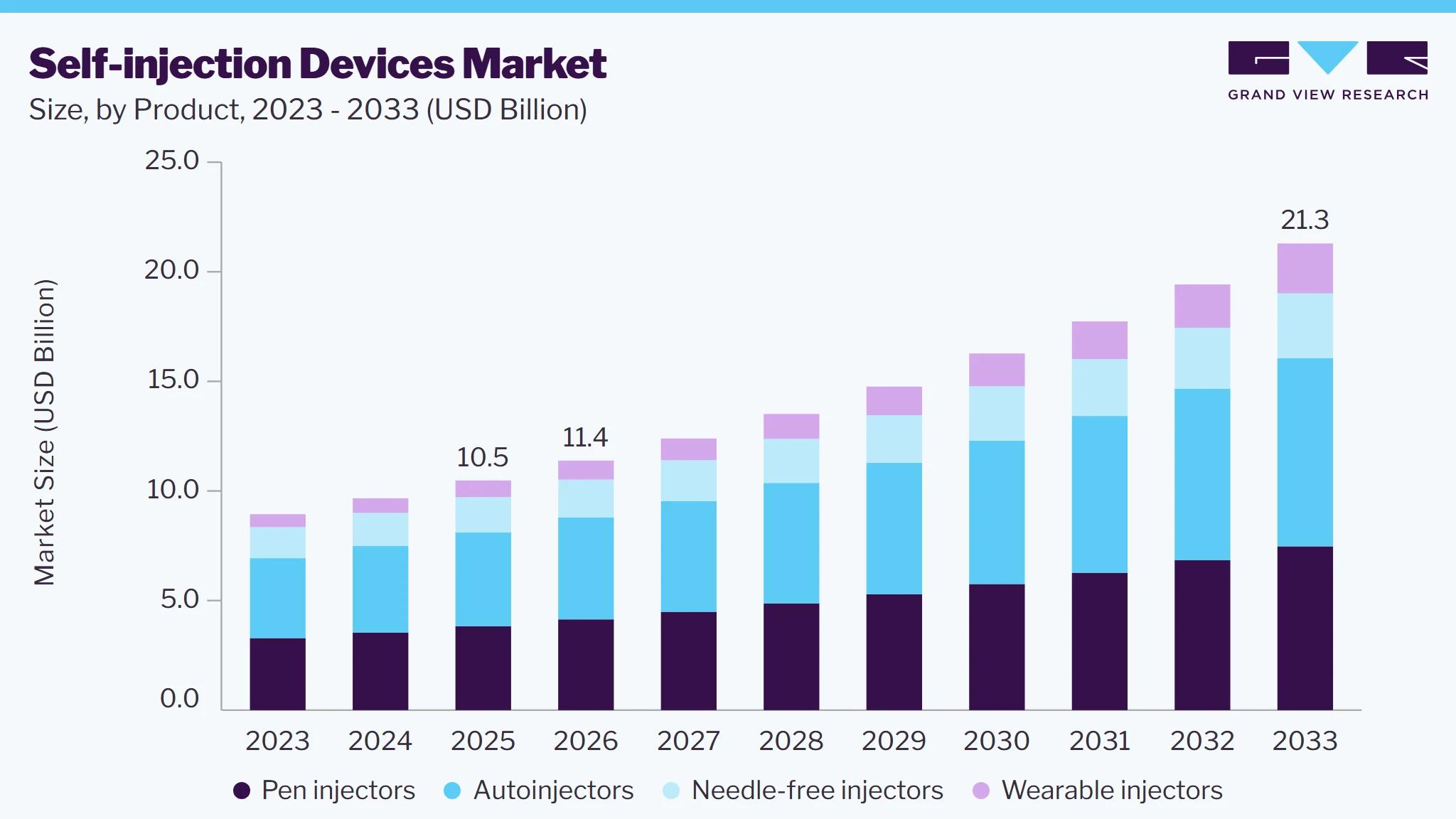
The global self-injection devices market size was valued at USD 10.5 billion in 2025 and is projected to grow from USD 11.4 billion in 2026 to USD 21.3 billion by 2033, at a CAGR of 9.4% from 2026 to 2033. The market in North America dominated with a revenue share of 40.4% in 2025. The growth of the market is driven by several factors, such as the increasing preference of patients towards self-administration, high prevalence of hormonal diseases, rising prevalence of cancer cases, reduction in treatment cost, availability of affordable self-injections and recent technological advancements in the development of advanced self-injections.
 Source: Grand View Research, IR Documents, Primary Interviews, Paid DatabasesTo learn more about this report,
 Download Free Sample Report
 Key Market Trends & Insights
- By product: Autoinjectors segment held the largest market share of 40.8% in 2025.
- By usability: Disposable segment held the largest market share of 62.6% in 2025.
- By application: Cancer segment held the largest market share of 26.5% in 2025.
Regional Highlights
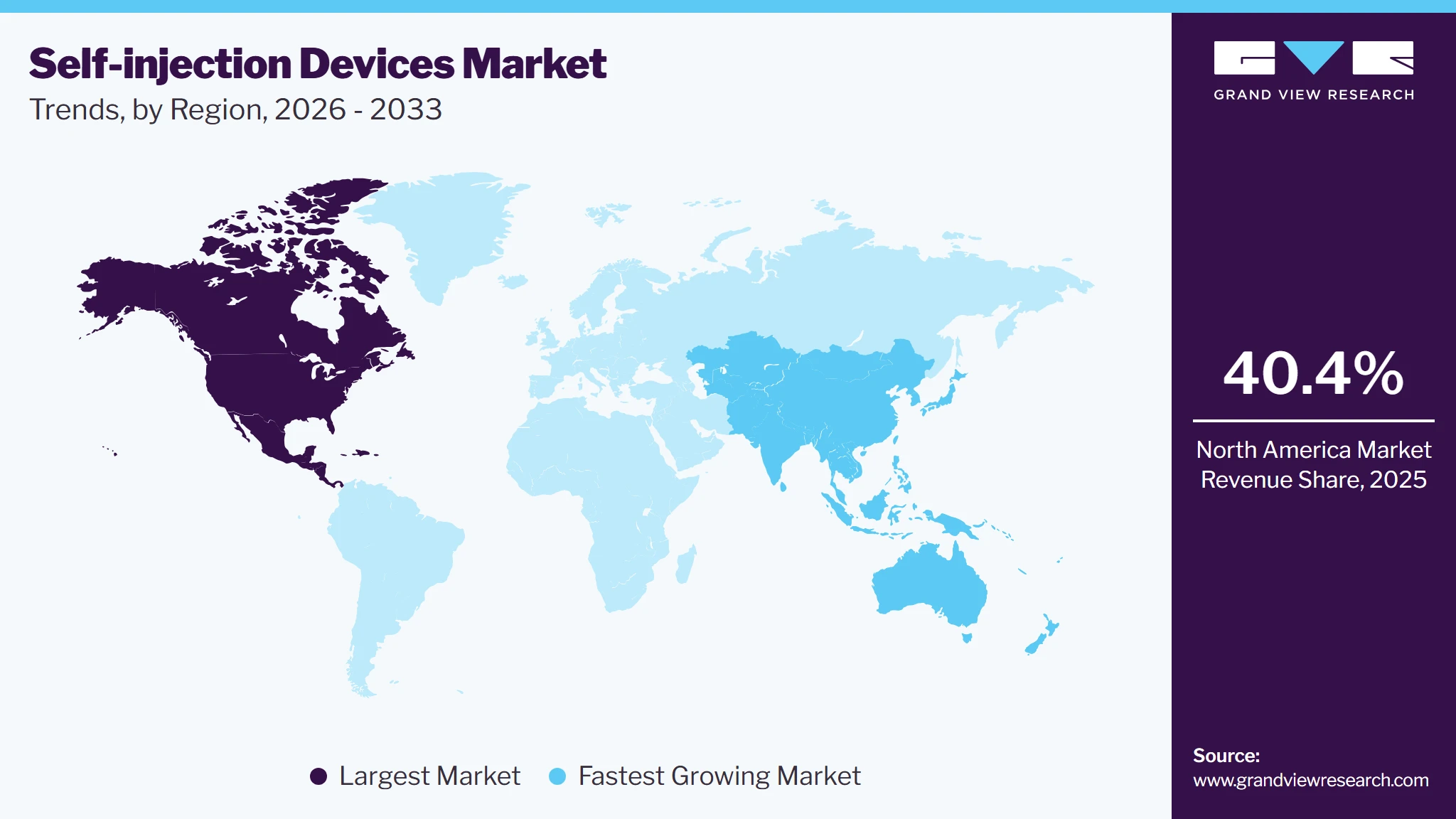
- Largest regional market: North America (40.4% revenue share, 2025)
- Fastest-growing regional market: Asia Pacific (highest CAGR, 2026-2033)
- By country: The U.S. held the largest market share in 2025.
Market Size & Forecast
- Market size in 2025: USD 10.5 Billion
- Estimated market size in 2026: USD 11.4 Billion
- Projected market size by 2033: USD 21.3 Billion
- CAGR (2026-2033): 9.4%
Three ways to get this report
Buy it, customize it, or ask a question.Ask an Analyst
Analyst response in 1 business day
- AccessReport author, directly
- Reply timeWithin 1 working day
- No sales callDirect answer only
- FormatEmail reply
- CostFree, no cost
Get the Full Report
What the study covers
- FormatsPDF · Excel · Dashboard
- Timeline2026–2033 annual, 2025 base
- Coverage20+ countries, 5 regions
- Companies10+ key players profiled
Customize the Report
20% free customization
- IncludeCountries, segments, points
- TailorTo your product definition
- ExtendDeeper competitor detail
- OrA fully bespoke study
- Turnaround5–10 working days
The increasing prevalence of hormonal diseases such as diabetes mellitus drives the market's growth. For instance, in 2021, the International Diabetes Federation (IDF) estimated that about 537 million people worldwide have diabetes. The high prevalence highlights the widespread nature of the disease and underscores the urgent need for medical products, such as insulin autoinjectors.The increasing prevalence of cancer worldwide is expected to drive the market's growth over the forecast period. Management of several cancers involves the usage of Methotrexate injections. For instance, according to the World Health Organization report, in 2022, it was estimated that there were 20 million new cases of cancer and 9.7 million deaths attributed to the disease. The number of individuals who were alive five years after a cancer diagnosis was approximately 53.5 million. Statistically, about one in five individuals is expected to develop cancer in their lifetime.
 To learn more about this report, Download Free Sample Report
 The growing preference for self-administration is significantly boosting the market. Many patients now prefer to manage their healthcare at home, particularly for chronic conditions such as diabetes and rheumatoid arthritis. This shift towards self-administration is driven by several factors, including increased convenience, greater control over treatment schedules, and the ability to avoid frequent trips to healthcare facilities.
Advancements in self-injection technologies are also driving the market. Self-injection technologies are relatively faster means of delivering drugs and allow improved reproducibility in comparison to invasive drug delivery technologies. These devices minimize the drug dosage requirement, improving patient compliance among older patients. Needle-free injectors such as jet injectors are effective and convenient, have fewer hospital stays and overall healthcare costs, offer better patient compliance, and are easy to use in home care settings. Thus, increasing advantages associated with self-injection devices are anticipated to foster market growth.
Market Dynamics
The self-injection devices market is experiencing robust growth as healthcare systems increasingly shift toward patient-centric care, home-based treatment, and self-administration of biologics and specialty pharmaceuticals. Self-injection devices are drug delivery systems designed to enable patients to safely and effectively administer medications outside traditional clinical settings. These devices include needle-free injectors, wearable injectors, pen injectors, and auto injectors that support the delivery of therapies across a broad range of chronic and acute disease indications. The increasing prevalence of cancer, autoimmune disorders, hormonal deficiencies, chronic pain conditions, and other long-term diseases is driving demand for convenient, accurate, and user-friendly drug delivery solutions. Furthermore, advancements in connectivity, dose-tracking technologies, ergonomic designs, hidden needle mechanisms, and large-volume drug delivery capabilities are improving patient adherence and treatment outcomes. The growing adoption of biologics and biosimilars, increasing healthcare cost-containment initiatives, and expanding preference for homecare therapies continue to accelerate demand for advanced self-injection devices globally.
The increasing use of biologic drugs for chronic disease management is a major driver of the self-injection devices market. Patients and healthcare providers are increasingly favoring drug delivery systems that reduce hospital visits and support convenient home-based treatment. Self-injection devices improve treatment adherence, simplify drug administration, and enhance patient independence while reducing healthcare resource utilization. Rising utilization of biologics in oncology, autoimmune diseases, endocrinology, and pain management, combined with growing emphasis on patient-centric care models, is accelerating adoption of advanced injection platforms. Technological advancements in wearable injectors, connected drug delivery systems, and safety-engineered injection devices are further supporting market expansion.
Despite strong demand, the self-injection devices market faces challenges related to product development complexity, regulatory requirements, and manufacturing costs. Device manufacturers must ensure drug-device compatibility, usability validation, patient safety, and compliance with evolving regulatory standards. Combination products often require extensive clinical and human factors studies, increasing development timelines and commercialization costs. In addition, reimbursement variability, device training requirements, and concerns regarding incorrect self-administration may limit adoption in certain patient populations and healthcare systems.
Market Concentration & Characteristics
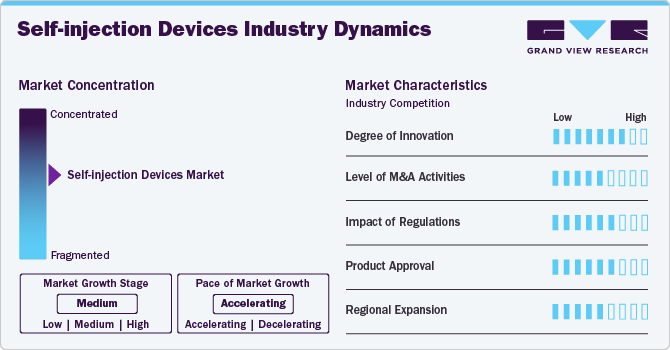
The market is characterized by moderate industry concentration and a mix of established multinational companies and emerging players. Major companies dominate with advanced technology, extensive distribution networks, and substantial R&D investments. This includes leaders such as YPSOMED and BD. The market features high innovation, driven by technological advancements such as improved ergonomics and integration of smart sensors. Additionally, there is a strong focus on precision and minimally invasive procedures. Emerging players contribute by introducing novel solutions and driving competition. The market is influenced by regulatory standards and the need for continuous product development to meet evolving clinical demands.
The degree of innovation in the market is notably high, driven by advancements in technology and growing demands for precision and efficiency. For instance, in October 2022, Ypsomed introduced a new autoinjector platform designed for liquid medications with volumes ranging from 1.5 to 5.5 ml. The YpsoMate 5.5 is the latest addition to the expanding YpsoMate category of devices and is built upon the established technology of the YpsoMate 2.25 Pro. This innovative device facilitates the self-administration of larger volumes of medications intended for the treatment of cancer, as well as rare and autoimmune diseases.
 To learn more about this report, Download Free Sample Report
 Regulations play a crucial role in shaping the self-injection devices industry by ensuring the safety, efficacy, and quality of these products. Stringent regulatory standards from the FDA and CE marking in Europe require comprehensive testing and compliance prior to market entry. These regulations are designed to ensure that self-injection devices adhere to high safety and performance standards, thereby enhancing patient outcomes. In addition, adherence to these regulations can fuel innovation, as manufacturers are compelled to incorporate advanced technologies and materials into their designs.
Mergers and acquisitions in the self-injection devices industry are rising due to the need for research and development, reflecting the industry's dynamic nature. Mergers and acquisitions in the self-injection devices industry are increasingly prevalent, primarily driven by the pressing need for enhanced research and development (R&D) capabilities. As the demand for self-administration of medications grows-partly due to the rise in chronic diseases-companies are compelled to innovate rapidly to meet evolving patient needs. Collaborating through mergers or acquisitions allows firms to combine resources, share expertise, and access advanced technologies that can expedite the development of new devices.
Several product substitutes can influence consumer preferences and market dynamics in the market. Oral medications are alternatives for certain conditions, appealing to patients who prefer not to self-inject. In addition, inhalation devices, such as inhalers and nebulizers, can be effective substitutes for delivering medication for respiratory and other conditions. Transdermal patches provide another alternative, allowing for the continuous release of medication through the skin without requiring injections. Lastly, implantable devices, which deliver medication over an extended period, can also replace the need for frequent self-injections. These substitutes highlight the diverse options available to patients, impacting the demand for self-injection devices.
Regional expansion in the market is being driven by the rising prevalence of hormone-related disorders and the global increase in cancer cases. Companies strategically target various regions to meet the growing demand for effective self-administration. By expanding their presence in emerging and established markets, companies aim to enhance accessibility to these crucial healthcare solutions, improving patient outcomes and fostering adherence to treatment regimens. This regional targeting reflects a response to healthcare needs and underscores the potential for innovation and investment in self-injection technologies across diverse global landscapes.
Analyst Perspective
The self-injection devices market is positioned at the convergence of several long-term healthcare trends, including the rapid expansion of biologic therapies, increasing prevalence of chronic diseases, growing demand for home healthcare, and the shift toward patient-centered treatment models. Pharmaceutical companies are increasingly partnering with device manufacturers to develop integrated drug-device combination products that enhance patient convenience and treatment adherence. Technological advancements in connected drug delivery, large-volume subcutaneous administration, reusable platforms, and digital health integration are transforming the competitive landscape. As healthcare systems continue to prioritize cost-effective care delivery and improved patient outcomes, self-injection devices are expected to play an increasingly important role across oncology, autoimmune diseases, endocrinology, and other therapeutic areas.
Product Insights
Based on product, the autoinjectors segment led the market with the largest revenue share of 40.8% in 2025. Autoinjectors are innovative medical devices designed to facilitate the self-administration of medications, particularly for patients requiring frequent or emergency injections, such as those with diabetes, allergies, or autoimmune disorders. These devices are user-friendly, often featuring a simple, one-button operation that allows individuals to quickly and accurately deliver their medication without extensive training. Auto-injectors are typically equipped with safety mechanisms to prevent accidental needle sticks and ensure proper dosage delivery, enhancing patient safety and confidence in managing their health. By providing a convenient and effective means of self-injection, auto-injectors can improve adherence to treatment regimens and empower patients to take control of their health care. As advancements continue in design and technology, auto-injectors are becoming an essential component of modern therapeutic approaches.
The market is classified by product into autoinjectors, pen injectors, wearable injectors, and needle-free injectors. The needle-free injector segment expected to grow at a significant CAGR, due to its high effectiveness and adoption rates worldwide. Needle-free injectors represent an innovative advancement in the delivery of medications, eliminating the need for traditional needles while providing a safe and effective means of self-administration. These devices use high-pressure technology to deliver medication through the skin in a fine, high-velocity stream, making the injection process virtually painless and reducing the risk of needle-related injuries and infections. Needle-free injectors are particularly beneficial for individuals with a fear of needles, children, and patients requiring frequent injections, such as those with diabetes or chronic conditions.
Usability Insights
Based on usability, the market is segmented into reusable and disposable. The disposable segment held the largest revenue share of 62.6% in 2025. Rising concerns over the hazards associated with needle stick injuries and rising awareness regarding benefits offered by drug delivery devices have stimulated quick growth in the market for disposable self-injection devices. Disposable self-injection devices are easy for frequent, low-volume injections or variable dosing. Novel and innovative disposable self-injection devices are offered by several companies such as BD, Gerresheimer AG, Ypsomed AG, and others to create a strong position in the market.
The reusable segment held a considerable market share in 2025 and is expected to experience the fastest growth over the forecast period. Healthcare professionals and doctors recommend reusable self-injection devices to lessen the risk of infections and other harmful diseases. These devices provide great durability as they are manufactured from precision-engineered and superior materials, aiding the physicians to reuse them several times. However, costly sterilization procedures and high device prices are anticipated to hamper segment growth during the forecast period.
Application Insights
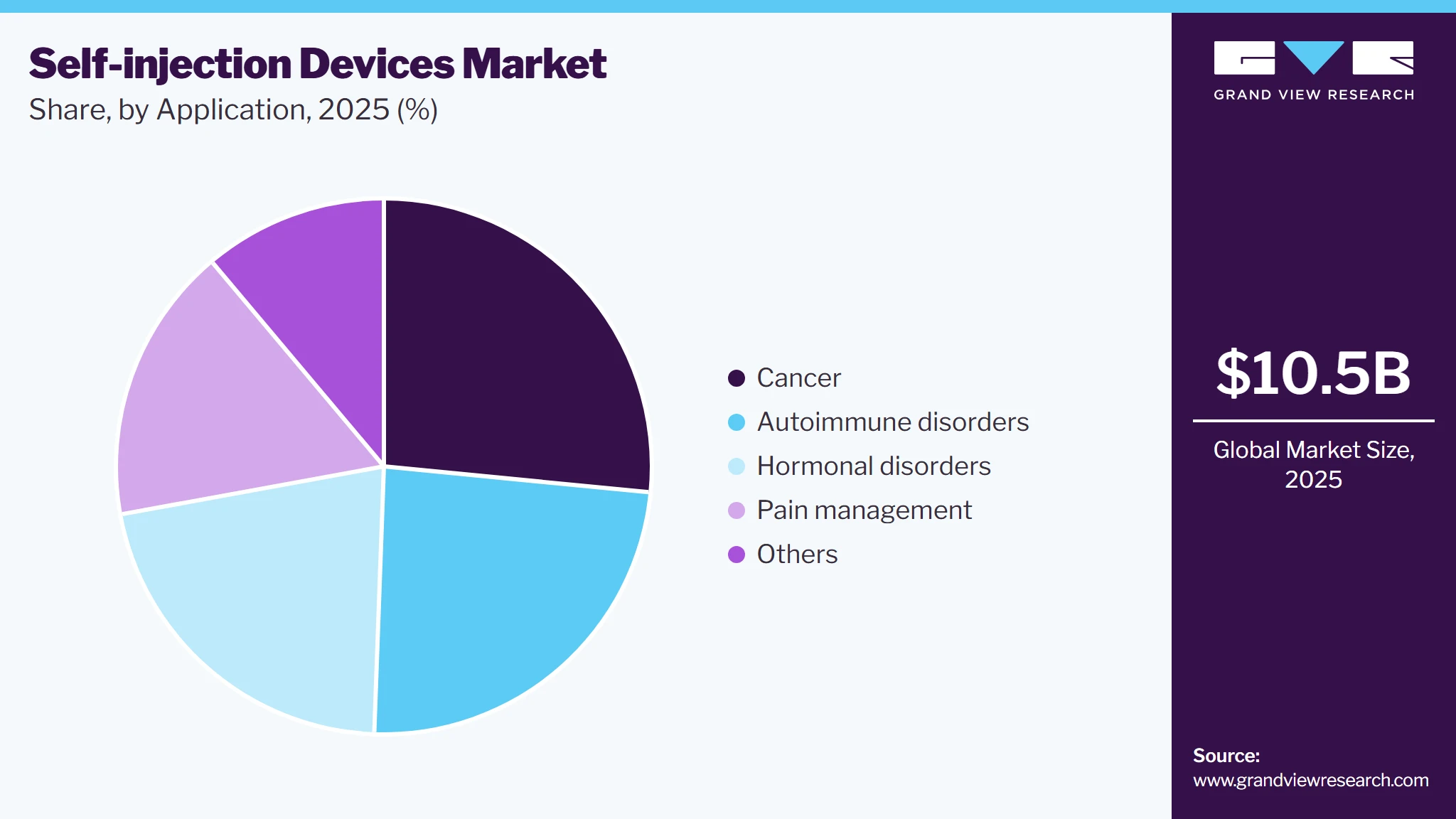
The market is segmented by application into cancer, pain management, autoimmune disorders, hormonal disorders, and others. Cancer is among the leading segments, account for the largest revenue share of 26.5% in 2025. The increasing prevalence of cancer is predicted to surge the demand for self-injection devices during the forecast period. For instance, according to the National Cancer Institute, about 1,806,590 new cancer cases were diagnosed in the U.S. in 2020. The rising shift toward self-administration of medication among cancer patients is expected to foster the segment growth.
 To learn more about this report, Download Free Sample Report
 The pain management segment is expected to grow exponentially over the forecast period. The segmental growth is attributable to increasing cases of chronic pain and technological advancements estimated to boost market growth. The increasing prevalence of chronic diseases, along with the rising geriatric population across the globe, is the major factor enhancing the growth of this segment. As chronic pain becomes more prevalent, the demand for self-administered pain relief solutions, such as injectable medications and innovative delivery systems, is increasing. Technological progress, including the development of user-friendly autoinjectors and needle-free devices, enhances the convenience and effectiveness of pain management for patients.
Regional Insights
North America dominated the self-injection devices market with the largest revenue share of 40.4% in 2025. The North American market is driven by several factors, including increased preference of the patients toward self-medication, increasing cancer cases, and rising cases of hormonal diseases. This substantial market presence can be attributed to several interrelated factors. Firstly, there is a notable shift in patient preferences towards self-medication, driven by the desire for greater autonomy and convenience in managing health conditions. Patients increasingly seek out devices that allow them to administer medications at home, which aligns with the broader trend of personalized healthcare. In addition, the rising incidence of chronic diseases, particularly cancer and hormonal disorders such as diabetes, has significantly fueled demand for self-injection devices. The growing population of patients requiring regular injections for treatment necessitates efficient and user-friendly solutions, prompting healthcare providers and manufacturers to focus on developing advanced self-injection technologies.
 To learn more about this report, Download Free Sample Report
 U.S. Self-injection Devices Market Trends
The self-injection devices market in the U.S. held the largest share in the North America region in 2025. The U.S. market for self-injection devices is driven by factors such as an increase in healthcare expenditure across the globe and an increase in the usage of auto-injectors among patients. Rising partnerships between key players in the market is expected to drive the market's growth. For instance , in March 2022, NuGen Medical Devices, Inc. announced a partnership with Unifire, Inc. to market and distribute its innovative Needlestick Safety System, designed to enhance safety and reduce the risks associated with needlestick injuries in healthcare settings. This collaboration aims to improve the availability and reach of NuGen's products by leveraging Unifire's expertise in distributing medical and safety solutions. The Needlestick Safety System employs advanced technology to protect healthcare professionals and patients from exposure to potentially infectious materials. This alliance reflects a growing emphasis on safety in healthcare, addressing critical needs in the medical community and promoting the adoption of effective safety innovations.
Europe Self-injection Devices Market Trends
The Europe self-injection devices market is experiencing significant growth, driven by an expanding healthcare infrastructure and rising collaboration between major regional players. For instance, in May 2022, Stevanato Group and Owen Mumford entered into an exclusive collaboration agreement focused on the innovative Aidaptus auto-injector. This partnership aims to leverage Stevanato Group's advanced drug delivery solutions and Owen Mumford's expertise in medical device development to enhance the availability of the Aidaptus auto-injector, which is designed for ease of use and improved patient experience. The collaboration reflects a shared commitment to advancing self-injection technology, enabling patients to administer their medications safely and effectively. By combining their strengths, the two companies intend to drive innovation in the auto-injector market, ultimately improving treatment adherence and patient outcomes in the healthcare sector.
The UK self-injection devices market is expected to grow due to the increasing prevalence of hormonal diseases. This growth is further supported by reduced treatment costs associated with self-injection devices due to advancements in manufacturing, increased competition among suppliers, and the development of cost-effective technologies. Lower prices enhance accessibility for a broader range of patients. In addition, healthcare providers and payers recognize the long-term cost savings linked to improved health outcomes and reduced hospital visits.
The self-injection devices market in France is expected to grow due to the technological advancements in self-injection devices. Innovations such as smart autoinjectors, which incorporate features such as dose tracking, reminder notifications, and connectivity to mobile apps, are revolutionizing how patients manage their treatments. For instance, devices that utilize needle-free technology allow for painless administration, thereby improving patient compliance, especially among those with needle anxiety. In addition, developing prefilled syringes with safety mechanisms to prevent needlestick injuries further underlines the commitment to patient safety and ease of use. These technological improvements make self-injection more convenient and empower patients to take greater control of their health, contributing to the expected growth of the market in France.
The German self-injection devices market is experiencing significant growth, driven by the increasing adoption of these devices among patients managing chronic conditions such as diabetes, rheumatoid arthritis, and multiple sclerosis. Patients are becoming more aware of the benefits of self-administration, including enhanced convenience, flexibility, and the ability to manage their health from home. Supportive reimbursement policies in the German healthcare system encourage the use of self-injection therapies, while a strong emphasis on innovation and advanced medical technology fosters the development of new devices, such as smart autoinjectors with features such as dose tracking and digital connectivity.
Asia Pacific Self-injection Devices Market Trends
Asia Pacific self-injection devices market is expected to grow at the fastest CAGR over the forecast period, primarily driven by rapidly advancing healthcare infrastructure in key countries such as India, China, and Japan, alongside increasing investments in treating chronic disorders. These nations are witnessing significant improvements in their healthcare systems, enhanced access to medical services, better training for healthcare professionals, and the introduction of advanced medical technologies. As a result, patients are more readily able to access self-injection therapies for managing chronic conditions such as diabetes and rheumatoid arthritis. In addition, rising healthcare expenditures in these countries reflect a growing recognition of the importance of effective chronic disease management, further propelling the demand for self-injection devices.
The Japan self-injection devices market is set for rapid growth due to the increasing elderly population, which is particularly susceptible to diabetes mellitus and other chronic conditions. As Japan faces one of the world's highest aging populations, there is a corresponding rise in the prevalence of age-related diseases, leading to a greater need for effective management solutions such as self-injection devices. These devices offer elderly patients the convenience and independence to administer their medications at home, thus improving adherence to treatment regimens. In addition, advancements in technology, such as user-friendly autoinjectors and smart delivery systems, supply specifically to the needs of older adults, making self-injection safer and more accessible.
The self-injection devices market in China is highly competitive due to the country’s rapidly aging population and increasing use of self-injection devices. As China faces significant demographic shifts, with a substantial increase in the number of elderly individuals, there is an escalating demand for effective management solutions for chronic diseases such as diabetes and hypertension, which frequently require regular injections. This increasing prevalence of chronic conditions has led to a heightened use of self-injection devices, as they offer patients greater autonomy and convenience in managing their health. In response to this demand, numerous manufacturers are entering the market, leading to innovations in device design, safety features, and user-friendliness.
The India self-injection devices market is highly competitive anddriven by factors such as the availability of affordable self-injection devices. Recent launches made by the regional players in the region are driving the market's growth. For instance, in May 2022, Medmix Drug Delivery announced the launch of its new autoinjector at the Pharmapack event, showcasing its commitment to advancing drug delivery solutions. This innovative autoinjector is designed to enhance patient experience and improve the administration of injectable medications, particularly for chronic conditions that require regular self-administration. The device incorporates user-friendly features that facilitate ease of use, empowering patients and enhancing adherence to treatment regimens.
Latin America Self-injection Devices Market Trends
The Latin American self-injection devices market is driven by the increasing cases of hormonal-related disorders. The Latin American market is experiencing significant growth, driven by the increasing prevalence of hormonal-related disorders such as diabetes and infertility issues. As these conditions become more common, the demand for effective self-administration solutions is rising, enabling patients to manage their treatments conveniently from home. This shift is particularly beneficial in regions with limited access to healthcare facilities, where patients value self-injection's autonomy. In addition, growing awareness of chronic disease management and adherence to treatment regimens is leading healthcare providers to recommend self-injection devices more frequently.
Saudi Arabia Self-injection Devices Market Trends
The self-injection devices market in Saudi Arabia is anticipated to experience significant growth over the forecast period, largely due to the reduction in costs associated with auto-injectors and wearable injectors. As advancements in manufacturing technologies and increased competition among suppliers drive down prices, these devices are becoming more accessible to a broader range of patients, including those managing chronic conditions such as diabetes and rheumatoid arthritis. The affordability of auto-injectors and wearable injectors encourages more patients to adopt self-administration practices, enhancing treatment adherence and improving health outcomes.
Key Self-injection Devices Company Insights
The competitive scenario in the market is highly competitive, with key players such as YPSOMED, BD, and others. The major companies are undertaking various organic and inorganic strategies such as new product development, collaborations, acquisitions, mergers, and regional expansion to serve the unmet needs of their customers.
Key Self-Injection Devices Companies
The following key companies have been profiled for this study on the self-injection devices market.
-
YPSOMED
-
BD
-
Gerresheimer AG
-
Antares Pharma, Inc.
-
Haselmeier AG
-
NuGen Medical Devices
-
Owen Mumford Ltd.
-
SHL Medical AG
-
Pfizer, Inc.
-
Amgen Inc.
Competitive Benchmarking
Category
Operating Strategies
Competitive Edge
Weakness
Established Players (BD, Ypsomed, Gerresheimer AG, Owen Mumford Ltd., SHL Medical AG, Pfizer Inc., Amgen Inc.)
- Established companies focus on developing comprehensive self-injection platforms, combination drug-device solutions, connected delivery technologies, and strategic partnerships with pharmaceutical manufacturers. They emphasize large-scale manufacturing, regulatory expertise, and global commercialization capabilities.
- Strong global distribution networks, extensive pharmaceutical partnerships, large installed device bases, proven regulatory track records, and significant R&D resources. Their ability to integrate drug delivery platforms with biologic therapies supports recurring revenue generation and long-term customer relationships.
- Dependence on pharmaceutical partnership cycles, pricing pressures, regulatory complexity, and lengthy product development timelines. Large organizations may face challenges in rapidly adapting to niche delivery requirements and emerging technologies.
Emerging Players (Antares Pharma, Haselmeier AG, NuGen Medical Devices)
- Emerging companies prioritize innovative drug delivery technologies, niche therapeutic applications, differentiated injection mechanisms, and flexible partnership models. Many focus on specialized device platforms and next-generation self-administration technologies.
- Agile innovation capabilities, specialized expertise in drug delivery systems, competitive development timelines, and ability to address unmet patient needs. Strong focus on technology differentiation creates opportunities to gain market share.
- Limited global distribution infrastructure, smaller manufacturing scale, lower brand recognition, and dependence on strategic partnerships for commercialization. Regulatory approvals and international expansion may require significant investments and extended timelines.
Recent Developments
-
In August 2024, Astria Therapeutics selected Ypsomed's YpsoMate autoinjector platform for its lead product, ATR-101, designed to treat patients with severe allergic reactions. This collaboration aims to leverage Ypsomed’s expertise in device development to enhance the delivery and administration of ATR-101, ensuring a reliable and user-friendly patient experience. By integrating Ypsomed's technology, Astria Therapeutics seeks to improve treatment outcomes and patient compliance in managing severe allergies, positioning itself for success in the competitive therapeutic landscape.
-
In May 2023, SHL Medical, a prominent provider of advanced drug delivery solutions, announced the collaboration agreement with MoonLake Immunotherapeutics, a clinical-stage biotechnology company dedicated to developing innovative therapies for inflammatory diseases. The agreement aims to develop an autoinjector for the clinical and potential commercial supply of MoonLake's Nanobody sonelokimab, utilizing SHL Medical's Molly autoinjector technology.
-
In September 2021, Owen Mumford Pharmaceutical Services, a division of Owen Mumford Ltd., announced the launch of its new Aidaptus auto-injector platform following its successful development completion. The Aidaptus is a two-step, spring-powered, single-use auto-injector designed with versatility, accommodating 1mL and 2.25mL prefilled glass syringes within the same base device.
Self-injection Devices Market Report Scope
Report Attribute
Details
Market size in 2025
USD 10.5 billion
Estimated market size in 2026
USD 11.4 billion
Projected market size by 2033
USD 21.3 billion
Growth rate
CAGR of 9.4% from 2026 to 2033
Historical data
2021 - 2024
Forecast period
2026 - 2033
Quantitative units
Revenue in USD million/billion and CAGR from 2026 to 2033
Report coverage
Revenue forecast, company ranking, competitive landscape, growth factors, and trends
Segments covered
Product, usability, application, region
Regional scope
North America; Europe; Asia Pacific; Latin America; MEA
Country scope
U.S.; Canada; Mexico; Germany; UK; France; Italy; Spain; Denmark; Sweden; Norway; China; Japan; India; South Korea; Thailand; Australia; Brazil; Argentina; South Africa; Saudi Arabia; UAE; Kuwait
Key companies profiled
YPSOMED; BD; Gerresheimer AG; Antares Pharma, Inc.; Haselmeier AG; NuGen Medical Devices; Owen Mumford Ltd.; SHL Medical AG; Pfizer, Inc.; Amgen Inc.
Customization scope
Free report customization (equivalent up to 8 analysts' working days) with purchase. Addition or alteration to country, regional & segment scope.
Pricing and purchase options
Avail customized purchase options to meet your exact research needs. Explore purchase options
Global Self-injection Devices Market Report Segmentation
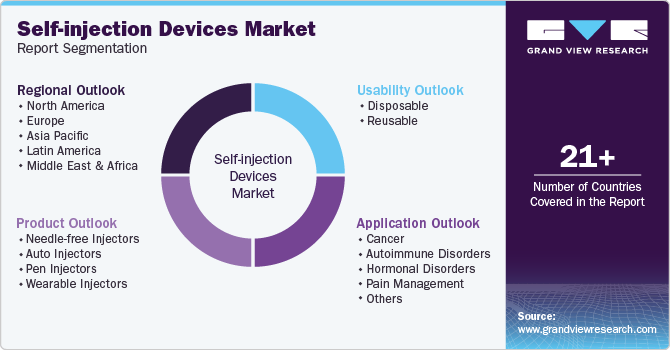
This report forecasts revenue growth at country levels and provides an analysis on the latest industry trends and opportunities in each of the sub-segments from 2021 to 2033. For the purpose of this study, Grand View Research has segmented the global self-injection devices market report on the basis of product, usability, application, end-use and region:
 To learn more about this report, Download Free Sample Report
 -
Product Outlook (Revenue, USD Million, 2021 - 2033)
-
Needle-free injectors
-
Autoinjectors
-
Pen injectors
-
Wearable injectors
-
-
Usability Outlook (Revenue, USD Million, 2021 - 2033)
-
Disposable
-
Reusable
-
-
Application Outlook (Revenue, USD Million, 2021 - 2033)
-
Cancer
-
Autoimmune disorders
-
Hormonal disorders
-
Pain management
-
Others
-
-
Region Outlook (Revenue, USD Million, 2021 - 2033)
-
North America
-
U.S.
-
Canada
-
Mexico
-
-
Europe
-
UK
-
Germany
-
France
-
Italy
-
Spain
-
Denmark
-
Sweden
-
Norway
-
-
Asia Pacific
-
Japan
-
China
-
India
-
Australia
-
South Korea
-
Thailand
-
-
Latin America
-
Brazil
-
Argentina
-
-
Middle East & Africa
-
South Africa
-
Saudi Arabia
-
UAE
-
Kuwait
-
-
Research Methodology
The self-injection devices market figures in this report are based on a proven research process that combines executive interviews with secondary research from proprietary databases, company filings, and recognized regulatory and institutional sources. Market size is built through value-chain sizing - reconciling supply-side and demand-side estimates - and triangulated with bottom-up and top-down approaches. Every estimate passes multiple levels of expert validation before publication, with each self-injection devices segment quantified using the revenue-capture definitions in the table below.
Segment Definition
Segment - Product
Revenue capture definition
Needle-free injectors
Revenue is generated through the sale of injection systems that deliver medications without traditional needles using high-pressure technology. Manufacturers capture value through growing demand for pain-free administration, improved patient compliance, and reduced needle-stick risks.
Wearable injectors
Revenue is derived from on-body delivery systems designed to administer large-volume biologics over extended periods. Market participants benefit from increasing adoption of high-volume biologic therapies requiring convenient at-home administration.
Pen injectors
Revenue is generated through reusable and disposable pen-based injection systems utilized for chronic disease management. Manufacturers capture recurring revenue through device sales, replacement components, and pharmaceutical partnerships.
Autoinjectors
Revenue is derived from automated injection systems designed to simplify medication administration through push-button or automated activation mechanisms. The segment benefits from broad adoption across chronic disease and emergency treatment applications.
Segment - Usability
Revenue capture definition
Disposable
Revenue is generated through single-use self-injection devices prefilled with medication and designed for one-time administration. Manufacturers benefit from recurring demand driven by chronic therapies, patient convenience, and infection-control considerations.
Reusable
Revenue is derived from durable self-injection platforms designed for multiple uses with replaceable cartridges or drug containers. Market participants capture value through initial device sales, replacement components, and long-term patient retention.
Segment - Application
Revenue capture definition
Cancer
Revenue is generated through self-injection devices utilized for oncology therapies, supportive care treatments, growth factors, and targeted biologics administered in homecare settings.
Autoimmune disorders
Revenue is derived from devices used to administer biologic therapies for rheumatoid arthritis, psoriasis, Crohn's disease, ulcerative colitis, and other autoimmune conditions. This represents one of the largest application segments due to widespread biologic adoption.
Hormonal disorders
Revenue is generated through self-injection systems utilized for diabetes, growth hormone deficiency, fertility treatments, osteoporosis, and other endocrine disorders requiring long-term injectable therapies.
Pain management
Revenue is captured through devices delivering pain management therapies, migraine treatments, and specialty neurological medications requiring self-administration.
Others
Revenue is derived from utilization across cardiovascular diseases, rare diseases, infectious diseases, allergy treatments, and other specialty therapeutic applications.
Estimation Model
Stage
Key Question
Process Steps
Data Sources
Scope Definition
What is being sized?
- Define Self-Injection Devices Technology and radiosurgery Categories
- Scope Product, Usability, Application Segments
- Establish Geographic Coverage (Global/Regional)
- Align on base year & forecast horizon (2026-2033)
FDA, CE mark, IAEA, ASTRO, WHO
Build the Device Base
How large is total addressable market?
- Estimate Patient Population by Therapeutic Area
- Assess Injectable Drug Utilization Rates
- Map Device Adoption Across Drug Classes
- Develop Device Demand Forecasts
Oncology Registries, Professional Associations, Company Annual Reports
Estimate Adoption & Utilization
What portion of procedures use disposable devices?
- Assess Self-Administration Rates by Therapy Area
- Evaluate Adoption by Device Type
- Analyze Transition from Clinical Administration to Homecare
- Validate Through Physician, Patient, and Industry Interviews
Primary interviews, clinical surveys, industry experts
Revenue Conversion
How does volume become revenue?
- Determine System ASPs Device Types and Region
- Estimate Revenue from Device Sales
- Apply Regional Pricing Variations
- Cross-validate with Company Revenues and Public Findings
Distributor pricing sheets, procurement data, expert interviews
Delivered Customizations
This report has been delivered with the following In-depth customizations
Client Request
Customization Delivered
Value Adds
Competitive Landscape Analysis
Conducted a comprehensive competitive assessment of the global self-injection devices market, evaluating leading device manufacturers, pharmaceutical companies, and drug delivery technology providers. The study assessed product portfolios, injection technologies, usability features, pharmaceutical partnerships, manufacturing capabilities, regulatory approvals, pricing strategies, and geographic expansion initiatives.
Enables stakeholders to understand competitive positioning, technology leadership, partnership ecosystems, pricing dynamics, and commercialization strategies shaping the self-injection devices market. Supports supplier evaluation, product benchmarking, investment decisions, and partnership planning.
Segment by Application Analysis
Conducted detailed assessment across Cancer, Autoimmune Disorders, Hormonal Disorders, Pain Management, and Other Applications, including patient populations, therapy adoption rates, self-administration trends, and forecast demand.
Enables stakeholders to identify high-growth therapeutic segments, optimize product positioning, prioritize development initiatives, and align commercialization strategies with evolving treatment patterns.
Macroeconomic Analysis
Conducted an in-depth assessment of healthcare expenditure growth, biologics adoption, chronic disease prevalence, homecare expansion, reimbursement trends, healthcare infrastructure development, and regulatory factors influencing self-injection device adoption globally.
Enables stakeholders to understand macroeconomic, healthcare system, demographic, and policy factors influencing market growth, technology adoption, investment prioritization, and long-term strategic planning within the self-injection device ecosystem.
Frequently Asked Questions About This Report
The global self-injection devices market is expected to grow at a CAGR of 9.4% from 2026 to 2033, reaching USD 21.3 billion by 2033.
Some of the key players operating in the self-injection devices market are Ypsomed AG, BD, Gerresheimer AG, Antares Pharma, Haselmeier AG, NuGen Medical Devices, Owen Mumford Ltd, SHL Medical AG, Pfizer, Inc, and Amgen.
Key factors that are driving the self-injection devices market growth include the increasing prevalence of chronic disorders, technological advancements, rising cases of needlestick injuries, and frequent product launches across the world.
Based on usability, the disposable segment led the market with the largest revenue share of 62.6% in 2025.
Based on application, the cancer segment led the market with the largest revenue share of 26.5% in 2025.
The global self-injection devices market size was valued at USD 10.5 billion in 2025 and is estimated at USD 11.4 billion for 2026.
North America dominated the self-injection devices market with a share of 40.4% in 2025. This is attributable to the increasing demand for advanced self-injection devices, increasing cases of needlestick injuries, and constant research and development initiatives.
Asia Pacific is the fastest-growing region over the forecast period.
Based on product, the autoinjectors segment led the market with the largest revenue share of 40.8% in 2025.
About the Author(s)
Medical Devices Research Team
Healthcare · Medical DevicesThis report was authored by the medical devices research team at Grand View Research - comprising two research analysts, one senior research analyst, and one industry expert - with specialized expertise in the medical devices segment of the healthcare industry. All findings are based on proprietary healthcare databases, executive interviews, and regulatory analysis, subject to internal peer review prior to publication.
Last Updated:
Speak to Analyst

Customize this report to your needs - add regions, segments, or data points, with 20% free customization.
Or view our licence options:


ISO 9001:2015 & 27001:2022 Certified
We are GDPR and CCPA compliant! Your transaction & personal information is safe and secure. For more details, please read our privacy policy.


