
- Home
- »
- Medical Devices
- »
-
Smart Inhalers Market Size, Growth Report, 2026-2033GVR Report cover

Smart Inhalers Market (2026 - 2033)
Size, Share & Trends Analysis Report By Type (Dry Powdered Inhalers, Metered Dose Inhalers), By Indication (Asthma, COPD), By Distribution Channel (Hospital, Retail), By End Use (Homecare Settings), By Region, And Segment Forecasts
Market Size, 2025
$21.9BMarket Estimate, 2026
$26.1BMarket Forecast, 2033
$91.9BCAGR, 2026–2033
19.7%Smart Inhalers Market Summary
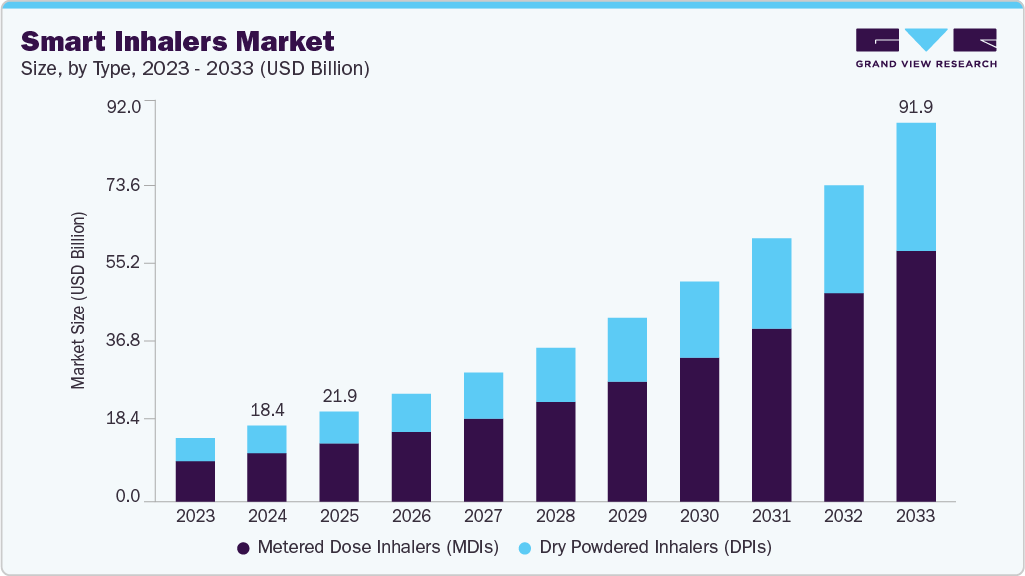
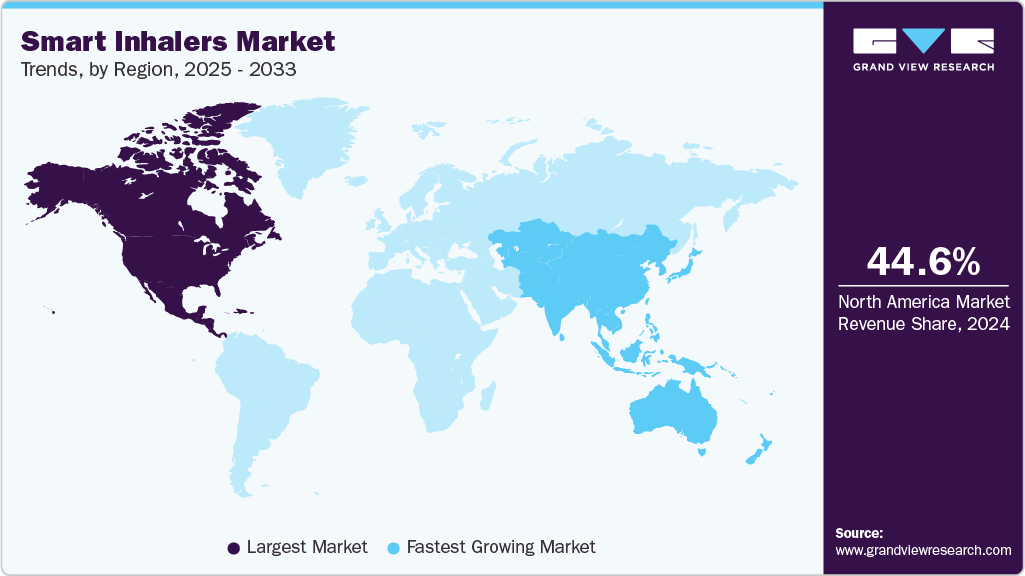
The global smart inhalers market size was estimated at USD 21.9 billion in 2025 and is projected to grow from USD 26.1 billion in 2026 to USD 91.9 billion by 2033, growing at a CAGR of 19.7% from 2026 to 2033. North America dominated the global market, accounting for the largest revenue share of 44.1% in 2025. The rising prevalence of chronic respiratory diseases (CRDs) globally, the development of technologically advanced products, and the growing adoption of digital solutions in the healthcare sector are expected to contribute to the market's growth.
 Source: Grand View Research, IR Documents, Primary Interviews, Paid DatabasesTo learn more about this report,
 Download Free Sample Report
 Key Market Trends & Insights
- By type, Metered dose inhalers segment accounted for the largest revenue share of over 64.4% in 2025 and is expected to grow at the fastest CAGR throughout the forecast period.
- By indication, Chronic obstructive pulmonary disease segment held the largest revenue share of over 51.7% in 2025 and is expected to grow at the fastest CAGR throughout the forecast period.
- By distribution channel: Hospital pharmacies segment held the largest revenue share of over 43.6% in 2025.
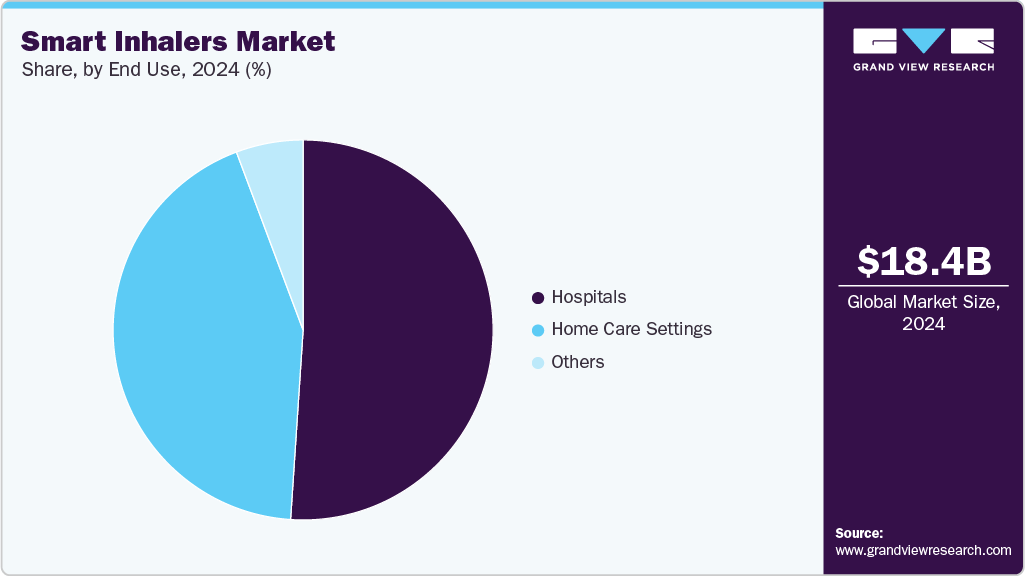
- By end use: Hospitals segment held the largest revenue share of over 50.8% in 2025.
Regional Highlights
- Largest regional market: North America (44.1% revenue share, 2025)
- Fastest-growing regional market: Asia Pacific (highest CAGR, 2026-2033)
- By country: The U.S. smart inhalers market is a major contributor to the global market.
Market Size & Forecast
- Market size in 2025: USD 21.9 Billion
- Estimated market size in 2026: USD 26.1 Billion
- Projected market size by 2033: USD 91.9 Billion
- CAGR (2026-2033): 19.7%
Three ways to get this report
Buy it, customize it, or ask a question.Ask an Analyst
Analyst response in 1 business day
- AccessReport author, directly
- Reply timeWithin 1 working day
- No sales callDirect answer only
- FormatEmail reply
- CostFree, no cost
Get the Full Report
What the study covers
- FormatsPDF · Excel · Dashboard
- Timeline2026–2033 annual, 2025 base
- Coverage20+ countries, 5 regions
- Companies10+ key players profiled
Customize the Report
20% free customization
- IncludeCountries, segments, points
- TailorTo your product definition
- ExtendDeeper competitor detail
- OrA fully bespoke study
- Turnaround5–10 working days
According to estimates from the American Lung Association, in 2022, 11.7 million people, or 4.6% of adults, reported a diagnosis of COPD, including chronic bronchitis and emphysema. In addition, the WHO estimates that potentially fatal respiratory diseases, including COPD, lung cancer, and tuberculosis, will account for about one in five deaths worldwide by 2030.The increasing focus on developing smart inhalers and a rise in initiatives by key market players for R&D efforts drive the demand for smart inhalers. In addition, more companies are integrating digital technologies into their product offerings to enhance medication effectiveness and the management of asthma and COPD. For instance, in April 2022, Aptar Pharma, a market player, introduced HeroTracker Sense, a chronic respiratory digital e-health solution that converts a conventional metered dose inhaler into a smart inhaler.
 To learn more about this report, Download Free Sample Report
 Moreover, various research studies highlighting the benefits of adopting smart inhalers, such as assisting patients in treatment adherence and controlling symptoms, also contribute to the market growth. For instance, a 2020 Cleveland Clinic study discovered that patients with COPD using the Propeller company’s smart inhalers had a noticeably lower risk of being admitted to the hospital, with a nearly 35% drop in visits compared to the prior year.
Furthermore, increasing adoption of digital health technologies and connected devices is enabling better patient adherence, remote monitoring, and personalized treatment plans. Integration of Bluetooth and sensor-based technologies allows healthcare providers to track inhaler usage and optimize therapy outcomes. Supportive government initiatives, growing awareness about disease management, and collaborations between pharmaceutical companies and tech firms are further accelerating market expansion. In addition, the shift toward value-based care is encouraging the adoption of smart inhalers.
Market Dynamics
The smart inhalers market is witnessing high growth, driven by the rising prevalence of respiratory disorders such as asthma and chronic obstructive pulmonary disease (COPD), increasing penetration of smart phone along with the digital health technologies adoption, and growing emphasis on medication adherence. Integration of sensors, connectivity features, and mobile health platforms, along with expanding remote patient monitoring initiatives and supportive healthcare investments, is expected to further propel market growth over the forecast period.
The growing adoption of digital health and connected healthcare solutions is a significant driver of the smart inhalers market. Healthcare providers are increasingly utilizing connected devices, mobile health applications, and cloud-based platforms to improve disease monitoring, medication adherence, and patient engagement. Smart inhalers enable the collection and transmission of real-time medication usage data, allowing clinicians to track treatment compliance, identify improper inhaler use, and make data-driven therapeutic decisions. The increasing prevalence of chronic respiratory conditions such as asthma and chronic obstructive pulmonary disease (COPD), coupled with the growing adoption of telehealth and remote patient monitoring programs, is further accelerating demand for digitally connected inhaler solutions. These technologies support proactive disease management, reduce healthcare costs associated with poor adherence, and improve clinical outcomes.
Industry developments continue to influence the integration of digital technologies into respiratory care. For instance, in September 2024, Aptar Digital Health announced a clinical study with Guy’s and St Thomas’ NHS Foundation Trust to evaluate its respiratory disease management platform for asthma patients. The platform incorporates connected monitoring and digital disease management tools designed to improve treatment adherence and patient outcomes in respiratory care. Such initiatives highlight the increasing focus on leveraging digital health ecosystems and connected respiratory devices to enhance patient engagement, support personalized treatment strategies, and optimize long-term disease management. As healthcare systems continue to prioritize data-driven and remote care models, the adoption of smart inhalers is expected to expand significantly over the forecast period.
The integration of IoT, advanced sensors, and mobile health applications in inhalers presents a significant growth opportunity for the smart inhalers market. These technologies enable real-time monitoring of medication usage, inhalation technique, and adherence patterns, providing valuable insights for both patients and healthcare providers. By connecting inhalers to smartphone applications and cloud-based platforms, smart inhalers facilitate personalized disease management, timely medication reminders, and remote patient monitoring. The growing demand for data-driven healthcare solutions and proactive management of chronic respiratory diseases is expected to accelerate the adoption of connected inhaler technologies over the forecast period.
For instance, in April 2024, Adherium received FDA clearance for its Hailie Smartinhaler platform with AstraZeneca’s Breztri and Airsupra inhalation devices, enabling real-time monitoring of inhaler technique and medication use via connected digital technology. This advancement strengthens the integration of sensors, connectivity, and digital health platforms in respiratory care, supporting improved patient engagement and treatment outcomes while creating new growth opportunities for the smart inhalers market.
Market Concentration & Characteristics
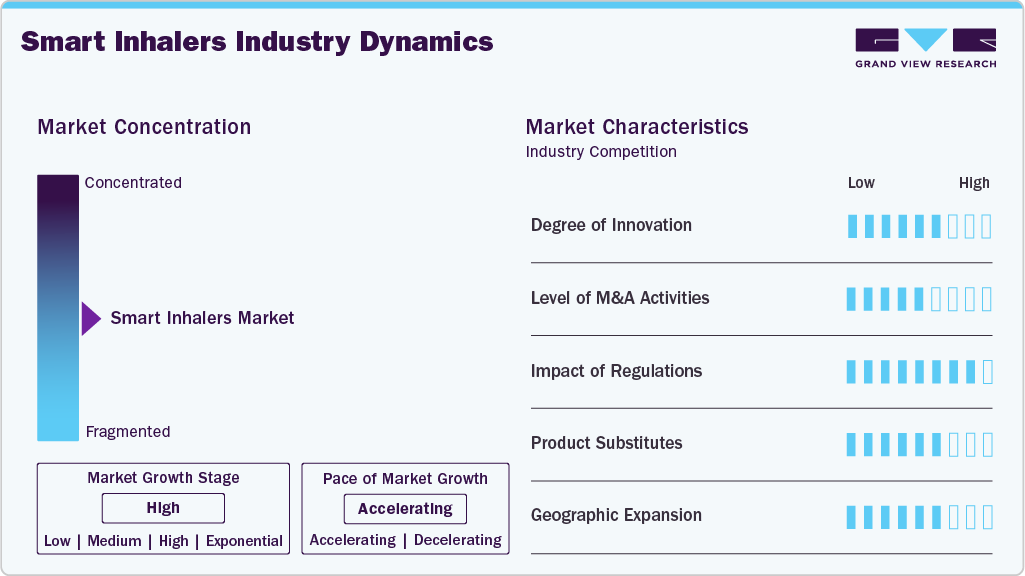
The industry growth is high, at an accelerating pace. The smart inhalers industry is characterized by the increasing prevalence of respiratory diseases, the aging population, increasing initiatives by government and private organizations to increase awareness about respiratory diseases, and increasing innovation and product launches by players.
The smart inhaler industry is characterized by a high degree of innovation as industry players develop innovative solutions such as inhalers with sensors, trackers, connectivity features, and integrated digital platforms to gain better health insights into patient health. Increasing efforts to develop such technologies are increasing the opportunity for future innovations in the industry. For instance, in July 2023, Teva UK launched the GoResp Digihaler system for asthma and COPD patients in the UK. This inhaler device contains in-built sensors that detect and record the patient’s data, used in further consulting and treatment.
 To learn more about this report, Download Free Sample Report
 Key players are implementing strategic initiatives, such as mergers and acquisitions, to strengthen their industry presence. In November 2020, AptarGroup, Inc. acquired Cohero Health, Inc. to expand its respiratory disease management portfolio. The acquisition significantly contributed to the company’s digital portfolio and increased its ability to offer diagnostics solutions in the respiratory disease category.
The industry is characterized by a medium degree of regulatory impact. Regulations ensure the safety and efficiency of devices, which significantly improves their performance and thus increases their adoption. However, a stringent regulatory framework might impact the cost and development time of the devices, increasing inconvenience for industry players and healthcare systems.
Industry players increasingly focus on geographic expansion to capture untapped markets. The growth of healthcare sectors in developing regions offers significant opportunities for market players. In addition, the rising awareness of respiratory diseases and the growing acceptance of technologically advanced devices are creating further expansion opportunities for these companies. By entering new markets and regions, players aim to broaden their reach and capitalize on emerging opportunities in the global respiratory devices market.
Analyst Perspective
The smart inhalers market is expected to experience strong growth, driven by the rising prevalence of asthma and chronic obstructive pulmonary disease (COPD), increasing adoption of digital health technologies, and growing emphasis on medication adherence. The integration of sensors, connectivity features, and mobile health applications is enhancing disease monitoring and enabling real-time tracking of inhaler use. Moreover, expanding adoption of remote patient monitoring and personalized respiratory care solutions is expected to support long-term market growth, encouraging companies to focus on technological innovation, data-driven healthcare solutions, and strategic partnerships.
Type Insights
Based on type, the metered dose inhalers (MDIs) segment accounted for the largest revenue share of over 64.4% in 2025 and is expected to grow at the fastest CAGR throughout the forecast period. MDIs gained popularity as they are easy and efficient to use in short spray bursts of a fixed dose, which the patient themselves generally administers through inhalation. In September 2022, OzUK Limited, the UK-based research lab, partnered with H&T Presspart to bring generic MDIs for traditional COPD/Asthma applications into the market for H&T Presspart's clients.
The dry powdered inhalers (DPIs) segment is expected to grow at a CAGR of 18.8% over the forecast period. The segment growth is attributed to the growing concerns over the environmental impact of inhaler devices that use chlorofluorocarbons as propellants, making DPIs a preferred choice over pressurized MDIs and nebulizers for treating respiratory illnesses. Moreover, the increasing demand for dry-powered inhalers encourages market players to develop advanced and effective ones. For instance, in June 2021, Glenmark Pharma announced the launch of its Tiotropium Bromide Dry Powder Inhaler under the brand name Tiogiva for COPD in the UK.
Indication Insights
Based on indication, the chronic obstructive pulmonary disease (COPD) segment held the largest revenue share of over 51.7% in 2025 and is expected to grow at the fastest CAGR throughout the forecast period. According to the Forum of International Respiratory Societies (FIRS) September 2021 report, COPD is the predominant non-infectious lung disease worldwide, affecting around 300 million individuals, or about 4% of the global population.
The asthma segment is anticipated to grow at a significant CAGR over the forecast period due to the increasing prevalence of asthma. According to data from the Centers for Disease Control and Prevention (CDC), approximately 7.7% of the U.S. population, equating to around 24.96 million, had asthma in 2021. This high prevalence is expected to drive demand for smart inhalers and other innovative solutions, contributing to market growth.
Distribution Channel Insights
Based on distribution channel, the hospital pharmacies segment held the largest revenue share of over 43.6% in 2025. Hospital pharmacies offer better flexibility, comfort, and convenience for purchasing smart inhalers for hospitalized patients. Moreover, hospitals are witnessing a higher concentration of patients owing to the increasing incidence of chronic respiratory illnesses, which are the primary user groups for smart inhalers. Thus, it becomes convenient for patients to purchase smart inhalers from nearby hospital pharmacies, contributing to the segment's growth.
The online pharmacies segment is expected to grow at the fastest CAGR over the forecast period. The growth is due to its convenience, wider product availability, and competitive pricing. The shift to online shopping has been accelerated by the COVID-19 pandemic, making it a preferred option for many consumers. In addition, online pharmacies provide extensive product information and user reviews, aiding informed decision-making. Their integration with digital health platforms enhances prescription management and user experience, contributing to the segment growth.
End Use Insights
Based on end use, the hospitals segment held the largest revenue share of over 50.8% in 2025. Rapid advancements in healthcare infrastructure, expanding public-private partnerships, and better access to healthcare services are all expected to impact the hospital segment significantly. Similarly, hospitals are the early adopters of smart inhaler technology as they deal with patients with various respiratory diseases. Moreover, the increasing patient pool further pushes the hospitals to maintain a high stock of various smart inhalers to meet the demands of different patients.
 To learn more about this report, Download Free Sample Report
 The home care settings segment is anticipated to grow at the fastest CAGR over the forecast period. The rising cost of hospital care, improved technology, an increasing focus on remote patient monitoring, and increasing telehealth integration have significantly shifted patients' preference to get treatment in home care settings rather than hospitals. The convenience of getting treatment in a home care setting further pushes its demand, which is expected to drive the segment's growth.
Regional Insights
North America dominated the smart inhalers market with the largest revenue share of 44.1% in 2025. The developed healthcare infrastructure of the region, the increasing prevalence of COPD and asthma, and the adoption of advanced medical devices are the major contributors to the region's market growth. Similarly, the regulatory bodies are also supportive of the products or solutions that help to counter this increasing prevalence of respiratory diseases. For instance, in September 2021, Adherium Limited announced that the U.S. FDA 510(k) approved its Hailie Sensor. The sensor includes physiological steps for monitoring asthma and COPD medications in the U.S.
 To learn more about this report, Download Free Sample Report
 U.S. Smart Inhalers Market Trends
The smart inhalers market in the U.S. held the largest share in the North America region in 2025. This growth is attributed to the increasing prevalence of chronic diseases, growing investments and focus on the development of new advanced products, and the growing geriatric population of the country. According to the Population Reference Bureau (PRB), the older population of the U.S. aged above 65 years is anticipated to increase by 47% from 58 million in 2022 to 82 million in 2050. This increasing geriatric population is more susceptible to the respiratory diseases. Smart inhalers empower this population to manage their health conditions and thus are expected to experience demand over the forecast period.
The smart inhalers industry in Canada is anticipated to grow at a significant rate owing to the high respiratory disease rate, increasing government support for chronic disease management, and increasing public awareness about the benefits of smart inhalers. According to the Asthma Canada 2021 Annual Report, asthma is the third most common chronic disease in the country, affecting more than 3.8 million Canadians. Moreover, asthma has an even higher prevalence in children, as more than 850,000 children in the country have asthma. This high prevalence of respiratory diseases in the country is anticipated to increase the demand for smart solutions such as smart inhalers, driving the market growth in the country.
Europe Smart Inhalers Market Trends
The smart inhalers industry in Europe is witnessing robust growth driven by the rising prevalence of respiratory conditions such as asthma and chronic obstructive pulmonary disease (COPD), coupled with increased focus on digital health and remote patient monitoring. The growing adoption of connected health technologies by healthcare providers is enabling real-time tracking of medication adherence, inhaler usage patterns, and respiratory health metrics. Regulatory support for digital therapeutics, favorable reimbursement policies in countries like Germany and the UK, and the emergence of AI-powered inhaler sensors are further fueling market expansion. Additionally, partnerships between pharmaceutical companies and health tech startups are fostering innovation in smart inhaler devices, improving patient engagement, and supporting better disease management outcomes across the region.
The smart inhalers industry in the UK is growing significantly owing to the rising prevalence of asthma and chronic obstructive pulmonary disease (COPD), coupled with the growing focus on improving patient adherence to treatment. The National Health Service (NHS) is increasingly adopting digital health technologies to enhance disease management and reduce healthcare costs, creating a favorable environment for smart inhaler integration. Advancements in sensor technology, Bluetooth connectivity, and real-time data analytics are enabling remote monitoring and personalized care, further boosting demand. Additionally, supportive government initiatives toward digital health adoption and the presence of leading pharmaceutical and medtech players in the UK are accelerating market expansion.
Asia Pacific Smart Inhalers Market Trends
The smart inhaler industry in Asia Pacific is anticipated to witness the fastest growth over the forecast period. The developing healthcare infrastructure, growing geriatric population base, growing prevalence of respiratory diseases, and increasing awareness about the benefits of using smart inhalers are some of the major factors contributing to the growth of the smart inhalers industry in the region. The increasing initiatives by government and private institutions to spread awareness about respiratory diseases are expected to propel the market growth. For instance, in May 2023, ALKEM launched an asthma awareness campaign on World Asthma Day 2023 to increase awareness about SMART treatment for asthma among patients and physicians through mega diagnostic camps, marathons and rallies.
The smart inhalers industry in China held a significant market share in 2024. The high prevalence of respiratory diseases such as asthma and COPD, increasing focus on technological innovation in healthcare and air pollution leading to respiratory diseases are driving the market growth in the country. According to the WHO, China witnesses around 2 million mortalities each year due to air pollution. Moreover, this air pollution also contributes to increasing breathing problems, leading to respiratory diseases, which is expected to drive the market growth.
The smart inhaler industry in India is anticipated to witness lucrative growth over the forecast period. The rising prevalence of respiratory diseases, developing healthcare infrastructure, and growing affordability drive the smart inhaler market in India. India has witnessed a significant rise in respiratory diseases in the last few years, increasing the demand for medical devices such as inhalers. According to the Global Asthma Report 2022, over 35 million people in India suffer from asthma. This prevalence of respiratory diseases, coupled with the increasing affordability, is expected to drive market growth in India.
Key Smart Inhaler Company Insights
Key players in the market are employing new product development, partnerships, and mergers & acquisitions to expand their market share. Notable companies include COHERO Health Inc. (AptarGroup, Inc.), Adherium, Propeller Health (ResMed), Novartis AG, Teva Pharmaceuticals Industries Ltd., and 3M. These players are utilizing various approaches to gain a competitive edge. For instance, in August 2022, Adherium Limited, known for its respiratory eHealth and data management solutions, partnered with Trudell Medical Limited. This collaboration aims to serve COPD patients in the U.S. by combining Trudell's U.S. operations, Monaghan Medical, and Aetonix's aTouchAway platform with Adherium's Hailie sensors. The goal of this partnership is to evaluate COPD patients’ post-hospital discharge, reduce readmissions, and enhance patient outcomes.
Key Smart Inhaler Companies
The following key companies have been profiled for this study on the smart inhalers market.
-
Presspart Verwaltungs GmbH.
-
Personal Air Quality Systems Pvt Ltd
-
COHERO Health Inc. (AptarGroup, Inc.)
-
Cognita Labs
-
adherium
-
Amiko Digital Health Limited.
-
Teva Pharmaceuticals Industries Ltd.
-
Propeller Health (ResMed)
-
Novartis AG
-
Pneuma Respiratory Inc.
-
3M
-
AireHealth, Inc.
-
FindAir Sp. z o.o
Competitive Benchmarking
Category
Operating Strategies
Competitive Edge
Weakness
Established Players (COHERO Health Inc. (AptarGroup, Inc.), Adherium, Amiko Digital Health, Teva Pharmaceuticals, etc.)
- Expand market presence through partnerships with pharmaceutical companies, healthcare providers, and digital therapeutics platforms to support remote patient monitoring.
- Strong technological capabilities in connected respiratory care solutions and established relationships within the pharmaceutical and healthcare sectors.
- High development and integration costs are associated with connected devices, software platforms, and data security requirements.
Emerging Players (Presspart Verwaltungs GmbH, Personal Air Quality Systems Pvt Ltd, Cognita Labs, etc.)
- Expand adoption through specialized product offerings, pilot programs, and collaborations with healthcare organizations and respiratory care providers.
- Greater agility in product innovation and the ability to address specific unmet needs in respiratory monitoring and medication adherence.
- Limited financial resources, global reach, and commercialization capabilities compared to established market leaders.
Recent Developments
-
In April 2024, Adherium announced that it received FDA clearance for using its Hailie Smartinhaler with AstraZeneca’s Breztri and Airsupra inhalation devices. This clearance introduces real-time insights through data collection into inhaler technique and medication usage.
“By securing FDA clearance for our Smartinhaler with Airsupra and Breztri, we are bringing that vision to life, offering patients and healthcare providers a powerful tool in the fight against chronic respiratory diseases. This is just the beginning of our journey to transform respiratory care.”
-Adherium CEO Dr Paul Mastoridis
-
In April 2024, Bespak, a contract development and manufacturing organization (CDMO) specializing in inhaled drug-device products, and H&T Presspart, a dealer in inhaled delivery systems, partnered to expedite the shift from traditional pressurized Metered Dose Inhalers to more environmentally friendly alternatives using low GWP propellants.
“We are committed to leading the transition to low GWP propellants in pMDIs, and in collaboration with H&T Presspart, we are proud to be able to offer a unique combination of capabilities and expertise to support our customers to transition as efficiently as possible. This partnership is significant in that we can offer development with both sustainable propellant options within a matter of weeks, no matter what the customer’s stage of product development when they commence work with us. Our goal is to transition as many pMDI products as possible to meet the requirements of evolving global legislation, and we believe in working together across the industry to achieve this goal - which not only helps protect the planet, but also safeguards patient access to inhaler options.”
-Chris Hirst, CEO of Bespak
-
In March 2024, AstraZeneca Pharma India Limited and Mankind Pharma Limited agreed that Mankind exclusively distribute AstraZeneca's Symbicort, a combination of budesonide and formoterol fumarate dihydrate, in India.
“Mankind has always been steadfast in providing access to quality treatments to the deserving patients across the nation. In this regard, we are excited to partner with AstraZeneca to make their innovative therapy flagship brand Symbicort, a global standard in treating Asthma. Symbicort's dual mechanism of action and ease of use in a single inhaler can greatly help patients manage these conditions and improve their quality of life. Through our field forces’ extensive outreach, we hope to strengthen access across urban and rural markets. With our shared goal to enable better patient outcomes, I see this collaboration as strategic in more ways than one. We believe such credible partnerships that widen availability of globally established medicines in India exemplify our ethos of putting patients first while ensuring value.”
-Mr Atish Majumdar, Sr. President - Sales & Marketing, Mankind Pharma Limited
-
In September 2021, BreatheSuite received FDA clearance for its device, BreatheSuite Metered-Dose Inhaler (MDI) V1. This device turns the MDIs into smart inhalers by providing feedback and monitoring the inhaler techniques and adherence for people with COPD and asthma.
“By having a real-time way to digitally monitor and provide feedback to patients, we hope to enhance healthcare outcomes. Furthermore, having an objective measure of adherence and technique from each user with asthma and COPD will advance the sphere of knowledge regarding the effectiveness of inhaled medications.”
-Dr. Meshari F. Alwashmi, Chief Scientific Officer
-
In May 2020, AstraZeneca announced a partnership with Propeller Health to add smart features to its Symbicort inhaler, digitizing the treatment of COPD and asthma and increasing medication adherence.
-
In February 2022, AstraZeneca advances its Ambition Zero Carbon program by partnering with Honeywell to create next-generation respiratory inhalers.
-
For instance, in April 2020, Adherium Limited partnered with Planet Innovation to develop software and hardware for respiratory devices. This partnership strengthened Adherium's presence in COPD and asthma management by offering sensors created to provide the physiological data required to enable physician monitoring.
Smart Inhalers Market Report Scope
Report Attribute
Details
Market size in 2025
USD 21.9 billion
Estimated Market size in 2026
USD 26.1 billion
Projected Market size by 2033
USD 91.9 billion
Growth rate
CAGR of 19.7% from 2026 to 2033
Historical data
2021 - 2025
Forecast period
2026 - 2033
Quantitative units
Revenue in USD million/billion, and CAGR from 2026 to 2033
Report coverage
Revenue forecast, company ranking, competitive landscape, growth factors, and trends
Segments covered
Type, indication, distribution channel, end use, and region
Regional scope
North America; Europe; Asia Pacific; Latin America; MEA
Country scope
U.S., Canada, Mexico, UK, Germany, France, Italy, Spain, Russia, Norway, Denmark, Sweden, China, Japan, India, South Korea, Australia, Thailand, Singapore, Brazil, Argentina, Saudi Arabia, South Africa, UAE, and Kuwait
Key companies profiled
Presspart Verwaltungs GmbH; Personal Air Quality Systems Pvt Ltd; COHERO Health Inc. (AptarGroup, Inc.); Cognita Labs; Adherium; Amiko Digital Health Limited; Teva Pharmaceuticals Industries Ltd; Propeller Health (ResMed); Novartis AG; Pneuma Respiratory Inc.; 3M; AireHealth, Inc.; FindAir Sp. z o.o
Customization scope
Free report customization (equivalent up to 8 analysts' working days) with purchase. Addition or alteration to country, regional & segment scope.
Pricing and purchase options
Avail customized purchase options to meet your exact research needs. Explore purchase options
Global Smart Inhalers Market Report Segmentation
This report forecasts revenue growth at global, regional, and country levels and provides an analysis of the latest industry trends in each of the sub-segments from 2021 to 2033. For this study, Grand View Research has segmented the global smart inhalers market report based on type, indication, distribution channel, end use, and region.
-
Type Outlook (Revenue, USD Million, 2021 - 2033)
-
Dry Powdered Inhalers (DPIs)
-
Metered Dose Inhalers (MDIs)
-
-
Indication Outlook (Revenue, USD Million, 2021 - 2033)
-
Asthma
-
COPD
-
Others
-
-
Distribution Channel Outlook (Revenue, USD Million, 2021 - 2033)
-
Hospital Pharmacies
-
Retail Pharmacies
-
Online Pharmacies
-
-
End Use Outlook (Revenue, USD Million, 2021 - 2033)
-
Hospitals
-
Homecare Settings
-
Others
-
-
Regional Outlook (Revenue, USD Million, 2021 - 2033)
-
North America
-
U.S.
-
Canada
-
Mexico
-
-
Europe
-
UK
-
Germany
-
France
-
Italy
-
Spain
-
Sweden
-
Denmark
-
Norway
-
-
Asia Pacific
-
Japan
-
China
-
India
-
Australia
-
South Korea
-
Thailand
-
-
Latin America
-
Brazil
-
Argentina
-
-
Middle East and Africa
-
Saudi Arabia
-
South Africa
-
UAE
-
Kuwait
-
-
Research Methodology
The smart inhalers market figures in this report are based on a proven research process that combines executive interviews with secondary research from proprietary databases, company filings, and recognized regulatory and institutional sources. Market size is built through value-chain sizing - reconciling supply-side and demand-side estimates - and triangulated with bottom-up and top-down approaches. Every estimate passes multiple levels of expert validation before publication, with each smart inhalers segment quantified using the revenue-capture definitions in the table below.
Segment Definition
Segment - Type
Revenue Capture Definition
Dry Powder Inhalers (DPIs)
Revenue generated from smart dry powder inhaler systems equipped with digital technologies such as sensors, Bluetooth connectivity, mobile application integration, and cloud-based monitoring capabilities. These devices deliver medication in powder form while enabling adherence tracking, inhalation monitoring, treatment reminders, and remote disease management for patients with chronic respiratory conditions.
Metered Dose Inhalers (MDIs)
This segment captures income from smart metered dose inhalers that combine traditional aerosol-based drug delivery with connected health features. Products in this category incorporate electronic monitoring systems that record usage patterns, track medication adherence, transmit treatment data, and support patient-provider communication through digital health platforms.
Segment- Indication
Revenue Capture Definition
Asthma
Revenue originates from smart inhalers prescribed for asthma management and monitoring. These devices support medication adherence, symptom tracking, inhalation technique assessment, and remote monitoring, helping patients achieve improved disease control and reduced exacerbation rates.
COPD
This segment reflects earnings from smart inhaler solutions used to treat chronic obstructive pulmonary disease (COPD). Demand is driven by the need for long-term respiratory management, therapy optimization, adherence monitoring, and data-driven interventions to reduce disease progression and hospitalizations.
Others
Market value in this category stems from smart inhalers utilized for other respiratory disorders requiring inhaled therapies, including bronchiectasis, cystic fibrosis, and other chronic pulmonary conditions, where digital monitoring and medication management can improve treatment outcomes.
Segment- Distribution Channel
Revenue Capture Definition
Hospital Pharmacies
Revenue generated from smart inhalers dispensed through hospital-based pharmacies as part of inpatient treatment programs, discharge planning, and outpatient respiratory care services. These channels facilitate access to connected inhalation therapies prescribed and monitored within healthcare institutions.
Retail Pharmacies
This segment captures income from smart inhalers distributed through community and retail pharmacy networks. Sales are supported by the increasing availability of digitally enabled respiratory therapies for patients managing chronic respiratory conditions in outpatient settings.
Online Pharmacies
Revenue originates from smart inhalers purchased through digital pharmacy platforms and e-commerce channels. Growth in this segment is driven by expanding telehealth adoption, home delivery services, and greater patient preference for convenient access to respiratory care products.
Segment- End Use
Revenue Capture Definition
Hospitals
Revenue derived from smart inhalers utilized in hospitals for patient treatment, disease monitoring, therapy optimization, and respiratory care management. Healthcare providers leverage connected inhaler data to improve clinical decision-making and patient outcomes.
Homecare Settings
This segment reflects earnings from smart inhalers used by patients in residential environments for long-term management of asthma, COPD, and other respiratory diseases. Connected features such as adherence reminders, usage analytics, and remote monitoring support self-management and continuous care outside traditional healthcare facilities.
Others
Market value in this category stems from the adoption of smart inhalers across alternative care settings, including specialty clinics, ambulatory care centers, long-term care facilities, rehabilitation centers, and community healthcare programs involved in respiratory disease management.
Estimation Model
Approach/Stage
Description
Top-Down
Commodity Flow Analysis - Market size was estimated by analyzing revenues generated by key smart inhaler manufacturers and digital respiratory health solution providers, supported by company annual reports, investor presentations, distributor insights, product portfolios, and premium industry databases. Revenue contributions from private companies were assessed through secondary sources and validated through primary interviews to derive the overall market value.
Parent Market
Parent Market & Penetration-Based Analysis - The smart inhalers market was evaluated within the broader smart medical devices market. Adoption rates of connected inhalers and digital respiratory monitoring solutions were analyzed across asthma and COPD management settings. Disease prevalence, treatment adherence rates, digital health adoption trends, and inhaler utilization patterns were assessed to estimate the addressable market and segment-level opportunities.
Segmentation
Country-Level Segment Share Modeling - Market shares for product type, indication, distribution channel, and end-use segments were derived using country-specific respiratory disease prevalence, healthcare infrastructure, digital health adoption rates, reimbursement scenarios, smartphone penetration, and connected device utilization patterns. Weighted average calculations were applied to determine regional and global segment distributions.
Validation
Data Triangulation & Validation Model - Market estimates were validated through triangulation of secondary research, primary interviews, company-level revenue assessments, prescription trends, digital health adoption analysis, and end-user demand evaluation to ensure consistency and accuracy across all market segments and geographies.
Forecasting
Forecasting & CAGR Modeling - Market forecasts were developed using historical market trends, asthma and COPD prevalence, patient adherence improvement initiatives, digital therapeutics adoption, advancements in IoT-enabled healthcare devices, regulatory developments, and healthcare expenditure patterns. Regression-based analysis and trend modeling were applied to project future market growth and CAGR.
Delivered Customizations
This report has been delivered with the following In-depth customizations
Client Request
Customization Delivered
Value Adds
Cross-Segmentation Analysis of Smart Inhalers by Indication, Type & end use
Detailed cross-segmentation assessment across asthma, COPD, and other indications by inhaler type (MDIs and DPIs) and end use. Analysis includes adoption patterns, prescription trends, patient adherence dynamics, and channel-wise revenue contribution across key countries and regions.
Identifies the most attractive indication-type-channel combinations, highlights high-growth demand pockets, supports targeted commercialization strategies, and enables efficient allocation of sales and marketing resources.
Competitive Benchmarking & Digital Health Ecosystem Assessment
Comprehensive benchmarking of smart inhaler manufacturers and digital health providers based on product portfolio, connected platform capabilities, adherence monitoring features, geographic presence, strategic partnerships, regulatory approvals, and innovation pipelines. Includes evaluation of collaborations with healthcare providers, payers, and digital therapeutics companies.
Enables assessment of competitive positioning, identification of technology gaps and partnership opportunities, benchmarking of digital capabilities, and the development of differentiated market-entry and growth strategies.
Regional Market Opportunity & Adoption Analysis
Customized regional and country-level evaluation covering North America, Europe, Asia Pacific, Latin America, and MEA. Analysis includes respiratory disease prevalence, reimbursement landscape, digital health adoption, healthcare infrastructure, regulatory environment, and smart inhaler penetration across hospitals and homecare settings.
Helps clients identify high-growth regional markets, evaluate reimbursement and regulatory attractiveness, prioritize geographic expansion, and align investment decisions with regions demonstrating the strongest adoption potential.
Frequently Asked Questions About This Report
The global smart inhalers market size was estimated at USD 21.9 billion in 2025 and is expected to reach USD 26.1 billion in 2026.
Key players operating in the smart inhalers market include Presspart Verwaltungs GmbH.; Personal Air Quality Systems Pvt Ltd; COHERO Health Inc. (AptarGroup, Inc.); Cognita Labs; adherium; Amiko Digital Health Limited.; Teva Pharmaceuticals Industries Ltd.; Propeller Health (ResMed); Novartis AG; Pneuma Respiratory Inc.; 3M; AireHealth, Inc.; FindAir Sp. z o.o
Key factors driving market growth include the rising incidence of chronic respiratory diseases (CRDs) such as bronchial asthma, chronic obstructive pulmonary disease (COPD), cystic fibrosis, lung disorders, and pulmonary hypertension (PH). In addition, improved clinical outcomes from smart inhalers and the increasing rate of tobacco smoking are contributing to the growth of the smart inhalers market.
North America dominated the market with a revenue share of 44.1% in 2025. The developed healthcare infrastructure of the region, the increasing prevalence of COPD and asthma, and the adoption of advanced medical devices are the major contributors to the region's market growth.
The chronic obstructive pulmonary disease (COPD) segment held the largest revenue share of over 51.7% in 2025
The hospital pharmacies segment held the largest revenue share of over 43.6% in 2025.
The hospitals segment held the largest revenue share of over 50.8% in 2025.
The global smart inhalers market is expected to grow at a compound annual growth rate of 19.7% from 2026 to 2033 to reach USD 91.9 billion by 2033.
The metered dose inhalers (MDIs) segment accounted for the largest revenue share of over 64.4% in 2025
About the Author(s)
Medical Devices Research Team
Healthcare · Medical DevicesThis report was authored by the medical devices research team at Grand View Research - comprising two research analysts, one senior research analyst, and one industry expert - with specialized expertise in the medical devices segment of the healthcare industry. All findings are based on proprietary healthcare databases, executive interviews, and regulatory analysis, subject to internal peer review prior to publication.
Last Updated:
Speak to Analyst

Customize this report to your needs - add regions, segments, or data points, with 20% free customization.
Or view our licence options:


ISO 9001:2015 & 27001:2022 Certified
We are GDPR and CCPA compliant! Your transaction & personal information is safe and secure. For more details, please read our privacy policy.


