
- Home
- »
- Clinical Diagnostics
- »
-
Stool Antigen Testing Market Size And Share Report, 2033GVR Report cover

Stool Antigen Testing Market (2026 - 2033) Size, Share & Trends Analysis Report By Test Type (Bacterial Antigen test, Viral Antigen Tests, Parasitic Antigen Tests, Multiplex/Combination Stool Antigen Panels), By Technology, By Application, By End Use, By Region, And Segment Forecasts
Market Size, 2025
$679.1MMarket Estimate, 2026
$762.2MMarket Forecast, 2033
$1,334.2MCAGR, 2026–2033
8.3%Stool Antigen Testing Market Summary
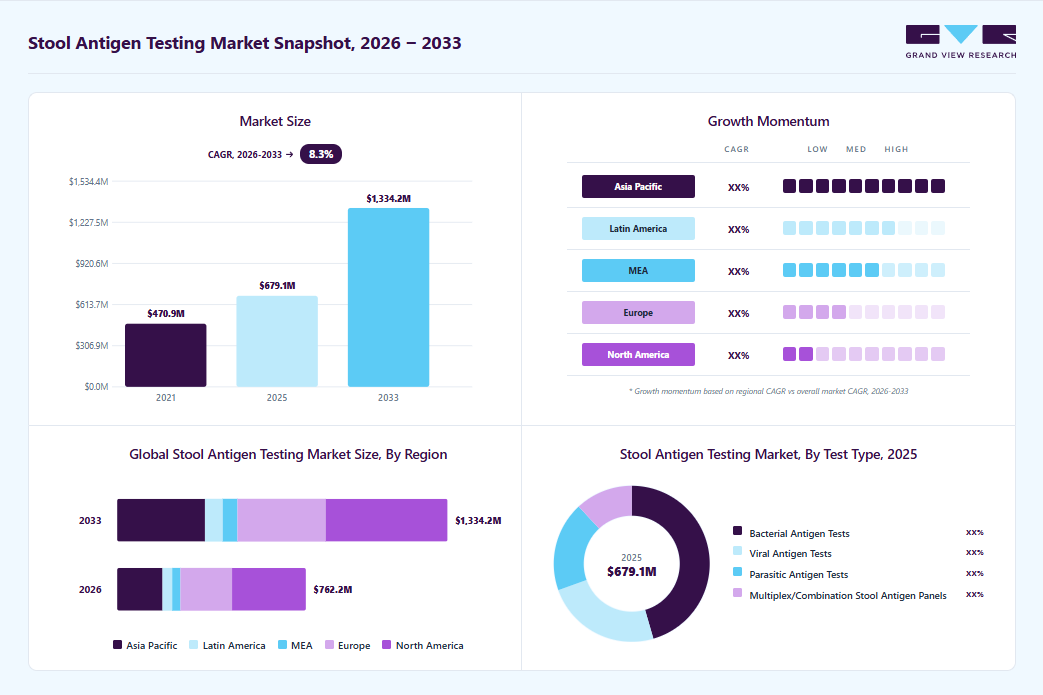
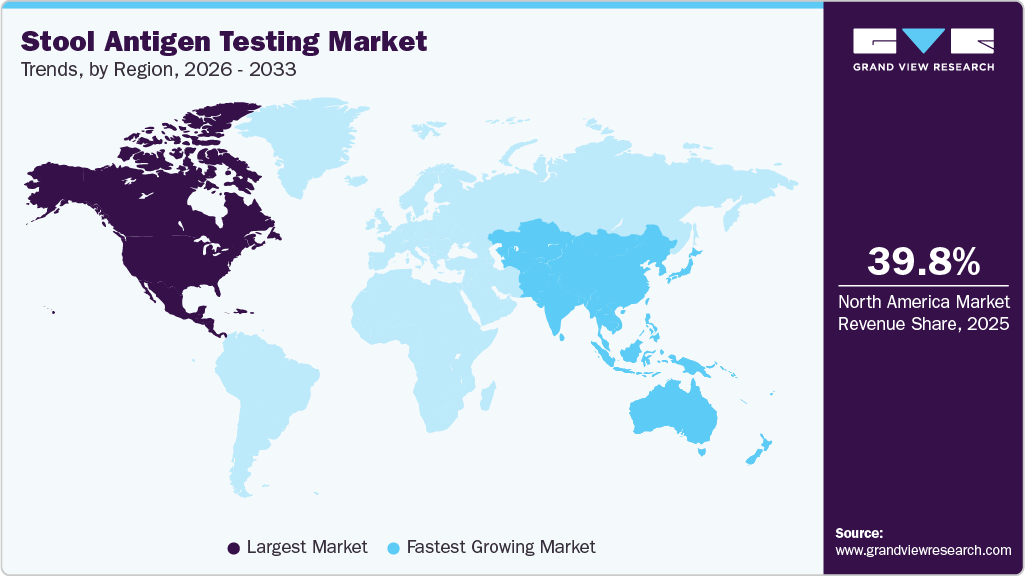
The global stool antigen testing market size was valued at USD 679.1 million in 2025 and is projected to grow from USD 762.2 million in 2026 to USD 1334.2 million by 2033, at a CAGR of 8.3% from 2026 to 2033. The North America stool antigen testing market held the largest share of 39.8% of the global market in 2025, due to the rising prevalence of gastrointestinal infections such as H. pylori and diarrheal diseases, which require accurate and early diagnosis. Furthermore, growth is also supported by improvements in testing technologies such as ELISA and rapid immunoassays.
 Source: Grand View Research, IR Documents, Primary Interviews, Paid DatabasesTo learn more about this report,
 Download Free Sample Report
Key Market Trends & Insights
- By technology: Enzyme-linked immunosorbent assay (ELISA) segment held the largest market share of 48.2% in 2025.
- By test type: Bacterial antigen tests segment held the largest market share of 45.5% in 2025.
- By end use: Hospitals & clinics segment held the largest market share of 37.5% in 2025.
- By application: Gastrointestinal infection diagnosis segment held the largest market share in 2025.
Regional Highlights
- Largest regional market: North America (39.8% revenue share, 2025)
- Fastest-growing regional market: Asia Pacific (highest CAGR, 2026-2033)
- The stool antigen testing industry in the U.S. held the largest revenue share in 2025.
Market Size & Forecast
- Market size in 2025: USD 679.1 Million
- Estimated market size in 2026: USD 762.2 Million
- Projected market size by 2033: USD 1334.2 Million
- CAGR (2026-2033): 8.3%
Prism AI by Grand View Research Free to tryAsk a question about the stool antigen testing marketTry asking✓Every figure cited from GVR research Prefer the report? Download free sample →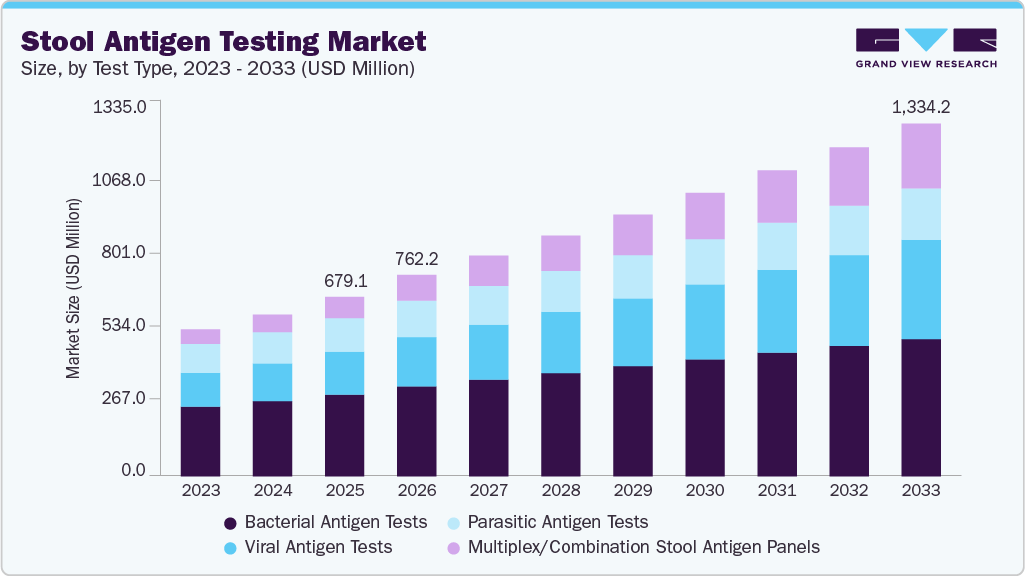 To learn more about this report, Download Free Sample Report
Market Dynamics
The rising prevalence of gastrointestinal infections and digestive disorders is a major driver of the industry. Increasing cases of infections caused by pathogens such as Helicobacter pylori (H. pylori), Clostridioides difficile, rotavirus, and intestinal parasites are driving strong demand for rapid, accurate diagnostic solutions. This growing disease burden is encouraging healthcare providers to adopt reliable diagnostic methods for early detection and effective disease management.
Stool antigen testing is gaining wider acceptance because it offers a non-invasive, convenient, and cost-effective approach for diagnosing gastrointestinal infections. Unlike procedures such as endoscopy or biopsy, stool antigen tests involve simple sample collection and provide faster results, improving patient comfort and reducing hospital burden. These advantages are particularly important for pediatric and elderly patients, where minimally invasive diagnostics are highly preferred. Furthermore, advancements in immunoassay technologies and rapid testing kits are improving test accuracy, sensitivity, and accessibility across hospitals, diagnostic laboratories, and clinics. Recent studies further support the growing demand for stool antigen testing. A study published by BMC Gastroenterology in August 2025 demonstrated the strong clinical performance of stool antigen tests in detecting H. pylori infections, even in complex gastrointestinal conditions. Increasing awareness regarding preventive healthcare, early diagnosis, and infection control is expected to further support the adoption of stool antigen testing worldwide.
Limited accuracy and the risk of false results are major factors restraining the growth of the market. Although stool antigen tests are commonly used to detect gastrointestinal infections such as Helicobacter pylori (H. pylori), their accuracy can be affected by several factors. Improper sample collection, contamination, delayed sample handling, and the use of antibiotics or acid-suppressing medications before testing may lead to false-positive or false-negative results. These inaccuracies can reduce test reliability and raise concerns among healthcare professionals about diagnostic confidence.
False-negative results may delay proper diagnosis and treatment, which can worsen the patient’s condition and increase the risk of complications. At the same time, false-positive results may lead to unnecessary treatments, additional laboratory tests, and higher healthcare costs. Due to these limitations, many physicians prefer confirmatory diagnostic methods, such as endoscopy, biopsy, or molecular testing, which offer higher sensitivity and specificity. This reduces the overall adoption rate of stool antigen testing in certain clinical settings.
The challenge is more significant in developing and underdeveloped regions where healthcare facilities may lack proper laboratory infrastructure and trained professionals for accurate sample processing and testing. Variations in testing procedures and quality standards across laboratories can also affect the consistency of results. Furthermore, strict regulatory requirements for diagnostic validation and quality assurance create additional challenges for manufacturers introducing new testing products into the market.
The growing demand for non-invasive and rapid diagnostic testing is creating a major opportunity in the market. Patients and healthcare providers prefer diagnostic methods that are simple, comfortable, and capable of delivering faster results. Stool antigen tests meet these requirements by offering a non-invasive alternative to procedures such as endoscopy and biopsy, which are often expensive, time-consuming, and uncomfortable for patients.
These tests are widely used for detecting gastrointestinal infections, particularly Helicobacter pylori (H. pylori), as they provide accurate results without invasive sample collection. The increasing prevalence of digestive disorders, stomach infections, and foodborne illnesses is further increasing the demand for quick and reliable diagnostic solutions. In addition, growing awareness about early disease detection and preventive healthcare is supporting the adoption of stool antigen testing across hospitals, diagnostic laboratories, and clinics.
Stool antigen tests can deliver results quickly, enabling timely treatment decisions and improving patient management. This is especially beneficial in emergency care settings and regions with limited healthcare infrastructure, where quick diagnosis is essential. Technological advancements, including improved test sensitivity and specificity, and user-friendly kits, are also expanding the application of stool antigen testing in both developed and emerging markets. Furthermore, the increasing focus on home-based and point-of-care diagnostics is expected to create additional growth opportunities for the market. The convenience, affordability, and ease of use of stool antigen tests make them an attractive option for both healthcare providers and patients, thereby supporting the long-term expansion of the market.
Market Concentration & Characteristics
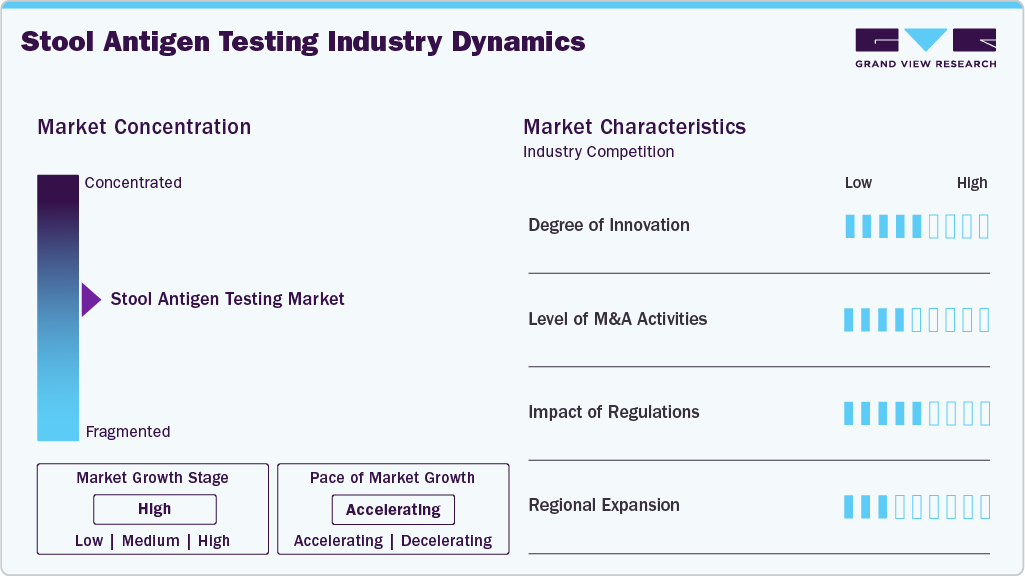
The industry demonstrates a moderate to high level of innovation, driven by advancements in rapid diagnostic technologies, increased assay sensitivity, and automation in gastrointestinal disease testing. Companies are focusing on developing non-invasive, highly accurate, and easy-to-use stool antigen tests for the detection of infections such as Helicobacter pylori, rotavirus, norovirus, and other gastrointestinal pathogens. In addition, multiplex testing platforms and automated immunoassay analyzers are improving laboratory efficiency and reducing turnaround time. For instance, in January 2026, Cepheid received U.S. FDA clearance for its Xpert GI Panel, a multiplex gastrointestinal diagnostic test capable of detecting 11 bacterial, viral, and parasitic pathogens from a single stool sample, supporting faster diagnosis and improved clinical decision-making. Such innovations are expected to enhance the adoption of stool antigen testing across hospitals, diagnostic laboratories, and point-of-care settings throughout the forecast period.
The market is witnessing an increase in merger and acquisition activity as diagnostic companies aim to strengthen their infectious disease testing portfolios and expand capabilities in rapid, non-invasive diagnostics. Strategic acquisitions are helping companies enhance product development, broaden geographic presence, and improve access to advanced gastrointestinal diagnostic technologies. Such strategic activities are expected to accelerate innovation, improve access to testing, and support the global expansion of stool antigen testing applications.
 To learn more about this report, Download Free Sample Report
Regulatory frameworks play a significant role by ensuring the safety, reliability, and diagnostic accuracy of gastrointestinal infection tests. Regulatory approval processes for stool antigen assays, particularly for infectious disease detection, require extensive clinical validation and compliance with quality standards, which can increase product development timelines and operational costs. However, approvals from regulatory authorities such as the U.S. FDA and European regulatory agencies also support market growth by enabling the commercialization of innovative rapid diagnostic tests and improving confidence in non-invasive gastrointestinal testing solutions. Increasing regulatory focus on infectious disease surveillance and diagnostic standardization is further supporting the adoption of advanced stool antigen testing technologies.
Regional expansion in the market is driven by the rising prevalence of gastrointestinal infections, increasing awareness regarding early disease diagnosis, and improving healthcare infrastructure across emerging economies. Market participants are expanding their presence in Asia-Pacific, Latin America, and the Middle East through strategic partnerships, distributor networks, and laboratory collaborations. In addition, growing investments in diagnostic laboratory infrastructure, public health screening programs, and point-of-care testing solutions are supporting the wider adoption of stool antigen testing across regional healthcare systems. The increasing demand for affordable, rapid, and non-invasive diagnostic methods is further driving global market expansion.
Test Type Insights
The bacterial antigen test segment dominated the industry, accounting for the largest revenue share of 45.53% in 2025. The growing adoption of bacterial antigen tests is significantly contributing to the expansion of the stool antigen testing market. The increasing prevalence of gastrointestinal bacterial infections, including Helicobacter pylori, Clostridioides difficile, Salmonella, and Campylobacter, has increased the demand for rapid and accurate diagnostic solutions. In addition, the rising incidence of foodborne diseases and hospital-acquired infections is further accelerating the demand for stool-based bacterial testing. Healthcare professionals are increasingly preferring non-invasive diagnostic methods that offer improved patient convenience and efficient disease detection. Technological advancements in immunoassays and multiplex gastrointestinal testing platforms are also improving test sensitivity, specificity, and laboratory workflow efficiency. Furthermore, several leading diagnostic companies are introducing advanced gastrointestinal bacterial testing solutions, supporting market growth. In November 2025, BD received 510(k) clearance from the U.S. Food and Drug Administration (FDA) and CE-IVDR certification in Europe for its high-throughput Enteric Bacterial Panel (EBP) and EBP Plus for the BD COR System. These developments are increasing awareness, improving accessibility to advanced diagnostic technologies, and encouraging the growing adoption of bacterial antigen tests worldwide.
The multiplex/combination stool antigen panels segment is anticipated to grow at the fastest CAGR of 14.01% over the forecast period, due to the increasing need for rapid, accurate, and comprehensive diagnosis of gastrointestinal infections. These panels enable the simultaneous detection of multiple bacterial, viral, and parasitic pathogens from a single stool sample, helping healthcare providers improve diagnostic efficiency and patient management. The rising prevalence of infectious gastrointestinal diseases, including foodborne and hospital-acquired infections, is further driving demand for multiplex stool antigen testing. In addition, these tests offer improved sensitivity and the ability to identify co-infections, which is particularly important for pediatric, elderly, and immunocompromised patients. Hospitals and diagnostic laboratories are increasingly adopting multiplex stool antigen panels to enhance clinical decision-making, support timely treatment initiation, and strengthen infection control practices. Furthermore, ongoing advancements in diagnostic technologies, expanding pathogen-detection capabilities, and increasing awareness of early and accurate disease diagnosis are expected to continue driving growth in the multiplex stool antigen panels segment during the forecast period.
Technology Insights
The enzyme linked immunosorbent assay (ELISA) segment held the largest share of 48.22% in 2025. The enzyme-linked immunosorbent assay (ELISA) technology segment is witnessing strong growth due to its reliability, efficiency, and ease of use. ELISA offers high sensitivity and specificity, making it highly effective for detecting gastrointestinal pathogens, such as Helicobacter pylori, and other infectious agents in stool samples. This ensures accurate diagnosis, which is essential for early disease detection and appropriate treatment. In addition, ELISA supports high-throughput testing, enabling laboratories to process large numbers of samples simultaneously, which is useful in hospitals and large diagnostic centers. The technology is also cost-effective and widely standardized, making it suitable for both developed and emerging healthcare systems. Furthermore, the availability of ready-to-use kits and increasing automation have improved workflow efficiency and reduced turnaround time, further supporting its growing adoption in stool antigen testing.
The lateral flow immunoassays (rapid tests) segment is expected to grow at the fastest CAGR over the forecast period, driven by the increasing demand for rapid, non-invasive, and cost-effective stool antigen testing for gastrointestinal infections, particularly Helicobacter pylori and other enteric pathogens. The ability of lateral flow immunoassays to deliver quick results with minimal sample preparation makes them highly suitable for outpatient clinics, diagnostic laboratories, and physician office settings where timely diagnosis is essential. Rising prevalence of gastrointestinal disorders, growing awareness regarding early infection detection, and increasing preference for point-of-care diagnostic solutions are further supporting segment growth. In addition, their ease of use, lower operational complexity, and reduced dependency on advanced laboratory infrastructure are encouraging wider adoption across healthcare settings.
Application Insights
The gastrointestinal infection dominated the market in 2025, due to the rising global burden of infectious diseases affecting the digestive tract, such as Helicobacter pylori infection, parasitic infestations, and bacterial gastroenteritis. Increasing cases of foodborne and waterborne illnesses, particularly in developing regions with limited sanitation infrastructure, are further driving the demand for rapid and non-invasive diagnostic solutions. Stool antigen tests offer high sensitivity and specificity for early detection, enabling timely treatment and reducing the risk of complications and transmission. In addition, growing awareness among patients and healthcare providers regarding early diagnosis, along with the preference for cost-effective and easy-to-use testing methods, is accelerating the adoption of stool antigen testing for gastrointestinal infections.
The diarrheal disease diagnosis segment is expected to experience the fastest growth from 2026 to 2033. The growth is driven by the high global burden of gastrointestinal infections and the increasing need for rapid and accurate diagnosis. Diarrheal diseases, caused by bacterial, viral, and parasitic pathogens, remain highly prevalent across both developed and developing regions, particularly affecting children and elderly populations. For instance, according to the WHO report, nearly 1.7 billion cases of diarrheal disease occur globally every year, particularly affecting children under 5 years of age. This strong disease incidence is driving frequent diagnostic testing in clinical settings. In addition, the rising incidence of foodborne and waterborne outbreaks is increasing the demand for rapid pathogen detection to support timely treatment and infection control. Healthcare providers are increasingly adopting stool antigen tests and multiplex diagnostic panels, which enable simultaneous detection of multiple pathogens and faster turnaround times than conventional culture methods. Moreover, the growing shift toward point-of-care testing and immunoassay-based techniques, such as ELISA and rapid antigen tests, is supporting broader adoption in hospitals and diagnostic laboratories. These methods are cost-effective, easy to use, and suitable for large-scale screening, further strengthening their use in diagnosing diarrheal disease.
End Use Insights
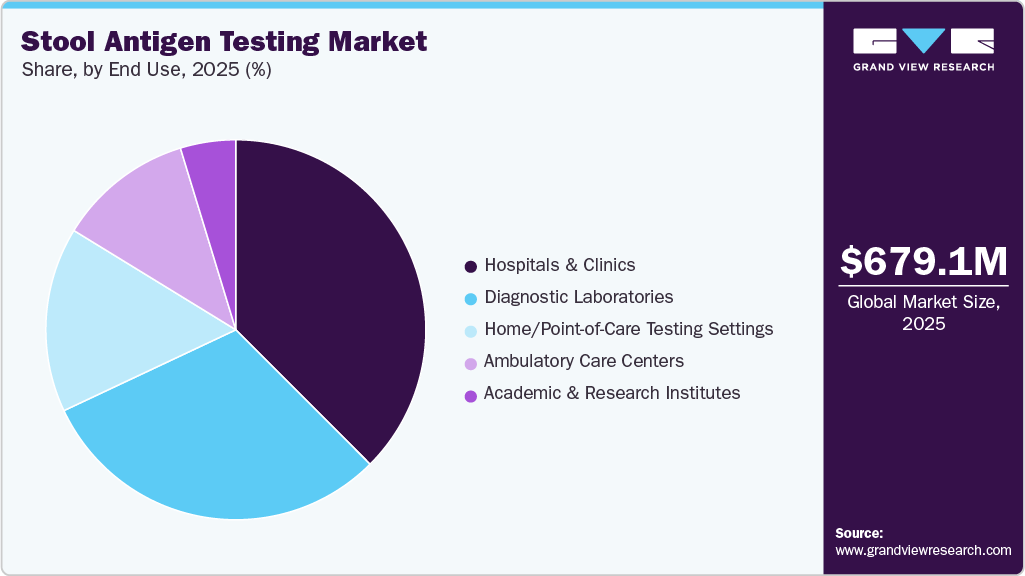
The hospitals & clinics segment dominated the market, accounting for the largest revenue share of 37.46% in 2025, due to the rising incidence of gastrointestinal infections and the increasing demand for timely and accurate diagnosis. These healthcare settings serve as the first point of care for patients with symptoms such as diarrhea, abdominal pain, and vomiting, which are commonly associated with infections such as Helicobacter pylori and other enteric pathogens. The growing patient load, especially in pediatric and immunocompromised populations, is driving higher utilization of stool antigen tests in clinical laboratories. In addition, hospitals and clinics are better equipped with advanced diagnostic infrastructure, such as automated ELISA-based testing systems, which enable faster processing and greater accuracy than smaller diagnostic centers. The availability of skilled healthcare professionals, established reimbursement frameworks, and integration of stool antigen testing into routine gastrointestinal diagnostic panels further support adoption.
 To learn more about this report, Download Free Sample Report
The home/point of care testing settings segment is expected to grow at the fastest CAGR over the forecast period, driven by the healthcare system’s growing emphasis on faster diagnosis and reduced reliance on laboratories. Patients and healthcare providers are increasingly shifting toward decentralized testing models that allow earlier detection of gastrointestinal infections without requiring hospital visits. This is particularly important for conditions such as Helicobacter pylori infection and infectious diarrheal diseases, where timely diagnosis directly influences treatment outcomes and helps prevent transmission. Another key factor driving this segment is the growing availability of easy-to-use rapid stool antigen test kits that provide results within minutes and require minimal technical expertise. These kits are increasingly being adopted in primary care centers, pharmacies, and even home settings, especially in regions with limited access to advanced laboratory infrastructure. For example, rapid immunochromatographic stool antigen tests for H. pylori are being widely used in outpatient screening programs, enabling physicians to initiate treatment during the same consultation or shortly after sample collection.
Regional Insights
North America stool antigen testing market led and accounted for the largest revenue share in 2025, driven by the rising prevalence of gastrointestinal infections and the growing demand for non-invasive, rapid diagnostic solutions across hospitals, diagnostic laboratories, and gastroenterology clinics. Rising awareness of early detection of infections such as Helicobacter pylori is driving the adoption of stool antigen tests due to their convenience, accuracy, and cost-effectiveness. In addition, strong healthcare infrastructure, high healthcare spending, and favorable reimbursement policies are supporting the widespread adoption of advanced stool-based diagnostic testing across the region. The presence of leading diagnostic companies, continuous advancements in immunoassay technologies, and growing investments in infectious disease diagnostics are further contributing to market growth. Moreover, the increasing integration of automated laboratory systems and rapid point-of-care testing solutions is improving testing efficiency and diagnostic turnaround times across healthcare settings in North America. For instance, in July 2025, PBF (Pao Chen Biotech) announced that its VStrip H. pylori Antigen Rapid Test received U.S. FDA approval. Such innovations are fueling the market growth.
 To learn more about this report, Download Free Sample Report
U.S. Stool Antigen Testing Market Trends
The stool antigen testing market in the U.S. is expected to grow significantly over the forecast period, driven by the rising prevalence of gastrointestinal infections and the increasing demand for rapid, non-invasive diagnostic solutions. Growing cases of infections such as Helicobacter pylori and Clostridioides difficile (C. diff) are supporting the adoption of stool antigen testing across hospitals, diagnostic laboratories, and outpatient care settings. According to the report published by the CDC, C. diff causes nearly half a million infections annually in the U.S., highlighting the growing burden of gastrointestinal diseases and the need for accurate diagnostic testing. In addition, increasing awareness regarding early diagnosis of digestive disorders, rising preference for non-invasive screening methods, and the growing use of point-of-care diagnostic technologies are further accelerating market growth. Technological advancements in immunoassay-based stool testing kits, automation in laboratory workflows, and improved diagnostic accuracy are also enhancing testing efficiency and supporting wider adoption of stool antigen testing across the country.
Europe Stool Antigen Testing Market Trends
The stool antigen testing market in Europe is expected to grow significantly over the forecast period, driven by the increasing prevalence of gastrointestinal infections, rising awareness of early disease diagnosis, and the growing demand for non-invasive diagnostic methods. Healthcare providers across the region are increasingly adopting stool antigen testing solutions for the rapid detection of infections such as Helicobacter pylori, rotavirus, adenovirus, and other gastrointestinal pathogens due to their convenience, cost-effectiveness, and high diagnostic efficiency. Technological advancements in immunoassay-based diagnostics, rapid test kits, and automated laboratory systems are further improving testing accuracy, turnaround time, and laboratory workflow efficiency across healthcare settings. In addition, increased government initiatives for infectious disease control, expanded access to diagnostic healthcare services, rising healthcare expenditure, and growing public awareness of gastrointestinal health are expected to support the adoption of stool antigen testing solutions across hospitals, diagnostic laboratories, and research institutions throughout Europe.
The UK stool antigen testing market is expected to grow significantly over the forecast period, driven by the rising burden of gastrointestinal infections and the growing demand for rapid, non-invasive diagnostic methods. Rising awareness of early detection of infections, such as Helicobacter pylori and other gastrointestinal pathogens, is driving the adoption of stool antigen testing across hospitals, diagnostic laboratories, and outpatient care settings. The market is also benefiting from advancements in immunoassay technologies and automated diagnostic platforms that improve test sensitivity, turnaround time, and operational efficiency. In addition, the expansion of public healthcare screening initiatives and increasing focus on infection control and antimicrobial stewardship are supporting the use of accurate diagnostic tools for gastrointestinal disease management. Furthermore, ongoing research activities and growing investments in clinical diagnostics infrastructure are expected to create favorable opportunities for expanding stool antigen testing services across the UK healthcare sector.
The stool antigen testing market in Germany is expected to grow steadily over the forecast period, driven by the rising prevalence of gastrointestinal infections and the demand for non-invasive diagnostic solutions. The growing burden of infections caused by bacteria such as Helicobacter pylori and other gastrointestinal pathogens is increasing the need for rapid and accurate diagnostic testing across hospitals, diagnostic laboratories, and outpatient healthcare settings. In addition, rising awareness of early diagnosis of gastrointestinal disorders and the growing preference for cost-effective, patient-friendly testing methods are supporting the adoption of stool antigen tests in Germany. Technological advancements in immunoassay-based diagnostics and increasing utilization of rapid antigen detection kits are further improving testing accuracy and turnaround time. Moreover, the expansion of preventive healthcare programs, strong healthcare infrastructure, and increasing focus on infection control and gastrointestinal disease management are expected to further drive the growth of the stool antigen testing market in Germany over the forecast period.
Asia Pacific Stool Antigen Testing Market Trends
The stool antigen testing market in Asia Pacific is experiencing significant growth, driven by the rising prevalence of gastrointestinal infections and increasing demand for rapid, non-invasive diagnostic solutions across countries such as China, India, Japan, and South Korea. The growing focus on early disease detection, infection control, and improved gastrointestinal healthcare management is accelerating the adoption of stool antigen testing for the diagnosis of infections such as Helicobacter pylori, rotavirus, adenovirus, and parasitic diseases across hospitals, diagnostic laboratories, and outpatient care settings in the region. According to the World Health Organization (WHO), diarrheal diseases remain a major public health concern in Asia Pacific, particularly among children, contributing significantly to morbidity and mortality across low- and middle-income countries. In addition, the increasing burden of gastrointestinal disorders, improving healthcare infrastructure, and growing awareness regarding non-invasive diagnostic technologies are supporting market growth. The rising demand for rapid and accurate infection diagnosis is further driving the adoption of stool antigen testing solutions across the Asia Pacific region.
The China stool antigen testing market is growing steadily due to the increasing prevalence of gastrointestinal infections and the growing awareness of early disease diagnosis. The high burden of Helicobacter pylori (H. pylori) infection and related gastric disorders is driving demand for non-invasive diagnostic testing solutions across hospitals and diagnostic laboratories. Increasing adoption of stool antigen tests for infection detection and post-treatment monitoring is further supporting market growth. In addition, expanding healthcare infrastructure, growing access to diagnostic services, and rising investments in laboratory technologies are accelerating the adoption of advanced testing platforms in China. The growing focus on preventive healthcare, rapid diagnosis, and improved patient outcomes is expected to continue driving the stool antigen testing market over the forecast period.
Latin America Stool Antigen Testing Market Trends
The stool antigen testing market in Latin America is expected to witness steady growth over the forecast period, driven by increasing healthcare investments, rising prevalence of gastrointestinal infections, and growing demand for accurate, non-invasive diagnostic technologies. Healthcare providers across the region are increasingly adopting stool antigen testing solutions to rapidly detect infections such as Helicobacter pylori, rotavirus, and other gastrointestinal pathogens, supporting early diagnosis and effective treatment planning. In addition, market participants are expanding their regional presence through strategic partnerships, collaborations, and distribution agreements with local healthcare institutions and diagnostic laboratories. These initiatives are supporting the localization of advanced stool antigen testing technologies and improving accessibility to modern diagnostic solutions across the region. Growing awareness regarding gastrointestinal disease diagnosis, improving healthcare infrastructure, and increasing focus on early infection detection and preventive healthcare are further driving market growth across Latin America.
Middle East and Africa Stool Antigen Testing Market Trends
The stool antigen testing market in the Middle East & Africa is witnessing steady growth, driven by the rising prevalence of gastrointestinal infections, increasing awareness of early diagnosis of digestive disorders, and expanding healthcare infrastructure across countries such as Saudi Arabia, the UAE, Qatar, and South Africa. The growing burden of Helicobacter pylori (H. pylori) infections, foodborne diseases, and gastrointestinal disorders is driving demand for non-invasive, rapid diagnostic solutions, including stool antigen testing kits. In addition, increasing adoption of point-of-care diagnostics, improved laboratory capabilities, and rising healthcare expenditure are supporting market expansion across hospitals, diagnostic laboratories, and clinics in the region.
A key market trend is the growing adoption of rapid immunoassay-based stool antigen tests and automated diagnostic platforms that improve diagnostic accuracy, reduce turnaround time, and enhance patient convenience. Healthcare providers are focusing on early disease detection and infection monitoring, which is encouraging the use of stool antigen testing for H. pylori diagnosis and treatment follow-up. Furthermore, government initiatives aimed at strengthening infectious disease diagnostics, increasing investments in healthcare modernization, and the gradual integration of digital healthcare technologies are further supporting the adoption of advanced stool antigen testing solutions across the Middle East region.
Key Stool Antigen Testing Company Insights
Key players operating in the stool antigen testing market are actively undertaking strategic initiatives to strengthen their market position and expand the reach of their diagnostic products and services. Strategies such as product launches, partnerships, collaborations, distribution agreements, and regional expansion activities are playing a significant role in driving market growth. Companies are also focusing on developing rapid, accurate, and non-invasive diagnostic solutions to meet the growing demand for gastrointestinal infection testing. These leading market participants collectively account for a significant share of the global stool antigen testing market and continue to influence industry trends through ongoing technological advancements and innovation.
Key Stool Antigen Testing Companies
The following key companies have been profiled for this study on the stool antigen testing market.
-
Abbott
-
Thermo Fisher Scientific Inc.
-
BIOMERIEUX
-
F. Hoffmann-La Roche Ltd
-
Danaher Corporation (Beckman Coulter)
-
BD
-
Meridian Bioscience, Inc.
-
TECHLAB, Inc.
-
QuidelOrtho Corporation
-
DiaSorin S.p.A.
-
Trinity Biotech
-
CERTEST BIOTEC
Competitive Benchmarking
Operating Strategies
Competitive Edge
Weaknesses
Mature Player: Abbott
- Focus on developing integrated stool antigen testing solutions.
- Expansion through collaborations with hospitals, diagnostic laboratories, and research institutions.
- Investments in R&D to improve test sensitivity, specificity, and rapid diagnostic capabilities.
- Strong global presence with established diagnostic portfolios and an extensive laboratory customer base.
- Broad product offerings covering multiple infectious disease and gastrointestinal testing applications.
- Advanced automation capabilities and strong regulatory compliance supporting large-scale adoption.
- High instrumentation and testing costs may limit adoption in low-resource settings.
- Longer product development and regulatory approval timelines.
Emerging Player: CERTEST BIOTEC
- Focus on niche and cost-effective stool antigen assays targeting gastrointestinal infections and H. pylori detection.
- Expansion through regional partnerships and distributor agreements in developing markets.
- Development of portable and rapid stool antigen testing kits for point-of-care applications
- Higher flexibility and faster adaptation to evolving diagnostic requirements.
- Ability to offer affordable and specialized testing solutions for regional healthcare providers.
- Lower product costs supporting adoption in price-sensitive markets
- Limited global reach and lower brand recognition compared to established diagnostic companies.
- Restricted financial resources for extensive R&D and commercialization activities
Recent Developments
-
In September 2025, Mainz Biomed commercially launched ColoAlert in Switzerland following regulatory approval and a strategic laboratory partnership, expanding the geographic footprint of its stool-based molecular screening test for colorectal cancer.
-
In March 2025, BIOHIT OYJ launched the FAEX Sample System, a stool sample collection and handling solution designed for use across stool antigen tests, ELISAs, lateral flow assays, and proprietary gastrointestinal diagnostic kits. The system improves the precision of stool specimen collection and the efficiency of laboratory workflows, supporting broader adoption of stool-based gastrointestinal diagnostics.
Stool Antigen Market Report Scope
Report Attribute
Details
Market size in 2025
USD 679.1 million
Estimated market size in 2026
USD 762.2 million
Projected market size by 2033
USD 1334.2 million
Growth rate
CAGR of 8.3% from 2026 to 2033
Actual data
2021 - 2024
Forecast period
2026 - 2033
Quantitative units
Revenue in USD million/billion and CAGR from 2026 to 2033
Report coverage
Revenue forecast, company ranking, competitive landscape, growth factors, and trends
Segments covered
Test type, technology, application, end use, region
Regional scope
North America; Europe; Asia Pacific; Latin America; MEA
Country scope
U.S.; Canada; Mexico; UK; Germany; France; Italy; Spain; Denmark; Sweden; Norway; China; Japan; India; Australia; South Korea; Thailand; Brazil; Argentina; South Africa; Saudi Arabia; UAE; Kuwait
Key companies profiled
Abbott; Thermo Fisher Scientific Inc.; BIOMERIEUX; F. Hoffmann-La Roche Ltd; Danaher Corporation (Beckman Coulter); BD; Meridian Bioscience, Inc.; TECHLAB, Inc.; QuidelOrtho Corporation; DiaSorin S.p.A.; Trinity Biotech; CERTEST BIOTEC
Customization scope
Free report customization (equivalent to up to 8 analysts working days) with purchase. Addition or alteration to country, regional & segment scope.
Pricing and purchase options
Avail customized purchase options to meet your exact research needs. Explore purchase options
Global Stool Antigen Testing Market Report Segmentation
This report forecasts revenue growth at global, regional, and country levels and provides an analysis of the latest industry trends in each of the sub-segments from 2021 to 2033. For this study, Grand View Research has segmented the global stool antigen testing market report based on test type, technology, application, end use, and region.
-
Test Type Outlook (Revenue, USD Million, 2021 - 2033)
-
Bacterial Antigen test
-
Viral Antigen Tests
-
Parasitic Antigen Tests
-
Multiplex/Combination Stool Antigen Panels
-
-
Technology Outlook (Revenue, USD Million, 2021 - 2033)
-
Enzyme-Linked Immunosorbent Assay (ELISA)
-
Lateral Flow Immunoassays (Rapid Tests)
-
Immunochromatography Assays
-
Fluorescent Immunoassays
-
-
Application Outlook (Revenue, USD Million, 2021 - 2033)
-
Gastrointestinal Infection Diagnosis
-
Helicobacter pylori Detection
-
Diarrheal Disease Diagnosis
-
Parasitic Infection Screening
-
Hospital-Acquired Infection Monitoring
-
-
End Use Outlook (Revenue, USD Million, 2021 - 2033)
-
Hospitals & Clinics
-
Diagnostic Laboratories
-
Academic & Research Institutes
-
Ambulatory Care Centers
-
Home/point-of-care testing settings
-
-
Regional Outlook (Revenue, USD Million, 2021 - 2033)
-
North America
-
U.S.
-
Canada
-
Mexico
-
-
Europe
-
UK
-
Germany
-
Spain
-
France
-
Italy
-
Denmark
-
Sweden
-
Norway
-
-
Asia Pacific
-
Japan
-
China
-
India
-
Australia
-
South Korea
-
Thailand
-
-
Latin America
-
Brazil
-
Argentina
-
-
Middle East and Africa (MEA)
-
South Africa
-
Saudi Arabia
-
UAE
-
Kuwait
-
-
Delivered Customizations
This report has been delivered with the following In-depth customizations
Client Request
Customization Delivered
Value Adds
Gastrointestinal Infection Burden Analysis
Assessment of prevalence trends for H. pylori, C. difficile, rotavirus, and other gastrointestinal infections driving stool antigen testing demand.
Helps identify high-growth disease segments and testing demand hotspots.
Diagnostic Preference & Clinical Practice Analysis
Evaluation of stool antigen tests versus PCR, serology, endoscopy, and culture-based diagnostics across hospitals and laboratories.
Supports competitive positioning and adoption strategy development.
Rapid & Point-of-Care Testing Trends
Analysis of rapid stool antigen kits, decentralized testing adoption, and outpatient diagnostic trends across key healthcare settings.
Tracks growing demand for faster and non-invasive diagnostic solutions.
Technology & Product Innovation Landscape
Assessment of multiplex antigen panels, automated immunoassay systems, AI-enabled diagnostics, and next-generation gastrointestinal testing technologies.
Identifies future innovation areas and evolving market opportunities.
Gastrointestinal Infection Burden Analysis
Assessment of prevalence trends for H. pylori, C. difficile, rotavirus, and other gastrointestinal infections driving stool antigen testing demand.
Helps identify high-growth disease segments and testing demand hotspots.
Frequently Asked Questions About This Report
Asia Pacific is the fastest-growing region over the forecast period.
The enzyme-linked immunosorbent assay (ELISA) segment led with a 48.2% revenue share in 2025, while lateral flow immunoassays (rapid tests) is the fastest-growing area.
Hospitals & clinics held the largest revenue share in 2025, while home/point of care testing settings is the fastest-growing area.
Bacterial antigen tests held the largest share (over 45.5%) in 2025, and multiplex/combination stool antigen panels is the fastest-growing model.
The global stool antigen testing market size was valued at USD 679.1 million in 2025 and is estimated at USD 762.2 million for 2026.
The global stool antigen testing market is expected to grow at a CAGR of 8.3% from 2026 to 2033, reaching USD 1334.2 million by 2033.
Key players include Abbott; Thermo Fisher Scientific Inc.; BIOMERIEUX; F. Hoffmann-La Roche Ltd; Danaher Corporation (Beckman Coulter); BD; Meridian Bioscience, Inc.; TECHLAB, Inc.; QuidelOrtho Corporation; DiaSorin S.p.A.; Trinity Biotech; CERTEST BIOTEC
Key factors that are driving the market growth include rising prevalence of gastrointestinal infections such as H. pylori and diarrheal diseases, which require accurate and early diagnosis.
Gastrointestinal infection diagnosis held the largest share in 2025, and diarrheal disease diagnosis is the fastest-growing model.
North America dominated with a 39.8% revenue share in 2025.
About the Author(s)
Clinical Diagnostics Research Team
Healthcare · Clinical DiagnosticsThis report was authored by the clinical diagnostics research team at Grand View Research - comprising two research analysts, one senior research analyst, and one industry expert - with specialized expertise in the clinical diagnostics segment of the healthcare industry. All findings are based on proprietary healthcare databases, executive interviews, and regulatory analysis, subject to internal peer review prior to publication.
Last Updated:
Speak to Analyst

Customize this report to your needs - add regions, segments, or data points, with 20% free customization.
Or view our licence options:


ISO 9001:2015 & 27001:2022 Certified
We are GDPR and CCPA compliant! Your transaction & personal information is safe and secure. For more details, please read our privacy policy.


