
- Home
- »
- Medical Devices
- »
-
Ureteral Stents Market Size And Share Report, 2026-2033GVR Report cover

Ureteral Stents Market (2026 - 2033)
Size, Share & Trends Analysis Report By Material Type (Metallic Stents, Polymer Stents), By Type, By Coating (Coated, Uncoated), By Application (Kidney Stones, Tumors), By End-use, By Region, And Segment Forecasts
Market Size, 2025
$687.6MMarket Estimate, 2026
$722.4MMarket Forecast, 2033
$1,108.3MCAGR, 2026–2033
6.3%Ureteral Stents Market Summary
The global ureteral stents market size was valued at USD 687.6 million in 2025 and is projected to grow from USD 722.4 million in 2026 to USD 1,108.3 million by 2033, at a CAGR of 6.3% from 2026 to 2033. North America dominated the market, accounting for the largest revenue share of 34.6% in 2025.
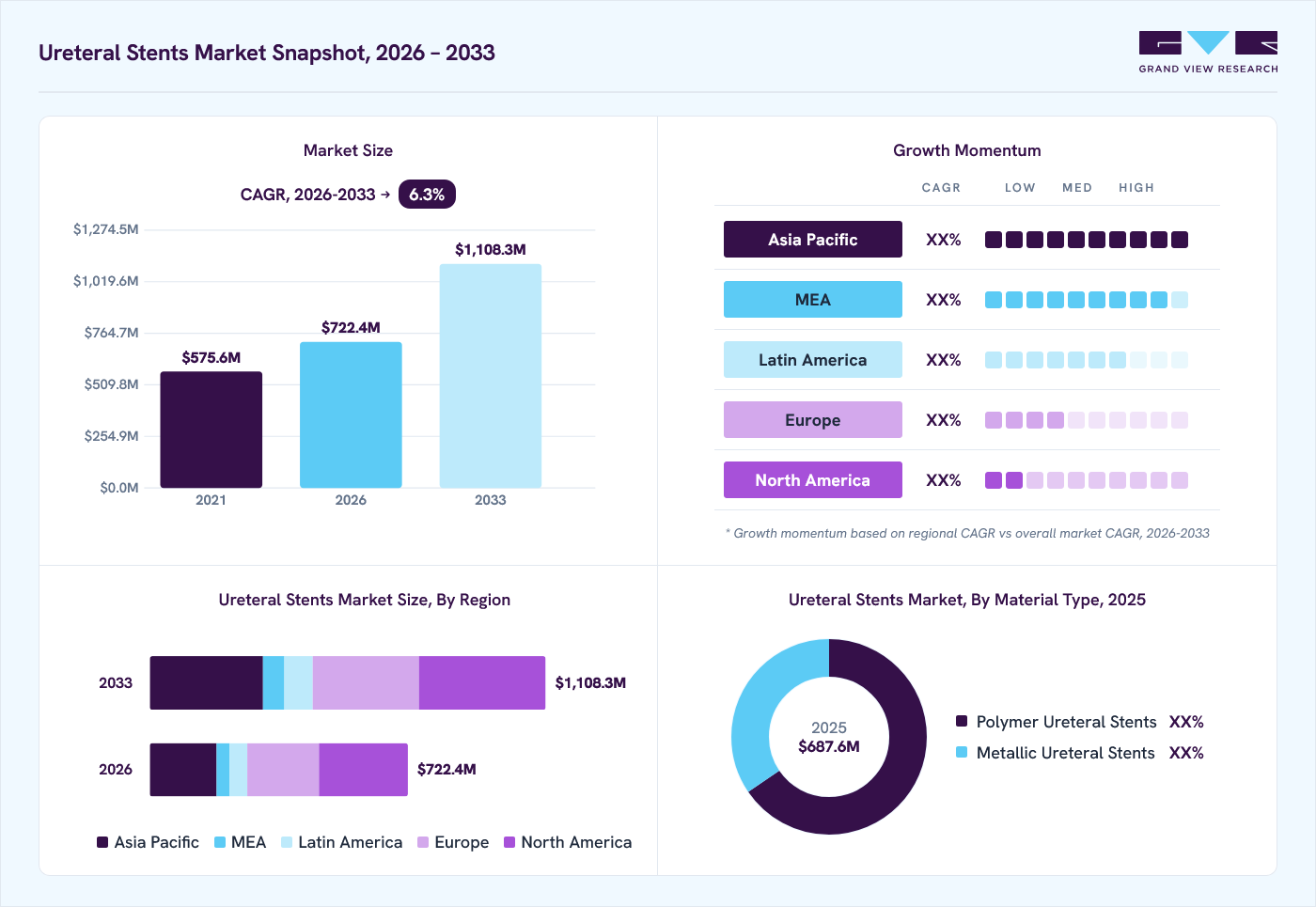 Source: Grand View Research, IR Documents, Primary Interviews, Paid DatabasesTo learn more about this report,
 Download Free Sample Report
Key Market Trends & Insights
- By material type: Polymerureteral stents held the largest revenue share of 65.4% in 2025
- By type: Double J stents held the largest revenue share of 71.1% in 2025
- By coating: Uncoated segment held the largest revenue share of 54.7% in 2025
- By application: Kidney stones held the largest revenue share of 36.3% in 2025
- By end-use: Hospitals held the largest revenue share of 67.4% in 2025
Regional Highlights
- Largest regional market: North America (34.6% revenue share, 2025)
- Fastest-growing regional market: Asia Pacific (highest CAGR, 2026-2033)
- By country: The U.S. held the largest market share in 2025.
Market Size & Forecast
- Market Size in 2025: USD 687.6 Million
- Estimated Market Size in 2026: USD 722.4 Million
- Projected Market Size by 2033: USD 1,108.3 Million
- CAGR (2026-2033): 6.3%
Prism AI by Grand View Research Free to tryAsk a question about the ureteral stents marketTry asking✓Every figure cited from GVR research Prefer the report? Download free sample →
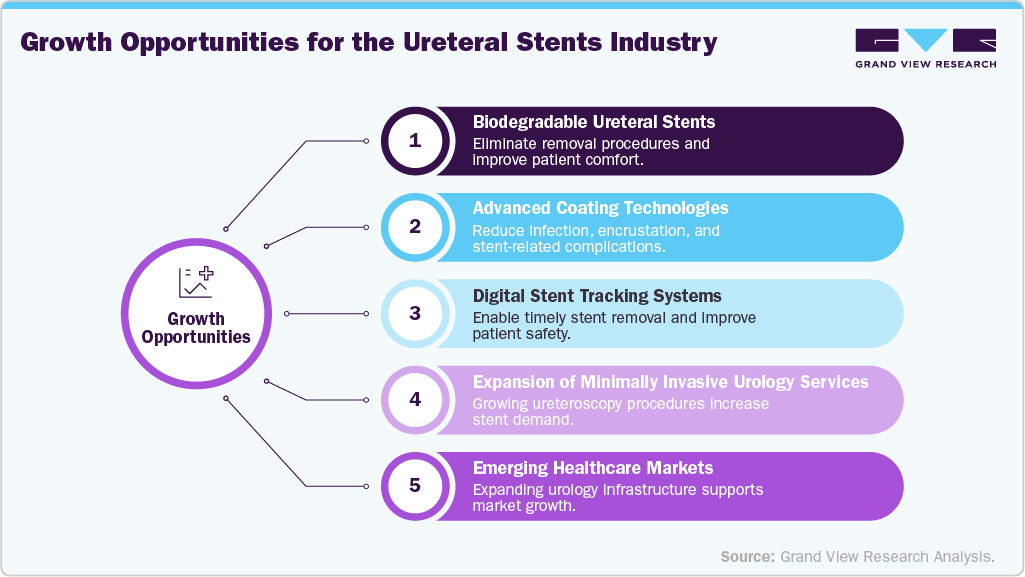
The growth of the global ureteral stents industry is driven by the rising prevalence of kidney stone disease, ureteral obstruction, chronic kidney disease, and urological cancers, as well as the increasing adoption of minimally invasive endourological procedures such as ureteroscopy and laser lithotripsy.Technological advancements are playing a significant role in the market growth, with manufacturers focusing on improving patient comfort, extending indwelling time, and reducing complications such as encrustation, infection, and stent-related pain. Recent innovations include hydrophilic and antimicrobial coatings, advanced silicone and hybrid polymer materials, metallic stents for long-term ureteral obstruction, drug-eluting stents, and biodegradable stents that eliminate the need for secondary removal procedures. Digital technologies are also emerging, including electronic stent tracking systems to prevent forgotten stents and smart monitoring solutions for early detection of complications.
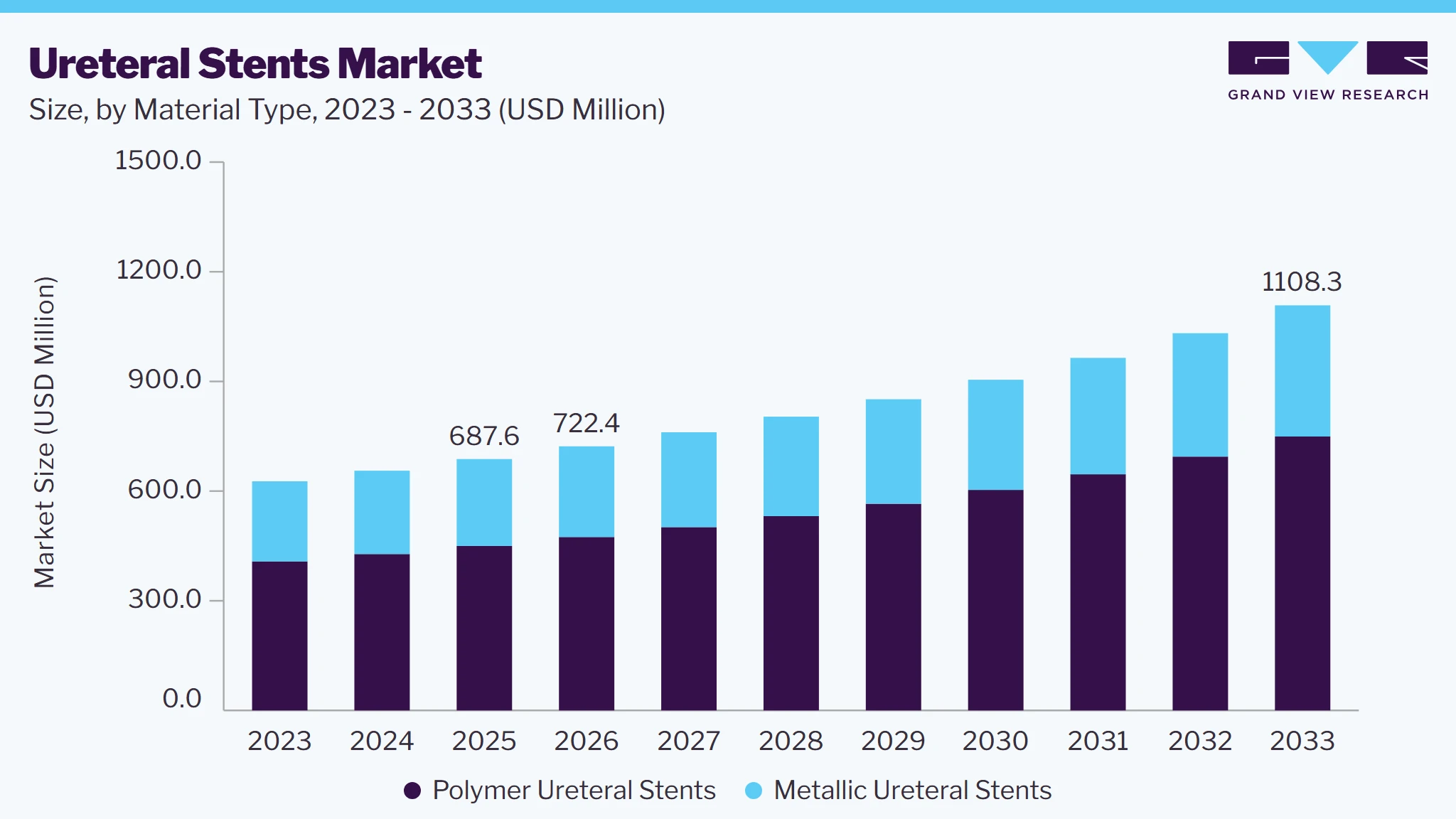 To learn more about this report, Download Free Sample Report
For instance, in April 2025, the U.S. FDA granted 510(k) clearance to Boston Scientific Corporation for updates to its Percuflex Ureteral Stent, Percuflex Plus Ureteral Stent, Polaris Ultra Ureteral Stent, Tria Firm Ureteral Stent, Tria Soft Ureteral Stent, and Contour Ureteral Stent portfolio, reflecting continued innovation in stent design and performance . Furthermore, in June 2026, the European Association of Urology (EAU) Endourology Section published a comprehensive review highlighting ongoing developments in advanced materials, coating technologies, drug-eluting systems, biodegradable stents, and ureteral stent technologies to reduce patient morbidity and improve long-term clinical outcomes. These continuous technological advancements are expected to support the sustained market growth over the forecast period.
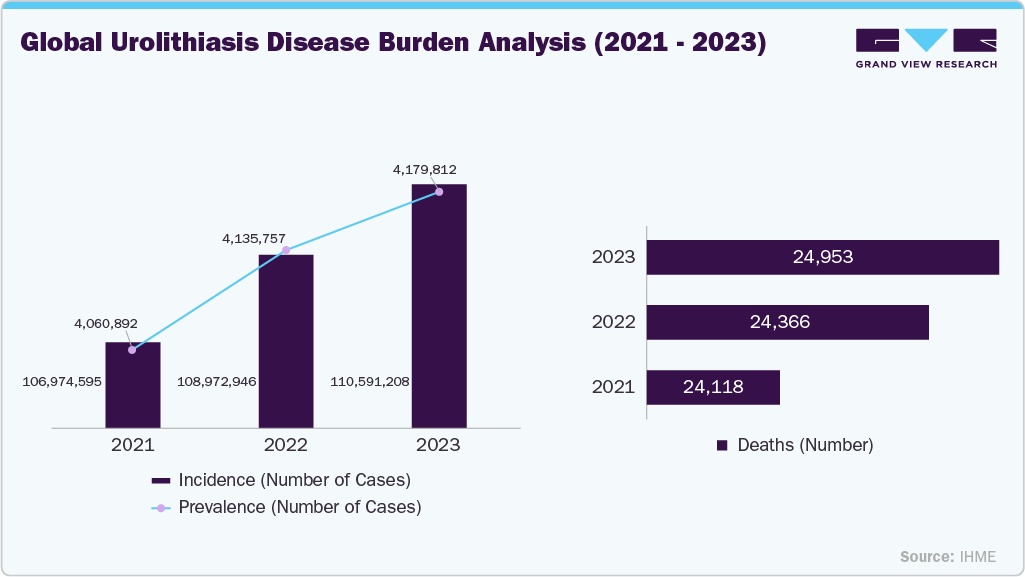
Global Urolithiasis Disease Burden Analysis (2021-2023)
The global burden of urolithiasis increased steadily between 2021 and 2023, reflecting the growing prevalence of kidney stone disease worldwide. During this period, the annual incidence rose from 106.97 million to 110.59 million new cases, while the number of people living with urolithiasis increased from 4.06 million to 4.18 million. Mortality also increased from 23,118 deaths in 2021 to 24,953 deaths in 2023. These trends indicate a rising clinical and healthcare burden driven by factors such as aging populations, increasing obesity and diabetes, poor dietary habits, inadequate hydration, and other metabolic disorders. The expanding patient population is expected to increase demand for diagnostic imaging, minimally invasive stone management procedures, and ureteral stents, supporting continued growth of the global ureteral stents market.
 To learn more about this report, Download Free Sample Report
 To learn more about this report, Download Free Sample Report
Clinical trials landscape
Clinical trials continue to play a crucial role in advancing the ureteral stents market by evaluating innovative technologies that improve patient comfort, reduce complications, and eliminate the need for secondary procedures. Current research is focused on biodegradable ureteral stents, advanced polymer materials, antimicrobial and anti-encrustation coatings, and novel stent designs that minimize stent-related symptoms while maintaining effective urinary drainage. These studies generate robust clinical evidence supporting regulatory approvals, physician adoption, and future guideline updates by assessing safety, degradation performance, urinary drainage, quality of life, and adverse events.
For instance, in May 2026, early results from the multicenter first-in-human clinical trial evaluating the Uriprene biodegradable ureteral stent were presented at the American Urological Association (AUA) Annual Meeting. The study demonstrated promising safety and performance outcomes, with the degradable stent maintaining urinary drainage while naturally degrading over time, thereby eliminating the need for routine cystoscopic removal. Technology has the potential to reduce patient discomfort, avoid secondary procedures, and lower healthcare costs, highlighting the growing industry focus on next-generation biodegradable ureteral stents.
Consumer perception and preferences
Consumer perception is becoming an important factor in the ureteral stents market as patients and healthcare providers place greater emphasis on treatment outcomes, comfort, and quality of life. While ureteral stents are essential for maintaining urinary drainage following procedures such as ureteroscopy, kidney transplantation, and the management of ureteral obstruction, patients are aware of stent-related discomfort and are seeking solutions that minimize pain, urinary symptoms, and the need for additional procedures. Improvements in stent materials, softer polymer designs, antimicrobial and anti-encrustation coatings, and digital follow-up systems are positively influencing patient acceptance.
Key Consumer Preferences
-
Greater patient comfort: Patients prefer ureteral stents designed with softer, biocompatible materials that reduce pain, urinary urgency, bladder irritation, and other stent-related symptoms.
-
Lower risk of complications: There is increasing demand for stents with antimicrobial and anti-encrustation coatings that help reduce urinary tract infections, biofilm formation, and mineral deposition during indwelling periods.
-
Minimally invasive treatment and faster recovery: Patients favor minimally invasive procedures such as ureteroscopy supported by ureteral stents that facilitate quicker recovery, shorter hospital stays, and reduced postoperative complications.
- Reduced need for repeat procedures: Consumers show growing interest in long-lasting metallic stents and biodegradable stents under development that may reduce or eliminate the need for secondary stent removal procedures.
Market Dynamics
The ureteral stents market is experiencing steady growth due to the rising prevalence of kidney stone disease, ureteral obstruction, chronic kidney disease, and urological malignancies, as well as the increasing adoption of minimally invasive endourological procedures. Ureteral stents play a critical role in maintaining urinary drainage following ureteroscopy, laser lithotripsy, and kidney transplantation, as well as in the management of ureteral strictures and malignant obstructions. The market is further supported by advancements in stent materials, including silicone, polyurethane, metallic, and hybrid designs, as well as innovations in hydrophilic, antimicrobial, and anti-encrustation coatings that improve patient comfort and reduce complications.
The increasing preference for minimally invasive endourological procedures is driving the demand for ureteral stents worldwide. Procedures such as ureteroscopy (URS), retrograde intrarenal surgery (RIRS), and laser lithotripsy have become the standard of care for treating kidney stones and ureteral obstruction because they offer shorter hospital stays, faster recovery, and lower complication rates than open surgery. Ureteral stents are commonly used before or after these procedures to ensure proper urine drainage, prevent ureteral obstruction, and support postoperative healing.
Stent-related complications remain a major restraint for the ureteral stents market despite continuous improvements in device design. Patients frequently experience pain, urinary urgency, frequency, hematuria, dysuria, and urinary tract infections after stent placement, which can negatively affect daily activities and overall quality of life. These complications may require additional medications, follow-up consultations, or earlier-than-planned stent removal, increasing healthcare costs.
The growing adoption of digital health technologies presents a significant opportunity for the ureteral stents market through the implementation of electronic stent tracking and reminder systems. Forgotten ureteral stents can lead to serious complications such as encrustation, infection, obstruction, and even loss of kidney function if not removed on time. Digital registries integrated with electronic medical records, automated reminders, and mobile health applications enable healthcare providers to monitor implanted stents and schedule timely removal or replacement.
Market Concentration & Characteristics
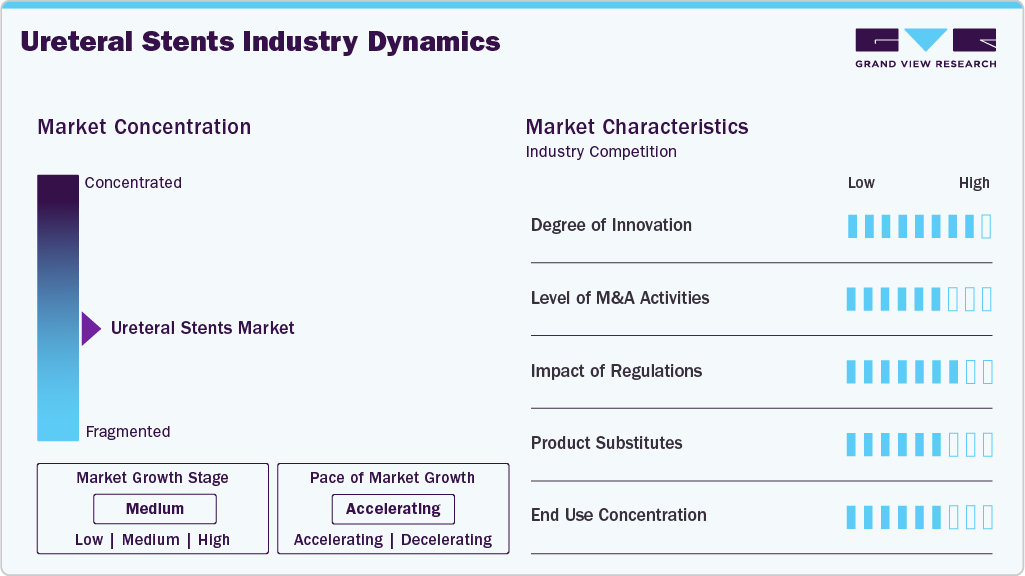
The ureteral stents market is characterized by a high degree of innovation, with manufacturers focusing on improving patient comfort, reducing complications, and extending stent durability. Recent developments include silicone and hybrid stents with enhanced flexibility, hydrophilic and antimicrobial coatings to reduce bacterial adhesion, anti-encrustation surface technologies, and metallic stents for long-term management of malignant ureteral obstruction. Research is also advancing biodegradable ureteral stents that could eliminate the need for secondary removal procedures, while digital stent tracking systems are being adopted to reduce the incidence of forgotten stents. These innovations are aimed at minimizing stent-related symptoms, improving clinical outcomes, and reducing healthcare costs.
 To learn more about this report, Download Free Sample Report
The ureteral stents industry has witnessed moderate merger and acquisition activity, with leading urology device manufacturers expanding their product portfolios and geographic presence through strategic acquisitions and partnerships. Companies are investing in businesses specializing in endourology, stone management, and minimally invasive urological technologies to strengthen their offerings. In April 2024, IIT Roorkee and UnivLabs Technologies signed a Technology Transfer Agreement and Memorandum of Agreement to develop and commercialize biodegradable ureteral stents. The innovation was designed to reduce patient discomfort, lower the risk of urinary tract infections and encrustation, and eliminate the need for a second procedure for stent removal.
Ureteral stents are regulated as Class II medical devices in major markets, making regulatory compliance a critical factor affecting product development and commercialization. Manufacturers must comply with stringent requirements related to biocompatibility, sterilization, material safety, mechanical performance, quality management systems, and post-market surveillance before commercializing their products. In the U.S., ureteral stents generally require FDA 510(k) clearance, while manufacturers marketing products in Europe must comply with the European Medical Device Regulation (EU MDR 2017/745). These regulatory requirements increase development costs and approval timelines but help ensure the safety, effectiveness, and long-term clinical performance of ureteral stents.
The market faces moderate competition from alternative urinary drainage techniques, including percutaneous nephrostomy (PCN) and, in selected cases, definitive surgical reconstruction such as ureteral reimplantation or pyeloplasty. Percutaneous nephrostomy is often preferred when retrograde ureteral stenting is unsuccessful or technically challenging, particularly in severe malignant ureteral obstruction or complex urinary tract obstruction. However, ureteral stents remain the preferred option for most patients because they provide internal urinary drainage, improve patient mobility, reduce external catheter-related complications, and are less invasive than long-term nephrostomy tubes.
Demand for ureteral stents is highly concentrated among hospitals, ambulatory surgery centers (ASCs), and specialty urology clinics, where most endourological procedures are performed. Hospitals account for the largest share because they manage complex kidney stone disease, ureteral obstruction, kidney transplantation, and oncological urology cases requiring advanced surgical care. ASCs are experiencing increasing adoption of ureteral stents as more ureteroscopy and laser lithotripsy procedures shift to outpatient settings. Specialty urology clinics also represent an important end-user segment due to growing patient volumes and increasing access to minimally invasive stone management. The continued expansion of specialized urology services and investments in advanced endourological technologies are expected to support sustained demand for ureteral stents across these healthcare settings.
Analyst Perspective
The ureteral stents market is expected to benefit from continued innovation in biocompatible materials, antimicrobial coatings, and long-term metallic stent technologies that improve patient outcomes and reduce complications. Companies investing in clinical evidence, physician training, regulatory compliance, and global distribution networks are expected to strengthen their market position. Future competitiveness will depend on developing cost-effective, patient-centric stent solutions while expanding access in emerging healthcare markets.
Material Type Insights
The polymer stents segment dominated the ureteral stents market, accounting for 65.4% of the market in 2025. This dominance is supported by their widespread use in the management of kidney stones, ureteral obstruction, and postoperative urinary drainage following ureteroscopy and laser lithotripsy. Polymer stents, commonly manufactured from polyurethane, silicone, and hybrid materials, are preferred for their excellent flexibility, biocompatibility, ease of insertion, and cost-effectiveness compared with metallic alternatives. They are suitable for both short- and medium-term urinary drainage and are available in various configurations, including Double-J stents with hydrophilic, antimicrobial, and anti-encrustation coatings that improve patient outcomes.
In May 2025 , a randomized controlled trial presented at the American Urological Association (AUA) Annual Meeting reported that silicone-coated metallic ureteral stents demonstrated a significantly higher 6-month patency rate than conventional double-J stents in patients with malignant ureteral obstruction. The findings supported improved long-term stent performance and reduced risk of obstruction recurrence.
The metallic stents segment is expected to grow at a significant CAGR during the forecast period, driven by the rising prevalence of malignant ureteral obstruction and recurrent ureteral strictures, as well as the growing need for long-term urinary drainage. Metallic stents, primarily manufactured from nitinol and other shape-memory alloys, provide greater radial strength, longer indwelling times, and improved resistance to external compression compared with conventional polymer stents. These advantages reduce the frequency of stent exchanges, lowering healthcare costs and improving patient quality of life, particularly among cancer patients requiring prolonged urinary drainage.
Type Insights
The double J stents segment dominated the ureteral stents industry, accounting for 71.1% of the market in 2025. This dominance is supported by their widespread preference for maintaining urinary drainage following ureteroscopy, laser lithotripsy, kidney transplantation, and the treatment of ureteral obstruction caused by stones, strictures, or tumors. Double J stents are designed with curled ends that anchor the device in the renal pelvis and bladder, reducing the risk of migration while ensuring continuous urine flow. Their ease of placement, broad clinical applicability, availability in multiple materials and sizes, and compatibility with minimally invasive procedures have made them the standard choice in routine urological practice.
The multiloop stents segment is expected to grow at the fastest CAGR during the forecast period, driven by the increasing focus on reducing stent-related discomfort while maintaining effective urinary drainage. Multiloop (loop-tail) stents are designed to minimize the amount of stent material within the bladder, thereby reducing bladder irritation, pain, urinary frequency, and urgency compared with conventional Double-J stents. Their patient-centric design is driving greater interest among urologists for use following ureteroscopy and other minimally invasive stone procedures.
Coating Insights
The uncoated segment dominated the ureteral stents market, accounting for a revenue share of 54.7% in 2025. This dominance is supported by their widespread clinical use, lower cost, and proven effectiveness for short-term urinary drainage following ureteroscopy and laser lithotripsy, as well as for the treatment of ureteral obstruction. Uncoated polyurethane and silicone Double-J stents remain the standard choice for routine urological procedures because they provide reliable drainage, are readily available, and are familiar to urologists worldwide. They are particularly preferred when stents are intended for temporary placement, where the benefits of advanced coatings may not justify the additional cost.
The coated segment is expected to grow at the fastest CAGR during the forecast period, driven by the increasing demand for stents that reduce infection, bacterial growth, and mineral buildup while improving patient comfort and long-term performance. Manufacturers are developing hydrophilic, antimicrobial, silicone-coated, and other advanced coated stents to improve biocompatibility, reduce stent-related complications, and maintain urine drainage for longer periods. These coatings help lower the risk of urinary tract infections, encrustation, and blockage, reducing the need for early stent replacement or additional procedures. The growing number of patients requiring long-term urinary drainage, particularly those with malignant ureteral obstruction and recurrent ureteral strictures, is further increasing the demand for coated stents.
Application Insights
The kidney stones segment dominated the ureteral stents industry, accounting for 36.3% revenue share in 2025. This dominance is supported by the rising global prevalence of urolithiasis and the increasing number of minimally invasive procedures, such as ureteroscopy (URS) and laser lithotripsy, in which ureteral stents are routinely placed before or after treatment to maintain urinary drainage and facilitate healing. Kidney stones are among the most common urological conditions, creating a substantial demand for temporary ureteral stenting across hospitals, ambulatory surgery centers (ASCs), and specialty urology clinics. For instance, in May 2026, according to the Asian Institute of Nephrology and Urology (AINU), the lifetime prevalence of kidney stones has more than doubled over the past few decades, now affecting approximately 11% of men and 7% of women globally. The institute also reported that the prevalence among women has increased from 6.5% to over 9% within a decade, reflecting the rapidly growing burden of kidney stone disease and the increasing need for effective endourological interventions, including ureteral stenting.
The urinary incontinence segment is expected to grow at a significant CAGR during the forecast period, driven by the rising prevalence of urinary incontinence, increasing incidence of pelvic floor disorders, and growing number of urological reconstructive procedures requiring temporary ureteral stenting to protect the ureters and maintain urinary drainage. The aging population, increasing rates of obesity, neurological disorders, and prostate surgeries are further contributing to the demand for advanced urological interventions. In April 2026, according to the National Association for Continence, the prevalence of urinary incontinence in the U.S. has increased over time. Analysis of national health data showed that the prevalence among women rose from 49.5% to 53.4%, while among men it increased from 11.5% to 15.1%. The rising burden of urinary incontinence, driven by an aging population and increasing prevalence of obesity and chronic diseases, is expected to increase the demand for urological evaluation and surgical interventions, supporting the market growth.
End-use Insights
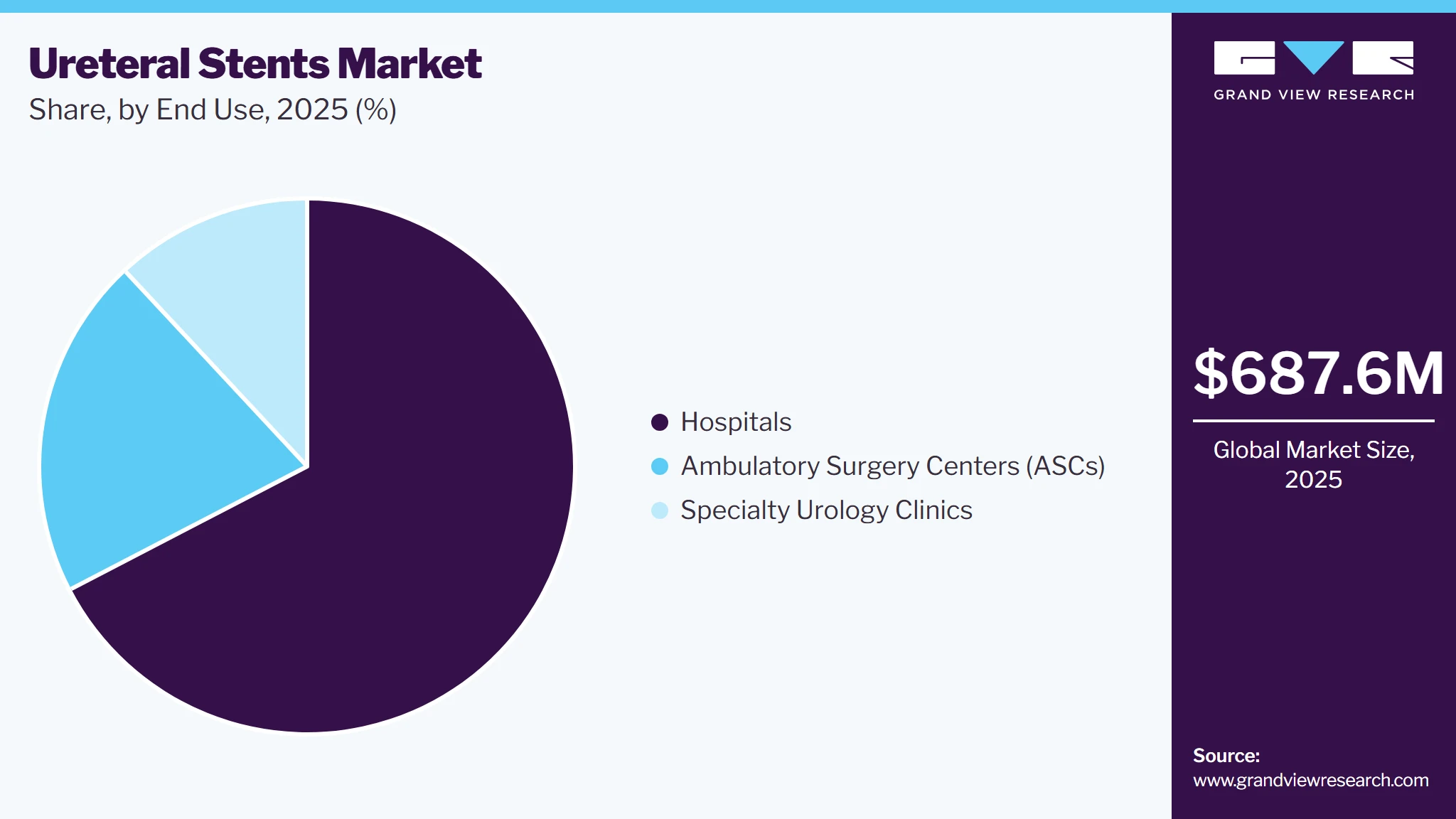
The hospitals segment dominated the ureteral stents market, accounting for 67.4% revenue share in 2025. This dominance is driven by the continuous expansion of hospitals and specialized renal care centers, increasing availability of advanced endourology services, and the growing number of kidney stone, kidney transplantation, and ureteral obstruction procedures performed in hospital settings. Hospitals remain the primary providers of complex urological interventions due to their access to advanced imaging systems, operating rooms, and multidisciplinary care teams. For instance, in June 2026, NephroPlus announced that it operates 524 kidney care clinics, including 468 in India and 56 overseas, and plans to establish 40-50 additional centers annually in India through public-private partnerships. This ongoing expansion of renal care infrastructure is expected to strengthen hospital-based urological services and support increasing demand for ureteral stents.
 To learn more about this report, Download Free Sample Report
The Ambulatory Surgery Centers (ASCs) segment is expected to grow at the fastest CAGR during the forecast period. Growth is driven by the increasing shift of minimally invasive urological procedures from hospitals to outpatient settings, supported by shorter recovery times, lower procedural costs, and advancements in endourology. The expansion of ASC infrastructure is also increasing access to outpatient surgical care. For instance, in June 2025, Ascension announced an agreement to acquire AMSURG, which will add more than 250 ambulatory surgery centers across 34 U.S. states to its network. This significant expansion of ASC capacity is expected to increase the volume of outpatient urological procedures, including ureteroscopy and laser lithotripsy, thereby supporting greater demand for ureteral stents.
Regional Insights
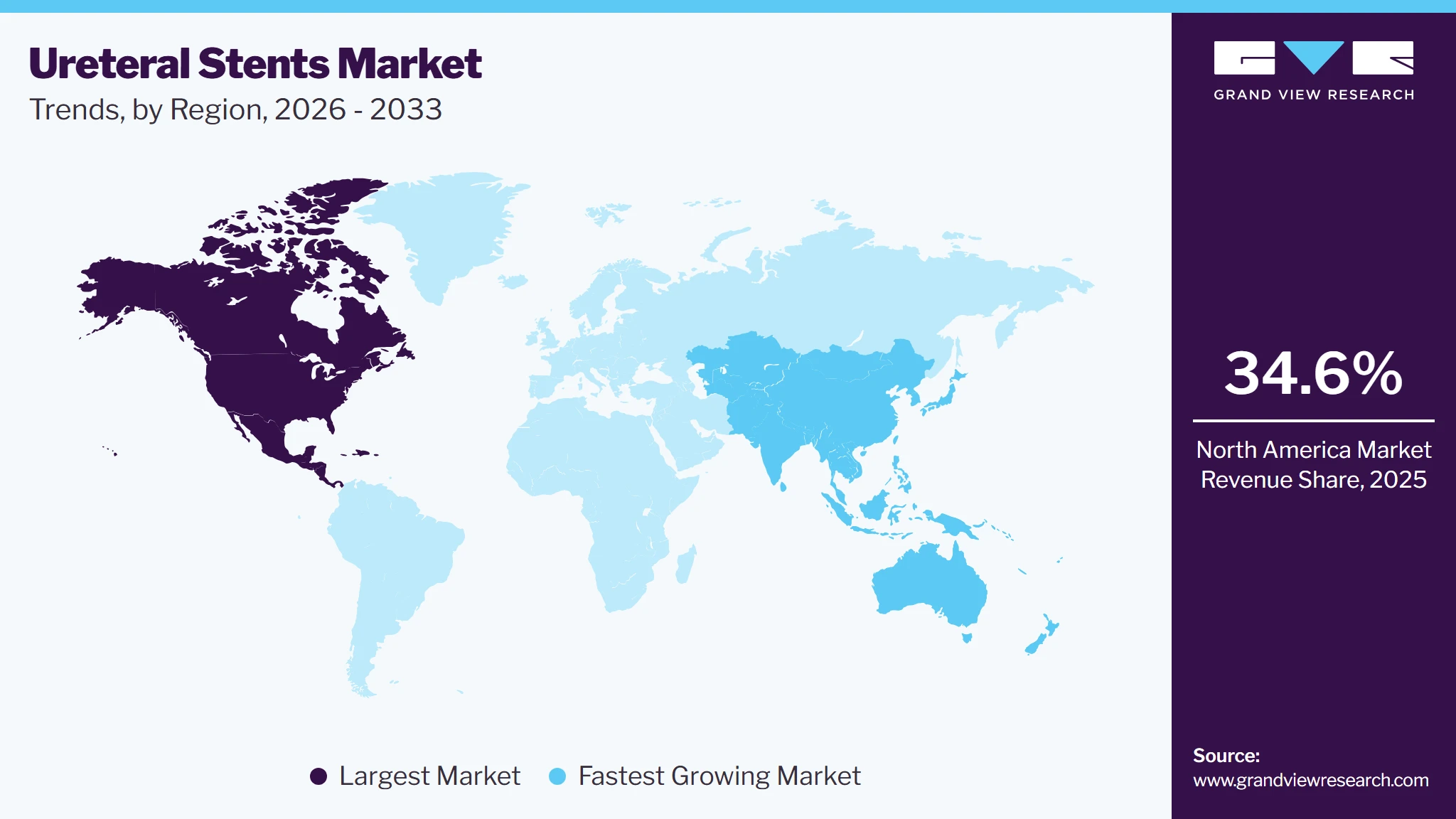
The North America ureteral stents market held the dominant global share of 34.6% in 2025, driven by the region's advanced urology care infrastructure, high procedural volumes for kidney stone management, and widespread adoption of minimally invasive endourological procedures. The increasing prevalence of chronic kidney disease (CKD), diabetes, and hypertension is contributing to a higher incidence of urinary tract obstruction and related urological interventions requiring ureteral stents. For instance, in November 2025, according to The Kidney Foundation of Canada, CKD affects 1 in 10 Canadians and is projected to increase from approximately 4.5 million people in 2024 to more than 6.2 million by 2050, primarily due to population aging and the rising prevalence of diabetes and hypertension. The growing burden of kidney-related diseases is expected to increase the demand for ureteral stenting procedures across North America.
 To learn more about this report, Download Free Sample Report
U.S. Ureteral Stents Market Trends
The U.S. ureteral stents industry continues to grow due to the increasing prevalence of kidney stone disease and the widespread adoption of minimally invasive endourological procedures. Growing utilization of ureteroscopy (URS), advancements in flexible ureteroscopes and laser lithotripsy, and increasing use of coated and specialty ureteral stents are supporting market expansion. For instance, in November 2025, according to research published in the National Library of Medicine, ureteroscopy (URS) has become the preferred surgical intervention for ureteral and kidney stones, with more than 150,000 procedures performed annually in the U.S., accounting for approximately two-thirds of all stone treatments. The high procedural volume continues to drive demand for ureteral stents used before and after ureteroscopic interventions.
Europe Ureteral Stents Market Trends
The Europe ureteral stents industry is experiencing steady growth owing to increasing adoption of minimally invasive urological procedures, an aging population, and a rising burden of kidney stone disease. Strong clinical guideline implementation by the European Association of Urology (EAU) continues to support the standardized use of ureteral stents following ureteroscopy and for ureteral obstruction. The European Association of Urology continues to recommend ureteral stenting in selected patients following ureteroscopy and for urinary drainage in obstructive uropathy.
The UK ureteral stents market is experiencing steady growth due to the increasing burden of kidney stone disease, rising adoption of minimally invasive urological procedures, and expanding utilization of ureteroscopy for urinary tract obstruction management. For instance, in July 2025, according to a research article published, kidney stone disease (KSD) affects approximately 15% of the global population and is a significant cause of morbidity in the UK, accounting for more than 40,000 interventions, over 88,000 acute hospital admissions, and approximately 130 deaths annually. The increasing clinical burden of kidney stone disease is driving demand for ureteral stents to facilitate urinary drainage before and after endourological procedures.
Asia Pacific Ureteral Stents Market Trends
The Asia Pacific ureteral stents industry is expected to grow at the fastest CAGR during the forecast period, driven by the rising incidence of kidney stone disease, expanding healthcare infrastructure, and growing investments in tertiary care hospitals across India, China, and Southeast Asia. The rapid expansion of hospitals equipped with advanced urology departments, the increasing number of ambulatory surgery centers (ASCs) performing minimally invasive ureteroscopy and stone removal procedures, and the growing presence of specialty urology clinics offering dedicated diagnosis and treatment for urinary tract disorders are accelerating the adoption of ureteral stents.
The China ureteral stents market is witnessing strong growth due to increasing investments in hospital infrastructure, rapid expansion of minimally invasive urology services, and growing domestic production of urological devices. Government healthcare modernization initiatives continue to improve access to advanced endourological procedures.China's Healthy China 2030 strategy continues to prioritize the modernization of tertiary hospitals and medical device innovation, thereby supporting the the adoption of advanced urological technologies.
Latin America Ureteral Stents Market Trends
The Latin America ureteral stents industry is expected to witness steady growth during the forecast period due to the increasing prevalence of chronic kidney disease (CKD), expanding access to specialized urology and renal care services, and ongoing investments in healthcare infrastructure. The growing number of hospitals and specialty renal centers is improving access to minimally invasive urological procedures, thereby supporting demand for ureteral stents. For instance, in April 2026, Diaverum completed the acquisition of the Lund Group's renal care operations in São Paulo, Brazil, adding four dialysis clinics, management contracts in two public hospitals, and acute service agreements. The acquisition expanded Diaverum's network to serve approximately 1,400 patients and deliver more than 220,000 dialysis treatments annually, strengthening renal care capacity and supporting the adoption of urological interventions across Brazil.
MEA Ureteral Stents Market Trends
The Middle East & Africa ureteral stents industry is witnessing significant growth, driven by the increasing investments in specialized urology and nephrology services, expanding healthcare infrastructure, and the growing adoption of advanced minimally invasive urological procedures. The expansion of tertiary hospitals and transplant centers is increasing demand for ureteral stents used in kidney transplantation and the management of urinary tract obstruction.
For instance, in July 2026, King’s College Hospital London, Dubai, expanded its organ transplantation program by launching a dedicated Kidney Transplant Centre. The new center brings together multidisciplinary expertise in nephrology, transplant surgery, intensive care, diagnostics, and long-term follow-up, strengthening access to comprehensive kidney transplant services and supporting the demand for ureteral stents in the region.
Key Ureteral Stents Company Insights
Key companies in the ureteral stents market are focusing on increasing customer base to gain a competitive edge in the industry. Therefore, they are pursuing several strategic initiatives, including product launches and partnerships with other major companies.
Key Ureteral Stents Companies
The following key companies have been profiled for this study of the ureteral stents market.
-
Becton, Dickinson and Company
-
Boston Scientific
-
B.Braun Melsungen AG
-
Allium Medical (Dahlhausen Group)
-
Coloplast
-
Olympus Corporation
-
Merit Medical Systems, Inc.
-
Pnn Medical A/S
-
Teleflex Incorporated.
-
Cook Medical
-
Well Lead Medical Co.,Ltd.
-
Urotech GmbH
-
optimed Medical Instruments GmbH
-
Advin Health Care
-
MEDpro Medical B.V.
Competitive Benchmarking
Category
Operating Strategies
Competitive Edge
Weakness
Established Players (Becton, Dickinson and Company, Boston Scientific Corporation, Coloplast)
Focus on developing advanced ureteral stents with improved biocompatibility, antimicrobial coatings, silicone and metallic materials, and enhanced drainage performance.
Expand global presence through strategic partnerships with hospitals, urology centers, distributors, and healthcare providers.
Strong global brand recognition, extensive R&D capabilities, diversified urology portfolios, and established manufacturing facilities,
Broad regulatory expertise and long-standing relationships with healthcare institutions enable rapid commercialization of new ureteral stent technologies across major markets.
High product development and regulatory compliance costs, premium pricing, and longer product development timelines.
Increasing competition from specialized manufacturers offering cost-effective alternatives may limit growth in price-sensitive regions.
Emerging Players (Optimed Medical Instruments GmbH, Advin Health Care)
Focus on expanding regional distribution networks and introducing innovative metallic & customized stent technologies.
Strengthen market presence through collaborations with regional distributors, hospitals, and urology specialists while targeting niche clinical applications.
Competitive pricing, specialized product portfolios, faster innovation cycles, and flexibility in addressing specific physician and patient requirements.
Strong presence in selected regional markets and the ability to introduce differentiated technologies for benign and malignant ureteral obstruction support market expansion.
Lower global brand recognition, comparatively smaller sales and service infrastructure, and limited penetration across highly regulated markets such as the U.S. and Europe.
Smaller R&D budgets and dependence on distributor networks.
Recent Developments
-
In January 2025 , the U.S. FDA granted 510(k) clearance to the RELIEF ureteral stent for the prevention of vesicoureteral reflux (VUR), making it the first FDA-cleared stent for this indication in the U.S. The clearance supported the device’s limited commercial launch and expanded its clinical use beyond kidney stone management.
“I understood the problems with existing Double J stent designs from not only my clinical work in urology, but also from the experience I had myself as a ureteral stent patient,” said Lee Ponsky, MD, FACS, who developed the RELIEF stent alongside Dean Secrest. “Using current stents is often painful for patients. The RELIEF stent addresses the most significant side effects, such as reflux and bladder spasms, in a way that is quite intuitive. The coil in the bladder is different than standard stents as it floats, and therefore doesn’t sit on the floor of the bladder. This floating coil is designed to minimize bladder spasms, which is a common symptom from standard stents. The unique design allows the opening from the ureter into the bladder to remain closed during voiding, so that there is no painful reflux up into the kidney. We are very excited for patients to have an option that really differentiates itself from all other existing stents, and we look forward to seeing patients’ improved quality of life through this novel design.”
-
In May 2024, Dornier MedTech launched UroGPT, an AI-powered digital tool designed to support patients with kidney stones by providing on-demand guidance and personalized insights. Developed in collaboration with leading urologists, the platform aimed to enhance patient education and improve disease management through digital innovation.
Ureteral Stents Market Report Scope
Report Attribute
Details
Market size in 2025
USD 687.6 million
Estimated market size in 2026
USD 722.4 million
Projected market size by 2033
USD 1,108.3 million
Growth rate
CAGR of 6.3% from 2026 to 2033
Base year for estimation
2025
Actual estimates/Historical data
2021 - 2024
Forecast period
2026 - 2033
Quantitative units
Revenue in USD million and CAGR from 2026 to 2033
Report coverage
Revenue forecast, company ranking, competitive landscape, growth factors, and trends
Segments covered
Material type, type, coating, application, end-use, region
Regional scope
North America; Europe; Asia Pacific; Latin America; Middle East & Africa
Country scope
U.S.; Canada; Mexico; UK; Germany; France; Italy; Spain; Denmark; Sweden; Norway; Japan; China; India; Thailand; Australia; South Korea; Brazil; Argentina; South Africa; Saudi Arabia; UAE; Kuwait
Key companies profiled
Becton, Dickinson and Company; Boston Scientific; B. Braun Melsungen AG; Allium Medical (Dahlhausen Group); Coloplast; Olympus Corporation; Merit Medical Systems, Inc.; Pnn Medical A/S; Teleflex Incorporated.; Cook Medical; Well Lead Medical Co., Ltd.; Urotech GmbH; optimed Medical Instruments GmbH; Advin Health Care; MEDpro Medical B.V.
Customization scope
Free report customization (equivalent up to 8 analyst’s working days) with purchase. Addition or alteration to country, regional & segment scope
Pricing and purchase options
Avail customized purchase options to meet your exact research needs. Explore purchase options
Global Ureteral Stents Market Report Segmentation
This report forecasts revenue growth at the global, regional & country levels and provides an analysis of the latest industry trends in each of the sub-segments from 2021 to 2033. For this study, Grand View Research has segmented the global ureteral stents market report based on material type, type, coating, application, end-use, and region:
-
Material Type Outlook (Revenue, USD Million, 2021 - 2033)
-
Metallic Stents
-
Polymer Stents
-
Silicone Stents
-
Polyurethane Stents
-
Hybrid Stents
-
-
-
Type Outlook (Revenue, USD Million, 2021 - 2033)
-
Open Ended
-
Closed Ended
-
Double J Stents
-
Multiloop Stents
-
-
Coating Outlook (Revenue, USD Million, 2021 - 2033)
-
Coated
-
Uncoated
-
-
Application Outlook (Revenue, USD Million, 2021 - 2033)
-
Kidney Stones
-
Kidney Transplantation
-
Tumors
-
Urinary Incontinence
-
Others
-
-
End-use Outlook (Revenue, USD Million, 2021 - 2033)
-
Hospitals
-
Ambulatory Surgery Centers (ASCs)
-
Specialty Urology Clinics
-
-
Regional Outlook (Revenue, USD Million, 2021-2033)
-
North America
-
U.S.
-
Canada
-
Mexico
-
-
Europe
-
UK
-
Germany
-
France
-
Italy
-
Spain
-
Denmark
-
Sweden
-
Norway
-
-
Asia Pacific
-
Japan
-
China
-
India
-
Thailand
-
Australia
-
South Korea
-
-
Latin America
-
Brazil
-
Argentina
-
-
Middle East & Africa
-
South Africa
-
Saudi Arabia
-
UAE
-
Kuwait
-
-
Research Methodology
The ureteral stents market figures in this report are based on a proven research process that combines executive interviews with secondary research from proprietary databases, company filings, and recognized regulatory and institutional sources. Market size is built through value-chain sizing—reconciling supply-side and demand-side estimates—and triangulated with bottom-up and top-down approaches. Every estimate passes multiple levels of expert validation before publication, with each ureteral stents segment quantified using the revenue-capture definitions in the table below.
Segment Definition
Segment - Material Type
Revenue capture definition
Metallic Stents
Revenue generated from the sale of metallic ureteral stents used for long-term urinary drainage, particularly in the management of malignant ureteral obstruction, recurrent ureteral strictures, and other complex urological conditions. This segment includes stents manufactured from metal alloys such as Nitinol.
Polymer Stents
Revenue generated from the sale of polymer-based ureteral stents used for short and medium-term urinary drainage following ureteroscopy, kidney stone treatment, kidney transplantation, and other urological procedures. This segment includes stents manufactured from polyurethane, silicone, and hybrid polymers.
Estimation Model
Approach
Description
Bottom-Up Estimation
The ureteral stents market is estimated by analyzing the annual volume of ureteral stent placement procedures performed across hospitals, ambulatory surgery centers (ASCs), and specialty urology clinics at the country, regional, and global levels. The estimation incorporates stent utilization following ureteroscopy, kidney transplantation, management of ureteral strictures, malignant ureteral obstruction, and other urological interventions.
Top-Down Approach
The market estimation begins with an assessment of the global urology devices market, followed by evaluating the contribution of ureteral stents through secondary research and expert validation. The analysis considers key market indicators such as the incidence and prevalence of kidney stone disease (urolithiasis), ureteral obstruction, urinary tract malignancies, kidney transplantation volumes, and the increasing use of advanced ureteral drainage technologies across developed and emerging healthcare systems.
Supply-Side Analysis
The analysis considers manufacturing capacity, annual production and shipment volumes of metallic, polymer, silicone, polyurethane, and hybrid ureteral stents, product portfolio diversification, average selling prices, and regional distribution networks of leading manufacturers. In addition, factors such as raw material availability, product launches, technological advancements in coated and drug-eluting stents, strategic partnerships with hospitals and distributors.
Customization Table
This report has been delivered with the following In-depth customizations
CLIENT REQUEST
CUSTOMIZATION DELIVERED
VALUE ADDS
Ureteral Stents Product Portfolio & Clinical Application Analysis
Conducted a comprehensive assessment of the ureteral stents product portfolio, including metallic, polymer, silicone, polyurethane, and hybrid stents, along with open-ended, closed-ended, Double-J, and multiloop designs. Evaluated product adoption across key clinical applications such as kidney stones, kidney transplantation, tumors, urinary incontinence, and other urological conditions. The analysis also examined purchasing preferences among hospitals, ambulatory surgery centers, and specialty urology clinics while identifying trends in material selection, coating technologies, and physician preferences.
Helps stakeholders identify high-growth product segments, understand application-wise demand, evaluate purchasing trends across healthcare facilities, and optimize product portfolios based on evolving clinical requirements and end-user preferences.
End-user Adoption & Procurement Landscape Analysis
Analyzed the adoption of ureteral stents across hospitals, ambulatory surgery centers (ASCs), and specialty urology clinics. Assessed procurement practices, purchasing criteria, product replacement frequency, preferences for coated versus uncoated stents, inventory management, reimbursement considerations, and the impact of increasing endourological procedure volumes on purchasing decisions. The study also evaluated regional demand patterns and the influence of healthcare infrastructure on product adoption.
Enables manufacturers to strengthen commercial strategies, identify high-demand end-user segments, optimize distribution networks, improve procurement planning, and expand market penetration across established and emerging healthcare markets.
Product Positioning & Manufacturer Competitiveness Assessment
Evaluated leading ureteral stent manufacturers based on product portfolio breadth, material innovation, coating technologies, manufacturing capabilities, geographic presence, pricing strategies, regulatory compliance, clinical evidence, and distribution strength. The assessment also analyzed recent product launches, technological advancements, strategic partnerships, and competitive differentiation across the global ureteral stents market.
Supports competitive benchmarking, identifies product development opportunities, enables portfolio differentiation, strengthens go-to-market strategies, and helps companies enhance their competitive positioning through innovation, operational excellence, and expansion into high-growth markets.
Frequently Asked Questions About This Report
The global ureteral stents market size was valued at USD 687.6 million in 2025 and is estimated at USD 722.4 million for 2026.
The global ureteral stents market is expected to grow at a CAGR of 6.3% from 2026 to 2033, reaching USD 1,108.3 million.
Key factors include increasing prevalence of kidney stone disease, ureteral obstruction, chronic kidney disease, and urological cancers, along with the growing adoption of minimally invasive endourological procedures such as ureteroscopy and laser lithotripsy.
North America dominated with a 34.6% revenue share in 2025.
Asia Pacific is the fastest-growing region over the forecast period.
The double J stents held the largest share of 71.1% in 2025, while multiloop stents is the fastest-growing segment.
The kidney stones held the largest share of 36.3% in 2025.
The hospitals held the largest share of 67.4% in 2025, while Ambulatory Surgery Centers (ASCs) is the fastest-growing segment.
Key players include Becton, Dickinson and Company, Boston Scientific, B. Braun Melsungen AG, Allium Medical (Dahlhausen Group), Coloplast, Olympus Corporation, Merit Medical Systems, Inc., Pnn Medical A/S, Teleflex Incorporated., Cook Medical, Well Lead Medical Co., Ltd., Urotech GmbH, optimed Medical Instruments GmbH, Advin Health Care, and MEDpro Medical B.V.
About the Author(s)
Medical Devices Research Team
Healthcare · Medical DevicesThis report was authored by the medical devices research team at Grand View Research - comprising two research analysts, one senior research analyst, and one industry expert - with specialized expertise in the medical devices segment of the healthcare industry. All findings are based on proprietary healthcare databases, executive interviews, and regulatory analysis, subject to internal peer review prior to publication.
Last Updated:
Speak to Analyst

Customize this report to your needs - add regions, segments, or data points, with 20% free customization.
Or view our licence options:


ISO 9001:2015 & 27001:2022 Certified
We are GDPR and CCPA compliant! Your transaction & personal information is safe and secure. For more details, please read our privacy policy.


