
- Home
- »
- Medical Devices
- »
-
U.S. Gastrointestinal Surgery Procedures Market Report 2033GVR Report cover

U.S. Gastrointestinal Surgery Procedures Market (2026 - 2033)
Size, Share & Trends Analysis Report By CPT (43020-43135, 43279-43499, 44005-44346), By Indication (Cancer, Benign GI Disorders, Acute/Emergency Conditions), By Procedure Urgency, By End Use, And Segment Forecasts
Market Size, 2025
$18.9BMarket Estimate, 2026
$19.5BMarket Forecast, 2033
$24.4BCAGR, 2026–2033
3.2%U.S. Gastrointestinal Surgery Procedures Market Summary
The U.S. gastrointestinal surgery procedures market size was valued at USD 18.9 billion in 2025 and is projected to grow from USD 19.5 billion in 2026 to USD 24.4 billion by 2033, at a CAGR of 3.2% from 2026 to 2033. The market is supported by the large and continuing burden of digestive diseases, which creates a substantial need for surgical diagnosis and treatment.
Key Market Trends & Insights
- By CPT: The 47010-47399, 47400-47480, 47562-47999, 48020, 48105-48160, 48500-48999 segment held the highest market share of 43.2% in 2025.
- By indication: The acute/emergency conditions segment held a leading market share of 34.4% in 2025.
- By procedure urgency: The urgent segment held a leading market share of 46.9% in 2025.
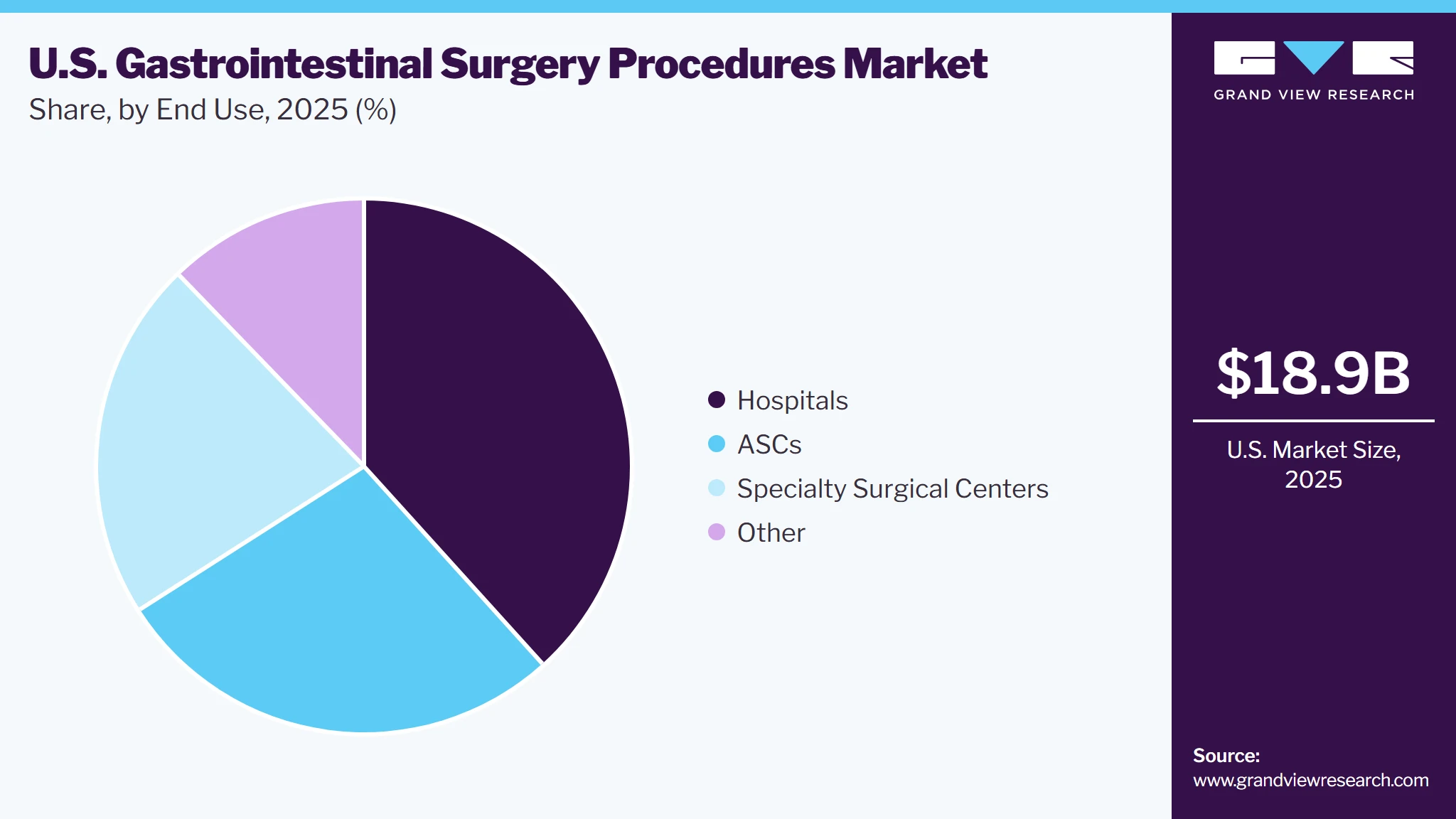
- By end use: The hospitals segment held a leading market share of 38.2% in 2025.
Market Size & Forecast
- Market size in 2025: USD 18.9 Billion
- Estimated market size in 2026: USD 19.5 Billion
- Projected market size by 2033: USD 24.4 Billion
- CAGR (2026-2033): 3.2%
Prism AI by Grand View Research Free to tryAsk a question about the U.S. gastrointestinal surgery procedures marketTry asking✓Every figure cited from GVR research Prefer the report? Download free sample →
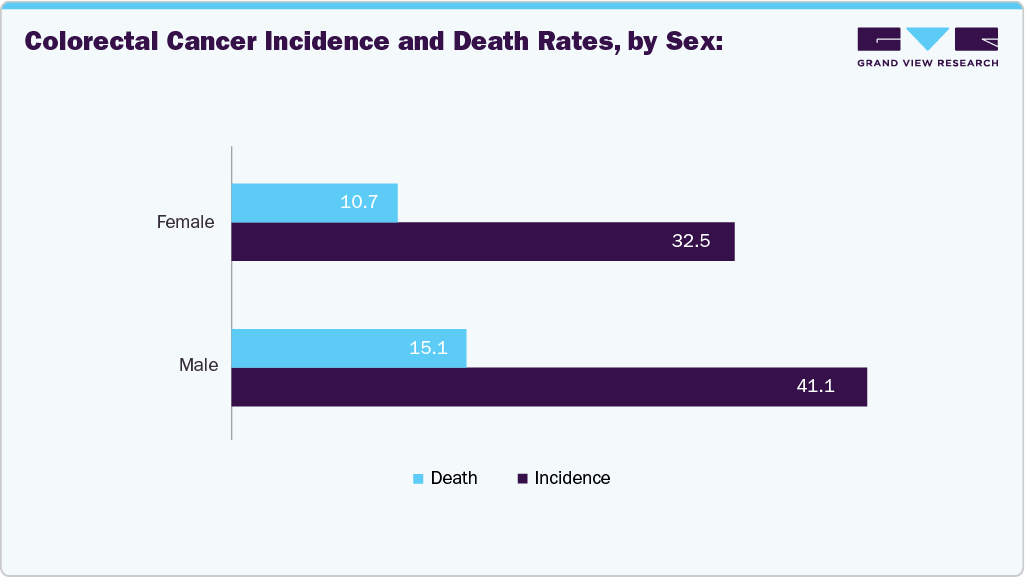
Gastrointestinal conditions such as colorectal cancer, inflammatory bowel disease, diverticular disease, gallbladder disorders, and obesity-related digestive complications contribute to the demand for procedures across hospitals and ambulatory surgical centers. Colorectal cancer remains an important contributor to gastrointestinal surgical demand; according to the latest CDC data, 155,662 new colorectal cancer cases were reported in the U.S. in 2023, while 54,468 people died from colorectal cancer in 2024. The continued disease burden supports demand for procedures such as colectomy, bowel resection, rectal surgery, cholecystectomy, and other abdominal surgeries. The increasing prevalence of obesity is another important driver, particularly for bariatric and metabolic gastrointestinal procedures.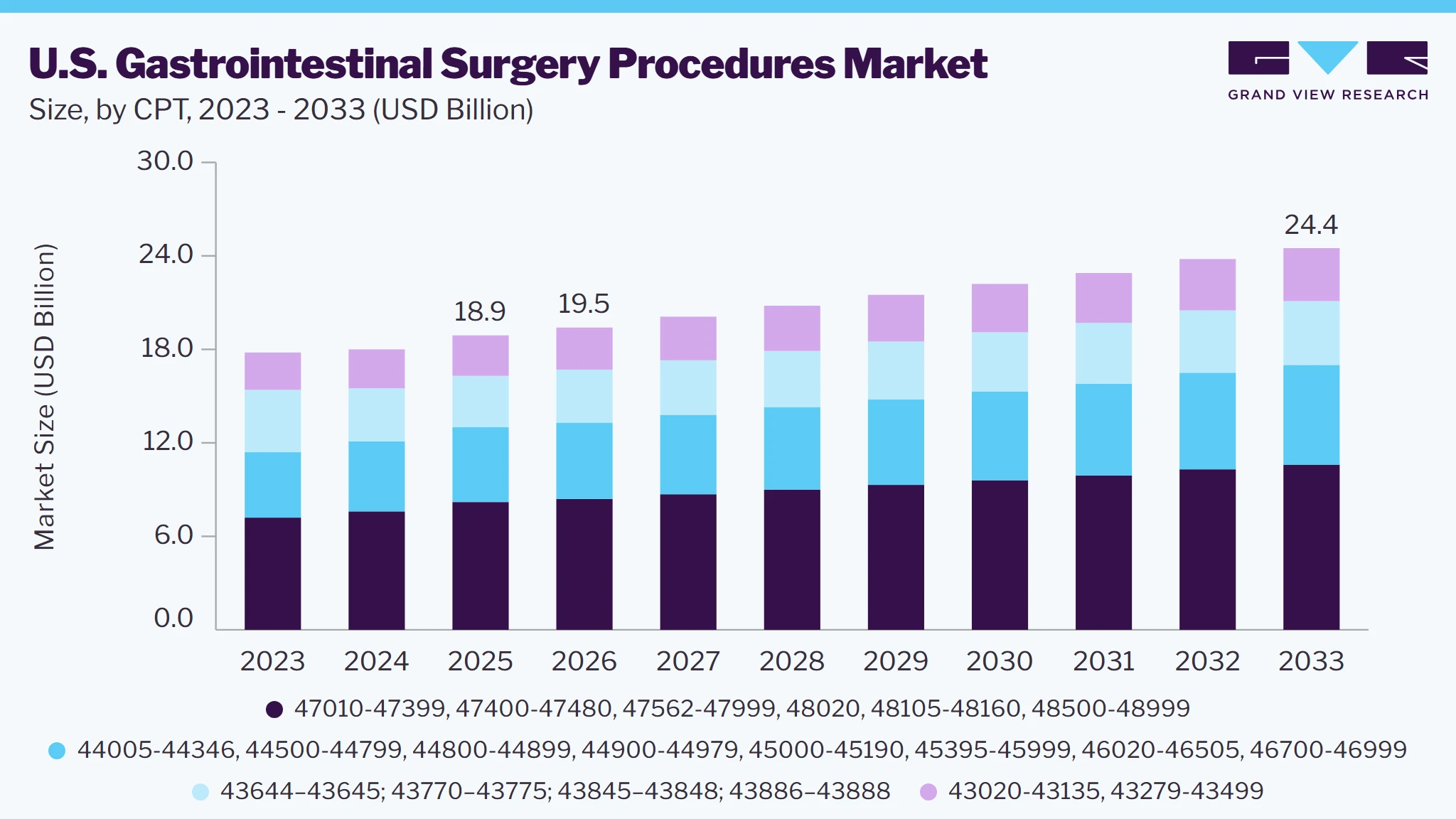 Source: Grand View Research, IR Documents, Primary Interviews, Paid DatabasesTo learn more about this report,
 Download Free Sample Report
CDC data show that 40.3% of U.S. adults had obesity during August 2021-August 2023, while 2024 surveillance found that every U.S. state and territory had an adult obesity prevalence of at least 25%. The high obesity burden increases the patient population eligible for surgical weight-management procedures and is also associated with several conditions that can require gastrointestinal or abdominal surgery. As a result, the continued prevalence of obesity is expected to support demand for procedures such as sleeve gastrectomy and gastric bypass, while also increasing the need for surgical management of related gastrointestinal and hepatobiliary conditions.
The shift toward minimally invasive and robotic-assisted surgery is further strengthening market growth. Laparoscopic and robotic approaches are increasingly used for colorectal, bariatric, gallbladder, and other abdominal procedures because they can provide smaller incisions, improved visualization, greater instrument control, and potentially faster recovery compared with conventional open surgery. This trend is being reinforced by continued investment in robotic surgical platforms. For example, the FDA granted De Novo authorization for Johnson & Johnson MedTech's OTTAVA Robotic Surgical System on July 21, 2026, adding another robotic platform to the U.S. surgical market. The increasing availability of advanced robotic and laparoscopic technologies is therefore expanding technology options for hospitals and surgeons and supporting the transition toward minimally invasive gastrointestinal procedures.
 To learn more about this report, Download Free Sample Report
Government-supported colorectal cancer screening is also indirectly supporting the gastrointestinal surgery ecosystem by encouraging earlier detection and treatment of colorectal disease. CMS continues to cover colorectal cancer screening as a Medicare preventive service, including screening colonoscopy and other approved screening tests. Earlier identification of colorectal abnormalities can lead to additional diagnostic evaluation and, when cancer or advanced disease is identified, surgical treatment. This creates a pathway from screening and diagnosis to surgical management, supporting continued demand for colorectal procedures in the U.S.
Market Dynamics
The U.S. market is experiencing steady growth, driven by the increasing prevalence of gastrointestinal disorders, rising demand for minimally invasive surgical techniques, growing adoption of robotic-assisted procedures, and the expanding geriatric population requiring surgical management of digestive diseases. The market encompasses a broad range of surgical procedures performed to diagnose, treat, or manage gastrointestinal conditions, including colorectal, bariatric, gastric, gallbladder, appendectomy, small bowel, and hepatobiliary procedures. Gastrointestinal surgeries are increasingly performed using minimally invasive approaches, including laparoscopic, endoscopic, and robotic-assisted techniques, which offer advantages such as smaller incisions, reduced postoperative pain, shorter hospital stays, and faster recovery compared with conventional open surgery.
The increasing burden of gastrointestinal diseases in the U.S. is a major market driver, as the growing number of patients with conditions such as inflammatory bowel disease (IBD), colorectal cancer, gallbladder disease, diverticular disease, and other digestive disorders is increasing the need for surgical diagnosis and treatment. The CDC estimates that 2.4-3.1 million people in the U.S. have IBD, with prevalence continuing to rise, while complications of Crohn’s disease and ulcerative colitis can require surgical intervention when medical treatment is unsuccessful or severe complications develop. The continued burden of these chronic and progressive gastrointestinal conditions increases demand for procedures such as bowel resection, colectomy, ostomy, cholecystectomy, and other abdominal surgeries. In addition, recent CDC data show that the U.S. colorectal cancer death rate was 12.9 deaths per 100,000 population in 2024, highlighting the continuing disease burden and associated need for colorectal surgical management. Thus, the rising prevalence and clinical burden of gastrointestinal diseases are expanding the patient pool requiring surgical management and supporting sustained growth in gastrointestinal surgery procedure volumes in the U.S.
The shortage of skilled surgeons and other specialized healthcare professionals is a major restraint on market growth, as limited availability of qualified surgeons can restrict the number of procedures hospitals and surgical centers can perform, particularly in rural and underserved areas. Gastrointestinal procedures increasingly require specialized expertise in laparoscopic, robotic-assisted, endoscopic, and complex abdominal surgery, making access to adequately trained surgeons important for expanding procedure volumes. The U.S. is projected to face a shortage of 10,000-19,900 surgeons by 2036, driven by population growth, an aging surgical workforce, and increasing workforce attrition. This shortage can contribute to longer waiting times, reduced access to specialized surgical care, and geographic disparities in treatment availability. In addition, the growing complexity of advanced surgical technologies requires continuous surgeon training and technical expertise, which can increase the time and resources hospitals need to expand their gastrointestinal surgery capabilities. Therefore, the limited availability of skilled surgical professionals and uneven distribution of surgeons across the U.S. can constrain procedure capacity and moderate market growth.
Market Characteristics & Concentration
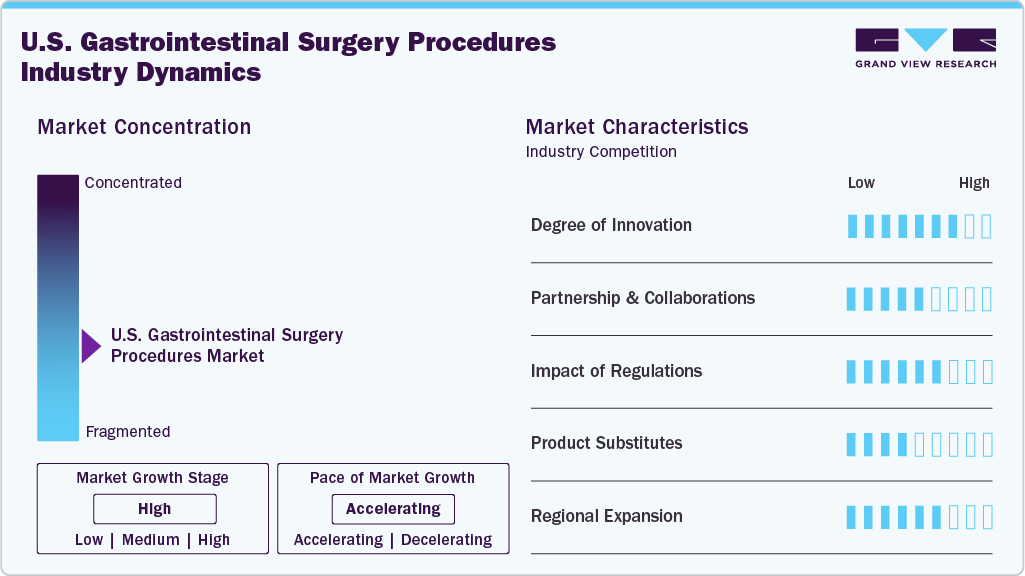
The U.S. gastrointestinal surgery procedures industry is moderately competitive, with major medical device and surgical technology companies holding strong positions through broad portfolios of robotic-assisted surgery systems, laparoscopic instruments, advanced energy devices, surgical staplers, endoscopy systems, and visualization technologies. Market participants are increasingly focusing on robotic-assisted surgery, advanced laparoscopic platforms, 3D and 4K visualization, fluorescence-guided imaging, advanced energy devices, surgical stapling, and digitally integrated surgical workflows to improve surgical precision, procedural efficiency, and patient outcomes. The competitive environment is also becoming more dynamic as established companies expand robotic platforms and emerging technologies target broader adoption across hospitals, ambulatory surgery centers, and community-based surgical facilities.
The U.S. gastrointestinal surgery procedures industry is characterized by a high degree of innovation, driven by continuous advancements in robotic-assisted surgery, minimally invasive techniques, advanced visualization, computer-assisted surgical systems, and AI-enabled technologies. Hospitals and surgeons are increasingly adopting robotic platforms that provide enhanced 3D visualization, improved instrument control, force sensing, and greater precision for complex gastrointestinal procedures. For example, the FDA cleared Intuitive Surgical’s da Vinci 5 system in March 2024, introducing more than 150 technology enhancements, including force-feedback capabilities and next-generation 3D imaging. Innovation is also expanding into single-port and procedure-specific robotic surgery; in May 2025, the FDA cleared the da Vinci SP system for transanal local excision and resection, expanding its application in colorectal surgery.
 To learn more about this report, Download Free Sample Report
The U.S. gastrointestinal surgery procedures industry is witnessing increasing strategic collaborations between surgical technology companies, hospitals, surgeons, academic institutions, and professional surgical organizations, with partnerships increasingly focused on developing robotic-assisted surgery platforms, generating clinical evidence, improving surgeon training, and expanding the use of minimally invasive gastrointestinal procedures. These collaborations are helping companies validate new technologies in real-world surgical settings while enabling hospitals and surgeons to evaluate advanced platforms across procedures such as bariatric, gastric, colorectal, and small-bowel surgery. For instance, in April 2025, Johnson & Johnson MedTech completed the first clinical cases using its OTTAVA Robotic Surgical System at Memorial Hermann-Texas Medical Center, with the lead investigator from UT Health Houston performing Roux-en-Y gastric bypass procedures as part of the U.S. clinical study. The collaboration involved surgeons and multiple clinical sites to generate evidence for the system's use in upper-abdominal procedures, including gastric bypass, gastric sleeve, and small-bowel resection.
The market operates within a well-established regulatory framework, with the U.S. Food and Drug Administration (FDA) overseeing the safety, effectiveness, manufacturing quality, and post-market performance of medical devices used in gastrointestinal procedures, including robotic surgical systems, laparoscopic instruments, surgical staplers, energy devices, and endoscopic technologies. Depending on the device and its risk classification, manufacturers may need to obtain FDA clearance through the 510(k) pathway, De Novo authorization, or Premarket Approval (PMA) before commercial distribution. Regulatory requirements, therefore, influence the introduction and adoption of new technologies used in gastrointestinal procedures by requiring appropriate evidence of safety, performance, quality, and manufacturing compliance.
The U.S. gastrointestinal surgery procedures industry faces moderate competition from non-surgical and less invasive treatment options, which can reduce the need for conventional gastrointestinal surgery in select patients. Depending on the disease and clinical severity, alternatives include medical management, therapeutic endoscopy, endoscopic bariatric procedures, interventional radiology, and lifestyle-based treatment. For example, the American Gastroenterological Association recommends selective use of antibiotics, dietary management, and lifestyle modifications for appropriate patients with uncomplicated diverticulitis, while elective surgery is recommended based on an individualized assessment rather than solely on the number of previous episodes.
The U.S. gastrointestinal surgery procedures industry is experiencing steady regional expansion as hospitals, ambulatory surgery centers (ASCs), and community-based healthcare facilities continue to expand access to gastrointestinal surgical services nationwide. The growing adoption of minimally invasive and robotic-assisted procedures is supporting this expansion by enabling more complex gastrointestinal surgeries, including colorectal surgery, bariatric surgery, cholecystectomy, and other abdominal procedures, to be performed outside major academic medical centers.
Analyst Perspective
The market represents a significant component of the broader surgical care landscape, supported by the high and recurring volume of procedures for colorectal, gastric, hepatobiliary, pancreatic, appendiceal, and small-intestinal conditions. The market is being shaped by the growing burden of gastrointestinal diseases, an aging population, increasing surgical treatment of gastrointestinal cancers and chronic digestive disorders, and the continued shift toward minimally invasive surgical approaches. U.S. healthcare utilization datasets capture substantial volumes of procedures, including colorectal resection, appendectomy, cholecystectomy, and other gastrointestinal therapeutic procedures, providing a broad foundation for assessing procedure demand.
CPT Insights
The 47010-47399, 47400-47480, 47562-47999, 48020, 48105-48160, 48500-48999 segment dominated the market, accounting for the largest share at 43.2% in 2025. The segment encompasses procedures such as liver biopsy and resection, biliary exploration and drainage, laparoscopic and open cholecystectomy, bile duct procedures, and pancreatic resection and drainage procedures. Demand is supported by the continued surgical burden of acute cholecystitis, gallstone-related complications, biliary obstruction, pancreatitis, pancreatic fluid collections, and other acute hepatopancreatobiliary conditions, while elective procedures for benign hepatobiliary and pancreatic disorders also contribute to overall volume. The increasing adoption of minimally invasive approaches, particularly laparoscopic cholecystectomy, is further influencing the procedural mix by enabling shorter recovery and greater use of outpatient surgical pathways.
The 44005-44346, 44500-44799, 44800-44899, 44900-44979, 45000-45190, 45395-45999, 46020-46505, 46700-46999 segment is expected to witness the fastest growing CAGR over the forecast period. These procedures are used across a broad range of acute and benign GI conditions, including appendicitis, bowel obstruction, perforation, diverticular disease, inflammatory bowel disease, intestinal adhesions, and other structural or inflammatory disorders. Acute conditions are an important driver of surgical volume because obstruction, perforation, ischemia, and complicated appendicitis frequently require urgent or emergency intervention. At the same time, elective procedures for chronic benign disorders contribute to routine surgical demand. The increasing adoption of laparoscopic and robotic techniques is supporting the transition away from conventional open procedures, particularly in colorectal and intestinal surgery, while expanding the range of procedures that can be performed through minimally invasive approaches.
Indication Insights
The acute/emergency conditions segment dominated the market and accounted for the largest revenue share in 2025. Unlike elective GI procedures, these conditions often require rapid surgical assessment and intervention because delays can increase the risk of sepsis, tissue necrosis, perforation, and other life-threatening complications. The segment is therefore primarily driven by the persistent incidence of acute abdominal conditions and the need for timely surgical management. Within the covered CPT scope, procedures such as appendectomy, intestinal resection, bowel repair, cholecystectomy, and emergency hepatobiliary procedures represent important components of this segment. Increasing adoption of minimally invasive techniques is also influencing procedure selection, allowing many urgent GI operations to be performed laparoscopically while reducing postoperative morbidity and recovery time.
The benign GI disorders segment is expected to witness significant CAGR over the forecast period, driven by the large number of patients requiring surgical management for GERD, achalasia, diverticular disease, inflammatory bowel disease, benign intestinal disorders, and other non-malignant gastrointestinal conditions. Surgical intervention is generally considered when symptoms persist despite medical management, complications develop, or structural abnormalities require correction. The segment is also supported by the increasing use of minimally invasive approaches for elective GI procedures, including laparoscopic esophageal, gastric, intestinal, colorectal, liver, and pancreatic surgeries. In particular, the growing preference for laparoscopic and robotic approaches is enabling surgeons to perform complex benign GI procedures with smaller incisions, reduced postoperative pain, shorter hospital stays, and faster recovery. Consequently, continued diagnosis of chronic benign GI conditions and the shift toward minimally invasive surgical management are expected to support procedure volumes over the forecast period.
Procedure Urgency Insights
The urgent segment dominated the market and held the largest revenue share in 2025. Urgent GI procedures are commonly associated with acute cholecystitis, complicated diverticular disease, bowel obstruction, appendicitis, incarcerated hernias, and other acute abdominal conditions where delaying treatment can result in disease progression or complications. The segment benefits from improvements in emergency surgical pathways, rapid diagnostic imaging, and the wider availability of minimally invasive techniques, enabling eligible patients to undergo surgery without prolonged preparation. In addition, the increasing emphasis on reducing complications associated with delayed treatment is encouraging timely surgical management of acute GI conditions, supporting continued demand for urgent procedures across U.S. hospitals, ASCs, and specialty surgical facilities.
The emergency segment is expected to witness the fastest-growing CAGR over the forecast period. The segment represents the most time-sensitive GI surgeries, where immediate operative management may be necessary because of bowel perforation, intestinal ischemia, peritonitis, severe appendicitis, uncontrolled GI complications, or severe hepatobiliary and pancreatic disease. Emergency GI surgery continues to generate substantial procedure demand because these conditions can occur unpredictably and may rapidly progress to sepsis, organ failure, or death without intervention. Although minimally invasive techniques are increasingly used when patient condition and disease severity permit, unstable patients and those with extensive contamination or tissue damage may continue to require open surgical approaches.
End Use Insights
The hospitals segment dominated the market in 2025. The segment's leading position is primarily supported by the concentration of complex, high-acuity, and emergency GI procedures in hospital settings, including esophageal and gastric resections, colorectal surgery, liver and pancreatic procedures, and surgeries requiring intensive perioperative monitoring. Hospitals also remain the preferred setting for patients with significant comorbidities, complications, or conditions requiring inpatient recovery. In addition, the availability of multidisciplinary surgical teams, advanced imaging and operating-room infrastructure, intensive care facilities, and specialized hepatobiliary, colorectal, and upper-GI services supports continued hospital-based GI surgery. Although selected procedures are increasingly shifting toward outpatient settings, the complexity of several major GI procedures is expected to sustain demand for hospital-based surgical care.
 To learn more about this report, Download Free Sample Report
The ASCs segment is anticipated to grow at the fastest rate over the forecast period. The segment benefits from the growing adoption of minimally invasive and laparoscopic techniques, which allow selected procedures to be completed with shorter recovery periods and same-day discharge. High-volume procedures such as laparoscopic cholecystectomy, hernia repair, appendectomy, selected colorectal procedures, and bariatric surgery are increasingly suited to ASC-based pathways when patients meet appropriate clinical criteria. The shift is further supported by improvements in anesthesia and perioperative management, increasing payer emphasis on lower-cost sites of care, and patient preference for shorter stays. Consequently, continued expansion of outpatient surgical capabilities and the increasing use of minimally invasive GI procedures are expected to drive growth in the ASC segment over the forecast period.
Key U.S. Gastrointestinal Surgery Procedures Company Insight
The market is highly competitive, with established medical technology companies and emerging surgical robotics companies competing to expand their presence across colorectal, bariatric, gastric, gallbladder, and other gastrointestinal procedures. Key participants are continuously investing in robotic-assisted surgery, minimally invasive instruments, advanced visualization, surgical stapling, energy devices, and digitally integrated operating-room technologies to improve surgical precision, procedural efficiency, and patient outcomes.
Key U.S. Gastrointestinal Surgery Procedures Companies
-
Johnson & Johnson MedTech/Ethicon
-
Medtronic
-
Stryker
-
Intuitive Surgical
-
CONMED
-
Applied Medical
-
B. Braun
-
Teleflex
-
Olympus
-
KARL STORZ
-
BD
-
Cook Medical
-
W. L. Gore & Associates
-
Integra LifeSciences
-
Zimmer Biomet
Competitive Benchmarking
Category
Operating Strategies
Competitive Edge
Weakness
Established Players (Johnson & Johnson MedTech / Ethicon, Medtronic, Stryker, B. Braun, KARL STORZ, BD, Cook Medical, Integra LifeSciences, Zimmer Biomet)
- Focus on expanding minimally invasive, robotic-assisted, laparoscopic, endoscopic, and advanced energy solutions across colorectal, bariatric, hepatobiliary, gastric, and other GI procedures.
- Strengthen hospital relationships through surgeon training, clinical evidence, technology upgrades, and integrated procedural portfolios.
- Strong brand recognition, extensive hospital penetration, established surgeon training networks, and broad product portfolios provide significant competitive advantages.
- Advanced robotic, laparoscopic, visualization, and energy technologies support precision and minimally invasive approaches.
- High R&D, manufacturing, regulatory, and clinical-validation costs increase operating complexity.
- High capital requirements for robotic and advanced surgical systems can limit adoption among smaller hospitals and ambulatory facilities.
Emerging Players (Intuitive Surgical, CONMED, Applied Medical, Teleflex, Olympus, W. L. Gore & Associates)
- Focus on differentiated robotic and minimally invasive platforms designed to improve accessibility, flexibility, portability, and cost efficiency.
- Target community hospitals, ambulatory surgery centers, and facilities seeking alternatives to large fixed robotic platforms.
- Faster innovation cycles and greater flexibility enable emerging companies to differentiate through compact, portable, modular, or cost-conscious robotic solutions.
- New platforms can address limitations associated with operating-room space, capital investment, and workflow integration.
- Smaller installed bases, limited financial resources, and lower surgeon familiarity can constrain adoption.
- Limited long-term clinical evidence and surgeon training networks compared with established players may slow market penetration.
Recent Development
-
In July 2026, Johnson & Johnson received U.S. FDA De Novo authorization for its OTTAVA Robotic Surgical System, the world’s first table-integrated soft-tissue robotic system. The system is authorized for multiple general surgery procedures in the upper abdomen, including gastric bypass, gastrectomy, cholecystectomy, splenectomy, and gastric sleeve. Johnson & Johnson plans to launch commercially with select U.S. customers, while continuing clinical development for additional indications, including inguinal hernia procedures.
U.S. Gastrointestinal Surgery Procedures Market Report Scope
Report Attribute
Details
Market size in 2025
USD 18.9 billion
Estimated market size in 2026
USD 19.5 billion
Projected market size by 2033
USD 24.4 billion
Growth rate
CAGR of 3.2% from 2026 to 2033
Historical data
2021 - 2025
Forecast period
2026 - 2033
Quantitative units
Revenue in USD billion and CAGR from 2026 to 2033
Report coverage
Revenue forecast, company ranking, competitive landscape, growth factors, and trends
Segments covered
CPT, indication, procedure urgency, end use
Key companies profiled
Johnson & Johnson MedTech/Ethicon; Medtronic; Stryker; Intuitive Surgical; CONMED; Applied Medical; B. Braun; Teleflex; Olympus; KARL STORZ; BD; Cook Medical; W. L. Gore & Associates; Integra LifeSciences; Zimmer Biomet
Customization scope
Free report customization (equivalent up to 8 analyst’s working days) with purchase. Addition or alteration to country, regional, and segment scope
Pricing and purchase options
Avail customized purchase options to meet your exact research needs. Explore purchase options
U.S. Gastrointestinal Surgery Procedures Market Report Segmentation
This report forecasts revenue growth and provides an analysis of the latest industry trends in each of the sub-segments from 2021 to 2033. For this study, Grand View Research has segmented the U.S. gastrointestinal surgery procedures market report based on CPT, indication, procedure urgency, and end use:
-
CPT Outlook (Revenue, USD Billion, 2021 - 2033)
-
43020-43135, 43279-43499
-
44005-44346, 44500-44799, 44800-44899, 44900-44979, 45000-45190, 45395-45999, 46020-46505, 46700-46999
-
47010-47399, 47400-47480, 47562-47999, 48020, 48105-48160, 48500-48999
-
43644-43645; 43770-43775; 43845-43848; 43886-43888
-
-
Indication Outlook (Revenue, USD Billion, 2021 - 2033)
-
Cancer
-
Benign GI Disorders
-
Acute/Emergency Conditions
-
Obesity
-
Other Conditions
-
-
Procedure Urgency Outlook (Revenue, USD Billion, 2021 - 2033)
-
Elective
-
Urgent
-
Emergency
-
-
End Use Outlook (Revenue, USD Billion, 2021 - 2033)
-
Hospitals
-
Ambulatory Surgical Centers
-
Specialty Surgical Centers
-
Other
-
Research Methodology
The U.S. gastrointestinal surgery procedures market figures in this report are based on a proven research process that combines executive interviews with secondary research from proprietary databases, company filings, and recognized regulatory and institutional sources. Market size is built through value-chain sizing-reconciling supply-side and demand-side estimates-and triangulated with bottom-up and top-down approaches. Every estimate passes multiple levels of expert validation before publication, with each U.S. gastrointestinal surgery procedures segment quantified using the revenue-capture definitions in the table below.
Segment Definition
Segment - CPT
Revenue capture definition
43020-43135, 43279-43499
Revenue is captured through billing professional and facility fees associated with surgical interventions targeting the esophagus, including esophagotomies, esophagectomies, structural motility repairs, and laparoscopic Heller myotomies. Revenue flows through Current Procedural Terminology (CPT) reimbursement codes paid by Medicare, Medicaid, and commercial insurers, as well as institutional billing for specialized esophageal access hardware, specialized stapling cartridges, and inpatient post-resection care.
44005-44346, 44500-44799, 44800-44899, 44900-44979, 45000-45190, 45395-45999, 46020-46505, 46700-46999
Revenue is generated through fee-for-service coding and bundled facility payments for surgical interventions along the lower gastrointestinal tract, covering enterotomies, bowel resections, open and laparoscopic appendectomies, proctectomies, ostomy formations, and complex anorectal repairs. Facility and professional revenue streams are driven by high procedural volume across both inpatient and outpatient settings, incorporating billing for single-use laparoscopic access tools, energy dissection devices, dynamic staplers, and post-operative recovery stays.
47010-47399, 47400-47480, 47562-47999, 48020, 48105-48160, 48500-48999
Revenue flows from procedural billing for surgeries involving the liver, gallbladder, biliary tract, and pancreas, ranging from high-volume laparoscopic cholecystectomy cases to complex oncological operations like Whipple procedures and partial hepatectomies. Operational and clinical income relies on high-acuity surgical reimbursement, specialist surgeon service fees, intraoperative imaging/cholangiography equipment utilization, specialized tissue sealing devices, and extended intensive care unit (ICU) management.
43644-43645; 43770-43775; 43845-43848; 43886-43888
Revenue is captured through coded billing for surgical weight-loss and metabolic procedures, including laparoscopic Roux-en-Y gastric bypass, sleeve gastrectomy, adjustable gastric banding, and complex revisionary bariatric surgeries. Market participants earn revenue through pre-authorized commercial insurance payouts, cash-pay elective packages, specialized bariatric surgical suite utilization fees, laparoscopic instrumentation sales, and long-term multi-disciplinary follow-up care programs.
Segment -Indication
Revenue capture definition
Cancer
Revenue is generated through procedure-related surgical interventions, specialized oncology device utilization, and facility fee billings associated with resecting malignant GI neoplasms. Healthcare providers and medtech suppliers capture high-value revenue from complex, multi-hour surgical resections, extensive lymph node dissections, advanced minimally invasive/robotic access platforms, and post-operative inpatient monitoring protocols.
Benign GI Disorders
Revenue flows from planned surgical and endosurgical treatments for non-cancerous structural or inflammatory gastrointestinal conditions, including inflammatory bowel disease, severe diverticulitis, gallbladder diseases (cholecystitis), and reflux disorders (GERD). Income is secured through routine laparoscopic or open surgical procedures, specialized stapling/resection consumables, end-luminal therapeutic systems, and standard inpatient or outpatient recovery management.
Acute/Emergency Conditions
Revenue is captured from immediate, life-threatening gastrointestinal surgical interventions triggered by sudden severe pathologies such as bowel perforations, acute intestinal obstructions, ischemic bowel episodes, appendicitis, or active internal hemorrhages. Providers monetize this high-acuity segment through emergency operating room resource allocation, intensive care unit (ICU) bed-day billings, high-level trauma team mobilization, and specialized emergency access consumables.
Obesity
Revenue is derived from surgical weight-loss procedures (bariatric surgery), including sleeve gastrectomies, Roux-en-Y gastric bypasses, and revisional bariatric operations. Market participants capture substantial elective facility fees, specialized heavy-duty bariatric surgical instrumentation sales, laparoscopic stapling reload cartridges, and long-term post-operative nutritional and metabolic follow-up care packages.
Other Conditions
Revenue encompasses alternative or niche gastrointestinal surgical indications, including trauma, congenital GI abnormalities, adhesions, mesenteric/Meckel's diverticulum disorders, and surgical interventions for other non-malignant/non-obesity indications.
Segment - Procedure Urgency
Revenue capture definition
Elective
Revenue is generated from pre-scheduled, non-emergency surgical interventions planned by patients and clinical teams in advance. Health systems and device vendors benefit from highly predictable revenue streams, optimized operating room scheduling, streamlined commercial insurance prior-authorizations, and pre-packaged surgical consumable kits.
Urgent
Revenue flows from surgical procedures requiring intervention within a short timeframe to prevent clinical deterioration, such as severe symptomatic gallstones, contained bowel micro-perforations, or acute diverticular abscesses. Income is driven by accelerated clinical diagnostic workups, priority operating room slot allocation, and specialized therapeutic surgical supplies.
Emergency
Revenue is captured from immediate, unplanned surgical procedures executed to stabilize patients facing imminent mortality or organ loss. Healthcare systems monetize emergency facility fees, high-acuity surgeon and anesthesia call rates, blood product utilization, complex ICU admissions, and high-demand emergency surgical packs.
Segment - End Use
Revenue capture definition
Hospitals
Revenue is generated through comprehensive institutional inpatient stay billings, surgical suite facility fees, intensive care unit utilization, and complex surgical care management across acute-care hospital networks. This dominant segment captures major high-acuity surgical volumes, complex open oncology resections, emergency trauma interventions, and large-scale enterprise purchasing contracts for capital surgical equipment and single-use consumables.
Ambulatory Surgical Centers
Revenue flows through outpatient procedure facility fees, rapid-turnaround surgical suites, and streamlined clinical care models for non-emergency, low-to-moderate complexity GI surgeries. ASCs capture revenue by delivering lower-cost surgical options to insurers and self-pay patients while maximizing high daily procedure throughput.
Specialty Surgical Centers
Revenue is captured by dedicated, highly focused surgical clinics. Income is monetized through premium specialized procedure packages, tailored patient recovery programs, high-end surgical technology platforms, and physician-driven practice management models targeting niche patient demographics.
Other
Revenue encompasses secondary or non-traditional surgical and procedural environments, including academic medical center clinical research suites, government/veterans affairs (VA) surgical facilities, and mobile or military field surgical units where specialized GI access consumables and procedures are deployed.
Estimation Model
Step Number
Step
Guiding Question
Process Steps
Data Sources
01
Scope Definition
What gastrointestinal surgical procedures are included in the market?
Define the scope of gastrointestinal surgery procedures.
Establish procedure categories and sub‑categories.
Define the market boundary.
Establish geographic, temporal, and utilization scope.
HCUP NIS, ACS NSQIP, CMS Medicare claims and fee schedules, CDC
02
Build the Product Base
How many gastrointestinal surgical procedures are performed annually in the U.S.?
Quantify annual procedure volumes by procedure category.
Build the procedure‑level database.
Determine procedure utilization by care setting.
Cross‑check procedure volumes.
HCUP NIS/SASD/NASS, ACS NSQIP Procedure Targeted PUFs, CMS claims
03
Estimate Penetration
What proportion of gastrointestinal procedures generates measurable surgical market revenue?
Segment procedures by surgical approach.
Segment procedure volumes by clinical indication.
Assess utilization by procedure complexity.
Estimate the addressable procedure pool.
CMS claims, Medicare Physician Fee Schedule, CMS MS‑DRG/ICD‑9/ICD‑10/HCPCS, HCUP, ACS NSQIP
04
Revenue Conversion
How does the number of gastrointestinal surgical procedures translate into market revenue?
Determine procedure‑specific average revenue/value.
Apply the procedure volume × value methodology.
Adjust for payer and site‑of‑care mix.
Cross‑check the calculated market value.
CMS claims, Physician Fee Schedule, CMS Medicare claims/payment data, HCUP
Delivered Customizations
This report has been delivered with the following In-depth customizations
Client Request
Customization Delivered
Value Adds
Porter Analysis
Conducted a comprehensive Porter's Five Forces analysis of the U.S. gastrointestinal surgery procedures market, assessing competitive rivalry, threat of new entrants, bargaining power of suppliers, bargaining power of healthcare providers and buyers, and threat of substitutes. The analysis evaluated the increasing adoption of laparoscopic, robotic-assisted, endoscopic, and other minimally invasive gastrointestinal procedures; competition among surgical technology and device manufacturers; capital requirements associated with robotic and advanced surgical platforms; surgeon training and technology switching costs; dependence on specialized instruments, energy devices, stapling systems, imaging technologies, and surgical robotics; and the influence of hospitals, ambulatory surgical centers (ASCs), integrated health systems, and payers on procedure adoption. The assessment also incorporated economic factors, including hospital capital expenditure constraints, reimbursement pressures, procedure economics, labor costs, operating-room utilization, healthcare cost-containment initiatives, and the shift toward outpatient and value-based care.
Enables stakeholders to understand the competitive intensity and structural attractiveness of the U.S. gastrointestinal surgery procedures market. The analysis helps identify supplier and buyer power, barriers to technology adoption, substitution risks, pricing pressures, and opportunities created by the shift toward minimally invasive and outpatient procedures.
Key Market Players Analysis
Conducted a detailed assessment of key companies participating in the U.S. gastrointestinal surgery ecosystem, including Intuitive Surgical, Medtronic, Johnson & Johnson MedTech/Ethicon, Olympus, Stryker, and other specialized surgical technology companies. The assessment examined company positioning, gastrointestinal and general-surgery product portfolios, laparoscopic and robotic platforms, surgical stapling and energy devices, endoscopy technologies, visualization systems, procedural applications, regulatory progress, clinical evidence, surgeon-training initiatives, hospital relationships, partnerships, and commercialization strategies. Particular emphasis was placed on companies expanding robotic and minimally invasive gastrointestinal surgery capabilities. For example, Intuitive reported approximately 18% growth in U.S. general-surgery da Vinci procedures in 2025, while Johnson & Johnson received U.S. FDA De Novo authorization for the OTTAVA robotic surgical system in July 2026 for multiple upper-abdominal general-surgery procedures.
Provides stakeholders with a clear understanding of competitive positioning, technological differentiation, portfolio strength, and strategic direction among major market participants. The analysis supports competitor benchmarking, identification of technology gaps, assessment of partnership and acquisition opportunities, evaluation of emerging robotic platforms, and understanding of how companies compete through clinical outcomes, procedural efficiency, surgeon adoption, recurring consumables, and economic value propositions.
Market Dynamics Analysis
Conducted an in-depth analysis of the major factors shaping the U.S. gastrointestinal surgery procedures market, covering growth drivers, restraints, opportunities, and emerging trends. The assessment examined the increasing prevalence of gastrointestinal disorders, colorectal and gastrointestinal cancers, obesity-related conditions, hernia and gallbladder diseases, and the resulting demand for surgical intervention. It also evaluated the transition from open surgery toward laparoscopic and robotic-assisted procedures, growing adoption of advanced visualization and imaging, increasing use of surgical stapling and energy devices, development of flexible and robotic endoscopic technologies, and expansion of procedures into ambulatory settings. Robotic adoption is particularly relevant, with U.S. da Vinci general-surgery procedures increasing from approximately 1.06 million in 2024, according to Intuitive's reporting.
Enables stakeholders to identify the key forces influencing procedure volumes, technology adoption, and market development. The analysis helps organizations anticipate shifts toward robotic-assisted and minimally invasive surgery, identify high-potential gastrointestinal procedures, understand the impact of reimbursement and hospital economics, and evaluate opportunities arising from outpatient migration and advanced surgical technologies.
Frequently Asked Questions About This Report
The U.S. gastrointestinal surgery procedures market size was valued at USD 18.9 billion in 2025 and is expected to reach USD 19.5 billion in 2026.
The U.S. gastrointestinal surgery procedures market is expected to grow at a CAGR of 3.2% from 2026 to 2033 to reach USD 24.4 billion by 2033.
By CPT, the 47010-47399, 47400-47480, 47562-47999, 48020, 48105-48160, 48500-48999 segment held the highest market share of 43.2% in 2025.
By indication, the acute/emergency conditions segment held a leading market share of 34.4% in 2025.
Gastrointestinal conditions such as colorectal cancer, inflammatory bowel disease,diverticular disease, gallbladder disorders, and obesity-related digestive complications contribute to demand for procedures across hospitals and ambulatory surgical centers. Colorectal cancer remains an important contributor to gastrointestinal surgical demand; according to the latest CDC data, 155,662 new colorectal cancer cases were reported in the U.S. in 2023, while 54,468 people died from colorectal cancer in 2024. The continued disease burden supports demand for procedures such as colectomy, bowel resection, rectal surgery, cholecystectomy, and other abdominal surgeries.
Some key players operating in the U.S. gastrointestinal surgery procedures market include Johnson & Johnson MedTech / Ethicon, Medtronic, Stryker, Intuitive Surgical, CONMED, Applied Medical, B. Braun, Teleflex, Olympus, KARL STORZ, BD, Cook Medical, W. L. Gore Associates, Integra LifeSciences, Zimmer Biomet.
By end use, the hospitals segment held a leading market share of 38.2% in 2025.
By procedure urgency, the urgent segment held a leading market share of 46.9% in 2025.
About the Author(s)
Medical Devices Research Team
Healthcare · Medical DevicesThis report was authored by the medical devices research team at Grand View Research - comprising two research analysts, one senior research analyst, and one industry expert - with specialized expertise in the medical devices segment of the healthcare industry. All findings are based on proprietary healthcare databases, executive interviews, and regulatory analysis, subject to internal peer review prior to publication.
Last Updated:
Speak to Analyst

Customize this report to your needs - add regions, segments, or data points, with 20% free customization.
Or view our licence options:


ISO 9001:2015 & 27001:2022 Certified
We are GDPR and CCPA compliant! Your transaction & personal information is safe and secure. For more details, please read our privacy policy.


