Pharmaceutical Solvents Market To Reach $5,573.5 Million By 2033
Pharmaceutical Solvents Market Growth & Trends
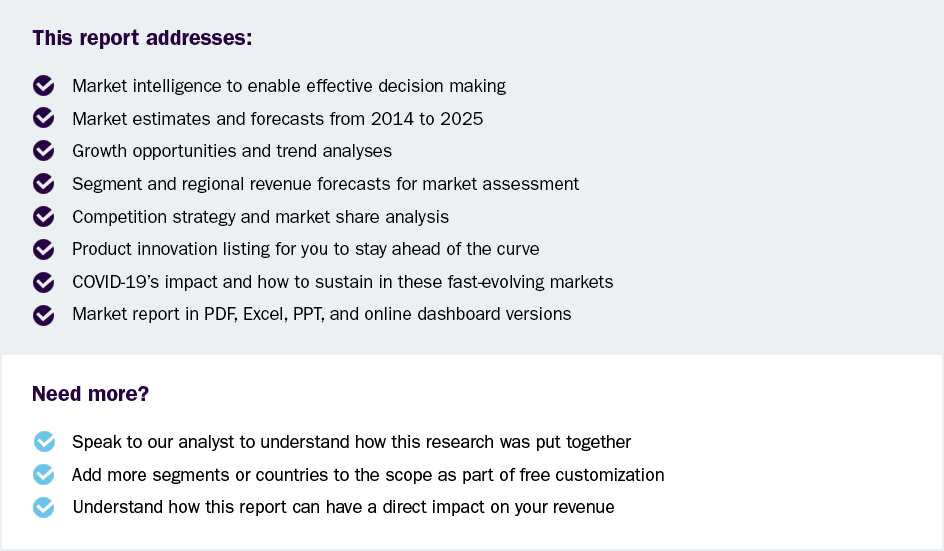
The global pharmaceutical solvents market size is anticipated to reach USD 5,573.5 million by 2033 and is anticipated to expand at a CAGR of 4.6% during the forecast period, according to a new report by Grand View Research, Inc. The growth of the market is primarily driven by the expanding pharmaceutical and biopharmaceutical industries, coupled with increasing R&D investments in drug discovery and formulation. Rising demand for high-purity and performance-optimized solvents in the manufacturing of active pharmaceutical ingredients (APIs) and formulations is further fueling market expansion. The stringent regulatory frameworks emphasizing product safety and quality have accelerated the adoption of refined and low-residual solvents. The growing trend toward green chemistry and solvent recovery technologies is also propelling demand for sustainable and bio-based solvent alternatives across pharmaceutical applications.
Significant opportunities in the pharmaceutical solvents market stem from the increasing shift toward eco-friendly and bio-based solvent solutions, driven by global sustainability initiatives and tightening environmental regulations. Advancements in solvent recycling, purification, and closed-loop manufacturing systems present avenues for cost optimization and waste reduction. Moreover, rapid pharmaceutical production growth in emerging economies such as India and China, along with rising biologics and personalized medicine development, is creating strong demand for customized, high-performance solvent systems. Strategic partnerships and R&D collaborations focused on innovation in solvent chemistry and green synthesis methods are expected to further expand the market’s growth potential.
The Alcohols segment dominated the pharmaceutical solvents market with a 38.1% revenue share in 2024, primarily due to its extensive utilization in active pharmaceutical ingredient (API) synthesis, formulation, and purification processes. Alcohols such as ethanol, methanol, and isopropanol are preferred for their high solvency power, low toxicity, and regulatory acceptance across a broad spectrum of pharmaceutical applications. Their compatibility with both polar and non-polar compounds enhances their effectiveness in drug formulation and extraction, supporting efficient manufacturing and product stability. In addition, increasing demand for green and bio-based ethanol driven by sustainability initiatives and regulatory compliance further strengthened the dominance of the Alcohols segment in the global market.
The Active Pharmaceutical Ingredient (API) Manufacturing segment captured the largest revenue share of 43.6% in 2024, primarily driven by the growing global demand for high-quality APIs and the increasing complexity of drug formulations. Pharmaceutical solvents play a critical role in API synthesis by facilitating chemical reactions, crystallization, purification, and extraction processes, ensuring high product yield and purity. The rising production of generics and biologics, coupled with stricter regulatory standards emphasizing solvent quality and traceability, has further boosted solvent consumption in this segment. The expanding manufacturing capacities in emerging markets such as India and China, alongside continuous investments in R&D for innovative and sustainable synthesis processes, reinforced the dominance of the API manufacturing segment in the global pharmaceutical solvents market.
Asia Pacific held the largest revenue share of 40.4% in the pharmaceutical solvents market in 2024, driven by the region’s robust pharmaceutical manufacturing base and expanding generic drug production across countries such as China, India, and Japan. The region benefits from cost-effective raw material availability, skilled labor, and favorable government policies promoting pharmaceutical exports and foreign direct investments. Rapid industrialization, coupled with increasing healthcare expenditure and R&D activities, has further accelerated solvent demand for both API and formulation manufacturing. The growing adoption of green and bio-based solvents, supported by regional sustainability initiatives and evolving regulatory frameworks, has positioned Asia Pacific as the dominant hub for global pharmaceutical solvent production and consumption.
 Request a free sample copy or view report summary: Pharmaceutical Solvents Market Report
Pharmaceutical Solvents Market Report Highlights
-
North America captured the second-largest revenue share of 28.3% in the pharmaceutical solvents market in 2024, primarily due to the strong presence of established pharmaceutical and biopharmaceutical manufacturers in the U.S. and Canada. The region’s well-developed healthcare infrastructure, high R&D spending, and early adoption of advanced drug formulation and synthesis technologies have significantly driven solvent demand. The stringent regulatory frameworks enforced by agencies such as the U.S. FDA and EPA have encouraged the use of high-purity and low-toxicity solvents, enhancing product safety and compliance.
-
The hydrocarbons segment held the second-largest revenue share of 16.5% in the pharmaceutical solvents market in 2024, owing to their extensive use in extraction, purification, and crystallization processes during API and formulation manufacturing. Hydrocarbon solvents, such as hexane, heptane, and toluene, are valued for their excellent solvency power, low polarity, and compatibility with non-polar compounds, making them essential in producing a wide range of pharmaceutical intermediates. Their cost-effectiveness and high efficiency in removing impurities further enhance their demand across large-scale manufacturing operations.
-
The pharmaceutical formulation segment held the second-largest revenue share of 32.5% in the pharmaceutical solvents market in 2024, driven by the increasing demand for solvents in drug formulation processes such as dissolution, suspension, and stabilization of active ingredients. Solvents play a critical role in enhancing drug bioavailability, improving dosage uniformity, and ensuring product stability across a wide range of oral, injectable, and topical formulations. The growing production of complex and targeted drug delivery systems, including sustained-release and nano-formulations, has further increased the use of high-purity and specialized solvents.
-
The esters segment is expected to grow at the highest CAGR of 5.1% from 2025 to 2033, driven by their increasing adoption as environmentally friendly and efficient alternatives to conventional solvents in pharmaceutical manufacturing. Esters, such as ethyl acetate and butyl acetate, offer excellent solvency, low toxicity, and rapid evaporation rates, making them ideal for use in formulation, coating, and purification processes. The growing shift toward green chemistry and bio-based solvent production is further accelerating their demand, as ester-based solvents align well with stringent environmental and safety regulations.
Pharmaceutical Solvents Market Segmentation
Grand View Research has segmented the global pharmaceutical solvents market on the basis of product, application, and region:
Pharmaceutical Solvents Product Outlook (Volume Kilotons; Revenue, USD Million, 2018 - 2033)
-
Alcohols
-
Hydrocarbons
-
Ketones
-
Esters
-
Chlorinated Solvents
-
Other Products
Pharmaceutical Solvents Application Outlook (Volume Kilotons; Revenue, USD Million, 2018 - 2033)
-
Active Pharmaceutical Ingredient (API) Manufacturing
-
Pharmaceutical Formulation
-
Cleaning And Purification
-
Other Applications
Pharmaceutical Solvents Region Outlook (Volume Kilotons; Revenue, USD Million, 2018 - 2033)
-
North America
-
U.S.
-
Canada
-
Mexico
-
-
Europe
-
Germany
-
UK
-
France
-
Italy
-
Spain
-
-
Asia Pacific
-
China
-
India
-
Japan
-
South Korea
-
-
Latin America
-
Brazil
-
Argentina
-
-
Middle East & Africa
-
Saudi Arabia
-
South Africa
-
List of Key Players in the Pharmaceutical Solvents Market
-
Merck KGaA
-
BASF SE
-
The Dow Chemical Company
-
ExxonMobil Corporation
-
Akzonobel N.V.
-
Royal Dutch Shell PLC
-
Mitsubishi Chemical Corporation
-
Eastman Chemical Company
-
Bayer AG
-
Nouryon
GET A FREE SAMPLE

This FREE sample includes market data points, ranging from trend analyses to market estimates & forecasts. See for yourself.

NEED A CUSTOM REPORT?
We offer custom report options, including stand-alone sections and country-level data. Special pricing is available for start-ups and universities.
Request Customization