
- Home
- »
- Clinical Diagnostics
- »
-
Acute Kidney Injury Diagnostic Market Report, 2026- 2033GVR Report cover

Acute Kidney Injury (AKI) Diagnostic Market (2026 - 2033)
Size, Share & Trends Analysis Report By Product (Assays, Kits & Reagents, Instruments & Analyzers), Biomarker Type, By Sample Type, By Technology, By End User, By Region, And Segment Forecasts
Market Size, 2025
$970.6MMarket Estimate, 2026
$1,033.6MMarket Forecast, 2033
$1,709.6MCAGR, 2026–2033
7.5%Acute Kidney Injury (AKI) Diagnostic Market Summary
The global acute kidney injury (AKI) diagnostic market size was valued at USD 970.6 million in 2025 and is projected to grow from USD 1,033.6 million in 2026 to USD 1,709.6 million in 2033, at a CAGR of 7.5% from 2026 to 2033. North America dominated the market, accounting for the largest revenue share of 38.6% in 2025. Market growth is primarily driven by the rising incidence of AKI among critically ill and hospitalized patients, coupled with increasing adoption of rapid biomarker-based diagnostic tests for earlier detection and timely clinical intervention.
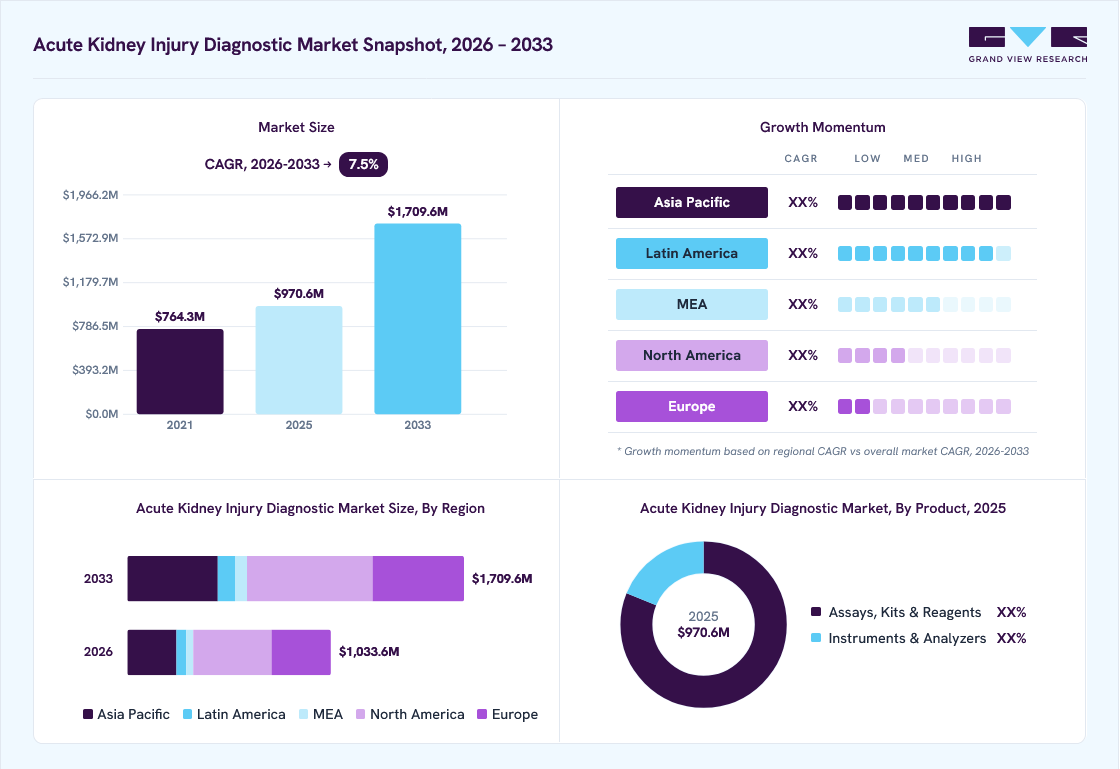 Source: Grand View Research, IR Documents, Primary Interviews, Paid DatabasesTo learn more about this report,
 Download Free Sample Report
 Key Market Trends & Insights
- By product: Assays, kits & reagents segment led the market with the largest revenue share of 73.6% in 2025.
- By biomarker type: Serum creatinine segment led the market with the largest revenue share of 63.4% in 2025.
- By sample type: Urine segment led the market with the largest revenue share of 81.3% in 2025.
- By technology: Clinical chemistry segment led the market with the largest revenue share of 64.1% in 2025
- By end use: Hospitals & hospital laboratories segment led the market with the largest revenue share of 70.3% in 2025.
Regional Highlights
- Largest regional market: North America (38.6% revenue share, 2025)
- Fastest-growing regional market: Asia Pacific (highest CAGR, 2026-2033)
- By country: The U.S. held the largest market share in 2025
Market Size & Forecast
- Market size in 2025: USD 970.6 Million
- Estimated market size in 2026: USD 1,033.6 Million
- Projected market size by 2033: USD 1,709.6 Million
- CAGR (2026-2033): 7.5%
Three ways to get this report
Buy it, customize it, or ask a question.Ask an Analyst
A direct answer, usually in 1 working day
- AccessReport author, directly
- Reply timeWithin 1 working day
- No sales callDirect answer only
- FormatEmail reply
- CostFree, no cost
Get the Full Report
What the study covers
- FormatsPDF · Excel · Dashboard
- Timeline2026–2033 annual, 2025 base
- Coverage20+ countries, 5 regions
- Companies10+ key players profiled
Customize the Report
20% free customization
- IncludeCountries, segments, points
- TailorTo your product definition
- ExtendDeeper competitor detail
- OrA fully bespoke study
- Turnaround5–10 working days
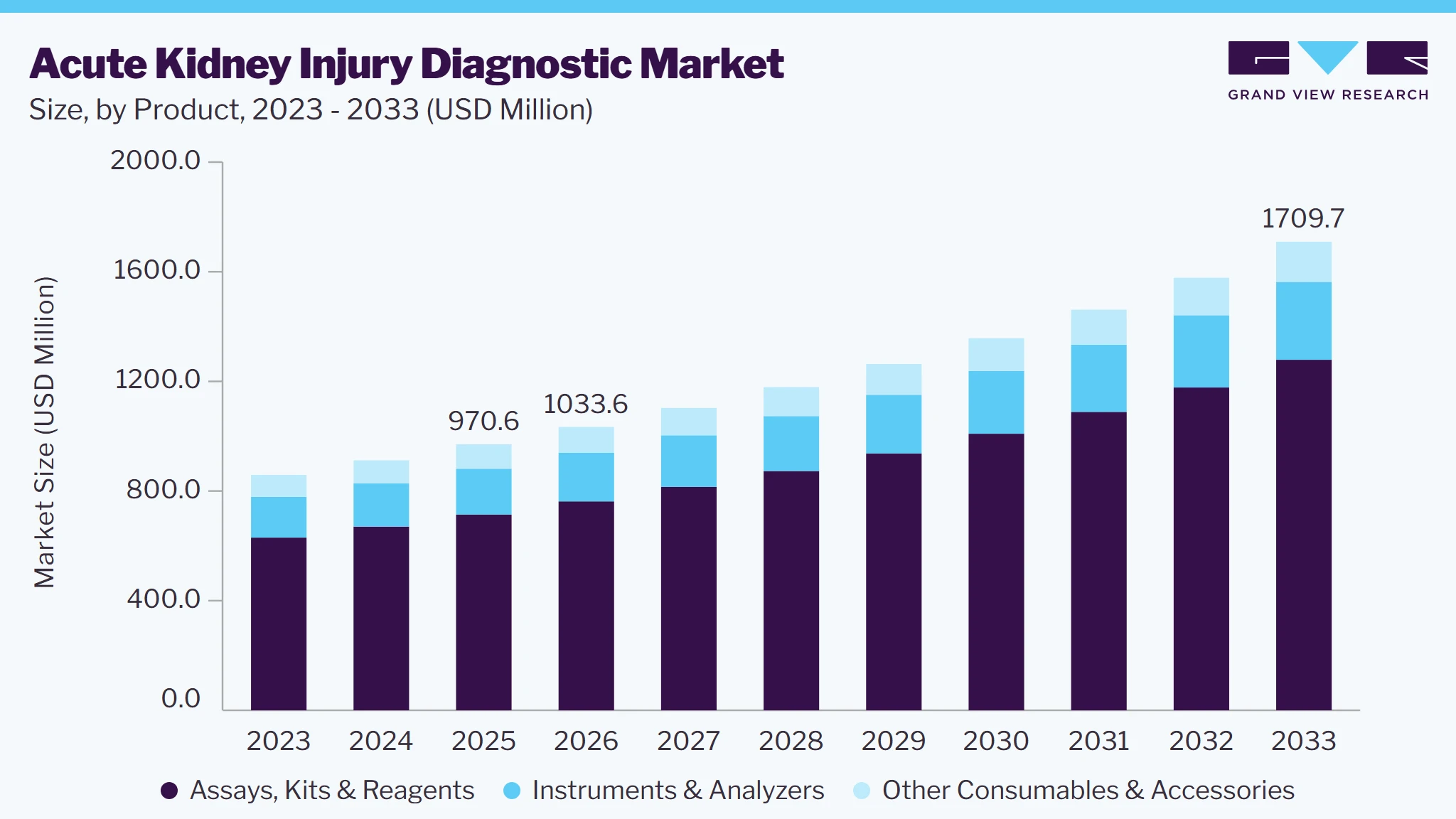 To learn more about this report, Download Free Sample Report
 Market Dynamics
The increasing volume of major surgeries and intensive care admissions is supporting market demand, as critically ill and perioperative patients face a higher risk of acute renal injury. Hemodynamic instability, blood loss, inflammation, hypoperfusion, nephrotoxic exposure, and cardiopulmonary bypass can contribute to renal impairment during and after major procedures. AKI has a particularly high incidence following cardiac surgery, reaching approximately 22.3% in a meta-analysis of 320,086 patients, while incidence among ICU-admitted trauma patients can reach approximately 20%. This substantial burden across surgical and critical care settings is strengthening the need for timely risk assessment, continuous monitoring, and early clinical intervention, particularly among patients with multiple comorbidities or prolonged hospital stays.
Conventional serum creatinine and urine output measurements present limitations for early AKI detection. Serum creatinine may remain unchanged during the initial stages of kidney injury and may take 48-72 hours to reflect clinically relevant functional deterioration, whereas urine output can be influenced by fluid status, diuretic use, and other clinical factors. This diagnostic gap has increased interest in biomarkers such as NGAL, KIM-1, and TIMP-2 × IGFBP7, which can provide earlier indications of kidney injury or cellular stress. Accordingly, hospitals and intensive care units are incorporating advanced biomarker-based approaches alongside conventional renal function assessment, thereby supporting demand for specialized assays, reagents, analyzers, and diagnostic services across perioperative and critical care environments. These technologies can facilitate earlier identification of patients requiring closer renal monitoring.
For instance, on June 9, 2026, BioPorto announced the initiation of a U.S. Adult Urine NGAL Validation Study for ProNephro AKI following feedback from the U.S. FDA. The study is expected to enroll approximately 900 patients, compared with approximately 500 patients under the previous study design, and requires approximately DKK 20 million in additional investment, representing an approximately 70% increase in study costs. FDA clearance is anticipated around mid-2028, subject to successful completion of the validation program. The study is designed to generate performance data for adult patients and support a future 510(k) submission. This development demonstrates continued industry investment in extending NGAL-based AKI risk assessment to broader adult populations and supports the longer-term expansion of biomarker-based diagnostics across intensive care and other high-risk clinical settings.
The adoption of advanced biomarkers remains constrained by limited clinical validation, uncertain clinical utility, and cost-effectiveness considerations, restraining market growth. Although biomarkers such as NGAL, KIM-1, TIMP-2, and IGFBP7 can provide earlier indications of kidney injury than conventional serum creatinine, evidence regarding their ability to consistently improve patient management and clinical outcomes remains heterogeneous. Questions regarding appropriate clinical thresholds, patient selection, and integration into treatment pathways continue to limit routine use. Healthcare providers may therefore be hesitant to incorporate specialized AKI biomarker tests into standard protocols when evidence of improved clinical outcomes remains insufficient. Consequently, hospitals may continue relying on established serum creatinine and urine-output measurements, limiting the penetration of advanced diagnostic technologies within the AKI Diagnostic Market
The higher testing costs and uncertain reimbursement environment associated with novel biomarkers represent another market restraint, particularly among hospitals operating under constrained diagnostic budgets. Conventional serum creatinine testing is comparatively inexpensive and widely available through established clinical chemistry workflows, whereas specialized biomarker assays may require dedicated reagents, analyzers, calibration materials, and additional laboratory infrastructure. Economic evaluations have also identified uncertainty regarding the cost-effectiveness of NGAL and NephroCheck testing compared with standard care. NICE reported substantial uncertainty regarding the cost-effectiveness of available AKI risk-assessment tests due to uncertainty about their impact on AKI progression and clinical outcomes. These economic considerations can delay procurement decisions and restrict integration of biomarker testing into routine ICU protocols, particularly where reimbursement does not adequately cover additional diagnostic expenditure.
The lack of standardized clinical implementation pathways for novel AKI biomarkers limits market expansion. Differences in biomarker characteristics, sample requirements, cutoff values, analytical platforms, and clinical applications can create challenges in interpretation and routine adoption. Laboratories may also require additional validation, staff training, and workflow modifications before implementing these tests at scale. Consequently, healthcare providers may gradually adopt novel biomarkers alongside conventional renal function testing. This implementation complexity can slow the adoption of biomarker-based AKI diagnostics, restraining overall market growth.
The development of rapid point-of-care (POC) diagnostic technologies presents a significant market growth opportunity, as conventional laboratory testing can delay the identification of renal injury. POC platforms enable testing closer to patients in intensive care units, emergency departments, perioperative settings, and other acute-care environments, allowing clinicians to obtain diagnostic information more rapidly. Timely results can support earlier risk stratification, renal monitoring, and clinical intervention, particularly among critically ill patients who may experience rapid changes in kidney function. The opportunity is further supported by healthcare providers’ focus on decentralized testing, workflow efficiency, and timely clinical decision-making. Manufacturers developing compact, rapid, and cost-effective AKI diagnostic platforms can address these requirements while expanding access to kidney-function testing beyond centralized hospital laboratories and strengthening adoption within the market.
For instance, on December 3, 2025, Nexsen announced the development of a suite of kidney function diagnostics targeting applications in acute and chronic kidney disease. The company is developing rapid POC tests intended to support the early detection and monitoring of AKI and other renal conditions across healthcare and home-based settings. Nexsen also outlined plans for U.S. FDA 510(k) preparation, international regulatory pathways, and scaled manufacturing to support commercialization. The development reflects continued industry investment in decentralized kidney function testing and highlights the potential for POC platforms to address clinical settings requiring rapid diagnostic information. By extending kidney-function assessment beyond centralized laboratories, such technologies could support broader adoption of rapid AKI testing and contribute to market expansion.
The expansion of POC testing can broaden the addressable market by enabling more frequent assessment of high-risk patients across critical-care settings. A 2025 retrospective study of 1,591 critically ill patients found that combining POC creatinine measurements with central laboratory creatinine testing resulted in earlier AKI diagnosis, with the median time to diagnosis approximately 5 hours earlier with POC measurements. The study also found that greater POC testing frequency was associated with a larger reduction in time to AKI diagnosis. These findings support the clinical potential of incorporating POC creatinine testing into ICU workflows. As POC technologies gain further clinical validation and regulatory acceptance, their adoption could drive additional demand for AKI assays, portable analyzers, and decentralized diagnostic services, creating opportunities for market growth.
Market Concentration & Characteristics
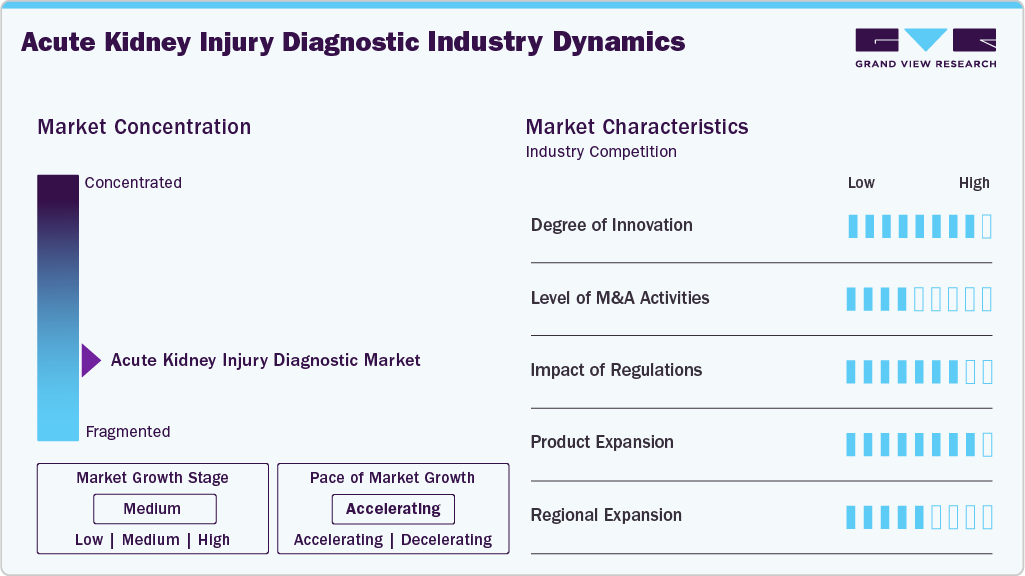
The degree of innovation in the acute kidney injury (AKI) diagnostic industry is assessed as high, supported by advancements in biomarker-based assays and testing formats that improve kidney function assessment beyond conventional serum creatinine and urine output. Biomarkers such as proenkephalin A (penKid), NGAL, TIMP-2, and IGFBP7 are expanding the diagnostic toolkit for earlier assessment of kidney injury and renal dysfunction. For instance, on April 28, 2026, SphingoTec launched the ELISA sphingotest penKid, enabling measurement of the proprietary Proenkephalin A 119-159 (penKid) biomarker using standard laboratory equipment. The assay uses SphingoTec’s high-sensitivity detection technology and is designed to correlate with its reference chemiluminescence assay, extending penKid testing to a broader range of research laboratories. This development demonstrates continued innovation in AKI biomarker testing formats and accessibility, underscoring the high level of innovation in the market.
The level of M&A activities in the market is low, as market participants primarily focus on portfolio development, biomarker commercialization, strategic collaborations, and analyzer integration rather than dedicated AKI-focused acquisitions. Companies are increasingly strengthening their market positions through partnerships, licensing agreements, and technology collaborations that expand biomarker availability and clinical applications. Established IVD manufacturers are also integrating specialized AKI testing capabilities into existing clinical chemistry and immunoassay platforms. In addition, targeted acquisitions of complementary kidney-monitoring or diagnostic technologies may emerge as companies seek to broaden their renal diagnostics portfolios. However, the market's specialized nature and the need for extensive clinical validation continue to limit large-scale AKI-specific M&A activity.
 To learn more about this report, Download Free Sample Report
 The impact of regulations on the market is assessed as high, as regulatory requirements influence the development, clinical validation, commercialization, and market access of AKI diagnostic products. Manufacturers are required to demonstrate analytical and clinical performance, safety, quality, and compliance with intended-use requirements before commercializing diagnostic technologies. These requirements can increase development costs and extend time to market, particularly for novel biomarker-based assays and emerging diagnostic platforms. Regulatory standards also affect laboratory adoption and integration of new technologies into established clinical workflows, while post-market surveillance and quality management requirements impose ongoing compliance obligations. Consequently, regulatory requirements play a significant role in determining product availability, innovation, competitive positioning, and market expansion, making regulatory compliance a key factor shaping the acute kidney injury (AKI) diagnostic industry.
Product expansion in the acute kidney injury (AKI) diagnostic industry is supporting broader adoption through the development of complementary biomarker assays, point-of-care platforms, automated immunoassays, and laboratory-based testing solutions. These expanded offerings enable diagnostic providers to address diverse requirements across critical-care, emergency, perioperative, and hospital laboratory settings. Portfolio diversification is also improving access to kidney-function assessment while supporting earlier identification and monitoring of AKI. Manufacturers are increasingly broadening their diagnostic capabilities by incorporating additional biomarkers, testing formats, and clinical applications into existing portfolios. This expansion allows companies to address varying patient populations and workflow requirements while strengthening product differentiation. Consequently, broader product portfolios are expected to enhance competitive positioning and support continued market growth.
Regional expansion in the acute kidney injury (AKI) diagnostic industry is being driven by broader commercialization of advanced diagnostic technologies, strengthening healthcare infrastructure, and increasing demand for timely kidney-function assessment. Market participants are expanding distribution capabilities, clinical partnerships, and product availability to improve access to AKI diagnostic solutions across diverse healthcare systems. Greater integration of biomarker-based testing, automated platforms, and point-of-care technologies is supporting market penetration by addressing varying diagnostic requirements and healthcare delivery models. These expansion strategies enable companies to broaden customer reach, strengthen commercial presence, and capture emerging demand for earlier AKI detection, thereby supporting sustained market growth.
Analyst Perspective
The market is transitioning from conventional serum creatinine and urine output assessment toward integrated diagnostic approaches that incorporate structural and injury biomarkers. Greater emphasis on early AKI identification, risk prediction, and clinically validated biomarkers is supporting this transition. From an analyst perspective, adoption of NGAL, TIMP-2, IGFBP-7, cystatin C, and other biomarker-based solutions is expected to expand, particularly across critical care, surgical, and sepsis settings. Market growth will be influenced by clinical validation, regulatory clearances, analyzer compatibility, rapid turnaround times, and evidence demonstrating improved clinical decision-making and economic value.
Product Insights
The assays, kits & reagents segment accounted for the largest share of 73.6% and is expected to register the fastest market growth. Its strong position is supported by recurring demand for biomarker-based testing and the expanding availability of specialized AKI assays across hospital laboratories and critical-care settings. For instance, in June 2025, BioPorto initiated U.S. commercialization of ProNephro AKI (NGAL) following receipt of its first U.S. purchase order. The assay is cleared for use on the Roche cobas c 501 analyzer and is intended to aid in risk assessment of moderate-to-severe AKI in pediatric patients aged 3 months to 21 years. This commercialization expands access to NGAL-based AKI testing and supports demand for specialized assays, kits, and reagents, reinforcing the segment’s growth.
The instruments & analyzers segment is expected to grow at a lucrative CAGR over the forecast period, supported by the expansion of AKI biomarker testing across automated laboratory platforms. BioPorto plans to expand ProNephro AKI (NGAL) to Beckman Colter instruments in 2026, following its initial commercialization on Roche cobas c 501 analyzers. Broader analyzer compatibility can enable laboratories to incorporate AKI biomarker testing into existing diagnostic infrastructure without requiring dedicated proprietary instruments, thereby reducing implementation barriers and supporting workflow integration. The availability of AKI testing across multiple established analyzer platforms can also expand laboratory access and strengthen adoption across hospitals and clinical laboratories. Consequently, continued expansion of analyzer compatibility is expected to support market growth.
Biomarker Type Insights
The serum creatinine segment dominated the market, accounting for 63.4% of the revenue share in 2025. Its leading position is supported by high clinical acceptance, standardized interpretation, broad availability, relatively low testing costs, and extensive integration into routine renal-function assessment and AKI diagnostic pathways. Serum creatinine remains a principal functional marker for evaluating changes in kidney function across hospital and critical-care settings. In 2026, the KDIGO Clinical Practice Guideline for Acute Kidney Injury and Acute Kidney Disease was released as a public review draft, marking the first major update to the KDIGO AKI guideline since 2012. The updated framework retains functional criteria while incorporating structural biomarkers and greater emphasis on earlier detection and risk prediction, reinforcing the established role of serum creatinine while supporting the broader evolution of AKI diagnostics.
The NGAL segment is expected to demonstrate the fastest growth, with a CAGR of 8.6% over the forecast period, supported by its potential to detect structural kidney injury earlier than conventional functional markers. NGAL concentrations can increase following tubular injury before substantial changes in serum creatinine become evident, creating opportunities for earlier AKI risk assessment and intervention. Supporting this potential, a 2025 prospective study evaluated a point-of-care urine NGAL dipstick in 396 patients at a tertiary hospital in South Asia. Among 229 patients with sufficient serum creatinine kinetics, uNGAL demonstrated 90% specificity, 82% sensitivity, and an area under the curve of 0.86 for identifying sustained serum creatinine elevation. The study also found that elevated uNGAL was associated with in-hospital mortality, further supporting its clinical utility for AKI assessment and the growth prospects of the NGAL segment.
Sample Type Insights
The urine segment dominated the market, accounting for 81.3% of the revenue share in 2025, supported by the non-invasive nature of urine collection, ease of repeated sampling, and the availability of multiple urinary biomarkers for assessing kidney injury. Urine-based testing enables evaluation of structural and tubular injury markers, including TIMP-2, IGFBP7, NGAL, and L-FABP, complementing conventional measures of kidney function. The clinical relevance of urine-based AKI diagnostics, a 2025 prospective cohort study conducted at Kochi Medical School Hospital in Japan, evaluated urinary TIMP-2 IGFBP7, NGAL, and L-FABP in 170 adults, of whom 40 developed community-acquired AKI. Urinary TIMP-2 IGFBP7 demonstrated an AUC of 0.804 (95% CI: 0.728-0.880), outperforming NGAL and L-FABP, with AUCs of 0.726 and 0.688, respectively. These findings reinforce the clinical potential of urine-based biomarker testing and support continued adoption of urine as a preferred sample type in the market.
The blood segment is expected to demonstrate the fastest growth over the forecast period, supported by the established use of blood-based testing in hospital laboratories, the availability of standardized analytical platforms, and growing clinical research into serum biomarkers for earlier AKI assessment. Blood samples provide access to functional and structural kidney injury biomarkers and can be incorporated into established diagnostic workflows in intensive care and postoperative settings. A prospective cohort study published in 2025 evaluated serum Dickkopf-3 (DKK3) for predicting AKI among 166 non-cardiac postoperative patients admitted to an ICU. Serum DKK3 was measured using ELISA, and elevated levels were significantly associated with AKI incidence and adverse outcomes. A multifactorial model incorporating serum DKK3, changes in serum creatinine and cystatin C, and the serum-to-urine DKK3 ratio achieved an AUC of 0.98, demonstrating the potential of serum biomarkers to improve early AKI risk prediction.
Technology Insights
The clinical chemistry segment dominated the market, accounting for 64.1% of the revenue share in 2025, supported by the widespread availability of automated analyzers, established laboratory workflows, and growing integration of biomarker-based testing into hospital diagnostics. Clinical chemistry platforms facilitate standardized, high-throughput measurement of kidney-related biomarkers and enable laboratories to incorporate specialized tests into existing infrastructure. Supporting this trend, a 2025 study validated the BioPorto ProNephro AKI turbidimetric immunoassay for urinary NGAL on the Ortho Vitros XT7600 clinical chemistry analyzer. The assay demonstrated strong analytical precision, with intra-assay CVs of 1.3%-1.8% and inter-assay CVs of 1.8%-2.7%, while method comparison showed a correlation coefficient of 0.9836. Clinical validation in pediatric CRRT samples demonstrated 76.19% sensitivity and 100% specificity for AKI detection, highlighting the potential of automated clinical chemistry platforms to enable earlier, more reliable AKI assessment.
The immunoassay segment is expected to demonstrate lucrative growth over the forecast period, supported by the adoption of automated biomarker-based testing, high analytical sensitivity, and the ability of immunoassay platforms to assess kidney-injury biomarkers before substantial changes in conventional functional markers. Immunoassay systems provide standardized, automated, and rapid testing capabilities across hospital and critical-care laboratories. Supporting this trend, bioMérieux advanced its VIDAS NEPHROCHECK offering in 2026 by introducing an automated immunoenzymatic assay on the VIDAS 3 platform for quantitative measurement of urinary TIMP-2 and IGFBP-7. The assay is intended to support risk assessment of moderate-to-severe acute kidney injury in acutely ill patients. Its integration with an automated immunoassay platform and an approximately 46-minute time-to-result support timely AKI risk assessment and strengthen the growth prospects of the immunoassay segment in the market.
End User Insights
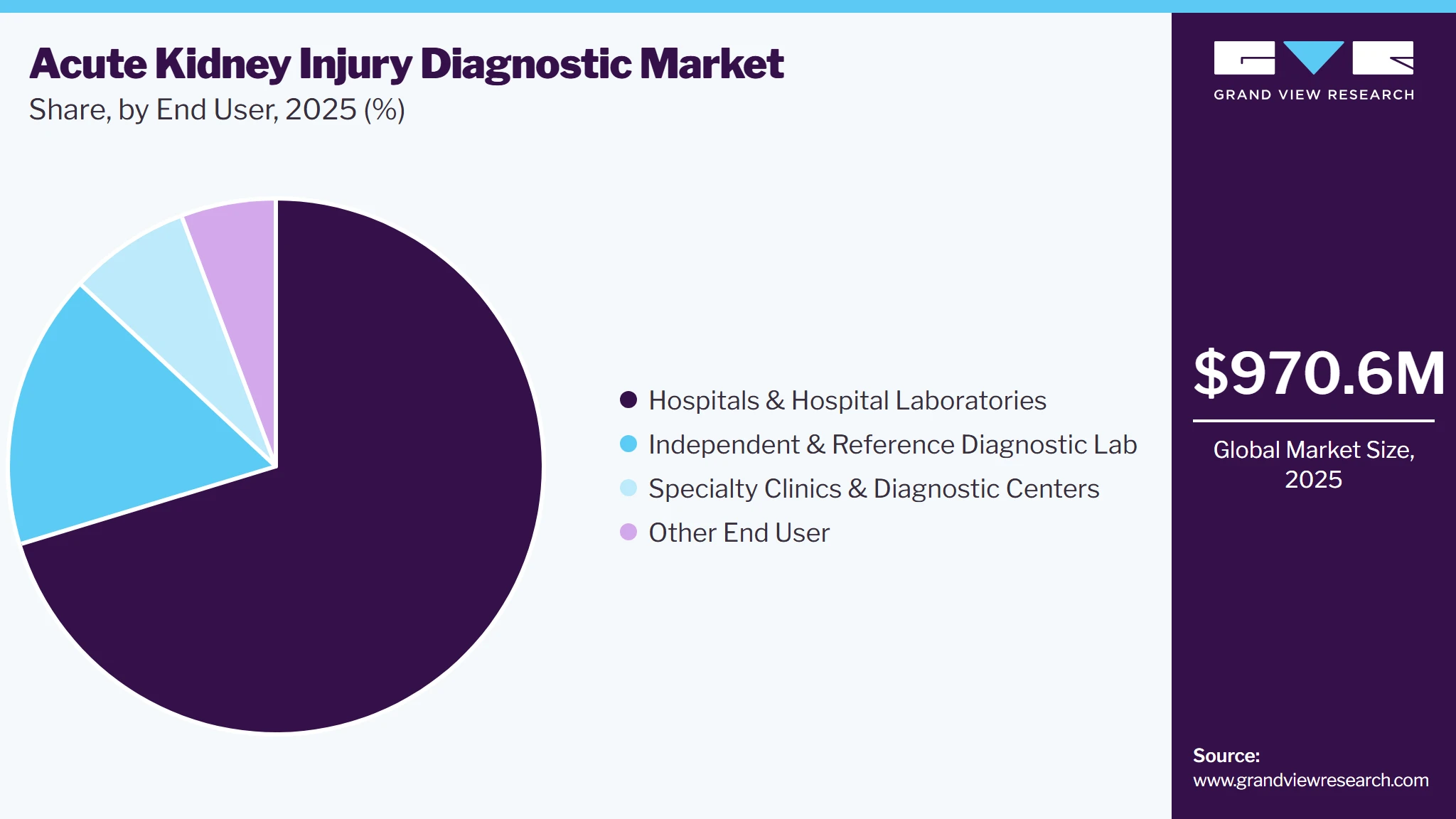
The hospitals & hospital laboratories segment is expected to account for the largest share of 70.3%, supported by the high incidence of AKI among hospitalized and critically ill patients, established laboratory infrastructure, and the need for timely kidney-function monitoring. Hospitals provide access to clinical chemistry, immunoassay, and biomarker-based testing across intensive care, surgical, emergency, and inpatient settings. For instance, the 2026 KDIGO Clinical Practice Guideline for Acute Kidney Injury and Acute Kidney Disease public-review draft introduced updated recommendations on risk models, biomarkers, and electronic alerts to support earlier AKI detection and prevention. Greater emphasis on standardized diagnosis and risk assessment is expected to strengthen hospital-based adoption of AKI diagnostic testing.
 To learn more about this report, Download Free Sample Report
 The independent & reference diagnostic laboratories segment is expected to see strong adoption, supported by growing demand for specialized AKI biomarker testing, expanding laboratory testing volumes, and reference laboratories' ability to provide advanced diagnostic services to hospitals and healthcare providers. These laboratories can support AKI assessment through centralized testing of emerging biomarkers, enabling access to specialized assays without requiring every healthcare facility to maintain dedicated testing capabilities. The growing clinical interest in earlier AKI detection is also encouraging laboratories to expand their biomarker testing portfolios and analytical capabilities. Consequently, the increasing availability of specialized testing services and the integration of advanced biomarker assays into centralized laboratory workflows are expected to drive adoption and support growth in the Independent & Reference Diagnostic Laboratories segment within the market.
Regional Insights
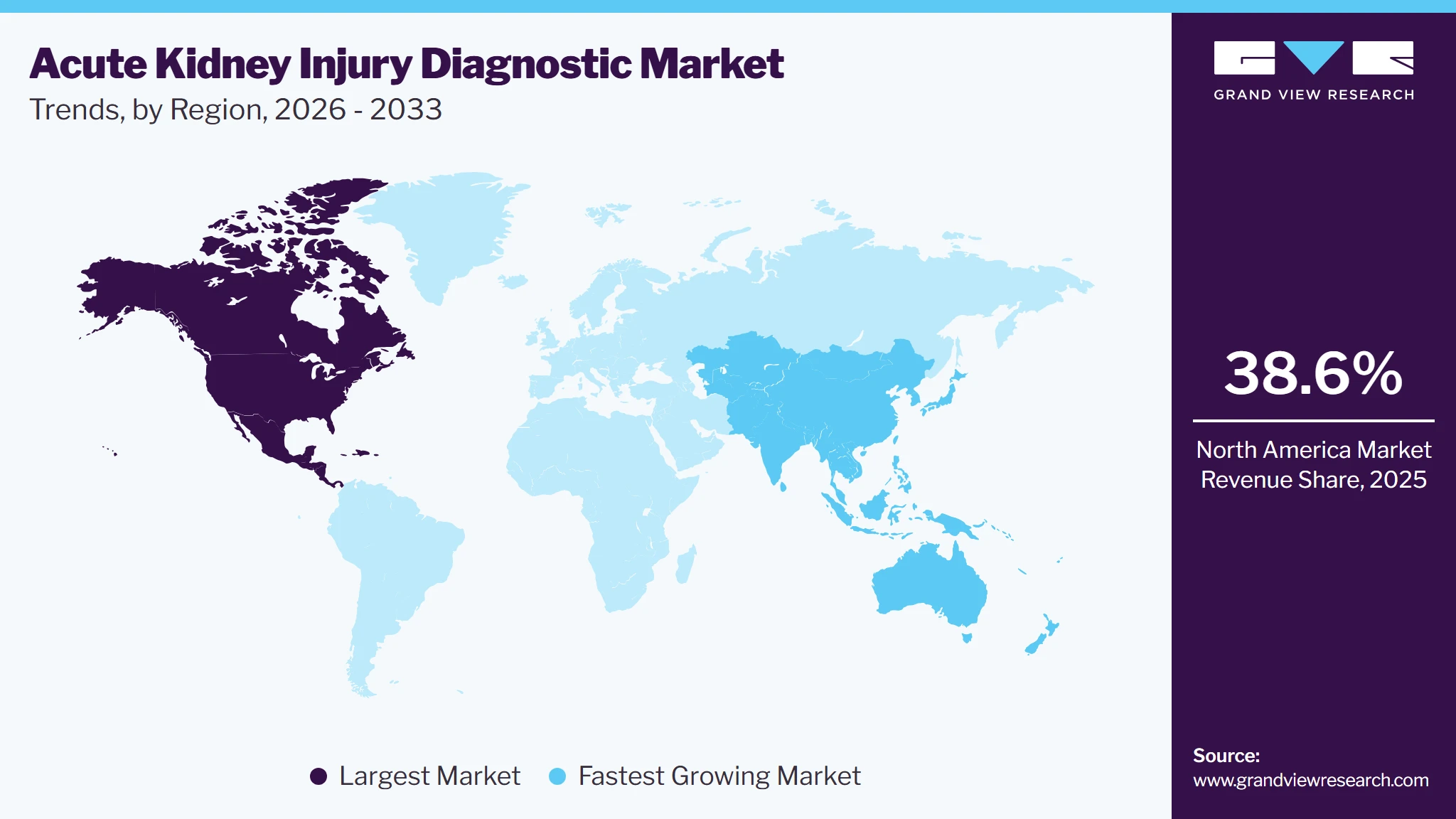
North America dominated the global acute kidney injury (AKI) diagnostic market, accounting for the largest revenue share of 38.6% in 2025, supported by advanced hospital infrastructure, high critical-care utilization, established laboratory networks, and widespread availability of automated clinical chemistry platforms. The regional market is further supported by the expansion of biomarker-based diagnostic testing through collaborations between diagnostic developers and clinical chemistry analyzer manufacturers. For instance, in October 2024, BioPorto entered into a global distribution partnership with Beckman Colter to distribute its NGAL tests on Beckman Colter DxC and AU clinical chemistry analyzers, with distribution initially planned for Europe, followed by the U.S., subject to FDA marketing clearance. The partnership broadens analyzer compatibility for AKI NGAL testing and is expected to improve laboratory access to biomarker-based assessment, supporting the adoption of advanced AKI diagnostic solutions across North America.
 To learn more about this report, Download Free Sample Report
 U.S. Acute Kidney Injury (AKI) Diagnostic Market Trends
The acute kidney injury (AKI) diagnostic market in the U.S. accounted for the largest share in North America, supported by the adoption of automated and continuous kidney function monitoring technologies that facilitate earlier identification of renal deterioration in critically ill patients. The trend reflects greater integration of real-time urine-output monitoring, automated data capture, and technology-enabled clinical assessment within critical-care workflows. In March 2026, Nuwellis completed the acquisition of Rendiatech, gaining access to automated kidney-function monitoring technology designed to provide continuous renal monitoring and real-time data capture. The technology is intended to reduce reliance on manual and intermittent urine-output measurements while providing clinicians with timely information to support AKI risk assessment and intervention. The acquisition highlights the growing integration of automated monitoring technologies into AKI management and is expected to support the adoption of advanced kidney function assessment solutions across U.S. hospitals and critical care settings.
Europe Acute Kidney Injury (AKI) Diagnostic Market Trends
The acute kidney injury (AKI) diagnostic market in Europe is significant, supported by established healthcare infrastructure, advanced laboratory capabilities, and the adoption of biomarker-based diagnostic technologies for critically ill patients. The regional market is witnessing greater availability of automated immunoassays that complement conventional kidney-function assessment and support earlier identification of AKI risk. In May 2025, Boditech Med and SphingoTec launched the AFIAS sphingotest penKid assay, an IVDR-marked automated fluorescence immunoassay that quantitatively measures Proenkephalin A 119-159 in whole blood or plasma and aids in diagnosing AKI in adults with sepsis or septic shock. The launch, supported by a licensing and market development agreement, expands access to biomarker-based kidney function assessment and is expected to facilitate the adoption of automated AKI diagnostic solutions across European clinical settings.
The UK acute kidney injury (AKI) diagnostic market is supported by established healthcare infrastructure, specialized renal services, and growing clinical adoption of biomarker-based approaches for AKI risk assessment and follow-up. The market is witnessing greater emphasis on multi-biomarker strategies that can complement conventional measures and support personalized risk stratification following an AKI episode. In March 2026, a prospective UK cohort study externally validated a four-biomarker model comprising soluble TNF receptor 1, soluble TNF receptor 2, cystatin C, and estimated glomerular filtration rate for predicting adverse outcomes after AKI. The model demonstrated an AUC of 0.79 for both major adverse kidney events and kidney disease progression at one year. These findings strengthen the clinical evidence supporting biomarker-guided AKI assessment and are expected to encourage further integration of advanced biomarker testing into UK renal and hospital-care pathways.
The acute kidney injury (AKI) diagnostic market in Germany is expected to represent a significant opportunity in Europe, supported by advanced hospital infrastructure, established critical-care services, and strong clinical research capabilities in kidney-injury assessment. The market is witnessing greater emphasis on biomarker-based risk stratification to identify patients at elevated risk of AKI before substantial functional deterioration occurs. In January 2026, results from the multicenter BigpAK-2 randomized trial, led by researchers from the University of Münster, demonstrated the clinical value of combining urinary TIMP-2 × IGFBP7 with clinical risk factors to identify high-risk patients undergoing major surgery. The KDIGO-based preventive strategy reduced moderate-to-severe postoperative AKI from 22.3% to 14.4%. These findings strengthen clinical evidence for biomarker-guided AKI risk assessment and may support broader adoption of advanced diagnostic approaches in German hospitals.
Asia Pacific Acute Kidney Injury (AKI) Diagnostic Market Trends
The acute kidney injury (AKI) diagnostic market in the Asia Pacific is expected to register strong growth, supported by expanding hospital infrastructure, increasing critical-care capacity, and growing adoption of point-of-care diagnostic technologies. The region is also witnessing greater clinical evaluation of biomarkers that can complement conventional serum creatinine assessment and facilitate earlier identification of persistent kidney injury. In June 2025, a prospective study at a tertiary care hospital in Puducherry, India, evaluated a point-of-care dipstick for urinary neutrophil gelatinase-associated lipocalin (uNGAL) in 396 patients presenting to emergency medical services. Among 229 patients with sufficient serum creatinine measurements, uNGAL demonstrated 82% sensitivity, 90% specificity, and an area under the curve of 0.86 for identifying sustained serum creatinine elevation. Such evidence supports the potential integration of point-of-care biomarker testing into AKI assessment across resource-limited healthcare settings in the Asia Pacific.
China acute kidney injury (AKI) diagnostic market represents a high-potential market, supported by expanding tertiary-care infrastructure, growing critical-care capacity, and greater adoption of advanced technologies for early disease detection. The market is increasingly incorporating artificial intelligence and predictive analytics to enhance early identification and risk stratification of AKI. In 2025, a deep-learning model developed using data from Chinese clinical centers and externally validated across multiple hospitals demonstrated strong performance in predicting cardiac surgery-associated AKI. The model achieved an average AUROC of 0.920 across external validation cohorts and identified AKI approximately 16.35 hours earlier than guideline-based pathways. These findings demonstrate the potential of AI-enabled predictive technologies to complement conventional kidney-function assessment and strengthen early AKI identification and clinical decision-making across Chinese hospitals.
The acute kidney injury (AKI) diagnostic market in Japan is important, supported by advanced healthcare infrastructure, sophisticated hospital laboratories, and established critical-care services. The market is witnessing ongoing clinical evaluation of biomarker-based approaches to complement conventional serum creatinine and urine output measurements, particularly for earlier identification of kidney injury in high-risk patients. Japan's established use of kidney-injury biomarkers and strong clinical research capabilities provide a favorable environment for the adoption of advanced AKI diagnostic technologies. In addition, the country's emphasis on healthcare quality, diagnostic accuracy, and technology-enabled clinical decision-making is supporting the integration of specialized testing into hospital workflows. Continued research into urinary and blood-based biomarkers, alongside improvements in automated laboratory platforms, is expected to strengthen the adoption of advanced AKI diagnostic solutions across Japanese hospitals and critical-care settings.
Latin America Acute Kidney Injury (AKI) Diagnostic Market Trends
The acute kidney injury (AKI) diagnostic market in Latin America is emerging, supported by the substantial regional burden of AKI and a growing emphasis on early detection and improved access to diagnostic services. However, market development remains constrained by disparities in healthcare infrastructure, limited availability of diagnostic tools, variability in clinical practices, and shortages of specialized healthcare professionals. A 2025 review of AKI in Latin America highlighted delayed diagnosis as a major challenge and identified point-of-care serum creatinine and urine dipstick testing as potential approaches for improving early detection in resource-limited settings. These conditions create opportunities for accessible, scalable, and cost-effective diagnostic technologies that can facilitate timely AKI assessment. Greater implementation of screening and point-of-care diagnostic approaches, together with improved clinical standardization, is expected to support the development of the Latin market.
Middle East and Africa Acute Kidney Injury (AKI) Diagnostic Market Trends
The acute kidney injury (AKI) diagnostic market in MEA is expected to develop gradually, supported by growing awareness of AKI, expansion of hospital and critical-care infrastructure, and increasing emphasis on timely disease detection. However, market development remains constrained by differences in healthcare capacity, diagnostic infrastructure, and access to specialized kidney-care services across countries. A global health-system assessment found that AKI detection capacity remains limited in many low- and middle-income settings, with particularly substantial gaps in Africa and the Middle East, including limited mechanisms for validating and monitoring AKI-related health data. These gaps create opportunities for accessible serum creatinine testing, point-of-care diagnostics, and scalable biomarker-based solutions. Greater implementation of standardized detection pathways and investment in diagnostic infrastructure are expected to support the gradual adoption of AKI diagnostic technologies across the region.
Key Acute Kidney Injury (AKI) Diagnostic Company Insights
The market comprises established in vitro diagnostics and clinical laboratory technology companies, with competition focused on biomarker-based testing, clinical chemistry, immunoassay platforms, and diagnostic automation. Key companies include bioMérieux SA, BioPorto A/S, F. Hoffmann-La Roche Ltd, Siemens Healthineers AG, Abbott Laboratories, Beckman Colter, Inc. (Danaher Corporation), Gentian Diagnostics ASA, SEKISUI Diagnostics (SEKISUI CHEMICAL CO., LTD.), Thermo Fisher Scientific, and QuidelOrtho Corporation. BioPorto maintains a differentiated position through its NGAL-based AKI diagnostic portfolio, while bioMérieux provides biomarker-based AKI risk assessment solutions. Gentian Diagnostics and Thermo Fisher Scientific strengthen competition through specialized assays and laboratory diagnostic capabilities. Competitive positioning is influenced by regulatory approvals, clinical evidence, analyzer compatibility, distribution networks, and product development strategies.
Key Acute Kidney Injury (AKI) Diagnostic Companies
The following key companies have been profiled for this study on the acute kidney injury (AKI) diagnostic market.
-
bioMérieux SA
-
BioPorto A/S.
-
F. Hoffmann-La Roche Ltd
-
Siemens Healthineers AG
-
Abbott Laboratories
-
Beckman Colter, Inc. (Danaher Corporation)
-
Gentian Diagnostics ASA
-
SEKISUI Diagnostics
-
Thermo Fisher Scientific
-
QuidelOrtho Corporation
Competitive Benchmarking
Operating Strategies
Competitive Edge
Weaknesses
Mature Players: F. Hoffmann-La Roche Ltd
- Expand renal and AKI diagnostic portfolios through biomarker-based assays and advanced clinical chemistry platforms.
- Strengthen market presence through strategic collaborations, distribution agreements, and established laboratory networks.
- Leverage automated and high-throughput analyzer platforms to integrate AKI-related testing into routine laboratory workflows.
- Pursue regulatory clearances and clinical validation for novel and expanded kidney-injury biomarkers.
- Established diagnostic infrastructure and broad laboratory technology portfolios.
- Strong capabilities across clinical chemistry, immunoassay, automation, and laboratory informatics.
- Access to established analyzer platforms and extensive distribution networks.
- Availability of multiple kidney-function and AKI-related biomarkers across selected portfolios.
- Regulatory and clinical evidence supporting selected AKI diagnostic solutions.
- Advanced AKI biomarker testing can involve higher costs and may limit adoption in price-sensitive markets.
- Dependence on regulatory approvals, reimbursement, and regional product availability.
- Integration of specialized biomarker testing into existing laboratory workflows may require additional investment and training.
- Differentiation can be challenging because several companies offer overlapping renal-function testing capabilities.
Emerging Players: Gentian Diagnostics ASA
- Focus on specialized kidney-function biomarkers and biomarker panels.
- Invest in biomarker discovery, translational research, and assay development.
- Expand open-channel and research-use assays to increase laboratory accessibility.
- Pursue collaborations with diagnostic manufacturers, research institutions, and pharmaceutical companies.
- Target geographic expansion and commercialization of novel kidney-injury biomarkers.
- Specialized expertise in kidney-function assessment and biomarker testing.
- IFCC-standardized cystatin C testing and established assay-development capabilities.
- Broad research and translational diagnostics portfolios, including kidney-toxicity biomarker panels.
- Greater flexibility in addressing emerging biomarkers and specialized clinical applications.
- Ability to support biomarker discovery and validation before broader clinical commercialization.
- Smaller commercial scale and infrastructure compared with large multinational IVD companies.
- Greater dependence on partnerships, regulatory approvals, and clinical validation for market expansion.
- Several solutions remain research-use focused rather than established routine clinical AKI diagnostics.
- Broader clinical adoption may require additional evidence demonstrating clinical utility and economic value.
Recent Developments
-
In August 2026, BioPorto activated the first U.S. clinical site for its ProNephro AKI U.S. Adult Urine NGAL Validation Study, advancing clinical evaluation of the test for moderate-to-severe AKI risk assessment in adult ICU patients and supporting its FDA regulatory pathway.
-
In April 2026, SphingoTec launched the ELISA-based sphingotest penKid assay, enabling broader laboratory access to Proenkephalin A testing for kidney-function assessment and supporting AKI risk evaluation.
-
In September 2025, BioPorto ProNephro AKI urinary NGAL was validated on the Ortho Vitros XT7600 clinical chemistry analyzer, supporting broader integration of NGAL testing into automated laboratory workflows.
-
In May 2025, Boditech Med and SphingoTec launched the IVDR-marked AFIAS sphingotest penKid assay, an automated fluorescence immunoassay for Proenkephalin A measurement that aids AKI diagnosis in adults with sepsis or septic shock and supports clinical decision-making.
Acute Kidney Injury (AKI) Diagnostic Market Report Scope
Report Attribute
Details
Market size in 2025
USD 970.6 million
Estimated market size in 2026
USD 1,033.6 million
Projected market size by 2033
USD 1,709.6 million
Growth rate
CAGR of 7.5% from 2026 to 2033
Actual xata
2021 - 2025
Forecast period
2026 - 2033
Quantitative units
Revenue in USD million and CAGR from 2026 to 2033
Report coverage
Revenue forecast, company ranking, competitive landscape, growth factors, and trends
Segments covered
Product, biomarker type, sample type, technology, end user, region
Regional scope
North America; Europe; Asia Pacific; Latin America; MEA
Country scope
U.S.; Canada; Mexico; UK; Germany; France; Italy; Spain; Norway; Denmark; Sweden; China; Japan; India; Australia; Thailand; South Korea; Brazil; Argentina; South Africa; Saudi Arabia; UAE; Kuwait
Key companies profiled
bioMérieux SA; BioPorto A/S.; F. Hoffmann-La Roche Ltd; Siemens Healthineers AG; Abbott Laboratories; Beckman Colter, Inc. (Danaher Corporation); Gentian Diagnostics ASA; SEKISUI Diagnostics; Thermo Fisher Scientific; QuidelOrtho Corporation
Customization scope
Free report customization (equivalent up to 8 analyst working days) with purchase. Addition or alteration to country, regional & segment scope.
Pricing and purchase options
Avail customized purchase options to meet your exact research needs. Explore purchase options
Global Acute Kidney Injury (AKI) Diagnostic Market Report Segmentation
This report forecasts revenue growth at country levels and provides an analysis of the latest industry trends and opportunities in each of the sub-segments from 2021 to 2033. For this study, Grand View Research has segmented the global acute kidney injury (AKI) diagnostic market report based on product, biomarker type, sample type, technology, end user, and region:
-
Product Outlook (Revenue, USD Million, 2021 - 2033)
-
Assays, Kits & Reagents
-
Instruments & Analyzers
-
Other Consumables & Accessories
-
-
Biomarker Type Outlook (Revenue, USD Million, 2021 - 2033)
-
Serum Creatinine
-
Cystatin C
-
NGAL
-
TIMP-2 × IGFBP7
-
Other AKI Biomarkers
-
-
Sample Type Outlook (Revenue, USD Million, 2021 - 2033)
-
Urine
-
Blood
-
Other Sample Types
-
-
Technology Outlook (Revenue, USD Million, 2021 - 2033)
-
Immunoassay
-
Clinical Chemistry
-
Other Technologies
-
-
End User Outlook (Revenue, USD Million, 2021 - 2033)
-
Hospitals & Hospital Laboratories
-
Independent & Reference Diagnostic Laboratories
-
Specialty Clinics & Diagnostic Centers
-
Other End User
-
-
Regional Outlook (Revenue, USD Million; 2021 - 2033)
-
North America
-
U.S.
-
Canada
-
Mexico
-
-
Europe
-
UK
-
Germany
-
France
-
Italy
-
Spain
-
Norway
-
Denmark
-
Sweden
-
-
Asia Pacific
-
Japan
-
China
-
India
-
Australia
-
South Korea
-
Thailand
-
-
Latin America
-
Brazil
-
Argentina
-
-
Middle East & Africa
-
South Africa
-
Saudi Arabia
-
UAE
-
Kuwait
-
-
Research Methodology
The acute kidney injury (AKI) diagnostic market figures in this report are based on a proven research process that combines executive interviews with secondary research from proprietary databases, company filings, and recognized regulatory and institutional sources. Market size is built through value-chain sizing-reconciling supply-side and demand-side estimates-and triangulated with bottom-up and top-down approaches. Every estimate passes multiple levels of expert validation before publication, with each acute kidney injury (AKI) diagnostic segment quantified using the revenue-capture definitions in the table below.
Segment Definition
Product
Revenue capture definition
Assays, Kits & Reagents
Covers consumable diagnostic products used to perform AKI testing, including biomarker-specific reagents, assay kits, calibrators, and controls. Revenue primarily flows from recurring purchases required for individual tests and routine laboratory testing volumes.
Instruments & Analyzers
Covers automated or semi-automated equipment that processes AKI diagnostic tests, including clinical chemistry, immunoassay, and integrated analyzers. Revenue is primarily captured through instrument sales, placements, and associated equipment contracts.
Other Consumables & Accessories
Covers ancillary laboratory items required to collect, prepare, process, or handle AKI diagnostic samples, excluding assay-specific reagents and analytical instruments. Revenue flows from recurring purchases of tubes, cuvettes, cartridges, tips, and related accessories.
Biomarker Type
Revenue capture definition
Serum Creatinine
Covers diagnostic testing based on serum creatinine concentration for assessing kidney filtration and identifying functional changes associated with AKI. Revenue is primarily captured through creatinine assay volumes and recurring reagent consumption.
Cystatin C
Covers diagnostic tests measuring cystatin C to evaluate kidney filtration and detect changes in renal function associated with AKI. Revenue flows from cystatin C assay consumption, calibrators, controls, and related testing volumes.
NGAL
Covers diagnostic products measuring neutrophil gelatinase-associated lipocalin in biological samples for early kidney injury assessment and AKI risk stratification. Revenue is primarily captured through NGAL assay purchases and recurring testing activity.
TIMP-2 × IGFBP7
Covers diagnostic tests measuring the combined urinary TIMP-2 and IGFBP7 biomarker signal to assess cellular stress and risk of moderate-to-severe AKI. Revenue flows from specialized biomarker assay utilization and testing volumes.
Other AKI Biomarkers
Covers AKI biomarkers outside serum creatinine, cystatin C, NGAL, and TIMP-2 × IGFBP7, including KIM-1, L-FABP, penKid, and DKK3. Revenue is primarily captured through specialized assay and testing demand.
Sample Type
Revenue capture definition
Urine
Covers AKI diagnostic testing performed using urine specimens to measure kidney-function, injury, or stress biomarkers. Revenue primarily derives from urine-based assay consumption, testing volumes, and associated sample-processing requirements.
Blood
Covers AKI diagnostic testing performed using blood-derived specimens, including serum, plasma, and whole blood, for functional or biomarker assessment. Revenue flows from blood-based assay utilization and recurring laboratory testing volumes.
Other Sample Types
Covers AKI diagnostic testing using specimens other than urine or blood, including tissue and alternative biological matrices where applicable. Revenue is captured through specialized testing products and associated sample-processing requirements.
Technology
Revenue capture definition
Immunoassay
Covers antibody-based analytical methods used to quantify AKI-related proteins and biomarkers, including NGAL, cystatin C, TIMP-2, and IGFBP7. Revenue primarily flows from immunoassay reagents, consumables, and testing volumes.
Clinical Chemistry
Covers biochemical analytical methods used to quantify conventional kidney-function parameters, particularly creatinine and related analytes, on clinical chemistry platforms. Revenue is primarily captured through reagent consumption and routine testing volumes.
Other Technologies
Covers AKI diagnostic approaches using technologies outside immunoassay and clinical chemistry, including molecular, biosensor, microfluidic, and other emerging analytical methods. Revenue flows from specialized platforms, test consumables, and associated procedures.
End User
Revenue capture definition
Hospitals & Hospital Laboratories
Covers AKI diagnostic testing performed within hospitals and their affiliated laboratories for inpatient, emergency, intensive-care, surgical, and critical-care patients. Revenue primarily stems from institutional test volumes, equipment purchases, and laboratory consumables.
Independent & Reference Diagnostic Laboratories
Covers external laboratories providing AKI diagnostic testing for healthcare providers, hospitals, and other clients. Revenue flows from outsourced testing services, specimen processing, and recurring diagnostic test volumes.
Specialty Clinics & Diagnostic Centers
Covers specialized outpatient facilities and diagnostic centers performing AKI-related testing for patients requiring renal, critical-care, or disease-specific assessment. Revenue is primarily captured through patient testing and specialized diagnostic services.
Other End User
Covers research institutions, academic centers, pharmaceutical organizations, and other users conducting AKI-related diagnostic or biomarker testing outside routine hospital, reference laboratory, and specialty-clinic settings. Revenue flows from research testing, assay purchases, and specialized applications.
Estimation Model
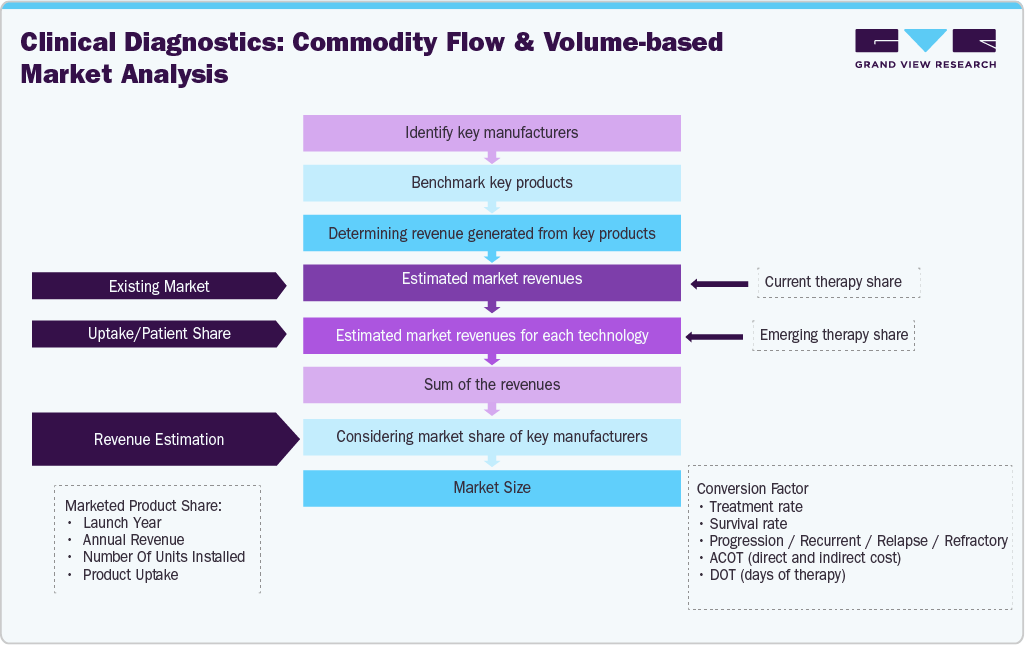
The market is estimated by identifying key manufacturers and benchmarking their AKI-related products across biomarkers, technologies, and diagnostic platforms. Revenue estimates are derived from product-level assessments, technology and uptake analyses, followed by the aggregation of revenues and consideration of key manufacturers’ market shares to determine the overall market size.
 To learn more about this report, Download Free Sample Report
 Delivered Customizations
This report has been delivered with the following In-depth customizations
Client Request
Customization Delivered
Value Adds
Acute Kidney Injury (AKI) Diagnostic Market Competitive Landscape & Technology Assessment
Assessed the competitive landscape across AKI assays, kits & reagents, instruments and analyzers, clinical chemistry, immunoassays, and emerging diagnostic technologies. Evaluated key manufacturers based on biomarker portfolios, regulatory clearances, analyzer compatibility, clinical evidence, product development, strategic collaborations, and geographic presence.
Enabled the client to benchmark leading AKI diagnostic companies, assess technology differentiation, identify high-potential biomarker platforms, and evaluate competitive positioning across conventional and advanced AKI diagnostic solutions.
AKI Diagnostic Product & Biomarker Benchmarking Analysis
Conducted comparative benchmarking across serum creatinine, cystatin C, NGAL, TIMP-2 × IGFBP7, and other AKI biomarkers, including urine- and blood-based testing. Assessed analytical technologies, sample types, product formats, clinical applications, testing workflows, and integration with laboratory platforms.
Helped the client identify technology gaps, benchmark biomarker performance and product positioning, and prioritize opportunities across early AKI detection, risk assessment, and routine kidney-function testing.
AKI Diagnostic Commercialization & Market Entry Assessment
Assessed commercialization strategies, regulatory pathways, reimbursement considerations, healthcare infrastructure, laboratory adoption, distribution networks, and competitive intensity across North America, Europe, Asia Pacific, Latin America, and Middle East & Africa. Evaluated adoption across hospitals, independent laboratories, specialty clinics, and diagnostic centers.
Supported market-entry planning by identifying high-potential regions and end users, evaluating adoption barriers, assessing regulatory and reimbursement requirements, and developing expansion strategies for AKI diagnostic technologies.
About the Author(s)
Clinical Diagnostics Research Team
Healthcare · Clinical DiagnosticsThis report was authored by the clinical diagnostics research team at Grand View Research - comprising two research analysts, one senior research analyst, and one industry expert - with specialized expertise in the clinical diagnostics segment of the healthcare industry. All findings are based on proprietary healthcare databases, executive interviews, and regulatory analysis, subject to internal peer review prior to publication.
Last Updated:
Speak to Analyst

Customize this report to your needs - add regions, segments, or data points, with 20% free customization.
Or view our licence options:


ISO 9001:2015 & 27001:2022 Certified
We are GDPR and CCPA compliant! Your transaction & personal information is safe and secure. For more details, please read our privacy policy.


