
- Home
- »
- Medical Devices
- »
-
Artificial Retina Market Size, Share & Trends Report, 2033GVR Report cover
![Artificial Retina Market (2027 - 2033)Report]()
Artificial Retina Market (2027 - 2033)
Size, Share & Trends Analysis Report By Product (Epiretinal Implants, Subretinal Implants), By Disease Indication (Retinitis Pigmentosa, Stargardt Disease), By End-use (Hospitals, Specialty Eye Clinics), By Region, And Segment Forecasts
Market Size, 2026
$3.3MMarket Forecast, 2033
$25.2MCAGR, 2027–2033
33.6%Artificial Retina Market Summary
The global artificial retina market size is valued at USD 3.3 million in 2026 and is projected to grow from USD 6.9 million in 2027 to USD 25.2 million by 2033, at a CAGR of 33.6% from 2027 to 2033. Europe dominated the market, accounting for the largest revenue share of 100.0% in 2026. Artificial retina systems, also known as retinal prostheses or retinal implants, are implantable electronic devices designed to stimulate surviving retinal neurons or downstream visual pathways when photoreceptor cells have been permanently damaged.
Key Market Trends & Insights
- By product: The subretinal implants segment held the highest market share of 77.6% in 2026.
- By disease indication: The retinitis pigmentosa segment held the leading market share in 2026.
- By end-use: The hospitals segment held the leading market share in 2026.
Regional Highlights:
- Largest regional market in 2026: Europe (24.0% revenue share, 2026)
- Fastest-growing regional market: Asia Pacific (highest CAGR, 2027 - 2033)
- By country: Germany held the largest share in 2026.
Market Size & Forecast
- Market Size in 2026: USD 3.3 Million
- Estimated Market Size in 2027: USD 6.9 Million
- 2033 Projected Market Size: USD 25.2 Million
- CAGR (2027 - 2033): 33.6%
These systems typically comprise an implantable microelectronic chip, an external camera, an image processing unit, and wireless communication technology that together convert visual information into electrical signals interpretable by the visual system. The current commercial landscape for artificial retina systems remains highly nascent. As of 2026, PRIMA is the only artificial retina system that has entered commercialization, following the receipt of CE Mark approval in July 2026 for the treatment of geographic atrophy secondary to dry age-related macular degeneration.
Commercial availability is currently limited to Europe, with initial rollout focused on selected specialized retinal centers while reimbursement processes and broader site activation continue across the region. Earlier-generation retinal prostheses, including the Argus II, Alpha IMS, Alpha AMS, and IRIS II systems, have been discontinued due to limited commercial adoption and strategic business decisions, resulting in a significant gap between historical and current commercialization. Consequently, the global artificial retina industry is presently driven primarily by the initial European commercialization of PRIMA, with future market expansion expected to depend on additional regulatory approvals, geographic expansion, reimbursement adoption, and the commercialization of next-generation retinal prosthesis technologies.
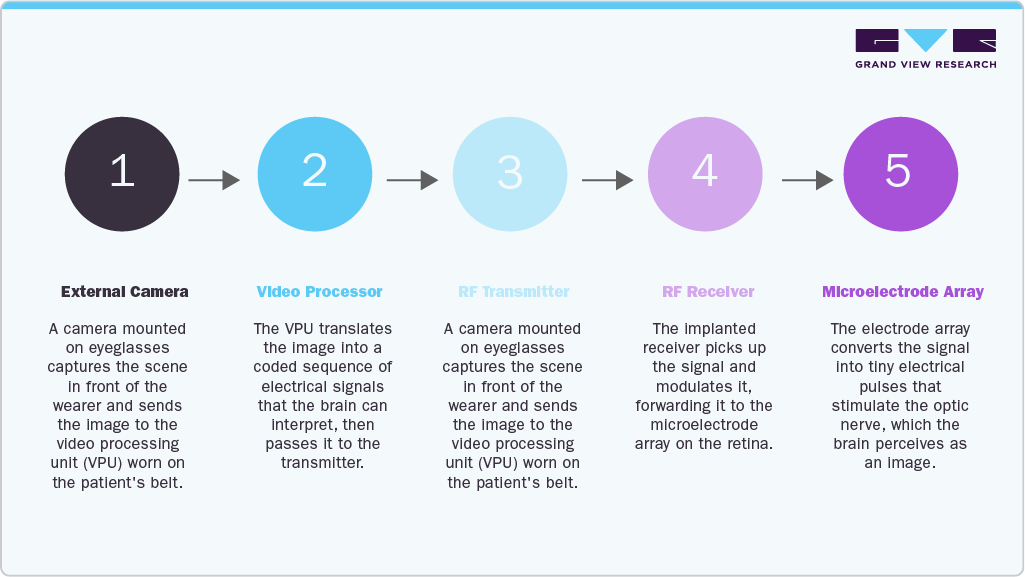
Artificial retina implant (ARI) technologies are primarily being developed for patients with retinitis pigmentosa (RP), advanced age-related macular degeneration (AMD), Stargardt disease, and other inherited retinal dystrophies, for whom conventional medical or surgical treatments offer limited or no restoration of vision. Growing investments in neurotechnology, bioelectronics, and vision restoration research are supporting the continued development of the artificial retina implant (ARI) market. One of the primary factors driving market growth is the increasing prevalence of retinal degenerative diseases globally. Inherited retinal degenerations affect more than 5.5 million people globally, while age-related macular degeneration remains one of the leading causes of irreversible blindness among older adults.
Population aging, greater awareness of inherited retinal disorders, improved genetic testing, and earlier diagnosis are expanding the pool of patients who may benefit from advanced vision restoration technologies. For instance, In January 2026, the New England Journal of Medicine (NEJM) published the PRIMA clinical trial and an accompanying editorial recognizing the PRIMA subretinal photovoltaic implant as the first treatment to restore vision in patients with advanced geographic atrophy due to age-related macular degeneration (AMD). The study demonstrated clinically meaningful improvements in visual acuity in the majority of implanted patients, marking a significant milestone in the advancement of artificial retina technology and vision restoration research.
“Our goal at Science is to develop brain-computer interface technologies for conditions long considered untreatable, It’s gratifying that in cases where people have been blinded by this awful disease impacting mostly older adults, the scientific community thinks that we are succeeding.”
Founder and CE0, Science Corporation
Another major driver is the rapid advancement of retinal prosthesis technology and neuroengineering. Continuous innovations in microelectronics, photovoltaic implants, wireless power transfer, high-density electrode arrays, artificial intelligence-enabled image processing, and miniaturized implant designs are significantly improving the performance and safety of artificial retina systems. These technological developments are enabling higher visual resolution, improved implant stability, and enhanced patient outcomes compared with earlier generations of retinal prostheses.
Market Dynamics:
The market for artificial retina is witnessing steady growth, driven by increasing research and commercialization of implantable vision restoration technologies for patients with severe retinal degenerative disorders. The market is primarily fueled by the rising prevalence of inherited retinal diseases such as retinitis pigmentosa (RP), advanced age-related macular degeneration (AMD), and other irreversible photoreceptor disorders, coupled with growing investments in neurotechnology, retinal prostheses, and brain-computer interface (BCI)-enabled vision restoration systems. Continued advancements in microelectronics, wireless power transmission, biocompatible implant materials, high-density electrode arrays, and artificial intelligence (AI)-based image processing are further accelerating innovation in the field. In addition, increasing clinical research activities, favorable regulatory support for breakthrough medical devices, and expanding collaborations between medical device manufacturers, academic research institutions, and biotechnology companies are contributing to market development.
The increasing prevalence of retinal degenerative diseases is one of the primary factors driving the growth of the market. Disorders such as retinitis pigmentosa (RP), advanced age-related macular degeneration (AMD), Stargardt disease, and other inherited retinal dystrophies progressively damage photoreceptor cells, resulting in irreversible vision loss and, in advanced stages, blindness. While pharmacological therapies and gene therapies can slow disease progression in selected patient populations, treatment options capable of restoring vision remain limited for individuals with extensive retinal degeneration. According to the study published by the American Journal of Ophthalmology in November 2025, a large U.S. population-based study reported that the prevalence of inherited retinal diseases (IRDs) increased 1.84-fold between 2016 and 2023, with retinitis pigmentosa remaining one of the most common inherited retinal disorders. The study highlights the growing burden of retinal degenerative diseases and the increasing need for innovative vision restoration technologies. Furthermore, the rapid expansion of the elderly population, particularly those at risk of AMD, and improvements in the diagnosis of inherited retinal disorders are increasing the number of patients who may become eligible for vision restoration technologies. As healthcare systems increasingly prioritize innovative treatments for blindness and visual impairment, the demand for advanced retinal prostheses is expected to continue growing.
The high cost of artificial retina systems and their associated implantation procedures remains one of the most significant restraints limiting the growth of the market. Artificial retina devices are among the most technologically advanced implantable ophthalmic systems, incorporating sophisticated microelectronic implants, electrode arrays, external cameras, image processing units, wireless communication modules, and customized software. In addition to the high manufacturing cost of these devices, implantation requires complex vitreoretinal surgery performed by highly specialized ophthalmic surgeons at advanced tertiary care centers, followed by extensive post-operative programming, rehabilitation, and long-term clinical follow-up. Consequently, the overall treatment cost is substantial, creating financial barriers for both patients and healthcare providers. Furthermore, reimbursement policies for artificial retina implantation remain limited or unavailable in many countries, as several technologies are still in the clinical evaluation or early commercialization stage.
Market Characteristics & Concentration
The market for artificial retina is moderately consolidated and innovation-driven, with a limited number of companies, research organizations, and academic institutions actively engaged in the development and commercialization of retinal prostheses and vision restoration technologies. Key market participants include Science Corporation, Bionic Vision Technologies, and Cortigent, among others. Competition is primarily centered on advancing implantable retinal prostheses with improved visual resolution, enhanced biocompatibility, wireless power transmission, miniaturized electronics, and AI-enabled image processing capabilities to restore functional vision in patients with irreversible retinal degeneration. Companies are making substantial investments in research and development, clinical trials, regulatory approvals, and strategic collaborations with academic institutions, ophthalmology centers, and neuroscience organizations to accelerate product innovation and commercialization.
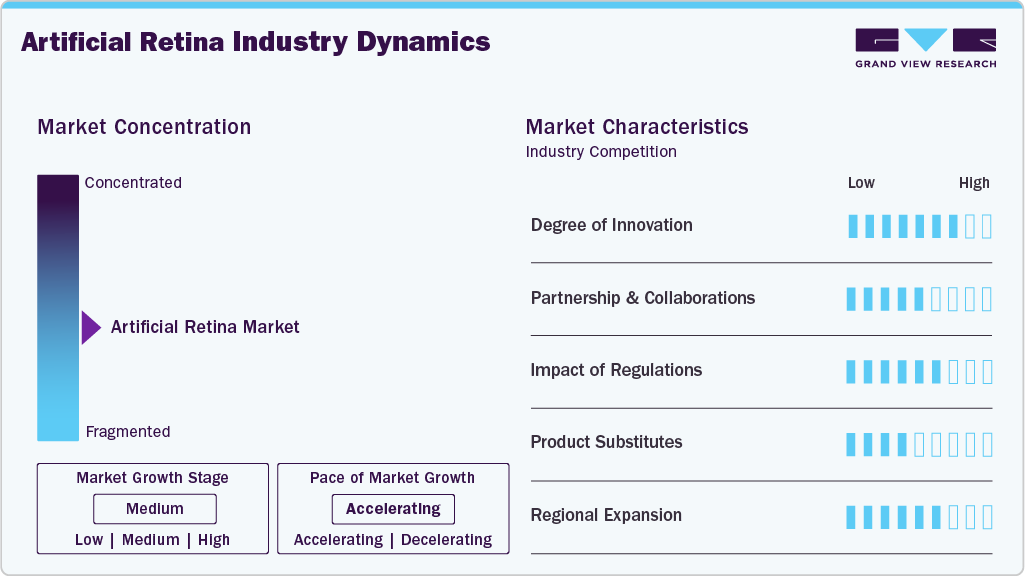
The market is characterized by a high degree of innovation, driven by the growing focus on restoring functional vision in patients with severe retinal degeneration and irreversible vision loss. Manufacturers and research institutions are advancing subretinal and epiretinal implants, photovoltaic retinal prostheses, wireless stimulation systems, advanced image-processing technologies, and brain-computer interface (BCI)-based vision restoration platforms. Innovation is increasingly focused on making implants smaller, less invasive, wireless, and capable of providing more useful forms of vision, such as recognizing letters, numbers, and faces, rather than only detecting light or movement. A significant milestone in this evolution was the clinical development of Science Corporation's PRIMA system, a wireless subretinal photovoltaic implant paired with specialized glasses that project near-infrared light onto the implant to stimulate remaining retinal cells.
Partnerships and collaborations are playing an increasingly important role in the market, as the development of vision restoration technologies requires expertise across biomedical engineering, ophthalmology, neuroscience, microelectronics, and advanced manufacturing. In addition, the development of artificial retina technologies is increasingly supported by academic and clinical collaborations. Science Corporation's PRIMA retinal implant, for example, is based on research originally conducted by Professor Daniel Palanker at Stanford University, while the clinical program involved researchers and ophthalmology specialists from institutions including the University Hospital of Bonn, the University of Pittsburgh, Sorbonne Université, Institut de la Vision, and Moorfields Eye Hospital. These collaborations have helped combine academic research, clinical expertise, and medical device development to advance photovoltaic retinal implants designed to restore functional central vision.
Regulatory oversight plays a critical role in shaping the artificial retina industry by ensuring the safety, performance, clinical benefits, and long-term reliability of implantable vision restoration technologies before and after commercialization. As artificial retina systems involve surgically implanted electronic or photovoltaic components, manufacturers are required to generate clinical and technical evidence demonstrating device safety and performance, and to comply with regulatory requirements for manufacturing, risk management, clinical investigations, and post-market monitoring. In the U.S., the U.S. Food and Drug Administration (FDA) provides specific pathways for innovative and rare-disease medical devices, including the Breakthrough Devices Program and the Humanitarian Use Device (HUD) and Humanitarian Device Exemption (HDE) pathways. These programs can help accelerate the development and review of technologies addressing serious or rare conditions, although designation does not itself constitute marketing approval. An HDE approval is required before an HUD can be marketed under the applicable humanitarian pathway.
The market faces competition from a range of alternative vision restoration, retinal regeneration, and low-vision management solutions that can address vision loss without requiring an artificial retinal implant. The level of substitution depends on the underlying retinal disorder, the extent of retinal damage, and the availability of viable retinal cells. For patients with specific inherited retinal diseases, gene therapy represents an important alternative approach because it aims to address the genetic cause of vision loss rather than replace damaged retinal function with an electronic device. For example, the U.S. Food and Drug Administration (FDA) approved Luxturna (voretigene neparvovec) for patients with confirmed biallelic RPE65 mutation-associated retinal dystrophy and viable retinal cells, providing a disease-specific treatment option for an eligible patient population that could otherwise be considered for vision restoration technologies.
Regional expansion in the market is gaining momentum as companies move from clinical development toward commercial deployment and seek to establish specialized treatment networks across major healthcare markets. Expansion strategies are increasingly focused on obtaining regulatory approvals, developing partnerships with specialized ophthalmology centers, building reimbursement pathways, and activating clinical sites to support patient access. These efforts are particularly important for artificial retina technologies because their adoption depends not only on device availability but also on the presence of specialized retinal surgeons, advanced hospital infrastructure, and post-implantation rehabilitation and support services.
Analyst Perspective
The artificial retina industry has emerged as an innovative segment within the broader ophthalmic medical devices and neurotechnology industry, driven by the increasing prevalence of retinal degenerative disorders, rapid advancements in bioelectronics and neurostimulation technologies, growing investments in vision restoration research, and continuous progress in implantable retinal prostheses and BCI systems. Unlike conventional therapies that primarily slow disease progression or manage symptoms, artificial retina technologies are designed to restore partial functional vision in patients with severe vision loss caused by irreversible photoreceptor degeneration. Artificial retina systems are transforming vision restoration by combining implantable microelectrode arrays, image processing, wireless communication, and AI. These systems stimulate surviving retinal or visual pathway neurons to help restore visual function.
Product Insights
The subretinal implants segment dominated the market in 2026, accounting for the largest revenue share of approximately 77.6%, and is expected to witness the fastest CAGR of approximately 24% over the forecast period. The segment's growth is primarily supported by the ability of subretinal implants to directly stimulate surviving retinal cells and restore a degree of functional vision in patients with severe retinal degeneration, particularly those with advanced geographic atrophy associated with age-related macular degeneration (AMD). Recent clinical evidence has strengthened the potential of this technology. A multicenter clinical study of the PRIMA subretinal photovoltaic implant, published in the New England Journal of Medicine, evaluated 38 patients with geographic atrophy due to AMD and reported meaningful improvements in visual function, demonstrating the potential of subretinal implants to restore functional central vision in patients with severe vision loss.
The epiretinal implants segment is expected to witness a significant CAGR over the forecast period. The growth is primarily driven by the growing need for vision restoration among patients with advanced retinal degenerative diseases, particularly retinitis pigmentosa (RP), where photoreceptors are severely damaged but some inner retinal neurons may remain functional. Epiretinal implants are positioned on the inner surface of the retina and electrically stimulate surviving retinal ganglion cells, allowing them to bypass damaged photoreceptors and potentially provide partial functional vision. The segment is also supported by the established clinical experience of technologies such as the Argus II retinal prosthesis, which demonstrated improvements in visual function and performance on selected visual and spatial-motor tasks in patients with severe retinal degeneration.
Disease Indication Insights
The retinitis pigmentosa segment dominated the market and held the largest revenue share in 2026. Retinitis pigmentosa is one of the leading target indications for artificial retina technologies. RP is a progressive inherited retinal disorder characterized by the gradual loss of photoreceptors while a portion of the inner retinal neurons often remains functional, making affected patients suitable candidates for retinal prostheses designed to electrically stimulate the remaining retinal cells. Unlike many other retinal diseases, advanced RP has limited treatment options for restoring vision, creating a significant unmet clinical need and driving continued investment in artificial retina research and development. Furthermore, increasing awareness of inherited retinal disorders, advancements in implant technology, and growing clinical research activities are supporting the development of next-generation artificial retina systems specifically intended for RP patients.
The dry age-related macular degeneration (AMD) (geographic atrophy) segment is expected to witness the fastest CAGR over the forecast period. The growth is attributed to the rapidly increasing prevalence of geographic atrophy among the aging population and the growing need for therapies capable of restoring vision in patients with advanced disease. While recently approved complement inhibitor therapies can help slow the progression of geographic atrophy, they do not restore vision that has already been lost, creating a significant unmet clinical need for vision restoration technologies such as artificial retina implants. Unlike earlier retinal prostheses that primarily targeted retinitis pigmentosa, next-generation subretinal implants are increasingly being developed for patients with advanced dry AMD, substantially expanding the addressable patient population.
End-use Insights
The hospitals segment held the largest revenue share in 2026. The growth is primarily due to the highly specialized nature of artificial retina implantation procedures, which require advanced surgical infrastructure, multidisciplinary ophthalmology teams, and comprehensive post-operative rehabilitation services. Artificial retina implantation involves complex vitreoretinal surgery performed by experienced retinal specialists, making tertiary-care hospitals and academic medical centers the primary end users of these technologies. Hospitals are also the preferred setting for managing patient selection, pre-operative retinal imaging, implantation, device programming, long-term follow-up, and visual rehabilitation, all of which are essential for achieving optimal clinical outcomes. Recent developments reinforce the central role of hospitals in the commercialization of artificial retina technologies. In March 2026, Science Corporation announced the expansion of its PRIMA retinal implant clinical program to include retinitis pigmentosa and Stargardt disease, with the initial clinical studies being led by Dr. Matthew Simunovic at Sydney Eye Hospital, Australia, highlighting the importance of hospitals in advancing next-generation artificial retina implants.
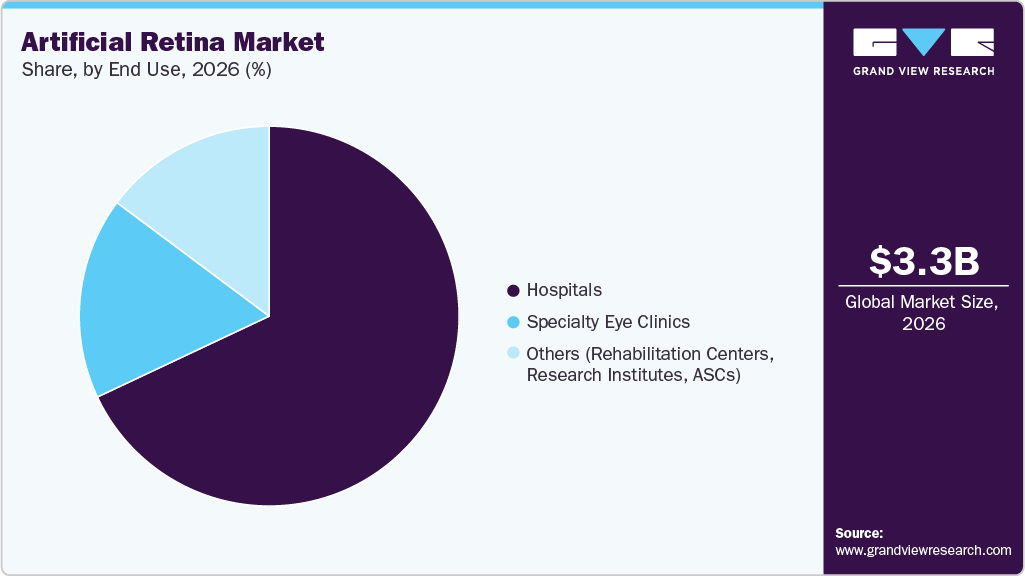
The specialty eye clinics segment is anticipated to grow at the fastest CAGR over the forecast period. The increasing concentration of retinal specialists, advanced ophthalmic diagnostic capabilities, and the growing shift toward specialized centers for the management of complex retinal diseases driving the growth of specialty eye clinics. Artificial retina implantation requires comprehensive patient screening, high-resolution retinal imaging, specialized vitreoretinal surgical expertise, device programming, and long-term visual rehabilitation, making specialty eye clinics well positioned to deliver these highly specialized services. As next-generation artificial retina technologies move from clinical development to commercialization, manufacturers are increasingly collaborating with retina-focused ophthalmology centers that possess the infrastructure and clinical expertise required to perform implant procedures and provide continuous patient follow-up.
Regional Insights
The Europe artificial retina marketaccounted for the largest revenue share of 100.0% in 2026. The increasing prevalence of conditions such as age-related macular degeneration (AMD), retinitis pigmentosa (RP), and inherited retinal disorders is driving demand for advanced vision restoration solutions. Europe benefits from a well-established healthcare infrastructure, specialized ophthalmology centers, and favorable reimbursement systems in several countries, enabling greater access to innovative retinal therapies. In addition, collaborative research programs involving universities, hospitals, and medical device companies, supported by European funding initiatives, are accelerating the development of next-generation artificial retina technologies.

Germany Artificial Retina Market Trends
The Germany artificial retina marketis emerging as the leading market in Europe, driven by the country's early commercialization of next-generation retinal prosthesis technologies and its strong ophthalmology infrastructure. Germany is among the first countries where the PRIMA artificial retina system is being commercially deployed following its CE Mark approval, with selected specialized retinal centers serving as early implantation and treatment sites. The country benefits from a well-established network of university hospitals, specialized ophthalmology clinics, and experienced vitreoretinal surgeons, supported by a robust healthcare system and an active clinical research environment. Ongoing reimbursement evaluations, increasing physician awareness, and continued collaboration between healthcare providers, academic institutions, and medical technology companies are expected to support the adoption of artificial retina systems and position Germany as a key contributor to the European market throughout the forecast period.
The UK artificial retina market is steadily growing. The growth is driven by rapidly aging population and rising demand for advanced treatments to address irreversible vision loss. The country has a well-established ophthalmology care network supported by the National Health Service (NHS), leading eye hospitals, and internationally recognized research institutions that are actively involved in developing innovative retinal therapies. Growing investments in ophthalmic research, clinical trials, and collaborations between universities, healthcare providers, and medical technology companies are accelerating the advancement of artificial retina and vision restoration technologies.
The Spain artificial retina market is experiencing significant growth in the global market. The growth is supported by rising demand for advanced vision restoration technologies due to rising patient population. The country has a well-developed public healthcare system and a strong network of ophthalmology hospitals and research institutions that are expanding access to specialized retinal care. Increasing investments in ophthalmic research, participation in European clinical trials, and collaborations between universities, hospitals, and medical device companies are contributing to the development and adoption of innovative artificial retina technologies.
North America Artificial Retina Market Trends
The North America artificial retina market is primarily driven by the high prevalence of retinal disorders such as age-related macular degeneration (AMD) and retinitis pigmentosa, increasing healthcare expenditure, and the presence of leading ophthalmic medical device companies and research organizations. In addition, growing collaborations between biotechnology companies, academic institutions, and healthcare providers are accelerating the clinical development and commercialization of artificial retina systems. Furthermore, rising awareness of retinal degenerative diseases, expanding clinical trials, and continuous technological advancements in neuroprosthetics and bioelectronic vision restoration are expected to support the sustained growth of the North American market over the forecast period.
The U.S. artificial retina market is experiencing robust growth, driven by the increasing prevalence of retinal degenerative disorders, which is creating a growing demand for innovative vision restoration technologies. The country benefits from most advanced ophthalmology ecosystems, supported by leading academic medical centers, specialized retinal surgeons, strong research funding, and favorable regulatory pathways for breakthrough medical devices. Continuous investments by biotechnology companies and research institutions in neuroprosthetics, retinal implants, and brain-computer interface technologies are accelerating the development and commercialization of next-generation artificial retina systems.
Asia Pacific Artificial Retina Market Trends
Asia-Pacific artificial retina marketis gaining significant momentum and is expected to witness the fastest CAGR during the forecast period. The market growth is driven by the rapidly increasing prevalence of retinal degenerative diseases and improving access to advanced ophthalmic care across countries. Governments across the region are investing in healthcare infrastructure, expanding specialized ophthalmology services, and supporting research and innovation in medical devices, creating favorable conditions for the adoption of advanced vision restoration technologies. In addition, increasing healthcare expenditure, growing awareness of early diagnosis and treatment of retinal diseases, and the presence of leading academic institutions and medical device manufacturers are accelerating the development and commercialization of artificial retina technologies.
China's artificial retina market is experiencing rapid expansion, driven by the rising prevalence of retinal degenerative diseases, an aging population, and the growing burden of diabetes-related vision disorders. Increasing government investment in healthcare modernization under initiatives such as Healthy China 2030 is improving access to advanced ophthalmic care and supporting the adoption of innovative medical technologies. The country is also strengthening its capabilities in medical device research and manufacturing, with universities, research institutes, and domestic biotechnology companies investing in retinal implants, neuroprosthetics, and vision restoration technologies.
Latin America Artificial Retina Market Trends
The Latin America artificial retinamarketis emerging as a high-growth market, driven by the increasing burden of vision impairment, a growing aging population, and the rising prevalence of chronic diseases such as diabetes that can lead to retinal complications. The region is witnessing greater attention toward eye health and the expansion of ophthalmic services, while healthcare providers are gradually adopting advanced diagnostic and treatment technologies. Improvements in healthcare infrastructure, increasing awareness of retinal disorders, and the expansion of specialized ophthalmology services are creating a more favorable environment for innovative vision restoration technologies.
The Brazil artificial retina market is growing. The growth is supported by the country's large patient population, increasing demand for specialized eye care, and the growing need to manage retinal diseases associated with aging and diabetes. Brazil has a broad public healthcare system through the Sistema Único de Saúde (SUS), along with a well-established network of private hospitals and specialized ophthalmology centers. The country's healthcare authorities have also established clinical guidelines and technology assessment processes for retinal conditions, supporting the availability of advanced diagnostic and treatment approaches in clinical practice.
Middle East & Africa Artificial Retina Market Trends
The Middle East & Africa (MEA) artificial retina marketis witnessing steady growth, driven by the increasing burden of vision impairment, the rising prevalence of diabetes and related retinal complications, and gradual improvements in healthcare infrastructure across major markets. Countries in the Middle East are investing in modern hospitals and specialized healthcare services, while several African countries are working to expand access to essential and specialized eye care. The growing focus on early detection and long-term management of retinal disorders is increasing demand for advanced ophthalmic technologies.
The Saudi Arabia artificial retina market is experiencing notable growth, driven by the country's rapidly modernizing healthcare system, increasing focus on advanced medical technologies, and the growing need for specialized care for vision-related disorders. Under the Saudi Vision 2030 Health Sector Transformation Program, the country is working to improve healthcare access and quality while promoting digital transformation and more advanced healthcare services. The rising burden of diabetes and its potential retinal complications is also supporting the need for specialized retinal screening, diagnosis, and treatment. In addition, investments in healthcare infrastructure, the development of specialized hospitals and medical centers, and greater emphasis on innovative technologies are creating a favorable environment for advanced ophthalmic solutions.
Key Artificial Retina Company Insights:
The artificial retina industry is highly competitive and innovation-driven, with leading medical device manufacturers, neurotechnology companies, and ophthalmic biotechnology firms focusing on the development of next-generation retinal prostheses and vision restoration technologies. Market participants are investing heavily in research and development to improve electrode design, image resolution, wireless power transmission, biocompatible implant materials, and AI-enabled visual signal processing to enhance functional vision outcomes for patients with severe retinal degenerative diseases such as retinitis pigmentosa and advanced age-related macular degeneration (AMD).
Key Artificial Retina Companies:
The following key companies have been profiled for this study on the artificial retina market
-
Science Corporation
-
Cortigent (Subsidiary of Vivani Medical, Inc.)
-
Nano Retina
-
Bionic Vision Technologies
-
iBIONICS
-
Optobionics Corporation
-
Monash Vision Group
-
NIDEK CO., LTD.
Competitive Benchmarking
Category
Operating Strategies
Competitive Edge
Weakness
Established Players (Science Corporation, Cortigent (Subsidiary of Vivani Medical, Inc.), Nano Retina)
- Focus on developing next-generation implantable artificial retina systems, cortical vision technologies, and bioelectronic vision restoration platforms for patients with profound vision loss.
- Invest heavily in clinical trials, regulatory approvals, and strategic collaborations with academic medical centers, ophthalmology institutes, and neuroscience organizations.
- Strong intellectual property portfolios, extensive clinical research experience, and established relationships with leading ophthalmic hospitals and research institutions.
- Advanced microelectrode arrays, wireless retinal implants, AI-assisted image processing, and integrated neurostimulation technologies provide superior technological differentiation.
- Extremely high R&D expenditures, long product development timelines, and complex FDA and international regulatory pathways delay commercialization.
- Limited patient pool for approved indications and significant reimbursement challenges restrict widespread market adoption.
Emerging Players (Optobionics Corporation, Monash Vision Group, NIDEK CO., LTD. )
- Concentrate on next-generation photovoltaic implants, biomimetic retinal prostheses, optogenetic technologies, and minimally invasive vision restoration solutions.
- Pursue collaborations with universities, government-funded research programs, and biotechnology companies to accelerate prototype development and early-stage clinical validation.
- Greater flexibility to rapidly adopt emerging technologies such as optogenetics, gene therapy integration, AI-enabled image processing, and advanced biomaterials.
- Ability to develop highly targeted solutions for inherited retinal diseases including retinitis pigmentosa and advanced age-related macular degeneration.
- Limited financial resources and dependence on venture capital, grants, and strategic partnerships for continued product development.
- Small-scale manufacturing capabilities and limited commercialization infrastructure restrict global market expansion.
Recent Developments:
-
In July 2026, Science Corporation commercially launched its PRIMA artificial retina system in Europe after receiving CE Mark approval, making it the first commercially approved retinal implant to restore functional central vision in patients with geographic atrophy caused by dry age-related macular degeneration (AMD). The company initiated reimbursement activities across Europe, with the first commercial implant planned in Germany, marking a significant milestone in the commercialization of artificial retina technology.
-
In April 2024, Science Corporation announced the acquisition of the intellectual property, related assets, and ongoing clinical programs for Pixium Vision's PRIMA retinal implant, strengthening its vision restoration portfolio. The acquisition integrates the PRIMA subretinal prosthesis with Science's Science Eye platform, expands its retinal implant pipeline, and supports the continuation of late-stage clinical trials aimed at restoring vision in patients with retinal degenerative diseases.
Artificial Retina Market Report Scope
Report Attribute
Details
Market size value in 2026
USD 3.3 million
Market size value in 2027
USD 6.9 million
Revenue forecast in 2033
USD 25.2 million
Growth rate
CAGR of 33.6% from 2027 to 2033
Base year for estimation
2026
Forecast period
2027 - 2033
Quantitative units
Revenue in USD million and CAGR from 2027 to 2033
Report coverage
Revenue forecast, company ranking, competitive landscape, growth factors, and trends
Segments covered
Product, disease indication, end-use, region
Regional scope
North America; Europe; Asia Pacific; Latin America; MEA
Country scope
U.S.; Canada; Mexico; UK; Germany; France; Italy; Spain; Denmark; Sweden; Norway; Japan; China India; Australia; Thailand; South Korea; Brazil; Argentina; South Africa; Saudi Arabia; UAE; Kuwait
Key companies profiled
Science Corporation; Cortigent (Subsidiary of Vivani Medical, Inc.); Nano Retina; Bionic Vision Technologies; iBIONICS; Optobionics Corporation; Monash Vision Group; NIDEK CO., LTD.
Customization scope
Free report customization (equivalent up to 8 analyst’s working days) with purchase. Addition or alteration to country, regional, and segment scope
Pricing and purchase options
Avail customized purchase options to meet your exact research needs. Explore purchase options
Global Artificial Retina Market Report Segmentation
This report forecasts revenue growth at global, regional, and country levels and provides an analysis of the latest industry trends in each of the sub-segments from 2027 to 2033. For this study, Grand View Research has segmented the global artificial retina market report based on product, disease indication, end-use, and region:

-
Product Outlook (Revenue, USD Million, 2027 - 2033)
-
Epiretinal Implants
-
Subretinal Implants
-
Suprachoroidal Implants
-
-
Disease Indication Outlook (Revenue, USD Million, 2027 - 2033)
-
Retinitis Pigmentosa
-
Dry Age-Related Macular Degeneration (Geographic Atrophy)
-
Stargardt disease
-
Other Inherited Retinal Dystrophies (IRD)
-
-
End Use Outlook (Revenue, USD Million, 2027 - 2033)
-
Hospitals
-
Specialty Eye Clinics
-
Others
-
-
Regional Outlook (Revenue, USD Million, 2027 - 2033)
-
North America
-
U.S.
-
Canada
-
Mexico
-
-
Europe
-
UK
-
Germany
-
France
-
Italy
-
Spain
-
Norway
-
Denmark
-
Sweden
-
-
Asia Pacific
-
China
-
Japan
-
South Korea
-
Thailand
-
Australia
-
India
-
-
Latin America
-
Brazil
-
Argentina
-
-
MEA
-
South Africa
-
Saudi Arabia
-
UAE
-
Kuwait
-
-
Research Methodology
The artificial retina market figures in this report are based on a proven research process that combines executive interviews with secondary research from proprietary databases, company filings, and recognized regulatory and institutional sources. Market size is built through value-chain sizing—reconciling supply-side and demand-side estimates—and triangulated with bottom-up and top-down approaches. Every estimate passes multiple levels of expert validation before publication, with each artificial retina segment quantified using the revenue-capture definitions in the table below.
Segment Definition
Segment – Product
Revenue capture definition
Epiretinal Implants
Revenue is generated through the commercialization of microelectrode arrays implanted on the inner surface of the retina that directly stimulate remaining ganglion cells. Device developers capture high-value capital revenue per unit, supplemented by recurring sales of custom external video-processing eyewear, wireless inductive power transmitters, image-processing software upgrades, and specialized vitreoretinal surgical attachment toolkits.
Subretinal Implants
Revenue flows from subretinal prosthetic microchip arrays surgically positioned beneath the retina between the photoreceptor layer and the retinal pigment epithelium (RPE). Companies capture premium product value from photovoltaic microchip platforms that utilize ambient or infrared light to activate intact bipolar cells. Revenue is derived from the high per-unit cost of the biocompatible array, associated intraocular micro-delivery surgical instruments, and long-term postoperative calibration services.
Suprachoroidal Implants
Revenue is captured through the distribution of flexible electrode arrays engineered for insertion into the suprachoroidal space between the sclera and the choroid. Market participants earn revenue by offering a minimally invasive, lower-risk surgical profile that avoids direct mechanical contact with fragile retinal tissue. Income is driven by device sales, external transscleral cabling hardware, wireless signal controllers, and post-implant patient rehabilitation and mapping protocols.
Segment – Disease Indication
Revenue capture definition
Retinitis Pigmentosa
Revenue is generated by supplying retinal prosthetic systems specifically indicated for patients experiencing severe photoreceptor loss due to inherited dystrophies. Given the orphan disease classification and high medical necessity, manufacturers capture premium-tier pricing per surgical case, supported by specialized institutional reimbursement approvals, dedicated diagnostic screening panels, and extended visual retraining therapy programs.
Dry Age-Related Macular Degeneration (AMD) (Geographic Atrophy)
Revenue flows from advanced micro-implant platforms, particularly subretinal photovoltaic arrays, designed to restore central vision in patients with advanced geographic atrophy. Value is captured by targeting a vastly larger demographic compared to rare genetic disorders, driving higher long-term procedure volumes, companion diagnostic integration, and recurring digital software enhancement packages for visual contrast and zoom optimization.
Stargardt disease
Revenue is captured through specialized bionic eye applications tailored to juvenile macular degeneration. Medical device providers generate income from highly customized subretinal or epiretinal arrays designed to accommodate early-onset central visual field loss, coupled with long-term software licensing and hardware adjustments to support expanding clinical care needs as patients age.
Other Inherited Retinal Dystrophies (IRD)
Revenue encompasses alternative or expanding genetic and degenerative indications, including Usher syndrome, choroideremia, and severe cone-rod dystrophies. Manufacturers monetize this segment by deploying versatile, broad-spectrum neural stimulation arrays that adapt to varying levels of surviving inner retinal circuitry.
Segment – End Use
Revenue capture definition
Hospitals
Revenue is generated through large-scale capital budget allocations, high-tier surgical facility procurement systems, and specialized tertiary healthcare tenders. Device companies capture bulk revenue through the enterprise deployment of complete artificial retina systems, operating-room surgical accessory bundles, long-term hospital maintenance agreements, and multi-site vitreoretinal surgical team certification programs.
Specialty Eye Clinics
Revenue flows via direct sales to dedicated ophthalmic centers and private vitreoretinal surgery clinics. Income is driven by rapid patient onboarding, personalized pre-implant mapping services, and outpatient surgical volume, with clinics capturing additional high-margin revenue from custom external glasses fitting, digital image-processor calibrations, and ongoing visual rehabilitation sessions.
Others
Revenue is generated through secondary care facilities, specialized outpatient surgical settings, and academic research environments. Market participants capture revenue by supplying cost-effective, specialized implant kits to Ambulatory Surgery Centers (ASCs) for outpatient procedures, distributing custom-configured arrays and research-grade hardware to academic centers through clinical trial and grant funding streams, and establishing long-term software licensing, device mapping, and visual retraining service agreements with specialized vision rehabilitation centers.
Estimation Model
Layer
Key Question
Process Steps
Data Sources
Scope Definition
What constitutes the global artificial retina market?
1. Define the product type scope by including subretinal implants, epiretinal implants, and suprachoroidal implants.2. Segment the market by type, procedure, indication, end use, and geography.3. Define eligible patient population, including Retinitis Pigmentosa (RP), Age-related Macular Degeneration (AMD), Stargardt disease, and other IRD.4. Establish the study period and geographic coverage while analyzing prevalent and incipient market trends across devices.
FDA, EMA, PMDA, MHRA, clinical trial registries, peer-reviewed journals
Build the Product Base
What is the total addressable market for artificial retina technologies?
1. Estimate the diagnosed and eligible patient population by disease indication and disease severity.2. Assess clinical eligibility based on inclusion criteria such as residual retinal function, visual impairment stage, and physician recommendations.3. Analyze the installed base of implanted devices at treatment centers, retinal specialty clinics, and trained vitreoretinal surgeons performing implantation procedures.4. Evaluate the commercial pipeline, clinical trials, regulatory approvals, and expected product launches to forecast future clinical adoption.
Disease registries, epidemiological databases, published prevalence studies, investor presentations
Estimate Penetration
How rapidly are artificial retina technologies being adopted among eligible patients?
1. Assess adoption rates of retinal implantation prosthesis among eligible major healthcare markets.2. Evaluate physician acceptance based on clinical evidence, safety, long-term efficacy, and surgical training levels.3. Analyze reimbursement availability, regulatory approvals, healthcare infrastructure, and patient affordability influencing technology adoption.4. Forecast penetration by incorporating technological advancements.
Primary interviews with retinal surgeons, ophthalmologists, hospital procurement
Revenue Conversion
How is procedure volume translated into market revenue?
1. Estimate average selling prices (ASP) of implant systems and related components across regions.2. Calculate annual implantation volumes by indication, technology, healthcare setting, and geography.3. Incorporate recurring revenues generated from replacement external hardware, upgrades, maintenance services, post-operative follow-up, and rehabilitation where applicable.4. Validate estimates through manufacturer revenues and procedure statistics, ensuring both bottom-up and top-down triangulation.
Company Financial Reports, Procurement Databases, Distributor Pricing Data
Delivered Customizations
This report has been delivered with the following In-depth customizations
CLIENT REQUEST
CUSTOMIZATION DELIVERED
VALUE ADDS
Innovation Analysis
Conducted a comprehensive innovation assessment of the global artificial retina market, with a particular focus on next-generation retinal prostheses, protein-based retinal regeneration technologies, and wireless visual prosthetic systems. The study evaluated advancements in photovoltaic retinal implants, wireless cortical and retinal stimulation platforms, AI-enabled visual signal processing, bioengineered protein therapies for photoreceptor restoration, flexible microelectrode arrays, miniaturized implant electronics, and biocompatible materials designed to improve long-term implant performance. The analysis further examined R&D pipelines, intellectual property trends, clinical development activities, regulatory progress, strategic collaborations between medical device manufacturers and biotechnology companies, and investments in brain-computer interface (BCI)-enabled vision restoration technologies. Special emphasis was placed on innovations that enhance visual resolution, reduce surgical complexity, improve wireless power transfer, and extend device longevity while supporting treatment of retinal degenerative disorders such as retinitis pigmentosa and advanced age-related macular degeneration.
Enables stakeholders to understand emerging technological trends shaping the artificial retina market and identify breakthrough innovations with the potential to transform vision restoration. The study supports strategic decision-making by benchmarking next-generation implant technologies, evaluating competitive R&D capabilities, identifying commercialization opportunities, and assessing future technology adoption. It also helps manufacturers prioritize investment in protein-based retinal therapies, wireless implant systems, and advanced implantable electronics to strengthen long-term market positioning and product differentiation.
Porters Analysis
Conducted a detailed Porter's Five Forces assessment of the global artificial retina market by evaluating competitive rivalry among medical device manufacturers, biotechnology companies, ophthalmic implant developers, and research institutions. The analysis assessed supplier bargaining power considering the limited availability of specialized semiconductor components, implant-grade biomaterials, microelectronics, and neurostimulation technologies. Buyer bargaining power was evaluated based on purchasing decisions by hospitals, ophthalmology centers, research institutes, and reimbursement agencies. The study further analyzed barriers to entry associated with high R&D expenditure, lengthy clinical validation, stringent regulatory approvals, intellectual property protection, and specialized manufacturing capabilities. Additionally, the threat of substitutes was assessed by examining competing vision restoration approaches including gene therapy, stem cell therapy, optogenetics, retinal regeneration therapies, and advanced retinal implants under development.
Enables stakeholders to understand the competitive intensity and structural attractiveness of the artificial retina market while identifying opportunities and risks across the value chain. The analysis supports strategic planning by evaluating market entry barriers, supplier dependencies, competitive differentiation, reimbursement challenges, and substitute technologies. It also assists companies in optimizing product development strategies, strengthening supply chain resilience, prioritizing strategic partnerships, and developing sustainable competitive advantages in an innovation-driven ophthalmic implant market.
Geographic Analysis
Conducted a detailed geographic assessment of the global artificial retina market focusing on the U.S. and Germany. The U.S. analysis evaluated factors including the presence of leading ophthalmic device innovators, robust clinical research infrastructure, FDA regulatory pathways for implantable ophthalmic devices, venture capital investments, collaborations between academic medical centers and biotechnology companies, favorable reimbursement initiatives for advanced ophthalmic procedures, and increasing prevalence of retinal degenerative diseases. The Germany assessment examined the country's strong medical device manufacturing ecosystem, advanced ophthalmology centers, university-led retinal research programs, supportive regulatory environment under the EU MDR framework, government-backed biomedical innovation funding, and collaborations between research institutes and implant developers. The study also compared patient access, clinical adoption, surgeon expertise, healthcare expenditure, technology readiness, and commercialization potential across both countries to identify regional growth opportunities.
Enables stakeholders to understand country-specific market dynamics, regulatory landscapes, innovation ecosystems, and commercialization opportunities within the two of the most influential artificial retina markets. The study supports strategic decision-making by identifying favorable investment destinations, research collaboration opportunities, clinical trial locations, reimbursement potential, and market entry strategies. It also helps manufacturers optimize product launch strategies, establish partnerships with leading ophthalmology institutions, and align commercialization efforts with country-specific healthcare infrastructure and adoption patterns.
Frequently Asked Questions About This Report
The global artificial retina market size was valued at USD 3.3 million in 2026 and is estimated at USD 6.9 million for 2027
The global artificial retina market is expected to grow at a CAGR of 33.6% from 2026 to 2033, reaching USD 25.2 million in 2033.
The subretinal implants segment held the highest market share of 77.6 % in 2026 and is the fastest growing product.
Europe dominated the market, accounting for the largest revenue share of 100.0% in 2026.
Key factors driving the market growth include rising prevalence of retinal degenerative diseases such as AMD and retinitis pigmentosa, combined with advances in artificial-retina implant technology and visual restoration capabilities, is driving market growth.
Key players in the market include Science Corporation; Cortigent (Subsidiary of Vivani Medical, Inc.); Nano Retina; Bionic Vision Technologies; iBIONICS; Optobionics Corporation; Monash Vision Group; NIDEK CO., LTD.
The retinitis pigmentosa segment dominated the market and held the largest revenue share in 2026, while the dry age-related macular degeneration (AMD) (geographic atrophy) segment is the fastest growing disease indication.
The hospitals segment held the largest revenue share in 2026, while the specialty eye clinics segment is the fastest growing end-use.
Asia Pacific is the fastest-growing region over the forecast period.
About the Author(s)
Medical Devices Research Team
Healthcare · Medical DevicesThis report was authored by the medical devices research team at Grand View Research - comprising two research analysts, one senior research analyst, and one industry expert - with specialized expertise in the medical devices segment of the healthcare industry. All findings are based on proprietary healthcare databases, executive interviews, and regulatory analysis, subject to internal peer review prior to publication.
Last Updated:
Speak to Analyst


Customize this report to your needs — add regions, segments, or data points, with 20% free customization.
Or view our licence options:


ISO 9001:2015 & 27001:2022 Certified
We are GDPR and CCPA compliant! Your transaction & personal information is safe and secure. For more details, please read our privacy policy.


