
- Home
- »
- Pharmaceuticals
- »
-
Botulinum Toxin Drugs Market Size Report, 2026-2033GVR Report cover

Botulinum Toxin Drugs Market (2026 - 2033)
Size, Share & Trends Analysis Report By Toxin Type (Approved & Marketable Toxin Type, Emerging Toxin Types), By Indication (Aesthetic, Therapeutic Indications), By End Use (Hospitals, Specialist Clinics) By Region, And Segment Forecasts
Market Size, 2025
$10.0BMarket Estimate, 2026
$10.6BMarket Forecast, 2033
$30.6BCAGR, 2026–2033
7.7%Botulinum Toxin Drugs Market Summary
The global botulinum toxin drugs market size was valued at USD 10.0 billion in 2025 and is projected to grow from USD 10.6 billion in 2026 to USD 30.6 billion by 2033, at a CAGR of 7.7% from 2026 to 2033. North America dominated the market, accounting for a revenue share of 58.7% in 2025. The market is driven by sustained demand for well-established injectable neurotoxin formulations characterized by strong clinical validation, predictable efficacy, and consistent safety profiles.
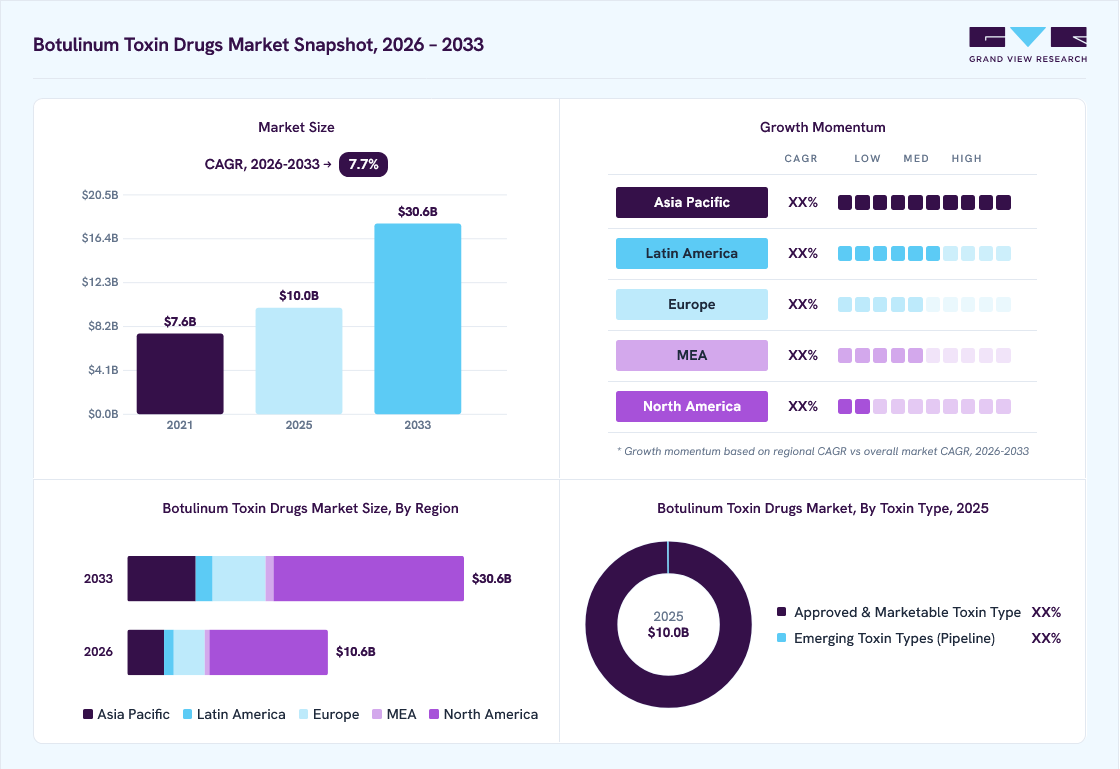 Source: Grand View Research, IR Documents, Primary Interviews, Paid DatabasesTo learn more about this report,
 Download Free Sample Report
Key Market Trends & Insights
- By toxin type: Approved & marketable toxin type segment led the market with the largest revenue share of 99.6% in 2025.
- By indication: Aesthetic (cosmetic) segment led the market with the largest revenue share of 51.5% in 2025.
- By end use: Specialist clinics segment led the market with the largest revenue share of 35.9% in 2025.
Regional Highlights
- Largest regional market: North America (58.7% revenue share, 2025)
- By country: The U.S. held the largest market share in 2025.
Market Size & Forecast
- Market size in 2025: USD 10.0 Billion
- Estimated market size in 2026: USD 10.6 Billion
- Projected market size by 2033: USD 30.6 Billion
- CAGR (2026-2033): 7.7%
Prism AI by Grand View Research Free to tryAsk a question about the botulinum toxin drugs marketTry asking✓Every figure cited from GVR research Prefer the report? Download free sample →
These product attributes support widespread adoption across both aesthetic and therapeutic applications, reinforcing stable utilization patterns across healthcare settings. Established formulations continue to dominate market share due to high physician familiarity, standardized dosing protocols, and long-term clinical evidence supporting reliable outcomes. In addition, strong brand positioning and lifecycle management strategies by key manufacturers contribute to continued product preference and repeat utilization across clinical practice. Consistent manufacturing quality and batch reliability further strengthen clinician confidence and support uninterrupted product usage across treatment settings. These factors collectively reinforce product-level trust and contribute to sustained demand stability across diverse clinical applications.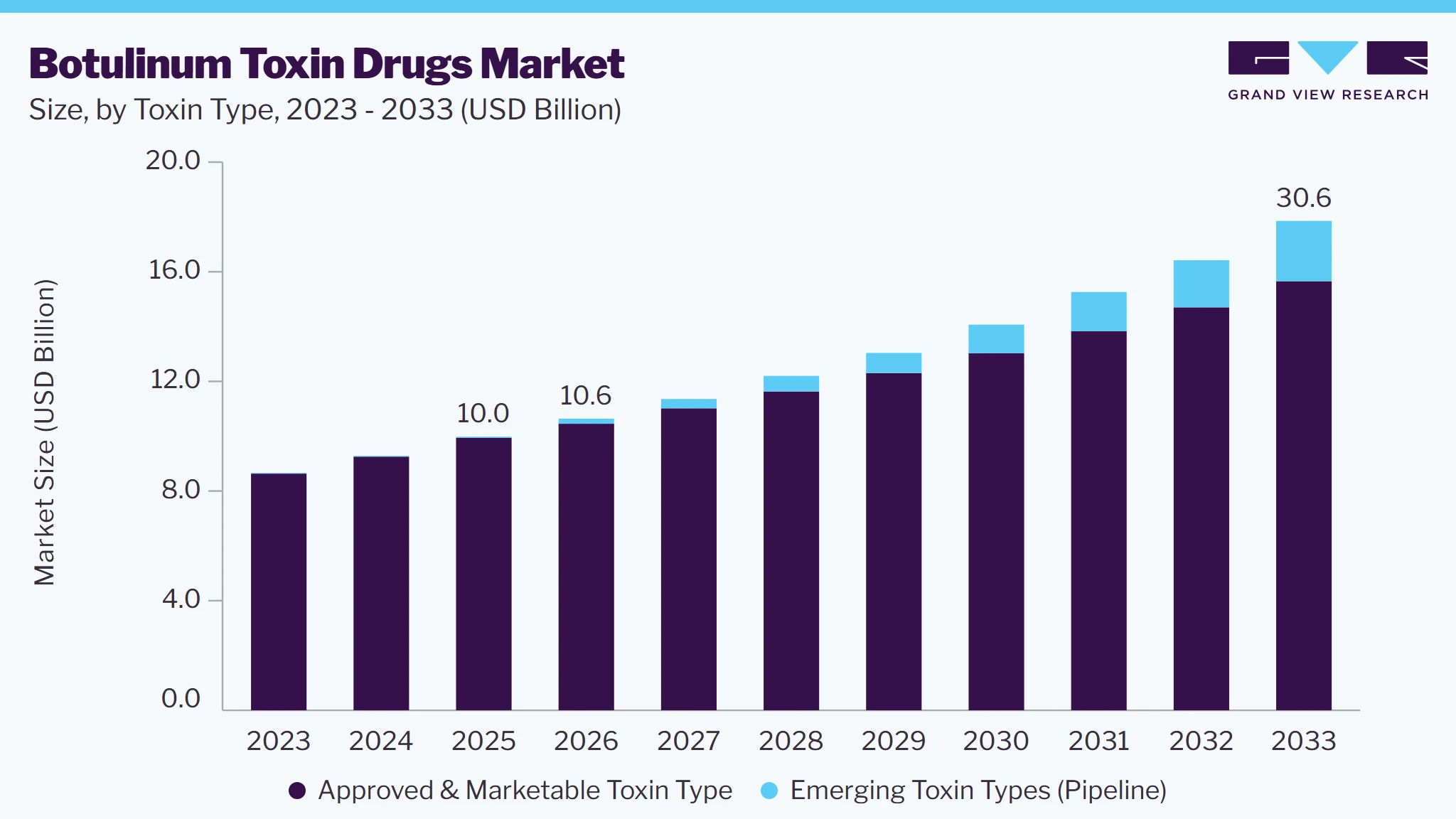 To learn more about this report, Download Free Sample Report
Therapeutic growth is supported by the expanding use of botulinum toxin products in conditions such as Chronic Migraine, Cervical Dystonia, Spasticity, and Hyperhidrosis, where product-level efficacy, dosing consistency, and durability of response are critical to clinical adoption. Continued expansion of approved indications and strong post-market clinical evidence reinforce the role of established formulations in long-term disease management. These factors support consistent product utilization and maintain stable demand across therapeutic segments within structured healthcare systems. Reliable treatment outcomes and predictable response duration further enhance physician confidence in repeated administration across chronic conditions. This reinforces long-term integration of botulinum toxin products into standard therapeutic protocols and supports sustained utilization patterns.
Product innovation remains a key growth driver, with manufacturers focusing on next-generation formulations offering extended duration of action, improved stability, and enhanced administration profiles. Companies such as AbbVie, Ipsen, and Revance Therapeutics are advancing differentiated toxin products to strengthen competitive positioning and expand clinical utility.
At the same time, the entry of cost-competitive formulations from regional manufacturers is improving affordability and expanding product penetration in price-sensitive markets. Ongoing formulation refinement and incremental improvements in product handling and storage are further enhancing usability across clinical environments. These advancements support wider adoption and sustain competitive differentiation among market participants. Overall, the market reflects a product-driven landscape where formulation performance, brand strength, and incremental innovation collectively drive sustained growth.
Market Dynamics
The botulinum toxin drugs market is driven by growing adoption across both aesthetic and therapeutic applications. Increasing demand for minimally invasive cosmetic procedures, rising awareness regarding facial aesthetic treatments, and a growing aging population are supporting market expansion globally. Therapeutic utilization continues to increase due to the established efficacy of botulinum toxin products in managing chronic migraine, spasticity, cervical dystonia, overactive bladder, hyperhidrosis, and other neuromuscular disorders. The market is also benefiting from the introduction of improved formulations designed to enhance convenience, duration of action, and treatment outcomes. Expanding healthcare infrastructure and increasing availability of aesthetic services in emerging economies are further contributing to demand growth. However, market development is influenced by factors such as reimbursement limitations for certain therapeutic indications, pricing competition among manufacturers, and regulatory requirements for product approvals. Despite these challenges, continued clinical research, expanding treatment applications, and broader physician acceptance are expected to support sustained market growth during the forecast period.
The increasing preference for minimally invasive aesthetic procedures continues to drive growth in the botulinum toxin drugs market. Consumers are increasingly seeking non surgical treatments that provide visible results with limited recovery time, supporting demand for botulinum toxin products across indications such as glabellar lines, forehead lines, crow's feet, and facial contouring. The growing acceptance of aesthetic procedures among both younger and aging populations, combined with expanding access to aesthetic clinics and medical spas, has strengthened market adoption globally. Product innovation focused on faster onset and longer duration of effect is further enhancing patient satisfaction and treatment retention rates. As manufacturers continue to introduce differentiated formulations, healthcare providers are expanding treatment offerings to meet evolving consumer preferences. For instance, in January 2025, Galderma reported Phase IIIb RELAX study results for Relfydess at IMCAS 2025. The company stated that 40% of subjects reported aesthetic improvement by Day 1, while treatment effects were maintained through 6 months. Additionally, 92% of subjects reported satisfaction at Month 1, 69% remained satisfied at Month 6, and 60% remained satisfied at Month 12, demonstrating the growing demand for longer lasting aesthetic botulinum toxin treatments.
Stringent regulatory requirements and ongoing safety concerns remain key restraints for the botulinum toxin drugs market. As biological products, botulinum toxins require strict manufacturing controls, extensive clinical validation, and continuous post marketing surveillance to ensure product quality and patient safety. Regulatory agencies across major markets closely monitor adverse events, labeling compliance, and unauthorized product distribution, creating additional compliance burdens for manufacturers. The presence of counterfeit and unapproved neurotoxin products further increases regulatory oversight and may negatively affect market confidence. These factors can extend approval timelines, increase development costs, and limit market entry for new competitors. For instance, in November 2025, the U.S. Food and Drug Administration issued 18 warning letters to companies marketing unapproved and misbranded botulinum toxin products. The agency stated that these products posed potential risks due to uncertain quality, potency, and safety characteristics and highlighted concerns regarding adverse events associated with unauthorized neurotoxin use. This action reflected the growing regulatory scrutiny surrounding the botulinum toxin market.
The development of next generation botulinum toxin formulations represents a significant opportunity for market participants. Traditional botulinum toxin products often require reconstitution and regular retreatment, creating demand for formulations that offer improved convenience and extended duration of action. Longer lasting products can reduce treatment frequency, improve patient adherence, and enhance clinic efficiency, while ready to use formulations simplify administration and workflow management. These innovations have the potential to support premium pricing and expand utilization across both aesthetic and therapeutic applications. Ongoing research into novel neurotoxin technologies and expanded clinical indications is expected to create additional growth opportunities over the coming years. For instance, in January 2025, Galderma announced that its ready to use liquid neuromodulator Relfydess demonstrated visible treatment effects in up to 39% of patients by Day 1, while up to 75% of patients maintained aesthetic improvement for 6 months following a single treatment. The company highlighted that the product does not require reconstitution before administration, supporting greater convenience for healthcare providers and patients.
Market Concentration & Characteristics
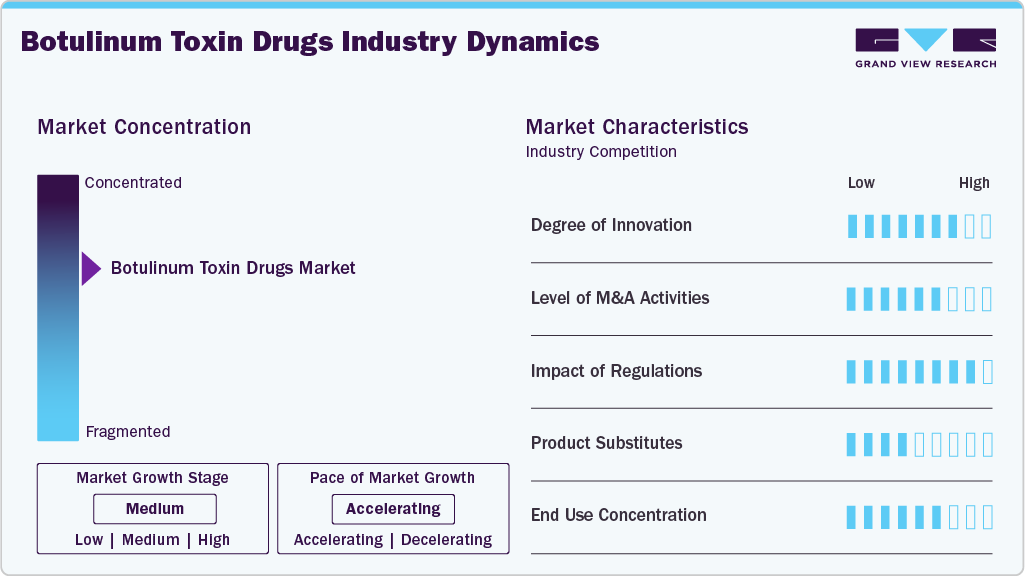
The degree of innovation in the botulinum toxin drugs industry remains moderately high, driven primarily by incremental advancements in formulation and product performance rather than breakthrough scientific developments. Manufacturers such as AbbVie and Revance Therapeutics are focusing on extended-duration toxins, improved stability, and enhanced administration profiles to strengthen product differentiation. Innovation is largely centered around optimizing efficacy, duration of action, and patient convenience while maintaining established safety standards. In addition, lifecycle management strategies and indication expansion continue to play a key role in sustaining product relevance. Overall, innovation in this market is evolutionary, supporting competitive positioning without significantly disrupting existing product frameworks.
Barriers to entry in the botulinum toxin drugs industry are high, primarily due to stringent regulatory requirements governing biologic manufacturing, product approval, and clinical validation. Established players such as AbbVie and Ipsen benefit from strong brand recognition, extensive clinical data, and entrenched physician trust, making new market penetration challenging. The need for specialized manufacturing capabilities, cold-chain logistics, and consistent batch quality further increases the complexity of entry. In addition, intellectual property protections and strict distribution controls limit competitive access in key markets. Overall, these factors create a highly controlled environment that favors established manufacturers and restricts new entrants.
The impact of regulations on the botulinum toxin drugs industry is very high, as products are classified as biologics and require rigorous approval, manufacturing, and post-market surveillance standards. Regulatory authorities such as the U.S. Food and Drug Administration and the European Medicines Agency enforce strict controls on clinical validation, labeling, and distribution to ensure consistent safety and efficacy. These requirements influence product development timelines, market entry, and indication expansion strategies. In addition, prescription-only status and administration by qualified professionals further regulate usage across healthcare settings. Overall, stringent regulatory oversight reinforces product quality and patient safety while shaping competitive dynamics and limiting rapid market entry.
 To learn more about this report, Download Free Sample Report
Product substitutes in the botulinum toxin drugs industry remain limited, as injectable neurotoxin formulations offer a distinct and targeted mechanism of action that is not directly replicated by alternative treatments. Options such as dermal fillers, laser-based therapies, and topical anti-aging products are available, but they primarily complement rather than replace neurotoxin-based interventions in aesthetic practice. In therapeutic settings, alternative treatments may be used depending on the indication, though they often differ in efficacy, duration, and clinical outcomes. Established products from companies such as AbbVie and Ipsen continue to maintain strong clinical preference due to consistent performance and physician familiarity. Overall, the limited role of substitutes supports stable product utilization and reinforces the market’s product-centric structure.
Geographical expansion in the botulinum toxin drugs industry is driven by increasing product penetration across emerging regions, supported by rising demand for both aesthetic and therapeutic applications. Manufacturers such as AbbVie and Ipsen are strengthening their presence through regulatory approvals, distributor partnerships, and localized commercialization strategies. Expansion is particularly notable in Asia-Pacific, Latin America, and the Middle East, where improving healthcare infrastructure and growing private-sector participation are enhancing access to injectable neurotoxin products. Regional manufacturers are also contributing to expansion by introducing cost-competitive formulations, improving affordability and accessibility. Overall, geographic diversification is supporting broader product reach and reinforcing steady global market growth.
Analyst Perspective
The botulinum toxin drugs market is positioned for steady growth, supported by expanding adoption across both aesthetic and therapeutic applications. Rising demand for minimally invasive cosmetic procedures, increasing acceptance among younger demographics, and growing utilization in chronic migraine, spasticity, and overactive bladder management continue to strengthen market fundamentals. Established players maintain leadership through strong brands, extensive clinical evidence, and global distribution networks, while emerging companies are driving innovation through longer lasting and ready to use formulations. Future market expansion is expected to be influenced by product differentiation, regulatory approvals, geographic expansion, and the development of novel therapeutic indications.
Toxin Type Insights
Based on toxin type, the approved & marketable toxin type segment led the market with the largest revenue share of 99.6% in 2025, dominated by clinically validated and regulatory-approved formulations, primarily botulinum toxin type A, which represents the standard of care across both aesthetic and therapeutic applications. These products are characterized by consistent efficacy, predictable dosing, and well-established safety profiles, which support widespread clinical adoption and repeat use. Leading approved brands continue to drive this segment, with minimal variation in mechanism but differentiation through formulation properties, duration, and positioning. Growth is driven by continuous regulatory approvals, strong physician familiarity, and expansion of labeled indications across multiple clinical settings. In addition, product lifecycle management and brand loyalty further reinforce the dominance of approved formulations over unapproved alternatives. The increased entry of new approved products into regulated markets is enhancing competition while maintaining strict quality standards.
Overall, the segment reflects a highly regulated, product-driven landscape with sustained growth supported by innovation within approved toxin formulations. For instance, in January 2026, Huons BioPharma received marketing authorization from the National Medical Products Administration for its botulinum toxin type A product Hutox (Liztox) in China, enabling commercial market entry and expanding the pool of approved and marketable toxin formulations.
The emerging toxin type segment is projected to grow at the fastest CAGR of 37.17% over the forecast period, increasingly shaped by next-generation botulinum toxin type A formulations and novel serotypes in development that aim to improve duration of effect, precision, and patient convenience. A key innovation in this segment is the development of peptide-stabilized toxin formulations designed to extend the duration of action beyond the conventional 3-4 months, with effects lasting significantly longer in certain clinical settings. Alongside this, newer Type A variants are gaining traction by offering comparable efficacy to established products while differentiating through formulation enhancements, dosing flexibility, and competitive positioning. Research into alternative serotypes, including botulinum toxin type E, continues to focus on faster onset and niche therapeutic applications, although with comparatively shorter duration profiles. These emerging toxin types are intensifying competition across aesthetic and therapeutic end-use segments, where demand is increasingly driven by longer-lasting, more efficient treatment cycles.
Overall, innovation in toxin engineering is gradually expanding the market beyond traditional Type A dominance, supporting sustained product differentiation and pipeline development. For instance, in October 2024, onabotulinumtoxinA (Botox Cosmetic) received U.S. FDA approval for the treatment of moderate to severe vertical bands connecting the jaw and neck (platysma bands) in adults. This expansion marked a key milestone, as it became the first and only botulinum toxin product with four aesthetic indications, extending its use beyond traditional upper facial lines to include the lower face and neck. The approval reflects continued product evolution within the global market, emphasizing broader anatomical coverage, enhanced aesthetic versatility, and improved treatment convenience within a single formulation. It also reinforces the trend of incremental innovation in established toxin products, where growth is increasingly driven by expanded indication scope rather than changes in the core mechanism of action.
Indication Insights
Based on indication, the aesthetic (cosmetic) segment led the market with the largest revenue share of 51.5% in 2025, driven by rising demand for minimally invasive aesthetic procedures and growing preference for non-surgical facial rejuvenation. The aesthetic (cosmetic) segment of the botulinum toxin industry continues to demonstrate strong growth. The increasing use of botulinum toxin type A for the temporary reduction of facial lines, such as glabellar, forehead, and lateral canthal lines, remains a primary growth driver. The segment is further supported by expanding off-label and approved indications targeting broader facial areas, including the lower face, enhancing overall treatment versatility.
Continuous product refinements focused on improved duration of effect, greater injection precision, and reduced downtime are strengthening end-user adoption across dermatology and aesthetic clinics. Rising acceptance among younger demographics seeking preventive aesthetic treatments is also contributing to sustained procedure volumes. Overall, the segment remains highly competitive, with innovation and indication expansion shaping product positioning and market penetration strategies.
The therapeutic indications segment is projected to grow at the fastest CAGR of 8.36% over the forecast period, driven by the expanding clinical utility of botulinum toxin type A products across multiple neurological and musculoskeletal disorders. The therapeutic indications segment in the global market continues to witness steady expansion. Established products are widely utilized in the management of conditions such as cervical dystonia, chronic migraine, spasticity disorders, and overactive bladder, reflecting strong integration into neurology and urology treatment pathways.
The segment is further supported by the ongoing expansion of approved indications across major botulinum toxin type A products, enhancing their applicability in broader specialty care settings. Increasing physician reliance on these products is driven by their targeted mechanism of action, repeatable dosing profile, and predictable clinical outcomes. Continuous regulatory label expansions across key markets are further strengthening product positioning and improving treatment accessibility in therapeutic care. Overall, the segment remains product-led, with established botulinum toxin formulations continuing to drive clinical adoption across multiple therapeutic domains.
End Use Insights
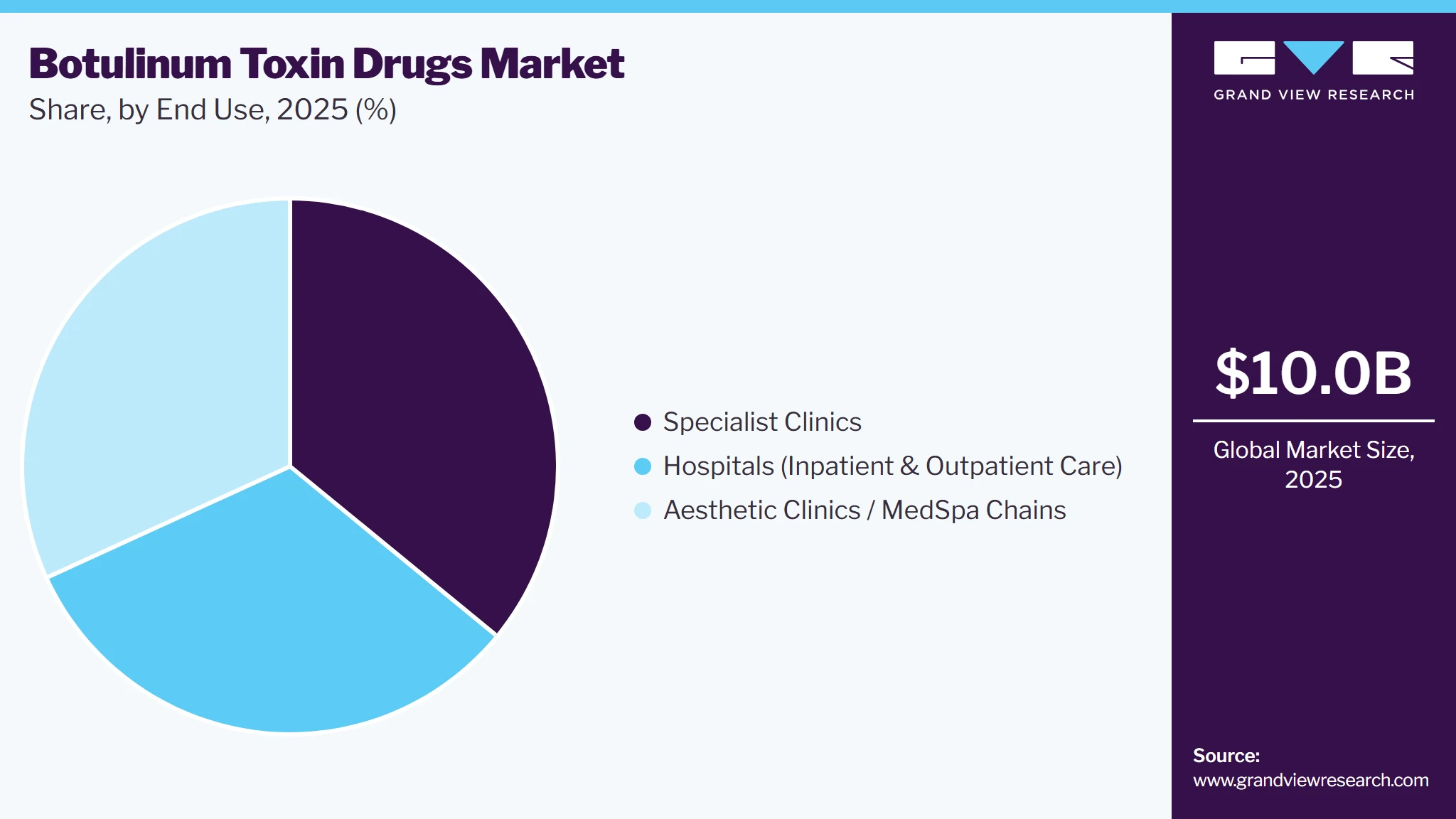
Based on end use, the specialist clinics segment led the market with the largest revenue share of 35.9% in 2025 and is expected to grow at the fastest CAGR during the forecast period, driven by strong clinical adoption across neurology, dermatology, and ophthalmology settings. These clinics account for a significant share of treatment delivery, supported by increasing patient preference for outpatient, targeted, and cost-effective care compared to hospital-based procedures. Growth is primarily driven by the rising prevalence of neurological conditions such as chronic migraine, spasticity, and movement disorders, alongside increasing demand for medically supervised aesthetic treatments.
Specialist clinics benefit from high physician expertise, standardized administration protocols, and shorter treatment cycles, which enhance patient throughput and treatment efficiency. In addition, expanding reimbursement coverage for therapeutic indications and growing awareness of minimally invasive procedures are supporting higher patient inflow. Overall, the segment continues to witness sustained growth, reinforced by its ability to deliver specialized, high-frequency treatments with consistent clinical outcomes.
 To learn more about this report, Download Free Sample Report
The aesthetic clinics and medspa chains segment is expected to grow at a significant CAGR during the forecast period, driven by high procedure volumes and strong consumer demand for minimally invasive cosmetic treatments. These settings serve as primary points of administration for injectable neurotoxin products, supported by specialized practitioners and standardized treatment protocols. Established brands from companies such as AbbVie and Galderma maintain a strong presence in these channels due to high physician familiarity and consistent product performance.
The segment benefits from increasing clinic chain expansion, subscription-based treatment models, and repeat patient inflow, which reinforce stable product utilization. Growth is further supported by rising consumer preference for outpatient aesthetic procedures and convenient access to services in urban centers. Continued investment in practitioner training and digital engagement platforms is further enhancing patient retention and treatment consistency across clinic networks. Overall, aesthetic clinics and medspa chains continue to drive significant demand, supporting sustained volume growth and product penetration across the market. For instance, in April 2026, The Tox expanded to over 50 treatment studios across the U.S., highlighting the rapid scaling of organized medspa chains and reinforcing growing demand for non-invasive injectable procedures.
Regional Insights
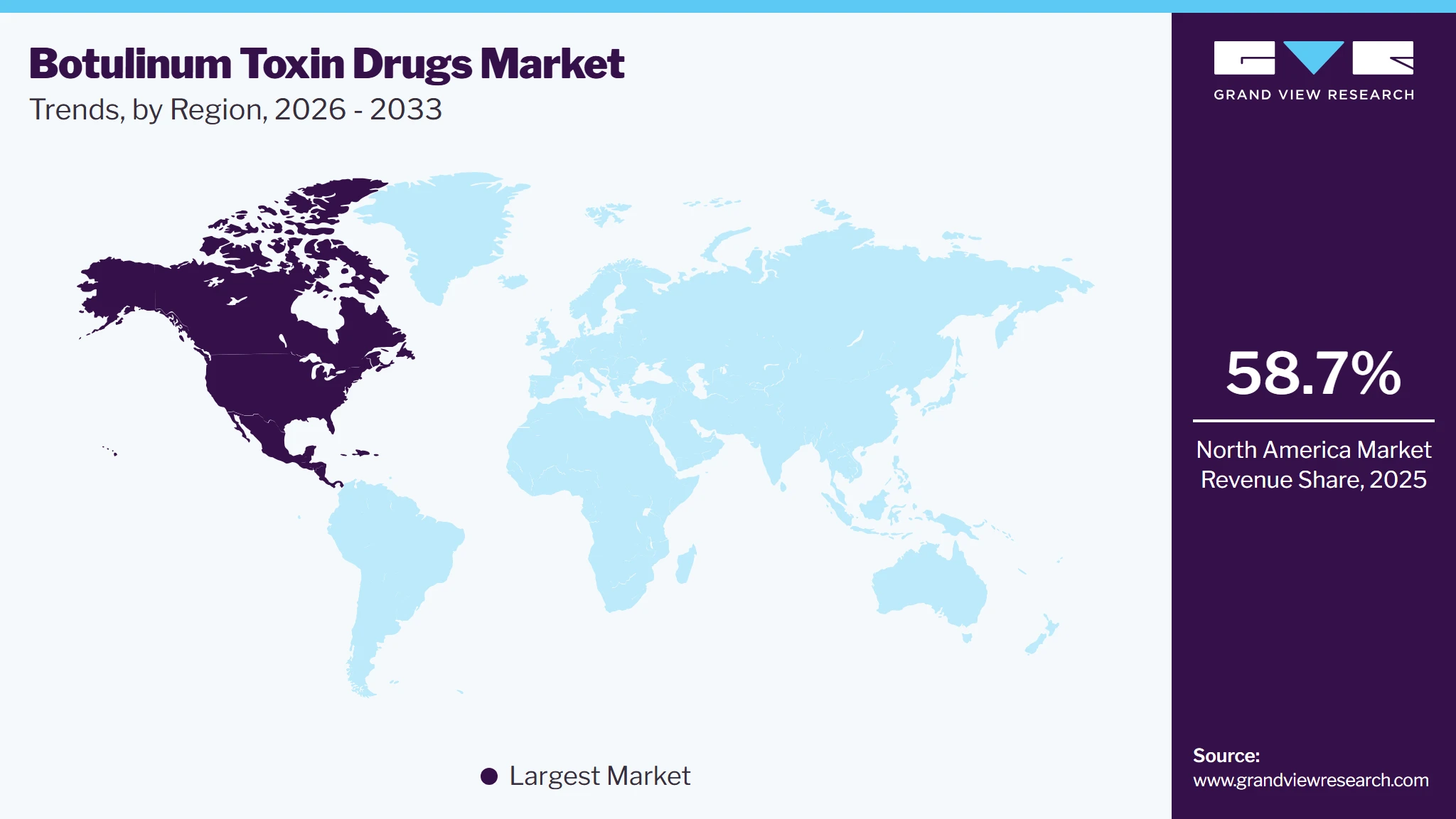
North America dominated the botulinum toxin drugs market with the largest revenue share of 58.7% in 2025, reflecting mature and steady adoption of injectable neurotoxin products across structured healthcare systems in the U.S. and Canada, supported by strong physician familiarity and standardized clinical practices. Market dynamics are driven by the widespread use of established formulations with proven safety and efficacy, ensuring consistent utilization across both aesthetic and therapeutic indications. Advanced healthcare infrastructure and robust regulatory oversight further support reliable clinical outcomes and product performance. Growth is supported by ongoing formulation advancements, expanding clinical experience, and sustained reimbursement in therapeutic applications. High clinician confidence and established treatment protocols encourage repeat usage and long-term integration. Overall, the region represents a stable, consolidated, and product-driven market with consistent demand across clinical settings.
 To learn more about this report, Download Free Sample Report
U.S. Botulinum Toxin Drugs Market Trends
The botulinum toxin drugs market in the U.S. held the largest share in the North America region in 2025, driven by strong, sustained adoption of established injectable neurotoxin products within a highly regulated healthcare environment, supported by consistent use across hospitals, specialty clinics, and ambulatory care settings. Market growth is driven by physician preference for well-validated formulations with predictable efficacy, dosing reliability, and favorable safety profiles, reinforced by extensive clinical evidence and specialist familiarity. The reimbursement framework is primarily defined by payer coverage for U.S. Food and Drug Administration-approved therapeutic indications such as chronic migraine, cervical dystonia, spasticity, and hyperhidrosis, while aesthetic applications remain largely self-funded, creating a dual-payment structure. Coverage decisions are governed by clinical documentation, prior authorization, and medical necessity requirements across both public and private payers. Support from the Centers for Medicare & Medicaid Services and commercial insurers ensures reimbursement for select indications, although increasing utilization management is influencing treatment frequency and dosing approvals. Well-established distribution networks further ensure stable product availability and consistent utilization across clinical settings. For instance, in February 2025, CMS updated outpatient physician billing guidance, reinforcing reimbursement criteria and documentation requirements for botulinum toxin injections in neurological disorder management, with a stronger emphasis on prior authorization and medical necessity validation.
Europe Botulinum Toxin Drugs Market Trends
The botulinum toxin drugs market in Europe is characterized by steady, structurally mature growth within a highly developed healthcare environment, supported by consistent use of injectable neurotoxin products across both therapeutic and aesthetic applications. The market reflects a well-established clinical ecosystem where product use is deeply integrated into standard medical practice, ensuring continuity and stable adoption patterns across countries. Demand is driven by widespread use of clinically validated formulations with predictable efficacy and strong safety profiles, reinforced by high physician familiarity and standardized treatment protocols. Organized healthcare infrastructure and uniform administrative practices support repeatable, consistent product utilization across care settings. Therapeutic applications, particularly in neurological and neuromuscular conditions, contribute significantly to sustained demand, while aesthetic use remains normalized and stable. Overall, the region represents a mature, product-consolidated market with steady growth driven by established formulations and consistent clinical adoption.
The UK botulinum toxin drugs market is witnessing steady and structurally supported growth, driven by dual demand from therapeutic neurology applications and a well-established private aesthetics sector. Clinical adoption remains consistent across both segments, with strong integration into treatment pathways for conditions such as chronic migraine, cervical dystonia, spasticity, and overactive bladder. The market also benefits from high consumer acceptance of minimally invasive procedures, particularly in major urban centers, which supports sustained demand in private clinical settings. Growth is influenced by a tightly regulated framework under the Medicines and Healthcare Products Regulatory Agency, ensuring strict oversight, prescription-only access, and high standards of safety and traceability. While NHS reimbursement limitations continue to shift a portion of demand toward private providers, these dynamics support overall market stability and sustained utilization. Established toxin formulations dominate due to strong clinical familiarity, while other approved products are expanding in specific use cases under regulatory compliance. For instance, in November 2023, the MHRA, in collaboration with UK Border Force, initiated enforcement action against the illegal supply of botulinum toxin, seizing unlicensed products and reinforcing prescription-only regulations for qualified practitioners.
The botulinum toxin drugs market in Germany is characterized by steady expansion driven by increasing clinical adoption in neurological and movement disorder management, alongside sustained demand from the medical aesthetics segment. Utilization remains consistent across both therapeutic and aesthetic settings, with established injectable neurotoxin products well integrated into routine clinical practice within a structured healthcare system. Growth is supported by advanced healthcare infrastructure, strong specialist engagement, and rising patient awareness of minimally invasive treatments, contributing to stable uptake. The competitive landscape is moderately consolidated, with leading players supporting physician adoption through training initiatives and robust distribution networks. A stringent regulatory framework governed by the Federal Institute for Drugs and Medical Devices and aligned with EU standards ensures quality control and indication-specific use, while aesthetic treatments remain largely private-pay. Overall, the market reflects a mature yet growth-oriented structure driven by sustained clinical acceptance and evolving demand across specialized care pathways.
The France botulinum toxin drugs market is characterized by steady, structured growth, driven by strong clinical use in neurological and movement disorder management. The market operates within a highly organized healthcare system, with well-established treatment protocols and high physician familiarity supporting consistent adoption of injectable neurotoxin products. Demand is reinforced by reimbursement-linked access in therapeutic applications, ensuring indication-specific uptake and stable treatment accessibility across public healthcare pathways. Leading biopharmaceutical companies maintain strong clinical positioning and long-standing relationships with specialists, supporting consistent product penetration and supply continuity. Therapeutic applications remain the primary volume driver, particularly in chronic neurological conditions requiring repeated administration. Meanwhile, the aesthetic segment continues to expand steadily, driven by private-pay demand and the growing acceptance of minimally invasive treatments, while maintaining balanced overall market growth.
Asia-Pacific Botulinum Toxin Drugs Market Trends
The botulinum toxin drugs market in the Asia-Pacific is expected to grow at the fastest CAGR of 9.10% during the forecast period, driven by expanding demand across both therapeutic and aesthetic applications in key countries such as China, Japan, South Korea, and India. The region benefits from increasing adoption of minimally invasive aesthetic procedures, supported by rising disposable incomes, urbanization, and growing consumer awareness. Therapeutic utilization is also expanding, particularly in neurology and rehabilitation settings, driven by improving healthcare access and specialist availability. Regional manufacturers are strengthening market presence through cost-competitive offerings and broader distribution, while global players continue to expand through strategic partnerships and regulatory approvals. Variability in regulatory frameworks and reimbursement structures across countries influences market access and product uptake patterns. Overall, the market reflects a dynamic and rapidly evolving landscape with strong regional demand and increasing product penetration across diverse healthcare settings.
The Japan botulinum toxin drugs market is characterized by a mature and tightly regulated environment with steady clinical demand across both therapeutic and aesthetic applications. The market operates within a highly structured healthcare system, supported by stringent regulatory oversight, standardized treatment protocols, and strong physician specialization, ensuring consistent, controlled use of established formulations. Growth is driven by the continued use of clinically validated products with predictable efficacy and safety, supported by an aging population that contributes to sustained therapeutic demand. The market remains largely import-dependent, with global manufacturers supplying most commercially used products, ensuring access to well-established brands and stable availability. Competitive dynamics are dominated by multinational players, while domestic activity focuses on research and incremental innovation rather than large-scale production. Overall, the market reflects a premium, product-consolidated structure with stable demand and consistent adoption across clinical settings.
The botulinum toxin drugs market in China is growing, driven by the rapid expansion of medical aesthetics demand and the increasing acceptance of minimally invasive facial rejuvenation procedures. Demand is supported by rising disposable incomes, rapid urbanization, and the strong influence of digital and social media, which are normalizing aesthetic treatments across urban populations. This growing awareness enhances patient engagement and supports more frequent adoption of injectable neurotoxin procedures in established clinical settings. The market continues to reflect strong utilization of established formulations across aesthetic applications, reinforcing steady demand patterns. The regulatory environment, governed by the National Medical Products Administration, is evolving with expanded approvals that improve market accessibility and support structured commercialization. Overall, regulatory oversight ensures product quality and consistent utilization across approved clinical applications, maintaining stable market expansion.
Latin America Botulinum Toxin Drugs Market Trends
The botulinum toxin drugs market in Latin America is characterized by a diverse and steadily expanding landscape, with demand concentrated in key economies such as Brazil, Mexico, Argentina, and Colombia. Growth is primarily driven by expanding private healthcare participation and increasing integration of aesthetic treatments into mainstream clinical offerings, supporting sustained utilization across urban centers. Brazil remains the primary demand hub due to its mature aesthetic ecosystem and extensive clinic networks, while Mexico benefits from urban affluence and cross-border patient inflows. Argentina reflects price-sensitive demand influenced by macroeconomic conditions, whereas Colombia is emerging as a competitive hub for aesthetics, with growing clinic penetration. Across the region, rising acceptance of minimally invasive procedures, expanding private infrastructure, and strong social media influence are reinforcing repeat use of products. These factors collectively support consistent demand and steady adoption of established injectable neurotoxin products across urban healthcare settings. Overall, the market reflects a private-sector-driven, volume-expanding environment with strong aesthetic orientation and increasing product penetration.
The Brazil botulinum toxin drugs market represents one of the most developed and high-volume aesthetic injectable segments in Latin America, supported by strong consumer acceptance and a mature private dermatology and plastic surgery infrastructure. Injectable neurotoxin products are deeply integrated into routine clinical practice across dermatology and aesthetic surgery settings, reinforced by advanced practitioner expertise and high procedural familiarity. Demand is concentrated in major urban centers such as São Paulo, Rio de Janeiro, and Brasília, where strong clinic density and accessibility support consistent product utilization. A well-established base of dermatologists and plastic surgeons ensures sustained procedural adoption and steady patient inflow across clinical settings. Growth is further supported by rising disposable incomes, increasing penetration of private aesthetic clinics, and strong social media influence shaping beauty standards. The market exhibits high repeat treatment behavior, reinforcing stable demand cycles and predictable utilization patterns. Overall, continued geographic expansion beyond metropolitan areas is improving accessibility and supporting broader product penetration, maintaining steady market growth.
Middle East & Africa Botulinum Toxin Drugs Market Trends
The botulinum toxin drugs market in the Middle East and Africa is experiencing steady expansion, driven by rising demand for minimally invasive aesthetic treatments and increasing adoption across urban healthcare settings within a predominantly private-sector-driven environment. Growth is supported by expanding clinical infrastructure and improving access to specialized aesthetic services, reinforcing consistent product utilization. Key markets such as Saudi Arabia and the United Arab Emirates lead regional demand due to strong private healthcare systems, high disposable incomes, and well-established aesthetic clinic networks. South Africa reflects a more price-sensitive landscape, with demand concentrated in urban centers and supported by private providers. The region remains largely import-dependent, with distributor-led supply chains shaping product availability and penetration. Rising aesthetic awareness and preference for minimally invasive procedures continue to support steady demand. Overall, the market reflects a private-pay, urban-centric structure with varied growth intensity across Gulf and African economies.
The Saudi Arabia botulinum toxin Drugs market is driven by a rapidly expanding aesthetics-focused healthcare segment, supported by high disposable incomes and increasing demand for minimally invasive facial treatments in major cities such as Riyadh and Jeddah. The market operates within a modernizing private healthcare ecosystem where aesthetic medicine is integrated into lifestyle and wellness practices, reinforcing consistent product utilization. Demand is supported by a young, image-conscious population and growing acceptance of cosmetic treatments among both men and women, contributing to recurring usage patterns. A well-established network of private dermatology and cosmetic clinics ensures strong treatment, accessibility and sustained uptake across urban centers. The rising influence of social media and global beauty standards continues to accelerate interest in preventive and corrective aesthetic procedures. Medical tourism in the Gulf region further drives incremental demand for advanced services. Overall, the market reflects a premium, private-pay, and urban-centric structure supporting the steady expansion of injectable neurotoxin product adoption.
Key Botulinum Toxin Drugs Company Insights
AbbVie maintains a leading position through its widely recognized Botox portfolio, supported by continuous brand expansion and global distribution strategies. Ipsen and Merz Pharma are strengthening their presence in therapeutic areas such as spasticity and movement disorders while expanding their aesthetic offerings. Galderma and Evolus are intensifying competition in the aesthetic segment through differentiated positioning and physician-focused engagement models.
Meanwhile, Asian manufacturers, including Medytox, Hugel, and Daewoong Pharmaceutical, are expanding globally, driven by cost-competitive products and increasing regulatory approvals. Revance Therapeutics is advancing innovation with next-generation toxin formulations designed for longer-lasting effects. Overall, the market is driven by product innovation, geographic expansion, and increasing adoption across both cosmetic and medical indications.
Key Botulinum Toxin Drugs Companies:
The following key companies have been profiled for this study on the botulinum toxin drugs market.
-
AbbVie (Allergan Aesthetics)
-
Ipsen
-
Galderma
-
Merz Pharma
-
Evolus
-
Medytox
-
Hugel
-
Daewoong Pharmaceutical
-
Revance Therapeutics
Competitive Benchmarking
Category
Operating Strategies
Competitive Edge
Weakness
Established Players (AbbVie (Allergan Aesthetics), Ipsen, Galderma, Merz Pharma)
- Focus on expanding both aesthetic and therapeutic botulinum toxin indications through continuous clinical development, regulatory approvals, and geographic expansion. Invest in physician training programs, medical education initiatives, and direct engagement with dermatology, plastic surgery, neurology, and hospital networks. Strengthen market position through lifecycle management strategies, next generation formulations, and strategic partnerships.
- Strong brand recognition supported by established products with extensive clinical evidence and long term safety data. Broad global distribution networks and deep relationships with healthcare providers, hospitals, specialty clinics, and aesthetic centers. Significant financial resources support research, commercialization, and regulatory activities across multiple regions.
- High research and development expenditures and substantial regulatory compliance costs. Dependence on mature products in highly competitive markets may limit growth potential. Large organizational structures can slow decision making and delay adoption of emerging technologies and innovative business models.
Emerging and Growth-Oriented Players (Evolus, Medytox, Hugel, Daewoong Pharmaceutical, Revance Therapeutics)
- Focus on introducing differentiated botulinum toxin formulations, including longer duration products, ready to use liquid formulations, and cost competitive alternatives. Expand presence through strategic licensing agreements, regional partnerships, and targeted commercialization efforts in aesthetic medicine. Emphasize innovation and market penetration in high growth regions.
- Greater flexibility in product development and commercialization strategies. Ability to address unmet needs through innovative formulations, competitive pricing, and differentiated value propositions. Strong growth potential in emerging markets and expanding aesthetic procedure segments.
- Limited global brand recognition compared with established market leaders. Smaller commercial infrastructure and distribution capabilities may restrict market reach. Greater dependence on successful regulatory approvals and commercialization outcomes, which can increase business and financial risk.
Recent Developments
-
In January 2026, Daewoong Pharmaceutical signed an export agreement with a regional partner (Moksha8) to expand Nabota distribution in Latin America. The deal strengthens its international commercialization strategy and supports broader penetration of its botulinum toxin portfolio in high-growth emerging markets.
-
In June 2025, Daewoong Pharmaceutical expanded Nabota availability across Gulf markets with its launch in Qatar, completing regional coverage. The expansion targeted premium aesthetic markets and included physician engagement initiatives, strengthening its strategic presence in the Middle East botulinum toxin segment.
-
In March 2024, Hugel received U.S. FDA approval for its botulinum toxin Letybo (letibotulinumtoxinA) for treating moderate-to-severe glabellar lines. The approval was supported by multiple Phase III clinical trials and marked a major milestone, enabling entry into the U.S. aesthetic neurotoxin market.
Botulinum Toxin Drugs Market Report Scope
Report Attribute
Details
Market size in 2025
USD 10.0 billion
Estimated market size in 2026
USD 10.6 billion
Projected market size by 2033
USD 30.6 billion
Growth rate
CAGR of 7.7% from 2026 to 2040
Historical data
2021 - 2024
Forecast period
2026 - 2040
Quantitative units
Revenue in USD million/billion and CAGR from 2026 to 2040
Report coverage
Revenue forecast, company ranking, competitive landscape, growth factors, and trends
Segments covered
Toxin type, indication, end use, region
Regional scope
North America; Europe; Asia Pacific; Latin America; MEA
Country scope
U.S.; Canada; Mexico; UK; Germany; France; Italy; Spain; Denmark; Sweden; Norway; China; Japan; India; Australia; South Korea; Thailand; Brazil; Argentina; South Africa; Saudi Arabia; UAE; Kuwait
Key companies profiled
AbbVie (Allergan Aesthetics); Ipsen; Galderma; Merz Pharma; Evolus; Medytox; Hugel; Daewoong Pharmaceutical; Revance Therapeutics
Customization scope
Free report customization (equivalent up to 8 analysts' working days) with purchase. Addition or alteration to country, regional & segment scope.
Pricing and purchase options
Avail customized purchase options to meet your exact research needs. Explore purchase options
Global Botulinum Toxin Drugs Market Report Segmentation
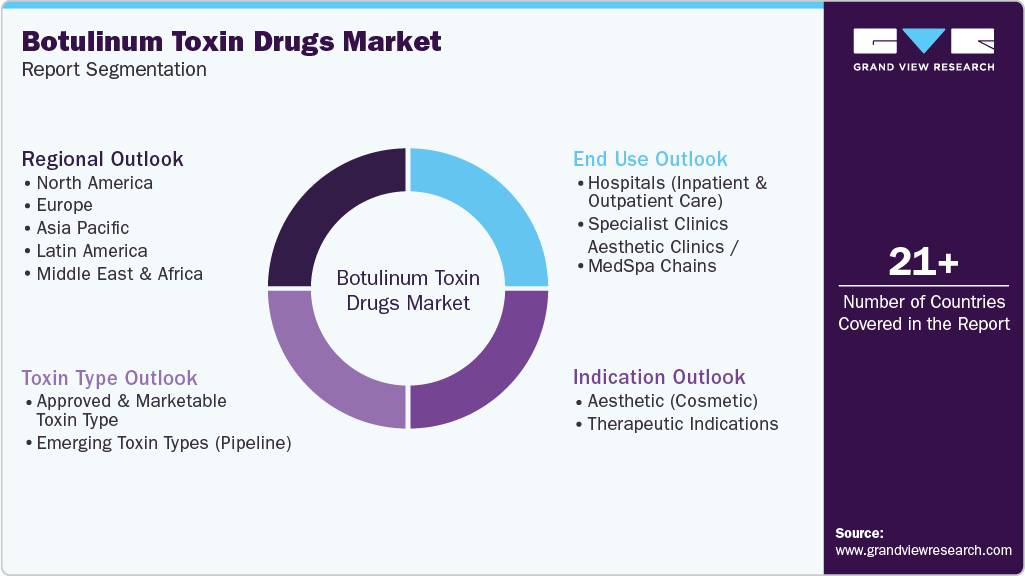
This report forecasts revenue growth at global, regional, and country levels and provides an analysis of the latest industry trends in each of the sub-segments from 2021 to 2033. For this study, Grand View Research has segmented the global botulinum toxin drugs market report based on toxin type, indication, end use, and region:
 To learn more about this report, Download Free Sample Report
-
Toxin Type Outlook (Volume, Number of Vials Dispensed 000’s; Revenue, USD Billion, 2021 - 2033)
-
Approved & Marketable Toxin Type
-
Type A Botulinum Toxin
-
Type B Botulinum Toxin
-
-
Emerging Toxin Types (Pipeline)
-
Type E Botulinum Toxin (e.g., BoNT-E)
-
Recombinant Botulinum Toxin
-
Pure Toxin (150 kDa)
-
Liquid Botulinum Toxins (ready-to-use formulations)
-
Innotox
-
Alluzience
-
Relfydess
-
-
-
-
Indication Outlook (Volume, Number of Vials Dispensed 000’s; Revenue, USD Billion, 2021 - 2033)
-
Aesthetic (Cosmetic)
-
Glabellar lines
-
Forehead lines
-
Crow’s feet
-
Facial contouring / masseter reduction
-
Dermotoxin
-
-
Therapeutic Indications
-
Chronic Migraine
-
Spasticity
-
Cervical Dystonia
-
Blepharospasm
-
Overactive Bladder
-
Hyperhidrosis
-
Ophthalmology
-
Pain Management
-
Others
-
-
-
End Use Outlook (Volume, Number of Vials Dispensed 000’s; Revenue, USD Billion, 2021 - 2033)
-
Hospitals (Inpatient & Outpatient Care)
-
Specialist Clinics
-
Aesthetic Clinics / MedSpa Chains
-
-
Regional Outlook (Volume, Number of Vials Dispensed 000’s; Revenue, USD Billion, 2021 - 2033)
-
North America
-
U.S.
-
Canada
-
Mexico
-
-
Europe
-
UK
-
Germany
-
France
-
Italy
-
Spain
-
Denmark
-
Sweden
-
Norway
-
-
Asia Pacific
-
Japan
-
China
-
India
-
Australia
-
South Korea
-
Thailand
-
-
Latin America
-
Brazil
-
Argentina
-
-
Middle East & Africa
-
South Africa
-
Saudi Arabia
-
UAE
-
Kuwait
-
-
Research Methodology
The botulinum toxin drugs market figures in this report are based on a proven research process that combines executive interviews with secondary research from proprietary databases, company filings, and recognized regulatory and institutional sources. Market size is built through value-chain sizing - reconciling supply-side and demand-side estimates - and triangulated with bottom-up and top-down approaches. Every estimate passes multiple levels of expert validation before publication, with each botulinum toxin drugs segment quantified using the revenue-capture definitions in the table below.
Segment Definition
Segment - Toxin Type
Revenue capture definition
Approved & Marketable Toxin Type
Revenue generated from commercially approved and marketed botulinum toxin products currently available for clinical use. This includes all sales derived from Type A botulinum toxin and Type B botulinum toxin products across both aesthetic and therapeutic indications. Revenue is recognized based on product sales irrespective of indication, end user, or geography and excludes pipeline stage or investigational toxin products.
Emerging Toxin Types (Pipeline)
Revenue generated from botulinum toxin products under development, newly launched next generation formulations, or products receiving initial commercialization during the forecast period. This includes Type E botulinum toxin candidates, recombinant botulinum toxins, purified 150 kDa neurotoxin formulations, and ready to use liquid toxin products. Revenue attributable to these products is captured exclusively within this segment and excluded from approved conventional toxin categories.
Segment - Indication
Revenue capture definition
Aesthetic (Cosmetic)
Revenue generated from botulinum toxin products administered for cosmetic and aesthetic enhancement purposes. This includes treatments for glabellar lines, forehead lines, crow's feet, facial contouring, masseter reduction, dermotoxin procedures, and other appearance related indications. All revenue associated with elective aesthetic procedures is classified within this segment regardless of toxin type, treatment setting, or provider specialty.
Therapeutic Indications
Revenue generated from botulinum toxin products prescribed for medical and disease related indications. This includes chronic migraine, spasticity, cervical dystonia, blepharospasm, overactive bladder, hyperhidrosis, ophthalmic disorders, pain management, and other approved therapeutic applications. Revenue from medically indicated treatments is captured exclusively within this segment and excluded from aesthetic procedures.
Segment - End Use
Revenue capture definition
Hospitals (Inpatient & Outpatient Care)
Revenue generated from botulinum toxin products administered within hospital settings, including inpatient departments, outpatient clinics, hospital based specialty centers, and ambulatory services operated by hospitals. Revenue is attributed to products purchased and utilized through hospital procurement channels for both aesthetic and therapeutic applications.
Specialist Clinics
Revenue generated from botulinum toxin products administered through specialty healthcare facilities focused on specific therapeutic areas. This includes neurology clinics, ophthalmology clinics, urology clinics, pain management centers, rehabilitation centers, and other specialist practices. Revenue from therapeutic treatments delivered in these settings is captured within this segment.
Aesthetic Clinics / MedSpa Chains
Revenue generated from botulinum toxin products administered through dedicated aesthetic clinics, cosmetic dermatology centers, medical spas, and organized MedSpa chains. This segment includes revenue associated with cosmetic enhancement procedures performed by qualified healthcare professionals and excludes treatments conducted within hospitals or therapeutic specialty clinics.
Estimation Model
 To learn more about this report, Download Free Sample Report
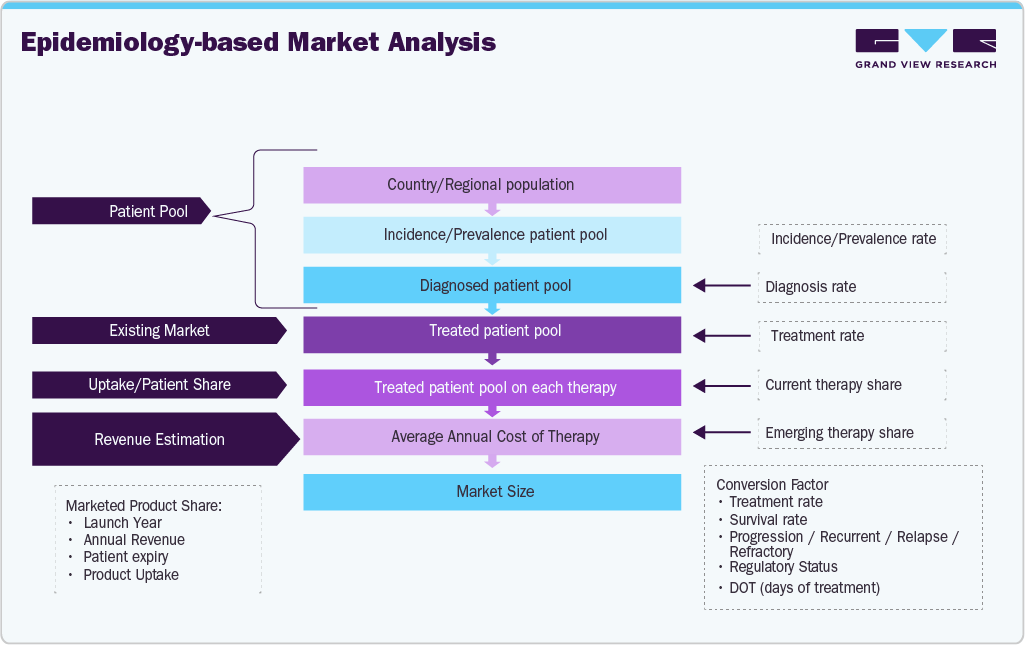
The botulinum toxin drugs market was estimated using a patient based epidemiology and procedure volume assessment approach combined with product level revenue validation. The methodology began with identifying the target population across major countries and regions, including individuals seeking aesthetic procedures and patients diagnosed with therapeutic conditions such as chronic migraine, spasticity, cervical dystonia, blepharospasm, overactive bladder, hyperhidrosis, and other approved indications. The incidence and prevalence patient pool for each indication was established using data from government health agencies, medical associations, peer reviewed literature, and disease registries. This was followed by estimating the diagnosed patient population and the proportion of patients eligible for botulinum toxin therapy based on clinical guidelines and treatment patterns.
The next stage involved calculating the treated patient pool by assessing treatment adoption rates across hospitals, specialist clinics, aesthetic clinics, and MedSpa chains. Market penetration of individual botulinum toxin products was evaluated through prescription trends, procedure volumes, physician surveys, company annual reports, investor presentations, and regulatory filings. Average annual treatment frequency, dosage utilization, and average annual cost of therapy were determined for both aesthetic and therapeutic indications. Revenue generated from each indication and toxin type was calculated by multiplying the treated patient population by treatment uptake rates and annual treatment costs. The final market size was derived through country level aggregation and validated using company reported revenues, product sales data, pricing analysis, distributor insights, and expert interviews with dermatologists, neurologists, plastic surgeons, and industry stakeholders. Both top down and bottom up approaches were applied to ensure consistency and accuracy of the market estimates.
Delivered Customizations
This report has been delivered with the following In-depth customizations
Client Request
Customization Delivered
Value Adds
Botulinum Toxin Competitive Landscape & Pipeline Assessment
Conducted a targeted assessment of the global botulinum toxin drugs landscape, evaluating approved products, emerging toxin platforms, pipeline candidates, formulation innovations, and competitive positioning. The study analyzed key players including AbbVie (Allergan Aesthetics), Ipsen, Galderma, Merz Pharma, Evolus, Medytox, Hugel, Daewoong Pharmaceutical, and Revance Therapeutics. The assessment covered approved Type A and Type B toxins, emerging Type E toxins, recombinant toxins, liquid formulations, clinical development progress, regulatory pathways, and indication expansion strategies across aesthetic and therapeutic markets.
Helped the client identify high growth product segments, evaluate competitive threats, benchmark innovation pipelines, and prioritize licensing, acquisition, and partnership opportunities within the evolving botulinum toxin market.
Botulinum Toxin Product & Technology Benchmarking Study
Delivered a comprehensive benchmarking analysis of botulinum toxin technologies, focusing on toxin purity, formulation characteristics, duration of action, ready to use liquid platforms, manufacturing capabilities, clinical differentiation, and safety profiles. The study compared commercially established products with next generation formulations, evaluating physician adoption trends, intellectual property positioning, clinical performance, and product differentiation across global manufacturers.
Enabled the client to assess technology competitiveness, identify product portfolio gaps, benchmark innovation strategies, and prioritize investments in next generation neurotoxin development programs and differentiated aesthetic and therapeutic offerings.
Botulinum Toxin Commercialization & Market Expansion Assessment
Conducted a strategic assessment of commercialization opportunities across hospitals, specialist clinics, aesthetic clinics, and MedSpa chains. The study evaluated distribution models, reimbursement dynamics, physician training programs, market access strategies, regulatory requirements, and regional expansion opportunities. The analysis included treatment adoption trends, patient demand patterns, procurement channels, and competitive market penetration strategies supporting commercial scale growth.
Supported strategic expansion planning by identifying attractive geographic markets, optimizing channel strategies, evaluating commercialization risks, strengthening physician engagement approaches, and enhancing long term market penetration and revenue growth potential across aesthetic and therapeutic indications.
Frequently Asked Questions About This Report
The approved & marketable toxin type segment dominated the market with the largest revenue share of 99.6% in 2025, dominated by clinically validated and regulatory-approved formulations, primarily botulinum toxin type A, which represents the standard of care across both aesthetic and therapeutic applications..
The global botulinum toxin drugs market size was valued at USD 10.0 billion in 2025 and is estimated at USD 10.6 billion for 2026.
The global botulinum toxin drugs market is expected to grow at a CAGR of 7.7% from 2026 to 2033, reaching USD 30.6 billion by 2033.
Key players include AbbVie (Allergan Aesthetics); Ipsen; Galderma; Merz Pharma; Evolus; Medytox; Hugel; Daewoong Pharmaceutical; Revance Therapeutics.
The botulinum toxin drugs market is driven by the expanding use of botulinum toxin products in conditions such as Chronic Migraine, Cervical Dystonia, Spasticity, and Hyperhidrosis, where product-level efficacy, dosing consistency, and durability of response are critical to clinical adoption. .
North America dominated with a 58.7% revenue share in 2025.
Asia Pacific is the fastest-growing region over the forecast period.
Aesthetic (cosmetic) segment led with a 51.5% revenue share in 2025, while therapeutic indications is the fastest-growing segment.
The specialist clinics segment led with a 35.9% revenue share in 2025.
About the Author(s)
Pharmaceuticals Research Team
Healthcare · PharmaceuticalsThis report was authored by the pharmaceuticals research team at Grand View Research - comprising two research analysts, one senior research analyst, and one industry expert - with specialized expertise in the pharmaceuticals segment of the healthcare industry. All findings are based on proprietary healthcare databases, executive interviews, and regulatory analysis, subject to internal peer review prior to publication.
Last Updated:
Speak to Analyst

Customize this report to your needs - add regions, segments, or data points, with 20% free customization.
Or view our licence options:


ISO 9001:2015 & 27001:2022 Certified
We are GDPR and CCPA compliant! Your transaction & personal information is safe and secure. For more details, please read our privacy policy.


