
- Home
- »
- Consumer F&B
- »
-
Bread Mix Market Size, Share & Trends Report, 2026-2033GVR Report cover
![Bread Mix Market (2026 - 2033)Report]()
Bread Mix Market (2026 - 2033)
Size, Share & Trend Analysis Report By Nature (Organic and Conventional), By Type (Bread & Roll Mixes, Sourdough Bread Mixes, Pizza Mixes, Rue Bread Mixes), By Distribution Channel (Foodservice, Retail), By Region, And Segment Forecasts
Market Size, 2025
$407.5MMarket Estimate, 2026
$430.0MMarket Forecast, 2033
$659.3MCAGR, 2026–2033
6.3%Bread Mix Market Summary
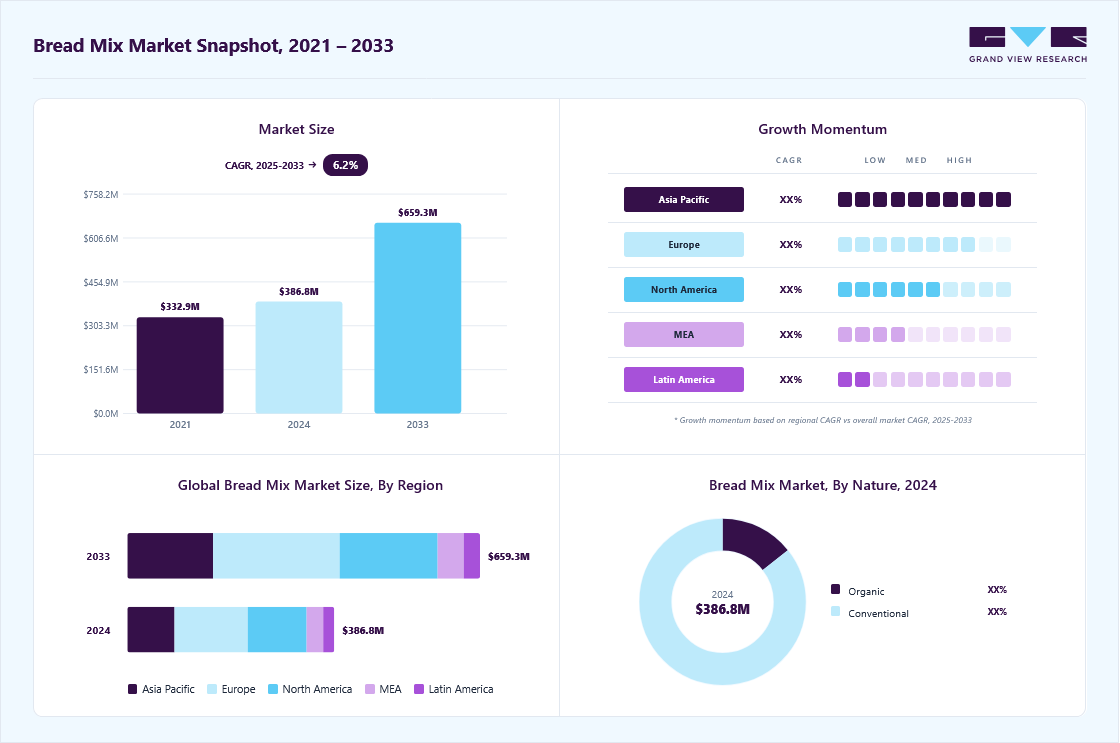
The global bread mix market size was valued at USD 407.5 million in 2025 and is projected to grow from USD 430.0 million in 2026 to USD 659.3 million by 2033, at a CAGR of 6.3% from 2026 to 2033. Europe dominated the bread mix market with the largest revenue share of 35.4% in 2025. The market growth is driven by rising demand for convenience, home-baking, and healthier formulations.
Key Market Trends & Insights
- By nature: Conventional segment held the largest market share of 85.4% in 2025.
- By type: Bread & roll mixes segment held the largest market share of 38.4% in 2025.
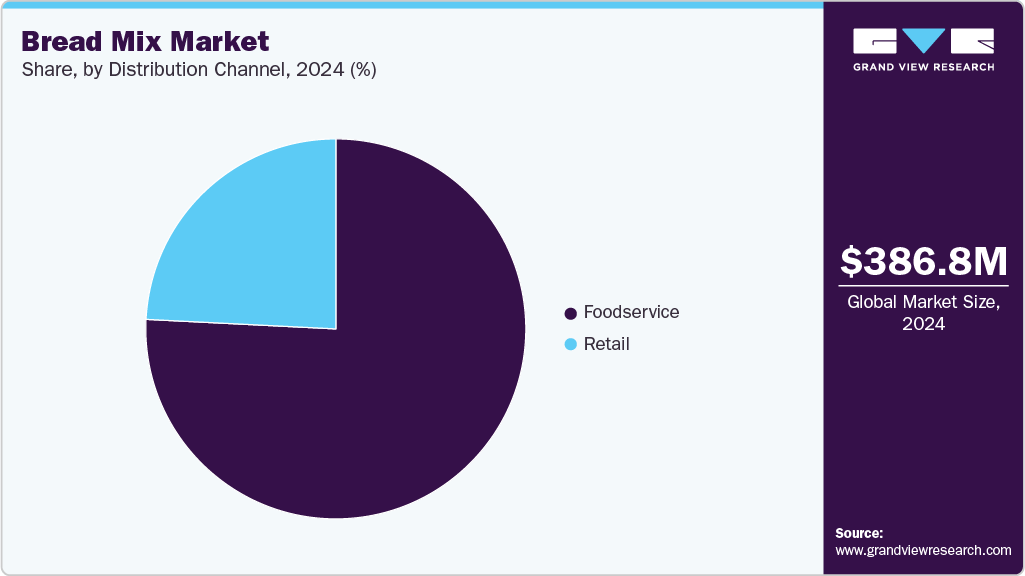
- By distribution channel: Food service segment held the largest market share of 75.1% in 2025.
Regional Highlights
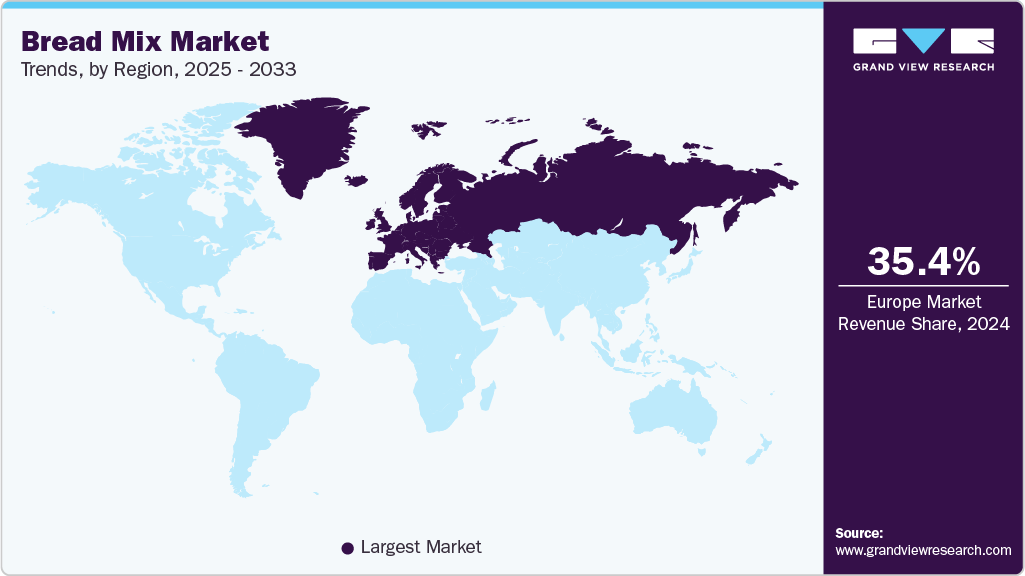
- Largest regional market: Europe (35.4% revenue share, 2025)
Market Size & Forecast
- Market size in 2025: USD 407.5 Million
- Estimated market size in 2026: USD 430.0 Million
- Projected market size by 2033: USD 659.3 Million
- CAGR (2026-2033): 6.3%
Consumers increasingly prefer mixes that are whole grain, gluten-free, organic, or enriched with functional ingredients such as fibre and probiotics. Urbanization, busy lifestyles, and a desire for homemade quality with less effort are boosting sales. Distribution through supermarkets, hypermarkets, and online channels is expanding access, while modern retail formats and e-commerce are also shaping how consumers discover and buy bread mixes. Key trends include taste/flavour innovation (ancient grains, artisanal/ethnic breads), clean-label/natural ingredients, and product formats for specialty diets. Challenges remain in raw-material volatility, regulatory hurdles, consumer price sensitivity, and competition from freshly baked goods.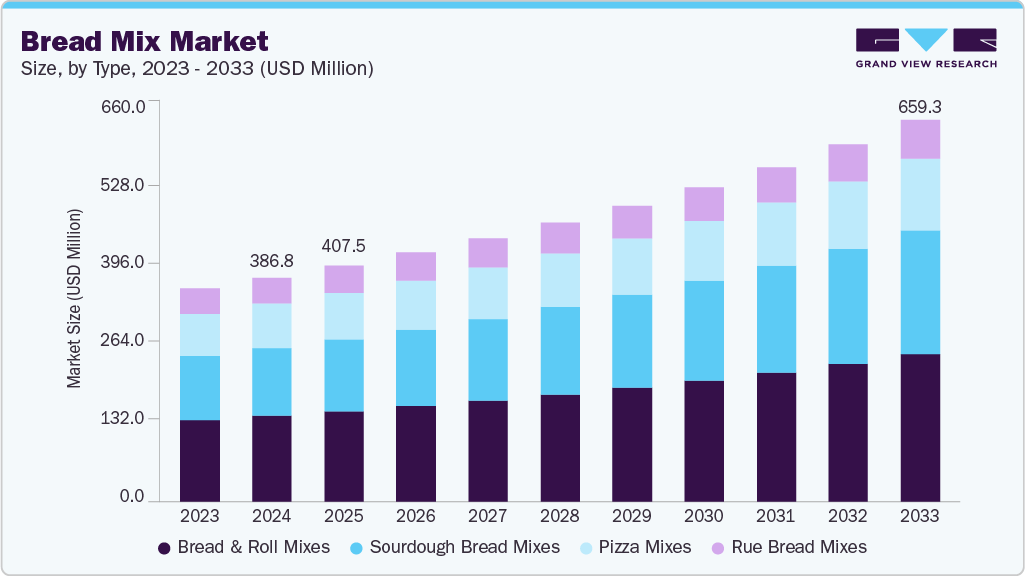
The home baking trend has surged, especially during the COVID-19 pandemic, as people spent more time at home and sought new hobbies. Baking bread at home offers a sense of accomplishment and provides an enjoyable and productive way to spend time with family. In addition, consumers are increasingly health-conscious and seek to control the ingredients in their food. Bread mixes often include options such as whole grain, gluten-free, organic, and fortified mixes, catering to various dietary preferences and health needs. Homemade bread allows people to avoid preservatives and additives commonly found in store-bought bread.
There is also a rising popularity of artisanal and specialty breads, such as sourdough, multigrain, and ethnic varieties. Bread mixes offer an accessible way to recreate these gourmet breads at home, providing an experience similar to that of a professional bakery. Exposure to different cuisines and cultures has increased the popularity of diverse bread types. People are increasingly experimenting with recipes from around the world, and bread mixes for ethnic breads such as naan, pita, and challah make it easier to explore these culinary traditions.
Bread mixes allow for customization, enabling bakers to add their own ingredients or make modifications to suit their tastes. This flexibility encourages creativity and experimentation in the kitchen. Baking at home also offers an educational experience, particularly for families with children. It provides an opportunity to teach baking skills, basic chemistry, and the importance of home-cooked meals.
Market Dynamics
The bread mix market is experiencing high growth driven by increasing demand for convenient baking solutions, rising consumption of bakery products, and growing interest in home baking and artisanal bread preparation. Bread mixes provide pre-formulated combinations of flour, yeast, improvers, and other ingredients that simplify the bread-making process while ensuring product consistency and quality. Consumers and commercial bakeries increasingly prefer bread mixes due to their ease of use, reduced preparation time, and ability to produce a wide variety of bread products. In addition, growing demand for specialty breads, whole-grain products, gluten-free formulations, and clean-label bakery offerings is encouraging manufacturers to introduce innovative bread mix solutions, supporting market expansion.
The growing popularity of bakery products and increasing consumer preference for convenient food preparation are major drivers of the bread mix market. Busy lifestyles and changing dietary habits have encouraged consumers to seek easy-to-use baking products that deliver consistent results with minimal effort. Bread mixes enable households, foodservice operators, and commercial bakeries to efficiently produce fresh bread while reducing preparation complexity and labor requirements.
Moreover, consumers are increasingly seeking specialty bakery products that align with their health and lifestyle preferences. Demand for whole-wheat, multigrain, high-fiber, organic, gluten-free, and protein-enriched bread varieties continues to grow as health consciousness increases globally. Commercial bakeries are also adopting bread mixes to improve production efficiency, maintain product quality, and expand their product portfolios. These factors collectively contribute to the continued growth of the bread mix market.
Fluctuations in the prices of key raw materials remain a significant restraint for the bread mix market. Ingredients such as wheat flour, specialty grains, yeast, oils, dairy products, and additives are subject to price volatility caused by weather conditions, agricultural production cycles, geopolitical factors, and supply chain disruptions. Rising input costs can affect profit margins and create pricing challenges for manufacturers.
In addition, a growing segment of consumers prefers freshly prepared bakery products made from scratch using natural ingredients, which may limit demand for packaged bread mixes in certain markets. Concerns regarding preservatives, additives, and processed food ingredients can also influence purchasing decisions among health-conscious consumers. Furthermore, increasing competition from ready-to-eat bakery products and freshly baked bread available through retail and foodservice channels may pose challenges to market growth.
The increasing demand for healthier and premium bakery products presents significant opportunities for the bread mix market. Consumers are actively seeking bread products that offer enhanced nutritional value, including higher fiber content, protein enrichment, reduced carbohydrates, and functional ingredients that support digestive and overall health. This trend is encouraging manufacturers to develop innovative bread mixes incorporating ancient grains, seeds, legumes, plant proteins, and clean-label ingredients.
Growing interest in home baking, fueled by digital recipe platforms, social media content, and culinary experimentation, is creating additional growth opportunities for retail bread mix products. Furthermore, advancements in ingredient technology are enabling manufacturers to improve texture, shelf life, nutritional profiles, and sensory characteristics while meeting clean-label and allergen-free requirements. The expansion of e-commerce channels, specialty food retailers, and premium bakery segments is expected to further accelerate market penetration and support long-term growth in the bread mix market.
Analyst Perspective
The bread mix market is benefiting from the growing demand for convenient baking solutions that combine ease of preparation with high-quality results. Consumers increasingly seek homemade bakery products that offer freshness, customization, and perceived health benefits, while commercial bakeries continue to utilize bread mixes to improve consistency, reduce preparation time, and optimize operational efficiency. Rising interest in artisan breads, whole grains, gluten-free products, and clean-label ingredients is further supporting market expansion. The market's strongest competitive moat will likely be built around formulation expertise, ingredient quality, and product versatility. As consumers become more focused on nutrition, ingredient transparency, and premium baking experiences, manufacturers that successfully develop functional, clean-label, and specialty bread mixes without compromising taste or texture will gain a significant advantage. Furthermore, the continued growth of home baking, coupled with innovation in health-focused and artisan bread categories, is expected to create substantial opportunities for both established ingredient suppliers and emerging specialty brands. Companies capable of combining convenience, consistent baking performance, and nutritional value are expected to lead the next phase of growth in the bread mix market.
Consumer Insights for the Bread Mix Market
Diverse demographic preferences, evolving lifestyles, and growing awareness of nutrition and convenience shape the consumer landscape of the global bread mix market. Urban consumers, particularly millennials and working professionals, are increasingly drawn to bread mixes due to their ease of preparation and time-saving benefits. These consumers appreciate the ability to bake fresh, high-quality bread at home without complex baking skills. In contrast, older consumers tend to prioritize traditional taste profiles and familiar formulations, while younger demographics show higher interest in innovative, flavored, and artisanal bread mixes.
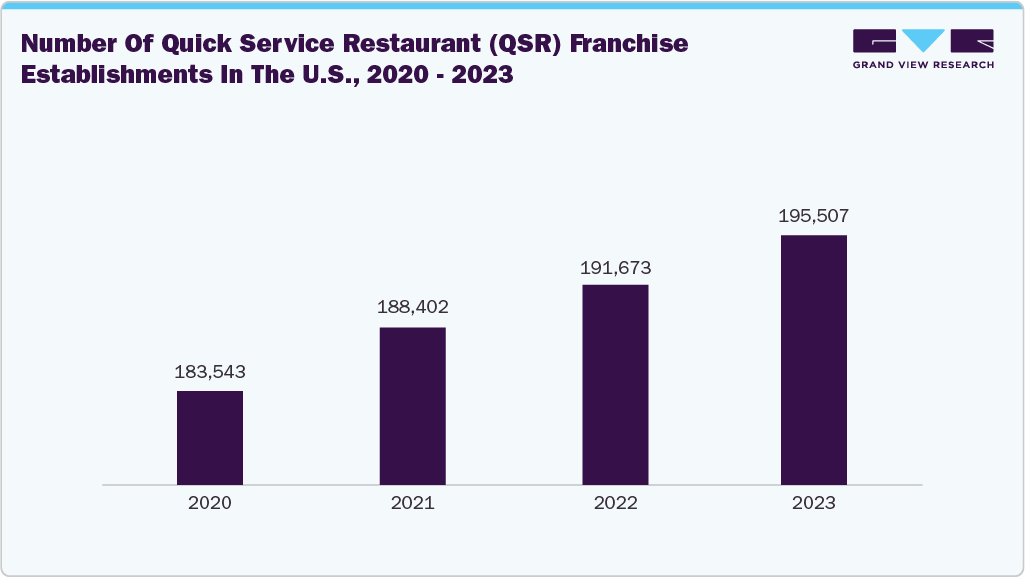
Health-conscious consumers are a major driver of demand, favoring mixes with clean-label ingredients, reduced sugar, and fortified nutritional profiles such as high-fiber, gluten-free, or multigrain variants. The rise of plant-based and allergen-free diets has further encouraged the adoption of specialty bread mixes made from alternative flours such as almond, oat, or quinoa. Consumers in developed regions such as North America and Europe exhibit strong preferences for organic and whole grain options, whereas in emerging markets, affordability and availability are key purchase factors. Moreover, the growing foodservice sector particularly quick-service restaurants (QSRs), cafes, and bakery chains-is fueling demand for ready-to-use bread mixes that ensure consistent quality and reduce preparation time. QSR operators increasingly rely on specialty mixes for premium sandwiches, buns, and artisanal bread offerings, highlighting a strong commercial adoption alongside home consumption.
Another notable trend is the growing influence of online retail and social media on consumer purchase behavior. The increasing popularity of home-baking communities and influencer-led recipe sharing has expanded awareness and trial of premium and artisanal bread mixes. Consumers are also seeking greater product customization, favoring mix variants that allow experimentation with flavors, seeds, and textures. Overall, the bread mix market is witnessing a shift toward health-driven, experience-oriented consumption, blending convenience with creativity, nutritional value, and commercial applicability.
Nature Insights
Based on nature, the conventional segment led the market with the largest revenue share of 85.4% in 2025, driven by its widespread availability, affordability, and consumer familiarity with traditional bread varieties. These mixes are preferred for their consistent texture, neutral flavor, and versatility in producing everyday bread types such as white and whole wheat loaves. Their dominance is further supported by strong demand from both household and commercial bakers, particularly in developed markets where conventional recipes remain staples. Despite rising interest in gluten-free and specialty variants, conventional mixes continue to lead due to established consumer trust and robust retail penetration worldwide.
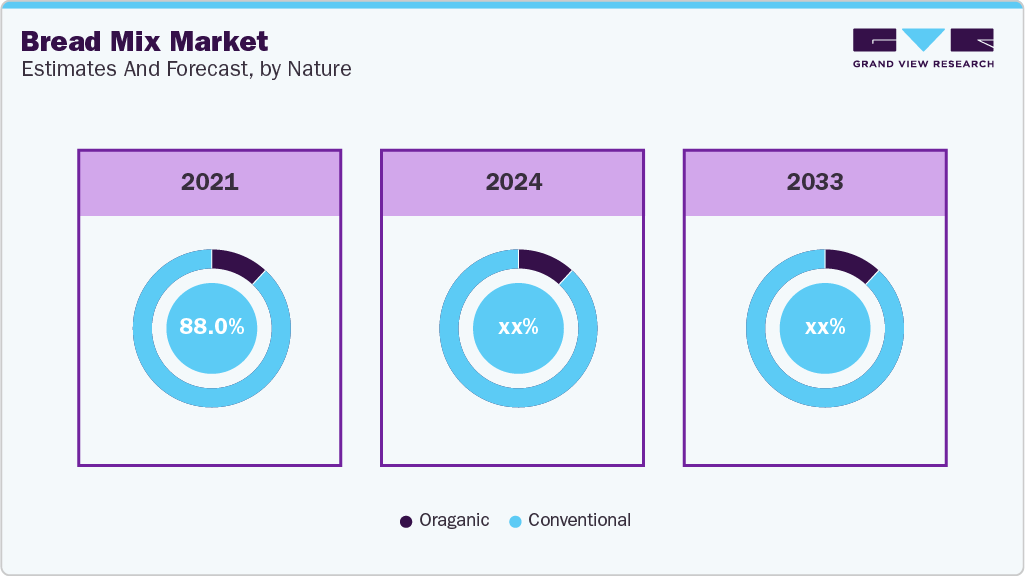
Organic bread mixes are anticipated to grow at a CAGR of 7.8% from 2026 to 2033, owing to rising consumer preference for clean-label, chemical-free, and sustainably sourced ingredients. Growing health consciousness and awareness about the harmful effects of artificial additives are encouraging consumers to shift toward organic alternatives. The segment’s growth is further supported by expanding availability in supermarkets and online platforms, alongside premiumization trends in the bakery sector. Increasing adoption among urban consumers and millennials, who associate organic products with superior quality and nutrition, is also boosting demand. Manufacturers are focusing on innovations using ancient grains, natural sweeteners, and plant-based ingredients to attract eco-conscious buyers.
Type Insights
Based on type, the bread & roll mixes segment led the market with the largest revenue share of 38.4% in 2025. The dominance of bread & roll mixes is attributed to their versatile usage in both household and commercial baking applications, catering to daily consumption patterns. Consumers prefer these mixes for their convenience, consistent quality, and ability to replicate bakery-style freshness at home. The segment also benefits from the growing popularity of artisan-style breads, dinner rolls, and sandwich loaves in foodservice outlets and quick-service restaurants. In addition, innovations in flavor varieties, fortified ingredients, and clean-label formulations have enhanced product appeal, further solidifying bread and roll mixes as a staple choice in the global bread mix market.
Sourdough bread mixes are anticipated to grow at a CAGR of 7.0% over the forecast period. The segment’s growth is driven by increasing consumer preference for natural fermentation and gut-friendly products, as sourdough is perceived to offer better digestibility and enhanced nutritional value. Rising awareness of fermented foods’ health benefits, along with the artisanal bread trend, has made sourdough a popular choice among home bakers and premium bakery chains. The growing availability of ready-to-use sourdough starter mixes and easy-prep kits through online and retail platforms is further supporting demand. Additionally, consumers’ inclination toward authentic, tangy flavors continue to boost the segment’s appeal globally.
Distribution Channel Insights
Based on distribution channel, the food service segment led the market with the largest revenue share of 75.1% in 2025. This dominance is driven by the extensive use of bread mixes in bakeries, cafés, hotels, and quick-service restaurants that rely on ready-to-use mixes for consistent quality and efficiency. The growing demand for freshly baked bread and rolls in commercial establishments, coupled with the expansion of global bakery chains, has significantly supported this segment. In addition, rising consumption of sandwiches, burgers, and artisan breads across foodservice outlets has boosted bulk purchases of bread mixes, ensuring steady market growth within this channel.
The sale of bread mix through the retail channel is anticipated to grow at a CAGR of 6.6% from 2026 to 2033, fueled by the rising popularity of home baking and the growing availability of premium and specialty bread mixes in supermarkets, hypermarkets, and online platforms. Consumers are increasingly seeking convenient, high-quality options that allow them to bake fresh bread at home without professional expertise. The trend of experimenting with artisanal and health-oriented recipes has further driven retail demand. Expanding product visibility through digital marketing and e-commerce platforms is also encouraging brand discovery and impulse purchases among home bakers worldwide.
Regional Insights
The North America bread mix market is expected to grow at a CAGR of 5.9% from 2026 to 2033. North America’s dominance is driven by the strong presence of established bakery brands, high consumer preference for convenience foods, and the increasing adoption of home-baking trends. Rising health awareness has also led to greater demand for clean-label, organic, and gluten-free bread mixes. The U.S. dominates the regional market, supported by widespread retail availability and innovation in artisanal and functional bread varieties. Additionally, the popularity of at-home meal preparation and e-commerce expansion continues to create new opportunities for bread mix manufacturers in North America.
U.S. Bread Mix Market Trends
The bread mix market in the U.S. held the largest share in the North America region in 2025, due to the strong culture of home baking, high consumer spending on convenient and premium bakery products, and the presence of leading global and regional manufacturers. The popularity of ready-to-bake mixes among busy households, coupled with growing interest in artisanal and specialty bread varieties, has supported market growth. Furthermore, widespread product availability across supermarkets, hypermarkets, and online channels, along with continuous innovation in gluten-free and organic formulations, has reinforced the U.S. position as a key contributor to the regional bread mix market.
Europe Bread Mix Market Trends
Europe dominated the bread mix market with the largest revenue share of 35.4% in 2025, supported by the region’s strong baking culture and the widespread consumption of traditional and artisanal breads. Consumers in countries such as Germany, France, and the UK are increasingly adopting bread mixes that offer convenience while maintaining authentic taste and quality. The growing demand for clean-label, organic, and high-fiber variants is further propelling market expansion. Moreover, the rise in home baking trends, especially after the pandemic, and the presence of established bakery mix manufacturers have reinforced Europe’s leading position in the global bread mix industry.
The bread mix market in the UK is expected to grow at a CAGR of 6.3% from 2026 to 2033, due to growing consumer preference for convenient, time-saving baking solutions and an increased interest in home baking during and after the pandemic. UK consumers are drawn to bread mixes that offer consistent quality, easy preparation, and a variety of flavors, including whole grain, artisan, and specialty options. In addition, rising health awareness has boosted demand for bread mixes with clean-label ingredients, high fiber, and reduced sugar or salt content, further supporting the UK’s strong position within the European bread mix market.
Asia Pacific Bread Mix Market Trends
Asia Pacific bread mix market is expected to grow at a CAGR of 7.0% from 2026 to 2033, supported by the growing urban population, rising disposable incomes, and increasing adoption of Western-style bakery products. Busy lifestyles in major cities are driving demand for convenient and ready-to-use bread mixes that save time while offering consistent quality. Additionally, the expansion of modern retail channels, e-commerce platforms, and bakery cafés has made a wide variety of bread mix products more accessible to consumers. Cultural shifts toward home baking and experimentation with international flavors are also contributing to market growth in the region.
Key Bread Mix Company Insights
King Arthur Baking Company.; Sonneveld Group; Continental Mills, Inc; General Mills.; ADM; Bob’s Red Mill Natural Foods; British Bakels; Bäckerei Spiegelhauer.; Seitenbacher America LLC; CSM Ingredients are some of the dominant players operating in the bread mix market. The global bread mix market is characterized by intense competition. Key companies in the bread mix industry primarily focus on innovation, type diversity, and health-centric offerings. They are investing in product development, strategic partnerships, and sustainable packaging to cater to evolving consumer preferences, expand their footprint, and strengthen competitiveness across regions.
Key Bread Mix Companies:
The following key companies have been profiled for this study on the bread mix market.
-
King Arthur Baking Company.
-
Sonneveld Group
-
Continental Mills, Inc
-
General Mills.
-
ADM
-
Bob’s Red Mill Natural Foods
-
British Bakels
-
Bäckerei Spiegelhauer.
-
Seitenbacher America LLC
-
CSM Ingredients
Competitive Benchmarking
Category
Operating Strategies
Competitive Edge
Weakness
Established Players (General Mills, ADM, King Arthur Baking Company, Continental Mills, Inc., British Bakels, CSM Ingredients)
- Expand bread mix portfolios through whole grain, gluten-free, artisan, and specialty baking solutions while strengthening distribution across retail, foodservice, and industrial bakery channels
- Invest in product innovation, ingredient optimization, and clean-label formulations to meet evolving consumer demand for convenience and premium baked goods
- Strong brand recognition, extensive distribution networks, and large-scale manufacturing capabilities
- Advanced R&D expertise and established relationships with commercial bakeries enable consistent product quality and broad market reach
- Exposure to fluctuations in wheat, grain, and ingredient prices, which can impact profitability
- Large operational structures may slow responsiveness to emerging consumer trends and niche baking preferences
Emerging Players (Sonneveld Group, Bob’s Red Mill Natural Foods, Bäckerei Spiegelhauer, Seitenbacher America LLC)
- Focus on premium, organic, artisanal, and health-oriented bread mixes featuring natural ingredients, specialty grains, and clean-label formulations
- Leverage direct-to-consumer channels, specialty retail partnerships, and sustainability-focused branding to attract health-conscious consumers and home bakers
- Greater agility in product development and ability to address niche consumer demands such as gluten-free, organic, and artisan baking
- Strong differentiation through ingredient transparency, premium quality positioning, and specialized baking expertise
- Limited geographic reach and lower production scale compared to multinational ingredient suppliers
- Higher ingredient sourcing costs and constrained marketing resources may limit competitive positioning in mass-market segments
Recent Developments
-
In February 2025, Flowers Foods, Inc. completed the acquisition of Simple Mills, a market-leading natural brand offering premium better-for-you crackers, cookies, snack bars, and baking mixes. This acquisition expands Flowers Foods' portfolio in the natural and organic baking mix segment.
-
In May 2024, Archer Daniels Midland Company completed the acquisition of a specialty ingredients manufacturer in Brazil, expanding its Latin American bread mix offerings. This move enhances ADM's presence in the global bread mix market, particularly in the Latin American region.
-
In March 2024, King Arthur Baking Company introduced a line of premium savory bread mix kits, including Pull-Apart Garlic Bread, Soft & Chewy Pretzel Bites, Crisp & Airy Focaccia, and Perfectly Tender Flatbread. These kits cater to both novice and experienced bakers, emphasizing versatility and convenience in home baking.
-
At Bakery China 2024, Angel Yeast and BakeMark launched more than 40 new products under the BakeMark By Angel brand. The focus was on bakery mixes and icings, including bread mixes for bagels and sourdough, cake mixes, cookie and donut mixes, and a variety of decorative icings.
Bread Mix Market Report Scope
Report Attribute
Details
Market size in 2025
USD 407.5 million
Estimated market size in 2026
USD 430.0 million
Projected market size by 2033
USD 659.3 million
Growth rate
CAGR of 6.3% from 2026 to 2033
Base year for estimation
2025
Historical data
2021 - 2024
Forecast period
2026 - 2033
Quantitative units
Revenue in USD million/billion and CAGR from 2026 to 2033
Report coverage
Revenue forecast, company ranking, competitive landscape, growth factors, and trends
Segments covered
Nature, type, distribution channel, region
Regional scope
North America; Europe; Asia Pacific; Central & South America; Middle East & Africa
Country scope
U.S.; Canada; Mexico; Germany; UK; France; Italy; Spain; China; Japan; India; South Korea; Australia & New Zealand; Brazil; South Africa
Key companies profiled
King Arthur Baking Company.; Sonneveld Group; Continental Mills, Inc; General Mills.; ADM; Bob’s Red Mill Natural Foods; British Bakels; Bäckerei Spiegelhauer.; Seitenbacher America LLC; and CSM Ingredients.
Customization scope
Free report customization (equivalent up to 8 analysts' working days) with purchase. Addition or alteration to country, regional & segment scope.
Pricing and purchase options
Avail customized purchase options to meet your exact research needs. Explore purchase options
Global Bread Mix Market Report Segmentation
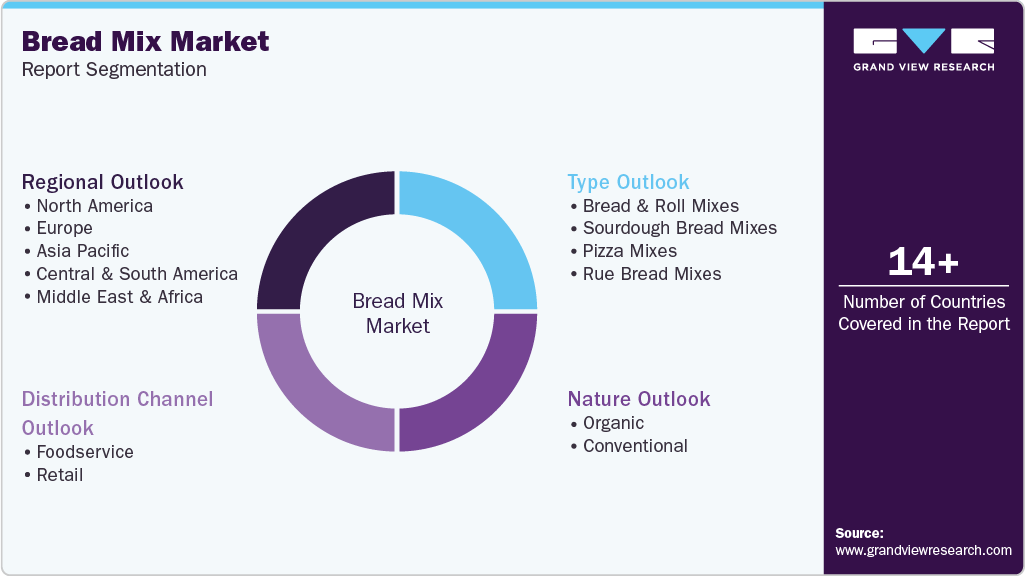
This report forecasts revenue growth at global, regional & country levels and provides an analysis of the latest trends and opportunities in each of the sub-segments from 2021 to 2033. For this study, Grand View Research has segmented the Bread mix market based on nature, type, distribution channel, and region:
-
Nature Outlook (Revenue, USD Million, 2021 - 2033)
-
Organic
-
Conventional
-
-
Type Outlook (Revenue, USD Million, 2021 - 2033)
-
Bread & Roll Mixes
-
Sourdough Bread Mixes
-
Pizza Mixes
-
Rue Bread Mixes
-
-
Distribution Channel Outlook (Revenue, USD Million, 2021 - 2033)
-
Foodservice
-
Retail
-
Supermarkets & Hypermarkets
-
Convenience Store
-
Online
-
Others
-
-
-
Regional Outlook (Revenue, USD Million, 2021 - 2033)
-
North America
-
U.S.
-
Canada
-
Mexico
-
-
Europe
-
UK
-
Germany
-
France
-
Spain
-
Italy
-
-
Asia Pacific
-
China
-
Japan
-
India
-
South Korea
-
Australia & New Zealand
-
-
Central & South America
-
Brazil
-
-
Middle East & Africa
-
South Africa
-
-
Research Methodology
The bread mix market figures in this report are based on a proven research process that combines executive interviews with secondary research from proprietary databases, company filings, and recognized regulatory and institutional sources. Market size is built through value-chain sizing - reconciling supply-side and demand-side estimates - and triangulated with bottom-up and top-down approaches. Every estimate passes multiple levels of expert validation before publication, with each bread mix segment quantified using the revenue-capture definitions in the table below.
Segment Definition
Segment - Nature
Revenue capture definition
Organic
This segment includes the sales of bread mixes formulated with certified organic ingredients.
Conventional
This segment includes the sales of bread mixes made using traditionally sourced non-organic ingredients.
Estimation Model
Bakery Consumer Layer
Market Access Layer
Bread Mix Adoption Layer
Monetisation Layer
Who consumes bread and bakery products?
Who can access bread mix products?
Who actively purchases bread mix products?
How much revenue is generated?
Identifies consumers of bread, rolls, buns, and other bakery products across target markets. Analyzes dietary habits, bakery consumption patterns, convenience preferences, and demand for fresh baked goods to define the potential consumer pool for bread mix products.
Applies region-specific availability through supermarkets, hypermarkets, specialty baking stores, foodservice distributors, and e-commerce platforms to the eligible consumer base. Includes accessibility among commercial bakeries, foodservice operators, and home bakers to estimate the addressable bread mix market.
Apply bread mix penetration rates and user preferences for convenient baking solutions, consistent product quality, time-saving formulations, specialty breads, and clean-label products. Factor in demand from commercial bakeries, restaurants, hotels, cafés, and home baking enthusiasts to convert the addressable market into active users.
Multiply active bread mix users by average annual consumption volumes and spending levels. Add revenue contributions from industrial bakeries, artisanal bakeries, foodservice establishments, retail consumers, specialty bread formulations, and premium baking products to estimate total market revenue.
Delivered Customizations
This report has been delivered with the following In-depth customizations
Client Request
Customization Delivered
Value Adds
Bakery Consumption Trends & Consumer Preference Analysis
Conducted a focused analysis of bread mix demand across white bread, whole wheat bread, multigrain bread, artisan bread, gluten-free bread, and specialty bakery products, covering changing consumer eating habits, convenience-driven baking trends, and demand for premium bakery solutions.
Helps stakeholders identify high-growth product categories, evaluate evolving consumer preferences, and assess commercialization opportunities in the global bakery ingredients market.
Health, Wellness & Functional Baking Trends
Evaluated adoption trends for high-fiber, high-protein, organic, clean-label, gluten-free, fortified, and whole-grain bread mixes, including consumer purchasing behavior, nutritional awareness, digestive health trends, and demand for healthier baked goods.
Provides insights into emerging health and wellness trends, unmet consumer needs, and commercially attractive product segments to support product innovation, formulation development, and portfolio diversification strategies.
Foodservice Expansion, Product Innovation & Market Opportunity Assessment
Assessed demand across commercial bakeries, foodservice establishments, retail consumers, supermarkets, specialty stores, and e-commerce channels, along with trends in ready-to-use baking solutions, premium ingredients, shelf-life enhancement technologies, and customized bread formulations.
Supports investment and expansion strategies by identifying high-potential distribution channels, evaluating adoption opportunities among industrial and retail users, and strengthening long-term growth prospects in the bakery premixes and ingredients industry.
Frequently Asked Questions About This Report
By distribution channel, the food service segment led the market with the largest revenue share of 75.1% in 2025.
Europe dominated the bread mix market with the largest revenue share of 35.4% in 2025.
Asia Pacific is the fastest-growing region in the bread mix market.
The market growth is driven by rising demand for convenience, home-baking, and healthier formulations. Consumers increasingly prefer mixes that are whole grain, gluten-free, organic, or enriched with functional ingredients such as fibre and probiotics.
Some key players operating in bread mix market include King Arthur Baking Company.; Sonneveld Group; Continental Mills, Inc; General Mills.; ADM; Bob’s Red Mill Natural Foods; British Bakels; Bäckerei Spiegelhauer.; Seitenbacher America LLC; and CSM Ingredients.
The global bread mix market size was estimated at USD 407.5 million in 2025 and is expected to reach USD 430.0 million in 2026.
The global bread mix market is expected to grow at a compounded growth rate of 6.3% from 2026 to 2033 to reach USD 659.3 million by 2033.
By nature, the conventional segment led the market with the largest revenue share of 85.4% in 2025.
Based on type, the bread & roll mixes segment led the market with the largest revenue share of 38.4% in 2025.
About the Author(s)
Consumer F&B Research Team
Consumer Goods · Consumer F&BThis report was authored by the consumer f&b research team at Grand View Research - comprising two research analysts, one senior research analyst, and one industry expert - with specialized expertise in the consumer f&b segment of the consumer goods industry. All findings are based on proprietary consumer goods databases, executive interviews, and regulatory analysis, subject to internal peer review prior to publication.
Last Updated:
Speak to Analyst


Customize this report to your needs — add regions, segments, or data points, with 20% free customization.
Or view our licence options:


ISO 9001:2015 & 27001:2022 Certified
We are GDPR and CCPA compliant! Your transaction & personal information is safe and secure. For more details, please read our privacy policy.












