
- Home
- »
- Beauty & Personal Care
- »
-
C-Beauty Products Market Size, Industry Report, 2033GVR Report cover
![C-Beauty Products Market Size, Share & Trends Report]()
C-Beauty Products Market (2026 - 2033) Size, Share & Trends Analysis Report By Product (Skin Care, Hair Care, Color Cosmetics, Perfume/Fragrances), By Type (Conventional, Organic), By Gender, By Distribution Channel, By Region, And Segment Forecasts
- Report ID: GVR-4-68040-896-1
- Number of Report Pages: 80
- Format: PDF
- Historical Range: 2021 - 2025
- Forecast Period: 2026 - 2033
- Industry: Consumer Goods
- Report Summary
- Table of Contents
- Segmentation
- Methodology
- Download FREE Sample
-
 Download Sample Report
C-Beauty Products Market Summary Market Summary
The global C-beauty products market size was estimated at USD 19.82 billion in 2025 and is projected to reach USD 43.41 billion by 2033, growing at a CAGR of 10.3% from 2026 to 2033. Rising preference for natural and traditional ingredients is significantly shaping the market, as consumers increasingly gravitate toward formulations rooted in herbal science and traditional Chinese medicine (TCM), reinforcing market expansion.
Key Market Trends & Insights
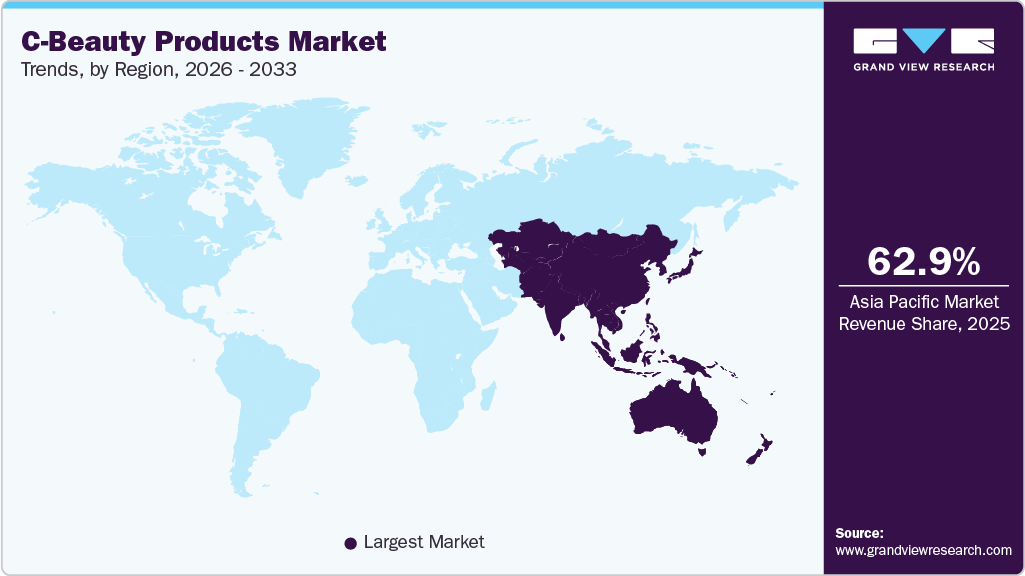
- Asia Pacific accounted for a market share of 62.9% in 2025.
- By type, conventional C-beauty products accounted for a market share of 73.5% in 2025.
- By product, skincare accounted for a market share of 55.0% in 2025.
- By gender, women accounted for a market share of 64.0% in 2025.
- By distribution channel, sales through online/e-commerce accounted for a market share of 43.9% in 2025.
Market Size & Forecast
- 2025 Market Size: USD 19.82 Billion
- 2033 Projected Market Size: USD 43.41 Billion
- CAGR (2026-2033): 10.3%
Chinese beauty brands are actively incorporating ingredients such as ginseng, goji berry, snow mushroom, and licorice root, which are widely recognized for their skin-repairing, brightening, and anti-inflammatory properties. According to insights from China Briefing, China’s cosmetics and personal care market continues to see strong momentum driven by consumer inclination toward “clean,” plant-based, and culturally rooted formulations. This preference is particularly evident among younger consumers who seek products that combine heritage with modern skincare science. As a result, brands are increasingly positioning traditional ingredients within clinically backed formulations, reinforcing trust while differentiating C-beauty offerings in both domestic and international markets.Rapid product innovation and shorter development cycles are accelerating growth across the industry, enabling brands to respond quickly to evolving consumer preferences within the market. Chinese beauty companies are leveraging agile manufacturing capabilities, flexible supply chains, and real-time consumer feedback from digital platforms to launch new products at a significantly faster pace compared to global competitors. Brands frequently introduce limited-edition collections, seasonal variants, and reformulated products within short timeframes, maintaining continuous engagement with consumers. This speed-to-market advantage allows companies to test trends efficiently and scale successful formulations quickly, strengthening their competitive positioning in a highly dynamic beauty landscape.
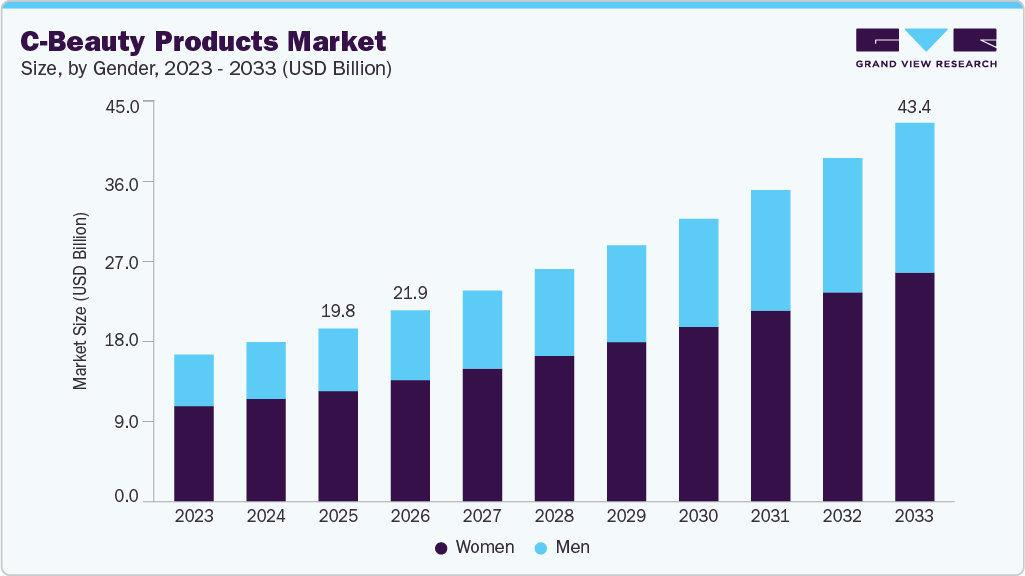
Growing demand for functional and efficacy-driven skincare is further driving market expansion, as consumers increasingly prioritize visible results and ingredient performance over purely aesthetic appeal. Products are now being developed with targeted benefits such as skin barrier repair, anti-pollution protection, brightening, and anti-aging. Chinese consumers, in particular, are becoming more ingredient-aware and are seeking formulations that deliver measurable outcomes supported by dermatological insights. This shift is encouraging brands to invest in research and development, clinical testing, and ingredient transparency, leading to a stronger focus on performance-led skincare solutions that align with evolving consumer expectations.
Integration of beauty technology and AI-driven personalization is transforming how C-beauty brands engage with consumers and develop products across the market. Companies are increasingly using artificial intelligence, skin analysis tools, and data-driven platforms to recommend personalized skincare routines and product combinations. Smart beauty devices, virtual try-on technologies, and AI-powered diagnostic tools are being integrated across both online and offline retail environments, enhancing the consumer experience. This technology-driven approach allows brands to collect detailed consumer insights, refine formulations, and deliver highly customized solutions, reinforcing customer loyalty and improving product efficacy alignment.
Rising global acceptance and export expansion of Chinese brands are significantly contributing to the international market growth, supported by strong export performance and increasing domestic market strength. According to insights from BurdaLuxury, Chinese cosmetics exports exceeded USD 6.5 billion in 2024, reflecting steady expansion into overseas markets. At the same time, domestic brands have strengthened their competitive position, accounting for over 50% share of China’s cosmetics market, indicating rising consumer trust and brand maturity. The market is also becoming more competitive and innovation-led, with only around 12% of Chinese beauty brands founded between 2016 and 2020 surviving beyond five years, highlighting the intensity of competition and the importance of differentiation. This combination of export growth, strong domestic leadership, and market consolidation is enabling leading brands such as Perfect Diary and Florasis to scale internationally across Southeast Asia, Europe, and North America through digital-first strategies and culturally differentiated positioning, reinforcing the shift of C-beauty toward a globally recognized, performance-driven category.
Strong influence of social commerce and digital ecosystems continues to play a central role in driving demand within the market. Platforms such as Douyin, Xiaohongshu, and Taobao are deeply integrated into the consumer purchase journey, enabling seamless product discovery, education, and instant buying. Live-streaming, influencer collaborations, and user-generated content significantly impact purchasing decisions, often driving rapid product sell-outs within hours of launch. This digitally connected ecosystem allows brands to communicate directly with consumers, gather immediate feedback, and refine marketing strategies in real time, making social commerce a critical growth engine for C-beauty products globally and further strengthening the market.
Brand Market Share Insights
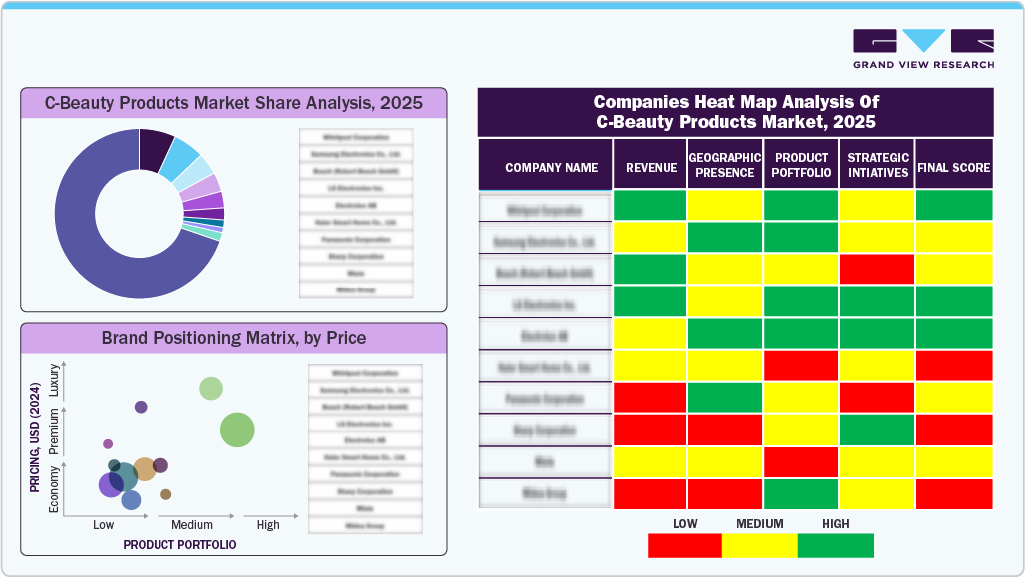
The global market is highly competitive, driven by strong domestic brands and rising international expansion. Leading companies such as Proya Cosmetics, Shanghai Jahwa United Co., Ltd., Yatsen Holding Limited, Florasis, and Chicmax are strengthening their positions through digital-first strategies, strong domestic distribution, and continuous product innovation. Brands are investing in advanced formulations that combine traditional Chinese ingredients with modern skincare science, while emerging players gain traction through ingredient-focused positioning and culturally distinctive branding. The influence of platforms like Douyin and Xiaohongshu is intensifying competition by enabling rapid product launches and real-time consumer engagement. In addition, cross-border e-commerce and direct-to-consumer channels are accelerating global expansion, positioning C-beauty as an increasingly competitive segment in the global market.
Consumer Insights
Chinese consumers, particularly Gen Z and millennial groups, actively evaluate formulations for specific outcomes such as hydration, brightening, oil control, and skin barrier repair before selecting products. This has led to strong demand for formulations that combine traditional Chinese ingredients such as ginseng, snow mushroom, and lotus with clinically supported actives, creating a balance between heritage-driven appeal and modern performance. Multifunctional products, including essences, serums, and hybrid treatments, are gaining popularity as consumers prefer solutions that address multiple skin concerns within a simplified routine. At the same time, the growing preference for clean beauty and ingredient transparency is shaping buying behavior, with consumers prioritizing clearly labeled formulations, minimal additives, and products designed for sensitive skin. This shift is also contributing to the rise of “skinimalism,” where fewer but more effective products are preferred, increasing demand for high-performance, ingredient-focused skincare offerings across both mass and premium segments.
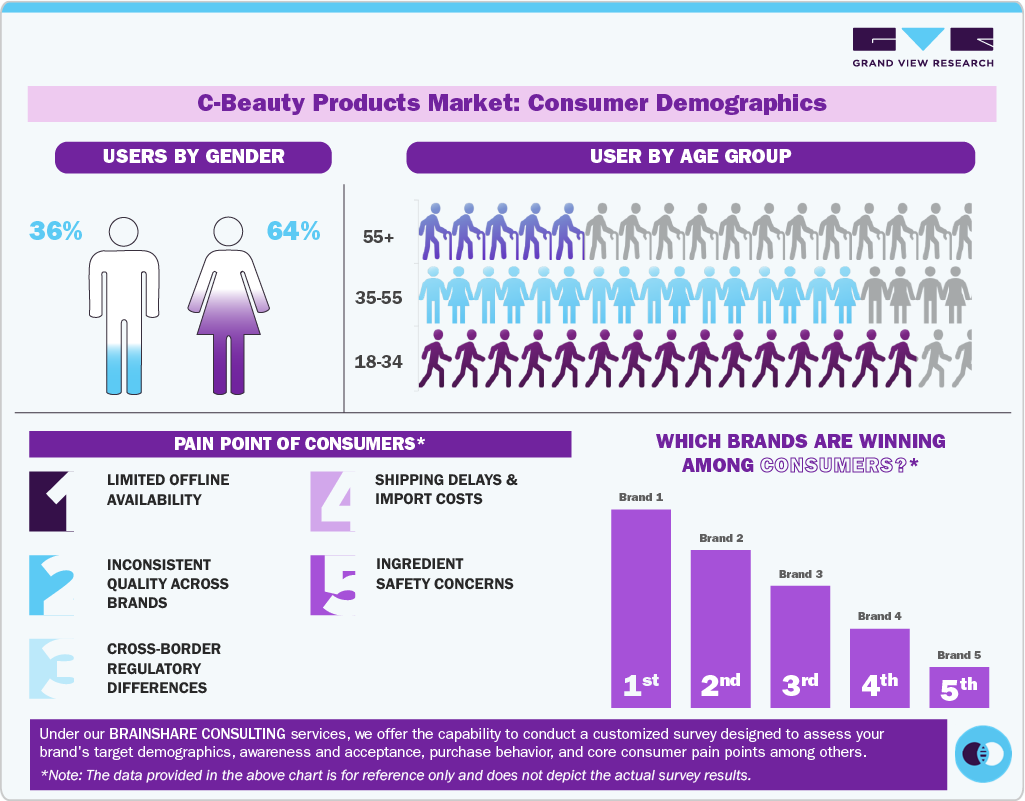
Digital ecosystems are playing a critical role in influencing consumer preferences and accelerating product adoption within the market. Platforms such as Xiaohongshu and Douyin have become central to product discovery, ingredient education, and peer-driven validation, where consumers rely heavily on influencer content, real-user reviews, and dermatology-focused discussions before making purchase decisions. This digital influence has significantly increased expectations for transparency, visible results, and rapid product innovation, encouraging brands to continuously refine formulations and launch new products aligned with trending ingredients and skincare concerns. In addition, scientific credibility is becoming a key factor in building consumer trust, as buyers increasingly favor products supported by research, testing, and proven efficacy claims. Brands are therefore investing in advanced R&D, clinical validation, and technology-driven personalization to deliver targeted skincare solutions.
Product Insights
Skin care products accounted for the largest market share of 55.0% in 2025, driven by strong consumer preference for traditional Chinese ingredient-based formulations combined with modern skincare science in the market. Creams, serums, and essences are widely adopted due to their ease of integration into multi-step daily routines, supporting consistent and long-term usage. These formats enable effective delivery of herbal ingredients such as ginseng, pearl extract, and snow fungus, which are valued for hydration, brightening, and skin-repair benefits. C-beauty brands emphasize gentle, skin-balancing formulations rooted in traditional practices while ensuring visible results, reinforcing widespread adoption across diverse consumer groups and strengthening category dominance globally.
The demand for c-beauty color cosmetics is anticipated to grow at a CAGR of 11.8% from 2026 to 2033, driven by increasing demand for makeup products that combine aesthetic appeal with skin-enhancing benefits in the market. Lightweight formulations such as cushions, lip tints, and liquid foundations are designed to deliver natural-looking coverage while incorporating skincare ingredients like herbal extracts and hydrating agents. These products integrate easily into daily beauty routines, appealing to consumers seeking convenience and multifunctionality. Growing influence from social media trends, KOL-driven beauty content, and rising interest in expressive yet skin-friendly makeup are encouraging brands to expand color cosmetic portfolios. In addition, the strong growth of e-commerce platforms, cross-border beauty retail, and continuous product innovation are further supporting the rapid expansion of this segment during the forecast period.
Type Insights
Conventional c-beauty products accounted for 73.5% of the market in 2025, driven by strong consumer preference for widely trusted formulations that balance effectiveness with everyday skin compatibility. These products are commonly used for routine skincare concerns such as hydration, brightening, oil control, and maintenance of overall skin health, making them suitable for consistent daily use. Consumers prefer conventional formulations due to their familiarity, affordability, and lower perceived risk of irritation compared to specialized or active-heavy alternatives. In addition, these products are widely available across multiple formats, including creams, lotions, cleansers, and serums, allowing easy integration into existing skincare routines and reinforcing their dominant position in the global market.

Organic C-beauty products are expected to grow at a CAGR of 11.7% from 2026 to 2033, driven by increasing consumer preference for natural, plant-based formulations that align with clean beauty and skin wellness trends. These products typically incorporate traditional Chinese botanical ingredients such as ginseng, green tea, and lotus extracts, which are perceived as gentle and suitable for sensitive skin, strengthening consumer trust and adoption. Organic formulations are commonly positioned as safer alternatives to synthetic products, offering skin-nourishing and long-term care benefits without harsh chemicals. In addition, expanding availability through e-commerce platforms, specialty beauty retailers, and brand-owned digital channels is improving accessibility to organic skincare solutions.
Gender Insights
The demand for women’s c-beauty products accounted for a market share of 64.0% in 2025, driven by the increasing influence of social media beauty trends, KOL-led product recommendations, and rising consumer interest in personalized skincare solutions. Women are actively exploring products that align with specific skin goals such as glow enhancement, pore refinement, and hydration layering, encouraging higher product experimentation and category engagement. In addition, the growing availability of innovative formats such as essence-based serums, ampoules, and hybrid skincare-makeup products is supporting frequent purchases and routine expansion.
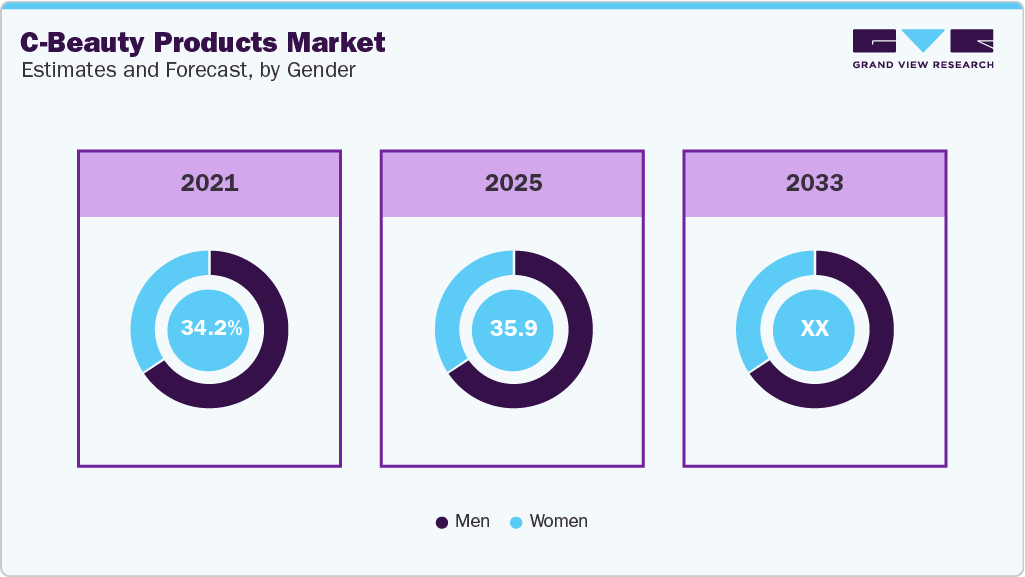
The demand for c-beauty products among men is expected to grow at a CAGR of 11.6% from 2026 to 2033, supported by increasing focus on grooming, skin maintenance, and appearance-conscious lifestyles among male consumers. Men are increasingly adopting simplified yet effective skincare routines to address concerns such as oil control, hydration, dullness, and post-shave sensitivity, driving demand for easy-to-use formulations. As awareness of traditional Chinese ingredient benefits grows, products infused with herbal extracts and lightweight textures are gaining traction for their suitability in daily use.
Distribution Channel Insights
The sale of c-beauty products through online/e-commerce channels accounted for 43.9% in 2025, driven by the rapid expansion of cross-border beauty commerce and increasing global accessibility of Chinese skincare brands through digital marketplaces. Consumers are actively purchasing C-beauty products online to access exclusive launches, limited-edition formulations, and niche brands that are not widely available in physical retail stores. Seamless logistics, faster delivery options, and secure payment systems are further improving the online shopping experience. In addition, the rise of livestream commerce, brand-hosted digital events, and direct-to-consumer platforms is strengthening consumer engagement and accelerating online conversion rates.
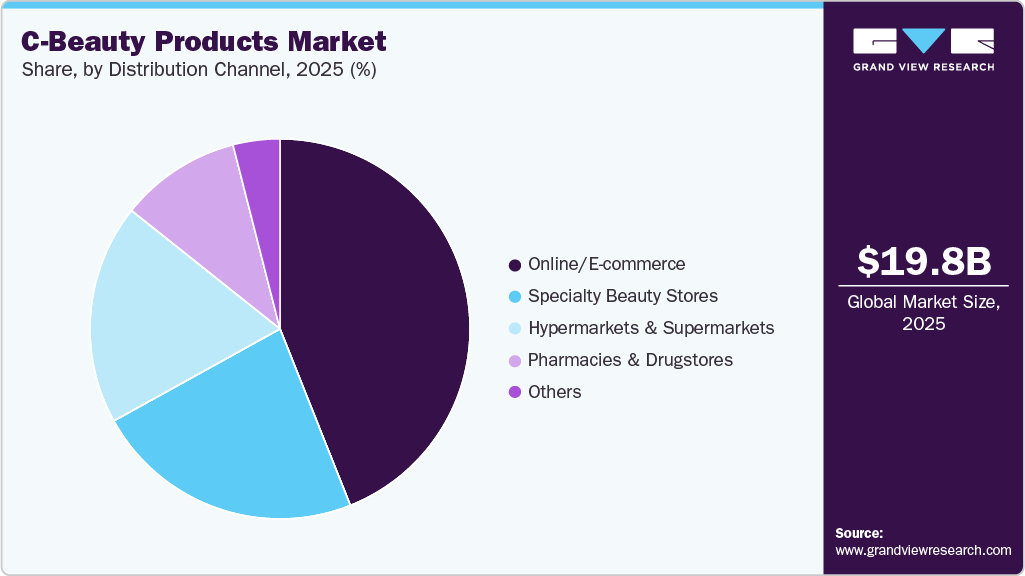
The sale of C-beauty products through specialty beauty stores is expected to grow at a CAGR of 22.9% from 2026 to 2033, driven by the rapid expansion of C-beauty branded retail outlets and dedicated store formats across domestic and international markets. Chinese beauty brands are increasingly investing in standalone stores and shop-in-shop concepts to strengthen offline presence and improve brand visibility. These specialty stores offer immersive experiences through product demonstrations, skin analysis services, and guided consultations, encouraging consumers to explore and purchase with greater confidence. In addition, expansion into high-traffic shopping malls and premium retail locations, along with exclusive in-store product availability, is attracting new consumers and supporting higher conversion rates.
For instance, in February 2024, Florasis introduced its “Nomadic Glam” collection through a pop-up at @cosme Tokyo, marking a key step in its expansion within the Japanese beauty market. The range includes products such as eyeshadow palettes, liquid lipsticks, and foundation, inspired by natural landscapes and nomadic cultural elements, while combining traditional Chinese botanical ingredients with modern cosmetic technology. With this launch, the brand aims to strengthen its global presence by blending cultural storytelling with innovation and appealing to consumers seeking distinctive, heritage-driven beauty products.
Regional Insights
North America C-beauty products market is expected to grow at a CAGR of 12.2% from 2026 to 2033. The industry is driven by increasing consumer curiosity toward international beauty trends and rising adoption of Asian skincare philosophies focused on hydration, layering, and skin balance. Consumers in the region are actively exploring C-beauty products that incorporate traditional Chinese ingredients such as ginseng, green tea, and herbal extracts, supported by growing awareness through social media and beauty influencers. The expansion of cross-border e-commerce platforms and partnerships with global retailers is improving product accessibility across the United States and Canada. In addition, rising demand for clean-label, plant-based formulations and innovative product formats is encouraging C-beauty brands to strengthen their presence in the region.
U.S. C-Beauty Products Market Trends
The C-beauty products market in the U.S. accounted for a revenue share of around 87.4% on the North America market in 2025. The U.S. market is driven by rising consumer interest in globally inspired beauty trends and aesthetically differentiated product offerings. U.S. consumers are increasingly engaging with C-beauty brands that combine visually distinctive packaging with functional skincare and makeup formulations, supported by strong influence from social media and digital beauty communities.
For instance, in December 2025, Flower Knows expanded its U.S. presence through a retail launch with Ulta Beauty, introducing its fairytale-inspired makeup collections featuring products such as blushes, eyeshadow palettes, and lip products. The brand emphasizes ornate packaging, storytelling-led themes, and high-performance formulations, targeting consumers seeking visually distinctive and collectible beauty products. With this expansion, the company aims to strengthen its footprint in the U.S. market while leveraging the growing demand for expressive and design-led cosmetics. In addition, expanding distribution partnerships, rising demand for unique product formats, and increasing visibility across online and offline channels are strengthening market penetration, supporting the continued market growth in the U.S.
Canada C-beauty products market is expected to grow at a CAGR of 11.3% from 2026 to 2033. The market is driven by increasing consumer interest in holistic skincare approaches that emphasize skin balance, hydration, and long-term wellness. Canadian consumers are gradually adopting C-beauty products that incorporate traditional Chinese botanical ingredients such as ginseng, green tea, and herbal extracts, supported by growing awareness through digital platforms and global beauty trends. Many consumers prefer gentle, plant-based formulations that align with clean beauty preferences and are suitable for sensitive skin conditions.
Europe C-Beauty Products Market Trends
The C-beauty products market in Europe accounted for a revenue share of 13.4% in 2025. The market is driven by increasing consumer interest in international beauty trends and growing adoption of Asian skincare philosophies centered on hydration, layering, and skin balance. Consumers across key markets such as France, Germany, Italy, Spain, and the UK are actively exploring C-beauty products that incorporate traditional Chinese botanical ingredients and culturally inspired formulations. The region is also witnessing rising demand for clean-label, plant-based, and sustainability-focused beauty products, aligning well with C-beauty positioning. In addition, the expanding presence of C-beauty brands through online platforms, specialty retailers, and cross-border e-commerce is improving accessibility.
The UK C-beauty products market accounted for a revenue share of around 22.7% in 2025. The market is driven by growing consumer inclination toward globally influenced beauty routines and rising experimentation with Asian skincare formats. Consumers in the UK are increasingly exploring C-beauty products that emphasize hydration layering, skin barrier care, and the use of traditional Chinese botanical ingredients. The market is also supported by strong engagement with digital beauty content, influencer-led product discovery, and demand for visually distinctive and innovative formulations.
The C-beauty products market in Germanyis expected to grow at a CAGR of 10.8% from 2026 to 2033. The market is driven by increasing consumer preference for natural, plant-based skincare solutions that align with clean beauty and sustainability trends. German consumers are showing growing interest in C-beauty products that incorporate traditional Chinese herbal ingredients such as ginseng, green tea, and botanical extracts, particularly those positioned as gentle and suitable for sensitive skin. The market is also supported by rising awareness of holistic skincare routines focused on hydration, skin barrier support, and long-term skin health.
Asia Pacific C-Beauty Products Market Trends
The C-beauty products market in the Asia Pacific accounted for a revenue share of around 62.9% of the global market in 2025. The market is driven by rapid urbanization, rising disposable incomes, and increasing spending on personal care and beauty across emerging economies. A large and digitally connected consumer base is accelerating product discovery and adoption through social media platforms, livestream commerce, and mobile-first shopping behaviors. The region also benefits from strong manufacturing capabilities and integrated supply chains in China, enabling faster product development, cost efficiency, and large-scale distribution. In addition, growing investments by domestic brands in branding, product innovation, and retail expansion across both online and offline channels are supporting widespread market penetration.
China C-beauty products marketaccounted for a revenue share of around 24.7% on the Asia Pacific market in 2025. The market is driven by strong domestic brand presence and high consumer engagement with local beauty innovations. Chinese consumers adopt C-beauty products that blend traditional herbal knowledge with modern formulations, supported by growing trust in homegrown brands. The market is further fueled by the rapid expansion of digital commerce ecosystems, including livestream shopping and social commerce platforms, which accelerate product discovery and purchasing.
The C-beauty products market in India is expected to grow at a CAGR of 11.8% from 2026 to 2033. The market is driven by increasing consumer exposure to global beauty trends and rising adoption of multi-step skincare routines among urban populations. Indian consumers are showing growing interest in C-beauty products that emphasize hydration, skin barrier care, and the use of traditional botanical ingredients, supported by influence from social media and beauty influencers. The market is also benefiting from the expanding availability of international brands through cross-border e-commerce platforms and online marketplaces. In addition, rising disposable incomes, increasing beauty consciousness among younger consumers, and demand for innovative yet affordable skincare solutions are supporting strong market growth.
Central & South America C-Beauty Products Market Trends
The C-beauty products market in CSA is expected to grow at a CAGR of 10.7% from 2026 to 2033. The market is driven by rising consumer interest in affordable yet innovative skincare solutions influenced by global beauty trends. Consumers across countries such as Brazil, Mexico, and Chile are increasingly exploring C-beauty products that offer hydration-focused routines, lightweight textures, and multifunctional benefits suited to warm climates. The market is also supported by growing digital engagement, where social media platforms and beauty influencers are accelerating awareness and trial of international brands. In addition, expanding access through cross-border e-commerce, regional online marketplaces, and partnerships with local distributors is improving product availability.
Middle East & Africa C-Beauty Products Market Trends
The C-beauty products market in the MEA is expected to grow at a CAGR of 9.6% from 2026 to 2033. The market is driven by a young and expanding consumer base with rising interest in skincare experimentation and new international beauty formats. Increasing participation of women in the workforce and higher disposable incomes are encouraging greater spending on personal care and beauty products. The region is also witnessing growth in travel retail and duty-free channels, where C-beauty brands are gaining visibility among international shoppers. In addition, the ongoing expansion of modern retail infrastructure, including shopping malls and organized beauty chains, is supporting product accessibility and driving consistent market growth across the region.
Key C-Beauty Products Companies:
The following key companies have been profiled for this study on the C-Beauty products market.
- Florasis
- Perfect Diary
- Judydoll
- Colorkey
- Joocyee
- Into You
- Kaleidos Makeup
- Girlcult
- Flower Knows
- Proya
- Winona
- Chando
- Pechoin
- Inoherb
- Dr. Yu (Dr. Yu Skincare)
Recent Developments
-
In November 2025, L'Oréal acquired a minority stake in Chinese skincare brand Lan, marking its second recent investment in the country following an earlier stake in Chando. The move reflects the company’s strategy to strengthen its position in China, where domestic “C-beauty” brands are rapidly gaining market share and intensifying competition for global players. By partnering with established local brands known for fast innovation and strong regional reach, L’Oréal aims to better align with evolving consumer preferences while expanding its presence in the mass skincare segment.
-
In July 2025, Joocyee opened its first international flagship store in Singapore at Wisma Atria, marking a key step in its global expansion strategy. The boutique features the brand’s full makeup portfolio along with exclusive product launches, expanded shade ranges, and a curated retail experience designed to engage international consumers. Through this move, the brand aims to strengthen its offline presence, build closer consumer connections, and leverage Singapore as a strategic hub for further growth across Southeast Asia.
C-Beauty Products Market Report Scope
Report Attribute
Details
Market size value in 2026
USD 21.91 billion
Revenue forecast in 2033
USD 43.41 billion
Growth rate
CAGR of 10.3% from 2026 to 2033
Historical data
2021 - 2025
Forecast period
2026 - 2033
Quantitative units
Revenue in USD million/billion and CAGR from 2026 to 2033
Report coverage
Revenue forecast, company ranking, competitive landscape, growth factors, and trends
Segments covered
Product, type, gender, distribution channel, region
Regional scope
North America; Europe; Asia Pacific; CSA; MEA
Country scope
U.S.; Canada; Mexico; Germany; UK; France; Italy; Spain; China; India; Japan; Australia & New Zealand; South Korea; Brazil; South Africa
Key companies profiled
Florasis; Perfect Diary; Judydoll; Colorkey; Joocyee; Into You; Kaleidos Makeup; Girlcult; Flower Knows; Proya; Winona; Chando; Pechoin; Inoherb; Dr. Yu (Dr. Yu Skincare)
Customization scope
Free report customization (equivalent up to 8 analysts working days) with purchase. Addition or alteration to country, regional & segment scope.
Pricing and purchase options
Avail customized purchase options to meet your exact research needs. Explore purchase options
Global C-Beauty Products Market Report Segmentation
This report forecasts revenue growth at global, regional & country levels and provides an analysis of the latest trends and opportunities in each of the sub-segments from 2021 to 2033. For this study, Grand View Research has segmented the global C-beauty products market based on product, type, gender, distribution channel, and region:
-
Product Outlook (Revenue, USD Million, 2021 - 2033)
-
Skin Care
-
Face Skin Care
-
Lotions, Face Creams, & Moisturizers
-
Cleansers & Face Wash
-
Facial Serums
-
Sunscreen/Sun Care
-
Sheet Face Masks
-
Others (Scrub, etc.)
-
-
Body Skin Care
-
Hair Removal Products
-
Lotions, Creams, & Moisturizers
-
Body Sunscreen/Sun Care
-
Body Scrub
-
Others (Serum, Oils, etc.)
-
-
-
Hair Care
-
Shampoo
-
Conditioner
-
Oils
-
Serums
-
Others (Hair Masks, Peels, Etc.)
-
-
Color Cosmetics
-
Face Color Cosmetics
-
Foundation
-
Concealer
-
Blush and Bronzer
-
Powder
-
Others (Highlighter, etc.)
-
-
Lip Color Cosmetics
-
Lipstick
-
Lip Liner
-
Lip Gloss
-
Lip Tint
-
Others (Lip Powder, Plummer, etc.)
-
-
Eye Color Cosmetics
-
Eye Shadow
-
Eyeliner
-
Mascara
-
Eye Pencil
-
False Eyelashes
-
Others (Eye Primer, etc.)
-
-
Nail Color Cosmetics
-
-
Perfume/Fragrances
-
-
Type Outlook (Revenue, USD Million, 2021 - 2033)
-
Conventional
-
Organic
-
-
Gender Outlook (Revenue, USD Million, 2021 - 2033)
-
Men
-
Women
-
-
Distribution Channel Outlook (Revenue, USD Million, 2021 - 2033)
-
Supermarkets & Hypermarkets
-
Pharmacies & Drugstores
-
Specialty Beauty Stores
-
Online / E-Commerce
-
Others (Dept. Stores, etc.)
-
-
Regional Outlook (Revenue, USD Million, 2021 - 2033)
-
North America
-
U.S.
-
Canada
-
Mexico
-
-
Europe
-
Germany
-
UK
-
France
-
Italy
-
Spain
-
-
Asia Pacific
-
China
-
India
-
Japan
-
Australia & New Zealand
-
South Korea
-
-
Central & South America
-
Brazil
-
-
Middle East & Africa
-
South Africa
-
-
Frequently Asked Questions About This Report
b. The global C-beauty products market size was estimated at USD 19.82 billion in 2025 and is expected to reach USD 21.91 billion in 2026.
b. The global C-beauty products market is expected to grow at a compound annual growth rate of 10.3% from 2026 to 2033 to reach USD 43.41 billion by 2033.
b. Skin care products accounted for the largest market share of 55.0% in 2025, due to strong consumer focus on daily routines centered around hydration, brightening, and skin maintenance. High product usage frequency, wide product variety, and continuous innovation using traditional ingredients combined with modern formulations continue to drive segment dominance
b. Some key players operating in the global C-beauty products market include Florasis; Perfect Diary; Judydoll; Colorkey; Joocyee; Into You; Kaleidos Makeup; Girlcult; Flower Knows; Proya; Winona; Chando; Pechoin; Inoherb; Dr. Yu (Dr. Yu Skincare)
b. The global C-beauty products market is driven by strong domestic demand supported by rising disposable incomes and high engagement with beauty trends on social media platforms. Rapid product innovation, integration of traditional Chinese ingredients with modern formulations, and expanding e-commerce and live-stream retail channels are further accelerating market growth


Share this report with your colleague or friend.
Need a Tailored Report?
Customize this report to your needs — add regions, segments, or data points, with 20% free customization.


ISO 9001:2015 & 27001:2022 Certified
We are GDPR and CCPA compliant! Your transaction & personal information is safe and secure. For more details, please read our privacy policy.
Trusted market insights - try a free sample
See how our reports are structured and why industry leaders rely on Grand View Research. Get a free sample or ask us to tailor this report to your needs.













