
- Home
- »
- Pharmaceuticals
- »
-
Cancer Cachexia Market Size, Share, Industry Report, 2033GVR Report cover

Cancer Cachexia Market (2025 - 2033) Size, Share & Trends Analysis Report By Treatment (Appetite Stimulants, Corticosteroids), By Type (Lung Cancer, Colorectal Cancer), By Distribution Channel, By Region, And Segment Forecasts
Market Size, 2024
$2.5BMarket Estimate, 2026
$2.7BMarket Forecast, 2033
$3.9BCAGR, 2025–2033
4.9%Cancer Cachexia Market Summary
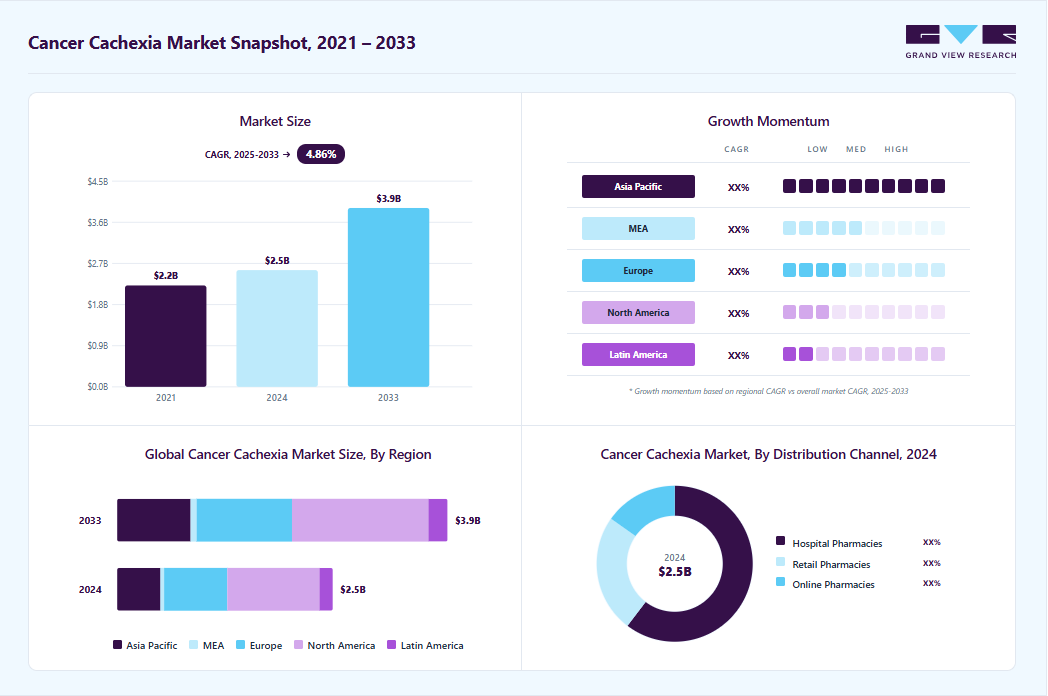
The global cancer cachexia market size was estimated at USD 2.54 billion in 2024 and is projected to reach USD 3.90 billion by 2033, growing at a CAGR of 4.86% from 2025 to 2033. The rising cancer incidence and more patients with cachexia, and growing recognition of cachexia’s clinical & economic impact, drive the market.
 Source: Grand View Research, IR Documents, Primary Interviews, Paid DatabasesTo learn more about this report,
 Download Free Sample Report
 Key Market Trends & Insights
- The North America cancer cachexia market held the largest share of 42.73% of the global market in 2024.
- The cancer cachexia industry in the U.S. is expected to grow significantly over the forecast period.
- By treatment, the appetite stimulants segment held the highest market share of 47.98% in 2024.
- By type, the lung cancer segment held the highest market share in 2024.
- By distribution channel, the hospital pharmacies segment held the highest market share in 2024.
Market Size & Forecast
- 2024 Market Size: USD 2.54 Billion
- 2033 Projected Market Size: USD 3.90 Billion
- CAGR (2025-2033): 4.86%
- North America: Largest market in 2024
- Asia Pacific: Fastest growing market
Three ways to get this report
Buy it, customize it, or ask a question.Ask an Analyst
A direct answer, usually in 1 working day
- AccessReport author, directly
- Reply timeWithin 1 working day
- No sales callDirect answer only
- FormatEmail reply
- CostFree, no cost
Get the Full Report
What the study covers
- FormatsPDF · Excel · Dashboard
- Timeline2025–2033 annual, 2024 base
- Coverage20+ countries, 5 regions
- Companies10+ key players profiled
Customize the Report
20% free customization
- IncludeCountries, segments, points
- TailorTo your product definition
- ExtendDeeper competitor detail
- OrA fully bespoke study
- Turnaround5–10 working days
According to a report published by NIH in November 2023, Cancer-related cachexia affects up to 74% of cancer patients. It is directly responsible for 20-30% of cancer deaths, making it the main cause of death in 22-30% of cases. The increasing focus on supportive care in oncology is also driving market growth. However, increasing healthcare spending and improving access to cancer care in emerging markets are helping expand the potential customer base. As more patients receive cancer diagnoses and treatment worldwide, the need for cachexia management grows, which is expected to drive the growth of the cancer cachexia industry.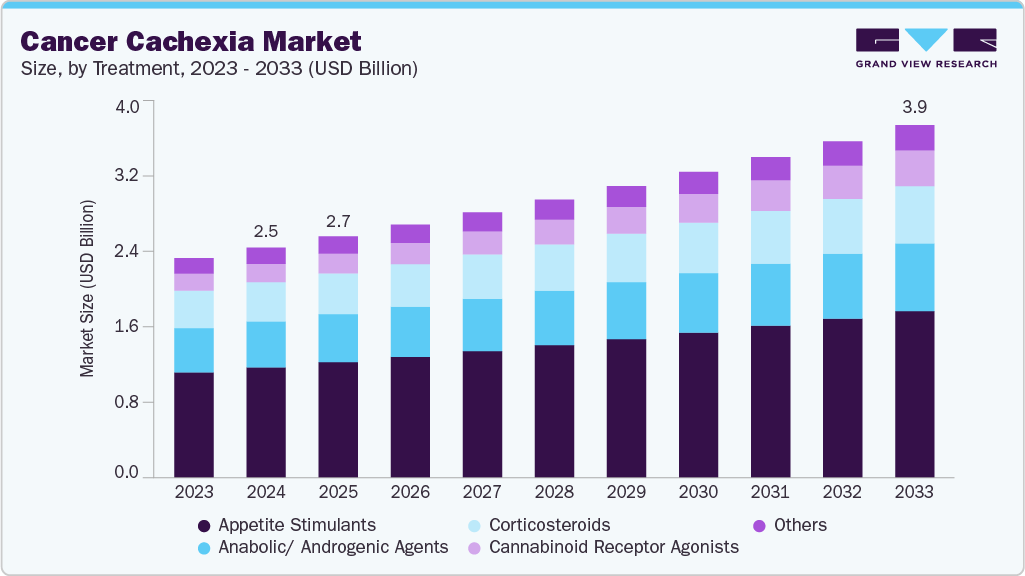 To learn more about this report, Download Free Sample Report
 Market Dynamics
The rising prevalence of advanced-stage cancer worldwide is a major factor driving the growth of the cancer cachexia industry. Cancer cachexia is a complex metabolic condition commonly associated with lung, pancreatic, gastric, colorectal, and head and neck cancers. It leads to severe muscle waste, fatigue, weakness, appetite loss, and declining physical function, significantly affecting patient survival and quality of life. As global cancer incidence continues to increase, the demand for supportive care therapies and nutritional interventions is also growing rapidly. Healthcare providers are increasingly focusing on treatments that improve body weight maintenance, muscle preservation, and tolerance to chemotherapy and immunotherapy. In addition, increasing awareness regarding early diagnosis and multidisciplinary cachexia management is accelerating market expansion. For instance, in January 2025, Actimed Therapeutics Ltd. reported positive Phase IIa clinical data for its cancer cachexia candidate ATL-104, where patients demonstrated improvements in lean body mass and physical activity during the 12-week study period, supporting the growing development of targeted cachexia therapies.
The cancer cachexia industry faces significant challenges due to the limited availability of approved therapies and the complex multifactorial nature of the disease. Cancer cachexia involves metabolic abnormalities, systemic inflammation, muscle degradation, and appetite loss, making treatment highly difficult and inconsistent across patient populations. Existing treatment approaches mainly focus on nutritional support and symptom management rather than complete disease reversal, which limits long-term therapeutic effectiveness. In addition, the absence of standardized diagnostic criteria and low awareness regarding early-stage cachexia frequently delay treatment initiation. Regulatory challenges and high clinical trial failure risks further restrict the development of novel therapies. Many pharmaceutical companies continue to struggle with demonstrating meaningful improvements in body weight, muscle mass, physical performance, and overall survival during clinical evaluations. For instance, in March 2025, Pfizer Inc. highlighted that no therapies had yet received regulatory approval specifically for cancer cachexia despite ongoing late-stage clinical research, underscoring the persistent scientific and regulatory barriers in the market.
The growing focus on targeted therapies and combination treatment approaches is creating significant growth opportunities in the cancer cachexia industry. Pharmaceutical and biotechnology companies are increasingly investing in therapies that address multiple pathways involved in cachexia, including inflammation, muscle wasting, metabolic dysfunction, and appetite regulation. Advances in biologics, anabolic agents, ghrelin receptor agonists, and anti-inflammatory drugs are improving the potential for more effective disease management. In addition, rising clinical research activities and collaborations between oncology and supportive care specialists are accelerating innovation in this field. The increasing emphasis on improving patient quality of life, physical function, and treatment tolerance is further supporting market expansion. Emerging precision medicine approaches and biomarker-based therapies are also expected to create new opportunities for personalized cachexia treatment strategies. For instance, in February 2026, Actimed Therapeutics Ltd. announced continued advancement of its cancer cachexia therapy ATL-104 into expanded clinical evaluation after earlier studies demonstrated improvements in lean body mass and patient physical activity, highlighting growing industry investment in targeted cachexia therapeutics.
Market Concentration & Characteristics
The cancer cachexia industry is characterized by moderate to high innovation, driven by the need for targeted therapies addressing muscle wasting and metabolic imbalance. Companies are focusing on novel drug development, including anabolic agents, anti-inflammatory treatments, and appetite stimulants. Advanced clinical trials are exploring combination therapies to improve patient outcomes. Investment in research for biomarkers and personalized interventions supports innovative solutions. This focus on innovation differentiates key players and enhances the overall therapeutic landscape.
High barriers to entry exist in the cancer cachexia industry due to the complexity of drug development and lengthy clinical trial requirements. Substantial investment in research, regulatory compliance, and advanced infrastructure is essential for new entrants. Expertise in oncology and metabolic disorders is necessary to design effective therapies. Established relationships between major pharmaceutical companies and healthcare providers limit access for smaller players. These factors collectively restrict the number of new competitors entering the market.
 To learn more about this report, Download Free Sample Report
 Regulations significantly shape the cancer cachexia industry by ensuring therapies' safety, efficacy, and quality. Strict clinical trial standards and approval processes guide product development timelines. Regulatory oversight influences pricing strategies, labeling, and post-market surveillance. Compliance with international and local standards encourages trust among healthcare professionals and patients. These regulatory factors contribute to a stable market environment while maintaining high treatment quality.
Product substitutes in the cancer cachexia industry include nutritional support, physical therapy, and off-label medications for weight maintenance and muscle preservation. Non-pharmacological interventions, such as exercise programs and dietary modifications, complement medical treatments. Alternative therapies can partially address cachexia symptoms but may not achieve the same efficacy as targeted drugs. The presence of these substitutes encourages innovation and combination approaches. Their availability influences market adoption patterns and competitive strategies.
Geographical expansion is a key growth strategy in the cancer cachexia industry, with companies focusing on emerging regions in the Asia Pacific, Latin America, and MEA. Expansion allows access to larger patient populations experiencing increasing cancer incidences. Market entry strategies often involve partnerships, licensing agreements, and local clinical trials. Regional demand differences drive tailored product offerings and localized marketing approaches. This geographic diversification strengthens global market presence and enhances revenue potential.
Treatment Insights
The appetite stimulants segment dominated the market with the largest revenue share of 47.98% in 2024. The demand for the segment is driven by the rising prevalence of cancer worldwide, especially among the elderly, which increases the number of patients at risk of cachexia. According to a report published by the American Cancer Society in April 2024, in 2022, around 20 million new cancer cases were reported worldwide, and about 9.7 million people died from the disease. By 2050, the number of cancer cases is expected to increase sharply to nearly 35 million. In addition, growing clinical awareness and improved diagnosis of cachexia have boosted the use of appetite stimulants as part of supportive cancer care. Moreover, increasing demand for quality-of-life-improving treatments and rising healthcare spending are driving the growth of the cancer cachexia industry.
The cannabinoid receptor agonists segment is projected to grow at the fastest CAGR of 7.66 % over the forecast period. The segment is expected to increase due to its ability to improve appetite, reduce nausea, and enhance patient comfort. These drugs target the body's endocannabinoid system, which helps regulate appetite and metabolism. Growing research evidence supporting their effectiveness, along with increasing acceptance of medical cannabis–based therapies, is driving market growth. In addition, rising regulatory approvals, expansion of clinical trials, and a growing focus on natural or plant-derived treatment options further drive the demand for the treatment. According to an article published by MJH Life Sciences in September 2025, interim results from the Phase 2 Cancer Appetite Recovery Study (CAReS) trial show that the investigational drug ART27.13, a cannabinoid receptor agonist, could become a new treatment option for cancer anorexia-cachexia syndrome (CACS).
Type Insights
The lung cancer segment held the largest revenue market share in 2024. The high prevalence of cachexia among lung cancer patients, coupled with the severe weight loss and muscle wasting that negatively affect treatment outcomes and quality of life, drives strong demand for supportive therapies. According to a report by John Wiley & Sons, Inc., in February 2025, cachexia affects up to 60% of lung cancer patients, rising to 80% in advanced stages, and is the primary cause of death in approximately 20% of cases. In addition, the increasing global incidence of lung cancer further fuels the adoption of cachexia management interventions.
The pancreatic cancer segment is projected to grow at the third fastest CAGR over the forecast period. Cancer cachexia affects over 80% of pancreatic cancer patients, the highest among all cancers, causing severe muscle loss and metabolic imbalances. Advancements in early diagnosis, improved cancer treatments, and a focus on enhancing patient quality of life are driving the adoption of cachexia management therapies in this segment. As the burden of pancreatic cancer rises, demand for effective interventions to manage weight loss and improve patient outcomes is expected to grow significantly.
Distribution Channel Insights
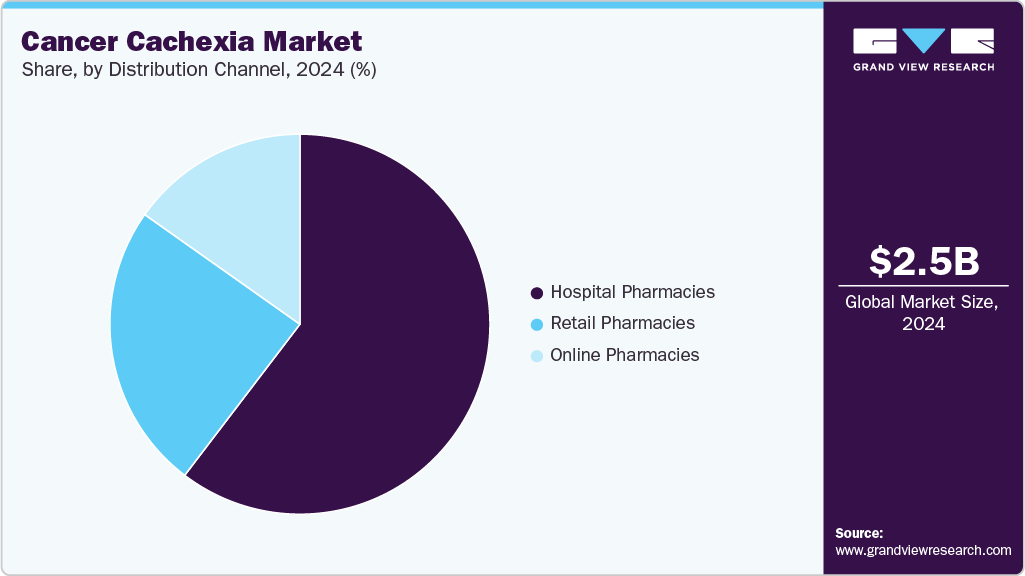
The hospital pharmacies segment held the largest market share in 2024. The market is driven by the rising number of hospitalized cancer patients, the need for specialized medications such as appetite stimulants and cannabinoid receptor agonists, and the preference for controlled, on-site dispensing by trained professionals. In addition, integration of pharmacies within hospitals ensures timely access to medications, better patient monitoring, and adherence to treatment protocols. As cancer care becomes more complex and patient-focused, hospital pharmacies remain a critical channel for delivering cachexia therapies efficiently and safely.
 To learn more about this report, Download Free Sample Report
 The online pharmacies segment is anticipated to grow fastest over the forecast period. The segment is expected to drive market growth due to the increasing adoption of digital healthcare and e-pharmacy services. Patients prefer online pharmacies for convenient, home delivery of medications, especially those who face mobility challenges or live far from hospital facilities.
Regional Insights
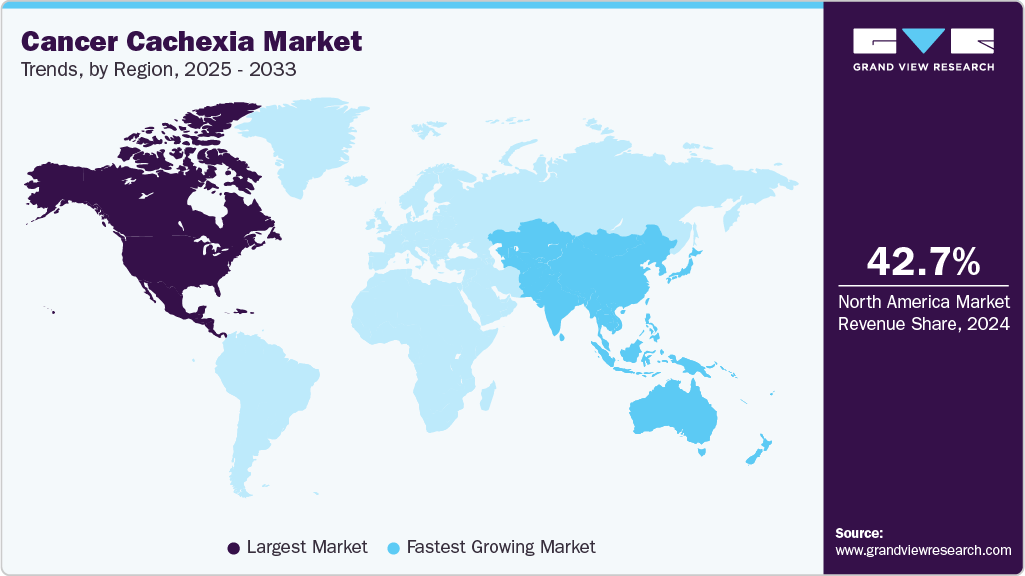
The North America cancer cachexia market dominated and accounted for a 42.73% share in 2024, driven by the high prevalence of cancer, particularly lung, pancreatic, and colorectal cancers, which increases the number of patients at risk of cachexia. Rising awareness among healthcare providers about the importance of early cachexia treatment, along with the availability of advanced therapies such as appetite stimulants and cannabinoid receptor agonists, supports market growth.
 To learn more about this report, Download Free Sample Report
 U.S. Cancer Cachexia Market Trends
The cancer cachexia market in the U.S. accounted for a substantial portion of the North American market in 2024. A high prevalence of various cancer types correlates with an increased incidence of cachexia. Robust research and development activities foster the creation of targeted therapies addressing cachexia. The country's extensive healthcare coverage ensures broader access to patient treatment options. Collaborative efforts between academic institutions and industry stakeholders enhance the understanding and management of cachexia.
Europe Cancer Cachexia Market Trends
The cancer cachexia market in Europe is witnessing steady growth due to the increasing prevalence of cancer and associated cachexia. The aging population in European countries contributes to a higher incidence of cancer-related weight loss and muscle wasting. Stringent regulatory frameworks ensure the safety and efficacy of therapies, fostering patient trust. Collaborative research initiatives across European nations promote the development of novel treatments. Healthcare systems in the region emphasize comprehensive cancer care, including cachexia management. These dynamics support Europe's continued expansion in the market.
The UK cancer cachexia marketbenefits from a healthcare system prioritizing patient-centered care. Increased public awareness campaigns lead to early detection and intervention of cachexia symptoms. The National Health Service (NHS) supports the integration of multidisciplinary approaches in treating cancer-related conditions. Research funding in oncology and supportive care drives innovation in cachexia therapies. Collaborative partnerships with international research bodies expand the scope of treatment options. These factors underpin the UK's commitment to addressing cancer cachexia effectively.
The cancer cachexia market in Germanybenefits from a strong emphasis on medical research and technological advancements. The country's healthcare policies promote the accessibility of innovative treatments for patients. A well-established pharmaceutical industry contributes to the development and distribution of cachexia therapies. Public health initiatives focus on educating the population about cancer prevention and management. Collaborative efforts between healthcare providers and researchers enhance treatment outcomes. These elements position Germany as a leader in addressing cancer cachexia within Europe.
France cancer cachexia marketintegrates cachexia management into comprehensive cancer care protocols. Public health campaigns raise awareness about the importance of addressing cachexia in cancer patients. The country's robust healthcare infrastructure ensures timely access to treatments for cachexia. Research institutions focus on understanding the underlying mechanisms of cachexia to develop targeted therapies. Collaboration between the public and private sectors accelerates the availability of new treatments. These factors contribute to France's proactive approach in managing Cancer Cachexia.
Asia Pacific Cancer Cachexia Market Trends
The cancer cachexia market in Asia is anticipated to grow at the fastest CAGR of 6.10 % over the forecast period. The market is growing due to rapidly expanding healthcare infrastructure in emerging economies, which improves access to specialized cancer care and supportive treatments. Rising government initiatives and public-private partnerships to enhance cancer management are boosting awareness and early intervention for cachexia.
Japan's cancer cachexia market is supported by an aging population, contributing to a higher incidence of cancer and associated cachexia. The country's advanced healthcare system ensures early diagnosis and comprehensive patient treatment plans. Initiatives promote research in oncology and supportive care, including cachexia management. Collaboration between healthcare providers and researchers leads to the development of innovative therapies. Public health campaigns educate the population about the importance of managing cachexia in cancer care.
The cancer cachexia market in Chinais driven by a large population and increasing cancer rates. Urbanization and lifestyle changes contribute to a higher prevalence of cancer, necessitating effective supportive care. Healthcare reforms enhance access to cancer treatments, including those for cachexia. Research institutions in China dedicate efforts to understand and develop therapies for cachexia. Collaborations with international organizations facilitate knowledge exchange and treatment advancements. These elements underscore China's commitment to tackling Cancer Cachexia.
Latin America Cancer Cachexia Market Trends
The cancer cachexia market in Latin America is expanding due to rising cancer incidences and improved healthcare access. Public health initiatives aim to raise awareness about cancer and its complications, including cachexia. The region's diverse population requires tailored approaches to cachexia management, fostering innovation in treatment strategies. Collaborations between local and international entities enhance research and development efforts. Economic growth in several Latin American countries leads to increased healthcare spending, supporting the availability of treatments. These factors contribute to the region's market growth.
Brazil cancer cachexia marketis growing due to a large population and increasing cancer rates. The country's healthcare system focuses on integrating supportive care into cancer treatment protocols. Public health campaigns educate the population about the importance of managing cachexia. Research institutions in Brazil explore cost-effective therapies suitable for the local context. Collaborations with international organizations facilitate the introduction of innovative treatments. These elements highlight Brazil's proactive approach to addressing Cancer Cachexia.
Middle East and Africa (MEA) Cancer Cachexia Market Trends
The cancer cachexia market in the MEA is witnessing gradual growth due to rising cancer incidences and improving healthcare infrastructure. Public health initiatives aim to raise awareness about cancer and its complications, including cachexia. Diverse healthcare systems in the region require adaptable approaches to cachexia management. Collaborations between governments and international organizations enhance research and development efforts. Economic growth in certain MEA countries leads to increased healthcare investments, supporting the availability of treatments. These factors contribute to the region's evolving market landscape.
Saudi Arabia cancer cachexia market benefits from advancements in healthcare infrastructure, improving diagnosis and treatment options. Public health campaigns focus on educating the population about cancer prevention and management. The country's emphasis on healthcare development facilitates access to cachexia treatments. Research institutions explore innovative therapies for cachexia. Collaborations with international entities enhance capabilities in managing cancer-related conditions. These dynamics underscore Saudi Arabia's commitment to addressing Cancer Cachexia effectively.
Key Cancer Cachexia Company Insights
AbbVie Inc., Endo, Inc., and Teva Pharmaceutical Industries Ltd. are shaping the market by developing novel therapies and supportive care solutions. Pfizer Inc. and Abbott maintain strong positions with established oncology portfolios and extensive distribution networks targeting cachexia management. Nestlé Health Science and Baxter leverage nutritional interventions and clinical support programs to address weight loss and muscle wasting in cancer patients. Fresenius Kabi AG and Sandoz Group AG are expanding their footprint with specialized parenteral nutrition and advanced therapeutic options. Bristol-Myers Squibb Company drives innovation through ongoing research and clinical trials to improve patient outcomes. The market continues to experience heightened competition as product innovation, clinical advancements, and strategic collaborations fuel global growth in cancer cachexia management.
Key Cancer Cachexia Companies:
The following are the leading companies in the cancer cachexia market. These companies collectively hold the largest market share and dictate industry trends.
- AbbVie Inc.
- Endo, Inc.
- Teva Pharmaceutical Industries Ltd.
- Pfizer Inc.
- Abbott.
- Nestlé Health Science
- Baxter.
- Fresenius Kabi AG
- Sandoz Group AG
- Bristol-Myers Squibb Company
Competitive Benchmarking
Operating Strategies
Competitive Edge
Weaknesses
Mature Players: Pfizer Inc.
- Cancer Cachexia Market focus on expanding oncology supportive care portfolios, strengthening regulatory presence, and investing in advanced cachexia therapies.
- They actively pursue strategic collaborations, global commercialization, and clinical research programs to improve treatment outcomes, enhance patient quality of life, and maintain long-term
- Mature companies maintain strong competitive advantages through established global distribution networks, diversified oncology portfolios, advanced research capabilities, financial stability, and regulatory expertise.
- Their large-scale manufacturing infrastructure and long-standing relationships with hospitals and cancer centers support broader commercialization opportunities and sustained leadership within the cancer cachexia treatment market.
- Mature players face challenges including high research and development expenses, strict regulatory requirements, lengthy approval timelines, and pricing pressures across oncology supportive care markets.
- Large operational structures may also reduce flexibility, slow innovation cycles, and create difficulties in responding quickly to changing clinical and patient treatment demands.
Emerging Players: Nestlé Health Science
- Emerging players prioritize innovation-focused strategies involving medical nutrition products, metabolic therapies, and supportive oncology solutions.
- They emphasize rapid clinical development, strategic partnerships, targeted investments, and regional expansion initiatives to strengthen market presence, accelerate commercialization, and address unmet needs among cancer patients experiencing cachexia-related complications.
- Emerging players gain competitive advantage through agility, specialized nutritional expertise, innovative supportive care products, and focused oncology research initiatives.
- Their ability to rapidly adapt to evolving patient requirements and develop targeted cachexia management solutions supports stronger positioning within personalized cancer supportive care and nutritional therapy markets globally.
- Emerging players often experience limitations including lower brand recognition, restricted financial resources, smaller manufacturing capacities, and limited global commercial reach.
- They may also face challenges in scaling production, obtaining regulatory approvals, and competing effectively against established pharmaceutical companies with broader oncology infrastructure and stronger market presence worldwide.
Recent Developments
-
In September 2024, Pfizer announced that its Phase 2 trial of ponsegromab, a monoclonal antibody targeting GDF-15, successfully achieved its endpoint of change in baseline body weight compared to placebo in patients suffering from cancer cachexia & increased GDF-15 levels.
Cancer Cachexia Market Report Scope
Report Attribute
Details
Market size value in 2025
USD 2.67 billion
Revenue forecast in 2033
USD 3.90 billion
Growth rate
CAGR of 4.86 % from 2025 to 2033
Base year for estimation
2024
Historical data
2021 - 2023
Forecast period
2025 - 2033
Quantitative units
Revenue in USD million/billion, and CAGR from 2025 to 2033
Report coverage
Revenue forecast, company ranking, competitive landscape, growth factors, trends
Segments covered
Treatment, type, distribution channel, region
Regional scope
North America; Europe; Asia Pacific; Latin America; Middle East & Africa
Country scope
U.S.; Canada; UK; Germany; Italy; France; Spain; Sweden; Denmark; Norway; Japan; China; India; Australia; South Korea; Thailand; Brazil; Mexico; Argentina; South Africa; Saudi Arabia; UAE; Kuwait
Key company profiled
AbbVie Inc.; Endo, Inc.; Teva Pharmaceutical Industries Ltd.; Pfizer Inc.; Abbott.; Nestlé Health Science; Baxter; Fresenius Kabi AG; Sandoz Group AG; Bristol-Myers Squibb Company
Customization scope
Free report customization (equivalent up to 8 analysts working days) with purchase. Addition or alteration to country, regional & segment scope.
Pricing and purchase options
Avail customized purchase options to meet your exact research needs. Explore purchase options
Global Cancer Cachexia Market Report Segmentation
This report forecasts revenue growth at global, regional, and country levels and provides an analysis of the latest industry trends in each of the sub-segments from 2021 to 2033. For this study, Grand View Research has segmented the global cancer cachexia market report based on treatment, type, distribution channel, and region:
 To learn more about this report, Download Free Sample Report
 -
Treatment Outlook (Revenue, USD Million, 2021 - 2033)
-
Appetite Stimulants
-
Cannabinoid Receptor Agonists
-
Corticosteroids
-
Anabolic/Androgenic Agents
-
Others
-
-
Type Outlook (Revenue, USD Million, 2021 - 2033)
-
Pancreatic Cancer
-
Gastric (Stomach) Cancer
-
Lung Cancer
-
Colorectal Cancer
-
Others
-
-
Distribution Channel Outlook (Revenue, USD Million, 2021 - 2033)
-
Hospital Pharmacies
-
Retail Pharmacies
-
Online Pharmacies
-
-
Regional Outlook (Revenue, USD Million, 2021 - 2033)
-
North America
-
U.S.
-
Canada
-
Mexico
-
-
Europe
-
Germany
-
UK
-
France
-
Italy
-
Spain
-
Sweden
-
Denmark
-
Norway
-
-
Asia Pacific
-
China
-
India
-
Japan
-
Australia
-
South Korea
-
Thailand
-
-
Latin America
-
Brazil
-
Argentina
-
-
Middle East & Africa
-
South Africa
-
Saudi Arabia
-
UAE
-
Kuwait
-
-
Delivered Customizations
This report has been delivered with the following In-depth customizations
Client Request
Customization Delivered
Value Adds
Global Cancer Cachexia Therapeutics Opportunity Assessment
Conducted a comprehensive assessment of the global cancer cachexia treatment landscape across North America, Europe, and Asia-Pacific. The study evaluated prevalence rates of cachexia among lung, pancreatic, gastric, and colorectal cancer patients, ongoing clinical trials, emerging therapeutic pipelines, nutritional intervention trends, reimbursement frameworks, and hospital-based supportive oncology adoption patterns.
Helped the client identify high-growth therapeutic segments, evaluate commercialization potential for cachexia therapies, optimize regional expansion strategies, and understand competitive positioning among pharmaceutical, biotechnology, and clinical nutrition companies operating in supportive oncology care markets.
Cancer Cachexia Clinical Pipeline & Competitive Benchmarking
Delivered a detailed benchmarking analysis of pharmaceutical and biotechnology companies developing cancer cachexia therapies, including ghrelin receptor agonists, anabolic agents, anti-inflammatory drugs, and metabolic modulators. The assessment covered Phase I-III clinical pipelines, licensing agreements, research collaborations, regulatory progress, and treatment differentiation across oncology supportive care applications.
Enabled the client to identify acquisition opportunities, evaluate pipeline competitiveness, assess innovation gaps, and prioritize strategic investments in emerging cachexia treatment platforms with strong clinical development potential and long-term commercialization opportunities within oncology supportive care markets.
Medical Nutrition & Supportive Oncology Feasibility Study
Conducted a regional feasibility assessment for medical nutrition and supportive oncology product expansion targeting cancer cachexia management. The study analyzed hospital nutrition practices, enteral and parenteral nutrition demand, patient management protocols, healthcare infrastructure, reimbursement access, and adoption of specialized nutritional supplements among cancer treatment centers globally.
Supported strategic planning by identifying demand hotspots, partnership opportunities with oncology hospitals, unmet nutritional care needs, and scalable commercialization pathways for specialized cachexia nutrition products, improving long-term market penetration and patient supportive care accessibility across key healthcare regions.
About the Author(s)
Pharmaceuticals Research Team
Healthcare · PharmaceuticalsThis report was authored by the pharmaceuticals research team at Grand View Research - comprising two research analysts, one senior research analyst, and one industry expert - with specialized expertise in the pharmaceuticals segment of the healthcare industry. All findings are based on proprietary healthcare databases, executive interviews, and regulatory analysis, subject to internal peer review prior to publication.
Last Updated:
Speak to Analyst

Customize this report to your needs - add regions, segments, or data points, with 20% free customization.
Or view our licence options:


ISO 9001:2015 & 27001:2022 Certified
We are GDPR and CCPA compliant! Your transaction & personal information is safe and secure. For more details, please read our privacy policy.


