
- Home
- »
- Pharmaceuticals
- »
-
Cannabidiol Market Size, Share & Trends Report, 2026-2033GVR Report cover

Cannabidiol Market (2026 - 2033)
Size, Share & Trends Analysis Report By Source (Hemp Derived CBD, Marijuana Derived CBD), By Product (OTC CBD Products, Pharmaceutical-grade CBD (Rx formulations)), By Application, By Formulation, By Distribution Channel, By Region, And Segment Forecasts
Market Size, 2025
$18.2BMarket Estimate, 2026
$20.5BMarket Forecast, 2033
$39.7BCAGR, 2026–2033
9.9%Cannabidiol Market Summary
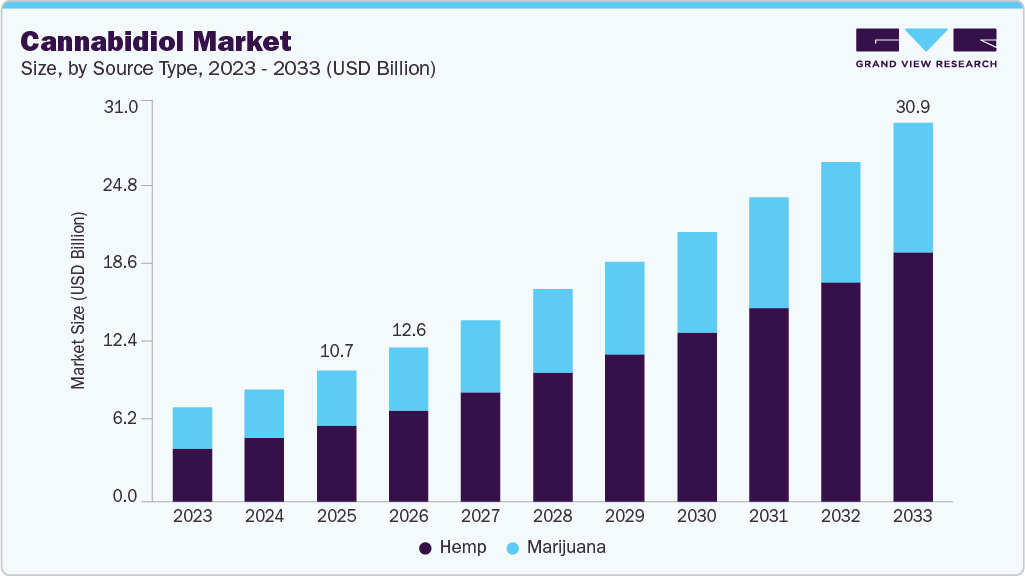
The global cannabidiol market size was valued at USD 18.2 billion in 2025 and is projected to grow from USD 20.5 billion in 2026 to USD 39.7 billion by 2033, at a CAGR of 9.9% from 2026 to 2033. The market in North America dominated with a revenue share of 66.5% in 2025. The market is expected to grow with the increasing legalization of hemp-based products.
 Source: Grand View Research, IR Documents, Primary Interviews, Paid DatabasesTo learn more about this report,
 Download Free Sample Report
 Key Market Trends & Insights
- By source: Hemp-derived CBD segment held the largest market share of 52.9% in 2025
- By product: OTC CBD products segment held the largest market share of 71.9% in 2025.
- By application: Medical/therapeutic use segment held the largest market share of 38.9%% in 2025.
- By formulation: Full-spectrum CBD segment held the largest market share of 40.4% in 2025.
- By distribution channel: E-commerce/online platforms segment held the largest market share of 30.7% in 2025.
Regional Highlights
- Largest regional market: North America (66.5% revenue share, 2025)
- By country: The U.S. held the largest market share in 2025
Market Size & Forecast
- Market size in 2025: USD 18.2 Billion
- Estimated market size in 2026: USD 20.5 Billion
- Projected market size by 2033: USD 39.7 Billion
- CAGR (2026-2033): 9.9%
Three ways to get this report
Buy it, customize it, or ask a question.Ask an Analyst
Analyst response in 1 business day
- AccessReport author, directly
- Reply timeWithin 1 working day
- No sales callDirect answer only
- FormatEmail reply
- CostFree, no cost
Get the Full Report
What the study covers
- FormatsPDF · Excel · Dashboard
- Timeline2026–2033 annual, 2025 base
- Coverage20+ countries, 5 regions
- Companies10+ key players profiled
Customize the Report
20% free customization
- IncludeCountries, segments, points
- TailorTo your product definition
- ExtendDeeper competitor detail
- OrA fully bespoke study
- Turnaround5–10 working days
 To learn more about this report, Download Free Sample Report
Companies are developing a variety of cannabidiol products, including edibles, topical, and beverages, to meet the demand from consumers. The rise of e-commerce has allowed companies to reach a wider audience and increase sales through online channels. The section below outlines the key factors driving the growth of the cannabidiol market, highlighting the rising consumer demand and retail expansion of CBD products, growth in e-commerce and retail access and increasing use of Marijuana across various countries.Market Dynamics
Growing interest in the potential health benefits of cannabidiol has led to increased investment in research and development to understand its effects better and develop new products. The cannabidiol market is becoming more competitive, with a growing number of companies entering the market and offering similar products. For instance, in October 2025, UK-based Ananda Pharma initiated a Phase I clinical trial for its CBD-based drug candidate (MRX1) targeting conditions such as endometriosis and chemotherapy pain. The company collaborated with academic institutions and sought significant funding to advance development.
The European cannabidiol (CBD) and broader cannabis market is increasingly driven by expanding cross-border trade, as demand continues to outpace domestic production across key markets. Europe remains highly import-dependent, particularly for medical cannabis and CBD inputs, with Germany serving as the primary demand hub. In Q1-Q3 2024 alone, Germany imported approximately 39.8 tons of medical cannabis, with nearly 48% sourced from Canada, followed by Portugal and Denmark, highlighting a concentrated supplier base.
 To learn more about this report, Download Free Sample Report
 The broader European trends indicate that imports are rising rapidly due to a structural supply-demand gap, where patient demand and legalization are advancing faster than domestic cultivation infrastructure. This has led to increased international trade flows, improved logistics networks, and stronger regulatory alignment for pharmaceutical-grade cannabis and CBD products.
Medical marijuana programs in countries such as Canada, Germany, United Kingdom, and parts of the United States have expanded patient access to cannabis-based therapies for conditions like chronic pain, epilepsy, anxiety, and multiple sclerosis. As CBD is a non-psychoactive compound derived from cannabis, its demand has grown alongside the broader acceptance of marijuana use.
 To learn more about this report, Download Free Sample Report
 In addition, increasing consumer awareness of the therapeutic benefits of cannabis has led to higher adoption rates in both developed and emerging markets. Countries in Latin America and Asia-Pacific are also gradually relaxing regulations, further contributing to market expansion. The normalization of cannabis consumption has supported by healthcare professionals, research institutions, and evolving legal frameworks has encouraged the development and commercialization of CBD-infused products across pharmaceuticals, wellness, food & beverages, and personal care sectors.
The lack of standardized global regulations remains a major restraint for the cannabidiol (CBD) market, creating significant challenges for manufacturers, distributors, healthcare providers, and investors. Regulatory approaches to CBD differ substantially across countries and even within regions, creating a fragmented operating environment. European countries permit the sale of CBD in pharmaceuticals, dietary supplements, cosmetics, and wellness products, while others impose strict restrictions or prohibit certain product categories altogether. Differences in permissible THC limits, product classifications, labeling requirements, testing standards, and manufacturing guidelines create uncertainty for companies seeking to expand internationally. Businesses must often develop separate formulations, packaging, and compliance strategies for individual markets, increasing operational complexity and costs. Regulatory ambiguity also affects investment decisions, as companies may hesitate to commit resources to markets where future policy changes could impact product approvals or commercialization.
Furthermore, inconsistent definitions of hemp-derived and cannabis-derived CBD create confusion throughout the value chain, affecting cultivation, processing, distribution, and retail activities. These regulatory disparities slow product launches and complicated efforts to establish globally recognized quality standards, limiting the industry's ability to achieve economies of scale and broader market penetration.
Increasing scientific research and clinical investigations are improving understanding of CBD's therapeutic potential across a wide range of medical conditions. While CBD has already gained regulatory recognition in certain countries for the treatment of specific forms of epilepsy, researchers are actively exploring its use in chronic pain management, anxiety disorders, sleep disturbances, inflammation-related conditions, neurodegenerative diseases, and mental health disorders.
Moreover, growing evidence on the interaction between CBD and the body's endocannabinoid system has generated interest among healthcare professionals, pharmaceutical companies, and research institutions. As the global burden of chronic diseases continues to rise, there is increasing demand for alternative and complementary treatment options that may provide symptom relief with potentially fewer side effects than some conventional therapies. This trend is encouraging investment in clinical trials, drug development programs, and evidence-generation initiatives to validate the safety and efficacy of CBD-based interventions. For instance, a new study published in May 2026 found that cannabidiol reduced chronic neuropathic pain over six weeks in a University of Sydney randomized, placebo-controlled trial. Average pain fell about 14 percent with CBD versus 6.5 percent with placebo, and some participants reported more than 30 percent relief. The study enrolled 40 adults with spinal-cord-injury-related neuropathic pain and used daily doses rising from 200 mg to 800 mg. CBD was well-tolerated, with few serious side effects, suggesting potential for broader pain management research.
Market Concentration & Characteristics
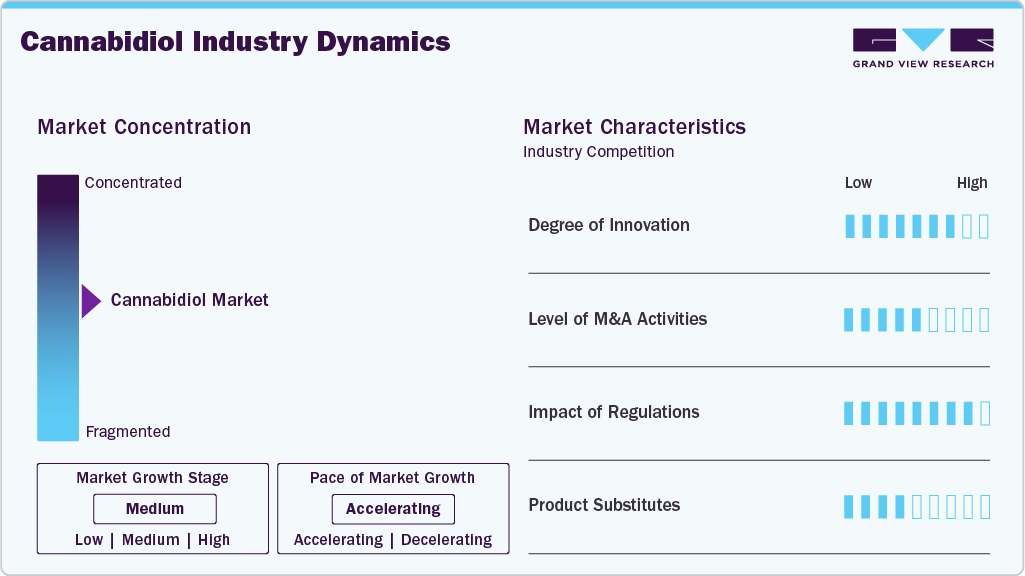
The chart below represents the relationship between industry concentration, industry characteristics, and industry participants. There is a medium to high degree of innovation, a moderate level of merger & acquisition activities, and moderate geographic expansion.
The degree of innovation is moderately high, driven by continuous advancements in formulations, delivery systems, and application areas. Companies are actively investing in R&D to develop next-generation cannabinoid products such as water-soluble CBD, nano-emulsified formulations, and condition-specific therapeutics, improving bioavailability and efficacy. For instance, in April 2026, bdMD, Inc, a science-driven cannabinoid products company, announced the launch of its clinical healthcare channel, positioning the Company to support physicians, health systems, and value-based care organizations as federal policy establishes structured pathways for hemp-derived cannabinoid products within Medicare programs.
 To learn more about this report, Download Free Sample Report
 The level of mergers and acquisitions (M&A) in the global cannabidiol (CBD) market is increasing significantly as companies seek to strengthen their market position, expand product portfolios, and achieve geographic diversification. In March 2025, Xebra Brands Ltd. Partnered with of BSK Holdings Inc. to strengthen its presence in the North American CBD market.
The legalization of medical cannabis and evolving frameworks for CBD usage across countries have significantly boosted market growth. While favorable regulatory reforms such as cannabis rescheduling and legalization open new revenue streams and attract investments, stringent compliance requirements can increase operational costs and delay product launches.
The CBD companies are expanding into emerging markets and capitalize on evolving legalization trends globally. Firms are expanding into regions such as Europe, Latin America, and Asia-Pacific, where regulatory frameworks are gradually becoming more supportive of cannabis-derived products. For instance,in October 2025, Releaf expanded its operations into Germany to strengthen its presence in the European medical cannabis market. This move aimed to improve patient access and cross-border distribution of cannabis-based therapies, reflecting the growing trend of regional expansion among European cannabidiol (CBD) and medical cannabis companies.
Analyst Perspective
The cannabidiol (CBD) market is transitioning from a niche wellness segment into a broader consumer health and therapeutic industry supported by increasing acceptance of cannabis-derived products, expanding legalization frameworks, and growing consumer interest in natural health solutions. Demand for CBD products is rising across wellness, pain management, anxiety relief, sleep support, skincare, and nutraceutical applications, driven by greater product availability and increasing awareness of potential therapeutic benefits.
The market’s competitive advantage is expected to increase depending on companies’ ability to deliver high-quality, scientifically validated, and regulatory-compliant products while maintaining consumer trust through transparency and product consistency. Investments in advanced extraction technologies, pharmaceutical-grade manufacturing, clinical research, and product standardization are becoming key differentiators. In addition, the expansion of e-commerce channels, retail distribution networks, and healthcare partnerships is improving product accessibility worldwide. As regulatory frameworks continue to mature and consumer demand shifts toward premium and evidence-based CBD products, the market is expected to witness sustained growth. Companies with strong cultivation capabilities, quality assurance systems, diversified product portfolios, and global distribution networks will be best positioned to capitalize on long-term opportunities in the evolving cannabidiol market.
Source Insights
Based on source, the hemp-derived CBD segment led the market with the largest revenue share of 52.9% in 2025, due to rising demand from the pharmaceutical industry and growing consumer awareness of health benefits. Legalizing medicinal cannabis and growing consumer disposable income are also expected to boost the demand for cannabidiol in the pharmaceutical sector. For instance, in February 2026, Jazz Pharmaceuticals plc expanded its hemp-derived CBD portfolio by strengthening the global distribution of its CBD-based epilepsy treatment, Epidiolex.
The Marijuana-derived CBD segment is expected to grow significantly over the forecast period. It has a higher cannabinoid concentration and is increasingly used in specialized therapeutic applications in oncology, chronic pain, and neurological disorders. Unlike hemp-derived CBD, marijuana-derived formulations contain higher THC levels enhancing therapeutic efficacy in certain treatments under medical supervision. For instance, in February 2026, Aurora Cannabis Inc. announced the expansion of its medical cannabis portfolio in Europe, particularly in Germany and the UK, by supplying high-THC and balanced CBD cannabis formulations for patients through pharmacies and healthcare providers.
Product Insights
Based on product, the OTC CBD products segment led the market with the largest revenue share of 71.9% in 2025, driven by factors such as growing consumer awareness regarding CBD’s perceived health benefits and the increasing preference for natural and plant-based alternatives. Additionally, regulatory relaxations for hemp-derived CBD in several countries have enabled companies to commercialize OTC CBD products at scale. The expansion of product formats such as gummies, cosmetics, and functional beverages has further enhanced consumer adoption. For instance, in October 2025, Charlotte’s Web Holdings, Inc. announced the expansion of its OTC CBD wellness product portfolio, including gummies and functional supplements, to strengthen its presence across retail and e-commerce channels. The company emphasized rising consumer demand for non-prescription CBD products for daily wellness.
The Pharmaceutical-grade CBD (Rx formulations) segment is anticipated to grow at the fastest CAGR over the forecast period, due to increasing clinical validation, regulatory approvals, and physician adoption of cannabinoid-based therapies. Unlike OTC products, prescription (Rx) CBD formulations undergo rigorous clinical trials and regulatory scrutiny, ensuring standardized dosing, safety, and efficacy. The segment is gaining traction particularly in the treatment of epilepsy, neurological disorders, and rare diseases, where high-purity CBD formulations are required. The growing pipeline of cannabinoid-based drugs and rising investments in clinical research are further accelerating segment growth. For instance, in December 2025, Jazz Pharmaceuticals plc announced new clinical and real-world data for its prescription CBD drug Epidiolex at the American Epilepsy Society Annual Meeting, reinforcing its effectiveness in treating rare forms of epilepsy and supporting continued expansion of pharmaceutical-grade CBD adoption globally.
Application Insight
Based on application, the medical/therapeutic use segment led the market with the largest revenue share of 38.9% in 2025. The growth can be attributed to the increasing clinical validation of CBD for treating chronic conditions such as epilepsy, anxiety, multiple sclerosis, and chronic pain. Growing physician acceptance and rising patient awareness regarding cannabinoid-based therapies have further strengthened demand in this segment. For instance, in March 2025, Cantourage Group SE reported strong growth in its medical cannabis business across Europe, driven by increasing patient access and demand for cannabinoid-based therapies.
The food & beverage segment is anticipated to grow at the fastest CAGR over the forecast period, driven by the rising consumer shift toward functional and wellness-oriented products. Consumers are increasingly seeking natural ingredients that support stress relief, relaxation, and overall well-being, positioning CBD as a key additive in beverages such as infused water, teas, and functional drinks. For instance in July 2025, SNDL Inc. expanded its Cannabis 2.0 portfolio, including CBD-infused beverages and ingestible, focusing on functional wellness products and highlighting the growing commercialization of CBD in everyday consumables.
Formulation Insights
Based on formulation, the Full-spectrum CBD segment led the market with the largest revenue share of 40.4% in 2025, driven by growing product availability across oils, tinctures, capsules, and topicals, along with increasing acceptance of trace THC content in regulated markets. For instance, in March 2025, Nordic Oil strengthened its product portfolio by expanding its range of full-spectrum CBD oils and wellness products, focusing on high-quality, terpene-rich formulations to enhance the entourage effect.
The broad-spectrum CBD segment is anticipated to grow at the fastest CAGR from 2026 to 2033, driven by rising demand for THC-free or zero-THC formulations. The segment is gaining traction particularly among health-conscious consumers, working professionals, and athletes, where THC consumption may be restricted due to drug testing concerns. In addition, increasing regulatory scrutiny in several countries has encouraged manufacturers to develop compliant, THC-free formulations, further boosting adoption.
Distribution Channel Insights
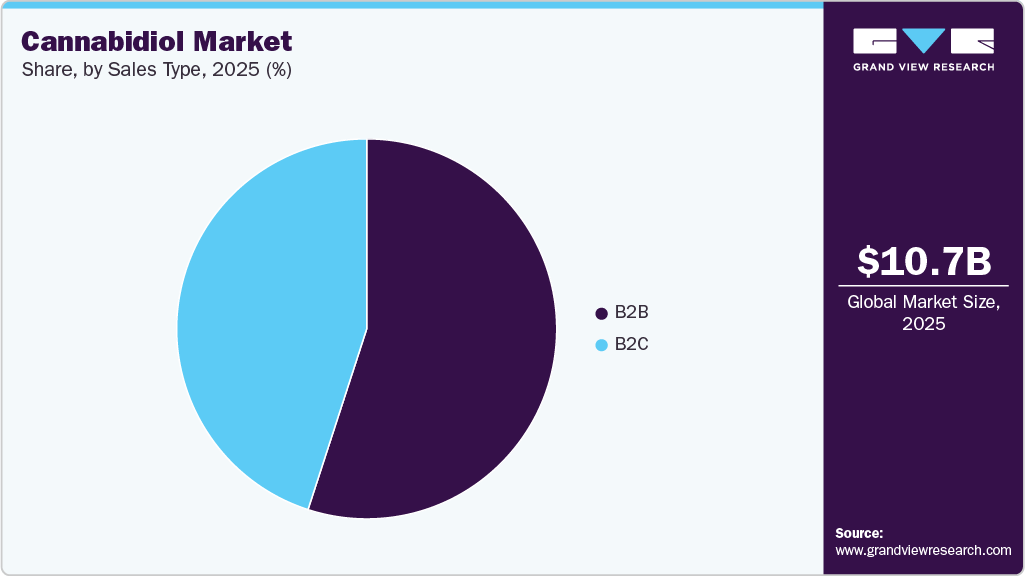
Based on distribution channel, the e-commerce/online platforms segment led the market with the largest revenue share of 30.7% in 2025, driven by growing preference for convenience, wider product availability, and discreet purchasing options. Consumers increasingly prefer online channels for CBD products due to access to detailed product information, reviews, and competitive pricing. In addition, the expansion of direct-to-consumer (DTC) strategies by CBD companies and the increasing penetration of digital payment systems have significantly boosted online sales. Subscription-based models and personalized wellness recommendations are further enhancing customer retention in this segment. For instance, in June 2024, Formula Swiss expanded its digital footprint by launching new online stores in Sweden and Finland, enabling direct-to-consumer access to its certified organic CBD products across additional European markets.
 To learn more about this report, Download Free Sample Report
 The supermarkets/hypermarkets segment is anticipated to grow at the fastest CAGR over the forecast period, driven by the increasing mainstream acceptance of CBD products and their integration into organized retail chains. As regulatory clarity improves in several regions, large retail chains are increasingly incorporating CBD products into their health, wellness, and functional food sections, making them more accessible to mass consumers. For instance, in May 2024, Goodrays expanded its CBD-infused drinks distribution across major UK retail chains, making its products available in supermarkets and large-format stores.
Regional Insights
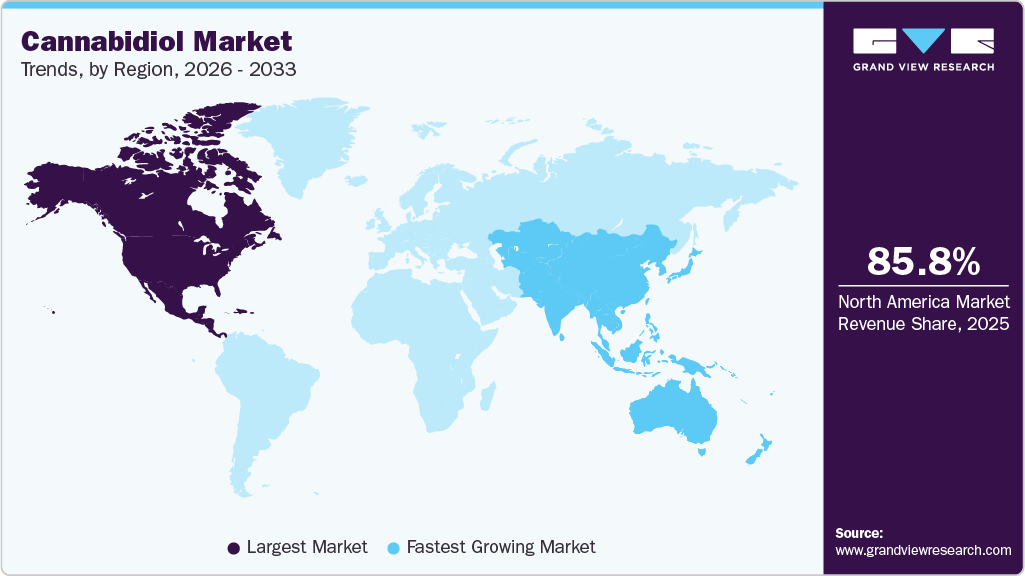
North America dominated the cannabidiol market with the largest revenue share of 66.5% in 2025. North America is expected to experience significant growth in the cannabidiol market due to several factors, such as a large number of health-conscious individuals, growing acceptance of CBD products, the presence of major manufacturers, and the approval of the U.S. Farm Bill in 2020. The region is considered the most advanced in cannabis and its products, including cannabidiol, with the highest number of CBD companies and favorable laws regarding the use of CBD products.
 To learn more about this report, Download Free Sample Report
 U.S. Cannabidiol (CBD) Market Trends
The cannabidiol market in the U.S. held the largest share in the North America region in 2025, driven by its highly developed cannabis ecosystem, favorable regulatory framework, and strong consumer demand for CBD-based wellness and medical products, and increasing expansion by companies in the region. North America accounted for a significant share of the global CBD market, with the U.S. contributing the majority of regional revenue due to widespread legalization of hemp-derived CBD under federal law and supportive state-level regulations. For instance, in April 2025, The Cannabist Company announced adult-use sales at Cannabist Mays Landing being the Company’s third dispensary in the Garden State.
Europe Cannabidiol (CBD) Market Trends
Cannabidiol (CBD) market in Europe is expected to grow significantly over the forecast period. Increasing awareness concerning the health benefits among consumers, easy availability, and affordable prices have resulted in the increased popularity of CBD oil in this region. Increasing awareness concerning the health benefits among consumers, easy availability, and affordable prices have resulted in the increased popularity of CBD oil in the UK. For instance, in March 2025, Bedrocan introduced a high-CBD cannabis raw material (Bedrolina) at Vitafoods Europe, designed for use in nutraceutical and wellness formulations. The product contains high CBD content with less than 1% THC, making it suitable for developing broad-spectrum and low-THC CBD products aligned with European regulatory standards.
Cannabidiol (CBD) market in Germany held the largest revenue in 2025, driven by established regulatory framework, early legalization of medical cannabis, and a strong healthcare infrastructure. The country allows prescription-based access to cannabis through a wide pharmacy network, significantly boosting medical CBD adoption. Increasing acceptance of cannabis for both therapeutic and wellness applications, along with supportive reimbursement systems, has strengthened market penetration. Germany’s regulatory clarity and high consumer awareness continue to attract investments and product innovation, positioning it as the leading market in Europe.
Poland cannabidiol Market is expected to grow significantly from 2026 to 2033, driven by rising patient demand for medical cannabis, increasing awareness of CBD’s therapeutic benefits, and gradual regulatory development. Although the market has experienced regulatory adjustments (such as restrictions on telemedicine prescriptions), it has demonstrated resilience with recovery in product demand and distribution through structured healthcare channels. Expanding access through pharmacies and improving regulatory clarity are expected to further support Poland’s long-term market expansion, making it a key growth hub in the European CBD landscape.
Asia Pacific Cannabidiol (CBD) Market Trends
Cannabidiol (CBD) market in Asia Pacific is expected to grow significantly over the forecast period, due to the establishment of hemp production facilities, particularly in China. China is the leading hemp grower in Asia, producing nearly half of the world's hemp. It exports most of its CBD based products to the U.S., Germany, the UK, the Netherlands, and Japan and has started growing hemp in three provinces for CBD extraction purposes. The new government policies supporting the industry, low CBD production costs, and unique large-scale manufacturing infrastructure and expertise are anticipated to create intense competition for hemp companies in the U.S., Canada, and the European Union with low-cost CBD supplies.
Cannabidiol (CBD) market in China held the largest revenue in 2025 and is the fastest growing market over the forecast period driven by the country’s strong industrial hemp cultivation capabilities, particularly in provinces such as Yunnan, which are licensed for large-scale CBD extraction and export. China plays a critical role as a global supplier of CBD isolate and raw materials due to its low production costs and advanced processing infrastructure.
Japan cannabidiol (CBD) market is expected to grow significantly over the forecast period due to increasing acceptance of CBD for wellness and therapeutic applications. Japan permits the use of CBD products derived from hemp stalks and seeds, creating a legal pathway for CBD-based imports and product development. The rising consumer interest in natural health supplements, along with an aging population seeking alternative treatments for conditions such as anxiety, sleep disorders, and chronic pain, is driving demand. Furthermore, the expansion of e-commerce platforms and specialty wellness stores has improved product accessibility across the country.
Oceania Cannabidiol (CBD) Market Trends
Oceania region is experiencing significant growth driven by progressive regulatory frameworks and increasing acceptance of cannabis-based therapeutics. Countries in the region, particularly Australia and New Zealand, have implemented structured medical cannabis programs, enabling controlled access to CBD products.
Cannabidiol (CBD) market in Australia is expected to grow significantly due to a well-established regulatory framework and increasing patient access to medical cannabis. The Therapeutic Goods Administration (TGA) has enabled access to CBD products through prescription pathways, such as the Special Access Scheme (SAS) and Authorised Prescriber Scheme, facilitating broader adoption. Growth is further driven by rising awareness of CBD’s benefits in managing conditions such as chronic pain, anxiety, and sleep disorders
Latin America & Caribbean Cannabidiol (CBD) Market Trends
Latin America and Carribbean CBD market is expected to grow significantly over the forecast period, driven by favorable climatic conditions for cannabis cultivation, evolving regulatory frameworks, and increasing foreign investments. Countries such as Brazil, and Colombia are gradually legalizing and regulating cannabis for medical and industrial use, creating growth opportunities.
Cannabidiol (CBD) market in Brazil is expected to grow significantly over the forecast period, driven by evolving regulatory support, increasing medical adoption, and rising demand for alternative therapies. The market is witnessing strong expansion as Brazil continues to refine its legal framework for cannabis-based products under the supervision of the National Health Surveillance Agency (ANVISA).
Africa Cannabidiol (CBD) Market Trends
The Africa Cannabidiol (CBD) Market is witnessing gradual but steady growth, driven by increasing awareness regarding the therapeutic benefits of cannabidiol in managing chronic pain, anxiety, epilepsy, and sleep disorders, along with the rising cultivation of industrial hemp in select African countries. Governments in countries such as South Africa and Lesotho are increasingly supporting cannabis-related reforms and medical cannabis cultivation, creating opportunities for CBD-based pharmaceuticals, wellness products, cosmetics, and nutraceuticals. For instance, South Africa legalized the private use of cannabis and has established a regulatory framework for medical cannabis production, encouraging companies to launch CBD oils, capsules, and skincare products through pharmacies and wellness channels.
Key Cannabidiol Companies:
The following key companies have been profiled for this study on the cannabidiol market.
- ENDOCA
- Cannoid, LLC
- Medical Marijuana, Inc.
- Folium Europe B.V.
- Canopy Growth Corporation
- Elixinol
- NuLeaf Naturals, LLC
- Isodiol International, Inc.
- PharmaHemp
- The Cronos Group
Competitive Benchmarking
Category
Operating Strategies
Competitive Edge
Weakness
Established Players (Canopy Growth Corporation, Medical Marijuana, Inc., The Cronos Group, Endoca, Elixinol)
- Expand CBD product portfolios through product innovation, strategic partnerships, international market expansion, and investments in research, cultivation, extraction, and formulation technologies. Focus on pharmaceutical-grade CBD products, wellness applications, consumer health products, and distribution network expansion across retail, e-commerce, and healthcare channels.
- Strong brand recognition, established cultivation and manufacturing capabilities, extensive distribution networks, and broad product portfolios across wellness, nutraceutical, and therapeutic applications. Significant financial resources, regulatory expertise, quality assurance systems, and global market presence support large-scale commercialization and customer acquisition.
- High compliance and regulatory costs associated with evolving CBD regulations across different regions. Exposure to pricing pressures, market saturation, and changing consumer preferences may affect profitability and growth in competitive markets.
Emerging & Specialized Players (Cannoid, LLC, Folium Europe B.V., NuLeaf Naturals, LLC, Isodiol International, Inc., PharmaHemp)
- Focus on premium CBD formulations, specialized hemp-derived products, private-label manufacturing, and targeted wellness applications. Leverage product differentiation, organic sourcing, customized formulations, and direct-to-consumer sales strategies to strengthen market positioning and expand customer reach.
- Greater agility in product development and ability to rapidly respond to evolving consumer trends and niche market demands. Strong focus on product quality, specialized formulations, transparency, and customer-centric branding enables differentiation within specific CBD segments.
- Limited financial resources, narrower geographic presence, and smaller distribution networks compared to large multinational competitors. Dependence on third-party distribution channels and evolving regulatory frameworks may restrict large-scale expansion and market penetration.
Recent Developments
-
In October 2025, Releaf expanded its operations into Germany to strengthen its presence in the European medical cannabis market. This move aimed to improve patient access and cross-border distribution of cannabis-based therapies, reflecting the growing trend of regional expansion among European CBD and medical cannabis companies.
-
In October 2025, CR Wellness partnered with the global cannabis brand Cookies to launch premium cannabis and CBD wellness products in Brazil, marking Cookies’ entry into South America’s largest market. The rollout begins with prescription-only THC/CBD tinctures and gummies, supported by full regulatory compliance and lab testing.
-
In October 2025, medical cannabis wellness startup Awshad launched a 6500 mg CBD oil aimed at managing chronic pain and severe conditions, marking its most potent formulation to date. The launch coincided with the company achieving profitability in its fourth year, reflecting rising acceptance of cannabis-based wellness in India.
-
In September 2025, the UK Food Standards Agency opened a consultation on approving the first CBD food products as novel foods in Great Britain. The review covers three applications and proposes mandatory safety warnings, signalling progress toward formal regulation of CBD foods in the UK.
-
In March 2025, Bedrocan introduced a high-CBD cannabis raw material (Bedrolina) at Vitafoods Europe, designed for use in nutraceutical and wellness formulations. The product contains high CBD content with less than 1% THC, making it suitable for developing broad-spectrum and low-THC CBD products aligned with European regulatory standards.
-
In June 2024, Rodedawg International Industries, Inc., a cannabis manufacturer and distributor, introduced the Nutrient CBD, which includes five innovative SKUs, such as two CBD Oil Tinctures, two CBD Creams, and one CBD Roll-On, to meet the various needs of consumers seeking natural and effective wellness solutions.
Cannabidiol Market Report Scope
Report Attribute
Details
Market value in 2025
USD 18.2 billion
Estimated market size in 2026
USD 20.5 billion
Projected market size by 2033
USD 39.7 billion
Growth rate
CAGR of 9.9% from 2026 to 2033
Historical data
2021 - 2025
Forecast period
2026 - 2033
Quantitative units
Revenue in USD million/billion and CAGR from 2026 to 2033
Report coverage
Revenue forecast, company ranking, competitive landscape, growth factors, and trends
Segments covered
Source, product, application, formulation, distribution channel, region
Regional scope
North America, Europe, Asia, Oceania, Latin America, Africa
Country scope
U.S.; Canada; Mexico; UK; Germany; Netherlands; Switzerland; Italy; France; Spain; Poland; Czech Republic; Croatia; China; Japan; India; Thailand; New Zealand; Australia; Brazil; Argentina; Colombia; Uruguay
Key companies profiled
ENDOCA; Cannoid, LLC; Medical Marijuana, Inc.; Folium Europe B.V.; Canopy Growth Corporation; Elixinol; NuLeaf Naturals, LLC; Isodiol International, Inc.; PharmaHemp; The Cronos Group
Customization scope
Free report customization (equivalent up to 8 analysts' working days) with purchase. Addition or alteration to country, regional & segment scope.
Pricing and purchase options
Avail customized purchase options to meet your exact research needs. Explore purchase options
Global Cannabidiol Market Report Segmentation
This report forecasts revenue growth at global, regional, and country levels and provides an analysis of the latest industry trends in each of the sub-segments from 2021 to 2033. For this study, Grand View Research has segmented the global cannabidiol market based on source, product, application, formulation, distribution channel, and region:
-
Source Outlook (Revenue, USD Million, 2021 - 2033)
-
Hemp-derived CBD
-
Marijuana derived CBD
-
-
Product Outlook (Revenue, USD Million, 2021 - 2033)
-
OTC CBD Products
-
CBD Oil & Tinctures (Drops)
-
CBD Capsules
-
Topicals (Creams, Balms, Skincare)
-
Edibles (Gummies, Beverages, Functional Foods)
-
Vape Products
-
-
Pharmaceutical-grade CBD (Rx formulations)
-
Oral solutions (CBD Oils, Tinctures/Drops)
-
Capsules
-
-
-
Application Outlook (Revenue, USD Million, 2021 - 2033)
-
Medical / Therapeutic Use
-
Wellness & Lifestyle
-
Personal Care & Cosmetics
-
Food & Beverage
-
Others (Pet care, niche uses)
-
-
Formulation Outlook (Revenue, USD Million, 2021 - 2033)
-
Full-spectrum CBD
-
Broad-spectrum CBD
-
CBD Isolate
-
-
Distribution Channel Outlook (Revenue, USD Million, 2021 - 2033)
-
E-commerce / Online Platforms
-
Retail Pharmacies
-
Specialty Stores (CBD stores, wellness shops)
-
Supermarkets/Hypermarkets
-
Hospitals & Clinics (Rx CBD)
-
-
Regional Outlook (Revenue, USD Million, 2021 - 2033)
-
North America
-
U.S.
-
Canada
-
Mexico
-
-
Europe
-
Germany
-
UK
-
Italy
-
France
-
Netherlands
-
Switzerland
-
Spain
-
Poland
-
Czech Republic
-
Croatia
-
-
Asia
-
China
-
India
-
Japan
-
Thailand
-
-
Oceania
-
Australia
-
New Zealand
-
-
Latin America & Caribbean
-
Brazil
-
Uruguay
-
Colombia
-
Argentina
-
-
Africa
-
Research Methodology
Segment Definition
Segment - Source
Revenue capture definition
Hemp-derived CBD
Cannabidiol extracted from industrial hemp plants containing very low levels of tetrahydrocannabinol (THC), typically below the legal threshold established by national regulations. Hemp-derived CBD is widely used in wellness, personal care, food, beverage, and over-the-counter health products due to its broader regulatory acceptance.
Marijuana-derived CBD
Cannabidiol extracted from cannabis plants that contain higher concentrations of THC. These products are generally subject to stricter regulatory controls and are primarily utilized in medical or pharmaceutical applications where cannabis-based therapies are legally permitted.
Segment - Product
Revenue capture definition
OTC CBD Products
Non-prescription cannabidiol products available directly to consumers for general wellness, relaxation, stress management, sleep support, and lifestyle purposes. These products are sold through retail stores, pharmacies, and online channels.
CBD Oil & Tinctures (Drops)
Liquid CBD formulations administered orally or sublingually (under the tongue). These products allow flexible dosing and are among the most widely used forms of cannabidiol for wellness and therapeutic applications.
CBD Capsules
Pre-measured cannabidiol doses enclosed in capsules or softgels for convenient consumption and consistent dosage management.
Topicals (Creams, Balms, Skincare)
CBD-infused products applied directly to the skin, including creams, lotions, balms, serums, and skincare formulations intended for localized relief, skin health, and cosmetic applications.
Edibles (Gummies, Beverages, Functional Foods)
Consumable CBD products such as gummies, chocolates, beverages, energy drinks, snacks, and functional foods that incorporate cannabidiol as an active ingredient.
Vape Products
CBD-containing e-liquids, cartridges, and inhalable formulations designed for use in vaporizers and vaping devices, enabling rapid absorption through the respiratory system.
Pharmaceutical-grade CBD (Rx Formulations)
Prescription cannabidiol products developed under pharmaceutical standards and approved for specific medical indications. These products are manufactured with stringent quality controls and are dispensed under medical supervision.
Oral Solutions (CBD Oils, Tinctures/Drops)
Prescription or clinically formulated liquid cannabidiol products administered orally or sublingually for therapeutic purposes, particularly in regulated healthcare settings.
Capsules
Pharmaceutical-grade or clinically standardized cannabidiol capsules intended for medical treatment and controlled dosage administration.
Segment - Application
Revenue capture definition
Medical / Therapeutic Use
Use of CBD products for managing or treating medical conditions such as epilepsy, chronic pain, anxiety disorders, inflammation, neurological conditions, sleep disorders, and other health-related indications under clinical or physician guidance.
Wellness & Lifestyle
Use of cannabidiol products to support general well-being, stress management, relaxation, sleep quality, fitness recovery, and overall lifestyle enhancement without specific therapeutic claims.
Personal Care & Cosmetics
Incorporation of CBD into skincare, beauty, and cosmetic products aimed at improving skin hydration, soothing irritation, supporting anti-aging functions, and enhancing overall skin health.
Food & Beverage
Utilization of cannabidiol as an ingredient in functional foods, beverages, dietary supplements, and nutraceutical products designed to provide wellness benefits alongside nutritional value.
Others (Pet Care, Niche Uses)
Includes CBD products formulated for companion animals, veterinary wellness applications, industrial uses, and emerging niche markets not classified under the major application categories.
Segment - Formulation
Revenue capture definition
Full-spectrum CBD
Cannabidiol extract containing the complete range of naturally occurring cannabinoids, terpenes, flavonoids, and trace amounts of THC present in the source plant. These formulations are often associated with the “entourage effect,” where multiple compounds may work synergistically.
Broad-spectrum CBD
CBD extract containing multiple cannabinoids, terpenes, and plant compounds while removing or minimizing THC content. It offers many benefits of full-spectrum formulations without significant THC exposure.
CBD Isolate
The purest form of cannabidiol, typically containing 99% or more CBD with all other cannabinoids, terpenes, and plant compounds removed. It is commonly used where THC-free formulations are required.
Segment - Distribution Channel
Revenue capture definition
E-commerce / Online Platforms
Digital sales channels through which consumers purchase CBD products directly from manufacturers, brand websites, online marketplaces, or specialized e-commerce platforms.
Retail Pharmacies
Pharmacy chains, independent pharmacies, and drugstores that sell over the counter or regulated CBD products to consumers seeking wellness or therapeutic solutions.
Specialty Stores (CBD Stores, Wellness Shops)
Dedicated CBD retailers, cannabis dispensaries (where legal), health stores, and wellness-focused outlets specializing in cannabidiol and related products.
Supermarkets/Hypermarkets
Large retail outlets that offer selected CBD-infused foods, beverages, wellness products, and consumer health products as part of their broader merchandise portfolio.
Hospitals & Clinics (Rx CBD)
Healthcare institutions and clinical facilities that prescribe, dispense, or administer pharmaceutical grade cannabidiol products for approved medical indications under physician supervision.
Estimation Model
Market Estimation Process
Market-specific Research Models
Global Market Estimation Framework
This study estimates the global cannabidiol (CBD) market based on the commercial value generated through CBD ingredients, extracts, formulations, pharmaceutical products, nutraceutical products, cosmetics, wellness products, and related applications across major global markets.
To estimate market revenues and volumes, a triangulated approach was applied using three independent estimation methods. Final market estimates reflect reconciliation among all approaches to ensure alignment with industry realities, supplier economics, consumer adoption patterns, and company-level commercial performance.
Method 1: Revenue and ASP-Based Market Estimation
Market volumes were derived by dividing estimated market revenues by corresponding average selling prices (ASP) across product categories and regions.
ASPs reflect wholesale, manufacturer-level, distributor-level, and bulk ingredient pricing benchmarks obtained from industry participants and commercial databases.
Method 2: Population and Consumption-Level Estimation
A bottom-up population-based model was developed to estimate CBD demand based on end-user adoption patterns across key countries and regions.
Under this approach, total market demand was linked to:
-
Country-level population.
-
Percentage of population consuming CBD products.
-
Product penetration rates.
-
Average annual CBD consumption per consumer.
-
Regional adoption trends.
-
Product category utilization patterns.
Method 3: Company Share Analysis (CSA) Approach
A company-based market-sizing model was utilized to estimate and validate the global CBD market using leading industry participants.
CSA Methodology
The CSA approach involved:
-
Mapping company product portfolios across pharmaceutical, nutraceutical, wellness, cosmetic, and consumer CBD segments.
-
Assessing geographic presence and distribution networks.
-
Evaluating publicly disclosed revenues, cannabinoid-related sales, and commercial activities.
-
Analyzing production capacities, extraction capabilities, and ingredient supply operations.
-
Estimating company-level CBD revenue contribution within the broader cannabinoid industry.
-
Determining market concentration and cumulative market coverage of leading participants.
Delivered Customizations
This report has been delivered with the following In-depth customizations
Client Request
Customization Delivered
Value Adds
Cannabidiol (CBD) Product Adoption & Consumer Demand Analysis
Developed a tailored analysis of the global cannabidiol (CBD) market focused on CBD oils, tinctures, capsules, edibles, beverages, topicals, personal care products, and pharmaceutical-grade cannabidiol formulations. The study assessed adoption trends across medical, wellness, nutraceutical, cosmetic, and recreational applications while evaluating consumer awareness, regulatory developments, product innovation, and retail expansion influencing market growth.
Enables stakeholders to understand evolving consumer preferences, identify high-growth product categories, assess demand drivers across therapeutic and wellness applications, and determine the impact of regulatory changes, product innovation, and distribution expansion on long-term market development.
Therapeutic Applications, Product Innovation & Regulatory Assessment
Delivered a customized evaluation of cannabidiol utilization across pain management, anxiety and stress relief, sleep disorders, epilepsy, inflammation management, skincare, and wellness applications. The analysis assessed clinical research developments, product differentiation strategies, behavioral compliance requirements, physician acceptance, consumer purchasing behavior, and demand for scientifically validated CBD formulations across multiple end-user segments.
Provides actionable insights into emerging therapeutic opportunities, commercially attractive application areas, changing regulatory frameworks, and growth prospects in relation to consumer behavior, physician acceptance, and functional products, and evidence-based cannabinoid therapies.
Supply Chain, Distribution Network & Competitive Landscape Assessment
Conducted a focused assessment of the cannabidiol ecosystem, including hemp cultivation, cannabinoid extraction, manufacturing processes, product formulation, distribution channels, retail networks, e-commerce platforms, and standardization challenges, quality control requirements, market entry considerations, branding strategies, and competitive differentiation initiatives among leading CBD manufacturers and distributors.
Supports strategic planning for product development, regulatory compliance, marketing, and distribution initiatives. Clarifies strengths, gaps, and expansion avenues regarding supply chain and competitive advantages across the global cannabidiol value chain.
Frequently Asked Questions About This Report
Some key players operating in the cannabidiol market include ENDOCA; Cannoid, LLC; Medical Marijuana, Inc.; Folium Europe B.V.; Canopy Growth Corporation; Elixinol; NuLeaf Naturals, LLC; Isodiol International, Inc.; PharmaHemp; The Cronos Group
The market is expected to grow with the increasing legalization of hemp-based products. Companies are developing a variety of cannabidiol products, including edibles, topical, and beverages, to meet the demand from consumers.
The global cannabidiol market size was estimated at USD 18.2 billion in 2025 and is expected to reach USD 20.5 billion in 2026.
The global cannabidiol market is expected to grow at a CAGR of 9.9% from 2026 to 2033 to reach USD 39.7 billion by 2033.
The medical/therapeutic use segment led the market with the largest revenue share of 38.9% in 2025.
Full-spectrum CBD segment held the largest market share of 40.4% in 2025 while broad-spectrum CBD segment is expected to be the fastest-growing market.
E-commerce/online platforms segment held the largest market share of 30.7% in 2025 while supermarkets/hypermarkets segment is expected to be the fastest-growing market.
North America dominated with a revenue share of 66.5% in 2025.
About the Author(s)
Pharmaceuticals Research Team
Healthcare · PharmaceuticalsThis report was authored by the pharmaceuticals research team at Grand View Research - comprising two research analysts, one senior research analyst, and one industry expert - with specialized expertise in the pharmaceuticals segment of the healthcare industry. All findings are based on proprietary healthcare databases, executive interviews, and regulatory analysis, subject to internal peer review prior to publication.
Last Updated:
Speak to Analyst

Customize this report to your needs - add regions, segments, or data points, with 20% free customization.
Or view our licence options:


ISO 9001:2015 & 27001:2022 Certified
We are GDPR and CCPA compliant! Your transaction & personal information is safe and secure. For more details, please read our privacy policy.


