
- Home
- »
- Medical Devices
- »
-
Cardiovascular Clinical Trials Market Size Report, 2026-2033GVR Report cover

Cardiovascular Clinical Trials Market (2026 - 2033)
Size, Share & Trends Analysis Report By Phase (Phase I, Phase II, Phase III, Phase IV), By Study Design, By Indication by Study Design, By Indication, By Service, By Sponsor, By Region, And Segment Forecasts
Market Size, 2025
$12.2BMarket Estimate, 2026
$12.8BMarket Forecast, 2033
$21.6BCAGR, 2026–2033
7.7%Cardiovascular Clinical Trials Market Summary
The global cardiovascular clinical trials market size was valued at USD 12.2 billion in 2025 and is projected to grow from USD 12.8 billion in 2026 to USD 21.6 billion by 2033, at a CAGR of 7.7% from 2026 to 2033. The market in North America dominated with a revenue share of 50.7% in 2025. The market is driven by the global burden of cardiovascular diseases (CVDs), growing demand for innovative therapies, and rising R&D investments by pharmaceutical and biotech companies.
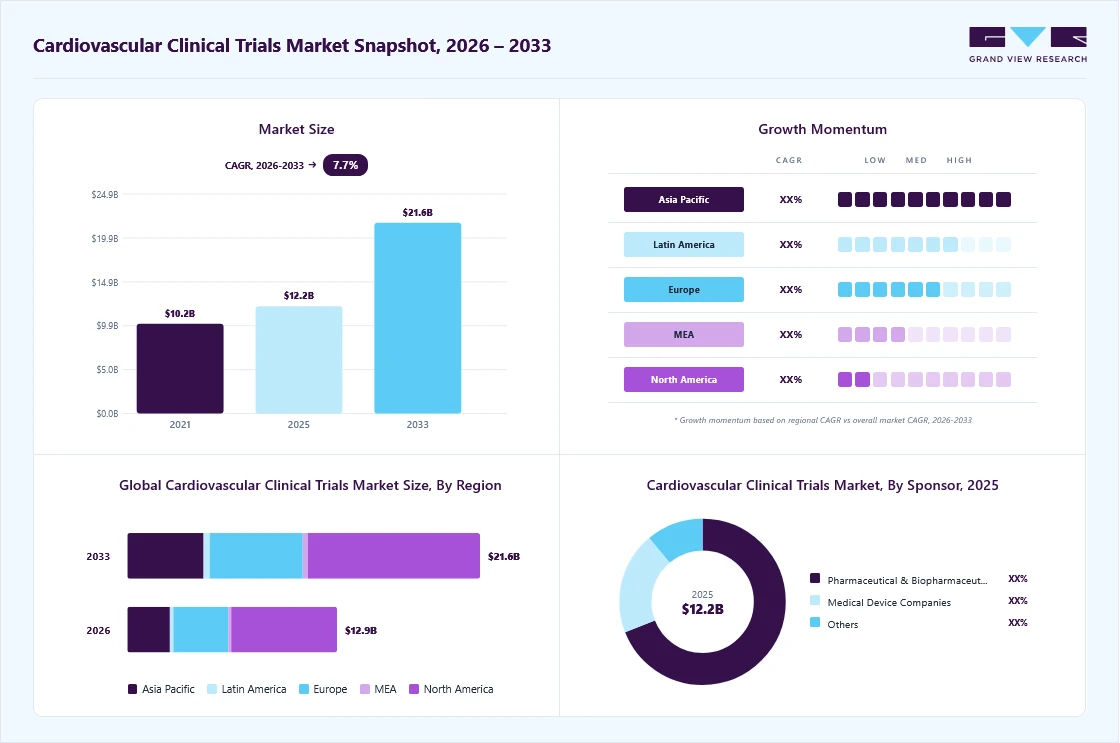 Source: Grand View Research, IR Documents, Primary Interviews, Paid DatabasesTo learn more about this report,
 Download Free Sample Report
Key Market Trends & Insights
- By phase: Phase III segment held the largest market share of 55.5% in 2025.
- By study design: Interventional trials segment held the largest market share in 2025.
- By indication: Ischemic heart disease segment held the largest market share in 2025.
- By service: Laboratory services segment held the largest market share in 2025.
- By sponsor: Pharmaceutical & biopharmaceutical companies segment held the largest market share in 2025.
Regional Highlights
- Largest regional market: North America (50.7% revenue share, 2025)
- Fastest-growing regional market: Asia Pacific (highest CAGR, 2026-2033)
- By country: The U.S. held the largest market share in 2025
Market Size & Forecast
- Market size in 2025: USD 12.2 Billion
- Estimated market size in 2026: USD 12.8 Billion
- Projected market size by 2033: USD 21.6 Billion
- CAGR (2026-2033): 7.7%
Prism AI by Grand View Research Free to tryAsk a question about the cardiovascular clinical trials marketTry asking✓Every figure cited from GVR research Prefer the report? Download free sample →
Some other factors contributing to market growth are sedentary lifestyles, aging populations, smoking habits, stress, and unhealthy diets, which are significantly increasing the prevalence of cardiovascular diseases worldwide. Besides, rising cases of hypertension, heart failure, stroke, and coronary artery disease are driving demand for innovative therapies and medical devices. Thus, clinical research activities are expanding to develop advanced cardiovascular treatments that improve patient outcomes, reduce complications, and enhance survival rates.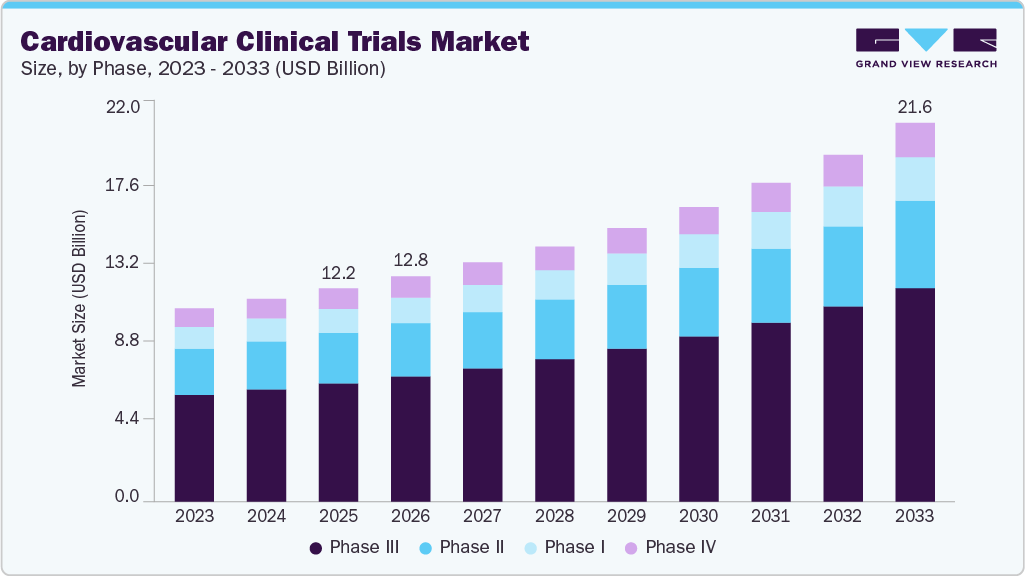 To learn more about this report, Download Free Sample Report
The cardiovascular clinical trials industry is driven by the increasing global burden of cardiovascular diseases (CVDs) and a growing demand for innovative therapies. CVDs continue to be a leading cause of mortality worldwide, driving the need for effective drugs, medical devices, and preventive treatments. For instance, the American Heart Association Presidential Advisory mentioned that the burden of cardiovascular disease and associated risk factors is projected to rise substantially over the coming decades. By 2050, cardiovascular disease prevalence in the U.S. is anticipated to grow from approximately 11.3% to nearly 15% of the population, potentially impacting around 45 million adults.
In addition, stroke cases are expected to increase significantly, rising from nearly 10 million to close to 20 million adults. In addition, obesity, one of the primary contributors to cardiovascular disorders, is expected to expand from about 43% of the population to over 60%. These projections highlight the urgent need for stronger preventive healthcare strategies, improved risk-factor management, and greater investment in cardiometabolic disease prevention and treatment initiatives. This has led most pharmaceutical and biotechnology companies to boost their investments in research to develop advanced treatments for various cardiovascular conditions, including heart failure, hypertension, arrhythmias, ischemic heart disease, and lipid disorders. This expanding pipeline of therapeutics fuels the demand for specialized clinical trial services.
Moreover, the rising adoption of precision medicine and biomarker-based therapies focused on patient-specific treatment approaches, aiming to enhance therapeutic outcomes while minimizing adverse effects. The integration of advanced technologies such as genomics, artificial intelligence (AI), wearable devices, and digital health platforms significantly improves patient recruitment, real-time monitoring, and data collection efficiency. Besides, decentralized clinical trials and remote patient monitoring are gaining popularity, enabling broader patient participation and lower operational costs.
Furthermore, outsourcing trends among pharmaceutical and medical device companies are also contributing to market expansion. Sponsors are increasingly turning to contract research organizations (CROs) for clinical trial management, regulatory compliance, and patient recruitment, thereby reducing development timelines and enhancing overall efficiency. Emerging markets such as India, China, and Brazil are attracting significant clinical trial investments due to their large patient pools, cost-efficient operations, and improving healthcare infrastructures.
In addition, regulatory scrutiny regarding safety monitoring and transparency, along with increased operational complexity, companies face; however, these regulations ultimately enhance trial quality and patient safety. Besides, collaborations and partnerships among CROs, biotech firms, and technology providers further strengthen market competitiveness and enhance global trial capabilities. Thus, the cardiovascular clinical trials industry is expected to witness new growth opportunities supported by technological innovations, heightened healthcare investments, expanded therapeutic pipelines, and a growing global demand for efficient and patient-centric trial solutions.
Opportunity Analysis
The cardiovascular clinical trials industry presents new growth opportunities driven by the increasing global prevalence of cardiovascular diseases, rising healthcare expenditures, and growing demand for innovative cardiac therapies. Pharmaceutical and biotechnology companies are expanding research pipelines for heart failure, hypertension, ischemic heart disease, and lipid disorders, creating strong demand for specialized clinical trial services. The increasing adoption of precision medicine and biomarker-based therapies further supports opportunities for targeted cardiovascular research and the development of personalized treatments. Besides, technological advancements such as artificial intelligence, wearable monitoring devices, decentralized clinical trials, and real-world evidence integration are creating new opportunities to improve patient recruitment, data accuracy, and operational efficiency. In addition, the emergence of GLP-1 therapies and obesity-related cardiovascular treatments is accelerating the need for long-term cardiovascular outcome studies.
Moreover, emerging economies, including India, China, and Brazil, offer significant opportunities due to large patient populations, lower operational costs, improved healthcare infrastructure, and favorable regulatory reforms. Furthermore, increasing outsourcing activities among pharmaceutical and medical device companies toward contract research organizations (CROs) are expanding service opportunities across clinical trial management, patient recruitment, laboratory services, and regulatory consulting. Such strategic collaborations and digital transformation initiatives are expected to accelerate global market expansion.
Impact of U.S. Tariffs on Cardiovascular Clinical Trials Market
U.S. tariffs on pharmaceutical raw materials, medical devices, laboratory equipment, and imported technologies can indirectly affect the cardiovascular clinical trials industry by raising operational and manufacturing expenses. Clinical trial sponsors who rely on imported diagnostic tools, wearable devices, and laboratory consumables may incur higher procurement costs, impacting overall trial budgets. Besides, tariffs disrupt global supply chains associated with investigational drugs, biologics, and electronic components used in cardiovascular monitoring systems. Increased costs may prompt pharmaceutical and medical device companies to diversify manufacturing locations and strengthen local supply networks to minimize dependency on affected imports. In addition, CROs and research institutions may face increased costs for advanced imaging systems, cardiac monitoring devices, and laboratory instruments essential to cardiovascular studies. These cost pressures can influence pricing strategies and potentially delay early-stage research activities. Hence, tariffs may incentivize domestic manufacturing investments within the U.S., fostering local production of medical technologies and research equipment. This shift could enhance supply chain resilience and support long-term innovation in cardiovascular research infrastructure. Thus, while tariffs could hike short-term operational costs, companies are adapting through strategic sourcing, regional partnerships, and supply chain optimization.
Technological Advancements
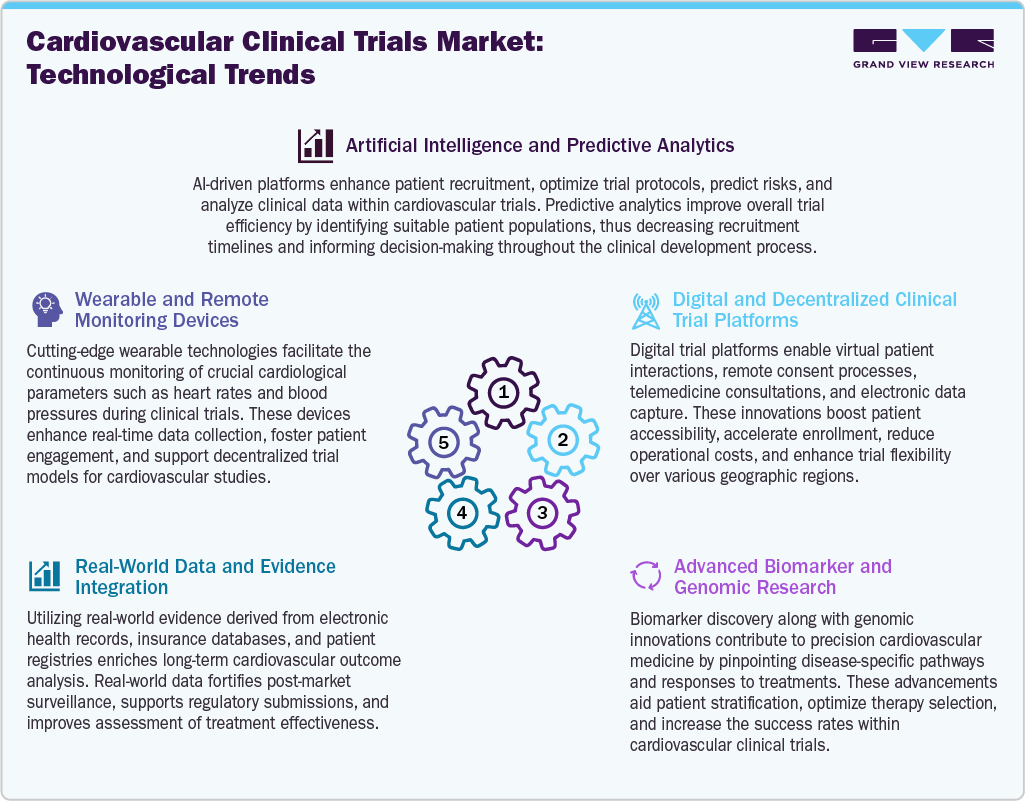
Technological advancements are transforming the market for cardiovascular clinical trials by boosting operational efficiency, patient engagement, and data accuracy. The implementation of AI and machine learning technologies optimizes patient recruitment, predicts treatment outcomes, and streamlines clinical trial management processes. These innovations shorten development timelines and improve trial success rates by enabling better patient selection and protocol design. Furthermore, the use of wearable devices and remote monitoring systems enhances real-time cardiovascular data collection by continuously tracking vital patient metrics. Such tools improve participant compliance and foster decentralized trial models, lessening reliance on physical sites and broadening geographic involvement. Moreover, digital clinical trial platforms drive the shift to virtual and hybrid studies through telemedicine integration and electronic consent systems, enhancing participant accessibility while reducing operational costs for sponsors and CROs.
 To learn more about this report, Download Free Sample Report
Furthermore, the growing reliance on real-world evidence through electronic health records strengthens long-term cardiovascular outcome analysis as pharmaceutical companies leverage these datasets for regulatory submissions and treatment evaluations. In addition, advancements in biomarker research and genomic technologies facilitate personalized cardiovascular therapies by elucidating patient-specific disease mechanisms and therapeutic responses. These precision medicine approaches aim to optimize treatment outcomes while reducing adverse effects, further boosting demand for specialized cardiovascular clinical studies.
Pricing Model Analysis
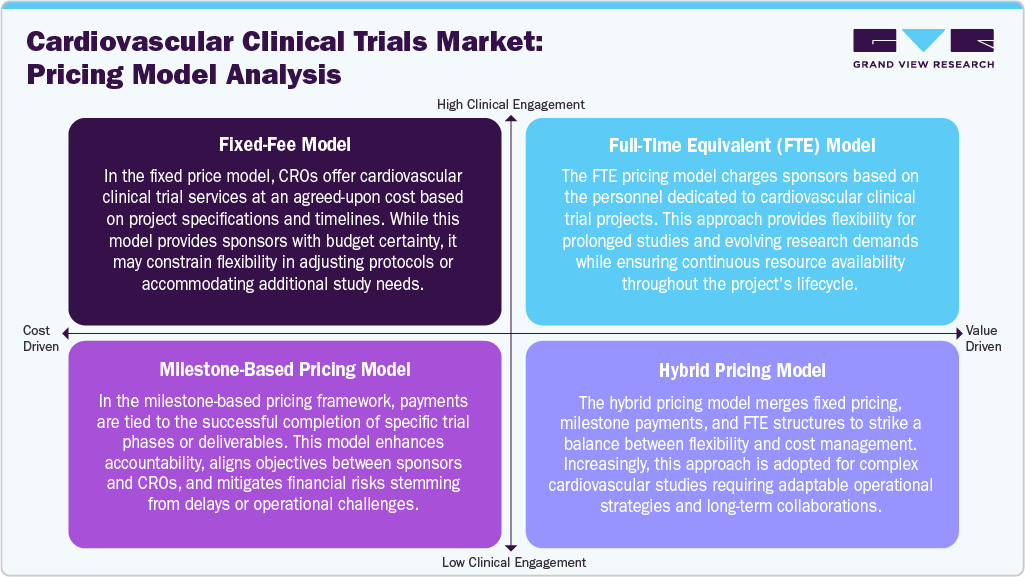
The cardiovascular clinical trials industry pricing model employs diverse pricing models to accommodate varying complexities, operational needs, and sponsor preferences. For instance, fixed price models remain popular for well-defined cardiovascular studies due to their predictable budgeting and cost control. However, dynamic trial protocols and regulatory changes often necessitate more flexible engagement options. Besides, currently, the FTE model is gaining traction for long-duration cardiovascular research projects that entail continuous resource allocation and evolving operational needs. This model enables sponsors to scale research teams effectively while maintaining project continuity.
 To learn more about this report, Download Free Sample Report
In addition, the milestone-based pricing is increasingly favored as it links payments to trial progress and performance outcomes. This model enhances accountability among CROs and helps mitigate financial risks for sponsors by tying payments to successful regulatory milestones. Moreover, hybrid pricing models are becoming more common in complex cardiovascular clinical trials, especially in decentralized studies and precision medicine initiatives. By integrating multiple pricing approaches, hybrid models offer an advantageous balance in cost efficiency, operational adaptability, and improved risk-sharing. In summary, pricing strategies in the cardiovascular clinical trials industry are progressing towards more collaborative, outcome-oriented, and flexible frameworks that address the rising complexity of trials and enhanced technological integrations.
Market Characteristics & Concentration
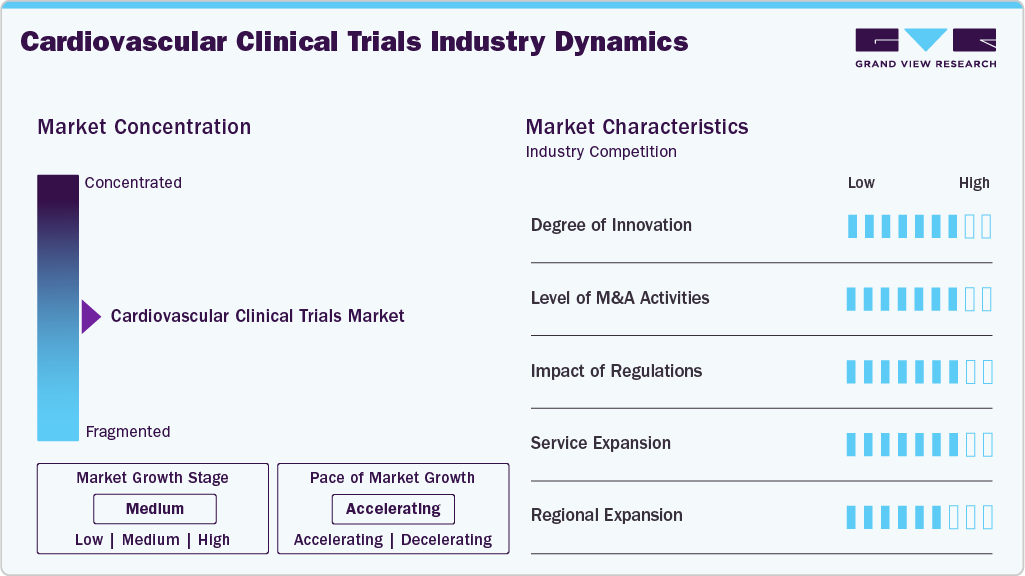
The market growth stage is medium, and pace of the market growth is accelerating. The cardiovascular clinical trials industry is characterized by rising incidences of cardiovascular diseases, expanding therapeutic pipelines, increased outsourcing, growing investments in innovative treatments, digital clinical research technologies, and an increasing number of clinical trials.
The market exhibits a high degree of innovation driven by advancements in biologics, gene therapies, regenerative medicine, and precision cardiovascular treatments. AI-driven analytics, wearable devices, digital biomarkers, and decentralized trial platforms are all considerably enhancing trial efficiency and fostering patient-centered research initiatives.
 To learn more about this report, Download Free Sample Report
Regulatory requirements surrounding patient safety, clinical transparency, and data integrity have a profound effect on cardiovascular clinical trial operations. Compliance with these stringent regulations increases operational complexity and development costs; however, companies with robust regulatory expertise often gain a competitive advantage and improve their approval success rates.
The market is seeing an uptick in mergers and acquisitions as CROs, pharmaceutical firms, and technology providers seek to bolster their cardiovascular research capabilities and global trial networks. Strategic partnerships and acquisitions of specialized research entities enhance access to cutting-edge technologies, targeted expertise, and recruitment efficiencies.
The cardiovascular clinical trials industry is moderately fragmented, featuring a diverse array of global CROs, regional service providers, pharmaceutical companies, biotechnology firms, and academic institutions vying for market share. Specialized cardiovascular research providers contribute to intensified competition and enhanced service differentiation.
Key end users encompass pharmaceutical companies, biotechnology firms, medical device manufacturers, and academic research institutions. The increasing demand for efficient, high-quality, and technologically advanced cardiovascular clinical trials is significantly influencing market competition, outsourcing strategies, and pricing approaches across the industry.
Phase Insights
Based on phase segment, the phase III segment held the largest market share, accounting for a revenue share of 55.5% in 2025. The segment is driven by a surge in late-stage studies validating the safety and efficacy of novel therapies aimed at large patient populations. Besides, most pharmaceutical and biopharmaceutical companies are making significant investments in these programs to secure regulatory approvals and boost commercial opportunities for treatments targeting heart failure, hypertension, ischemic heart disease, and arrhythmias. These trials require extensive patient recruitment, coordination across multiple centers, rigorous monitoring, and longer durations, resulting in higher costs than in earlier phases. Moreover, the rising demand for innovative therapies contributes to the global dominance of phase III clinical trials.
The phase I segment is expected to grow significantly during the forecast period. The segment's growth is driven by increased research focused on novel drug candidates, biologics, gene therapies, and precision medicine. In addition, pharmaceutical companies are expanding their early-stage pipelines to address gaps in cardiovascular treatment and improve therapeutic outcomes. In addition, innovations in biomarker analysis, adaptive trial designs, and AI-driven patient monitoring are boosting the execution of phase I studies. Moreover, increasing investment from biotechnology companies and venture capital is fueling the advancements in cardiovascular therapeutics. The strong emphasis on first-in-human studies to develop safer, more targeted cardiovascular drugs promises to drive rapid growth in the phase I segment. Thus, these factors are expected to increase over the estimated period.
Study Design Insights
Based on study design, the interventional trials segment accounted for the largest share in 2025. The segment is driven by increased demand for assessing new drugs, biologics, medical devices, and surgical methods for cardiovascular diseases. These trials provide essential evidence regarding efficacy, safety, and long-term patient outcomes, which are critical for regulatory approvals and commercialization. Besides, the growing incidence of heart diseases, the increase in healthcare spending, and the adoption of advanced therapeutics continue to drive segment growth. Moreover, pharmaceutical and medical device companies heavily rely on randomized controlled interventional studies to demonstrate clinical value, and an uptick in multicenter global trials further boosts the dominance of interventional studies.
The observational trials segment is expected to grow significantly during the forecast period. The segment growth is driven by rising interest in real-world evidence and comprehensive cardiovascular disease management. Besides, most healthcare providers, research organizations, and regulatory bodies are increasingly leveraging these studies to understand patient behaviors, treatment effectiveness, disease progression, and health outcomes in clinical settings. With lower operational complexity and costs compared to interventional studies, observational trials encourage broader adoption. Moreover, growing accessibility of electronic health records, wearable technology, and digital health platforms enhances data collection capabilities, while the emphasis on personalized medicine and population health management is expected to further drive growth in observational cardiovascular trials.
Indication Insights
Based on indication, the ischemic heart disease segment dominated the market with the largest revenue share in 2025. The segment is driven by global prevalence and significant mortality rates. The rising incidence of coronary artery disease and heart-related complications has created a robust demand for advanced treatments and preventive solutions. Most pharmaceutical and biotechnology companies are heavily investing in clinical trials focusing on lipid-lowering agents, antithrombotic therapies, regenerative medicine, and minimally invasive procedures. Moreover, the aging population, sedentary lifestyles, obesity, and diabetes continue to inflate patient volumes worldwide. In addition, support from government and healthcare organizations for cardiovascular research initiatives strengthens the position of ischemic heart disease studies in the overall clinical trials market.
On the other hand, the stroke segment is expected to grow at a significant CAGR during the forecast period. The segment is driven by rising cardiovascular disease rates and awareness of early intervention therapies. The rising prevalence of hypertension and obesity, alongside aging populations, contributes to the higher incidence of strokes. Pharmaceutical and medical device companies are developing innovative thrombolytic drugs, neuroprotective therapies, and advanced stroke management technologies. The increased adoption of AI-driven imaging tools and minimally invasive treatment options accelerates clinical research efforts, while government funding aimed at reducing stroke-related mortality and disabilities supports this rapid growth. Such factors are expected to drive the market growth.
Service Insights
On the basis of service, the laboratory services segment accounted for the largest share in 2025 during the forecast period. The segment growth is attributed to underscoring their vital role in sample testing, biomarker analysis, diagnostic evaluations, and data validation throughout clinical studies. Extensive laboratory support is essential for assessing safety profiles, pharmacokinetics, genetic markers, and treatment responses in cardiovascular trials. The complexity of cardiovascular drug development and the rising trend towards precision medicine are propelling demand for specialized laboratory capabilities. Contract research organizations and central laboratories are investing in advanced technologies, such as molecular diagnostics and genomics, to enhance efficiency. The growing number of multicenter clinical studies reinforces the dominance of laboratory services in the market.
The patient recruitment segment is expected to grow significantly during the forecast period. The growth is attributed to rising challenges of enrolling suitable participants for complex studies. Stiff competition, stringent inclusion criteria, and increasing demand for diverse patient populations compel sponsors to adopt innovative recruitment strategies. Besides, digital recruitment platforms, social media outreach, AI-powered analytics, and electronic health record integration enhance processes for identifying and engaging patients, further contributing to market growth. In addition, the rising prevalence of cardiovascular diseases broadens the global patient pool. Sponsors are increasingly outsourcing recruitment to specialized service providers to expedite enrollment and improve study efficiency. Such factors are expected to drive new growth opportunities over the estimated period.
Sponsor Insights
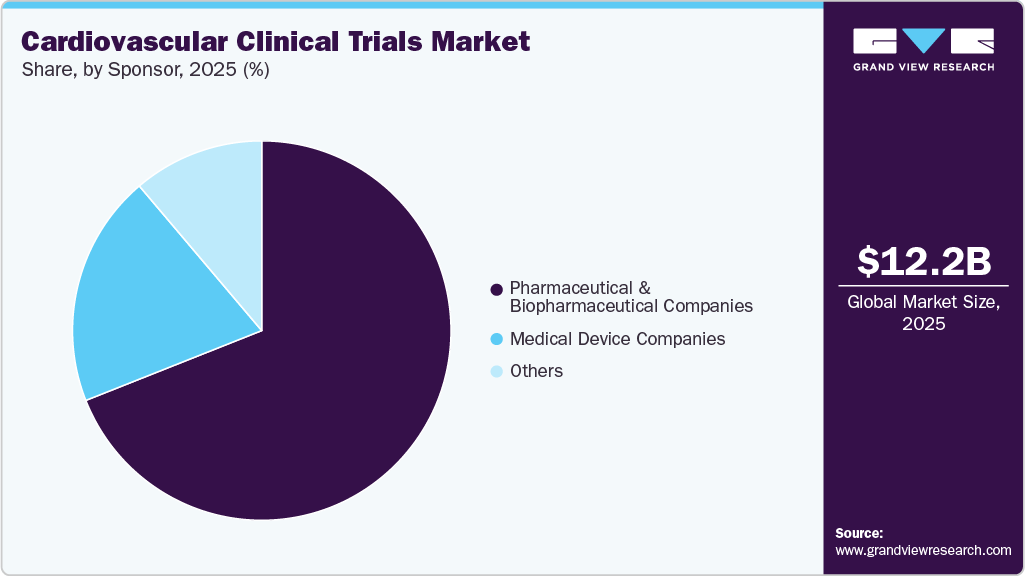
By sponsor, the pharmaceutical & biopharmaceutical companies segment accounted for the largest share in 2025 during the forecast period. The segment growth is driven by leveraging investments in the development of innovative therapies. These companies routinely conduct extensive clinical studies targeting conditions like heart failure, hypertension, arrhythmias, ischemic heart disease, and stroke. Besides, the growing demand for biologics, targeted therapies, and precision medicine further solidifies their market dominance. Strategic partnerships with contract research organizations, academic institutions, and healthcare providers enhance trial execution speed and global reach. The combination of strong regulatory approvals, robust product pipelines, and increasing healthcare expenditures fortifies the role of these companies in cardiovascular clinical research. Thus, these factors are expected to drive the market.
 To learn more about this report, Download Free Sample Report
The medical device companies segment is expected to grow significantly during the forecast period. The growth is attributed to innovation in minimally invasive technologies, cardiac monitoring systems, and implantable devices. In addition, the demand for advanced stents, pacemakers, wearable cardiac monitors, and transcatheter therapies drives clinical research. Advances in digital health, remote patient monitoring, and AI-based cardiovascular devices are accelerating development and regulatory processes. In addition, the increasing prevalence of cardiovascular disorders and the preference for less invasive treatment options contribute to the adoption of innovative medical devices. Moreover, collaborations between manufacturers and clinical research organizations further drive growth in this segment. Such factors are expected to drive new growth opportunities over the estimated period.
Regional Insights
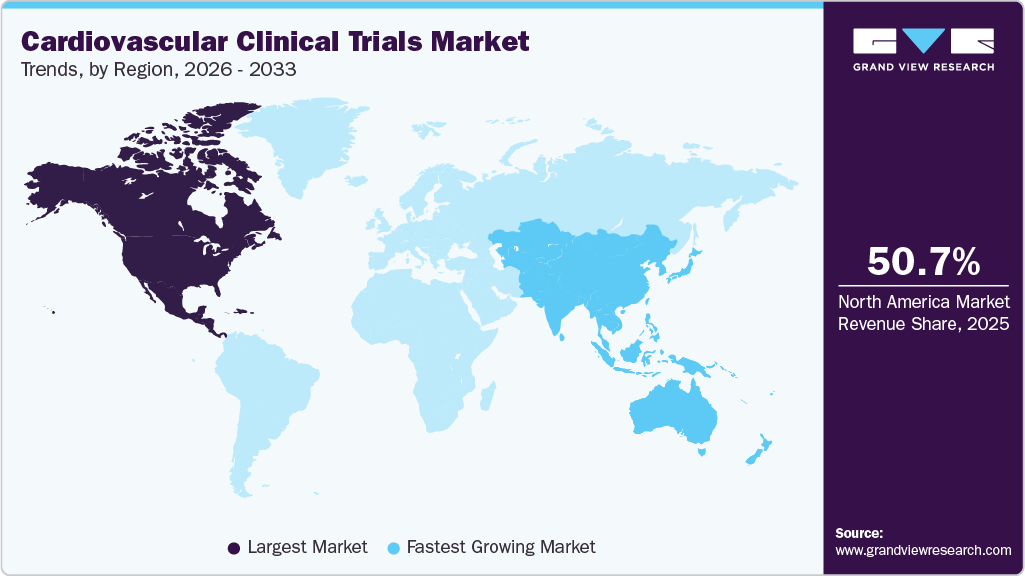
North America cardiovascular clinical trials market dominated the global market in 2025, accounting for a revenue share of 50.7%. The market growth is attributed to growing R&D investments and the presence of established pharmaceutical and biotechnology companies. Besides, the region benefits from a highly developed clinical research infrastructure, experienced contract research organizations (CROs), and streamlined regulatory pathways, which further accelerate trial initiation and approvals. In addition, the rapid adoption of decentralized clinical trials, artificial intelligence, digital health technologies, and remote patient monitoring is improving trial efficiency and patient engagement. Moreover, the growing prevalence of cardiovascular diseases, the rising demand for precision medicine, and the increasing focus on biologics and innovative therapies are expected to drive market growth. Furthermore, strong collaborations between sponsors, CROs, academic institutions, and healthcare providers continue to strengthen North America's leadership in global cardiovascular clinical research. Such factors are expected to drive the market growth.
 To learn more about this report, Download Free Sample Report
U.S. Cardiovascular Clinical Trials Market Trends
The cardiovascular clinical trials industry in the U.S. accounted for the largest market share in North America, owing to robust innovation capabilities, advanced healthcare infrastructure, rising cardiovascular disease rates, a strong presence of global biopharmaceutical companies, and growing investments in biologics and cell-based therapies. Besides, the country remains a major hub for cardiovascular research due to significant investments in drug discovery, precision medicine, and advanced therapeutics. Regulatory support from the U.S. FDA enables faster clinical approvals and commercialization of innovative therapies. In addition, the availability of diverse patient populations, highly skilled investigators, and advanced trial technologies supports extensive clinical trial activity. The increasing use of decentralized trial models, wearable monitoring devices, and AI-driven analytics is improving patient recruitment and operational efficiency. Such factors are expected to drive the U.S. market.
The Canada cardiovascular clinical trials industry is expected to grow at a significant CAGR during the forecast period. The market is driven by the expanding biotechnology sector, supportive government initiatives, and strong research capabilities. The country offers a favorable regulatory environment and funding programs that encourage innovation and collaboration among pharmaceutical companies, CROs, and academic institutions. In addition, investments in advanced clinical infrastructure and digital healthcare technologies are improving trial efficiency and patient participation. The country's diverse patient population and growing involvement in multinational clinical studies further support market growth. Moreover, the increasing demand for innovative cardiovascular therapies and precision medicine approaches is expected to drive diabetes-related research over the estimated time period.
Europe Cardiovascular Clinical Trials Market Trends
Europe's cardiovascular clinical trials industry growth is driven by advanced healthcare systems, strong regulatory expertise, and a well-established biopharmaceutical industry. Countries such as Germany, UK, and France play a significant role in promoting innovation and cardiovascular research activities. The region benefits from harmonized regulatory frameworks and high-quality GMP standards that ensure compliance and patient safety. In addition, increasing collaborations between research institutions, pharmaceutical companies, and CROs are accelerating the development of advanced cardiovascular therapies. The growing adoption of digital health platforms, remote patient monitoring, and decentralized clinical trial models is improving patient recruitment and operational efficiency, which is expected to drive the market over the estimated time period.
The cardiovascular clinical trials industry in Germany held the highest share in 2025. The country's growth is driven by a strong industrial base, advanced research infrastructure, and a highly skilled scientific workforce. The country is a major center for clinical research and biologics development, supported by substantial investments in healthcare innovation and R&D activities. Besides, the country's strict regulatory standards and GMP-compliant facilities attract global sponsors seeking high-quality and reliable clinical trial outcomes. Moreover, strategic collaborations between academic institutions, biotechnology companies, and pharmaceutical companies further strengthen the market growth.
The UK cardiovascular clinical trials industry is expected to grow significantly over the forecast period. The country's growth is fueled by a strong biotechnology industry, the presence of academic institutions, and a supportive regulatory environment. Government-backed funding initiatives and policies encouraging clinical research continue to support innovation and market expansion. Besides, the country is increasingly focusing on advanced cardiovascular therapies, including gene-based treatments, regenerative medicine, and precision therapeutics. In addition, the adoption of digital health technologies and patient-centric clinical trial models is enhancing trial efficiency, recruitment, and patient retention. Moreover, the established healthcare infrastructure and extensive clinical research expertise make it an attractive destination for large-scale, complex cardiovascular studies, thereby further contributing to market growth.
Asia Pacific Cardiovascular Clinical Trials Market Trends
Asia Pacific cardiovascular clinical trials industry is expected to grow at a significant CAGR over the forecast period. The market is driven by cost advantages, expanding healthcare infrastructure, and rising investments in biopharmaceutical research. Besides, countries such as China, India, and Japan are strengthening regulatory frameworks and aligning with international standards to attract global clinical trial sponsors. In addition, the region offers access to large, diverse patient populations, enabling faster patient recruitment and more efficient trial execution. Moreover, increasing availability of skilled healthcare professionals, growing CRO presence, and supportive government initiatives are enhancing the region's competitiveness. The adoption of digital trial technologies, telemedicine, and AI-driven data management systems is further improving clinical operations. Such factors are expected to drive the market.
The cardiovascular clinical trials industry in China is witnessing new growth opportunities driven by government support, expanding biotechnology capabilities, and rising investments in pharmaceutical R&D. The country's cost-effective clinical trial environment and large patient population make it highly attractive for multinational pharmaceutical and biotechnology companies. Regulatory reforms focused on accelerating drug approvals and improving transparency have strengthened China's competitiveness in the global clinical trials industry. In addition, the growing focus on precision medicine, biologics, and innovative cardiovascular therapies is further increasing demand for research activities. Moreover, collaborations between domestic companies and international sponsors continue to enhance technological capabilities and support long-term market growth in China.
The cardiovascular clinical trials industry in Japan is driven by advanced technological capabilities, stringent clinical standards, and a well-established pharmaceutical industry. The country places strong emphasis on precision medicine, innovative therapeutics, and advanced cardiovascular treatment approaches supported by a robust regulatory framework. Japan's expertise in clinical research and commitment to compliance ensure highly reliable trial outcomes, making it a preferred destination for specialized and high-value clinical studies. In addition, collaborations among academic institutions, research organizations, and pharmaceutical companies continue to drive innovation in cardiovascular therapies.
The India cardiovascular clinical trials industry is experiencing a cost-efficient clinical trial environment, a large patient population, and an expanding pharmaceutical sector. The country offers access to skilled investigators, experienced healthcare professionals, and an improved clinical infrastructure, making it an attractive destination for global clinical research outsourcing. Regulatory reforms and alignment with international clinical standards have enhanced India's credibility in conducting multinational cardiovascular trials. In addition, increasing investments in hospitals, research centers, and digital healthcare technologies are improving operational efficiency and patient recruitment capabilities. India's growing participation in global multicenter trials and rising focus on innovative cardiovascular therapies are further driving market growth.
Latin America Cardiovascular Clinical Trials Market Trends
The cardiovascular clinical trials industry in Latin America is expected to grow significantly over the forecast period. The market is driven by improving healthcare infrastructure, favorable regulatory developments, and increasing investments in biopharmaceutical research. Besides, countries such as Brazil and Argentina are strengthening domestic clinical research capabilities to reduce dependency on imports and enhance regional innovation. The region offers cost advantages and access to diverse patient populations, attracting global pharmaceutical companies and CROs. In addition, government initiatives promoting healthcare modernization and clinical research partnerships are supporting market growth.
Brazil's cardiovascular clinical trials industry is driven by increasing healthcare investments, supportive government initiatives, and growing focus on domestic biopharmaceutical development. The country's large patient pool and expanding clinical research infrastructure make it an attractive destination for global cardiovascular studies. Besides, rising demand for biologics, biosimilars, and innovative cardiovascular therapies is supporting trial activity across multiple therapeutic areas. In addition, Brazil's efforts to improve regulatory efficiency and encourage healthcare innovation are strengthening its position as a key clinical research hub in Latin America. Such factors are expected to drive the market over the estimated time period.
Middle East & Africa Cardiovascular Clinical Trials Market Trends
The cardiovascular clinical trials industry in the MEA region is expected to grow steadily over the forecast period. The market is driven by increasing government healthcare investments, improving clinical infrastructure, and rising demand for advanced cardiovascular therapies. Countries across the region are focusing on strengthening regulatory frameworks and adopting international clinical research standards to attract global pharmaceutical companies and CROs. The region's strategic geographic location and expanding healthcare capabilities are supporting multinational clinical trial activities. In addition, the growing burden of cardiovascular diseases and increasing awareness of innovative treatment options are driving the need for clinical research across the region.
The UAE cardiovascular clinical trials industry is driven by strong government support, increasing investments in healthcare infrastructure, and efforts to establish a robust life sciences ecosystem. The country's favorable business environment, evolving regulatory framework, and strategic geographic location attract global pharmaceutical companies and CROs for conducting cardiovascular research. The UAE is increasingly investing in advanced hospitals, research centers, and digital healthcare technologies to strengthen clinical trial capabilities. In addition, growing focus on innovation, precision medicine, and advanced cardiovascular therapies is supporting the expansion of clinical research activities. Such factors are expected to drive the market.
Key Cardiovascular Clinical Trials Company Insights
The key players operating across the market are adopting strategic initiatives such as service launches, mergers & acquisitions, partnerships & agreements, and expansions to gain a competitive edge in the market. For instance, in March 2026, AstraZeneca completed a wearable ECG-based observational heart failure study evaluating remote monitoring endpoints. Such advancements of decentralized clinical trials in the UK, enable real-world data collection, improved patient monitoring, and faster cardiovascular drug development timelines.
Key Cardiovascular Clinical Trials Companies:
The following key companies have been profiled for this study on the cardiovascular clinical trials market.
- IQVIA Inc.
- ICON plc
- SGS SA
- Eli Lilly and Company
- PPD Inc.
- Syneos Health
- Caidya
- Worldwide Clinical Trials
- Veeda Clinical Research
- Parexel International (MA) Corporation
- Medpace Holdings, Inc.
- Charles River Laboratories
- MAC Research
- Sofpromed
- Laboratory Drug Development
- AstraZeneca
- Novartis
- Pfizer
- Bristol Myers Squibb
- Johnson & Johnson
Recent Developments
-
In February 2026, Medpace Holdings, Inc., collaborated with Vivalink to integrate remote cardiac monitoring technologies. These initiatives support cardiovascular trials enabling real-time patient data collection, improving safety monitoring, and enhancing decentralized trial adoption.
-
In October 2025, Pfizer collaborated with St. George’s University Hospitals NHS Foundation Trust to improve cardiac amyloidosis care pathways. These initiatives strengthen clinical trial readiness via better diagnosis, patient databases, and coordinated multidisciplinary cardiovascular research infrastructure.
-
In June 2024, AstraZeneca collaborated with BenevolentAI to identify novel targets, including heart failure. Such initiative accelerates cardiovascular clinical trials through AI-driven target discovery, improving pipeline innovation and early-stage trial success rates.
Cardiovascular Clinical Trials Market Report Scope
Report Attribute
Details
Market size in 2025
USD 12.2 billion
Estimated market size in 2026
USD 12.8 billion
Projected market size by 2033
USD 21.6 billion
Growth rate
CAGR of 7.7% from 2026 to 2033
Actual data
2021 - 2025
Forecast period
2026 - 2033
Quantitative units
Revenue in USD million/billion, and CAGR from 2026 to 2033
Report coverage
Revenue forecast, company ranking, competitive landscape, growth factors, and trends, clinical trials outlook, volume analysis
Segments covered
Phase, study design, indication, indication by study, service, sponsor, region
Regional scope
North America; Europe; Asia Pacific; Latin America; MEA
Country Scope
U.S.; Canada; Mexico; UK; Germany; Italy; France; Spain; Denmark; Sweden; Norway; Japan; China; India; South Korea; Australia; Thailand; Brazil; Argentina; South Africa; Saudi Arabia; UAE; Kuwait, Qatar, Oman
Key companies profiled
IQVIA Inc.; ICON plc; SGS SA; Eli Lilly and Company; PPD Inc.; Syneos Health; Caidya; Worldwide Clinical Trials; Veeda Clinical Research; Parexel International (MA) Corporation; Medpace Holdings, Inc.; Charles River Laboratories; MAC Research; Sofpromed; Laboratory Drug Development; AstraZeneca; Novartis; Pfizer; Bristol Myers Squibb; Johnson & Johnson
Customization scope
Free report customization (equivalent up to 8 analysts working days) with purchase. Addition or alteration to country, & segment scope.
Pricing and purchase options
Avail customized purchase options to meet your exact research needs. Explore purchase options
Global Cardiovascular Clinical Trials Market Report Segmentation
This report forecasts revenue growth at regional and country levels and provides an analysis of the latest industry trends in each of the sub-segments from 2021 to 2033. For this study, Grand View Research has segmented the global cardiovascular clinical trials market report based on phase, study design, indication, indication by study design, service, sponsor, and region:
-
Phase Outlook (Revenue, USD Million, 2021 - 2033)
-
Phase I
-
Phase II
-
Phase III
-
Phase IV
-
-
Study Design Outlook (Revenue, USD Million, 2021 - 2033)
-
Interventional Trials
-
Observational Trials
-
Expanded Access Trials
-
-
Indication Outlook (Revenue, USD Million, 2021 - 2033)
-
Valvular Heart Disease
-
Peripheral Artery Disease
-
Ischemic Heart Disease
-
Pulmonary Arterial Hypertension
-
Stroke
-
Cardiac Arrhythmias
-
Heart Failure
-
Other Indications
-
-
Indication by Study Design Outlook (Revenue, USD Million, 2021 - 2033)
-
Valvular Heart Disease
-
Interventional Trials
-
Observational Trials
-
Expanded Access Trials
-
-
Peripheral Artery Disease
-
Interventional Trials
-
Observational Trials
-
Expanded Access Trials
-
-
Ischemic Heart Disease
-
Interventional Trials
-
Observational Trials
-
Expanded Access Trials
-
-
Pulmonary Arterial Hypertension
-
Interventional Trials
-
Observational Trials
-
Expanded Access Trials
-
-
Stroke
-
Interventional Trials
-
Observational Trials
-
Expanded Access Trials
-
-
Cardiac Arrhythmias
-
Interventional Trials
-
Observational Trials
-
Expanded Access Trials
-
-
Heart Failure
-
Interventional Trials
-
Observational Trials
-
Expanded Access Trials
-
-
Other Indications
-
Interventional Trials
-
Observational Trials
-
Expanded Access Trials
-
-
-
Service Outlook (Revenue, USD Million, 2021 - 2033)
-
Protocol Designing
-
Site Identification
-
Patient Recruitment
-
Laboratory Services
-
Analytical Testing Services
-
Clinical Trial Data Management Services
-
Others
-
-
Sponsor Outlook (Revenue, USD Million, 2021 - 2033)
-
Pharmaceutical & Biopharmaceutical Companies
-
Medical Device Companies
-
Others
-
-
Regional Outlook (Revenue, USD Million, 2021 - 2033)
-
North America
-
U.S.
-
Canada
-
Mexico
-
-
Europe
-
UK
-
Germany
-
France
-
Italy
-
Spain
-
Denmark
-
Sweden
-
Norway
-
-
Asia Pacific
-
China
-
Japan
-
India
-
Australia
-
South Korea
-
Thailand
-
-
Latin America
-
Brazil
-
Argentina
-
Columbia
-
-
Middle East and Africa (MEA)
-
South Africa
-
UAE
-
Saudi Arabia
-
Kuwait
-
Qatar
-
Oman
-
-
Frequently Asked Questions About This Report
The global cardiovascular clinical trials market size was valued at USD 12.2 billion in 2025 and is estimated at USD 12.8 billion for 2026.
The global cardiovascular clinical trials market is expected to grow at a CAGR of 7.7% from 2026 to 2033, reaching USD 21.6 billion by 2033.
North America dominated the market with a share of 50.7% in 2025. This is attributable to growing R&D investments and the presence of established pharmaceutical and biotechnology companies. Besides, the region benefits from a highly developed clinical research infrastructure, experienced contract research organizations (CROs), and streamlined regulatory pathways, which further accelerate trial initiation and approvals.
The market is driven by the global burden of cardiovascular diseases (CVDs), growing demand for innovative therapies, and rising R&D investments by pharmaceutical and biotech companies.
Asia Pacific is the fastest-growing region over the forecast period.
The phase III segment dominated the market and accounted for the largest revenue share of 55.5% in 2025.
The interventional trials segment held the largest revenue share in 2025.
Ischemic heart disease segment accounted for the largest revenue share in 2025.
Pharmaceutical & biopharmaceutical companies segment held the largest revenue share in 2025.
Key players include IQVIA Inc.; ICON plc; SGS SA; Eli Lilly and Company; PPD Inc.; Syneos Health; Caidya; Worldwide Clinical Trials; Veeda Clinical Research; Parexel International (MA) Corporation; Medpace Holdings, Inc.; Charles River Laboratories; MAC Research; Sofpromed; Laboratory Drug Development; AstraZeneca; Novartis; Pfizer; Bristol Myers Squibb; Johnson & Johnson.
About the Author(s)
Medical Devices Research Team
Healthcare · Medical DevicesThis report was authored by the medical devices research team at Grand View Research - comprising two research analysts, one senior research analyst, and one industry expert - with specialized expertise in the medical devices segment of the healthcare industry. All findings are based on proprietary healthcare databases, executive interviews, and regulatory analysis, subject to internal peer review prior to publication.
Last Updated:
Speak to Analyst

Customize this report to your needs - add regions, segments, or data points, with 20% free customization.
Or view our licence options:


ISO 9001:2015 & 27001:2022 Certified
We are GDPR and CCPA compliant! Your transaction & personal information is safe and secure. For more details, please read our privacy policy.


