
- Home
- »
- Clinical Diagnostics
- »
-
Clinical Microbiome Diagnostics Market Report, 2026-2033GVR Report cover

Clinical Microbiome Diagnostics Market (2026 - 2033)
Size, Share & Trends Analysis Report By Product (Diagnostic Tests & Assays, Diagnostic Testing Services, Diagnostic Software & Analysis), By Technology, By Application, By Sample Type, By End-use, By Region, And Segment Forecasts
Market Size, 2025
$172.4MMarket Estimate, 2026
$195.7MMarket Forecast, 2033
$500.8MCAGR, 2026–2033
14.4%Clinical Microbiome Diagnostics Market Summary
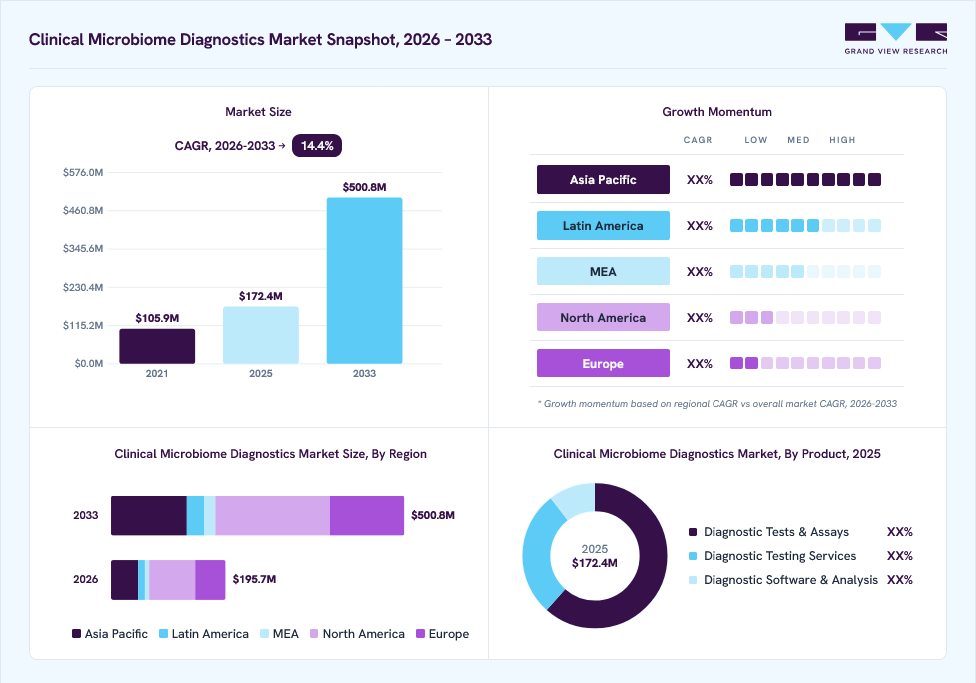
The global clinical microbiome diagnostics market size was valued at USD 172.4 million in 2025 and is projected to grow from USD 195.7 million in 2026 to USD 500.8 million by 2033, at a CAGR of 14.4% from 2026 to 2033. North America dominated the market, accounting for the largest revenue share of 40.3% in 2025. Market growth is primarily driven by technological advancements in sequencing and bioinformatics, which are improving the accuracy, speed, and scalability of microbial profiling and data interpretation.
 Source: Grand View Research, IR Documents, Primary Interviews, Paid DatabasesTo learn more about this report,
 Download Free Sample Report
Key Market Trends & Insights
- By product: Diagnostic tests & assays segment led the market with the largest revenue share of 61.5% in 2025.
- By technology: Sequencing-based segment led the market with the largest revenue share of 52.0% in 2025.
- By application: Gastrointestinal disorders segment led the market with the largest revenue share 29.0% in 2025.
- By sample type: Gut segment led the market with the largest revenue share 58.0% in 2025.
Regional Highlights
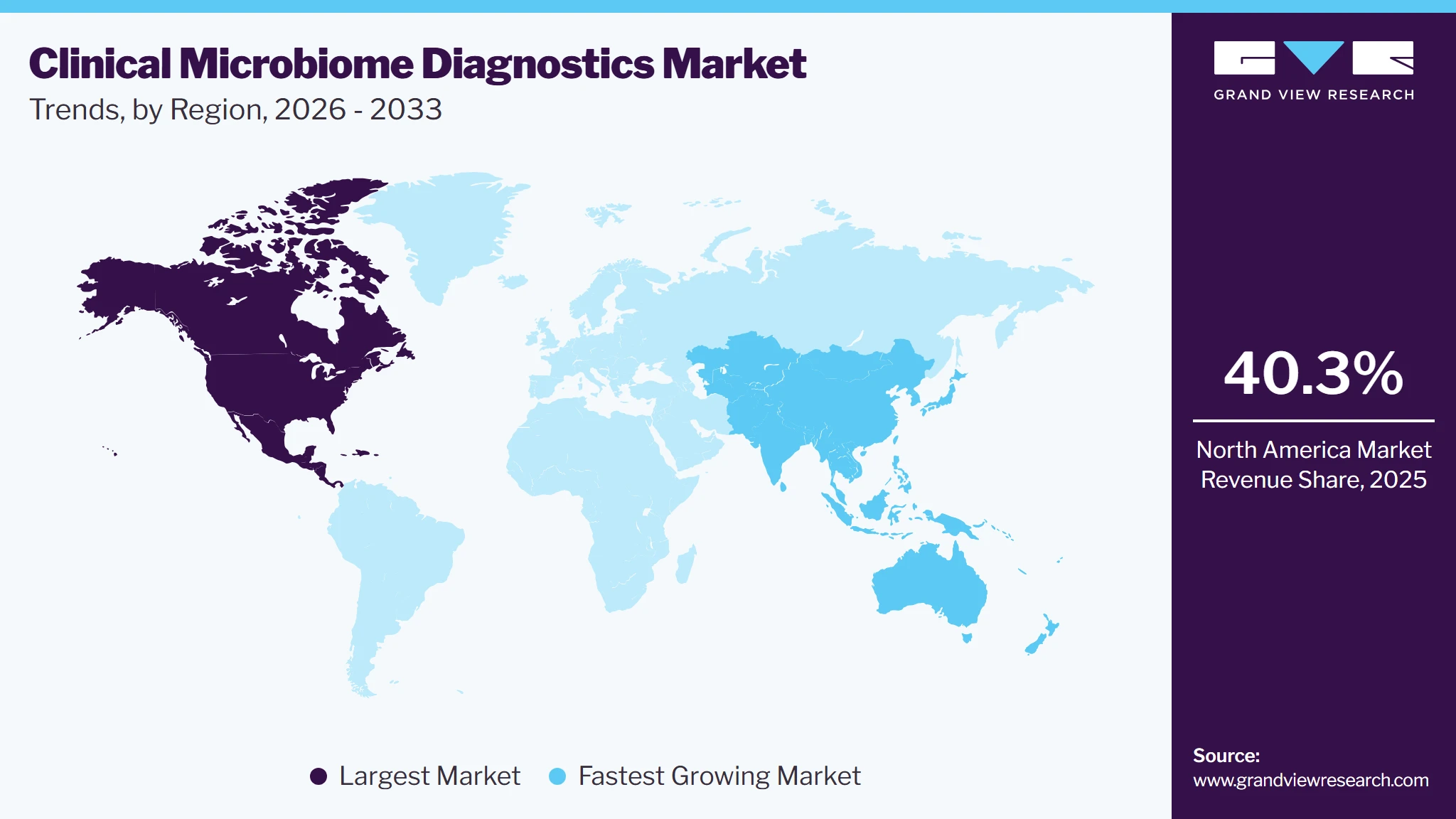
- Largest regional market: North America (40.3% revenue share, 2025)
- Fastest-growing regional market: Asia Pacific (highest CAGR, 2026-2033)
- By country: The U.S. held the largest market share in 2025
Market Size & Forecast
- Market size in 2025: USD 172.4 Million
- Estimated market size in 2026: USD 195.7 Million
- Projected market size by 2033: USD 500.8 Million
- CAGR (2026-2033): 14.4%
Prism AI by Grand View Research Free to tryAsk a question about the clinical microbiome diagnostics marketTry asking✓Every figure cited from GVR research Prefer the report? Download free sample →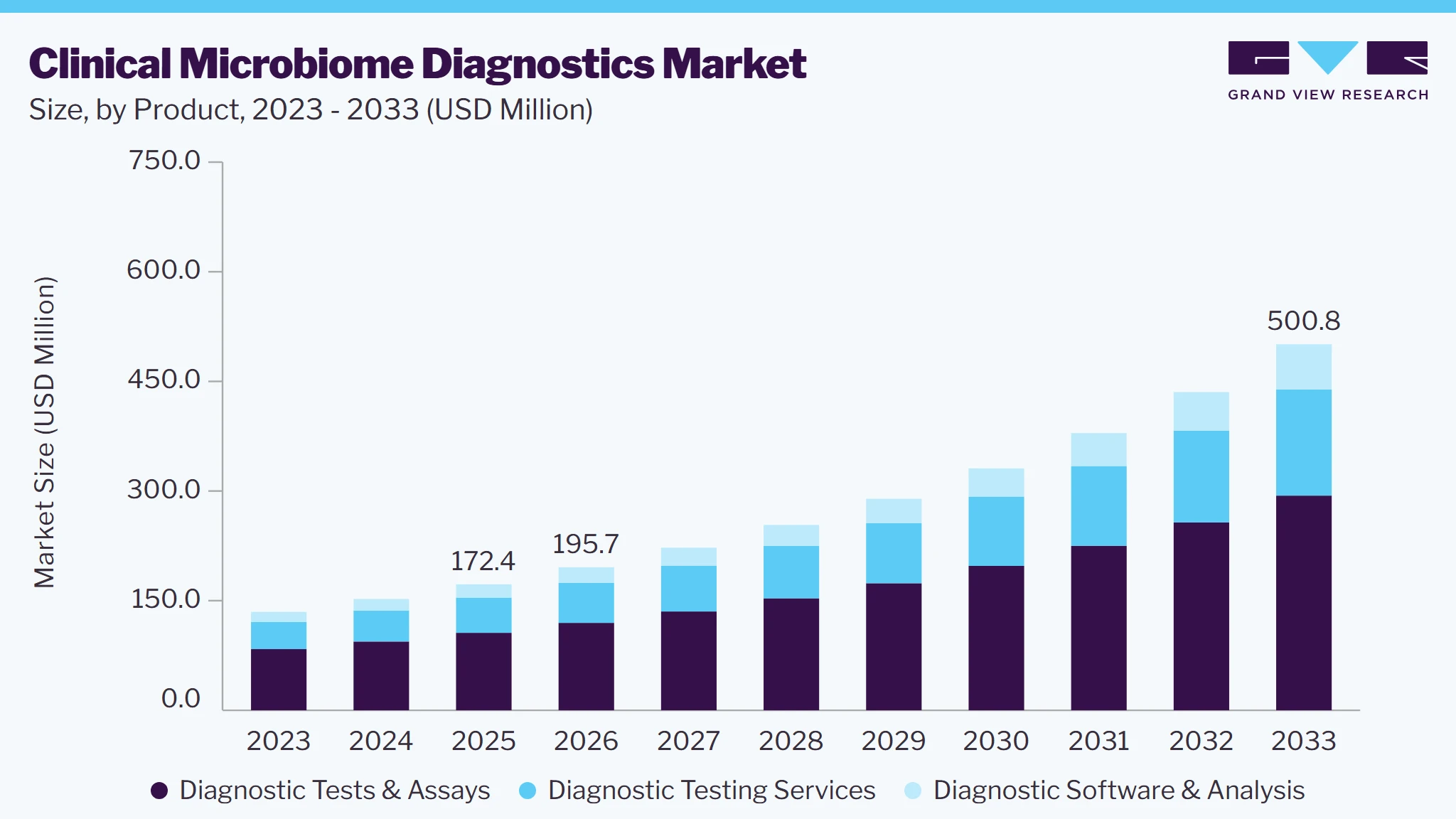 To learn more about this report, Download Free Sample Report
Market Dynamics
Echnological advancements in high-throughput sequencing, particularly shotgun metagenomics, are enhancing the depth, resolution, and clinical applicability of microbiome analysis, supporting growth of the clinical microbiome diagnostics market. Shotgun metagenomics enables comprehensive characterization of microbial communities, including species- and strain-level information and functional microbial features, while advances in bioinformatics and artificial intelligence facilitate interpretation of complex datasets. For instance, in May 2026, Jona expanded its Clinical Gut Microbiome Analysis Advanced for practitioners by combining shotgun metagenomic sequencing with AI interpretation and clinical biomarkers, including calprotectin, secretory IgA, and short-chain fatty acids. This integrated approach strengthens clinical utility and supports wider adoption of microbiome diagnostics.
AI-driven bioinformatics is further improving the scalability and clinical interpretation of microbiome testing. In March 2026, Genetic Analysis launched GA-map AInsight, an AI-assisted interpretation platform designed to convert GA-map Dysbiosis Test results into structured and clinically relevant insights. By organizing microbiome findings and contextualizing bacterial deviations using scientific evidence, the platform helps laboratories and healthcare professionals interpret complex microbial profiles more efficiently. The convergence of advanced sequencing, AI-based interpretation, and clinical biomarkers is shifting the clinical microbiome diagnostics market from basic microbial profiling toward actionable clinical assessment. These technologies can reduce interpretation barriers, improve reporting efficiency, and facilitate integration of microbiome diagnostics into routine clinical workflows, supporting market expansion.
The lack of standardized testing methodologies and clinical validation is a major restraint for the clinical microbiome diagnostics market, as variations across the diagnostic workflow can affect the consistency and comparability of test results. Differences in sample collection, storage conditions, DNA extraction, sequencing platforms, bioinformatics pipelines, reference databases, and reporting methodologies can generate divergent microbiome profiles from comparable samples. In addition, the absence of universally accepted reference ranges for healthy and dysbiotic microbiomes complicates interpretation and limits the establishment of consistent diagnostic thresholds. These challenges increase analytical uncertainty, make cross-laboratory comparison difficult, and can reduce confidence among clinicians and healthcare providers, thereby slowing integration of microbiome diagnostics into routine clinical practice.
Limited evidence demonstrating clinical validity and clinical utility further constrains adoption of the clinical microbiome diagnostics market. Although extensive research has identified associations between microbiome alterations and gastrointestinal, metabolic, oncological, and other diseases, many microbial signatures have not yet been sufficiently validated in large, diverse, prospective clinical populations. The 2025 international consensus on clinical microbiome testing emphasized the need for standardized approaches to patient selection, sample handling, analytical methods, reporting, and assessment of clinical value before routine implementation. Consequently, uncertainty regarding diagnostic performance, patient outcomes, regulatory requirements, and reimbursement can discourage healthcare providers from adopting microbiome tests and limit their transition from research applications to established clinical diagnostics.
The expansion of clinical microbiome testing through established diagnostic networks represents a significant opportunity for the clinical microbiome diagnostics market, particularly across underpenetrated international markets. Partnerships with large diagnostic providers can overcome infrastructure, distribution, and clinician-access barriers by integrating microbiome tests into existing laboratory and healthcare networks. In July 2026, Microba Life Sciences entered a multi-year agreement with SYNLAB to transition their partnership to Microba’s clinical-grade Microbiome Explorer platform and integrate the testing solution into SYNLAB’s digital systems and diagnostic offering across multiple European and Latin American markets. The agreement provides an established distribution channel for expanding clinical microbiome testing in these regions.
The partnership can broaden the cinical microbiome diagnostics market by combining Microba’s microbiome analysis capabilities with SYNLAB’s established diagnostic infrastructure, local distribution, and healthcare relationships. Under the agreement, SYNLAB will manage local distribution and logistics, while Microba will provide laboratory processing and report delivery. The initial three-year term, with an additional three-year extension option, provides a sustained pathway for commercial expansion. Such collaborations can improve access to clinical-grade microbiome testing, increase awareness among healthcare professionals and patients, and support higher testing volumes, thereby creating opportunities for microbiome diagnostics companies to expand beyond established markets and strengthen international adoption.
Market Concentration & Characteristics
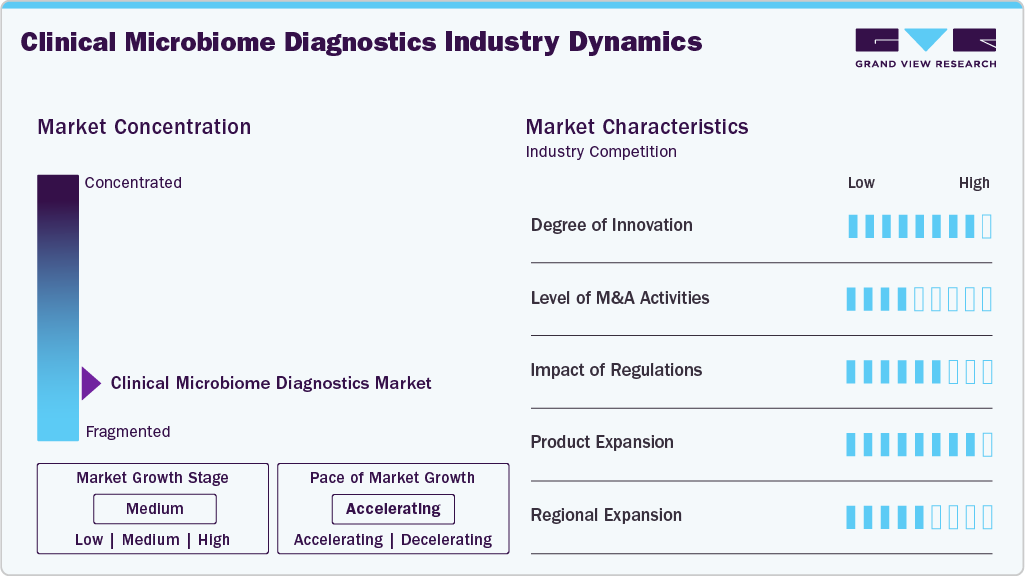
The clinical microbiome diagnostics industry demonstrates a high degree of innovation as companies combine advanced sequencing, artificial intelligence, and multi-omics approaches to improve diagnostic interpretation and clinical utility. In May 2026, MicroSigX and Microbiota I-Center established M-Lab, a joint research facility focused on microbiome biomarker discovery, validation, diagnostic development, and commercialization. The collaboration illustrates the market's shift from conventional microbiome profiling toward clinically validated biomarker development, supporting innovation in diagnostic algorithms, personalized testing, and translation of microbiome research into commercially deployable clinical solutions. The facility also aims to accelerate the progression of microbiome discoveries from early-stage research to clinical validation and manufacturing readiness. This integrated research-to-commercialization approach can shorten development timelines and support the introduction of more targeted and clinically actionable microbiome diagnostic solutions.
The market exhibits a low to moderate level of M&A activity, reflecting its emerging nature and the presence of specialized microbiome technology providers. M&A activity is primarily focused on acquiring sequencing capabilities, microbiome databases, bioinformatics expertise, and established testing infrastructure rather than large-scale consolidation. In 2025, MapmyGenome acquired Microbiome Insights, including its laboratory, assets, and intellectual property, strengthening MapmyGenome’s microbiome sequencing and bioinformatics capabilities and expanding its international testing potential. This transaction demonstrates growing strategic interest in microbiome diagnostics; Moreover, the limited number of major transactions indicates that the market remains relatively fragmented, with partnerships and collaborations currently playing a larger role than acquisitions in driving expansion.
 To learn more about this report, Download Free Sample Report
Regulatory requirements have a moderate to high impact on the clinical microbiome diagnostics market, as companies must establish analytical and clinical validity before microbiome-based tests can achieve broader clinical adoption. Regulatory complexity is heightened by variations in testing methodologies, reference ranges, and interpretation standards. In 2025, international clinical consensus recommendations emphasized standardized approaches to patient selection, sample collection, analytical methods, reporting, and clinical value assessment. Although these requirements can increase development costs and extend validation timelines, they can also improve test reliability, clinical confidence, and market credibility, supporting the long-term development of the clinical microbiome diagnostics market.
Product expansion is supporting the clinical microbiome diagnostics market as companies transition from conventional microbiome testing toward more advanced clinical-grade platforms with broader geographic availability. In July 2026, Microba and SYNLAB signed a new multi-year agreement to transition their partnership to Microba's next-generation Microbiome Explorer platform, integrating the testing solution into SYNLAB's digital systems and diagnostic offering across Europe and Latin America. The agreement expands access to Microba's clinical-grade microbiome testing through SYNLAB's established diagnostic network, strengthening product reach and supporting broader adoption of advanced microbiome diagnostics across international markets.
Regional expansion is creating new growth opportunities in the clinical microbiome diagnostics market as diagnostic companies adapt established microbiome testing platforms to meet the requirements of new geographic markets. Expansion into emerging healthcare markets can increase access to microbiome testing, broaden the addressable patient population, and support the commercialization of clinical-grade diagnostic platforms. Partnerships with local laboratories, healthcare providers, and diagnostic networks can further facilitate market entry by leveraging established infrastructure, regulatory expertise, and distribution channels. As companies strengthen their international presence and localize testing capabilities, regional expansion is expected to improve the accessibility and adoption of microbiome diagnostics across developed and emerging healthcare markets.
Analyst Perspective
The clinical microbiome diagnostics market is transitioning from research-oriented microbiome profiling toward clinically actionable testing, supported by advances in shotgun metagenomics, AI-assisted interpretation, biomarker integration, and standardized analytical platforms. Commercial activity by companies such as Microba Life Sciences, Genetic Analysis AS, and Jona Health demonstrates growing emphasis on clinical utility, disease stratification, and personalized healthcare applications. Strategic collaborations and geographic expansion are also improving access to microbiome testing across established diagnostic networks. However, limited clinical validation, regulatory uncertainty, reimbursement constraints, and complex data interpretation remain important barriers. Continued development of standardized, clinically validated assays and automated interpretation technologies is expected to strengthen adoption and market maturity.
Product Insights
The diagnostic tests & assays segment dominated the global Clinical Microbiome Diagnostics Market, accounting for 61.5% of market share in 2025. This leadership reflects the expanding availability of microbiome-specific assay kits, panels, and consumable testing products that directly capture testing-related revenue. In June 2025, Bio-Me partnered with Pelvic Relief to introduce a vaginal microbiome test based on its Precision Microbiome Profiling platform, enabling quantitative analysis of more than 50 vaginal microorganisms. The development broadens the commercial assay landscape beyond gastrointestinal applications into women’s health, including bacterial vaginosis, vaginitis, and Candida-associated conditions. Continued development of targeted microbiome assays, standardized testing workflows, and clinically relevant applications is expected to strengthen product adoption and sustain the segment’s leading position.
The diagnostic testing services segment is anticipated to register the fastest CAGR during the forecast period, driven by greater outsourcing of microbiome profiling, sequencing, bioinformatics, and clinical interpretation services by healthcare providers and research organizations. The growing availability of comprehensive testing platforms that combine microbial sequencing with clinical biomarkers is also supporting segment expansion. For instance, in May 2026, Jona expanded its Clinical Gut Microbiome Analysis Advanced service for practitioners by integrating shotgun metagenomic sequencing, AI-based interpretation, and clinical stool biomarkers, including calprotectin, secretory IgA, and short-chain fatty acids. This development strengthens the clinical utility of microbiome testing by providing broader insights into microbial composition and gastrointestinal health. Such integrated testing services can improve access to specialized microbiome diagnostics and support their adoption across clinical and research settings, contributing to segment growth.
Technology Insights
The sequencing-based segment dominated the global clinical microbiome diagnostics market, accounting for 52.0% of the revenue share in 2025. The segment's leadership is attributed to the high analytical resolution of sequencing technologies, their ability to characterize diverse microbial communities, and growing adoption of shotgun metagenomic and next-generation sequencing approaches for comprehensive microbiome profiling. For instance, in 2025, Microba highlighted the use of whole-microbiome shotgun metagenomic sequencing to provide species-level microbial identification and functional profiling, supporting the clinical interpretation of gut microbiome composition and activity. Such capabilities enable broader microbial characterization than targeted 16S sequencing and strengthen the role of sequencing-based testing in clinical microbiome diagnostics.
The PCR-based segment is expected to witness lucrative growth during the forecast period, driven by its rapid turnaround time, high analytical sensitivity, cost-effectiveness, and ability to detect specific microbial species and clinically relevant genetic markers. PCR-based methods require relatively small sample volumes and can provide targeted results within shorter processing times than sequencing-based approaches, supporting their use in routine clinical workflows. Their compatibility with automated molecular diagnostic platforms further facilitates standardized testing and efficient sample processing. In addition, growing demand for targeted detection of pathogenic microorganisms, antimicrobial resistance markers, and microbiome-associated biomarkers is creating opportunities for PCR-based clinical microbiome diagnostics. Continued improvements in multiplex PCR and real-time PCR technologies are expected to enhance testing capabilities and expand their application across gastrointestinal and other microbiome-related clinical conditions.
Application Insights
The gastrointestinal disorders segment accounted for the largest revenue share of 29.0% in 2025 in the market. The segment's dominance is driven by the strong association between gut microbiota and gastrointestinal health, the high prevalence of disorders such as irritable bowel syndrome (IBS), inflammatory bowel disease (IBD), and colorectal conditions, and growing clinical interest in microbiome-based approaches for disease characterization. The increasing recognition of microbial dysbiosis as a potential contributor to gastrointestinal disorders is encouraging the use of microbiome profiling to evaluate microbial composition and functional changes. In addition, advances in sequencing and molecular testing are enabling more comprehensive characterization of gut microbial communities, supporting the development and adoption of microbiome diagnostics for gastrointestinal applications.
The neurological disorders segment is anticipated to register the fastest CAGR during the forecast period, driven by growing evidence linking the gut microbiome with neurological health, increasing research into the gut-brain axis, and rising interest in microbiome-based biomarkers for conditions such as Alzheimer’s disease, Parkinson’s disease, multiple sclerosis, and autism spectrum disorders. Greater adoption of advanced sequencing and molecular profiling technologies is enabling researchers and clinicians to identify microbial signatures associated with neurological conditions, supporting the development of microbiome-based diagnostic approaches. In addition, growing investments in microbiome research and precision medicine are facilitating the translation of gut-brain axis findings into clinical applications. These developments are expected to expand the use of clinical microbiome diagnostics for neurological disease assessment and strengthen segment growth during the forecast period.
Sample Type Insight
The gut segment dominated with a 58.0% share in 2025, supported by the strong clinical focus on gastrointestinal conditions and the established association between gut microbiota and digestive health. For instance, in April 2025, Microba partnered with Colonoscopy Clinic and Integrated Gut Health to integrate its MetaPanel and MetaXplore microbiome tests into routine gastroenterology care. The partnership followed clinical studies showing that MetaPanel identified gastrointestinal pathogens in more than 35% of patients experiencing inflammatory bowel disease flares, with over 60% of these pathogens missed by routine testing methods. This development highlights the growing clinical application of gut microbiome diagnostics for gastrointestinal disease management and reinforces the gut segment's leading position.
The vaginal segment is anticipated to register the fastest CAGR of 16.3% during the forecast period, driven by growing recognition of the vaginal microbiome's role in reproductive health, increasing prevalence of bacterial vaginosis and vaginal infections, and expanding adoption of microbiome-based testing for personalized women's healthcare. For instance, in June 2025, Bio-Me partnered with Pelvic Relief to launch an advanced vaginal microbiome test using its Precision Microbiome Profiling platform to quantify more than 50 vaginal microbes, including beneficial Lactobacillus species and pathogens associated with bacterial vaginosis, vaginitis, and Candida infections. This development highlights the expanding availability of specialized vaginal microbiome diagnostics and supports greater clinical adoption of testing for women's health applications.
End Use Insights
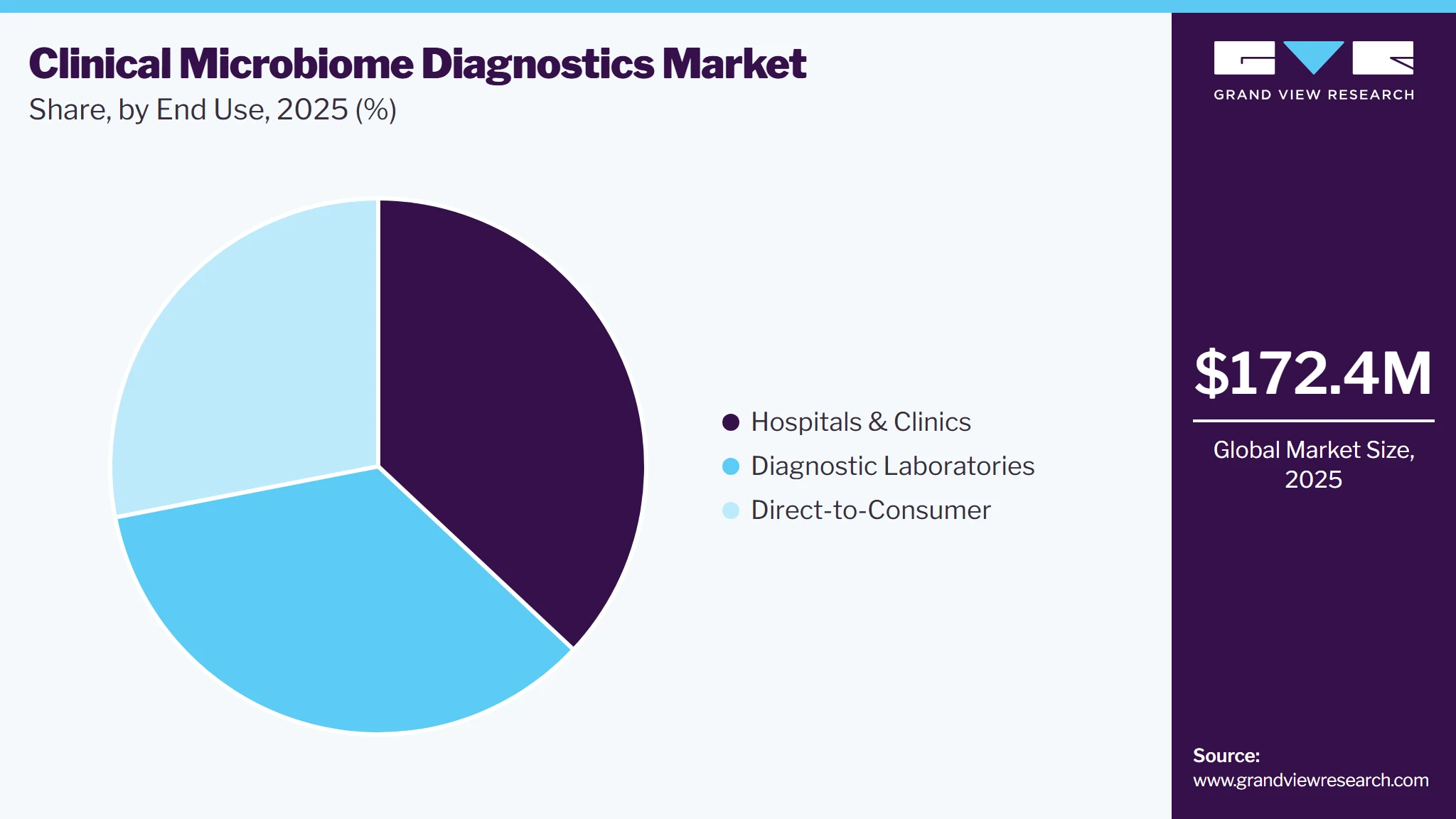
The hospitals & clinics segment accounted for the largest revenue share of 37.0% in 2025 in the market. The segment's dominance is driven by the availability of specialized clinical infrastructure, access to gastroenterology and other relevant specialists, and growing integration of microbiome testing into patient evaluation and disease-management workflows. In addition, hospitals and clinics can facilitate physician-guided test interpretation and connect microbiome results with patients' clinical histories and conventional diagnostic findings. The 2025 international consensus statement on microbiome testing emphasized the need for healthcare professionals to guide clinical use and for testing laboratories to meet quality and regulatory standards, reinforcing the importance of healthcare-based testing environments.
 To learn more about this report, Download Free Sample Report
The direct-to-consumer segment is anticipated to register the fastest CAGR of 15.9% during the forecast period, driven by growing consumer awareness of gut health, increasing demand for personalized wellness insights, convenient at-home sample collection, and the expanding availability of online microbiome testing services. For instance, in January 2025, CJ Bioscience launched SMILE GUT, a direct-to-consumer gut microbiome testing kit in South Korea, enabling consumers to purchase the kit online and submit stool samples for microbiome analysis. The launch expanded access to microbiome testing beyond hospitals and clinics and demonstrates the growing shift toward consumer-accessible diagnostic services.
Regional Insights
North America clinical microbiome diagnostics market dominated the global market, accounting for 40.3% of the revenue share in 2025, owing to advanced sequencing infrastructure, a mature biotechnology ecosystem, and strong investment in precision medicine and high-resolution microbiome technologies. For instance, in January 2025, PacBio and Intus Bio launched GutID, combining HiFi long-read sequencing with Intus Bio’s strain-level Titan-1 platform and AI-powered analysis. The development highlights regional advances in high-resolution microbial profiling and computational interpretation. Although PacBio specifies that its products are for research use only and not for diagnostic procedures, the collaboration demonstrates the region’s technological capabilities and ongoing innovation in microbiome testing, creating a foundation for future clinical diagnostic applications.
 To learn more about this report, Download Free Sample Report
U.S. Clinical Microbiome Diagnostics Market Trends
The U.S. clinical microbiome diagnostics market accounted for the largest share of the North American market in 2025, reflecting advanced molecular diagnostic infrastructure, established clinical laboratory networks, and growing investment in precision medicine. In April 2026, Genetic Analysis highlighted its upcoming GA-map IBD Precision Dx at Digestive Disease Week in Chicago, presenting the microbiome-based biomarker as a next-generation solution for early ulcerative colitis patient stratification and personalized disease management. The test is designed to identify microbiome profiles associated with aggressive disease, providing prognostic guidance and supporting treatment planning. The development demonstrates growing emphasis on disease-specific microbiome biomarkers and precision diagnostics within the U.S. market, particularly for inflammatory bowel disease applications.
Europe Clinical Microbiome Diagnostics Market Trends
The Europe clinical microbiome diagnostics market is progressing as microbiome research advances toward standardized methodologies and clinically reliable testing. The region benefits from established molecular diagnostics infrastructure, extensive academic research, and growing interest in precision medicine. In November 2025, a UK Medicines and Healthcare Products Regulatory Agency-led international study identified substantial inconsistencies in microbiome testing methodologies and emphasized the need for harmonized quality standards. For the Clinical Microbiome Diagnostics Market, these findings highlight the importance of standardized sample processing, sequencing, and data interpretation for generating reproducible and clinically meaningful results. Greater methodological harmonization can improve confidence among laboratories and healthcare professionals, facilitate clinical validation, and support the translation of microbiome testing from research applications into routine diagnostic workflows across European healthcare systems.
The UK clinical microbiome diagnostics market is advancing through regulatory initiatives and growing clinical interest in microbiome-based testing, particularly across women’s health applications. In August 2025, the UK Medicines and Healthcare Products Regulatory Agency (MHRA) published a review highlighting the potential of vaginal microbiome diagnostics for earlier and more personalized detection of infections, infertility, preterm birth, gynecological cancers, and other conditions. The MHRA also outlined efforts to develop clearer guidance and physical standards for microbiome tests to improve reproducibility and comparability. These initiatives strengthen the regulatory and clinical foundation for microbiome diagnostics, supporting the translation of microbiome biomarkers into standardized testing and their eventual integration into routine healthcare in the UK.
The Germany clinical microbiome diagnostics market is developing through strong biomedical research, sophisticated laboratory infrastructure, and growing emphasis on evidence-based microbiome testing. Germany has an established research presence in microbiome science, including participation in international efforts to define clinical requirements for microbiome diagnostics. In February 2025, an international multidisciplinary expert panel published a consensus statement on microbiome testing in clinical practice, with participation from German researchers, including experts affiliated with the German Center for Environmental Health and University Hospital Augsburg. The recommendations establish minimum requirements covering indications, pre-testing protocols, analytical methods, reporting, and clinical value. These efforts can strengthen methodological consistency and clinical confidence, creating a stronger foundation for the adoption of evidence-based microbiome diagnostics within Germany.
Asia Pacific Clinical Microbiome Diagnostics Market Trends
The Asia Pacific market is emerging as a high-growth region, driven by expanding molecular diagnostics capabilities, increasing interest in precision healthcare, and growing microbiome research across Japan, China, Australia, and other Asian markets. Regional commercialization is also progressing through partnerships between microbiome technology developers and established clinical laboratories. For instance, in May 2025, Japan-based Metagen partnered with Indonesia-based Prodia to launch personalized gut microbiome analysis in Indonesia, marking Metagen’s first collaborative microbiome service in Southeast Asia. The service uses Metagen’s microbiome analysis capabilities and Prodia’s established clinical laboratory network to expand access to gut microbiome testing. This development demonstrates growing regional adoption and the use of local diagnostic infrastructure to commercialize microbiome testing across Asia Pacific.
The China clinical microbiome diagnostics market is developing alongside the country’s expanding precision-medicine ecosystem, advanced molecular testing capabilities, and growing investment in microbiome research. Increasing interest in disease-associated microbial signatures is creating opportunities for applications in gastrointestinal disorders, metabolic conditions, infectious diseases, and personalized healthcare. The market remains at an emerging stage, with clinical validation, standardized testing methodologies, and regulatory clarity influencing the pace of adoption. Chinese research institutions and diagnostic companies are increasingly focusing on strain-level microbial characterization and bioinformatics to improve the clinical interpretation of microbiome data. Expansion of domestic laboratory capabilities and collaborations with international microbiome technology providers are also expected to improve access to advanced testing, strengthen local expertise, and support the gradual commercialization of clinical microbiome diagnostics across China.
The Japan clinical microbiome diagnostics market is advancing through sophisticated microbiome research, high-precision sequencing capabilities, and increasing integration of microbiome testing with healthcare services. In February 2026, Cowellnex and Metagen initiated joint research, using high-precision gut microbiota data from shotgun metagenomic analyses of Japanese individuals to develop new microbiome test parameters and personalized algorithms. The research builds on data accumulated through Cowellnex’s MicroBio Me service, which had expanded to approximately 300 medical institutions and 1,500 tests by September 2025. The initiative demonstrates Japan’s progress toward data-driven microbiome testing and the development of new diagnostic parameters, while strengthening the potential of microbiome analysis to support personalized healthcare applications.
Latin America Clinical Microbiome Diagnostics Market Trends
The Latin America market is emerging as diagnostic laboratories expand access to advanced microbiome testing and personalized health solutions. Brazil is becoming an important entry point because of its established private diagnostic infrastructure and growing interest in precision health. In February 2025, Leucine Rich Bio entered a strategic partnership with Brazil-based Precision Diagnosticos to bring its BugSpeaks microbiome testing technology to the Brazilian market. The collaboration combines Leucine Rich Bio’s gut microbiome analysis capabilities with Precision Diagnosticos’ local distribution network and includes initiatives to train healthcare professionals on microbiome testing. This development demonstrates increasing commercialization of microbiome analysis in Latin America and the use of local diagnostic networks to broaden access to microbiome testing across the region.
Middle East and Africa Clinical Microbiome Diagnostics Market Trends
The Middle East and Africa market is gradually developing as investments in advanced molecular diagnostics, genomics, and precision medicine strengthen the infrastructure required for microbiome-based testing. The UAE is emerging as a regional hub for microbiome research and analysis, supported by expanding scientific capabilities and growing interest in personalized healthcare. In Africa, the development of population-specific microbiome datasets is broadening the evidence base for biomarker discovery and diagnostic development. A January 2025 Nature study expanded the human gut microbiome atlas of Africa, generating comparative data across African populations that can facilitate the identification of region-specific microbial signatures. These developments are strengthening the foundation for clinical translation and creating opportunities for microbiome diagnostic developers across the region.
Key Clinical Microbiome Diagnostics Company Insights
The clinical microbiome diagnostics market remains fragmented, with competition distributed among specialized microbiome testing providers and broader precision health companies. Key participants include Microba Life Sciences, Genetic Analysis AS, Genova Diagnostics, Viome, Evvy, Tiny Health, Jona Health, Sun Genomics, BIOHM Health, and GoodGut. Competitive positioning is shaped by microbiome profiling capabilities, sequencing technologies, clinical validation, biomarker integration, and data interpretation. Established providers such as Microba Life Sciences and Genetic Analysis AS have strengthened their positions through clinical-grade microbiome testing platforms, while emerging companies such as Jona Health, Evvy, Tiny Health, and Sun Genomics are expanding applications across personalized healthcare. Overall, market share remains dispersed, with technological differentiation, clinical utility, product breadth, and healthcare-provider integration serving as key competitive factors.
Key Clinical Microbiome Diagnostics Companies
The following key companies have been profiled for this study on the clinical microbiome diagnostics market.
-
Microba Life Sciences
-
Genetic Analysis AS
-
Genova Diagnostics
-
Viome
-
Evvy
-
Tiny Health
-
Jona Health
-
Sun Genomics
-
BIOHM Health
-
GoodGut
Research Methodology
The clinical microbiome diagnostics market figures in this report are based on a proven research process that combines executive interviews with secondary research from proprietary databases, company filings, and recognized regulatory and institutional sources. Market size is built through value-chain sizing-reconciling supply-side and demand-side estimates-and triangulated with bottom-up and top-down approaches. Every estimate passes multiple levels of expert validation before publication, with each clinical microbiome diagnostics segment quantified using the revenue-capture definitions in the table below.
Competitive Benchmarking
Operating Strategies
Competitive Edge
Weaknesses
Mature Players: Microba Life Sciences.
- Expand clinical microbiome diagnostics through advanced sequencing and microbiome analysis platforms.
- Strengthen international market presence through partnerships with established diagnostic networks and healthcare providers.
- Advance microbiome-based biomarker discovery and clinical applications across disease areas.
- Integrate laboratory testing, data analysis, and clinical reporting to support personalized healthcare applications
- Strong expertise in clinical-grade microbiome analysis and metagenomics sequencing.
- Established international partnerships provide access to healthcare professionals and patients across multiple markets.
- Combination of microbiome diagnostics capabilities with biomarker discovery and therapeutic development expertise.
- Broad experience spanning microbiome research, clinical testing, and commercialization.
- Emerging clinical adoption of microbiome diagnostics may limit near-term market penetration.
- High complexity of microbiome analysis can increase testing and interpretation costs.
- Dependence on clinical validation and regulatory acceptance for broader diagnostic applications.
- Relatively specialized market focus compared with diversified molecular diagnostics companies.
Emerging Players: Genetic Analysis AS
- Expand standardized gut microbiome testing through the GA-map diagnostic platform.
- Develop disease-specific microbiome biomarkers and precision diagnostic applications.
- Incorporate AI-assisted interpretation to simplify analysis and improve laboratory workflow efficiency.
- Pursue collaborations with laboratories, pharmaceutical companies, and healthcare organizations to expand geographic commercialization.
- Established expertise in standardized microbiome profiling and multiplex bacterial detection.
- Clinically validated GA-map platform enables structured and reproducible microbiome analysis.
- Growing portfolio of disease-focused applications, including inflammatory bowel disease and antibiotic-associated microbiome disruption.
- AI-enabled interpretation capabilities can improve scalability and clinical usability.
- Limited commercial scale compared with large multinational molecular diagnostics companies.
- Current applications remain concentrated primarily on gut microbiome analysis.
- Broader clinical adoption depends on additional evidence demonstrating diagnostic and clinical utility.
- Regulatory and reimbursement requirements may slow commercialization across international markets..
Recent Developments
-
In July 2026, Microba Life Sciences signed a new multi-year agreement with SYNLAB to transition their microbiome diagnostics partnership to Microba’s clinical-grade Microbiome Explorer platform and integrate testing into SYNLAB’s digital systems across Europe and Latin America. The agreement strengthens commercial distribution of clinical microbiome testing through an established diagnostic network and expands access to advanced microbiome analysis.
-
In May 2026, Jona expanded its Clinical Gut Microbiome Analysis Advanced for practitioners, combining deep shotgun metagenomic sequencing with AI-based interpretation and clinical stool biomarkers, including calprotectin, secretory IgA, and short-chain fatty acids. The expansion enhances the depth of microbiome assessment and supports the transition of microbiome testing toward clinically actionable insights.
-
In March 2026, Genetic Analysis launched GA-map Dysbiosis Test AInsight, an AI-assisted interpretation platform that structures microbiome findings, contextualizes bacterial abnormalities using curated scientific evidence, and automates report generation. The platform is designed to simplify interpretation and enable laboratories to efficiently manage higher microbiome testing volumes.
-
In February 2026, Cowellnex and Metagen initiated joint research using high-precision shotgun metagenomic data from Japanese individuals to develop new microbiome test parameters and personalized food recommendation algorithms. The initiative demonstrates the use of population-specific microbiome datasets and advanced sequencing to support development of more personalized microbiome testing services.
Clinical Microbiome Diagnostics Market Report Scope
Report Attribute
Details
Market size in 2025
USD 172.4 million
Estimated market size in 2026
USD 195.7 million
Projected market size by 2033
USD 500.8 million
Growth rate
CAGR of 14.4% from 2026 to 2033
Actual data
2021 - 2025
Forecast period
2026 - 2033
Quantitative units
Revenue in USD million and CAGR from 2026 to 2033
Report coverage
Revenue forecast, company ranking, competitive landscape, growth factors, and trends
Segments covered
Product, technology, application, sample type, end-use, regions
Regional scope
North America, Europe, Asia Pacific, Latin America, and Middle East & Africa
Country scope
U.S.; Canada; Mexico; UK; Germany; France; Italy; Spain; Norway; Denmark; Sweden; China; Japan; India; Australia; Thailand; South Korea; Brazil; Argentina; South Africa; Saudi Arabia; UAE; Kuwait
Key companies profiled
Microba Life Sciences; Genetic Analysis AS; Genova Diagnostics; Viome; Evvy; Tiny Health; Jona Health; Sun Genomics; BIOHM Health; GoodGut
Customization scope
Free report customization (equivalent up to 8 analyst working days) with purchase. Addition or alteration to country, regional & segment scope.
Pricing and purchase options
Avail customized purchase options to meet your exact research needs. Explore purchase options
Global Clinical Microbiome Diagnostics Market Report Segmentation
This report forecasts revenue growth at country levels and provides an analysis of the latest industry trends and opportunities in each of the sub-segments from 2021 to 2033. For the purpose of this study, Grand View Research has segmented the global clinical microbiome diagnostics market report on the basis of product, technology, application, sample type, end use, and region:
-
Product Outlook (Revenue, USD Million, 2021 - 2033)
-
Diagnostic Tests & Assays
-
Diagnostic Testing Services
-
Diagnostic Software & Analysis
-
-
Technology Outlook (Revenue, USD Million, 2021 - 2033)
-
Sequencing-Based
-
PCR-Based
-
Mass Spectrometry-Based
-
Other Technologies
-
-
Application Outlook (Revenue, USD Million, 2021 - 2033)
-
Gastrointestinal Disorders
-
Infectious Diseases
-
Women's Health
-
Metabolic Disorders
-
Immune & Inflammatory Disorders
-
Neurological Disorders
-
Other Clinical Disorders
-
-
Sample Type Outlook (Revenue, USD Million, 2021 - 2033)
-
Gut
-
Oral
-
Vaginal
-
Skin
-
Respiratory
-
Other Sites
-
-
End use Outlook (Revenue, USD Million, 2021 - 2033)
-
Hospitals & Clinics
-
Diagnostic Laboratories
-
Direct-to-Consumer
-
-
Regional Outlook (Revenue, USD Million, 2021 - 2033)
-
North America
-
U.S.
-
Canada
-
Mexico
-
-
Europe
-
UK
-
Germany
-
France
-
Italy
-
Spain
-
Norway
-
Denmark
-
Sweden
-
-
Asia Pacific
-
Japan
-
China
-
India
-
Australia
-
South Korea
-
Thailand
-
-
Latin America
-
Brazil
-
Argentina
-
-
Middle East & Africa
-
South Africa
-
Saudi Arabia
-
UAE
-
Kuwait
-
-
Research Methodology
The clinical microbiome diagnostics market figures in this report are based on a proven research process that combines executive interviews with secondary research from proprietary databases, company filings, and recognized regulatory and institutional sources. Market size is built through value-chain sizing-reconciling supply-side and demand-side estimates-and triangulated with bottom-up and top-down approaches. Every estimate passes multiple levels of expert validation before publication, with each clinical microbiome diagnostics segment quantified using the revenue-capture definitions in the table below.
Segment Definition
Product
Revenue capture definition
Diagnostic Tests & Assays
Covers revenue captured from sales of microbiome-specific test kits, assay panels, cartridges, reagents, and consumables used directly to perform microbiome diagnostic analysis.
Diagnostic Testing Services
Covers fees received for laboratory-performed microbiome testing, including specimen processing, analytical testing, result generation, and clinical reporting performed on behalf of customers.
Diagnostic Software & Analysis
Covers licensing, subscription, or usage fees for standalone microbiome-specific software, bioinformatics, interpretation, analytics, and reporting platforms purchased separately from testing products or services.
Technology
Revenue capture definition
Sequencing-Based
Refers to clinical microbiome diagnostic technologies that use DNA or RNA sequencing to identify and characterize microorganisms within a patient sample. These methods, including 16S rRNA sequencing and shotgun metagenomic sequencing, provide information on microbial composition, diversity, and functional characteristics.
PCR-Based
Refers to molecular diagnostic methods that use polymerase chain reaction (PCR) to detect and quantify specific microbial DNA or RNA targets in clinical samples. These technologies include real-time PCR and multiplex PCR and are used for rapid, targeted identification of microorganisms and microbiome-associated biomarkers.
Mass Spectrometry-Based
Refers to diagnostic approaches that use mass spectrometry to identify and characterize microorganisms or microbial metabolites based on their molecular or protein profiles. These methods can support microbial identification and analysis of microbiome-derived compounds in clinical samples.
Other Technologies
Includes clinical microbiome diagnostic approaches that do not fall under sequencing, PCR, or mass spectrometry. These may include microarray-based technologies, fluorescence in situ hybridization (FISH), immunoassays, culture-based methods, and other emerging molecular or analytical platforms used to characterize microorganisms or microbiome-related biomarkers.
Application
Revenue capture definition
Gastrointestinal Disorders
Includes commercial value from microbiome diagnostics primarily used for assessment, risk evaluation, monitoring, or management of non-infectious gastrointestinal conditions such as IBD, IBS, and related disorders.
Infectious Diseases
Includes commercial value from microbiome diagnostics primarily used to identify, assess, monitor, or predict infections where microbial-community characteristics constitute the principal diagnostic objective.
Oncology
Encompasses commercial value from microbiome diagnostics primarily applied to cancer risk assessment, patient stratification, disease monitoring, or evaluation and prediction of treatment response.
Women's Health
Covers commercial value from microbiome diagnostics primarily assessing female reproductive or genitourinary conditions where vaginal or reproductive-tract microbiome characteristics provide clinically relevant information.
Metabolic Disorders
Captures commercial value from microbiome diagnostics primarily addressing obesity, diabetes, metabolic syndrome, or related conditions through assessment of microbiome characteristics associated with metabolic health.
Immune & Inflammatory Disorders
Includes commercial value from microbiome diagnostics primarily assessing immune dysfunction or chronic inflammatory conditions, excluding gastrointestinal disorders classified according to their primary GI indication.
Neurological Disorders
Covers commercial value from microbiome diagnostics primarily investigating neurological or neurodegenerative conditions where microbiome characteristics contribute to diagnosis, monitoring, or disease-risk assessment.
Other Clinical Disorders
Encompasses commercial value from microbiome diagnostics addressing clinically relevant conditions outside defined application categories, including emerging dermatological, cardiovascular, renal, and other indications.
Sample type
Revenue capture definition
Gut
Captures commercial value from microbiome diagnostic testing performed using stool, fecal material, or other gastrointestinal specimens to characterize microbial communities within the gut.
Oral
Captures commercial value from microbiome diagnostic testing based on saliva, oral swabs, dental samples, or other specimens collected from the oral cavity.
Vaginal
Captures commercial value from microbiome diagnostic testing using vaginal swabs or other specimens obtained from the vagina or female reproductive tract.
Skin
Captures commercial value from microbiome diagnostic testing using skin swabs, scrapings, or other specimens collected from skin and associated surfaces.
Respiratory
Captures commercial value from microbiome diagnostic testing using nasal, nasopharyngeal, throat, sputum, or other specimens collected from the respiratory tract.
Other Sites
Encompasses commercial value from microbiome diagnostic testing using specimens from sites outside defined categories, including blood, urine, and other emerging anatomical sampling locations.
End Use
Revenue capture definition
Hospitals & Clinics
Represents purchases by hospitals, physician practices, specialty clinics, and institutional healthcare providers, with market value captured through microbiome diagnostic products or testing services used for patient care.
Diagnostic Laboratories
Represents purchases by independent, reference, specialty, and other laboratories, with market value captured through microbiome diagnostic products, assays, or analytical services used to perform testing.
Direct-to-Consumer
Represents purchases made directly by consumers without a healthcare institution serving as the primary purchasing entity, capturing value through consumer-ordered microbiome testing products or services.
Estimation Model
The Clinical Microbiome Diagnostics Market is estimated using a bottom-up approach by identifying key manufacturers, benchmarking their microbiome diagnostic products and services, and determining the market revenue associated with these offerings. Technology-level revenues are estimated and aggregated, followed by validation using existing market data, uptake or patient-share indicators, and the market share of key manufacturers to derive the overall market size.
Delivered Customizations
This report has been delivered with the following In-depth customizations
Client Request
Customization Delivered
Value Adds
Clinical Microbiome Diagnostics Market Competitive Landscape & Technology Assessment
Assessed the global clinical microbiome diagnostics market across sequencing-based, PCR-based, mass spectrometry-based, and other technologies, evaluating key manufacturers, diagnostic platforms, product portfolios, competitive positioning, technology adoption, clinical applications, and commercialization strategies across major end-use settings.
Enabled the client to identify high-potential microbiome diagnostic technologies, benchmark competitors, assess technological differentiation, evaluate clinical applications, and prioritize investments across emerging microbiome testing platforms.
Clinical Microbiome Diagnostics Market Product Benchmarking Study
Delivered a comprehensive benchmarking assessment of microbiome diagnostic products based on sequencing methodology, sample type, clinical application, analytical capabilities, biomarker utilization, AI-enabled interpretation, testing workflow, turnaround time, and reporting functionality across leading market participants.
Helped the client evaluate product competitiveness, identify technology gaps, benchmark next-generation microbiome diagnostic solutions, prioritize product development opportunities, and assess potential areas for assay and platform differentiation.
Clinical Microbiome Diagnostics Market Commercialization & Market Entry Assessment
Assessed commercialization strategies, regulatory considerations, laboratory infrastructure, distribution models, healthcare provider adoption, strategic collaborations, and market-entry opportunities across North America, Europe, Asia Pacific, Latin America, and the Middle East & Africa.
Supported commercialization planning by identifying attractive regional markets, evaluating partnership and distribution opportunities, assessing market-entry barriers, and strengthening long-term expansion strategies within the clinical microbiome diagnostics market.
Frequently Asked Questions About This Report
The global clinical microbiome diagnostics market is expected to grow at a CAGR of 14.4% from 2026 to 2033, reaching USD 500.8 million by 2033.
Key factors driving the market include increasing recognition of the microbiome's role in human health and disease, growing adoption of precision medicine, advancements in sequencing and molecular diagnostic technologies, rising research into microbiome-associated diseases, and increasing demand for personalized diagnostic approaches.
North America dominated the global clinical microbiome diagnostics market with a 40.3% revenue share in 2025, driven by advanced healthcare infrastructure, strong microbiome research capabilities, increasing adoption of molecular diagnostics, and the presence of leading biotechnology and life sciences companies.
Asia Pacific is expected to grow at the fastest CAGR of 15.8% from 2026 to 2033, driven by expanding healthcare infrastructure, increasing investments in genomics and microbiome research, rising adoption of advanced diagnostic technologies, and growing awareness of personalized healthcare.
The global clinical microbiome diagnostics market size was valued at USD 172.4 million in 2025 and is estimated at USD 195.7 million in 2026.
Diagnostic tests & assays dominated the market with a 61.5% revenue share in 2025, driven by recurring demand for microbiome testing, increasing adoption of molecular and sequencing-based diagnostic assays, and expanding clinical applications for disease identification and monitoring.
Sequencing-based technologies dominated the market with a 52.0% revenue share in 2025, driven by their ability to provide comprehensive microbial profiling, identify complex microbial communities, and enable high-resolution analysis of microbiome composition and diversity.
Key opportunities include expanding clinical applications of microbiome diagnostics across gastrointestinal disorders, oncology, women's health, metabolic disorders, and immune and inflammatory conditions; development of microbiome-based companion diagnostics; integration of AI and bioinformatics for microbiome data analysis; and increasing adoption of direct-to-consumer microbiome testing. The growing use of vaginal microbiome diagnostics also presents an important opportunity.
Gastrointestinal disorders dominated the application segment with a 29.0% revenue share in 2025, driven by the established relationship between gut microbiota and gastrointestinal health, increasing research into microbiome-associated digestive diseases, and growing clinical interest in microbiome-based disease assessment.
About the Author(s)
Clinical Diagnostics Research Team
Healthcare · Clinical DiagnosticsThis report was authored by the clinical diagnostics research team at Grand View Research - comprising two research analysts, one senior research analyst, and one industry expert - with specialized expertise in the clinical diagnostics segment of the healthcare industry. All findings are based on proprietary healthcare databases, executive interviews, and regulatory analysis, subject to internal peer review prior to publication.
Last Updated:
Speak to Analyst

Customize this report to your needs - add regions, segments, or data points, with 20% free customization.
Or view our licence options:


ISO 9001:2015 & 27001:2022 Certified
We are GDPR and CCPA compliant! Your transaction & personal information is safe and secure. For more details, please read our privacy policy.


