
- Home
- »
- Medical Devices
- »
-
DACH Open-angle Glaucoma Market Size Report, 2026-2033GVR Report cover
![DACH Open-angle Glaucoma Market (2026 - 2033)Report]()
DACH Open-angle Glaucoma Market (2026 - 2033)
Size, Share & Trends Analysis Report By Product (Schlemm’s Canal-Based Devices, Subconjunctival Devices), By Procedure (Bleb-based Procedure, Non-bleb-based Procedure), By Type, By End-use, By Country, And Segment Forecasts
Market Size, 2025
$53.2MMarket Estimate, 2026
$56.7MMarket Forecast, 2033
$91.8MCAGR, 2026–2033
7.1%DACH Open-angle Glaucoma Market Summary
The DACH open-angle glaucoma market size was valued at USD 53.2 million in 2025 and is projected to grow from USD 56.7 million in 2026 to USD 91.8 million by 2033, at a CAGR of 7.1% from 2026 to 2033. The rapidly aging population across the DACH region is one of the primary factors driving the increasing prevalence of open-angle glaucoma (OAG). As a chronic age-related optic neuropathy, primary open-angle glaucoma (POAG) predominantly affects older adults, with disease incidence and prevalence increasing substantially after the age of 60.
Key Market Trends & Insights
- The Germany open angle glaucoma market held the largest share of 83.3% in 2025
- By product: Schlemm’s canal-based devices segment held the largest market share of 62.3% in 2025
- By procedure: Non-bleb-based procedures segment held the largest market share of 62.3% in 2025
- By type: Standalone segment held the largest market share of 80.0% in 2025
- By end use: Inpatient segment held the largest market share in 2025
Market Size & Forecast
- Market Size in 2025: USD 53.2 Million
- Estimated Market Size in 2026: USD 56.7 Million
- Projected Market Size by 2033: USD 91.8 Million
- CAGR (2026-2033): 7.1%
The demographic transition toward an older population across the DACH (Germany, Austria, and Switzerland) countries is therefore expanding the number of individuals at risk of developing glaucoma, creating sustained demand for early diagnosis, long-term disease management, and advanced glaucoma treatment technologies. Germany, Austria, and Switzerland are countries with the highest life expectancy and a steadily growing elderly population. Improvements in healthcare infrastructure, disease prevention, and overall living standards have contributed to increased longevity, resulting in a larger proportion of individuals aged 65 years and older. While these demographic changes reflect positive healthcare outcomes, they also contribute to a growing burden of chronic ophthalmic disorders, particularly glaucoma, which remains one of the leading causes of irreversible blindness among older adults. Consequently, healthcare providers across the DACH region are witnessing a gradual increase in glaucoma-related outpatient consultations, diagnostic evaluations, and long-term follow-up requirements.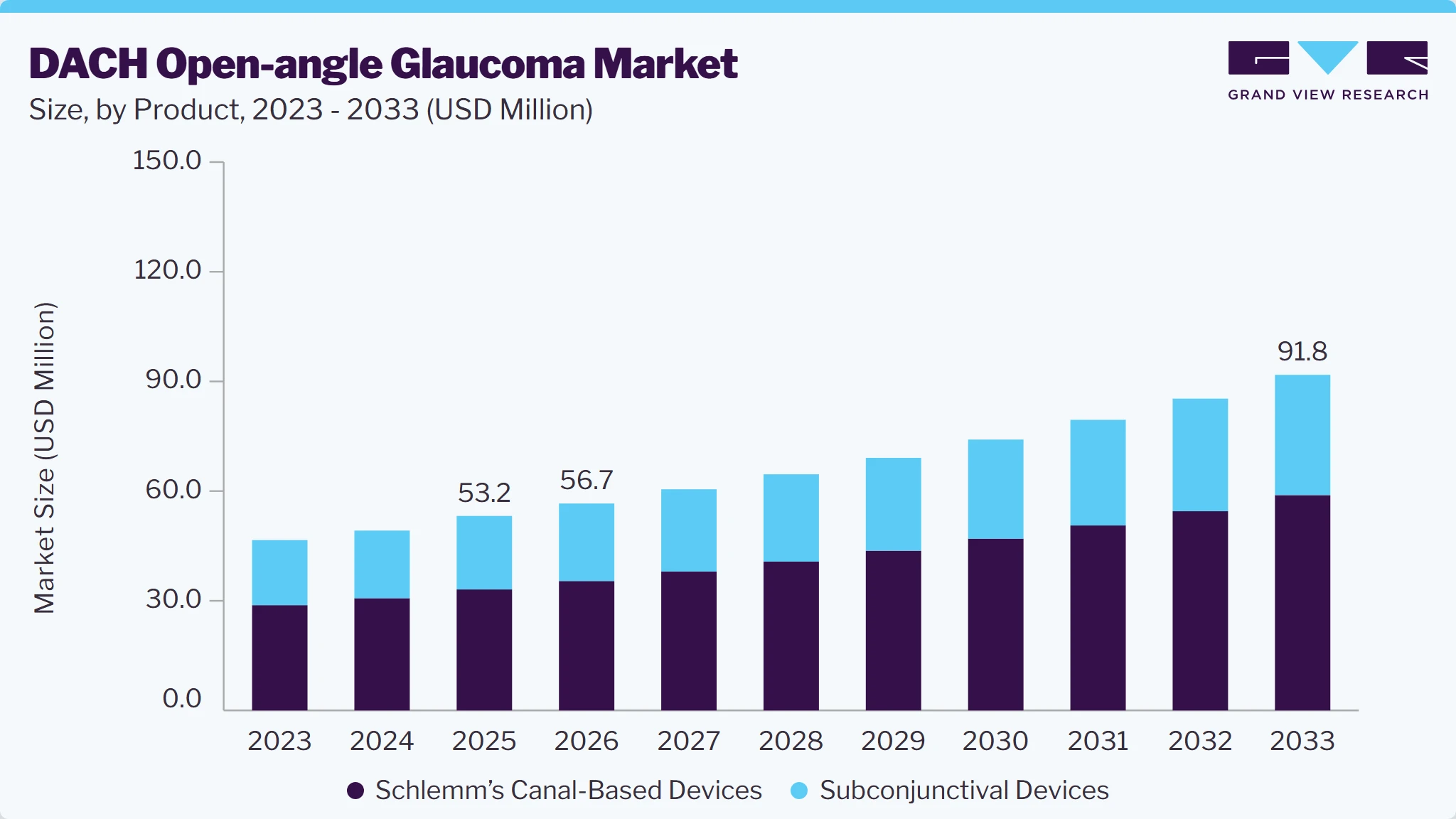
The aging demographic also supports higher utilization of ophthalmology services throughout the region. Older adults are more likely to undergo routine comprehensive eye examinations, optical coherence tomography (OCT), visual field testing, optic nerve imaging, and intraocular pressure monitoring, leading to improved identification of glaucoma cases. As awareness of preventive eye care continues to increase and healthcare systems emphasize early detection of vision-threatening diseases, demand for glaucoma screening and diagnostic services is expected to rise steadily across the region.
Glaucoma societies across the DACH region play a central role in advancing clinical practice, research collaboration, and awareness related to open-angle glaucoma. Regional and national organizations support the development of standardized treatment guidelines, promote continuing medical education, and facilitate knowledge exchange among ophthalmologists. These societies also contribute to early detection initiatives, patient education programs, and advocacy efforts aimed at reducing glaucoma-related vision loss. In addition, they often collaborate with healthcare institutions, regulatory bodies, and industry stakeholders to encourage the adoption of advanced diagnostic and therapeutic approaches.
Glaucoma Societies
Society Name
Country/Region
Role/Focus
German Glaucoma Section (DOG)
Germany
Specialized glaucoma section with national ophthalmology society focusing on research and clinical standards
Swiss Glaucoma Group
Switzerland
Focuses on clinical excellence and collaborative research
Technological innovation is also playing a crucial role in expanding MIGS adoption. Continuous advancements in micro-stent design, implant materials, and delivery systems have improved procedural outcomes and broadened the range of available treatment options. These innovations are enabling more precise control of intraocular pressure and better long-term disease management. Furthermore, MIGS devices are increasingly being used alongside pharmacological therapies and laser treatments, creating a more comprehensive and patient-centric treatment approach.
Finally, the rising prevalence of glaucoma and the need for long-term disease management are reinforcing the shift toward minimally invasive procedures. As healthcare systems in DACH aim to reduce surgical complications, hospital stays, and overall treatment burden, MIGS offers a cost-effective and efficient alternative to traditional surgeries. Its ability to be performed in outpatient settings or combined with other ophthalmic procedures further enhances its appeal, positioning minimally invasive glaucoma surgery as a key growth driver within the DACH open-angle glaucoma market.

The expansion of artificial intelligence (AI)-based glaucoma screening and early diagnosis programs presents a significant opportunity for the DACH Open-Angle Glaucoma (OAG) market. AI-powered diagnostic platforms integrated with fundus photography, optical coherence tomography (OCT), and tele ophthalmology can improve the accuracy and efficiency of large-scale glaucoma screening, enabling earlier diagnosis and timely initiation of treatment. These technologies also help address workforce shortages by supporting ophthalmologists and optometrists in high-volume screening settings while reducing diagnostic variability.
Market Dynamics
The DACH open-angle glaucoma market is witnessing steady growth as hospitals, university eye clinics, ambulatory surgical centers (ASCs), and specialized ophthalmology practices increasingly adopt advanced diagnostic technologies and minimally invasive glaucoma surgery (MIGS) solutions to address the rising burden of glaucoma and preserve long-term vision. The market encompasses a wide range of products and services, including intraocular pressure (IOP)-lowering pharmaceuticals, laser therapies, minimally invasive glaucoma implants, conventional glaucoma surgical devices, diagnostic imaging systems, visual field analyzers, and ophthalmic monitoring solutions designed to improve disease detection, treatment outcomes, and patient quality of life. The growing prevalence of primary open-angle glaucoma (POAG), driven by the aging population across Germany, Austria, and Switzerland, is a major factor supporting market growth. Increasing awareness regarding early diagnosis through routine ophthalmic screening, along with favorable adoption of optical coherence tomography (OCT), tonometry, gonioscopy, and visual field testing, is enabling earlier disease detection and more effective clinical management.
The increasing adoption of minimally invasive glaucoma surgery (MIGS) is becoming a defining trend in the DACH open-angle glaucoma market, driven by the need for safer and earlier surgical interventions. Unlike traditional procedures such as trabeculectomy or glaucoma drainage devices, MIGS techniques involve smaller incisions, reduced tissue disruption, and faster recovery times. These advantages have made MIGS particularly suitable for patients with mild-to-moderate glaucoma, where preserving visual function while minimizing surgical risk is critical. Clinical literature indicates that MIGS is now increasingly used in early-stage disease management, reflecting a shift in treatment paradigms across the DACH region.
A key factor accelerating adoption is the strong safety and efficacy profile of the MIGS procedure. Studies highlight that the usage of MIGS has “drastically increased due to its safety and efficacy”, particularly among glaucoma and cataract specialists who prefer fewer invasive approaches for intraocular pressure (IOP) reduction. Additionally, MIGS devices are designed to create alternative aqueous humor outflow pathways with minimal anatomical disruption, reducing complication rates compared to conventional surgeries. This has encouraged ophthalmologists across DACH to integrate MIGS into routine clinical practice, especially in combination with cataract surgeries.
One of the major restraints limiting the growth of the DACH open-angle glaucoma market is the persistent underdiagnosis and delayed detection of the disease, despite the region's advanced healthcare infrastructure. Primary open-angle glaucoma (POAG) is a chronic, progressive optic neuropathy that typically develops without noticeable symptoms during its early stages. Because peripheral vision loss occurs gradually and central vision is preserved until later stages, many patients remain unaware of the condition until irreversible optic nerve damage has already occurred. As a result, a substantial proportion of glaucoma cases in the DACH region are identified only during routine ophthalmic examinations or after significant visual impairment has developed, limiting the effectiveness of early therapeutic intervention.
The challenge is particularly significant among the rapidly aging populations of Germany, Austria, and Switzerland, where the prevalence of glaucoma increases considerably with advancing age. Although these countries maintain well-established ophthalmology services and a high density of eye care professionals, routine glaucoma screening is not universally implemented for asymptomatic adults. Screening practices often depend on individual risk factors, physician recommendations, or patients voluntarily seeking preventive eye examinations. Consequently, individuals without symptoms, particularly those with moderate disease progression, may remain undiagnosed for several years.
Market Concentration & Characteristics
The DACH open-angle glaucoma industry is moderately consolidated, with major companies such as AbbVie Inc., Alcon Inc., Santen Pharmaceutical Co., Ltd., and MicroSurgical Technology holding significant positions across the glaucoma treatment and surgical device landscape. These companies offer a comprehensive portfolio of glaucoma management solutions, including intraocular pressure (IOP)-lowering pharmaceuticals, minimally invasive glaucoma surgery (MIGS) devices, glaucoma drainage implants, laser treatment technologies, and ophthalmic surgical instruments designed to support the management of mild, moderate, and advanced open-angle glaucoma. Their product portfolios address the full continuum of glaucoma care, from early-stage medical management to laser trabeculoplasty, minimally invasive surgical interventions, and conventional filtration procedures for patients with uncontrolled intraocular pressure. In addition, leading manufacturers continue to invest in research and development focused on next-generation MIGS technologies, sustained drug-delivery systems, advanced glaucoma drainage devices, digital ophthalmology solutions, and artificial intelligence-assisted diagnostic platforms.
The DACH open-angle glaucoma market is witnessing a high degree of innovation driven by the increasing demand for advanced diagnostic technologies, minimally invasive glaucoma surgery (MIGS), sustained drug-delivery systems, and digital ophthalmology solutions that improve intraocular pressure (IOP) control, preserve visual function, and reduce the long-term treatment burden for patients. For instance, in September, Alcon announced at the European Society of Cataract and Refractive Surgeons (ESCRS) Congress the expansion of its glaucoma innovations portfolio, with a strong focus on the Hydrus Microstent supported by new and long-term clinical data. In addition, the Hydrus Microstent, a minimally invasive glaucoma surgery (MIGS) device, was highlighted for its ability to lower intraocular pressure in open-angle glaucoma patients by enhancing aqueous outflow through Schlemm’s canal when implanted alongside cataract surgery.
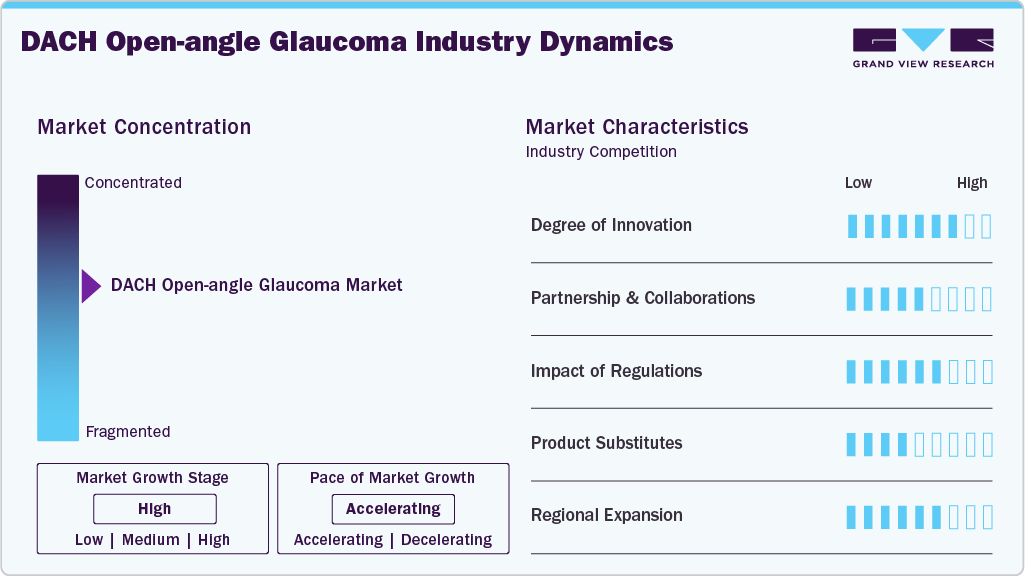
The DACH open-angle glaucoma industry is witnessing a significant increase in partnerships and collaborations among pharmaceutical companies, ophthalmic device manufacturers, diagnostic technology providers, academic research institutions, and healthcare organizations to accelerate innovation, improve early disease detection, and enhance long-term glaucoma management. These strategic collaborations are focused on developing next-generation minimally invasive glaucoma surgery (MIGS) technologies, artificial intelligence (AI)-enabled diagnostic platforms, digital ophthalmology solutions, and novel therapeutic approaches to improve patient outcomes while expanding access to advanced glaucoma care across DACH.
The market operates within a highly regulated framework governed by the European Medicines Agency (EMA), the European Commission under the Medical Device Regulation (EU MDR 2017/745), and national regulatory authorities, including the Federal Institute for Drugs and Medical Devices (BfArM) and Paul Ehrlich Institute (PEI) in Germany, AGES (Austrian Agency for Health and Food Safety) in Austria, and Swissmedic in Switzerland. These regulatory bodies oversee the safety, efficacy, quality, and clinical performance of glaucoma pharmaceuticals, minimally invasive glaucoma surgery (MIGS) devices, glaucoma drainage implants, ophthalmic lasers, diagnostic imaging systems, and digital ophthalmology solutions used in the diagnosis and management of open-angle glaucoma.
The DACH open-angle glaucoma industry faces moderate competition from a range of alternative treatment approaches, including generic intraocular pressure (IOP)-lowering medications, laser-based therapies, conventional glaucoma surgeries, and conservative disease management strategies that may reduce the adoption of premium pharmaceuticals and advanced minimally invasive glaucoma surgery (MIGS) devices. Generic prostaglandin analogs, beta-blockers, carbonic anhydrase inhibitors, alpha agonists, and fixed-dose combination eye drops remain widely prescribed as first-line therapies due to their established clinical efficacy, broad reimbursement coverage, and relatively low treatment costs, particularly among patients with early-stage disease.
The DACH open-angle glaucoma market is witnessing significant regional expansion as ophthalmic pharmaceutical companies, glaucoma device manufacturers, and diagnostic technology providers strengthen their presence across Germany, Austria, and Switzerland through product launches, regulatory approvals, commercial expansion, and broader access to advanced glaucoma care. Growing investments in minimally invasive glaucoma surgery (MIGS), digital ophthalmology platforms, and next-generation diagnostic technologies are enabling healthcare providers to improve early diagnosis, optimize intraocular pressure (IOP) management, and expand treatment options for patients with open-angle glaucoma across the region.
Analyst Perspective
The DACH open-angle glaucoma market has emerged as one of the most important segments within the regional ophthalmology and vision care industry, driven by the growing burden of age-related eye diseases, increasing prevalence of primary open-angle glaucoma (POAG), expanding elderly population, and continuous advancements in glaucoma diagnostics and minimally invasive surgical technologies. Open-angle glaucoma management has evolved from a treatment approach primarily dependent on topical medications toward a comprehensive disease management pathway that integrates early diagnosis, precision monitoring, laser therapies, sustained drug delivery systems, and minimally invasive glaucoma surgery (MIGS). As healthcare systems across Germany, Austria, and Switzerland increasingly prioritize early intervention to prevent irreversible vision loss, advanced glaucoma treatment technologies are becoming an integral component of routine ophthalmic care.
Product Insights
The Schlemm’s canal-based devices segment dominated the market, accounting for the largest share of 62.3% in 2025, and is expected to witness the fastest CAGR of 7.5% over the forecast period. Schlemm’s canal-based devices represent a critical segment within the DACH open-angle glaucoma market, driven by the growing adoption of minimally invasive glaucoma surgery (MIGS). These devices are designed to restore physiological aqueous humor outflow by targeting the Schlemm’s canal, which plays a central role in intraocular pressure (IOP) regulation. Dysfunction in this canal is a primary contributor to glaucoma progression, particularly in open-angle glaucoma cases. The increasing preference for safer, less invasive procedures has accelerated the adoption of Schlemm’s canal-based technologies across the region. MIGS devices targeting this canal improve fluid drainage by bypassing or dilating the trabecular meshwork, offering effective IOP reduction with fewer complications compared to traditional filtration surgeries. This aligns with broader clinical trends favoring faster recovery times, reduced surgical risks, and improved patient outcomes.
The subconjunctival devices segment is expected to witness growth at a significant CAGR over the forecast period. Subconjunctival devices represent a critical segment within the DACH open-angle glaucoma market, particularly for patients requiring more aggressive intraocular pressure (IOP) reduction than angle-based or Schlemm’s canal procedures can provide. These devices function by creating an alternative drainage pathway, diverting aqueous humor from the anterior chamber to the subconjunctival space, forming a controlled filtration bleb. This mechanism closely resembles traditional trabeculectomy, but with a more standardized and minimally invasive approach. Subconjunctival MIGS (minimally invasive glaucoma surgery) devices are gaining traction in the market due to their ability to deliver significant IOP reduction, making them suitable for moderate-to-severe glaucoma cases or patients inadequately controlled with medications or other MIGS techniques. Notable devices include the XEN Gel Stent and the PreserFlo MicroShunt, both of which are widely adopted across DACH ophthalmology centers.
Procedure Insights
The non-bleb-based procedures segment dominated the DACH open angle glaucoma industry, accounting for the largest revenue share in 2025, and is expected to witness the fastest CAGR over the forecast period. The increasing preference for these procedures is primarily driven by their favorable safety profile, reduced postoperative complications, faster visual recovery, and growing adoption of minimally invasive glaucoma surgery (MIGS) techniques across Germany, Austria, and Switzerland. Unlike traditional filtering surgeries that create a subconjunctival bleb, non-bleb-based procedures enhance the eye's natural aqueous humor outflow pathways, minimizing the risk of bleb-related infections, hypotony, bleb leaks, and long-term postoperative management. The region has witnessed increasing adoption of trabecular and Schlemm's canal-based MIGS procedures, particularly among patients with mild-to-moderate primary open-angle glaucoma (POAG). The preference for tissue-sparing procedures aligns with the growing emphasis on improving patient outcomes while minimizing surgical risk. These factors contribute to the growth of the segment.
The bleb-based procedures segment is expected to grow at the second-fastest CAGR over the forecast period. Bleb-based procedures encompassing traditional trabeculectomy and a newer generation of minimally invasive bleb-involving surgeries (MIBS) remain a cornerstone of surgical management for open-angle glaucoma (OAG) across DACH, particularly as the disease burden continues to rise alongside an aging population. In addition to conventional trabeculectomy, the adoption of minimally invasive bleb surgery (MIBS) is steadily increasing across the DACH region. Procedures involving subconjunctival filtration devices are gaining acceptance among glaucoma specialists because they combine the pressure-lowering effectiveness of filtration surgery with a less invasive surgical approach. These factors collectively contribute to the growth of the segment.
Type Insights
The standalone dominated the DACH open angle glaucoma market, accounting for the largest revenue share in 2025. Standalone procedures represent a major segment of the DACH open-angle glaucoma (oag) procedures market, encompassing both bleb-based and non-bleb-based surgical approaches performed independently without concurrent cataract surgery. These procedures are indicated for patients whose intraocular pressure (IOP) remains inadequately controlled despite medications or laser therapy and who require surgical intervention to slow disease progression. The choice between standalone bleb-based and non-bleb-based procedures depends on factors such as glaucoma severity, target IOP, patient age, ocular anatomy, previous surgeries, and the surgeon's clinical assessment. While bleb-based procedures are generally preferred for patients requiring substantial and sustained IOP reduction, non-bleb-based procedures are increasingly adopted for patients with mild to moderate disease due to their favorable safety profile and preservation of the eye's natural drainage pathways.
The combined segment is expected to grow at the fastest CAGR over the forecast period. Combined procedure type involving the simultaneous performance of glaucoma surgery and cataract surgery (phacoemulsification) during a single operative session. Both bleb-based and non-bleb-based glaucoma procedures can be performed in combination with cataract extraction, allowing ophthalmic surgeons to manage elevated intraocular pressure (IOP) while restoring visual acuity affected by cataracts. Combined procedures are particularly beneficial for patients diagnosed with coexisting cataracts and open-angle glaucoma, reducing the need for multiple surgeries, shortening recovery time, and improving overall patient convenience.
Edn Use Insights
The inpatient segment dominated the DACH open angle glaucoma industry in 2025. Inpatient care is particularly critical for higher-complexity OAG procedures. Ophthalmic surgeries are commonly performed by well-trained surgical teams in inpatient hospital settings. Hospitals provide a controlled, sterile environment highly conducive to such surgeries, with surgeons, anesthesiologists, nurses, and other specialists collaborating to ensure safe execution. Hospitals are also equipped to handle potential complications and offer comprehensive postoperative care. For procedures such as trabeculectomy with antimetabolites, Baerveldt or Ahmed glaucoma valve implantation, and non-penetrating deep sclerectomy, all commonly performed across major DACH academic centers, inpatient admission allows for the close postoperative monitoring these surgeries demand.
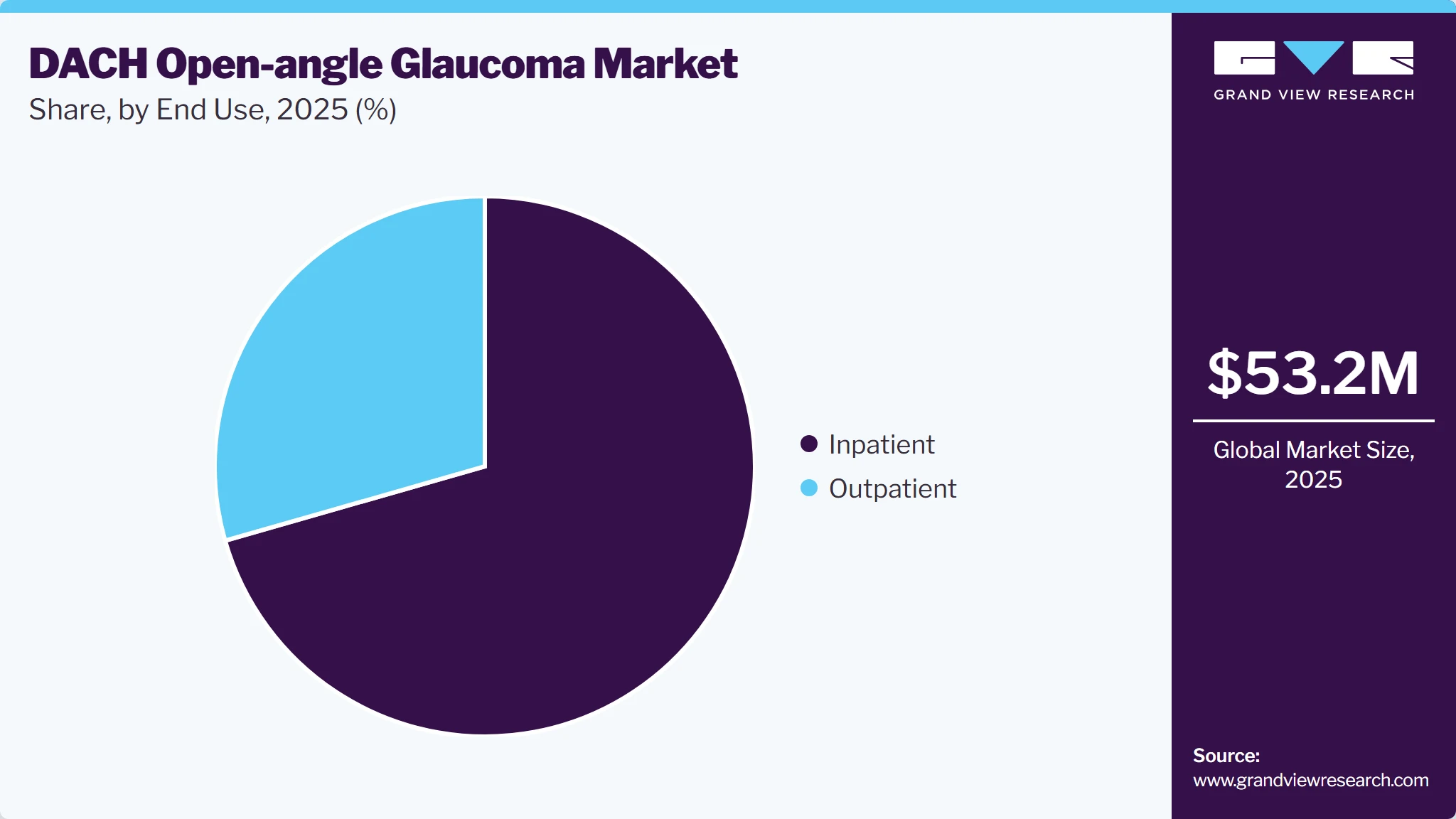
The outpatient segmentis anticipated to grow at a significant rate over the forecast period. The DACH open angle glaucoma market is witnessing a significant shift towards outpatient and ambulatory surgical centers for ophthalmic procedures, improving accessibility and cost-efficiency, further supported by rising public awareness about eye health and government initiatives promoting preventive care. This shift is not incidental; it is structurally enabled by the rise of MIGS and laser-based procedures, which require no overnight admission, carry minimal risk of complications, and allow patients to resume normal activities within days.
Country Insights
The DACH open angle glaucoma market is experiencing strong growth due to the rising prevalence of glaucoma associated with an aging population, increasing awareness of early diagnosis, and continuous advancements in ophthalmic technologies. Growing adoption of minimally invasive glaucoma surgery (MIGS), sustained innovation in glaucoma drainage devices and drug delivery systems, and wider availability of advanced diagnostic modalities such as optical coherence tomography (OCT) and visual field imaging are improving disease detection and treatment outcomes across Germany, Austria, and Switzerland. In addition, well-established healthcare infrastructure, favorable access to specialized ophthalmology services, ongoing clinical research, and increasing investments by leading pharmaceutical and medical device companies are accelerating the adoption of innovative glaucoma therapies. Rising healthcare expenditure, expanding physician training programs, and the growing emphasis on preserving vision and improving patients' quality of life are further supporting market expansion, positioning the DACH region as one of Europe's leading markets for advanced open-angle glaucoma diagnosis and management.
Germany Open-angle Glaucoma Market Trends
The Germany open angle glaucoma market is experiencing steady growth, underpinned by a high disease burden, an advanced healthcare infrastructure, strong national health insurance coverage, and a deeply embedded culture of evidence-based ophthalmological practice. The country's role as both a major clinical research hub and a high-volume surgical center places it at the center of DACH OAG treatment innovation. The prevalence of glaucoma in the German adult population above 40 years of age is currently 2.1%, resulting in approximately 980,000 individuals with glaucoma, plus at least one additional million subjects with ocular hypertension (OHT), with two-thirds of all glaucoma cases occurring in those above 70 years of age. Drawing on Germany's largest public health insurance dataset, the age-standardized prevalence of POAG in adults aged 50 and over was 2.79%, with an age-standardized incidence rate of 0.38 per 100 person-years with sex differences significant for both prevalence and incidence, showing higher rates in women compared to men.
Austria Open-angle Glaucoma Market Trends
The open angle glaucoma market in Austria is expected to grow significantly over the forecast period. The growth is supported by increasing disease prevalence, rising life expectancy, and stronger awareness regarding preventable blindness. Primary open-angle glaucoma (POAG) is the most common form of glaucoma and represents a significant ophthalmic burden because the disease progresses slowly and often remains undiagnosed until irreversible vision damage occurs. Studies from the Salzburg-Moorfields Collaborative Glaucoma Study, one of Austria’s major glaucoma screening initiatives, projected a substantial increase in glaucoma cases in the country between 2001 and 2031 due to demographic aging trends. The study highlighted that Austria’s growing elderly population would significantly expand the number of patients requiring long-term glaucoma monitoring and treatment.
Switzerland Open-angle Glaucoma Market Trends
The Switzerland open angle glaucoma market is experiencing lucrative growth. The growth is primarily driven by the country's aging population and the increasing prevalence of age-related ophthalmic disorders. Glaucoma predominantly affects older adults, and Switzerland's steadily expanding elderly population is expected to significantly increase the number of patients requiring long-term disease management. Glaucoma remains one of the leading causes of blindness in Switzerland, affecting approximately 2% of individuals aged 40 years and older. According to estimates from the Swiss Ophthalmological Society (SOG), around 100,000 people in Switzerland are living with glaucoma, including nearly 50,000 patients with elevated intraocular pressure-related glaucoma, of whom approximately 10% are at risk of blindness. In addition, normal-tension glaucoma accounts for an estimated 30–45% of all glaucoma cases, further highlighting the significant disease burden in the country.
Key DACH Open-angle Glaucoma Company Insights
The DACH open-angle glaucoma market is highly competitive, with leading companies focusing on strengthening their market positions through continuous product innovation, strategic collaborations, regulatory approvals, portfolio expansion, and regional commercialization initiatives. Manufacturers are increasingly investing in advanced glaucoma treatment technologies, including minimally invasive glaucoma surgery (MIGS) devices, sustained drug-delivery systems, glaucoma drainage implants, ophthalmic lasers, artificial intelligence-enabled diagnostic platforms, and digital ophthalmology solutions to improve intraocular pressure (IOP) control, enable earlier disease detection, and enhance long-term visual outcomes.
Key DACH Open-angle Glaucoma Companies
The following key companies have been profiled for this study of the DACH open angle glaucoma market.
-
AbbVie Inc.
-
Santen Pharmaceutical Co., Ltd.
-
Glaukos Corporation
-
Alcon Inc.
-
Sight Sciences, Inc.
-
MicroSurgical Technology
-
New World Medical
Competitive Benchmarking
Category
Operating Strategies
Competitive Edge
Weakness
Established Players (AbbVie Inc., Santen Pharmaceutical Co., Ltd., Alcon Inc., MicroSurgical Technology)
Focus on expanding comprehensive glaucoma portfolios across pharmaceuticals, minimally invasive glaucoma surgery (MIGS) devices, and surgical consumables.
Strengthen partnerships with ophthalmology clinics, university hospitals, and glaucoma specialists to increase product adoption across the DACH region.
Strong brand recognition and well-established relationships with ophthalmologists, glaucoma surgeons, hospitals, and ambulatory surgical centers.
Broad product portfolios covering glaucoma medications, MIGS implants, surgical visualization systems, and ophthalmic equipment.
Large organizational structures often result in slower decision-making and longer product development cycles.
High R&D investments, regulatory compliance costs, and post-market surveillance requirements increase operational expenses.
Emerging Players (Glaukos Corporation, Sight Sciences, Inc., New World Medical
Focus on innovative minimally invasive glaucoma surgery (MIGS) technologies and next-generation surgical instruments designed to improve aqueous outflow and reduce intraocular pressure.
Target niche glaucoma procedures through specialized product offerings for ophthalmic surgeons.
Faster innovation cycles enable rapid introduction of next-generation glaucoma devices and surgical technologies.
Highly specialized product portfolios focused exclusively on glaucoma treatment provide strong clinical differentiation.
Smaller commercial infrastructure and limited sales networks compared with multinational ophthalmology companies.
Lower brand recognition among general ophthalmologists may slow adoption outside specialized glaucoma centers.
Recent Development
-
Alcon announced at the European Society of Cataract and Refractive Surgeons (ESCRS) Congress the expansion of its glaucoma innovations portfolio, with a strong focus on the Hydrus Microstent supported by new and long-term clinical data. In addition, the Hydrus Microstent, a minimally invasive glaucoma surgery (MIGS) device, was highlighted for its ability to lower intraocular pressure in open-angle glaucoma patients by enhancing aqueous outflow through Schlemm’s canal when implanted alongside cataract surgery.
DACH Open-angle Glaucoma Market Report Scope
Report Attribute
Details
Market size in 2025
USD 53.2 million
Estimated market size in 2026
USD 56.7 million
Projected market size by 2033
USD 91.8 million
Growth rate
CAGR of 7.1% from 2026 to 2033
Base year for estimation
2025
Historical data
2021 - 2024
Forecast period
2026 - 2033
Quantitative units
Revenue in USD million, volume in units, and CAGR from 2026 to 2033
Report coverage
Revenue forecast, company ranking, competitive landscape, growth factors, and trends
Segments covered
Product, procedure, type, end use,country
Country scope
Germany; Austria; Switzerland
Key companies profiled
AbbVie Inc.; Santen Pharmaceutical Co., Ltd.; Glaukos Corporation; Alcon Inc.; Sight Sciences, Inc.; MicroSurgical Technology; New World Medical
Customization scope
Free report customization (equivalent up to 8 analyst’s working days) with purchase. Addition or alteration to country, regional, and segment scope
Pricing and purchase options
Avail customized purchase options to meet your exact research needs. Explore purchase options
DACH Open-angle Glaucoma Market Report Segmentation
This report forecasts revenue & volume growth at the regional and country levels and provides an analysis of the latest industry trends in each of the sub-segments from 2021 to 2033. Forthis study, Grand View Research has segmented the DACH open-angle glaucoma market report based on product, procedure, type, end use, and country:
-
Product Outlook (Volume, Units; Revenue, USD Million, 2021 - 2033)
-
Schlemm’s Canal-Based Devices
-
Subconjunctival Devices
-
-
Procedure Outlook (Volume, Units; Revenue, USD Million, 2021 - 2033)
-
Bleb-based Procedure
-
Perforating (Fistulizing) Bleb-based Procedures
-
Non-Perforating Bleb-based Procedures (NPDS)
-
-
Non-bleb-based Procedure
-
-
Type Outlook (Volume, Units; Revenue, USD Million, 2021 - 2033)
-
Standalone
-
Combined
-
-
End Use Outlook (Volume, Units; Revenue, USD Million, 2021 - 2033)
-
Inpatient
-
Outpatient
-
-
Country Outlook (Volume, Units; Revenue, USD Million, 2021 - 2033)
-
Germany
-
Austria
-
Switzerland
-
Research Methodology
The DACH open-angle glaucoma market figures in this report are based on a proven research process that combines executive interviews with secondary research from proprietary databases, company filings, and recognized regulatory and institutional sources. Market size is built through value-chain sizing-reconciling supply-side and demand-side estimates-and triangulated with bottom-up and top-down approaches. Every estimate passes multiple levels of expert validation before publication, with each DACH open-angle glaucoma segment quantified using the revenue-capture definitions in the table below.
Segment Definition
Segment – Product
Revenue capture definition
Schlemm’s Canal-Based Devices
Revenue is generated through the commercialization of micro-stents, scaffolds, and dilation tools designed to restore the eye's natural physiological outflow by bypassing or expanding Schlemm's canal. Manufacturers capture revenue primarily through single-use device sales to ophthalmic surgical centers. This segment commands strong volume pull-through in the DACH region, supported by robust clinical safety data that favors early-stage interventional treatments over aggressive filtering surgeries.
Subconjunctival Devices
Revenue flows from the distribution of ab-interno or ab-externo micro-shunts engineered to route aqueous humor from the anterior chamber directly into the subconjunctival space, creating a filtration bleb. Market participants derive income from high-margin device kits, which frequently bundle the permanent implant with specialized micro-knives or loading tools. This segment generates highly stable product revenue driven by its targeting of advanced, refractory, or open-angle glaucoma cases unresponsive to standard topical medications.
Segment - Procedure
Revenue capture definition
Bleb-based Procedure
Revenue is captured through the clinical execution of filtering surgeries such as traditional trabeculectomy, deep sclerectomy, or the implantation of subconjunctival micro-shunts that deliberately establish an external subconjunctival drainage reservoir (bleb). Device companies and clinical providers monetize this segment through premium device kits and multi-modal follow-up care packages. In the DACH region, this revenue is heavily governed by specialized inpatient or complex surgical outpatient hospital reimbursement tiers designed to cover intensive post-operative monitoring and bleb maintenance protocols.
Non-bleb-based Procedure
Revenue is generated through high-volume, minimally invasive interventions that target the trabecular meshwork, Schlemm's canal, or suprachoroidal space without altering the conjunctiva or creating an external bleb. Medical technology firms secure consistent, high-velocity revenue channels via disposable delivery devices and single-use micro-stents, benefiting from the rapid clinical adoption of procedures that boast minimal recovery times and significantly lower post-operative complication rates.
Segment - Type
Revenue capture definition
Standalone
Revenue is derived from glaucoma surgical interventions performed as independent, isolated therapeutic measures to lower intraocular pressure (IOP) in phakic or pseudophakic patients. Equipment providers and clinics capture income through targeted medical sales strategies focused on chronic glaucoma disease management, where the intervention is the primary clinical objective and is billed under standalone ophthalmic surgical codes.
Combined
Revenue flows from glaucoma micro-stent implantations executed concurrently with cataract surgery during a single operative session. This segment serves as a primary driver of high-volume device sales for manufacturers, leveraging the routine nature of cataract procedures to capture dual-procedural institutional budgets and maximize operating room efficiency under integrated regional DRG combination coding structures.
Segment – End Use
Revenue capture definition
Inpatient
Revenue is generated through large-scale capital hospital budget allocations, public health insurance tenders, and rigid institutional procurement pipelines within major university medical centers and municipal clinics. Device manufacturers secure long-term wholesale supply agreements and volume commitments, with procedural costs covered by comprehensive, predefined case-based flat rates that encompass extended hospital stays and complex surgical overhead.
Outpatient
Revenue is captured via specialized ambulatory surgical networks, independent ophthalmic practices, and day-surgery clinics. Income in this segment is characterized by rapid capital turnover and highly agile procurement loops. It relies heavily on streamlined outpatient reimbursement pathways, direct healthcare provider invoicing, and specific ambulatory billing catalogs such as the EBM in Germany or the TARMED/TARCO structure in Switzerland to drive swift patient turnaround and maximize local clinic profitability.
Estimation Model
Stage
Key Objective
Process Steps
Data Sources
Scope Definition
What is being measured in the DACH Open-angle Glaucoma market?
• Define the scope of the study by including products and procedures used for the diagnosis and treatment of Open-angle Glaucoma (OAG).
• Segment the market by product type, procedure, end user, and country.
• Define the patient population by estimating diagnosed, treated, and eligible OAG patients across the DACH region.
• Align on the base year and forecast horizon (2026–2033).Published clinical guidelines, WHO, European Glaucoma Society (EGS), national ophthalmology societies
Build the Product Base
How large is the addressable patient and treatment market for Open-angle Glaucoma in DACH?
• Estimate the prevalence and incidence of open-angle glaucoma by country.
• Quantify diagnosed, treated, and treatment-eligible patient populations using epidemiological data.
• Assess procedure volumes for trabeculoplasty, MIGS procedures, trabeculectomy, tube shunts, and laser medication utilization.
• Evaluate healthcare infrastructure including ophthalmology clinics, glaucoma specialists, ambulatory surgical centers, and hospitals performing glaucoma procedures.National health statistics, epidemiology studies, hospital databases, insurance claims databases
Estimate Penetration
What are the adoption rates of current and emerging Open-angle Glaucoma treatments across DACH?
• Analyze treatment pathways from first-line medical therapy to laser intervention, MIGS, and conventional glaucoma surgery.
• Evaluate physician preference and adoption of minimally invasive glaucoma surgery (MIGS) versus traditional surgical procedures.
• Assess the impact of reimbursement policies, clinical guidelines, patient awareness, and technological innovation on treatment adoption.
• Estimate future penetration of innovative glaucoma devices, sustained-release drug delivery systems, and next-generation surgical technologies.Procedure volumes, ophthalmologists and glaucoma surgeons, European Glaucoma Society guidelines, hospital procurement data
Revenue Conversion
How do patient volumes and treatment procedures translate into market revenue?
• Estimate annual treatment volumes by therapy type, procedure type, and product category across DACH.
• Collect average selling prices (ASP) for glaucoma pharmaceuticals, MIGS devices, laser systems, implants, and surgical consumables.
• Calculate market revenue using patient volumes, procedure utilization rates, treatment frequency, and ASPs.
• Triangulate and validate market estimates.Company annual reports, procurement databases, distributor pricing data
Delivered CustomizationsThis report has been delivered with the following In-depth customizations
CLIENT REQUEST
CUSTOMIZATION DELIVERED
VALUE ADDS
Device usage and adoption trends
Conducted a comprehensive assessment of device usage and adoption trends across the DACH open-angle glaucoma (OAG) market, covering Germany, Austria, and Switzerland. The study analyzed the adoption of minimally invasive glaucoma surgery (MIGS) devices, glaucoma drainage implants, trabecular micro-bypass stents, canaloplasty systems, microshunts, and advanced laser-based glaucoma treatment technologies across hospitals, ophthalmology clinics, and ambulatory surgical centers. The analysis evaluated procedure preferences, physician adoption patterns, patient eligibility criteria, clinical outcomes, reimbursement influence, regulatory approvals, technology penetration, procurement practices, pricing dynamics, and competitive product positioning. Additionally, the study examined the impact of aging demographics, increasing glaucoma prevalence, technological innovation, surgeon training, and healthcare infrastructure on the utilization of advanced glaucoma treatment devices throughout the DACH region.
Enables stakeholders to understand the current adoption landscape of glaucoma treatment technologies across the DACH region and identify high-growth device segments. The study supports strategic decision-making related to product commercialization, pricing, reimbursement planning, physician engagement, and distribution channel optimization. It also helps manufacturers benchmark technology adoption, evaluate market penetration opportunities, prioritize investments, and develop targeted market entry strategies aligned with regional clinical practice and healthcare infrastructure.
Procedure Analysis Across Treatment Centers and Hospitals
Conducted a detailed evaluation of open-angle glaucoma treatment procedures performed across hospitals, university medical centers, specialty ophthalmology clinics, and ambulatory surgical centers within the DACH region. The study assessed procedural volumes for minimally invasive glaucoma surgery (MIGS), trabeculectomy, glaucoma drainage implant procedures, laser trabeculoplasty, canaloplasty, and other surgical interventions. The analysis examined referral pathways, patient flow, surgeon specialization, procedure selection criteria, treatment protocols, healthcare facility capabilities, surgical infrastructure, reimbursement mechanisms, and regional variations in procedure utilization. Furthermore, the study evaluated the influence of academic institutions, clinical guideline adoption, technological availability, and center-specific expertise on procedural trends and treatment outcomes across Germany, Austria, and Switzerland.
Enables stakeholders to gain a comprehensive understanding of procedure distribution, treatment center capabilities, and hospital-level demand across the DACH glaucoma market. The study supports informed decisions regarding commercial targeting, key account management, physician education programs, hospital partnerships, and regional expansion strategies. It also assists manufacturers in identifying high-volume treatment centers, optimizing sales resource allocation, forecasting procedural demand, and strengthening market access initiatives within the ophthalmology care ecosystem.
Porters Analysis
Conducted a comprehensive Porter's Five Forces assessment of the DACH open-angle glaucoma market by evaluating competitive rivalry, supplier bargaining power, buyer bargaining power, threat of substitute therapies, and barriers to new market entrants. The study analyzed market concentration, innovation intensity, regulatory compliance requirements, reimbursement frameworks, intellectual property landscape, procurement processes, distribution networks, supplier ecosystems, and strategic positioning of established manufacturers. The analysis further assessed the influence of healthcare expenditure, government healthcare policies, aging population, prevalence of glaucoma, hospital purchasing behavior, technological advancements, and investment in ophthalmic care on the competitive environment across Germany, Austria, and Switzerland.
Enables stakeholders to evaluate the competitive intensity and long-term attractiveness of the DACH open-angle glaucoma market. The study provides strategic insights for product positioning, competitive differentiation, pricing strategy, partnership development, investment prioritization, and market entry planning. It also helps organizations identify potential competitive threats, assess supplier and customer dynamics, anticipate regulatory and reimbursement challenges, and formulate sustainable growth strategies within the evolving ophthalmology market ecosystem.
Frequently Asked Questions About This Report
The DACH open angle glaucoma market size was valued at USD 53.2 million in 2025 and is expected to reach USD 56.7 million in 2026.
The DACH open angle glaucoma market is expected to grow at a compound annual growth rate of 7.1% from 2026 to 2033 to reach USD 91.8 million by 2033.
By product, the schlemm’s canal-based devices segment held the highest market share of 62.3% in 2025.
Germany open angle glaucoma market held the largest share of 83.3% of the DACH open angle glaucoma market in 2025.
The rapidly aging population across the DACH region is one of the primary factors driving the increasing prevalence of open-angle glaucoma (OAG). As a chronic age-related optic neuropathy, primary open-angle glaucoma (POAG) predominantly affects older adults, with disease incidence and prevalence increasing substantially after the age of 60. The demographic transition toward an older population across the DACH countries is therefore expanding the number of individuals at risk of developing glaucoma, creating sustained demand for early diagnosis, long-term disease management, and advanced glaucoma treatment technologies.
Some key players operating in the DACH open angle glaucoma market include AbbVie Inc.; Santen Pharmaceutical Co., Ltd.; Glaukos Corporation; Alcon Inc.; Sight Sciences, Inc.; MicroSurgical Technology; New World Medical
By procedure, the non-bleb-based procedures segment held a leading market share of 62.3% in 2025.
By end use, the inpatient segment held a leading market share in 2025.
By type, the standalone segment held the largest market share of 80.0% in 2025
About the Author(s)
Medical Devices Research Team
Healthcare · Medical DevicesThis report was authored by the medical devices research team at Grand View Research - comprising two research analysts, one senior research analyst, and one industry expert - with specialized expertise in the medical devices segment of the healthcare industry. All findings are based on proprietary healthcare databases, executive interviews, and regulatory analysis, subject to internal peer review prior to publication.
Last Updated:
Speak to Analyst

Customize this report to your needs — add regions, segments, or data points, with 20% free customization.
Or view our licence options:


ISO 9001:2015 & 27001:2022 Certified
We are GDPR and CCPA compliant! Your transaction & personal information is safe and secure. For more details, please read our privacy policy.












