
- Home
- »
- Biotechnology
- »
-
DNA Nanotechnology Market Size And Share Report, 2033GVR Report cover

DNA Nanotechnology Market (2026 - 2033)
Size, Share & Trends Analysis Report By Technology Type (Dynamic DNA Nanotechnology, Structural DNA Nanotechnology), By Application, By End Use, By Region, And Segment Forecasts
Market Size, 2025
$5.3BMarket Estimate, 2026
$6.3BMarket Forecast, 2033
$24.2BCAGR, 2026–2033
21.1%DNA Nanotechnology Market Summary
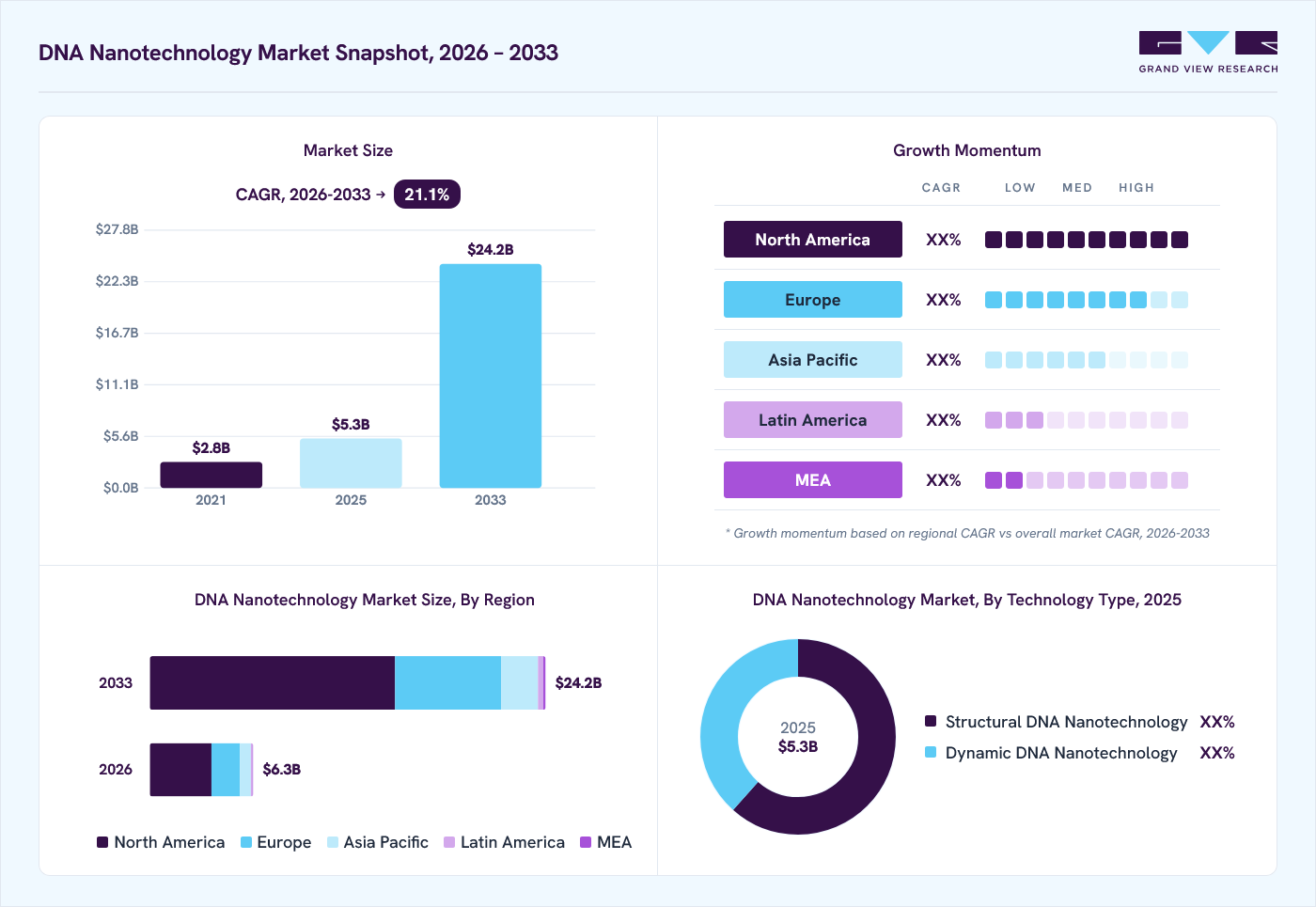
The global DNA nanotechnology market size was valued at USD 5.3 billion in 2025 and is projected to grow from USD 6.3 billion in 2026 to USD 24.2 billion by 2033, at a CAGR of 21.1% from 2026 to 2033. North America dominated the market, accounting for the largest revenue share of 59.1% 2025. The market growth is driven by increasing applications in targeted drug delivery, advanced diagnostics, and personalized medicine.
 Source: Grand View Research, IR Documents, Primary Interviews, Paid DatabasesTo learn more about this report,
 Download Free Sample Report
 Key Market Trends & Insights
- By technology type: Structural DNA nanotechnology segment held the highest market share of 61.5% in 2025.
- By application: Drug delivery systems segment held the highest market share of 42.2% in 2025.
- By end use: Academic & research institutions segment held the largest life science market revenue share of 52.3% in 2025.
Regional Highlights
- Largest regional market: North America (59.1% revenue share, 2025)
- By country: The U.S. held the largest market share in 2025.
Market Size & Forecast
- Market size in 2025: USD 5.3 Billion
- Estimated market size in 2026: USD 6.3 Billion
- Projected market size by 2033: USD 24.2 Billion
- CAGR (2026-2033): 21.1%
Three ways to get this report
Buy it, customize it, or ask a question.Ask an Analyst
Analyst response in 1 business day
- AccessReport author, directly
- Reply timeWithin 1 working day
- No sales callDirect answer only
- FormatEmail reply
- CostFree, no cost
Get the Full Report
What the study covers
- FormatsPDF · Excel · Dashboard
- Timeline2026–2033 annual, 2025 base
- Coverage20+ countries, 5 regions
- Companies10+ key players profiled
Customize the Report
20% free customization
- IncludeCountries, segments, points
- TailorTo your product definition
- ExtendDeeper competitor detail
- OrA fully bespoke study
- Turnaround5–10 working days
Rising R&D investments, integration of AI in nanodevice design, and growing demand for innovative healthcare solutions are further fueling global market expansion.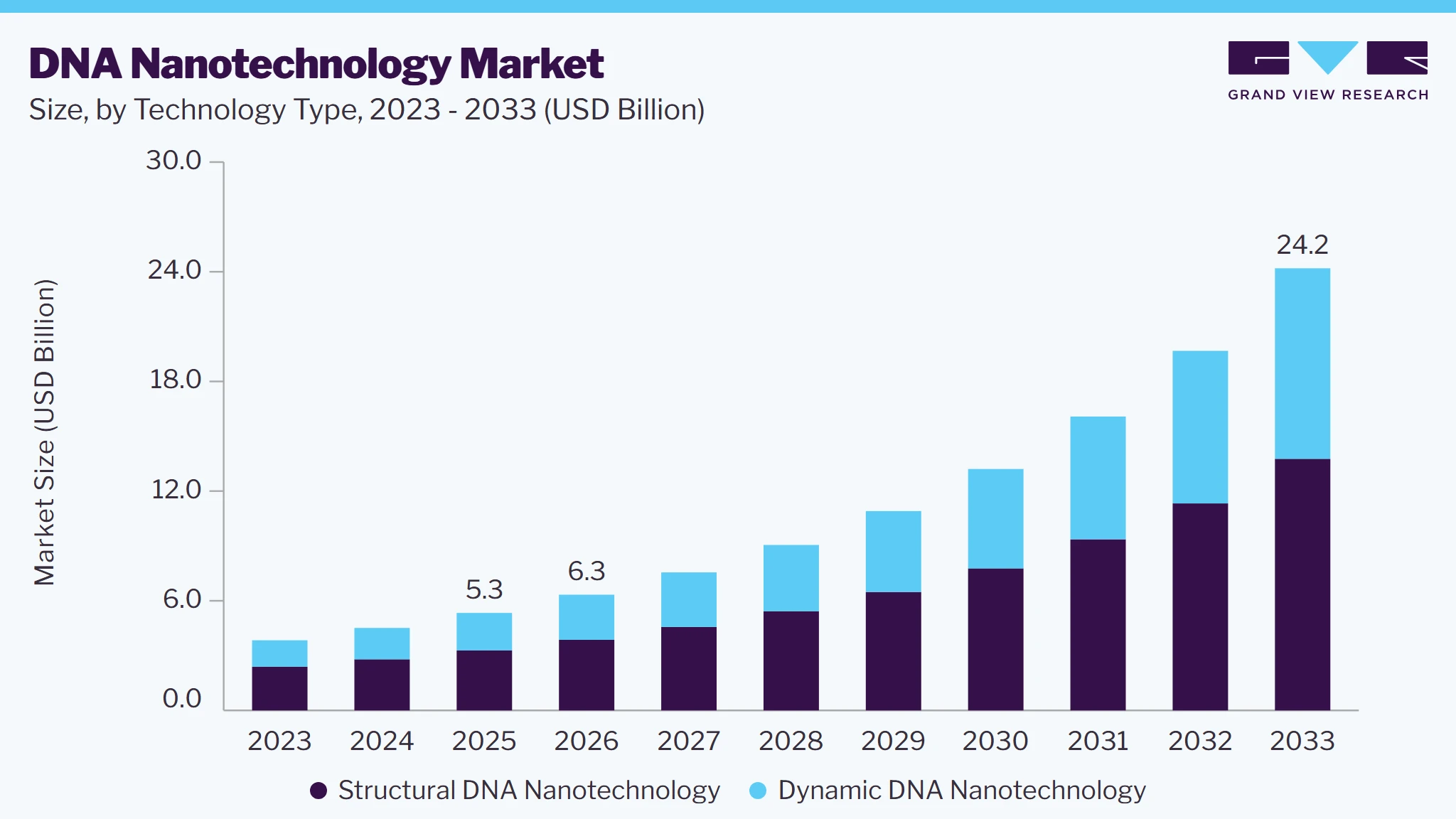 To learn more about this report, Download Free Sample Report
 Market Dynamics
The DNA nanotechnology market is experiencing strong growth, driven by increasing investments in nanotechnology and life science research, rising demand for precision medicine, and expanding applications in targeted drug delivery, molecular diagnostics, biosensing, and cancer therapeutics.
Growing collaborations among academic institutions, biotechnology companies, and pharmaceutical firms, coupled with favorable government funding for nanomedicine research, are accelerating innovation and commercialization. The increasing integration of DNA nanotechnology with gene editing, molecular imaging, and advanced diagnostic platforms is expected to further support market growth over the forecast period.
Continuous advancements in DNA origami and programmable self-assembly technologies are driving the growth of the DNA nanotechnology market by enabling the precise design and fabrication of complex two-dimensional and three-dimensional nanostructures. These technologies allow researchers to engineer highly customizable DNA architectures with exceptional spatial accuracy, supporting applications in targeted drug delivery, biosensing, molecular diagnostics, bioimaging, nanorobotics, and tissue engineering. Improvements in structural stability, scalability, and functionalization are further supporting the translation of DNA nanostructures from laboratory research to biomedical and therapeutic applications, strengthening commercial opportunities across the market.
According to an article published in Nature Communications in July 2024, researchers developed a modular DNA origami nanocompartment capable of organizing protein unfolding and degradation pathways with enhanced efficiency, demonstrating the growing potential of programmable DNA nanostructures in synthetic biology and therapeutic engineering. Such advancements strengthen the application of DNA origami in precision medicine and nanomedicine, supporting the continued growth of the DNA nanotechnology market.
The high cost of DNA synthesis and nanostructure fabrication remains a key restraint for the DNA nanotechnology market. Manufacturing complex DNA nanostructures requires high-purity oligonucleotides, specialized design software, advanced fabrication techniques, and sophisticated analytical tools, significantly increasing development costs. These factors limit the global adoption of DNA nanotechnology, particularly in cost-sensitive research settings and early-stage commercialization.
In addition, scaling laboratory-developed DNA nanostructures into commercially viable products remains challenging due to expensive production processes and limited manufacturing infrastructure. The need for stringent quality control and reproducible large-scale fabrication further increases costs, slowing the translation of DNA nanotechnology from research applications to routine clinical and industrial use.
Market Concentration & Characteristics
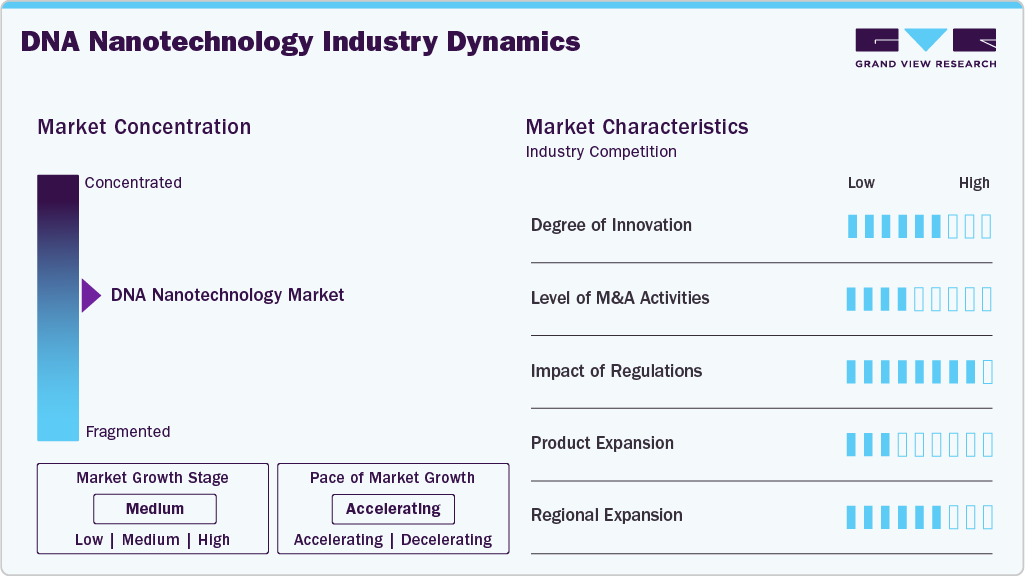
The DNA nanotechnology industry is highly innovation-driven, with rapid advancements in areas such as DNA origami, programmable nanostructures, and molecular self-assembly. Research institutions and biotech startups are pushing boundaries, developing novel applications in drug delivery, diagnostics, and synthetic biology. The high degree of customization and versatility of DNA-based nanostructures fuels constant R&D activity, making innovation a key competitive differentiator in the industry.
The DNA nanotechnology industry is witnessing a moderate level of strategic collaborations and licensing agreements, as biotechnology companies, research institutes, and technology providers seek to accelerate the development and commercialization of DNA-based nanomaterials for diagnostics, drug delivery, and precision medicine. These collaborations facilitate technology sharing, strengthen R&D capabilities, and expand application areas, thereby supporting long-term market growth.
 To learn more about this report, Download Free Sample Report
 The DNA nanotechnology industry is significantly influenced by evolving regulatory frameworks governing nanomaterial-based therapeutics and diagnostics. Regulatory agencies such as the U.S. FDA are strengthening guidance for products containing nanomaterials, with emphasis on quality, safety, manufacturing controls, and clinical evaluation to facilitate responsible commercialization of nanotechnology-based medical products.
The DNA nanotechnology market has witnessed moderate product expansion, driven by the introduction of advanced DNA-based platforms for drug delivery, biosensing, molecular diagnostics, and precision medicine. Companies and research organizations continue to expand their technology portfolios through innovative DNA nanostructures and translational research, broadening the commercial potential of DNA nanotechnology across biomedical applications.
The DNA nanotechnology market is witnessing a moderate to high level of regional expansion, supported by increasing investments in nanomedicine, genomics research, and biotechnology infrastructure across emerging markets. Growing government funding, expanding academic-industry collaborations, and rising adoption of precision medicine are accelerating the development and commercialization of DNA nanotechnology across key regional markets.
Analyst Perspective
The DNA nanotechnology market is expected to witness strong growth, driven by increasing applications in targeted drug delivery, molecular diagnostics, biosensing, and precision medicine. Advancements in DNA origami, self-assembly technologies, and nanostructure engineering are expanding the use of DNA-based nanomaterials in biomedical research and therapeutic development. Rising investments in nanomedicine, cancer research, and synthetic biology, along with growing academic and industry collaborations, are expected to support long-term market expansion. Market participants are focusing on technological innovation and scalable manufacturing to accelerate the commercialization of DNA nanotechnology-based solutions.
Technology Type Insights
The structural DNA nanotechnology segment accounted for the largest revenue share, over 61.5% in 2025. These rigid and customizable DNA-based frameworks are essential for building nanoscale devices, drug delivery carriers, and biosensors with consistent performance and spatial accuracy. The increasing demand for nano-precision in diagnostics, therapeutics, and bioelectronics is driving interest in structural DNA nanotechnology, supported by advancements in DNA origami techniques and automated design software that streamline fabrication and scalability for commercial use.
The dynamic DNA nanotechnology segment is expected to register the fastest CAGR over the forecast period, driven by rising demand for smart, stimuli-responsive nanodevices for biomedical applications. These nanostructures can adapt to changes in pH, temperature, or biomolecules, making them well suited for targeted drug delivery, biosensing, molecular computing, and precision medicine. Growing research activities and expanding therapeutic applications are expected to further accelerate segment growth.
Application Insights
The drug delivery systems segment dominated the market in 2025, accounting for 42.2%. DNA nanostructures offer unparalleled programmability, biocompatibility, and the ability to encapsulate and release drugs in response to specific biological signals, minimizing off-target effects and improving treatment outcomes. Their customizable design allows precise control over size, shape, and functionalization, enabling the development of personalized therapies, especially in areas such as cancer treatment and gene therapy. Growing demand for smarter, patient-specific drug delivery solutions is fueling investment and innovation in this segment of the DNA nanotechnology market.
The diagnostics and biosensing development segment is expected to register a significant CAGR over the forecast period. Growth is driven by the increasing adoption of DNA-based nanostructures for early disease detection, point-of-care diagnostics, and real-time biomarker monitoring. Their high specificity, programmability, and compatibility with advanced sensing platforms support their use in infectious disease testing, oncology, and precision medicine.
End Use Insights
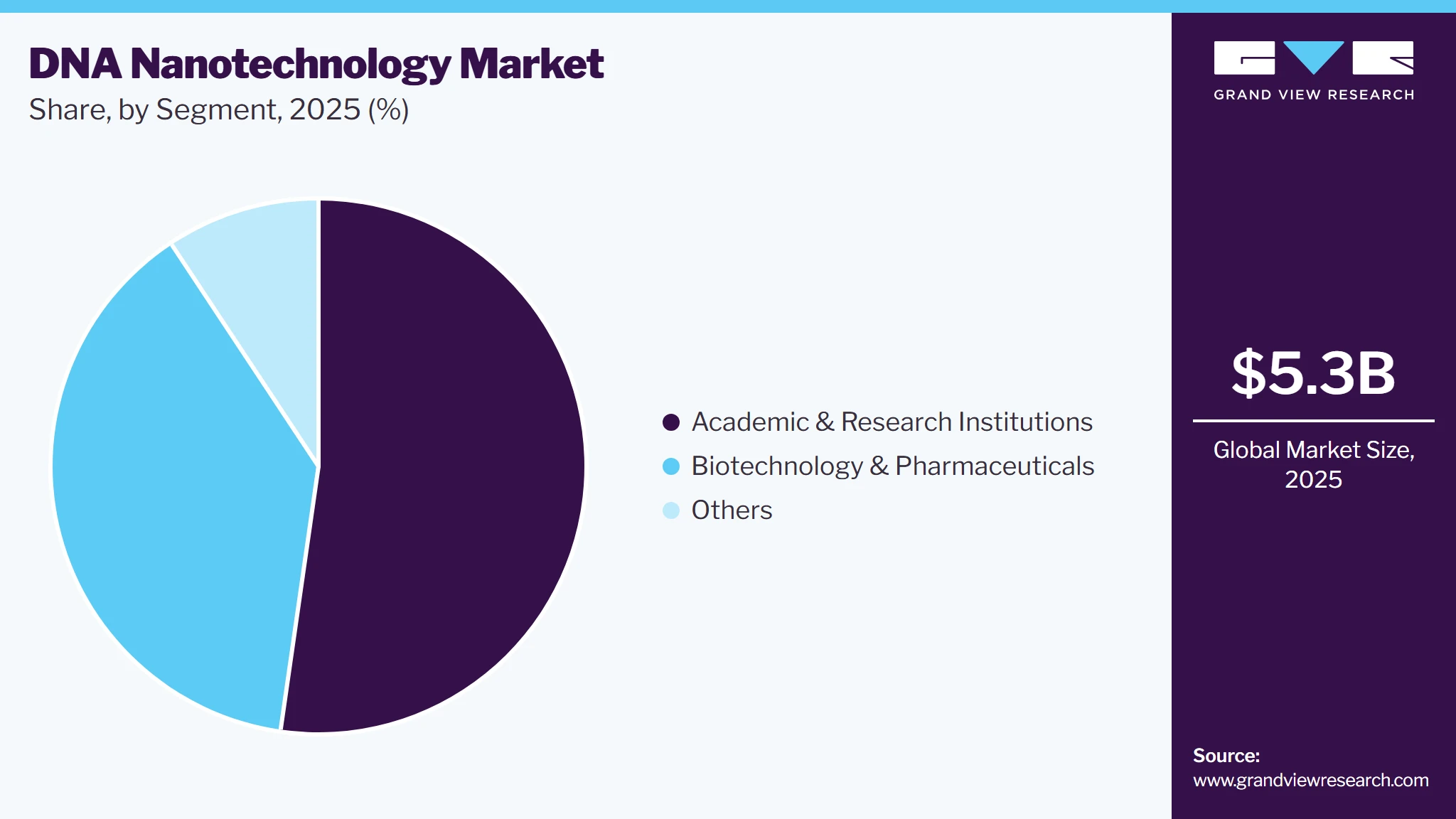
The academic & research institutions segment dominated the market, accounting for 52.3% of the market in 2025. Driven by extensive research in DNA nanostructures, nanomedicine, and molecular engineering, supported by government and institutional funding. According to an article published in Nature Communications in July 2025, researchers from Emory University, Purdue University, and the Technical University of Munich demonstrated sequence-controlled transformation of DNA origami nanoarrays, highlighting the pivotal role of academic research in advancing programmable DNA nanostructures and supporting innovation in the DNA nanotechnology market.
 To learn more about this report, Download Free Sample Report
 The biotechnology and pharmaceuticals segment is projected to witness the fastest CAGR, driven by increasing adoption of DNA nanotechnology for targeted drug delivery, precision therapeutics, and advanced diagnostics. Growing investments in nanomedicine, personalized medicine, and next-generation drug development are accelerating the integration of DNA-based nanostructures into biopharmaceutical R&D and commercialization.
Regional Insights
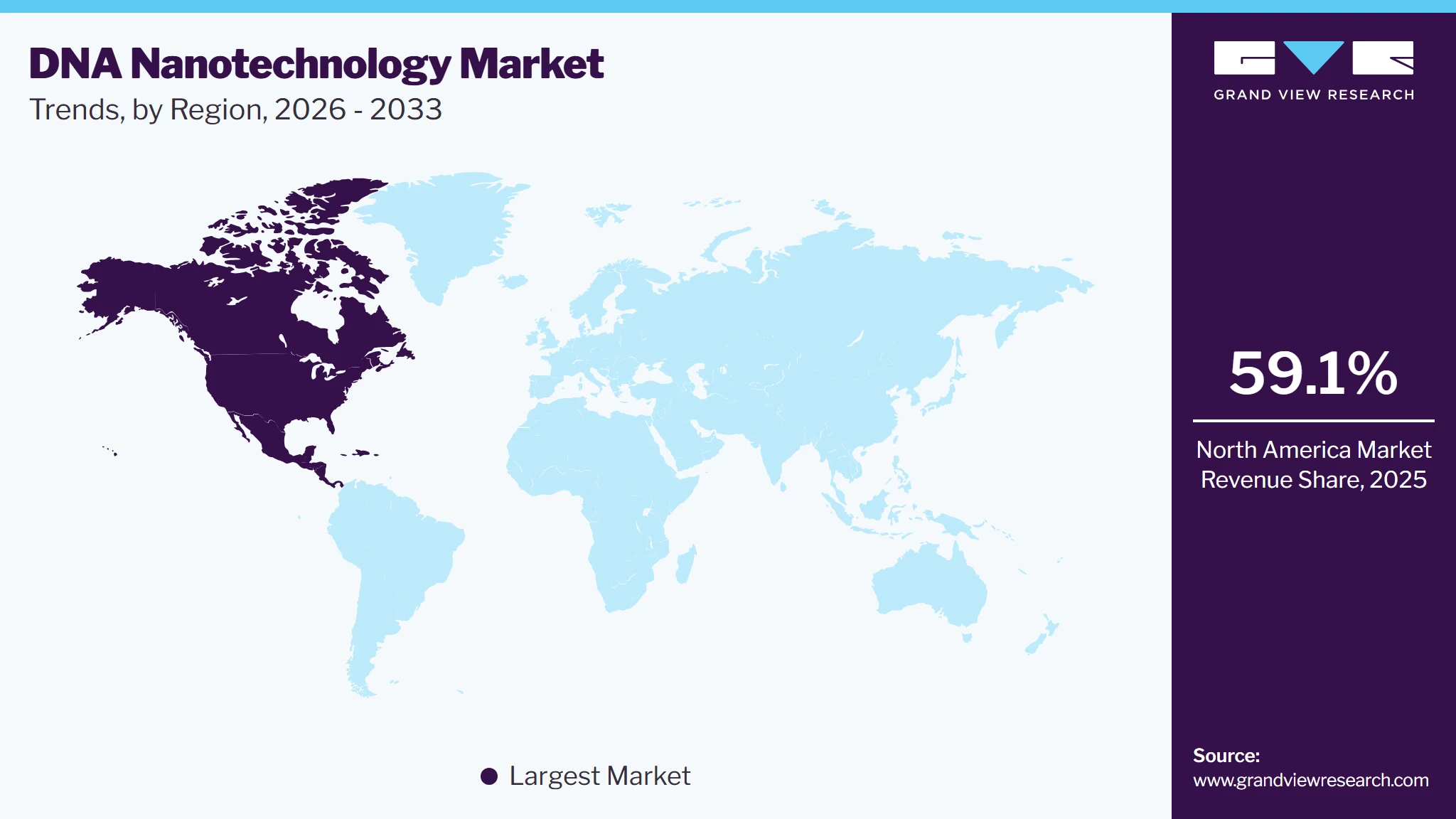
North America dominated the DNA nanotechnology industry, accounting for the largest revenue share of 59.1% in 2025 and projected to grow at the highest CAGR over the forecast period, due to its strong research and development infrastructure, substantial investments in biotech and healthcare, and leading-edge advancements in nanotechnology applications. The presence of key industry players, coupled with high levels of government funding for scientific innovation, drives the region’s market leadership.
 To learn more about this report, Download Free Sample Report
 U.S. DNA Nanotechnology Market Trends
The U.S. DNA nanotechnology industry leads due to substantial government funding, advanced research institutions, and a strong presence of key industry players. This is further supported by high demand for precision medicine and innovative healthcare solutions.
Europe DNA Nanotechnology Market Trends
Europe is significantly growing in the DNA nanotechnology industry owing to strong governmental support for nanotechnology research, advanced academic institutions, and a growing focus on biotechnology innovation. The region’s emphasis on healthcare and personalized medicine, along with increased investments in R&D, is driving demand for DNA-based applications in diagnostics, drug delivery, and others.
The UK DNA nanotechnology industry held a significant share, attributed to strong governmental support for biotech innovation and a growing focus on precision medicine. Collaborative efforts between leading research institutions and industry players further accelerate its integration in healthcare applications.
The Germany DNA nanotechnology market is witnessing significant growth owing to its strong biotechnology ecosystem and expertise in DNA nanotechnology research and commercialization. Germany-based Tilibit Nanosystems GmbH offers custom DNA origami design, fabrication, scalable production, and ready-to-use DNA nanostructures, supporting the commercialization of DNA nanotechnology for research and biomedical applications.
Asia Pacific DNA Nanotechnology Market Trends
Asia Pacific exhibits significant growth in the DNA nanotechnology industry owing to increasing investments in biotechnology, rising healthcare demands, and expanding research initiatives. The region benefits from a growing number of research institutions and a strong focus on advanced medical technologies. In addition, the increasing prevalence of chronic diseases and the need for innovative diagnostics and treatments drive the adoption of DNA nanotechnology.
The China DNA nanotechnology market is growing significantly, driven by increasing government investment in nanotechnology research and expanding commercialization of advanced biomedical technologies. Leading universities and research institutes continue to advance DNA nanotechnology for drug delivery and biosensing applications.
The DNA nanotechnology market in Japan is witnessing rapid growth, driven by strong research capabilities in nanomedicine, molecular engineering, and precision medicine. According to an article published by Springer Nature in July 2023, researchers from the University of Tokyo highlighted the application of programmable DNA nanostructures for targeted drug delivery, biosensing, and molecular diagnostics, reflecting Japan's continued advancements in DNA nanotechnology research and biomedical innovation.
Latin America DNA Nanotechnology Market Trends
The Latin America DNA nanotechnology market is growing steadily, driven by increasing government support for nanotechnology research, expanding academic-industry collaborations, and rising investments in biomedical innovation. Growing research activities in nanomedicine and molecular engineering are expected to support the adoption of DNA nanotechnology across the region.
MEA DNA Nanotechnology Market Trends
The DNA nanotechnology industry in MEA is expected to grow gradually due to improving biotechnology infrastructure, rising investments in biomedical research, and increasing collaborations with international research organizations. Growing interest in precision medicine is expected to support the adoption of DNA nanotechnology across the region.
Key DNA Nanotechnology Company Insights
The DNA nanotechnology market is characterized by the presence of several innovative companies focused on advancing DNA origami, nanoscale engineering, and biomedical applications. Key players, including GATTAquant GmbH, NanoBio Designs, Inc., Tilibit Nanosystems, Helixworks, SomaLogic Operating Co., Inc., EnaChip Inc., Ginkgo Bioworks, NanoLab Technologies, Nanogami, and DNA Nanobots, Inc., are strengthening their market position through continuous innovation, strategic collaborations, and expanding applications in diagnostics, drug delivery, and synthetic biology.
Key DNA Nanotechnology Companies:
The following key companies have been profiled for this study on the DNA nanotechnology market.
-
GATTAquant GmbH
-
NanoBio Designs, Inc.
-
Tilibit Nanosystems
-
Helixworks
-
SomaLogic Operating Co., Inc.
-
EnaChip Inc.
-
Ginkgo Bioworks
-
Nanolab Technologies (acquired by Eurofins Scientific)
-
Nanogami
-
DNA Nanobots, Inc.
Competitive Benchmarking
Category
Operating Strategies
Competitive Edge
Weakness
Established Players (SomaLogic Operating Co., Inc., Ginkgo Bioworks, Helixworks, etc.)
- Expand commercialization by partnering with pharmaceutical, biotechnology, and research organizations to accelerate the adoption of DNA-based nanostructures and biomolecular engineering solutions.
- Strong expertise in DNA engineering, synthetic biology, and molecular analysis supported by advanced technology platforms.
- High R&D costs and long commercialization timelines due to the emerging nature of DNA nanotechnology.
Emerging Players (GATTAquant GmbH, NanoBio Designs, Inc., Tilibit Nanosystems)
- Focus on niche applications such as DNA origami, nanostructure design, molecular diagnostics, biosensing, and custom DNA nanotechnology solutions.
- Strong specialization in DNA nanostructure engineering with high flexibility to develop application-specific solutions.
- Narrow product portfolios and significant reliance on research grants, collaborations, and early-stage technology adoption.
Recent Developments:
-
In September 2025, Ginkgo Bioworks partnered with Carnegie Mellon University to develop an innovative cancer screening approach using synthetic biology and advanced molecular engineering, strengthening DNA-based technology development and supporting the broader adoption of DNA nanotechnology for precision diagnostics and biomedical research.
-
In June 2024, DNA Nanobots, Inc. obtained an exclusive license from the University of California, Berkeley for a gene-editing technology platform integrating DNA nanoparticles with CRISPR-Cas systems for non-viral gene delivery, strengthening its capabilities in advanced gene-editing and precision therapeutic applications.
-
In June 2024, the Department of Health - Abu Dhabi and Illumina entered into a strategic collaboration to advance genomics research and precision medicine by strengthening sequencing capabilities and biomedical innovation, supporting the broader ecosystem for DNA-based technologies, including DNA nanotechnology applications in diagnostics and therapeutics.
-
In January 2024, DNA Nanobots, Inc. closed a pre-seed funding round to expand its BioPharma Partner Program, supporting the development of DNA nanoparticle-based non-viral delivery technologies and strengthening collaborations for advancing gene-editing and precision medicine applications.
DNA Nanotechnology Market Report Scope
Report Attribute
Details
Market size in 2025
USD 5.3 billion
Estimated market size in 2026
USD 6.3 billion
Projected market size by 2033
USD 24.2 billion
Growth rate
CAGR of 21.1% from 2026 to 2033
Historical data
2021 - 2025
Forecast period
2026 - 2033
Quantitative units
Revenue in USD million, and CAGR from 2026 to 2033
Report coverage
Revenue forecast, company ranking, competitive landscape, growth factors, and trends
Segments covered
Technology type, application, end use, and region
Regional scope
North America; Europe; Asia Pacific; Latin America; MEA
Country scope
U.S.; Canada; Mexico; UK; Germany; France; Italy; Spain; Norway; Denmark; Sweden; China; Japan, India; South Korea; Australia; Thailand; Brazil; Argentina; Saudi Arabia; South Africa; UAE; Kuwait
Key companies profiled
GATTAquant GmbH; NanoBio Designs, Inc.; Tilibit Nanosystems; Helixworks; SomaLogic Operating Co., Inc.; EnaChip Inc.; Ginkgo Bioworks; Nanolab Technologies (acquired by Eurofins Scientific); Nanogami; DNA Nanobots, Inc.
Customization scope
Free report customization (equivalent up to 8 analysts' working days) with purchase. Addition or alteration to country, regional & segment scope.
Pricing and purchase options
Avail customized purchase options to meet your exact research needs. Explore purchase options
Global DNA Nanotechnology Market Report Segmentation
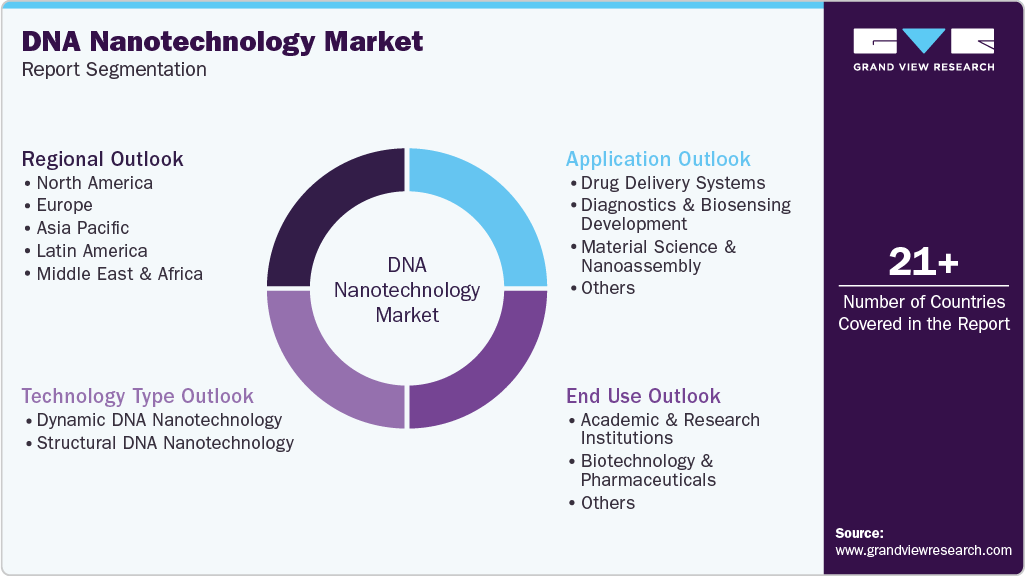
This report forecasts revenue growth and provides an analysis on the latest trends in each of the sub-segments from 2021 to 2033. For the purpose of this report, Grand View Research has segmented the global DNA nanotechnology market on the basis of technology type, application, end use, and region.
 To learn more about this report, Download Free Sample Report
 -
Technology Type Outlook (Revenue, USD Million, 2021 - 2033)
-
Dynamic DNA Nanotechnology
-
Extended Lattices
-
Discrete Structures
-
Template Assembly
-
Others
-
-
Structural DNA Nanotechnology
-
Nanomechanical Devices
-
Strand Displacement Cascades
-
Others
-
-
-
Application Outlook (Revenue, USD Million, 2021 - 2033)
-
Drug Delivery Systems
-
Diagnostics and Biosensing Development
-
Material Science and Nanoassembly
-
Others
-
-
End Use Outlook (Revenue, USD Million, 2021 - 2033)
-
Academic & Research Institutions
-
Biotechnology and Pharmaceuticals
-
Others
-
-
Regional Outlook (Revenue, USD Million, 2021 - 2033)
-
North America
-
U.S.
-
Canada
-
Mexico
-
-
Europe
-
UK
-
Germany
-
France
-
Italy
-
Spain
-
Denmark
-
Sweden
-
Norway
-
-
Asia Pacific
-
Japan
-
China
-
India
-
Australia
-
Thailand
-
South Korea
-
-
Latin America
-
Brazil
-
Argentina
-
-
Middle East and Africa (MEA)
-
South Africa
-
Saudi Arabia
-
UAE
-
Kuwait
-
-
Research Methodology
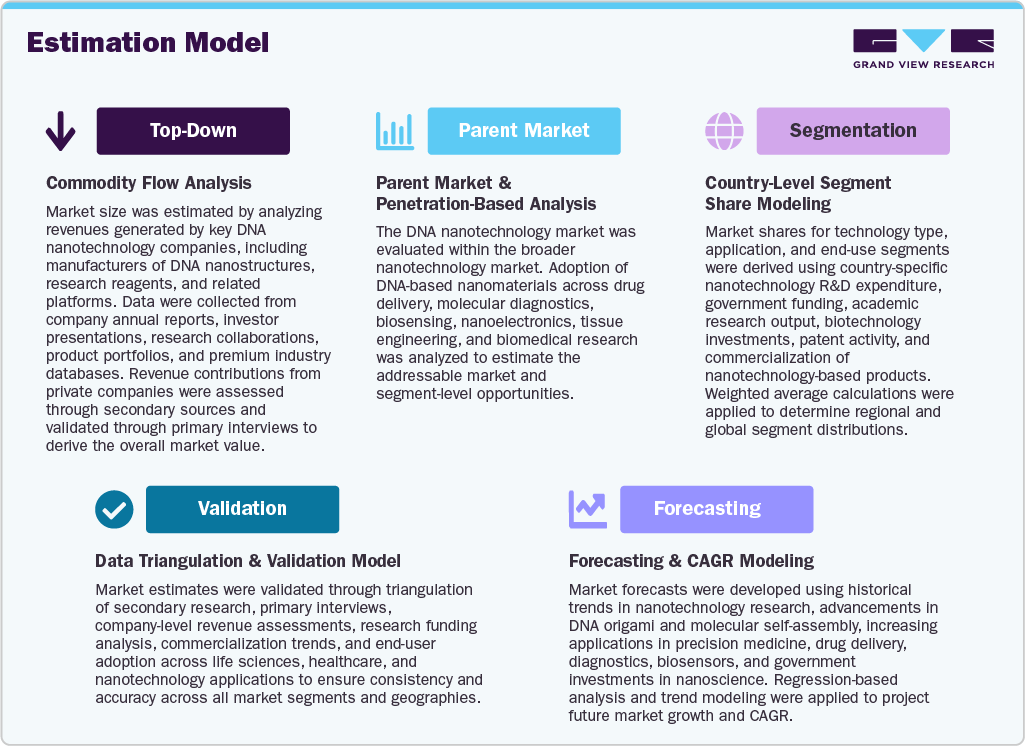
The DNA nanotechnology market figures in this report are based on a proven research process that combines executive interviews with secondary research from proprietary databases, company filings, and recognized regulatory and institutional sources. Market size is built through value-chain sizing-reconciling supply-side and demand-side estimates-and triangulated with bottom-up and top-down approaches. Every estimate passes multiple levels of expert validation before publication, with each DNA nanotechnology segment quantified using the revenue-capture definitions in the table below.
Segment Definition
Segment- Technology Type
Revenue Capture Definition
Dynamic DNA Nanotechnology
Revenue generated from technologies that utilize programmable DNA structures capable of responding to molecular or environmental stimuli through controlled conformational changes and molecular interactions. This segment encompasses dynamic DNA architectures such as extended lattices, discrete structures, template assembly platforms, and other programmable systems employed for molecular computation, targeted drug delivery, biosensing, nanofabrication, and responsive biomedical applications.
Structural DNA Nanotechnology
This segment captures income from technologies focused on designing stable DNA-based nanostructures that serve as functional scaffolds for biological and nanotechnological applications. The segment includes nanomechanical devices, strand displacement cascade systems, and other structural DNA assemblies utilized for molecular engineering, diagnostics, biomolecular computing, nanoscale manufacturing, and precision therapeutic development.
Segment- Application
Revenue Capture Definition
Drug Delivery Systems
Revenue generated from DNA nanotechnology platforms developed for the targeted delivery of therapeutic agents, including small molecules, nucleic acids, proteins, and biologics. These programmable nanostructures enhance drug stability, improve site-specific delivery, enable controlled release, and minimize off-target effects across various therapeutic applications.
Diagnostics and Biosensing Development
This segment captures income from DNA nanotechnology solutions used in the development of highly sensitive diagnostic assays and biosensing platforms for the detection of nucleic acids, proteins, pathogens, biomarkers, and other biological analytes. These technologies support clinical diagnostics, point-of-care testing, and precision medicine initiatives.
Material Science and Nanoassembly
Revenue originates from DNA nanotechnology applications that enable the precise assembly of nanoscale materials and functional architectures. These technologies are widely utilized in nanofabrication, molecular electronics, biomaterials engineering, photonics, and the development of advanced functional nanomaterials.
Others
This segment reflects earnings from emerging DNA nanotechnology applications outside the primary categories, including molecular computing, environmental monitoring, synthetic biology, bioimaging, tissue engineering, and other advanced research applications.
Segment- End Use
Revenue Capture Definition
Academic & Research Institutions
Revenue generated from DNA nanotechnology products and platforms utilized by universities, government laboratories, and research institutes conducting fundamental and translational research in nanotechnology, molecular biology, synthetic biology, materials science, and biomedical engineering.
Biotechnology and Pharmaceuticals
This segment captures income from DNA nanotechnology solutions adopted by biotechnology and pharmaceutical companies for therapeutic development, targeted drug delivery, biomarker discovery, diagnostics, molecular engineering, and next-generation biologics research.
Others
Revenue originates from contract research organizations (CROs), diagnostic companies, nanotechnology firms, healthcare organizations, and other industrial or governmental entities utilizing DNA nanotechnology for specialized research, product development, and commercial applications.
 To learn more about this report, Download Free Sample Report
 Delivered Customizations
This report has been delivered with the following In-depth customizations
Client Request
Customization Delivered
Value Adds
DNA Nanotechnology Product & Platform Opportunity Analysis
Detailed assessment of DNA nanotechnology platforms, including DNA origami, DNA tiles, DNA scaffolds, DNA walkers, DNA hydrogels, and DNA-based nanostructures, with analysis of product maturity, scalability, technical advantages, limitations, and commercialization status.
Helps identify high-potential platforms, assess technology maturity, and prioritize commercially viable technologies for product development and investment.
Patent & Intellectual Property Opportunity Analysis
Analysis of patent activity, technology concentration, emerging patent clusters, key assignees, geographic filing trends, and white spaces across DNA origami, self-assembly, DNA-based delivery, and biosensing technologies.
Helps identify IP white spaces, potential freedom-to-operate risks, licensing opportunities, and areas for differentiated technology development.
Investment & Funding Landscape Analysis
Assessment of venture capital, government grants, institutional funding, strategic investments, and startup financing across DNA nanotechnology applications and technology platforms.
Enables clients to identify emerging technologies attracting capital, monitor innovation hotspots, and target investment or partnership opportunities.
Frequently Asked Questions About This Report
North America is the fastest-growing region over the forecast period.
The structural DNA nanotechnology segment led with a 61.5% revenue share in 2025.
The drug delivery systems segment led with a 42.2% revenue share in 2025.
The academic & research institutions segment led with a 52.3% revenue share in 2025.
North America dominated the DNA nanotechnology market with a share of 59.1% in 2025. This is attributable to the region's increasing number of research and development initiatives, coupled with the growing adoption of innovative DNA-based technologies.
The global DNA nanotechnology market size was valued at USD 5.3 billion in 2025 and is estimated at USD 6.3 billion for 2026.
The global DNA nanotechnology market is expected to grow at a CAGR of 21.1% from 2026 to 2033, reaching USD 24.2 billion by 2033.
Some key players operating in the DNA nanotechnology market include Gattaquant, Nanobio Designs, Tilibit, Helixworks, SomaLogic, EnaChip, Ginkgo Bioworks, Nanolab Technologies, Nanogami, DNA Nanobots, LLC
Key factors driving market growth include the rising demand for drug delivery, biosensing, synthetic biology, and advancements in nanoscale engineering.
About the Author(s)
Biotechnology Research Team
Healthcare · BiotechnologyThis report was authored by the biotechnology research team at Grand View Research - comprising two research analysts, one senior research analyst, and one industry expert - with specialized expertise in the biotechnology segment of the healthcare industry. All findings are based on proprietary healthcare databases, executive interviews, and regulatory analysis, subject to internal peer review prior to publication.
Last Updated:
Speak to Analyst

Customize this report to your needs - add regions, segments, or data points, with 20% free customization.
Or view our licence options:


ISO 9001:2015 & 27001:2022 Certified
We are GDPR and CCPA compliant! Your transaction & personal information is safe and secure. For more details, please read our privacy policy.


