
- Home
- »
- Medical Devices
- »
-
GLP-1 & CGM Convergence Market Size Report, 2026-2033GVR Report cover
![GLP-1 & CGM Convergence Market (2026 - 2033)Report]()
GLP-1 & CGM Convergence Market (2026 - 2033)
Size, Share & Trends Analysis Report By Product (Sensor, Applicator), By Application, By Connectivity (Bluetooth, 4G/Cellular), By Distribution Channel, By Region, And Segment Forecasts
Market Size, 2025
$1.6BMarket Estimate, 2026
$1.8BMarket Forecast, 2023
$3.9BCAGR, 2026–2023
11.8%GLP-1 & CGM Convergence Market Summary
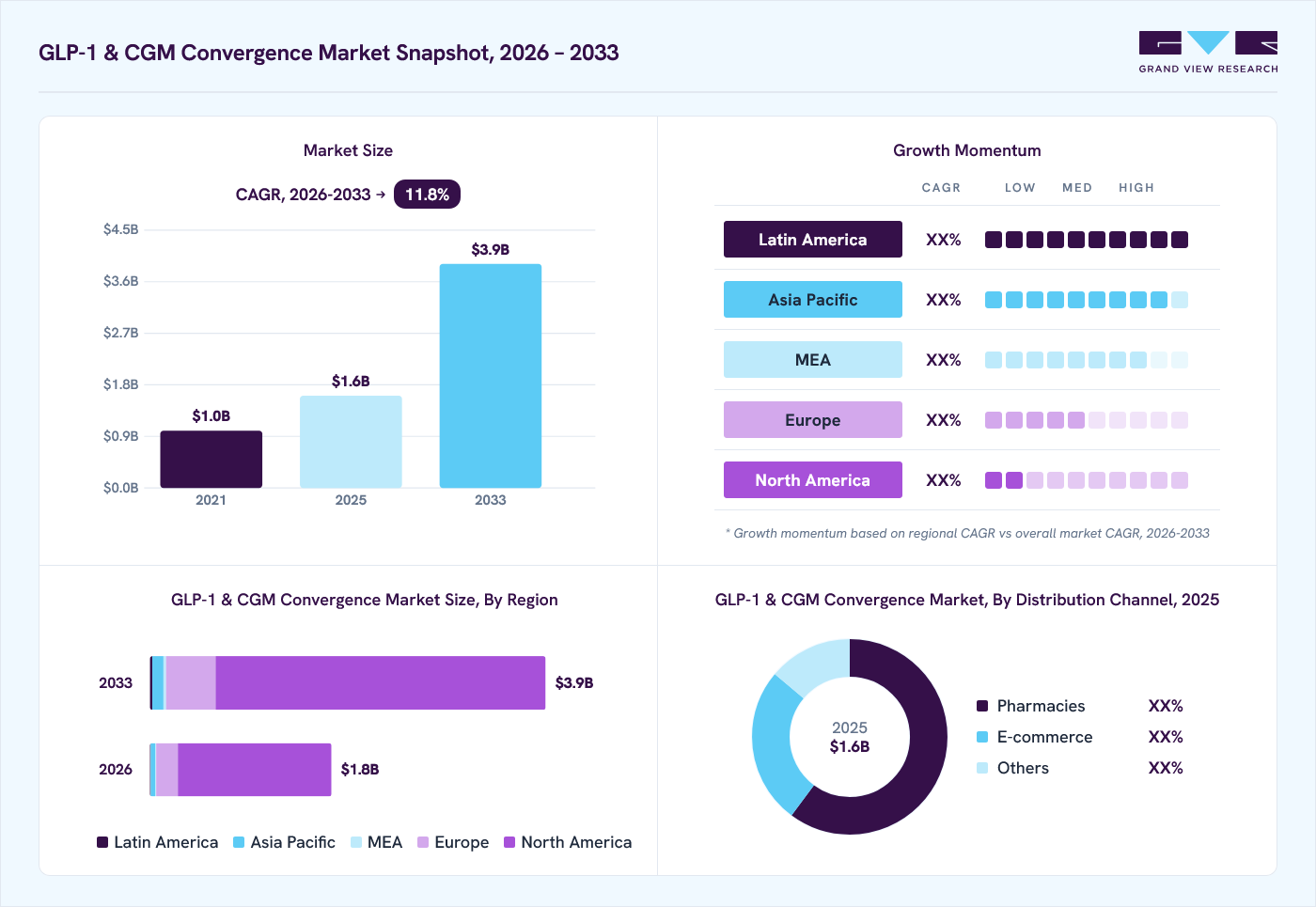
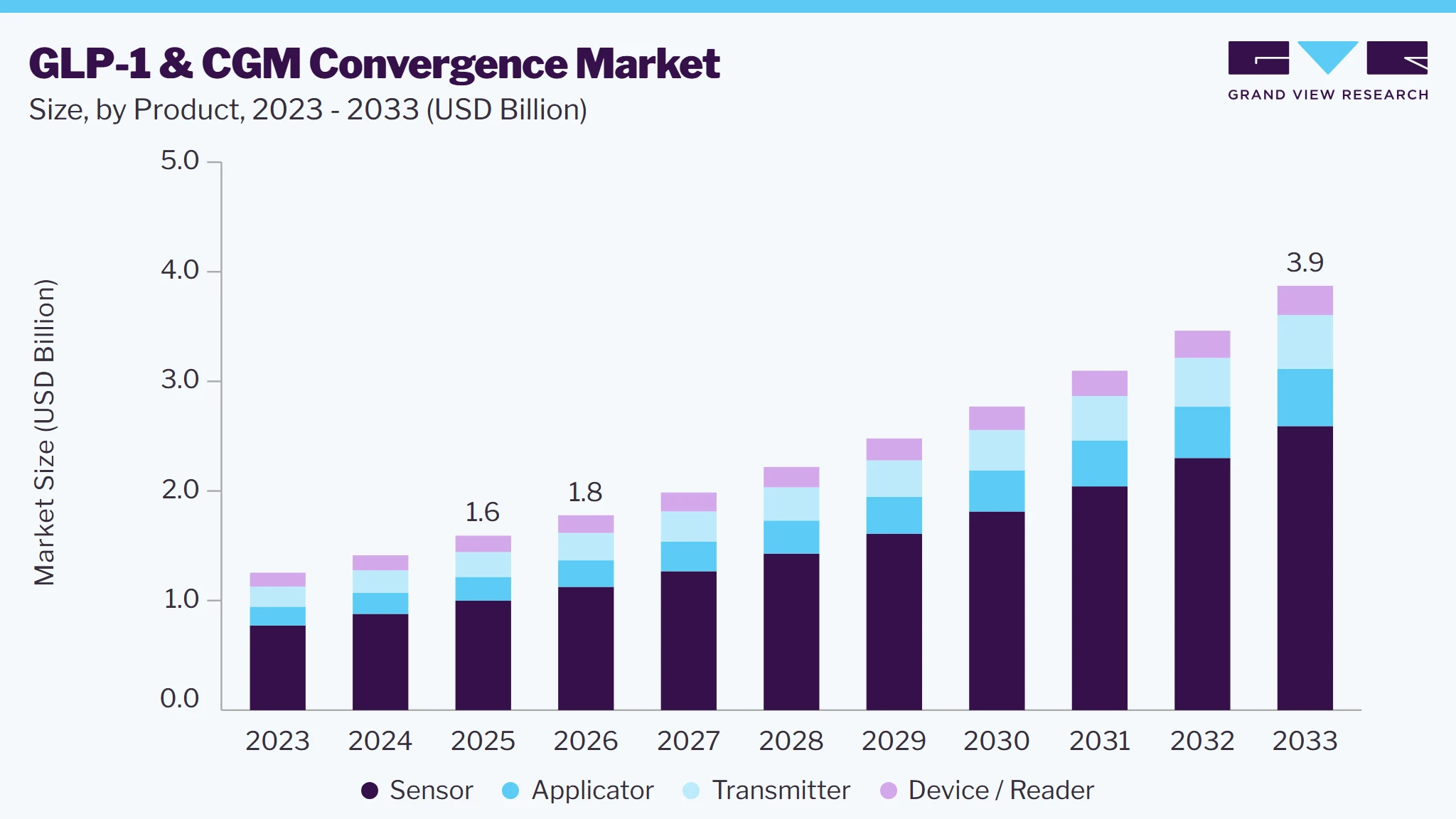
The global GLP-1 & CGM convergence market size was valued at USD 1.6 billion in 2025 and is projected to grow from USD 1.8 billion in 2026 to USD 3.9 billion by 2033, at a CAGR of 11.8% from 2026 to 2033. North America dominated the market, accounting for a revenue share of 84.7% in 2025. The global market is experiencing strong growth, driven by the growing intersection of diabetes, obesity, and metabolic-health management, rising GLP-1 use among type 2 diabetes patients, expanding clinical recognition of CGM beyond insulin-treated populations, and increasing demand for personalized glucose and lifestyle insights.
Key Market Trends & Insights
- By product: Sensor segment held the largest market share of 62.7% in 2025.
- By application: Glucose / diabetes management segment held the leading market share of 52.3% in 2025.
- By connectivity: Bluetooth segment held the leading market share of 76.5% in 2025.
- By distribution channel: Pharmacies segment held the leading market share of 60.1% in 2025.
Regional Highlights
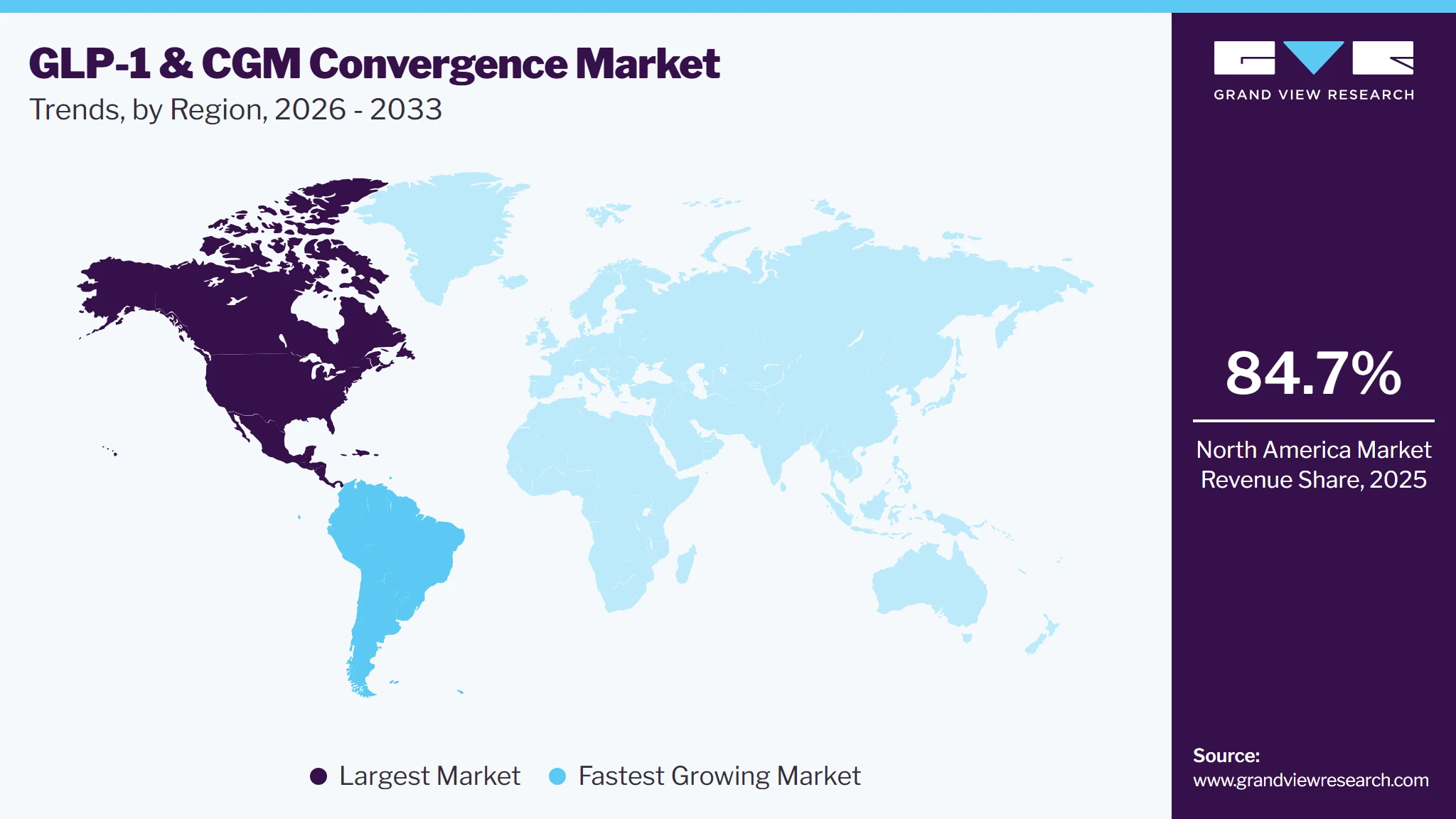
- Largest regional market: North America (84.7% revenue share, 2025)
- Fastest-growing regional market: Latin America (highest CAGR, 2026–2033)
- By country: The U.S. held the largest market share in 2025.
Market Size & Forecast
- Market size in 2025: USD 1.6 billion
- Estimated market size in 2026: USD 1.8 billion
- Projected market size by 2033: USD 3.9 billion
- CAGR (2026-2033): 11.8%
The 2026 ADA Standards of Care recommend CGM for adults with diabetes where it can aid treatment management, strengthening the clinical relevance of CGM among GLP-1 users. Concurrently, the growing availability of OTC CGM systems is reducing access barriers and expanding use among non-insulin-treated and obesity-focused populations, while greater consumer awareness of real-time glucose responses is positioning CGM as a complementary tool for nutrition, exercise, weight management, and metabolic-health monitoring.
The convergence of GLP-1-based therapies and CGM is gaining momentum as diabetes and obesity management increasingly shift toward integrated, data-driven approaches. GLP-1 receptor agonists and dual GIP/GLP-1 therapies provide pharmacological control of glucose, appetite, and body weight, while CGM provides continuous visibility into glucose patterns, treatment response, and behavioral triggers. The combination, therefore, creates an opportunity to move beyond episodic HbA1c assessment toward continuous, personalized metabolic management. A 2025 review highlighted the potential synergy between GLP-1 therapy and CGM, particularly through CGM-enabled behavioral feedback and individualized monitoring, although randomized evidence in people with obesity without diabetes remains limited.
Recent real-world evidence is strengthening the clinical rationale for combining the two technologies. A prospective study of 264 adults with T2D receiving GLP-1RA therapy who had not achieved their HbA1c target found that adding flash glucose monitoring produced a 0.58 percentage-point reduction in HbA1c versus 0.35 percentage points with GLP-1RA alone over 12 months. Weight reduction was also greater among patients using flash glucose monitoring, at approximately 4.0 kg versus 2.3 kg with GLP-1RA alone.
Key Findings from the CONNECT Trial
Metric
CONNECT Trial Finding
Market Significance
Study population
264 adults with T2D on GLP-1RA therapy
Demonstrates direct relevance of CGM to an existing GLP-1-treated population
Baseline HbA1c
~8.3%
Indicates substantial residual glycemic-management needs despite GLP-1 therapy
Study duration
12 months
Provides evidence of sustained benefit from combining glucose monitoring with GLP-1 treatment
HbA1c reduction – CGM + GLP-1
0.58 percentage points
Supports incremental glycemic benefit from adding CGM
HbA1c reduction – GLP-1 alone
0.35 percentage points
Establishes GLP-1 as the pharmacological baseline
Incremental HbA1c benefit
~0.23 percentage points
Supports the complementary role of CGM in GLP-1-treated T2D
Weight reduction – CGM + GLP-1
~4.0 kg
Indicates potential value of CGM-enabled behavioral feedback alongside pharmacological weight management
Weight reduction – GLP-1 alone
~2.3 kg
Provides comparator for assessing incremental convergence benefits
Monitoring technology
Flash glucose monitoring
Expands convergence beyond traditional real-time CGM toward intermittent/short-term monitoring
Target population
T2D patients inadequately controlled on GLP-1RA
Highlights an immediate clinical segment for GLP-1 + CGM adoption
The findings are particularly relevant because GLP-1 therapy does not eliminate the need for glucose monitoring in patients with diabetes. The 2026 ADA Standards of Care recommend CGM for adults with diabetes on insulin, on non-insulin therapies that can cause hypoglycemia, and on any diabetes treatment where CGM aids management. The guidelines also recognize periodic personal or professional CGM when continuous use is not feasible.
Additional evidence from 2026 further supports the concept of complementary use. A real-world primary-care analysis of 6,169 adults with insulin-treated T2D found that patients receiving both CGM and GLP-1 therapy experienced the largest improvements in HbA1c and body weight compared with either technology/pharmacotherapy alone. At one year, HbA1c declined by 1.70 percentage points with combination therapy, compared with 0.85 points with CGM and 1.16 points with GLP-1 therapy alone. While this population is insulin-treated and therefore represents a more clinically intensive segment, it provides additional evidence that the two interventions can have complementary effects.
From a market perspective, the convergence could accelerate the evolution of CGM from a predominantly glucose-monitoring device into a broader metabolic-management platform. For GLP-1 users with T2D, CGM can provide continuous feedback on glucose response during treatment initiation, dose titration, dietary changes, and lifestyle modification. For GLP-1 users without diabetes, the opportunity is more consumer-oriented: CGM can potentially provide feedback on meals, physical activity, glucose variability, and metabolic responses during weight-management programs. However, this latter opportunity should be considered emerging rather than clinically established, as randomized trials evaluating combined CGM and GLP-1 use specifically in obesity without diabetes are still lacking.
The convergence also creates opportunities for integrated GLP-1 + CGM programs, combining pharmacotherapy with glucose data, nutrition coaching, exercise recommendations, adherence support, and digital health platforms. This could encourage manufacturers and digital-health providers to develop lower-cost, shorter-duration, simplified CGM offerings targeted specifically at GLP-1 users, rather than relying exclusively on traditional long-term CGM models.
Market Dynamics:
The GLP-1 & CGM convergence industry is gaining momentum as pharmacological weight and glucose management increasingly converges with continuous, data-driven metabolic monitoring. GLP-1 receptor agonists and dual GIP/GLP-1 therapies address key metabolic pathways including glycemic control, appetite regulation, and weight reduction, while CGM provides continuous visibility into glucose patterns, treatment response, and the effects of diet and physical activity. The market is being supported by the rapidly expanding GLP-1 user population, increasing clinical evidence for CGM among people receiving non-insulin therapies, broader guideline recognition of CGM where it aids diabetes management, increasing availability of OTC CGM systems, and growing consumer interest in personalized metabolic-health data.
One of the most important drivers of the GLP-1 & CGM convergence industry is the rapid expansion of GLP-1-based therapy across Type 2 diabetes and obesity management. As more patients initiate GLP-1 receptor agonists and dual GIP/GLP-1 therapies, the potential population that could use CGM alongside pharmacological treatment is expanding.
The opportunity is particularly relevant among GLP-1 users with T2D who remain above their glycemic targets, patients undergoing treatment initiation or dose titration, and individuals using multiple glucose-lowering therapies. CGM provides information that periodic HbA1c measurements cannot capture, including daily glucose variability, postprandial excursions, time in range, and responses to medication, meals, and physical activity. The 2026 ADA Standards of Care recognize CGM use for adults with diabetes when it can aid management, including patients receiving non-insulin therapies. Emerging evidence directly supports the complementary nature of the two technologies. In a 12-month study of T2D patients receiving GLP-1RA therapy, patients using flash glucose monitoring experienced a 0.58 percentage-point reduction in HbA1c and approximately 4.0 kg of weight loss, compared with 0.35 percentage points and approximately 2.3 kg, respectively, among patients receiving GLP-1RA therapy alone. This creates an increasingly important convergence funnel:
Global GLP-1 population → GLP-1 users with T2D / obesity → CGM-addressable GLP-1 users → clinically or behaviorally motivated users → accessible/willing patients → GLP-1 + CGM users.
As GLP-1 treatment becomes increasingly embedded in chronic disease and weight-management pathways, the opportunity for CGM to serve as a complementary monitoring and engagement technology is expected to expand.
High recurring costs and inconsistent reimbursement remain important restraints for the GLP-1 & CGM convergence industry. CGM requires recurring sensor purchases, while some systems may also involve readers, transmitters, applicators, or subscription-based digital services. When CGM is used alongside an already expensive GLP-1 therapy, the combined monthly financial burden can become a significant barrier to sustained adoption.
Reimbursement is particularly important for GLP-1 users with obesity but without diabetes. While CGM has an established role in diabetes management, insurance coverage may not extend to CGM use for lifestyle, weight-management, or general metabolic-health purposes. This creates a distinction between the clinically reimbursed GLP-1 + CGM population and the consumer-paid GLP-1 + CGM population.
Market Concentration & Characteristics
The market for GLP-1 & CGM convergence is currently relatively concentrated on the CGM hardware side, with Dexcom and Abbott accounting for a significant share of the global CGM ecosystem, while other manufacturers such as Medtronic and Senseonics compete in prescription and specialized CGM segments. However, the broader convergence landscape is becoming more fragmented as CGM manufacturers, GLP-1 pharmaceutical companies, digital-health platforms, nutrition providers, and consumer wellness companies increasingly participate in the metabolic-health ecosystem. The convergence is occurring across two major pathways: clinical diabetes management, where CGM complements GLP-1 therapy by providing continuous glucose and treatment-response data, and consumer metabolic health, where CGM is used alongside GLP-1-based weight-management programs to provide insights into diet, physical activity, and individual metabolic responses.
The addressable population is also expanding beyond insulin-treated diabetes. The 2026 ADA Standards of Care recognize CGM use for adults on any diabetes treatment where CGM aids management and identifies OTC systems such as Dexcom Stelo and Abbott Lingo for people who do not use insulin. This creates an opportunity for CGM manufacturers to capture GLP-1 users across insulin-treated T2D, non-insulin-treated T2D, and obesity/weight-management populations, although the strength of the clinical value proposition differs across these cohorts.
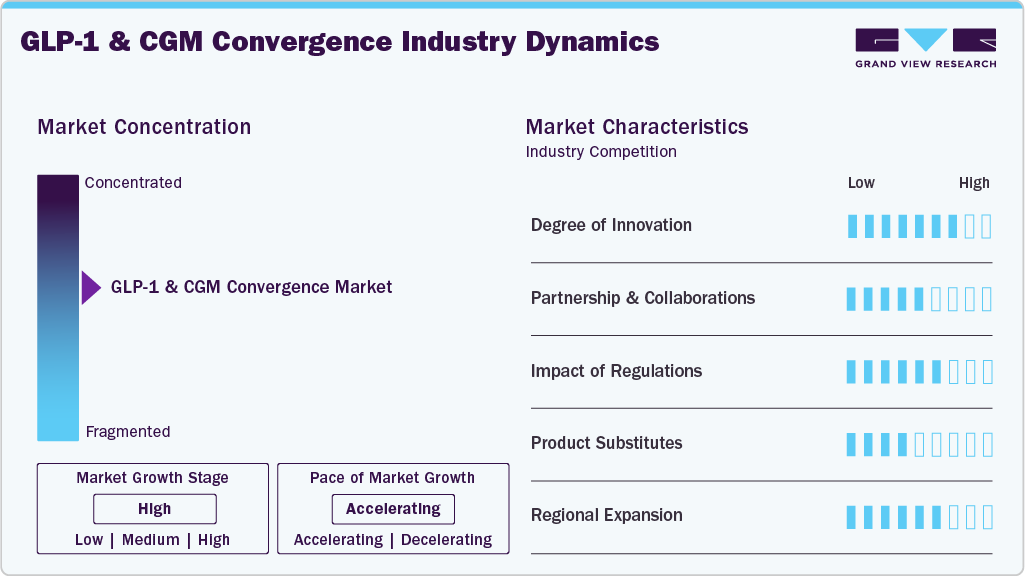
The market is characterized by rapid innovation in both CGM hardware and the interpretation of glucose data, with innovation increasingly focused on making CGM more accessible, less burdensome, and more actionable for GLP-1 users. Key areas include smaller sensors, longer wear duration, improved accuracy, smartphone-first interfaces, simplified application processes, lower-cost OTC products, and integration of glucose data with medication, nutrition, physical activity, sleep, and weight information.
Innovation is increasingly moving from “measuring glucose” toward “explaining what the glucose data means.” This is particularly relevant to GLP-1 users, who may want to understand how changes in appetite, food intake, exercise, medication initiation or dose escalation influence their glucose profile. Dexcom's Stelo, for example, was initially cleared by the FDA in March 2024 as the first OTC CGM for adults who do not use insulin and subsequently received an expanded OTC indication for people aged two years and older in June 2026. Dexcom also introduced a redesigned Stelo experience incorporating pattern recognition, AI-enabled coaching, and personalized summaries.
Partnerships are becoming an important competitive lever as the convergence market increasingly depends on combining CGM data, pharmacological treatment, behavioral coaching, nutrition, and digital-health services. CGM manufacturers are therefore moving beyond device-centric strategies and building ecosystems around personalized metabolic-health management. For instance, Dexcom's 2026 strategy included the acquisition of Nutrisense, strengthening its personalized nutrition education and coaching capabilities around CGM-derived glucose insights. Abbott has similarly expanded its ecosystem approach. In August 2026, Abbott announced a multi-year collaboration with Google Health to integrate Lingo glucose insights with broader health information and AI-powered coaching, including nutrition, physical activity, sleep, and recovery. Such collaborations indicate that future competition may increasingly occur at the platform level, where companies compete on the ability to convert CGM data into personalized recommendations rather than solely on sensor specifications.
Regulation has a high impact on the market because the ability to expand CGM from prescription diabetes management into OTC and consumer metabolic-health applications depends heavily on regulatory clearance and the permitted intended use of each system. The FDA plays a particularly important role in the U.S., where an OTC indication can substantially reduce the access barrier by removing the requirement for a conventional prescription.
The March 2024 FDA clearance of Dexcom Stelo as the first OTC CGM for adults who do not use insulin represented a major regulatory milestone. Abbott subsequently entered the U.S. OTC market with Lingo and Libre Rio. In June 2026, the FDA expanded Stelo's OTC indication to individuals aged two years and older who do not use insulin, further broadening the potential addressable population. Regulation also influences how CGM can be positioned alongside GLP-1 therapy. For diabetes, the 2026 ADA Standards recommend CGM for adults using insulin, non-insulin therapies that can cause hypoglycemia, and any diabetes treatment where CGM aids management. The Standards also recognize periodic personal or professional CGM where continuous use is not feasible.
However, the regulatory and clinical pathway is less established for GLP-1 users without diabetes. While OTC CGMs can be marketed to appropriate consumers for lifestyle and metabolic insights, the evidence base supporting routine combined CGM + GLP-1 use specifically for obesity without diabetes remains limited. A 2025 review identified the absence of randomized controlled trials evaluating combined CGM and GLP-1 use in obesity without diabetes and noted that CGM metrics in this population are not yet standardized. This distinction is important for the market because regulatory clearance does not necessarily translate into clinical adoption or reimbursement.
The market faces substitution from blood glucose meters, intermittent finger-stick testing, HbA1c testing, professional/episodic glucose monitoring, and increasingly from other digital metabolic-health tools. For many GLP-1 users with relatively stable Type 2 diabetes, periodic HbA1c testing combined with conventional glucose monitoring may be considered adequate for routine treatment assessment.
CGM's differentiation lies in providing continuous glucose trends rather than isolated measurements, enabling users and clinicians to observe post-meal excursions, glucose variability, time in range, and changes associated with food, physical activity, medication, and other behaviors. This becomes particularly relevant when GLP-1 therapy is initiated or titrated and when users want more immediate feedback than the periodic HbA1c cycle provides.
For GLP-1 users without diabetes, however, the substitution threat is stronger because the perceived need for continuous glucose monitoring is lower. Consumers may instead rely on weight scales, activity trackers, food-tracking applications, smartwatches, laboratory biomarkers, or digital weight-management platforms. Consequently, CGM manufacturers need to demonstrate that glucose data provide incremental and actionable value beyond weight loss and other health metrics generated through GLP-1 programs.
The emergence of OTC CGMs changes this competitive equation by lowering the access barrier. Rather than requiring a prescription and a conventional diabetes-management pathway, eligible consumers can obtain systems such as Stelo or Lingo directly and use them to understand relationships between glucose, nutrition, activity, and lifestyle. The 2026 ADA Standards explicitly recognize OTC CGM as a category that can be used by people without diabetes or with prediabetes to assess responses to lifestyle factors such as food and exercise.
Regional expansion in the market is being supported by the growing use of GLP-1-based therapies for Type 2 diabetes and obesity, increasing awareness of personalized metabolic management, expanding CGM adoption beyond insulin-treated patients, and improving availability of OTC and lower-cost CGM systems. The convergence is most advanced in markets where GLP-1 therapies, CGM technologies, digital-health platforms, and consumer healthcare are developing simultaneously. North America, particularly the U.S., remains the most strategically advanced market, supported by strong CGM adoption, high GLP-1 utilization, established digital-health infrastructure, and early commercialization of OTC CGM products. The FDA's clearance of Dexcom Stelo for adults not using insulin in 2024, followed by expansion of its OTC indication to individuals aged two years and older in June 2026, has further expanded the potential addressable population.
Analyst Perspective
The GLP-1 & CGM convergence industry presents a strong growth outlook, supported by increasing diabetes prevalence, rising awareness of glucose monitoring, and expanding acceptance of CGM beyond insulin-treated populations. From an analyst perspective, the market is transitioning toward more affordable, consumer-friendly, and over-the-counter CGM solutions, creating opportunities for recurring sensor revenue and broader patient adoption. Recent launches such as Dexcom Stelo and Abbott Lingo are strengthening access among non-insulin-treated users and wellness-focused consumers. Growth is also supported by digital health integration, smartphone connectivity, pharmacy distribution, and weight-management applications. However, affordability, reimbursement limitations, patient adherence, and consumer awareness remain key constraints to market penetration.
Product Insights
The sensors segment dominated the market in 2025, accounting for approximately 62.7% of overall market revenue. The segment is also projected to grow at the fastest CAGR of 12.7% over the forecast period. Its leading position is primarily attributed to the recurring nature of sensor purchases, as sensors require regular replacement based on their wear duration. Increasing use of CGM among GLP-1 users with Type 2 diabetes, particularly those seeking improved glycemic control or treatment-response monitoring, is supporting recurring sensor demand. The expansion of CGM into non-insulin-treated populations is further increasing the addressable user base. The opportunity is also expanding toward GLP-1 users without diabetes. OTC systems allow consumers to use CGM to better understand the effects of diet and exercise on glucose, creating a potential use case for individuals taking GLP-1 therapies for weight management. Continued improvements in sensor accuracy, wear duration, miniaturization, smartphone connectivity, and affordability are expected to sustain sensor demand during the forecast period.
The applicator segment is expected to witness steady growth over the forecast years, supported by increasing adoption of sensor-based glucose monitoring and the recurring requirement for sensor insertion devices. Applicators simplify CGM placement and improve ease of use, making them particularly relevant as CGM adoption expands among non-insulin-treated patients and wellness-focused consumers. Growth is further supported by the increasing availability of user-friendly, minimally invasive, and simplified CGM systems designed for home and self-application. Expansion of over-the-counter CGM products, pharmacy distribution, and e-commerce channels is expected to improve accessibility. However, bundled pricing and integrated sensor-applicator designs may limit standalone revenue growth.
Application Insights
The glucose / diabetes management segment dominated the market with a reveue share of 52.3% in 2025, supported by the established clinical role of glucose monitoring among people with type 2 diabetes. GLP-1 therapy is increasingly used as part of the treatment pathway for T2D, while CGM provides additional visibility into glucose trends, postprandial excursions, time in range, and glycemic variability. The 2026 ADA Standards recommend CGM for adults with diabetes when it aids management, including those receiving non-insulin treatment where appropriate. The combination is particularly relevant during GLP-1 initiation, dose escalation, treatment optimization, and management of patients who remain above individualized glycemic targets. CGM can provide more frequent feedback than periodic HbA1c testing and may help patients and providers evaluate responses to medication, food, and physical activity. Emerging evidence from the CONNECT trial further strengthens the clinical positioning of CGM in non-insulin-treated T2D, including individuals receiving GLP-1 therapies.
The lifestyle monitoring segment is expected to witness steady growth during the forecast period. Growth is being reinforced by consumer-oriented CGM products and smartphone applications that translate glucose data into simplified lifestyle insights. The FDA's OTC framework specifically allows appropriate non-insulin users to access CGM without a conventional prescription, while Stelo's indication includes helping users understand how lifestyle and behavioral changes such as diet and exercise affect glucose excursions.
Connectivity Insights
The bluetooth segment dominated the market with a revenue share of 76.5% in 2025, supported by widespread integration of Bluetooth connectivity across modern continuous glucose monitoring systems. Bluetooth enables real-time transmission of glucose data from sensors or transmitters to smartphones, dedicated readers, and connected digital health applications, improving convenience and accessibility for users. Its ability to support continuous data synchronization, alerts, remote monitoring, and mobile-based glucose visualization has strengthened adoption among patient population. Growing smartphone penetration and increasing consumer preference for connected healthcare devices are further supporting demand. In addition, Bluetooth-based CGM systems facilitate integration with fitness, nutrition, and wellness applications, expanding their relevance beyond traditional diabetes management.
The NFC (Near Field Communication) segment is expected to witness the fastest CAGR over the forecast period, supported by increasing adoption of scan-based and connected glucose monitoring solutions. NFC enables convenient short-range communication between CGM sensors and compatible smartphones or readers, allowing users to retrieve and review glucose data with minimal setup. Growing consumer preference for simple, affordable, and smartphone-compatible monitoring technologies is supporting demand for NFC-enabled systems. Expanding consumer-focused CGM products and increasing digital health adoption are expected to further accelerate NFC segment growth.
Distribution Channel Insights
The pharmacies segment held the largest revenue share of 60.1% in 2025, supported by the increasing availability of CGM products through retail, specialty, and online pharmacy networks. Pharmacies provide convenient access to sensors, applicators, transmitters, readers, and replacement supplies, making them an important distribution channel for recurring CGM purchases. The growth of OTC CGM is strengthening this channel because consumers can increasingly purchase eligible CGM systems without going through a conventional prescription pathway. The pharmacy channel is therefore becoming relevant not only to established diabetes patients but also to GLP-1 users seeking glucose and metabolic-health insights. However, pharmacy-based sales will increasingly compete with online and direct-to-consumer purchasing models.
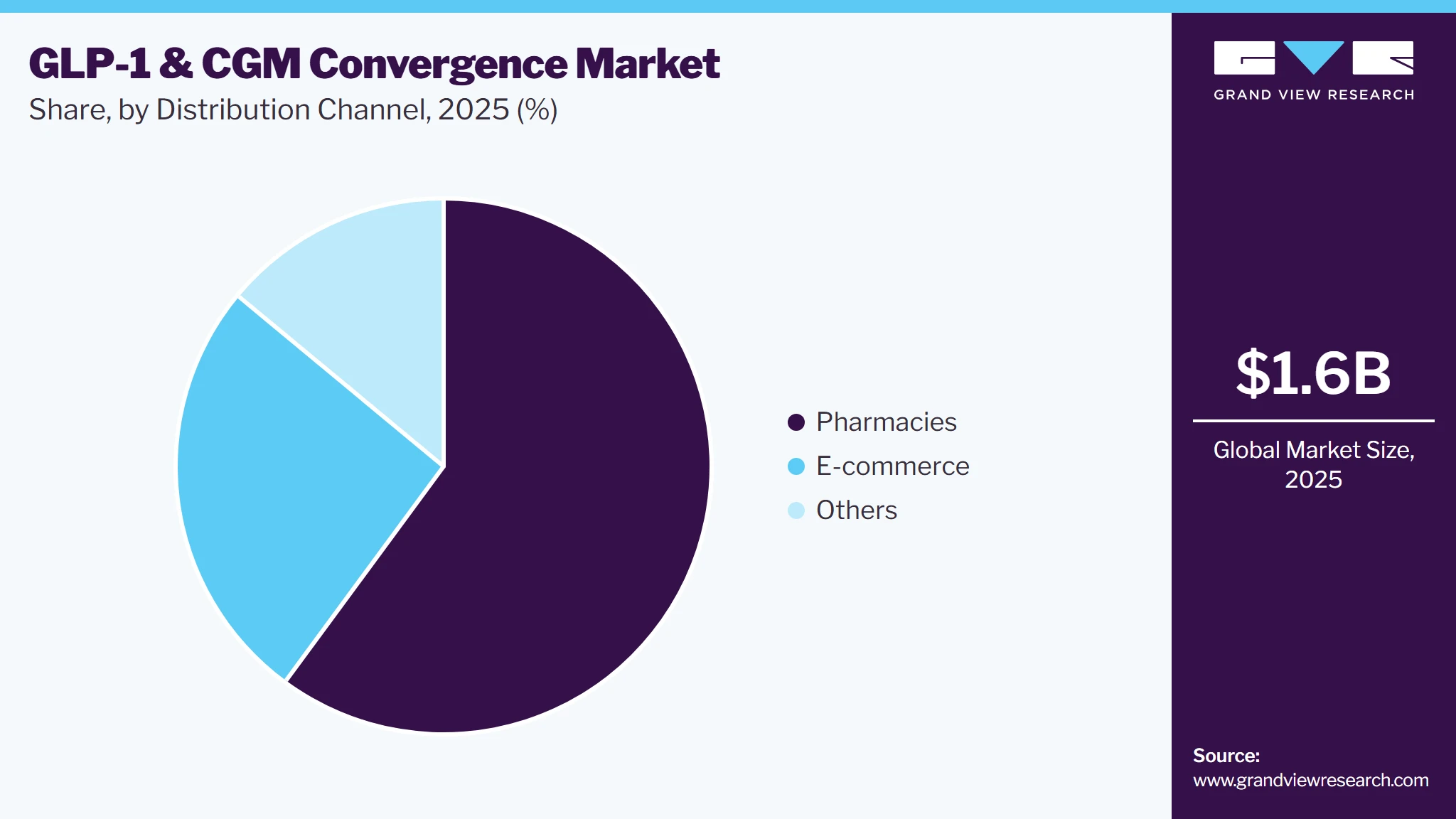
The E-commerce segment is expected to witness the fastest growth over the forecast period, driven by the consumerization of CGM, increasing OTC availability, direct-to-consumer purchasing, and growing adoption of digital metabolic-health programs. Online channels allow users to compare products, purchase recurring sensor supplies, access educational content, and connect CGM products with digital coaching or nutrition services. E-commerce is particularly well suited to GLP-1 users without diabetes, for whom CGM may be purchased as a consumer wellness or metabolic-health product rather than through a traditional diabetes-care pathway. Increasing smartphone penetration, subscription-based sensor purchasing, online healthcare platforms, and home delivery are expected to further support the channel..
Regional Insights
North America GLP-1 & CGM Convergence Market Trends
The GLP-1 & CGM convergence industry in North America accounted for the largest global revenue share of 84.7% in 2025, supported by high GLP-1 utilization, a large Type 2 diabetes population, established CGM infrastructure, strong digital-health adoption, and the presence of leading CGM manufacturers. The region is also at the forefront of the transition from prescription CGM toward broader consumer and OTC applications.
U.S. GLP-1 & CGM Convergence Market Trends
The GLP-1 & CGM convergence industry in the U.S.is experiencing strong growth, as GLP-1 therapies become increasingly integrated into diabetes and obesity management and CGM becomes accessible to a broader non-insulin population. The FDA's March 2024 clearance of Dexcom Stelo as an OTC CGM for adults not using insulin created an important new pathway for consumer adoption. In June 2026, the FDA cleared Stelo for individuals aged two years and older who do not use insulin, further expanding its potential addressable population.
Europe GLP-1 & CGM Convergence Market Trends
The GLP-1 & CGM convergence industry in Europe is supported by a large population with diabetes and obesity, established chronic-disease management systems, high healthcare expenditure in major economies, and growing adoption of digital-health technologies. The region is characterized by greater variation across countries than the U.S., with CGM reimbursement, access to GLP-1 therapies, prescription requirements, and healthcare budgets influencing adoption.
The UK GLP-1 & CGM convergence industry is supported by an established diabetes-care infrastructure, strong digital-health adoption, and widespread use of structured chronic-disease management through the NHS. CGM has historically been concentrated among patients with greater glucose-management requirements, but broader recommendations and evidence for non-insulin-treated T2D are creating opportunities for expansion. The growing use of GLP-1 therapies for both diabetes and obesity is creating an additional convergence opportunity, particularly where CGM can be integrated with nutrition, weight-management, and behavioral-support programs. Cost-effectiveness and NHS reimbursement policies will remain important determinants of adoption.
The GLP-1 & CGM convergence industry in Germany is characterized by a mature healthcare system, strong diabetes specialist networks, advanced medical-technology adoption, and increasing interest in digital disease management. CGM adoption has traditionally been concentrated in patients with greater glucose-management requirements, but increasing clinical evidence and the availability of simplified systems are supporting expansion beyond intensive insulin management as evidence supporting use among non-insulin-treated T2D develops. The increasing use of GLP-1-based therapies for diabetes and obesity is expected to strengthen demand for integrated approaches combining pharmacological treatment with lifestyle and metabolic monitoring.
The Spain GLP-1 & CGM convergence industry is benefiting from increasing diabetes and obesity awareness, expanding digital-health adoption, and improving access to connected glucose-monitoring technologies. CGM remains influenced by public reimbursement and regional healthcare policies, but increasing availability of simpler and lower-cost systems can gradually broaden adoption. GLP-1 therapy is creating an additional opportunity for CGM-based nutrition and lifestyle monitoring, particularly among patients seeking greater feedback on dietary and physical-activity behaviors. Consumer-oriented products and online distribution are expected to support expansion in the self-pay segment.
Asia Pacific GLP-1 & CGM Convergence Market Trends
The Asia-Pacific GLP-1 & CGM convergence industry is expected to grow at a significant CAGR over the forecast period, supported by the region's very large Type 2 diabetes population, increasing obesity prevalence, improving diagnosis, expanding healthcare infrastructure, high smartphone penetration, and growing interest in digital disease management. A particularly important opportunity exists in non-insulin-treated T2D, given the large number of patients managed with oral and other non-insulin therapies. Lower-cost CGM products, local manufacturing, OTC models, and smartphone-based monitoring can help expand penetration. The region also offers a significant emerging opportunity for GLP-1 users without diabetes as obesity treatment becomes more established.
China's GLP-1 & CGM convergence industry is expanding alongside the country's large diabetes burden, improving diabetes screening, increasing healthcare expenditure, and rapid development of digital-health infrastructure. The country's large population creates a substantial addressable base of Type 2 diabetes patients who do not require insulin. CGM adoption is also being supported by increasing awareness of glucose variability and the benefits of continuous monitoring compared with periodic finger-stick measurements. The presence of domestic CGM manufacturers and competitive pricing can improve accessibility compared with premium imported systems. Increasing adoption of GLP-1-based therapies is expected to create additional demand for glucose monitoring among diabetic users, while consumer-oriented CGM can gradually expand into weight-management and metabolic-health applications.
The GLP-1 & CGM covergence industry in Japan is supported by a highly developed healthcare system, advanced medical-device infrastructure, high technology adoption, and an aging population with substantial diabetes-management needs. The market places strong emphasis on device accuracy, reliability, ease of use, and clinical evidence. Although CGM adoption has historically been concentrated among patients requiring intensive glucose management, simplified and lower-burden systems can expand usage among GLP-1 users. Integration of CGM with smartphones, digital coaching, and lifestyle-management applications is expected to provide additional growth opportunities as Japan's healthcare system increasingly emphasizes prevention and efficient chronic-disease management.
Latin America GLP-1 & CGM Convergence Market Trends
The Latin America GLP-1 & CGM convergence industry is expected to grow at the fastest CAGR of 14.5% over the forecast period, as the regional diabetes burden increases, diagnosis improves, and access to connected healthcare technologies develops. Brazil, Mexico, and Argentina represent important markets because of their large diabetes populations and expanding specialist healthcare networks. CGM penetration remains below North American levels because of affordability, reimbursement limitations, uneven healthcare access, and high out-of-pocket costs. However, lower-priced CGM systems, e-commerce, pharmacy distribution, and consumer-oriented products can gradually broaden access. Increasing use of GLP-1 therapies for diabetes and weight management is expected to create an additional addressable population.
Brazil's GLP-1 & CGM convergence industry is supported by its large Type 2 diabetes population, established private healthcare sector, expanding diabetes-specialist network, and growing adoption of digital health technologies. Major urban centers have increasing access to CGM systems and specialist diabetes services, while rising awareness of glucose monitoring is supporting consumer interest. GLP-1 adoption is expected to create an expanding opportunity for CGM among diabetic users, particularly those requiring closer monitoring during treatment optimization. Consumer-oriented CGM and e-commerce can also support adoption among weight-management users, although affordability will remain a key constraint.
Middle East & Africa GLP-1 & CGM convergence Market Trends
The GLP-1 & CGM convergence industry in the Middle East & Africa (MEA) presents a developing opportunity supported by high diabetes and obesity burdens, increasing healthcare investment, expansion of specialist healthcare infrastructure, and growing interest in advanced medical technologies. Adoption remains concentrated in countries with higher healthcare spending and more developed private healthcare systems. Saudi Arabia, the UAE, and South Africa are expected to represent important markets, while affordability and uneven healthcare access remain constraints across the broader region. The expansion of GLP-1 therapies for both diabetes and obesity can increase the potential CGM user pool, but the convergence market will initially be more clinically driven in diabetes than consumer-driven among non-diabetic weight-management users..
The Saudi Arabia GLP-1 & CGM convergence industry is supported by a high diabetes and obesity burden, substantial healthcare investment, development of specialized diabetes and metabolic-health centers, and increasing adoption of advanced medical technologies. Private hospitals and specialist providers are increasingly positioned to support connected glucose-monitoring solutions. The country's focus on chronic-disease management and digital healthcare provides a favorable environment for CGM adoption alongside GLP-1 therapies. Near-term demand is expected to be concentrated among GLP-1 users with Type 2 diabetes, while the opportunity among obesity/weight-management users is likely to develop as OTC availability, consumer awareness, and affordability improve.
Key GLP-1 & CGM Convergence Company Insights
The market is highly competitive, with major players such as Dexcom & Abbott Laboratories expanding their presence through affordable, user-friendly, and connected CGM solutions. Competition is increasingly focused on reducing device costs, extending sensor wear duration, improving accuracy, simplifying insertion, and enabling smartphone-based glucose monitoring. Recent launches such as Dexcom Stelo and Abbott Lingo are expanding CGM access beyond insulin-treated populations, while partnerships, pharmacy distribution, and direct-to-consumer models are strengthening market penetration.
Key GLP-1 & CGM Convergence Companies
The following key companies have been profiled for this study on the GLP-1 & CGM convergence market.
-
Dexcom
-
Abbott Laboratories
-
Medtronic plc
-
Sinocare, Inc. (iCan CGM)
-
GlucoRx Limited (AiDEX, Vixxa)
-
Bionime (RIGHTEST iFree CGM)
-
Nemaura
-
i-SENS, Inc.
Competitive Benchmarking
Category
Operating Strategies
Competitive Edge
Weakness
Established Players (Dexcom, Abbott Laboratories)
Established CGM manufacturers are increasingly extending their platforms beyond insulin-dependent diabetes toward weight management, metabolic health and GLP-1-associated care. Their strategies include developing lower-cost/OTC CGM offerings, expanding access among non-diabetic and non-insulin users, integrating CGM data with smartphone and digital-health platforms, and partnering with healthcare providers and weight-management programs.
Large installed CGM user bases, strong brand recognition, advanced sensor technology, regulatory expertise, extensive distribution infrastructure, established clinical evidence and relationships with healthcare providers provide a strong foundation for capturing the emerging GLP-1 + CGM use case. Their ability to combine continuous glucose data with digital coaching and personalized insights can support recurring sensor revenue and broader metabolic-health applications.
Relatively high sensor costs, limited reimbursement for weight-management and wellness applications, uncertain clinical evidence regarding the incremental value of CGM alongside GLP-1 therapy, and dependence on consumer willingness to pay may constrain adoption. Established players may also face pressure from lower-cost CGM manufacturers and emerging platforms specifically designed for consumer metabolic health.
Emerging Players (Medtronic plc, Sinocare, Inc. (iCan CGM), GlucoRx Limited (AiDEX, Vixxa), Bionime, (RIGHTEST iFree CGM), Nemaura, i-SENS, Inc.)
Emerging players are positioning CGM as a metabolic-health and weight-management tool rather than solely a diabetes device. Their models typically combine CGM sensors with AI-driven analytics, nutrition and lifestyle coaching, digital health applications, and increasingly GLP-1 weight-management programs. Some players are also pursuing partnerships with healthcare providers, pharmacies, telehealth platforms and pharmaceutical/weight-management ecosystems.
Consumer-centric digital experiences, faster product iteration, personalized AI-based insights, flexible business models and stronger focus on wellness and weight management allow emerging players to target GLP-1 users and health-conscious consumers that traditional CGM models may not fully address. Their ability to bundle CGM with coaching or GLP-1 management can create differentiated recurring-revenue models.
Lower brand recognition, smaller user bases, limited clinical evidence compared with established CGM manufacturers, dependence on third-party sensor manufacturers in some cases, and predominantly self-pay business models can restrict scale. The segment also faces uncertainty around whether CGM provides sufficient incremental clinical or economic benefit for GLP-1 users to justify widespread reimbursement or routine use.
Recent Development:
-
In March 2026, DrStore Healthcare partnered with TatvaCare to integrate TRACKY, its Bluetooth-enabled CGM system, with TatvaCare’s GoodFlip digital health platform, enabling real-time glucose data sharing and remote monitoring for diabetes, chronic kidney disease and post-transplant metabolic care in India. The collaboration also targets patients experiencing glycemic variability from steroid and immunosuppressive therapies. The partnership also signals an expansion of CGM beyond conventional diabetes monitoring, with TRACKY exploring applications in metabolic health and GLP-1-based weight-loss therapy management, alongside plans to develop a broader platform for monitoring multiple metabolic and cardiovascular biomarkers.
“With TRACKY, our vision has been to build a connected biosensing platform that integrates advanced medical devices with digital health ecosystems… enabling clinicians and patients to move from episodic testing to real-time, data-driven care.”
–Founder, DrStore Healthcare Services India
-
In August 2025, the FDA cleared Signos’ glucose monitoring system for weight management, marking the first CGM-based system specifically cleared for this purpose. The system combines a Dexcom continuous glucose biosensor with an AI-powered app that analyzes glucose responses to food, exercise and sleep and provides personalized lifestyle recommendations. It can be used independently or alongside/before/after GLP-1 therapy or bariatric surgery.
“Signos is designed to help you on your weight journey, regardless of where you are in it… having that knowledge [about your glucose levels] is powerful in many ways, including maintaining that weight loss.”
–CEO & Co-founder, Signos
GLP-1 & CGM Convergence Market Report Scope
Report Attribute
Details
Market size value in 2025
USD 1.6 billion
Estimated market size in 2026
USD 1.8 billion
Projected market size by 2033
USD 3.9 billion
Growth rate
CAGR of 11.8% from 2026 to 2033
Base year for estimation
2025
Historical data
2021 - 2024
Forecast period
2026 - 2033
Quantitative units
Revenue in USD billion and CAGR from 2026 to 2033
Report coverage
Revenue forecast, company ranking, competitive landscape, growth factors, and trends
Segments covered
Product, application, connectivity, distribution channel, region
Regional scope
North America; Europe; Asia Pacific; Latin America; MEA
Country scope
U.S.; Canada; Mexico; UK; Germany; France; Italy; Spain; Denmark; Sweden; Norway; Russia Japan; China; India; Australia; Thailand; South Korea; Singapore, Malaysia, Taiwan, Vietnam, Philippines, Brazil; Argentina; South Africa; Saudi Arabia; UAE; Kuwait
Key companies profiled
Dexcom; Abbott Laboratories; Medtronic plc; Sinocare, Inc. (iCan CGM); GlucoRx Limited (AiDEX, Vixxa); Bionime (RIGHTEST iFree CGM); Nemaura; i-SENS, Inc.
Customization scope
Free report customization (equivalent up to 8 analyst’s working days) with purchase. Addition or alteration to country, regional, and segment scope
Pricing and purchase options
Avail customized purchase options to meet your exact research needs. Explore purchase options
Global GLP-1 & CGM Convergence Market Report Segmentation
This report forecasts revenue growth at global, regional, and country levels and provides an analysis of the latest industry trends in each of the sub-segments from 2021 to 2033. For this study, Grand View Research has segmented the global GLP-1 & CGM convergence market report based on product, application, connectivity, distribution channel, and region:
-
Product Outlook (Revenue, USD Billion, 2021 - 2033)
-
Sensor
-
Applicator
-
Transmitter
-
Device / Reader
-
-
Application Outlook (Revenue, USD Billion, 2021 - 2033)
-
Glucose / Diabetes Management
-
Lifestyle Monitoring
-
Diet & Nutrition Monitoring
-
Physical Activity & Fitness Monitoring
-
Weight Management
-
-
Connectivity Outlook (Revenue, USD Billion, 2021 - 2033)
-
Bluetooth
-
4G / Cellular
-
NFC
-
-
Distribution Channel Outlook (Revenue, USD Billion, 2021 - 2033)
-
Pharmacies
-
E-commerce
-
Others
-
-
Regional Outlook (Revenue, USD Billion, 2021 - 2033)
-
North America
-
U.S.
-
Canada
-
Mexico
-
-
Europe
-
UK
-
Germany
-
France
-
Italy
-
Spain
-
Russia
-
Denmark
-
Sweden
-
Norway
-
-
Asia Pacific
-
China
-
Japan
-
South Korea
-
India
-
Australia
-
Thailand
-
Singapore
-
Malaysia
-
Taiwan
-
Vietnam
-
Philippines
-
-
Latin America
-
Brazil
-
Argentina
-
-
MEA
-
Saudi Arabia
-
South Africa
-
UAE
-
Kuwait
-
-
Research Methodology
The GLP-1 & CGM convergence market figures in this report are based on a proven research process that combines executive interviews with secondary research from proprietary databases, company filings, and recognized regulatory and institutional sources. Market size is built through value-chain sizing—reconciling supply-side and demand-side estimates—and triangulated with bottom-up and top-down approaches. Every estimate passes multiple levels of expert validation before publication, with each GLP-1 & CGM convergence segment quantified using the revenue-capture definitions in the table below.
Segment Definition
Segment – Product
Revenue capture definition
Sensor
Revenue generated from disposable CGM sensors used to continuously measure interstitial glucose levels. Includes recurring sensor purchases based on the wear period and replacement frequency.
Applicator
Revenue generated from single-use or reusable applicator devices used to insert and position CGM sensors on the body. Captures device revenue associated with sensor insertion and deployment.
Transmitter
Revenue generated from transmitters that collect sensor signals and transmit glucose data to compatible smartphones, receivers, or other connected devices. Includes standalone or bundled transmitter sales.
Device / Reader
Revenue generated from dedicated CGM readers or receiver devices used to display, store, and interpret glucose readings. Includes standalone reader purchases and replacement devices.
Segment - Application
Revenue capture definition
Glucose / Diabetes Management
Revenue attributable to CGM use for monitoring glucose levels and supporting diabetes management, including treatment decisions and glycemic control. Represents the core medical application of CGM technology.
Lifestyle Monitoring
Revenue generated from CGM use by consumers seeking greater awareness of glucose patterns without primarily using the system for clinical diabetes treatment. Includes general wellness and metabolic-health monitoring.
Diet & Nutrition Monitoring
Revenue associated with CGM use to understand glucose responses to meals, foods, carbohydrates, and dietary patterns. Includes consumer applications focused on personalized nutrition and dietary optimization.
Physical Activity & Fitness Monitoring
Revenue generated from CGM use for tracking relationships between glucose levels, exercise, workouts, and physical activity. Includes fitness-oriented glucose monitoring and performance optimization.
Weight Management
Revenue attributable to CGM applications supporting weight-loss and weight-management programs through glucose and metabolic monitoring. Includes use alongside diet, exercise, and behavioral interventions.
Segment – Connectivity
Revenue capture definition
Bluetooth
Revenue associated with CGM products using Bluetooth connectivity to transmit glucose data from sensors or transmitters to smartphones, readers, and connected platforms.
4G / Cellular
Revenue associated with CGM systems incorporating cellular connectivity for direct transmission of glucose data without requiring a smartphone or local Bluetooth connection.
NFC
Revenue associated with CGM systems using near-field communication for short-range data transfer, including sensor scanning and glucose-data retrieval through compatible devices.
Segment – Distribution Channel
Revenue capture definition
Pharmacies
Revenue generated through retail, specialty, and online pharmacy channels selling CGM sensors, transmitters, applicators, readers, and related products.
E-commerce
Revenue generated through online marketplaces, manufacturer websites, and digital commerce platforms selling CGM products directly to consumers or through online retailers.
Others
Revenue generated through remaining distribution channels, including hospitals, clinics, physician offices, diabetes centers, distributors, and other institutional or specialized channels.
Estimation Model
Step
Guiding Question
Process Steps
Data Sources
01 Scope Definition
Who is included in the addressable GLP‑1 & CGM convergence market?
1. Define GLP‑1 therapies for diabetes and obesity management.
2. Define CGM products covering types of CGM.
3. Define the convergence population.
4. Segment by disease state, treatment type, and other factors.
5. Analyze by product, geography, and distribution channel.
GCC, ADA, CDC, IDF, IQVIA, CMS, clinical databases, published clinical trials
02 Build the Product Base
How many GLP‑1 users are addressable for CGM?
1. Determine total GLP‑1 user population.
2Segment by diabetes and obesity.
3. Estimate addressable users requiring CGM.
4. Assess clinically addressable population.
5. Adjust for CGM reimbursement.
ADA, CDC, IQVIA, NHANES, CMS data, national diabetes registries
03 Estimate Penetration
What proportion of GLP‑1 users use CGM, and how frequently do they use it?
1. Estimate CGM penetration among GLP‑1 users.
2. Assess CGM utilization by purpose (lifestyle monitoring, diet management, medical tracking).
3. Evaluate adoption drivers (education, age, other factors). 4. Estimate penetration within GLP‑1 CGM convergence market.
ADA, clinical recommendations, published RCTs and observational studies, physician/patient surveys
04 Revenue Conversion
How does the number of GLP‑1‑connected CGM users and their utilization translate into market revenue?
1. Collect per‑user ASPs for CGM hardware, software, and professional CGM services.
2. Calculate annual revenue per user cohort.
3. Segment revenue by geography, channel, and management type.
4. Cross‑check calculated market value against industry benchmarks.
ADA, company financial reports, physician surveys, industry databases, published market reports
Delivered Customizations
This report has been delivered with the following In-depth customizations
CLIENT REQUEST
CUSTOMIZATION DELIVERED
VALUE ADDS
Porters Analysis
Conducted a detailed Porter’s Five Forces analysis of the GLP-1 & CGM convergence market, evaluating competitive rivalry across CGM manufacturers, GLP-1 pharmaceutical companies, digital metabolic-health platforms, and integrated care providers. The assessment covered supplier power across sensors, semiconductors, microelectronics and manufacturing ecosystems; buyer power among patients, providers, payers, employers and retail channels; substitutes including finger-stick monitoring, HbA1c testing and standalone GLP-1 therapy; and barriers related to regulatory approvals, clinical validation, reimbursement, sensor accuracy, manufacturing scale, intellectual property, data infrastructure and technology integration.
Enables stakeholders to understand the competitive attractiveness of the emerging GLP-1 & CGM convergence opportunity, supporting decisions around partnerships, product differentiation, digital integration, technology investment, channel strategy and market entry.
Application Analysis
Conducted a comprehensive application analysis of CGM use within the GLP-1 cohort, evaluating applications including glucose pattern and trend monitoring, treatment optimization, hypoglycemia/hyperglycemia awareness, dietary and nutrition management, physical activity management, weight management, behavioral modification, medication adherence, remote monitoring and personalized metabolic-health management. The analysis assessed applications across diabetes-focused and obesity/weight-management GLP-1 users.
Helps stakeholders identify high-value applications and use cases driving CGM adoption alongside GLP-1 therapy, supporting product positioning, feature development, digital-health integration, patient engagement and channel strategy.
PESTEL Analysis
Conducted a detailed PESTEL analysis examining the political, economic, social, technological, environmental and legal factors shaping GLP-1 & CGM convergence. The assessment covered diabetes and obesity-management policies, drug and device regulation, CGM reimbursement, healthcare expenditure, GLP-1 affordability, CGM pricing, consumer awareness, preventive health behavior, wearable adoption, sensor miniaturization, smartphone connectivity, AI-enabled analytics, interoperability, data privacy and OTC CGM expansion.
Enables stakeholders to evaluate macro-environmental opportunities and risks shaping CGM adoption within the GLP-1 population, supporting market-entry planning, reimbursement strategy, pricing, technology investment and geographic prioritization.
About the Author(s)
Medical Devices Research Team
Healthcare · Medical DevicesThis report was authored by the medical devices research team at Grand View Research - comprising two research analysts, one senior research analyst, and one industry expert - with specialized expertise in the medical devices segment of the healthcare industry. All findings are based on proprietary healthcare databases, executive interviews, and regulatory analysis, subject to internal peer review prior to publication.
Last Updated:
Speak to Analyst


Customize this report to your needs — add regions, segments, or data points, with 20% free customization.
Or view our licence options:


ISO 9001:2015 & 27001:2022 Certified
We are GDPR and CCPA compliant! Your transaction & personal information is safe and secure. For more details, please read our privacy policy.


