
- Home
- »
- Medical Devices
- »
-
HA Wound Dressings & Anti-Adhesion Barriers Market Report, 2033GVR Report cover

HA Wound Dressings & Anti-Adhesion Barriers Market (2026 - 2033)
Size, Share & Trends Analysis Report By Product (HA Wound Dressings & Regenerative Matrices, HA Gels & Topical Wound Care Products), By Application, By End Use, By Region, And Segment Forecasts
Market Size, 2025
$275.2MMarket Estimate, 2026
$287.4MMarket Forecast, 2033
$388.7MCAGR, 2026–2033
4.4%HA Wound Dressings & Anti-Adhesion Barriers Market Summary
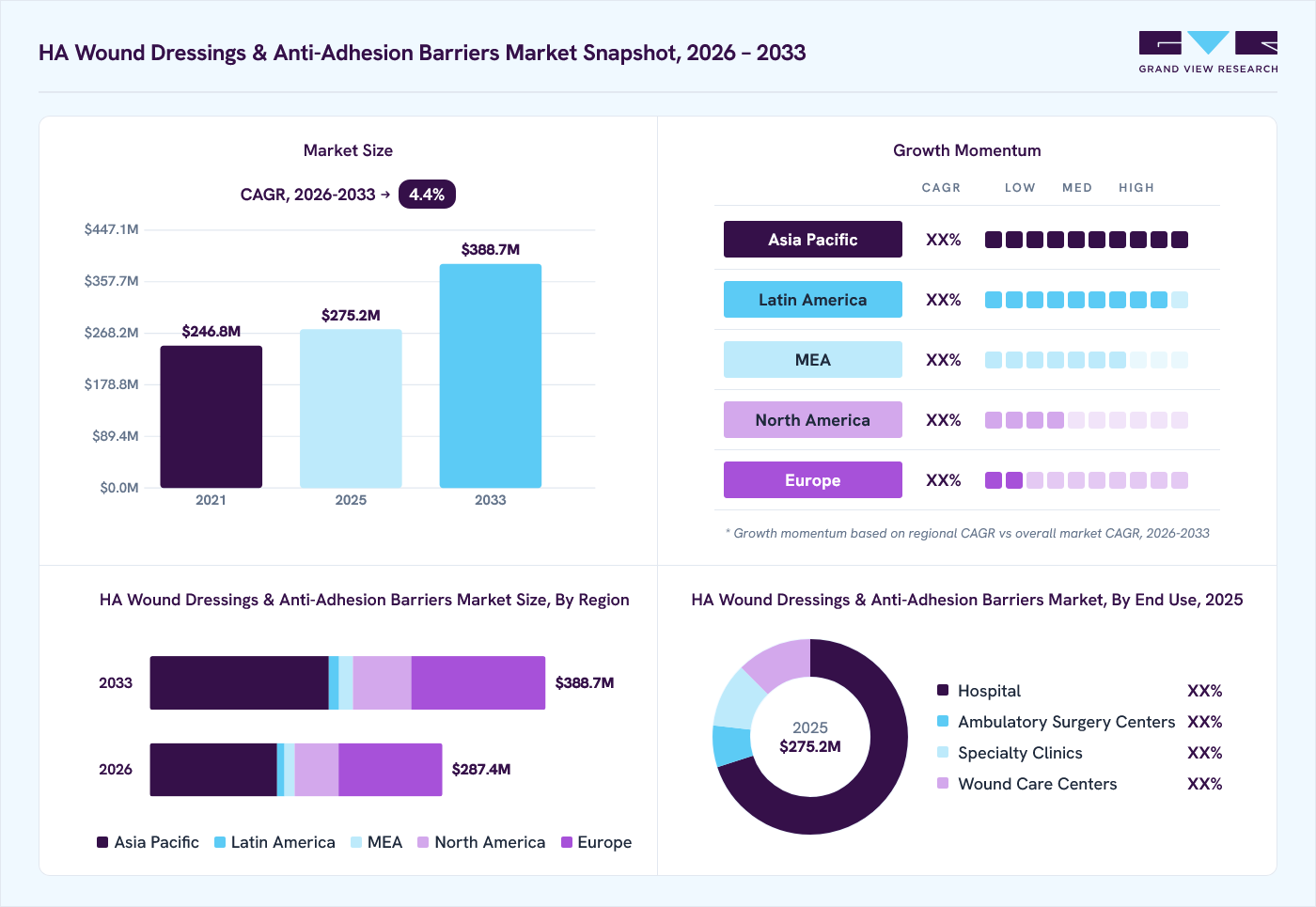
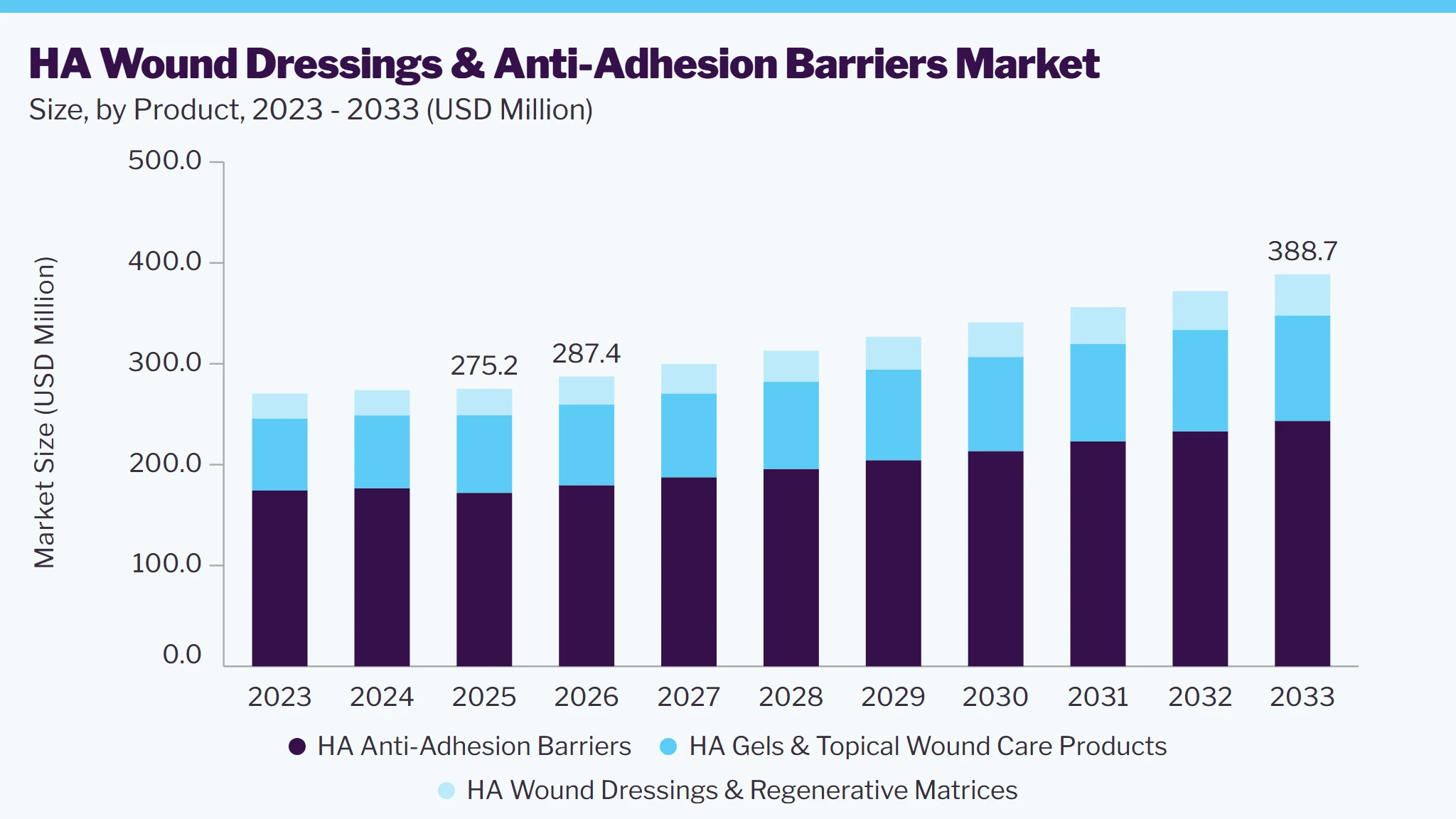
The global HA wound dressings & anti-adhesion barriers market size was valued at USD 275.2 million in 2025 and is projected to grow from USD 287.4 million in 2026 to USD 388.7 million by 2033, at a CAGR of 4.4% from 2026 to 2033. The market in Asia Pacific dominated with a revenue share of 43.3% in 2025. The growth is driven by the rising prevalence of chronic wounds, including diabetic foot ulcers and venous leg ulcers, as well as the growing demand for advanced wound-care solutions.
 Source: Grand View Research, IR Documents, Primary Interviews, Paid DatabasesTo learn more about this report,
 Download Free Sample Report
Key Market Trends & Insights
- By product: HA anti-adhesion barriers segment held the largest market share of 62.5% in 2025.
- By application: Anti-adhesion barriers segment held the largest market share of 62.2% in 2025.
- By end use: Hospital segment held the largest market share of 69.9% in 2025.
Regional Highlights
- Largest regional market: Asia Pacific (43.3% revenue share, 2025)
- By country: Japan held the largest market share in 2025
Market Size & Forecast
- Market size in 2025: USD 275.2 Million
- Estimated market size in 2026: USD 287.4 Million
- Projected market size by 2033: USD 388.7 Million
- CAGR (2026-2033): 4.4%
Three ways to get this report
Buy it, customize it, or ask a question.Ask an Analyst
Analyst response in 1 business day
- AccessReport author, directly
- Reply timeWithin 1 working day
- No sales callDirect answer only
- FormatEmail reply
- CostFree, no cost
Get the Full Report
What the study covers
- FormatsPDF · Excel · Dashboard
- Timeline2026–2033 annual, 2025 base
- Coverage20+ countries, 5 regions
- Companies10+ key players profiled
Customize the Report
20% free customization
- IncludeCountries, segments, points
- TailorTo your product definition
- ExtendDeeper competitor detail
- OrA fully bespoke study
- Turnaround5–10 working days
In addition, the increasing number of surgical procedures and the need to prevent postoperative adhesions are driving the adoption of hyaluronic acid-based products for their biocompatibility, moisture-retention properties, and tissue-healing potential. Hyaluronic acid-based dressings help maintain a moist wound environment and support cell migration and tissue repair, making them relevant to advanced wound management. The growing burden of diabetes, an aging population, and the need for effective treatment of slow-healing wounds are encouraging healthcare providers to consider HA-based products alongside conventional wound-care therapies.
 To learn more about this report, Download Free Sample Report
According to the European Wound Management Association (EWMA)
-
Chronic wounds affect approximately 2.2 individuals per 1,000 population, highlighting a significant healthcare burden across Europe.
-
The point prevalence of venous leg ulcers is estimated at 0.33%-1.01% of the population, contributing substantially to the global burden of chronic wound management.
-
An estimated 19-34% of people with diabetes are expected to develop diabetic foot disease during their lifetime, driving demand for advanced wound care and infection management solutions.
-
Of the estimated 64.3 million people with diabetes in Europe, approximately 16.1 million are expected to develop a diabetic foot ulcer during their lifetime, highlighting the substantial burden of chronic wound care.
The increasing prevalence of diabetic foot ulcers, driven by the growing global diabetes burden and associated complications, is supporting demand for the hyaluronic acid (HA) wound dressings & anti-adhesion barriers. The need to improve wound healing, reduce complications, and minimize the risk of infection and amputation is encouraging healthcare providers to adopt advanced wound-care solutions, including HA-based products.
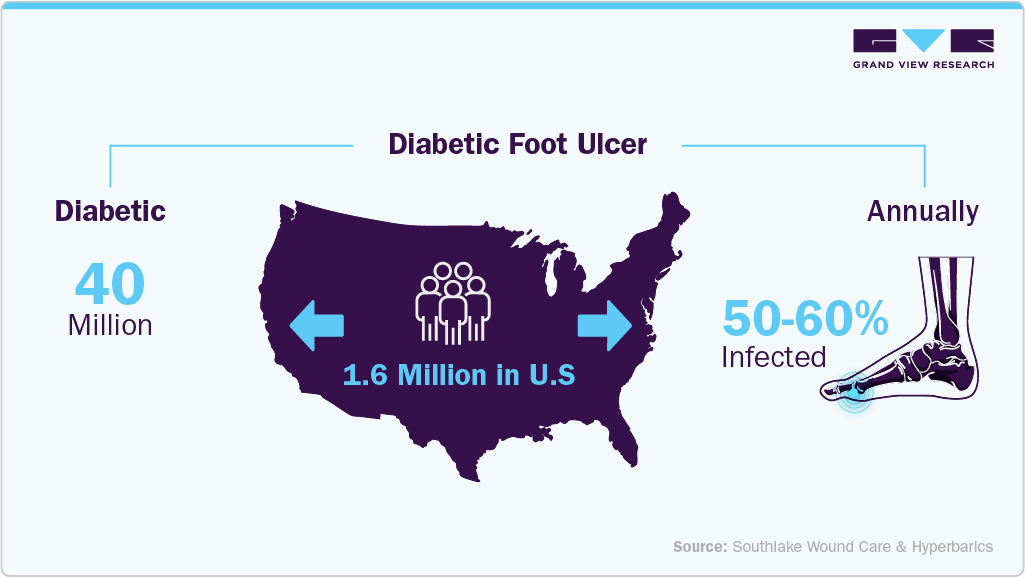
In the U.S., more than 40 million people are living with diabetes, and approximately 1.6 million people develop diabetic foot ulcers annually. Studies estimate that 50%-60% of diabetic foot ulcers become infected, highlighting the need for effective wound management and advanced wound-care solutions.
 To learn more about this report, Download Free Sample Report
Furthermore, the growing number of surgical procedures, including abdominal, gynecological, orthopedic, and reconstructive surgeries, is driving demand for HA-based anti-adhesion barriers. These products form a temporary physical barrier between healing tissues, helping reduce the risk of postoperative adhesions and associated complications. In addition, increasing adoption of minimally invasive surgical techniques and growing emphasis on improving postoperative recovery are supporting the use of hyaluronic acid-based biomaterials in surgical care.
Surgeries performed in Canada (April 1 - June 30, 2025)
Metric
Statistics
Surgeries Performed or Offered Within 3 Months
78%
Surgeries Performed or Offered Within 6 Months
88.50%
Surgeries Performed or Offered Within 12 Months
96.70%
Total Surgeries Performed
24,627
Source: Saskatchewan
Market Dynamics
Advancements in hyaluronic acid biomaterials, including cross-linked hydrogels and bioresorbable barriers, are supporting product innovation and expanding clinical applications. However, high product costs, stringent regulatory requirements, and competition from alternative biomaterials may limit adoption. Opportunities emerge through combination wound dressings, specialized surgical barriers, and expansion into developing healthcare markets, while clinical validation and cost-effectiveness remain important challenges for manufacturers.
The increasing prevalence of chronic wounds and diabetic foot ulcers is driving demand for the hyaluronic acid wound dressings & anti-adhesion barriers. Hyaluronic acid-based dressings help maintain a moist wound environment and support cell migration and tissue repair, making them relevant to the management of slow-healing wounds. The growing diabetes burden, aging population, and need to reduce wound-related complications are encouraging healthcare providers to consider HA-based products as part of advanced wound-care strategies.
 To learn more about this report, Download Free Sample Report
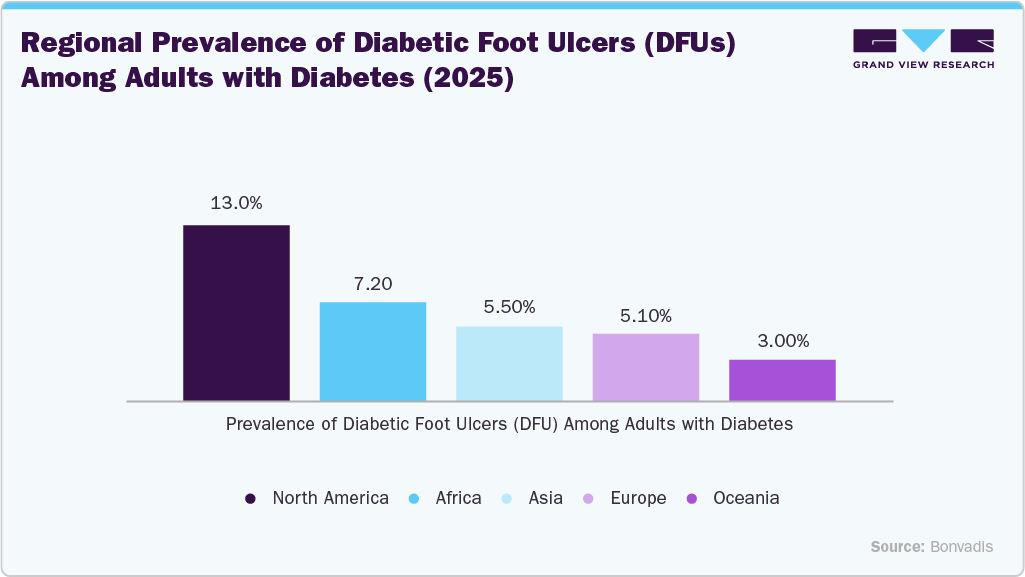
Regional Prevalence of Diabetic Foot Ulcers (DFUs) Among Adults with Diabetes (2025)
Source: Bonvadis
The industry faces restraints due to the relatively high costs of advanced hyaluronic acid-based products compared with conventional wound dressings and alternative adhesion barriers. Limited reimbursement coverage and variations in healthcare budgets may further restrict adoption, particularly in cost-sensitive markets and smaller healthcare facilities. These factors can influence purchasing decisions and slow the wider adoption of HA-based solutions despite their potential clinical benefits.
The development of advanced hyaluronic acid-based combination products presents a significant opportunity in the industry. Integrating HA with collagen, alginate, antimicrobial agents, or other biocompatible materials can improve product functionality and expand applications in chronic wound management and postoperative adhesion prevention. Continued innovation in bioresorbable hydrogels, wound matrices, and application-specific formulations may help manufacturers address unmet clinical needs and strengthen market differentiation.
For instance, in October 2026, Wiley published a randomized controlled trial in the International Wound Journal evaluating a composite ovine forestomach matrix and high-molecular-weight hyaluronic acid (OFM-HA) for treating diabetic foot ulcers. The multicentre study involving 143 participants reported that 46% of wounds treated with OFM-HA plus standard care healed within 12 weeks, compared with 24% receiving standard care alone (p = 0.008). The composite combines an extracellular matrix scaffold with HA to support cellular migration, tissue repair, and moisture retention, highlighting the opportunity to develop advanced HA-based combination products for chronic wound management.
Market Concentration & Characteristics
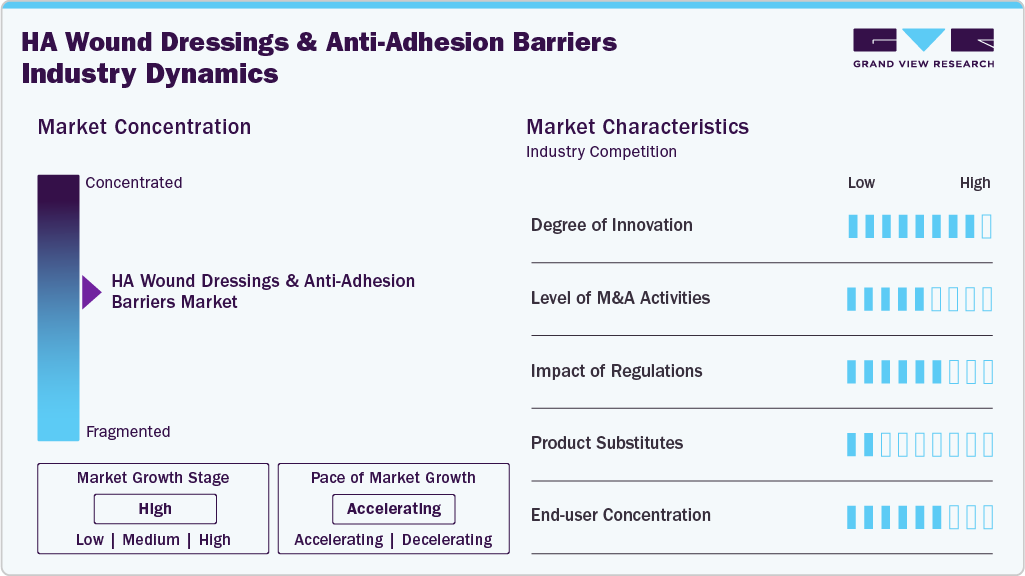
The industry demonstrates a moderate to high degree of innovation, driven by advances in biomaterials, hydrogel formulations, and biodegradable barrier technologies. Manufacturers are developing HA-based products with improved moisture retention, controlled degradation, and enhanced tissue compatibility to support wound healing and reduce postoperative adhesion formation. Research into combination materials and advanced drug-delivery systems is further expanding opportunities for product differentiation and improved clinical outcomes.
The industry exhibits low to moderate merger and acquisition activity, with companies focusing primarily on product development, portfolio expansion, and strategic partnerships. Market participants seek to strengthen their advanced wound-care and surgical biomaterials portfolios through acquisitions of innovative technologies and specialized medical device businesses. Consolidation opportunities are expected to remain relevant as companies expand their presence in regenerative medicine, bioresorbable materials, and postoperative adhesion prevention.
 To learn more about this report, Download Free Sample Report
Regulatory requirements have a moderate to high impact on the industry, as products must demonstrate safety, biocompatibility, and clinical performance before receiving market authorization. In the U.S., FDA classification and clearance requirements influence product development timelines, clinical evidence generation, and commercialization costs. Compliance with quality management standards and post-market surveillance obligations also affects manufacturers’ operating costs and market-entry strategies, particularly for novel HA-based biomaterials and absorbable surgical barriers.
The industry faces substitution from alternative wound-care materials, including alginate dressings, hydrocolloids, foam dressings, collagen-based products, and antimicrobial dressings. In adhesion prevention, substitutes include oxidized regenerated cellulose barriers, polyethylene glycol (PEG)-based hydrogels, and other absorbable polymer films. The availability of these alternatives, based on clinical requirements, cost, and product performance, may limit the adoption of HA-based solutions in certain applications.
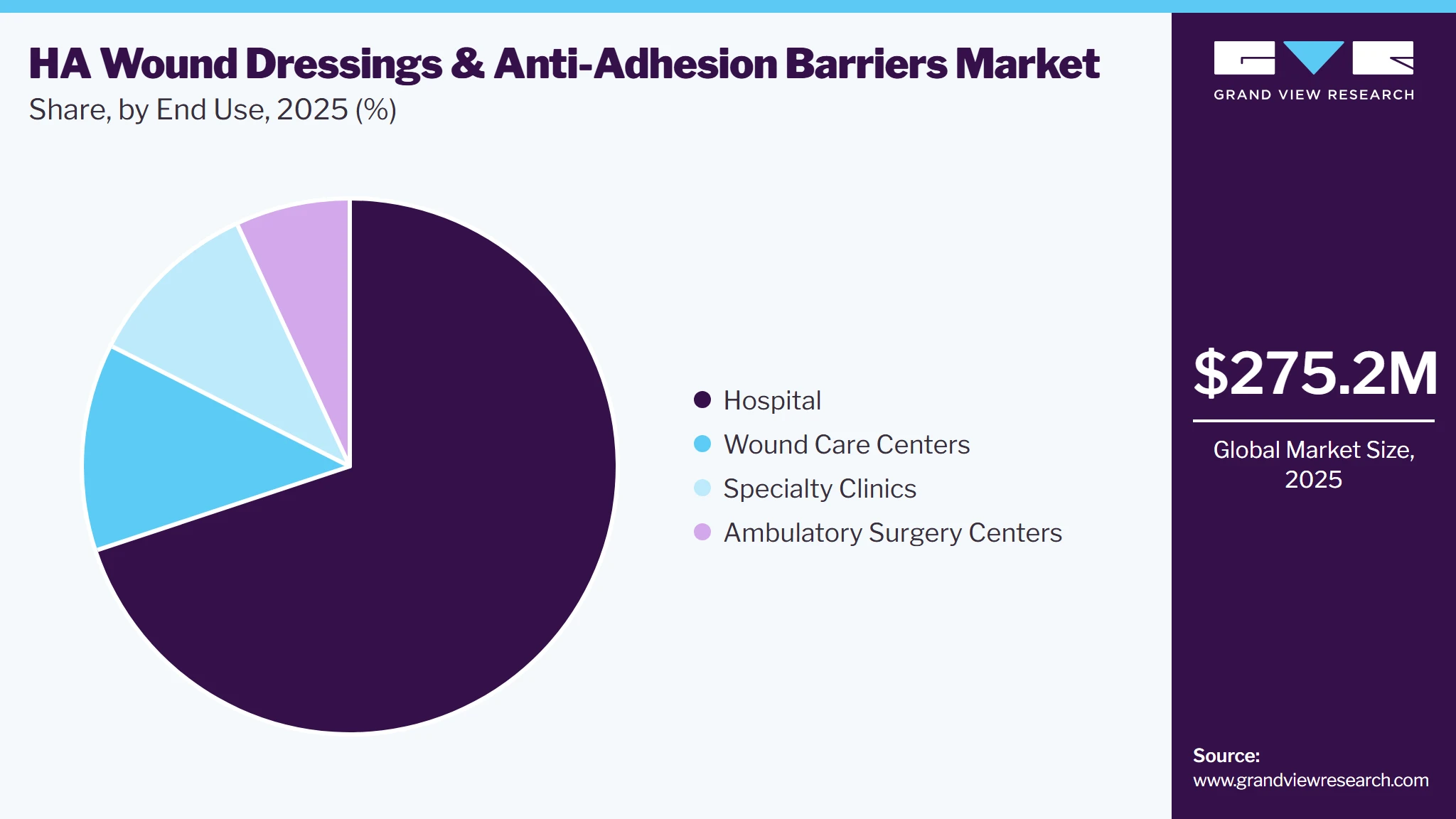
The industry demonstrates moderate end-use concentration, with demand primarily driven by hospitals, specialty wound-care centers, ambulatory surgical centers, and clinics. Hospitals represent a key end-use segment due to their high volume of surgical procedures and management of complex chronic wounds. Demand is also supported by outpatient wound-care facilities and specialty surgical centers, while the relative contribution of each end user varies according to product type, clinical application, and regional healthcare infrastructure.
Analyst Perspective
The industry is expected to benefit from the growing burden of chronic wounds, increasing surgical volumes, and rising demand for advanced wound-care solutions. Hyaluronic acid (HA)-based products are gaining attention for their ability to maintain a moist wound environment, support tissue repair, and provide temporary barriers against postoperative adhesions. Product innovation, particularly the development of HA-based combination matrices, bioresorbable gels, and application-specific formulations, is expected to create new growth opportunities. However, market expansion will depend on clinical evidence, regulatory approvals, reimbursement coverage, product affordability, and adoption by healthcare professionals. Companies demonstrating improved clinical outcomes and cost-effectiveness while expanding distribution networks are likely to strengthen their competitive positioning.
Product Insights
The HA anti-adhesion barriers segment dominated the market in 2025, driven by their increasing use in preventing postoperative adhesions across various surgical procedures. Hyaluronic acid-based barriers help minimize tissue adhesion, support tissue healing, and improve postoperative recovery. Their biocompatibility, biodegradability, and ability to provide temporary physical separation between healing tissues contribute to their clinical adoption. Growing surgical volumes and increasing demand for effective adhesion-prevention solutions are further supporting the segment’s market dominance.
The HA wound dressings & regenerative matrices segment is expected to grow at the fastest rate during the forecast period. This growth is driven by increasing demand for advanced wound care solutions that support tissue regeneration, maintain a moist wound environment, and promote healing. The expanding prevalence of chronic wounds, diabetic foot ulcers, burns, and other complex wounds is expected to increase the adoption of HA-based dressings and regenerative matrices. Furthermore, ongoing product innovations and the growing focus on advanced wound management are expected to create significant growth opportunities for the segment.
Application Insights
The anti-adhesion barriers segment dominated the market in 2025 and is also expected to grow at the fastest rate during the forecast period. This growth is driven by increasing surgical procedures and rising demand for effective solutions to prevent postoperative adhesions and related complications. The biocompatibility and biodegradability of hyaluronic acid-based barriers, along with their ability to separate healing tissues and support postoperative recovery, are contributing to their growing clinical adoption. Furthermore, advancements in barrier formulations and increasing awareness of adhesion-related complications are expected to support segment growth.
The wound care segment is expected to witness significant growth, driven by the rising prevalence of chronic wounds, diabetic foot ulcers, burns, and pressure ulcers. Increasing demand for advanced wound management solutions is supporting the adoption of hyaluronic acid (HA)-based dressings and regenerative matrices, which help maintain a moist wound environment and support tissue repair. Furthermore, growing awareness of advanced wound care products and ongoing innovations in HA-based formulations are expected to create new growth opportunities for the segment during the forecast period.
End Use Insights
The hospital segment dominated the market in 2025, driven by the high volume of surgical procedures and the growing demand for advanced wound management solutions. Hospitals treat a broad range of acute and chronic wounds and utilize hyaluronic acid (HA)-based products in postoperative care and adhesion prevention. The availability of specialized surgical facilities, trained healthcare professionals, and comprehensive wound care services further supports the segment’s leading position.
 To learn more about this report, Download Free Sample Report
Ambulatory surgery centers (ASCs) are expected to grow at the fastest rate during the forecast period. This growth is driven by the increasing shift toward outpatient surgical procedures, shorter hospital stays, and the rising demand for cost-effective surgical care. The growing adoption of hyaluronic acid-based anti-adhesion barriers to minimize postoperative complications and support recovery is further contributing to segment growth. Additionally, the expansion of ASC facilities and the increasing volume of minimally invasive procedures are expected to create significant growth opportunities.
Regional Insights
The North America HA wound dressings & anti-adhesion barriers market is driven by an established healthcare infrastructure, strong clinical research capabilities, and stringent regulatory oversight, which support the development of innovative hyaluronic acid-based products. In addition, increasing demand for effective wound-healing solutions and postoperative adhesion prevention is creating opportunities for manufacturers to expand their product portfolios across hospitals and specialty care facilities.
Facts About Diabetes Foot Ulcers in Canada
-
Approximately 5.7 million Canadians are living with diabetes, including diagnosed type 1 and type 2 diabetes and undiagnosed type 2 diabetes.
-
Around 11.7 million Canadians have diabetes or prediabetes, which can progress to type 2 diabetes if left unmanaged.
-
Canada spends approximately CAD 30 billion annually on diabetes-related services.
-
The lifetime risk of developing a diabetic foot ulcer among people with diabetes is estimated at 19-35%.
-
Up to 25% of Canadians living with diabetes may develop a diabetic foot ulcer during their lifetime.
-
Diabetic foot ulcers account for approximately CAD 750 million in healthcare costs annually in Canada.
U.S. HA Wound Dressings & Anti-Adhesion Barriers Market Trends
The HA wound dressings & anti-adhesion barriers market in the U.S. is supported by the high prevalence of diabetes-related wounds, increasing surgical procedures, and growing demand for advanced wound management solutions. Established healthcare infrastructure, FDA-regulated product development, and ongoing research into biocompatible and bioresorbable materials support market innovation. In addition, increasing clinical focus on wound healing and the prevention of postoperative adhesions creates opportunities for manufacturers to expand hyaluronic acid-based product offerings across hospitals and specialty care facilities.
Europe HA Wound Dressings & Anti-Adhesion Barriers Market Trends
The HA wound dressings & anti-adhesion barriers market in Europe is driven by the increasing prevalence of chronic wounds, an aging population, and rising demand for advanced wound-care solutions and postoperative adhesion prevention. The region benefits from established healthcare systems, ongoing research into biocompatible materials, and growing adoption of absorbable biomaterials in surgical procedures. In addition, the EU Medical Device Regulation (MDR) emphasizes clinical evidence, safety, and performance, influencing product development and market-entry strategies for manufacturers of hyaluronic acid-based products.
According to MedTech Europe data published on October 10, 2026, chronic wounds affect up to 14.9 million people across Europe, placing a significant burden on patients, caregivers, and healthcare systems. The management of chronic wounds is estimated to account for approximately 4% of European healthcare budgets, with costs driven by delayed diagnosis, prolonged treatment, recurrent complications, and preventable hospital admissions.
Asia Pacific HA Wound Dressings & Anti-Adhesion Barriers Market Trends
The HA wound dressings & anti-adhesion barriers market in Asia Pacific dominated with the largest revenue share of 43.3% in 2025 and is also expected to grow at the fastest CAGR from 2026 to 2033. The Asia Pacific market is driven by the rising prevalence of diabetes, increasing incidence of chronic wounds, and growing volume of surgical procedures across countries such as China, India, and Japan. Expanding healthcare infrastructure, rising awareness of advanced wound-care products, and increasing demand for biocompatible surgical materials are supporting market growth. In addition, the presence of regional manufacturers and investments in medical biomaterials are creating opportunities to expand the availability of hyaluronic acid-based dressings and anti-adhesion barriers.
The China HA wound dressings & anti-adhesion barriers market is expected to grow significantly as the country’s expanding healthcare infrastructure and increasing focus on improving postoperative outcomes are supporting the adoption of hyaluronic acid-based wound dressings and anti-adhesion products. Furthermore, domestic medical device manufacturing capabilities and ongoing product innovations are expected to create new growth opportunities. Rising healthcare expenditure and improved access to advanced treatment options are also expected to support market expansion during the forecast period.
China Diabetic Foot Burden: Incidence, Amputation, Recurrence, and Mortality Statistics
Indicator
Statistics for China
Incidence of diabetic foot
8.10%
Healing rate of diabetic foot ulcers after 12 weeks of treatment
24%-82%
One-year ulcer recurrence rate among individuals older than 50
31.60%
Annual amputation incidence among patients with diabetic foot
5.10%
Overall amputation rate
19.03%
Major amputation rate
2.14%
Minor amputation rate
16.88%
Annual mortality rate
14.40%
Five-year mortality rate
Up to 40%
Source: NCBI
Latin America HA Wound Dressings & Anti-Adhesion Barriers Market Trends
The HA wound dressings & anti-adhesion barriers market in Latin America is supported by improving healthcare infrastructure and greater awareness of biocompatible wound-healing materials. In addition, expanding access to specialized surgical care and the availability of regional medical-device manufacturers are creating opportunities for HA-based dressings and absorbable anti-adhesion barriers across the region.
Number of adults (20-79 years) with diabetes in Brazil (BR)
Year
Estimated Patient Population
2024
16.6 million
2050
24.0 million
Source: IDF
Middle East & Africa HA Wound Dressings & Anti-Adhesion Barriers Market Trends
The HA wound dressings & anti-adhesion barriers market in the Middle East & Africa is driven by investments in healthcare infrastructure, particularly in Saudi Arabia, the UAE, and South Africa, which are improving access to specialized wound-management products and surgical technologies. In addition, increasing awareness of advanced wound healing and postoperative complication prevention is creating opportunities for hyaluronic acid-based dressings and absorbable anti-adhesion barriers across the region.
Key HA Wound Dressings & Anti-Adhesion Barriers Company Insights
The HA wound dressings & anti-adhesion barriers market comprises established medical device companies and specialized biomaterial manufacturers competing through product innovation, clinical validation, and portfolio expansion. Market share is influenced by product efficacy, regulatory approvals, distribution networks, pricing, and adoption across wound-care and surgical applications.
Key HA Wound Dressings & Anti-Adhesion Barriers Companies
The following key companies have been profiled for this study on the HA wound dressings & anti-adhesion barriers market.
-
Lacerta Life Sciences
-
BIOSCOMPASS, INC.
-
CHA Meditech Co., Ltd.
-
Hangzhou Singclean Medical Products Co., Ltd
-
SciVision Biotech Inc.
-
Semical GmbH
-
Anika Therapeutics, Inc.
-
Contipro a.s.
-
Baxter
-
Fidia Farmaceutici S.p.A.
-
Shanghai Haohai Biological Technology Co., Ltd.
Competitive Benchmarking
Category
Operating Strategies
Competitive Edge
Weakness
Established Players (Baxter, Anika Therapeutics, Inc., Contipro a.s.)
- Expand product portfolios across HA-based wound care, surgical adhesion prevention, and other biomaterial applications.
- Invest in product development, clinical validation, and regulatory compliance to strengthen commercialization.
- Established product portfolios and experience in HA-based biomaterials and medical devices.
- Greater manufacturing capabilities and distribution reach, particularly among multinational and established manufacturers.
- Higher costs associated with R&D, clinical evidence generation, and regulatory compliance.
- Competition from lower-cost manufacturers and specialized companies offering differentiated HA formulations.
Emerging Players (Lacerta Life Sciences, BIOSCOMPASS, INC., CHA Meditech Co., Ltd.,)
- Focus on specialized HA-based wound matrices, cross-linked hydrogels, and absorbable adhesion barriers for targeted clinical applications.
- Differentiate products through material composition, delivery formats, biodegradability, and application-specific formulations.
- Greater flexibility in product development and the ability to target specific clinical needs.
- Opportunities to differentiate through proprietary formulations and specialized HA biomaterials.
- More limited brand recognition and distribution reach than established multinational competitors.
- Potential constraints in funding, large-scale manufacturing, and clinical evidence generation.
Recent Developments
-
In November 2025, Lacerta Life Sciences submitted an FDA 510(k) application for LacertaMatrix, a wound dressing combining alligator-derived hyaluronic acid (HA) and porcine gelatin. The resorbable matrix is designed to support wound healing across indications, including diabetic foot ulcers, venous ulcers, pressure ulcers, burns, and surgical wounds. The FDA granted clearance on December 22, 2025, supporting the development of advanced HA-based combination wound dressings.
-
In October 2025, Hangzhou Singclean Medical Products Co., Ltd announced its participation in the 138th Canton Fair, held from October 31 to November 4, 2025, in Guangzhou, China, where it showcased its Medical Sodium Hyaluronate Gel Series and absorbable biomaterials. The announcement highlighted the company’s focus on expanding international partnerships and commercializing biomaterial solutions for surgical and wound-care applications, supporting market development for HA-based anti-adhesion barriers.
HA Wound Dressings & Anti-Adhesion Barriers Market Report Scope
Report Attribute
Details
Market size in 2025
USD 275.2 million
Estimated market size in 2026
USD 287.4 million
Projected market size by 2033
USD 388.7 million
Growth rate
CAGR of 4.4% from 2026 to 2033
Base year for estimation
2025
Actual estimates/Historical data
2021 - 2024
Forecast period
2026 - 2033
Quantitative units
Revenue in USD million and CAGR from 2026 to 2033
Report coverage
Revenue forecast, company ranking, competitive landscape, growth factors, and trends
Segments covered
Product, application, end use, region
Regional scope
North America; Europe; Asia Pacific; Latin America; Middle East & Africa
Country scope
U.S.; Canada; Mexico; UK; Germany; France; Italy; Spain; Denmark; Sweden; Norway; Japan; China; India; Thailand; Australia; South Korea; Brazil; Argentina; South Africa; Saudi Arabia; UAE; Kuwait
Key companies profiled
Lacerta Life Sciences; BIOSCOMPASS, INC.; CHA Meditech Co., Ltd.; Hangzhou Singclean Medical Products Co., Ltd; SciVision Biotech Inc.; Semical GmbH; Anika Therapeutics, Inc.; Contipro a.s.; Baxter; Fidia Farmaceutici S.p.A.; Shanghai Haohai Biological Technology Co., Ltd.
Customization scope
Free report customization (equivalent up to 8 analyst’s working days) with purchase. Addition or alteration to country, regional & segment scope
Pricing and purchase options
Avail customized purchase options to meet your exact research needs. Explore purchase options
Global HA Wound Dressings & Anti-Adhesion Barriers Market Report Segmentation
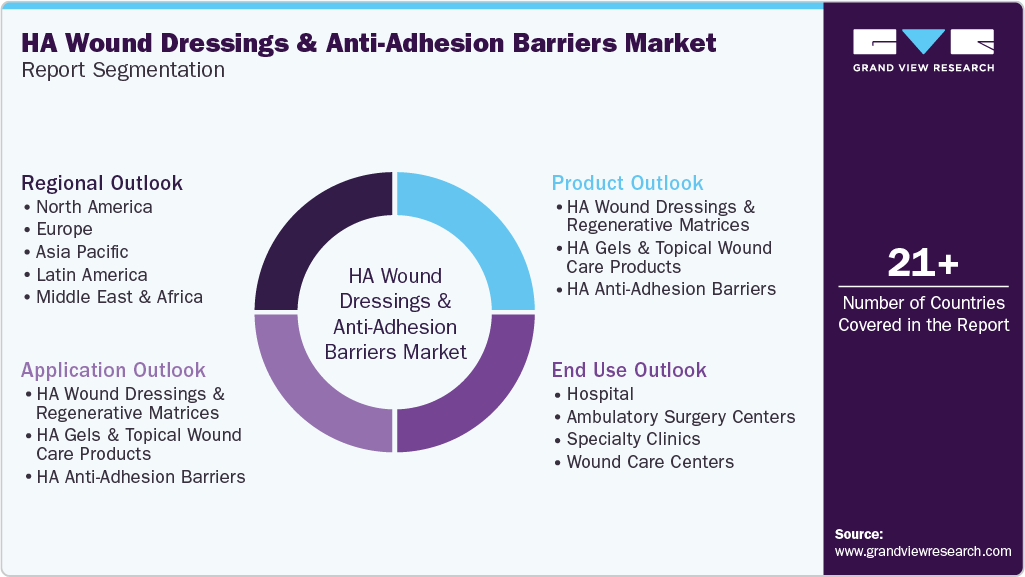
This report forecasts revenue growth at global, regional & country levels and provides an analysis of the latest industry trends in each of the sub-segments from 2021 to 2033. For this study, Grand View Research has segmented the global HA wound dressings & anti-adhesion barriers market report based on product, application, end use, and region:
 To learn more about this report, Download Free Sample Report
-
Product Outlook (Revenue, USD Million, 2021 - 2033)
-
HA Wound Dressings & Regenerative Matrices
-
HA Matrix Dressings
-
HA Fleece/Sheet Dressings
-
HA Burn Dressings
-
HA Dermal Regeneration Matrices
-
HA Gels & Topical Wound Care Products
-
HA Gels
-
HA Creams/Ointments
-
HA Sprays
-
-
HA Anti-Adhesion Barriers
-
HA Gel-Based Anti-Adhesion Barriers
-
HA Film/Membrane-Based Anti-Adhesion Barriers
-
HA Solution-Based Anti-Adhesion Barriers
-
-
-
Application Outlook (Revenue, USD Million, 2021 - 2033)
-
Wound Care
-
Diabetic Foot Ulcers
-
Venous Leg Ulcers
-
Pressure Ulcers
-
Burns
-
Surgical Wounds
-
Traumatic Wounds
-
-
Anti-Adhesion Barriers
-
Gynecological Surgery
-
General & Abdominal Surgery
-
Colorectal Surgery
-
Orthopedic Surgery
-
Urological Surgery
-
-
-
End Use Outlook (Revenue, USD Million, 2021 - 2033)
-
Hospital
-
Ambulatory Surgery Centers
-
Specialty Clinics
-
Wound Care Centers
-
-
Regional Outlook (Revenue, USD Million, 2021-2033)
-
North America
-
U.S.
-
Canada
-
Mexico
-
-
Europe
-
UK
-
Germany
-
France
-
Italy
-
Spain
-
Denmark
-
Sweden
-
Norway
-
-
Asia Pacific
-
Japan
-
China
-
India
-
Thailand
-
Australia
-
South Korea
-
-
Latin America
-
Brazil
-
Argentina
-
-
Middle East & Africa
-
South Africa
-
Saudi Arabia
-
UAE
-
Kuwait
-
-
Research Methodology
The HA wound dressings & anti-adhesion barriers market figures in this report are based on a proven research process that combines executive interviews with secondary research from proprietary databases, company filings, and recognized regulatory and institutional sources. Market size is built through value-chain sizing—reconciling supply-side and demand-side estimates—and triangulated with bottom-up and top-down approaches. Every estimate passes multiple levels of expert validation before publication, with each HA wound dressings & anti-adhesion barriers segment quantified using the revenue-capture definitions in the table below.
Segment Definition
Product
Revenue capture definition
HA Wound Dressings & Regenerative Matrices
Revenue generated from the sale of hyaluronic acid (HA)-based wound dressings, absorbable matrices, and scaffold products used to maintain a moist wound environment, support tissue regeneration, and manage acute and chronic wounds.
HA Gels & Topical Wound Care Products
Revenue generated from the sale of HA-based gels, hydrogels, creams, sprays, and topical formulations applied directly to wounds to maintain hydration, support healing, and protect the wound surface.
HA Anti-Adhesion Barriers
Revenue generated from the sale of HA-based gels, films, membranes, and other barrier products used during or after surgery to prevent or reduce unwanted adhesion formation between tissues and organs.
Estimation Model
Methodology
Description
Bottom-Up Procedure Volume and Product Consumption Modeling
Estimates market revenue by calculating the number of HA-based wound dressings, regenerative matrices, topical gels, anti-adhesion barriers used across hospitals, wound-care clinics, ambulatory surgical centers, and home care settings. Procedure volumes, wound prevalence, product utilization per patient, average selling prices (ASPs), and treatment frequency are used to estimate segment-level revenue.
Top-Down Revenue Triangulation
Aggregates revenue from manufacturers of HA wound dressings, regenerative matrices, topical wound-care products, and surgical anti-adhesion barriers. Company disclosures, product portfolios, regulatory filings, annual reports, and geographic sales data are analyzed to estimate relevant product revenue, excluding unrelated wound-care and surgical product lines.
Demand-Side Healthcare Utilization Modeling
Assesses product purchasing and utilization across hospitals, specialty wound-care centers, surgical centers, and other healthcare providers. The model considers chronic wound burden, surgical procedure volumes, HA product adoption, reimbursement coverage, purchasing budgets, treatment protocols, and replacement frequency to validate end-user demand and market revenue.
Customization Table
Client request
Customization delivered
Value adds
Epidemiology Analysis
Assessed chronic wound burden, diabetic foot ulcers, venous ulcers, and surgical procedure volumes relevant to HA-based wound dressings and anti-adhesion barriers.
Identifies key patient populations and demand drivers supporting market growth.
Competitive Analysis
Evaluated key manufacturers, product portfolios, recent launches, FDA clearances, and strategic developments in HA-based wound care and adhesion prevention.
Supports competitor benchmarking and identification of product innovation opportunities.
Regional Analysis
Assessed regional market dynamics across North America, Europe, Asia-Pacific, Latin America, and the Middle East & Africa, including adoption trends and healthcare infrastructure.
Highlights regional growth opportunities and supports geographic expansion strategies.
About the Author(s)
Medical Devices Research Team
Healthcare · Medical DevicesThis report was authored by the medical devices research team at Grand View Research - comprising two research analysts, one senior research analyst, and one industry expert - with specialized expertise in the medical devices segment of the healthcare industry. All findings are based on proprietary healthcare databases, executive interviews, and regulatory analysis, subject to internal peer review prior to publication.
Last Updated:
Speak to Analyst

Customize this report to your needs - add regions, segments, or data points, with 20% free customization.
Or view our licence options:


ISO 9001:2015 & 27001:2022 Certified
We are GDPR and CCPA compliant! Your transaction & personal information is safe and secure. For more details, please read our privacy policy.


