
- Home
- »
- Medical Devices
- »
-
Hemorrhagic Stroke Treatment Devices Market Report, 2033GVR Report cover
![Hemorrhagic Stroke Treatment Devices Market Size, Share & Trends Report]()
Hemorrhagic Stroke Treatment Devices Market (2026 - 2033) Size, Share & Trends Analysis Report By Treatment Type (Aneurysm & Hemorrhagic Stroke Interventions, Cerebral Angioplasty & Vascular Remodeling), By End Use (Hospitals, Specialty Neurosurgery Centers), By Region, And Segment Forecasts
- Report ID: GVR-4-68040-841-5
- Number of Report Pages: 120
- Format: PDF
- Historical Range: 2021 - 2024
- Forecast Period: 2026 - 2033
- Industry: Healthcare
- Report Summary
- Table of Contents
- Segmentation
- Methodology
- Download FREE Sample
-
 Download Sample Report
Hemorrhagic Stroke Treatment Devices Market Summary
The global hemorrhagic stroke treatment devices market size was valued at USD 1.19 billion in 2025 and is projected to reach USD 2.08 billion by 2033, growing at a CAGR of 7.24% from 2026 to 2033. The industry is driven by the rising incidence of intracerebral hemorrhage and cerebral aneurysms, particularly among aging populations and patients with hypertension.
Key Market Trends & Insights
- North America dominated the global hemorrhagic stroke treatment devices industry with the largest revenue share of 41.11% in 2025.
- The hemorrhagic stroke treatment devices market in the U.S. accounted for the largest market revenue share in North America in 2025.
- By treatment type, the aneurysm & hemorrhagic stroke interventions segment led the market with the largest revenue share of in 2025.
- By end use, the hospitals segment led the market with the largest revenue share in 2025.
Market Size & Forecast
- 2025 Market Size: USD 1.19 Billion
- 2033 Projected Market Size: USD 2.08 Billion
- CAGR (2026-2033): 7.24%
- North America: Largest market region in 2025
Increasing adoption of minimally invasive neurointerventional procedures and expansion of comprehensive stroke centers are further boosting demand. In addition, technological advancements, improving clinical outcomes, and supportive reimbursement in developed healthcare systems are accelerating market growth. The rising incidence of intracerebral hemorrhage and cerebral aneurysms increases the number of patients requiring urgent medical intervention, directly boosting demand for hemorrhagic stroke treatment devices. As more cases are diagnosed, healthcare providers adopt advanced endovascular and minimally invasive technologies to improve outcomes, which in turn drives market growth and encourages continued innovation and investment in treatment solutions.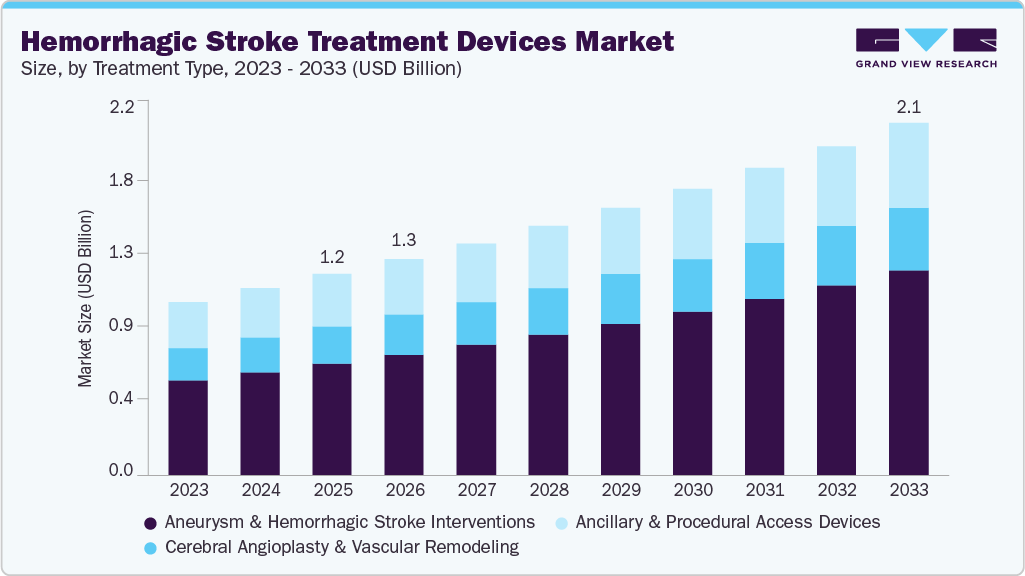
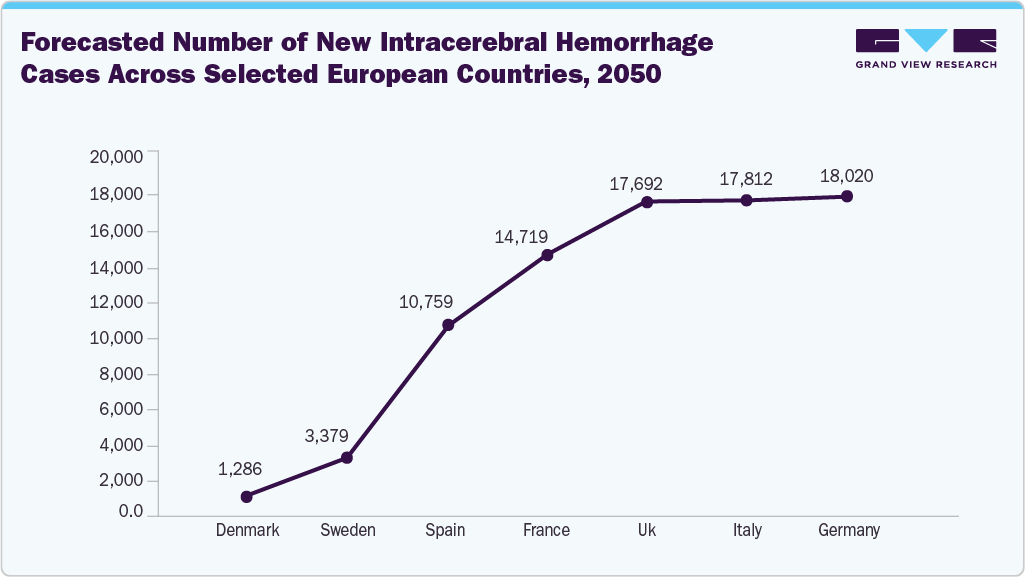
Multiple countries across Europe continue to report a significant hemorrhagic stroke burden, contributing to anticipated market expansion.
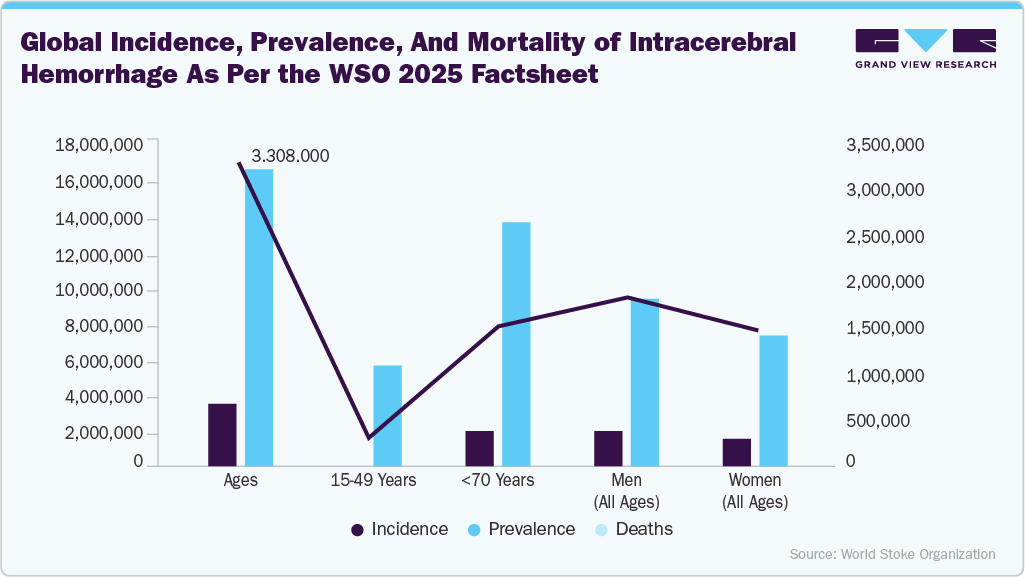
According to the Global Stroke Fact Sheet 2025 published by the World Stroke Organization, more than 12 million new stroke cases occur annually, and nearly one in four people worldwide will experience a stroke during their lifetime. The report indicates that intracerebral hemorrhage (ICH) accounts for 28.8% and subarachnoid hemorrhage (SAH) for 5.8% of all incident strokes, underscoring the substantial hemorrhagic stroke burden. The growing prevalence of this disease is anticipated to be a key factor supporting market growth during the forecast period.
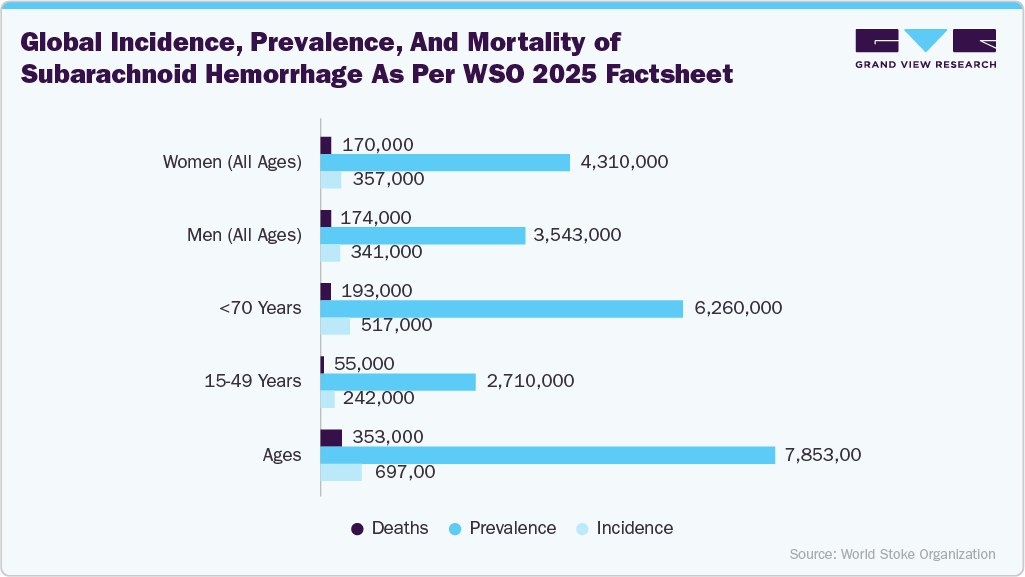
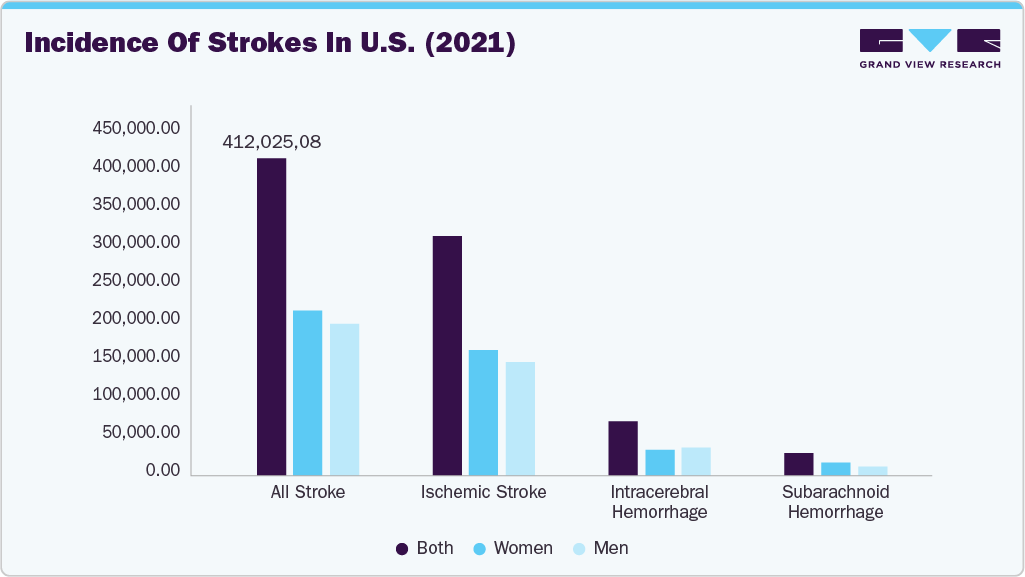
According to data published by the American Heart Association in February 2022, hemorrhagic strokes account for approximately 10% of the nearly 800,000 stroke cases reported annually in the U.S., and they are associated with a higher mortality rate compared to other stroke types. This considerable disease burden is anticipated to drive demand for hemorrhagic stroke treatment devices.
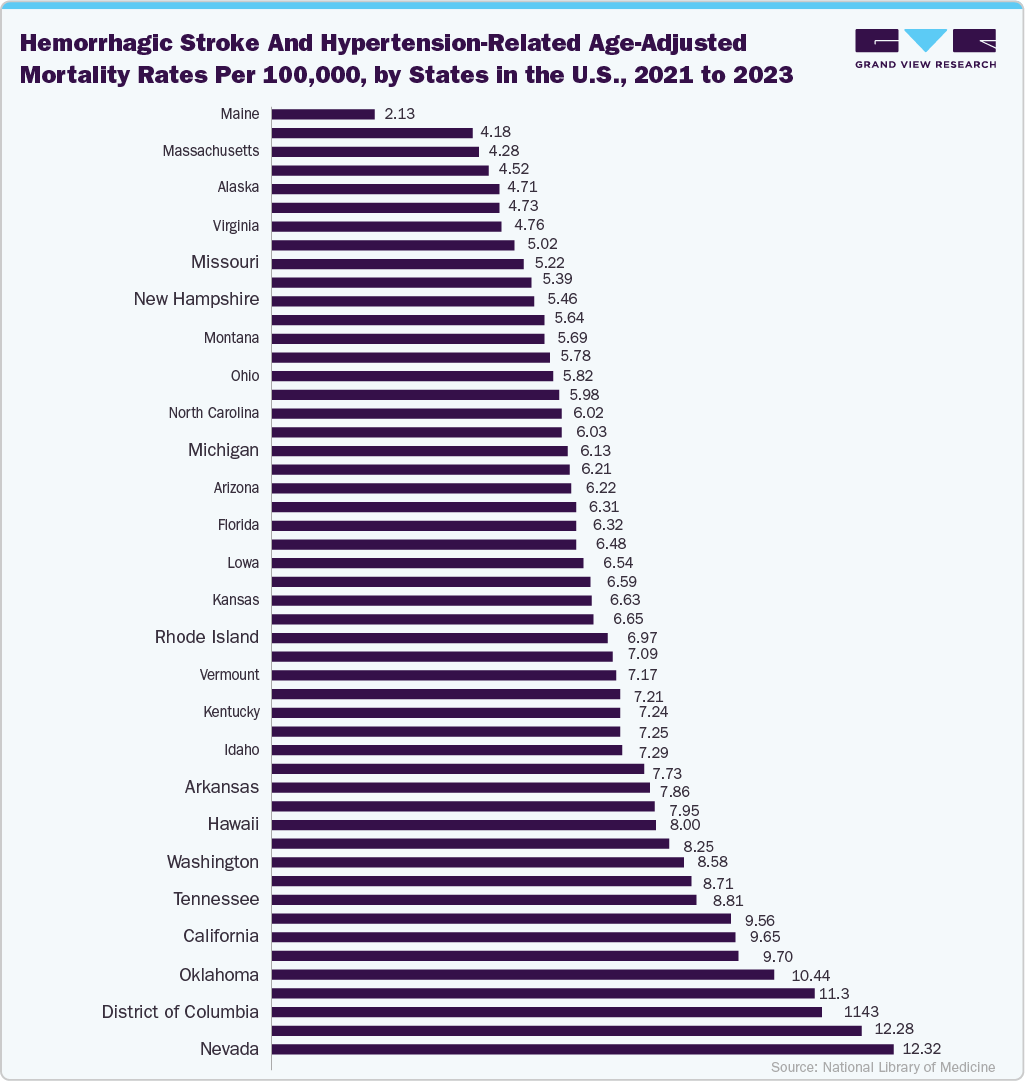
The increasing focus on minimally invasive treatment strategies, including early minimally invasive evacuation of intracerebral hemorrhage (ICH) and endoscopic hematoma removal, is expected to be a key driver of market growth over the forecast period. Ongoing clinical trials are supporting the development of technologies that improve procedural safety and clinical outcomes. For example, in April 2024, NICO Corporation reported positive results from the ENRICH (Early MiNimally-invasive Removal of ICH) clinical trial, showing that early minimally invasive parafascicular surgery (MIPS) using its BrainPath and Myriad systems was safe and demonstrated superior outcomes compared with guideline-based medical management alone, the current standard of care for ICH.
ENRICH Trials Results
Primary Endpoints
Endpoint
MIPS
Medical
Management (MM)
Treatment Effect
Utility-weighted modified Rankin Scale (mRS) (180 days)
0.458
0.374
Difference with 98.1% posterior probability of superiority (95% CI: 0.005-0.163)
Mortality (30 days)
9.30%
18.10%
Reduced mortality with MIPS
ICU Length of Stay
—
—
-2.8 days with MIPS
Hospital Length of Stay
—
—
-3.1 days with MIPS
Source: NICO Corporation, Grand View Research Analysis
Secondary Endpoints
Endpoint
MIPS
MM
Outcome
mRS (7, 30, 90, 120, 180 days)
Favorable
Reference
Ordinal logistic regression favored MIPS at all time points
Change in hemorrhage volume
-44 mL
+4 mL
Significant reduction with MIPS
End-of-treatment volume <15 mL
73% achieved
—
Majority achieved target with MIPS
Source: NICO Corporation, Grand View Research Analysis
“The results of the ENRICH trial not only demonstrate the efficacy and safety of MIPS, but they also herald a transformative milestone for the entire stroke community, changing the ICH treatment paradigm through a standardized approach and advanced technology,” said Gustavo Pradilla, MD, co-lead investigator for ENRICH, associate professor of neurosurgery at Emory University School of Medicine and chief of neurosurgery for Grady Memorial Hospital.
The growing number of clinical trials led by research institutions, academic centers, and industry players is a major driver of the hemorrhagic stroke treatment devices market. These studies strengthen clinical evidence, support regulatory approvals, and build physician confidence in minimally invasive and next-generation technologies. In addition, they promote innovation, broaden treatment applications, and accelerate the adoption and commercialization of advanced devices, thereby fueling sustained market growth.
Some of the notable clinical trials focusing on hemorrhagic stroke treatment devices are highlighted as follows
Study Title
Conditions
Interventions
Sponsor
Enrollment
Primary Completion Date
Evaluating Functional Outcomes of 3D-Printed Splints in Post-Stroke Upper Limb Recovery
Stroke|Stroke Rehabilitation|Hemiparesis of the Upper Limb Following Stroke
DEVICE: 3D Printed splint|DEVICE: conventional splint
King Saud University
100
9/30/2027
Post Market Clinical Follow-up of CODMAN CERTAS Programmable Valve
Hydrocephalus|Hydrocephalus in Children|NPH (Normal Pressure Hydrocephalus)|IIH - Idiopathic Intracranial Hypertension|Brain Tumor|Post-Traumatic Hydrocephalus|Hemorrhagic Stroke
DEVICE: CODMAN CERTAS Plus Programmable Valve
Integra LifeSciences Corporation
158
8/31/2027
Source: ClinicalTrials.gov
The advancements in neurointerventional technologies are driving the hemorrhagic stroke treatment devices market by enabling safer, faster, and more effective minimally invasive procedures. Innovations in embolization systems, flow diverters, stents, and image-guided catheters improve outcomes, reduce risks and recovery time, and support broader adoption across comprehensive stroke centers.
In September 2025, Siemens Healthineers and Stryker announced a strategic partnership focused on advancing neurovascular robotics. The collaboration aims to develop an integrated robotic system capable of supporting a wide range of elective and emergency neurovascular procedures, including stroke and aneurysm treatments. By combining Siemens Healthineers’ expertise in robotics and image-guided therapy with Stryker’s neurovascular technologies, the partnership will address robotic system design, device and implant integration, imaging-enabled navigation, and workflow optimization.
“Neurovascular diseases - primarily strokes and aneurysms - carry a massive global burden. Stroke is the second-leading cause of death and the third-leading cause of disability in adults globally,” said Carsten Bertram, head of Advanced Therapies at Siemens Healthineers. “We are excited to announce this partnership, especially with Stryker, a leading player in the field of neurovascular care. Together, we are uniquely positioned to create an ecosystem of image-guidance, robotics and devices. This meaningful innovation will enable physicians to deliver more precise and timely care to patients around the world.”
“Stryker and Siemens Healthineers have the joint goal to advance neurovascular care through innovation,” said Jim Marucci, president of Stryker’s Neurovascular division. “By combining our deep expertise in stroke therapy devices with the leadership of Siemens Healthineers in robotics and imaging, we aim to simplify workflows, enhance precision, and accelerate care. Together, we are taking an important step toward transforming how neurovascular procedures are performed - and ultimately, working to improve outcomes for patients worldwide.”
Market Concentration & Characteristics
The industry demonstrates a high degree of innovation, driven by continuous advancements in minimally invasive and endovascular technologies. Manufacturers are focusing on improved device precision, better navigation in complex cerebral vasculature, and enhanced safety profiles to reduce procedural risks. Ongoing R&D, clinical trials, and integration of imaging-guided solutions are accelerating the introduction of next-generation devices and expanding treatment options. For instance, in June 2025, Viz.ai announced that it received U.S. FDA 510(k) clearance for Viz Subdural Plus, the first comprehensive solution for quantifying subdural hemorrhage collections on non-contrast CT scans. The module automatically labels subdural collections and reports key measurements, such as volume, thickness, and midline shift, to support faster and more informed clinical decision-making.
“Viz Subdural Plus introduces a new level of precision in diagnosing and monitoring subdural hemorrhage,” said David J. Altschul, MD, Division Chief Cerebrovascular Neurosurgery at Montefiore Health System. “Having automated volume and max thickness measurements at our fingertips allows us to make faster, more informed treatment decisions—especially critical in managing elderly patients or those on anticoagulants. As we increasingly turn to minimally invasive options like MMA embolization to reduce recurrence, tools like Viz Subdural Plus are essential to guiding timely and effective treatment.”
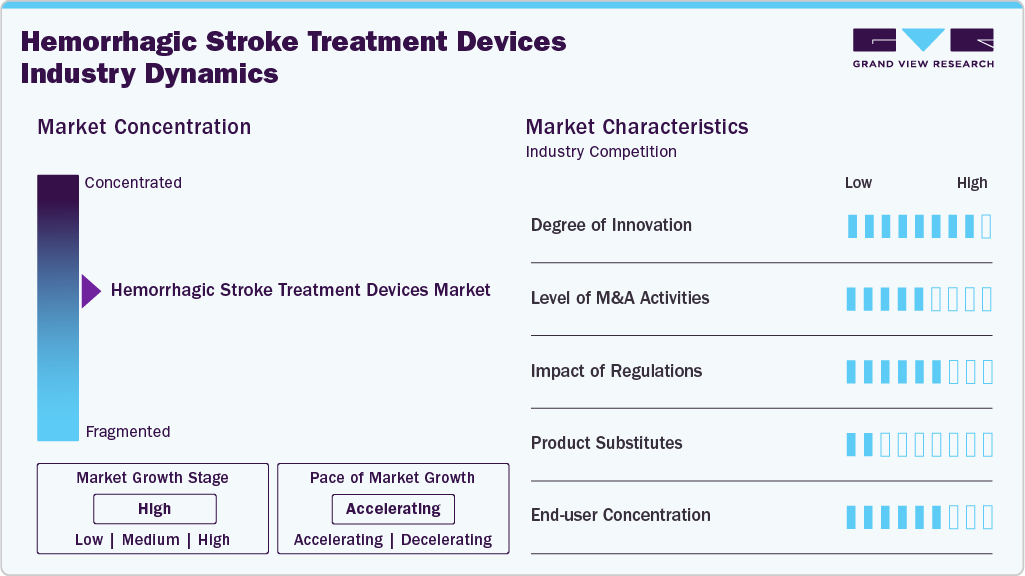
The industry is experiencing a moderate to high level of merger and acquisition activity, driven by companies seeking to expand their neurovascular portfolios and enhance their technological capabilities. Larger medical device firms are acquiring specialized innovators to gain access to advanced endovascular and aneurysm treatment technologies. These strategic deals are also helping companies expand their global reach, accelerate regulatory approvals, and enhance their competitive positioning in a rapidly evolving market. For instance, in February 2025, Stryker completed its acquisition of Inari Medical, Inc., a specialist in non-thrombolytic solutions for the removal of venous thromboembolism (VTE) clots. The deal strengthens Stryker’s peripheral vascular portfolio and expands its footprint in the rapidly growing VTE treatment market.
“The acquisition of Inari Medical marks a significant milestone in expanding our interventional endovascular portfolio,” said Kevin Lobo, Chair and Chief Executive Officer, Stryker. “We look forward to welcoming the talented Inari team to Stryker and working together to improve outcomes for patients worldwide.”
Regulations play a critical role in shaping the industry by ensuring high standards of safety, clinical effectiveness, and post-market surveillance. Stringent approval pathways and clinical evidence requirements can lengthen time-to-market and increase development costs for manufacturers. However, clear regulatory frameworks also build physician and patient confidence, support wider adoption of innovative devices, and promote long-term market stability.
Hemorrhagic stroke treatment devices are classified as medical devices based on their risk and intended use, primarily falling under Class II (moderate risk) and Class III (high risk) categories. Class II devices typically require 510(k) clearance, whereas high-risk implantable devices, such as aneurysm implants and flow diverters, require Premarket Approval (PMA) to ensure safety and effectiveness.
The end-user concentration in the industry is high, with demand largely centered around tertiary hospitals and comprehensive stroke centers that manage complex neurovascular emergencies. These facilities account for most of the device utilization due to their access to advanced imaging, neurosurgical expertise, and 24/7 intervention capabilities. While ambulatory and specialty centers are emerging, hospitals continue to represent the most concentrated and influential end-user group in the market.
Treatment Type Insights
Aneurysm & hemorrhagic stroke interventions dominated the market in 2025 and are also expected to be the fastest-growing segment during the forecast period. This is driven by the high clinical urgency of aneurysm-related hemorrhages and the increasing preference for minimally invasive endovascular procedures such as coiling, flow diversion, and embolization. Continuous technological advancements, improvements in clinical outcomes, and the expanding availability of specialized neurointerventional centers are further accelerating growth in this segment.
Cerebral angioplasty and vascular remodeling are witnessing significant growth in the hemorrhagic stroke treatment devices market due to their increasing use in managing complex intracranial vessel abnormalities. These procedures support vessel stabilization, improve blood flow control, and reduce the risk of rebleeding, particularly in high-risk patients. Advancements in balloon catheters, stents, and flow-modifying technologies, along with rising clinician expertise, are driving wider adoption across specialized stroke centers.
End Use Insights
Hospitals dominated the industry in 2025 as they remain the primary centers for emergency stroke management, advanced neuroimaging, and complex surgical and endovascular interventions. The concentration of specialized stroke units, neurosurgeons, and neurointerventional radiologists within hospitals enables rapid diagnosis and timely treatment, which is critical for hemorrhagic stroke outcomes. In addition, higher capital investment capacity, favorable reimbursement for inpatient procedures, and access to advanced infrastructure have reinforced hospitals’ leading share compared to other care settings.
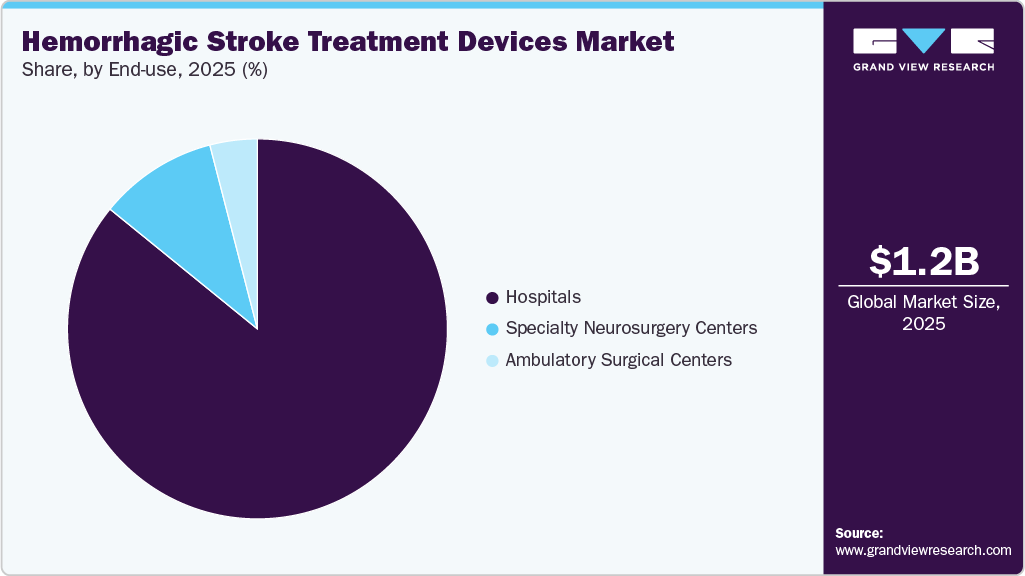
Ambulatory Surgical Centers (ASCs) are expected to be the fastest-growing end-use segment in the market during the forecast period, driven by the shift toward minimally invasive and image-guided procedures. Advances in endovascular technologies are enabling select stroke interventions to be performed safely in high-acuity outpatient settings, reducing hospital stays and overall treatment costs. Growing patient preference for faster recovery, coupled with expanding reimbursement support and investment in specialized ASC infrastructure, is further accelerating adoption across developed healthcare markets.
Regional Insights
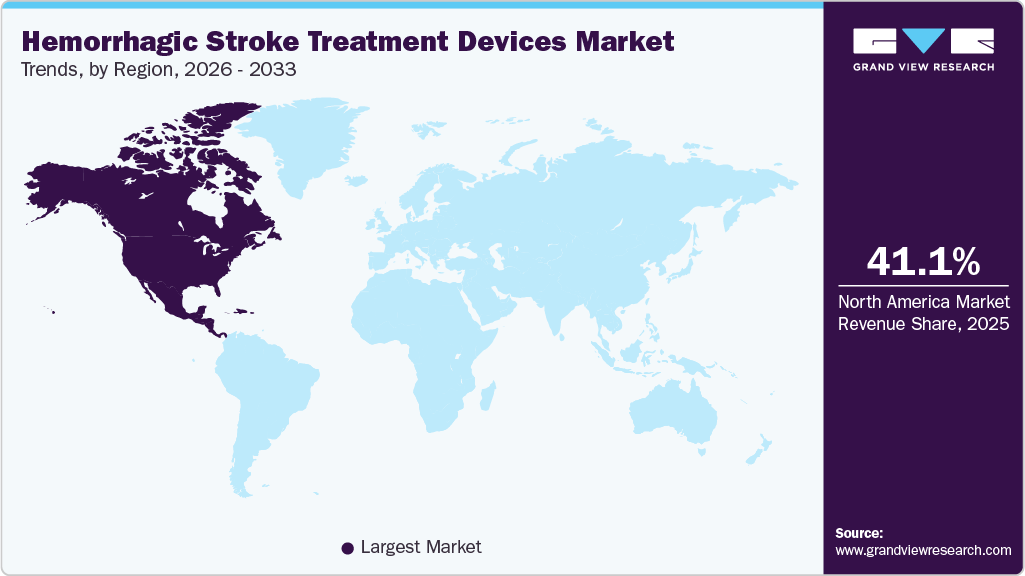
North America hemorrhagic stroke treatment devices market held the largest share and accounted for 41.11% of global revenue in 2025, evolving through increased use of minimally invasive and image-guided interventions in advanced stroke care centers. Strong reimbursement support, well-established healthcare infrastructure, and broad clinical acceptance are driving adoption. Continuous product innovation and a growing emphasis on rapid, outcome-focused treatment further support market growth across the region.
U.S. Hemorrhagic Stroke Treatment Devices Market Trends
The hemorrhagic stroke treatment devices market in the U.S. is progressing with the growing use of advanced endovascular and minimally invasive procedures in specialized stroke centers. Favorable reimbursement structures, strong clinical adoption, and continuous technological innovation are supporting market expansion. A strengthened focus on rapid intervention and outcome improvement is further accelerating the demand for next-generation treatment devices.
Europe Hemorrhagic Stroke Treatment Devices Market Trends
The hemorrhagic stroke treatment devices market in Europe is driven by increasing adoption of minimally invasive and endovascular solutions across leading healthcare systems. A strong emphasis on early diagnosis, comprehensive stroke care pathways, and supportive reimbursement frameworks is boosting demand for advanced treatment technologies. In addition, collaborative clinical research and growing investments in neurointerventional infrastructure are accelerating the uptake of this technology across both Western and emerging European markets.
The UK hemorrhagic stroke treatment devices market is evolving with the greater use of minimally invasive, image-guided interventions across specialized stroke centers. Continued NHS investment in stroke pathways and faster diagnosis is supporting wider adoption of advanced neurointerventional devices. In addition, strong clinical guidelines and research-driven innovation are helping integrate newer technologies into routine stroke care.
Stroke Incidence in the UK with Focus on Young Patients (2025)
Indicator
Value
Total annual stroke cases in the UK
>100,000 cases per year
Estimated annual strokes in young people
~10,000 cases
Proportion of young strokes
~10% of total strokes
Trend in young stroke incidence
Increasing
Source: The United Kingdom Young Stroke Study (UKYSS)
The hemorrhagic stroke treatment devices market in France is characterized by a strong emphasis on advanced neurointerventional care and the widespread adoption of minimally invasive technologies. Well-established healthcare infrastructure and supportive reimbursement policies are encouraging the use of advanced treatment devices in major stroke centers. In addition, ongoing clinical research and collaboration between hospitals and device manufacturers are fostering faster integration of innovative solutions into standard care pathways.
Stroke Hospitalization and Treatment Utilization in France (2022)
Indicator
Hemorrhagic Stroke
Adults hospitalized due to stroke (2022)
122,422 (total strokes)
Estimated total stroke cases
1,086,795 (total strokes)
Admission to stroke intensive care unit
46.8% (overall)
Admission to rehabilitation unit (within 6 months)
41.70%
Neurologist consultation (within 6 months)
18.80%
Cardiologist consultation (within 6 months)
10.90%
Mortality rate at 1 year
37.90%
Source: Science Direct
Asia Pacific Hemorrhagic Stroke Treatment Devices Market Trends
The hemorrhagic stroke treatment devices market in Asia Pacific is expanding rapidly, driven by rapid healthcare advancements and increasing investments in neurointerventional care are fueling strong demand for innovative and minimally invasive technologies. Countries like Japan, South Korea, and Australia are driving early adoption, while emerging markets such as India and Southeast Asia are expanding access through improved infrastructure and training. In addition, increasing stroke awareness and improved reimbursement frameworks are facilitating the broader adoption of advanced treatment devices across the region.
China hemorrhagic stroke treatment devices market is witnessing significant growth, due to the rising use of minimally invasive and endovascular treatment approaches. Strong government investment in stroke centers, improvements in regulatory pathways, and increased adoption of domestically manufactured devices are key trends. Growing reimbursement coverage and enhanced physician training are further supporting wider penetration of advanced treatment technologies across urban and regional healthcare facilities.
Latin America Hemorrhagic Stroke Treatment Devices Market Trends
The hemorrhagic stroke treatment devices market in Latin America is experiencing significant growth as increasing healthcare expenditure and expanding access to advanced neurointerventional procedures are driving demand for innovative devices. Governments and private providers are investing in stroke care infrastructure, while growing awareness and screening programs are improving early diagnosis and treatment rates. Despite economic variability across countries, the trend toward the adoption of minimally invasive technologies and partnerships with global device manufacturers is strengthening market growth.
MEA Hemorrhagic Stroke Treatment Devices Market Trends
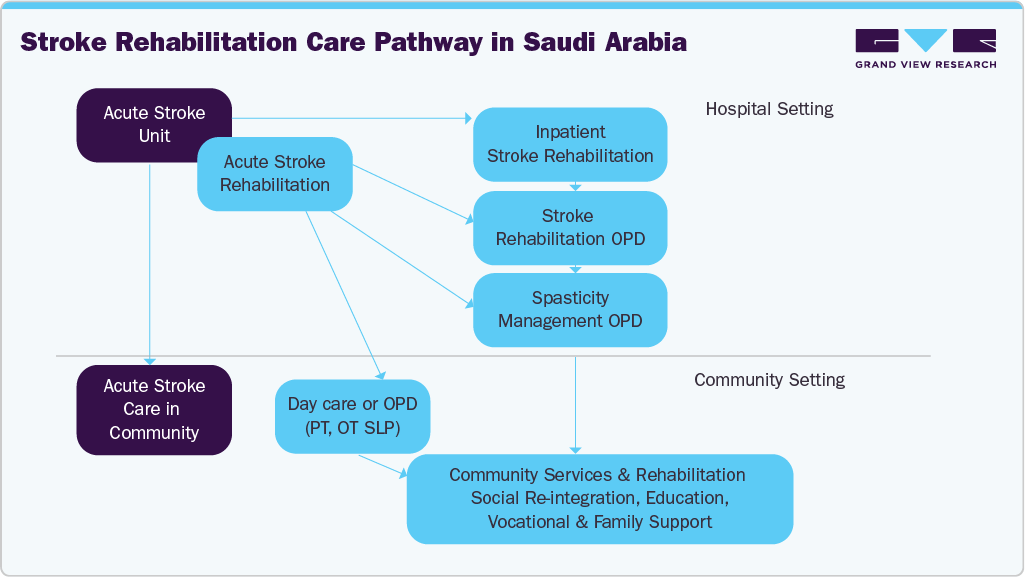
The hemorrhagic stroke treatment devices market in the Middle East & Africa is evolving significantly as growing healthcare investments and expanding neurointerventional capabilities are driving higher adoption of advanced treatment technologies. Rising awareness of stroke care, increasing trained specialists, and government initiatives to improve emergency response infrastructure are key trends shaping demand across the region.
Key Hemorrhagic Stroke Treatment Devices Companies Insights
Key players operating in the hemorrhagic stroke treatment devices market are undertaking various initiatives to strengthen their presence and increase the reach of their products and services. Strategies such as expansion activities and partnerships are key in propelling the market growth.
Key Hemorrhagic Stroke Treatment Devices Companies:
The following are the leading companies in the hemorrhagic stroke treatment devices market. These companies collectively hold the largest Market share and dictate industry trends.
- Medtronic
- Terumo Corporation
- Balt
- Scientia Vascular, Inc.
- MicroPort Scientific Corporation
- Johnson & Johnson (MedTech)
- phenox GmbH (Wallaby Medical)
- Acandis GmbH
- B. Braun SE
- Integra LifeSciences
- Infinity Neuro LLC
- Penumbra, Inc.
- Boston Scientific Corporation
- Stryker
- Peter LAZIC GmbH
Recent Developments
-
In December 2025, Penumbra Inc. received CE Mark approval for its MIDWAY and ACCESS25 delivery catheters. These catheters are now commercially available across Europe, further strengthening Penumbra’s neuro access platform.
-
In October 2025, Penumbra launched the SwiftSET Coil, an advanced complex embolization coil designed for adaptive vessel occlusion. The device features a unique shape configuration that improves vessel wall apposition, allowing smooth deployment and natural conformity within tight anatomical spaces. This design enables dense and controlled occlusion, particularly in small and challenging vessels.
-
In July 2025, Stryker announced the commercial launch of the Surpass Elite Flow Diverter across the U.S., South Korea, and Europe. This next-generation device represents a significant advancement in flow diversion therapy, combining an enhanced implant design with a proprietary surface modification to improve clinical performance and reduce thrombin generation.
-
In July 2025, Boston Scientific Corporation announced the launch of its Neuroform EZ Stent System in the U.S. and Europe. This fourth-generation intracranial aneurysm stent is designed for use with endovascular coiling in the treatment of wide-necked aneurysms, with commercial rollout initiated immediately across both regions.
-
In February 2025, Stryker completed its acquisition of Inari Medical, Inc., a company recognized for its innovative non-thrombolytic solutions for the removal of venous thromboembolism (VTE) clots. The acquisition enhances Stryker’s peripheral vascular portfolio and strengthens its position in the rapidly expanding VTE treatment market.
Hemorrhagic Stroke Treatment Devices Market Report Scope
Report Attribute
Details
Market size value in 2026
USD 1.28 billion
Revenue forecast in 2033
USD 2.08 billion
Growth rate
CAGR of 7.24% from 2026 to 2033
Base year for estimation
2025
Historical data
2021 - 2024
Forecast period
2026 - 2033
Quantitative units
Revenue in USD million/billion and CAGR from 2026 to 2033
Report coverage
Revenue forecast, company ranking, competitive landscape, growth factors, and trends
Segments covered
Treatment type, end use, region
Regional scope
North America; Europe; Asia Pacific; Latin America; MEA
Country scope
U.S.; Canada; Mexico; Germany; UK; France; Norway; Italy; Denmark; Sweden; Spain; China; Japan; India; South Korea; Thailand; Australia; Brazil; Argentina; Saudi Arabia; UAE; South Africa; Kuwait
Key companies profiled
Medtronic; MicroVention, Inc. (Terumo Corporation); Balt; Scientia Vascular, Inc.; MicroPort Scientific Corporation; Johnson & Johnson (MedTech); phenox GmbH (Wallaby Medical); Acandis GmbH; B. Braun SE; Integra LifeSciences; Infinity Neuro LLC; Penumbra, Inc.; Boston Scientific Corporation; Stryker; Peter LAZIC GmbH
Customization scope
Free report customization (equivalent up to 8 analysts working days) with purchase. Addition or alteration to country, regional & segment scope.
Pricing and purchase options
Avail customized purchase options to meet your exact research needs. Explore purchase options
Hemorrhagic Stroke Treatment Devices Market Report Segmentation
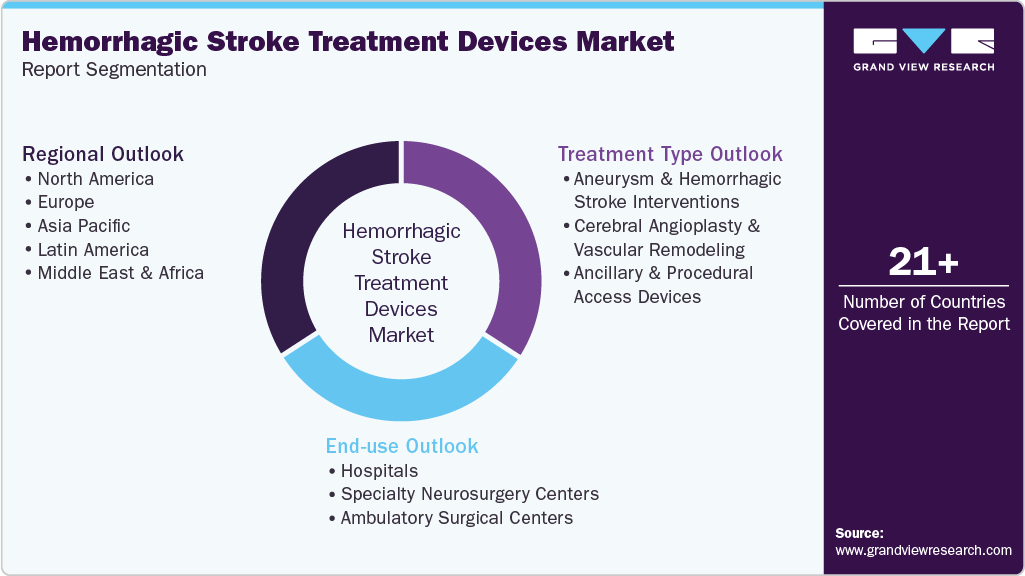
This report forecasts revenue growth at global, regional, and country levels and provides an analysis on the latest industry trends in each of the sub-segments from 2021 to 2033. For this study, Grand View Research has segmented the global hemorrhagic stroke treatment devices market report on the basis of treatment type, end use, and region:
-
Treatment Type Outlook (Revenue, USD Million, 2021 - 2033)
-
Aneurysm & Hemorrhagic Stroke Interventions
-
By Indication
-
Intracranial Aneurysm
-
cSDH (MMA Embolization)
-
AVM & AVF Embolization
-
-
By Device
-
Embolization Coiling Systems
-
Bare Platinum Coils
-
Coated / Bioactive Coils
-
-
Flow Diversion Systems
-
Standard Flow-Diverting Stents (e.g., Pipeline)
-
Next-Generation / Surface-Modified Flow Diverters
-
-
Intrasaccular Flow Disruption Devices
-
Woven EndoBridge (WEB)
-
Contour Neurovascular System
-
Luna Aneurysm Embolization System
-
-
Liquid Embolization Agents
-
Non-Adhesive Liquid Embolics (Onyx, Squid, PHIL)
-
Adhesive Liquid Embolics (NBCA)
-
-
-
-
Cerebral Angioplasty & Vascular Remodeling
-
Balloon Angioplasty Systems
-
Intracranial & Carotid Stenting Systems
-
Coil-Assisted Adjunctive Devices (Balloon-assisted and stent-assisted)
-
-
Ancillary & Procedural Access Devices
-
Guiding & Distal Access Catheters
-
Microcatheters
-
Access Sheaths & Wires
-
-
-
End Use Outlook (Revenue, USD Million, 2021 - 2033)
-
Hospitals
-
Specialty Neurosurgery Centers
-
Ambulatory Surgical Centers
-
-
Regional Outlook (Revenue, USD Million, 2021 - 2033)
-
North America
-
U.S.
-
Canada
-
Mexico
-
-
Europe
-
Germany
-
UK
-
France
-
Italy
-
Spain
-
Sweden
-
Denmark
-
Norway
-
-
Asia Pacific
-
Japan
-
China
-
India
-
Australia
-
South Korea
-
Thailand
-
-
Latin America
-
Brazil
-
Argentina
-
-
Middle East & Africa
-
South Africa
-
Saudi Arabia
-
UAE
-
Kuwait
-
-
Frequently Asked Questions About This Report
b. The global hemorrhagic stroke treatment devices market size was valued at USD 1.19 billion in 2025 and is expected to reach USD 1.28 billion in 2026.
b. The global hemorrhagic stroke treatment devices market is projected to grow at a compound annual growth rate (CAGR) of 7.24% from 2026 to 2033 to reach USD 2.08 billion by 2033.
b. Aneurysm & hemorrhagic stroke interventions dominate the hemorrhagic stroke treatment devices market and are also expected to be the fastest-growing segment during the forecast period. This is driven by the high clinical urgency of aneurysm-related hemorrhages and the increasing preference for minimally invasive endovascular procedures such as coiling, flow diversion, and embolization.
b. Some of the key players in hemorrhagic & ischemic stroke treatment devices market are Medtronic, MicroVention, Inc. (Terumo Corporation), Balt, Scientia Vascular, Inc., MicroPort Scientific Corporation, Johnson & Johnson (MedTech), phenox GmbH (Wallaby Medical), Acandis GmbH, B. Braun SE, Integra LifeSciences, Infinity Neuro LLC, Penumbra, Inc., Boston Scientific Corporation, Stryker, and Peter LAZIC GmbH.
b. The hemorrhagic stroke treatment devices market is primarily driven by the rising incidence of intracerebral hemorrhage and cerebral aneurysms, particularly among aging populations and patients with hypertension. Increasing adoption of minimally invasive neurointerventional procedures and expansion of comprehensive stroke centers are further boosting demand.


Share this report with your colleague or friend.
Need a Tailored Report?
Customize this report to your needs — add regions, segments, or data points, with 20% free customization.


ISO 9001:2015 & 27001:2022 Certified
We are GDPR and CCPA compliant! Your transaction & personal information is safe and secure. For more details, please read our privacy policy.
Trusted market insights - try a free sample
See how our reports are structured and why industry leaders rely on Grand View Research. Get a free sample or ask us to tailor this report to your needs.













