
- Home
- »
- Animal Health
- »
-
Livestock Diagnostic Kits Market Size Report, 2026-2033GVR Report cover

Livestock Diagnostic Kits Market ( 2026 - 2033)
Size, Share & Trends Analysis Report By Product (Immunodiagnostics Kits, Molecular Diagnostic Kits), By Animal (Cattle, Poultry, Swine, Sheep & Goats), By Application, By End Use, By Region, And Segment Forecasts
Market Size, 2025
$1.8BMarket Estimate, 2026
$2.0BMarket Forecast, 2033
$4.4BCAGR, 2026–2033
12.0%Livestock Diagnostic Kits Market Summary
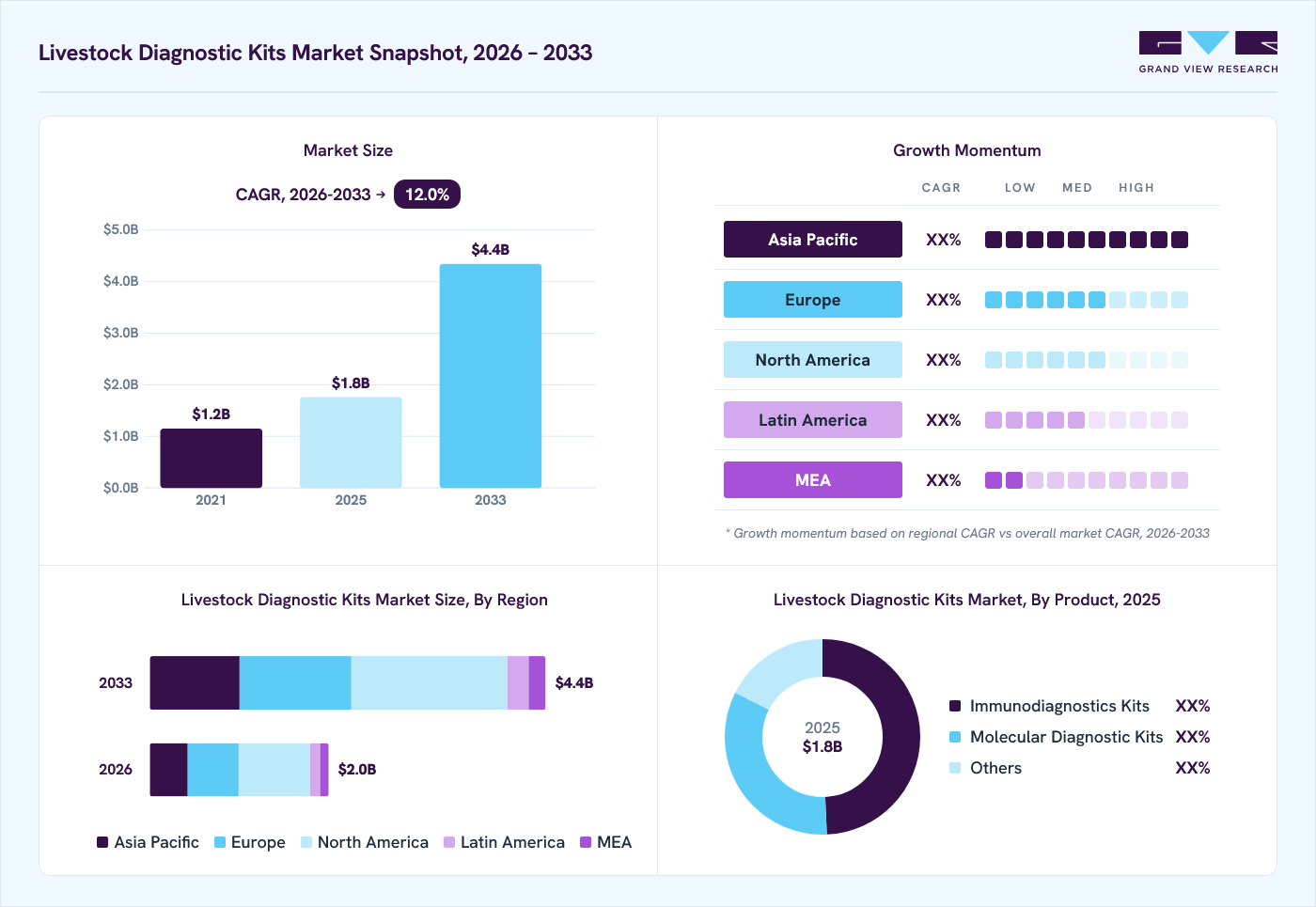
The global livestock diagnostic kits market size was valued at USD 1.8 billion in 2025 and is projected to grow from USD 2.0 billion in 2026 to USD 4.4 billion by 2033, at a CAGR of 12.0% from 2026 to 2033. North America dominated the market, accounting for a revenue share of 40.1% in 2025. The market is driven by the increasing prevalence of infectious diseases, rising demand for early disease detection, and growing focus on livestock health and productivity.
 Source: Grand View Research, IR Documents, Primary Interviews, Paid DatabasesTo learn more about this report,
 Download Free Sample Report
Key Market Trends & Insights
- By product: Immunodiagnostics kits segment dominated the market, with a revenue share of 49.3% in 2025.
- By animal: Cattle segment held the largest market share of 35.0% in 2025.
- By application: Bacterial disease diagnostics segment held the largest revenue share of 28.5% in 2025.
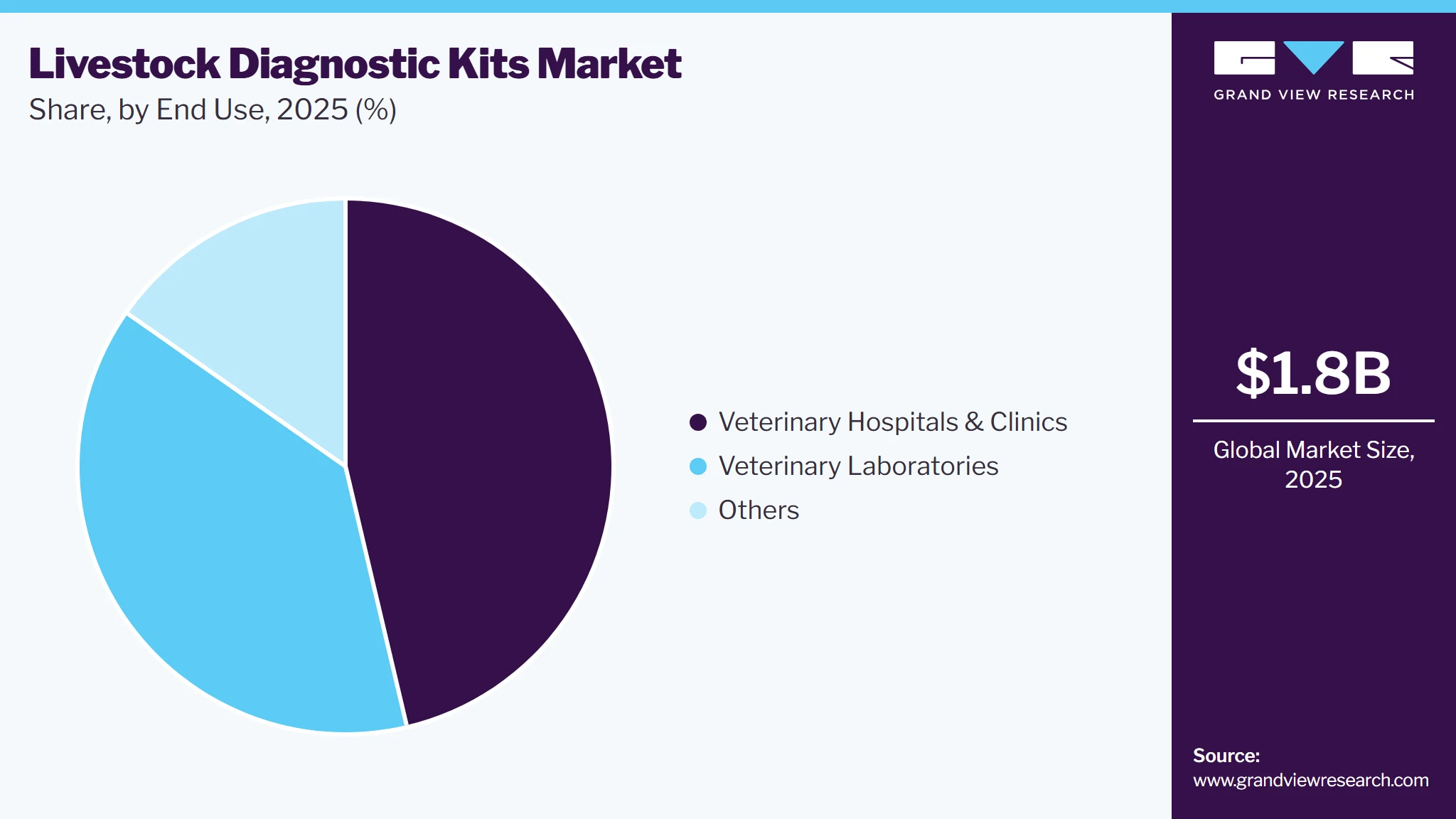
- By end use: Veterinary hospitals & clinics segment accounted for the largest revenue share of 46.3% in 2025.
Regional Highlights
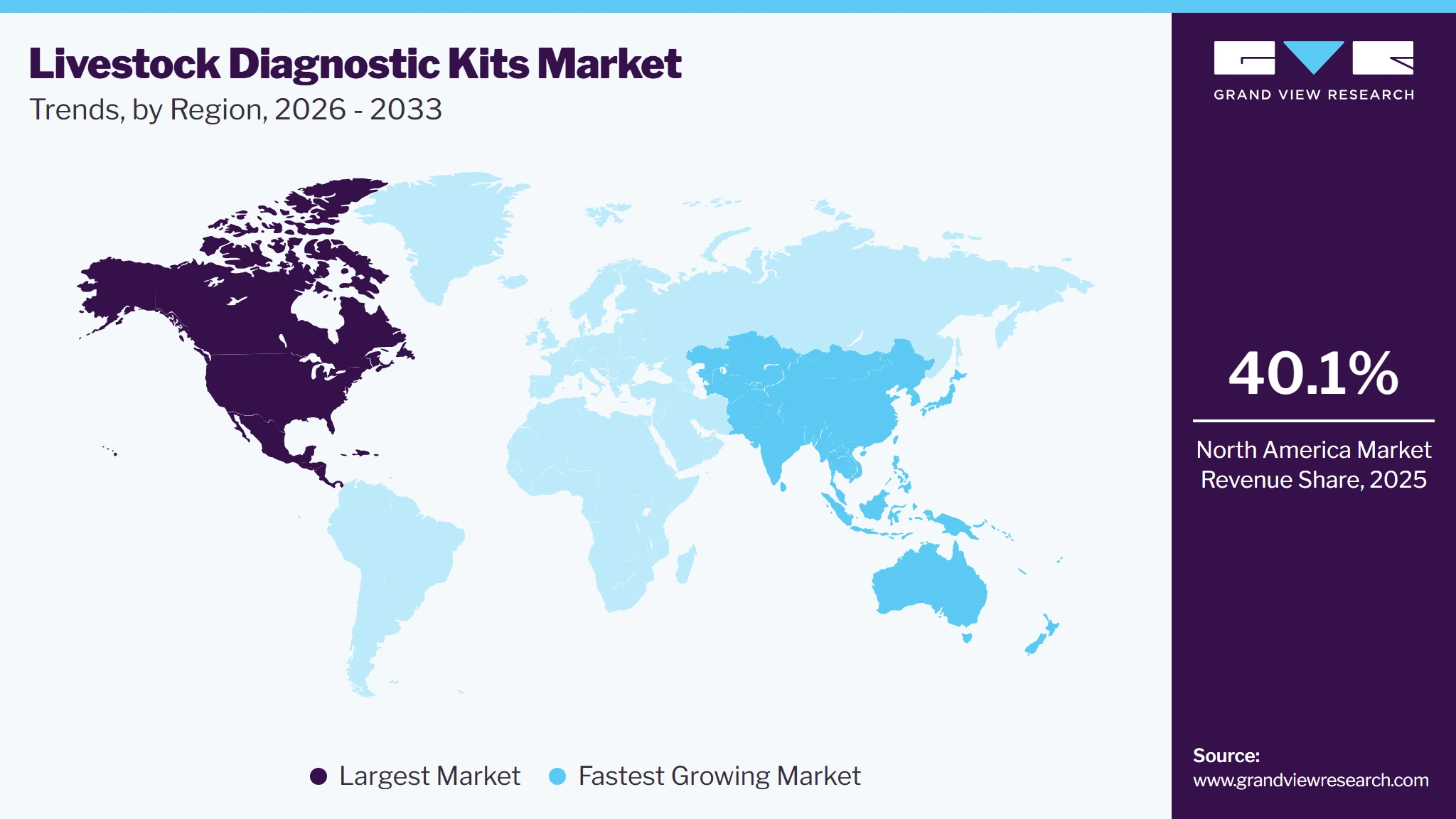
- Largest regional market: North America (40.1% revenue share, 2025)
- Fastest-growing regional market: Asia Pacific (highest CAGR, 2026-2033)
- By country: The U.S. held the largest market share in 2025.
Market Size & Forecast
- Market size in 2025: USD 1.8 Billion
- Estimated market size in 2026: USD 2.0 Billion
- Projected market size by 2033: USD 4.4 Billion
- CAGR (2026-2033): 12.0%
Prism AI by Grand View Research Free to tryAsk a question about the livestock diagnostic kits marketTry asking✓Every figure cited from GVR research Prefer the report? Download free sample →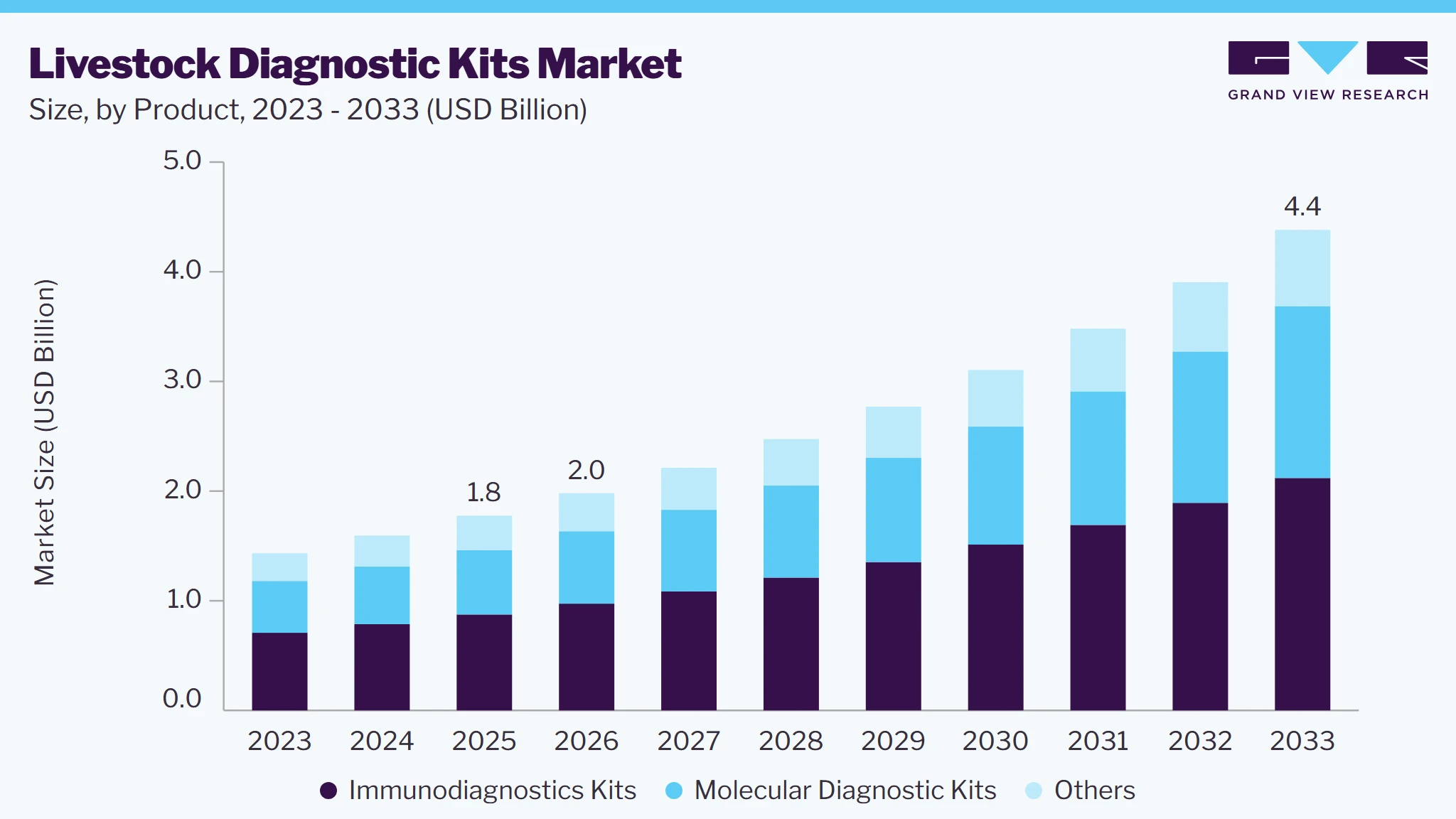 To learn more about this report, Download Free Sample Report
Stringent food safety requirements and the need to control zoonotic diseases are encouraging routine diagnostic testing across livestock farms and veterinary facilities. Moreover, technological advancements in rapid testing, immunoassays, and molecular diagnostics are improving testing speed and accessibility. However, high costs of advanced kits, limited veterinary infrastructure, and shortages of trained personnel may restrict adoption, particularly among small-scale farmers in developing regions.Market Dynamics
The increasing focus on food safety and animal health monitoring is driving growth in the livestock diagnostic kits market as governments, livestock producers, and veterinary authorities prioritize early disease detection and preventive healthcare. For instance, according to an article published by ARCC Journal in October 2026, livestock diseases can reduce milk, meat, and egg production, cause economic losses, and disrupt animal-derived food supply chains. Diagnostic kits enable the timely identification of bacterial, viral, and parasitic infections, supporting disease surveillance, biosecurity, and appropriate treatment decisions. Growing concerns regarding zoonotic diseases and antimicrobial resistance are further increasing the need for accurate diagnosis before initiating treatment, helping promote responsible antimicrobial use.
In addition, stricter food safety requirements and greater attention to the quality of animal-derived products are encouraging routine testing across farms, veterinary laboratories, and commercial livestock operations. The growing adoption of rapid and on-farm diagnostic solutions also allows producers to identify potential health risks earlier and limit disease transmission. As animal health becomes increasingly connected to food security and the One Health approach, investments in livestock disease monitoring and diagnostic infrastructure are expected to support sustained demand for diagnostic kits.
The increasing incidence of infectious diseases among livestock is directing demand for diagnostic kits as farmers and veterinary professionals seek faster and more accurate methods to identify infections and limit their spread. Diseases such as bluetongue, foot-and-mouth disease, brucellosis, and avian influenza can cause livestock mortality, reduced milk production, reproductive losses, and disruptions to meat, milk, and egg supplies. For instance, according to an article published by BBC in October 2026, the bluetongue outbreak reported in the UK highlights the economic consequences of livestock infections, with a Somerset dairy farmer reporting approximately USD 12,340.74 in losses due to severely reduced milk production after her cattle herd was infected. Such outbreaks increase the need for routine screening, confirmatory testing, and disease surveillance across farms and veterinary facilities.
Furthermore, recurring outbreaks and the emergence of new disease strains are encouraging livestock producers to strengthen routine health monitoring rather than depend solely on visible symptoms. Diagnostic kits help identify infections, support timely veterinary intervention, and inform decisions regarding isolation, treatment, and movement restrictions. As disease outbreaks create financial risks for farmers and threaten livestock productivity, demand for rapid tests and laboratory-based diagnostic kits is expected to increase.
The high cost of advanced livestock diagnostic kits hampers market growth by limiting adoption among small-scale farmers, veterinary clinics, and diagnostic laboratories with restricted budgets. Molecular diagnostic kits, including PCR-based tests, often require specialized instruments, trained personnel, laboratory infrastructure, and recurring expenditure on reagents and consumables. These additional costs increase the overall cost per test, making routine screening less affordable, particularly in developing countries where livestock farming is dominated by small and medium-sized producers.
For instance, PCR-based testing for diseases such as avian influenza or foot-and-mouth disease may require dedicated laboratory equipment, sample preparation materials, and trained technicians, whereas simpler rapid diagnostic tests generally involve lower equipment requirements. During disease outbreaks, the cost of testing large herds or flocks can further increase farmers financial burden. Consequently, some producers may postpone diagnostic testing or depend on clinical symptoms rather than laboratory confirmation, potentially delaying disease identification. These affordability constraints can restrict testing frequency, reduce penetration of advanced diagnostic technologies, and slow revenue growth in price-sensitive livestock markets.
Opportunity Analysis - Expansion of Affordable On-Farm and Point-of-Care Diagnostic Kits
The development of affordable on-farm and point-of-care diagnostic kits presents a significant growth opportunity for livestock diagnostic kit manufacturers by improving access to disease testing across small-scale farms, remote livestock-producing areas, and regions with limited veterinary laboratory infrastructure. These solutions enable farmers and veterinarians to identify infections directly at the point of care, reducing dependence on centralized laboratories and shortening the time required to obtain test results. Faster diagnosis supports timely treatment decisions, disease containment, and reduced livestock productivity losses.
For instance, in July 2026, Oxford Technology announced an investment in Accelerated Diagnostics, a company developing a low-cost diagnostic platform designed to identify pathogens from saliva samples in as little as one minute. The platform is intended to detect bovine tuberculosis (bTB), Newcastle disease in poultry, and other infectious diseases without requiring laboratory-based PCR testing. This development demonstrates the commercial potential of rapid, accessible diagnostic technologies for veterinary applications. Manufacturers can capitalize on this opportunity by developing cost-effective kits with simple operating procedures, minimal equipment requirements, and reliable results across different livestock species. Partnerships with veterinary service providers, government disease surveillance programs, and agricultural cooperatives can further expand distribution. As affordability and testing accessibility improve, adoption among underserved livestock producers is expected to increase, creating additional revenue opportunities for diagnostic kit suppliers.
 To learn more about this report, Download Free Sample Report
Emerging Diagnostic Technologies
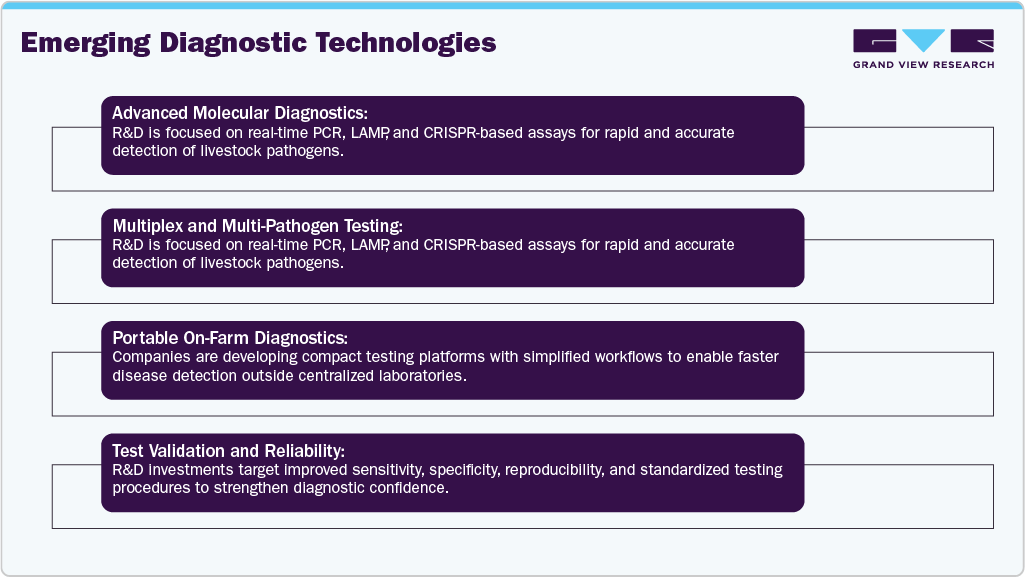
R&D in the livestock diagnostic kits market is increasingly focused on developing rapid, sensitive, and easy-to-use testing solutions that enable early identification of infectious diseases. Manufacturers are investing in molecular technologies, multiplex assays, and portable diagnostic platforms to improve pathogen detection and reduce testing turnaround times. These developments are particularly important for commercial livestock farms, where early diagnosis can limit disease transmission, reduce production losses, and support timely treatment decisions. In addition, improvements in test accuracy, workflow standardization, and field-based testing capabilities are expanding diagnostic applications beyond centralized laboratories. These advancements are expected to support wider adoption across veterinary clinics, laboratories, and livestock production facilities.
Market Concentration & Characteristics
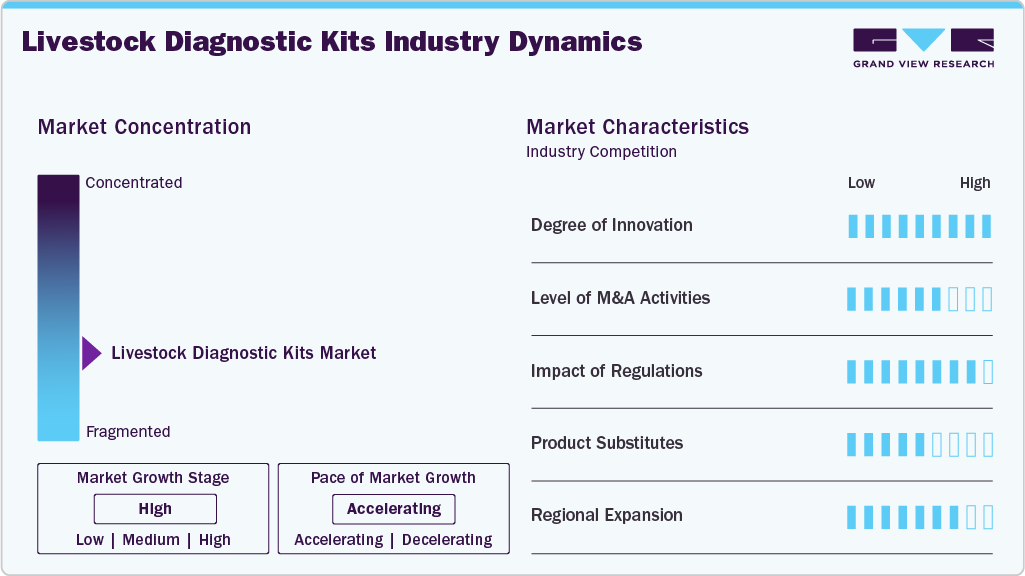
The livestock diagnostic kits sector is fragmented, with numerous diagnostic kit manufacturers, veterinary diagnostic laboratories, biotechnology companies, and animal healthcare providers competing across regional and global markets. Market participants differentiate themselves through test accuracy, diagnostic speed, pricing, disease coverage, ease of use, and compatibility with laboratory equipment. In addition, growing adoption of rapid diagnostic tests, molecular testing technologies, and point-of-care solutions is intensifying competition as manufacturers seek to expand their product portfolios and geographic presence. Strategic partnerships with veterinary institutions, livestock producers, and government disease surveillance programs are further supporting market expansion.
The livestock diagnostic kits industry is witnessing innovation through rapid diagnostic technologies, PCR-based testing, AI-assisted diagnostic analysis, portable testing devices, and improved pathogen detection methods. In addition, manufacturers are developing point-of-care kits, multiplex diagnostic assays, and simplified testing formats to improve diagnostic accuracy, reduce turnaround times, and support disease detection across farms, veterinary clinics, and diagnostic laboratories.
 To learn more about this report, Download Free Sample Report
Mergers and acquisitions, along with strategic partnerships, provide opportunities for companies to expand their diagnostic product portfolios, strengthen technological capabilities, and increase geographic reach. Diagnostic kit manufacturers may collaborate with biotechnology companies, veterinary diagnostic laboratories, research institutions, and animal healthcare providers to develop new testing technologies, improve disease detection capabilities, and broaden distribution networks.
Regulatory requirements governing diagnostic kit approval, test performance, manufacturing quality, biosafety, and disease-specific testing influence industry development. Differences in regulatory frameworks across countries can affect product registration, commercialization timelines, and international distribution. Manufacturers must demonstrate diagnostic accuracy, reliability, and compliance with applicable quality standards, which can increase development costs and create entry barriers, particularly for smaller companies.
Laboratory-based diagnostic services, clinical examination, and alternative testing methods represent the primary substitutes for livestock diagnostic kits. Veterinary laboratories may use advanced molecular or serological testing systems, while veterinarians may initially assess diseases based on clinical symptoms. However, clinical examination alone may not confirm specific infections, and laboratory testing can involve longer turnaround times and additional sample transportation. Rapid diagnostic kits offer convenient alternatives for preliminary screening and on-farm testing, although confirmatory laboratory tests may still be required.
Livestock diagnostic kit manufacturers are expanding their geographic presence through distributor partnerships, local manufacturing, veterinary laboratory collaborations, and participation in government disease surveillance programs. Emerging economies, particularly India and other livestock-producing countries in Asia, offer growth opportunities due to large animal populations and increasing requirements for disease monitoring. Manufacturers are also introducing affordable rapid diagnostic kits and portable testing solutions to improve access in rural areas where laboratory infrastructure is limited. These strategies can expand customer reach and support greater adoption across commercial farms, veterinary clinics, and animal health agencies.
Analyst Perspective
The livestock diagnostic kits market is expected to grow as rising livestock disease prevalence, increasing focus on animal health, and stricter biosecurity requirements drive demand for reliable testing solutions. Technological advancements in molecular diagnostics, multiplex assays, and portable testing platforms are improving pathogen detection and diagnostic efficiency. While established companies benefit from broad product portfolios and distribution networks, specialized players can gain opportunities through disease-specific innovations and cost-effective solutions. Expanding veterinary laboratory infrastructure and on-farm testing adoption are expected to support market growth.
Product Insights
On the basis of product, the immunodiagnostics kits segment generated the largest revenue share of 49.2% in 2025, due to their broad applicability, relatively simple testing procedures, and effectiveness in detecting antibodies or antigens associated with various livestock diseases. Techniques such as enzyme-linked immunosorbent assays (ELISA) support routine screening, disease surveillance, and monitoring of infections across cattle, poultry, swine, sheep, and goats. These kits are widely used by veterinary laboratories, research institutions, and animal health authorities because they can process multiple samples and support herd-level disease monitoring.
For instance, in October 2026, Russia's Federal Centre for Animal Health developed an ELISA-based diagnostic kit to detect antibodies against Mycoplasma bovis in cattle. The test takes approximately 75 minutes, compared with 90-135 minutes for commercial alternatives, demonstrating improvements in testing efficiency. Such developments support the adoption of immunodiagnostic technologies for identifying infection exposure and assessing pathogen spread. Their versatility established laboratory workflows, and suitability for large-scale screening contribute to their leading position in the livestock diagnostic kits industry.
The molecular diagnostic kits segment is growing at the fastest rate over the forecast period. Technologies such as polymerase chain reaction (PCR) and other nucleic acid detection methods enable the identification of infectious agents, supporting early disease detection, outbreak investigation, and targeted disease control. These kits are particularly valuable for detecting infections that may be difficult to identify through conventional diagnostic methods, helping veterinarians make informed decisions regarding treatment, isolation, and disease surveillance. Advancements in portable testing devices and rapid molecular assays are further expanding their use beyond centralized laboratories.
Animal Insights
On the basis of animal, the cattle segment dominated the market with the largest revenue share of 35.0% in 2025, due to their substantial contribution to milk and meat production and their susceptibility to infectious diseases that can cause significant economic losses. Diseases such as foot-and-mouth disease, brucellosis, bovine tuberculosis, and mastitis create demand for routine screening, confirmatory testing, and herd-level disease surveillance. Diagnostic kits help farmers and veterinary authorities identify infections, monitor disease spread, and support timely containment measures. For instance, in April 2026, China tightened border controls, initiated cattle culling, and implemented disinfection measures following a foot-and-mouth disease outbreak affecting herds comprising 6,229 cattle in Gansu province and the Xinjiang Uyghur Autonomous Region. The outbreak highlights the importance of diagnostic testing in managing livestock diseases and protecting agricultural supply chains.
Poultry registered the fastest CAGR in the livestock diagnostic kits market driven by the high density of commercial poultry farms, short production cycles, and the rapid spread of infectious diseases within flocks. Diseases such as avian influenza, Newcastle disease, infectious bronchitis, and salmonellosis create demand for regular screening and early pathogen detection. Diagnostic kits enable poultry producers and veterinary authorities to identify infections, monitor flock health, and implement timely biosecurity measures, reducing mortality and production losses. In addition, growing demand for poultry meat and eggs is encouraging producers to strengthen disease surveillance and maintain food safety standards.
Application Insights
On the basis of application, the bacterial disease diagnostics segment held the dominant revenue share of 28.5% in 2025, due to the rising prevalence of bacterial infections in livestock and increasing concerns regarding antimicrobial resistance (AMR). Pathogens such as Salmonella, Escherichia coli, and Staphylococcus aureus can cause substantial animal health problems, production losses, and food safety risks. Diagnostic kits support early pathogen identification and antimicrobial susceptibility testing, helping veterinarians select appropriate treatments and reduce inappropriate antibiotic use.
The viral disease diagnostics segment is growing at a fastest CAGR in the livestock diagnostic kits market, owing to the continued threat of contagious infections, including foot-and-mouth disease, avian influenza, Newcastle disease, and African swine fever. These diseases can spread rapidly across herds and flocks, causing high mortality, reduced productivity, trade restrictions, and substantial financial losses. Diagnostic kits enable early pathogen detection, disease surveillance, and timely implementation of quarantine and biosecurity measures. Growing poultry and livestock production, increased government monitoring, and the need to prevent cross-border disease transmission are further supporting demand.
End Use Insights
On the basis of end use, veterinary hospitals & clinics dominate with the largest share of 46.4% in 2025, due to their role in routine animal health assessments, disease diagnosis, and treatment management. These facilities use diagnostic kits to identify bacterial, viral, and parasitic infections, support herd health evaluations, and guide treatment decisions. Increasing demand for early disease detection, preventive veterinary care, and rapid testing is encouraging the adoption of diagnostic kits in clinical settings. Hospitals and clinics also serve as accessible testing points for livestock owners, particularly for common infections requiring timely intervention. Their established veterinary networks and regular interactions with livestock producers support recurring demand for diagnostic products.
 To learn more about this report, Download Free Sample Report
The veterinary laboratories segment is estimated to grow at the second fastest CAGR in the market, as livestock disease surveillance increasingly requires accurate pathogen identification, confirmatory testing, and antimicrobial resistance monitoring. These facilities process samples from farms, veterinary clinics, and government surveillance programs, creating demand for molecular diagnostic kits, ELISA kits, and specialized testing solutions. The growing complexity of bacterial and viral disease outbreaks is encouraging laboratories to expand their testing capabilities and adopt advanced diagnostic technologies. Rising concerns regarding antimicrobial resistance and zoonotic diseases are further increasing the need for laboratory-based analysis. In addition, investments in veterinary diagnostic infrastructure and disease monitoring programs are expected to support faster growth in this segment over the forecast period.
Regional Insights
North America held the largest revenue share of 40.1% in 2025, attributed to the availability of specialized molecular diagnostic products and expanding pathogen-detection portfolios. Manufacturers are offering PCR-based testing solutions, nucleic acid extraction kits, and rapid diagnostic technologies to identify bacterial and viral infections across livestock species. Growing emphasis on early disease detection, biosecurity, and antimicrobial resistance monitoring is encouraging veterinary laboratories and livestock producers to adopt more accurate and efficient testing methods. In addition, advancements in portable diagnostic platforms and simplified testing procedures are improving access to on-site diagnostics, reducing turnaround times, and supporting disease surveillance across commercial livestock production systems.
 To learn more about this report, Download Free Sample Report
U.S. Livestock Diagnostic Kits Market Trends
The U.S. livestock diagnostic kits market is driven by presence of established molecular diagnostics providers and their expanding product portfolios. For instance, Invitek Diagnostics offers its InviScreen range of real-time PCR kits for detecting pathogens associated with livestock and poultry, including bovine viral diarrhea virus (BVDV), infectious bronchitis virus (IBV), infectious bursal disease virus (IBDV), and Mycoplasma gallisepticum and M. synoviae. Its portfolio also includes nucleic acid extraction kits to support sample preparation. Such offerings demonstrate the availability of specialized molecular testing solutions for animal health applications and support demand for pathogen-specific diagnostic kits among U.S. veterinary laboratories and livestock producers.
Canada livestock diagnostic kits market is expected to grow swiftly, due to the growing adoption of rapid and portable molecular diagnostic technologies. For instance, in September 2026, SignalChem Diagnostics launched its C. perfringens Diarrhea One-Pot Detection Kit, which detects three toxin genes in approximately 35 minutes using a portable CRISPOT® Detection Device. Although this specific kit targets dogs and cats rather than livestock, it demonstrates the broader veterinary diagnostics industry's shift toward rapid, on-site molecular testing. Similar innovations for cattle, poultry, and swine can improve diagnostic accessibility, shorten testing times, and strengthen demand for molecular diagnostic kits across livestock production systems.
Europe Livestock Diagnostic Kits Market Trends:
Europe livestock diagnostic kits market is influenced by continuous advancements in veterinary diagnostic technologies, expanding research and development activities, and the growing availability of specialized testing solutions for livestock diseases. Manufacturers are developing more accessible and efficient diagnostic products to meet the needs of veterinary laboratories, livestock producers, and animal health authorities. Increasing adoption of molecular diagnostics, immunoassays, and rapid testing platforms is improving the ability to identify pathogens and monitor animal health across different livestock production systems.
Germany livestock diagnostic kits market is supported by the need for effective disease surveillance and early detection of highly contagious livestock infections. Outbreaks of diseases such as foot-and-mouth disease (FMD) highlight the importance of rapid pathogen identification, confirmatory testing, and coordinated veterinary monitoring to limit transmission across livestock populations. For instance, in January 2025, Germany reported its first FMD outbreak in nearly 40 years in a herd of water buffalo in Brandenburg. The Friedrich-Loeffler-Institut supported the outbreak investigation, while local authorities implemented control measures and further testing. Such incidents highlight the role of diagnostic testing in outbreak investigation, disease containment, and protection of livestock health. Increasing emphasis on biosecurity and preparedness for transboundary animal diseases is expected to support demand for viral disease diagnostic kits and laboratory testing solutions in Germany.
UK livestock diagnostic kits market is benefiting from collaborations between diagnostic developers and research institutions to commercialize innovative, point-of-care testing solutions. For instance, in April 2025, Welsh diagnostics company Valley Diagnostics entered into a licensing agreement with Sona Nanotech to commercialize a bovine tuberculosis (TB) lateral flow assay. The agreement granted Valley Diagnostics exclusive commercialization rights for the assay in the UK and Ireland, with first refusal for additional territories. Developed using biomarker intellectual property licensed from Aberystwyth University, the assay highlights ongoing efforts to translate veterinary research into practical diagnostic products. Such collaborations can expand the availability of rapid livestock testing solutions, improve access to bovine TB screening, and support the adoption of diagnostic kits for disease surveillance and management across the UK livestock sector.
Asia Pacific Livestock Diagnostic Kits Market Trends
Asia Pacific is expected to grow at the fastest CAGR over the forecast period, as rising investments in animal healthcare, expanding commercial livestock production, and increasing demand for efficient disease monitoring create opportunities for diagnostic solution providers. The region's diverse livestock farming systems are encouraging demand for accessible testing products that can support disease identification across cattle, poultry, swine, sheep, and goats. In addition, growing awareness of zoonotic diseases, food safety requirements, and the economic impact of livestock infections is encouraging producers and veterinary authorities to strengthen routine testing practices. The expansion of veterinary service networks and wider availability of rapid diagnostic technologies are also expected to improve access to testing in rural and underserved areas, supporting market growth across APAC.
The livestock diagnostic kits market in Japan is accelerating, due to advancements in veterinary diagnostic technologies and increasing international collaboration in animal health and food safety testing. Japan's expertise in livestock disease diagnosis is creating opportunities to expand the application of advanced testing solutions across domestic and international markets. For instance, in December 2025, the Japan International Cooperation Agency signed a loan agreement with Uzbekistan to improve livestock disease diagnosis and food safety testing through laboratory equipment procurement and technical support. Such initiatives highlight opportunities for Japanese diagnostic technology providers to expand overseas collaborations and exports, supporting the broader development of the livestock diagnostics industry.
The livestock diagnostic kits market in India isexpected to grow as improvements in veterinary laboratory capabilities and quality-assured disease testing increase the need for reliable diagnostic solutions. Expanding accredited testing across major livestock diseases, zoonotic infections, and antimicrobial resistance is strengthening the country's diagnostic infrastructure. For instance, in October 2026, the Indian Council of Agricultural Research announced that ICAR-NIVEDI in Bengaluru had expanded its accreditation scope to 28 veterinary diagnostic tests under ISO/IEC 17025:2017. The expanded scope includes testing for diseases such as brucellosis, lumpy skin disease, African swine fever, and peste des petits ruminants, using methods such as PCR, ELISA, and antimicrobial susceptibility testing. These developments are expected to support demand for specialized diagnostic kits and improve livestock disease surveillance across India.
Latin America Livestock Diagnostic Kits Market Trends
The livestock diagnostic kits market in the Latin America region is likely to gain traction as veterinary healthcare providers and livestock producers increasingly adopt standardized testing procedures and modern diagnostic technologies. The region's strong export-oriented meat and poultry industries create demand for dependable animal health testing to meet international trade requirements and maintain access to overseas markets. Increasing investment in veterinary laboratories, public-private partnerships, and the modernization of agricultural testing facilities is improving diagnostic capabilities across the region. Furthermore, the development of cost-effective diagnostic products suited to small and medium-sized farms is creating opportunities to broaden market penetration. These developments are expected to support the adoption of livestock diagnostic kits across Latin America.
Brazil livestock diagnostic kits market is gaining momentum as the poultry industry strengthens disease surveillance and outbreak response measures to protect commercial flocks and maintain export market access. The risk of contagious viral infections is increasing the need for reliable laboratory testing, epidemiological investigations, and monitoring of nearby farms. For instance, in October 2026, Brazil confirmed a Newcastle disease outbreak at a commercial turkey farm in Santa Catarina, prompting quarantine measures, movement restrictions, and planned surveillance across approximately 133 nearby properties. Laboratory confirmation was conducted by the Federal Agricultural Defence Laboratory in São Paulo. Such developments highlight the importance of diagnostic testing in identifying infections, monitoring disease spread, and supporting timely containment, creating opportunities for viral disease diagnostic kits in Brazil.
Middle East & Africa Livestock Diagnostic Kits Market Trends
Middle East & Africa livestock diagnostic kits market is expected to develop as demand increases for practical diagnostic solutions suited to diverse farming systems and uneven access to laboratory infrastructure. In several markets, limited testing capacity outside major urban centers creates opportunities for portable kits that can be used closer to livestock populations. Suppliers offering shelf-stable products, straightforward sample processing, and minimal equipment requirements can address operational challenges faced by field veterinarians and regional testing facilities. Wider distribution networks and product availability through veterinary suppliers are likely to improve access to diagnostic kits across underserved livestock-producing areas.
South Africa livestock diagnostic kits market isexpected to expand with the increasing need for specialized testing across commercial farming and veterinary research activities. The country's established veterinary research institutions and accredited diagnostic laboratories support the use of bacterial identification, serological testing, and molecular diagnostic methods for livestock health assessment. Demand for diagnostic kits is also supported by the need to investigate livestock diseases, identify pathogens in clinical samples, and guide antimicrobial treatment decisions. These capabilities create opportunities for diagnostic kit suppliers offering reliable, disease-specific testing solutions for cattle, poultry, and other livestock species.
UAE livestock diagnostic kits market is likely to benefit from the country's focus on food security, livestock import controls, and veterinary inspection procedures. As the country sources live animals and animal products from international markets, assessing animal health status is important for managing import-related disease risks and protecting domestic livestock populations. This creates demand for diagnostic testing to support veterinary inspections, disease screening, and health certification processes. Suppliers offering rapid, accurate, and easy-to-use kits can address testing needs across veterinary authorities, import inspection facilities, and livestock businesses.
Key Livestock Diagnostic Kits Company Insights
The livestock diagnostic kits market is fragmented, with competition distributed across veterinary diagnostic kit manufacturers, animal health companies, and specialized diagnostic solution providers. Companies differentiate themselves through test accuracy, detection speed, pathogen coverage, ease of use, pricing, and compatibility with laboratory and on-site testing requirements. Market participants are increasingly focusing on expanding diagnostic product portfolios, developing rapid and molecular testing solutions, strengthening distribution networks, and improving accessibility for veterinary laboratories, livestock producers, and animal health authorities.
Key Livestock Diagnostic Kits Companies Insights
The following key companies have been profiled for this study on the livestock diagnostic kits market.
-
Zoetis Services LLC
-
Shenzhen Finder Biotech Co., Ltd.
-
Ubio Biotechnology Systems Pvt Ltd
-
Gold Standard Diagnostics
-
IDEXX
-
Invitek Diagnostics
-
Secure Diagnostics Pvt. Ltd.
-
BioStone
-
BioChek
-
Innovative Diagnostics
Competitive Benchmarking
Category
Operating Strategies
Competitive Edge
Weakness
Established Players (Zoetis, IDEXX, Gold Standard Diagnostics, BioChek, Innovative Diagnostics)
- Established players in the Livestock Diagnostic Kits market focus on expanding diagnostic product portfolios across infectious disease testing, serology, molecular diagnostics, and immunoassays. Companies invest in product development, laboratory testing capabilities, distribution networks, and collaborations with veterinary laboratories and animal health organizations. Strategies include developing disease-specific kits, improving test performance, expanding geographic reach, and providing technical support to veterinary professionals and livestock producers.
- Established players benefit from recognized brands, broad diagnostic portfolios, established distribution channels, and technical expertise in veterinary testing. Their experience in assay development, product validation, and quality management supports adoption across veterinary laboratories, commercial farms, and animal health authorities. Broad pathogen coverage and established customer relationships also support market access and product cross-selling.
- Established players face challenges associated with R&D expenditure, product validation, regulatory requirements, and maintaining diagnostic accuracy across different livestock species and sample types. Developing tests for emerging pathogens requires continued investment and technical expertise. Differences in national testing requirements and price sensitivity among livestock producers may constrain market penetration, particularly in cost-intensive markets.
Emerging and Specialized Players (Shenzhen Finder Biotech, Ubio, Biotechnology Systems, Invitrogen Diagnostics, Secure Diagnostics, BioStone)
- Emerging and specialized players focus on developing targeted diagnostic products, molecular testing solutions, rapid assays, and disease-specific kits. Companies seek to expand product availability through distributors, laboratory partnerships, and regional collaborations. Product development may target unmet testing needs, improved turnaround times, simplified workflows, and cost-effective solutions for veterinary laboratories and livestock producers.
- These players can compete through specialized product portfolios, flexible product development, targeted pathogen detection, and adaptation to regional testing requirements. Focused R&D partnerships can help them address specific diagnostic needs and respond to emerging disease threats. Portable and rapid testing solutions may also improve accessibility in settings with limited laboratory infrastructure.
- Smaller and specialized players may face constraints related to R&D funding, brand recognition, distribution coverage, and access to large-scale validation facilities. Expanding into international markets can require substantial regulatory documentation and local partnerships. Limited product breadth and dependence on third-party distributors may also affect customer reach, commercial scalability, and competitiveness against companies with broader diagnostic portfolios.
Recent Developments
-
In May 2025, BioStone Animal Health launched AsurDx real-time PCR kits for foot-and-mouth disease (FMD) detection, offering single, dual, and multiplex assays targeting FMD virus serotypes A, O, and Asia1, along with universal detection options. The launch expands the company's livestock diagnostic portfolio and supports demand for specialized molecular testing solutions for disease surveillance and control.
-
In March 2026, Zoetis announced an agreement to acquire Neogen Corporation’s animal genomics business for USD 160 million, aiming to expand its precision animal health portfolio and strengthen genomic capabilities. Although the acquisition primarily focuses on genomics rather than diagnostic kits, it may support broader livestock health monitoring and data-driven disease management, complementing the development of advanced animal health testing solutions.
-
In September 2026, Alveo Technologies expanded its partnership with Royal GD to accelerate the development of portable molecular diagnostic tests for additional pathogens affecting swine and cattle, while broadening its poultry testing portfolio. Building on their existing on-farm avian influenza test, the collaboration aims to improve access to rapid livestock diagnostics, support earlier pathogen detection, and strengthen disease prevention and control.
Livestock Diagnostic Kits Market Report Scope
Report Attribute
Details
Market size in 2025
USD 1.8 billion
Estimated market size in 2026
USD 2.0 billion
Projected market size by 2033
USD 4.4 billion
Growth Rate
CAGR of 12.0% from 2026 to 2033
Actual Data
2021 - 2025
Forecast period
2026 - 2033
Quantitative units
Revenue in USD million/billion and CAGR from 2026 to 2033
Report coverage
Revenue forecast, company ranking, Competitive landscape, growth factors, and trends
Segments covered
Product, animal, application, end use, region
Regional scope
North America, Europe, Asia Pacific, Latin America, MEA
Country scope
U.S., Canada, Mexico, UK, Germany, France, Italy, Spain, Denmark, Sweden, Norway, Japan, China, India, Thailand, South Korea, Australia, Brazil, Argentina, South Africa, UAE, Saudi Arabia, Kuwait, Qatar, Oman
Key companies profiled
Zoetis Services LLC, Shenzhen Finder Biotech Co., Ltd., Ubio Biotechnology Systems Pvt Ltd, Gold Standard Diagnostics, IDEXX, Invitek Diagnostics, Secure Diagnostics Pvt. Ltd., BioStone, BioChek, Innovative Diagnostics
Customization scope
Free report customization (equivalent up to 8 analysts working days) with purchase. Addition or alteration to country, regional & segment scope.
Pricing and purchase options
Avail customized purchase options to meet your exact research needs. Explore purchase options
Global Livestock Diagnostic Kits Market Report Segmentation
This report forecasts revenue growth at global, regional, and country levels and provides an analysis of the latest industry trends in each of the sub-segments from 2021 to 2033. For this study, Grand View Research has segmented the global livestock diagnostic kits market report based on product, animal, application, end use, and region.
-
Product Outlook (Revenue, USD Million, 2021 - 2033)
-
Immunodiagnostics Kits
-
ELISA Kits
-
Lateral Flow Immunoassay Kits
-
Others
-
-
Molecular Diagnostic Kits
-
PCR
-
Others
-
-
Others
-
-
Animal Outlook (Revenue, USD Million, 2021 - 2033)
-
Cattle
-
Poultry
-
Swine
-
Sheep & Goats
-
Others
-
-
Application Outlook (Revenue, USD Million, 2021 - 2033)
-
Bacterial Disease Diagnostics
-
Viral Disease Diagnostics
-
Pregnancy & Fertility Testing
-
Genetic Testing
-
Parasitic Diagnostics
-
Others
-
-
End Use Outlook (Revenue, USD Million, 2021 - 2033)
-
Veterinary Hospitals & Clinics
-
Veterinary Laboratories
-
Others
-
-
Regional Outlook (Revenue, USD Million, 2021 - 2033)
-
North America
-
U.S.
-
Canada
-
Mexico
-
-
Europe
-
UK
-
Germany
-
France
-
Italy
-
Spain
-
Denmark
-
Sweden
-
Norway
-
-
Asia Pacific
-
Japan
-
China
-
India
-
Australia
-
Thailand
-
South Korea
-
-
Latin America
-
Brazil
-
Argentina
-
-
Middle East & Africa
-
South Africa
-
UAE
-
Saudi Arabia
-
Kuwait
-
Qatar
-
Oman
-
-
Research Methodology
The livestock diagnostic kits market figures in this report are based on a proven research process that combines executive interviews with secondary research from proprietary databases, company filings, and recognized regulatory and institutional sources. Market size is built through value-chain sizing-reconciling supply-side and demand-side estimates-and triangulated with bottom-up and top-down approaches. Every estimate passes multiple levels of expert validation before publication, with each livestock diagnostic kits segment quantified using the revenue-capture definitions in the table below.
Segment Definition
Product
Revenue capture definition
Immunodiagnostics Kits
Revenue generated from the sale of diagnostic kits that detect specific pathogens, antigens, or antibodies in livestock samples using immunological methods.
ELISA Kits
Revenue generated from the sale of enzyme-linked immunosorbent assay kits used to detect and quantify pathogen-specific antigens or antibodies associated with livestock diseases.
Lateral Flow Immunoassay Kits
Revenue generated from the sale of lateral flow diagnostic kits used for rapid detection of specific pathogens, antigens, or antibodies in livestock samples.
Others
Revenue generated from the sale of other immunodiagnostic kits, excluding ELISA and lateral flow immunoassay kits, used for livestock disease detection.
Molecular Diagnostic Kits
Revenue generated from the sale of diagnostic kits that identify livestock pathogens or genetic material through nucleic acid-based testing methods.
PCR
Revenue generated from the sale of polymerase chain reaction kits used to amplify and detect pathogen-specific DNA or RNA in livestock samples.
Others
Revenue generated from the sale of other molecular diagnostic kits, including loop-mediated isothermal amplification (LAMP) and other nucleic acid detection technologies, excluding PCR-based kits.
Others
Revenue generated from the sale of livestock diagnostic kits based on technologies other than immunodiagnostics and molecular diagnostics.
Animal
Revenue capture definition
Cattle
Revenue generated from the sale of diagnostic kits used to detect infectious diseases, reproductive conditions, and other health disorders in cattle.
Poultry
Revenue generated from the sale of diagnostic kits used to detect infectious diseases and monitor the health status of chickens, turkeys, ducks, and other poultry species.
Swine
Revenue generated from the sale of diagnostic kits used to detect infectious diseases and other health conditions in pigs.
Sheep & Goats
Revenue generated from the sale of diagnostic kits used to detect infectious diseases, parasitic infections, and other health conditions in sheep and goats.
Others
Revenue generated from the sale of diagnostic kits used for other livestock and animal species such as aquaculture.
Application
Revenue capture definition
Bacterial Disease Diagnostics
Revenue generated from the sale of diagnostic kits used to detect bacterial pathogens responsible for infectious diseases in livestock.
Viral Disease Diagnostics
Revenue generated from the sale of diagnostic kits used to detect viral pathogens responsible for infectious diseases in livestock.
Pregnancy & Fertility Testing
Revenue generated from the sale of diagnostic kits used to assess pregnancy status, reproductive health, and fertility-related conditions in livestock.
Genetic Testing
Revenue generated from the sale of diagnostic kits used to identify genetic markers, inherited conditions, and other genetic characteristics relevant to livestock health and breeding.
Parasitic Diagnostics
Revenue generated from the sale of diagnostic kits used to detect parasitic infections, including protozoal, helminthic, and other parasitic diseases in livestock.
Others
Revenue generated from the sale of diagnostic kits used for other livestock health applications, including non-infectious disease assessment and diagnostic purposes not covered above.
End Use
Revenue capture definition
Veterinary Hospitals & Clinics
Revenue generated from the sale of livestock diagnostic kits to veterinary hospitals and clinics for disease detection, clinical diagnosis, and routine animal health assessment.
Veterinary Laboratories
Revenue generated from the sale of livestock diagnostic kits to veterinary diagnostic laboratories for pathogen identification, confirmatory testing, disease surveillance, and laboratory-based animal health testing.
Others
Revenue generated from the sale of livestock diagnostic kits to other end users, including livestock farms, animal health authorities, research institutions, and academic organizations.
Estimation Model
Approach
Description
Bottom-Up Market Estimation
The market was estimated using livestock population, disease prevalence, diagnostic testing volumes, kit utilization rates, average selling prices, and livestock diagnostic kit sales. Country-level revenue was calculated and aggregated to derive global and regional market estimates. Estimates were further segmented by livestock type, diagnostic kit type, disease category, and end-user to capture variations in testing demand, product pricing, and revenue generation.
Top-Down Market Estimation Model
The global livestock diagnostic kits market was estimated using livestock healthcare expenditure, veterinary diagnostic spending, disease surveillance initiatives and diagnostic testing adoption. Regional and country-level market shares were assessed using livestock population, disease burden, veterinary infrastructure, regulatory testing requirements, and access to diagnostic facilities. Cross-validation was performed using diagnostic kit manufacturers’ portfolios, product availability, testing demand, and country-level differences in livestock production and disease management practices.
Commodity Flow Approach
The approach assessed revenue flows from diagnostic kit manufacturers to distributors, veterinary laboratories, veterinary hospitals and clinics, livestock farms, and other institutional buyers. Sales of immunodiagnostic kits, ELISA kits, lateral flow immunoassay kits, and other diagnostic kits were evaluated to estimate market revenue while minimizing double counting across distribution channels. Revenue attribution considered manufacturer-level kit sales and inclusion of reagents and consumables supplied as part of diagnostic kits or associated testing products.
Multivariate Analysis
The analysis evaluated factors influencing livestock diagnostic kit demand, including livestock population, disease prevalence, outbreak frequency, testing volumes, diagnostic adoption, veterinary infrastructure, regulatory surveillance requirements, average kit prices, and laboratory capacity. These variables were assessed to determine their impact on market size and forecast growth. Relationships among these factors were evaluated across countries and livestock categories to identify differences in diagnostic demand, testing intensity, and future market expansion opportunities.
Validation and Reconciliation
Summary
The market was estimated using a combination of bottom-up, top-down, commodity flow, and multivariate analysis approaches. Livestock population, disease prevalence, diagnostic testing volumes, kit utilization rates, average selling prices, manufacturer revenues, and veterinary diagnostic adoption were analyzed. Segmental and regional estimates were validated through secondary research and interviews with livestock diagnostic kit manufacturers, distributors, veterinary laboratories, veterinary hospitals and clinics, livestock producers, and industry experts. Data triangulation was used to validate market sizing, forecasting, and segment-level revenue estimates across the global livestock diagnostic kits market.
Delivered Customizations
This report has been delivered with the following In-depth customizations
Client Request
Customization Delivered
Value Adds
Country-Level Market Assessment
Detailed country-level market sizing and forecasts for livestock diagnostic kits covering demand across livestock species, disease categories, diagnostic technologies, and end users. Assessment includes country-specific disease burdens, livestock production patterns, veterinary diagnostic infrastructure, and regulatory requirements.
Identifies high-growth geographical markets, evaluates regional expansion opportunities, and prioritizes countries based on livestock population, disease prevalence, diagnostic adoption, and market potential. Supports market entry planning, investment prioritization, and resource allocation.
Competitive Benchmarking and Market Positioning
Comprehensive benchmarking of established and specialized players, including IDEXX, BioChek, BioNote, Gold Standard Diagnostics, and other diagnostic kit providers. Analysis covers product portfolios, pathogen coverage, testing technologies, distribution networks, R&D initiatives, competitive advantages, and business limitations.
Provides insights into competitive positioning, product differentiation, and technology gaps. Helps identify potential partnership opportunities, underserved disease categories, portfolio expansion opportunities, and strategies to strengthen market presence.
Product and Technology Assessment
Detailed assessment of diagnostic kit categories, including bacterial and viral disease diagnostics, parasitic diagnostics, pregnancy and fertility testing, genetic testing, and other applications. Evaluation covers PCR-based testing, ELISA, rapid diagnostic assays, and emerging molecular technologies across veterinary hospitals, laboratories, and other end users.
Identifies high-potential diagnostic technologies, emerging product development opportunities, and areas for innovation. Supports R&D prioritization, portfolio optimization, and evaluation of technologies that can improve diagnostic accuracy, turnaround time, and on-farm testing accessibility.
About the Author(s)
Animal Health Research Team
Healthcare · Animal HealthThis report was authored by the animal health research team at Grand View Research - comprising two research analysts, one senior research analyst, and one industry expert - with specialized expertise in the animal health segment of the healthcare industry. All findings are based on proprietary healthcare databases, executive interviews, and regulatory analysis, subject to internal peer review prior to publication.
Last Updated:
Speak to Analyst

Customize this report to your needs - add regions, segments, or data points, with 20% free customization.
Or view our licence options:


ISO 9001:2015 & 27001:2022 Certified
We are GDPR and CCPA compliant! Your transaction & personal information is safe and secure. For more details, please read our privacy policy.


