
- Home
- »
- Pharmaceuticals
- »
-
Malaria Therapeutics Market Size And Share Report, 2033GVR Report cover

Malaria Therapeutics Market (2026 - 2033)
Size, Share & Trends Analysis Report By Drug Class, By Therapeutic Indication (Malaria Chemoprophylaxis, Severe Malaria, Uncomplicated Malaria), By Route Of Administration (Oral, Parenteral), By Distribution Channel, By Region, And Segment Forecasts
Market Size, 2025
$3.1BMarket Estimate, 2026
$3.2BMarket Forecast, 2033
$5.0BCAGR, 2026–2033
6.5%Malaria Therapeutics Market Summary
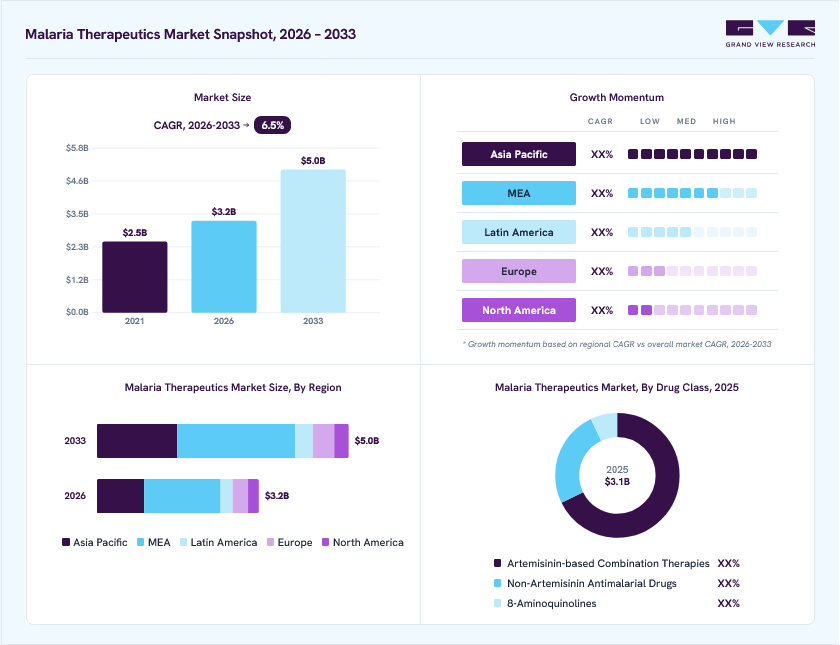
The global malaria therapeutics market size was valued at USD 3.1 billion in 2025 and is projected to grow from USD 3.2 billion in 2026 to USD 5.0 billion by 2033, at a CAGR of 6.5% from 2026 to 2033. The Middle East & Africa dominated the market, accounting for the largest revenue share of 47.1% in 2025. The malaria therapeutics industry growth is driven by the continued burden of malaria in endemic regions, particularly across sub-Saharan Africa and parts of the Asia Pacific, where sustained transmission creates consistent demand for effective treatment options.
 Source: Grand View Research, IR Documents, Primary Interviews, Paid DatabasesTo learn more about this report,
 Download Free Sample Report
Key Market Trends & Insights
- By drug class: Artemisinin-based combination therapies (ACTs) segment held the largest market share of 67.7% in 2025.
- By therapeutic indication: Uncomplicated malaria segment held the largest market share of 71.3% in 2025.
- By route of administration: Oral segment held the largest market share of 85.2% in 2025.
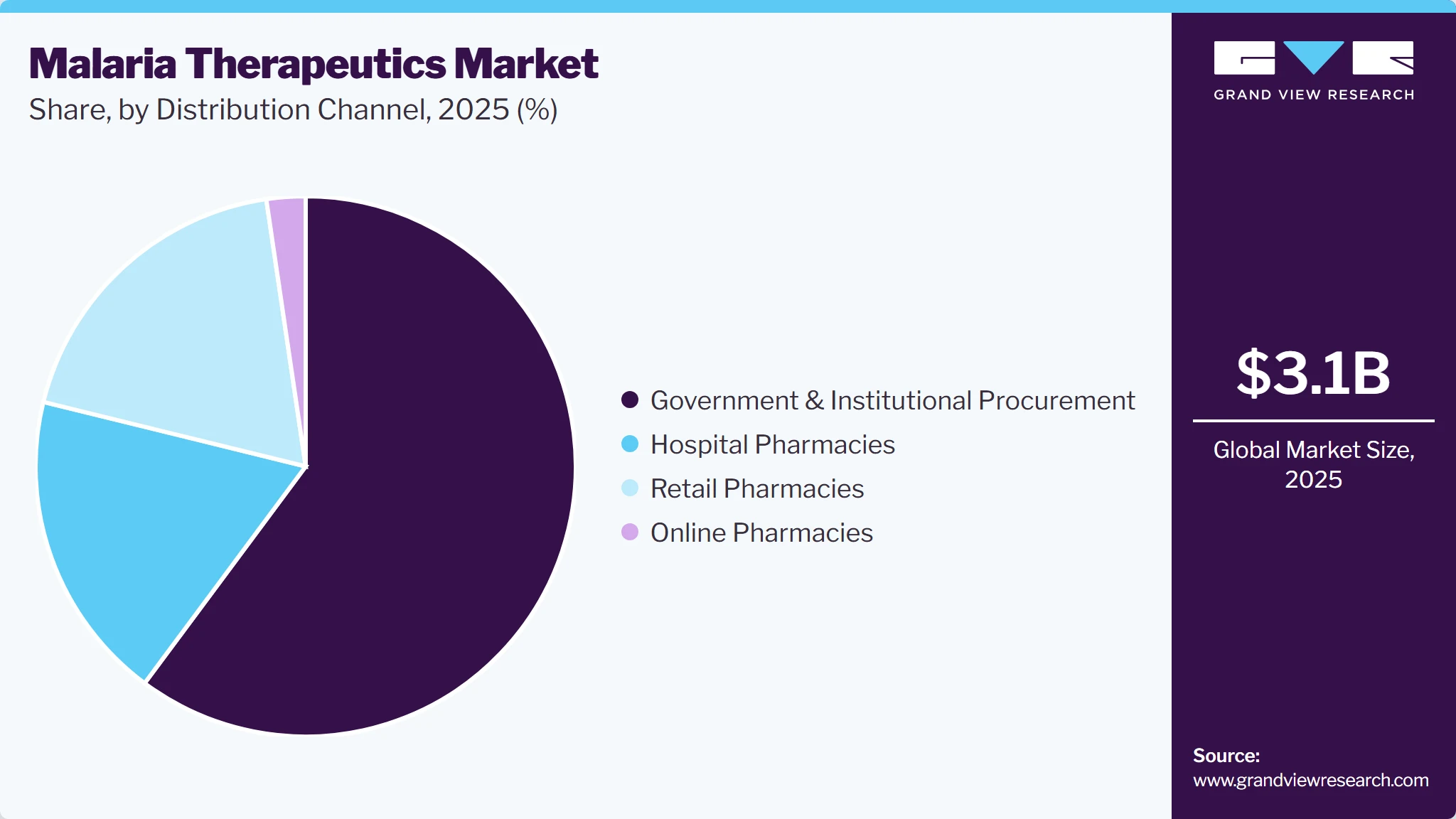
- By distribution channel: Government & institutional procurement segment held the largest market share of 60.2% in 2025.
Regional Highlights
- Largest regional market: Middle East & Africa (47.1% revenue share, 2025)
- Fastest-growing regional market: Asia Pacific (highest CAGR, 2026-2033)
- By country: The Saudi Arabia market held the largest market share in 2025.
Market Size & Forecast
- Market size in 2025: USD 3.1 Billion
- Estimated market size in 2026: USD 3.2 billion
- Projected market size by 2033: USD 5.0 Billion
- CAGR (2026-2033): 6.5%
Prism AI by Grand View Research Free to tryAsk a question about the malaria therapeutics marketTry asking✓Every figure cited from GVR research Prefer the report? Download free sample →
The malaria therapeutics industry growth is driven by the continued burden of malaria in endemic regions, particularly across sub-Saharan Africa and parts of the Asia Pacific, where sustained transmission creates consistent demand for effective treatment options.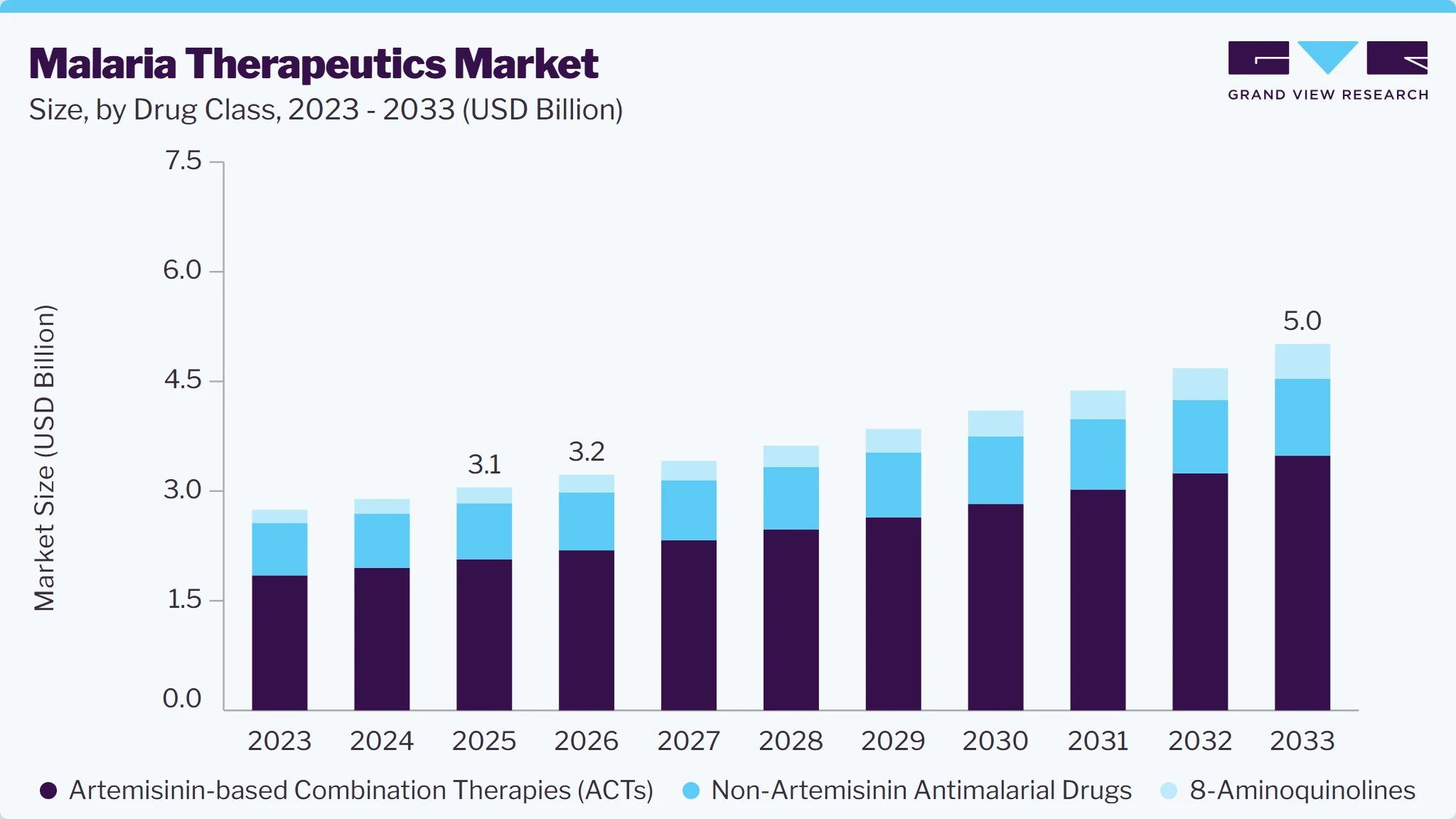 To learn more about this report, Download Free Sample Report
Growth in the market is supported by government-led malaria control programs, funding from international health organizations, and the increasing availability of artemisinin-based combination therapies (ACTs) through public health initiatives. Rising surveillance for drug-resistant Plasmodium falciparum strains has encouraged pharmaceutical companies and research organizations to advance the development of novel antimalarial therapies and combination regimens. In addition, improvements in diagnostic access and early case detection have strengthened timely treatment, contributing to better disease management. For instance, in July 2025, Novartis, in collaboration with Medicines for Malaria Venture (MMV), received Swissmedic approval for Coartem Baby (artemether-lumefantrine), the first malaria treatment specifically developed for newborns and young infants, addressing a long-standing treatment gap in malaria-endemic regions and supporting broader access to age-appropriate antimalarial therapies.
Market Dynamics
The malaria therapeutics market is driven by the continued advancement of novel antimalarial therapies designed to address emerging drug resistance and improve treatment outcomes across endemic regions. Pharmaceutical companies, product development partnerships, and global health organizations are investing in new combination therapies with differentiated mechanisms of action to strengthen the available treatment portfolio. These efforts are supported by increasing public and private funding for malaria research and by regulatory pathways that facilitate the development of medicines targeting neglected tropical diseases. The expansion of the clinical pipeline is expected to improve treatment availability for uncomplicated and drug-resistant malaria while supporting updates to national malaria treatment guidelines. In addition, ongoing innovation in combination regimens is helping reduce dependence on a limited number of existing therapies and is contributing to long-term disease control strategies. For instance, in November 2025, Novartis announced that ganaplacide-lumefantrine met the primary endpoint in the Phase III KALUMA trial for the treatment of uncomplicated Plasmodium falciparum malaria. The study enrolled 1,688 adults and children across 34 clinical sites in 12 African countries and demonstrated a PCR-corrected adequate clinical and parasitological response (ACPR) of 97.4% using the estimand method and 99.2% in the per-protocol analysis. Following these results, the company stated that it planned to submit the therapy for regulatory approval, supporting continued innovation in antimalarial therapeutics.
The emergence and spread of resistance to existing antimalarial therapies remain a significant restraint on the malaria therapeutics market. Resistance to artemisinin-based combination therapies in certain endemic regions has increased the need for continuous surveillance and regular updates to national treatment guidelines. The development of replacement therapies requires extensive clinical evaluation, regulatory review, and substantial financial investment, extending development timelines. Many malaria-endemic countries continue to depend on a limited number of approved therapeutic options, making treatment programs vulnerable when resistance reduces drug effectiveness. In addition, affordability constraints, limited healthcare infrastructure, and uneven access to newer medicines continue to restrict the adoption of alternative therapies in low-resource regions. Variations in parasite resistance patterns across countries also complicate treatment selection and procurement strategies. These challenges increase pressure on healthcare systems to maintain effective case management while supporting ongoing research into new mechanisms of action. Although multiple investigational therapies are progressing through clinical development, the availability of broadly accessible replacement treatments remains limited, slowing the transition away from therapies affected by resistance.
The continued expansion of collaborative research initiatives presents a significant opportunity for the malaria therapeutics market. Partnerships among pharmaceutical companies, non-profit product development organizations, academic institutions, and global health agencies are accelerating the development of new treatment options for malaria. These collaborations support clinical research, facilitate technology sharing, and improve access to funding for innovative antimalarial compounds. Increasing international commitments toward malaria elimination are also encouraging investment in therapies capable of addressing evolving resistance patterns and improving patient outcomes. In addition, broader access to diagnostic services and strengthened disease surveillance programs are supporting timely treatment initiation and appropriate therapeutic selection. Continued expansion of manufacturing capacity and regulatory cooperation across malaria-endemic countries is expected to improve the availability of quality-assured medicines while strengthening national malaria control programs. As additional pipeline therapies progress toward regulatory review, the market is expected to benefit from a broader treatment portfolio capable of addressing diverse patient populations and evolving clinical needs.
Market Concentration & Characteristics
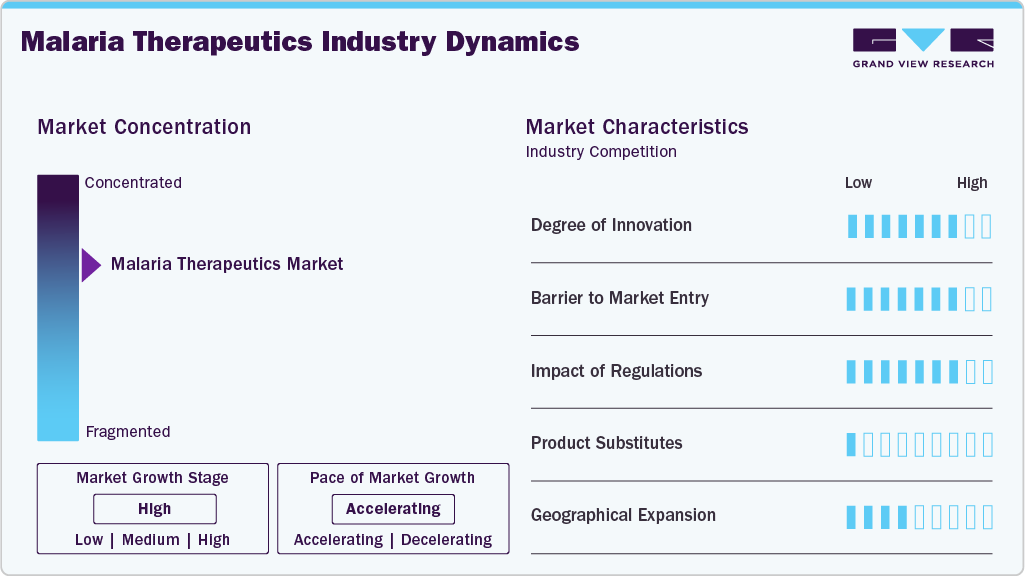
The degree of innovation is high in the malaria therapeutics market, driven by the development of next-generation antimalarial medicines to address artemisinin resistance, improve treatment efficacy, and expand therapeutic options for Plasmodium falciparum and Plasmodium vivax infections. Companies are focusing on novel combination therapies, single-dose regimens, pediatric formulations, and medicines for newborns and young infants. Product development partnerships such as Medicines for Malaria Venture (MMV) continue to accelerate clinical development by collaborating with pharmaceutical companies and research institutions. These efforts strengthen the treatment pipeline and support the introduction of therapies that address evolving parasite resistance and unmet patient needs.
Barriers to market entry are high because new antimalarial therapies require extensive clinical evaluation across malaria-endemic regions to demonstrate efficacy against multiple Plasmodium species and resistant parasite strains. Manufacturers must comply with regulatory requirements established by national authorities and obtain WHO prequalification to participate in procurement programs supported by organizations such as the Global Fund and UNICEF. In addition, large-scale manufacturing capacity, affordable pricing, and stable supply chains are essential to serve low- and middle-income countries where malaria burden remains high. These requirements increase development costs and create challenges for new market entrants.
 To learn more about this report, Download Free Sample Report
The impact of regulations is high because malaria therapeutics are closely governed by WHO treatment guidelines, national malaria control programs, and regulatory agencies responsible for medicine approval and post-marketing surveillance. Countries regularly revise treatment recommendations based on emerging resistance patterns and clinical evidence, directly influencing procurement and prescribing practices. WHO prequalification is a critical requirement for medicines supplied through international donor-funded procurement programs. In addition, manufacturers must comply with quality standards, pharmacovigilance requirements, and periodic regulatory reviews to maintain product availability. These regulatory frameworks significantly influence product adoption, market access, and long-term participation in the malaria therapeutics market.
Product substitutes are low because antimalarial medicines remain the only effective therapeutic option for treating confirmed malaria infections. Preventive measures such as insecticide-treated mosquito nets, indoor residual spraying, seasonal malaria chemoprevention, and malaria vaccines reduce disease incidence but do not replace therapeutic treatment once infection occurs. Artemisinin-based combination therapies continue to be the recommended first-line treatment for uncomplicated malaria, while injectable antimalarials remain essential for severe malaria management. Although treatment regimens vary according to parasite species and regional resistance patterns, few therapeutic alternatives provide comparable clinical effectiveness, resulting in limited substitution within the market.
Geographical expansion is moderate to high because pharmaceutical companies continue to increase the availability of antimalarial medicines across sub-Saharan Africa, Southeast Asia, and other malaria-endemic regions through collaborations with governments, Medicines for Malaria Venture (MMV), the Global Fund, UNICEF, and national malaria control programs. Regulatory harmonization initiatives and WHO prequalification have improved access to quality-assured medicines in multiple countries. In addition, investments in local distribution networks, manufacturing partnerships, and public health procurement programs are expanding treatment availability in underserved regions. These initiatives support broader patient access while strengthening the global supply of essential malaria therapeutics.
Analyst Perspective
The malaria therapeutics market is supported by continued investment in malaria control programs, government procurement of antimalarial medicines, and efforts to improve treatment access across endemic regions. Public health agencies, international organizations, and pharmaceutical companies continue to work together to strengthen medicine availability and support national malaria elimination strategies. The development of new antimalarial therapies and combination treatments to address drug resistance is expanding treatment options and supporting long-term disease management. In addition, improvements in diagnostic services, healthcare infrastructure, and local pharmaceutical manufacturing are contributing to a more reliable supply of quality-assured medicines. Regulatory agencies continue to support the evaluation and approval of new therapies through collaborative initiatives with global health organizations.
Drug Class Insights
The artemisinin-based combination therapies (ACTs) segment accounted for the largest market share of 67.7% in 2025. The segment dominates the malaria therapeutics market because ACTs remain the WHO-recommended first-line treatment for uncomplicated Plasmodium falciparum malaria across most endemic countries. Their established clinical efficacy, rapid parasite clearance, and ability to delay the development of resistance through combination therapy have supported widespread adoption. National malaria control programs, donor-funded procurement by organizations such as the Global Fund and UNICEF, and broad inclusion in essential medicines lists have strengthened product availability. In addition, the presence of multiple generic manufacturers has improved affordability and ensured a stable supply across low- and middle-income countries. Continued integration of ACTs into public healthcare programs and standardized treatment protocols has further reinforced their position as the leading drug class in the malaria therapeutics market.
The 8-aminoquinolines segment is projected to register the fastest CAGR of 10.3% during the forecast period. Growth is driven by the growing focus on the radical cure of Plasmodium vivax malaria by eliminating dormant liver-stage hypnozoites that cause disease relapse. Expanding malaria elimination programs are encouraging greater adoption of therapies that reduce recurrent infections and improve long-term treatment outcomes. Increased availability of glucose-6-phosphate dehydrogenase (G6PD) deficiency testing is also enabling safer use of this drug class in eligible patients. Furthermore, rising investments in P. vivax-specific disease management, updates to international treatment recommendations, and growing awareness among healthcare providers regarding relapse prevention are expected to support continued adoption of 8-aminoquinolines across endemic regions over the forecast period.
Therapeutic Indication Insights
The uncomplicated malaria segment accounted for the largest market share of 71.3% in 2025. The segment dominates the malaria therapeutics market because uncomplicated malaria represents the majority of diagnosed malaria cases globally, particularly infections caused by Plasmodium falciparum and Plasmodium vivax. Widespread implementation of WHO-recommended treatment guidelines has supported the routine use of effective antimalarial medicines immediately following diagnosis. National malaria control programs, donor-funded procurement initiatives, expanding diagnostic coverage, and increasing availability of quality-assured therapies have further strengthened treatment access. In addition, early diagnosis through rapid diagnostic tests and microscopy enables prompt therapeutic intervention, reducing disease progression and transmission. The presence of established treatment protocols across public healthcare systems and the broad availability of generic antimalarial medicines continue to reinforce the dominance of this therapeutic indication within the malaria therapeutics market.
The relapse prevention (radical cure) segment is projected to register the fastest CAGR of 8.6% during the forecast period. Growth is driven by the growing emphasis on eliminating dormant liver-stage hypnozoites that cause recurrent Plasmodium vivax malaria infections. Growing malaria elimination initiatives are encouraging healthcare systems to prioritize complete parasite clearance rather than treating only the acute blood-stage infection. Increasing adoption of glucose-6-phosphate dehydrogenase (G6PD) deficiency testing is enabling safer administration of radical cure therapies in eligible patients. In addition, expanding awareness among healthcare professionals regarding relapse prevention, updated clinical recommendations for P. vivax management, and greater investment in disease surveillance programs are supporting broader adoption of radical cure strategies. These factors are expected to drive sustained growth of this therapeutic indication across malaria-endemic countries over the forecast period.
Route of Administration Insights
The oral segment accounted for the largest market share of 85.2% in 2025. The segment dominates the malaria therapeutics market because oral formulations are the standard route of administration for uncomplicated malaria and are recommended in national and international treatment guidelines. Their ease of administration, suitability for outpatient treatment, and high patient compliance have supported widespread adoption across malaria-endemic countries. Oral antimalarial medicines are also easier to transport, store, and distribute through public healthcare systems and community health programs, improving treatment accessibility in remote areas. The availability of multiple generic formulations has strengthened affordability while ensuring consistent supply through government procurement programs and international donor agencies. In addition, oral therapies reduce the need for hospitalization and specialized healthcare infrastructure, reinforcing their position as the primary route of administration in malaria treatment.
The parenteral segment is projected to register the fastest CAGR of 8.7% during the forecast period. Growth is driven by the increasing emphasis on prompt management of severe malaria, particularly among pediatric patients and other high-risk populations requiring immediate medical intervention. Expanding access to hospital-based malaria treatment, improvements in emergency care services, and strengthening referral systems in endemic countries are supporting greater use of injectable antimalarial medicines. Government investments in critical care infrastructure and broader implementation of WHO recommendations for severe malaria management are also contributing to segment growth. In addition, increasing awareness regarding early treatment of severe malaria and expanding availability of injectable therapies in district hospitals and tertiary care facilities are expected to support continued adoption of the parenteral route during the forecast period.
Distribution Channel Insights
The government & institutional procurement segment accounted for the largest market share of 60.2% in 2025. The segment dominates as malaria treatment in endemic countries is primarily financed and distributed through government healthcare systems and international donor-supported procurement programs. Organizations such as the Global Fund, UNICEF, and national malaria control programs procure large volumes of quality-assured antimalarial medicines for public health facilities, ensuring broad patient access. Centralized procurement enables competitive pricing, uninterrupted product availability, and standardized treatment across healthcare facilities. In addition, WHO treatment recommendations and national essential medicines lists guide procurement decisions, while long-term supply agreements with pharmaceutical manufacturers support stable distribution. Continued investments in malaria elimination programs and public-sector healthcare infrastructure further reinforce the dominance of this distribution channel across malaria-endemic regions.
 To learn more about this report, Download Free Sample Report
The online pharmacies segment is projected to register the fastest CAGR of 13.6% during the forecast period. Growth is driven by the increasing digitalization of healthcare services and expanding internet access across developing countries. Rising adoption of e-pharmacy platforms is improving access to prescribed medicines, particularly in urban and semi-urban areas where digital health services are expanding. Improvements in electronic prescription systems, home delivery services, secure digital payment platforms, and smartphone penetration are encouraging greater use of online medicine purchasing channels. In addition, growing investments in digital healthcare infrastructure and increasing consumer preference for convenient medicine access are supporting segment growth. Regulatory frameworks governing online pharmaceutical sales are also becoming more structured in several countries, enabling licensed e-pharmacies to expand their presence and improve access to antimalarial medicines where permitted.
Regional Insights
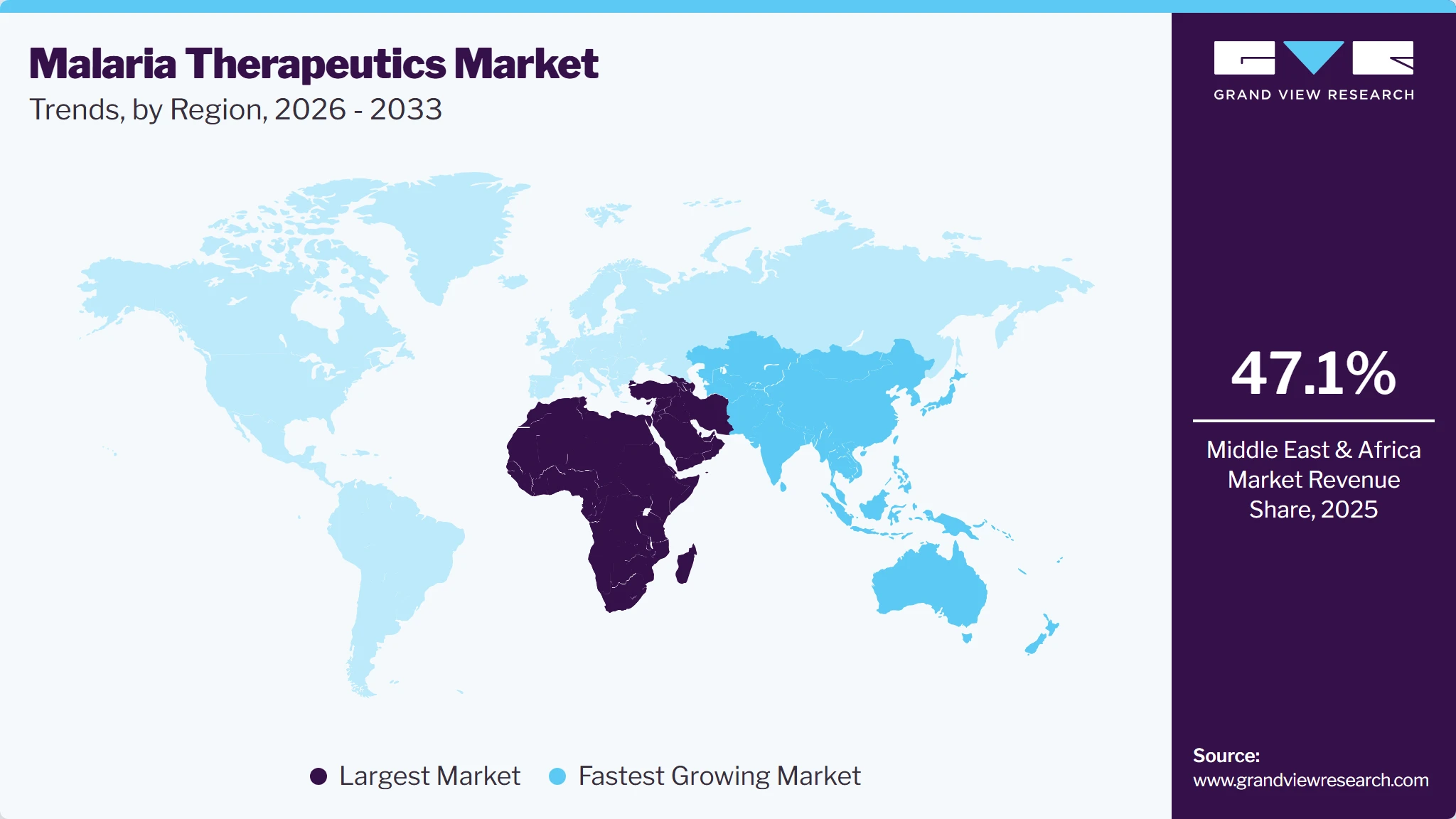
The malaria therapeutics market in the Middle East & Africa accounted for the largest market share of 47.1% in 2025, driven by the region's high malaria burden, expanding healthcare investments, and continued strengthening of malaria control programs across endemic countries. The market is supported by sustained government procurement of antimalarial medicines, increasing financial assistance from international organizations, and the expansion of public health programs focused on early diagnosis and effective case management. In addition, growing investments in local pharmaceutical manufacturing, regional medicine supply chains, and clinical research activities are improving the availability of quality-assured antimalarial therapies while supporting efforts to address antimalarial drug resistance. Countries including Nigeria, the Democratic Republic of the Congo, Uganda, Tanzania, Ghana, and Kenya continue to strengthen surveillance systems, expand healthcare infrastructure, and implement national malaria elimination strategies through partnerships with global health organizations. Furthermore, ongoing improvements in regulatory capacity, cross-border disease control initiatives, and healthcare access in underserved communities continue to support the long-term development of the Middle East & Africa malaria therapeutics market.
 To learn more about this report, Download Free Sample Report
Saudi Arabia Malaria Therapeutics Market Trends
The Saudi Arabia malaria therapeutics marketis supported by the country's expanding healthcare infrastructure, increasing pharmaceutical investments, and strong infectious disease surveillance programs. Although malaria transmission is limited, the market is driven by the continued management of imported malaria cases associated with international travel, expatriate populations, religious pilgrimages, and cross-border movement from neighboring endemic regions. In addition, Saudi Arabia is strengthening its healthcare ecosystem through investments under Vision 2030, modernization of hospital services, and expansion of pharmaceutical manufacturing capabilities to improve medicine availability and healthcare resilience. The country's regulatory framework, overseen by the Saudi Food and Drug Authority (SFDA), supports the availability and quality of antimalarial medicines through well-defined approval and quality assurance processes. Furthermore, continued government investment in disease surveillance, public health preparedness, digital healthcare infrastructure, and collaborations with regional and international health organizations support sustained access to malaria therapeutics and contribute to the long-term development of the Saudi Arabia malaria therapeutics market.
North America Malaria Therapeutics Market Trends
North America holds a significant position in the malaria therapeutics market, supported by its advanced healthcare infrastructure, strong pharmaceutical research capabilities, and continued investment in infectious disease preparedness. Although malaria is not endemic across most of the region, the market is sustained by a consistent number of imported malaria cases associated with international travel, immigration, military deployments, and humanitarian missions. Growing awareness among healthcare professionals, widespread availability of rapid diagnostic testing, and well-established clinical treatment guidelines contribute to timely diagnosis and appropriate therapeutic use. The presence of leading pharmaceutical companies, active participation in global malaria elimination initiatives, and sustained funding for antimalarial drug research support continued innovation in the region. In addition, collaborations among government agencies, academic institutions, and global health organizations to develop new antimalarial therapies and address emerging drug resistance further contribute to the growth of the North American malaria therapeutics market.
The malaria therapeutics market in the U.S. is supported by the country's established pharmaceutical innovation ecosystem, strong infectious disease research capabilities, and active participation in global malaria control programs. Although malaria is not endemic, the country maintains a consistent demand for antimalarial therapeutics due to imported infections associated with international travel, military deployment, immigration, and humanitarian operations. The presence of multinational pharmaceutical companies, biotechnology firms, and contract research organizations engaged in antimalarial drug development strengthens the domestic market while supporting global product supply. In addition, federal funding for neglected tropical disease research, public-private partnerships, and continued investment in clinical trials contribute to therapeutic innovation. A well-defined regulatory framework, advanced hospital infrastructure, specialized infectious disease centers, and broad availability of diagnostic services facilitate timely treatment and adoption of approved therapies. Furthermore, the U.S. serves as a strategic hub for product development, regulatory approvals, and international distribution of antimalarial medicines, reinforcing its importance in the global malaria therapeutics market.
Europe Malaria Therapeutics Market Trends
The malaria therapeutics industry in Europe demonstrates steady growth, supported by the region's established pharmaceutical manufacturing base, expanding antimalarial research activities, and continued participation in global malaria control programs. The market is driven by sustained investments in drug discovery, clinical development, and manufacturing of quality-assured antimalarial medicines through collaborations between pharmaceutical companies, research institutions, and international health organizations. In addition, the increasing number of imported malaria cases associated with international travel, migration, and humanitarian operations is supporting demand for accurate diagnosis and effective therapeutic management across hospital and specialty infectious disease centers. Countries including the UK, Germany, France, Switzerland, and Belgium play an important role in antimalarial research, regulatory evaluation, and pharmaceutical production, strengthening regional supply capabilities. Furthermore, Europe's well-established regulatory framework, publicly funded healthcare systems, and continued investment in surveillance of antimalarial drug resistance and tropical disease research support long-term market development, while collaboration with malaria-endemic regions continues to expand research and product development activities.
The UK malaria therapeutics market depicts steady growth, supported by the country's established infectious disease surveillance system, specialized tropical medicine services, and continued investment in global malaria research. The market is driven by a consistent number of imported malaria cases associated with international travel, migration, and humanitarian activities, creating sustained demand for antimalarial diagnosis and treatment within the National Health Service (NHS). In addition, the UK is strengthening its position through active participation in antimalarial drug discovery, clinical research, and global health partnerships led by organizations such as the Medicines for Malaria Venture (MMV), the London School of Hygiene & Tropical Medicine, and the Liverpool School of Tropical Medicine. Furthermore, the country's well-defined regulatory framework, strong clinical research infrastructure, and government support for international malaria elimination initiatives continue to facilitate therapeutic innovation and improve access to quality-assured antimalarial medicines, supporting the continued development of the UK malaria therapeutics market.
The malaria therapeutics market in Germany is supported by the country's strong pharmaceutical manufacturing sector, advanced biomedical research capabilities, and established infectious disease surveillance network. The market is driven by Germany's active role in antimalarial drug research through collaborations between pharmaceutical companies, academic institutions, and organizations specializing in tropical and infectious diseases. A steady number of imported malaria cases associated with international travel, migration, and business activities continues to sustain demand for antimalarial diagnosis and treatment across tertiary hospitals and specialized infectious disease centers. In addition, Germany's robust clinical trial infrastructure and participation in international research collaborations facilitate the evaluation of new antimalarial therapies and strategies to address drug resistance. The country's well-defined regulatory framework, high healthcare expenditure, and strong manufacturing capabilities for pharmaceutical products further support the availability of quality-assured malaria therapeutics, reinforcing Germany's position as an important contributor to the European malaria therapeutics market.
The France malaria therapeutics marketdemonstrates steady growth, supported by the country's established pharmaceutical research ecosystem, strong infectious disease expertise, and continued participation in international malaria control initiatives. The market is driven by sustained demand for antimalarial therapies across mainland France and its overseas territories, particularly French Guiana, where malaria remains a public health concern requiring continuous diagnosis and treatment. In addition, France is strengthening its position through active contributions from research organizations, including the Institut Pasteur and the French National Research Institute for Sustainable Development (IRD), which support antimalarial drug discovery, clinical research, and surveillance of drug-resistant malaria. Furthermore, the country's universal healthcare system, specialized tropical disease reference centers, well-established regulatory framework, and collaborations with global health organizations continue to facilitate access to quality-assured malaria therapeutics while supporting ongoing research and product development activities.
Asia Pacific Malaria Therapeutics Market Trends
The malaria therapeutics market in the Asia Pacific is projected to register the fastest CAGR of 7.9% over the forecast period, supported by the region's high malaria burden, expanding public health initiatives, and increasing investment in malaria elimination programs across endemic countries. The market is driven by continued government procurement of antimalarial medicines, large-scale disease surveillance programs, strengthening diagnostic infrastructure, and financial support from international organizations such as the Global Fund and the World Health Organization. In addition, the region is expanding local pharmaceutical manufacturing capabilities and increasing participation in clinical research to improve access to quality-assured antimalarial therapies and address emerging antimalarial drug resistance. Countries including India, Indonesia, Papua New Guinea, Myanmar, and Cambodia continue to implement national malaria control strategies focused on early diagnosis, effective treatment, and vector control. Furthermore, improvements in healthcare infrastructure, regulatory capacity, and cross-border collaborations for malaria surveillance and elimination continue to support the long-term development of the Asia Pacific malaria therapeutics market.
The Japan malaria therapeutics market is supported by the country's advanced pharmaceutical industry, established infectious disease research capabilities, and strong regulatory environment. The market is driven by sustained demand for antimalarial diagnostics and therapeutics associated with imported malaria cases resulting from international travel, overseas business activities, and humanitarian missions. In addition, Japan continues to strengthen its position through pharmaceutical research, clinical development, and international collaborations involving organizations such as the National Center for Global Health and Medicine (NCGM) and the Japan International Cooperation Agency (JICA), supporting the development and evaluation of antimalarial therapies. Furthermore, the country's advanced hospital infrastructure, efficient regulatory processes, and robust infectious disease surveillance system facilitate timely access to quality-assured malaria therapeutics. Continued government investment in global health partnerships and pharmaceutical innovation further supports research activities and the long-term development of the Japan malaria therapeutics market.
The malaria therapeutics market in China has gained traction from the country's extensive pharmaceutical manufacturing base, established infectious disease research capabilities, and continued participation in global malaria elimination initiatives. Although indigenous malaria transmission has been eliminated, the market is driven by sustained demand for antimalarial therapeutics associated with imported malaria cases, cross-border population movement, and overseas commercial activities in malaria-endemic regions. In addition, China continues to strengthen its position through pharmaceutical innovation, large-scale production of antimalarial medicines, and research programs focused on improving therapeutic efficacy and addressing antimalarial drug resistance. The country's well-developed regulatory framework, expanding clinical research infrastructure, and strong manufacturing capabilities facilitate the development, production, and supply of quality-assured antimalarial therapies for both domestic use and international procurement. Furthermore, continued government support for infectious disease surveillance, global health collaborations, and pharmaceutical research reinforces China's role as an important contributor to the long-term development of the malaria therapeutics market.
Latin America Malaria Therapeutics Market Trends
The malaria therapeutics market in Latin America is supported by the continued implementation of malaria control programs, strengthening pharmaceutical supply systems, and sustained investment in infectious disease management across malaria-endemic countries. The market is driven by government procurement of antimalarial medicines, expanded access to diagnostic services, and coordinated malaria elimination strategies led by national health authorities in collaboration with international organizations. In addition, regional pharmaceutical manufacturers and public health institutions continue to support the production, distribution, and evaluation of antimalarial therapies, while clinical research activities contribute to improving treatment effectiveness and monitoring antimalarial drug resistance. Countries including Brazil, Colombia, Peru, Venezuela, and Guyana continue to strengthen surveillance systems, expand healthcare access in remote endemic areas, and enhance cross-border malaria control initiatives. Furthermore, ongoing improvements in regulatory oversight, healthcare infrastructure, and regional collaborations support the availability of quality-assured malaria therapeutics and contribute to the long-term development of the Latin America malaria therapeutics market.
The malaria therapeutics market in Brazil is supported by the country's established public healthcare system, expanding pharmaceutical manufacturing capabilities, and continued investment in malaria control across endemic regions. The market is driven by sustained government procurement of antimalarial medicines through the Unified Health System (SUS), particularly for the Amazon region, where malaria control remains a public health priority. In addition, Brazil continues to strengthen its position through infectious disease research conducted by institutions such as the Oswaldo Cruz Foundation (Fiocruz) and collaborations focused on improving malaria diagnosis, therapeutic effectiveness, and surveillance of antimalarial drug resistance. The country's domestic pharmaceutical production capacity, well-defined regulatory framework under ANVISA, and integrated disease surveillance network support the consistent availability and quality of antimalarial therapeutics. Furthermore, continued government investment in healthcare infrastructure, research partnerships, and malaria elimination initiatives strengthens treatment access in remote endemic communities and supports the long-term development of the Brazil malaria therapeutics market.
Key Malaria Therapeutics Company Insights
The malaria therapeutics market is moderately consolidated, with competition centered on companies possessing established manufacturing capabilities, global distribution networks, and long-term participation in institutional procurement programs. Novartis AG maintains a leading position through its collaboration with Medicines for Malaria Venture (MMV), diversified antimalarial portfolio, and extensive presence in malaria-endemic countries. GSK plc and Sanofi strengthen their competitive positions through infectious disease portfolios, strategic collaborations, and participation in global malaria control initiatives. Indian manufacturers, including Cipla Limited, Ipca Laboratories Limited, Sun Pharmaceutical Industries Limited, Ajanta Pharma Limited, and Strides Pharma Science Limited, serve as major suppliers of cost-effective generic antimalarial medicines, supported by large-scale manufacturing capacity and established participation in government and donor-funded procurement programs. Shin Poong Pharmaceutical Co., Ltd. focuses on expanding its antimalarial portfolio through product development and clinical research, while KPC Pharmaceuticals, Inc. supports the market through the production of antimalarial active pharmaceutical ingredients and finished formulations. Competitive differentiation is primarily based on manufacturing scale, regulatory compliance, product quality, pricing strategies, supply reliability, geographic reach, and participation in international procurement programs.
Key Malaria Therapeutics Companies
The following key companies have been profiled for this study on the malaria therapeutics market.
-
Novartis AG
-
GSK plc
-
Sanofi
-
Cipla Limited
-
Ipca Laboratories Limited
-
Sun Pharmaceutical Industries Limited
-
Ajanta Pharma Limited
-
Strides Pharma Science Limited
-
Shin Poong Pharmaceutical Co., Ltd.
-
KPC Pharmaceuticals, Inc.
Competitive Benchmarking
Operating Strategies
Competitive Edge
Weaknesses
- Mature Players: Novartis AG.
- Mature companies focus on expanding antimalarial product portfolios through new formulations, lifecycle management, regulatory approvals, and partnerships with organizations such as WHO, UNICEF, and MMV. They strengthen manufacturing capacity, secure participation in institutional procurement programs, and expand supply networks across malaria-endemic countries to maintain long-term market presence.
- Mature companies maintain competitive advantage through WHO-prequalified antimalarial portfolios, established manufacturing capacity, regulatory compliance, and long-term participation in Global Fund, UNICEF, and government procurement programs. Their supply reliability, broad geographic presence, and strategic collaborations with global health organizations support consistent access to malaria therapeutics across endemic countries.
- Mature companies face pricing pressure from generic manufacturers, compliance with evolving regulatory requirements, and dependence on government and donor-funded procurement. Large operational structures may reduce flexibility in responding to procurement changes, shifting treatment guidelines, and competitive pricing across malaria-endemic countries.
- Emerging Players: Sun Pharmaceutical Industries Limited
- Emerging companies emphasize affordable generic antimalarial medicines, API manufacturing, and product portfolio expansion. Their strategies include regional market expansion, contract manufacturing, technology collaborations, regulatory approvals, and participation in government procurement programs to strengthen their presence in malaria-endemic regions and broaden commercial opportunities.
- Emerging companies compete through cost-efficient manufacturing, expanding generic antimalarial portfolios, and increasing participation in regional procurement programs. Their manufacturing flexibility, API production capabilities, and expanding regulatory approvals enable wider access to affordable therapies while strengthening their presence in malaria-endemic markets through regional distribution partnerships.
- Emerging players often face limited manufacturing capacity, lower brand recognition, funding dependency, and restricted global commercialization capabilities. They may also experience difficulties in scaling production, achieving widespread regulatory approvals, conducting large clinical trials, and competing with multinational pharmaceutical companies possessing stronger financial resources and broader distribution networks.
Recent Developments
-
In July 2025, Novartis AG received Swissmedic approval for Coartem Baby (artemether-lumefantrine), the first malaria treatment specifically indicated for newborns and young infants weighing less than 5 kg. Developed in collaboration with Medicines for Malaria Venture (MMV), the therapy is intended for use in malaria-endemic countries.
-
In June 2025, GSK plc expanded its collaboration with Bharat Biotech to reduce the cost and increase the manufacturing capacity of the RTS, S malaria vaccine, supporting broader access to malaria prevention across endemic countries.
Malaria Therapeutics Market Report Scope
Report Attribute
Details
Market size in 2025
USD 3.1 billion
Estimated market size in 2026
USD 3.2 billion
Projected market size by 2033
USD 5.0 billion
Growth rate
CAGR of 6.5% from 2026 to 2033
Base year for estimation
2025
Historical data
2021 - 2024
Forecast period
2026 - 2033
Quantitative units
Revenue in USD billion and CAGR from 2026 to 2033
Report coverage
Revenue forecast, company ranking, competitive landscape, growth factors, trends
Segments covered
Drug class, therapeutic indication, route of administration,distribution channel, region
Regional scope
North America; Europe; Asia Pacific; Latin America; Middle East & Africa
Country scope
U.S.; Canada; Mexico; UK; Germany; France; Italy; Spain; Denmark; Sweden; Norway; China; Japan; India; Australia; South Korea; Thailand; Brazil; Argentina; South Africa; Saudi Arabia; UAE; Kuwait
Key company profiled
Novartis AG; GSK plc; Sanofi; Cipla Limited; Ipca Laboratories Limited; Sun Pharmaceutical Industries Limited; Ajanta Pharma Limited; Strides Pharma Science Limited; Shin Poong Pharmaceutical Co., Ltd.; KPC Pharmaceuticals, Inc.
Customization scope
Free report customization (equivalent up to 8 analysts working days) with purchase. Addition or alteration to country, regional & segment scope.
Pricing and purchase options
Avail customized purchase options to meet your exact research needs. Explore purchase options
Global Malaria Therapeutics Market Report Segmentation
This report forecasts revenue growth at global, regional, and country levels and provides an analysis of the latest industry trends in each of the sub-segments from 2021 to 2033. For this study, Grand View Research has segmented the global malaria therapeutics market report based on drug class, therapeutic indication, route of administration, distribution channel, and region:
-
Drug Class Outlook (Revenue, USD Billion, 2021 - 2033)
-
Artemisinin-based Combination Therapies (ACTs)
-
Non-Artemisinin Antimalarial Drugs
-
8-Aminoquinolines
-
-
Therapeutic Indication Outlook (Revenue, USD Billion, 2021 - 2033)
-
Uncomplicated Malaria
-
Severe Malaria
-
Relapse Prevention (Radical Cure)
-
Malaria Chemoprophylaxis
-
-
Route of Administration Outlook (Revenue, USD Billion, 2021 - 2033)
-
Oral
-
Parenteral
-
-
Distribution Channel Outlook (Revenue, USD Billion, 2021 - 2033)
-
Hospital Pharmacies
-
Retail Pharmacies
-
Online Pharmacies
-
Government & Institutional Procurement
-
-
Regional Outlook (Revenue, USD Billion, 2021 - 2033)
-
North America
-
U.S.
-
Canada
-
Mexico
-
-
Europe
-
UK
-
Germany
-
France
-
Italy
-
Spain
-
Denmark
-
Sweden
-
Norway
-
-
Asia Pacific
-
Japan
-
China
-
India
-
Australia
-
South Korea
-
Thailand
-
-
Latin America
-
Brazil
-
Argentina
-
-
Middle East & Africa
-
South Africa
-
Saudi Arabia
-
UAE
-
Kuwait
-
-
Research Methodology
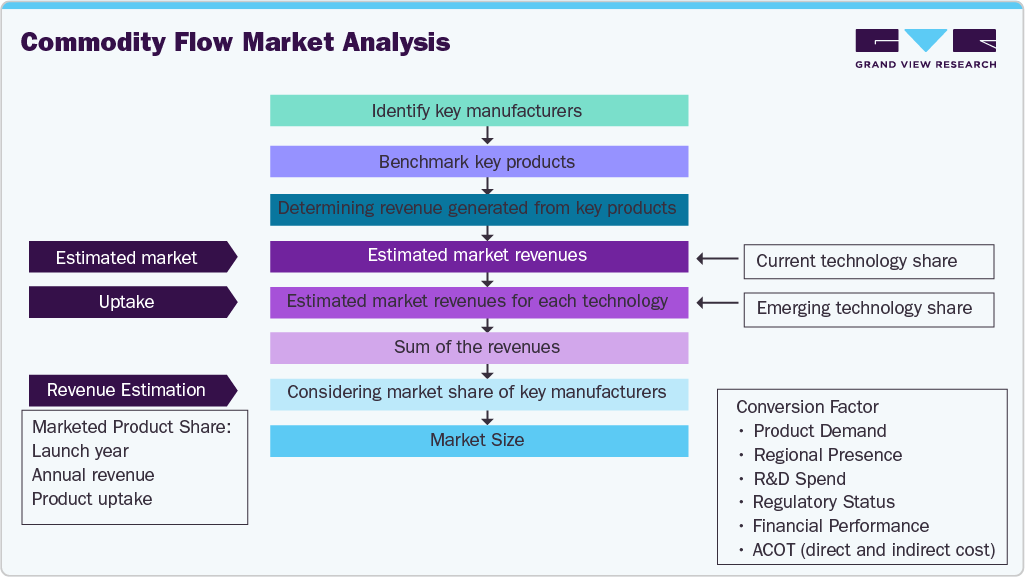
The malaria therapeutics market figures in this report are based on a proven research process that combines executive interviews with secondary research from proprietary databases, company filings, and recognized regulatory and institutional sources. Market size is built through value-chain sizing - reconciling supply-side and demand-side estimates - and triangulated with bottom-up and top-down approaches. Every estimate passes multiple levels of expert validation before publication, with each malaria therapeutics segment quantified using the revenue-capture definitions in the table below.
Segment Definition
Segment - Drug Class
Revenue capture definition
Artemisinin-based Combination Therapies (ACTs)
Antimalarial medicines containing an artemisinin derivative combined with one or more partner drugs to improve therapeutic efficacy and reduce the risk of parasite resistance. These therapies are primarily indicated for the treatment of uncomplicated malaria and exclude non-artemisinin therapies and 8-aminoquinolines.
Non-Artemisinin Antimalarial Drugs
Antimalarial medicines that do not contain artemisinin derivatives and include quinoline compounds, antifolates, antibiotics, and other therapeutic agents used for malaria treatment or prevention. This segment excludes artemisinin-based combination therapies and 8-aminoquinolines.
8-Aminoquinolines
Antimalarial medicines belonging to the 8-aminoquinoline class that target dormant liver-stage parasites to prevent malaria relapse. These therapies are primarily used for radical cure of Plasmodium vivax and Plasmodium ovale infections and are classified separately from other antimalarial drug classes.
Segment - Therapeutic Indication
Revenue capture definition
Uncomplicated Malaria
Therapies indicated for the treatment of malaria cases without severe clinical manifestations. This segment includes medicines administered according to standard treatment guidelines to eliminate blood-stage parasites and manage uncomplicated infections.
Severe Malaria
Therapies indicated for the treatment of severe malaria presenting with serious clinical manifestations requiring immediate therapeutic intervention. The segment includes medicines used in intensive clinical management of severe disease.
Relapse Prevention (Radical Cure)
Therapies administered to eliminate dormant liver-stage parasites following primary malaria treatment to reduce the risk of disease recurrence. This segment primarily addresses relapse associated with Plasmodium vivax and Plasmodium ovale infections.
Malaria Chemoprophylaxis
Antimalarial medicines administered before, during, or after exposure to malaria-endemic regions to reduce the risk of malaria infection. This segment includes preventive therapies and excludes medicines prescribed for active malaria treatment.
Segment - Route of Administration
Revenue capture definition
Oral
Antimalarial medicines formulated for administration by mouth, including tablets, capsules, dispersible tablets, granules, and oral suspensions. This segment includes all orally administered formulations regardless of therapeutic indication or distribution channel.
Parenteral
Antimalarial medicines formulated for intravenous or intramuscular administration to enable rapid systemic drug delivery. This segment includes injectable formulations and excludes all orally administered antimalarial medicines.
Segment - Distribution Channel
Revenue capture definition
Hospital Pharmacies
Distribution of antimalarial medicines through pharmacy departments within hospitals and healthcare institutions. This segment includes medicines supplied for inpatient and outpatient treatment through hospital-based dispensing systems.
Retail Pharmacies
Distribution of antimalarial medicines through licensed community pharmacies, independent pharmacies, and retail pharmacy chains. This segment includes medicines dispensed directly to patients through physical retail pharmacy outlets.
Online Pharmacies
Distribution of antimalarial medicines through licensed digital pharmacy platforms that dispense prescription medicines and provide direct-to-patient delivery in accordance with applicable regulatory requirements.
Government & Institutional Procurement
Procurement and distribution of antimalarial medicines by government agencies, public health authorities, international organizations, humanitarian agencies, and institutional purchasers through centralized purchasing programs supporting malaria control and elimination initiatives.
Estimation Model
 To learn more about this report, Download Free Sample Report
Delivered Customizations
This report has been delivered with the following In-depth customizations
Client Request
Customization Delivered
Value Adds
Global Malaria Therapeutics Market Opportunity Assessment (North America, Europe, Asia Pacific, Latin America & Middle East & Africa)
Conducted a comprehensive assessment of malaria therapeutics market opportunities across key regions and endemic countries. The study evaluated treatment guidelines, procurement mechanisms, regulatory frameworks, product availability, pricing trends, distribution channels, and manufacturer presence for antimalarial medicines across public and private healthcare systems.
Helped the client identify priority growth markets, optimize regional expansion strategies, evaluate procurement opportunities, and strengthen competitive positioning. The study also supported long-term business planning by identifying treatment access gaps, government procurement trends, and investment opportunities across malaria-endemic countries.
Antimalarial Therapeutics Pipeline & Competitive Benchmarking
Delivered a detailed benchmarking analysis of marketed antimalarial products and pipeline therapies. The assessment covered clinical development activities, strategic collaborations, licensing agreements, product portfolios, manufacturing capabilities, regulatory approvals, and competitive positioning across artemisinin-based combination therapies, injectable antimalarials, and novel therapeutic candidates globally.
Enabled the client to identify partnership and licensing opportunities, evaluate competitive product portfolios, and prioritize investment across pipeline assets. The analysis also supported portfolio expansion, manufacturing strategy, and competitive intelligence initiatives while improving long-term commercialization planning in the malaria therapeutics market.
Emerging Market Malaria Therapeutics Access & Procurement Assessment
Conducted a country-level assessment of antimalarial medicine access and procurement across major malaria-endemic countries in Africa, Asia Pacific, and Latin America. The study analyzed healthcare infrastructure, procurement systems, distribution networks, regulatory environments, local manufacturing capabilities, and public health initiatives supporting malaria treatment access.
Supported market expansion planning by identifying procurement opportunities, distribution gaps, regulatory considerations, and country-specific access challenges. The study also helped improve resource allocation, strengthen regional market entry strategies, and identify long-term commercial opportunities within government-funded and institutional malaria treatment programs.
Frequently Asked Questions About This Report
The global malaria therapeutics market size was valued at USD 3.1 billion in 2025 and is estimated at USD 3.2 billion for 2026.
The global malaria therapeutics market is expected to grow at a CAGR of 6.5% from 2026 to 2033, reaching USD 5.0 billion by 2033.
Key factors include the persistent malaria burden in endemic regions, increasing government and international funding for malaria control programs, growing adoption of artemisinin-based combination therapies (ACTs), advancements in antimalarial drug development, and expanding access to rapid diagnosis and effective treatment.
Middle East & Africa dominated the global malaria therapeutics market with a 47.1% revenue share in 2025.
Asia Pacific is the fastest-growing region over the forecast period.
The uncomplicated malaria segment accounted for the largest revenue share of 71.3% in 2025, while the relapse prevention (radical cure) segment is projected to register the fastest growth during the forecast period.
The oral route of administration dominated the market with an 85.2% revenue share in 2025, while the parenteral segment is expected to witness the fastest growth over the forecast period.
Key players include Novartis AG, GSK plc, Sanofi, Cipla Limited, Ipca Laboratories Limited, Sun Pharmaceutical Industries Limited, Ajanta Pharma Limited, Strides Pharma Science Limited, Shin Poong Pharmaceutical Co., Ltd., and KPC Pharmaceuticals, Inc.
The artemisinin-based combination therapies (ACTs) segment led the market with a 67.7% revenue share in 2025, while 8-aminoquinolines is expected to be the fastest-growing drug class.
About the Author(s)
Pharmaceuticals Research Team
Healthcare · PharmaceuticalsThis report was authored by the pharmaceuticals research team at Grand View Research - comprising two research analysts, one senior research analyst, and one industry expert - with specialized expertise in the pharmaceuticals segment of the healthcare industry. All findings are based on proprietary healthcare databases, executive interviews, and regulatory analysis, subject to internal peer review prior to publication.
Last Updated:
Speak to Analyst

Customize this report to your needs - add regions, segments, or data points, with 20% free customization.
Or view our licence options:


ISO 9001:2015 & 27001:2022 Certified
We are GDPR and CCPA compliant! Your transaction & personal information is safe and secure. For more details, please read our privacy policy.


