
- Home
- »
- Medical Devices
- »
-
Minimally Invasive Surgery Market Size Report, 2026-2033GVR Report cover

Minimally Invasive Surgery Market (2026 - 2033)
Size, Share & Trends Analysis Report By Surgical Specialty (General Surgery, Gynecological Surgery), By Method (Laparoscopic, Robotic-assisted), By End Use (Hospitals, ASCs), By Region And Segment Forecasts
Market Size, 2025
$518.3BMarket Estimate, 2026
$553.3BMarket Forecast, 2033
$946.5BCAGR, 2026–2033
8.0%Minimally Invasive Surgery Market Trends
The global minimally invasive surgery market size was valued at USD 518.3 billion in 2025 and is projected to grow from USD 553.3 billion in 2026 to USD 946.5 billion by 2033, growing at a CAGR of 8.0% from 2026 to 2033. North America dominated the global market with the largest revenue share of 37.4% in 2025. The industry outlook is attributed to technological advancements, a growing geriatric population, and an increasing chronic disease burden.
 Source: Grand View Research, IR Documents, Primary Interviews, Paid DatabasesTo learn more about this report,
 Download Free Sample Report
 Key Market Trends & Insights
- By surgical specialty: Gynecological surgery segment held the highest market share of 33.4% in 2025.
- By method: Robotic-assisted surgery segment held a leading market share of 33.9% in 2025.
- Based on end use: Hospitals segment held the highest market share of 55.7% in 2025.
Regional Highlights
- Largest regional market: North America (37.4% revenue share, 2025)
- Fastest-growing regional market: Asia Pacific (highest CAGR, 2026-2033)
- By country: The U.S. held the largest market share in 2025.
Market Size & Forecast
- Market size in 2025: USD 518.3 Billion
- Estimated market size in 2026: USD 553.3 Billion
- Projected market size by 2033: USD 946.5 Billion
- CAGR (2026-2033): 8.0%
Three ways to get this report
Buy it, customize it, or ask a question.Ask an Analyst
Analyst response in 1 business day
- AccessReport author, directly
- Reply timeWithin 1 working day
- No sales callDirect answer only
- FormatEmail reply
- CostFree, no cost
Get the Full Report
What the study covers
- FormatsPDF · Excel · Dashboard
- Timeline2026–2033 annual, 2025 base
- Coverage20+ countries, 5 regions
- Companies10+ key players profiled
Customize the Report
20% free customization
- IncludeCountries, segments, points
- TailorTo your product definition
- ExtendDeeper competitor detail
- OrA fully bespoke study
- Turnaround5–10 working days
An important growth driver of minimally invasive surgery is the rising global surgical volume combined with a strong preference for less invasive approaches. Minimally invasive surgeries have steadily increased over the years, becoming the preferred approach for many procedures due to their safety and faster recovery benefits. In July 2025, a research article noted that minimally invasive surgeries were linked with increased clinical outcomes, such as shorter hospital stays, fewer complications, and decreased recovery time. Furthermore, the report explains that when a hospital adopts the concept of MIS, the overall rate of minimally invasive surgery, such as laparoscopic or robotic, is likely to increase quickly, as both patients and surgeons prefer this method. These observations illustrate that the upward trajectory of surgical volumes, combined with the changing practice towards minimally invasive surgical techniques, is a large part of the current growth of this sector.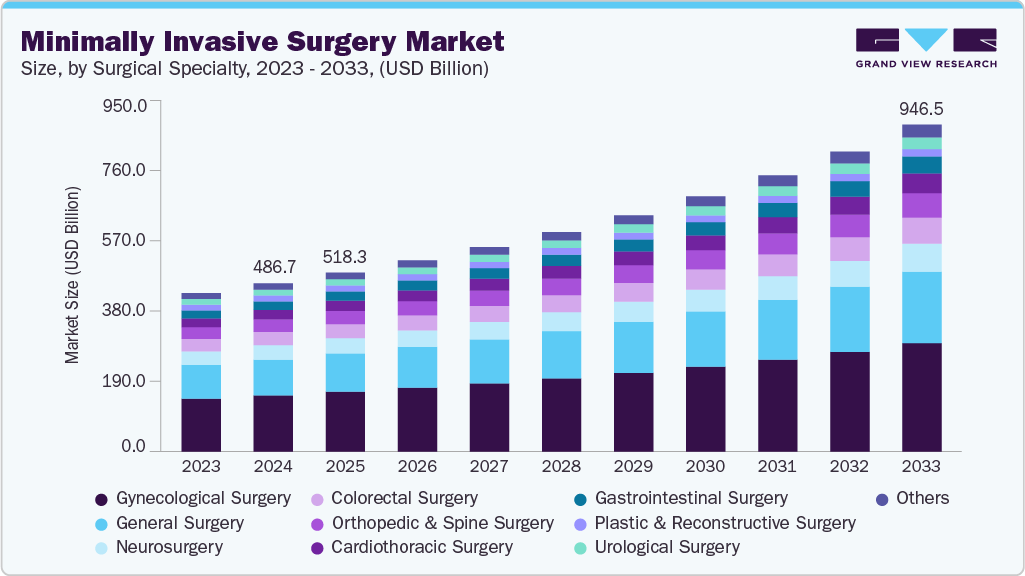 To learn more about this report, Download Free Sample Report
 Minimally invasive surgery usage varies significantly between low- and middle-income countries (LMICs) and high-income countries (HICs). The main reasons are that the healthcare infrastructure, the surgical experts, and the resources are very different in these two. For example, in LMICs such as Uganda, Malaysia, and Vietnam, around 90% of MIS surgeries belong to the gynecology department, which includes uterine surgeries, appendectomy, and cholecystectomy. Those are the most common surgeries, and the local hospitals have the necessary instruments to perform them. Japan, Singapore, and the U.S. have fewer limitations on health care resources, and they can go a step further in the use of MIS for the various numbers of surgeries that they want to include in their operation profile, such as choledochal cyst excision and thoracic surgery that require not only the equipment but also the surgeon to train in that. The types of MIS procedures in different countries depend on healthcare resources and the system's maturity level.
Commonly Performed Minimally Invasive Surgeries by Country Income Group
Country Group
Country Name
Most commonly performed MIS
Low and middle-income countries
Uganda, Malaysia, Vietnam
Appendectomy (57%), Cholecystectomy (53%), Uterine surgery (71%), Antireflux procedures (57%)
High-Income Countries
Japan, Singapore, U.S
Inguinal hernia repair (57%), Choledochal cyst excision (100%), Thoracic cases (71%)
Source: GVR Analysis
The use of minimally invasive surgeries has significantly evolved due to technological advancements such as intraoperative imaging, navigation systems, augmented reality, and computational planning. These all enhance precision, visualization, and surgical outcomes, and help increase the use of minimally invasive procedures. Globally, hospitals and surgical centers are increasingly acquiring minimally invasive surgical technologies and enlarging their capabilities. For instance, in January 2024, a report by Vinita Health mentioned the benefits of minimally invasive surgery, underlines the use of robotic-assisted laparoscopic systems in various procedures, which allow health care professionals to carry out complicated surgeries more accurately. These technologies help reduce the risk of infection, shorten recovery times, and improve overall patient outcomes. A range of specialized instruments, capital equipment, and consumables is used to enable these advancements in minimally invasive surgery. Key examples of these devices are summarized in the table below.
Types of Minimally Invasive Surgery Devices, by Category
Minimally Invasive Product Categories
Devices
Instruments
• Endoscopes & Laparoscopes
• Surgical Cameras
• Energy-Based Devices
• Sealing & Stapling Devices
• Suction & Irrigation Systems
• Tumor Localization Systems
• Ligation Clips & Dilators
• Specimen Retrieval Systems
• Magnetic Millirobots
Capital Equipment
• Robotic Surgical Systems (da Vinci)
• Inflation Devices (Insufflators)
• Monitoring & Visualization Devices
• Surgical Access Devices
Consumables
• Hemostatic Agents & Adhesive Sealants
• Ligation Clips (single use)
• Stapler Cartridges (disposable)
• Single-Use Specimen Bags
• Disposable insufflation tubing/single-use trocars
Source: Company Websites, GVR Analysis
Advances in minimally invasive surgery are driving the global market, with a mix of cutting-edge tools, specialized equipment, and supportive supplies that make procedures safer, faster, and more precise. As patients and healthcare providers seek shorter hospital stays, quicker recoveries, and lower costs, the demand for these technologies is growing worldwide. Using robotics, real-time imaging, and next-generation navigation systems has opened new procedures that can be done through smaller incisions, leading to better clinical outcomes with less patient trauma. At the same time, improvements in disposable components and other surgical aids are boosting safety and efficiency, especially in high-volume surgical centers. These advancements are part of a global shift toward precise, technology-driven care that prioritizes patient comfort without sacrificing surgical effectiveness.
Surgical Specialty
2024
2025
2033
Gynecological Surgery
162.7
173.1
314.2
General Surgery
103.7
110.7
206.4
Neurosurgery
41.7
44.4
81.5
Colorectal Surgery
38.0
40.5
74.8
Orthopedic & Spine Surgery
36.4
38.8
71.3
Cardiothoracic Surgery
27.3
29.3
56.9
Gastrointestinal Surgery
24.9
26.5
49.3
Urological Surgery
17.2
18.3
33.8
Plastic & Reconstructive Surgery
17.1
17.5
21.4
Bariatric Surgery
12.4
13.3
26.3
Vascular & Endoscopic Surgery
5.3
5.6
10.8
Total
486.72
518.27
946.50
Another key reason behind the increasing adoption of minimally invasive surgery is the expanding geriatric population and the rising burden of chronic diseases. Elderly patients frequently face higher surgical risk and increased recovery time. Hence, the demand for safer and minimally invasive surgical techniques is more critical than ever. Minimally Invasive Surgery approaches are performed through small incisions, which optimize benefit to patients by minimizing trauma, blood loss, and recovery time. For chronic diseases, such as coronary heart disease and chronic pancreatitis, laparoscopic surgery and robotic assisted minimally invasive surgery can yield reliable results with decreased scarring, a reduced likelihood of infection, and a shorter duration of hospital stay, all of which improve quality of life.
Case Study: AI-Guided Solo Surgery: Advancing Precision and Efficiency in Minimally Invasive Procedures
Dr. Ricardo Funke performed a groundbreaking procedure at Clinica Las Condes in Santiago, Chile, using an AI-powered camera system. He successfully removed a patient's gall bladder entirely on his own. The intelligent camera, equipped with artificial intelligence, tracked Dr. Funke’s surgical tools and adjusted its angle, eliminating the need for a second person in the operating room. By leveraging AI, Dr. Funke made the operation more efficient and precise, potentially reducing the need for additional assistants. This innovative surgery showcases how AI can enhance surgical procedures, lower staffing requirements, and reduce healthcare costs worldwide. It also highlights a global trend toward using robotic and AI-based tools to make surgery safer, more efficient, and increasingly automated.
To better understand the impact of AI-guided solo surgery, the table below compares traditional minimally invasive surgeries with AI-assisted procedures, highlighting how AI enhances precision, reduces the need for human assistants, and improves efficiency.
Comparison Between Traditional Minimally Invasive Surgeries and AI-assisted Procedures
Factors
Traditional Surgery
AI-Guided Solo Surgery
Assistants Required
1-2 human assistants
None (AI camera)
Camera Control
Manual
Automated by AI
Precision
High, depends on the team
Very high, AI-assisted
Recovery & Efficiency
Standard
Faster, more precise
Source: Reuters
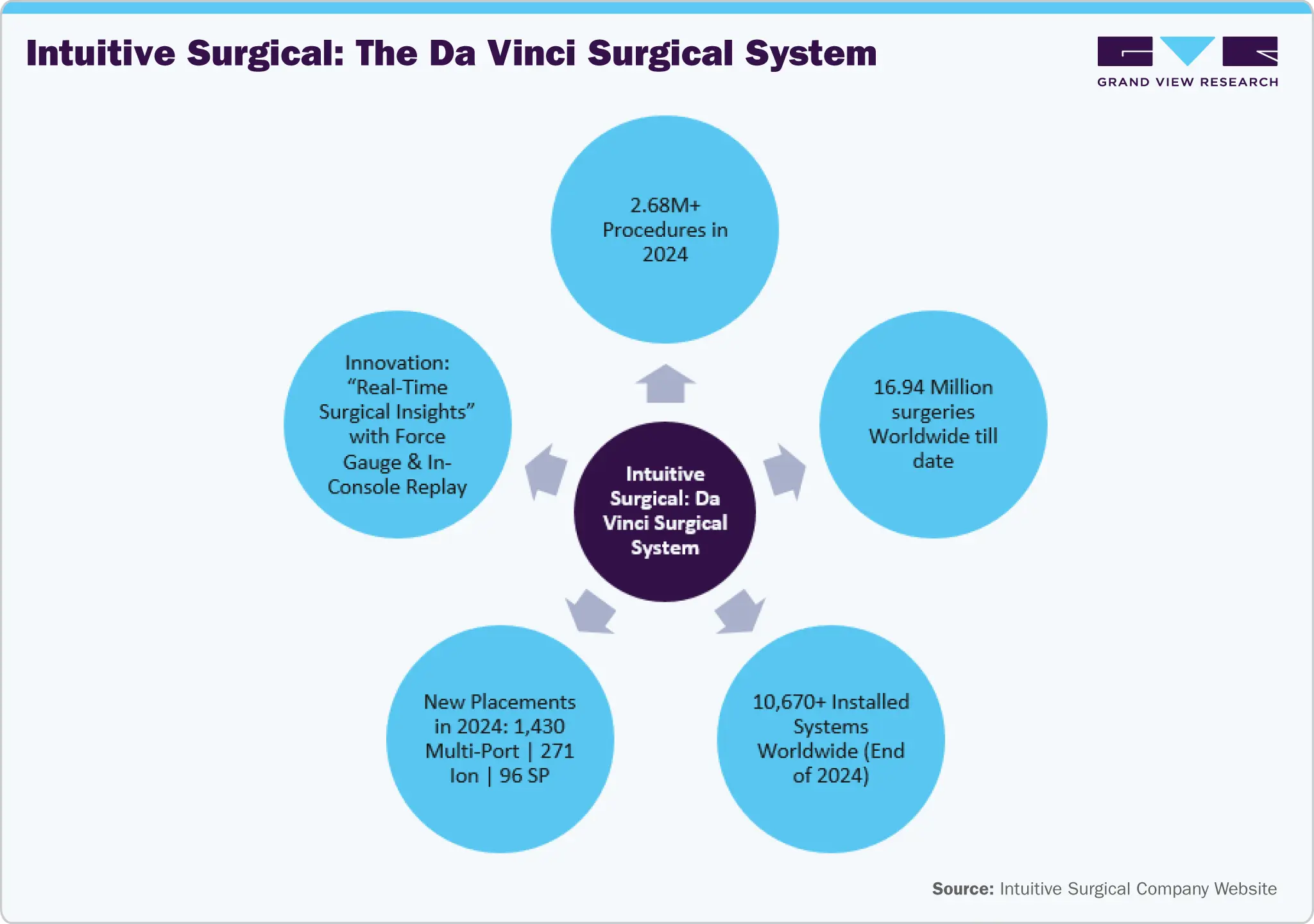
Globally, the rate of adoption of robotic surgical systems is going up very fast. The main reason for this is these systems' ability to improve precise surgery, minimize patient trauma, and shorten the recovery period. The U.S., as well as Western Europe, remains the two biggest markets where these systems have found their way beyond the installation of hospitals using, for example, platforms like da Vinci by Intuitive, to perform operations of urology, gynecology, general surgery, and cardiothoracic care. Besides, Japan and South Korea have also become the leading acceptors of these systems, with the support of the advanced healthcare infrastructure and the friendly reimbursement policies.
 To learn more about this report, Download Free Sample Report
 By comparison, Latin America, the Middle East, and parts of Southeast Asia are still at the initial stages of adoption, where limited access to costly technologies and the necessity of professional training have remained obstacles. Furthermore, the pace at which India and China are adopting is showing a significant increase. This is due to the local innovations, the private hospital networks, and the high surgical volumes that have been allowed to grow by the two countries. In fact, while robotic systems are already well entrenched in the developed economies, the underdeveloped regions are a billion-dollar untapped market for the next frontier of growth as costs keep falling and training becomes more accessible.
Market Dynamics
Minimally invasive surgeries have steadily increased over the years, becoming the preferred approach for many procedures due to their safety and faster recovery benefits. In July 2025, according to a research article, the benefit of minimally invasive surgeries was increased clinical outcomes, such as shorter hospital stays, fewer complications, and decreased recovery time. Furthermore, the report explains that when a hospital adopts the concept of MIS, the overall rate of minimally invasive surgery, such as laparoscopic or robotic, is likely to increase quickly, as both patients and surgeons prefer this method. These observations illustrate that the upward trajectory of surgical volumes, combined with the changing practice towards minimally invasive surgical techniques, is a large part of the current growth of this sector.
The growing volume of surgical procedures worldwide, coupled with increasing patient and physician preference for minimally invasive techniques, is a major driver of the minimally invasive surgery market. Factors such as the rising prevalence of chronic diseases, growing geriatric populations, and increasing demand for surgical interventions have contributed to higher procedure volumes across specialties including general surgery, gynecology, urology, orthopedics, and cardiothoracic surgery. At the same time, MIS approaches are increasingly favored due to their clinical benefits, including smaller incisions, reduced blood loss, lower risk of complications, shorter hospital stays, faster recovery times, and improved cosmetic outcomes. Healthcare providers are also adopting MIS technologies to enhance operational efficiency and reduce overall treatment costs, further accelerating market growth.
Despite the advantages of minimally invasive surgery, the market faces challenges related to the shortage of adequately trained surgeons and the substantial costs associated with advanced surgical systems. MIS procedures often require specialized technical expertise, extensive training, and proficiency in operating sophisticated laparoscopic, endoscopic, and robotic-assisted platforms. The learning curve associated with these procedures can limit adoption, particularly in emerging economies and smaller healthcare facilities. Additionally, the acquisition, maintenance, servicing, and upgrading of advanced surgical equipment entail significant capital expenditure, placing financial pressure on hospitals and ambulatory surgical centers. These factors can hinder widespread implementation and limit access to minimally invasive surgical technologies in cost-sensitive healthcare settings.
The integration of artificial intelligence and machine learningtechnologies into minimally invasive surgical platforms presents a significant growth opportunity for the market. AI-powered systems can enhance surgical planning, intraoperative decision-making, instrument tracking, and real-time visualization by analyzing large volumes of patient and procedural data. Machine learning algorithms are increasingly being incorporated into robotic-assisted surgical systems to improve precision, optimize workflow efficiency, and support surgeons through advanced guidance and predictive analytics. Furthermore, AI-enabled image recognition and augmented visualization tools can assist in identifying anatomical structures and reducing procedural errors. As healthcare providers continue to prioritize surgical accuracy, patient safety, and personalized treatment approaches, the adoption of AI-driven MIS solutions is expected to expand substantially in the coming years.
Market Concentration & Characteristics
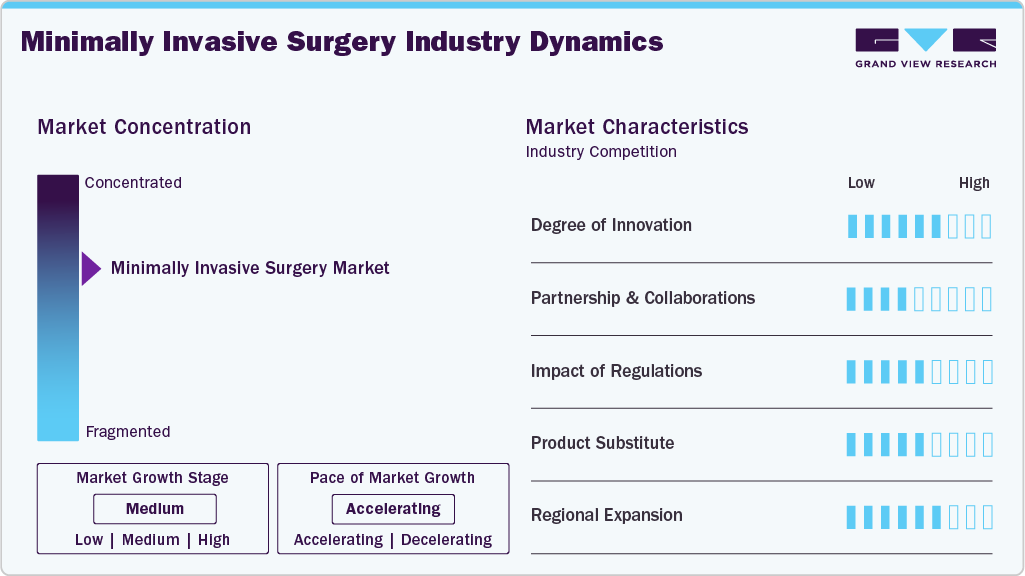
The market for minimally invasive surgery is highly concentrated, with leading firms such as Medtronic plc, Intuitive Surgical, CMR Surgical, and Smith & Nephew plc fostering innovation and competition. The rising volume of surgical procedures, enhanced technologies, and an emphasis on patient safety support continued growth. Furthermore, adopting artificial intelligence and robotic-assisted modalities enhances precision, on-screen decision-making, and surgical outcomes. In addition, patient demand for faster recovery times, less pain, and fewer stays in the hospital facilitates market growth. Overall, MIS continues to develop as advanced technologies transform modern surgical practice.
3D bioprinting and soft robotics revolutionize minimally invasive surgery, driving groundbreaking innovation. With robotic-assisted bioprinting, doctors can precisely place living cells and biomaterials right where needed, promoting tissue regeneration with minimal trauma. Soft robotic platforms enable flexible, minimally invasive access to complex areas, opening new surgical possibilities. These technologies combined increase precision, efficiency, and patient outcomes, showcasing the remarkable innovation transforming the global MIS market.
 To learn more about this report, Download Free Sample Report
 The minimally invasive surgery (MIS) industry has seen a surge in partnerships and collaborations to advance surgical technology and improve patient outcomes. Medical device firms, hospitals, and tech innovators are collaborating to advance robotic-assisted systems and expand the scope of minimally invasive surgery. For example, Johnson & Johnson and Google are collaborating to create a robotic surgical system that enhances precision and reduces patient trauma. Similarly, Vicarious Surgical partnered with LSU Health New Orleans to integrate its robotic technology into hospital surgical practices. In the corporate space, Stryker’s acquisition of Vertos Medical expands its portfolio in minimally invasive treatments for chronic back pain. These initiatives collectively accelerate the adoption, training, and accessibility of advanced MIS solutions worldwide.
Regulations are key to ensuring minimally invasive surgery safety. The FDA categorizes medical devices into Classes I, II, or III, with increasing oversight and stricter approval requirements as the risk level rises. The FDA must clear computer-assisted surgical systems (including robotically assisted devices), and manufacturers must offer proper training programs for users. The Association of Perioperative Registered Nurses (AORN) recently updated its MIS guidelines to include safety steps like assessing risks before surgery, planning for emergencies, ensuring precautions in robotic-assisted procedures, and creating workflows to prevent complications.
The market faces potential competition from alternative therapeutic methods that reduce or eliminate the need for traditional surgery. Non-invasive treatments, such as focused ultrasound, image-guided ablation, and targeted drug therapies, are increasingly used for conditions traditionally treated with MIS procedures. Likewise, advances in pharmacological management, regenerative medicine, and percutaneous interventions provide clinicians with effective options that can produce similar results with less procedural risk. While MIS remains the preferred option for complex or high-precision surgeries, these alternatives can affect market dynamics by offering lower-cost, lower-risk, or outpatient-friendly options, highlighting the importance of ongoing innovation to maintain the competitive edge of minimally invasive solutions.
The minimally invasive surgery (MIS) sector is significantly expanding across geographies as newer economies embrace robotic platforms as health systems mature. Accelerating hospital infrastructure and programs for training surgeons is further contributing to this effort. For instance, increasing adoption of robotic MIS in uro-oncological procedures in Asia, Europe, and North America indicates global action to increase access to and standardize advanced surgical care.
Analyst Perspective
The minimally invasive surgery market (MIS) is undergoing several changes and advancements in healthcare over the course of time. Patients are opting for surgeries that are not invasive, whose number is increasing. Rising prevalence of chronic diseases, an aging global population, and increasing demand for procedures that offer reduced trauma, shorter hospital stays, faster recovery, and lower complication rates are creating significant opportunities for MIS device manufacturers and healthcare providers. In addition, the expanding adoption of laparoscopic, endoscopic, robotic-assisted, and catheter-based procedures across multiple surgical specialties, coupled with technological innovations such as AI-assisted surgical guidance, advanced visualization systems, fluorescence imaging, robotic platforms, and smart surgical instrumentation, is enhancing procedural precision, surgeon efficiency, patient safety, and clinical outcomes. More surgeries are being carried out outside of hospitals, in other end-users such as ambulatory surgery centers, which lowers the cost of the procedures. All these factors continue to strengthen the long-term growth prospects of the minimally invasive surgery market.
Surgical Specialty Insights
Based on surgical specialty, the gynecological surgery segment led the market with the largest revenue share of 33.4% in 2025, and it is poised to exhibit a CAGR of 7.74% during the forecast period. The large market share is due to the significant adoption of surgical procedures such as hysterectomy, myomectomy, and endometriosis treatment. The growth outlook comes on the back of minimally invasive surgery, which offers many advantages such as relatively low recovery time, lower complication rates, and improved precision. For example, laparoscopic and robotic-assisted gynecological surgeries have been preferred in North America. Moreover, surgical techniques and instruments continue to improve and support gynecological surgery in the minimally invasive surgery market.
The bariatric surgery segment is expected to witness significant growth at a CAGR of 8.88% from 2025 to 2033, driven by the increasing prevalence of obesity and advancements in minimally invasive surgical techniques. This growth is attributed to the rising demand for effective weight loss solutions and the adoption of minimally invasive procedures that offer quicker recovery times and reduced complications. Furthermore, integrating bariatric surgery with weight-loss medications like GLP-1 agonists enhances treatment outcomes, further fueling market expansion.
Method Insights
Based on method, the robotic-assisted surgery segment led the market with the largest revenue share of 33.9% in 2025, and it is expected to depict a CAGR of 8.98% over the forecast period. It emphasizes precision and recovery time for patients. Hospitals are adopting robotic systems for more complex procedures in various surgical specialties, including urology, gynecology, and cardiothoracic surgery. For instance, in November 2024, NYU Langone Health (NY, USA) completed the first fully robotic double lung transplant globally, showcasing the advancements and capabilities of robotic-assisted surgeries in more complex surgical procedures. This widespread adoption is largely driven by physician training and hospital infrastructure expanding in conjunction with the growth of robotic surgery in the related market.
The thoracoscopic surgery/VATS segment is poised to grow at a CAGR of 8.09% during the forecast period. This is driven by its less invasive method, quicker recovery, and less complications than open thoracic surgery. VATS is now being used with increasing frequency by hospitals for lung resections, esophageal operations, and various other thoracic surgeries because of its precision and cost efficiency. In favorable environments for VATS development, the increase in participation is boosted by surgeon training activities and growing hospital infrastructure. Increasing volumes of VATS are being performed as hospitals universally begin to adopt VATS in their standard thoracic practice.
End Use Insights
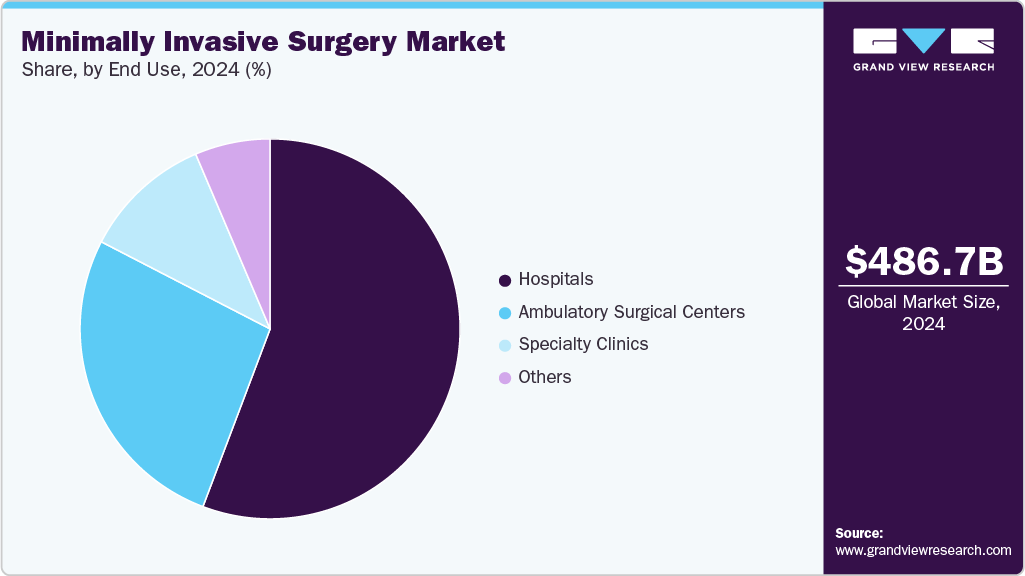
Based on end-use, the hospitals segment led the market with the largest revenue share of 55.7% in 2025 and it is expected to observe a CAGR of 7.78% during the forecast period. This dominance is attributed to hospitals' advanced infrastructure, skilled surgical teams, and the ability to perform a wide range of complex procedures. For instance, in October 2023, Mayo Clinic surgeons performed Minnesota's first robotic-assisted kidney transplant, highlighting the hospital's commitment to adopting cutting-edge MIS technologies. Such procedures improve patient outcomes and reduce recovery times and hospital stays. The continuous investment in MIS technologies and training programs ensures hospitals maintain their leading role in the MIS market.
 To learn more about this report, Download Free Sample Report
 The ambulatory surgical centers (ASCs) segment is touted to grow significantly at a CAGR of 8.29% during the forecast period. This growth is because these centers provide Minimally Invasive Surgical techniques, which offer the benefits of lower cost, faster scheduling, and discharge on the same day, all of which are attractive to patients and providers. Changes in surgical technology (laparoscopy, imaging, and robotics), allow some of the more advanced applications of minimally invasive surgical techniques to be feasible and safe in the outpatient setting. For example, the Orthopedic Surgery Center of Gainesville in Florida, U.S. has incorporated robotic-assisted joint replacement surgeries into multiple ASCs, which lead to a reduced length of stay in the hospital and better recovery outcomes.
Regional Insights
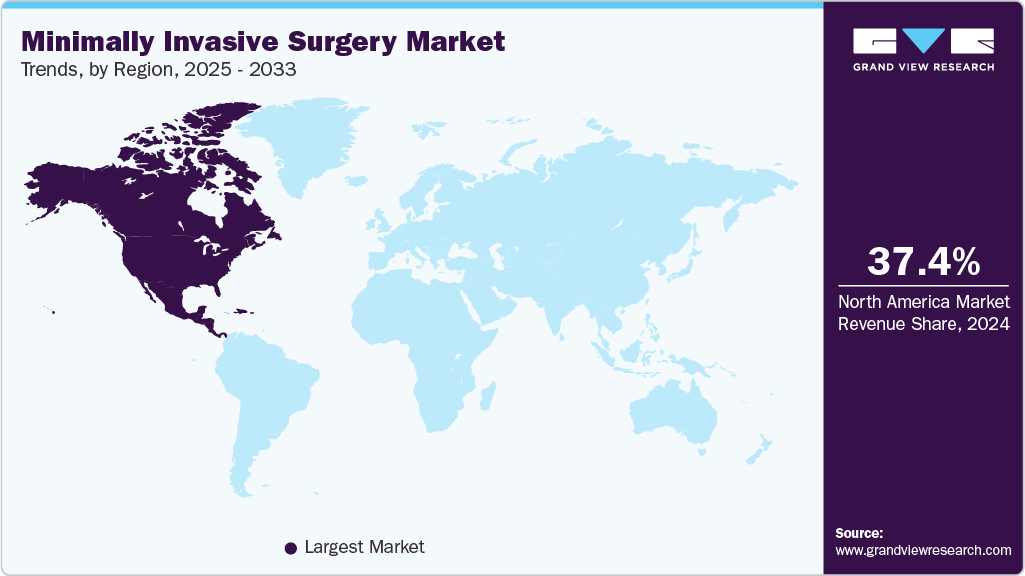
North America dominated the minimally invasive surgery (MIS) market with the largest revenue share of 37.4% in 2025. Patients prefer minimally invasive surgery because of their fast recovery, less pain, and smaller scars. For example, a study in the U.S. noted an exponential adoption of robotic surgery for both Medicare and privately insured patients, demonstrating unmet demand supported by reimbursement policies and a strong healthcare infrastructure.
 To learn more about this report, Download Free Sample Report
 U.S. MIS Market Trends
The minimally invasive surgery (MIS) market in the U.S. held the largest share in the North America region in 2025. The Minimally Invasive Surgery industry in the U.S. is expected to grow due to the rising patient demand for procedures that reduce overall recovery time and complications related to surgery. Innovations in surgical technology, such as robotic systems, high-definition imaging, and laparoscopic instruments, have made complex surgeries safer and more precise.
 To learn more about this report, Download Free Sample Report
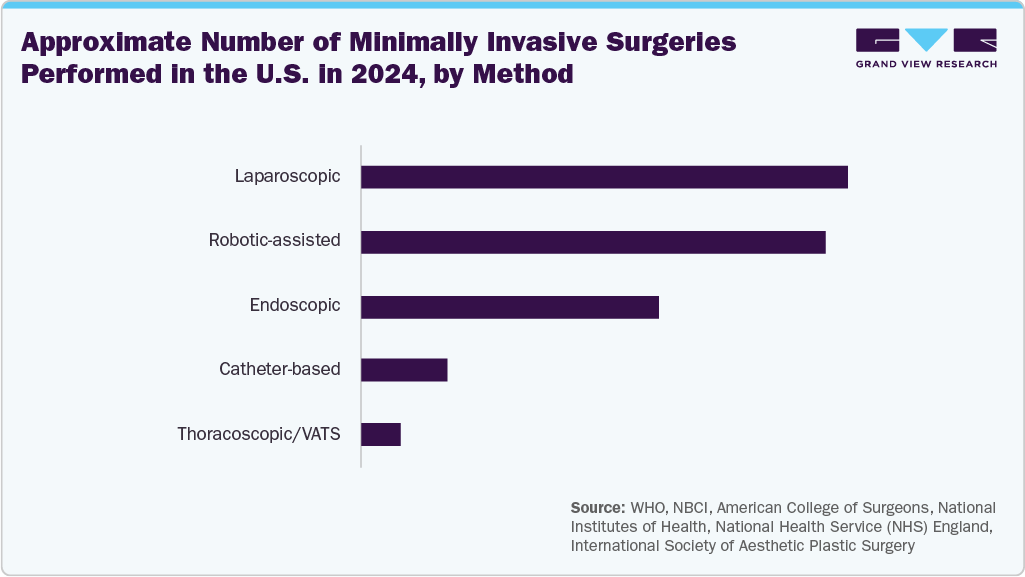
 This chart above shows the number of minimally invasive surgical procedures performed in the U.S., with laparoscopic and robotic-assisted surgeries being the most common, followed by endoscopic, catheter-based, and thoracoscopic/VATS procedures. Patients increasingly prefer minimally invasive surgeries because they involve smaller incisions, less pain, and shorter hospital stays. Surgeons are also more widely trained in the technologies used in MIS, which helps drive broader adoption across specialties.
Europe Minimally Invasive Surgery Market Trends
The Europe MIS industry is growing significantly due to technological advancements, public healthcare support, and demographic changes. New technologies, like robotic-assisted surgical systems, and emerging imaging technologies have improved surgical accuracy and shortened recovery times, increasing the attractiveness of MIS to patients and healthcare providers alike. Moreover, Europe's aging population has increased the number of chronic diseases, which leads to increased use of advanced surgical treatments like MIS to improve patient outcomes and quality of life.
In addition to the above trends, EU-wide support such as the European Regional Development Fund has encouraged collaboration among public agencies, academia, and healthcare providers, creating innovative solutions and increasing access to MIS across member states.
The MIS industry in the UK is growing steadily, it is driven by technological innovations such as robotic-assisted systems and advanced imaging, which improve precision and decrease recovery times. Growing demand for less invasive and cost-effective procedures and an aging population further support market expansion. According to the Cancer Research UK, the rise of interventional oncology, where image-guided MIS procedures target tumors directly, leading to shorter hospital stays and better patient outcomes. This demonstrates MIS's increasing adoption and effectiveness in the UK healthcare system.
The Germany minimally invasive surgery industry is growing rapidly. A strong public healthcare system, early adoption of new surgical technologies, and an established hospital system support this. Hospitals and surgical centers across Germany have widely implemented robotic-assisted and image-guided procedures, improving precision and outcomes. With a focus on evidence-based practice and ongoing training of surgeons, Germany has embedded MIS into many routine forms of care. Advanced centers, such as the German Heart Centre, highlight the advantages of MIS in cardiac surgery, helping to provide faster recovery times and reduce trauma caused by surgery. There continues to be a great deal of innovation and adoption of new technologies to facilitate increased MIS across Germany.
The Minimally Invasive Surgery industry in France is growing rapidly, led by innovation centers like IRCAD and the adoption of advanced surgical techniques. Hospitals are increasingly performing gastrointestinal and liver tumor removals using scarless and percutaneous approaches, which reduce trauma and speed up recovery. At the same time, artificial intelligence is being integrated into clinical practice, helping doctors detect tumors more accurately during procedures such as colonoscopy. In 2023, IRCAD highlighted natural orifice and percutaneous surgery, showing how France is positioning itself at the forefront of MIS innovation.
Asia Pacific Minimally Invasive Surgery Market Trends
The Minimally Invasive Surgery (MIS)industry in the Asia Pacific is driven by overall factors such as an aging population, increased burden of chronic diseases, and evolving surgical technologies. Countries such as Japan, South Korea, India, and China are leading this growth, supported by government-led initiatives and investment in healthcare infrastructure. This trend is attributable to the increase in robotic-assisted surgeries that provide benefits like shorter recovery times and improved clinical outcomes.
Additionally, India has been evolving as one of the leaders to incorporate advanced surgical technology integration in the healthcare system. In September 2025, AIIMS Raipur inaugurated 'Devhast', central India's first robotic surgical facility in a government-run hospital, with the installation of the da Vinci Xi Surgical System.
The Minimally Invasive Surgery industry in China is likely to grow in the wake of the rising demand for less invasive procedures, along with improved surgical outcomes, and advancements in technology, fueling the use of robotic-assisted systems for MIS. Across urban centers, hospitals use MIS in urology, cardiology, and general surgery to expedite recovery with fewer complications. According to PubMed Central, more than 580,000 robotic-assisted procedures had been conducted in China by December 2024, with the da Vinci system representing over 90% of all robotic platforms installed in the country. Although there were over 400 robotic surgical platforms, the demand continues to grow in regions with high population density, such as Shanghai. This rising demand for MIS in China is shaping the market.
The India Minimally Invasive Surgery industry is expanding rapidly as hospitals introduce new technologies to make surgery safer and faster. Procedures using laparoscopic surgery, robotic-assisted surgery, and endoscopic surgery are more commonly used in gastrointestinal and other surgical specialties. For instance, endoscopic submucosal dissection enables the use of “optical biopsy” to treat early cancers by not removing tissue. High-definition cameras and purposeful instrumentation are allowing surgeons to operate with greater precision, decreasing complications and recovery time for patients. Major hospitals are building MIS into routine care so that this more accessible and efficient technique can be used for more patients.
The Minimally Invasive Surgery industry in Japan is rapidly evolving, supported by the inclusion of gynecologic robotic surgical coverage by national insurance since 2018, a solid healthcare infrastructure, and internal innovations. As of 2022, more than 450 Da Vinci systems were present in hospitals across Japan, and the nation launched its own Hinotori Robotic Assisted Surgery System for both inpatient and outpatient programming. Consequently, hospitals are becoming more accustomed to employing robotic-based surgical techniques. There is evidence for improved clinical outcomes in numerous benign conditions that include myomectomy, hysterectomy, and endometriosis using robotic technology, including less blood loss and faster recovery times. While the role of MIS in malignant diseases will continue to be assessed in clinical evaluations, ongoing clinical trials being led by Japanese groups continue to reflect a commitment to promoting MIS in the future.
Latin America Minimally Invasive Surgery Market Trends
The MIS industry in Latin America is growing rapidly specifically in countries like Brazil and Colombia. The growth is attributed to an aging population and the shift toward advanced surgical technologies. Hospitals in both these countries are rapidly switching to MIS techniques to improve patient outcomes, reduce recovery times, and enhance surgical precision. For instance, robotic-assisted mitral valve surgery in Brazil and Colombia has shown promising results, with over 120 procedures performed across multiple centers and a 98% success rate, demonstrating the rising adoption of MIS in these countries.
The Brazil MIS industry is growing substantially due to the increasing burden of chronic disease and the introduction of more technology-driven surgical procedures. More hospitals develop capacity to perform video-assisted thoracoscopic surgery (VATS) and robotic-assisted thoracic surgery (RATS) for improved surgical accuracy, fewer surgical complications, and shorter lengths of stay. As noted in the JOVS article, numerous thoracic surgeons are launching MIS programs, which presents increasing confidence in their use. This confidence is also enhanced by hospital investment in their capacity and training, which will create access to modern, minimal invasive procedures.
Middle East And Africa Minimally Invasive Surgery Market Trends
The Middle East and Africa Minimally Invasive Surgery industryis driven by various factors, including the adoption of new surgical technology, increased patient awareness, and investment into modern healthcare infrastructure. The UAE, Saudi Arabia, and Qatar are leading the way with robotic-assisted systems to enhance surgical efficiency, precision, and recovery time. Hospitals are routinely performing complex surgeries using robotic technology and similar advanced technologies with positive outcomes and greater patient satisfaction. Demand for complex surgical procedures reflects a regional shift toward less invasive procedures, technology-assisted surgical care, along with support from government officials in MEA countries with high income populations.
The Minimally Invasive Surgery industry in Saudi Arabia is rapidly growing, encouraged by enhancing healthcare infrastructure, advanced training of surgeons, and patient awareness of superior post-operative recovery. More hospitals are increasingly integrating robotic systems, making MIS a routine procedure. For example, Johns Hopkins Aramco Healthcare (JHAH) runs the busiest da Vinci Xi robot in the Kingdom, which, through early 2024, performed over 600 surgeries, indicating that robotic MIS is becoming part of the healthcare delivery design in Saudi Arabia.
The UAE Minimally Invasive Surgery industry is growing as leading hospitals including Burjeel Medical City utilize the latest laparoscopic and robotic-assisted techniques. These techniques are being performed across specialties, including gastrointestinal surgery, bariatrics, gynecology, urology, thoracic, and hernia repair, and they provide patients with smaller incisions, shorter hospital stays, and faster recovery times. In particular, high-definition imaging, robotic platforms, and AI assistance improve accuracy and outcomes, making the UAE a focal point for contemporary surgical innovation in the region.
The Minimally Invasive Surgery industry in Qatar is developing because of large investments in the healthcare system within the country, rising costs, demand for safer, quicker, and less burdensome procedures, and the utilization of emerging robotic systems. Hospitals are performing more robotic-assisted surgeries to improve accuracy and efficacy while reducing the rate of complications and speed up the recovery of patients. For instance, specialists at leading hospitals within Qatar are employing the da Vinci robotic system that allows for complex surgeries with a considerable reduction of blood loss, blood scars, and improves the healing process which illustrates how technology is changing surgical care and continuing to evolve.
Key Minimally Invasive Surgery Company Insights
The market for Minimally Invasive Surgery (MIS) is highly competitive, with key players such as Medtronic plc, Intuitive Surgical., and CMR Surgical holding significant positions. The major companies undertake various organic and inorganic strategies, such as product introduction, collaborations, and regional expansion, to serve the unmet needs of their customers.
Key Minimally Invasive Surgery Companies
The following key companies have been profiled for this study on the MIS market.
-
Medtronic plc
-
Intuitive Surgical
-
CMR Surgical
-
Smith & Nephew plc
-
Renishaw
-
Monteris Medical
-
PROCEPT BioRobotics
-
EndoQuest Robotics
-
Moon Surgical
-
Asensus Surgical US, Inc.
-
Olympus Corporation
Competitive Benchmarking
Category
Operating Strategies
Competitive Edge
Weakness
Established Players (Intuitive Surgical)
Focus on expanding comprehensive MIS portfolios spanning robotic-assisted surgery, laparoscopy, endoscopy, energy devices, visualization systems, stapling technologies, and surgical consumables. Invest heavily in next-generation robotics, AI-assisted surgery, advanced imaging, fluorescence-guided visualization, and digital operating room integration. Strengthening global market presence through hospital partnerships, surgeon training programs, clinical evidence generation, and strategic acquisitions to broaden procedural capabilities across multiple specialties.
Strong brand recognition and long-standing relationships with hospitals, health systems, and surgeons. Extensive regulatory approvals, large installed equipment bases, and robust service networks create high customer retention. Broad product portfolios enable cross-selling opportunities across capital equipment, instruments, and consumables. Significant R&D investments support continuous innovation, premium pricing, and leadership in emerging technologies such as robotic surgery and AI-enabled procedural guidance.
High R&D, manufacturing, and regulatory compliance costs associated with advanced surgical systems. Dependence on hospital capital expenditure cycles can delay purchasing decisions. Long product development timelines and complex approval pathways may slow innovation commercialization. Increasing competition from lower-cost robotic and MIS device manufacturers may create pricing pressure, particularly in emerging markets.
Emerging Players (CMR Surgical)
Focus on developing cost-effective robotic-assisted and minimally invasive surgical platforms designed to improve accessibility and reduce procedural costs. Emphasize modular systems, portability, AI-enabled workflow optimization, and flexible purchasing models to attract hospitals and ambulatory surgical centers. Target underserved specialties, mid-sized hospitals, and emerging markets where penetration of high-cost robotic platforms remains limited.
Greater operational agility and faster adoption of innovative technologies compared with larger competitors. Ability to offer lower-cost alternatives and flexible business models that address affordability concerns. Strong focus on surgeon usability, workflow efficiency, and niche procedural applications helps establish differentiation in specific market segments.
Limited financial resources, smaller commercial footprints, and less extensive distribution networks compared with industry leaders. Lower brand recognition and smaller installed bases can slow hospital adoption. Regulatory approvals, clinical validation, and reimbursement support may be more limited. Greater vulnerability to competitive responses, pricing pressure, and technological advancements introduced by established market participants.
Recent Developments
-
In July 2025, Intuitive received FDA clearance for its Vessel Sealer Curved, a fully wristed advanced bipolar electrosurgical instrument compatible with da Vinci multiport systems. It can seal, cut, grasp, dissect tissue, and transect lymphatic vessels.
-
In May 2025, Intuitive received FDA approval to use its da Vinci Single-Port (SP) system for transanal local excision and resection (i.e., procedures performed through a natural orifice, reducing or eliminating the need for abdominal incisions).
-
In November 2024, Team Toy Ortho highlighted the latest advances in minimally invasive orthopedic surgery, including ROSA robotic assistance, smart implants, and anterior hip replacement techniques to improve precision and patient recovery.
-
In October 2023, Hologic, in collaboration with AAGL and Inovus Medical, launched an initiative to enhance OB-GYN training in minimally invasive surgeries, integrating hands-on hysteroscopy skills into the EMIGS program.
Minimally Invasive Surgery Market Report Scope
Report Attribute
Details
Market size in 2025
USD 518.3 billion
Estimated market size in 2026
USD 553.3 billion
Projected market size by 2033
USD 946.5 billion
Growth rate
CAGR of 8.0% from 2026 to 2033
Historical data
2021 - 2024
Forecast period
2026 - 2033
Quantitative units
Revenue in USD billion and CAGR from 2026 to 2033
Report coverage
Revenue forecast, company ranking, competitive landscape, growth factors, and trends
Segments covered
Surgical specialty, method, end-use, region
Regional scope
North America; Europe; Asia Pacific; Latin America; MEA
Country scope
U.S.; Canada; Mexico; Germany; UK; France; Italy; Spain; Norway; Denmark; Sweden; China; Japan; India; South Korea; Australia; Thailand; Brazil; Argentina; Saudi Arabia; South Africa; UAE; Kuwait; Qatar; Oman
Key companies profiled
Medtronic plc, Intuitive Surgical, CMR Surgical, Smith & Nephew plc, Renishaw, Monteris Medical, PROCEPT BioRobotics, EndoQuest Robotics, Moon Surgical, Asensus Surgical US, Inc., Olympus Corporation
Customization scope
Free report customization (equivalent up to 8 analysts' working days) with purchase. Addition or alteration to country, regional & segment scope.
Pricing and purchase options
Avail customized purchase options to meet your exact research needs. Explore purchase options
Global Minimally Invasive Surgery Market Report Segmentation
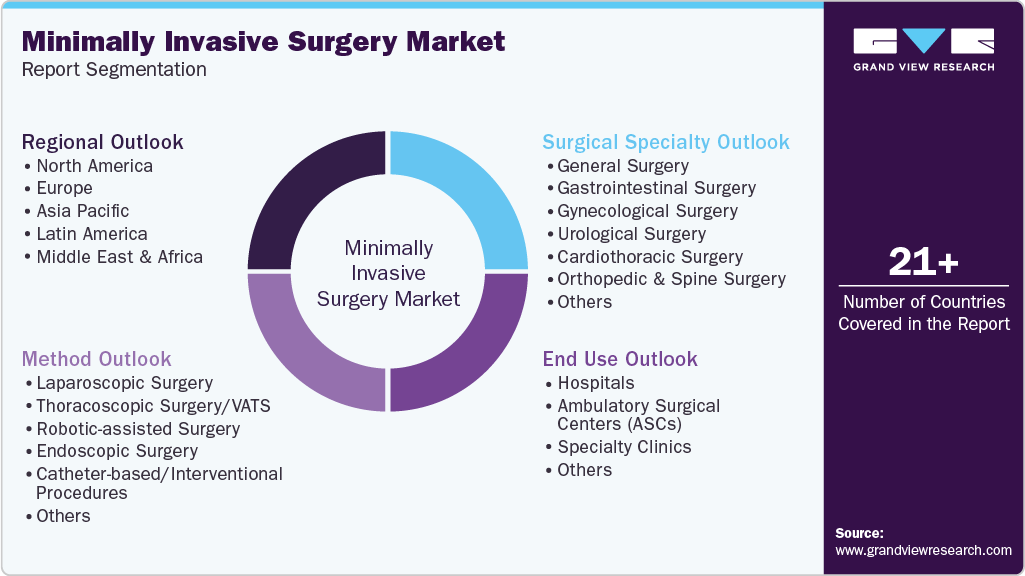
This report forecasts revenue growth at global, regional, and country levels and provides an analysis of the latest industry trends and opportunities in each of the sub-segments from 2021 to 2033. For this study, Grand View Research has segmented the global Minimally Invasive Surgery (MIS) market report on the basis of surgical specialty, method, end use, and region:
 To learn more about this report, Download Free Sample Report
 -
Surgical Specialty Outlook (Revenue, USD Million, 2021 - 2033)
-
General Surgery
-
Gastrointestinal Surgery
-
Gynecological Surgery
-
Urological Surgery
-
Cardiothoracic Surgery
-
Orthopedic & Spine Surgery
-
Neurosurgery
-
Colorectal Surgery
-
Bariatric Surgery
-
Vascular & Endoscopic Surgery
-
Plastic & Reconstructive Surgery
-
-
Method Outlook (Revenue, USD Million, 2021 - 2033)
-
Laparoscopic Surgery
-
Thoracoscopic Surgery/VATS
-
Robotic-assisted Surgery
-
Endoscopic Surgery
-
Catheter-based/Interventional Procedures
-
Others
-
-
End Use Outlook (Revenue, USD Million, 2021 - 2033)
-
Hospitals
-
Ambulatory Surgical Centers (ASCs)
-
Specialty Clinics
-
Others
-
-
Regional Outlook (Revenue, USD Million, 2021 - 2033)
-
North America
-
U.S.
-
Canada
-
Mexico
-
-
Europe
-
UK
-
Germany
-
France
-
Italy
-
Spain
-
Denmark
-
Sweden
-
Norway
-
-
Asia Pacific
-
Japan
-
China
-
India
-
Australia
-
South Korea
-
Thailand
-
-
Latin America
-
Brazil
-
Argentina
-
-
Middle East & Africa
-
South Africa
-
Kuwait
-
UAE
-
Saudi Arabia
-
Qatar
-
Oman
-
Rest of the Middle East
-
Rest of Africa
-
-
Research Methodology
Segment Definition
Segment - Surgical Specialty
Revenue capture definition
General Surgery
Revenue is generated through minimally invasive procedures performed for a wide range of abdominal and soft tissue conditions, including hernia repair, appendectomy, and gallbladder removal. Market participants earn revenue from laparoscopic instruments, energy devices, visualization systems, robotic platforms, disposable surgical tools, and procedure-related consumables utilized during general surgical interventions.
Gastrointestinal Surgery
Revenue is derived from minimally invasive procedures involving the digestive tract, including surgeries for gastric, esophageal, intestinal, and hepatobiliary disorders. Companies generate income through the sale of endoscopic systems, stapling devices, energy-based instruments, robotic surgical platforms, and associated consumables used in gastrointestinal interventions.
Gynecological Surgery
Revenue is generated through minimally invasive procedures performed for conditions such as uterine fibroids, endometriosis, ovarian cysts, and hysterectomies. Manufacturers and service providers earn revenue from laparoscopic equipment, robotic-assisted surgical systems, hysteroscopic devices, visualization technologies, and disposable instruments used in gynecologic procedures.
Urological Surgery
Revenue flows from minimally invasive interventions for kidney, bladder, prostate, and urinary tract disorders. Companies derive income from robotic-assisted surgery platforms, endoscopic equipment, laser systems, imaging technologies, and procedure-specific consumables utilized in urological surgeries.
Cardiothoracic Surgery
Revenue is generated through minimally invasive procedures involving the heart, lungs, and thoracic cavity, including valve repair and lung resections. Market participants earn revenue from thoracoscopic systems, robotic-assisted technologies, cardiac navigation tools, surgical instruments, and specialized consumables required for cardiothoracic interventions.
Orthopedic & Spine Surgery
Revenue is derived from minimally invasive procedures used to treat musculoskeletal and spinal disorders. Manufacturers generate revenue through navigation systems, robotic-assisted orthopedic platforms, endoscopic spine devices, implants, imaging systems, and specialized surgical instruments used during orthopedic and spinal procedures.
Neurosurgery
Revenue is generated through minimally invasive techniques for the treatment of brain, spinal cord, and neurological conditions. Companies earn income from neuroendoscopic systems, robotic-assisted platforms, image-guided navigation technologies, surgical visualization equipment, and procedure-specific disposable products.
Colorectal Surgery
Revenue flows from minimally invasive procedures performed for colorectal cancers, inflammatory bowel diseases, and other intestinal disorders. Revenue is generated through laparoscopic and robotic surgical systems, staplers, energy devices, visualization tools, and associated consumables used during colorectal interventions.
Bariatric Surgery
Revenue is generated through minimally invasive weight-loss procedures such as gastric bypass and sleeve gastrectomy. Market participants earn revenue from laparoscopic instruments, stapling systems, robotic surgical technologies, visualization equipment, and disposable devices used in bariatric surgeries.
Vascular & Endovascular Surgery
Revenue is derived from minimally invasive vascular and endoscopic interventions used to diagnose and treat circulatory and internal organ conditions. Companies generate income through catheter-based technologies, endoscopes, stents, imaging systems, guidewires, and procedure-specific consumables utilized during vascular and endoscopic procedures.
Plastic & Reconstructive Surgery
Revenue is generated through minimally invasive cosmetic and reconstructive procedures aimed at enhancing appearance or restoring function. Revenue sources include endoscopic surgical systems, specialized instruments, visualization devices, energy-based technologies, and disposable accessories used in aesthetic and reconstructive interventions.
Segment - Method
Revenue capture definition
Laparoscopic Surgery
Revenue is generated using minimally invasive surgical techniques performed via small abdominal incisions using laparoscopes and specialized instruments. Manufacturers earn revenue from laparoscopic towers, cameras, trocars, insufflators, energy devices, hand instruments, and disposable accessories used during procedures.
Thoracoscopic Surgery (VATS)
Revenue is derived from video-assisted thoracoscopic procedures performed within the chest cavity. Companies generate income from thoracoscopic visualization systems, endoscopic instruments, energy devices, staplers, and consumables required for minimally invasive thoracic interventions.
Robotic-assisted Surgery
Revenue flows from advanced robotic surgical platforms that enhance precision, dexterity, and visualization during minimally invasive procedures. Market participants earn revenue from robotic system sales, service contracts, software upgrades, procedure-specific instruments, accessories, and recurring disposable components.
Endoscopic Surgery
Revenue is generated through procedures performed using flexible or rigid endoscopes for diagnosis and treatment within internal organs and body cavities. Companies derive income from endoscopy systems, imaging platforms, therapeutic devices, accessories, and single-use consumables required for endoscopic interventions.
Catheter-based/Interventional Procedures
Revenue is derived from minimally invasive procedures performed through vascular access using catheters, guidewires, and imaging guidance. Manufacturers generate revenue from catheters, stents, balloons, embolization devices, imaging systems, and associated procedural consumables.
Others
Revenue is generated through minimally invasive procedures involving needle- or catheter-based access through the skin for diagnostic or therapeutic purposes. Market participants earn income from percutaneous access devices, imaging guidance technologies, drainage systems, biopsy instruments, and related disposable products.
Segment - End-use
Revenue capture definition
Hospitals
Revenue is generated through the adoption and utilization of minimally invasive surgical technologies across inpatient and outpatient departments. Market participants derive income from the sale of capital equipment, robotic systems, visualization platforms, surgical instruments, service agreements, and recurring consumables purchased by hospitals.
Ambulatory Surgical Centers (ASCs)
Revenue flows from minimally invasive procedures performed in outpatient settings that emphasize efficiency, cost-effectiveness, and shorter patient recovery times. Companies earn revenue through equipment sales, procedure-specific instruments, disposable devices, and service contracts tailored to ASC requirements.
Specialty Clinics
Revenue is generated through the use of minimally invasive technologies in clinics focused on specific therapeutic areas such as gynecology, gastroenterology, orthopedics, urology, and cosmetic surgery. Manufacturers derive income from diagnostic and surgical equipment, endoscopic systems, instruments, and consumables utilized within specialty care settings.
Others
Revenue is derived from minimally invasive surgical procedures performed in academic medical centers, research institutions, military healthcare facilities, and other healthcare settings. Market participants generate revenue through equipment procurement, training programs, maintenance services, software solutions, and recurring procedure-related consumables.
Estimation Model
01 Scope Definition
02 Build the Product Base
03 Estimate Penetration
04 Revenue Conversion
Question: What is being sized?
PROCESS STEPS
1. Define minimally invasive surgery (MIS) procedures included in the study
2. Segment procedures by surgical specialty: General, Gastrointestinal, Gynecological, Urological, and Cardiothoracic among others
3. Define procedure methods: laparoscopic surgery, thoracoscopic surgery (VATS), and robotic-assisted surgery, among others
4. Establish geographic coverage and forecast period (2023-2033)
DATA SOURCES
Mayo Clinic database, procedure registries, clinical societies, government healthcare statistics, peer-reviewed literatureQuestion: How many eligible procedures are performed?
PROCESS STEPS
1. Collect annual surgical procedure volumes by specialty and country
2. Identify procedures suitable for minimally invasive approaches
3. Estimate hospital, ASC, and specialty clinic procedure volumes
4. Forecast procedure growth using disease prevalence, aging population, healthcare expenditures, and surgical utilization trends
DATA SOURCES
National healthcare databases, hospital discharge databases, surgical registries, WHO, OECD, CDC, professional associations, expert interviewsQuestion: What portion of surgeries are minimally invasive?
PROCESS STEPS
1. Determine MIS adoption rates by specialty and procedure type
2. Estimate laparoscopic, robotic-assisted, endoscopic, VATS, and catheter-based procedure shares
3. Analyze penetration across hospitals, ASCs, and specialty clinics
4. Validate adoption assumptions using surgeon surveys, company disclosures, robotic system installation data, and expert interviews
DATA SOURCES
Clinical studies, company annual reports, hospital procurement data, healthcare surveys, medical associationsQuestion: How do procedures convert into market revenue?
PROCESS STEPS
1. Calculate average procedure pricing (ASP) by surgery type and geography
2. Multiply MIS procedure volumes by corresponding procedure ASPs
3. Segment revenue by surgical specialty, method, and end-use setting
4. Validate revenue estimates against hospital expenditure data, reimbursement schedules, and company-reported procedure volumes
DATA SOURCES
Hospital pricing databases, reimbursement schedules, payer data, Medicare/Medicaid datasets, financial reports, expert interviews, company disclosuresDelivered Customizations
This report has been delivered with the following In-depth customizations
CLIENT REQUEST
CUSTOMIZATION DELIVERED
VALUE ADDS
Key Devices Used in Minimally Invasive Surgery
Conducted a comprehensive assessment of key MIS devices across instruments, capital equipment, and consumables. The analysis evaluated adoption trends, technological advancements, pricing dynamics, and clinical applications of endoscopes, laparoscopes, surgical cameras, energy devices, robotic systems, visualization platforms, surgical access devices, hemostatic agents, stapling products, and other procedure-related consumables.
This analysis enables stakeholders to identify the highest-value device categories driving procedural growth and recurring revenue generation. It supports product portfolio optimization, capital allocation decisions, pricing strategy development, and assessment of technology replacement cycles. The study also highlights high-growth opportunities in robotic surgery, advanced visualization platforms, AI-enabled instrumentation, and disposable consumables that contribute significantly to long-term market expansion and profitability.
Case Study: AI-Guided Autonomous Camera System for Laparoscopic Surgery
Conducted an in-depth case study on AI-guided autonomous camera systems in laparoscopic surgery, assessing technology architecture, workflow integration, surgeon-machine interaction, technical benefits, operating room efficiency, regulatory developments, and commercialization potential across surgical specialties.
This analysis enables stakeholders to understand how artificial intelligence is transforming intraoperative workflow and surgical precision. It supports investment decisions in next-generation surgical robotics and visualization technologies while identifying competitive differentiation opportunities for manufacturers. The study also provides insights into future operating room automation trends, surgeon acceptance levels, and potential productivity gains that can improve clinical outcomes and healthcare economics.
Advancements and Ethical Considerations in Minimally Invasive Surgery: Cybersecurity, Customization, and Postoperative Data Analytics
Conducted a detailed assessment of emerging MIS innovations, including connected surgical platforms, cybersecurity risks, personalized surgical planning, AI-assisted decision support, and postoperative data analytics. The study also evaluated regulatory, privacy, and ethical considerations associated with the increasing digitalization of surgical care.
This analysis enables stakeholders to proactively address emerging risks and opportunities associated with the digital transformation of surgery. It supports cybersecurity preparedness, regulatory compliance planning, and strategic investments in secure connected surgical ecosystems. The study further helps organizations evaluate future opportunities in personalized surgery, AI-driven outcome optimization, and data monetization strategies while ensuring ethical deployment of advanced technologies and maintaining patient trust.
Frequently Asked Questions About This Report
North America dominated with a 37.4% revenue share in 2025.
Asia Pacific is the fastest-growing region over the forecast period.
Robotic-assisted surgery accounted for the largest revenue share in 2025, while thoracoscopic surgery/VATS is the fastest-growing area.
Some key players operating in the global minimally invasive surgery (MIS) market include Medtronic plc, Intuitive Surgical, CMR Surgical, Smith & Nephew plc, Renishaw, Monteris Medical, PROCEPT BioRobotics, EndoQuest Robotics, Moon Surgical, Asensus Surgical US, Inc., and Olympus Corporation.
Key factors driving the growth of the minimally invasive surgery (MIS) market include technological advancements, a growing geriatric population, and an increasing chronic disease burden. Another important driver for minimally invasive surgery (MIS) growth is the rising global surgical volume combined with a strong preference for less invasive approaches.
Hospitals accounted for the largest revenue share in 2025, while ambulatory surgical centers (ASCs) are the fastest-growing segment.
The global minimally invasive surgery market size was valued at USD 518.3 billion in 2025 and is expected to reach a value of USD 553.3 billion in 2026.
The global minimally invasive surgery market is expected to grow at a compound annual growth rate of 8.0% from 2026 to 2033 to reach USD 946.5 billion by 2033.
The gynecological surgery segment accounted for the largest revenue share of 33.4% in 2025, driven by the significant adoption of procedures such as hysterectomy, myomectomy, and endometriosis treatment.
About the Author(s)
Medical Devices Research Team
Healthcare · Medical DevicesThis report was authored by the medical devices research team at Grand View Research - comprising two research analysts, one senior research analyst, and one industry expert - with specialized expertise in the medical devices segment of the healthcare industry. All findings are based on proprietary healthcare databases, executive interviews, and regulatory analysis, subject to internal peer review prior to publication.
Last Updated:
Speak to Analyst

Customize this report to your needs - add regions, segments, or data points, with 20% free customization.
Or view our licence options:


ISO 9001:2015 & 27001:2022 Certified
We are GDPR and CCPA compliant! Your transaction & personal information is safe and secure. For more details, please read our privacy policy.


