
- Home
- »
- Pharmaceuticals
- »
-
Oligonucleotide Therapeutics Market Size Report, 2026-2033GVR Report cover

Oligonucleotide Therapeutics Market (2026 - 2033)
Size, Share & Trends Analysis Report By Oligonucleotide Class (Antisense Oligonucleotides (ASOs), Small Interfering RNA (siRNA)), By Therapeutic Area, By Route of Administration, By Region, And Segment Forecasts
Market Size, 2025
$7.2BMarket Estimate, 2026
$8.6BMarket Forecast, 2033
$29.6BCAGR, 2026–2033
19.4%Oligonucleotide Therapeutics Market Summary
The global oligonucleotide therapeutics market size was valued at USD 7.2 billion in 2025 and is projected to grow from USD 8.6 billion in 2026 to USD 29.6 billion by 2033, at a CAGR of 19.4% from 2026 to 2033. The market in North America dominated with a revenue share of 47.6% in 2025. The industry is witnessing rapid transformation as pharmaceutical and biotechnology companies increasingly focus on RNA-based medicines for the treatment of rare genetic disorders, oncology indications, neurological diseases, and chronic conditions.
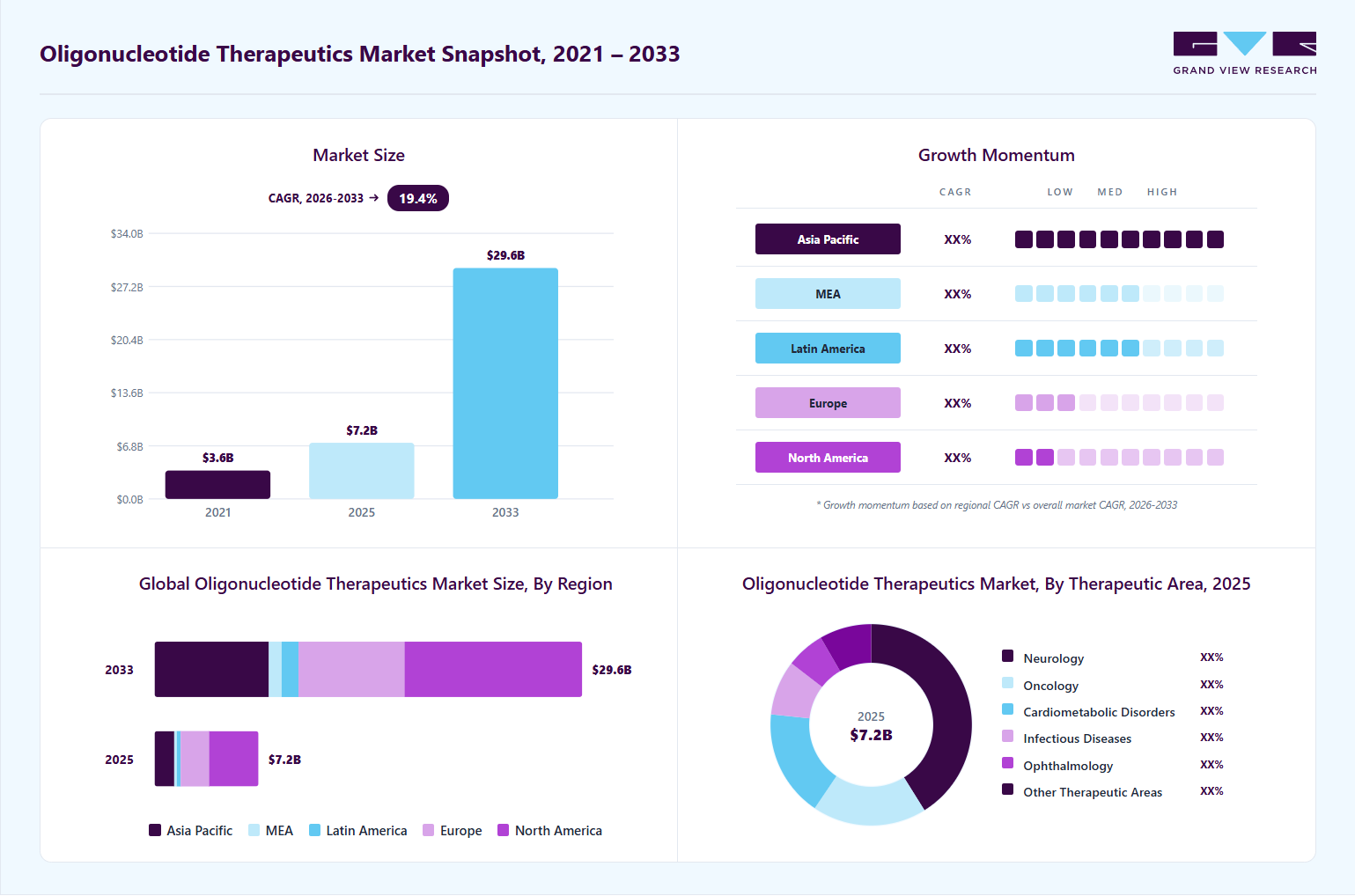 Source: Grand View Research, IR Documents, Primary Interviews, Paid DatabasesTo learn more about this report,
 Download Free Sample Report
Key Market Trends & Insights
- By oligonucleotide class: Antisense oligonucleotides (ASOs) segment held the largest market share of 46.8% in 2025.
- By therapeutic area: Neurology segment held the largest market share of 41.1% in 2025.
- By route of administration: Subcutaneous segment held the largest market share of 43.8% in 2025.
Regional Highlights
- Largest regional market: North America (47.6% revenue share, 2025)
- Fastest-growing regional market: Asia Pacific (highest CAGR, 2026-2033)
- By country: The U.S. held the largest market share in 2025
Market Size & Forecast
- Market size in 2025: USD 7.2 Billion
- Estimated market size in 2026: USD 8.6 Billion
- Projected market size by 2033: USD 29.6 Billion
- CAGR (2026-2033): 19.4%
Three ways to get this report
Buy it, customize it, or ask a question.Ask an Analyst
Analyst response in 1 business day
- AccessReport author, directly
- Reply timeWithin 1 working day
- No sales callDirect answer only
- FormatEmail reply
- CostFree, no cost
Get the Full Report
What the study covers
- FormatsPDF · Excel · Dashboard
- Timeline2026–2033 annual, 2025 base
- Coverage20+ countries, 5 regions
- Companies10+ key players profiled
Customize the Report
20% free customization
- IncludeCountries, segments, points
- TailorTo your product definition
- ExtendDeeper competitor detail
- OrA fully bespoke study
- Turnaround5–10 working days
Growing advancements in antisense oligonucleotides, siRNA therapeutics, and other RNA-targeting technologies are significantly expanding the therapeutic potential of gene-modulating medicines across a broad range of disease areas. The market is also benefiting from continuous innovation in delivery technologies such as lipid nanoparticles and GalNAc conjugates, which are improving drug stability, tissue-specific targeting, cellular uptake, and overall therapeutic efficiency. In addition, increasing regulatory approvals, expanding clinical pipelines, and rising commercialization of RNA-based therapies are strengthening industry confidence and encouraging broader investment in nucleic acid therapeutics development and next-generation precision medicine approaches worldwide.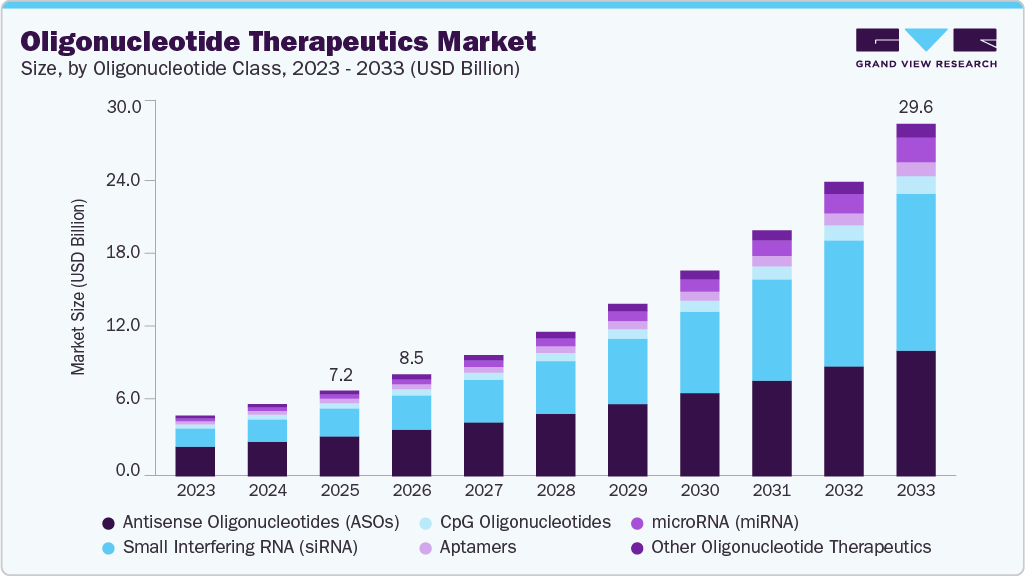 To learn more about this report, Download Free Sample Report
Another major characteristic of the market is the increasing integration of advanced technologies such as artificial intelligence, automation, and computational biology into oligonucleotide drug discovery and development processes. Pharmaceutical companies and biotechnology firms are actively investing in digital drug discovery platforms to improve target identification, optimize oligonucleotide design, and accelerate preclinical development timelines. Strategic collaborations between RNA-focused biotechnology companies and technology-driven drug discovery firms are becoming increasingly common as the market shifts toward more efficient and data-driven therapeutic development models. At the same time, rising competition within the precision medicine landscape is encouraging companies to strengthen their RNA therapeutic pipelines through innovation-focused partnerships and platform expansion strategies.
Pharmaceutical and biotechnology companies are adopting AI-enabled platforms to improve target identification, optimize oligonucleotide design, accelerate preclinical research timelines, and strengthen precision medicine capabilities across multiple therapeutic applications. In line with this industry direction. For instance, in May 2026, Insilico Medicine and Suzhou Ribo Life Science entered a strategic collaboration to accelerate RNA interference and oligonucleotide therapeutics development using AI-driven drug discovery and automated laboratory technologies. The development highlights the growing emphasis on combining artificial intelligence, automation, and RNA therapeutics research to enhance innovation efficiency and support advancement of next-generation nucleic acid therapeutics within the global oligonucleotide therapeutics industry.
Market Concentration & Characteristics
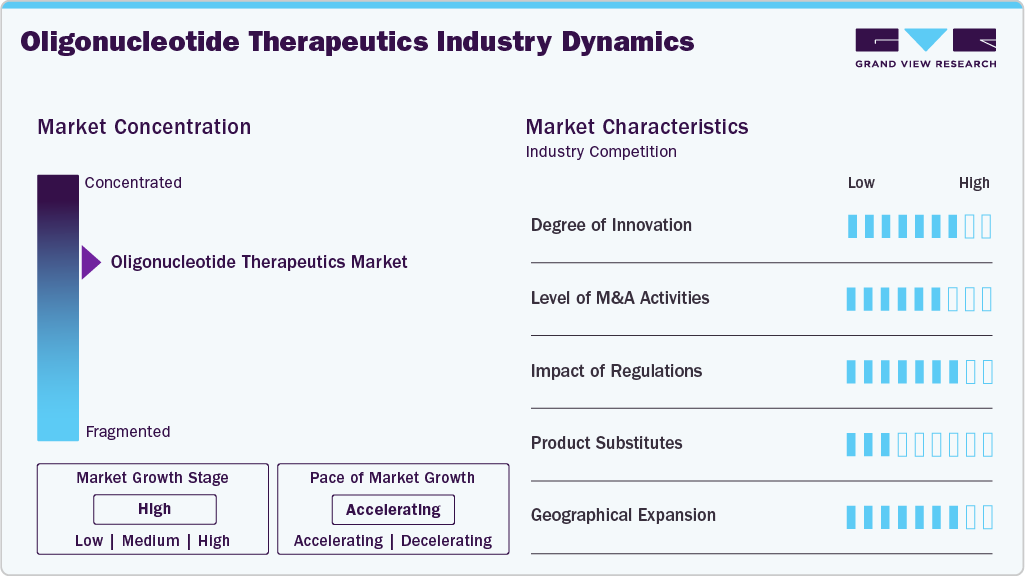
The oligonucleotide therapeutics industry is characterized by high degree of innovation, driven by its foundation in cutting-edge nucleic acid chemistry and gene-silencing technologies. The field continuously evolves through advancements in antisense oligonucleotides (ASOs), siRNA platforms, and RNA-targeting modalities, which enable precise regulation of gene expression at the molecular level. Rapid progress in chemical modifications, such as backbone stabilization and sugar modifications, has significantly improved drug stability, potency, and resistance to enzymatic degradation. Innovation is further accelerated by next-generation delivery systems, including GalNAc conjugation and lipid nanoparticle technologies, which enhance tissue-specific targeting and cellular uptake.
The oligonucleotide therapeutics industry presents high barriers to entry, largely due to the complexity of developing nucleic acid-based drugs that require advanced scientific expertise in chemistry, biology, and drug delivery systems. Significant R&D investment and high development costs, often reaching hundreds of millions to billions of dollars per approved therapy, limit participation to well-capitalized pharmaceutical and biotech firms. The market is further constrained by complex manufacturing requirements, including stringent GMP-grade synthesis, purification, and scalability challenges that increase operational difficulty. Regulatory uncertainty and evolving approval frameworks for gene-targeting therapies also slow market entry and increase compliance burden. In addition, strong intellectual property protection and overlapping patent landscapes create legal and competitive barriers for new entrants, reinforcing dominance by established players.
 To learn more about this report, Download Free Sample Report
The oligonucleotide therapeutics industry is experiencing a moderate to high level of M&A activity, driven by large pharmaceutical companies acquiring or partnering with specialized biotech firms to strengthen their RNA-targeting and gene-silencing pipelines. Strategic acquisitions are primarily focused on gaining access to platform technologies such as antisense oligonucleotides, siRNA therapies, and advanced delivery systems, which are difficult to develop in-house. Collaboration and acquisition activity is also supported by the need for pipeline diversification and faster expansion into genetic medicine portfolios, especially as companies seek to offset traditional drug patent expires. Increasingly, established players are targeting innovative biotech firms with promising clinical-stage assets to reduce development risk and accelerate commercialization timelines. Overall, M&A remains an important growth strategy in the market, reflecting strong consolidation and technology-driven expansion trends.
The oligonucleotide therapeutics industry has moderate but growing product substitution risk, primarily from other advanced and emerging treatment modalities targeting similar disease pathways. Key substitutes include small molecule drugs and monoclonal antibodies, which remain widely used due to established clinical experience, broader accessibility, and well-defined regulatory pathways. In certain indications, gene therapy and CRISPR-based genome editing technologies also act as emerging substitutes by offering potentially longer-lasting or curative effects at the genetic level. In addition, protein replacement therapies and peptide-based drugs may serve as alternatives in specific rare disease applications where oligonucleotides are still evolving. However, substitution is often limited by the unique advantage of oligonucleotides in precise gene expression modulation and targeting of previously undruggable pathways, which supports their continued differentiation in the therapeutic landscape.
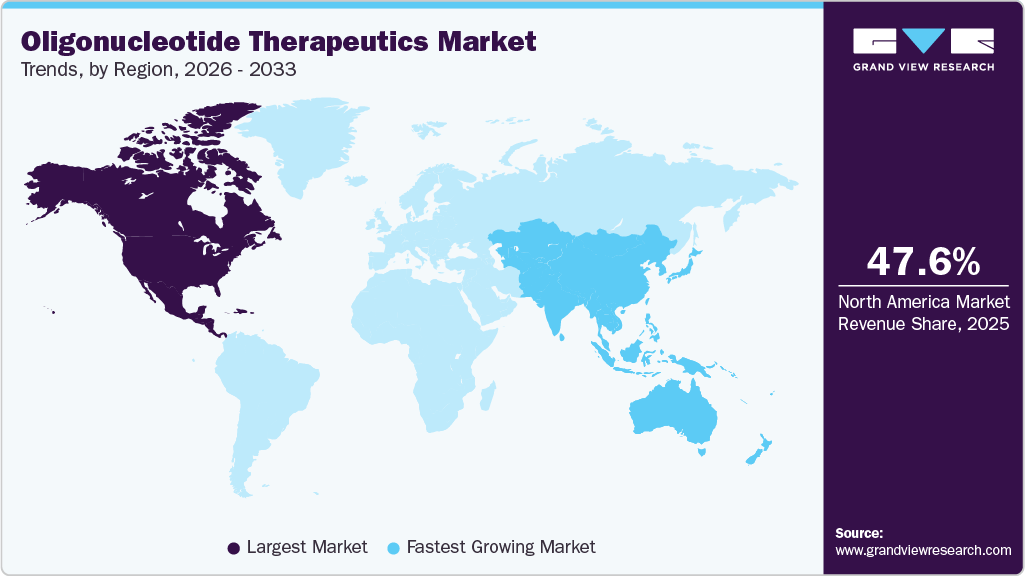
The oligonucleotide therapeutics industry is experiencing strong geographical expansion, supported by increasing adoption of advanced genetic medicines across developed and emerging healthcare systems. North America remains the leading region due to strong R&D infrastructure, high clinical trial activity, and early regulatory approvals for RNA-based therapies. Europe is also expanding steadily, driven by supportive regulatory frameworks and growing investment in rare disease and precision medicine programs. Meanwhile, Asia-Pacific is emerging as a high-growth region, supported by improving biotechnology capabilities, rising healthcare expenditure, and increasing participation in global clinical development programs. Overall, expansion is being reinforced by broader global interest in precision medicine and increasing accessibility to advanced biologics manufacturing and delivery technologies.
Oligonucleotide Class Insights
The antisense oligonucleotides (ASOs) segment dominated the market with the largest revenue share of 46.78% in 2025, due to increasing adoption of RNA-targeting therapies for rare genetic, neurological, and immunological disorders. The segment is benefiting from continuous advancements in oligonucleotide chemistry and conjugation technologies that are improving drug stability, tissue-specific delivery, and therapeutic precision. Pharmaceutical and biotechnology companies are increasingly focusing on development of next-generation ASO platforms capable of achieving enhanced efficacy with reduced dosing frequency and improved safety profiles. Growing regulatory support for rare disease therapies and expanding commercialization of antisense-based medicines are further strengthening market confidence in this segment. In addition, increasing investment in ligand-conjugated oligonucleotide technologies is accelerating innovation in targeted RNA therapeutics and expanding clinical applications across multiple disease indications. For instance, in August 2025, Ionis Pharmaceuticals secured FDA approval for donidalorsen (Dawnzera) for hereditary angioedema prevention, utilizing ligand-conjugated antisense technology targeting prekallikrein mRNA, further reinforcing industry momentum toward next-generation ASO therapeutics with improved targeting and efficacy profiles.
The microRNA (miRNA) segment is projected to grow at a CAGR of 25.10% over the forecast period, driven by increasing adoption of RNA interference-based therapeutics and expanding clinical applications of gene regulation strategies in oncology and rare genetic disorders, the miRNA segment is gaining strong traction within the oligonucleotide therapeutics industry. It is further supported by rising prevalence of cancer and complex genetic conditions that require highly targeted gene-silencing approaches under precision medicine frameworks. Advancements in oligonucleotide chemistry, sequence engineering, and delivery technologies are improving miRNA stability, target specificity, and intracellular uptake efficiency. In addition, growing pharmaceutical R&D investments and expanding clinical pipelines focused on next-generation nucleic acid therapeutics are accelerating innovation in this space. Increasing regulatory progress and gradual commercialization of oligonucleotide-based therapies are strengthening market acceptance across key regions. Moreover, the integration of miRNA-based biomarkers and companion diagnostics is enhancing patient stratification and improving overall therapeutic outcomes.
Therapeutic Area Insights
The neurology segment dominated the market with the largest revenue share of 41.13% in 2025, driven by the growing application of RNA-targeting approaches for rare neurological and neurodegenerative disorders. The segment is supported by the rising prevalence of genetic epilepsy syndromes, neurodevelopmental disorders, spinal muscular atrophy, amyotrophic lateral sclerosis, and other inherited conditions with limited treatment options. Antisense oligonucleotides and siRNA-based therapies are gaining significant attention due to their ability to selectively modulate disease-causing genes and regulate protein expression at the molecular level. Ongoing advancements in central nervous system (CNS) delivery technologies and expanding genetic medicine approaches are further enhancing therapeutic potential and broadening clinical applications. In addition, increasing pharmaceutical investment and a strengthening late-stage pipeline are accelerating innovation in the segment. For instance, in February 2025, Biogen and Stoke Therapeutics announced a strategic collaboration to develop and commercialize zorevunersen, an investigational antisense oligonucleotide therapy for Dravet syndrome, highlighting continued industry focus on RNA-targeting neurological therapeutics.
The cardiometabolic disorders segment is projected to grow at a CAGR of 28.37% over the forecast period driven by the rising global burden of cardiovascular diseases, dyslipidemia, obesity-related metabolic dysfunction, and associated risk factors such as elevated LDL cholesterol and triglycerides. The segment is increasingly benefiting from RNA-targeting modalities, particularly antisense oligonucleotides and siRNA-based therapies, which enable precise modulation of key metabolic pathways involved in lipid regulation and cardiovascular risk. Growing scientific focus on targets such as PCSK9, ANGPTL3, and LPA is strengthening the development pipeline for lipid-lowering oligonucleotide therapies. In addition, the long-acting nature of these therapies, often requiring infrequent dosing, is improving treatment adherence in chronic cardiometabolic conditions. Expanding clinical validation and regulatory progress are further supporting the transition of these therapies from niche applications to broader cardiometabolic disease management. Overall, the segment is witnessing steady advancement supported by strong pharmaceutical investment and increasing integration of RNA-based precision medicine approaches. For instance, in March 2025, Novartis expanded the clinical and commercial positioning of inclisiran (Leqvio), a twice-yearly siRNA therapy targeting PCSK9, supporting broader use in LDL-C reduction and earlier intervention in hypercholesterolemia management.
Route of Administration Insights
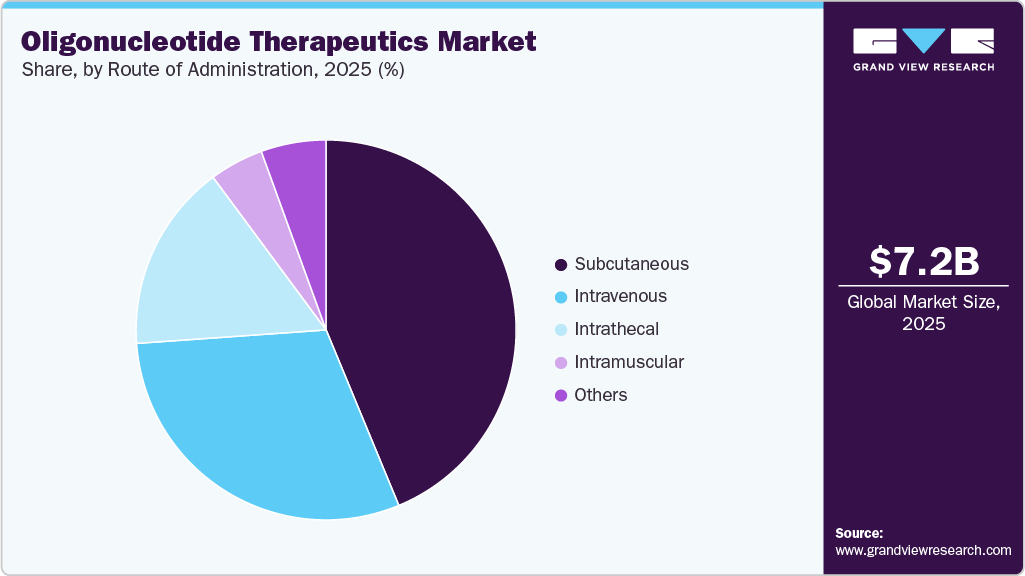
The subcutaneous segment dominated the market with the largest revenue share of 43.75% in 2025, driven by its strong alignment with the pharmacological characteristics of antisense oligonucleotides (ASOs) and small interfering RNA (siRNA) therapies. This route has gained substantial traction due to advancements in delivery technologies, particularly GalNAc conjugation, which enables efficient and targeted uptake in hepatocytes, significantly enhancing therapeutic performance for liver-associated cardiometabolic and genetic disorders. Subcutaneous administration is widely favored for chronic disease management, as it offers a minimally invasive approach with the potential for self-administration or outpatient use, improving patient convenience and long-term adherence compared to intravenous or intrathecal delivery. In addition, the development of long-acting RNA-based therapies has enabled extended dosing intervals ranging from monthly to biannual administration, further strengthening its clinical and commercial attractiveness. While alternative routes such as intrathecal administration remain relevant for central nervous system-targeted therapies, subcutaneous delivery continues to dominate systemic oligonucleotide applications. Overall, increasing regulatory approvals, expanding late-stage pipelines, and the growing adoption of long-acting RNA therapeutics are reinforcing the subcutaneous segment’s position as a key driver of market scalability and commercial expansion.
 To learn more about this report, Download Free Sample Report
The intramuscular segment is projected to grow at a significant CAGR over the forecast period driven by the continued use of intramuscular administration as a supportive parenteral route for oligonucleotide therapeutics requiring systemic exposure with sustained absorption profiles. The segment benefits from its capacity to enable gradual drug release from muscle tissue, supporting extended pharmacological activity in selected nucleic acid-based therapies. Intramuscular delivery is applied in specific clinical settings where alternative routes such as subcutaneous or intravenous administration may be less suitable due to dosing or formulation considerations. Its adoption is further supported by the need for controlled and repeatable administration in chronic and rare disease management. Ongoing advancements in oligonucleotide chemistry and delivery systems are enhancing overall stability and pharmacokinetic performance across parenteral routes, including intramuscular injections. In addition, the expanding pipeline of nucleic acid therapeutics continues to support the utilization of established injectable delivery pathways within the oligonucleotide therapeutics industry.
Regional Insights
North America oligonucleotide therapeutics industry share of 47.56% in 2025 led primarily by the U.S. due to its strong biotechnology ecosystem, high healthcare spending, and early adoption of precision medicine. The region benefits from the presence of major RNA-focused companies such as Ionis Pharmaceuticals, Alnylam Pharmaceuticals, and Moderna, which continue to expand pipelines for antisense and siRNA-based therapies. Strong regulatory support from the U.S. Food and Drug Administration, including orphan drug incentives and expedited approval pathways, has accelerated the commercialization of RNA-targeting medicines for rare and genetic diseases. The market is also supported by extensive clinical trial activity, advanced genomic research infrastructure, and increasing investments in oligonucleotide manufacturing and delivery technologies. In addition, rising demand for personalized medicine and growing acceptance of gene-modulating therapies across neurology, cardiometabolic disorders, and rare diseases continue to strengthen North America’s leadership position in the global market.
 To learn more about this report, Download Free Sample Report
U.S. Oligonucleotide Therapeutics Market Trends
The U.S. oligonucleotide therapeutics industry is the leading contributor to the North American market, supported by a strong biotechnology ecosystem, advanced research infrastructure, and high investment in RNA-based drug development. The country has a well-established regulatory framework for innovative therapies, including orphan drug and fast-track designations, which supports the development and commercialization of antisense oligonucleotides and siRNA therapeutics. The presence of major biotechnology and pharmaceutical companies specializing in RNA-targeting medicines, along with extensive academic and clinical research collaborations, continues to accelerate pipeline expansion and clinical trial activity. Compared with many other countries, the U.S. demonstrates earlier adoption of precision medicine and greater availability of specialized treatment centers for rare and genetic disorders. In addition, growing demand for targeted therapies across neurological, cardiovascular, and rare disease applications continues to strengthen the country’s position as a global center for oligonucleotide therapeutics innovation and commercialization.
Europe Oligonucleotide Therapeutics Market Trends
The Europe oligonucleotide therapeutics industry is experiencing steady expansion, supported by the region’s strong biotechnology research base, increasing adoption of precision medicine, and growing focus on RNA-based therapeutics. The market benefits from supportive regulatory initiatives by the European Medicines Agency, including orphan drug designations and frameworks that encourage development of therapies for rare genetic and neurological disorders. Countries such as Germany, France, and United Kingdom are major contributors due to their advanced pharmaceutical infrastructure, active clinical research environment, and increasing investments in genomics and nucleic acid technologies. Market growth is further supported by rising collaborations between biotechnology companies, academic institutions, and CDMOs focused on oligonucleotide synthesis and RNA therapeutic manufacturing. In addition, increasing demand for targeted therapies in oncology, neurology, and rare disease treatment areas continues to accelerate commercialization of antisense oligonucleotide and siRNA-based products across the region. Expanding funding programs under European precision medicine and biotechnology initiatives are also strengthening long-term market development and innovation capacity in Europe.
The UK oligonucleotide therapeutics industry is experiencing steady growth, supported by the country’s strong life sciences ecosystem, advanced genomic research capabilities, and increasing focus on precision medicine. The market benefits from the presence of leading academic research institutions, biotechnology companies, and specialized RNA-focused research programs that continue to support development of antisense oligonucleotide and siRNA-based therapies. Government-backed initiatives in genomics and rare disease research, along with support from organizations such as the National Health Service and research funding bodies, are encouraging innovation in nucleic acid therapeutics. The United Kingdom also maintains a favorable clinical research environment with active participation in early-stage and late-stage clinical trials for RNA-targeting therapies across neurological, oncological, and rare genetic disease applications. In addition, growing collaboration between biotechnology firms and contract development and manufacturing organizations is strengthening domestic oligonucleotide production and research capabilities. Increasing investment in personalized medicine and advanced biologics manufacturing continues to support long-term market expansion in the country.
Germany oligonucleotide therapeutics industry is expanding steadily due to the country’s strong pharmaceutical manufacturing capabilities and its position as a major biotechnology research hub in Europe. The market is supported by Germany’s emphasis on translational medicine and molecular diagnostics, which is increasing integration of RNA-based therapeutics into advanced treatment research. The presence of established pharmaceutical manufacturers and specialized CDMOs is strengthening domestic oligonucleotide synthesis and large-scale production capabilities. Germany also demonstrates strong clinical research activity in neurological disorders, oncology, and rare genetic diseases, supported by collaborations between university hospitals and biotechnology firms. In addition, increasing investment in biopharmaceutical innovation and advanced biologics manufacturing is accelerating development of antisense oligonucleotide and siRNA-based therapies. The country’s focus on precision healthcare and high-value pharmaceutical innovation continues to reinforce its strategic importance within the European oligonucleotide therapeutics industry.
France oligonucleotide therapeutics industry is witnessing steady growth, supported by the country’s expanding biotechnology sector, strong public healthcare research system, and increasing focus on precision medicine and genomic innovation. The market is benefiting from rising investment in RNA-based therapeutics research, particularly in rare diseases, oncology, and neurological disorders, where demand for targeted treatment approaches continues to increase. France maintains a strong clinical research environment through collaborations between biotechnology companies, academic institutes, and public research organizations, which is supporting development of antisense oligonucleotide and siRNA-based therapies. Growth is further driven by government-backed life sciences initiatives and increasing funding for advanced biopharmaceutical and molecular medicine research programs. In addition, the country’s established pharmaceutical manufacturing capabilities and growing interest in nucleic acid therapeutics are supporting expansion of oligonucleotide development and production activities. The increasing adoption of personalized healthcare strategies and continued advancement in genomic medicine are expected to strengthen long-term market development in France.
Asia-Pacific Oligonucleotide Therapeutics Market Trends
Asia Pacific oligonucleotide therapeutics industry is expected to register the fastest CAGR of 24.72% over the forecast period due to increasing investments in biotechnology research, expanding pharmaceutical manufacturing capabilities, and growing adoption of precision medicine across major regional economies. Countries such as China, Japan, South Korea, and India are strengthening their presence in RNA-based therapeutics through rising genomic research activities, supportive government biotechnology initiatives, and increasing participation in global drug development programs. The market is further driven by the growing burden of chronic, rare, and genetic disorders, which is increasing demand for targeted treatment approaches including antisense oligonucleotide and siRNA therapies. In addition, regional pharmaceutical and biotechnology companies are expanding collaborations with global firms to enhance oligonucleotide development, manufacturing, and commercialization capabilities. Rapid growth in contract development and manufacturing infrastructure, particularly for nucleic acid synthesis and advanced drug delivery technologies, is also contributing to market expansion. Furthermore, improving healthcare infrastructure and increasing focus on innovative biologics and personalized medicine continue to support long-term growth of the oligonucleotide therapeutics industry across Asia Pacific.
Japan oligonucleotide therapeutics industry is experiencing steady growth, supported by the country’s advanced pharmaceutical sector, strong biotechnology research capabilities, and increasing focus on precision and genomic medicine. Japan has established a favorable environment for nucleic acid therapeutics through active collaboration between pharmaceutical companies, academic research institutions, and government-backed biomedical innovation programs. The market is benefiting from rising demand for targeted treatments for neurological disorders, rare genetic diseases, and oncology applications, where antisense oligonucleotide and siRNA-based therapies are gaining increasing research and commercial attention. In addition, Japan’s aging population and growing incidence of chronic diseases are driving interest in advanced therapies that offer improved treatment specificity and personalized disease management approaches. The country also possesses strong pharmaceutical manufacturing standards and expertise in drug formulation technologies, supporting development and commercialization of oligonucleotide-based medicines. Furthermore, ongoing investment in RNA research, regenerative medicine, and genomic healthcare initiatives continues to strengthen Japan’s role in the Asia Pacific oligonucleotide therapeutics industry.
The China oligonucleotide therapeutics industry is experiencing significant growth, supported by rapid expansion of the domestic biotechnology industry and increasing national focus on innovative biopharmaceutical development. The country is strengthening its position in RNA-based therapeutics through rising investments in genomic medicine, nucleic acid research, and advanced pharmaceutical manufacturing capabilities. Growing participation of domestic biotechnology companies in development of antisense oligonucleotide and siRNA-based therapies is accelerating innovation across oncology, rare disease, and chronic disease applications. China’s large patient population and expanding clinical trial ecosystem are further supporting research activity and commercialization opportunities for oligonucleotide therapeutics. In addition, increasing development of local oligonucleotide synthesis and drug delivery infrastructure is enhancing domestic production capacity and reducing reliance on imported technologies. Supportive regulatory reforms encouraging innovative drug approvals and biotechnology advancement continue to reinforce long-term growth prospects for the oligonucleotide therapeutics industry in China.
Latin America Oligonucleotide Therapeutics Market Trends
Latin America oligonucleotide therapeutics industry is at an emerging stage of development, characterized by gradually increasing adoption of advanced genetic and RNA-based therapies across selected healthcare systems in the region. Market growth is primarily concentrated in Brazil and Mexico, where improving pharmaceutical research capabilities and expanding access to specialized healthcare services are supporting demand for innovative therapeutics. Increasing incidence of chronic and rare diseases, along with growing awareness of precision medicine, is encouraging interest in antisense oligonucleotide and siRNA-based treatment approaches. The region is also witnessing rising participation in multinational clinical trials, enabling greater exposure to advanced nucleic acid therapeutics and supporting early-stage market penetration. However, commercialization remains relatively limited compared to North America and Europe due to reimbursement constraints, high therapy costs, and uneven access to advanced diagnostic infrastructure across several countries. Despite these limitations, ongoing healthcare modernization efforts and increasing collaboration with global biotechnology companies are expected to gradually strengthen the long-term outlook for the Latin America oligonucleotide therapeutics industry.
Brazil oligonucleotide therapeutics industry is gradually expanding, supported by the country’s growing biotechnology ecosystem, increasing focus on genomic medicine, and rising adoption of precision healthcare approaches. Brazil represents the largest pharmaceutical and biotechnology market in Latin America, which is encouraging greater research activity in RNA-based therapeutics, including antisense oligonucleotide and siRNA technologies. The market is benefiting from increasing investment in molecular diagnostics, genomic research programs, and biotechnology innovation initiatives aimed at strengthening advanced therapeutic development. In addition, expanding participation in multinational clinical trials and collaborations between domestic healthcare institutions and global biotechnology companies are improving access to nucleic acid therapeutics and related technologies. However, market growth remains moderately constrained by high therapy costs, dependence on imported advanced therapeutics, and limited large-scale domestic oligonucleotide manufacturing infrastructure. Despite these challenges, ongoing regulatory modernization, expanding precision medicine initiatives, and improving biotechnology capabilities continue to support the long-term development of the oligonucleotide therapeutics industry in Brazil.
Middle East & Africa Oligonucleotide Therapeutics Market Trends
The MEA oligonucleotide therapeutics industry is growing, driven by gradual expansion of biotechnology research, improving healthcare infrastructure, and increasing awareness of precision medicine across selected countries in the region. Markets such as Saudi Arabia, United Arab Emirates, and South Africa are witnessing rising investment in advanced healthcare technologies and genomic medicine initiatives, which is supporting early adoption of RNA-based therapeutics. The market is further driven by increasing prevalence of chronic and genetic disorders, along with growing demand for targeted treatment approaches in specialized healthcare settings. In addition, expanding collaborations with international pharmaceutical and biotechnology companies are improving access to advanced oligonucleotide therapeutics and molecular diagnostic technologies across the region. However, market growth remains constrained in several countries due to limited local manufacturing capabilities, high treatment costs, and restricted access to specialized genomic testing infrastructure. Despite these challenges, ongoing healthcare modernization programs, increasing investment in biotechnology innovation, and rising focus on personalized medicine are expected to support gradual long-term development of the MEA oligonucleotide therapeutics industry.
Saudi Arabia oligonucleotide therapeutics industry is emerging steadily, supported by the country’s expanding investment in biotechnology research, genomic medicine, and advanced healthcare infrastructure development. The market is benefiting from increasing focus on genetic disease management and precision healthcare initiatives, particularly through national genomic research and population screening programs aimed at improving early disease diagnosis and targeted treatment approaches. Rising adoption of advanced molecular diagnostics and personalized medicine strategies is encouraging interest in RNA-based therapeutics, including antisense oligonucleotide and siRNA technologies, within specialized healthcare and research institutions. In addition, growing collaboration between Saudi healthcare organizations, international biotechnology companies, and regional research centers is supporting technology transfer and broader access to nucleic acid therapeutics. The country is also strengthening local pharmaceutical and biotechnology capabilities through increasing investment in biopharmaceutical manufacturing and life sciences innovation. Furthermore, supportive healthcare modernization policies and expanding focus on advanced therapeutics are expected to contribute to long-term growth of the oligonucleotide therapeutics industry in Saudi Arabia.
Key Oligonucleotide Therapeutics Company Insights
Ionis Pharmaceuticals and Alnylam Pharmaceuticals continue to strengthen their positions in the oligonucleotide therapeutics industry through advancement of antisense oligonucleotide and RNA interference (RNAi) therapies targeting rare genetic, neurological, and cardiometabolic disorders. Sarepta Therapeutics and Biogen are expanding their neuromuscular and neurodegenerative disease pipelines by developing next-generation RNA-targeting therapeutics and precision medicine approaches. Novartis and Roche are increasing investments in RNA-based drug development through strategic collaborations, pipeline diversification, and integration of advanced delivery technologies. Arrowhead Pharmaceuticals and Wave Life Sciences are focusing on innovative gene-silencing and RNA-editing platforms to improve treatment specificity, efficacy, and tissue targeting capabilities. Silence Therapeutics and Nitto Denko Avecia are strengthening the market through siRNA platform development, oligonucleotide manufacturing, and specialized nucleic acid production capabilities supporting broader commercialization activity. The market remains highly innovation-driven, characterized by expanding clinical pipelines, increasing strategic partnerships, advancements in RNA delivery systems, and rising adoption of precision medicine-based therapeutic approaches across multiple disease indications.
Key Oligonucleotide Therapeutics Companies:
The following key companies have been profiled for this study on the oligonucleotide therapeutics market.
- Ionis Pharmaceuticals
- Alnylam Pharmaceuticals
- Sarepta Therapeutics
- Biogen
- Novartis
- Roche
- Arrowhead Pharmaceuticals
- Wave Life Sciences
- Silence Therapeutics
- Nitto Denko Avecia
Recent Developments
-
In March 2025, Ionis Pharmaceuticals expanded its partnership with Sobi to extend the commercialization of olezarsen (TRYNGOLZA) outside the U.S., strengthening global access to its triglyceride-lowering antisense therapy. The agreement reinforces Ionis’ cardiometabolic strategy and expands its late-stage ASO franchise into broader international markets.
-
In February 2025, Sarepta Therapeutics closed a global licensing and collaboration agreement with Arrowhead Pharmaceuticals, securing rights to multiple investigational RNAi programs targeting rare genetic diseases, including neuromuscular and CNS disorders. The deal includes substantial upfront payments and milestone-based funding, strengthening Sarepta’s precision genetic medicine pipeline.
-
In February 2025, Biogen entered into a global collaboration with Stoke Therapeutics to develop and commercialize zorevunersen, an antisense oligonucleotide therapy for Dravet syndrome. The agreement expands Biogen’s rare disease RNA-targeting pipeline and reinforces its strategic focus on genetic epilepsy and CNS disorders
Oligonucleotide Therapeutics Market Report Scope
Report Attribute
Details
Market size in 2025
USD 7.2 billion
Estimated market size in 2026
USD 8.6 billion
Projected market size by 2033
USD 29.6 billion
Growth rate
CAGR of 19.4% from 2026 to 2033
Base year for estimation
2025
Historical data
2021 - 2024
Forecast period
2026 - 2033
Quantitative units
Revenue in USD million and CAGR from 2026 to 2033
Report coverage
Revenue forecast, company ranking, competitive landscape, growth factors, trends
Segments covered
Oligonucleotide class, therapeutic area, route of administration, and region
Regional scope
North America; Europe; Asia Pacific; Latin America; Middle East & Africa
Country scope
U.S.; Canada; Mexico; UK; Germany; France; Italy; Spain; Denmark; Sweden; Norway; China; Japan; India; Australia; South Korea; Thailand; Brazil; Argentina; South Africa; Saudi Arabia; UAE; Kuwait
Key company profiled
Ionis Pharmaceuticals; Alnylam Pharmaceuticals; Sarepta Therapeutics; Biogen; Novartis; Roche; Arrowhead Pharmaceuticals; Wave Life Sciences; Silence Therapeutics, Nitto Denko Avecia
Customization scope
Free report customization (equivalent up to 8 analysts working days) with purchase. Addition or alteration to country, regional & segment scope.
Pricing and purchase options
Avail customized purchase options to meet your exact research needs. Explore purchase options
Global Oligonucleotide Therapeutics Market Report Segmentation
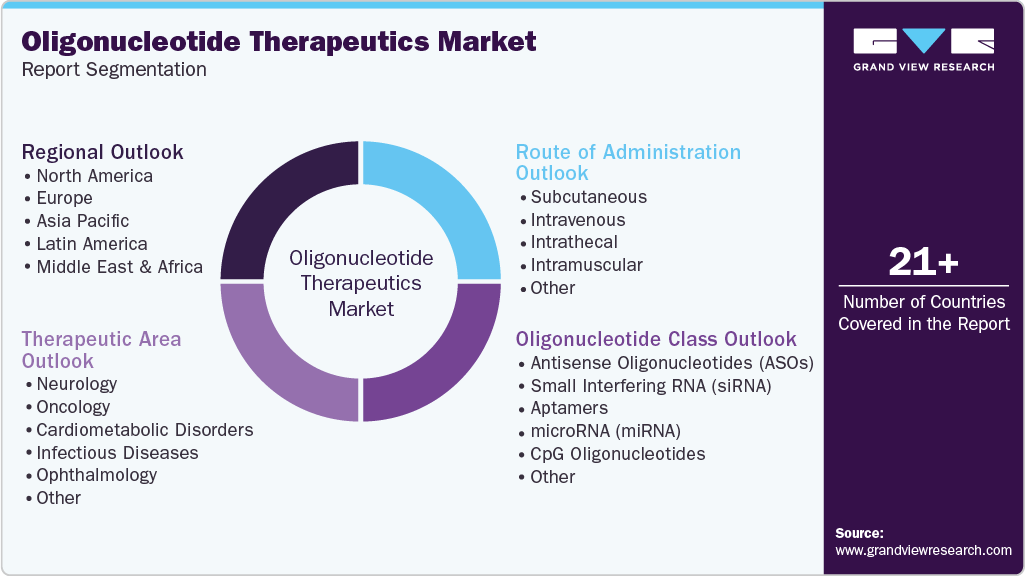
This report forecasts revenue growth at global, regional, and country levels and provides an analysis of the latest industry trends in each of the sub-segments from 2021 to 2033. For this study, Grand View Research has segmented the global oligonucleotide therapeutics market report based on oligonucleotide class, therapeutic area, route of administration, and region:
 To learn more about this report, Download Free Sample Report
-
Oligonucleotide Class Outlook (Revenue, USD Million, 2021 - 2033)
-
Antisense Oligonucleotides (ASOs)
-
Small Interfering RNA (siRNA)
-
Aptamers
-
microRNA (miRNA)
-
CpG Oligonucleotides
-
Other
-
-
Therapeutic Area Outlook (Revenue, USD Million, 2021 - 2033)
-
Neurology
-
Oncology
-
Cardiometabolic Disorders
-
Infectious Diseases
-
Ophthalmology
-
Other
-
-
Route of Administration Outlook (Revenue, USD Million, 2021 - 2033)
-
Subcutaneous
-
Intravenous
-
Intrathecal
-
Intramuscular
-
Other
-
-
Regional Outlook (Revenue, USD Million, 2021 - 2033)
-
North America
-
U.S.
-
Canada
-
Mexico
-
-
Europe
-
UK
-
Germany
-
France
-
Italy
-
Spain
-
Denmark
-
Sweden
-
Norway
-
-
Asia Pacific
-
Japan
-
China
-
India
-
Australia
-
South Korea
-
Thailand
-
-
Latin America
-
Brazil
-
Argentina
-
-
Middle East & Africa
-
South Africa
-
Saudi Arabia
-
UAE
-
Kuwait
-
-
Frequently Asked Questions About This Report
Asia Pacific is the fastest-growing region over the forecast period.
The antisense oligonucleotides segment led with a 46.8% revenue share in 2025.
The neurology segment held the highest market share of 41.1% in 2025.
The subcutaneous segment held the highest market share of 43.8% in 2025. while intramuscular is growing significantly.
The global oligonucleotide therapeutics market size was valued at USD 7.2 billion in 2025 and is anticipated to reach USD 8.6 billion in 2026.
The global oligonucleotide therapeutics market is expected to witness a compound annual growth rate of 19.4% from 2026 to 2033 to reach USD 29.6 billion by 2033.
North America dominated with a 47.6% revenue share in 2025.
Some of the key players in oligonucleotide therapeutics market are Ionis Pharmaceuticals, Alnylam Pharmaceuticals, Sarepta Therapeutics, Biogen
The oligonucleotide therapeutics market is witnessing rapid transformation as pharmaceutical and biotechnology companies increasingly focus on RNA-based medicines for the treatment of rare genetic disorders, oncology indications, neurological diseases, and chronic conditions.
About the Author(s)
Pharmaceuticals Research Team
Healthcare · PharmaceuticalsThis report was authored by the pharmaceuticals research team at Grand View Research - comprising two research analysts, one senior research analyst, and one industry expert - with specialized expertise in the pharmaceuticals segment of the healthcare industry. All findings are based on proprietary healthcare databases, executive interviews, and regulatory analysis, subject to internal peer review prior to publication.
Last Updated:
Speak to Analyst

Customize this report to your needs - add regions, segments, or data points, with 20% free customization.
Or view our licence options:


ISO 9001:2015 & 27001:2022 Certified
We are GDPR and CCPA compliant! Your transaction & personal information is safe and secure. For more details, please read our privacy policy.


