
- Home
- »
- Medical Devices
- »
-
Orthobiologics Market Size And Share Report, 2026-2033GVR Report cover

Orthobiologics Market (2026 - 2033)
Size, Share & Trends Analysis Report By Product (DBM, Allograft, BMP, Viscosupplementation), By Application (Spinal Fusion, Trauma Repair, Reconstructive Surgery), By End Use (Hospitals, Orthopedic Clinics), By Region, And Segment Forecasts
Market Size, 2025
$7.1BMarket Estimate, 2026
$7.5BMarket Forecast, 2033
$10.8BCAGR, 2026–2033
10.8%Orthobiologics Market Summary
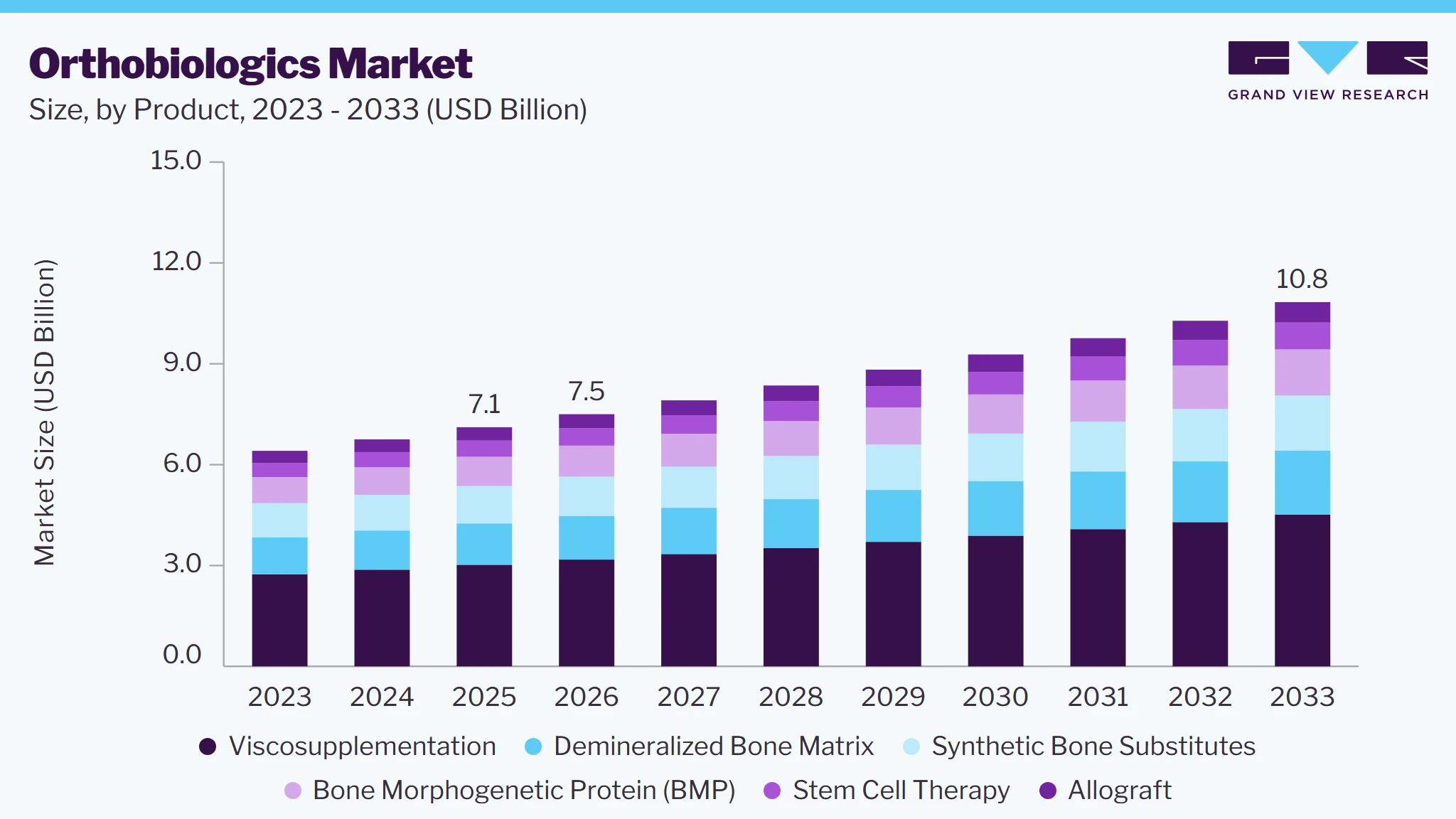
The global orthobiologic market size was valued at USD 7.1 billion in 2025 and is projected to grow from USD 7.5 billion in 2026 to USD 10.8 billion by 2033, at a CAGR of 5.4% from 2026 to 2033. Increase in the number of sports injuries and road traffic accidents, adoption of minimally invasive treatments, increasing prevalence of orthopedic procedures, coupled with a growing geriatric population, are the major factors fostering market growth.
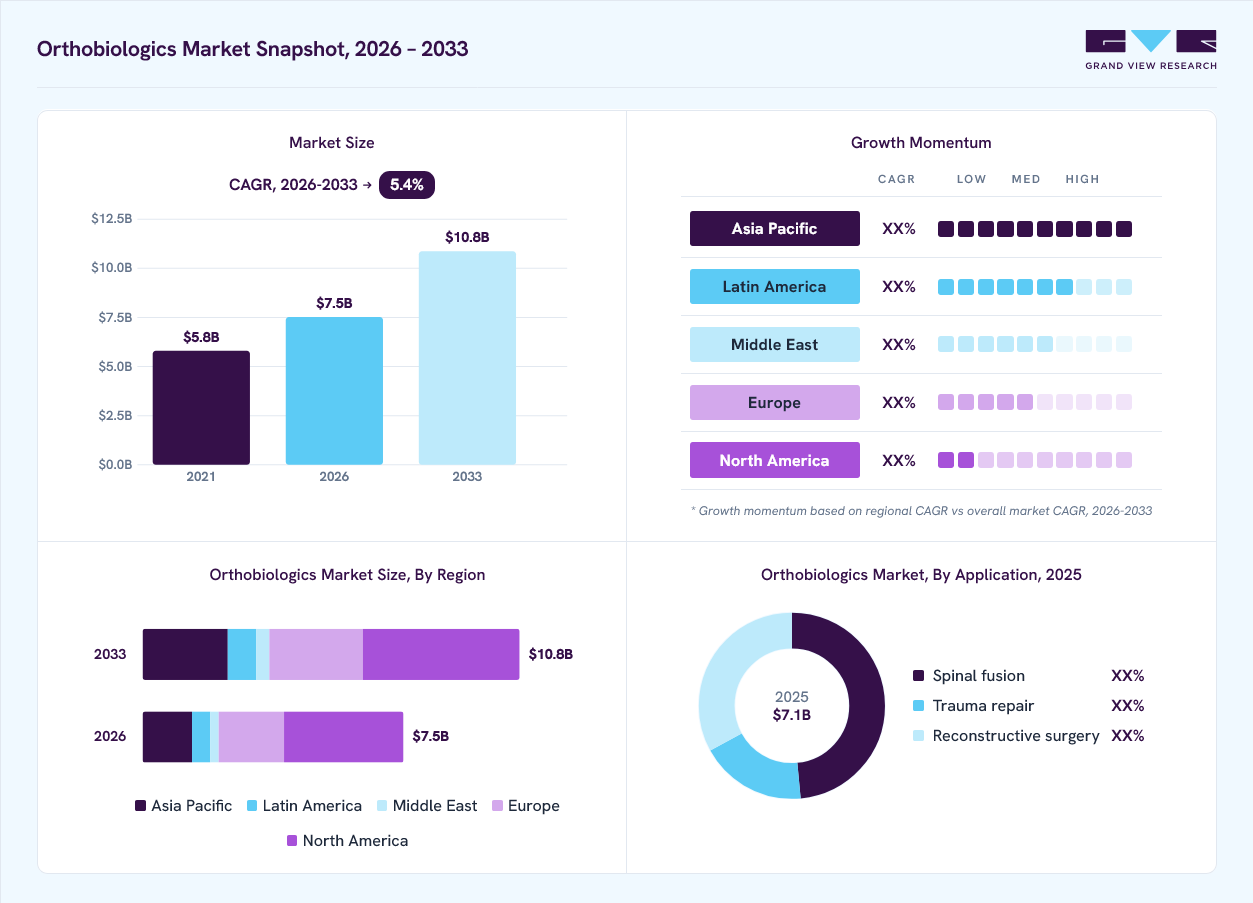 Source: Grand View Research, IR Documents, Primary Interviews, Paid DatabasesTo learn more about this report,
 Download Free Sample Report
Key Market Trends & Insights
- By product: Viscosupplementation segment led the market, and accounted for largest revenue share of 42.5% in 2025.
- By end use: Hospital held the largest revenue share of 74.3% in 2025.
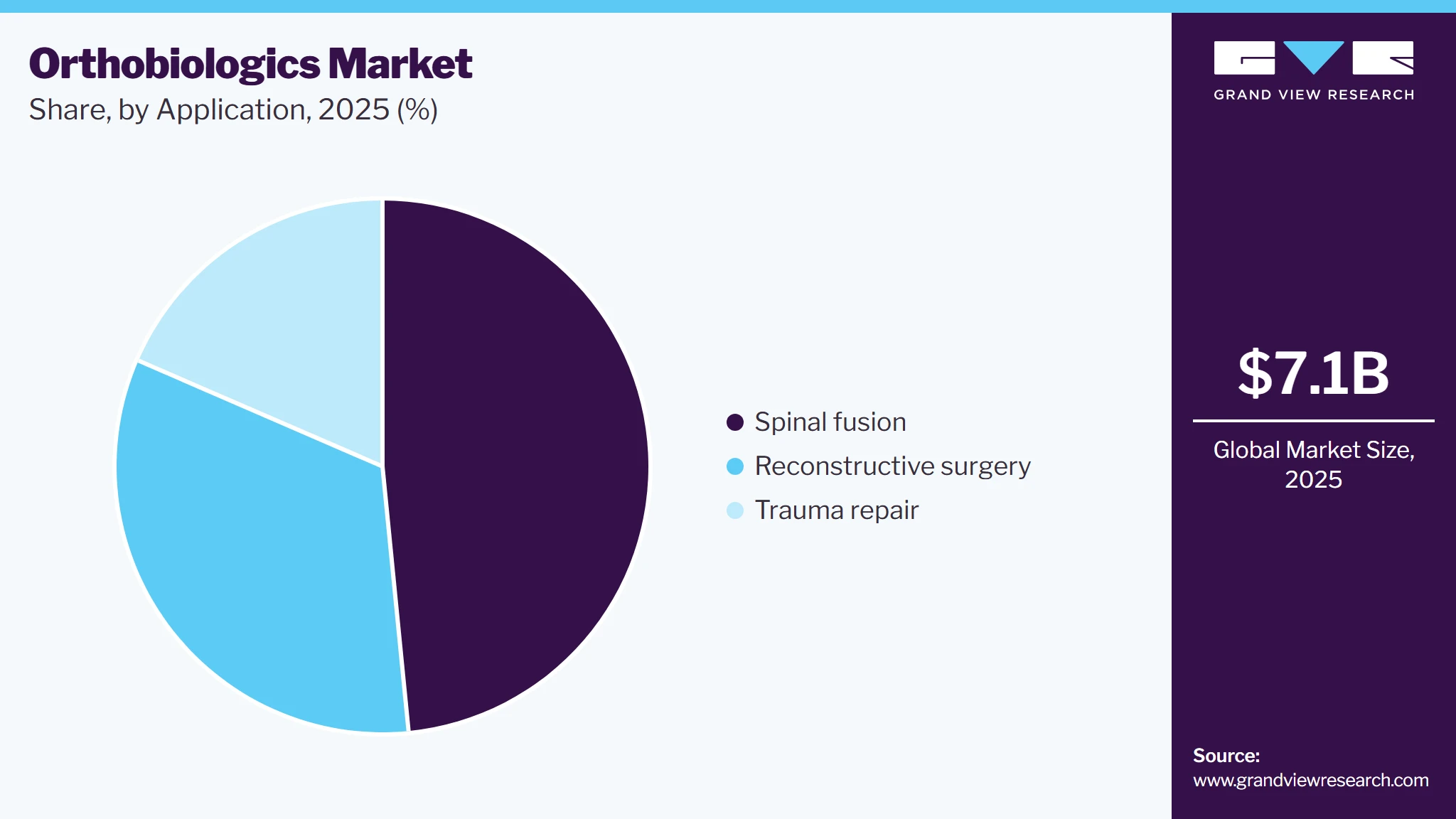
- By application: Spinal fusion segment led the market with the largest revenue share of 47.0% in 2025.
Regional Highlights
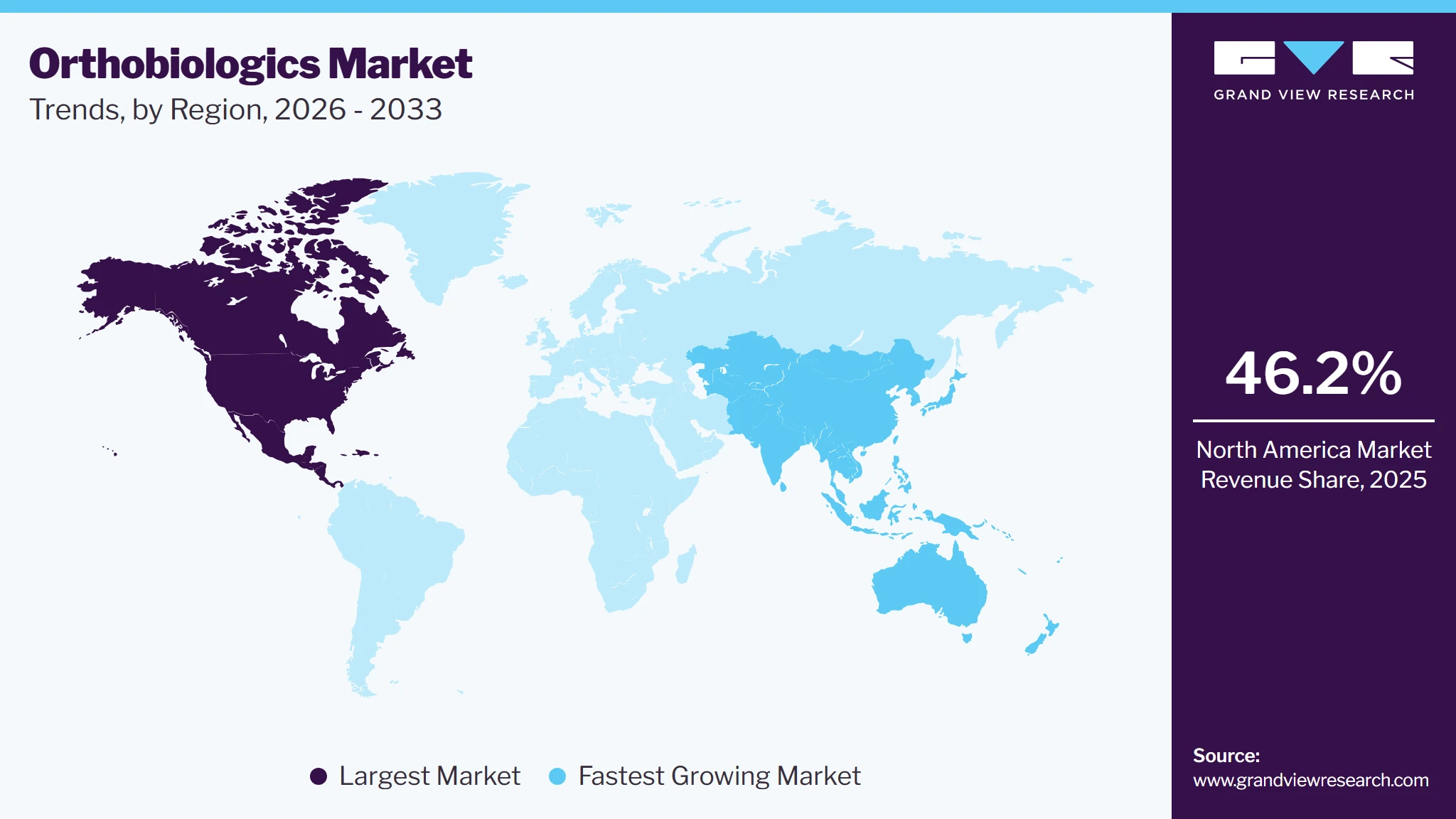
- Largest regional market: North America (46.2% revenue share, 2025)
- By country: The U.S. held the largest revenue share of North America in 2025
- Fastest-regional market: Asia Pacific (fastest CAGR, 2026-2033)
Market Size & Forecast
- Market Size in 2025: USD 7.1 Billion
- Estimated Market Size in 2026: USD 7.5 Billion
- Projected Market Size by 2033: USD 10.8 billion
- CAGR (2026-2033): 5.4%
Three ways to get this report
Buy it, customize it, or ask a question.Ask an Analyst
Analyst response in 1 business day
- AccessReport author, directly
- Reply timeWithin 1 working day
- No sales callDirect answer only
- FormatEmail reply
- CostFree, no cost
Get the Full Report
What the study covers
- FormatsPDF · Excel · Dashboard
- Timeline2026–2033 annual, 2025 base
- Coverage20+ countries, 5 regions
- Companies10+ key players profiled
Customize the Report
20% free customization
- IncludeCountries, segments, points
- TailorTo your product definition
- ExtendDeeper competitor detail
- OrA fully bespoke study
- Turnaround5–10 working days
 To learn more about this report, Download Free Sample Report
Demand Drivers
a. Sports Participation and Injuries
A significant driving force for the orthopedics industry is increasing participation in sports and related events, leading to a rising incidence of injuries. These often include hip, knee, and shoulder fractures, which subsequently increase the demand for orthopedic surgeries.
-
According to the National Safety Council (U.S.), 3.7 million people sustained sports-related injuries in 2023.
Table 1 Estimated number of sports injuries in the U.S., 2023
Sport
Injuries
Exercise, Exercise Equipment
482,886
Bicycles & Accessories
405,688
Basketball
332,391
Football
263,585
Skateboards, Scooters, Hoverboards
221,313
Soccer
212,423
Playground Equipment
190,942
Swimming, Pools, Equipment
166,011
Source: Secondary Research, National Safety Council
-
Furthermore, Standard Children’s Health reports that approximately 3.5 million children and teens incur injuries annually, out of 30 million who participate in sports in the U.S.
-
An article by the American Orthopaedic Foot & Ankle Society highlights that lower extremity injuries are the most common in sports, especially among children. Research conducted over 3 years in 27 U.S. high schools showed that the majority of these injuries occurred during soccer, indoor track races, and cross-country races.
b. Road Accidents
An increasing number of road accidents also contributes to orthopedic injuries, thereby boosting demand for treatment solutions like orthobiologics.
-
As per the “Road Accidents in India-2022” report:
-
461,312 road accidents were reported in 2022.
-
These caused 168,491 fatalities and 443,366 injuries.
-
Compared to the previous year, this represents:
-
11.9% increase in accidents
-
9.4% increase in fatalities
-
15.3% increase in injuries
-
-
Patient Demographics and Health Trends
a. Aging Population
The rise in the aging population significantly increases susceptibility to orthopedic disorders. Such increasing orthopedic disorder cases among the senior population will foster market growth.
-
According to a United Nations (UN) report:
-
The number of people aged 65 and above is expected to double over the next 30 years.
-
By 2050, the elderly population is projected to reach 1.6 billion, which will be over 16% of the global population.
 To learn more about this report, Download Free Sample Report
-
-
A recent NHIS survey shows that nearly 47.3% of U.S. adults aged 65 or older have been diagnosed with arthritis by a doctor.
b. Obesity Epidemic
Obesity is a significant contributor to orthopedic issues, including joint degeneration and arthritis.
-
As per the 2022 World Obesity Atlas by the World Obesity Federation:
-
By 2030, 1 billion people globally will be living with obesity.
-
This includes 1 in 7 men and 1 in 5 women.
-
-
According to NIHS data from 2019-2021:
-
Adults who are overweight or obese report higher rates of arthritis:
-
15.5% of adults with healthy or underweight BMI reported being diagnosed with arthritis.
-
20.5% of overweight adults reported arthritis.
-
27.5% of obese adults reported arthritis.
-
-
 To learn more about this report, Download Free Sample Report
In many OECD countries where weight data is self-reported, over half of adults are classified as overweight or obese, based on 2023 or the latest available figures. The U.S. had the highest obesity rate, with slightly more than one-third of adults identifying as obese. Chile and the UK also reported high rates, with just over 25% of adults affected. In contrast, South Korea reported the lowest obesity rate among the countries examined, at only 4.9%.
Treatment Advancements and Clinical Outcomes
Orthobiologics Patient Satisfaction
Increasing patient satisfaction with the orthobiologics procedure further is fueling the market growth.
-
A study by Professor Mark Slevin, Professor of Cell Pathology at Manchester Metropolitan University, reveals:
-
Orthobiologic treatments have favorable outcomes in around 70% of patients.
-
These patients report less pain and increased mobility post-treatment.
-
Investment and Funding Trends
The market for orthobiologics is expected to grow due to increased investment in research and development and funding from leading medical device and biotechnology companies. In September 2021, Locate Bio, a company specializing in regenerative medicine and orthobiologics, raised USD 12.7 million in an equity investment round.
Orthopedic Funding By Year And Segment
-
While total investment activity has declined slightly in the last two years, funding for later-stage companies has increased.
-
Notably, disclosed investment amounts grew by 10% post-pandemic, focusing on long-term profitability.
 To learn more about this report, Download Free Sample Report
Investment interest is strongest in:
-
Spine
-
Sports medicine
-
Orthobiologics
 To learn more about this report, Download Free Sample Report
b. Robotics and Digital Innovation in Orthopedics
-
Medical Microinstruments, Inc. (MMI) raised USD 110 million in Series C financing to:
-
Expand the commercialization of the Symani Surgical System in emerging markets.
-
Support clinical trials and broaden application indications.
-
-
The Symani technology replicates human hand movements at a microscopic scale and is applicable in:
-
Microsurgery and supermicrosurgery
-
Soft tissue and open surgical procedures
-
Including free flap reconstruction and trauma replantation
-
Market Dynamics
The global orthobiologics market is witnessing significant growth, driven primarily by the increasing aging population and the rising incidence of musculoskeletal disorders, sports injuries, and trauma-related conditions. These factors continue to increase the demand for advanced bone healing, joint preservation, and spinal fusion therapies. Market expansion is also supported by the growing adoption of minimally invasive orthopedic procedures, where injectable and flowable biologic products are increasingly utilized to support tissue regeneration, improve clinical outcomes, and reduce recovery times.
The increasing incidence of sports-related injuries is a key factor driving demand for orthobiologic therapies worldwide. As participation in organized sports, recreational fitness activities, and high-impact athletic events continue to rise, healthcare systems are witnessing a growing volume of ligament tears, tendon injuries, cartilage damage, fractures, and other musculoskeletal traumas. These injuries often require interventions that can accelerate healing, reduce recovery times, and facilitate a faster return to physical activity. Orthobiologic products such as Platelet-Rich Plasma (PRP), Bone Marrow Aspirate Concentrate (BMAC), stem cell therapies, and regenerative scaffolds are increasingly adopted as minimally invasive treatment options for managing these conditions. For instance ERGO's 2025 sports injury analysis highlights the substantial injury burden across major sports disciplines, demonstrating the growing clinical need for advanced regenerative orthopedic solutions.
Indicator
Findings
Market Relevance
Total reported sports injuries (2025)
6,487 sports-related injuries reported
Demonstrates sustained demand for injury management and rehabilitation solutions.
Football injuries
2,308 injuries (35.6% of total sports injuries)
Football-related ACL tears, meniscal injuries, and ligament damage are major indications for orthobiologic therapies.
Skiing injuries
1,001 injuries (15.4% of total injuries)
Frequently associated with knee ligament, cartilage, and soft-tissue trauma requiring accelerated recovery solutions.
Cycling injuries
579 injuries (8.9% of total injuries)
Increasing participation continues to drive trauma-related orthopedic interventions.
Handball injuries
189 injuries (2.9% of total injuries)
Characterized by recurrent joint, shoulder, and ligament injuries.
Basketball injuries
133 injuries (2.1% of total injuries)
High incidence of sprains, tendon injuries, and ligament damage due to rapid directional changes and jumping.
Source: ERGO Sports Injury Report (2025)
Driver - Growing Investment and Funding Scenario
The market for orthobiologics is expected to grow due to increased investment in research and development and funding from leading medical device and biotechnology companies. In September 2021, Locate Bio, a company specializing in regenerative medicine and orthobiologics, recently raised USD 12.7 million in an equity investment round.
Funding Announcements
Company Name
Funding Received (USD Million) in 2024
Arbutus Medical
2.3
CurvaFix
39
RevBio
3.4
X-Bolt Orthopaedics
3.5
Robotics and Digital Innovation in Orthopedics
- Medical Microinstruments, Inc. (MMI) raised USD 110 million in Series C financing to:
- Expand the commercialization of the Symani Surgical System in emerging markets.
- Support clinical trials and broaden application indications.
- The Symani technology replicates human hand movements at a microscopic scale and is applicable in:
- Microsurgery and supermicrosurgery
- Soft tissue and open surgical procedures
The widespread use and established clinical acceptance of conventional treatment modalities for musculoskeletal disorders and sports injuries is a significant constrained to the market growth. Traditional approaches, including corticosteroid injections, nonsteroidal anti-inflammatory drugs (NSAIDs), physical therapy, and surgical interventions such as joint replacement and ligament reconstruction, benefit from decades of clinical validation, standardized treatment protocols, and broad reimbursement coverage across healthcare systems. These therapies remain the preferred treatment option for many physicians and patients which restraint the market growth.The adoption of orthobiologic products and advanced regenerative solutions such as Platelet-Rich Plasma (PRP), stem cell therapies, and tissue-engineered matrices, is further challenged by limited reimbursement support and high out-of-pocket costs. Many orthobiologic procedures continue to be classified as elective or investigational treatments by commercial insurers, requiring patients to self-fund a significant portion of therapy expenses. According to Accretion Portal's orthobiologics cost guide, PRP injections typically cost between USD 500 and USD 1,500 per session, while stem cell-based therapies range from USD 2,500 to USD 5,000 per treatment session. In comparison, conventional corticosteroid injections generally cost USD 100–300, and physical therapy sessions range from USD 50–150 per visit, both of which are frequently reimbursed by insurance providers.
Cost Comparison of Orthobiologic and Conventional Musculoskeletal Treatments
Treatment Option
Typical Cost (USD)
Insurance Coverage
Corticosteroid Injection
100–300
Usually Covered
Physical Therapy Session
50–150 per session
Often Covered
Knee Arthroscopy Surgery
5,000–7,000+
Usually Covered
Total Joint Replacement Surgery
25,000–35,000+
Usually Covered
Platelet-Rich Plasma (PRP) Injection
500–1,500
Rarely Covered
Stem Cell-Based Injection
2,500–5,000
Rarely Covered
Hyaluronic Acid Injection
300–800
Sometimes Covered (Case-by-Case)
Source: Accretion Portal, How Much Do Orthobiologic Injections Cost? Full Price Guide (2025).
The higher out-of-pocket expenses, inconsistent payer coverage, and the continued availability of well-established reimbursed treatment alternatives encourages many patients to opt for conventional therapies before considering regenerative interventions. This reimbursement and affordability gap continues to moderate the pace of orthobiologics adoption despite growing evidence supporting their clinical benefits in musculoskeletal repair and recovery.
The rising prevalence of osteoarthritis and musculoskeletal (MSK) disorders presents a significant growth opportunity for the orthobiologics market. As the global population ages and the burden of chronic musculoskeletal conditions continues to increase, demand for regenerative therapies that promote tissue repair, reduce pain, and improve mobility is expected to accelerate. Orthobiologic products are increasingly utilized to support healing and potentially delay invasive surgical interventions.
For instance, according to the Arthritis UK State of Musculoskeletal Health 2025 report, approximately 20.3 million people in the UK are living with a musculoskeletal condition, representing nearly one-third of the population. The report further estimates that 10 million people in the UK have osteoarthritis, making it one of the most prevalent chronic conditions affecting mobility and quality of life. Additionally, musculoskeletal disorders remain one of the leading causes of disability and healthcare utilization, creating sustained demand for innovative treatment options that can improve patient outcomes and reduce the need for major orthopedic procedures. The growing prevalence of these conditions is expanding the addressable patient population for orthobiologic therapies, creating significant opportunities for manufacturers to develop and commercialize regenerative solutions aimed at joint preservation, cartilage repair, bone regeneration, and soft-tissue healing.
Key Opportunities in the Market
Opportunity Area
Development / Example
Market Impact
Strategic Acquisitions and Portfolio Expansion
In January 2025, Zimmer Biomet entered into a definitive agreement to acquire Paragon 28 for approximately USD 1.2 billion, expanding its specialized foot, ankle, and extremity orthobiologics portfolio.
Accelerates market share expansion, strengthens specialty offerings, and creates cross-selling opportunities across orthopedic and ASC settings.
Innovation in Bone Regeneration and Bioactive Graft Technologies
In February 2025, Sree Chitra Tirunal Institute for Medical Sciences and Technology launched BONYX and CASPRO, bioactive materials designed for local drug delivery and bone regeneration.
Supports treatment of bone defects and osteomyelitis while enhancing regenerative outcomes through localized therapy.
Growing Adoption of Advanced Regenerative Biomaterials
Xtant Medical commercialized OsteoFactor Pro, an allograft matrix containing naturally occurring growth factors and native collagen.
Provides surgeons with an off-the-shelf regenerative solution that promotes cell proliferation, osteogenesis, and bone healing without autologous harvesting requirements.
Market Concentration & Characteristics
Recent advancements in the field of orthobiologics have brought about a significant transformation in the way orthopedic conditions and injuries are treated. The use of bone graft substitutes, platelet-rich plasma (PRP) therapy, and stem cell treatments, among other innovative technologies, is leading to a revolution in orthobiologics. Advanced imaging techniques such as MRI and CT scans provide precise and accurate diagnosis and planning. With 3D printing, it is possible to create customized implants and scaffolds that are tailored to individual patients. Additionally, biotechnology and genetic engineering are opening new avenues to improve the regenerative potential of orthobiologics, which can lead to faster healing and better outcomes for patients.
The orthobiologics market is characterized by a high level of merger and acquisition (M&A) activity by the leading players. This is due to several factors, including the desire to expand the business to cater to the growing demand for DBM. In February 2023, Zimmer Biomet acquired Embody, an orthobiologics company primarily focusing on soft tissue healing for USD 155 million. The company’s portfolio includes the Tapestry RC implant, which is used for rotator cuff repair, and the Tapestry biointegrative implant that is used for tendon healing.
 To learn more about this report, Download Free Sample Report
Orthobiologic products face strict regulatory requirements to ensure they meet high standards of quality, safety, and efficacy before entering the market. This safeguards the patient's health and fosters trust among healthcare professionals and consumers. Regulatory agencies, such as the Food and Drug Administration (FDA) in the U.S. and the European Medicines Agency (EMA) in Europe, establish guidelines and frameworks for the development, testing, and approval of orthobiologic therapies.
Traditional surgical procedures, while invasive, remain a feasible option for some patients who may not qualify for orthobiologics or those who prefer more established techniques. Additionally, pharmaceutical therapies, such as pain medications and anti-inflammatory drugs, provide non-invasive alternatives for managing symptoms associated with musculoskeletal disorders. Furthermore, medical devices, such as joint implants, provide long-lasting solutions for severe cases of joint degeneration.
Several players in the orthobiologics industry are expanding their business by entering new geographical regions to strengthen their market position and expand their product portfolio. Rising research and development activities create more opportunities for market players to enter new regions. In October 2023, Orthofix Medical Inc. received 510(k) clearance and fully launched OsteoCove, an advanced bioactive synthetic graft.
Analyst Perspective
The global orthobiologics market is undergoing significant growth, driven by demographic changes, advancements in technology, and rising clinical demand for regenerative orthopedic treatments. As populations age particularly in developed regions, the prevalence of conditions such as osteoarthritis, spinal issues, and joint degeneration is increasing, leading to greater reliance on biologically based orthopedic solutions.
 To learn more about this report, Download Free Sample Report
Product Insights
Based on product, the viscosupplementation segment led the market with the largest revenue share of 42.5% in 2025. Rising patient pool suffering from osteoarthritis and the increasing product launches are anticipated to boost market growth. According to a study titled " According to a recent study titled "Global, regional, and national burden of osteoarthritis, 1990-2020 and projections to 2050", the number of people diagnosed with osteoarthritis has increased by 132.2% since 1990, with around 595 million globally diagnosed with the condition in 2020. The study also predicts that by 2050, cases of osteoarthritis of the knee, hand, hip, and others is likely to increase by significant percentages of 74.9%, 48.6%, 78.6%, and 95.1%, respectively. Viscosupplementation using hyaluronic acid injections is commonly used to treat osteoarthritis due to its ease of use and good tolerance, thus contributing to market growth.
The stem cell therapy segment in the orthobiologics industry is anticipated to witness the fastest CAGR over the forecast period. The increasing global healthcare expenditure and a growing emphasis on personalized medicine have created a favorable environment for the expansion of the stem cell therapy market. Additionally, advancements in biotechnology and regenerative medicine have resulted in the development of innovative techniques and products within the stem cell therapy market.
Application Insights
Based on the application, the spinal fusion segment led the market with the largest revenue share of 47.0% in 2025. owing to the increasing prevalence of spine disorders worldwide. According to the ScienceDirect report, over 400,000 spinal fusion surgeries are performed in the U.S. annually. Moreover, consistent penetration of bone morphogenetic proteins, demineralized bone matrices, autografts, and allografts in spinal fusion surgeries, owing to their ability to provide high bone stability and rapid bone healing, is fostering segmental growth.
 To learn more about this report, Download Free Sample Report
Furthermore, the increasing focus of key market players on the launch of novel products for bone healing is escalating market growth. In November 2023, OssDsign AB undertook a strategic shift to focus on the U.S. orthobiologics business. This change makes OssDsign AB a pure-play orthobiologics company. The company will concentrate its efforts on OssDsign Catalyst, a nanosynthetic bone graft product that can be easily scaled up and has high gross margins of 90% or more. OssDsign Catalyst is an off-the-shelf product that is used to stimulate healthy bone tissue formation in spinal fusion surgeries.
The reconstructive surgery segment is anticipated to register a significant CAGR over the forecast period. The growing demand for reconstructive surgeries due to an aging population and an increase in musculoskeletal disorders is fostering segment growth. According to the ISAPS Global Survey, the number of procedures performed by plastic surgeons increased by 11.2% in 2022. A total of 18.8 million non-surgical and 14.9 million surgical procedures were performed worldwide, continuing the trend of a 41.3% increase over the last four years. Orthobiologics are a promising solution for enhancing bone healing, promoting soft tissue repair, and restoring joint function, driving their adoption in reconstructive procedures.
End Use Insights
Based on end use, the hospital segment led the market with the largest revenue share of 74.3% in 2025.. Hospitals play a crucial role in the utilization of orthobiologics due to their advanced medical infrastructure and comprehensive healthcare services. One of the primary factors driving the growth of orthobiologics in hospitals is the increasing demand for minimally invasive procedures. Orthobiologics provide an alternative to traditional surgical interventions by utilizing the body's natural healing processes. This reduces the need for extensive surgeries and lengthy hospital stays. Additionally, the integration of advanced imaging technologies and surgical techniques in hospitals makes it possible for orthopedic surgeons to administer orthobiologic agents with precision, thereby facilitating tissue regeneration and accelerating recovery.
The orthopedic clinics segment in the orthobiologics market is anticipated to register a significant growth rate over the forecast period due to the increasing trend towards ambulatory care and same-day surgeries. These facilities provide a convenient and cost-effective option for patients seeking minor orthopedic procedures or treatments for sports injuries. As per the Definitive Healthcare report, Specialists One-Day Surgery Centers performed the highest number of knee replacement surgeries in 2022, accounting for 1.6% of the total knee replacement procedures.
Regional Insights
North America dominated the angiographic catheters market with the largest revenue share of 46.2% in 2025, owing to the technological advancements and a robust healthcare infrastructure. Furthermore, favorable reimbursement policies and supportive regulatory frameworks facilitate market growth. Moreover, the growing aging population in the region will escalate the market growth. For instance, the U.S. Census Bureau has released the Vintage 2022 Population Estimates, which show an increase of 0.2 years in the nation's median age from 2021 to 2022. Median age is the age at which 50% of the population is younger and the other 50% is older.
 To learn more about this report, Download Free Sample Report
U.S. Orthobiologics Market Trends
The orthobiologic market in the U.S. held the largest share in the North America region in 2025. The region's emphasis on technological innovation and research results in a continuous flow of improved orthobiologic products. In July 2021, Dr. Scott A. Rodeo from Hospital for Special Surgery was granted USD 50,000 from the Orthopaedic Research and Education Foundation to research an injectable biologic for knees.
Canada orthobiologics market is anticipated to register the fastest growth rate during the forecast period. Increasing government and private funding for the innovation of novel products is anticipated to boost market growth. In February 2023, ChitogenX Inc., a clinical-stage orthobiologics company, partnered with Polytechnique Montréal to secure a grant of USD 3,472,000 from The Natural Sciences and Engineering Research Council of Canada ("NSERC") and Prima Québec.
Europe Orthobiologics Market Trends
Europe orthobiologics industry is anticipated to register the fastest CAGR during the forecast period. With an aging population and rising life expectancy, the prevalence of age-related musculoskeletal conditions such as osteoarthritis fuels demand for orthobiologic interventions. Furthermore, the presence of various key market players in the region is boosting the market growth.
Germany orthobiologics market is anticipated to register a considerable growth rate during the forecast period. Growing participation of people in sports is expected to propel market growth. As per the deutschland.de report published in 2024, Germany has almost 90,000 sports clubs, which have approximately 28 million members.
The orthobiologics market in the UK is anticipated to register a considerable CAGR during the forecast period. Rising acceptance of orthobiologics as effective treatment options is driving market growth. Increasing joint replacement surgeries in the country are contributing to the rise in demand for orthobiologics. As per the NHS report, each year, over 70,000 knee replacements are performed in England and Wales, with the number increasing. The majority of total knee replacement patients are aged 65 or older.
Spain orthobiologics market is anticipated to register a significant growth rate during the forecast period. Increased prevalence of musculoskeletal disorders, such as osteoarthritis and fractures, is boosting market growth. According to the International Osteoporosis Foundation, published in 2023, in Spain, a fragility fracture caused by osteoporosis takes place every two minutes, leading to a total of 330,000 fractures annually. The incidence of such fractures has been observed to be increasing due to the gradual aging of the population. It is predicted that the number of fragility fractures will rise by approximately 30% by 2034, resulting in 370,000 cases every year.
Asia Pacific Orthobiologics Market Trends
The Asia Pacific orthobiologics industry is expected to witness rapid growth due to a rising geriatric population, increasing healthcare expenditure, and growing awareness of minimally invasive orthopedic procedures. Countries such as Japan, India, South Korea, and Australia are leading the regional demand, driven by an increase in sports participation, traumatic injuries, and musculoskeletal disorders. Government initiatives to strengthen healthcare infrastructure and the growing presence of international orthopedic companies are also contributing to the region’s market expansion.
The China orthobiologics market represents a major growth hub in Asia Pacific due to its massive population base, growing elderly demographic, and rising incidence of orthopedic conditions such as osteoarthritis and spinal disorders. Robust R&D investments are also supporting the market, expanding private healthcare sectors, and national policies encouraging innovation in biotechnology and medical devices. Increased adoption of regenerative treatments and favorable regulatory reforms are further boosting the uptake of orthobiologics in the country.
Latin America Orthobiologics Market Trends
The Latin American orthobiologics industry is gradually expanding, driven by increasing awareness about regenerative therapies, a rising burden of orthopedic conditions, and an improving healthcare infrastructure in countries such as Mexico, Argentina, and Colombia. The growing trend toward sports and fitness activities, coupled with an aging population, is fueling demand for orthopedic interventions. However, challenges such as uneven access to advanced treatments and economic instability may hinder faster adoption in the region.
The Brazil orthobiologics market holds a dominant position in Latin America, due to its large population, strong public and private healthcare systems, and increasing incidence of trauma and sports-related injuries. The country has witnessed growing interest in regenerative medicine and advanced orthopedic treatments, supported by rising investments from both local manufacturers and international players. Regulatory developments and academic research collaborations are also paving the way for greater acceptance of orthobiologics in orthopedic surgeries.
Middle East & Africa Orthobiologics Market Trends
The orthobiologics industry in the Middle East and Africa is in a developing phase but shows promising potential. Increasing rates of road traffic accidents, a growing prevalence of obesity and osteoarthritis, and expanding access to private healthcare are driving market growth. Countries like the UAE, Saudi Arabia, and South Africa are investing in modern healthcare technologies, including regenerative orthopedic treatments. However, limited awareness and disparities in healthcare access across rural areas remain key challenges for widespread adoption.
Key Orthobiologics Company Insights
Key participants in the orthobiologics market are focusing on devising innovative business growth strategies in the form of product portfolio expansions, partnerships & collaborations, mergers & acquisitions, and business footprint expansions.
Key Orthobiologics Companies
The following key companies have been profiled for this study on the orthobiologics market.
- Medtronic Plc
- DePuy Synthes
- Zimmer Biomet
- Stryker Corporation
- Bioventus LLC
- Anika Therapeutics, Inc.
- Orthofix, Inc.
- Globus Medical
- Arthrex, Inc.
- Bone Biologics Corp.
Some Initiatives By Key Stakeholders In The Orthopedic Industry
Orthopedic companies are launching a variety of products and services specifically designed for ambulatory surgical centers (ASCs):
-
Johnson & Johnson Medical Device Companies has developed a platform to provide ASCs with diverse pricing and contracting options and operational support. This includes capital programs for purchasing/leasing equipment, rebates, coding/reimbursement assistance, and infection risk-management services.
-
Stryker launched an ASC-focused business in 2020 that offers over 13,990 unique products across more than 22 procedure categories. Stryker provides flexible payment options for ASCs, including equipment leasing and customized payment plans.
Competitive Benchmarking
Category
Operating Strategies
Competitive Edge
Weakness
Established Players (e.g., Zimmer Biomet, Medtronic)
- Expand orthobiologics portfolios through acquisitions, product innovation, and strategic partnerships. Invest in advanced bone graft substitutes, growth factor technologies, stem cell-based therapies, and clinical evidence generation. Strengthen hospital contracts and surgeon training programs while expanding global distribution networks.
- Strong brand recognition, extensive surgeon relationships, broad product portfolios, robust clinical data, established reimbursement expertise, and global commercial infrastructure. Significant financial resources support R&D investments and regulatory approvals.
- High R&D and regulatory compliance costs, longer product development timelines, and greater exposure to reimbursement and pricing pressures. Large organizations may face slower commercialization of emerging regenerative technologies.
Emerging Players (e.g., Xtant Medical and other regenerative medicine innovators)
- Focus on niche orthobiologic segments such as stem cell therapies, synthetic bone substitutes, bioactive matrices, cartilage repair products, and sports medicine applications. Leverage targeted clinical studies, surgeon engagement, and technology differentiation to gain market share.
- Greater flexibility in adopting novel regenerative technologies and addressing unmet clinical needs. Ability to develop specialized products for targeted orthopedic indications and rapidly respond to emerging market opportunities.
- Limited commercial reach, smaller sales networks, lower bargaining power with healthcare providers, and constrained financial resources for large-scale clinical trials, regulatory approvals, and international expansion.
Recent Developments
-
In March 2025, Apollo Hospitals introduced a Joint Preservation Programme in India, aimed at early intervention and non-replacement treatment for joint issues. The initiative combines orthobiologic therapies, minimally invasive procedures, and personalized rehabilitation to extend joint life and delay the need for joint replacement surgeries.
-
In September 2024, Temple OrthoBiologics officially launched with the goal of delivering next-generation sports medicine solutions, with a strong focus on women and youth. The company’s lead product, TX-33, is a protein-based biologic designed to support soft tissue repair and enhance recovery for active patients.
-
In June 2024, Xtant Medical launched OsteoFactor PRO, a next-generation orthobiologic product designed to support bone healing and regeneration. The new solution expands Xtant’s portfolio in spine and orthopedic care, delivering a combination of demineralized bone matrix and bioactive growth factors.
-
In September 2023, NuVasive, Inc. merged with Globus Medical, Inc. This merger aims to offer a wide range of musculoskeletal procedural solutions and enabling technologies to surgeons and patients.
-
in February 2022, Orthofix Medical Inc. introduced Opus BA, a synthetic bone graft solution for lumbar and cervical spine fusion procedures. Opus BA is available in both strip and putty formulations and is designed to fill bone gaps or voids that are not part of the bony structure's stability in the skeletal system.
-
.In August 2021, Seikagaku Corporation launched a new product named HyLink. It is a single injection viscosupplement designed for the treatment of knee osteoarthritis. The product has been launched in Taiwan and is being distributed through TCM Biotech International Corp., which is based in New Taipei City.
Orthobiologics Market Report Scope
Report Attribute
Details
Market size value in 2025
USD 7.1 billion
Market size value in 2026
USD 7.5 billion
Revenue forecast in 2033
USD 10.8 billion
Growth rate
CAGR of 5.4% from 2026 to 2033
Historical data
2021 - 2025
Forecast period
2026 - 2033
Quantitative units
Revenue in USD million/billion and CAGR from 2026 to 2033
Report coverage
Revenue forecast, company ranking, competitive landscape, growth factors, and trends
Segments covered
Product, application, end-use, region
Regional scope
North America; Europe; Asia Pacific; Latin America; MEA
Country scope
U.S.; Canada; Mexico; Germany; UK; France; Italy; Spain; Norway; Denmark; Sweden; China; Japan; India; South Korea; Australia; Thailand; Brazil; Argentina; Saudi Arabia; South Africa; UAE; Kuwait
Key companies profiled
Medtronic Plc, DePuy Synthes, Zimmer Biomet, Stryker Corporation, Bioventus LLC, Anika Therapeutics, Inc., Orthofix, Inc., Globus Medical, Arthrex, Inc., Bone Biologics Corp.
Customization scope
Free report customization (equivalent up to 8 analysts' working days) with purchasse. Addition or alteration to country, regional & segment scope.
Pricing and purchase options
Avail customized purchase options to meet your exact research needs. Explore purchase options
Global Orthobiologics Market Report Segmentation
This report forecasts revenue and volume growth at the global, regional, and country levels and provides an analysis of industry trends in each of the sub-segments from 2021 to 2033. For this study, Grand View Research, Inc. has segmented the orthobiologics market report based on product, application, end use, and region:
 To learn more about this report, Download Free Sample Report
-
Product Outlook (Revenue USD Million, 2021 - 2033)
-
Demineralized Bone Matrix (DBM)
-
Allograft
-
Bone Morphogenetic Protein (BMP)
-
Viscosupplementation
-
Synthetic Bone Substitutes
-
Stem Cell Therapy
-
-
Application Outlook (Revenue USD Million, 2021 - 2033)
-
Spinal Fusion
-
Trauma Repair
-
Reconstructive Surgery
-
-
End Use Outlook (Revenue USD Million, 2021 - 2033)
-
Hospitals
-
Orthopedic Clinics
-
-
Regional Outlook Revenue USD Million, 2021 - 2033)
-
North America
-
U.S.
-
Canada
-
-
Europe
-
Germany
-
UK
-
Spain
-
Italy
-
France
-
Denmark
-
Norway
-
Sweden
-
-
Asia Pacific
-
Japan
-
China
-
India
-
Australia
-
Thailand
-
South Korea
-
-
Latin America
-
Brazil
-
Mexico
-
Argentina
-
-
MEA
-
South Africa
-
Saudi Arabia
-
UAE
-
Kuwait
-
-
Research Methodology
The agriculture drones market figures in this report are based on a proven research process that combines executive interviews with secondary research from proprietary databases, company filings, and recognized regulatory and institutional sources. Market size is built through value-chain sizing - reconciling supply-side and demand-side estimates - and triangulated with bottom-up and top-down approaches. Every estimate passes multiple levels of expert validation before publication, with each agriculture drones segment quantified using the revenue-capture definitions in the table below.
Segment Definition
Segment
Revenue capture definition
By Product
Demineralized Bone Matrix (DBM)
Processed allograft bone from which mineral content has been removed while preserving natural growth factors and collagen matrix to promote bone healing and fusion.
Allograft
Bone, tendon, cartilage, or other musculoskeletal tissues harvested from human donors and used to repair, reconstruct, or regenerate damaged tissues without requiring autograft harvesting.
Bone Morphogenetic Protein (BMP)
Osteoinductive growth factor-based products that stimulate new bone formation and are commonly used in spinal fusion and complex bone repair procedures.
Viscosupplementation
Injectable hyaluronic acid-based therapies designed to restore joint lubrication, reduce pain, and improve mobility, particularly in osteoarthritis patients.
Synthetic Bone Substitutes
Man-made biomaterials, including calcium phosphate, hydroxyapatite, and bioactive ceramics, used as alternatives to natural bone grafts for bone regeneration and defect repair.
Stem Cell Therapy
Regenerative treatments utilizing mesenchymal stem cells (MSCs) or other progenitor cells to support tissue repair, bone regeneration, cartilage restoration, and healing of musculoskeletal injuries.
By Application
Spinal Fusion
Use of orthobiologic products to facilitate bone growth and fusion between vertebrae during spinal stabilization procedures performed for degenerative disc disease, deformities, or spinal injuries.
Trauma Repair
Application of orthobiologics in the treatment of fractures, bone defects, sports injuries, and traumatic musculoskeletal damage to accelerate healing and improve recovery outcomes.
Reconstructive Surgery
Use of biologic materials in orthopedic reconstruction procedures involving bone, cartilage, tendon, ligament, or joint restoration following disease, injury, or surgical intervention.
By End Use
Hospitals
Large healthcare facilities performing orthopedic surgeries, trauma procedures, spinal fusion surgeries, and advanced regenerative treatments utilizing orthobiologic products.
Outpatient Facilities
Ambulatory surgical centers (ASCs), specialty orthopedic clinics, and physician offices that provide minimally invasive orthopedic procedures, injections, and regenerative medicine treatments without overnight hospitalization.
Estimation Model
Model
Details
Bottom-Up Market Sizing Model
The overall market size was estimated by assessing country-level revenues generated from orthobiologic products, including demineralized bone matrix (DBM), allografts, bone morphogenetic proteins (BMPs), viscosupplementation products, synthetic bone substitutes, and stem cell therapies. Regional market values were aggregated to derive the global market size.
Procedure-Based Demand Model
Market demand was estimated by analyzing the number of spinal fusion procedures, trauma repair procedures, reconstructive surgeries, and osteoarthritis treatments requiring orthobiologic interventions. Product utilization rates per procedure were applied to calculate total addressable demand.
Volume × Average Selling Price (ASP) Model
Unit volumes of orthobiologic products were estimated across key applications and multiplied by regional ASPs to derive market revenues. ASP analysis considered product type, healthcare setting, reimbursement landscape, and geographic pricing variations.
Epidemiology-Based Opportunity Model
The prevalence and incidence of musculoskeletal disorders, osteoarthritis, osteoporosis, spinal disorders, fractures, and sports injuries were analyzed to estimate the target patient population and future demand potential for orthobiologic therapies.
Competitive Revenue Validation Model
Market estimates were cross-validated through company revenue analysis, product portfolio assessment, annual reports, investor presentations, and market share evaluation of leading orthobiologics manufacturers.
Forecasting Model
Market forecasts were developed using a weighted-average methodology incorporating procedure growth, aging population trends, musculoskeletal disease burden, technological advancements, reimbursement trends, product innovation, and adoption of regenerative medicine therapies.
Primary Research Validation Model
All market estimates and forecasts were validated through interviews with orthopedic surgeons, spine surgeons, sports medicine specialists, hospital procurement professionals, distributors, and senior executives from orthobiologics manufacturers.
Delivered Customizations
This report has been delivered with the following In-depth customizations
Client Request
Customization Delivered
Value Adds
Competitive Intelligence & Vendor Landscape Analysis
Comprehensive evaluation of leading manufacturers, including company-level market share analysis, product portfolio benchmarking, competitive positioning, strategic initiatives, regulatory approvals, geographic presence, and vendor landscape assessment across key categories.
Provides visibility into competitive dynamics, market leadership, innovation trends, benchmark positioning, and potential partnership, licensing, or acquisition opportunities.
Procedure Volume Analysis
Detailed assessment of spinal fusion, fracture repair, sports medicine, reconstructive surgery, and osteoarthritis treatment volumes utilizing orthobiologic products across major geographies.
Supports demand estimation, resource allocation, sales forecasting, and long-term market opportunity assessment.
Technology & Innovation Analysis
Assessment of emerging regenerative technologies, advanced bone graft substitutes, bioactive matrices, stem cell therapies, growth factor products, and next-generation orthobiologic solutions.
Helps identify future growth drivers, innovation hotspots, and competitive differentiation opportunities.
Frequently Asked Questions About This Report
Some key players operating in the orthobiologics market include Medtronic Plc, DePuy Synthes, Zimmer Biomet, Stryker Corporation, Bioventus LLC, Anika Therapeutics, Inc., Orthofix, Inc., Globus MedicalArthrex, Inc., and Bone Biologics Corp.
Increase in number of sports injuries and road traffic accidents, adoption of minimally invasive treatments, increasing prevalence of orthopedic procedures coupled with growing geriatric population are the major factors fostering market growth.
Asia Pacific is the fastest-growing region over the forecast period.
Based on product, the Viscosupplementation segment led the market with the largest revenue share of 42.5% in 2025.
The hospital segment led the market with the largest revenue share of 74.3% in 2025.
The spinal fusion segment led the market with the largest revenue share of 47.0% in 2025.
The global orthobiologics market size was estimated at USD 7.1 billion in 2025 and is expected to reach USD 7.5 billion in 2026.
The global orthobiologics market is expected to grow at a compound annual growth rate of 5.4% from 2026 to 2033 to reach USD 10.8 billion by 2033.
North America dominated the orthobiologics market with a share of 46.2% in 2025, owing to the technological advancements and a robust healthcare infrastructure. Furthermore, favorable reimbursement policies and supportive regulatory frameworks facilitate market growth. .
About the Author(s)
Medical Devices Research Team
Healthcare · Medical DevicesThis report was authored by the medical devices research team at Grand View Research - comprising two research analysts, one senior research analyst, and one industry expert - with specialized expertise in the medical devices segment of the healthcare industry. All findings are based on proprietary healthcare databases, executive interviews, and regulatory analysis, subject to internal peer review prior to publication.
Last Updated:
Speak to Analyst

Customize this report to your needs - add regions, segments, or data points, with 20% free customization.
Or view our licence options:


ISO 9001:2015 & 27001:2022 Certified
We are GDPR and CCPA compliant! Your transaction & personal information is safe and secure. For more details, please read our privacy policy.


