
- Home
- »
- Medical Devices
- »
-
Patient Lift Pendant Market Size, Share, Industry Report 2033GVR Report cover
![Patient Lift Pendant Market Size, Share & Trends Report]()
Patient Lift Pendant Market (2025 - 2033) Size, Share & Trends Analysis Report By Product (Wired, Wireless), By Patient Lift Type (Ceiling Lifts, Sit-to-Stand Lifts), By Channel (Two, Four), By End Use, By Region, And Segment Forecasts
- Report ID: GVR-4-68040-751-4
- Number of Report Pages: 120
- Format: PDF
- Historical Range: 2021 - 2024
- Forecast Period: 2025 - 2033
- Industry: Healthcare
- Report Summary
- Table of Contents
- Segmentation
- Methodology
- Download FREE Sample
-
 Download Sample Report
Patient Lift Pendant Market Summary
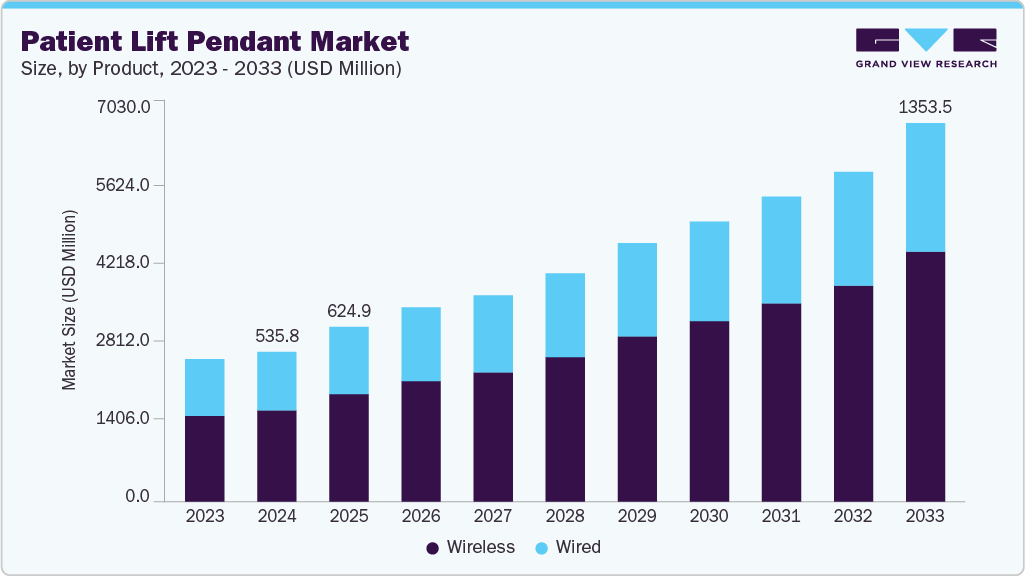
The global patient lift pendant market size was estimated at USD 535.84 million in 2024 and is projected to reach USD 1,353.52 million by 2033, growing at a CAGR of 10.14% from 2025 to 2033. This growth is attributed to the increasing prevalence of age-related mobility issues and chronic health conditions, creating a rising demand for safe and efficient patient handling solutions.
Key Market Trends & Insights
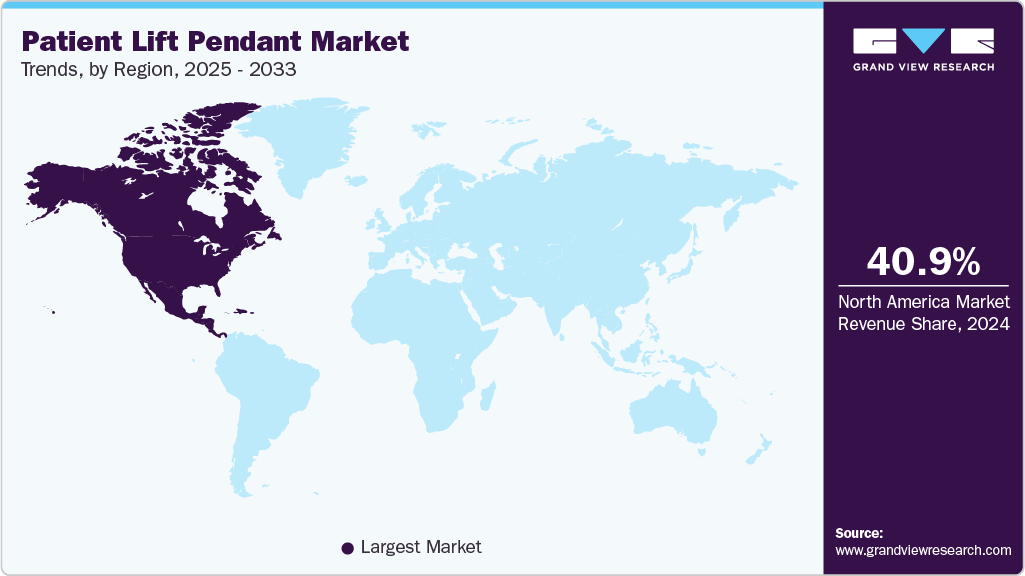
- North America dominated the patient lift pendant market with the largest revenue share of 40.87% in 2024.
- The patient lift pendant market in the U.S. accounted for the largest market revenue share of 81.29% in North America in 2024.
- By product, the wired segment led the market with the largest revenue share in 2024.
- By patient lift type, the ceiling lifts segment led the market with the largest revenue share in 2024.
- By channel, the two segments led the market with the largest revenue share in 2024.
- By end use, the hospital segment led the market with the largest revenue in 2024.
Market Size & Forecast
- 2024 Market Size: USD 535.84 Million
- 2033 Projected Market Size: USD 1,353.52 Million
- CAGR (2025-2033): 10.14%
Healthcare facilities prioritize patient safety and caregiver ergonomics, driving the adoption of advanced lift systems such as multi-channel pendants, sit-to-stand lifts, and ceiling lifts. In addition, the expansion of home care services and rehabilitation centers has boosted the need for reliable, user-friendly lifting devices. Technological advancements, including wireless pendants and smart integration with healthcare systems, further enhance operational efficiency and patient comfort, supporting market-sustained growth. According to the WHO, the number of people aged 60 and older worldwide is projected to increase from 1.1 billion in 2023 to 1.4 billion by 2030.The increasing prevalence of chronic diseases is one of the strongest factors driving the market, as these conditions often result in long-term mobility limitations and a heightened need for assisted transfers. Chronic illnesses such as arthritis, osteoporosis, stroke, Parkinson’s disease, multiple sclerosis, and diabetes-related complications can lead to reduced physical strength, impaired balance, and partial or complete immobility. As the global burden of these conditions continues to rise, particularly in aging populations, healthcare systems and home caregivers are under pressure to provide safe and efficient mobility support. Patient lift pendants integrated with ceiling or floor lift systems enable smooth transfers between beds, chairs, and bathrooms, reducing the risk of falls and ensuring comfort for patients with chronic disabilities.
Moreover, with an increasing shift toward home healthcare for chronic disease management, the demand for portable and user-friendly pendant-operated lifts is growing, as families and caregivers seek solutions that minimize strain and enhance patient dignity. The widespread prevalence of chronic disease boosts the need for patient lift systems in hospitals, rehabilitation centers, and nursing homes. It fuels adoption in residential care, reinforcing long-term market growth. In Canada, by 2050, it is projected that the number of people living with Parkinson's disease will be 25.2 million, a 112% increase from 2021.
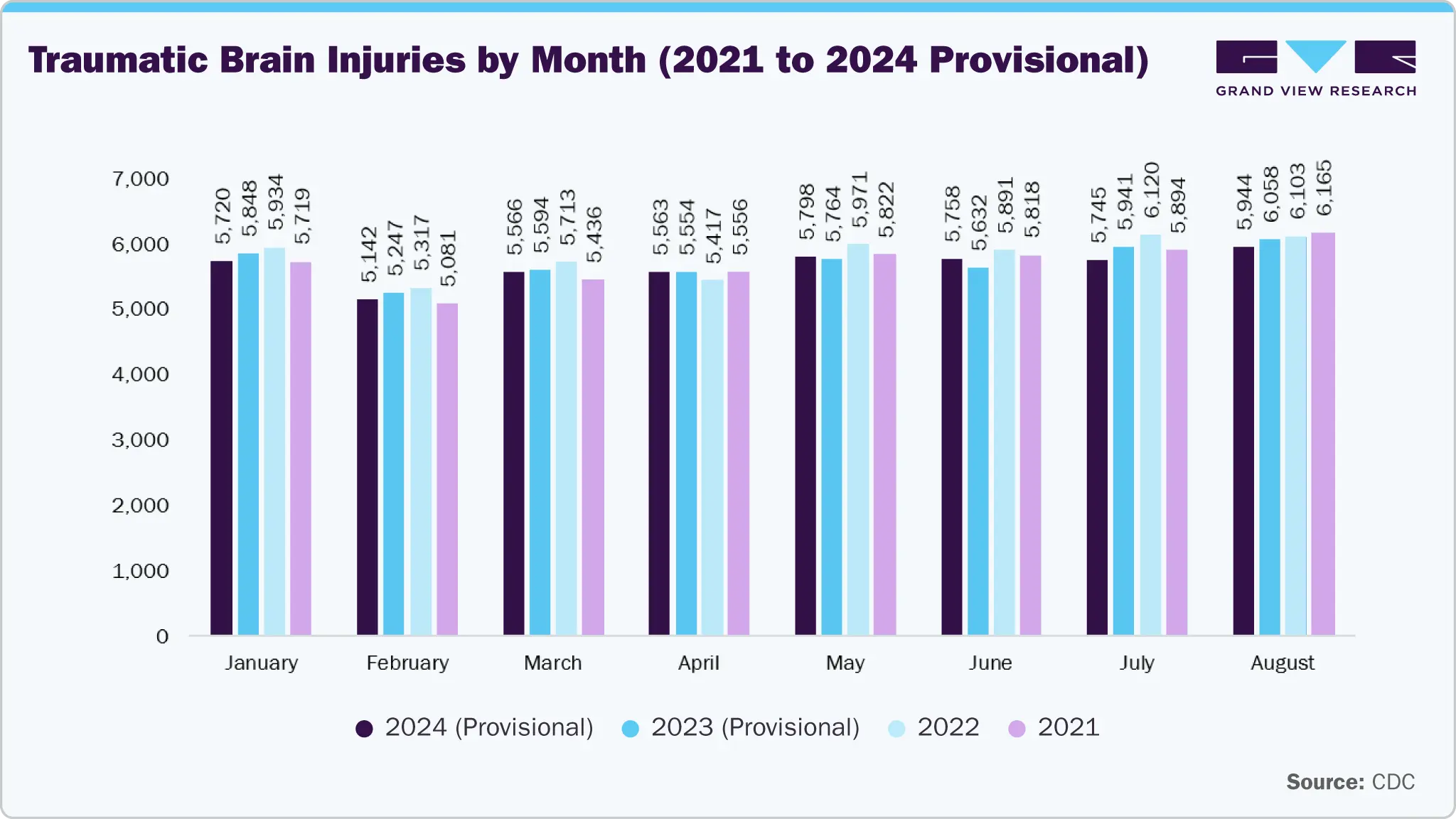
The rising incidence of traumatic brain injuries is a significant factor fueling demand in the market, as these injuries lead to long-term mobility impairments and dependency on assisted transfers. Patients suffering from TBIs frequently experience muscle weakness, loss of coordination, paralysis, or cognitive impairments that make independent movement unsafe or impossible. Rehabilitation centers, acute care hospitals, and long-term care facilities for TBI patients rely on patient lift systems equipped with pendant controls to ensure safe, smooth transfers between beds, wheelchairs, and therapy stations. These systems protect patients from fall-related complications and reduce the physical strain and injury risk for caregivers, who otherwise would need to lift manually and reposition patients. In addition, many TBI patients require prolonged or even lifelong care, creating sustained demand for lift solutions in both institutional and home-care settings. As awareness of proper patient handling grows and healthcare infrastructure for neuro-rehabilitation expands, adopting pendant-operated patient lifts becomes vital, positioning TBIs as a strong driver of market growth.
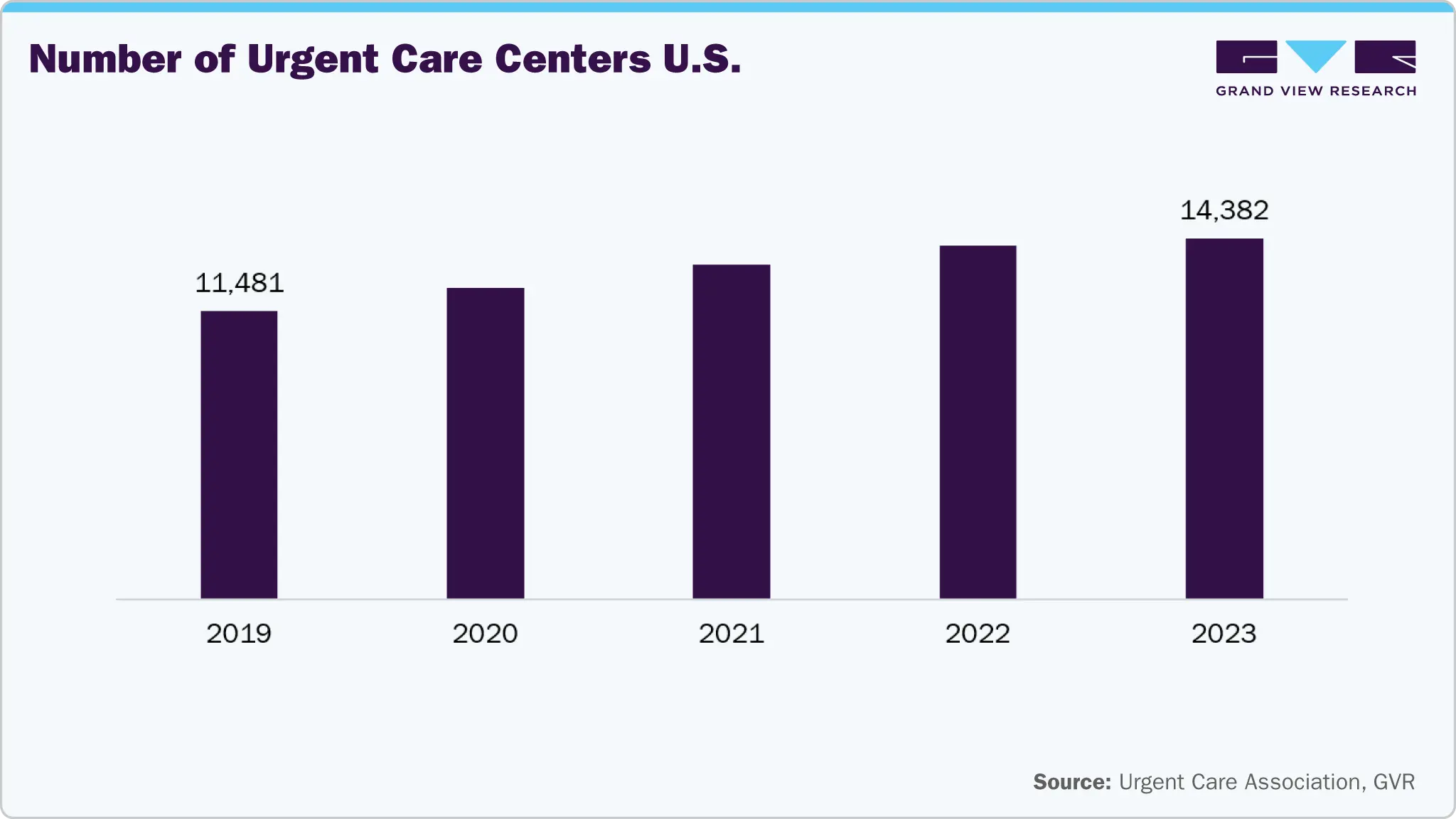
The rapid expansion of urgent care centers drives the patient lift pendant industry by creating new demand for safe and efficient patient transfer solutions in fast-paced clinical environments. Urgent care centers are increasingly serving patients with acute injuries, mobility impairments, and chronic conditions requiring immediate medical attention, where quick and safe handling is essential to avoid complications. These facilities are designed to bridge the gap between emergency rooms and primary care, which means they face a steady flow of patients with diverse mobility challenges, including elderly individuals and those recovering from falls, fractures, or neurological events. As a result, urgent care centers are investing in patient lift systems with pendant controls to streamline transfers, reduce the risk of falls, and minimize manual lifting injuries among staff. The compact size and ease of installation of pendant-operated lift systems make them particularly suitable for urgent care settings, where space efficiency and speed of use are critical. Furthermore, as urgent care centers expand rapidly in both developed and emerging markets, driven by rising healthcare costs, increasing patient volumes, and demand for accessible care, procurement of advanced patient handling solutions, including pendant-controlled lifts, is expected to grow in parallel, fueling market expansion.
Market Concentration & Characteristics
The patient lift pendant industry is in a medium-growth stage, characterized by moderate technological advancement, demand from established healthcare settings, and expanding adoption in outpatient and home care environments.
The patient lift pendant industry is witnessing innovation, with manufacturers focusing on enhancing usability, safety, and connectivity. Traditional wired pendants are being replaced with wireless models, offering caregivers more flexibility and reducing installation constraints. Integrating smart technologies such as IoT-based monitoring, automated safety locks, and ergonomic designs ensures better patient handling while reducing risks of injury. Innovations are also directed toward lightweight, compact devices suitable for home healthcare settings, aligning with the growing shift from hospital-based to home-based care. These advancements improve user experience and help manufacturers differentiate themselves in a competitive market.
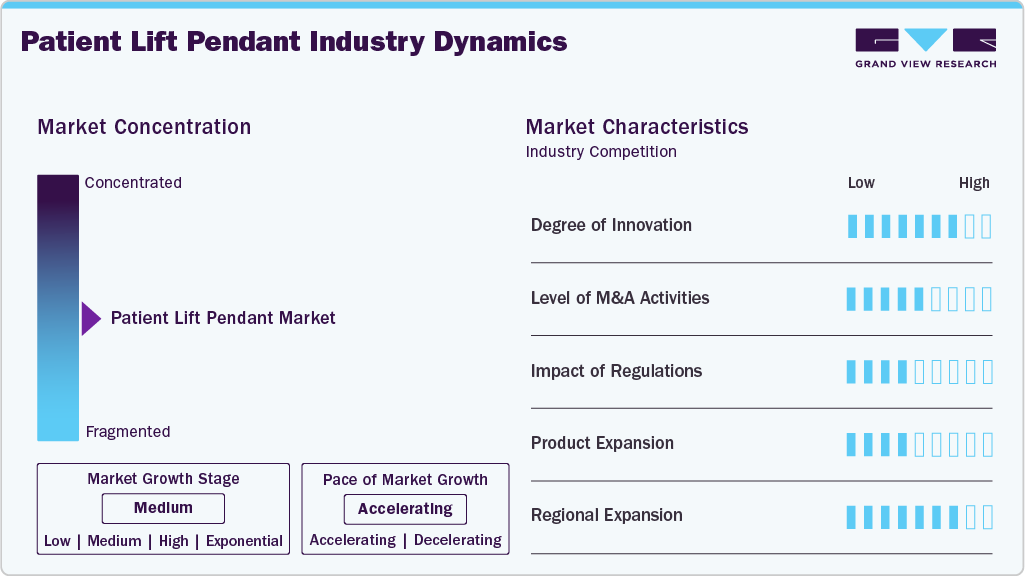
Mergers and acquisitions are critical in shaping the patient lift pendant industry, as larger medical device companies acquire niche players to expand their product portfolios and strengthen market presence. Through M&A, companies gain access to advanced technologies, distribution networks, and customer bases, accelerating growth in established and emerging markets. Strategic partnerships and acquisitions are also helping players integrate patient lift pendants with broader mobility and rehabilitation solutions, creating bundled offerings that appeal to hospitals and long-term care providers. This trend contributes to market consolidation and enhances competitiveness. In November 2024, Invacare Holdings Corporation and MIGA Holdings LLC announced the acquisition of Invacare’s North American business by MIGA.
Regulatory frameworks significantly influence the patient lift pendant industry, especially concerning patient safety, product quality, and caregiver protection. Healthcare authorities emphasize compliance with safe patient handling standards, mandating mechanical lifts in many care facilities to reduce caregiver injuries. Strict certification and testing requirements for medical equipment drive manufacturers to adhere to high-quality and safety standards, raising costs and increasing customer trust. In addition, government reimbursement policies and funding programs for mobility aids further stimulate adoption, particularly in institutional care and home healthcare settings.
Product expansion remains a key growth strategy for companies operating in the patient lift pendant industry. Manufacturers are diversifying their offerings by introducing wireless pendants, voice-assisted controls, and customizable options compatible with various lift systems. Expanding into portable and modular devices ensures broader adoption across institutional and home-care environments. Furthermore, companies are adding complementary products, such as slings and ceiling track systems, to provide integrated patient transfer solutions. This strategy increases revenue streams and strengthens customer loyalty by offering complete care solutions under one brand.
Regional expansion is a vital driver of growth in the patient lift pendant industry, as companies seek to capitalize on rising healthcare investments and increasing demand for mobility solutions across emerging markets. North America and Europe remain dominant due to advanced healthcare infrastructure and strong regulatory backing. Companies can capture market share in these high-potential regions by establishing distribution partnerships, local manufacturing units, and service networks. Regional expansion also helps firms mitigate risks associated with saturation in mature markets while opening new revenue opportunities.
Product Insights
The wired segment dominates the market due to its reliability, consistent performance, and lower maintenance requirements than wireless alternatives. Wired pendants offer uninterrupted control over lift operations, ensuring precise and safe patient handling without concerns about battery life or signal interference. This stability is particularly important in high-acuity settings such as hospitals, intensive care units, and rehabilitation centers, where uninterrupted functionality is critical. In addition, wired systems tend to be more cost-effective over the long term, as they avoid the need for frequent charging or battery replacement. These advantages have made wired pendants the preferred choice for many healthcare facilities, driving their dominant position in the market.
The wireless segment is expected to grow at the fastest CAGR due to its flexibility, ease of use, and integration with modern healthcare systems. Wireless pendants eliminate the restrictions of cables, allowing caregivers to move freely and perform patient transfers more efficiently. They also reduce potential touchpoints, supporting better hygiene and infection control, critical in hospitals and care facilities. In addition, wireless systems can integrate with smart healthcare technologies, enabling real-time monitoring and improving patient care. With their ergonomic design and ability to enhance caregiver safety, wireless pendants are becoming preferred, driving rapid adoption and growth in the market.
Patient Lift Type Insights
Ceiling lifts have become dominant in the market in 2024 due to their unparalleled safety, efficiency, and space-saving design. These systems, operated via pendant controls, enable caregivers to transfer patients smoothly across various positions or surfaces without physical strain. The overhead installation of ceiling lifts conserves floor space, reduces trip hazards, and supports infection-control measures by minimizing contact with surfaces. Their seamless integration into healthcare environments makes them preferred in hospitals, nursing homes, and rehabilitation centers. As the demand for safe and efficient patient handling solutions rises, ceiling lifts are poised to maintain their leadership in the market.
The sit-to-stand lifts segment is expected to grow fastest due to its focus on enhancing patient mobility and caregiver safety. These lifts assist patients in moving from a seated to a standing position, promoting independence while reducing the physical strain on caregivers. Providing a more comfortable and dignified transfer experience improves patient well-being and satisfaction. In addition, Sit-to-Stand Lifts help healthcare facilities minimize the risk of caregiver injuries and associated costs, making them a cost-effective solution. As hospitals, rehabilitation centers, and home care settings prioritize safe and efficient patient handling, the demand for sit-to-stand lifts is anticipated to rise rapidly.
Channel Insights
The two-channel segment dominates the market in 2024 due to its superior functionality and adaptability in healthcare settings. These pendants feature dual channels that allow caregivers to independently control multiple functions, such as lifting and lowering, which ensures precise and smooth patient transfers. This enhanced control improves operational efficiency and significantly increases patient safety by minimizing sudden or unintended movements. In addition, two-channel systems reduce caregiver strain, making them especially valuable in hospitals and home care environments requiring frequent patient handling. As healthcare providers prioritize ergonomics, safety, and ease of use, two-channel pendants have emerged as the preferred choice, driving widespread adoption across various care settings.
The four-channel pendant segment is expected to grow at the fastest CAGR due to its advanced functionality and versatility. These pendants allow caregivers to independently control multiple functions such as lifting, lowering, tilting, and rotating, offering greater precision and smoother patient transfers. This enhanced control reduces the risk of injury to patients and caregivers while improving operational efficiency. Four-channel systems are particularly suited for complex care environments, including ICUs, rehabilitation centers, and specialized hospital units, where nuanced patient handling is critical. As healthcare providers increasingly focus on patient safety, caregiver ergonomics, and efficient workflows, four-channel pendants are becoming the preferred choice, driving their rapid adoption and growth.
End Use Insights
Hospitals accounted for the largest revenue market share in 2024. Hospitals require frequent patient transfers between beds, diagnostic units, operating rooms, and rehabilitation areas-making lift pendants essential for patient safety and caregiver protection. The growing prevalence of mobility-limiting conditions such as Parkinson’s Disease, stroke, obesity, and other chronic illnesses further drives demand in hospital settings. Regulatory requirements for safe patient handling, combined with an emphasis on reducing caregiver injuries and improving patient comfort and dignity, have accelerated adoption. Technological innovations have enhanced efficiency and usability, including ceiling-mounted systems, load-sensing, ergonomic designs, wireless controls, and integration with hospital information systems.
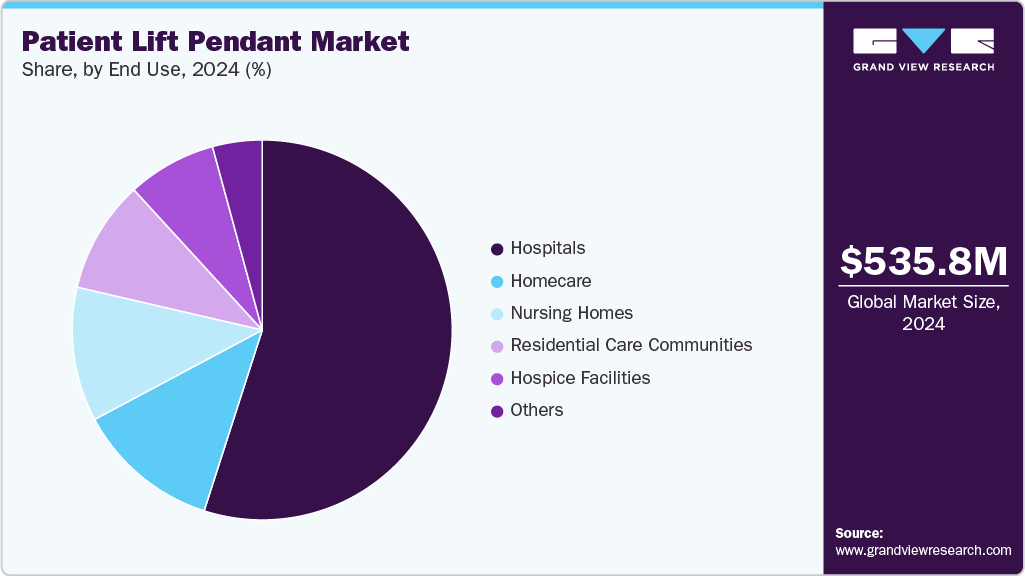
The home care segment is expected to grow at the fastest CAGR from 2025 to 2033. Increasing preference for in-home care among elderly patients, individuals with chronic illnesses, and those recovering from mobility-limiting conditions such as Parkinson’s Disease, stroke, and obesity is driving demand. Home care providers and caregivers are adopting portable, user-friendly, and compact lift pendants that enable safe transfers in residential settings. Technological advancements, including lightweight designs, wireless operation, and improved safety features, make these devices more accessible for home use. Regulatory support, along with growing awareness of caregiver safety and patient comfort, further accelerates adoption in the home care segment, which is expected to grow rapidly compared to established hospital and long-term care markets.
Regional Insights
The North America patient lift pendant market is experiencing growth, driven by an aging population, increasing prevalence of mobility‐impairing chronic conditions, and heightened awareness of caregiver safety. Regulatory trends and safety mandates in hospitals and long-term care facilities are encouraging adoption of mechanized lifting and transfer systems to reduce manual handling injuries. While the high upfront cost and need for specialized infrastructure pose challenges, innovations in product design, ergonomics, and assistive technologies are expanding use in hospitals, clinics, and increasingly in home care settings.
U.S. Patient Lift Pendant Market Trends
The patient lift pendant market in the U.S. is experiencing growth, driven by demographic, clinical, regulatory, and technological factors. A significant driver is the aging population, which is affected by mobility-limiting conditions such as Parkinson’s disease, stroke, obesity, and other chronic disorders, creating a higher demand for mechanical lifting and transfer solutions. Patients with PD experience tremors, rigidity, and postural instability, making safe transfers challenging and increasing reliance on lift pendants in hospitals, long-term care, and home care settings. Regulatory pressures, including state-level safe patient handling laws and national guidelines, further push healthcare facilities to adopt mechanized lifting systems to reduce caregiver injuries and comply with safety mandates. Healthcare providers also emphasize patient comfort, dignity, and quality of care, which drives preference for ergonomically designed pendants with smooth, controlled operation. According to the Vintage 2024 Population Estimates released by the U.S. Census Bureau, the population aged 65 and older in the U.S. increased by 3.1%, reaching 61.2 million, while the population under age 18 declined by 0.2%, totaling 73.1 million between 2023 and 2024.
Top 15 U.S. states based on the Death rate (%) due to PD, for 2022
Rank
State
Death Rate
Number of Cases
1
Utah
12.40%
343
2
Kansas
11.50%
423
3
Nebraska
11.40%
275
4
Tennessee
11.20%
957
5
New Hampshire
11.10%
218
6
Texas
11.10%
3,091
7
Oregon
11.00%
626
8
Alaska
10.90%
62
9
Indiana
10.90%
904
10
Vermont
10.90%
105
11
Idaho
10.80%
243
12
Colorado
10.70%
665
13
Iowa
10.70%
466
14
Alabama
10.70%
696
15
Georgia
10.30%
1,168
Source: CDC
“The growth in those diagnosed and living with PD underscores the need to invest in more research toward better treatments, a cure, and one day, prevention. It’s also a clear call to lawmakers to implement policies that will lessen the burden of Parkinson’s disease on American families and programs like Medicare and Social Security.”- Brian Fiske, PhD, co-author of the study and chief scientific officer at MJFF.
Europe Patient Lift Pendant Market Trends
The patient lift pendant market in Europe is experiencing growth, supported by a rapidly aging population, rising prevalence of mobility-impairing chronic conditions, and strong regulatory focus on safe patient handling. Europe has one of the highest proportions of elderly citizens globally, with significant increases in cases of arthritis, osteoporosis, stroke, Alzheimer’s, and cardiovascular diseases, all of which contribute to reduced mobility and greater dependence on assistive transfer solutions. Hospitals, nursing homes, and rehabilitation centers across the region adopt pendant-operated lifts to comply with stringent workplace health and safety directives to minimize caregiver injuries from manual patient handling. Countries such as Germany, the UK, France, and the Nordic nations are leading adoption due to advanced healthcare infrastructure, supportive reimbursement systems, and high awareness of patient safety. According to the European Union, on 1 January 2024, the EU population was estimated at 449.3 million people, and more than one-fifth (21.6%) of it was aged 65 years and over.
The UK patient lift pendant market is growing, driven by chronic disease prevalence and a strong focus on safe patient handling practices. The country has one of Europe’s fastest-expanding elderly populations, which is accompanied by rising cases of arthritis, stroke, Parkinson’s disease, Alzheimer’s, and cardiovascular diseases. These conditions result in partial or complete mobility loss, making pendant-operated lifts essential for safe transfers in hospitals, nursing homes, and home care settings. The National Health Service (NHS) and private care providers prioritize adopting mechanical lifting systems to reduce caregiver musculoskeletal injuries, in compliance with strict workplace health and safety regulations. The UK’s growing emphasis on community-based elderly care and home healthcare is boosting demand for compact, wireless, easy-to-use pendant systems suitable for residential environments. The presence of global medical device manufacturers, combined with ongoing healthcare modernization initiatives and supportive reimbursement policies for mobility aids, further strengthens market expansion. With the dual challenge of rising neurological disorders and cardiovascular-related mobility impairments, the UK market is expected to grow throughout the forecast period.
Data on deaths from and numbers living with heart and circulatory diseases (CVD) for the UK
Nation
No. of People Dying from CVD (2023)
No. of People Under 75 Years Old Dying from CVD (2023)
Estimated Number of People Living with CVD (Latest Estimate)
England
142,460
38,996
6.4 million +
Scotland
17,787
5,313
730,000
Wales
9,701
2,918
340,000
Northern Ireland
4,227
1,133
225,000
UK Total
174,693
48,697
7.6 million +
Source: British Heart Foundation 2025
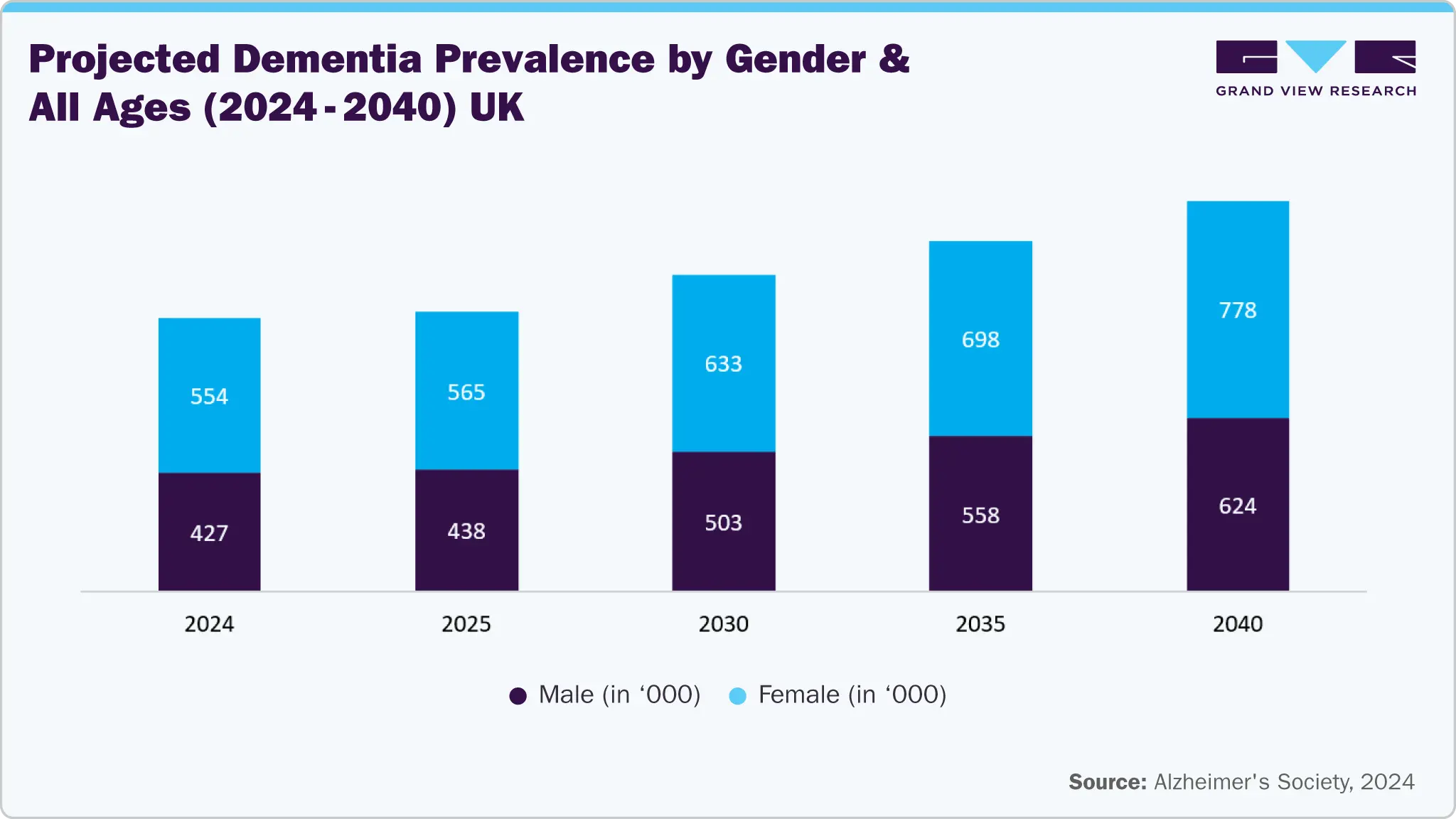
The patient lift pendant market in Germany is growing, driven by the country’s advanced healthcare infrastructure, aging population, and strong regulatory emphasis on patient and caregiver safety. Germany has one of the highest proportions of elderly citizens in Europe, leading to a rising prevalence of mobility-impairing conditions such as osteoporosis, arthritis, neurological disorders, and Alzheimer’s disease. The growing number of Alzheimer’s patients, who experience severe mobility loss, disorientation, and dependence on caregivers, is significantly increasing the need for safe and efficient transfer systems in both institutional and home settings. In 2023, there were an estimated 1.8 million people in Germany affected by dementia. By 2050, their number is expected to grow to 2.7 million. Hospitals, rehabilitation centers, and long-term care facilities are adopting pendant-operated lifts to comply with strict workplace safety standards that aim to reduce musculoskeletal injuries among caregivers while ensuring patient dignity and safety. As of 2024, an estimated 6.5 million adults aged 20-79 in Germany are living with diabetes, reflecting a significant increase from previous years and highlighting the growing burden of the disease in the country.
Asia Pacific Patient Lift Pendant Market Trends
The patient lift pendant market in the Asia Pacific is growing rapidly, fueled by demographic shifts, rising healthcare investments, and increasing awareness of safe patient handling practices. The region is home to some of the world’s fastest-aging populations, particularly in China, Japan, and South Korea, where a sharp rise in elderly individuals with mobility-impairing chronic diseases such as arthritis, stroke, and neurological disorders is creating strong demand for advanced transfer solutions. The growing popularity of home healthcare and aging-in-place trends also boosts demand for compact, wireless, and affordable lift systems designed for residential use. According to the Asian Development Bank, by 2050, one in four people in Asia and the Pacific will be over 60 years old.
India patient lift pendant market is growing, supported by multiple demographic and healthcare trends. A rapidly aging population, combined with an increasing prevalence of chronic diseases such as arthritis, diabetes-related complications, stroke, and neurological disorders, is driving the need for safe and efficient patient transfer solutions. The Indian healthcare system is undergoing significant expansion. New hospitals, specialty clinics, and rehabilitation centers are established under government initiatives and private sector investment, creating opportunities to adopt advanced mobility aids like pendant-operated lift systems. In 2024, the Government of India (GOI) inaugurated five new All India Institute of Medical Sciences (AIIMS) campuses. It launched 202 healthcare infrastructure projects nationwide, including medical colleges, specialized treatment centers, and research institutions.
The patient lift pendant market in China is expected to witness significant growth during the forecast period, driven by the country's rapid demographic and healthcare transitions. China’s large and fast-aging population is creating a surge in demand for mobility support solutions, as chronic diseases such as stroke, arthritis, and Parkinson’s are becoming more prevalent. In addition, the government is investing heavily in expanding healthcare infrastructure, including hospitals, rehabilitation centers, and elderly care facilities, which is fueling the adoption of modern patient handling systems. The country’s rising focus on home healthcare-supported by cultural preferences for aging in place and government initiatives to strengthen community-based eldercare-further boosts demand for compact and wireless pendant-operated lifts.
Middle East and Africa Patient Lift Pendant Market Trends
The patient lift pendant market in the Middle East and Africa is driven by a rising elderly population alongside a higher prevalence of chronic and mobility-impairing conditions such as arthritis, stroke, and neurological disorders, which is increasing demand for effective transfer solutions. Governments and private players, particularly in the Gulf countries such as Saudi Arabia, the UAE, and Qatar, invest heavily in modern hospitals, rehabilitation centers, and long-term care facilities, creating strong adoption opportunities for pendant-operated lift systems. In South Africa and other parts of Africa, healthcare infrastructure is gradually expanding, with growing attention on patient safety and caregiver protection. The surge in medical tourism, especially in the GCC and South Africa, further supports the demand for advanced medical devices, including lifts and pendants, to meet international care standards.
Key Patient Lift Pendant Company Insights
The industry players are undertaking several strategic initiatives, such as acquisitions, partnerships, and collaborations. Moreover, the launch of novel products is anticipated to boost competitive rivalry in the market.
Key Patient Lift Pendant Companies:
The following are the leading companies in the patient lift pendant market. These companies collectively hold the largest market share and dictate industry trends.
- Invacare Corporation
- Sunrise Medical
- Arjo
- GF Health Products, Inc.
- Medline
- Compass Health Brands
- Drive DeVilbiss International
- Baxter
- VERMEIREN GROUP
- Joerns Healthcare, Inc.
- Proactive Medical Products
Recent Developments
-
In April 2025, Arjo launched the new Maxi Move 5 Patient Floor Lift. This advanced lift enhances safety, efficiency, and comfort during patient transfers. With improved ergonomic features, a stronger lifting capacity, and user-friendly controls, the Maxi Move 5 addresses caregiver and patient needs.
-
In September 2024, Medline is expanding its presence in the Chicagoland area by adding 110,000 square feet to its existing office space, strengthening its operational and distribution capabilities. This expansion reflects Medline’s strategy to enhance its market reach, improve supply chain efficiency, and better serve healthcare facilities across the region.
Patient Lift Pendant Market Report Scope
Report Attribute
Details
Market size value in 2025
USD 624.96 million
Revenue forecast in 2033
USD 1,353.52 million
Growth rate
CAGR of 10.14% from 2025 to 2033
Actual data
2021 - 2024
Forecast period
2025 - 2033
Quantitative units
Revenue in USD million/billion and CAGR from 2025 to 2033
Segments covered
Product, patient lift type, channel, end use, region
Regional scope
North America; Europe; Asia Pacific; Latin America; MEA
Country scope
U.S.; Canada; Mexico; UK; Germany; France; Italy; Spain; Denmark; Sweden; Norway; Japan; China; India; Australia; South Korea; Thailand; Brazil; Argentina; South Africa; Saudi Arabia; UAE; Kuwait
Report coverage
Revenue, competitive landscape, growth factors, and trends
Key companies profiled
Invacare Corporation; Sunrise Medical; Arjo; GF Health Products, Inc.; Medline; Compass Health Brands; Drive DeVilbiss International; Baxter; VERMEIREN GROUP; Joerns Healthcare, Inc.; Proactive Medical Products
Customization scope
Free report customization (equivalent to 8 analysts working days) with purchase. Addition or alteration to country, regional & segment scope
Pricing and purchase options
Avail customized purchase options to meet your exact research needs. Explore purchase options
Global Patient Lift Pendant Market Report Segmentation
This report forecasts revenue growth at the global, regional, and country levels and provides an analysis of the latest industry trends in each of the sub-segments from 2021 to 2033. For this study, Grand View Research has segmented the global patient lift pendant market report based on product, patient lift type, channel, end use, and region:
-
Product Outlook (Revenue, USD Million, 2021 - 2033)
-
Wired
-
Wireless
-
-
Patient Lift Type Outlook (Revenue, USD Million, 2021 - 2033)
-
Ceiling Lifts
-
Mobile Electric Lifts
-
Sit-to-Stand Lifts
-
Bath/Shower Lifts
-
-
Channel Outlook (Revenue, USD Million, 2021 - 2033)
-
Two
-
Four
-
-
End Use Outlook (Revenue, USD Million, 2021 - 2033)
-
Hospitals
-
Nursing Homes
-
Residential Care Communities
-
Hospice Facilities
-
Homecare
-
Others
-
-
Regional Outlook (Revenue, USD Million, 2021 - 2033)
-
North America
-
U.S.
-
Canada
-
Mexico
-
-
Europe
-
Germany
-
UK
-
France
-
Italy
-
Spain
-
Norway
-
Denmark
-
Sweden
-
-
Asia Pacific
-
Japan
-
China
-
India
-
Australia
-
South Korea
-
Thailand
-
-
Latin America
-
Brazil
-
Argentina
-
-
Middle East and Africa (MEA)
-
South Africa
-
Saudi Arabia
-
UAE
-
Kuwait
-
-
Frequently Asked Questions About This Report
b. The global patient lift pendant market size was estimated at USD 535.84 million in 2024 and is expected to reach USD 624.96 million in 2025.
b. The global patient lift pendant market is expected to grow at a compound annual growth rate of 10.14% from 2025 to 2033 to reach USD 1,353.52 million by 2033.
b. North America dominated the patient lift pendant market with a share of 40.87% in 2024.
b. Some key players operating in the patient lift pendant market include Invacare Corporation, Sunrise Medical, Arjo, GF Health Products, Inc., Medline, Compass Health Brands, Drive DeVilbiss International, Baxter, VERMEIREN GROUP, Joerns Healthcare, Inc., and Proactive Medical Products.
b. Key factors driving the market growth include the increasing global elderly population, which has led to a higher prevalence of mobility impairments and chronic conditions. This creates a greater need for advanced patient handling solutions that ensure safety and comfort.


Share this report with your colleague or friend.
Need a Tailored Report?
Customize this report to your needs — add regions, segments, or data points, with 20% free customization.


ISO 9001:2015 & 27001:2022 Certified
We are GDPR and CCPA compliant! Your transaction & personal information is safe and secure. For more details, please read our privacy policy.
Trusted market insights - try a free sample
See how our reports are structured and why industry leaders rely on Grand View Research. Get a free sample or ask us to tailor this report to your needs.













