
- Home
- »
- Medical Devices
- »
-
Peripheral Liquid Embolic Agent Market Report, 2026-2036GVR Report cover

Peripheral Liquid Embolic Agent Market (2026 - 2036)
Size, Share & Trends Analysis Report By Product Type (Ethylene Vinyl Alcohol Copolymer (EVOH), Cyanoacrylates / Tissue Glues), By Application (Peripheral Vascular Hemorrhage, Hypervascular Tumors), By Region and Segment Forecasts
Market Size, 2025
$275.6MMarket Estimate, 2026
$298.0MMarket Forecast, 2036
$568.9MCAGR, 2026–2036
6.7%Peripheral Liquid Embolic Agent Market Summary
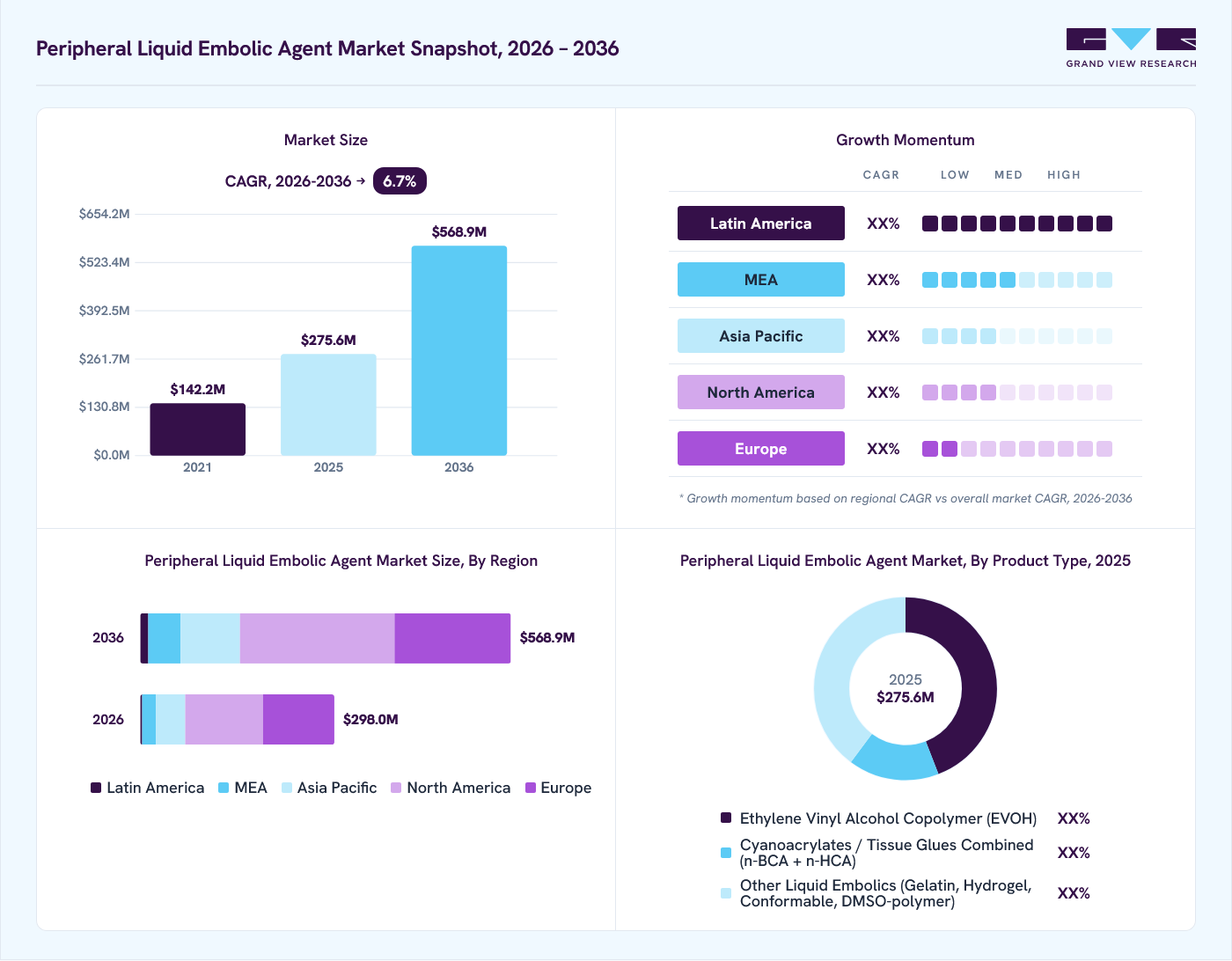
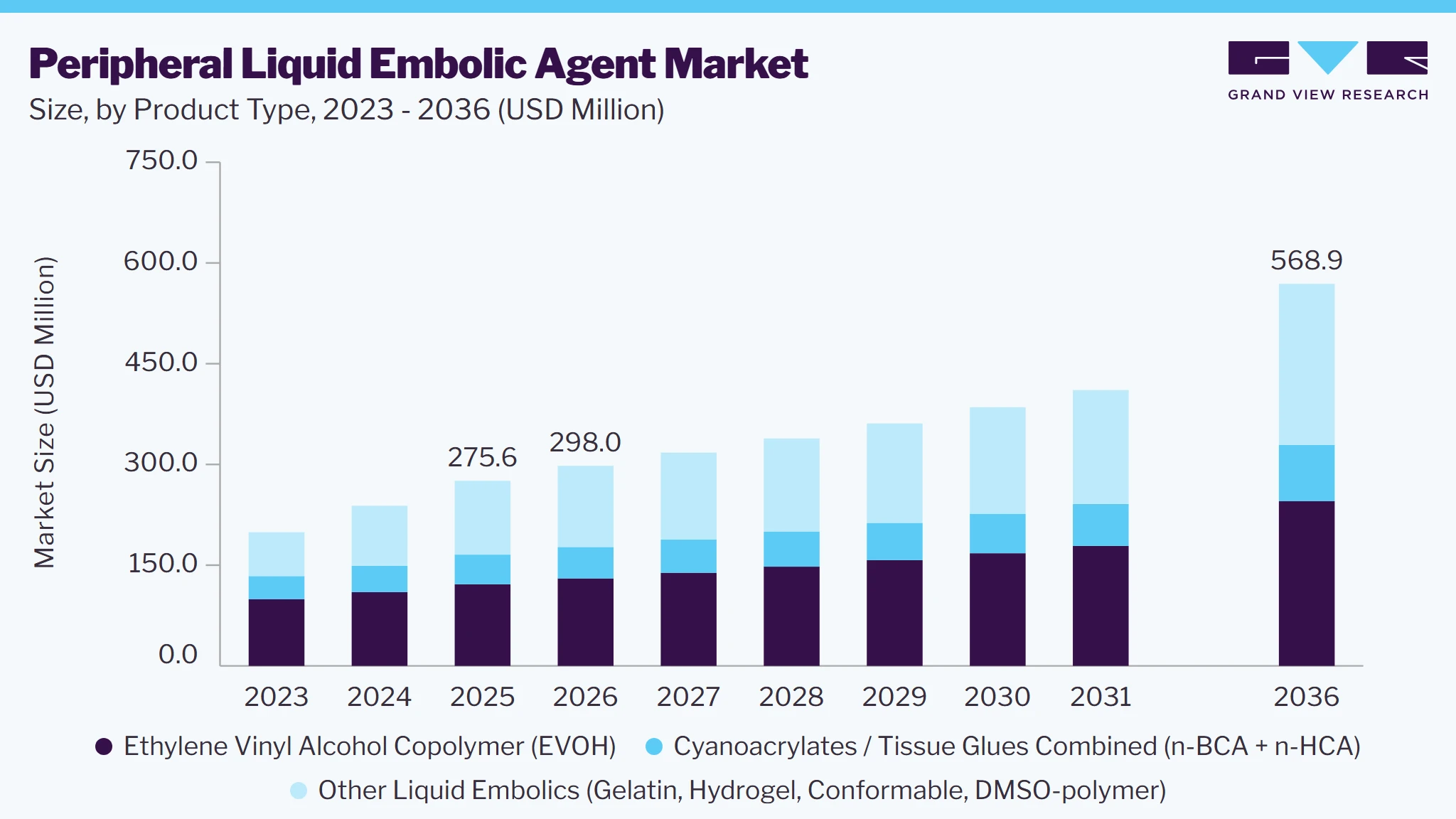
The global peripheral liquid embolic agent market size was valued at USD 275.6 million in 2025 and is projected to grow from USD 298.0 million in 2026 to USD 568.9 million by 2036, at a CAGR of 6.7% from 2026 to 2036. North America dominated the market, accounting for a revenue share of 39.3% in 2025. Demand for peripheral liquid embolic agents is supported by the increasing adoption of minimally invasive endovascular procedures, advancements in catheter-based embolization techniques, and the expanding use of embolization in managing peripheral vascular conditions.
 Source: Grand View Research, IR Documents, Primary Interviews, Paid DatabasesTo learn more about this report,
 Download Free Sample Report
Key Market Trends & Insights
- By product: Ethylene Vinyl Alcohol Copolymer (EVOH) segment led the market with the largest revenue share of 44.1% in 2025.
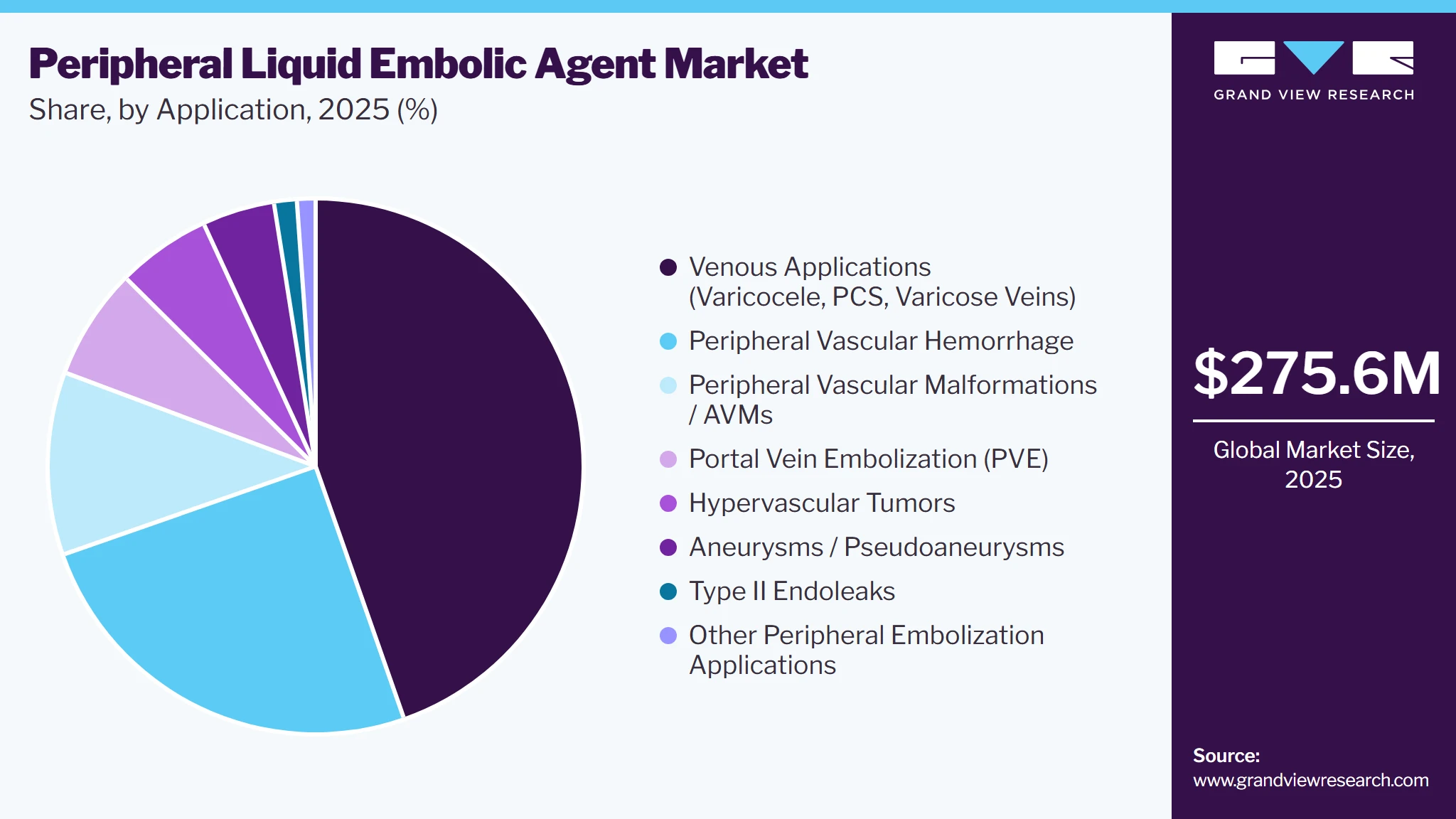
- By application: Venous applications (varicocele, PCS, varicose veins) segment led the market with the largest revenue share of 44.6% in 2025.
Regional Highlights
- Largest regional market: North America (39.3% revenue share, 2025)
- By country: The U.S. held the largest market share in 2025.
Market Size & Forecast
- Market size in 2025: USD 275.6 Million
- Estimated market size in 2026: USD 298.0 Million
- Projected market size by 2036: USD 568.9 Million
- CAGR (2026-2036): 6.7%
Prism AI by Grand View Research Free to tryAsk a question about the peripheral liquid embolic agent marketTry asking✓Every figure cited from GVR research Prefer the report? Download free sample →
Healthcare providers are focusing on endovascular treatment options that support precise vessel occlusion, controlled embolic delivery, reduced procedural invasiveness, and effective management of vascular abnormalities. Manufacturers are also developing liquid embolic formulations with improved deliverability, radiopacity, polymerization control, and predictable occlusion characteristics to support procedural outcomes.The rising burden of peripheral vascular disorders is a major driver of demand for peripheral liquid embolic agents. Peripheral vascular hemorrhage, arteriovenous malformations (AVMs), aneurysms, and other vascular abnormalities are becoming more prevalent due to population aging and the increasing incidence of diabetes, hypertension, smoking, and hyperlipidemia.
 To learn more about this report, Download Free Sample Report
As the number of patients with peripheral vascular diseases continues to rise, healthcare providers are adopting minimally invasive embolization procedures to control hemorrhage, treat vascular malformations, and manage complex peripheral lesions. Liquid embolic agents provide precise, durable vessel occlusion, particularly in tortuous or distal vasculature, where conventional embolic materials are less effective.
The rising incidence of postpartum hemorrhage is increasing the demand for uterine artery embolization (UAE) as a minimally invasive, uterus-preserving treatment for uncontrolled obstetric bleeding. This growing adoption of the UAE is driving the use of peripheral liquid embolic agents, which provide rapid, targeted vascular occlusion to achieve effective hemostasis while reducing the need for emergency hysterectomy.
Global Burden and Epidemiology of Postpartum Hemorrhage (PPH) 2025
Parameter
Details
Global Incidence of PPH
Approximately 6% of all deliveries worldwide, with some studies reporting rates as high as 10%.
Leading Cause of PPH
Uterine atony is the most common cause, accounting for up to 80% of postpartum hemorrhage cases.
Trend in PPH Incidence
The global incidence of PPH is increasing due to rising cesarean section rates and associated complications such as placenta accreta spectrum (PAS).
Burden by Income Level
The burden of PPH is disproportionately higher in low- and middle-income countries (LMICs) than in high-income countries because of limited healthcare resources.
Key Contributors to Maternal Mortality
Limited access to uterine tamponade, uterine artery embolization (UAE), skilled obstetric care, uterotonics, blood transfusion services, and delayed transportation contribute to higher mortality rates.
Source: NIH 2025
Varicose veins are among the most common chronic venous disorders, with their prevalence increasing due to aging populations, obesity, prolonged standing, pregnancy, and sedentary lifestyles. The growing preference for minimally invasive endovascular treatments is accelerating the use of embolization procedures in venous disease management.
According to INVAMED, varicose veins affect up to 30% of the general population worldwide, while the prevalence of chronic venous disorders, including spider and reticular veins, can reach 80% in men and 85% in women. This expanding patient population is driving demand for peripheral liquid embolic agents, which are used for targeted vein occlusion and other venous embolization procedures.
Portal vein embolization (PVE) is a minimally invasive interventional radiology procedure performed before major liver resection to redirect blood flow and stimulate hypertrophy of the future liver remnant, enabling safer surgical removal of liver tumors. The rising incidence of primary liver cancer and metastatic liver tumors is increasing the use of PVE as part of preoperative treatment planning, thereby driving demand for peripheral liquid embolic agents, which are widely used to achieve effective and durable portal vein occlusion during the procedure.
Estimated New Cases and Deaths from Liver and Intrahepatic Bile Duct Cancer by Sex (U.S., 2025)
Category
Gender
Liver & Intrahepatic Bile Duct
Estimated New Cases
Both
42,240
Male
28,220
Female
14,020
Estimated Deaths
Both
30,090
Male
19,250
Female
10,840
Source: American Cancer Society
The increasing global burden of cancer is significantly driving the demand for interventional oncology, where minimally invasive embolization procedures are widely used to treat hyper vascular tumors and manage cancer-related complications. Peripheral liquid embolic agents enable precise occlusion of tumor-feeding vessels, making them valuable for preoperative devascularization, palliative embolization, and hemorrhage control in tumors of the liver, kidneys, pelvis, bones, and other peripheral organs.
Continuous advancements in image-guided interventions and embolic materials have further expanded the role of liquid embolic agents in oncology by improving procedural accuracy and reducing complications. Compared with conventional surgery, endovascular embolization offers shorter recovery times, lower procedural morbidity, and the ability to treat patients who are poor surgical candidates, leading to increasing adoption across interventional radiology and comprehensive cancer centers.
According to the American Cancer Society, an estimated 42,240 new cases of primary liver and intrahepatic bile duct cancer are expected to be diagnosed in the U.S. in 2025, and approximately 30,090 people are projected to die from the disease, highlighting the growing need for effective treatment approaches, including interventional oncology procedures such as trans arterial embolization.
Estimated Number of New Cases for Selected Cancers by State, U.S., 2026 (Cases)
State
Prostate
Urinary Bladder
Uterine Cervix
Uterine Corpus
Alabama
5,400
1,210
250
910
Alaska
750
170
-
110
Arizona
5,540
1,970
280
1,430
Arkansas
3,150
780
150
520
California
32,610
7,370
1,490
7,390
Colorado
4,480
1,220
190
890
Connecticut
4,000
1,190
120
850
Delaware
1,410
350
-
260
District of Columbia
450
100
-
110
Florida
26,970
7,630
1,200
5,490
Georgia
11,420
2,310
470
2,050
Hawaii
1,310
310
60
390
Idaho
2,030
580
70
310
Illinois
13,050
3,180
490
2,740
Indiana
6,440
1,890
290
1,420
Iowa
3,320
960
120
700
Kansas
2,650
620
100
540
Kentucky
4,290
1,310
210
940
Louisiana
5,440
1,030
200
710
Maine
1,820
640
-
390
Maryland
7,230
1,400
220
1,350
Massachusetts
7,310
1,990
180
1,520
Michigan
10,530
3,030
370
2,170
Minnesota
Upgrade report license to gain access to the complete analysis
Mississippi
Missouri
Montana
Nebraska
Nevada
New Hampshire
New Jersey
New Mexico
New York
North Carolina
North Dakota
Ohio
Oklahoma
Oregon
Pennsylvania
Rhode Island
South Carolina
South Dakota
Tennessee
Texas
Utah
Vermont
Virginia
Washington
West Virginia
Wisconsin
Wyoming
Source: American Cancer Society 2026
Market Dynamics
The peripheral liquid embolic agent market is shaped by the increasing adoption of minimally invasive endovascular procedures, advancements in embolization techniques, and the growing use of catheter-based interventions for managing peripheral vascular conditions. Hospitals, ambulatory surgical centers, and specialty vascular centers are incorporating embolization procedures into clinical practice to manage conditions such as peripheral arteriovenous malformations, vascular tumors, and hemorrhage associated with peripheral vascular abnormalities. The demand for liquid embolic agents is also supported by the need for precise vessel occlusion, controlled embolic delivery, and reduced procedural invasiveness. Manufacturers are focusing on developing advanced formulations with improved radiopacity, catheter compatibility, polymerization control, and predictable occlusion characteristics to address evolving clinical requirements in peripheral vascular interventions.
The expansion of interventional radiology infrastructure is accelerating access to minimally invasive vascular procedures and creating favorable conditions for the adoption of peripheral liquid embolic agents. Investments in advanced angiography suites, hybrid operating rooms, and image-guided intervention technologies are enabling hospitals to perform complex embolization procedures with greater precision, supporting the treatment of peripheral vascular diseases, hemorrhage, and oncology patients.
In March 2026, U.S. Rapides Regional Medical Center inaugurated a USD 3 million advanced interventional radiology suite, the most advanced in Central Louisiana. The new facility enables a wider range of minimally invasive procedures, including interventional oncology, vascular treatments, uterine artery embolization, and prostatic artery embolization, while improving imaging precision and reducing patient radiation exposure.
“We will be able to perform CT scans while the patient is on the table,” said Elie Barakat, MD, interventional radiologist at Rapides Regional Medical Center. “This will help during treatments we are doing, especially advanced oncology treatments. We can directly inject beams of radiation inside the tumors.”
The high procedural cost associated with peripheral embolization remains a significant restraint on the growth of the peripheral liquid embolic agent market. The overall treatment cost extends beyond the liquid embolic agent itself and includes advanced angiography systems, microcatheters, guidewires, contrast media, disposable accessories, imaging equipment, and highly specialized interventional radiology teams. These combined procedural expenses increase the financial burden on healthcare providers and patients, limiting the widespread adoption of advanced liquid embolic technologies, particularly in cost-sensitive healthcare systems.
The development of next-generation liquid embolic materials represents a major opportunity for the peripheral liquid embolic agent market by overcoming many of the limitations associated with conventional embolic technologies. New formulations are being designed with improved radiopacity, controlled polymerization, optimized viscosity, enhanced catheter compatibility, and reduced artifact generation, enabling more precise embolic delivery and durable vessel occlusion. Innovations such as solvent-free hydrogels, bioresorbable polymers, phase-transition materials, and inherently radiopaque embolic are improving procedural safety while expanding the use of liquid embolic in complex peripheral vascular interventions.
- In August 2025, Instylla received U.S. FDA Premarket Approval (PMA) for the Embrace Hydrogel Embolic System (HES), introducing the first and only liquid embolic approved specifically for embolization of hypervascular tumors in peripheral arteries (≤5 mm) based on a prospective, randomized, controlled clinical trial. Embrace HES utilizes two low-viscosity, water-based liquid precursors that crosslink in situ to form a soft polyethylene glycol (PEG) hydrogel, enabling deep penetration into tumor vasculature, persistent vessel occlusion, and embolization without solvents or the risk of catheter entrapment. The approval highlights the growing development of next-generation liquid embolic materials that offer improved safety, procedural control, and effectiveness for peripheral vascular interventions.
The requirement for highly skilled operators poses a significant challenge in the peripheral liquid embolic agent market, as the safe and effective use of liquid embolic depends heavily on physician expertise, procedural planning, and real-time decision-making. Unlike mechanical embolic agents such as coils or vascular plugs, liquid embolic agents require precise control of injection rate, catheter position, blood flow dynamics, and polymerization behavior to achieve complete occlusion of the target vessel while preventing reflux or migration into non-target vessels. Even minor technical errors can result in complications such as non-target embolization, catheter entrapment, tissue ischemia, vessel perforation, or incomplete embolization, making operator experience a critical determinant of procedural success. Liquid embolic agents have a steep learning curve and require extensive knowledge of embolic material characteristics, vascular anatomy, and catheter techniques to be used safely in peripheral interventions.
Market Concentration & Characteristics
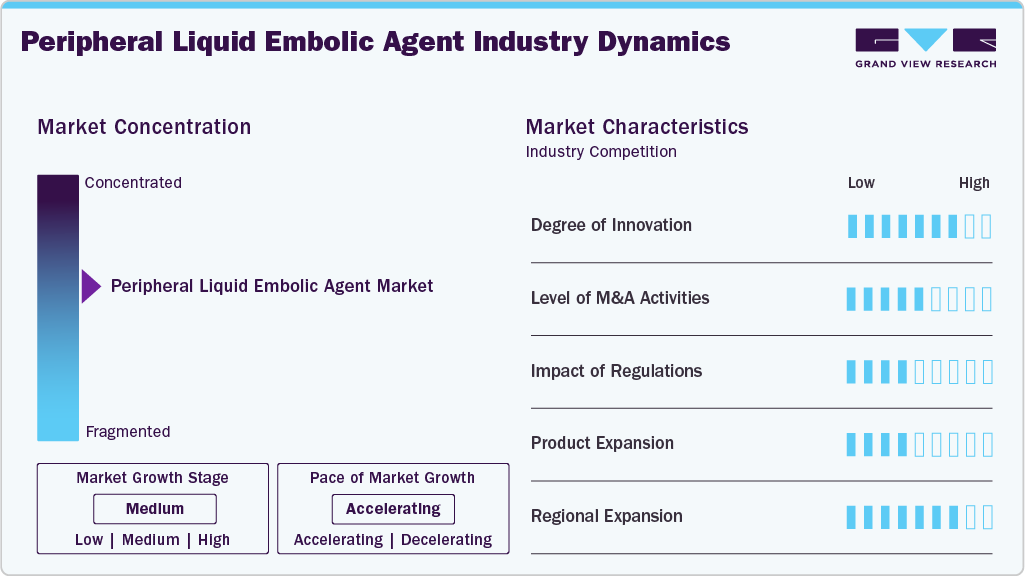
The peripheral liquid embolic agent market comprises a range of products formulated to support vessel occlusion during minimally invasive endovascular procedures for peripheral vascular conditions. The market includes cyanoacrylate-based embolic agents, ethylene-vinyl alcohol (EVOH)-based agents, and other liquid embolic formulations, with product selection varying according to the target vascular anatomy, clinical indication, and procedural requirements. Manufacturers differentiate their products through formulation composition, viscosity, radiopacity, polymerization characteristics, catheter compatibility, and delivery control. Factors such as embolization precision, occlusion effectiveness, biocompatibility, handling characteristics, and procedural safety influence product selection and purchasing decisions.
The peripheral liquid embolic agent market demonstrates ongoing product innovation, with manufacturers focusing on improving embolic formulation characteristics, delivery precision, catheter compatibility, and controlled vessel occlusion. Innovation includes the development of liquid embolic agents with enhanced radiopacity, optimized viscosity, improved polymerization control, and predictable penetration into targeted peripheral vascular structures. Manufacturers are also advancing delivery systems and formulation technologies to improve handling characteristics, reduce catheter-related complications, and support procedural accuracy. Research and development activities are directed toward improving biocompatibility, embolization consistency, and product performance across different peripheral vascular indications.
- In July 2025, Medtronic announced the enrollment of the first patient in the Peripheral Onyx Liquid Embolic (PELE) clinical trial, which is evaluating the safety and effectiveness of the Onyx Liquid Embolic System (LES) for the embolization of arterial hemorrhage in the peripheral vasculature. The first procedure was performed by Dr. Christopher Stark at Albany Medical Center.
 To learn more about this report, Download Free Sample Report
Mergers and acquisitions in the peripheral liquid embolic agent market support portfolio expansion, access to complementary embolization technologies, and broader penetration of peripheral vascular intervention markets. Companies are pursuing strategic acquisitions to strengthen their capabilities in liquid embolic formulations, catheter-based delivery systems, and minimally invasive vascular therapies. These activities also facilitate entry into adjacent peripheral intervention segments and expand access to hospitals, specialty vascular centers, and interventional radiology facilities. Acquiring companies can strengthen research and development capabilities, manufacturing capacity, intellectual property portfolios, and distribution networks while expanding their presence across peripheral vascular treatment applications.
The peripheral liquid embolic agent market is shaped by stringent regulatory requirements governing the development, clinical evaluation, manufacturing, marketing, and post-market surveillance of embolic products. Regulatory authorities such as the U.S. Food and Drug Administration (FDA) and the European Medicines Agency (EMA), alongside national medical device regulators, establish requirements for product safety, biocompatibility, performance validation, quality management, and clinical evidence. Compliance with medical device regulations, including the U.S. FDA approval or clearance pathways and the European Union Medical Device Regulation (MDR 2017/745), affects product commercialization timelines, development costs, and market entry strategies. These requirements also encourage manufacturers to invest in product validation, manufacturing quality systems, and post-market monitoring to maintain regulatory compliance and clinical safety.
The peripheral liquid embolic agent market is primarily supported by hospitals, ambulatory surgical centers, and specialty vascular centers that perform minimally invasive peripheral embolization procedures. Hospitals account for a significant share of product utilization due to their advanced interventional radiology facilities, availability of specialized clinical teams, and capacity to manage complex peripheral vascular conditions. Ambulatory surgical centers are incorporating catheter-based embolization procedures into outpatient treatment settings, supporting demand for liquid embolic agents. Purchasing decisions across end users depend on procedural volumes, clinical requirements, physician preferences, product availability, and institutional procurement budgets.
Analyst Perspective
The peripheral liquid embolic agent market is competitive, with manufacturers differentiated by embolic formulation, product composition, delivery precision, radiopacity, polymerization characteristics, catheter compatibility, and clinical evidence. Established companies such as Medtronic, Terumo Medical Corporation (MicroVention), Boston Scientific, B. Braun, and Johnson & Johnson compete through their interventional product portfolios, embolization technologies, established distribution networks, and relationships with healthcare providers. Companies also differentiate through the development of EVOH-based agents, cyanoacrylate-based adhesives, and advanced delivery systems designed to support controlled vessel occlusion across peripheral vascular applications.
Product Insights
'By product, the ethylene vinyl alcohol copolymer (EVOH) segment led the market with the largest revenue share of 44.1% in 2025.' Its dominance is supported by its established use in minimally invasive embolization procedures for peripheral vascular conditions. EVOH-based agents offer controlled precipitation, radiopacity when combined with contrast agents, and the ability to form stable occlusive structures within targeted vessels. Their controlled delivery characteristics and suitability for treating complex peripheral vascular abnormalities support adoption among interventional radiologists and vascular specialists.
The cyanoacrylates/tissue glues segment is expected to register significant growth in the peripheral liquid embolic agent market, driven by their rapid polymerization, strong adhesive properties, and effectiveness in achieving immediate vessel occlusion. These agents are used in peripheral embolization procedures requiring prompt control of blood flow, including the management of vascular malformations, hemorrhage, and other peripheral vascular abnormalities. Their ability to polymerize upon contact with blood, provide permanent vessel occlusion, and support targeted embolization contributes to their adoption in interventional radiology procedures.
Application Insights
Based on applications, the venous applications (varicocele, PCS, varicose veins) segment led the market with the largest revenue share of 44.6% in 2025, driven by the increasing use of minimally invasive endovascular procedures for managing venous disorders. Liquid embolic agents support targeted vessel occlusion during embolization procedures, offering an alternative to more invasive surgical interventions. Growing clinical adoption of catheter-directed embolization for varicocele and pelvic congestion syndrome, along with the use of endovenous techniques for managing venous insufficiency, supports demand for embolic products.
 To learn more about this report, Download Free Sample Report
The hypervascular tumors segment is expected to register significant growth in the peripheral liquid embolic agent market, driven by the increasing use of preoperative and therapeutic embolization to reduce tumor vascularity and control blood supply. Liquid embolic agents enable targeted occlusion of tumor-feeding vessels, supporting reduced intraoperative blood loss and improved surgical management of selected hypervascular tumors. Growing adoption of minimally invasive embolization procedures for peripheral vascular tumors, increasing availability of advanced catheter-based delivery systems, and improvements in embolic formulations are supporting segment expansion.
Regional Insights
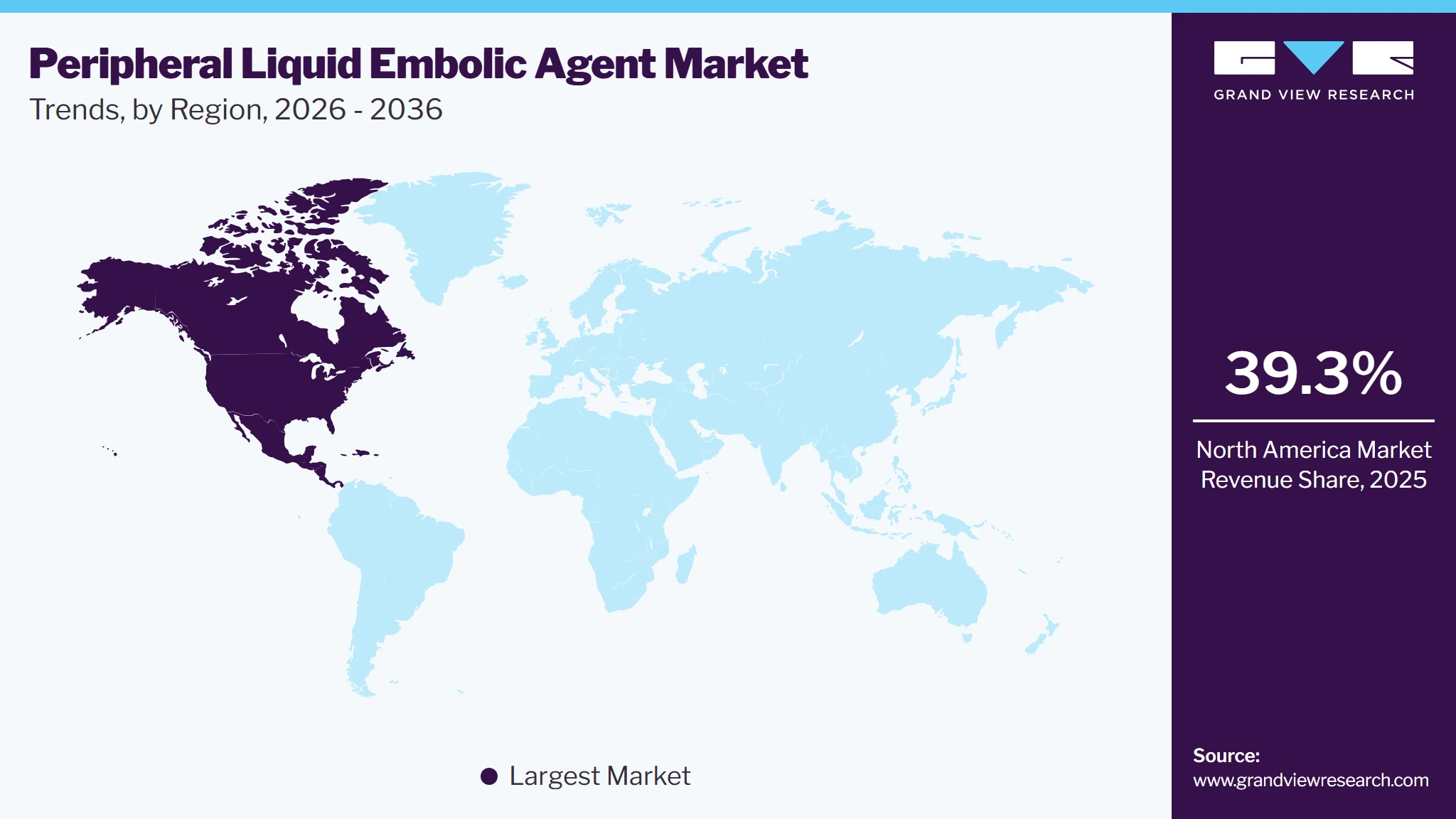
North America dominated the peripheral liquid embolic agent market with the largest revenue share of 39.3% in 2025, due to the growing preference for minimally invasive endovascular procedures in the management of complex peripheral vascular conditions. The region has a well-developed healthcare infrastructure with widespread availability of advanced angiography systems, dedicated interventional radiology suites, and experienced vascular specialists, enabling greater utilization of liquid embolic technologies. Demand has been supported by the increasing number of embolization procedures performed for peripheral vascular hemorrhage, hypervascular tumors, peripheral vascular malformations (AVMs), peripheral aneurysms, pseudoaneurysms, Type II end leaks, and portal vein embolization (PVE) prior to liver resection.
 To learn more about this report, Download Free Sample Report
U.S. Peripheral Liquid Embolic Agent Market Trends
The increasing prevalence of varicose veins in the U.S. is supporting demand for minimally invasive endovenous treatment options, including cyanoacrylate-based adhesive closure procedures. The growing patient population requiring treatment for chronic venous disorders, particularly among aging individuals and people with prolonged standing or sedentary lifestyles, is supporting the adoption of catheter-based interventions. Cyanoacrylate-based closure systems provide permanent occlusion of incompetent superficial veins through endovascular adhesive delivery, offering an alternative to conventional surgical approaches. Increasing clinical adoption of minimally invasive venous treatments and advancements in adhesive-based closure technologies are supporting demand for liquid embolic agents in peripheral venous applications.
"Varicose and spider veins tend to appear in people's 30s and 40s. It’s more common in women and among those who are on their feet a lot, including store clerks, nurses and doctors, restaurant workers, and manual laborers. Genetics plays a big role: if both parents have varicose veins, their children have roughly a 90% chance of having them too. - said Dr. Max Wohlauer, a University of Colorado School of Medicine associate professor of vascular surgery who treats patients at the UCHealth Cardiac and Vascular Center on the Anschutz Medical Campus."
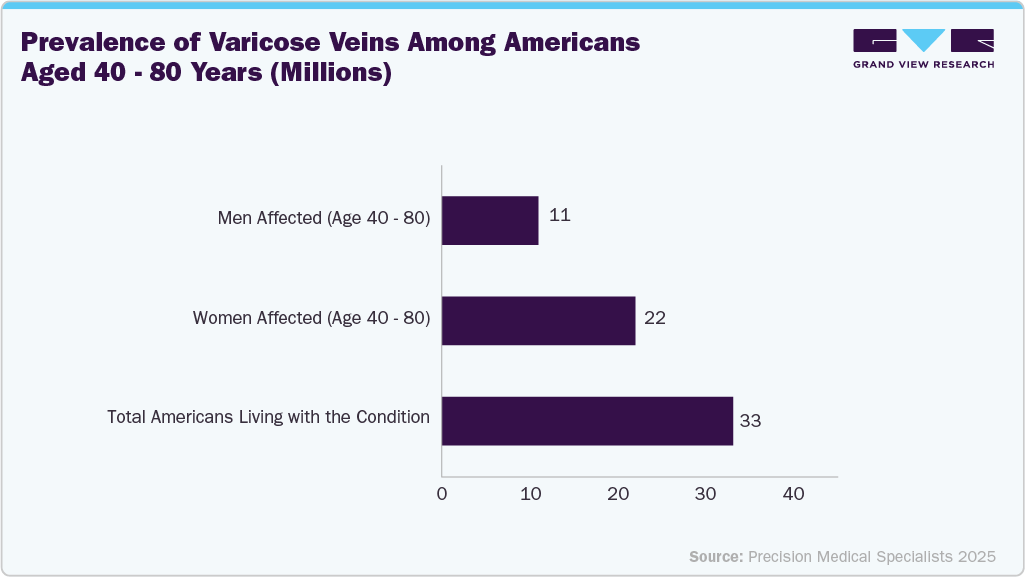
According to the data published by Precision Medical Specialists in 2025, the following graph illustrates the prevalence of varicose veins among Americans aged 40-80 years.
 To learn more about this report, Download Free Sample Report
In the U.S., peripheral arterial hemorrhage is a key application driving the peripheral liquid embolic agent market, supported by the increasing adoption of minimally invasive endovascular procedures to manage traumatic, iatrogenic, gastrointestinal, renal, pelvic, and visceral arterial bleeding. Hospitals are utilizing transcatheter arterial embolization as a preferred treatment approach because it enables rapid hemorrhage control while reducing procedural morbidity, blood loss, and recovery time compared with open surgical intervention. This has increased the use of liquid embolic agents in cases involving small, tortuous, or complex peripheral arteries where precise and durable vessel occlusion is required. Their ability to penetrate distal vasculature, provide permanent embolization, and achieve effective hemostasis independent of the patient's coagulation status makes them particularly valuable in trauma patients and individuals with coagulopathy.
Europe Peripheral Liquid Embolic Agent Market Trends
The Europe peripheral liquid embolic agent market is growing due to the increasing adoption of minimally invasive embolization procedures for peripheral vascular conditions, supported by the expansion of interventional radiology and vascular care infrastructure across the region. The rising burden of peripheral vascular disorders, including peripheral vascular malformations, aneurysms, hemorrhage, and venous disorders, is increasing the demand for advanced embolization technologies. Europe has a well-established network of specialized hospitals and interventional radiology centers that perform image-guided vascular procedures, supporting the clinical adoption of liquid embolic agents such as ethylene vinyl alcohol copolymer and cyanoacrylate-based agents.
In the UK, the availability of specialized vascular centers, established endovascular treatment pathways, and growing expertise among vascular specialists are supporting the adoption of embolization procedures to treat aneurysm-related complications. Improvements in vascular imaging and surveillance following EVAR are enabling earlier identification and management of Type II endoleaks, increasing the utilization of peripheral liquid embolic agents. The continued focus on reducing aneurysm-related complications and improving long-term outcomes after endovascular repair is expected to support the expanding role of liquid embolic agents in the management of aneurysms and Type II endoleaks across the UK.
According to data published by the National Vascular Registry in 2025, when aneurysms develop in the aorta, they most frequently occur below the arteries supplying the kidneys and are known as infra-renal AAAs. The NVR received information on 2,511 people who had an elective repair of an unruptured infra-renal AAA in 2024, which corresponds to an estimated case-ascertainment rate for the UK of 91% (for England = 91%; for Wales = >100%; for Scotland = 64%; for NI = 100%)
Comparison of Clinical Outcomes Between Open Repair and Endovascular Aneurysm Repair (EVAR) for Aortic Aneurysm Management
Parameter
Open Repair
EVAR (Endovascular Aneurysm Repair)
Mortality
3.10%
0.30%
Length of Stay
7 (6-10) days
2 (1-3) days
Return to Theatre
8.60%
2.60%
Readmission within 30 Days
5.60%
5.40%
Source: National Vascular Registry 2025
In Germany, the increasing burden of Abdominal Aortic Aneurysms (AAAs) and the occurrence of Type II endoleaks after endovascular aneurysm repair (EVAR) are key factors driving growth in the peripheral liquid embolic agent market in Germany. AAA is more prevalent among the aging population, particularly in older men, leading to a higher number of patients requiring minimally invasive endovascular treatment. With the continued adoption of EVAR for AAA management, the need for effective treatment of post-procedural complications has increased. Type II endoleaks are among the most frequently observed complications following EVAR, resulting from persistent retrograde blood flow from collateral vessels, mainly lumbar arteries and the inferior mesenteric artery, into the excluded aneurysm sac.
Asia Pacific Peripheral Liquid Embolic Agent Market Trends
The Asia Pacific peripheral liquid embolic agent market is driven by the growing adoption of minimally invasive endovascular therapies and the continued expansion of interventional radiology services across the region. Rising incidences of peripheral vascular disorders, traumatic vascular injuries, gastrointestinal bleeding, hypervascular tumors, aneurysms, and peripheral vascular malformations are contributing to a higher volume of embolization procedures in clinical practice. Healthcare providers are investing in advanced angiography systems, hybrid operating rooms, and image-guided intervention capabilities, improving access to catheter-based embolization treatments. In addition, the increasing number of trained interventional radiologists, expansion of tertiary and specialty hospitals, and greater awareness of embolization as an effective alternative to open surgery are supporting the adoption of liquid embolic agents for peripheral applications.
The rising burden of varicose veins in Japan is driving growth in the peripheral liquid embolic agent market, driven by growing demand for minimally invasive venous treatment approaches. Varicose veins, primarily associated with chronic venous insufficiency and malfunctioning venous valves, are becoming an important vascular health concern due to the aging population and increasing need for effective symptom management. The shift from conventional surgical vein stripping toward minimally invasive endovascular procedures has increased the adoption of advanced venous closure technologies. Liquid embolic agents, particularly adhesive-based embolic materials, are gaining attention for enabling non-thermal vein occlusion through controlled delivery and reduced dependence on energy-based ablation techniques. The rising number of patients undergoing treatment for symptomatic varicose veins, along with increasing physician preference for minimally invasive procedures, is creating opportunities for peripheral liquid embolic agents in venous applications.
For instance, data published by Springer in 2026 and the 2024 National Clinical Database (NCD) annual report by the Japan Surgical Society indicate that 223,422 peripheral vascular surgical procedures were registered in the NCD in 2024, an increase of more than 2,700 cases compared with 2023. The procedure with the highest number in this category was endovascular treatment for extremity arteries.
In India, the increasing adoption of venous applications, including varicocele, pelvic congestion syndrome, and varicose veins, is driving growth in India's peripheral liquid embolic agent market by expanding the use of minimally invasive embolization procedures beyond arterial interventions. Varicocele treatment via embolization is gaining acceptance as an alternative to surgical approaches due to its minimally invasive nature, shorter recovery time, and selective occlusion of abnormal venous pathways. Pelvic congestion syndrome is receiving greater clinical attention as improved diagnostic imaging enables better identification of pelvic venous disorders and supports the use of endovascular embolization techniques for symptom management. The growing burden of chronic venous insufficiency and varicose veins, along with increasing preference for minimally invasive venous procedures, is encouraging vascular specialists and interventional radiologists to adopt advanced embolic technologies.
Latin America Peripheral Liquid Embolic Agent Market Trends
The peripheral liquid embolic agent market in Latin America is supported by the expanding adoption of minimally invasive endovascular procedures, improvements in interventional radiology infrastructure, and increasing demand for catheter-based treatments for peripheral vascular conditions. Growing diagnosis and treatment of venous disorders, peripheral arteriovenous malformations, vascular abnormalities, and hypervascular tumors are creating demand for embolization procedures across the region. Healthcare facilities in Colombia are expanding access to specialized vascular and interventional radiology services. Regulatory oversight by Colombia’s National Institute for Food and Drug Surveillance (INVIMA), under Decree 4725 of 2005, establishes requirements for medical device registration, marketing authorization, and post-market surveillance, supporting the regulated introduction of embolization technologies. Increasing preference for minimally invasive treatments that reduce surgical invasiveness, hospital stays, and recovery time is supporting the utilization of liquid embolic agents.
Middle East & Africa Peripheral Liquid Embolic Agent Market Trends
The Middle East and Africa (MEA) region is driving growth in the peripheral liquid embolic agent market through the expansion of endovascular treatment capabilities, the increasing availability of interventional radiology services, and rising demand for minimally invasive management of peripheral vascular conditions. The growing need for treatment of peripheral vascular malformations, arteriovenous malformations (AVMs), peripheral vascular hemorrhage, aneurysm-related complications, and venous disorders is encouraging the adoption of embolization techniques that provide targeted vessel occlusion. Healthcare infrastructure development, including the establishment of advanced hospitals, catheterization laboratories, and image-guided intervention units, is improving access to complex vascular procedures across the region. Regulatory oversight by authorities such as the Saudi Food and Drug Authority (SFDA), which evaluates medical devices and grants marketing authorization before commercialization in Saudi Arabia, provides a defined regulatory pathway for the introduction of liquid embolic products.
Key Peripheral Liquid Embolic Agent Company Insights
Key peripheral liquid embolic agent companies are focusing on developing and supplying advanced embolic formulations and delivery systems for minimally invasive peripheral vascular procedures. Companies are prioritizing improvements in embolic composition, viscosity, radiopacity, polymerization characteristics, and catheter compatibility to support controlled delivery and effective vessel occlusion. The development of cyanoacrylate-based adhesives and ethylene-vinyl alcohol copolymer (EVOH)-based agents is expanding product availability across different peripheral vascular indications. Manufacturers are also investing in formulation optimization, delivery-system compatibility, and clinical research to improve procedural precision, product performance, and treatment outcomes in peripheral embolization procedures.
Key Peripheral Liquid Embolic Agent Companies:
The following key companies have been profiled for this study on the peripheral liquid embolic agent
-
Medtronic
-
BALT Group
-
Terumo Medical Corporation (MicroVention)
-
GEM S.r.l. (H.B. Fuller Company)
-
Qmedics
-
B. Braun SE
-
NeuroSafe Medical Co., Ltd.
-
Boston Scientific Corporation
-
BlackSwan Vascular (Sirtex Medical)
-
Instylla, Inc.
-
Johnson & Johnson
-
Others
Competitive Benchmarking
Category
Operating Strategies
Competitive Edge
Weakness
Established Players (Medtronic, BALT Group, Terumo Medical Corporation (MicroVention), B. Braun SE, Boston Scientific Corporation, Johnson & Johnson)
- Established manufacturers focus on expanding embolization product portfolios, advancing liquid embolic formulations, and strengthening catheter-based delivery technologies. Companies utilize established distribution networks, hospital relationships, strategic partnerships, and product development investments to expand market access.
- Established players benefit from recognized medical technology brands, extensive distribution networks, established healthcare relationships, regulatory experience, and manufacturing capabilities. Their broader interventional product portfolios support cross-selling opportunities and access to hospitals and specialized vascular treatment centers.
- Large organizational structures and established product portfolios can result in longer product development and commercialization cycles. Regulatory requirements, clinical validation costs, and competition across embolization technologies also create operational challenges.
Emerging Players (GEM S.r.l. (H.B. Fuller Company), Qmedics, BlackSwan Vascular (Sirtex Medical), Instylla, Inc.)
- Emerging manufacturers focus on specialized embolic formulations, targeted vascular applications, product development, and improvements in embolic delivery technologies. Companies utilize strategic collaborations, specialized distribution partnerships, and focused commercialization activities to expand their market presence.
- Emerging players benefit from specialized product development capabilities, focused research activities, and opportunities to address specific peripheral vascular treatment requirements. Their targeted portfolios support product differentiation and the development of specialized embolization technologies.
- Emerging companies generally have narrower commercial distribution networks, limited product portfolios, and fewer established healthcare relationships than larger medical technology manufacturers. Regulatory approval requirements, clinical evidence generation, manufacturing scale-up, and commercialization costs also present challenges.
 To learn more about this report, Download Free Sample Report
Recent Developments
-
In January 2026, Instylla announced the completion of the first commercial procedure using the Embrace Hydrogel Embolic System, performed by Dr. Ripal Gandhi. The milestone marked the beginning of commercial use of the hydrogel-based liquid embolic system for peripheral vascular embolization.
-
In August 2025, Instylla received U.S. FDA Premarket Approval (PMA) for its flagship Embrace Hydrogel Embolic System (HES). The device was approved for the embolization of hypervascular tumors in peripheral arteries ≤5 mm, marking a significant regulatory milestone for Instylla’s peripheral liquid embolic technology.
-
In June 2025, BALT acquired its Canadian distributor, Yocan Medical Systems Ltd., which began operating as Balt Canada Ltd. The acquisition established Balt’s direct presence in Canada and supported its global expansion strategy. Following the acquisition, Balt expanded its international footprint to 16 sites worldwide.
Peripheral Liquid Embolic Agent Market Report Scope
Report Attribute
Details
Market size in 2025
USD 275.6 million
Estimated market size in 2026
USD 298.0 million
Projected market size by 2036
USD 568.9 million
Growth rate
CAGR of 6.7% from 2026 to 2036
Base year for estimation
2025
Historical data
2021 - 2024
Forecast period
2026 - 2036
Quantitative units
Revenue in USD million/billion and CAGR from 2026 to 2036
Report coverage
Revenue forecast, company ranking, competitive landscape, growth factors, and trends
Segments covered
Product type, application, region
Regional scope
North America; Europe; Asia Pacific; Latin America; MEA
Country scope
U.S., Canada, U.K., Germany, France, Italy, Spain, Japan, India, Colombia, South Africa.
Key companies profiled
Medtronic, BALT Group, Terumo Medical Corporation (MicroVention), GEM S.r.l. (H.B. Fuller Company), Qmedics, B. Braun SE, NeuroSafe Medical Co., Ltd., Boston Scientific Corporation, BlackSwan Vascular (Sirtex Medical), Instylla, Inc., Johnson & Johnson, among others.
Customization scope
Free report customization (equivalent up to 8 analysts' working days) with purchase. Addition or alteration to country, regional & segment scope.
Pricing and purchase options
Avail customized purchase options to meet your exact research needs. Explore purchase options
Peripheral Liquid Embolic Agent Market Report Segmentation
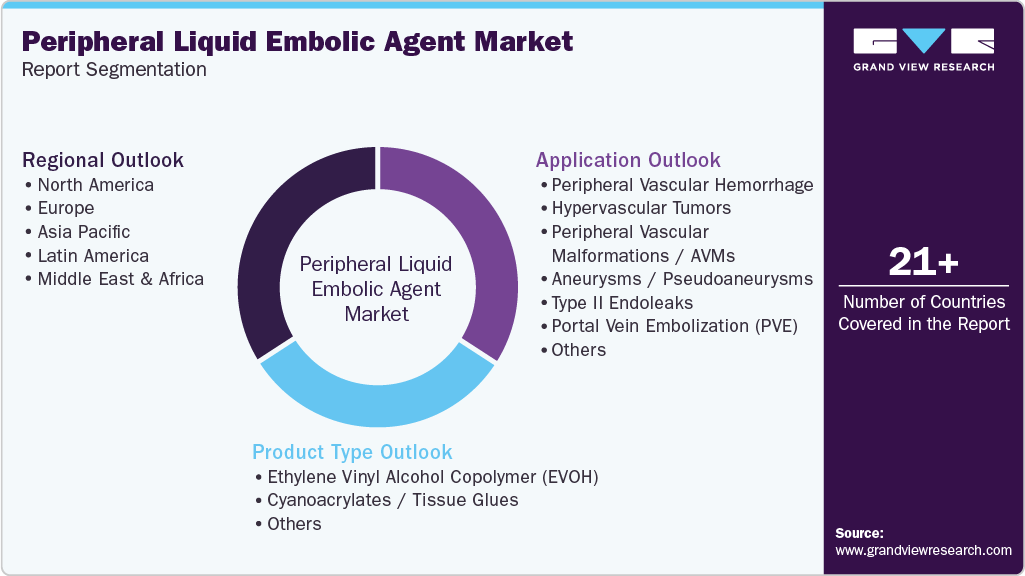
This report forecasts revenue growth at the regional and country levels and provides an analysis of the latest industry trends across each sub-segment from 2021 to 2036. For this study, Grand View Research has segmented the global peripheral liquid embolic agent market report based on product type, application, and region.
 To learn more about this report, Download Free Sample Report
-
Peripheral Liquid Embolic Agent Market Product Type Outlook (Revenue, USD Million, 2021 - 2036)
-
Ethylene Vinyl Alcohol Copolymer (EVOH)
-
Cyanoacrylates / Tissue Glues
-
n-Butyl Cyanoacrylate (n-BCA)
-
n-Hexyl Cyanoacrylate (n-HCA)
-
-
Others
-
-
Peripheral Liquid Embolic Agent Market Application Outlook (Revenue, USD Million, 2021 - 2036)
-
Peripheral Vascular Hemorrhage
-
Hypervascular Tumors
-
Peripheral Vascular Malformations / AVMs
-
Aneurysms / Pseudoaneurysms
-
Type II Endoleaks
-
Portal Vein Embolization (PVE)
-
Venous Applications (varicocele, PCS, varicose veins)
-
Other Peripheral Embolization Applications
-
-
Regional Outlook (Revenue, USD Million, 2021 - 2036)
-
North America
-
U.S.
-
Canada
-
-
Europe
-
Germany
-
U.K.
-
France
-
Italy
-
Spain
-
Rest of Europe
-
-
Asia Pacific
-
Japan
-
India
-
Rest of Asia Pacific
-
-
Latin America
-
Colombia
-
-
Middle East & Africa
-
South Africa
-
Middle East
-
North Africa
-
-
Research Methodology
The peripheral liquid embolic agent market figures in this report are based on a proven research process that combines executive interviews with secondary research from proprietary databases, company filings, and recognized regulatory and institutional sources. Market size is built through value-chain sizing-reconciling supply-side and demand-side estimates-and triangulated with bottom-up and top-down approaches. Every estimate passes multiple levels of expert validation before publication, with each peripheral liquid embolic agent market segment quantified using the revenue-capture definitions in the table below.
Segment Definition
Product
Revenue capture definition
Ethylene Vinyl Alcohol Copolymer (EVOH)
Revenue generated from the sale of EVOH-based liquid embolic agents used in peripheral vascular embolization procedures. This includes products formulated with ethylene-vinyl alcohol copolymer, typically combined with radiopaque materials and solvents, for controlled delivery and targeted vessel occlusion.
Cyanoacrylates / Tissue Glues
Revenue generated from the sale of cyanoacrylate-based liquid embolic agents, including n-butyl cyanoacrylate (n-BCA) and n-hexyl cyanoacrylate (n-HCA), used for adhesive-based occlusion of peripheral blood vessels.
Others
Revenue generated from other liquid embolic formulations used in peripheral vascular procedures that are not classified under EVOH-based agents or cyanoacrylate-based tissue glues.
Estimation Model
Title
Description
Bottom-Up Procedure Volume and Product Consumption Modeling
Estimates market revenue by calculating liquid embolic agent consumption across peripheral embolization procedures performed in hospitals and specialized interventional radiology centers. The model considers procedure volumes for peripheral vascular hemorrhage, hypervascular tumors, peripheral arteriovenous malformations, aneurysms and pseudoaneurysms, Type II endoleaks, portal vein embolization, and venous applications. Average product consumption per procedure, number of vials or units used, treatment frequency, product adoption, and average selling prices (ASPs) are applied across EVOH-based agents, cyanoacrylates (n-BCA and n-HCA), and other liquid embolic agents to estimate segment-level revenue.
Top-Down Revenue Triangulation
Aggregates revenue attributable to peripheral liquid embolic agents by analyzing company annual reports, product portfolios, regulatory filings, product approvals, pricing information, distributor disclosures, and geographic sales data. Revenue is assessed across EVOH-based liquid embolic agents, cyanoacrylate-based agents, and other formulations. Only revenue associated with peripheral vascular embolization applications is included. Revenue from neurovascular embolization products, coils, particles, plugs, and other unrelated embolization devices is excluded.
Demand-Side Healthcare Utilization Modeling
Assesses product purchasing and utilization across hospitals, specialty vascular centers, and interventional radiology facilities. The model considers the burden of peripheral vascular conditions, procedure volumes, availability of catheterization laboratories, physician adoption, treatment protocols, reimbursement coverage, healthcare expenditure, and product replacement or replenishment requirements. These parameters are used to validate end-user demand, product consumption, and estimated market revenue.
Delivered Customizations
This report has been delivered with the following In-depth customizations
Client Request
Customization Delivered
Value Adds
ASP and Volume Analysis (Historical & Forecast)
Comprehensive ASP and volume analysis for peripheral liquid embolic agents across the forecast period, segmented by product type (Ethylene Vinyl Alcohol Copolymer (EVOH) and Cyanoacrylates / Tissue Glues, including n-BCA and n-HCA), application, and end user. The analysis incorporates product sales volumes, estimated agent utilization per procedure, average selling prices, product mix, regional pricing differences, and annual demand patterns. Forecasts are developed based on peripheral embolization procedure volumes, adoption of minimally invasive vascular interventions, product availability, treatment volumes, and healthcare infrastructure investments.
Enables accurate revenue and unit-volume forecasting, pricing strategy development, assessment of premium versus standard embolic products, identification of high-value product categories, evaluation of product utilization patterns, and regional market opportunity assessment for manufacturers, distributors, and investors.
Application and Consumption Volume Analysis
Detailed assessment of liquid embolic agent utilization across peripheral vascular applications, including venous applications (varicocele, pelvic congestion syndrome, and varicose veins), peripheral arteriovenous malformations, hypervascular tumors, and peripheral hemorrhage. The analysis evaluates procedure volumes, eligible patient populations, treatment adoption, agent consumption per procedure, physician preferences, embolization techniques, and differences in clinical utilization across hospitals, ambulatory surgical centers, and specialty vascular centers.
Supports demand forecasting, estimation of addressable procedure volumes, identification of high-utilization applications, assessment of product consumption patterns, evaluation of treatment adoption, and identification of application-specific revenue opportunities across peripheral vascular interventions.
Competitive Benchmarking and Market Share Analysis
Comprehensive competitive assessment of peripheral liquid embolic agent manufacturers, including product portfolio benchmarking, EVOH-based formulations, cyanoacrylate-based tissue glues, product composition, viscosity, radiopacity, polymerization characteristics, catheter compatibility, clinical evidence, regulatory approvals, geographic presence, distribution networks, product launches, and strategic partnerships. Market share analysis is evaluated across major geographic markets and defined product and application segments, covering established and emerging manufacturers.
Enables competitive positioning, market gap identification, product differentiation assessment, pricing optimization, technology benchmarking, distribution strategy development, partnership and acquisition evaluation, commercialization planning, and geographic expansion assessment for established and emerging manufacturers.
About the Author(s)
Medical Devices Research Team
Healthcare · Medical DevicesThis report was authored by the medical devices research team at Grand View Research - comprising two research analysts, one senior research analyst, and one industry expert - with specialized expertise in the medical devices segment of the healthcare industry. All findings are based on proprietary healthcare databases, executive interviews, and regulatory analysis, subject to internal peer review prior to publication.
Last Updated:
Speak to Analyst

Customize this report to your needs - add regions, segments, or data points, with 20% free customization.
Or view our licence options:


ISO 9001:2015 & 27001:2022 Certified
We are GDPR and CCPA compliant! Your transaction & personal information is safe and secure. For more details, please read our privacy policy.


