
- Home
- »
- Medical Devices
- »
-
Peripheral Nerve Stimulators Market Size Report, 2026-2033GVR Report cover

Peripheral Nerve Stimulators Market (2026 - 2033)
Size, Share & Trends Analysis Report By Type (Temporary Percutaneous Systems, Wireless Micro-Implantable Systems, Traditional IPG Systems), By Indication, By Mechanism, By End User, By Country And Segment Forecasts
Market Size, 2025
$299.3MMarket Estimate, 2026
$351.8MMarket Forecast, 2033
$898.1MCAGR, 2026–2033
14.3%Peripheral Nerve Stimulators Market Summary
The Peripheral Nerve Stimulators Market size was valued at USD 299.3 million in 2025 and is projected to grow from USD 351.8 million in 2026 to USD 898.1 million by 2033, at a CAGR of 14.3% from 2026 to 2033. U.S. dominated the market, accounting for the largest revenue share of 93.6%. The rising prevalence of peripheral neuropathy is a key driver of the peripheral nerve stimulator market.
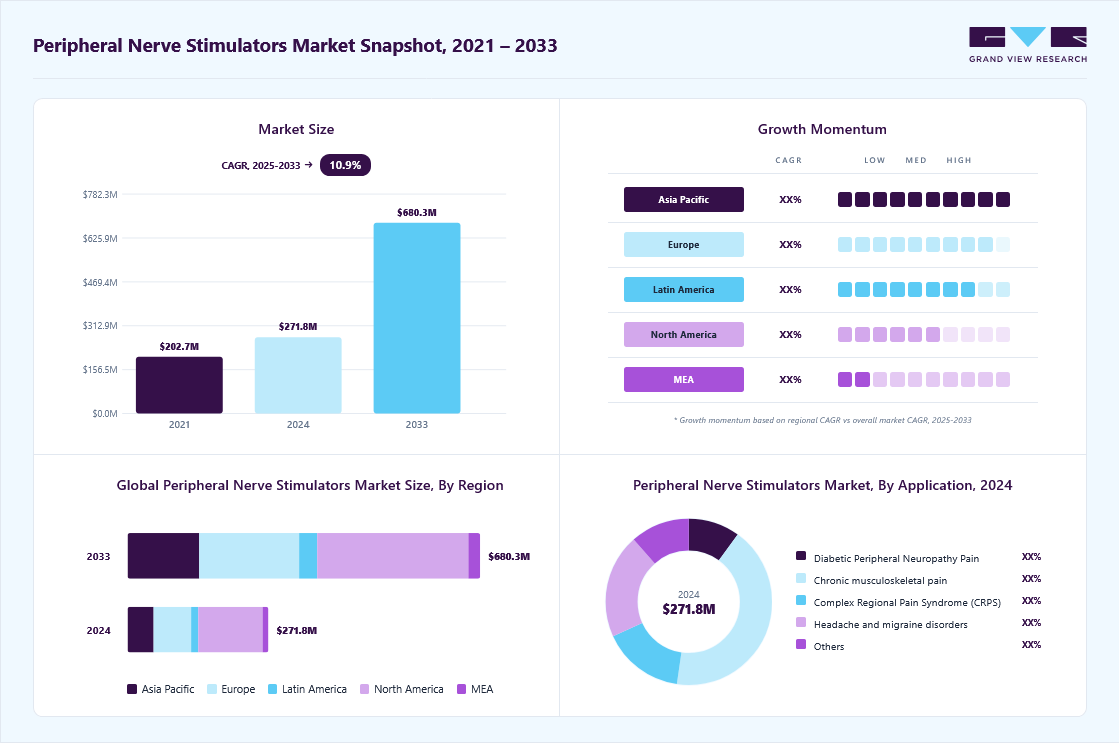 Source: Grand View Research, IR Documents, Primary Interviews, Paid DatabasesTo learn more about this report,
 Download Free Sample Report
 Key Market Trends & Insights
- By type: The temporary percutaneous systems segment led the market with the largest revenue share of 54.3%in 2025.
- By indication: The peripheral neuropathic & post-surgical/traumatic pain segment led the market with the largest revenue share in 2025.
- By mechanism: The external direct power segment led the market with the largest revenue in 2025.
- By end use: The hospital outpatient departments segment led the market with the largest revenue share in 2025.
Market Size & Forecast
- Market size in 2025: USD 299.3 Million
- Estimated market size in 2026: USD 351.8 Million
- Projected market size by 2033: USD 898.1 Million
- CAGR (2026-2033): 14.3%
Three ways to get this report
Buy it, customize it, or ask a question.Ask an Analyst
Analyst response in 1 business day
- AccessReport author, directly
- Reply timeWithin 1 working day
- No sales callDirect answer only
- FormatEmail reply
- CostFree, no cost
Get the Full Report
What the study covers
- FormatsPDF · Excel · Dashboard
- Timeline2026–2033 annual, 2025 base
- Coverage20+ countries, 5 regions
- Companies10+ key players profiled
Customize the Report
20% free customization
- IncludeCountries, segments, points
- TailorTo your product definition
- ExtendDeeper competitor detail
- OrA fully bespoke study
- Turnaround5–10 working days
Peripheral nerve stimulation delivers electrical impulses to or around specific peripheral nerves to modulate pain signals while avoiding direct stimulation of the spinal cord. The market includes implantable, percutaneous, and temporary peripheral nerve stimulation systems, with applications spanning peripheral neuropathic pain, postoperative pain, musculoskeletal pain, post-amputation pain, chronic back and lower-extremity pain, and selected headache and pelvic pain conditions. Technological advancements in lead design, stimulation programming, ultrasound-guided implantation, wearable components, and temporary stimulation systems have expanded the applicability of PNS and improved procedural flexibility.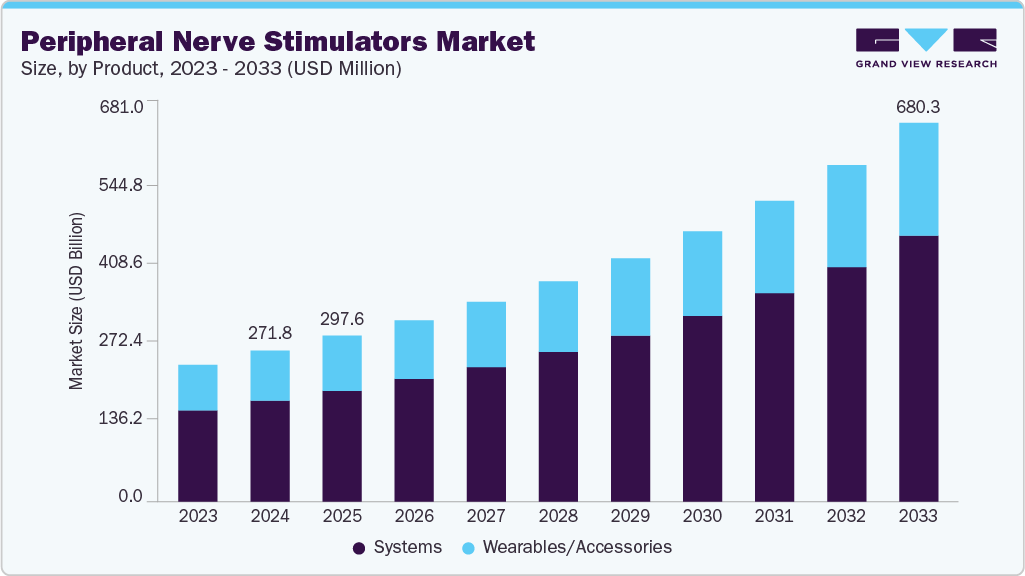 To learn more about this report, Download Free Sample Report
 Peripheral neuropathy is becoming common due to the growing incidence of diabetes, an aging population, obesity, chronic kidney disease, autoimmune disorders, cancer therapies, and other metabolic and neurological conditions that damage peripheral nerves. Diabetic peripheral neuropathy remains the most prevalent form of the disease. It is recognized as a major long-term complication of diabetes, while chemotherapy-induced peripheral neuropathy is also emerging as a significant clinical concern with the expanding use of cancer treatments. As the number of individuals experiencing chronic neuropathic pain, numbness, tingling, and sensory dysfunction continues to rise, there is a growing need for effective long-term pain management solutions beyond conventional pharmacological therapies. This increasing disease burden is accelerating the adoption of peripheral nerve stimulators, which offer a targeted, minimally invasive approach to managing chronic neuropathic pain and improving patients' quality of life.
According to a study published on ScienceDirect in April 2025, a comprehensive search of four English and three Chinese databases identified observational studies on the prevalence of Painful Diabetes-related Peripheral Neuropathy (PDPN) published through June 22, 2024. Based on the 41 studies included in the analysis, the pooled global prevalence of PDPN was 46.7%.
The rising prevalence of musculoskeletal conditions is contributing to the growing demand for peripheral nerve stimulators, as an increasing number of patients experience chronic pain and functional limitations associated with these disorders. Conditions such as osteoarthritis, chronic back pain, joint-related disorders, and sports-related injuries are becoming more common due to factors including population aging, increasing obesity rates, and rising physical activity-related injuries. The growing patient burden associated with these musculoskeletal conditions has increased the number of individuals requiring long-term pain management solutions. As the prevalence of these conditions continues to rise, demand for targeted therapies, such as peripheral nerve stimulation, is increasing to address persistent pain and improve patient mobility.
"Work-related pain starts as something patients try to manage on their own, but when knee pain becomes chronic, most commonly due to osteoarthritis (OA), it can significantly impact mobility, function, and overall quality of life," said Dr. Anthony Boniello, orthopedic surgeon at Princeton Orthopedic Associates and spokesperson for the Standing Strong initiative.
Percentage of Adults Reporting a Diagnosis of Arthritis by a Healthcare Professional in the U.S., 2024
Rank
State
Arthritis Prevalence (%)
1
Texas
21.2
2
California
21.3
3
Utah
21.7
4
New Jersey
24.1
5
Hawaii
24.4
6
New York
24.6
7
Colorado
24.8
8
Minnesota
25.2
9
Connecticut
25.3
9
Massachusetts
25.3
11
Georgia
25.8
11
Illinois
25.8
11
Washington
25.8
14
Idaho
26.1
14
Nebraska
26.1
16
Arizona
26.2
16
Maryland
26.2
18
Alaska
26.4
18
North Dakota
26.4
18
Rhode Island
Upgrade report license to gain access to the complete analysis.
18
South Dakota
22
Iowa
23
Nevada
24
Kansas
25
Florida
26
North Carolina
27
New Mexico
28
New Hampshire
29
Virginia
30
Wyoming
31
Wisconsin
32
Oregon
33
Pennsylvania
34
Indiana
35
Vermont
36
Montana
37
South Carolina
38
Missouri
39
Delaware
39
Oklahoma
41
Arkansas
42
Michigan
43
Louisiana
44
Mississippi
45
Ohio
46
Kentucky
46
Maine
48
Alabama
49
West Virginia
Source: United Health Foundation
The expansion and improvement of reimbursement policies for peripheral nerve stimulation (PNS) are supporting market growth by improving patient access and reducing the financial barriers associated with neuromodulation procedures. Greater recognition of PNS as an interventional treatment option for chronic and refractory pain has encouraged the development of reimbursement pathways across selected indications, particularly where established coding and coverage frameworks can support procedures. Improved reimbursement visibility also increases physicians' willingness to adopt PNS, as appropriate payment coverage can support procedural costs, device utilization, and the clinical resources required for implantation and follow-up. In addition, the emergence of temporary and minimally invasive PNS systems is creating opportunities for reimbursement within outpatient and ambulatory care settings, potentially broadening the number of patients who can undergo treatment without requiring extensive hospital-based procedures.
CPT Codes Used for Peripheral Nerve Stimulator (PNS) Procedures in the U.S. 2025
CPT Code
Description
64553
Percutaneous implantation of a neurostimulator electrode array; cranial nerve
64555
Percutaneous implantation of neurostimulator electrode array; peripheral nerve (excludes sacral nerve)
64561
Percutaneous implantation of neurostimulator electrode array; sacral nerve (transforaminal placement), including image guidance, if performed
64569
Revision or replacement of cranial nerve (e.g., vagus nerve) neurostimulator electrode array, including connection to existing pulse generator
64570
Removal of cranial nerve (e.g., vagus nerve) neurostimulator electrode array and pulse generator
64575
Open implantation of neurostimulator electrode array; peripheral nerve (excludes sacral nerve)
64581
Open implantation of neurostimulator electrode array; sacral nerve (transforaminal placement)
64585
Revision or removal of the peripheral neurostimulator electrode array
64590
Upgrade report license to gain access to the complete analysis.
64595
64596
64597
64598
64999
Key Opinion Leaders
Company Name
KOLs
About KOL
Nalu Medical, Inc.
"Nalu Medical advanced wearable neurostimulation with the launch of its next-generation Therapy Disc, which was 39% smaller and significantly improved patient comfort and accessibility. This advancement expanded the reach of peripheral nerve stimulation therapy, allowing more chronic pain patients to be considered for a clinically proven treatment option."
Tom West, CEO and President of Nalu Medical.
Nalu Medical, Inc.
“Aetna’s recognition of Nalu as a medically necessary therapy is a powerful validation of our technology, clinical evidence, and commitment to patient outcomes,” said Tom West, Chief Executive Officer of Nalu Medical. “We’ve built a robust body of clinical data demonstrating that Nalu PNS provides safe, effective, and durable relief for patients living with chronic, intractable pain, as well as healthcare economic data that demonstrates use of Nalu PNS results in significant cost savings. We’re proud to see a leading payer like Aetna acknowledge that value, and we look forward to engaging with other health plans to expand access to this life-changing therapy.”
Tom West, CEO and President of Nalu Medical.
SPR
“The ASPN consensus guidelines were driven by the leading voices in the pain management space and will provide clinicians with a valuable tool to help assist them in optimal patient selection and the application of 60-day PNS throughout the body to deliver the best possible results for their patients.”
Dr. Timothy Deer, President & CEO, The Spine and Nerve Center of the Virginias, and Chairman and Founder of The American Society of Pain & Neuroscience.
Source: Grand View Research Analysis
Market Dynamics
The peripheral nerve stimulators market is shaped by a combination of clinical, technological, economic, and regulatory factors influencing the adoption of targeted neuromodulation therapies. Increasing prevalence of chronic and neuropathic pain, growing preference for minimally invasive and non-opioid treatment options, and expanding clinical use of PNS across conditions such as peripheral neuropathies, musculoskeletal pain, post-surgical pain, and post-amputation pain are supporting demand. Technological advancements in lead design, stimulation programming, ultrasound-guided placement, rechargeable and wearable systems, and temporary PNS platforms are further improving procedural flexibility and expanding the potential patient pool.
The opioid crisis and the resulting shift toward non-opioid pain management are creating favorable conditions for the growth of the peripheral nerve stimulators market. Increasing concerns regarding opioid dependence, misuse, overdose, tolerance, and long-term adverse effects have encouraged healthcare providers to consider non-opioid and non-pharmacological approaches for patients with chronic and refractory pain. Peripheral nerve stimulation provides a targeted neuromodulation approach that can address pain by stimulating specific peripheral nerves, offering an alternative or adjunct to prolonged opioid therapy. The growing emphasis on reducing opioid exposure, combined with greater physician and patient interest in minimally invasive pain-management options, is encouraging the use of PNS in conditions such as neuropathic, musculoskeletal, post-surgical, and post-amputation pain. In addition, the development of temporary and percutaneous PNS systems has increased treatment flexibility and may enable clinicians to consider neuromodulation earlier in the treatment pathway.
For instance, in 2023, nearly 8.6 million Americans aged 12 years and older reported misusing prescription opioids, with more than two-thirds indicating that prescription pain relievers were misused to relieve physical pain. More than 5 million people reported prescription opioid use disorder.
The risk of complications and device-related issues can restrain the growth of the peripheral nerve stimulators market by raising concerns among patients and healthcare providers about the safety, reliability, and long-term performance of PNS systems. Potential complications such as lead migration, lead fracture or disconnection, infection, implant-site pain, skin irritation, hematoma, stimulation intolerance, and device malfunction may affect treatment outcomes and patient satisfaction. In some cases, complications can require additional clinical interventions, lead repositioning, device revision, or removal, increasing the overall treatment burden and cost. These concerns may make physicians more cautious about recommending PNS, particularly for patients with other available pain-management options.
The integration of wireless and wearable technologies represents a significant opportunity for the peripheral nerve stimulators market by making PNS systems more convenient, flexible, and less burdensome for patients. Wireless power transfer, wearable pulse generators, remote controls, smartphone-based interfaces, and externally powered implantable components can reduce the need for bulky implanted batteries and wired connections, while enabling patients to manage stimulation more conveniently. These technologies can also support easier adjustment of stimulation intensity and treatment parameters, improving personalization and patient engagement. The development of compact, battery-free, or externally powered implants may further reduce the need for battery replacement procedures and lower the overall implant burden. In addition, wearable systems can facilitate outpatient and home-based treatment, allowing patients to receive therapy while maintaining normal daily activities.
For instance, in January 2025, researchers at the Medical University of Vienna (MedUni Vienna) developed NeuroStep, a wearable, non-invasive neuroprosthesis resembling a smart sock that restores sensory function in patients with diabetic neuropathy through targeted peripheral nerve stimulation. The closed-loop system provides personalized, real-time sensory feedback during walking, improving sensation and gaining stability while reducing pain.
Market Concentration & Characteristics
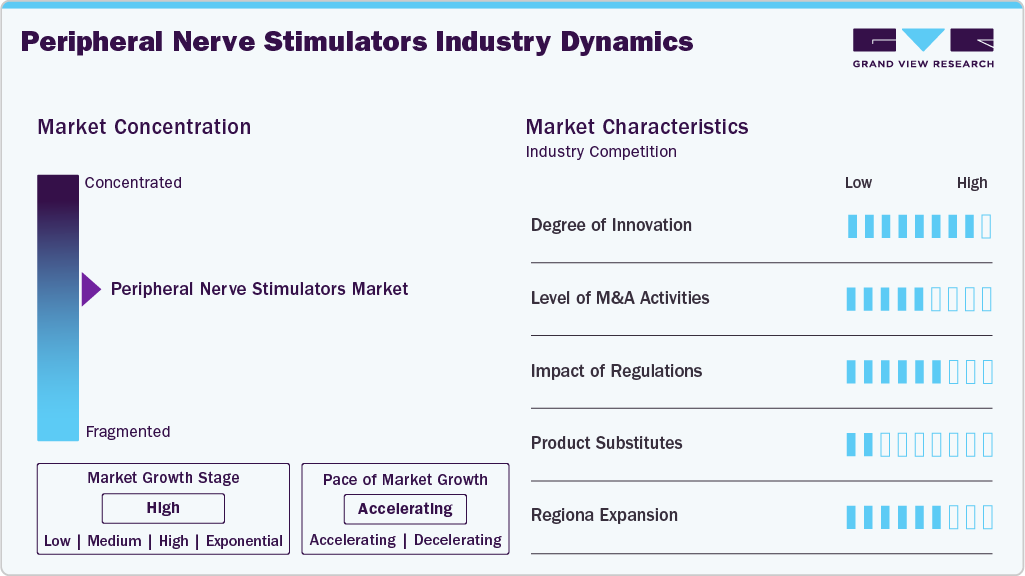
The peripheral nerve stimulators market is characterized by the growing adoption of targeted, minimally invasive neuromodulation technologies for managing chronic neuropathic and musculoskeletal pain. The market includes implantable, percutaneous, and temporary PNS systems, with manufacturers focusing on improving lead placement, stimulation precision, programming flexibility, and patient comfort. Technological development is shifting the market toward compact systems, wireless and wearable components, remote programming, and temporary stimulation solutions that can support outpatient treatment and reduce the need for permanent hardware in selected patients. The market also exhibits strong competition based on clinical evidence, device reliability, ease of implantation, treatment duration, anatomical targeting capabilities, and reimbursement accessibility.
The degree of innovation in the peripheral nerve stimulators market is high, as manufacturers are developing technologies that improve treatment precision, reduce implant burden, and enhance patient convenience. Innovation is focused on miniaturized stimulators, wireless power transfer, wearable external components, temporary stimulation systems, advanced lead designs, and programmable stimulation platforms. Newer systems are also incorporating smartphone-based controls and more flexible programming capabilities, allowing stimulation parameters to be adjusted according to individual patient requirements. Advances in lead placement and imaging guidance are further supporting more precise targeting of peripheral nerves, while emerging sensing and feedback technologies could enable more responsive and personalized stimulation.
 To learn more about this report, Download Free Sample Report
 In August, 2025, Nalu Medical announced the launch of its next-generation Therapy Disc, featuring a 39% reduction in volume compared with the previous generation. The redesigned external wearable improves patient comfort while continuing to wirelessly power the Nalu micro-IPG, supporting a less invasive peripheral nerve stimulation (PNS) therapy. By keeping the battery outside the body, the updated system eliminates the need for battery replacement surgeries and broadens treatment options for patients with chronic pain.
Mergers and acquisitions (M&A) are becoming an important strategic activity in the peripheral nerve stimulators market as established medical device companies seek to strengthen their neuromodulation portfolios and gain access to specialized PNS technologies. Acquiring smaller companies with innovative stimulation platforms, proprietary technologies, clinical expertise, and established physician relationships allows larger players to accelerate product commercialization and expand their presence in the pain-management market. M&A activity can also provide smaller PNS developers with access to greater financial resources, manufacturing capabilities, regulatory expertise, distribution networks, and sales infrastructure. In addition, acquisitions enable companies to diversify their neuromodulation offerings across permanent, temporary, percutaneous, wireless, and minimally invasive stimulation technologies.
In October 2025, Boston Scientific Corporation announced that it entered into a definitive agreement to acquire Nalu Medical, Inc., expanding its neuromodulation portfolio for chronic pain management. The acquisition added Nalu’s innovative peripheral nerve stimulation (PNS) technology, complementing Boston Scientific’s existing spinal cord stimulation, basivertebral nerve ablation, and radiofrequency ablation therapies, strengthening the company’s ability to deliver minimally invasive pain management solutions to a broader patient population.
Regulatory requirements significantly impact the peripheral nerve stimulators market, as manufacturers must demonstrate the safety, performance, and clinical effectiveness of PNS systems before obtaining market authorization. Requirements related to device classification, clinical evaluation, electrical and biological safety, software validation, manufacturing quality, labeling, and post-market surveillance influence product development timelines and commercialization costs. Stringent regulatory requirements can increase development expenses and delay the introduction of innovative technologies, particularly for smaller manufacturers with limited financial and regulatory resources. Thus, clear and well-defined regulatory pathways can strengthen physician and patient confidence by ensuring that commercially available devices meet established safety and performance standards.
The peripheral nerve stimulators market is primarily utilized across hospitals, specialized pain-management centers, ambulatory surgical centers, and specialty clinics, with the distribution of procedures influenced by the complexity of the PNS system and the infrastructure available at each facility. Hospitals and specialized centers remain important settings for procedures that require advanced imaging, trained neuromodulation specialists, patient assessment, device implantation and programming, and follow-up care. The increasing adoption of minimally invasive and temporary PNS systems is supporting greater use in ambulatory and outpatient settings. These systems can simplify treatment procedures and allow selected patients to receive therapy without prolonged hospital stays.
Type Insights
The temporary percutaneous systems segment dominated the market, accounting for 54.3% of revenue in 2025. They offer a minimally invasive and flexible approach to neuromodulation without requiring a permanently implanted pulse generator. These systems typically involve placing stimulation leads near the targeted peripheral nerve, with the pulse generator remaining external, allowing treatment to be delivered for a defined period before the leads are removed. Their relatively simple implantation and removal process, reduced commitment to permanent hardware, and suitability for outpatient treatment make them attractive to both physicians and patients. Temporary PNS can also be used across a broad range of pain conditions and anatomical targets, while the defined treatment period can help patients experience neuromodulation without immediately undergoing permanent implantation.
The traditional IPG systems segment is expected to be the fastest-growing segment as demand increases for longer-term, continuous peripheral nerve stimulation among patients with persistent or refractory pain. Unlike temporary systems, IPG-based PNS platforms are designed to provide sustained stimulation via an implanted pulse generator, allowing treatment parameters to be adjusted over an extended period to meet patient requirements. Growing physician familiarity with permanent PNS, improvements in implantable lead and generator technology, and the expanding clinical evidence supporting implantable neuromodulation are encouraging their use in patients requiring durable pain management. Advances in smaller implantable components, rechargeable technologies, programming flexibility, and wireless communication are also improving the usability of traditional IPG systems.
Indication Insights
The peripheral neuropathic & post-surgical/traumatic pain segment led the market, accounting for 85.5% of revenue in 2025, driven by the broad applicability of PNS for pain originating from damaged, irritated, or surgically affected peripheral nerves. These conditions can be persistent and difficult to manage with conventional pharmacological treatments, creating demand for targeted neuromodulation approaches. PNS can directly target the affected peripheral nerve and provide localized stimulation, making it suitable for patients with conditions such as peripheral nerve injuries, post-amputation pain, postsurgical neuropathic pain, and other localized neuropathic pain syndromes. Increasing recognition of PNS as a non-opioid treatment option, together with improvements in temporary and minimally invasive stimulation systems, is expanding its use across different pain presentations.
The restorative multifidus stimulation segment is expected to be the fastest-growing indication segment as clinical recognition of multifidus dysfunction as a contributor to chronic mechanical low back pain increases. Unlike conventional pain-relief approaches that primarily modulate pain signals, restorative neurostimulation is designed to activate the lumbar multifidus muscle by targeting its innervating nerve, thereby improving muscle function and spinal stability. Growing clinical evidence, greater recognition of multifidus dysfunction, the development of specific diagnostic coding, and improved payer awareness are supporting the integration of this therapy into the management of chronic low back pain.
Mechanism Insights
The external direct power segment dominates the peripheral nerve stimulators market, accounting for 48.8% in 2025. This configuration can reduce the size and complexity of the implanted component by keeping the power source and control electronics outside the body. It also provides greater flexibility in adjusting stimulation parameters and allows the external power unit to be removed or replaced without an additional surgical procedure. The relatively lower implant burden, suitability for minimally invasive and temporary PNS systems, and compatibility with wearable configurations support adoption across a range of peripheral pain applications. These advantages make externally powered systems particularly attractive when clinicians and patients prioritize procedural simplicity, flexibility, and reduced reliance on permanent hardware.
The internal battery power segment is expected to be the fastest-growing mechanism segment as demand increases for fully or predominantly implanted PNS systems that can provide continuous stimulation without requiring patients to wear an external power source during routine use. Internal battery-powered systems can improve patient convenience by eliminating dependence on external transmitters and maintaining stimulation within a self-contained implantable platform. Advances in miniaturized implantable pulse generators, rechargeable batteries, energy-efficient electronics, and programmable stimulation technologies are helping reduce the size and improve the functionality of these systems. Greater adoption of long-term PNS for patients requiring sustained pain management is also supporting interest in internal power solutions.
End User Insights
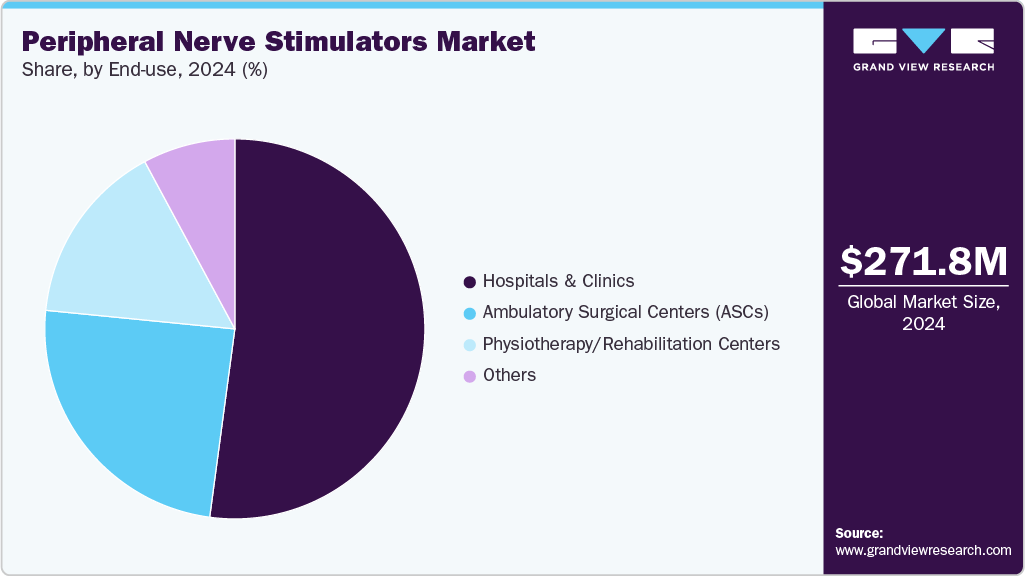
The hospital outpatient departments segment dominated the market, accounting for 43.6% in 2025. They provide the combination of specialized physicians, procedural infrastructure, imaging capabilities, and multidisciplinary support required for PNS evaluation, implantation, programming, and follow-up. PNS procedures may require careful patient selection, precise nerve localization, image-guided lead placement, and post-procedure monitoring, all of which can be efficiently supported in hospital-based outpatient facilities. Hospitals also have established pain-management, anesthesiology, neurology, rehabilitation, and surgical departments, allowing PNS to be integrated into broader multidisciplinary treatment pathways.
 To learn more about this report, Download Free Sample Report
 The outpatient interventional pain clinics and office-based laboratories segment is expected to be the fastest-growing end-use segment as PNS technology shifts toward minimally invasive, temporary, and outpatient-compatible procedures. The ability to perform selected PNS procedures without hospital admission can improve patient convenience, reduce facility-related costs, and support same-day treatment and discharge. Advances in percutaneous PNS systems and simplified implantation techniques are making the technology more suitable for specialized outpatient pain practices, where physicians can integrate PNS with nerve blocks, radiofrequency procedures, and other interventional pain-management approaches. Increasing physician specialization in interventional pain medicine and the expansion of dedicated pain centers are further supporting this transition.
Country Insights
U.S. Peripheral Nerve Stimulators Market Trends
The U.S. peripheral nerve stimulators market is being supported by the large and diverse population experiencing chronic pain, particularly musculoskeletal (MSK) conditions, peripheral neuropathies, and post-surgical or traumatic pain. The high burden of conditions such as chronic low back pain, osteoarthritis-related pain, joint and soft-tissue disorders, and peripheral nerve injuries creates a substantial pool of patients who may require longer-term pain-management solutions. PNS is gaining attention in this environment because it provides targeted stimulation of specific peripheral nerves and can be incorporated into minimally invasive, multimodal pain-management strategies. Increasing physician familiarity with PNS, improvements in percutaneous and temporary systems, expansion of outpatient procedures, and growing interest in non-opioid approaches are further supporting adoption.
For instance, data published by the Clinical Research Alliance, Musculoskeletal (MSK) conditions, including trauma, chronic musculoskeletal pain like back pain, and osteoarthritis, are among the most common medical conditions that affect people in the U.S., with prevalence estimates significantly higher compared to other medical disorders. While MSK disorders can affect people of all ages, they especially impact the rapidly growing aging population. Estimates exceed 50% prevalence, or 1 in every 2 adults, and nearly 3 in every 4 adults aged 65 and older have a musculoskeletal condition. Musculoskeletal conditions account for an alarming number of physician clinic visits, emergency room visits, and surgeries/hospitalizations each year.
Diabetes is an additional important contributor, as diabetic nerve damage commonly affects the peripheral nerves and can result in persistent burning, tingling, numbness, and neuropathic pain. Up to one-half of people with diabetes may develop peripheral neuropathy, creating a substantial population with potential need for advanced management of painful neuropathic symptoms.
Age-Adjusted Diagnosed Diabetes Incidence Among U.S. Adults Aged 18 Years or Older, by State or U.S. Territory in 2023
State or U.S. Territory
2023 Rate per 1,000 (95% CI)
Alabama
14.4 (11.0, 18.7)
Alaska
8.0 (6.2, 10.4)
Arizona
9.0 (7.1, 11.3)
Arkansas
10.4 (8.3, 13.1)
California
8.4 (6.9, 10.1)
Colorado
6.3 (5.0, 7.9)
Connecticut
5.7 (4.4, 7.4)
Delaware
7.8 (5.9, 10.2)
District of Columbia
6.4 (3.9, 10.5)
Florida
8.0 (6.2, 10.4)
Georgia
8.3 (6.9, 10.0)
Guam
N/A
Hawaii
9.1 (7.1, 11.7)
Idaho
8.2 (6.7, 10.2)
Illinois
10.5 (8.0, 13.6)
Indiana
9.5 (8.2, 11.0)
Iowa
8.6 (7.1, 10.3)
Kansas
8.4 (6.8, 10.3)
Kentucky
N/A
Louisiana
Upgrade report license to gain access to the complete analysis.
Maine
Maryland
Massachusetts
Michigan
Minnesota
Mississippi
Missouri
Montana
Nebraska
Nevada
New Hampshire
New Jersey
New Mexico
New York
North Carolina
North Dakota
Ohio
Oklahoma
Oregon
Pennsylvania
Puerto Rico
Rhode Island
South Carolina
South Dakota
Tennessee
Texas
Utah
Vermont
Virginia
Washington
West Virginia
Wisconsin
Wyoming
Source: CDC 2026
Germany Peripheral Nerve Stimulators Market Trends
The high burden of Musculoskeletal Disorders (MSDs) in Germany is supporting the growth of the peripheral nerve stimulators market by creating a substantial patient population experiencing chronic and persistent pain. Conditions such as low back pain, neck pain, osteoarthritis, joint disorders, musculoskeletal injuries, and other degenerative conditions can result in prolonged pain and functional limitations, particularly among the aging population. While conventional treatments such as medications, physical therapy, injections, and surgery remain widely used, some patients continue to experience inadequate pain relief, creating demand for alternative and complementary treatment options. Peripheral nerve stimulation offers a targeted and minimally invasive approach for selected patients whose pain has a localized peripheral nerve component, making it relevant within broader interventional pain-management strategies.
According to a 2025 MDPI study on the prevalence of musculoskeletal disorders among perfusion staff in Germany, Musculoskeletal Disorders (MSDs) are highly prevalent among healthcare workers, particularly nursing staff, with reported prevalence rates ranging from 57% to 93%. Perfusionists are highly specialized healthcare professionals who operate heart-lung machines during cardiac surgery and are exposed to physical demands that may contribute to musculoskeletal issues. The study utilized the German version of the Nordic Musculoskeletal Questionnaire (NMQ) to assess the prevalence of MSDs among 287 perfusionists in Germany.
UK Peripheral Nerve Stimulators Market Trends
The rising burden of diabetes and Musculoskeletal (MSK) disorders in the UK is expanding the potential patient pool for the peripheral nerve stimulators market. Diabetes is an important contributor to peripheral neuropathy in the UK, as prolonged elevated blood glucose can damage peripheral nerves and lead to symptoms such as burning pain, tingling, numbness, and weakness, particularly in the feet and lower limbs. Painful diabetic peripheral neuropathy can be difficult to manage adequately with conventional pharmacological treatments, creating an opportunity for targeted neuromodulation approaches such as PNS in appropriately selected patients.
MSK disorders such as back pain, osteoarthritis, joint disorders, and other chronic musculoskeletal conditions represent a major source of pain and disability in the UK. Persistent pain associated with these conditions can increase demand for interventional and non-opioid pain-management options, particularly when conservative treatment provides insufficient relief. The coexistence of diabetes, neuropathic pain, and MSK conditions in an aging population further broadens the potential application base for PNS. Increasing awareness of minimally invasive neuromodulation, expansion of outpatient pain-management services, and advances in temporary and percutaneous stimulation technologies are therefore expected to support greater adoption of peripheral nerve stimulators in the UK.
Adults and Children Living with Musculoskeletal (MSK) Conditions in the UK by Region in 2025
Region
Adults Living with MSK Condition (Age >20 years)
Adult Prevalence (%)
Children and Young People Living with MSK Condition (Age 0-19 years)
Children Prevalence (%)
England
17,000,000
39%
490,000
5%
Scotland
1,700,000
39%
48,000
5%
Wales
960,000
40%
31,000
5%
Northern Ireland
530,000
37%
19,000
5%
Source: Arthritis UK 2025
Key Peripheral Nerve Stimulators Companies Insights
Key players in the peripheral nerve stimulators market are adopting strategic initiatives to strengthen their market presence and expand access to their technologies. Companies are focusing on product development, geographic expansion, partnerships, collaborations, acquisitions, and commercialization initiatives to broaden their customer base and enhance distribution capabilities. These strategies also support technological advancement, clinical adoption, and the wider availability of PNS solutions across healthcare settings.
Key Peripheral Nerve Stimulators Companies
-
Boston Scientific Corporation (Nalu Medical)
-
Medtronic plc (SPR Therapeutics)
-
Curonix LLC (Stimwave Technologies)
-
Neuspera Medical, Inc
-
Bioventus Inc. (StimRouter)
-
NEURIMPULSE s.r.l.
-
Nervonik
-
Neuros Medical
-
Mainstay Medical
Competitive Benchmarking
Category
Operating Strategies
Competitive Edge
Weakness
Established Players (Boston Scientific (Nalu Medical), Medtronic (SPR Therapeutics), Curonix, Mainstay Medical)
- Focus on continuous product innovation, regulatory approvals, reimbursement expansion, and strategic acquisitions to strengthen their neuromodulation portfolios.
- Invest significantly in clinical studies, physician training, and global distribution to increase product adoption.
- Mature companies possess extensive clinical evidence, established reimbursement coverage, strong regulatory expertise, and broad global distribution networks, enabling faster commercialization and higher physician confidence.
- Robust financial resources enable continuous investment in R&D and commercialization.
- Large organizational structures, extensive regulatory obligations, and broad commercial operations increase development timelines, operating costs, and product pricing compared with smaller competitors.
- Premium product pricing may limit adoption in cost-sensitive healthcare markets.
Emerging Players (Bioventus, Neuspera Medical, Epineuron Technologies, NEURIMPULSE, Nervonix, Neuros Medical)
- Focus on developing differentiated technologies, including battery-free implants, wireless systems, bioelectronic therapies, and next-generation neuromodulation platforms.
- They emphasize clinical validation, regulatory approvals, strategic funding, and selective geographic expansion while collaborating closely with physicians and key opinion leaders to accelerate commercialization and market adoption.
- Innovative technologies, agile product development, and the ability to rapidly address unmet clinical needs provide strong differentiation.
- Their lean organizational structures enable faster innovation cycles, rapid technology development, and quicker adaptation to evolving physician and patient requirements.
- Emerging companies generally have limited commercialization capabilities, smaller sales organizations, and narrower geographic reach, restricting rapid market penetration and customer acquisition.
- Dependence on external funding and strategic partnerships may slow large-scale expansion and manufacturing growth.
Recent Developments:
-
In July 2026, Medtronic plc acquired SPR Therapeutics, Inc., a major player in short-term, percutaneous peripheral nerve stimulation (PNS) therapies for USD 650 million. The acquisition expanded Medtronic’s pain management portfolio by adding the SPR SPRINT PNS System, strengthening its ability to serve patients across the continuum of chronic and acute pain care while broadening access to minimally invasive, non-opioid peripheral nerve stimulation therapies worldwide.
-
In August 2025, Checkpoint Surgical marked a milestone with the first use of its investigational nerve regeneration system, Regen10, in the FASTR-TEN clinical trial. This advancement represented a significant step forward in exploring innovative approaches to promote peripheral nerve regeneration and improve outcomes for patients with nerve injuries.
-
In August 2025, Checkpoint Surgical hosted the 2025 Nerve Summit, bringing together leading international experts in peripheral nerve surgery. The event focused on advancing clinical knowledge, sharing best practices, and fostering collaboration to improve outcomes in nerve repair and regeneration.
-
In July 2025, Neuros Medical announced the successful completion of an oversubscribed USD 56 million Series D financing round led by EQT Life Sciences, with participation from existing investors including Amzak Health, US Venture Partners, Sectoral Asset Management, Osage University Partners, and Aperture Venture Partners. The funding will support the U.S. commercialization and continued development of the Altius Direct Electrical Nerve Stimulation System for chronic post-amputation pain.
-
In July 2025, SPR announced that it will feature five abstracts highlighting the SPRINT Peripheral Nerve Stimulation (PNS) System at the upcoming ASPN 2025 meeting. The presentations will showcase new clinical evidence on the role of SPRINT PNS in managing chronic pain, including data on patient outcomes, functional improvement, and real-world applications across multiple pain indications. This marks another step in expanding awareness and adoption of PNS as a minimally invasive, non-opioid treatment option for patients with unmet pain management needs.
-
In July 2025, Bioventus Inc., innovations for active healing, announced it had received FDA 510(k) clearances for both TalisMann and StimTrial. These approvals mark a significant expansion of the company’s Peripheral Nerve Stimulation (PNS) portfolio, strengthening its position in delivering innovative, non-opioid solutions for chronic pain management.
-
In May 2025, Imec and the Feinstein Institutes for Medical Research unveiled a novel concept for neuromodulation using intermittent interferential current stimulation (i²CS). The breakthrough, published in Nature Communications, demonstrates a more energy-efficient and precise method of activating neural tissue, reducing side effects while enhancing therapeutic outcomes. This innovation paves the way for new applications in treating chronic conditions such as depression and rheumatoid arthritis through advanced vagus nerve stimulation.
-
In March 2025, Nervonik, Inc., a medical device company developing an opioid-free peripheral nerve stimulation (PNS) system, announced the successful closing of a USD 13 million Series A funding round. The round was led by U.S. Venture Partners (USVP) with participation from Foothill Ventures, Correlation Ventures, and other investors. This financing builds on Nervonik’s earlier USD 4.4 million in SAFE and convertible note investments from Shangbay Capital, Camford Capital, Joyance Partners, Life Science Angel, Seraph Group, and others, further strengthening the company’s resources to advance development and clinical validation of its novel PNS platform.
-
In January 2025, Nalu Medical announced FDA clearance for expanded labeling of its Peripheral Nerve Stimulation (PNS) System, now approved for whole-body MRI-conditional use. This approval offers physicians increased flexibility in managing chronic pain by reducing MRI-related restrictions. With the updated MRI-conditional status of the Nalu Neurostimulation System, pain specialists can confidently deliver tailored treatments without concerns about future diagnostic imaging limitations.
Peripheral Nerve Stimulators Market Report Scope
Report Attribute
Details
Market size in 2025
USD 299.3 million
Estimated market size in 2026
USD 351.8 million
Projected market size by 2033
USD 898.1 million
Growth rate
CAGR of 14.3% from 2026 to 2033
Base year for estimation
2025
Historical data
2021 - 2024
Forecast period
2026 - 2033
Quantitative units
Revenue in USD million/billion and CAGR from 2026 to 2033
Report coverage
Revenue forecast, company ranking, competitive landscape, growth factors, and trends
Segments covered
Type, indication, mechanism, end user, country
Country scope
U.S.; Germany; Australia; Canada; UK; Italy, Spain, Denmark, Rest of the World (France, Japan, Lebanon, Israel)
Key companies profiled
Boston Scientific Corporation (Nalu Medical), Medtronic plc (SPR Therapeutics), Curonix LLC (Stimwave Technologies), Neuspera Medical, Inc., Bioventus Inc. (StimRouter), NEURIMPULSE S.r.l., Nervonik, Neuros Medical, Mainstay Medical, among others.
Customization scope
Free report customization (equivalent up to 8 analysts' working days) with purchase. Addition or alteration to country & segment scope.
Pricing and purchase options
Avail customized purchase options to meet your exact research needs. Explore purchase options
Peripheral Nerve Stimulators Market Report Segmentation
This report forecasts revenue growth at the global and country levels and provides an analysis of the latest industry trends across sub-segments from 2021 to 2033. For this study, Grand View Research has segmented the Peripheral Nerve Stimulators Market report based on type, indication, mechanism, end user, and country:
-
Type Outlook (Revenue, USD Million, 2021 - 2033)
-
Temporary Percutaneous Systems
-
Wireless Micro-Implantable Systems
-
Traditional IPG Systems
-
-
Indication Outlook (Revenue, USD Million, 2021 - 2033)
-
Restorative Multifidus Stimulation
-
Peripheral Neuropathic & Post-Surgical/Traumatic Pain
-
-
Mechanism Outlook (Revenue, USD Million, 2021 - 2033)
-
External Direct Power
-
Transcutaneous Wireless Power
-
Internal Battery Power
-
-
End User Outlook (Revenue, USD Million, 2021-2033)
-
Hospital Outpatient Departments
-
Ambulatory Surgical Centers
-
Outpatient Interventional Pain Clinics / OBLs
-
-
Country Outlook (Revenue, USD Million, 2021-2033)
-
U.S.
-
Canada
-
Germany
-
Australia
-
UK
-
Italy
-
Spain
-
Denmark
-
Rest of the World (France, Japan, Lebanon, Israel)
-
Segment Definition
Type
Revenue capture definition
Temporary Percutaneous Systems
Captures global revenue from short-term peripheral nerve stimulation kits used for brief treatment periods. This includes minimally invasive leads, external wearable transmitters, handheld controllers, and disposable insertion tools sold to hospitals, outpatient surgical facilities, and specialized pain management clinics.
Wireless Micro-Implantable Systems
Financial value in this category accounts for sales of miniature, battery-free micro-implants, external radiofrequency power transmitters, wearable drivers, and implantation instruments. It covers direct purchases of long-term implant hardware, external trial kits, and replacement components across ambulatory surgery centers and hospital settings.
Traditional IPG Systems
Market tracking covers total income from fully implanted pulse generators, connected lead extensions, clinician programmers, and patient chargers. This metric includes sales of original surgical devices, battery replacement procedures, and related accessories purchased by specialty surgical centers and healthcare facilities.
Frequently Asked Questions About This Report
The hospital outpatient departments segment led the market with the largest revenue share in 2025.
The global peripheral nerve stimulators market size was estimated at USD 299.3 million in 2025 and is projected to reach USD 351.8 million in 2026.
The key companies include Boston Scientific Corporation (Nalu Medical), Medtronic plc (SPR Therapeutics), Curonix LLC (Stimwave Technologies), Neuspera Medical, Inc., Bioventus Inc. (StimRouter), NEURIMPULSE S.r.l., Nervonik, Neuros Medical, Mainstay Medical, among others.
U.S. dominated the peripheral nerve stimulators market in 2025.
Peripheral neuropathic & post-surgical/traumatic pain held the largest revenue share in 2025, while restorative multifidus stimulation is the fastest-growing segment.
The external direct power segment led the market with the largest revenue in 2025.
The global peripheral nerve stimulators market is expected to grow at a CAGR of 14.3% from 2026 to 2033.
The temporary percutaneous systems segment led the market with the largest revenue share of 54.3%in 2025.
The peripheral nerve stimulators market is primarily driven by growing demand for minimally invasive, non-opioid pain management solutions and rising prevalence of chronic and neuropathic pain conditions.
About the Author(s)
Medical Devices Research Team
Healthcare · Medical DevicesThis report was authored by the medical devices research team at Grand View Research - comprising two research analysts, one senior research analyst, and one industry expert - with specialized expertise in the medical devices segment of the healthcare industry. All findings are based on proprietary healthcare databases, executive interviews, and regulatory analysis, subject to internal peer review prior to publication.
Last Updated:
Speak to Analyst

Customize this report to your needs - add regions, segments, or data points, with 20% free customization.
Or view our licence options:


ISO 9001:2015 & 27001:2022 Certified
We are GDPR and CCPA compliant! Your transaction & personal information is safe and secure. For more details, please read our privacy policy.


