
- Home
- »
- Petrochemicals
- »
-
Plantar Fasciitis Treatment Market Size Report, 2025-2033GVR Report cover

Plantar Fasciitis Treatment Market (2025 - 2033)
Size, Share & Trends Analysis Report By Drug Class (Nonsteroidal Anti-Inflammatory Drugs (NSAIDs), Corticosteroids), By Disease Type, By End Use, By Region, And Segment Forecasts
Market Size, 2024
$1.3BMarket Estimate, 2026
$1.5BMarket Forecast, 2033
$3.5BCAGR, 2025–2033
11.9%Plantar Fasciitis Treatment Market Summary
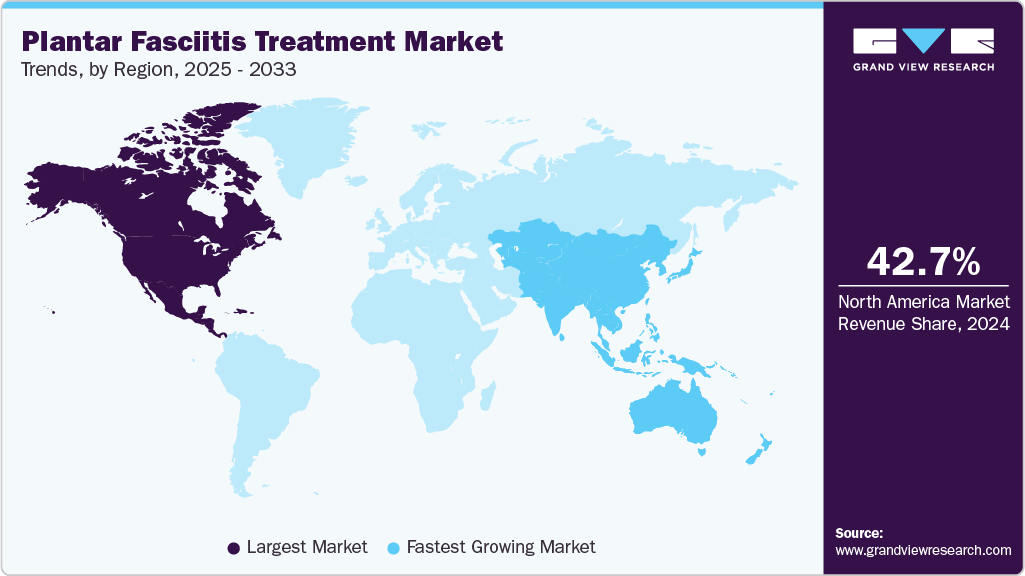
The global plantar fasciitis treatment market size was valued at USD 1.3 billion in 2024 and is projected to grow from USD 1.5 billion in 2026 to USD 3.5 billion by 2033, at a CAGR of 11.9% from 2025 to 2033. North America dominated the market, accounting for a revenue share of 42.7% in 2024. The market growth is driven by rising prevalence of obesity, an aging population, and an increase in heel and foot strain cases caused by prolonged standing or high-impact activities.
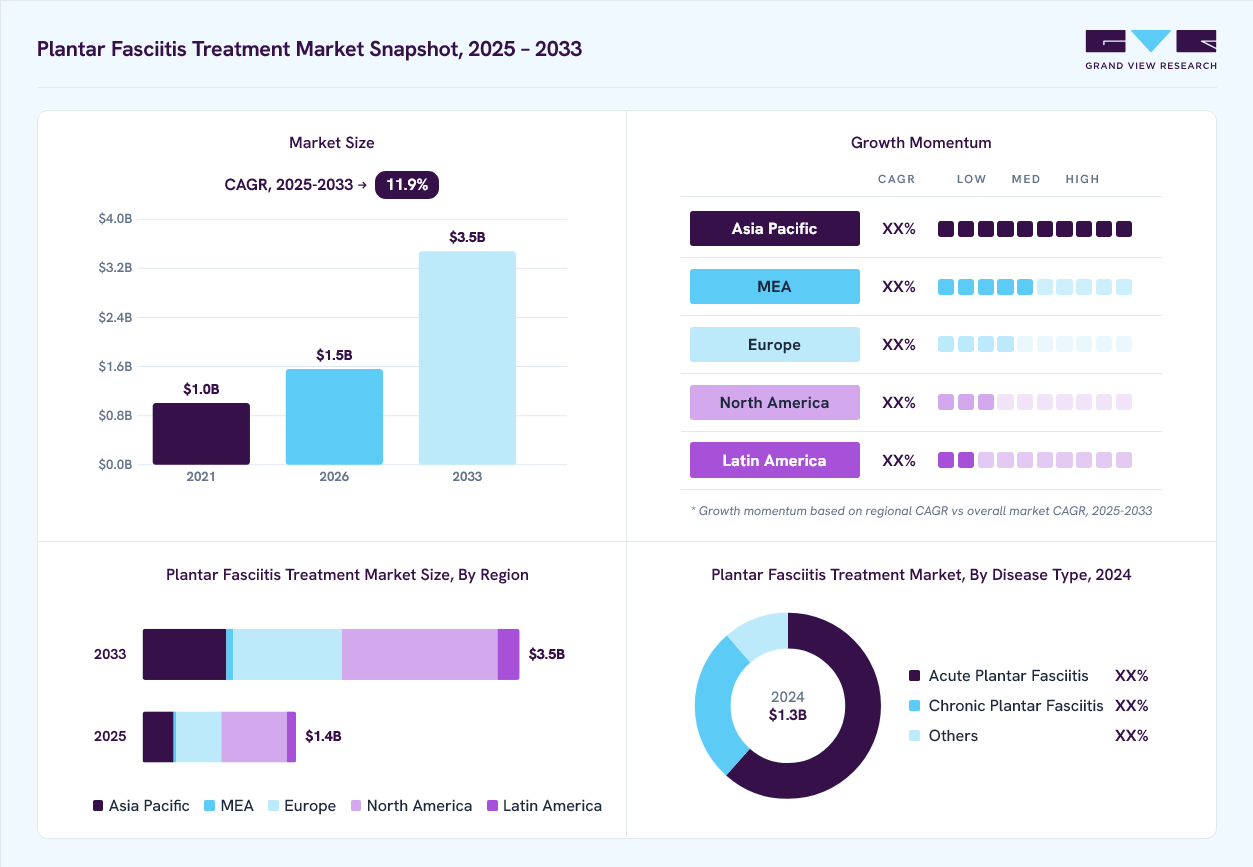 Source: Grand View Research, IR Documents, Primary Interviews, Paid DatabasesTo learn more about this report,
 Download Free Sample Report
 Key Market Trends & Insights
- In 2024, the U.S. market led North America with the largest revenue share of 89.5%.
- By drug class, the nonsteroidal anti-inflammatory drugs (NSAIDs) segment accounted for the largest revenue share of 58.7% in 2024.
- By disease type, the acute plantar fasciitis segment held the largest revenue share of 61.5% in 2024.
- By end use, the hospitals & clinics segment dominated the market with the largest revenue share of 60.4% in 2024.
Market Size & Forecast
- 2024 Market Size: USD 1.3 Billion
- 2033 Projected Market Size: USD 3.5 Billion
- CAGR (2025-2033): 11.9%
- North America: Largest market in 2024
- Asia-Pacific: Fastest growing market
Three ways to get this report
Buy it, customize it, or ask a question.Ask an Analyst
Analyst response in 1 business day
- AccessReport author, directly
- Reply timeWithin 1 working day
- No sales callDirect answer only
- FormatEmail reply
- CostFree, no cost
Get the Full Report
What the study covers
- FormatsPDF · Excel · Dashboard
- Timeline2025–2033 annual, 2024 base
- Coverage20+ countries, 5 regions
- Companies10+ key players profiled
Customize the Report
20% free customization
- IncludeCountries, segments, points
- TailorTo your product definition
- ExtendDeeper competitor detail
- OrA fully bespoke study
- Turnaround5–10 working days
Increasing awareness among patients about foot health, better access to specialized care, and the adoption of advanced treatment options are further supporting market expansion. Hospitals, clinics, and outpatient facilities are emphasizing early diagnosis and effective management of foot-related conditions. Combined, these factors are fueling demand for therapeutic interventions, driving consistent growth and encouraging innovation within the heel and foot care segment.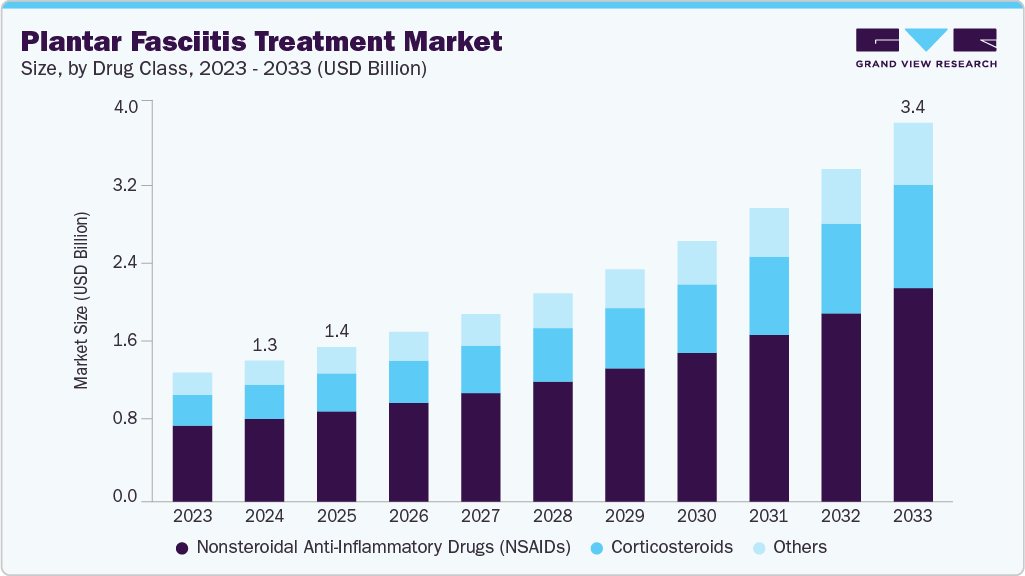 To learn more about this report, Download Free Sample Report
 Although governments rarely provide exact global case figures, estimates suggest that approximately 1 million patient visits yearly are due to plantar fasciitis. Research indicates that around 10% of the population experience plantar fasciitis at some point, with 83% of affected individuals being active working adults aged 25 to 65. Some studies report prevalence rates as high as 22% among runners.
Developments in image-guided interventions, ultrasound-guided injections, and minimally invasive mechanical or sonic therapies improve targeting, reduce recovery time, and enhance efficacy, thus increasing physician and patient adoption. In July 2025, a study published in the American Journal of Physical Medicine & Rehabilitation compared the efficacy of platelet-rich plasma (PRP) and corticosteroids in treating plantar fasciitis. The results indicated that PRP provided superior pain relief and improved foot function over corticosteroid injections. In addition, in July 2025, a study by King George's Medical University researchers in Lucknow explored the effectiveness of ultrasound-guided dextrose prolotherapy versus PRP injections for chronic heel pain. The study found that both treatments significantly reduced pain and improved foot function, with PRP demonstrating slightly superior outcomes.
Market Concentration & Characteristics
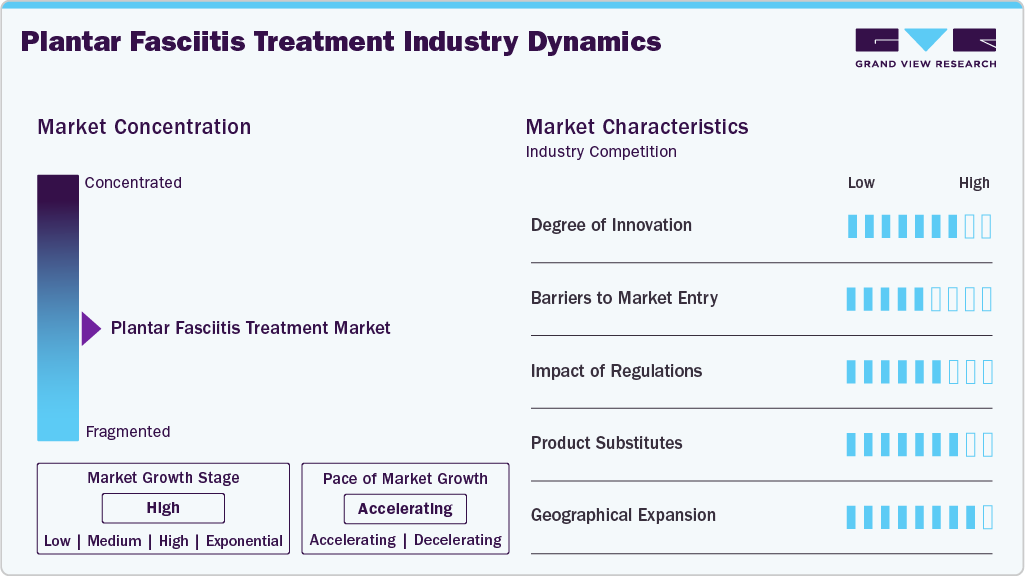
The plantar fasciitis treatment market demonstrates moderate innovation, driven by the development of advanced orthotic devices, minimally invasive procedures, and targeted pharmacological therapies. Companies are investing in research to improve pain relief, enhance healing, and reduce recurrence. Innovations in shockwave therapy, corticosteroid injections, and customized insoles improve patient compliance and outcomes. Continuous innovation helps market players differentiate offerings and strengthen market presence.
High R&D costs, clinical validation requirements, and regulatory approvals create significant entry barriers. Established brand loyalty for orthotics, devices, and pharmaceutical solutions poses challenges for new entrants. Intellectual property protections limit generic and alternative product offerings, maintaining moderate market concentration.
 To learn more about this report, Download Free Sample Report
 Regulatory oversight ensures safety and efficacy of treatments, including medical devices, injections, and pharmaceuticals. Compliance with clinical standards, manufacturing, and post-market monitoring is mandatory. Approval timelines and evolving regulatory policies influence market strategies and product adoption.
Non-pharmacological therapies, such as physiotherapy, stretching programs, footwear modifications, and lifestyle interventions, serve as alternatives to drugs and devices. Availability of conservative treatment options affects pricing, adoption rates, and overall growth of the plantar fasciitis treatment market.
The growth is supported by increasing awareness of foot health, rising obesity rates, and expanding healthcare infrastructure in emerging economies. Developed markets dominate due to established healthcare systems and higher treatment adoption. Companies are leveraging partnerships, local manufacturing, and distribution networks to optimize global presence and revenue diversification.
Drug Class Insights
The nonsteroidal anti-inflammatory drugs (NSAIDs) segment dominated the plantar fasciitis treatment industry with the largest revenue share of 58.7% in 2024. The segment’s strong position is driven by the widespread prevalence of plantar fasciitis, rising awareness of foot health, and the increasing demand for effective and affordable pain-relief solutions. NSAIDs remain a cornerstone of pharmacological treatment due to their proven efficacy in reducing inflammation, alleviating pain, and improving mobility, making them a preferred choice among healthcare providers and patients.
The corticosteroids segment is expected to grow at the fastest CAGR of 13.4% over the forecast period, driven by their effectiveness in providing rapid pain relief for patients with chronic or severe symptoms. Corticosteroids are typically administered as injections, where the drug is delivered directly into the affected area of the plantar fascia to reduce inflammation and alleviate pain. This method is especially preferred in cases where conservative treatments such as NSAIDs, physiotherapy, or orthotic devices have failed to provide sufficient relief. In February 2025, an article from Boston Sports and Biologics emphasized that corticosteroid injections can offer short-term pain reduction, but they come with potential complications, including plantar fascia rupture. Frequent use of steroids can weaken the fascia, which may lead to tears. This can further result in increased pain, arch collapse, and long-term issues with foot function, making recovery more challenging. In some studies, rupture is reported to be around 1.5%.
Disease Type Insights
The acute plantar fasciitis segment dominated the plantar fasciitis treatment market with a revenue share of 61.5% in 2024. The growth of this segment is driven by an increasing prevalence of heel pain and the demand for effective, short-term relief. Acute plantar fasciitis is characterized by the sudden onset of sharp heel pain, often exacerbated by weight-bearing activities such as walking or running. This condition is commonly seen in individuals who engage in high-impact sports or have occupations that involve prolonged standing or walking.
The chronic plantar fasciitis segment is expected to grow at the fastest CAGR over the forecast period. The segment's growth is primarily driven by the increasing prevalence of persistent heel pain and the demand for effective, long-term relief solutions. Chronic plantar fasciitis is characterized by heel pain lasting more than six months, often resulting from repetitive stress, improper footwear, or biomechanical abnormalities. This condition significantly impacts daily activities and quality of life, increasing the need for advanced treatment options.
End Use Insights
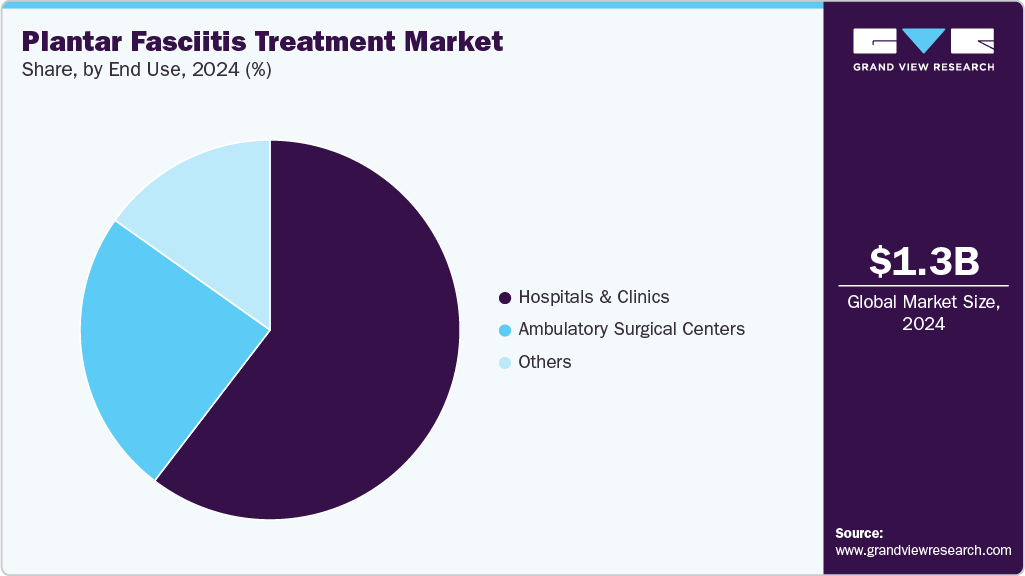
The hospitals & clinics segment held the largest market revenue share of 60.4% in 2024, owing to hospitals integrated medical infrastructure, specialist expertise, diagnostic imaging, and capacity to deliver conservative as well as interventional treatments. Hospitals and clinics are central to the plantar fasciitis treatment industry, driven by patient preference for comprehensive diagnostics and access to advanced therapies. Hospitals often manage more severe, chronic cases and have access to equipment such as ultrasound machines, PRP preparation systems, and shock wave therapy devices. Clinics, including orthopedic, sports medicine, and physiotherapy clinics, augment hospital care by offering outpatient, non-surgical treatments, quicker appointments, and more cost-effective options. In September 2024, Diamond Medical Clinic in North Tampa (Florida, USA) introduced extracorporeal shockwave therapy (ESWT) as part of its sports medicine services, including treatment for plantar fasciitis.
 To learn more about this report, Download Free Sample Report
 The ambulatory surgery centers (ASC) segment is expected to grow at the fastest CAGR over the forecast period. The rising preference for same-day surgical procedures, advancements in outpatient surgical technologies, and the need for reduced hospital admissions primarily drive the growth of this segment. Apex Vascular Center in Tennessee offers plantar fascia embolization (PFE), a novel outpatient procedure to treat chronic heel pain associated with plantar fasciitis. The PFE technique involves using a microcatheter to inject embolic agents into the blood vessels supplying the inflamed plantar fascia, thereby reducing inflammation and pain.
Regional Insights
North America's plantar fasciitis treatment market dominated with a revenue share of 42.7% 2024, supported by advanced healthcare infrastructure and strong adoption of innovative non-surgical therapies. Growing awareness among patients and healthcare providers and favorable reimbursement policies for physiotherapy, orthotics, and minimally invasive procedures further sustain regional growth. The market also benefits from a high rate of sports-related injuries and occupational strain among the working population, driving continuous demand for effective treatment solutions.
 To learn more about this report, Download Free Sample Report
 U.S. Plantar Fasciitis Treatment Market Trends
The U.S. dominated the North America plantar fasciitis treatment industry with a share of 89.5% in 2024. This can be attributed to the widespread availability of advanced treatments such as extracorporeal shock wave therapy, platelet-rich plasma injections, and ultrasound-guided interventions. High healthcare expenditure, rapid integration of telehealth platforms, and early adoption of wearable biomechanical assessment devices contribute to the market’s expansion.
Europe Plantar Fasciitis Treatment Market Trends
The Europe plantar fasciitis treatment industry is projected to grow over the forecast period. The market is characterized by strong public healthcare systems, high awareness of musculoskeletal disorders, and increasing adoption of evidence-based therapies. Reimbursement support for physiotherapy, orthotic devices, and shock wave treatments improves access to care across major countries.
The UK plantar fasciitis treatment market is experiencing steady growth, driven by rising heel pain and musculoskeletal disorders among working-age adults. The National Health Service (NHS) provides widespread access to conservative treatment methods such as orthotics, stretching exercises, and physiotherapy. However, the growing popularity of private ambulatory surgical centers offering advanced therapies, including shock wave and regenerative treatments, reflects rising patient preference for faster recovery and reduced waiting times. Increasing awareness of work-related foot disorders also supports demand growth.
The Germany plantar fasciitis treatment market represents a significant share of Europe, supported by advanced healthcare infrastructure and widespread adoption of evidence-based therapies. Hospitals, outpatient clinics, and specialized orthopedic centers implement physiotherapy, orthotics, and minimally invasive procedures. The market benefits from a high prevalence of sports-related injuries, aging population, and increasing awareness of musculoskeletal health. Adoption of shock wave therapy, platelet-rich plasma injections, and regenerative techniques is rising. Reimbursement support for conservative and advanced treatments drives patient access and market expansion.
Asia Pacific Plantar Fasciitis Treatment Market Trends
The Asia Pacific plantar fasciitis treatment industry is expected to grow at the fastest CAGR of 13.2% over the forecast period. This market's growth is driven by increasing healthcare spending, urbanization, and a growing burden of foot and musculoskeletal disorders. Rising awareness of plantar fasciitis among athletes, office workers, and older adults is expanding demand for non-surgical interventions.
The China plantar fasciitis treatment market is expected to grow rapidly, driven by an aging population and increasing participation in recreational and fitness activities. Urban hospitals, clinics, and specialty ambulatory surgical centers are incorporating regenerative and energy-based therapies, reflecting growing clinical acceptance. Government efforts to expand orthopedic services and encourage local medical device production also support market expansion.
The plantar fasciitis treatment market in Japan is experiencing steady growth, fueled by an aging population and high incidence of musculoskeletal disorders. Advanced orthopedic clinics and hospitals are increasingly adopting minimally invasive and regenerative treatments, including shock wave therapy and ultrasound-guided injections. Growing awareness among healthcare providers and patients, combined with government initiatives to improve access to physiotherapy and orthopedic care, supports market growth. Urbanization and increased participation in recreational activities further contribute to demand for effective treatment solutions.
Latin America Plantar Fasciitis Treatment Market Trends
The Latin America plantar fasciitis treatment industry showcases moderate growth, driven by increasing prevalence of obesity, sedentary lifestyles, and work-related foot strain. Hospitals and clinics are expanding access to conservative treatments such as orthotics and physiotherapy, while advanced interventions like shock wave therapy are gradually gaining adoption. Rising awareness among patients and healthcare professionals, along with growing private healthcare services, supports market expansion. Regional generic orthotic and medical device manufacturers enhance treatment affordability and accessibility across the region.
The Brazil plantar fasciitis treatment market dominates Latin America, driven by rising awareness of musculoskeletal health and growing demand for both conservative and advanced therapies. Hospitals, private clinics, and physiotherapy centers are increasing adoption of orthotic devices, extracorporeal shock wave therapy, and regenerative treatments. High rates of sports-related and occupational injuries contribute to sustained demand. Expansion of private healthcare services, combined with local manufacturing of orthotics and medical devices, improves access and affordability. Market growth is further supported by government initiatives promoting orthopedic care.
Middle East & Africa (MEA) Plantar Fasciitis Treatment Market Trends
The MEA plantar fasciitis treatment industry showcases gradual growth, driven by increasing healthcare infrastructure and rising awareness of musculoskeletal disorders. Hospitals and outpatient clinics are adopting physiotherapy, orthotics, and minimally invasive interventions. Sports-related injuries, occupational strain, and an aging population contribute to growing demand. Regional healthcare initiatives and partnerships with medical device manufacturers are improving treatment accessibility. Adoption of non-surgical therapies, including shock wave therapy and regenerative treatments, supports market expansion.
The South Africa plantar fasciitis treatment market leads Middle East & Africa, supported by growing prevalence of foot disorders and musculoskeletal conditions. Hospitals, orthopedic clinics, and physiotherapy centers are increasingly using orthotics, physiotherapy, and energy-based interventions. Rising awareness among patients and healthcare providers drives early diagnosis and treatment adoption. Private healthcare services and urban hospital expansions enhance accessibility to advanced therapies such as platelet-rich plasma injections and shock wave therapy. Government programs promoting orthopedic care and rehabilitation contribute to steady market growth.
Key Plantar Fasciitis Treatment Company Insights
Key players in the global plantar fasciitis treatment market include Smith & Nephew, DJO Global, Zimmer Biomet Holdings, Stryker Corporation, Breg Inc., Ossur, Arthrex Inc., Össur Americas, Mitek Sports Medicine, and Medtronic. Smith & Nephew, Zimmer Biomet, and Stryker lead the market with advanced orthopedic devices, orthotics, and energy-based therapies. DJO Global and Breg focus on rehabilitation and physiotherapy solutions. Ossur and Arthrex provide regenerative and minimally invasive interventions. Mitek and Medtronic specialize in surgical implants and innovative treatment options. Strategic partnerships, clinical research, and expansive distribution networks support market adoption and strengthen global presence.
Key Plantar Fasciitis Treatment Companies:
The following are the leading companies in the plantar fasciitis treatment market. These companies collectively hold the largest market share and dictate industry trends.
- Pfizer Inc.
- Bayer AG
- Johnson & Johnson
- Viatris Inc.
- Teva Pharmaceutical Industries Ltd.
- Sanofi
- AbbVie Inc.
- GSK plc.
- Novartis AG
- Sun Pharmaceutical Industries Ltd.
Plantar Fasciitis Treatment Market Report Scope
Report Attribute
Details
Market size in 2024
USD 1.3 billion
Estimated Market size in 2026
USD 1.5 billion
Projected Market size by 2033
USD 3.5 billion
Growth rate
CAGR of 11.9% from 2025 to 2033
Base year for estimation
2024
Historical data
2021 - 2023
Forecast period
2025 - 2033
Quantitative units
Revenue in USD million/billion and CAGR from 2025 to 2033
Report coverage
Revenue forecast, company ranking, competitive landscape, growth factors, trends
Segments covered
Drug class, disease type, end use, region
Regional scope
North America; Europe; Asia Pacific; Latin America; Middle East & Africa
Country scope
U.S.; Canada; Mexico; UK; Germany; France; Italy; Spain; Denmark; Sweden; Norway; China; Japan; India; Australia; South Korea; Thailand; Brazil; Argentina; South Africa; Saudi Arabia; UAE; Kuwait
Key company profiled
Pfizer Inc.; Bayer AG; Johnson & Johnson; Viatris Inc.; Teva Pharmaceutical Industries Ltd.; Sanofi; AbbVie Inc.; GSK plc.; Novartis AG; Sun Pharmaceutical Industries Ltd.
Customization scope
Free report customization (equivalent up to 8 analysts working days) with purchase. Addition or alteration to country, regional & segment scope.
Pricing and purchase options
Avail customized purchase options to meet your exact research needs. Explore purchase options
Global Plantar Fasciitis Treatment Market Report Segmentation
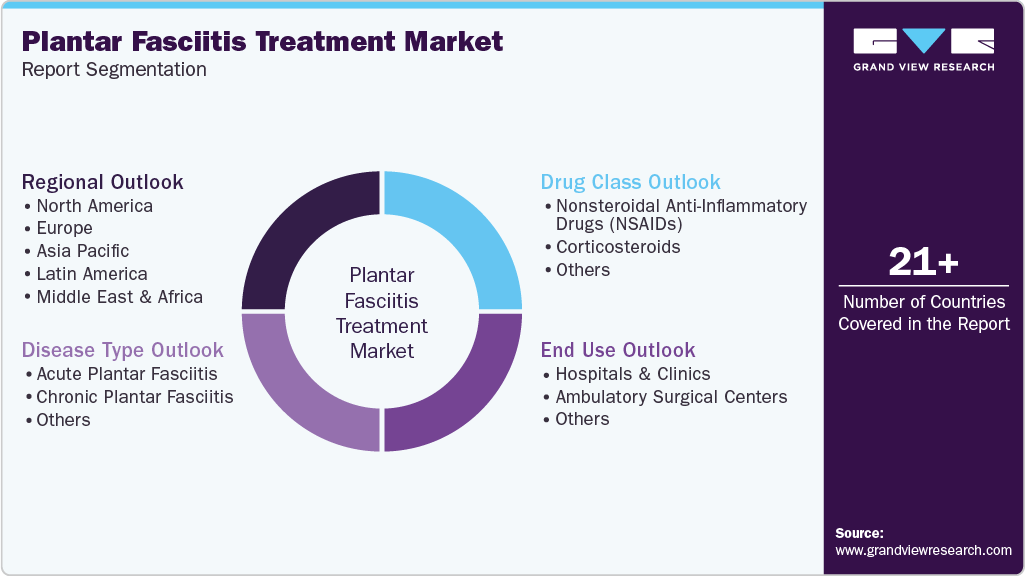
This report forecasts revenue growth at the global, regional, and country levels and provides an analysis of the latest industry trends in each of sub-segments from 2021 to 2033. For this study, Grand View Research has segmented the global plantar fasciitis treatment market report based on drug class, disease type, end use, and region:
 To learn more about this report, Download Free Sample Report
 -
Drug Class Outlook (Revenue, USD Billion, 2021 - 2033)
-
Nonsteroidal Anti-Inflammatory Drugs (NSAIDs)
-
Corticosteroids
-
Others
-
-
Disease Type Outlook (Revenue, USD Billion, 2021 - 2033)
-
Acute Plantar Fasciitis
-
Chronic Plantar Fasciitis
-
Others
-
-
End Use Outlook (Revenue, USD Billion, 2021 - 2033)
-
Hospitals & Clinics
-
Ambulatory Surgical Centers
-
Others
-
-
Regional Outlook (Revenue, USD Billion, 2021 - 2033)
-
North America
-
U.S.
-
Canada
-
Mexico
-
-
Europe
-
UK
-
Germany
-
France
-
Italy
-
Spain
-
Denmark
-
Sweden
-
Norway
-
-
Asia Pacific
-
Japan
-
China
-
India
-
Australia
-
South Korea
-
Thailand
-
-
Latin America
-
Brazil
-
Argentina
-
-
Middle East & Africa
-
South Africa
-
Saudi Arabia
-
UAE
-
Kuwait
-
-
Frequently Asked Questions About This Report
The global plantar fasciitis treatment market size was valued at USD 1.3 billion in 2024 and is estimated at USD 1.5 billion for 2026.
The global plantar fasciitis treatment market is expected to grow at a CAGR of 11.9% from 2025 to 2033, reaching USD 3.5 billion by 2033.
North America dominated with a 42.7% revenue share in 2024.
Some of the key players include Pfizer Inc.; Bayer AG; Johnson & Johnson; Viatris Inc.; Teva Pharmaceutical Industries Ltd.; Sanofi; AbbVie Inc.; GSK plc.; Novartis AG; Sun Pharmaceutical Industries Ltd.
Factors driving the plantar fasciitis treatment market includes increasing awareness among patients about foot health, better access to specialized care, and the adoption of advanced treatment options are further supporting market expansion.
About the Author(s)
Petrochemicals Research Team
Bulk Chemicals · PetrochemicalsThis report was authored by the petrochemicals research team at Grand View Research - comprising two research analysts, one senior research analyst, and one industry expert - with specialized expertise in the petrochemicals segment of the bulk chemicals industry. All findings are based on proprietary bulk chemicals databases, executive interviews, and regulatory analysis, subject to internal peer review prior to publication.
Last Updated:
Speak to Analyst

Customize this report to your needs - add regions, segments, or data points, with 20% free customization.
Or view our licence options:


ISO 9001:2015 & 27001:2022 Certified
We are GDPR and CCPA compliant! Your transaction & personal information is safe and secure. For more details, please read our privacy policy.


