
- Home
- »
- Clinical Diagnostics
- »
-
Point-of-Care Immunoassay Analyzer Market Report, 2033GVR Report cover

Point-of-Care Immunoassay Analyzer Market (2026 - 2033)
Size, Share & Trends Analysis Report By Type (Handheld & Portable Analyzer, Compact Benchtop Analyzer), By Analyzer Type, By Detection Technology, By Application, By End User, By Region, And Segment Forecasts
Market Size, 2025
$1.2BMarket Estimate, 2026
$1.3BMarket Forecast, 2033
$2.3BCAGR, 2026–2033
8.6%Point-of-Care Immunoassay Analyzer Market Summary
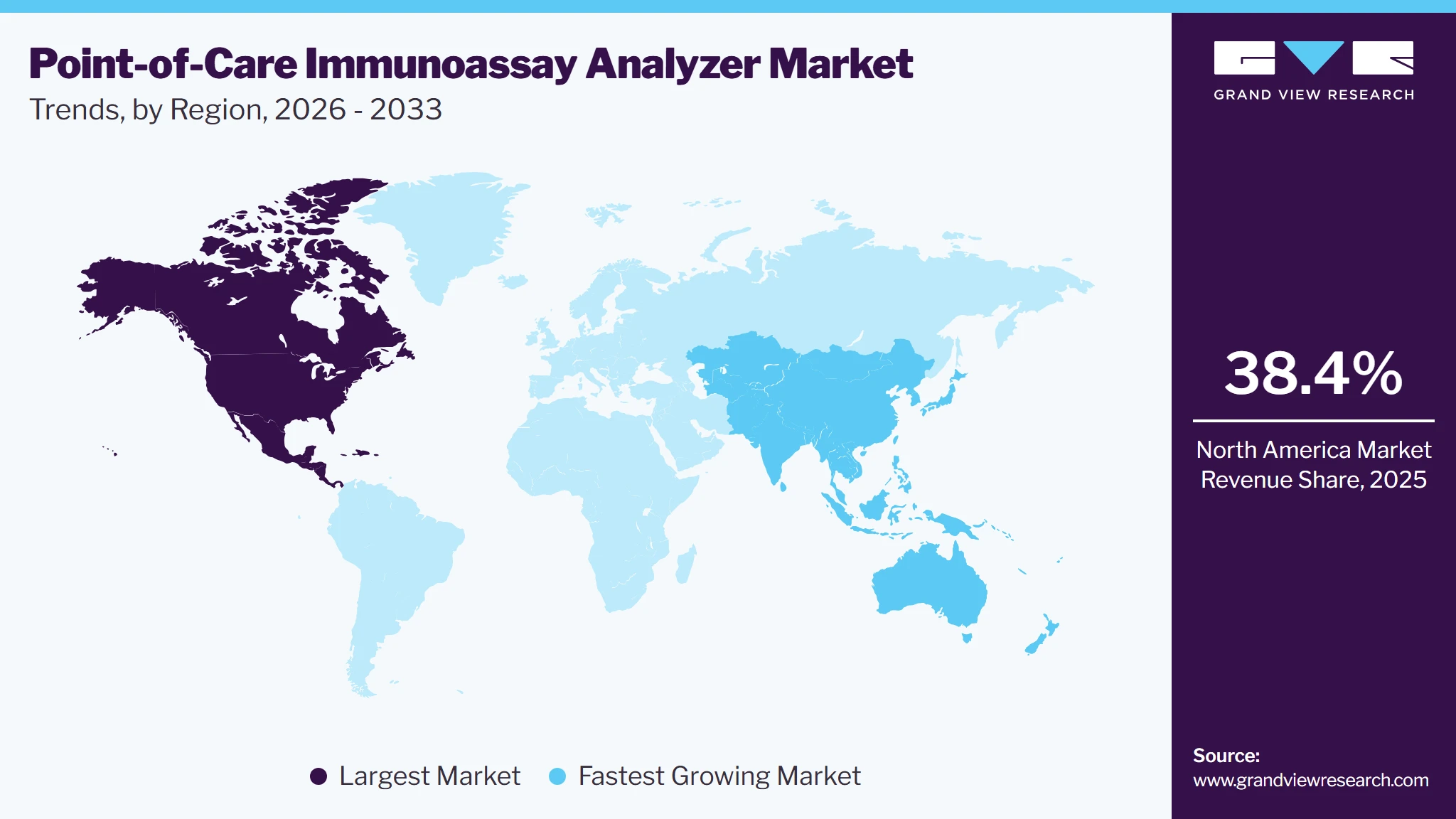
The global point-of-care immunoassay analyzer market size was valued at USD 1.2 billion in 2025 and is projected to grow from USD 1.3 billion in 2026 to USD 2.3 billion by 2033, at a CAGR of 8.6% from 2026 to 2033. North America dominated the market, accounting for the revenue share of 38.4% in 2025. The market is benefiting from the broader shift toward decentralized diagnostic workflows, as healthcare providers seek to perform quantitative immunoassays closer to the point of care.
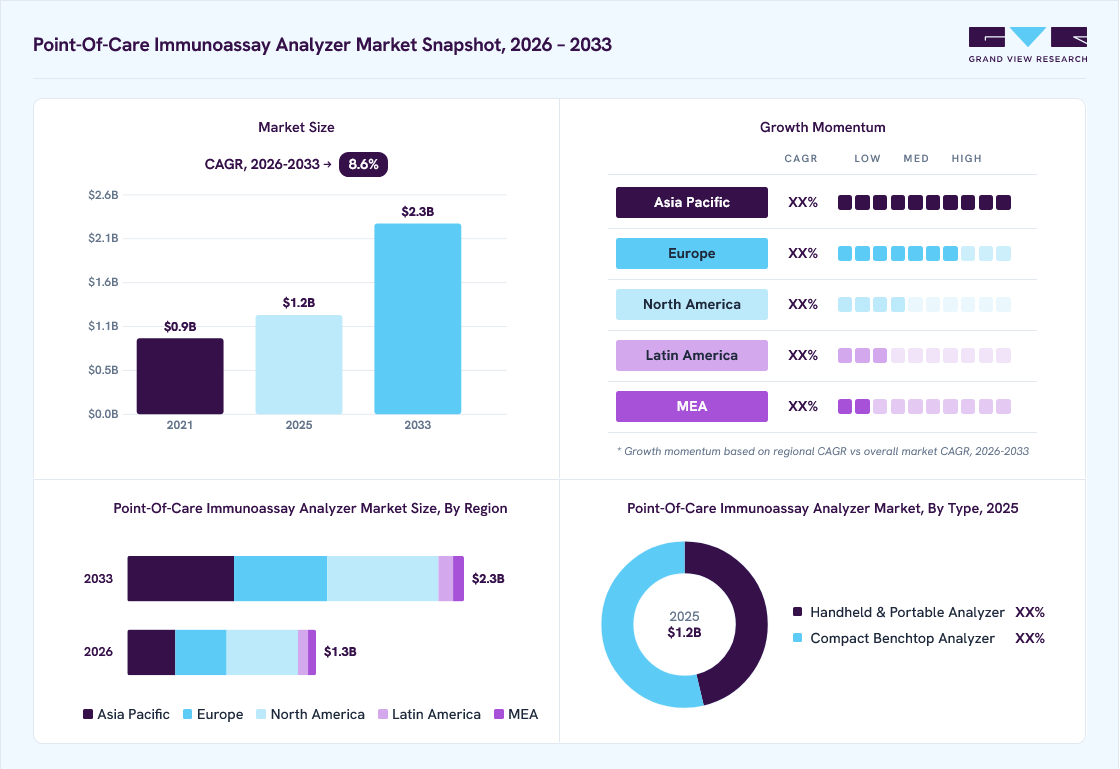 Source: Grand View Research, IR Documents, Primary Interviews, Paid DatabasesTo learn more about this report,
 Download Free Sample Report
 Key Market Trends & Insights
- By type: Compact benchtop analyzer segment led the market with the largest revenue share of 53.8% in 2025.
- By analyzer type: Dedicated immunoassay analyzers segment held the largest market share of 67.7% in 2025.
- By detection technology: Fluorescence segment held the largest market share of 46.8% in 2025.
- By application: Cardiac disease testing segment led the market with the largest revenue share of 23.9% in 2025.
- By end use: Hospitals and clinics segment held the largest market share of 61.8% in 2025.
Regional Highlights
- Largest regional market: North America (38.4% revenue share, 2025)
- Fastest-growing regional market: Asia Pacific (highest CAGR, 2026-2033)
- By country: The U.S. dominated North America with the largest revenue share in 2025
Market Size & Forecast
- Market size in 2025: USD 1.2 Billion
- Estimated market size in 2026: USD 1.3 Billion
- Projected market size by 2033: USD 2.3 Billion
- CAGR (2026-2033): 8.6%
Three ways to get this report
Buy it, customize it, or ask a question.Ask an Analyst
Analyst response in 1 business day
- AccessReport author, directly
- Reply timeWithin 1 working day
- No sales callDirect answer only
- FormatEmail reply
- CostFree, no cost
Get the Full Report
What the study covers
- FormatsPDF · Excel · Dashboard
- Timeline2026–2033 annual, 2025 base
- Coverage20+ countries, 5 regions
- Companies10+ key players profiled
Customize the Report
20% free customization
- IncludeCountries, segments, points
- TailorTo your product definition
- ExtendDeeper competitor detail
- OrA fully bespoke study
- Turnaround5–10 working days
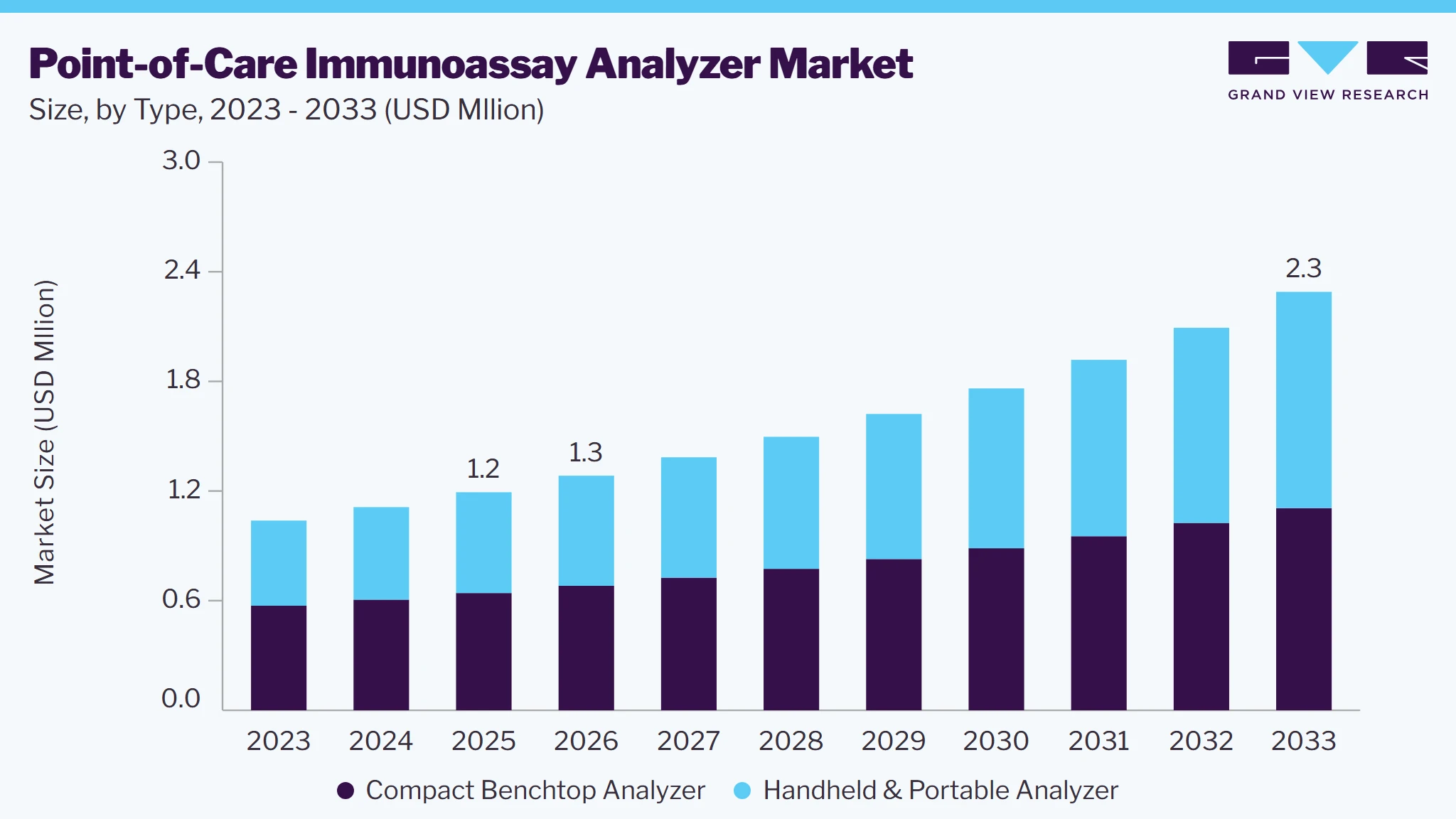 To learn more about this report, Download Free Sample Report
 Market Dynamics
The increasing need for faster diagnostic outcomes is emerging as a major factor driving market growth. Emergency departments, intensive care units, physicians' offices, and ambulatory facilities increasingly require timely measurement of cardiac, inflammatory, infectious disease, and other biomarkers to support clinical assessment, triage, and treatment decisions. Point-of-care analyzers reduce reliance on specimen transportation and centralized laboratory workflows, helping healthcare providers shorten result turnaround times and improve operational efficiency. These systems can also support faster patient disposition and reduce delays associated with conventional testing processes. The increasing availability of compact, user-friendly analyzers capable of generating quantitative, laboratory-quality results from small volumes of whole blood is consequently supporting wider adoption across decentralized healthcare settings and expanding the addressable market for instruments and assay consumables.
Product innovation is reinforcing this market trend by transferring advanced immunoassays from centralized laboratories to near-patient settings. In January 2025, the U.S. Food and Drug Administration cleared Abbott’s i-STAT high-sensitivity troponin-I cartridge for use with the handheld i-STAT 1 System. Abbott subsequently made the cartridge commercially available in the U.S. on March 31, 2025. The assay provides quantitative cardiac troponin-I results at the patient’s bedside in approximately 15 minutes and supports the diagnosis of myocardial infarction among patients presenting with symptoms such as acute chest pain. This development demonstrates the growing ability of compact immunoassay platforms to deliver clinically important, high-sensitivity results within emergency-care workflows, thereby increasing demand for point-of-care analyzers, proprietary cartridges, quality-control materials, connectivity solutions, and related technical-support services across hospitals and decentralized testing facilities.
The high total cost of ownership associated with point-of-care immunoassay analyzers represents a significant barrier to market adoption. In addition to initial instrument expenditure, healthcare providers incur recurring costs for proprietary assay cartridges, quality-control materials, calibration, connectivity, maintenance, and staff training. These costs are particularly burdensome for small clinics, physician offices, and healthcare facilities in price-sensitive markets, where low testing volumes can lead to underutilized capacity and longer investment payback periods. Market adoption is further constrained by stringent regulatory requirements, assay-specific validation procedures, and differences in reimbursement and procurement frameworks across countries. Healthcare providers must also maintain standardized procedures for specimen handling, cartridge storage, calibration, operator competency, and quality control to ensure reliable results. Additional investment may be required to integrate analyzers with laboratory information systems and electronic medical records. These financial and operational requirements can delay purchasing decisions and restrict adoption across decentralized healthcare settings.
The expansion of decentralized diagnostic services in low- and middle-income countries presents a significant opportunity for the point-of-care immunoassay analyzer market. Many healthcare facilities in these regions have limited access to centralized laboratories, trained personnel, and reliable specimen-transport networks, resulting in delayed diagnosis and treatment. Portable analyzers that require small sample volumes, provide rapid results, and operate with limited laboratory infrastructure can address these service gaps. Opportunities are particularly strong in infectious-disease screening, maternal health, cardiac care, and emergency diagnostics. Manufacturers can strengthen their market position by developing affordable platforms, expanding assay menus, introducing battery-operated systems, and establishing local distribution and technical-support networks.
In April 2025, the GHIT Fund awarded a two-year grant of approximately USD 4.5 million to Fluxus, Inc., a wholly owned subsidiary of Fujirebio, to develop an ultrasensitive point-of-care urine test for tuberculosis. The proposed system will use Fluxus’ single-molecule counting immunoassay technology to detect urinary lipoarabinomannan, a tuberculosis biomarker. The funding will support development of the portable instrument and adaptation of the company’s existing benchtop LAM assay into a point-of-care test format. Development is being undertaken with the R2D2 TB Network, represented by Heidelberg University Hospital, along with Stanford University and Stanford Health Care. The initiative highlights an opportunity to extend instrument-based immunoassay testing into decentralized and resource-limited settings while creating potential demand for portable analyzers and recurring assay consumables.
Market Concentration & Characteristics
The global market demonstrates a high degree of innovation, driven by advances in assay sensitivity, analyzer miniaturization, whole-blood testing, automation, and digital connectivity. Manufacturers are developing compact systems capable of delivering laboratory-comparable quantitative results within minutes, supporting the decentralization of cardiac, infectious-disease, inflammatory, and other biomarker testing. Innovation also includes single-use assay formats, broader testing menus, simplified workflows, and connectivity with clinical information systems. For instance, in January 2025, bioMérieux announced its acquisition of SpinChip Diagnostics, which had developed a compact benchtop immunoassay platform capable of delivering results from whole-blood samples in under 10 minutes. Its initial assay menu focuses on high-sensitivity troponin I, NT-proBNP, and D-dimer. This development demonstrates continued innovation in analytical sensitivity, testing speed, platform portability, and near-patient diagnostic capabilities.
The point-of-care immunoassay analyzer industry demonstrates a medium level of M&A activity. Transactions remain selective, with established diagnostics companies acquiring specialized technologies to strengthen rapid-testing portfolios, expand assay capabilities, and increase their presence across decentralized healthcare settings. For instance, in July 2024, Roche completed the acquisition of LumiraDx’s point-of-care technology platform following receipt of the required regulatory and antitrust clearances. The agreement included a purchase consideration of USD 295 million and up to USD 55 million in additional funding through transaction completion. LumiraDx’s portable microfluidic platform supports immunofluorescence assays for biomarkers such as D-dimer, NT-proBNP, and C-reactive protein. The acquisition expanded Roche’s near-patient testing capabilities and intensified competition among diagnostics manufacturers seeking to integrate compact analyzers, diversified assay menus, rapid turnaround times, and laboratory-comparableanalytical performance.
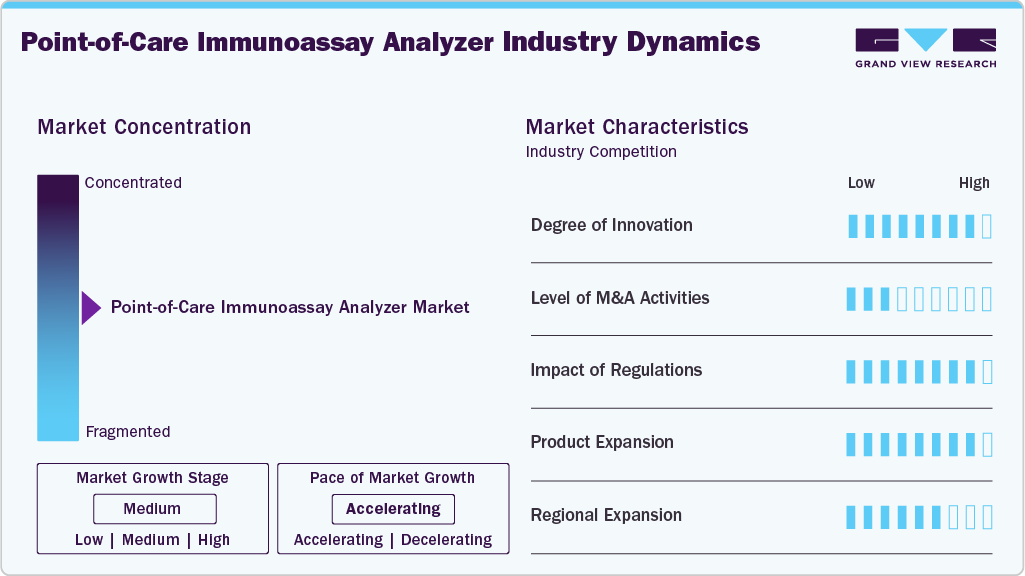 To learn more about this report, Download Free Sample Report
 Regulations have a significant impact on the market. Globally, manufacturers must navigate country-specific requirements covering device classification, premarket authorization, analytical and clinical performance validation, quality management, labeling, operator competency, and post-market surveillance. Differences among the U.S. FDA framework, the European Union’s IVDR, and other national approval systems increase compliance expenditure and can extend international commercialization timelines. For instance, in December 2025, the U.S. FDA granted 510(k) clearance under K251074 for Truvian Health’s TruSystem and Tru Liver Health Test Panel. The automated benchtop platform integrates clinical chemistry, immunoassay, and hematology measurements from lithium-heparinized venous whole blood for laboratory and point-of-care use. This clearance demonstrates how regulatory validation facilitates market entry while establishing performance and quality benchmarks that influence product development and commercialization strategies across international markets.
Product expansion is strengthening the global market. Manufacturers are expanding their portfolios with compact platforms that offer broader assay menus, whole-blood compatibility, shorter turnaround times, automated workflows, and clinical information system connectivity. These developments are increasing the applicability of fluorescence- and chemiluminescence-based systems across infectious-disease, inflammatory, cardiac, endocrine, and metabolic testing. For instance, in February 2025, Wondfo Biotech introduced its new Finecare immunofluorescence platform at Medlab Middle East in Dubai. The platform supports whole-blood testing and provides high-sensitivity cardiac troponin I results within eight minutes, supporting time-sensitive clinical assessment in emergency and acute-care settings. This portfolio expansion strengthens Wondfo’s position in rapid cardiac testing and intensifies competition among manufacturers developing compact analyzers capable of delivering quantitative results at the point of care.
Regional expansion is broadening the global footprint of the point-of-care immunoassay analyzer industry. Manufacturers are extending commercial reach through international distribution networks, country-specific regulatory approvals, localized service capabilities, and compact platforms suited to decentralized testing environments. These strategies support revenue diversification and improve access to rapid immunoassay testing across developed and emerging markets. For instance, in September 2025, Siemens Healthineers announced the broad global availability of its Atellica DT 250 benchtop drug-testing analyzer, with availability varying by country. The system provides an immunoassay menu of more than 65 tests, processes up to 225 results per hour, and delivers initial results within eight minutes. Its international rollout expands access to automated drug and therapeutic-monitoring assays while intensifying competition across clinical, forensic, military, workplace, and treatment-center testing settings.
Analyst Perspective
The point-of-care immunoassay analyzer market is expected to grow strongly over the forecast period, driven by increasing demand for rapid clinical decision-making and the continued decentralization of diagnostic testing. Advances in assay sensitivity, analyzer miniaturization, whole-blood testing, workflow automation, and digital connectivity are strengthening adoption across emergency departments, outpatient facilities, and ambulatory care settings. Selective acquisitions are enabling established diagnostics manufacturers to access specialized technologies, while platform launches and assay-menu expansion are broadening the market’s clinical applications. Geographic expansion is further improving product availability across developed and emerging markets. However, differences in regulatory pathways, performance validation standards, and quality control requirements may increase compliance costs and delay commercialization. Innovation and portfolio expansion are expected to remain the principal growth catalysts, while targeted consolidation and regulatory scrutiny are likely to increase as near-patient testing becomes more widely adopted.
Type Insights
The compact benchtop analyzer segment led the market with the largest revenue share of 53.8% in 2025. The segment benefits from its balance of laboratory-comparable analytical performance, moderate throughput, limited space requirements, and suitability for emergency departments, outpatient centers, and physician-office laboratories. These systems commonly support the measurement of endocrine, cardiac, fertility, inflammatory, and infectious disease biomarkers using automated cartridge-based workflows. For instance, in June 2025, Poclight Biotechnology expanded its compact C5000 chemiluminescence immunoassay platform, which has an A4-sized footprint, weighs approximately 7 kilograms, and accommodates seven simultaneous testing channels. The availability of space-efficient analyzers with broader assay menus allows healthcare facilities to internalize testing previously outsourced to central laboratories, thereby sustaining segment revenue and supporting wider adoption of point-of-care immunoassay testing.
The handheld & portable analyzer segment is expected to grow at the fastest CAGR over the forecast period. Growth is supported by increasing demand for bedside testing, mobile healthcare delivery, ambulance-based diagnostics, and biomarker measurement in primary-care and resource-constrained settings. Battery operation, wireless connectivity, small sample requirements, and disposable cartridges enable these analyzers to reduce dependence on infrastructure and extend quantitative immunoassay testing beyond conventional facilities. For instance, in June 2026, Proxim Diagnostics completed the development of its Profile handheld point-of-care immunodiagnostic platform, including the reader, disposable cartridge, and initial manufacturing capacity. The system is being developed to support multiple immunoassay formats, with initial work demonstrating high-sensitivity measurement of troponin I. Continued development of portable platforms with central-laboratory-level sensitivity is expected to expand decentralized testing and accelerate segment growth.
Analyzer Type Insights
The dedicated immunoassay analyzer segment led the market with the largest revenue share of 67.7% in 2025. Dedicated systems remain widely adopted because their hardware, calibration, reagents, and software are optimized specifically for immunoassay workflows, supporting consistent analytical performance and simplified quality control. Closed reagent systems, automated processing, and established menus covering hormones, cardiac markers, inflammation, and infectious diseases strengthen utilization across decentralized laboratories and clinical departments.
The multifunction POCT analyzers with immunoassay capability segment is expected to grow at the fastest CAGR of 10.6% over the forecast period. These systems consolidate immunoassay, clinical chemistry, hematology, and other diagnostic functions within a common platform, reducing instrument duplication, sample handling, maintenance requirements, and laboratory space utilization. Their operational advantages are particularly relevant to outpatient clinics, emergency departments, and smaller healthcare facilities that require broad testing capabilities with limited technical resources. For instance, in November 2025, Ozelle introduced its next-generation AI-enabled Complete Blood Morphology solution at MEDICA 2025, incorporating hematology, biochemistry, and immunoassay testing within an integrated platform for clinical and point-of-care environments. The convergence of multiple testing disciplines is improving workflow efficiency and supporting comprehensive near-patient assessment, positioning multifunction analyzers as an increasingly important contributor to overall market expansion.
Detection Technology Insights
The fluorescence segment led the market with the largest revenue share of 46.8% in 2025. Fluorescence immunoassays combine quantitative detection, relatively short turnaround times, compact instrumentation, and compatibility with whole blood, serum, and plasma. These characteristics support their widespread use as cardiac markers, indicators of inflammation, hormones, and infectious diseases, and in toxicology testing across hospitals, clinics, and mobile settings. For instance, in September 2025, BHR Biosynex secured exclusive UK distribution rights for the AFR-900 fluorescence immunoassay analyzer from Hangzhou AllTest Biotech. The portable platform weighs less than 1.5 kilograms, incorporates a rechargeable battery, and is intended for deployment in hospitals, clinics, general practices, and ambulances. Continued commercialization of lightweight fluorescence readers is strengthening testing accessibility and supporting the technology segment’s leading revenue contribution.
The chemiluminescence segment is expected to grow at the fastest CAGR of 11.7% over the forecast period. Growth is being driven by the migration of high-sensitivity chemiluminescence technology from centralized laboratories to compact analyzers suitable for decentralized settings. The technology provides broad analytical ranges and sensitivity for endocrine, fertility, inflammatory, and infectious disease biomarkers, supporting clinical applications that require precise quantitative measurement. For instance, in November 2025, Shanghai Kehua Bio-Engineering introduced the Polaris V150 automated chemiluminescence immunoassay analyzer at MEDICA. The compact platform delivers up to 150 tests per hour and is well-suited for laboratories that require automated immunoassay capacity in a smaller footprint. The increasing availability of compact, higher-throughput chemiluminescence systems is reducing traditional infrastructure barriers and expanding the technology’s role in the point-of-care immunoassay analyzer industry.
Application Insights
The cardiac disease testing segment led the market with the largest revenue share of 23.9% in 2025. The segment’s leadership reflects the time-sensitive nature of myocardial infarction and heart-failure assessment, which requires rapid measurement of troponin, NT-proBNP, D-dimer, CK-MB, and related biomarkers. Emergency departments and acute-care facilities increasingly use near-patient testing to shorten diagnostic pathways and support earlier treatment decisions. For instance, in September 2026, bioMérieux launched the SPINCHIP point-of-care platform with its first assay, SPINCHIP hs-cTnI, for high-sensitivity measurement of cardiac troponin I from a single drop of blood. The platform extends sensitive cardiac biomarker testing beyond traditional central laboratory workflows. Continued product development focused on faster, whole-blood cardiac testing is expected to preserve the segment’s leading contribution to market revenue.
The inflammation & sepsis testing segment is expected to grow at the fastest CAGR over the forecast period. Rising sepsis awareness and the clinical need to distinguish bacterial inflammation from other conditions are increasing the demand for rapid measurement of procalcitonin, C-reactive protein, interleukin-6, serum amyloid A, and related biomarkers. Near-patient results can support patient risk assessment, antimicrobial decisions, and monitoring within emergency and critical care workflows. For instance, in July 2025, India’s Department of Science and Technology reported the development of a low-cost point-of-care electrochemical biosensor for detecting endotoxin, a biomarker associated with Gram-negative infection and sepsis. Although the system remains a developmental prototype, it demonstrates continued investment in rapid sepsis-biomarker detection. Innovation in multiplexing, assay sensitivity, and whole-blood testing is expected to broaden clinical utilization and drive growth in this application segment.
End Use Insights
The hospitals and clinics segment led the market with the largest revenue share of 61.8% in 2025. Hospitals and clinics generate substantial testing volumes across emergency medicine, cardiology, critical care, infectious diseases, endocrinology, and outpatient services, supporting recurring demand for analyzers and proprietary assay consumables. These facilities also possess the clinical governance, trained personnel, connectivity infrastructure, and quality-control capabilities required to operate quantitative point-of-care systems. For instance, in June 2025, WIZ Biotech presented its WIZ-A101 portable immunoassay analyzer as part of a primary-care diagnostic solution intended for healthcare providers and decentralized facilities. The compact system is designed to provide quantitative results through simplified workflows requiring limited operator training. Continued integration of portable immunoassay platforms into hospital and clinic workflows is expected to sustain the segment’s dominant contribution to market growth.
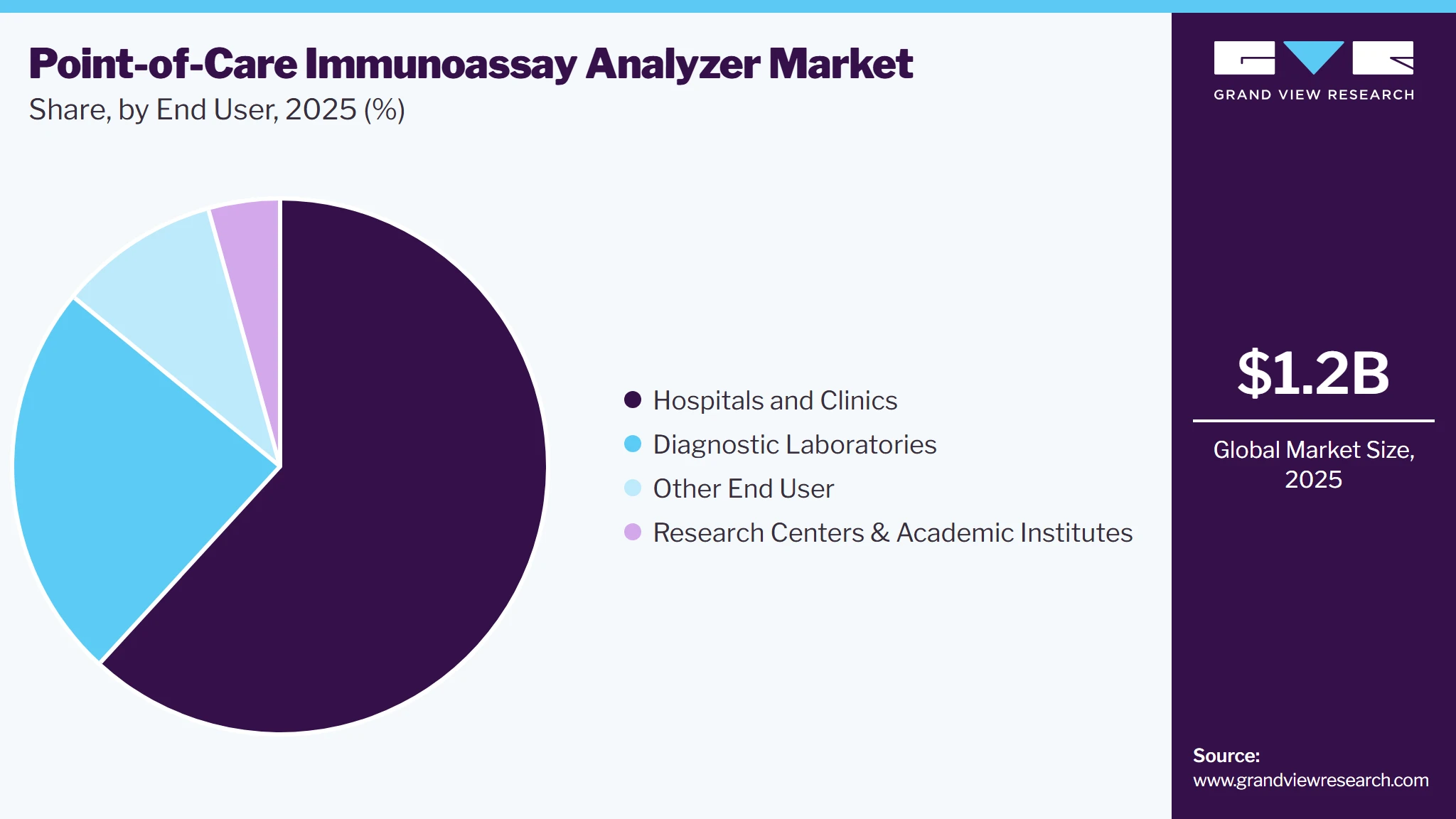 To learn more about this report, Download Free Sample Report
 The diagnostic laboratories segment is expected to grow at the fastest CAGR over the forecast period, driven by increasing demand for rapid quantitative biomarker testing, expanding test menus, and the adoption of compact automated analyzers in decentralized and satellite laboratory settings. These facilities benefit from higher sample volumes, trained personnel, established quality-control systems, and connectivity to laboratory information systems, thereby supporting the efficient use of multi-assay platforms. Point-of-care immunoassay analyzers enable laboratories to reduce turnaround times for cardiac, inflammatory, endocrine, and infectious disease tests while maintaining standardized workflows. For instance, in October 2025, HORIBA India launched the compact Yumizen M300 automated chemiluminescence immunoassay analyzer, extending access to sensitive quantitative testing. Increasing deployment of space-efficient systems in diagnostic laboratories is expected to improve testing capacity, accelerate clinical reporting, and support overall market growth.
Regional Insights
The North America point-of-care immunoassay analyzer market held the largest revenue share of 38.4% in 2025. Regional growth is supported by well-established emergency-care networks, high diagnostic expenditure, advanced healthcare infrastructure, and the widespread adoption of decentralized testing across hospitals, physician offices, urgent-care centers, and outpatient facilities. The substantial burden of cardiovascular diseases, diabetes, infectious diseases, and inflammatory conditions continues to generate demand for rapid biomarker testing near the patient. Strong availability of portable and benchtop analyzers, broad cardiac and infectious-disease assay menus, and integration with laboratory and hospital information systems further support adoption. Favorable reimbursement structures and continued investment in near-patient diagnostic capabilities are expected to sustain demand for point-of-care immunoassay analyzers and associated assay cartridges across the region.
 To learn more about this report, Download Free Sample Report
 U.S. Point-of-Care Immunoassay Analyzer Market Trends
The point-of-care immunoassay analyzer market in the U.S. accounted for the largest market revenue share in North America in 2025, driven by extensive emergency-care infrastructure, high testing volumes, and early adoption of portable diagnostic systems. Demand is reinforced by the substantial burden of cardiovascular disease and the clinical requirement for rapid cardiac-marker testing. According to the CDC’s National Center for Health Statistics, heart disease caused 683,491 deaths in 2024, while 5.0% of adults had been diagnosed with coronary heart disease. For instance, in January 2025, the U.S. FDA granted 510(k) clearance under K240984 for Abbott’s i-STAT high-sensitivity troponin I cartridge for use with the handheld i-STAT 1 System. The clearance enabled high-sensitivity cardiac troponin measurement near the patient, supporting faster assessment of myocardial infarction and strengthening adoption in acute-care settings.
Europe Point-of-Care Immunoassay Analyzer Market Trends
The point-of-care immunoassay analyzer market in Europe is supported by established healthcare infrastructure, rising cardiovascular disease screening requirements, and expanding adoption of rapid cardiac biomarker testing. Cardiovascular diseases cause approximately 1.7 million deaths and impose economic costs exceeding €282 billion annually across the EU. In December 2025, the European Commission unveiled its Safe Hearts Plan, which includes an EU protocol for cardiovascular health checks and initiatives covering early detection, personalized monitoring, and diagnostic innovation. Although the plan does not specifically mandate point-of-care immunoassay testing, its emphasis on screening and timely diagnosis is expected to support demand for troponin, NT-proBNP, D-dimer, and other near-patient biomarker assays across European healthcare settings.
The UK point-of-care immunoassay analyzer market is driven by efforts to shorten diagnostic pathways, reduce pressure on hospital services, and extend rapid testing into primary and community-care settings. Cardiovascular disease, sepsis, respiratory infections, and chronic-condition monitoring generate sustained demand for near-patient biomarker measurement. According to the Office for National Statistics, ischaemic heart disease accounted for 54,097 deaths in England and Wales in 2024, representing 9.6% of registered deaths. In June 2025, strengthened post-market surveillance regulations entered into force in Great Britain, requiring manufacturers to systematically monitor device safety and performance and respond more rapidly to emerging risks. These requirements increase compliance obligations for immunoassay suppliers but are expected to strengthen confidence in point-of-care systems operated outside centralized laboratories.
The point-of-care immunoassay analyzer market in Germany is expected to grow significantly, driven by a large hospital network, established reimbursement mechanisms, and demand for faster testing of cardiovascular and inflammatory markers. An aging population and substantial cardiometabolic disease burden are supporting analyzer placements across emergency departments, outpatient facilities, and physician practices. Germany’s Federal Statistical Office reported that cardiovascular diseases remained among the country’s principal causes of death in 2024, including 11,718 deaths attributed to hypertensive heart and kidney disease. In January 2025, Germany’s Hospital Care Improvement Act entered into force, introducing 65 service groups with defined staffing, equipment, and departmental requirements. The reform also established intersectoral care facilities to provide outpatient and short-term inpatient services, particularly in rural areas, and provided for a €50 billion transformation fund covering 2026-2035. Although the legislation does not specifically allocate funding to point-of-care immunoassay systems, investments in equipment, cross-sector care, and decentralized service capacity are expected to create procurement opportunities for compact analyzers used for cardiac, inflammatory, and infectious disease testing.
Asia Pacific Point-of-Care Immunoassay Analyzer Market Trends
The point-of-care immunoassay analyzer market in the Asia Pacific region is expected to grow at the fastest CAGR during the forecast period, driven by expanding hospital capacity, large, underserved populations, rising chronic disease prevalence, and increasing investment in decentralized diagnostics. Demand varies considerably across advanced markets and lower-resource healthcare systems, creating opportunities for both high-sensitivity quantitative analyzers and cost-efficient cartridge-based platforms. Cardiovascular disease remains a major public health challenge worldwide. According to the WHO’s July 2025 update, cardiovascular diseases caused an estimated 19.8 million deaths in 2022, accounting for approximately 32% of all global deaths. More than three-quarters of these deaths occurred in low- and middle-income countries. This substantial disease burden, combined with efforts to extend diagnostic services beyond centralized laboratories, is expected to increase demand for accessible cardiac-biomarker testing and support the wider adoption of rapid point-of-care immunoassay analyzers across the Asia Pacific.
The China point-of-care immunoassay analyzer market represents a high-potential growth opportunity, driven by local diagnostic manufacturing, expansion of community healthcare, and increasing demand for rapid cardiovascular, inflammatory, and infectious disease testing. The country’s large population with cardiometabolic diseases creates substantial demand for near-patient biomarker assessment, particularly in lower-tier hospitals and primary care facilities. The national cardiovascular-health framework estimates that approximately 330 million people in China are living with cardiovascular disease. For instance, in March 2025, the National Medical Products Administration revised requirements governing the domestic production of imported medical devices, with the stated objective of simplifying registration materials and accelerating market availability. The policy may facilitate localized production of diagnostic instruments, reduce supply-chain dependence, and encourage multinational manufacturers to establish domestic manufacturing arrangements, although registration and quality-management requirements remain substantial.
The point-of-care immunoassay analyzermarket in Japan is important, supported by an aging population, universal health coverage, advanced diagnostic infrastructure, and demand for efficient testing across hospitals and outpatient facilities. Cardiac, infectious-disease, endocrine, and inflammatory-marker testing represents an established application base for compact immunoassay systems. According to Japan’s finalized 2024 Vital Statistics, heart disease, excluding hypertensive heart disease, caused 226,388 deaths, corresponding to a mortality rate of 188.2 per 100,000 populations. This substantial cardiovascular burden supports sustained demand for rapid troponin, NT-proBNP, D-dimer, and other cardiac-biomarker assays across emergency departments and near-patient settings. Continued adoption of whole-blood testing, automated cartridge-based workflows, and digitally connected analyzers is expected to strengthen market penetration by reducing turnaround times and supporting faster clinical decision-making.
Latin America Point-of-Care Immunoassay Analyzer Market Trends
The point-of-care immunoassay analyzer market in Latin America is emerging, supported by primary-care expansion, uneven access to centralized laboratories, and demand for rapid cardiovascular and infectious-disease testing. Adoption remains concentrated in larger urban healthcare networks, while public procurement constraints and fragmented regulatory systems affect broader penetration. PAHO reported in July 2025 that noncommunicable diseases caused six million deaths in the Americas in 2021, representing 65% of regional mortality, with nearly 40% occurring before age 70. For instance, in 2025, PAHO continued to expand its Better Care for NCDs initiative through primary healthcare systems, including the procurement of cardiovascular medicines and equipment in participating countries. Greater integration of NCD management into primary care is expected to increase demand for rapid biomarker testing, although affordability and distributor coverage remain important constraints on adoption.
Middle East and Africa Point-of-Care Immunoassay Analyzer Market Trends
The point-of-care immunoassay analyzer market in the Middle East & Africa is expected to grow gradually, supported by hospital modernization, expansion of emergency care services, and demand for rapid testing in areas with limited access to centralized laboratories. Gulf countries are adopting compact quantitative analyzers for cardiac, inflammatory, endocrine, and infectious-disease biomarkers, while African healthcare systems require portable, low-maintenance platforms with whole-blood compatibility and affordable single-use cartridges. According to the WHO African Region’s 2024 progress report, approximately 1.6 million adults aged 30-70 die prematurely from major noncommunicable diseases annually, while cardiovascular diseases account for an estimated 1.09 million deaths. This disease burden supports demand for rapid troponin, NT-proBNP, D-dimer, CRP, and related immunoassays. However, constrained laboratory budgets, fragmented regulation, limited reimbursement, and inconsistent access to cartridges and technical support may restrict broader adoption.
Key Point-of-Care Immunoassay Analyzer Company Insights
Leading companies in the point-of-care immunoassay analyzer industry focus on expanding high-value assay menus across cardiac, inflammatory, sepsis, coagulation, endocrine, and infectious-disease applications. Their strategies emphasize shorter turnaround times, whole-blood testing, smaller sample requirements, cartridge-based workflows, automation, and digital connectivity. Established companies leverage large installed bases, regulatory expertise, hospital relationships, and proprietary consumables to generate recurring revenue.
Portfolio expansion through acquisitions is also important, as demonstrated by bioMérieux’s acquisition of SpinChip. Emerging Asian manufacturers compete through affordable fluorescence and compact chemiluminescence platforms, broader distributor networks, and product localization, enabling stronger penetration of decentralized facilities and price-sensitive emerging markets.
Key Point-of-Care Immunoassay Analyzer Companies
The following key companies have been profiled for this study on the global point-of-care immunoassay analyzer market.
-
Abbott Laboratories
-
F. Hoffmann-La Roche Ltd.
-
Siemens Healthineers AG
-
Danaher Corporation
-
QuidelOrtho Corporation
-
bioMérieux SA
-
PHC Holdings Corporation
-
Boditech Med Inc.
-
Guangzhou Wondfo Biotech Co., Ltd.
-
Getein Biotech, Inc.
Competitive Benchmarking
Operating Strategies
Competitive Edge
Weaknesses
Mature Players: F. Hoffmann-La Roche Ltd
- Expand near-patient immunoassay and clinical chemistry portfolios across cardiac, metabolic, and inflammatory biomarkers.
- Integrate point-of-care instruments with digital connectivity and centralized data-management systems.
- Leverage established hospital, laboratory, and distributor relationships for geographic expansion.
- Pursue acquisitions and technology investments to strengthen decentralized diagnostics.
- Maintain recurring revenue through proprietary analyzers, test strips, reagents, controls, and consumables.
- Strong global brand recognition and extensive commercial infrastructure.
- Established point-of-care portfolio, including the cobas h 232 system for quantitative whole-blood cardiac immunoassays.
- Broad cardiac-marker menu covering troponin T, NT-proBNP, D-dimer, CK-MB, and myoglobin.
- Extensive regulatory, clinical-validation, manufacturing, and technical-support capabilities.
- Ability to connect near-patient testing with broader laboratory and digital ecosystems. diagnostics.roche.com
- Premium instrument and proprietary consumable costs may limit adoption in price-sensitive markets.
- Closed-system dependence can restrict laboratory flexibility.
- Complex regulatory and quality requirements can lengthen assay-menu expansion timelines.
- Established platforms may face replacement-cycle constraints.
- Increasing competition from lower-cost fluorescence and compact chemiluminescence systems.
Emerging Players: Nanjing Poclight Biotechnology Co., Ltd.
- Focus on compact, cost-efficient chemiluminescence analyzers for decentralized testing.
- Expand assay menus across cardiac, inflammatory, endocrine, fertility, metabolic, and infectious-disease applications.
- Target community hospitals, outpatient centers, physician offices, and emerging markets.
- Build international reach through distributors, exhibitions, and regional commercialization partnerships.
- Differentiate through rapid results, small footprints, simplified operation, and reduced consumable requirements.
- Specialized focus on point-of-care chemiluminescence immunoassay technology.
- C5000 platform offers an A4-sized footprint, approximately 7-kilogram weight, and results within 3-15 minutes.
- Competitive positioning for facilities unable to support conventional laboratory analyzers.
- Flexible product-development structure and ability to address localized market requirements.
- Potential to benefit from the shift from fluorescence toward higher-sensitivity chemiluminescence platforms.
- Lower global brand recognition than multinational diagnostics companies.
- Smaller installed base and service network in regulated developed markets.
- Greater dependence on third-party distributors for sales and technical support.
- Limited publicly available evidence regarding large-scale clinical adoption.
- Market expansion depends on country-specific registrations, independent performance validation, and sustained reagent availability.
Recent Developments
-
In January 2025, Roche received U.S. FDA 510(k) clearance and CLIA waiver for its cobas liat CT/NG and CT/NG/MG STI multiplex assay panels. The PCR-based assays enable simultaneous detection and differentiation of chlamydia, gonorrhea, and Mycoplasma genitalium, providing results in 20 minutes or less for point-of-care testing.
-
In March 2025, Visby Medical received U.S. FDA De Novo marketing authorization for its Women’s Sexual Health Test, the first over-the-counter diagnostic test for chlamydia, gonorrhea, and trichomoniasis that can be performed entirely at home. The test uses a self-collected vaginal swab and provides results in approximately 30 minutes.
-
In 2026, COWIN GENE launched the Cowingene MG/MH NATBox Detection Kit, a molecular point-of-care diagnostic solution for rapid detection of Mycoplasma genitalium and Mycoplasma hominis. The assay supports urine, urethral, cervical, and vaginal swab specimens and operates on the compact NATBox Mini II platform, strengthening decentralized STI testing capabilities.
-
In May 2026, AAZ and En Carta Diagnostics entered into a co-development and commercialization agreement to develop rapid molecular tests and self-tests for chlamydia and gonorrhea. The tests are designed to provide results in under 30 minutes and enable decentralized testing across primary care, pharmacies, and home settings in Europe.
Point-of-Care Immunoassay Analyzer Market Report Scope
Report Attribute
Details
Market size in 2025
USD 1.2 billion
Estimated market size in 2026
USD 1.3 billion
Projected market size by 2033
USD 2.3 billion
Growth rate
CAGR of 8.6%from 2026 to 2033
Base year for estimation
2025
Historical data
2021 - 2024
Forecast period
2026 - 2033
Quantitative units
Revenue in USD billion and CAGR from 2026 to 2033
Report coverage
Revenue forecast, company ranking, competitive landscape, growth factors, and trends
Segments covered
Type, analyzer type, detection technology, application, end use, region
Regional scope
North America; Europe; Asia Pacific; Latin America; MEA
Country scope
U.S.; Canada; Mexico; UK; Germany; France; Italy; Spain; Norway; Denmark; Sweden; China; Japan; India; Australia; Thailand; South Korea; Brazil; Argentina; South Africa; Saudi Arabia; UAE; Kuwait
Key companies profiled
Abbott Laboratories; F. Hoffmann-La Roche Ltd.; Siemens Healthineers AG; Danaher Corporation; QuidelOrtho Corporation; bioMérieux SA; PHC Holdings Corporation; Boditech Med Inc.; Guangzhou Wondfo Biotech Co., Ltd.; Getein Biotech, Inc.
Customization scope
Free report customization (equivalent up to 8 analyst working days) with purchase. Addition or alteration to country, regional & segment scope.
Pricing and purchase options
Avail customized purchase options to meet your exact research needs. Explore purchase options
Global Point-of-Care Immunoassay Analyzer Market Report Segmentation
This report forecasts revenue growth at the country level and provides an analysis of the latest industry trends and opportunities in each sub-segment from 2021 to 2033. For this study, Grand View Research has segmented the global point-of-care immunoassay analyzer market report based on the type, analyzer type, detection technology, application, end use, and region:
-
Type Outlook (Revenue, USD Billion, 2021 - 2033)
-
Handheld & Portable Analyzer
-
Compact Benchtop Analyzer
-
-
Analyzer Type Outlook (Revenue, USD Billion, 2021 - 2033)
-
Dedicated Immunoassay Analyzers
-
Multifunction POCT Analyzers with Immunoassay Capability
-
-
Detection Technology Outlook (Revenue, USD Billion, 2021 - 2033)
-
Fluorescence
-
Chemiluminescence
-
Electrochemical
-
Other Detection Technology
-
-
Application Outlook (Revenue, USD Billion, 2021 - 2033)]
-
Cardiac Disease Testing
-
Infectious Disease Testing
-
Inflammation & Sepsis Testing
-
Coagulation & Thrombosis Testing
-
Endocrine & Reproductive Health Testing
-
Diabetes & Metabolic Testing
-
Renal Disease Testing
-
Nutritional & Bone Health Testing
-
Oncology Testing
-
Other Application
-
-
End Use Outlook (Revenue, USD Billion, 2021 - 2033)
-
Hospitals & Clinics
-
Diagnostic Laboratories
-
Research Centers & Academic Institutes
-
Other End Users
-
-
Regional Outlook (Revenue, USD Billion; 2021 - 2033)
-
North America
-
U.S.
-
Canada
-
Mexico
-
-
Europe
-
UK
-
Germany
-
France
-
Italy
-
Spain
-
Norway
-
Denmark
-
Sweden
-
-
Asia Pacific
-
Japan
-
China
-
India
-
Australia
-
South Korea
-
Thailand
-
-
Latin America
-
Brazil
-
Argentina
-
-
Middle East & Africa
-
South Africa
-
Saudi Arabia
-
UAE
-
Kuwait
-
-
Research Methodology
The point-of-care immunoassay analyzer market figures in this report are based on a proven research process that combines executive interviews with secondary research from proprietary databases, company filings, and recognized regulatory and institutional sources. Market size is developed through value-chain sizing by reconciling supply-side and demand-side estimates and triangulating the results using bottom-up and top-down approaches. Every estimate undergoes multiple levels of expert validation before publication, with each point-of-care immunoassay analyzer market segment quantified using the revenue-capture definitions presented in the table below.
Segment Definition
Type
Revenue capture definition
Handheld & Portable Analyzer
Captures revenue from compact, readily transportable, or handheld point-of-care analyzers designed to perform quantitative or semi-quantitative immunoassays at the patient's bedside. These systems typically use disposable cartridges, cassettes, or test strips and may incorporate battery operation, wireless connectivity, and low sample-volume requirements.
Compact Benchtop Analyzer
Captures revenue from compact benchtop point-of-care immunoassay analyzers designed for placement on laboratory counters, clinical workstations, or other fixed testing surfaces. These systems typically provide automated quantitative immunoassay testing with broader assay menus and higher throughput than handheld platforms while maintaining a smaller footprint than conventional laboratory analyzers.
Analyzer Type
Revenue capture definition
Dedicated Immunoassay Analyzers
Captures revenue from point-of-care analyzers developed specifically for immunoassay testing. These platforms measure biomarkers using fluorescence, chemiluminescence, electrochemical, or other immunodetection methods and do not routinely perform non-immunoassay clinical chemistry or hematology testing.
Multifunction POCT Analyzers with Immunoassay Capability
Captures revenue from multipurpose point-of-care analyzers that perform immunoassays alongside other diagnostic modalities, such as clinical chemistry, blood gas, electrolyte, coagulation, or hematology testing, through a shared instrument or modular platform.
Detection Technology
Revenue capture definition
Fluorescence
Captures revenue from point-of-care immunoassay analyzers that quantify biomarkers by measuring fluorescent signals generated through labeled antibodies, fluorophores, or fluorescence-based lateral-flow cartridges. This includes fluorescence immunoassay and time-resolved fluorescence platforms.
Chemiluminescence
Captures revenue from point-of-care immunoassay analyzers that quantify biomarkers by detecting light produced through a chemical or enzyme-mediated luminescent reaction. This includes chemiluminescence and electrochemiluminescence immunoassay platforms used in decentralized settings.
Electrochemical
Captures revenue from point-of-care immunoassay analyzers that measure electrical signals such as current, voltage, impedance, or conductivity generated by antigen-antibody binding or an associated biochemical reaction.
Other Detection Technology
Captures revenue from point-of-care immunoassay analyzers using detection methods not classified above, including colorimetric, reflectance, photometric, magnetic, surface-plasmon-resonance, and other optical or biosensor-based immunodetection technologies.
Application
Revenue capture definition
Cardiac Disease Testing
Captures analyzer revenue attributable to cardiac and cardiovascular biomarker testing, including troponin I/T, BNP, NT-proBNP, CK-MB, myoglobin, and other markers used to assess myocardial injury, acute coronary syndromes, and heart failure.
Infectious Disease Testing
Captures analyzer revenue attributable to immunoassays used to detect infectious-disease antigens, antibodies, or host-response markers associated with viral, bacterial, fungal, and parasitic infections.
Inflammation & Sepsis Testing
Captures analyzer revenue attributable to inflammatory and sepsis-related biomarkers, including procalcitonin, C-reactive protein, interleukin-6, serum amyloid A, and other markers used for infection assessment and patient monitoring.
Coagulation & Thrombosis Testing
Captures analyzer revenue attributable to immunoassay-based assessment of coagulation and thrombotic conditions, principally D-dimer and other biomarkers used in evaluating venous thromboembolism, pulmonary embolism, and coagulation disorders. Conventional clot-based coagulation analyzers are excluded unless they incorporate qualifying immunoassay functionality.
Endocrine & Reproductive Health Testing
Captures analyzer revenue attributable to hormones and reproductive-health biomarkers, including thyroid hormones, hCG, LH, FSH, progesterone, estradiol, testosterone, cortisol, prolactin, and other fertility or endocrine markers.
Diabetes & Metabolic Testing
Captures analyzer revenue attributable to immunoassay-based metabolic and diabetes biomarkers, including insulin, C-peptide, adiponectin, and related markers. Conventional glucose meters and chemistry-only HbA1c analyzers are excluded unless they employ immunoassay technology.
Renal Disease Testing
Captures analyzer revenue attributable to renal-function and kidney-injury immunoassays, including cystatin C, neutrophil gelatinase-associated lipocalin, urinary albumin, kidney injury molecule-1, and related renal biomarkers.
Nutritional & Bone Health Testing
Captures analyzer revenue attributable to nutritional-deficiency and bone-metabolism biomarkers, including vitamin D, ferritin, vitamin B12, folate, parathyroid hormone, osteocalcin, and other bone-turnover markers.
Oncology Testing
Captures analyzer revenue attributable to cancer-associated biomarker immunoassays, including PSA, AFP, CEA, CA-125, CA 15-3, CA 19-9, and other tumor markers used for assessment or monitoring. Histopathology, molecular oncology, and tissue-based companion diagnostic systems are excluded.
Other Application
Captures analyzer revenue attributable to applications not covered above, including allergy, autoimmune disease, toxicology, therapeutic-drug monitoring, gastrointestinal biomarkers, neurological markers, and other specialized immunoassays.
End Use
Revenue capture definition
Hospitals and Clinics
Captures revenue from point-of-care immunoassay analyzers purchased or placed in hospitals, emergency departments, intensive-care units, outpatient departments, specialty clinics, physician offices, ambulatory-care facilities, and community health centers.
Diagnostic Laboratories
Captures revenue from compact or decentralized immunoassay analyzers installed in independent diagnostic laboratories, reference laboratories, satellite laboratories, pathology laboratories, and laboratory networks requiring rapid or lower-throughput testing.
Research Centers and Academic Institutes
Captures revenue from point-of-care immunoassay analyzers acquired by universities, medical schools, research organizations, teaching institutions, and clinical-research centers for biomarker studies, assay evaluation, education, and translational research.
Other End User
Captures revenue from analyzers used by blood banks, pharmacies, nursing homes, home-health providers, occupational-health facilities, military and emergency-response organizations, mobile testing units, veterinary facilities, and other users not classified above.
Estimation Model
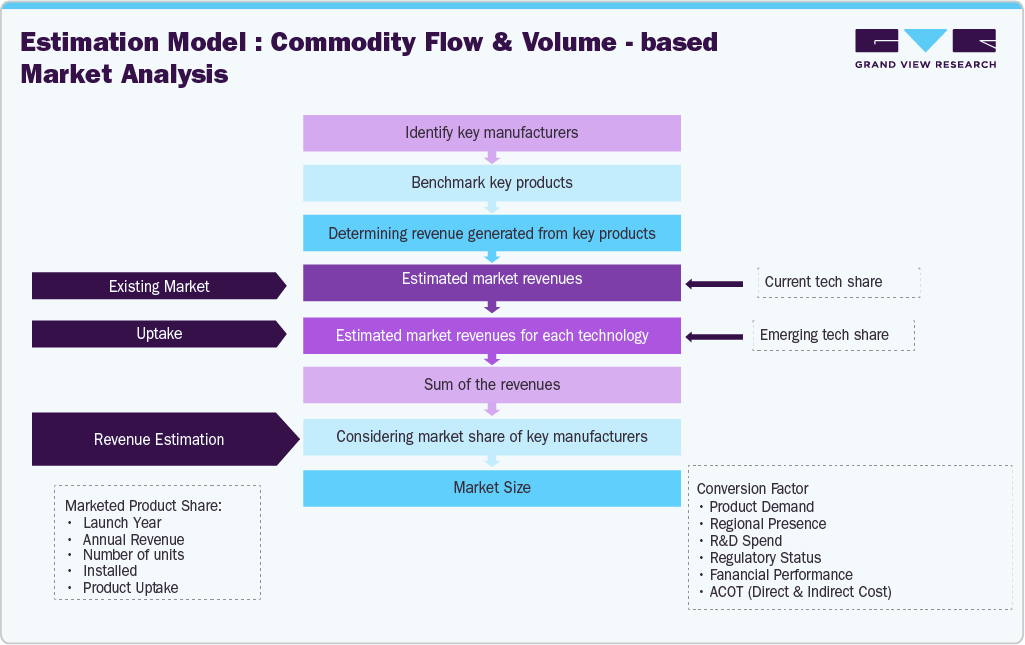
The point-of-care immunoassay analyzer industry was estimated by identifying key manufacturers, benchmarking their analyzer portfolios, and assessing product-level revenue across compact benchtop, handheld, dedicated, and multifunction platforms. Technology-level revenues were aggregated and validated against the existing market, installed-base, and patient-testing trends, and the estimated market shares of leading manufacturers to determine the overall market size.
 To learn more about this report, Download Free Sample Report
 Customization Table
Client Request
Customization Delivered
Value Adds
Point-of-Care Immunoassay Analyzer Competitive Landscape & Technology Assessment
Assessed the competitive landscape across compact benchtop, handheld, portable, dedicated immunoassay, and multifunction POCT analyzers. Evaluated leading and emerging companies based on fluorescence, chemiluminescence, electrochemiluminescence, cartridge-based assay technologies, whole-blood compatibility, turnaround time, throughput, assay menus, connectivity, regulatory status, geographic presence, distribution capabilities, and recent strategic developments.
Enables the client to benchmark established diagnostics companies against emerging analyzer developers, identify technology differentiation, assess competitive positioning, and evaluate innovation across portable and decentralized immunoassay platforms. It also provides visibility into competitor strengths, portfolio gaps, commercialization readiness, and potential acquisition or partnership targets.
Point-of-Care Immunoassay Analyzer Product & Technology Benchmarking Analysis
Conducted comparative benchmarking of compact benchtop, handheld, portable, dedicated, and multifunction analyzers across fluorescence and chemiluminescence detection technologies. Assessed products based on sample type, sample volume, time to result, throughput, test menu, portability, automation, calibration, cartridge format, connectivity, maintenance requirements, clinical applications, regulatory clearances, and intended end-use settings.
Helps the client compare analyzer performance and workflow characteristics, identify unmet requirements, and evaluate opportunities for platform differentiation. The analysis supports product-development decisions involving assay-menu expansion, whole-blood testing, multiplexing, automation, connectivity, portability, and integration with laboratory and clinical information systems.
Point-of-Care Immunoassay Analyzer Commercialization & Market-Entry Assessment
Assessed commercialization strategies, regulatory pathways, clinical-validation requirements, reimbursement conditions, distributor networks, procurement models, diagnostic infrastructure, and adoption barriers across North America, Europe, Asia Pacific, Latin America, and the Middle East & Africa. Evaluated demand across hospitals and clinics, diagnostic laboratories, physician offices, ambulatory facilities, emergency departments, and decentralized testing environments.
Supports market entry and geographic expansion planning by identifying priority countries, clinical applications, customer groups, and distribution channels. It enables the client to assess regulatory and evidence requirements, evaluate pricing and consumable revenue opportunities, prioritize cardiac, inflammatory, infectious-disease, and endocrine testing applications, and develop commercialization strategies for established and underserved markets.
About the Author(s)
Clinical Diagnostics Research Team
Healthcare · Clinical DiagnosticsThis report was authored by the clinical diagnostics research team at Grand View Research - comprising two research analysts, one senior research analyst, and one industry expert - with specialized expertise in the clinical diagnostics segment of the healthcare industry. All findings are based on proprietary healthcare databases, executive interviews, and regulatory analysis, subject to internal peer review prior to publication.
Last Updated:
Speak to Analyst

Customize this report to your needs - add regions, segments, or data points, with 20% free customization.
Or view our licence options:


ISO 9001:2015 & 27001:2022 Certified
We are GDPR and CCPA compliant! Your transaction & personal information is safe and secure. For more details, please read our privacy policy.


