
- Home
- »
- Pharmaceuticals
- »
-
Prediabetes Market Size, Share & Trends Report, 2026-2033GVR Report cover
![Prediabetes Market (2026 - 2033)Report]()
Prediabetes Market (2026 - 2033)
Size, Share & Trends Analysis Report By Drug Class (Diguanide, Thiazolidinediones, Glucagon-like Peptide-1 Agonists (GLP-1), DPP-4 Inhibitors), By Age Group (Children, Adult, Elderly), By Region, And Segment Forecasts
Market Size, 2025
$349.0MMarket Estimate, 2026
$385.0MMarket Forecast, 2033
$730.0MCAGR, 2026–2033
9.6%Prediabetes Market Summary
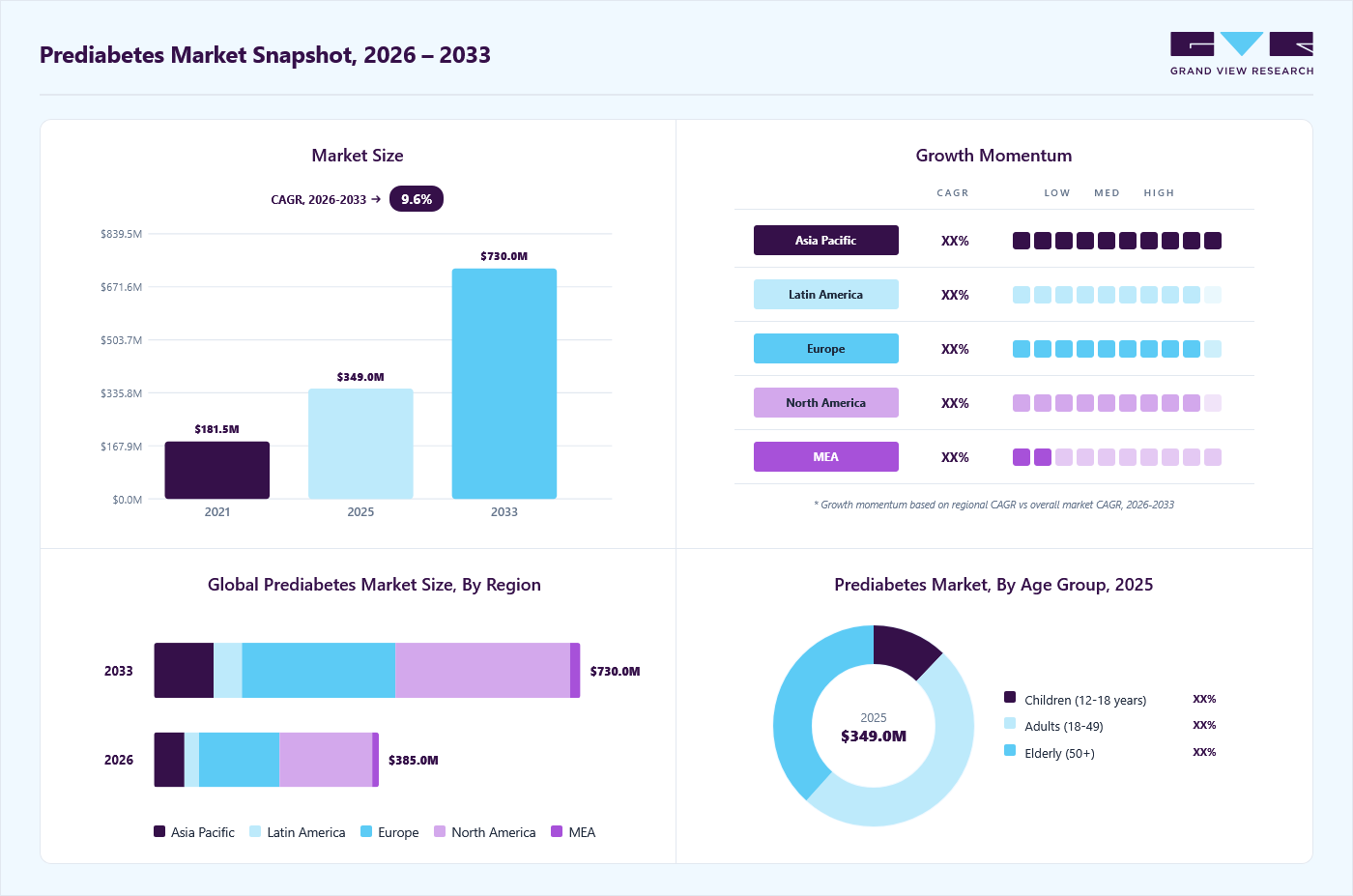
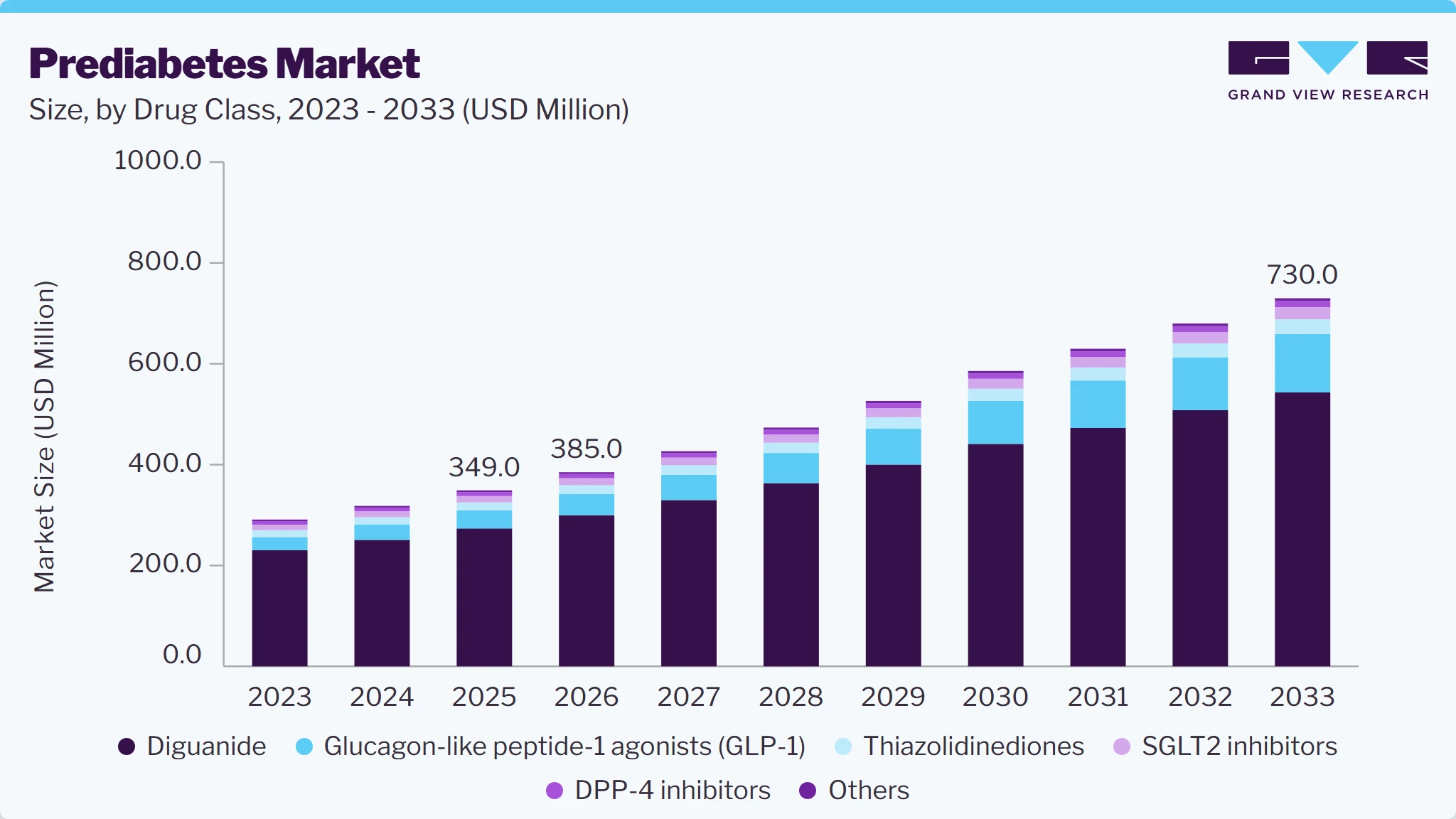
The global prediabetes market size was valued at USD 349.0 million in 2025 and is projected to grow from USD 385.0 million in 2026 to USD 730.0 million by 2033, at a CAGR of 9.6% from 2026 to 2033. North America dominated the prediabetes market with the largest revenue share of 41.2% in 2025. The increasing incidence of conditions leading to insulin resistance and impaired glucose metabolism, stemming from mutations in specific genes, serves as the primary driver of the prediabetes industry.
Key Market Trends & Insights
- By drug class: Diguanide segment held the largest market share of 78.4% in 2025.
- By age group: Adults (18-49) segment held the largest market share of 49.5% in 2025.
Regional Highlights
- Largest regional market: North America (41.2% revenue share, 2025)
- Fastest-growing regional market: Asia Pacific (highest CAGR, 2026-2033)
- By country: The U.S. held the largest market share in 2025
Market Size & Forecast
- Market size in 2025: USD 349.0 Million
- Estimated market size in 2026: USD 385.0 Million
- Projected market size by 2033: USD 730.0 Million
- CAGR (2026-2033): 9.6%
Three ways to get this report
Buy it, customize it, or ask a question.Ask an Analyst
A direct answer, usually in 1 working day
- AccessReport author, directly
- Reply timeWithin 1 working day
- No sales callDirect answer only
- FormatEmail reply
- CostFree, no cost
Get the Full Report
What the study covers
- FormatsPDF · Excel · Dashboard
- Timeline2026–2033 annual, 2025 base
- Coverage20+ countries, 5 regions
- Companies10+ key players profiled
Customize the Report
20% free customization
- IncludeCountries, segments, points
- TailorTo your product definition
- ExtendDeeper competitor detail
- OrA fully bespoke study
- Turnaround5–10 working days
In individuals with prediabetes, blood glucose levels are typically between 100 and 125 mg/dL. According to an article published in the BMC Public Health journal in May 2023, the global prevalence of prediabetes was estimated to be 319 million in 2021 and is projected to increase to 441 by 2045. In addition, the rising prevalence of various associated risk factors, such as sedentary lifestyles, obesity, and unhealthy dietary patterns, contributes significantly to market expansion.The growing use of antidiabetic medications, especially Metformin, which reduces sugar production and absorption in the body to prevent disease progression, positively impacts market growth. Metformin gained approval from the U.S. FDA in 1994 as a treatment for type 2 diabetes. Available in immediate and extended-release forms, it is frequently combined with other antidiabetic drugs.
Moreover, the rising adoption of continuous glucose monitoring devices, which provide real-time feedback on glucose levels and facilitate disease management, further strengthens market growth. These gadgets prove beneficial in overseeing diabetes among groups like toddlers, pregnant women, the elderly, and those with concurrent health conditions. Furthermore, individuals with prediabetes find value in using continuous glucose monitoring (CGM) technology. For instance, according to the National Center for Biotechnology Information (NCBI), in March 2023, individuals with prediabetes experienced heightened postprandial glucose levels, and the utilization of CGM could trigger behavioral modifications, potentially postponing the onset of diabetes. The increasing adoption of technology for diagnosing prediabetes, in turn, boosts the demand for its treatment.
Market Dynamics
The prediabetes market is witnessing growth due to the rising prevalence of obesity, physical inactivity, and unhealthy dietary habits that increase the risk of developing type 2 diabetes. Growing awareness regarding early diagnosis and disease prevention has encouraged healthcare providers and public health organizations to expand screening and monitoring programs. The market is also benefiting from increasing adoption of lifestyle intervention programs, digital health platforms, and advanced glucose monitoring technologies that support disease management before diabetes onset. Pharmaceutical companies are expanding research efforts focused on therapies that improve glycemic control and weight management among high-risk populations. Demand is further supported by aging populations and increasing healthcare expenditures aimed at reducing the long-term burden of diabetes related complications. However, challenges such as limited patient adherence to lifestyle modifications, underdiagnosis in developing regions, and reimbursement constraints for preventive treatments continue to affect market expansion. Nevertheless, ongoing emphasis on preventive healthcare and early intervention remains a key driver of market development.
The prediabetes market is being driven by the growing emphasis on early intervention strategies aimed at preventing the progression to type 2 diabetes. Rising obesity rates, increasing awareness of metabolic health, and expanding clinical evidence supporting preventive treatment approaches have encouraged healthcare providers to identify and manage at risk populations earlier. Governments, healthcare organizations, and pharmaceutical companies are increasingly promoting screening programs and lifestyle intervention initiatives to reduce the long-term burden of diabetes related complications. The growing use of GLP 1 receptor agonists and other metabolic therapies has further strengthened the preventive care landscape, particularly among individuals with obesity and elevated blood glucose levels. Advances in digital health platforms, remote patient monitoring, and personalized care programs are also supporting patient engagement and adherence to preventive measures. As healthcare systems shift toward value-based care models, investments in early disease prevention continue to increase, creating favorable conditions for market expansion. For instance, in May 2025, FAIR Health reported that the percentage of adult patients with an overweight or obesity diagnosis who were prescribed a GLP 1 drug increased from 0.30% in 2019 to 2.05% in 2024, representing a 586.7% increase. Additionally, the proportion of adults receiving GLP 1 prescriptions for being overweight or obesity without type 2 diabetes increased from 3.7% to 16.5% during the same period, reflecting a 344.4% increase.
One of the key restraints affecting the Prediabetes Market is the limited accessibility of preventive pharmacological therapies due to their high cost and inconsistent reimbursement coverage. While newer metabolic therapies have demonstrated clinical benefits in weight management and glycemic control, their affordability remains a challenge for a large portion of the eligible population. Many healthcare systems continue to prioritize treatment of established diabetes rather than preventive interventions, limiting reimbursement support for individuals diagnosed with prediabetes. In addition, long-term treatment requirements can increase the overall financial burden on patients and healthcare providers. The issue is particularly significant in low- and middle-income regions where healthcare resources are constrained and preventive care adoption remains limited. High out of pocket expenses can reduce treatment adherence and delay intervention among high-risk individuals, ultimately affecting market penetration. For instance, in April 2025, the Institute for Clinical and Economic Review reported that annual net prices for GLP 1 obesity medications in the United States commercial market ranged from approximately USD 8,000 to USD 9,000 per patient, while earlier evaluations cited annual treatment costs between USD 12,000 and USD 14,000 per patient.
The prediabetes market presents significant opportunities through the integration of obesity management therapies, digital health technologies, and personalized preventive care models. As obesity remains one of the strongest risk factors for prediabetes and type 2 diabetes, growing acceptance of pharmacological weight management solutions is expanding the addressable patient population. Healthcare providers are increasingly adopting data driven risk assessment tools, remote monitoring platforms, and digital coaching programs to identify high risk individuals and support lifestyle modifications. These technologies improve patient engagement, facilitate continuous monitoring, and enable earlier intervention before disease progression occurs. Pharmaceutical innovation is also creating opportunities through the development of next generation metabolic therapies that target both weight reduction and glucose regulation. The convergence of digital health and preventive medicine is expected to improve outcomes while reducing long term healthcare expenditures. For instance, in June 2026, Forbes Health, citing FAIR Health data, reported that GLP 1 prescription utilization among adults diagnosed with overweight or obesity increased from 0.30% in 2019 to 2.05% in 2024, representing a 586.7% increase, highlighting the growing acceptance of preventive metabolic health therapies and the expanding commercial opportunity for prediabetes management solutions.
Analyst Perspective
The Prediabetes Market is undergoing a shift from traditional diabetes prevention approaches toward integrated metabolic health management that combines pharmacological therapies, lifestyle interventions, and digital health solutions. Established companies are leveraging their expertise in diabetes and obesity care to expand preventive treatment offerings, while emerging players are introducing innovative therapies targeting insulin resistance, gut microbiome modulation, and cardiometabolic risk reduction. Growing awareness of the clinical and economic burden of type 2 diabetes is encouraging earlier intervention among high-risk populations. As evidence supporting weight management and metabolic therapies continues to strengthen, competition is expected to intensify, fostering innovation and broader treatment adoption.
Drug Class Insights
Based on drug class, the diguanide segment led the market with the largest revenue share of 78.4% in 2025 due to its proven efficacy in managing blood glucose levels and improving insulin sensitivity. Metformin is widely recommended as a first-line treatment for prediabetes, as it helps prevent the progression to type 2 diabetes. Its affordability, long track record of safety, and favorable side effect profile have made it a preferred choice among healthcare providers. The increasing awareness of prediabetes and its complications has further fueled the demand for diguanide-based therapies.
The Glucagon-like Peptide-1 Agonists (GLP-1) segment is anticipated to be the fastest-growing segment, with a CAGR of 19.1% from 2025 to 2030, owing to their proven efficacy in improving glycemic control and reducing the risk of progression to type 2 diabetes. These therapies help lower blood sugar levels and promote weight loss, making them highly attractive for prediabetic patients seeking to manage their condition. The increasing global prevalence of prediabetes is expected to drive a surge in demand for GLP-1 agonists, making them a crucial treatment option for early diabetes intervention.
Age Group Insights
Based on age group, the adults (18-49) segment led the market with the largest revenue share of 49.5% in 2025, attributed to increasing awareness of the condition and rising risk factors such as sedentary lifestyles, poor dietary habits, and obesity. This demographic is highly engaged in health monitoring, often seeking preventive care, which makes them more likely to adopt lifestyle changes or medication to manage prediabetes. The digital health platforms and wellness programs tailored to this age group have further fueled growth, as they provide convenient solutions for managing and reversing the condition early, driving prediabetes industry expansion.
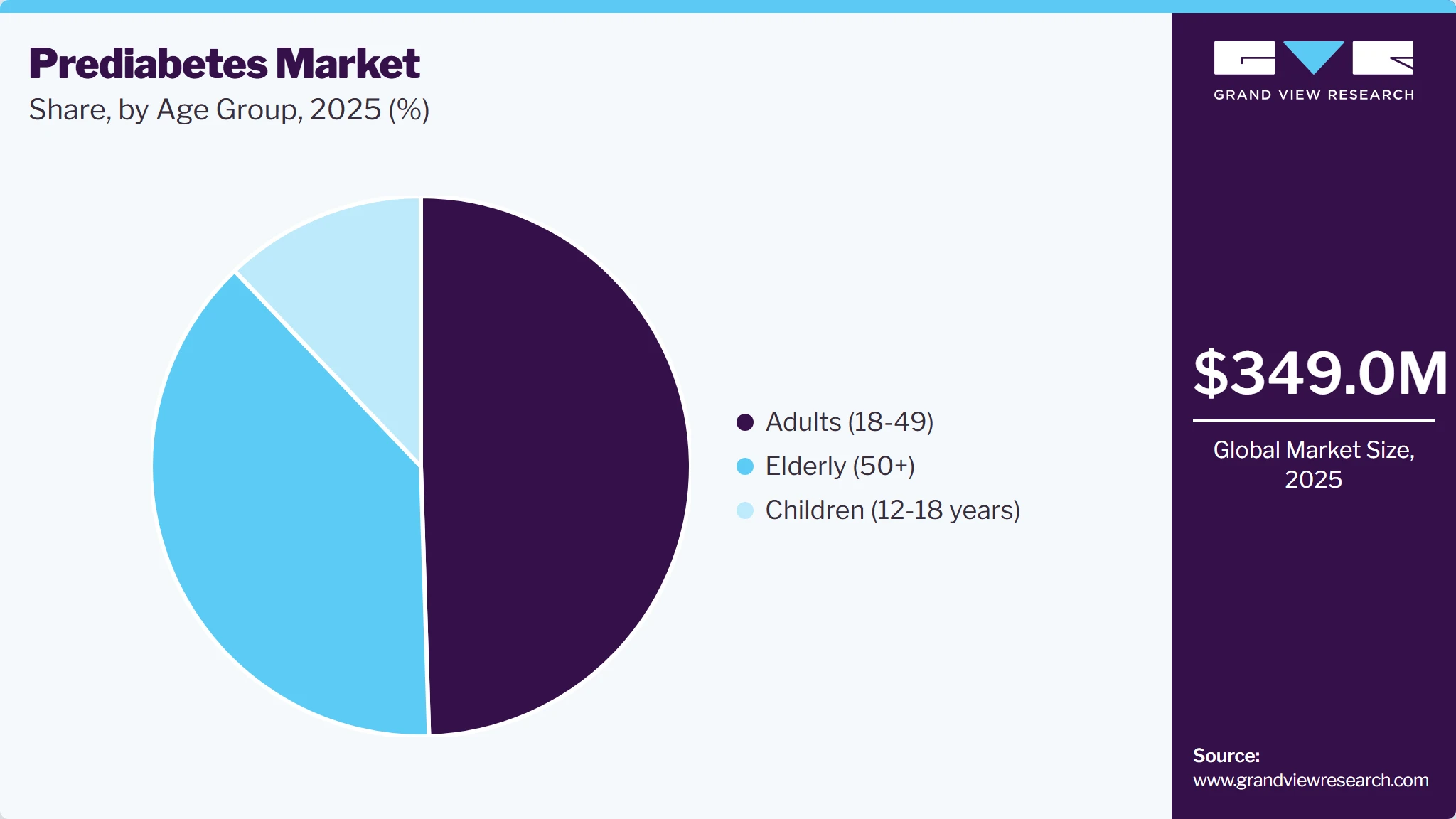
The elderly (50+) segment is projected to grow at a significant CAGR from 2025 to 2030 due to increasing life expectancy and rising health concerns among the aging population. The risk of developing prediabetes increases with age, influenced by factors such as sedentary lifestyles, poor diet, and genetic predispositions. This demographic is becoming more proactive about their health, actively seeking early interventions and preventive treatments. Growing awareness of prediabetes and its complications is expected to drive the demand for diagnostic tools, medications, and lifestyle management solutions among the elderly.
Regional Insights
North America dominated the prediabetes market with the largest revenue share of 41.2% in 2025, propelled by the adoption of GLP-1 agonists and the growing interest in personalized treatments. GLP-1 agonists, known for their ability to improve glycemic control and promote weight loss, are increasingly being used to manage prediabetes, offering effective intervention. In addition, personalized medicine, tailored to individual genetic profiles and lifestyle factors, is gaining traction, allowing for more precise and effective treatment plans. These advancements are helping manage prediabetes more efficiently, fueling market growth across the region.

U.S. Prediabetes Market Trends
The prediabetes market in the U.S. held the largest share in the North America region in 2025. The increasing availability of digital health solutions and the rising obesity rates are accelerating the expansion of the prediabetes industry across the U.S. Digital tools such as mobile apps, wearables, and telehealth platforms are making it easier for individuals to monitor their health, track blood sugar levels, and manage lifestyle changes. The rising obesity rate, a major risk factor for prediabetes, prompts more people to seek preventive care. This synergy of increased health technology adoption and the obesity epidemic is anticipated to drive demand for solutions in prediabetes detection, management, and treatment. In November 2023, VALBIOTIS SA announced the success of its product TOTUM•63 in a clinical study evaluating its mode of action for prediabetes treatment. This positive outcome adds to the growing pipeline of pharmacological therapies to improve glucose metabolism, offering a promising new intervention for managing prediabetes in the U.S. market.
Europe Prediabetes Market Trends
Europe prediabetes market is projected to expand at a significant rate over the forecast period. The rising prevalence of prediabetes in Europe, fueled by factors such as the aging population and increasing obesity rates, is expected to fuel the market. The growing diagnosis of prediabetes drives the demand for effective prevention and treatment options. Pharmaceutical advancements, including the development of GLP-1 agonists and other innovative therapies, offer improved blood sugar levels and weight management, enhancing patient outcomes. These advancements, coupled with a focus on early intervention, are set to expand the Europe prediabetes industry in the coming years. In September 2023, Valbiotis and Nestlé Health Science decided to introduce a dietary supplement in 2024 tailored for individuals with prediabetes and type-2 diabetes, following promising outcomes from a study demonstrating the product's effectiveness in improving critical indicators of glucose metabolism.
Asia Pacific Prediabetes Market Trends
Asia Pacific prediabetes market is set to be the fastest-growing region with a CAGR of 11.6% from 2025 to 2030. Rising urbanization and the widespread adoption of a sedentary lifestyle in the region contribute to an increase in prediabetes cases. The shift to desk jobs and increased reliance on processed, high-calorie foods are contributing to the rising prevalence of conditions such as prediabetes. Moreover, genetic predisposition and poor dietary habits, such as high sugar and fat consumption, further exacerbate the situation. The increasing focus on early intervention, along with advancements in treatment options and improved healthcare accessibility, is set to drive significant growth in the Asia Pacific region, with more individuals seeking effective solutions to manage and prevent the condition.
India prediabetes market is anticipated to experience the fastest growth over the forecast period, owing to innovations in diagnostic tools and treatments, coupled with increased health awareness. Advanced technologies, such as more accurate and accessible screening methods, along with improved medications and management strategies, are making early detection and treatment more effective. Furthermore, increasing public awareness about the risks of prediabetes and its potential complications encourages proactive health management. This growing focus on prevention and expanding healthcare access is projected to impel the demand for prediabetes-related solutions in the country.
Key Prediabetes Company Insights
Some of the key companies in the prediabetes industry include Novo Nordisk A/S; Boston Pharmaceuticals; AstraZeneca; Bristol-Myers Squibb Company and Pfizer Inc.
-
AstraZeneca provides a broad range of innovative pharmaceutical products, focusing on treatments in oncology, cardiology, nephrology, metabolic diseases, and respiratory conditions. It develops both prescription medications and biologics aimed at improving patient outcomes globally.
-
Bristol-Myers Squibb Company offers innovative biopharmaceutical products, focusing on various areas, particularly oncology, immunology, cardiology, and fibrosis. It specializes in developing treatments for serious diseases, including cancer, cardiovascular conditions, and autoimmune disorders.
Key Prediabetes Companies:
The following are the leading companies in the prediabetes market. These companies collectively hold the largest market share and dictate industry trends.
- Novo Nordisk A/S
- Valbiotis
- RESVERLOGIX
- Caelus Health
- Scimar
- Boston Pharmaceuticals
- APHAIA PHARMA AG
- AstraZeneca
- Bristol-Myers Squibb Company
- Pfizer Inc.
Competitive Benchmarking
Category
Operating Strategies
Competitive Edge
Weakness
Established Players (Novo Nordisk A/S, AstraZeneca, Bristol-Myers Squibb Company, Pfizer Inc.)
- Focus on expanding metabolic disease and cardiometabolic health portfolios through investment in GLP-1 receptor agonists, SGLT2 inhibitors, and next generation therapies targeting obesity and diabetes prevention. Strengthening market presence through clinical research, strategic partnerships with healthcare providers, digital health integration, and expansion of preventive care initiatives aimed at high-risk populations.
- Strong brand recognition and extensive experience in diabetes and metabolic disease management. Robust research and development capabilities, established regulatory expertise, broad geographic presence, and extensive relationships with healthcare providers, payers, and distribution partners support sustained market leadership.
- High research and development expenditures and lengthy clinical development timelines increase operational costs. Dependence on regulatory approvals and reimbursement decisions can affect commercialization timelines and market access for preventive therapies.
Emerging Players (Valbiotis, RESVERLOGIX, Caelus Health, Scimar, Boston Pharmaceuticals, APHAIA PHARMA AG)
- Focus on developing innovative therapies, microbiome-based solutions, nutraceutical interventions, and novel metabolic health platforms targeting prediabetes and early-stage metabolic disorders. Emphasize clinical differentiation, targeted patient populations, and partnerships with research institutions to accelerate product development and market entry.
- Ability to develop specialized and differentiated solutions addressing unmet needs in prediabetes prevention and metabolic health management. Greater organizational flexibility enables faster innovation, focused clinical programs, and adaptation to emerging scientific developments.
- Limited financial resources and smaller commercial infrastructures compared with established pharmaceutical companies. Restricted distribution capabilities, lower brand awareness, and dependence on successful clinical trial outcomes may constrain large scale market penetration and growth.
Recent Developments
-
In June 2024, Aphaia Pharma announced positive results from its Phase 2 trial of APHD-012, an oral glucose formulation for prediabetes. The trial met its primary endpoint, showing significant improvement in glucose tolerance and a positive safety profile after 6 weeks of treatment.
-
In September 2023, Novo Nordisk introduced its “Wegovy” weight loss injection in the UK, providing an innovative treatment option for individuals struggling with obesity. This launch expanded access to effective weight management solutions.
Prediabetes Market Report Scope
Report Attribute
Details
Market size in 2025
USD 349.0 million
Estimated Market size in 2026
USD 385.0 million
Projected Market size by 2033
USD 740.0 million
Growth rate
CAGR of 9.6% from 2026 to 2033
Historical data
2021 - 2024
Forecast period
2026 - 2033
Quantitative units
Revenue in USD million/billion and CAGR from 2026 to 2033
Report coverage
Revenue forecast, company ranking, competitive landscape, growth factors, and trends
Segments covered
Drug class, age group, region
Regional scope
North America; Europe; Asia Pacific; Latin America; Mea
Country scope
U.S.; Canada; Mexico; UK; Germany; France; Italy; Spain; Denmark; Norway; Sweden; Japan; China; India; South Korea; Australia; Thailand; Brazil; Argentina; South Africa; Saudi Arabia; UAE; Kuwait
Key companies profiled
Novo Nordisk A/S; Valbiotis; Resverlogix; Caelus Health; Scimar; Boston Pharmaceuticals; Aphaia Pharma Ag; Astrazeneca; Bristol-Myers Squibb Company; Pfizer Inc.
Customization scope
Free report customization (equivalent up to 8 analysts' working days) with purchase. Addition or alteration to country, regional & segment scope.
Pricing and purchase options
Avail customized purchase options to meet your exact research needs. Explore purchase options
Global Prediabetes Market Report Segmentation
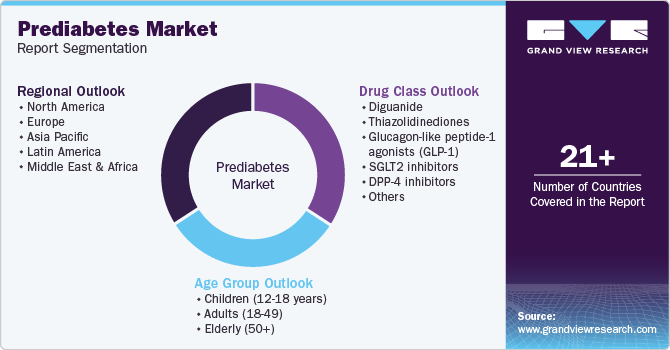
This report forecasts revenue growth at global, regional, and country levels and provides an analysis of the latest industry trends in each of the sub-segments from 2021 to 2033. For the purpose of this study, Grand View Research has segmented the global prediabetes market report on the basis of drug class, age group, and region:
-
Drug Class Outlook (Revenue, USD Million, 2021 - 2033)
-
Diguanide
-
Thiazolidinediones
-
Glucagon-like peptide-1 agonists (GLP-1)
-
SGLT2 inhibitors
-
DPP-4 inhibitors
-
Others
-
-
Age Group Outlook (Revenue, USD Million, 2021 - 2033)
-
Children (12-18 years)
-
Adults (18-49)
-
Elderly (50+)
-
-
Regional Outlook (Revenue, USD Million, 2021 - 2033)
-
North America
-
U.S.
-
Canada
-
Mexico
-
-
Europe
-
UK
-
Germany
-
France
-
Italy
-
Spain
-
Denmark
-
Norway
-
Sweden
-
-
Asia Pacific
-
Japan
-
China
-
India
-
South Korea
-
Australia
-
Thailand
-
-
Latin America
-
Brazil
-
Argentina
-
-
Middle East & Africa
-
South Africa
-
Saudi Arabia
-
UAE
-
Kuwait
-
-
Research Methodology
The prediabetes market figures in this report are based on a proven research process that combines executive interviews with secondary research from proprietary databases, company filings, and recognized regulatory and institutional sources. Market size is built through value-chain sizing - reconciling supply-side and demand-side estimates - and triangulated with bottom-up and top-down approaches. Every estimate passes multiple levels of expert validation before publication, with each prediabetes segment quantified using the revenue-capture definitions in the table below.
Segment Definition
Segment - Drug Class
Revenue capture definition
Diguanide -
Revenue generated from diguanide based therapies prescribed for the management of prediabetes, primarily including metformin and related formulations. This segment includes revenue derived from the use of diguanides for improving insulin sensitivity, reducing hepatic glucose production, and delaying progression from prediabetes to type 2 diabetes. All revenue associated with diguanide therapies prescribed for prediabetes management is attributed exclusively to this segment.
Thiazolidinediones
Revenue generated from thiazolidinedione therapies prescribed for individuals with prediabetes to improve insulin sensitivity and support glycemic control. This segment includes products such as pioglitazone and other agents within the class used for diabetes prevention strategies. Revenue from thiazolidinedione-based interventions for prediabetes is classified solely within this segment.
Glucagon-like Peptide-1 Agonists (GLP-1)
Revenue generated from GLP-1 receptor agonist therapies utilized in prediabetes management, particularly among individuals with obesity, overweight, or elevated metabolic risk. This segment includes revenue from products prescribed to support weight reduction, improve glycemic regulation, and reduce the risk of progression to type 2 diabetes. All GLP-1 related revenue associated with prediabetes treatment pathways is assigned exclusively to this segment.
SGLT2 Inhibitors
Revenue generated from sodium glucose cotransporter 2 (SGLT2) inhibitor therapies prescribed for prediabetes management and metabolic risk reduction. This segment includes products used to improve glucose regulation and support cardiovascular and metabolic health outcomes among at risk individuals. Revenue attributable to SGLT2 inhibitor utilization within prediabetes care is reported exclusively within this category.
DPP-4 Inhibitors
Revenue generated from dipeptidyl peptidase 4 (DPP-4) inhibitor therapies utilized for glycemic management in prediabetic populations. This segment includes revenue from products prescribed to enhance endogenous incretin activity and improve glucose homeostasis. All revenue associated with DPP-4 inhibitor use in prediabetes is allocated solely to this segment.
Others
Revenue generated from all remaining pharmacological and therapeutic classes used in prediabetes management that are not included under Diguanide, Thiazolidinediones, GLP-1 Agonists, SGLT2 Inhibitors, or DPP-4 Inhibitors. This includes combination therapies, investigational agents, nutritional interventions, metabolic health products, and future therapeutic innovations. Revenue is allocated to this segment only when it does not belong to the predefined categories above.
Segment - Age Group
Revenue capture definition
Children (12-18 Years)
Revenue generated from products, therapies, monitoring solutions, lifestyle intervention programs, and healthcare services utilized for the management of prediabetes among individuals aged 12 to 18 years. This segment includes revenue associated with obesity related prediabetes, insulin resistance management, and preventive care programs designed specifically for pediatric and adolescent populations. All revenue attributable to this age group is reported exclusively within this segment.
Adults (18-49 Years)
Revenue generated from therapies, diagnostic services, digital health solutions, lifestyle intervention programs, and preventive treatments used for prediabetes management among individuals aged 18 to 49 years. This segment includes revenue associated with early metabolic risk management, obesity related interventions, and diabetes prevention strategies targeting working age populations. Revenue derived from this demographic is assigned solely to this segment.
Elderly (50+ Years)
Revenue generated from products and services utilized for prediabetes management among individuals aged 50 years and above. This segment includes therapies, monitoring solutions, preventive healthcare programs, and clinical interventions aimed at reducing progression to type 2 diabetes and associated complications in older adults. All revenue associated with patients aged 50 years and above is classified exclusively within this segment.
Estimation Model
The prediabetes market size is estimated to use a patient pool and treatment adoption model. The analysis begins with identifying the total population across key countries and regions, followed by estimating the prevalence of prediabetes based on epidemiological studies, public health databases, and diabetes association reports. This helps derive the total prediabetic patient pool. The next step involves determining the diagnosed patient population by evaluating screening rates, healthcare accessibility, and awareness levels. From the diagnosed population, the treated patient pool is calculated by assessing the proportion of individuals enrolled in lifestyle intervention programs, nutritional management plans, glucose monitoring programs, and pharmacological therapies.
Subsequently, the treated patient population is segmented by therapy type, including lifestyle modification programs, anti-diabetic medications prescribed for prediabetes management, digital health solutions, and monitoring services. Market penetration and patient uptake rates for each therapy category are determined through primary interviews with endocrinologists, diabetologists, healthcare providers, and industry experts, supported by secondary research from clinical studies and company publications. Revenue estimation is then performed by multiplying the number of patients receiving each therapy by the average annual cost associated with that therapy. The revenues generated across all treatment categories and regions are aggregated to calculate the overall Prediabetes Market size. Data triangulation, validation through expert interviews, and cross-verification with healthcare expenditure and company revenue data are conducted to ensure the accuracy and reliability of the final market estimates and forecasts.
Delivered Customizations
This report has been delivered with the following In-depth customizations
CLIENT REQUEST
CUSTOMIZATION DELIVERED
VALUE ADDS
Prediabetes Competitive Landscape & Pipeline Assessment
Conducted a targeted assessment of the global prediabetes landscape, evaluating approved therapies, preventive treatment programs, late-stage pipeline assets, digital health solutions, obesity management interventions, and emerging metabolic health technologies. The study analyzed key participants including Novo Nordisk, AstraZeneca, Pfizer, Bristol Myers Squibb, Valbiotis, Boston Pharmaceuticals, and other innovators, along with clinical development trends, regulatory progress, and competitive positioning across prediabetes prevention and early metabolic disease management.
Helped the client identify high potential therapeutic and preventive intervention opportunities, evaluate competitive threats, benchmark pipeline differentiation, and prioritize licensing, acquisition, and partnership opportunities within the evolving prediabetes and metabolic health market.
Prediabetes Therapeutics & Prevention Benchmarking Study
Delivered a comprehensive benchmarking analysis of pharmacological therapies, lifestyle intervention programs, digital therapeutics, obesity management solutions, and metabolic health platforms. The assessment compared clinical efficacy, safety profiles, patient adherence, reimbursement trends, commercialization strategies, and product differentiation across leading market participants and emerging developers.
Enabled the client to assess technology and product competitiveness, identify market gaps, benchmark innovation strategies, and prioritize investments in next generation prediabetes prevention programs, digital health platforms, and metabolic disease management solutions.
Prediabetes Care Delivery & Market Access Feasibility Assessment
Conducted a strategic assessment of the prediabetes care ecosystem, evaluating screening programs, diagnostic pathways, healthcare infrastructure, payer coverage, reimbursement frameworks, physician adoption patterns, and patient engagement models. The study analyzed market access challenges, preventive care implementation strategies, digital monitoring capabilities, and regional healthcare readiness supporting large scale prediabetes management initiatives.
Supported strategic planning by identifying high growth market segments, optimizing commercialization and reimbursement strategies, strengthening patient access initiatives, and enhancing long term scalability and adoption of prediabetes prevention and management solutions across global healthcare markets.
Frequently Asked Questions About This Report
Some of the companies catering to the prediabetes industry Novo Nordisk, Valbiotis, RESVERLOGIX, Caelus Health, SciMar, Boston Therapeutics, Aphaia Pharma, AstraZeneca, and Bristol-Myers Squibb.
The increasing incidence of conditions leading to insulin resistance and impaired glucose metabolism, stemming from mutations in specific genes, serves as the primary driver of the prediabetes market.
Asia Pacific is the fastest-growing region over the forecast period.
Based on age group, the adults (18-49) segment led the market with the largest revenue share of 49.5% in 2025.
North America dominated the prediabetes market with the largest revenue share of 41.2% in 2025.
The global prediabetes market size was estimated at USD 349.0 million in 2025 and is projected to grow to USD 385.0 million in 2026.
The global prediabetes market is expected to grow at a compound annual growth rate of 9.6% from 2026 to 2033 to reach USD 730.0 million by 2033.
Based on drug class, the diguanide segment led the market with the largest revenue share of 78.4% in 2025. High popularity of metformin, high proven safety and efficacy of the drug are expected to serve as a primary growth driver.
About the Author(s)
Pharmaceuticals Research Team
Healthcare · PharmaceuticalsThis report was authored by the pharmaceuticals research team at Grand View Research - comprising two research analysts, one senior research analyst, and one industry expert - with specialized expertise in the pharmaceuticals segment of the healthcare industry. All findings are based on proprietary healthcare databases, executive interviews, and regulatory analysis, subject to internal peer review prior to publication.
Last Updated:
Speak to Analyst


Customize this report to your needs - add regions, segments, or data points, with 20% free customization.
Or view our licence options:


ISO 9001:2015 & 27001:2022 Certified
We are GDPR and CCPA compliant! Your transaction & personal information is safe and secure. For more details, please read our privacy policy.


