
- Home
- »
- Clinical Diagnostics
- »
-
Primary Care PoC Diagnostics Market Report, 2026-2033GVR Report cover

Primary Care PoC Diagnostics Market (2026 - 2033)
Size, Share & Trends Analysis Report By Disease (Hb1Ac Testing, Coagulation Testing, Fertility/Pregnancy, Infectious Disease, Cardiac Markers, Thyroid Stimulating Hormone), By End-use, By Region, And Segment Forecasts
Market Size, 2025
$1.4BMarket Estimate, 2026
$1.5BMarket Forecast, 2033
$1.9BCAGR, 2026–2033
3.6%Primary Care PoC Diagnostics Market Summary
The global primary care PoC diagnostics market size was valued at USD 1.4 billion in 2025 and is projected to grow from USD 1.5 billion in 2026 to USD 1.9 billion by 2033, at a CAGR of 3.6% from 2026 to 2033. North America dominated the market, accounting for a revenue share of 45.5% in 2025. The market growth can be attributed to factors such as the rising prevalence of chronic diseases, the rising number of point-of-care diagnostic devices, and a rise in healthcare expenditures within secondary and tertiary care.
 Source: Grand View Research, IR Documents, Primary Interviews, Paid DatabasesTo learn more about this report,
 Download Free Sample Report
 Key Market Trends & Insights
- By disease: Infectious Disease segment led the market with the largest revenue share of 31.9% in 2025.
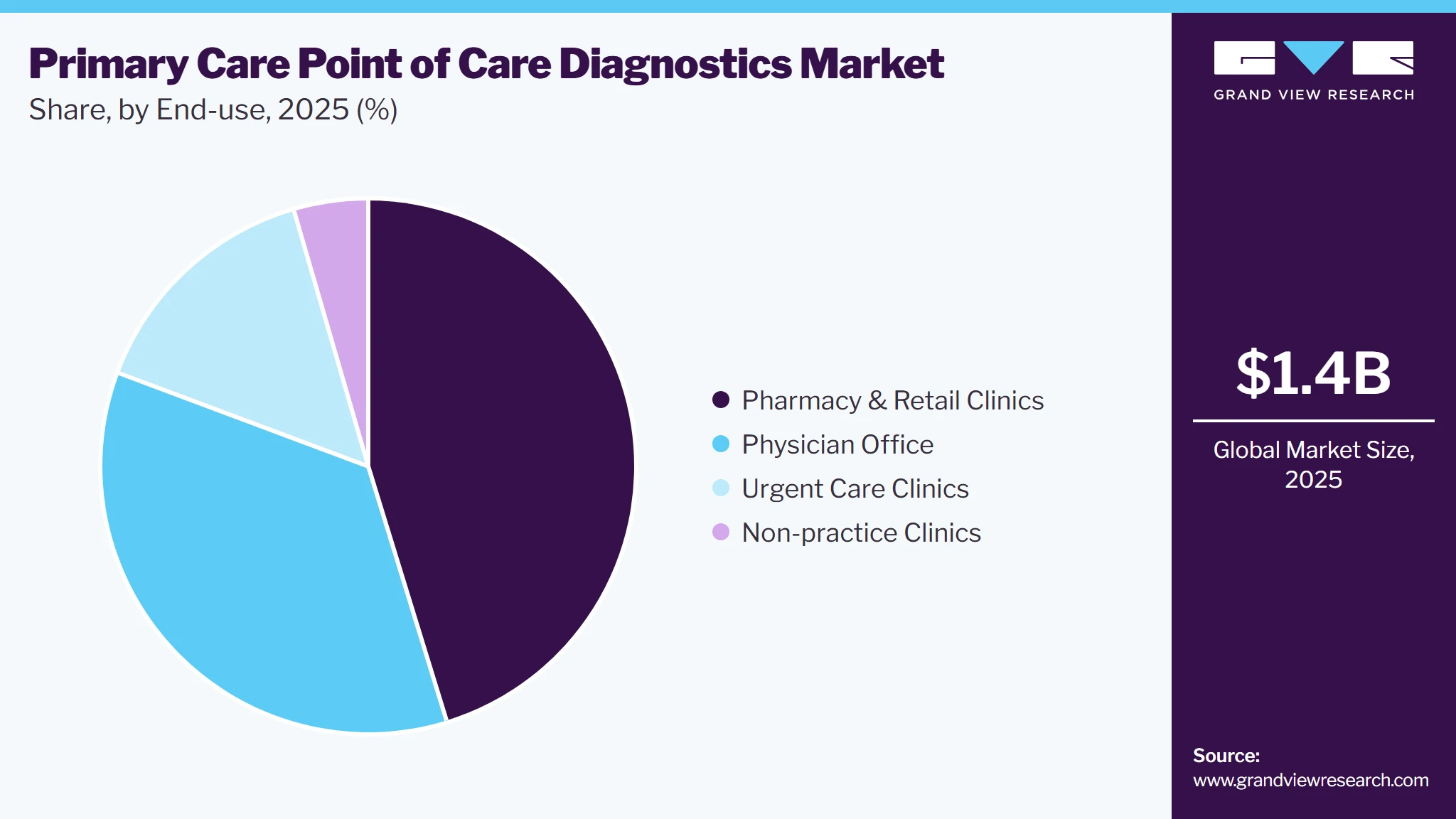
- By end use: pharmacy & retail clinics segment led the market with the largest revenue share of 45.2% in 2025.
Regional Highlights
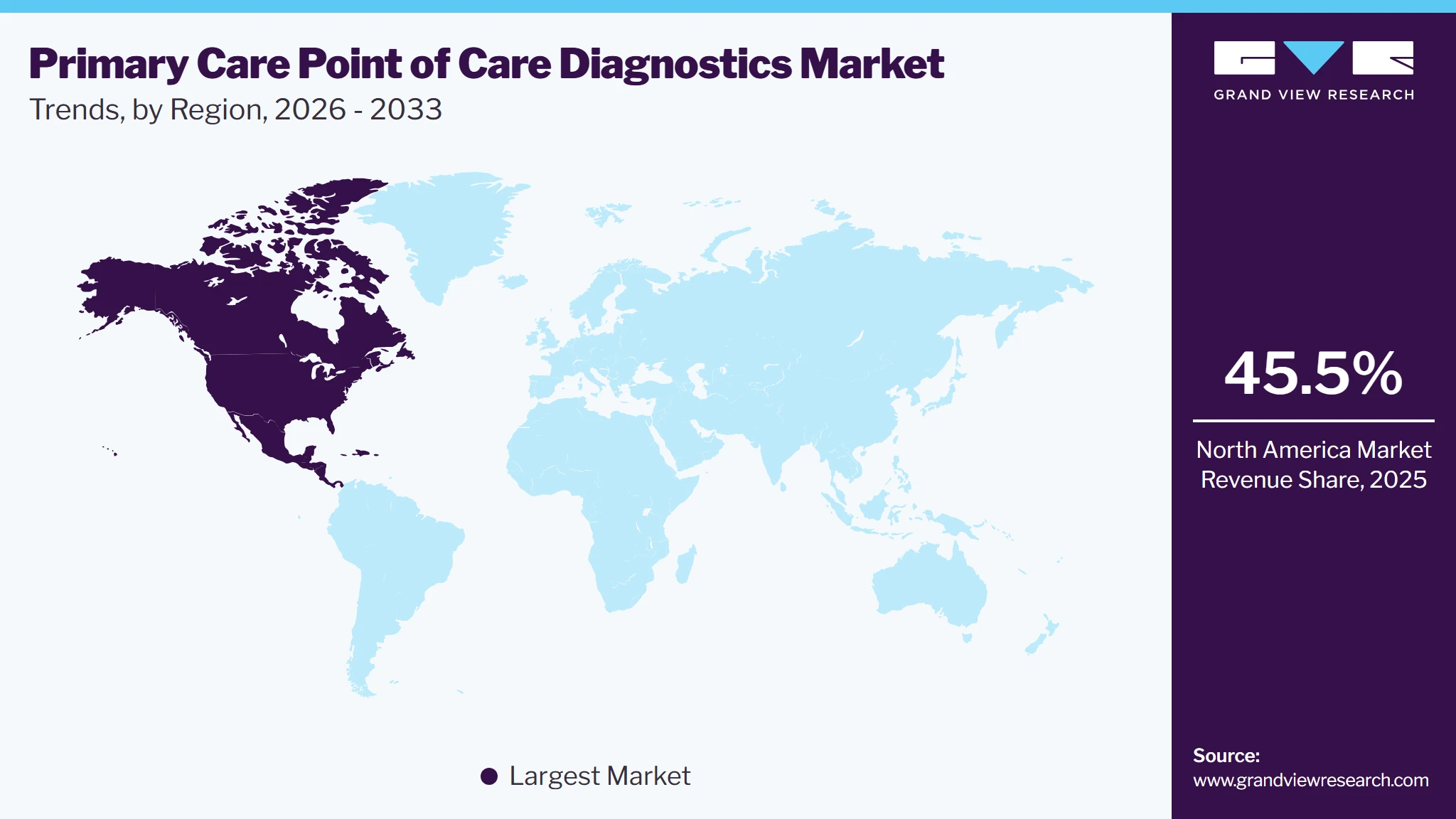
- Largest regional market: North America (45.5% revenue share, 2025)
- By country: The U.S. held the largest market share in 2025.
Market Size & Forecast
- Market size in 2025: USD 1.4 Billion
- Estimated market size in 2026: USD 1.5 Billion
- Projected market size by 2033: USD 1.9 Billion
- CAGR (2026-2033): 3.6%
Three ways to get this report
Buy it, customize it, or ask a question.Ask an Analyst
A direct answer, usually in 1 working day
- AccessReport author, directly
- Reply timeWithin 1 working day
- No sales callDirect answer only
- FormatEmail reply
- CostFree, no cost
Get the Full Report
What the study covers
- FormatsPDF · Excel · Dashboard
- Timeline2026–2033 annual, 2025 base
- Coverage20+ countries, 5 regions
- Companies10+ key players profiled
Customize the Report
20% free customization
- IncludeCountries, segments, points
- TailorTo your product definition
- ExtendDeeper competitor detail
- OrA fully bespoke study
- Turnaround5–10 working days
Market growth worldwide is fueled by technological advancements and a rising demand for efficient, accessible healthcare solutions. Innovations such as device miniaturization and artificial intelligence (AI) integration significantly enhanced diagnostic accuracy. Portable, user-friendly point-of-care (PoC) devices enabled quicker results, essential for both routine monitoring and emergencies. Advancements in molecular diagnostics facilitated swift detection of genetic markers and infectious agents, improving patient outcomes.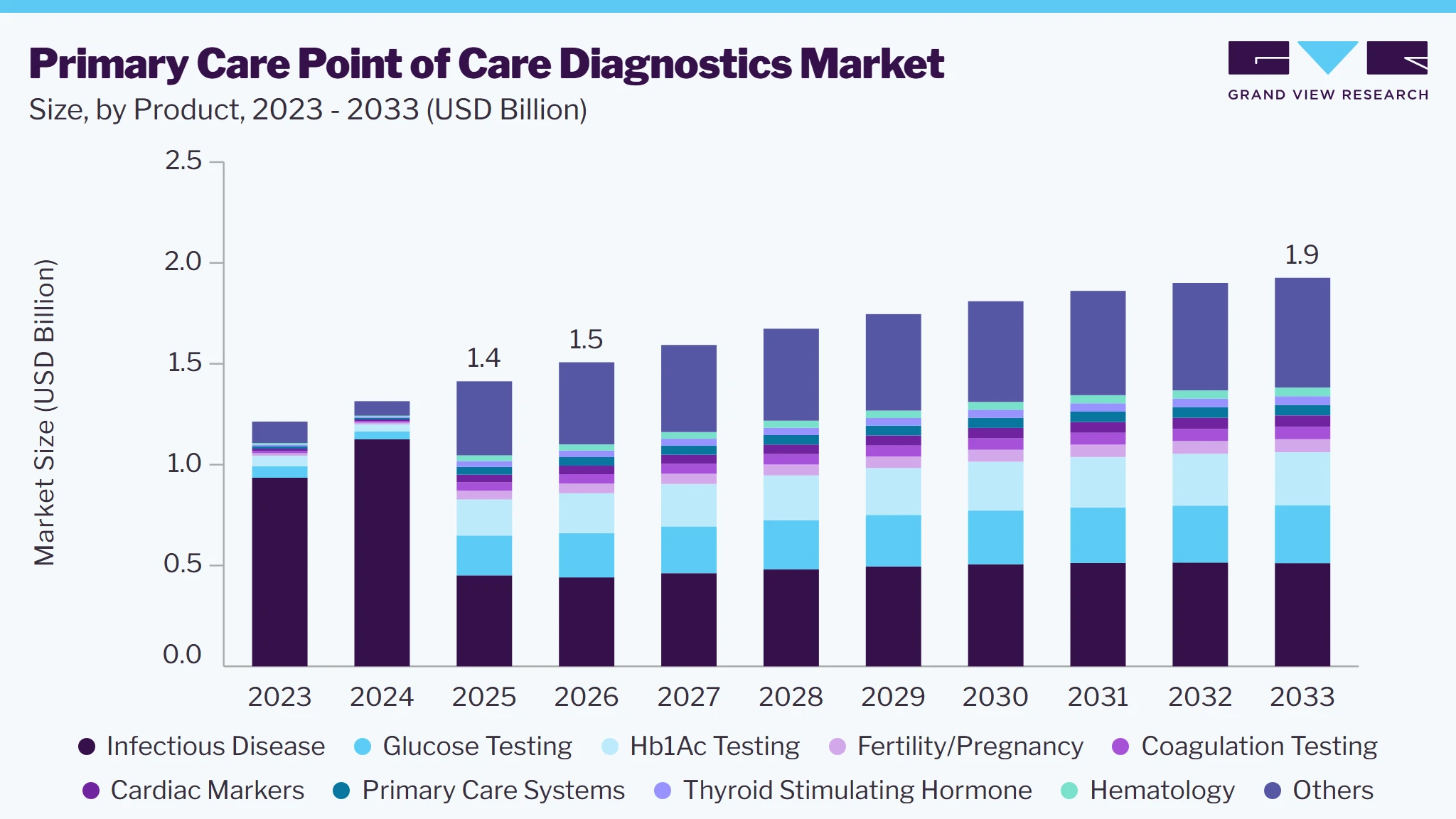 To learn more about this report, Download Free Sample Report
 In addition to technological developments, the applications and products driving the primary care PoC diagnostics market are diverse and critical. Glucose monitoring remains a significant segment, enabling continuous tracking for diabetic patients-a demographic that continues to expand.
Regional trends indicate significant growth attributed to rising chronic disease incidences and ongoing improvements in healthcare infrastructure. In 2024, the Delaware Journal of Public Health reported that six in ten Americans lived with at least one chronic disease, underscoring the demand for effective PoC in evolving healthcare systems. Moreover, global investments in healthcare, particularly in primary care infrastructures, are amplifying market expansion, ensuring that diagnostic solutions are innovative and widely accessible. For instance, in August 2023, CrisprBits partnered with Molbio Diagnostics in India to develop CRISPR-based PoC tests, enhancing rapid, accurate pathogen and genetic marker detection in various healthcare settings.
Companies are abiding by the stringent regulatory scenario by engaging in strategic partnerships and acquisitions, thereby enhancing operational capabilities and driving efficiency in their operations. According to Diabetes Australia , approximately 1.5 million Australians were living with diabetes as of 2024, emphasizing the need for accessible PoC diagnostics, particularly in remote areas. This underscores the necessity for innovative solutions that can effectively address the growing health challenges faced worldwide.
Market Dynamics
The Primary Care Point of Care Diagnostics Market is driven by the growing need for rapid diagnostic testing that enables timely clinical decisions during the first patient visit. Primary care providers are increasingly adopting point of care diagnostic solutions to improve disease detection, reduce referrals, and support immediate treatment for infectious diseases, diabetes, cardiovascular conditions, and other common disorders. The expansion of decentralized healthcare services and the emphasis on improving access to diagnostics in community settings are further supporting market growth. Manufacturers are also investing in expanding test menus and improving the performance of compact diagnostic platforms to address evolving clinical requirements. For instance, in February 2025, bioMérieux received U.S. FDA clearance for the BIOFIRE FILMARRAY Gastrointestinal Panel Mid, an 11-pathogen molecular PCR panel that delivers results in approximately one hour, expanding rapid diagnostic options for infectious gastroenteritis across hospitals, urgent care centers, and other decentralized healthcare settings. Such advancements are supporting broader access to rapid diagnostics and strengthening the adoption of point of care testing across primary healthcare environments.
The growing demand for rapid diagnosis during the initial patient consultation is a key driver of the Primary Care Point of Care Diagnostics Market. Primary care providers are increasingly adopting point of care diagnostic solutions to enable faster disease detection, initiate timely treatment, and reduce unnecessary referrals to specialized healthcare facilities. The increasing prevalence of infectious diseases, diabetes, cardiovascular disorders, and other chronic conditions is encouraging the use of rapid diagnostic tests that provide reliable results within a short timeframe. Healthcare systems are also promoting decentralized testing to improve access to essential diagnostic services and enhance patient management in community settings. For instance, in June 2025, bioMérieux announced the acquisition of Day Zero Diagnostics to strengthen its rapid molecular and next generation sequencing capabilities for infectious disease diagnostics, supporting the development of faster diagnostic solutions for decentralized healthcare settings. Such strategic investments are advancing diagnostic innovation and supporting broader adoption of point of care testing in primary care.
The limited diagnostic accuracy of some point of care tests for complex clinical conditions remains a key restraint for the Primary Care Point of Care Diagnostics Market. Although point of care diagnostics provide rapid results, certain tests may offer lower sensitivity or specificity than centralized laboratory methods, particularly for low prevalence infections or conditions requiring detailed molecular analysis. Healthcare providers often rely on confirmatory laboratory testing when clinical findings and point of care results are inconsistent. This additional step can delay definitive diagnosis and increase healthcare costs. Variability in test performance, operator dependency, and quality control requirements may also affect confidence in routine clinical use. As a result, healthcare professionals continue to balance the benefits of rapid testing with the need for laboratory confirmation in selected clinical scenarios, which can moderate the broader adoption of point of care diagnostics in primary care settings.
The expansion of digital healthcare and decentralized diagnostic services presents a significant opportunity for the Primary Care Point of Care Diagnostics Market. Healthcare systems are increasingly shifting routine diagnostic testing closer to patients to improve accessibility, reduce the burden on centralized laboratories, and support faster clinical decision making. The integration of portable diagnostic devices with electronic health records, telehealth platforms, and digital data management is enhancing care coordination and enabling more efficient disease monitoring in primary care settings. These advancements are encouraging wider adoption of point of care diagnostics for chronic disease management, infectious disease screening, and preventive healthcare. Continued investments in compact diagnostic technologies, connectivity solutions, and broader test menus are expected to create favorable opportunities for market expansion by improving workflow efficiency and supporting timely patient management across decentralized healthcare environments.
Analyst Perspective
The Primary Care Point of Care Diagnostics Market is expected to experience steady growth as healthcare systems continue shifting toward decentralized and patient centered care. The increasing demand for rapid diagnostic testing during primary care visits is encouraging the adoption of portable and easy to use diagnostic platforms that support timely clinical decision making. Continuous advancements in molecular diagnostics, digital connectivity, and compact testing systems are improving diagnostic efficiency and expanding the range of conditions that can be assessed at the point of care. Strategic investments in product innovation and portfolio expansion by leading companies are expected to strengthen competition and support sustained market growth over the coming years.
Disease Insights
Based on disease, the Infectious Disease segment led the market with the largest revenue share of 31.9% in 2025 due to rising prevalence, rapid technological advancements, and the necessity for swift diagnoses. The rising prevalence of diseases such as HIV, tuberculosis, influenza, and hepatitis necessitated rapid diagnostic tools for efficient outbreak management. Technological advancements in microfluidics, nanotechnology, and biosensors improved the speed and accuracy of these tests. From April to June 2024, a ScienceOpen study noted significant outbreaks worldwide, including dengue, particularly in Afghanistan and Brazil, and cholera in Afghanistan and Pakistan. Seasonal influences affected the incidence of diseases, with measles ravaging parts of Africa. Concurrently, there has been a growing trend towards decentralized healthcare systems and home-based testing worldwide, allowing for quicker results and facilitating timely treatment. Continuous surveillance remains essential for monitoring and controlling the spread of infectious diseases globally.
The cancer markers segment is expected to register the fastest CAGR of 5.3% over the forecast period, driven by rising cancer incidences, increased demand for screening, and technological advancements. In 2022, the International Agency for Research on Cancer reported 20 million cancer cases and 9.7 million deaths, highlighting the urgency for effective diagnostic tools. Common tumor markers such as alpha-fetoprotein (AFP) and carcinoembryonic antigen (CEA) aid in cancer detection. Recent studies emphasize the role of biomarkers and aptamers, which offer high sensitivity and specificity for early diagnosis. Future innovations will integrate AI and machine learning into PoC diagnostics, enhancing accuracy. The development of portable devices is crucial for providing rapid testing in decentralized healthcare settings, improving patient outcomes.
Glucose testing accounted for a share of 14.7% in 2024. The rising prevalence of diabetes is driving the growth of the segment. According to the World Health Organization (WHO) report published in April 2023, more than 95% of diabetic people have type 2 diabetes. The rising health concerns are driving companies to innovate testing devices that the patient can conduct to examine and record their glucose levels. A wide range of glucometers are available in the market, such as Abbott’s FreeStyle Libre 3, FreeStyle Libre 2 enabled with real-time alarm, Ascensia Diabetes Care Holdings AG’s contour blood glucose monitoring systems, contour plus elite, contour next EZ, and others. In addition, various companies are innovating advanced systems. For instance, Prevounce launched a new cellular-connected glucose testing device dedicated to remote patient monitoring in June 2024.
End Use Insights
Based on end use, the pharmacy & retail clinics segment led the market with the largest revenue share of 45.2% in 2025. The increasing coverage of health plans has reduced healthcare costs and improved access to care, enabling pharmacies and retail clinics to offer PoC testing. There has been a rapid rise in pharmacists conducting tests, including blood glucose monitoring, pregnancy tests, hemoglobin assessments, rapid strep tests, urinalysis, and COVID-19 tests. In addition, the growing prevalence of chronic and infectious diseases has heightened the demand for timely diagnostics.
 To learn more about this report, Download Free Sample Report
 The physician’s office segment is expected to grow significantly over the forecast period. The rising prevalence of chronic and infectious diseases is driving patient visits to physician offices for diagnosis and treatment. This segment is expanding as healthcare professionals utilize PoC tests to inform treatment decisions. Companies such as Siemens Healthcare provide PoC solutions, enabling diabetes testing and urinalysis, thereby improving treatment outcomes and enhancing the efficiency of patient care.
Regional Insights
North America dominated the Primary Care Point of Care Diagnostics Market with the largest revenue share of 45.5% in 2025. Chronic diseases emerged as the leading cause of death and disability in Canada, as reported by the Ontario Agency for Health Protection and Promotion. In 2021, the Canadian government estimated that lung, breast, colorectal, and prostate cancers accounted for 46% of all cancer diagnoses. Meanwhile, in Mexico, regulatory bodies such as COFEPRIS (Comisión Federal para la Protección contra Riesgos Sanitarios) have been instrumental in overseeing the approval and market entry of diagnostic tests. This regulatory support aims to decentralize healthcare and enhance accessibility, driving market growth across North America.
 To learn more about this report, Download Free Sample Report
 U.S. Primary Care PoC Diagnostics Market Trends
The Primary Care Point of Care Diagnostics Market in the U.S. held the largest share in the North America region in 2025. The National Cancer Institute estimated 2,001,140 new cases of cancer and 611,720 deaths in 2024 in the U.S. Government initiatives to address chronic diseases such as cancer are further accelerating the country’s growth. The U.S. government reignited the Cancer Moonshot initiative in 2022 to foster collaboration and accelerate scientific discovery in research to reduce the death rate caused by cancer by 2047. In addition, the presence of market leaders such as Abbott, Thermo Fisher Scientific Inc., and BD in the country is expected to drive market growth.
Europe Primary Care PoC Diagnostics Market Trends
Europe's primary care PoC diagnostics market held a substantial market share in 2024. According to the WHO, half of the countries in the region are at risk for respiratory infectious diseases, including respiratory syncytial virus (RSV), which accounts for 20% of acute lower respiratory tract infections in children under six months of age. These rising incidences are driving demand for primary care PoC diagnostics. Furthermore, the European Center for Disease Prevention and Control has been diligent in assessing PoC testing devices for infectious diseases, helping key players recognize effective PoC testing devices and ensure superior regulatory standards, enhance diagnostic accuracy and improve public health response in Europe. Major market players from the region include BIOMÉRIEUX, BD, and Abbott.
The primary care PoC diagnostics market in Germany is expected to grow lucratively over the forecast period. A study revealed that general practitioners (GPs) increasingly rely on PoC tests, driven by technological advancements that enhance diagnostic accuracy and expand test availability. Among these, C-reactive protein (CRP) PoC tests have gained traction, guiding antibiotic prescriptions for respiratory infections and helping to reduce unnecessary usage. The 6th German PoCT Symposium in September 2024 further highlighted innovations and emphasized the importance of quality assurance and regulatory compliance in PoC testing.
The primary care PoC diagnostics in the UK is driven by the rising chronic and infectious diseases. According to the government of UK, COVID-19 infections increased, with an estimated one in forty people testing positive as per the report published in March 2023. Such incidences demand early detection of the condition for immediate treatment. Companies such as LumiraDx provide point-of-care diagnostic devices to conduct various COVID-19, CRP, D‑Dimer, Flu, HbA1c, and RSV tests. Such instances are expected to drive market growth in the nation.
Asia Pacific Primary Care PoC Diagnostics Market Trends
Asia Pacific primary care PoC diagnostics market is expected to register the fastest CAGR of 4.9% in the forecast period. The growth in demand for PoC diagnostic devices is largely attributed to the increasing incidence of chronic diseases. A study published in November 2023 highlighted their significant utility in conducting tests across rural and remote regions of Australia, prompting market growth in the country.
The primary care PoC diagnostics market in China dominated the Asia Pacific market in 2024. In 2023, a World Health Organization report indicated a significant rise in respiratory illnesses among children in China. Concurrently, the National Health Commission observed a nationwide increase in respiratory diseases. This alarming trend has heightened the demand for advanced PoC diagnostics. As China enhances its primary care infrastructure, the focus on innovative PoC devices is becoming crucial to effectively address health challenges posed by these rising illnesses as of 2025.
The rising prevalence of diabetes is the primary factor in India for the region’s market growth. According to the World Health Organization (WHO), approximately 77 million people above the age of 18 are affected with type 2 diabetes, with more than 50% unaware of the condition. This health challenge is pushing the country’s capabilities to discover advanced alternatives. Various companies offer POC devices, such as glucometers, to detect and record blood sugar levels. Some glucometers available in the market are Accu-Chek Active Blood Glucose Monitoring System, Dr. Morepen Gluco One Blood Glucose Monitoring System, and Accu-Chek Instant S Blood Glucose Monitoring System. Various companies that are involved in offering point-of-care diagnostic devices are Molbio Diagnostics Pvt. Ltd, Siemens Healthcare Private Limited, and Morepen Laboratories. Companies are innovating technologically advanced alternatives; for instance, BlueSemi, an Indian startup, launched a non-invasive blood glucose monitoring gadget in March 2023. Such innovations are expected to drive market growth in the nation.
Key Primary Care PoC Diagnostics Company Insights
Some key companies in the primary care POC diagnostics market include F Hoffmann-La Roche Ltd; Danaher Corporation; and Abbott. Key companies are involved in strategic initiatives such as in innovating new products, collaborating with institutions and other industries, and establishing partnerships.
-
Siemens Healthineers offers medical imaging, laboratory diagnostics, POC devices, and reading solutions for healthcare applications. The company’s POC offerings include PoC devices for blood gas products such as RAPIDPoint 500e, epoc Blood Analysis System, and Urinalysis products such as CLINITEK Status+ Analyzer and CLINITEK Advantus Urine Chemistry Analyze.
-
F Hoffmann-La Roche Ltd. specializes in medicines for oncology, virology, immunology, urinalysis, and blood screening. The company extends a range of POC devices for diagnostics including a multiplate analyzer, SARS-CoV-2 Rapid Antigen Test 2.0, BM-Lactate, Accutrend Cholesterol, cobas Strep A, Urisys 1100 analyzer, and cobas pulse system.
Key Primary Care PoC Diagnostics Companies:
The following are the leading companies in the primary care PoC diagnostics market.
-
F Hoffmann-La Roche Ltd.
-
Danaher
-
Abbott
-
Siemens Healthineers
-
BIOMÉRIEUX
-
QIAGEN
-
Nova Biomedical
-
Johnson & Johnson Services, Inc.
-
OraSure Technologies, Inc.
-
BD
Competitive Benchmarking
Category
Operating Strategies
Competitive Edge
Weakness
Well Established Players (F. Hoffmann-La Roche Ltd., Danaher, Abbott, Siemens Healthineers, BIOMÉRIEUX, QIAGEN, BD)
- Expand primary care point of care diagnostic portfolios through rapid molecular diagnostics, immunoassays, blood glucose monitoring, urinalysis, blood gas analysis, infectious disease testing, and digital connectivity solutions. Focus on product innovation, regulatory approvals, strategic collaborations, acquisitions, and expansion of decentralized testing platforms to strengthen market presence across physician offices, retail clinics, and urgent care centers.
- Broad point of care diagnostic portfolios, extensive global distribution networks, established installed instrument base, strong regulatory expertise, advanced research and development capabilities, and integrated diagnostic ecosystems. Ability to support primary care providers through analyzers, rapid test kits, consumables, software, connectivity solutions, and comprehensive technical support services.
- Large organizational structures may extend product development and commercialization timelines. Premium product pricing, complex regulatory requirements, and dependence on reimbursement policies may limit adoption among smaller healthcare providers and cost sensitive primary care settings.
Emerging Players (Nova Biomedical, Johnson & Johnson Services, Inc., OraSure Technologies, Inc.)
- Focus on expanding portable diagnostic systems, rapid screening tests, home based diagnostics, specialty biomarker assays, and digital health integration through strategic partnerships and product innovation. Emphasize workflow simplification, user friendly testing platforms, and expansion into underserved primary care and community healthcare settings.
- Specialized expertise in rapid and portable diagnostic technologies, flexible product development, faster commercialization, and strong focus on decentralized testing. Ability to address evolving primary care needs through compact analyzers, self testing solutions, targeted assays, and easy to use diagnostic platforms.
- Comparatively narrower product portfolios, smaller global commercial footprint, and limited manufacturing scale compared with multinational diagnostics companies. Dependence on selected product categories and regional markets may restrict competitiveness across the broader primary care point of care diagnostics landscape.
Recent Developments
-
In February 2025, BD announced its board approved plans to separate its Biosciences and Diagnostic Solutions business, enhancing focus and growth in the medical technology sector.
-
In January 2025, bioMérieux acquired Norwegian start-up SpinChip, enhancing its POC diagnostics with an innovative immunoassay platform, aimed at improving patient outcomes and reducing emergency healthcare costs.
-
In December 2024, BD and Babson Diagnostics launched innovative fingertip blood testing in the U.S. health system. This product aimed to improve access and convenience in ambulatory care settings through simplified technology.
-
In July 2024, Roche integrated LumiraDx’s technology platform, enhancing its focus on PoC diagnostics in near-patient care, aiming to accelerate innovation and improve healthcare delivery across various settings.
-
In July 2024, Danaher launched two CLIA and CAP-certified innovation centers in Washington, aimed at accelerating the development of companion and complementary diagnostics to enhance precision medicine and improve patient outcomes.
-
In June 2024, BIOMÉRIEUX received FDA approval for its BIOFIRE SPOTFIRE Respiratory/Sore Throat, a POC platform.
-
In May 2024, Cipla signed an agreement for an investment in Achira Labs Private Limited, responsible for the commercialization of point-of-care test kits in India.
Primary Care PoC Diagnostics Market Report Scope
Report Attribute
Details
Market size in 2025
USD 1.4 billion
Estimated market size in 2026
USD 1.5 billion
Projected market size by 2033
USD 1.9 billion
Growth rate
CAGR of 3.6% from 2026 to 2033
Historical data
2021 - 2024
Forecast period
2026 - 2033
Quantitative units
Revenue in USD billion and CAGR from 2026 to 2033
Report coverage
Revenue forecast, company ranking, competitive landscape, growth factors, and trends
Segments covered
Product, End use, Regional
Regional scope
North America; Europe; Asia Pacific; Latin America; MEA
Country scope
U.S.; Canada; Mexico; Germany; UK; France; Italy; Spain; Denmark; Sweden; Norway; Japan; China; India; South Korea; Australia; Thailand; Brazil; Argentina; South Africa; Saudi Arabia; UAE; and Kuwait
Key companies profiled
F. Hoffmann-La Roche Ltd., Danaher, Abbott, Siemens Healthineers, BIOMÉRIEUX, QIAGEN, Nova Biomedical, Johnson & Johnson Services, Inc., OraSure Technologies, Inc., BD.
Customization scope
Free report customization (equivalent up to 8 analysts' working days) with purchase. Addition or alteration to country, regional & segment scope.
Pricing and purchase options
Avail customized purchase options to meet your exact research needs.Explore purchase options
Global Primary Care PoC Diagnostics Market Report Segmentation
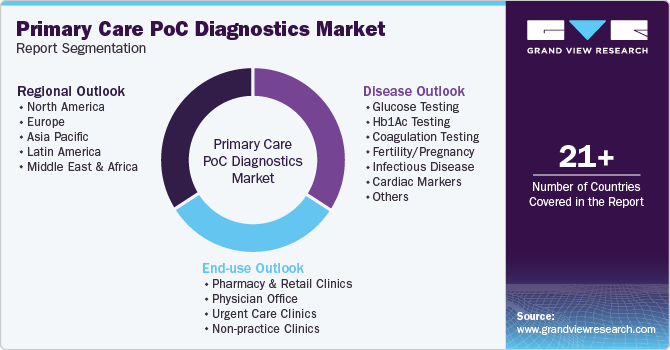
This report forecasts revenue growth at global, regional, and country levels and provides an analysis of the latest industry trends in each of the sub-segments from 2021 to 2033. For this study, Grand View Research has segmented the global primary care PoC diagnostics market report based on disease, end use, and region:
 To learn more about this report, Download Free Sample Report
 -
Disease Outlook (Revenue, USD Million, 2021 - 2033)
-
Glucose Testing
-
Hb1Ac Testing
-
Coagulation Testing
-
Fertility/Pregnancy
-
Infectious Disease
-
Cardiac Markers
-
Thyroid Stimulating Hormone
-
Hematology
-
Primary Care Systems
-
Decentralized Clinical Chemistry
-
Feces
-
Lipid Testing
-
Cancer Marker
-
Blood Gas/Electrolytes
-
Ambulatory Chemistry
-
Drug of Abuse (DOA) Testing
-
Autoimmune Diseases
-
Urinalysis/Nephrology
-
-
End Use Outlook (Revenue, USD Million, 2021 - 2033)
-
Pharmacy & Retail Clinics
-
Physician Office
-
Urgent Care Clinics
-
Non-practice Clinics
-
-
Regional Outlook (Revenue, USD Million, 2021 - 2033)
-
North America
-
U.S.
-
Canada
-
Mexico
-
-
Europe
-
UK
-
Germany
-
France
-
Italy
-
Spain
-
Denmark
-
Sweden
-
Norway
-
-
Asia Pacific
-
Japan
-
China
-
India
-
Australia
-
South Korea
-
Thailand
-
-
Latin America
-
Brazil
-
Argentina
-
-
Middle East & Africa
-
South Africa
-
Saudi Arabia
-
UAE
-
Kuwait
-
-
Research Methodology
The primary care PoC diagnostics market figures in this report are based on a proven research process that combines executive interviews with secondary research from proprietary databases, company filings, and recognized regulatory and institutional sources. Market size is built through value-chain sizing - reconciling supply-side and demand-side estimates - and triangulated with bottom-up and top-down approaches. Every estimate passes multiple levels of expert validation before publication, with each primary care PoC diagnostics segment quantified using the revenue-capture definitions in the table below.
Segment Definition
Segment - Disease
Revenue capture definition
Glucose Testing
Revenue is primarily captured through blood glucose meters, test strips, lancets, control solutions, continuous glucose monitoring compatible point of care devices, and related consumables used for diabetes screening and routine glucose monitoring.
HbA1c Testing
Revenue flows from point of care HbA1c analyzers, cartridge-based assays, reagent kits, calibrators, controls, and consumables used for long term glycemic assessment and diabetes management in primary care settings.
Coagulation Testing
Revenue is derived from portable coagulation analyzers, PT INR test cartridges, reagent strips, quality controls, and associated consumables used for anticoagulation monitoring and coagulation assessment at the point of care.
Fertility/Pregnancy
Revenue is captured through pregnancy test kits, ovulation testing devices, fertility hormone assays, rapid diagnostic cartridges, and related consumables used for reproductive health screening in primary care and home care settings.
Infectious Disease
Revenue flows from rapid antigen tests, molecular point of care platforms, assay cartridges, lateral flow tests, reagents, and consumables used for detecting bacterial, viral, and parasitic infections during patient consultations.
Cardiac Markers
Revenue is primarily captured through point of care cardiac biomarker analyzers, troponin, CK MB, BNP, and myoglobin assay cartridges, reagents, controls, and consumables used for rapid cardiovascular risk assessment.
Thyroid Stimulating Hormone
Revenue is derived from point of care immunoassay analyzers, TSH assay cartridges, reagent kits, calibrators, controls, and consumables used for thyroid function screening and monitoring in outpatient settings.
Hematology
Revenue flows from portable hematology analyzers, complete blood count reagent kits, quality controls, calibrators, and consumables used for rapid blood cell analysis in primary healthcare facilities.
Primary Care Systems
Revenue is captured through integrated point of care diagnostic workstations, multi test analyzers, connectivity software, middleware, accessories, and service offerings designed to support routine diagnostic workflows in primary care practices.
Decentralized Clinical Chemistry
Revenue includes portable clinical chemistry analyzers, chemistry reagent cartridges, electrolyte and metabolite assay kits, controls, calibrators, and consumables used for routine biochemical testing outside centralized laboratories.
Feces
Revenue is primarily captured through fecal occult blood tests, fecal immunochemical tests, stool antigen assays, collection devices, reagent kits, and consumables used for gastrointestinal disease screening and diagnosis.
Lipid Testing
Revenue flows from point of care lipid analyzers, cholesterol and triglyceride test strips, reagent cartridges, controls, and consumables used for cardiovascular risk screening and lipid profile assessment.
Cancer Marker
Revenue is derived from point of care tumor marker assay kits, immunoassay cartridges, reagent systems, controls, and consumables used for supportive cancer risk assessment and disease monitoring where applicable.
Blood Gas/Electrolytes
Revenue is captured through portable blood gas analyzers, electrolyte testing cartridges, calibration solutions, quality controls, sensors, and consumables used for rapid assessment of acid base balance and electrolyte status.
Ambulatory Chemistry
Revenue flows from compact chemistry analyzers, single use reagent cartridges, calibration materials, controls, and consumables used for routine biochemical testing in physician offices and ambulatory care facilities.
Drug of Abuse (DOA) Testing
Revenue is primarily captured through rapid drug screening kits, immunoassay test panels, oral fluid and urine testing devices, reagent cartridges, and consumables used for substance abuse detection in outpatient settings.
Autoimmune Diseases
Revenue is derived from point of care autoimmune assay kits, immunoassay cartridges, analyzers, controls, calibrators, and consumables used for screening selected autoimmune biomarkers in decentralized healthcare settings.
Urinalysis/Nephrology
Revenue flows from urine analyzers, dipsticks, urine reagent strips, microalbumin testing kits, sediment analysis consumables, and related accessories used for kidney function assessment and urinary tract disease screening.
Segment - End Use
Revenue capture definition
Pharmacy & Retail Clinics
Revenue is primarily captured through point of care diagnostic instruments, rapid test kits, single use cartridges, reagent strips, and consumables supplied to retail pharmacies and retail-based healthcare clinics for routine patient testing.
Physician Office
Revenue flows from compact diagnostic analyzers, rapid assay kits, test cartridges, reagent systems, connectivity software, and consumables used by physicians for onsite diagnosis and immediate clinical decision making during patient consultations.
Urgent Care Clinics
Revenue is derived from rapid molecular platforms, immunoassay analyzers, blood chemistry devices, infectious disease tests, cardiac marker assays, and associated consumables used for immediate diagnosis and treatment of acute medical conditions.
Non-practice Clinics
Revenue is captured through point of care diagnostic devices, screening assays, portable analyzers, test kits, consumables, and related accessories supplied to community health centers, occupational health facilities, and other non-physician operated healthcare settings.
Estimation Model
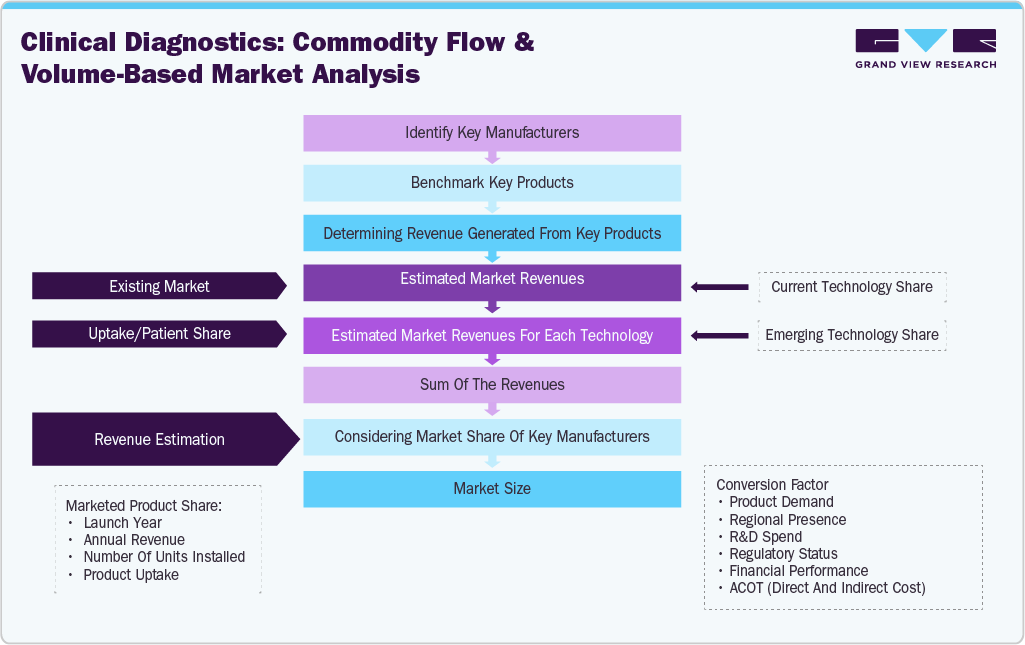
The Primary Care Point of Care Diagnostics Market was estimated using a bottom-up approach by identifying key manufacturers, benchmarking their primary care point of care diagnostic product portfolios, and evaluating sales from relevant diagnostic products across major disease categories and end use settings. Market estimates were validated using technology adoption trends, patient testing volumes, and the market shares of leading companies, with the aggregated values used to determine the overall market size.
 To learn more about this report, Download Free Sample Report
 Delivered Customizations
This report has been delivered with the following In-depth customizations
CLIENT REQUEST
CUSTOMIZATION DELIVERED
VALUE ADDS
Primary Care Point of Care Diagnostics Competitive Landscape & Technology Assessment
Assessed the global primary care point of care diagnostics market across glucomose monitoring, HbA1c testing, infectious disease diagnostics, cardiac markers, coagulation testing, urinalysis, decentralized clinical chemistry, and digital connectivity solutions. Evaluated competitive positioning, product portfolios, technology advancements, strategic developments, and adoption trends across physician offices, retail clinics, urgent care centers, and community healthcare settings.
Helped the client identify technology adoption opportunities, benchmark competitive capabilities, evaluate product differentiation, prioritize strategic investments, and assess market expansion opportunities across the primary care point of care diagnostics industry.
Primary Care Point of Care Diagnostics Product & Technology Benchmarking Study
Delivered comprehensive benchmarking of primary care point of care diagnostics platforms across portable analyzers, rapid immunoassays, molecular diagnostics, glucose monitoring systems, urinalysis devices, connectivity software, and workflow solutions. Assessed diagnostic accuracy, turnaround time, ease of use, connectivity, workflow efficiency, and product differentiation among leading market participants.
Enabled the client to evaluate technology competitiveness, identify product innovation opportunities, benchmark product development strategies, and prioritize investments in rapid diagnostics, decentralized testing, digital health integration, and primary care diagnostic technologies.
Primary Care Point of Care Diagnostics Clinical Adoption & Commercialization Assessment
Assessed primary healthcare infrastructure, diagnostic testing trends, reimbursement landscape, regulatory environment, procurement practices, patient testing volumes, and commercialization pathways influencing the adoption of point of care diagnostic solutions across major regional markets.
Supported commercialization planning by identifying market entry opportunities, evaluating customer adoption patterns, assessing operational and investment considerations, mitigating commercialization risks, and strengthening long-term growth strategies across physician offices, retail clinics, urgent care centers, and primary healthcare providers.
Frequently Asked Questions About This Report
Some key players operating in the primary care POC diagnostics market include Roche Diagnostics, BD Biosciences, Danaher Corporation, Abbott Laboratories, Instrumentation Laboratory, bioMerieux, Siemens Healthcare, and Quidel Corporation.
Key factors that are driving the market growth include rapidly increasing healthcare expenditure within secondary & tertiary care and companies ensuring effective as well as unrestricted usage of point of care devices at primary care levels.
North America dominated the Primary Care Point of Care Diagnostics Market with the largest revenue share of 45.5% in 2025. Chronic diseases emerged as the leading cause of death and disability in Canada, as reported by the Ontario Agency for Health Protection and Promotion.
Asia Pacific primary care PoC diagnostics market is expected to register the fastest CAGR in the forecast period. The growth in demand for PoC diagnostic devices is largely attributed to the increasing incidence of chronic diseases.
Based on disease, the infectious disease segment led the market with the largest revenue share of 31.9% in 2025, due to rising prevalence, rapid technological advancements, and the necessity for swift diagnoses. The rising prevalence of diseases such as HIV, tuberculosis, influenza, and hepatitis necessitated rapid diagnostic tools for efficient outbreak management.
The expansion of digital healthcare and decentralized diagnostic services presents a significant opportunity for the Primary Care Point of Care Diagnostics Market. Healthcare systems are increasingly shifting routine diagnostic testing closer to patients to improve accessibility, reduce the burden on centralized laboratories, and support faster clinical decision making.
The global primary care POC diagnostics market size was estimated at USD 1.4 billion in 2025 and is expected to reach USD 1.5 billion in 2026.
The global primary care POC diagnostics market is expected to grow at a compound annual growth rate of 3.6% from 2026 to 2033 to reach USD 1.9 billion by 2033.
Pharmacy & retail clinics dominated the primary care POC diagnostics market with a share of 45.2% in 2025. This is attributed to an increase in the number of people covered under healthcare plans, which has resulted in improved availability of point-of-care testing at pharmacies.
About the Author(s)
Clinical Diagnostics Research Team
Healthcare · Clinical DiagnosticsThis report was authored by the clinical diagnostics research team at Grand View Research - comprising two research analysts, one senior research analyst, and one industry expert - with specialized expertise in the clinical diagnostics segment of the healthcare industry. All findings are based on proprietary healthcare databases, executive interviews, and regulatory analysis, subject to internal peer review prior to publication.
Last Updated:
Speak to Analyst

Customize this report to your needs - add regions, segments, or data points, with 20% free customization.
Or view our licence options:


ISO 9001:2015 & 27001:2022 Certified
We are GDPR and CCPA compliant! Your transaction & personal information is safe and secure. For more details, please read our privacy policy.


