
- Home
- »
- Pharmaceuticals
- »
-
Spasticity Treatment Market Size & Share Report, 2026-2033GVR Report cover

Spasticity Treatment Market (2026 - 2033)
Size, Share & Trends Analysis Report By Drug Class (Skeletal Muscle Relaxants, Botulinum Neurotoxin Therapies), By Indication, By Route Of Administration, By Distribution Channel, By Region, And Segment Forecasts
Market Size, 2025
$1.6BMarket Estimate, 2026
$1.7BMarket Forecast, 2033
$2.6BCAGR, 2026–2033
6.2%Spasticity Treatment Market Summary
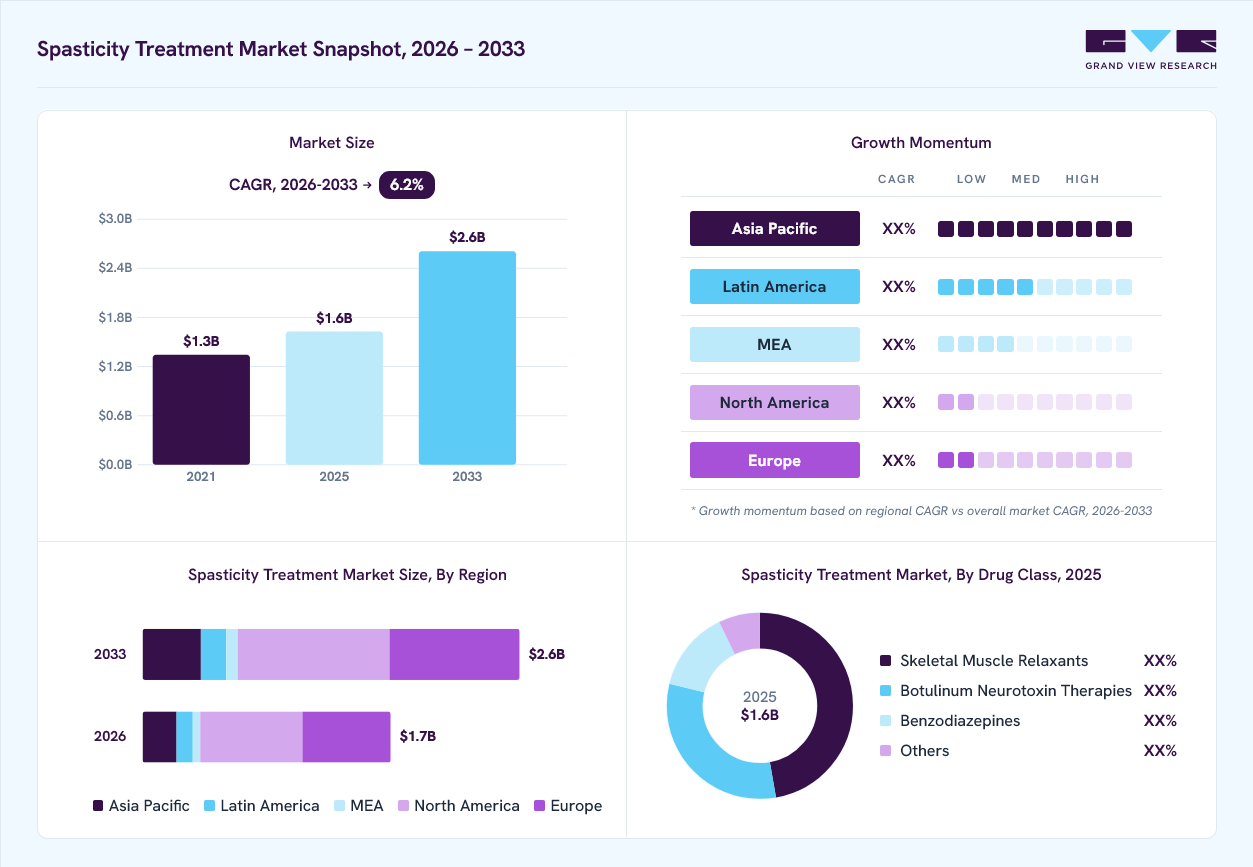
The global spasticity treatment market size was valued at USD 1.6 billion in 2025 and is projected to grow from USD 1.7 billion in 2026 to USD 2.6 billion by 2033, at a CAGR of 6.2% from 2026 to 2033. North America dominated the market, accounting for the largest global share of 41.2% 2025. The market growth is driven by the increasing diagnosis of neurological disorders that commonly lead to muscle spasticity, including multiple sclerosis, cerebral palsy, stroke, traumatic brain injury, and spinal cord injury.
 Source: Grand View Research, IR Documents, Primary Interviews, Paid DatabasesTo learn more about this report,
 Download Free Sample Report
Key Market Trends & Insights
- By drug class: Skeletal muscle relaxants held the largest revenue share of 47.2% in 2025.
- By indication: Multiple sclerosis held the largest revenue share of 32.7% in 2025.
- By route of administration: Oral segment held the largest revenue share of 59.5% in 2025.
- By distribution channel: Hospital pharmacies held the largest revenue share in 2025.
Regional Highlights
- Largest regional market: North America (41.2% revenue share, 2025)
- Fastest-growing regional market: Asia Pacific (fastest CAGR, 2026-2033)
- By country: The U.S. is expected to grow significantly from 2026 to 2033.
Market Size & Forecast
- Market Size in 2025: USD 1.6 Billion
- Estimated Market Size in 2026: USD 1.7 Billion
- Projected Market Size by 2033: USD 2.6 Billion
- CAGR (2026-2033): 6.2%
Prism AI by Grand View Research Free to tryAsk a question about the spasticity treatment marketTry asking✓Every figure cited from GVR research Prefer the report? Download free sample →
The growing aging population has contributed to a higher number of stroke survivors and patients with chronic neurological conditions requiring long-term spasticity management. Treatment continues to rely on a combination of oral medications, botulinum toxin injections, intrathecal baclofen therapy, physical rehabilitation, and surgical interventions based on disease severity and patient needs. Healthcare providers are placing greater emphasis on multidisciplinary care to improve mobility, reduce pain, prevent contractures, and enhance functional independence. The availability of advanced rehabilitation services, improved access to specialist neurology care, and increasing awareness of early intervention support treatment adoption across developed healthcare systems. At the same time, ongoing clinical research focused on novel neurotoxin formulations, improved drug delivery methods, and regenerative approaches is expanding future treatment possibilities while addressing the limitations associated with long-term symptom management.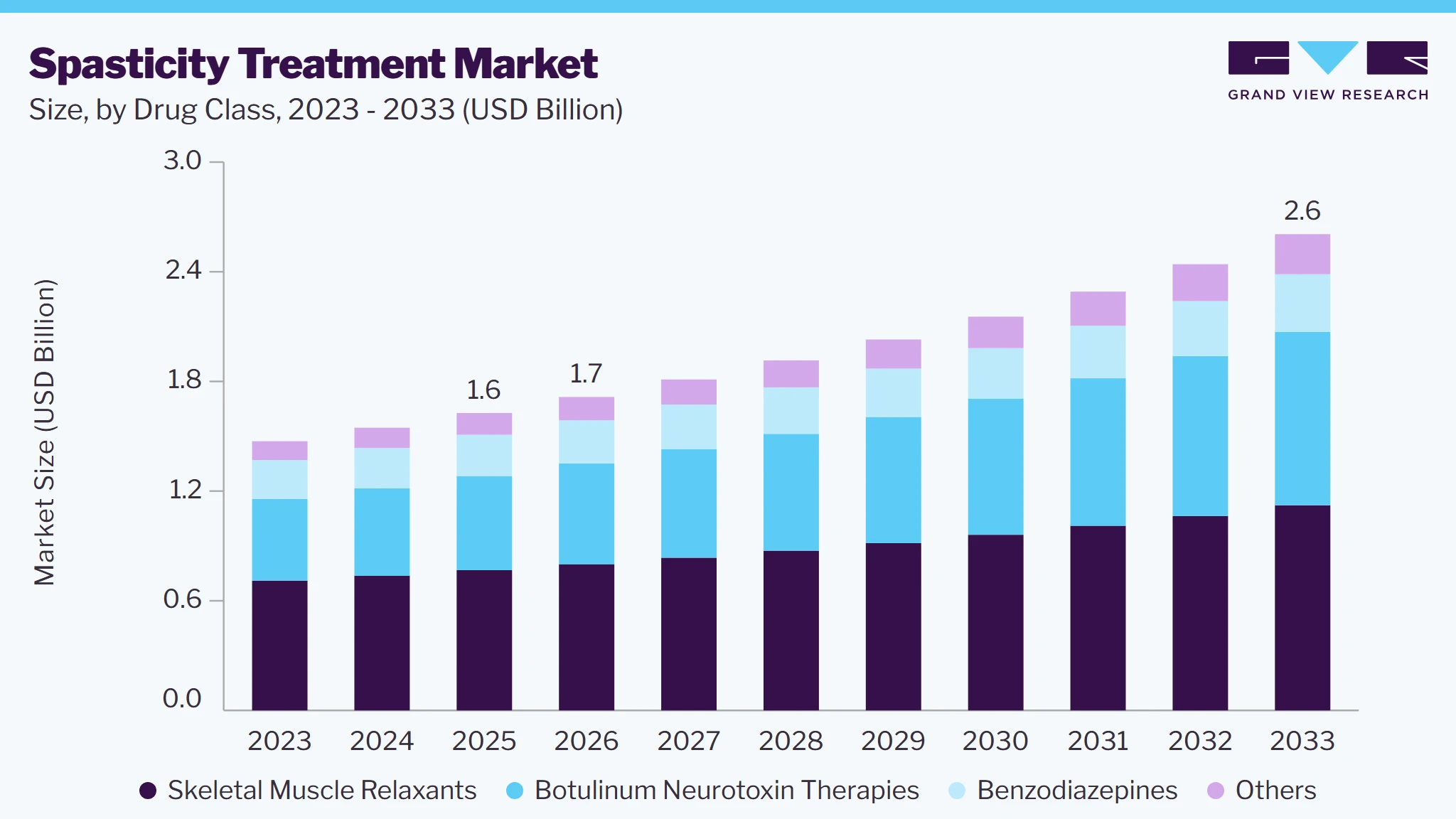 To learn more about this report, Download Free Sample Report
Market Dynamics
The increasing prevalence of neurological disorders such as stroke, multiple sclerosis, cerebral palsy, traumatic brain injury, and spinal cord injury is driving demand for spasticity treatment worldwide. Improvements in emergency care and rehabilitation have increased survival rates following neurological injuries, resulting in a larger patient population requiring long-term management of muscle stiffness and involuntary muscle contractions. Healthcare providers are adopting a multidisciplinary approach that combines pharmacological therapy, botulinum toxin injections, intrathecal baclofen therapy, and physical rehabilitation to improve functional mobility and quality of life. The growing availability of specialized neurology and rehabilitation centers has also improved patient access to treatment. In addition, clinical guidelines continue to recommend early intervention to reduce disability and prevent secondary complications associated with chronic spasticity.
The cost of spasticity treatment remains a significant challenge for patients and healthcare systems, particularly in low- and middle-income countries. Many patients require repeated botulinum toxin injections every few months, continuous oral medication, prolonged physiotherapy, occupational therapy, and regular follow-up with rehabilitation specialists. Patients with severe spasticity may also require intrathecal baclofen pump implantation, which involves substantial procedural and maintenance costs. These long-term expenses can limit treatment adherence, especially where reimbursement coverage is limited or patients rely on out-of-pocket spending. Access to trained neurologists, physiatrists, rehabilitation physicians, and specialized injection centers also varies across regions, creating differences in treatment availability. In addition, delayed diagnosis, inadequate referral pathways, and limited awareness among patients can postpone treatment initiation, reducing clinical benefits. Although several effective therapies are available, the need for continuous management rather than curative treatment increases the overall economic burden on healthcare providers and patients, which continues to restrict broader adoption across many developing healthcare markets.
The development of new botulinum toxin formulations and the expansion of approved indications are creating growth opportunities in the spasticity treatment market. Manufacturers are investing in products with improved dosing flexibility, broader patient eligibility, and evidence supporting long-term safety and effectiveness. These developments are helping physicians manage pediatric and adult spasticity across different neurological conditions while expanding treatment access. At the same time, increasing regulatory support for label expansion allows companies to address previously underserved patient groups. Healthcare providers are also integrating advanced injection guidance techniques with rehabilitation programs to improve clinical outcomes. For instance, in June 2026, Merz Therapeutics received a U.S. FDA label update that expanded the indication of incobotulinumtoxinA to include pediatric upper limb spasticity associated with cerebral palsy in children and adolescents aged 2 years and older, broadening the eligible patient population and supporting wider clinical use of botulinum toxin therapy for spasticity.
Market Concentration & Characteristics
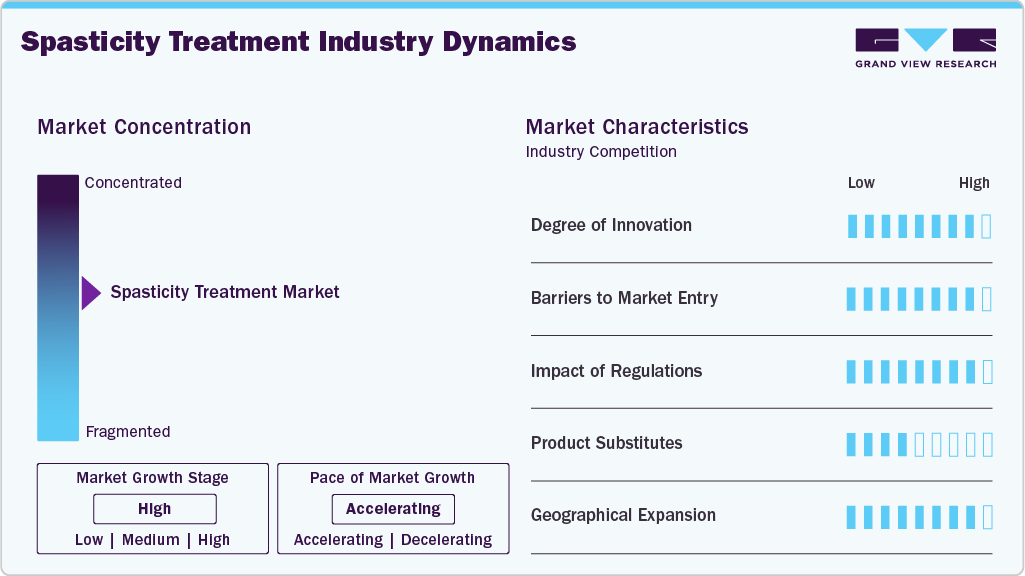
Innovation in the spasticity treatment market is high because companies continue to develop improved botulinum toxin formulations, drug delivery systems, and neuromodulation technologies. Clinical research is focused on extending treatment duration, improving dosing flexibility, and reducing adverse effects. Companies are also evaluating regenerative medicine and combination rehabilitation approaches to improve functional outcomes. Digital rehabilitation tools and image-guided injection techniques are supporting treatment precision. Although oral therapies remain established, product development is mainly directed toward biologics and advanced neurological treatments. Continuous investment in clinical studies and regulatory approvals supports a steady flow of product improvements, making innovation an important competitive factor across both developed and emerging healthcare markets.
Barriers to entry are high because companies must complete extensive clinical development and obtain regulatory approvals before introducing new therapies. Manufacturing botulinum toxin products requires specialized production facilities, strict quality control, and technical expertise. Market participants also need strong relationships with neurologists, rehabilitation specialists, and hospitals to support product adoption. Long development timelines, high research costs, intellectual property protection for biologics, and post-marketing safety requirements increase entry challenges. In addition, physician confidence is often built through long-term clinical evidence, making it difficult for new companies to compete with established manufacturers that already have recognized products and broad commercial networks.
 To learn more about this report, Download Free Sample Report
The impact of regulations is high because spasticity treatments are subject to strict review for quality, safety, and clinical effectiveness. Regulatory agencies require detailed evidence from clinical trials before approving new drugs, biologics, or medical devices. Manufacturing facilities must comply with current good manufacturing practices, while post-marketing surveillance is required to monitor product safety. Label expansions for new indications also require additional clinical evidence. These regulatory requirements improve patient safety and treatment quality but increase development costs and approval timelines. Companies that maintain strong regulatory compliance are better positioned to expand into additional markets and introduce new indications for existing therapies.
The threat of product substitutes is moderate because spasticity management involves multiple treatment approaches rather than direct product replacement. Oral medications, botulinum toxin injections, intrathecal baclofen therapy, physiotherapy, occupational therapy, orthopedic procedures, and neurosurgical interventions may be selected depending on disease severity and patient response. In many cases, these therapies are used together instead of replacing one another. Treatment decisions are influenced by clinical condition, physician assessment, patient age, and functional goals. Since no single therapy is suitable for all patients, substitution remains limited, supporting continued demand across different treatment categories within the market.
Geographical expansion is high as companies continue to strengthen their presence in Asia Pacific, Latin America, the Middle East, and other developing healthcare markets. Rising diagnosis of neurological disorders, improving access to rehabilitation services, and increasing availability of specialist neurology care are supporting market expansion. Manufacturers are obtaining regulatory approvals in additional countries, expanding distribution partnerships, and improving supply networks to increase patient access. Healthcare investments and growing awareness of early spasticity management are also supporting wider adoption of advanced therapies. These factors provide opportunities for companies to expand their commercial presence beyond established markets in North America and Europe.
Analyst Perspective
The spasticity treatment market is positioned for steady growth, supported by the increasing burden of neurological disorders and greater use of targeted treatment approaches. Continued product innovation, expanding rehabilitation services, and wider access to specialist neurological care are improving treatment adoption. Companies focusing on differentiated therapies and regional expansion are expected to strengthen their market position.
Drug Class Insights
The skeletal muscle relaxants segment accounted for the largest market share of 47.2% in 2025. The segment maintained its leading position due to its broad use as a first-line pharmacological option for managing generalized spasticity across multiple neurological disorders, including multiple sclerosis, stroke, spinal cord injury, and cerebral palsy. These medicines are widely prescribed due to established clinical experience, availability of multiple generic formulations, and suitability for long-term symptom management. Their oral administration supports routine outpatient treatment and improves patient convenience. Healthcare providers also use skeletal muscle relaxants in combination with rehabilitation programs to improve muscle control and physical function. In addition, broad availability through hospital and retail pharmacies supports consistent patient access, making this drug class the most widely used treatment option across different healthcare systems.
The botulinum neurotoxin therapies segment is projected to grow at the fastest CAGR of 8.1% during the forecast period. Growth is supported by the increasing preference for targeted treatment of focal spasticity, where localized muscle relaxation can improve movement and daily function without producing widespread systemic effects. Physicians are expanding the use of these therapies for upper and lower limb spasticity associated with stroke, cerebral palsy, and other neurological disorders. Growing clinical evidence supporting repeat treatment, improved injection techniques, and individualized dosing is strengthening physician confidence. Increasing availability of trained specialists and dedicated rehabilitation centers is also supporting treatment adoption. Continued expansion of approved indications and broader patient eligibility are expected to increase the use of botulinum neurotoxin therapies across developed and emerging healthcare markets.
Indication Insights
The multiple sclerosis segment accounted for the largest market share of 32.7% in 2025. The segment led the market due to the high prevalence of spasticity among patients with multiple sclerosis and the need for long-term symptom management throughout the course of the disease. Patients often require continuous pharmacological treatment to control muscle stiffness and improve mobility. The availability of multiple treatment options, including oral medicines, botulinum neurotoxin therapies, and intrathecal therapy for severe cases, supports broad clinical use. Regular follow-up with neurologists and rehabilitation specialists also contributes to sustained treatment demand. In addition, increasing awareness of early spasticity management and the integration of rehabilitation programs into routine care continue to support the leading position of this segment.
The stroke segment is projected to grow at the fastest CAGR of 6.7% during the forecast period. Growth is supported by the increasing number of stroke survivors who experience long-term neurological complications, including upper and lower limb spasticity. Improvements in emergency stroke care have increased survival rates, resulting in a larger patient population requiring rehabilitation and ongoing symptom management. Healthcare providers are placing greater emphasis on early identification and treatment of post-stroke spasticity to improve physical function and daily activities. The growing use of multidisciplinary rehabilitation programs, combined with wider adoption of targeted pharmacological therapies, is increasing treatment demand. Expanding access to specialized stroke rehabilitation services and continued clinical focus on functional recovery are expected to support the steady growth of this segment.
Route of Administration Insights
The oral segment accounted for the largest market share of 59.5% in 2025. The segment maintained its leading position due to the widespread use of oral medicines as the first treatment option for patients with mild to moderate generalized spasticity. Oral therapies are easy to administer, support long-term treatment, and are widely available in both branded and generic formulations. They are commonly prescribed for neurological conditions such as multiple sclerosis, spinal cord injury, stroke, and cerebral palsy. Their broad availability through hospital, retail, and online pharmacies improves patient access and treatment continuity. In addition, lower administration complexity compared to injectable and intrathecal therapies makes oral medicines suitable for routine outpatient care, supporting their continued dominance across the market.
The injectable segment is projected to grow at the fastest CAGR of 8.2% during the forecast period. Growth is driven by the increasing use of targeted therapies for focal spasticity, where localized treatment improves muscle function while limiting systemic exposure. Physicians are increasingly selecting injectable therapies for patients with upper and lower limb spasticity associated with stroke, cerebral palsy, and other neurological disorders. Advances in injection guidance techniques and growing clinical experience are improving treatment precision and patient outcomes. The expanding availability of botulinum neurotoxin products and increasing access to trained specialists are supporting broader adoption. In addition, the growing focus on individualized treatment plans and functional recovery is expected to increase the use of injectable therapies across specialized neurology and rehabilitation centers.
Distribution Channel Insights
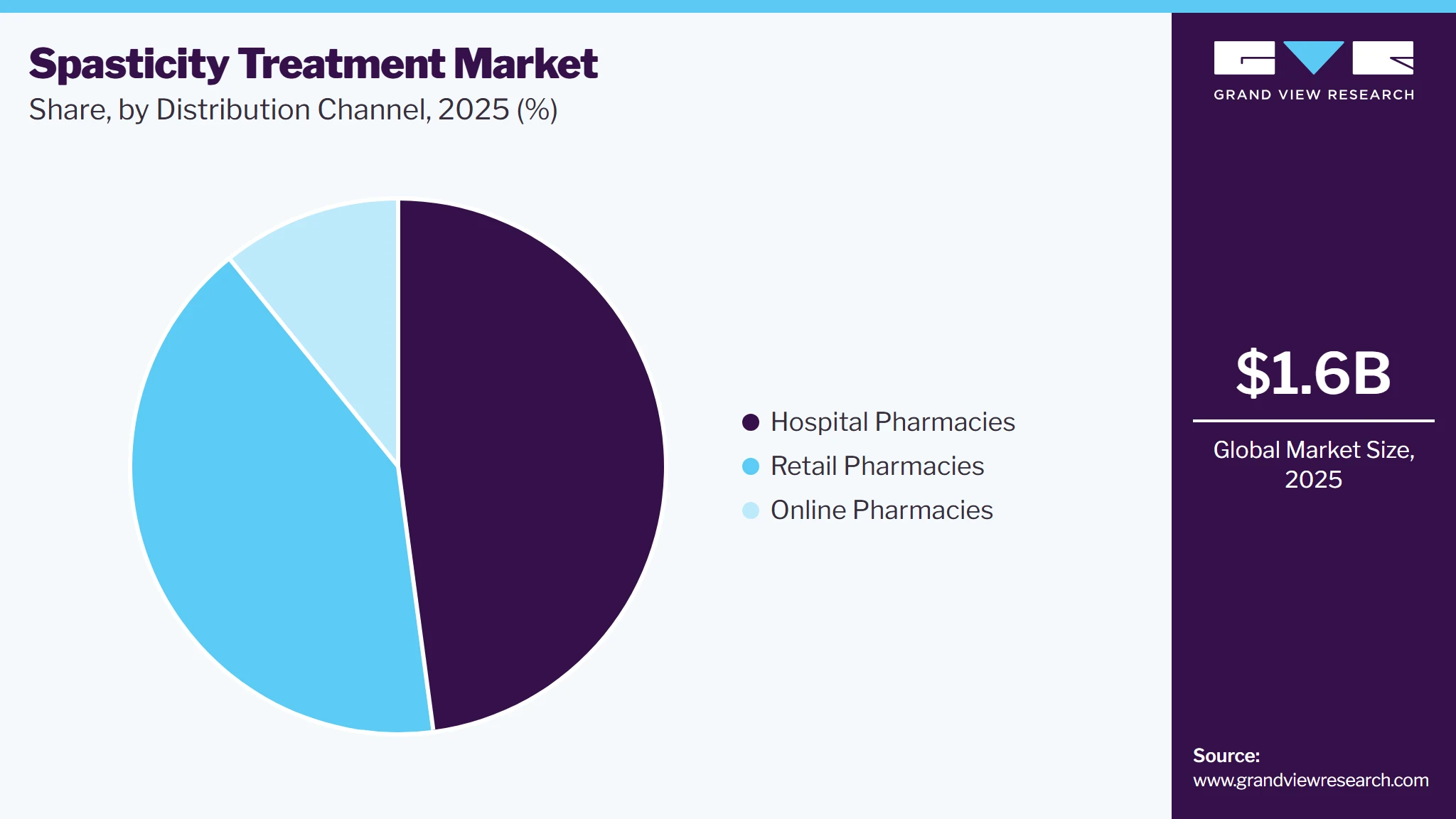
The hospital pharmacies segment accounted for the largest market share of 47.9% in 2025. The segment led the market due to the high volume of patients receiving diagnosis and treatment in hospitals and specialty neurology centers. Injectable botulinum neurotoxin therapies and intrathecal drug therapies are commonly administered in hospital settings under the supervision of trained healthcare professionals. Hospitals also provide multidisciplinary care that combines pharmacological treatment with rehabilitation services, supporting better patient management. The availability of neurologists, rehabilitation specialists, and advanced treatment facilities strengthens patient preference for hospital-based care. In addition, hospitals maintain a consistent supply of prescription medicines for both inpatient and outpatient treatment, supporting the dominant position of this distribution channel in the market.
 To learn more about this report, Download Free Sample Report
The online pharmacies segment is projected to grow at the fastest CAGR of 9.1% during the forecast period. Growth is supported by increasing adoption of digital healthcare services and greater patient preference for convenient medicine purchasing options. Patients receiving long-term oral therapy for spasticity are increasingly using online platforms for prescription refills and home delivery. The expansion of licensed digital pharmacy networks and secure prescription verification systems has improved access to medicines across urban and semi-urban areas. Competitive pricing, improved delivery services, and wider availability of prescription products are encouraging greater use of online pharmacies. The increasing use of telemedicine for follow-up consultations is also supporting prescription fulfillment through online pharmacy platforms, contributing to steady growth in this segment.
Regional Insights
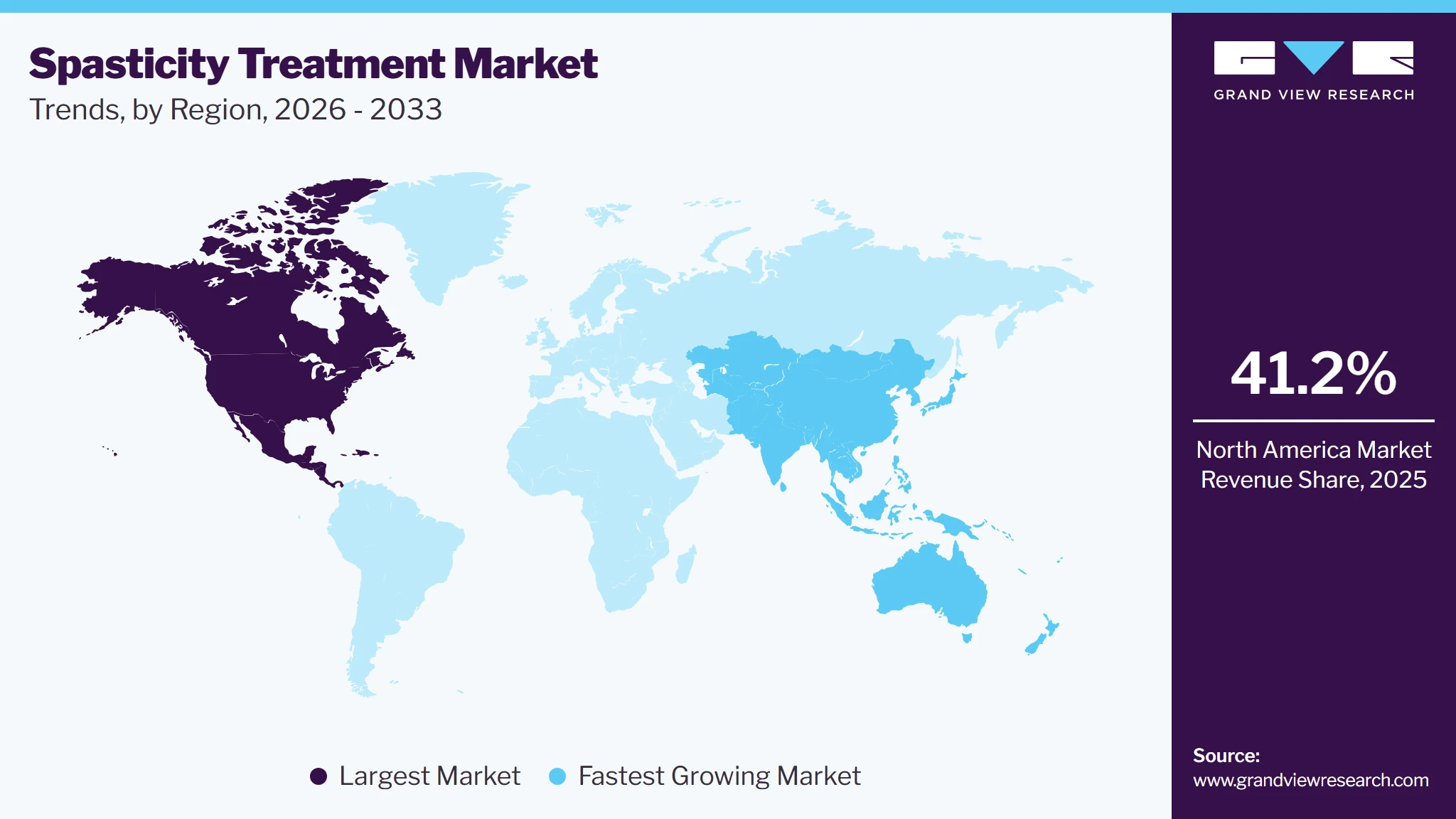
North America dominated the spasticity treatment market with a market share of 41.2% in 2025, due to the high diagnosis rate of neurological disorders, including stroke, multiple sclerosis, cerebral palsy, and spinal cord injuries. The region has a well-established network of neurology specialists, rehabilitation centers, and multidisciplinary treatment facilities that support timely patient management. The availability of advanced botulinum toxin therapies, intrathecal baclofen systems, and rehabilitation services has strengthened treatment adoption. Strong clinical research activity and broad use of evidence-based treatment protocols continue to improve patient outcomes. Healthcare providers increasingly focus on long-term functional recovery through integrated rehabilitation programs. These factors maintain North America's leading position in the global market.
 To learn more about this report, Download Free Sample Report
U.S. Spasticity Treatment Market Trends
The U.S. accounted for the largest share of the North American market due to its large patient population with chronic neurological disorders requiring long-term spasticity management. The country has extensive access to neurologists, physiatrists, and rehabilitation specialists who support early diagnosis and treatment planning. The use of botulinum toxin injections and implantable drug delivery systems is well established across major healthcare facilities. Continuous clinical studies improve physician confidence in advanced treatment options. Hospital systems increasingly adopt multidisciplinary rehabilitation programs to improve patient mobility and quality of life. These factors continue to support market expansion across the country.
Europe Spasticity Treatment Market Trends
Europe holds a significant position in the spasticity treatment industry through established neurological care services and increasing focus on rehabilitation medicine. The region reports a considerable patient population affected by multiple sclerosis and stroke-related disabilities requiring long-term treatment. Hospitals continue to expand access to pharmacological therapies and rehabilitation programs for improved functional outcomes. Clinical research collaborations contribute to the introduction of updated treatment approaches. Physicians increasingly use individualized treatment plans based on disease severity and patient response. These factors support stable market development across European countries.
The UK spasticity treatment market is supported by a growing number of patients living with neurological disorders that result in long-term muscle spasticity. Specialized neuroscience centers continue to improve patient referral pathways for diagnosis and rehabilitation services. Healthcare providers increasingly adopt multidisciplinary care involving neurologists, physiotherapists, and rehabilitation physicians. The use of botulinum toxin therapy has become an established option for managing focal spasticity in appropriate patients. Clinical research activities continue to improve treatment practices across specialist centers. These developments support steady demand for spasticity treatment.
The spasticity treatment market in Germany is a key growth area in Europe, due to its advanced rehabilitation infrastructure and broad availability of specialized neurological care. Hospitals and rehabilitation clinics regularly manage patients recovering from stroke, traumatic brain injury, and spinal cord injury. Physicians emphasize early intervention to reduce disability and improve physical function. The country has strong clinical expertise in botulinum toxin therapy and intrathecal baclofen treatment for severe spasticity. Increasing rehabilitation service utilization supports long-term patient management. These factors continue to strengthen market growth in Germany.
The France spasticity treatment market maintains a stable position through established neurological treatment pathways and rehabilitation services. The country has experienced increasing demand for long-term management of stroke and multiple sclerosis-related complications. Hospitals continue to integrate pharmacological treatment with physical rehabilitation to improve patient outcomes. Physicians focus on individualized treatment plans according to disease progression and functional limitations. Ongoing clinical practice improvements support effective use of advanced therapeutic options. These factors contribute to continued market expansion in France.
Asia Pacific Spasticity Treatment Market Trends
The Asia Pacific spasticity treatment industry is projected to grow at the fastest CAGR of 8.0% over the forecast period. Rising cases of stroke, cerebral palsy, traumatic brain injury, and spinal cord injury are increasing demand for long-term treatment across the region. Expanding healthcare infrastructure and improving availability of neurology specialists are supporting earlier diagnosis and treatment. Hospitals are increasing the adoption of advanced botulinum toxin therapies and rehabilitation services. Medical education and awareness of neurological rehabilitation continue to improve clinical practice. These factors support rapid market expansion across Asia Pacific.
The Japan spasticity treatment market is a major contributor in Asia Pacific, due to its aging population and high incidence of stroke-related neurological disability. Healthcare providers place strong emphasis on rehabilitation programs that improve mobility and daily functioning. Advanced neurological treatment facilities support the use of pharmacological therapies and specialized rehabilitation techniques. Physicians continue to adopt evidence-based treatment strategies for chronic spasticity management. Clinical research contributes to continuous improvement in patient care practices. These factors strengthen the country's position in the regional market.
The spasticity treatment market Chinais experiencing steady growth with increasing diagnosis of neurological disorders and expanding access to rehabilitation care. Large hospital networks continue to improve availability of neurology specialists and rehabilitation services across urban areas. Healthcare facilities are increasing the use of botulinum toxin therapy for appropriate patients with focal spasticity. Growing awareness of early rehabilitation improves long-term functional outcomes. Expansion of specialized medical centers supports access to advanced treatment options. These developments continue to drive market growth across China.
Latin America Spasticity Treatment Market Trends
The Latin American spasticity treatment industry is expanding with increasing recognition of neurological disorders requiring long-term rehabilitation and pharmacological treatment. Healthcare providers are improving diagnosis of stroke and spinal cord injury patients through better clinical services. Demand for rehabilitation programs continues to increase across major urban healthcare facilities. The availability of specialized neurological care is gradually improving in several countries. Physicians are adopting multidisciplinary treatment approaches to improve patient recovery. These factors support continued development of the regional market.
The Brazil spasticity treatment market is the largest in Latin America, driven by its large patient population and expanding rehabilitation services. Hospitals continue to strengthen neurological treatment programs for stroke and traumatic brain injury patients. Access to botulinum toxin therapy and rehabilitation specialists is improving across major healthcare centers. Clinical awareness of early spasticity management continues to increase among healthcare professionals. Rehabilitation services remain an important component of long-term patient care. These factors support steady market growth in Brazil.
Middle East & Africa Spasticity Treatment Market Trends
The Middle East & Africa spasticity treatment industry is developing with increasing diagnosis of neurological disorders and gradual expansion of rehabilitation services. Hospitals are improving access to neurology specialists and physical rehabilitation for patients with chronic disabilities. Demand for pharmacological treatment continues to rise with improving healthcare capacity in major countries. Medical centers are strengthening multidisciplinary care for neurological rehabilitation. Increasing awareness among healthcare professionals supports earlier treatment planning. These factors contribute to stable market development across the region.
The Saudi Arabia spasticity treatment market is one of the leading areas in Middle East & Africa through continued expansion of specialized neurological and rehabilitation services. Hospitals are increasing access to multidisciplinary care for patients affected by stroke and spinal cord injury. Physicians are adopting established treatment approaches that combine pharmacological therapy with rehabilitation programs. The availability of advanced medical facilities supports broader use of botulinum toxin therapy for appropriate patients. Growing diagnosis of neurological disorders continues to increase demand for long-term spasticity management. These factors support continued market growth in Saudi Arabia.
Key Spasticity Treatment Company Insights
The spasticity treatment market is moderately concentrated, with a few global pharmaceutical companies holding strong positions in botulinum toxin therapies and branded antispasticity drugs, while generic manufacturers maintain significant competition in oral medications. AbbVie Inc., Ipsen S.A., and Merz Therapeutics GmbH are key participants due to their established neurotoxin portfolios and broad presence in neurology. Eisai Co., Ltd., Teva Pharmaceutical Industries Ltd., Viatris Inc., Amneal Pharmaceuticals, Inc., Sun Pharmaceutical Industries Ltd., Hikma Pharmaceuticals PLC, and Endo, Inc. strengthen market competition through generic baclofen, tizanidine, diazepam, and other muscle relaxant products. Market competition is based on product effectiveness, regulatory approvals, physician preference, manufacturing capabilities, and distribution reach. Companies continue to expand their neurological portfolios through product development, geographic expansion, and lifecycle management strategies, supporting steady competition across developed and emerging healthcare markets.
Key Spasticity Treatment Companies
The following key companies have been profiled for this study of the spasticity treatment market.
-
AbbVie Inc.
-
Ipsen S.A.
-
Merz Therapeutics GmbH
-
Eisai Co., Ltd.
-
Teva Pharmaceutical Industries Ltd.
-
Viatris Inc.
-
Amneal Pharmaceuticals, Inc.
-
Sun Pharmaceutical Industries Ltd.
-
Hikma Pharmaceuticals PLC
-
Endo, Inc.
Competitive Benchmarking
Operating Strategies
Competitive Edge
Weaknesses
Mature Players: AbbVie Inc.
- Mature companies focus on strengthening their neurology portfolios through approved botulinum toxin therapies, muscle relaxants, and lifecycle management of existing products.
- Their strategies include expanding product indications, increasing clinical evidence, improving manufacturing capacity, obtaining regulatory approvals in new countries, and strengthening partnerships with hospitals and rehabilitation centers.
- They also invest in physician education, medical affairs, and geographic expansion to maintain their presence in developed and emerging markets.
- These companies benefit from established brands, broad global distribution networks, large manufacturing capabilities, and long experience in neurology.
- Their extensive regulatory expertise, strong relationships with healthcare providers, and diversified product portfolios support continued market presence.
- Ongoing clinical research and broad commercial infrastructure help them maintain steady demand across multiple regions.
- Mature companies face pricing pressure from generic manufacturers and increasing competition in established treatment categories. Maintaining global manufacturing operations, regulatory compliance, and post-marketing surveillance increases operating costs.
- Product lifecycle maturity may limit rapid revenue expansion, while dependence on a limited number of leading products may increase competitive pressure as alternative therapies become available.
Emerging Players: Eisai Co., Ltd.
- Emerging players focus on expanding their presence through generic muscle relaxants, regional product launches, manufacturing expansion, and portfolio diversification.
- They emphasize cost-efficient production, licensing agreements, product registrations in additional countries, and strategic partnerships to improve commercial reach.
- Many companies also strengthen their neurology portfolios through incremental product development and broader distribution channels.
- These companies compete through cost-effective manufacturing, flexible supply chains, and growing presence in regional pharmaceutical markets.
- Their ability to supply affordable treatment options and respond to local market demand supports business expansion.
- Strong expertise in generic pharmaceuticals also allows them to compete across hospital and retail pharmacy channels.
- Emerging companies have lower brand recognition in specialized spasticity therapies compared with established botulinum toxin manufacturers.
- Their product portfolios are largely concentrated in generic medicines, which creates pricing competition.
- Limited presence in advanced biologic therapies, smaller international commercial networks, and lower investment in large-scale neurological clinical research may restrict expansion in highly specialized treatment segments.
Recent Developments
-
In May 2026, Ipsen S.A. announced positive Phase IV DIRECTION study results for abobotulinumtoxinA in adults with upper limb spasticity, demonstrating a longer duration of response than onabotulinumtoxinA and supporting its use in long-term spasticity management.
-
In October 2025, AbbVie Inc. announced positive Phase II clinical trial results for onabotulinumtoxinA in a neurological movement disorder, strengthening the clinical evidence supporting its botulinum toxin platform used in neurological conditions, including spasticity management.
-
In January 2025, Hugel Inc. received approval in the United Arab Emirates for a botulinum toxin product in 50 IU, 100 IU, and 200 IU formulations covering five indications, including upper extremity muscle spasticity after stroke and cerebral palsy adduction deformity in children, supporting wider access to therapeutic options for spasticity management
Spasticity Treatment Market Report Scope
Report Attribute
Details
Market size in 2025
USD 1.6 billion
Estimated market size in 2026
USD 1.7 billion
Projected market size by 2033
USD 2.6 billion
Growth rate
CAGR of 6.2% from 2026 to 2033
Base year for estimation
2025
Historical data
2021 - 2024
Forecast period
2026 - 2033
Quantitative units
Revenue in USD million/billion, and CAGR from 2026 to 2033
Report coverage
Revenue forecast, company ranking, competitive landscape, growth factors, trends
Segments covered
Drug class, indication, route of administration, distribution channel, region
Regional scope
North America; Europe; Asia Pacific; Latin America; Middle East & Africa
Country scope
U.S.; Canada; Mexico; UK; Germany; France; Italy; Spain; Denmark; Sweden; Norway; China; Japan; India; Australia; South Korea; Thailand; Brazil; Argentina; South Africa; Saudi Arabia; UAE; Kuwait
Key company profiled
AbbVie Inc.; Ipsen S.A.; Merz Therapeutics GmbH; Eisai Co., Ltd.; Teva Pharmaceutical Industries Ltd.; Viatris Inc.; Amneal Pharmaceuticals, Inc.; Sun Pharmaceutical Industries Ltd.; Hikma Pharmaceuticals PLC; Endo, Inc.
Customization scope
Free report customization (equivalent up to 8 analysts working days) with purchase. Addition or alteration to country, regional & segment scope.
Pricing and purchase options
Avail customized purchase options to meet your exact research needs. Explore purchase options
Global Spasticity Treatment Market Report Segmentation
This report forecasts revenue growth at the global, regional, and country levels and provides an analysis of the latest industry trends in each of the sub-segments from 2021 to 2033. For this study, Grand View Research has segmented the global spasticity treatment market report based on drug class, indication, route of administration, distribution channel, and region:
-
Drug Class Outlook (Revenue, USD Million/Billion, 2021 - 2033)
-
Skeletal Muscle Relaxants
-
Botulinum Neurotoxin Therapies
-
Benzodiazepines
-
Others
-
-
Indication Outlook (Revenue, USD Million/Billion, 2021 - 2033)
-
Multiple Sclerosis
-
Cerebral Palsy
-
Stroke
-
Spinal Cord Injury
-
Traumatic Brain Injury
-
Others
-
-
Route of Administration Outlook (Revenue, USD Million/Billion, 2021 - 2033)
-
Oral
-
Injectable
-
Intrathecal
-
-
Distribution Channel Outlook (Revenue, USD Million/Billion, 2021 - 2033)
-
Hospital Pharmacies
-
Retail Pharmacies
-
Online Pharmacies
-
-
Regional Outlook (Revenue, USD Million/Billion, 2021 - 2033)
-
North America
-
U.S.
-
Canada
-
Mexico
-
-
Europe
-
UK
-
Germany
-
France
-
Italy
-
Spain
-
Denmark
-
Sweden
-
Norway
-
-
Asia Pacific
-
Japan
-
China
-
India
-
Australia
-
South Korea
-
Thailand
-
-
Latin America
-
Brazil
-
Argentina
-
-
Middle East & Africa
-
South Africa
-
Saudi Arabia
-
UAE
-
Kuwait
-
-
Research Methodology
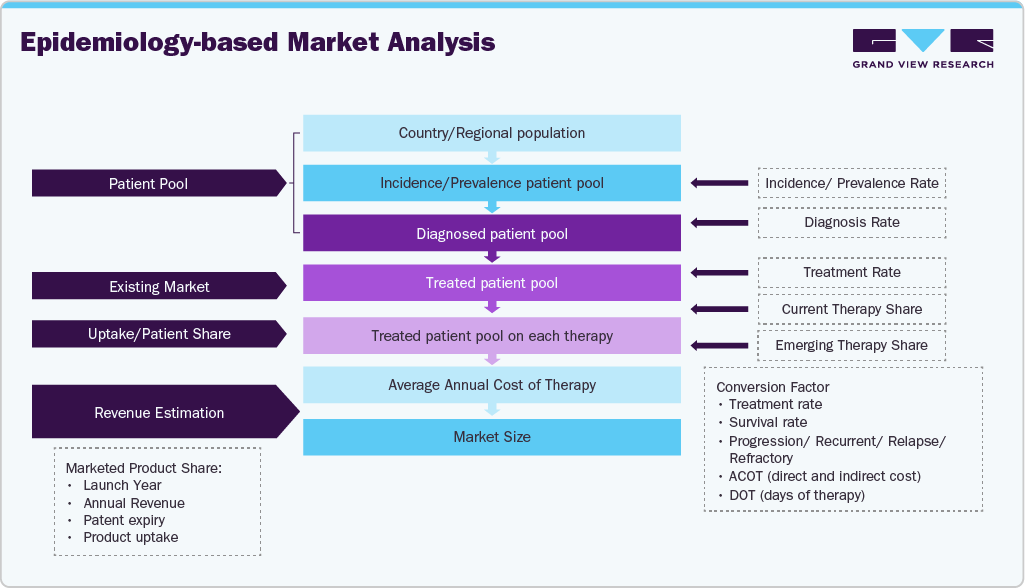
The spasticity treatment market figures in this report are based on a proven research process that combines executive interviews with secondary research from proprietary databases, company filings, and recognized regulatory and institutional sources. Market size is built through value-chain sizing - reconciling supply-side and demand-side estimates - and triangulated with bottom-up and top-down approaches. Every estimate passes multiple levels of expert validation before publication, with each spasticity treatment segment quantified using the revenue-capture definitions in the table below.
Segment Definition
Segment - Drug Class
Revenue capture definition
Skeletal Muscle Relaxants
Includes centrally acting pharmacological agents that reduce excessive muscle tone by modifying neural activity within the central nervous system. The segment consists of prescription medicines used for systemic management of spasticity across multiple neurological conditions.
Botulinum Neurotoxin Therapies
Includes botulinum neurotoxin products that temporarily inhibit neuromuscular signal transmission to reduce excessive muscle activity. The segment covers injectable biological therapies used for targeted management of focal spasticity affecting specific muscle groups.
Benzodiazepines
Includes benzodiazepine medicines prescribed to reduce muscle overactivity through enhancement of inhibitory neurotransmission within the central nervous system. The segment covers products used as supportive pharmacological therapy for selected patients with spasticity.
Others
Includes pharmacological therapies that are not classified as skeletal muscle relaxants, botulinum neurotoxin therapies, or benzodiazepines. The segment covers other prescription medicines used for spasticity management based on physician assessment and patient-specific treatment requirements.
Segment - Indication
Revenue capture definition
Multiple Sclerosis
Includes patients receiving spasticity treatment for muscle overactivity resulting from multiple sclerosis. The segment covers pharmacological management of spasticity associated with disease-related neurological impairment across different stages of disease progression.
Cerebral Palsy
Includes patients receiving spasticity treatment for motor impairment associated with cerebral palsy. The segment covers pediatric and adult populations requiring pharmacological therapy to manage muscle overactivity resulting from permanent neurological injury.
Stroke
Includes patients receiving spasticity treatment following ischemic or hemorrhagic stroke. The segment covers pharmacological management of muscle overactivity that develops as a neurological complication during post-stroke recovery and rehabilitation.
Spinal Cord Injury
Includes patients receiving spasticity treatment resulting from traumatic or non-traumatic spinal cord injury. The segment covers pharmacological therapies used to manage increased muscle tone associated with disruption of spinal motor pathways.
Traumatic Brain Injury
Includes patients receiving spasticity treatment following traumatic brain injury. The segment covers pharmacological management of muscle overactivity caused by damage to motor control pathways affecting movement and physical function.
Others
Includes patients with spasticity resulting from neurological disorders other than multiple sclerosis, cerebral palsy, stroke, spinal cord injury, and traumatic brain injury. The segment covers less common central nervous system conditions requiring pharmacological management of spasticity.
Segment - Route of Administration
Revenue capture definition
Oral
Includes spasticity therapies administered through the oral route in the form of tablets, capsules, powders, or liquid formulations. The segment is classified solely by the method of drug administration regardless of therapeutic class or clinical indication.
Injectable
Includes spasticity therapies administered through injection into targeted muscles or tissues. The segment is classified by the method of administration and includes products delivered through healthcare professionals for localized therapeutic effect.
Intrathecal
Includes spasticity therapies administered directly into the cerebrospinal fluid through an implantable intrathecal infusion system. The segment is classified exclusively by the route of administration for continuous central nervous system drug delivery.
Segment - Distribution Channel
Revenue capture definition
Hospital Pharmacies
Includes spasticity treatment products supplied through hospital pharmacy departments for inpatient care, outpatient specialty clinics, surgical procedures, and rehabilitation services under the supervision of qualified healthcare professionals.
Retail Pharmacies
Includes prescription spasticity treatment products dispensed through community, independent, and chain retail pharmacies for patients receiving ongoing outpatient pharmacological therapy following physician prescription.
Online Pharmacies
Includes prescription spasticity treatment products distributed through licensed online pharmacy platforms that provide digital ordering, prescription verification, and home delivery while complying with applicable pharmaceutical dispensing regulations.
Estimation Model
 To learn more about this report, Download Free Sample Report
Delivered Customizations
This report has been delivered with the following In-depth customizations
Client Request
Customization Delivered
Value Adds
Global Spasticity Treatment Market Opportunity Assessment (U.S., Europe & Asia-Pacific)
Conducted a detailed assessment of spasticity treatment opportunities across the U.S., Germany, France, the UK, China, Japan, and India. The study evaluated the prevalence of neurological disorders associated with spasticity, treatment adoption, prescribing patterns, product availability, pricing benchmarks, distribution channels, and rehabilitation service utilization across major healthcare markets.
Helped the client identify high-growth treatment markets, evaluate pricing strategies, assess product positioning, and prioritize regional expansion. The study also supported long-term business planning by identifying unmet treatment needs, therapy adoption trends, and commercial opportunities across developed and emerging healthcare markets.
Spasticity Treatment Pipeline & Competitive Benchmarking
Delivered a comprehensive benchmarking analysis of approved and pipeline spasticity therapies. The assessment covered oral therapies, botulinum neurotoxin products, intrathecal drug delivery systems, clinical-stage developments, licensing activities, strategic collaborations, manufacturing capabilities, intellectual property positioning, and commercialization opportunities across major global markets.
Enabled the client to identify licensing and acquisition opportunities, evaluate product pipeline strength, and prioritize investment decisions in spasticity treatment. The analysis also supported portfolio expansion, partnership evaluation, and competitive intelligence while improving long-term commercialization strategies across the neurological treatment market.
Emerging Market Spasticity Treatment Accessibility & Infrastructure Feasibility Study
Conducted a country-level feasibility assessment for expanding spasticity treatment access across Brazil, Saudi Arabia, South Africa, Indonesia, Mexico, and the UAE. The study analyzed specialist neurology services, rehabilitation infrastructure, treatment accessibility, product availability, distribution networks, regulatory pathways, and healthcare delivery capabilities supporting long-term spasticity management.
Supported market entry planning by identifying regions with increasing treatment demand, infrastructure gaps, distribution opportunities, and rehabilitation service needs. The study also helped improve resource allocation, strengthen regional expansion strategies, and identify commercial opportunities across underserved neurological care markets.
Frequently Asked Questions About This Report
The global spasticity treatment market size was valued at USD 1.6 billion in 2025 and is estimated at USD 1.7 billion for 2026.
The global spasticity treatment market is expected to grow at a CAGR of 6.2% from 2026 to 2033, reaching USD 2.6 billion by 2033.
Key factors include the increasing diagnosis of neurological disorders such as multiple sclerosis, stroke, cerebral palsy, and spinal cord injury, a growing aging population, rising demand for long-term spasticity management, improved rehabilitation infrastructure, and increasing adoption of botulinum toxin therapies and multidisciplinary care.
North America dominated the spasticity treatment market with a 41.2% revenue share in 2025, supported by high diagnosis rates, established neurological care infrastructure, specialist availability, and widespread adoption of advanced treatment options.
Asia Pacific is the fastest-growing regional market, with a projected CAGR of 8.0% during the forecast period, driven by increasing neurological disease burden, expanding healthcare infrastructure, improving access to specialists, and growing adoption of rehabilitation and advanced treatment options.
The skeletal muscle relaxants segment led the market with a 47.2% revenue share in 2025, supported by their established use for systemic management of spasticity across multiple neurological conditions.
Multiple sclerosis held the largest revenue share at 32.7% in 2025, reflecting the substantial use of pharmacological treatments for muscle overactivity associated with multiple sclerosis.
The oral route of administration dominated the market with a 59.5% revenue share in 2025, supported by the established use of oral muscle relaxants and other pharmacological therapies for systemic spasticity management.
Key players include AbbVie Inc., Ipsen S.A., Merz Therapeutics GmbH, Eisai Co., Ltd., Teva Pharmaceutical Industries Ltd., Viatris Inc., Amneal Pharmaceuticals, Inc., Sun Pharmaceutical Industries Ltd., Hikma Pharmaceuticals PLC, and Endo, Inc.
About the Author(s)
Pharmaceuticals Research Team
Healthcare · PharmaceuticalsThis report was authored by the pharmaceuticals research team at Grand View Research - comprising two research analysts, one senior research analyst, and one industry expert - with specialized expertise in the pharmaceuticals segment of the healthcare industry. All findings are based on proprietary healthcare databases, executive interviews, and regulatory analysis, subject to internal peer review prior to publication.
Last Updated:
Speak to Analyst

Customize this report to your needs - add regions, segments, or data points, with 20% free customization.
Or view our licence options:


ISO 9001:2015 & 27001:2022 Certified
We are GDPR and CCPA compliant! Your transaction & personal information is safe and secure. For more details, please read our privacy policy.


