
- Home
- »
- Animal Health
- »
-
Veterinary Injectables Market Size And Share Report, 2033GVR Report cover

Veterinary Injectables Market (2026 - 2033)
Size, Share & Trends Analysis Report By Product, By Animal, By Therapeutic Area, By Dosage Form, By Route Of Administration, By Drug Type, By Distribution Channel, By Region, And Segment Forecasts
Market Size, 2025
$23.7BMarket Estimate, 2026
$25.6BMarket Forecast, 2033
$46.5BCAGR, 2026–2033
8.9%Veterinary Injectables Market Summary
The global veterinary injectables market size was valued at USD 23.7 billion in 2025 and is projected to grow from USD 25.6 billion in 2026 to USD 46.5 billion by 2033, at 8.9% CAGR from 2026 to 2033. North America dominated the market, accounting for the largest revenue share of 35.2% in 2025. The market growth is driven by increasing demand for injectable antibiotics, vaccines, analgesics, anti-inflammatory drugs, anesthetics, and other therapeutic products across companion and production animals.
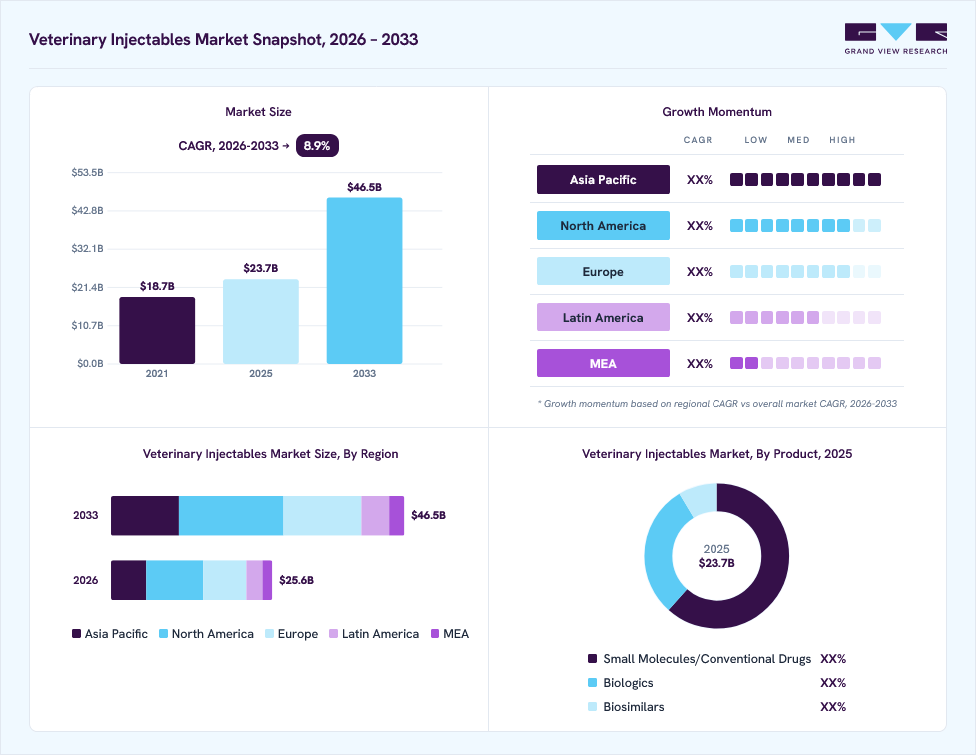 Source: Grand View Research, IR Documents, Primary Interviews, Paid DatabasesTo learn more about this report,
 Download Free Sample Report
Key Market Trends & Insights
- By product: Small molecules/conventional drugs held the largest market share of 61.5% in 2025
- By animal: Production animals held the largest market share of 60.8% in 2025
- By therapeutic area: Anti-infectives held the largest market share of 33.9% in 2025
- By dosage form: Solution held the largest revenue share of 47.0% in 2025
- By route of administration: Intramuscular administration held the largest revenue share of 43.0% in 2025
- By drug type: Branded segment held the largest revenue share of 58.1% in 2025
- By distribution channel: Veterinary hospitals and clinics held the largest revenue share of 46.5% in 2025
Regional Highlights
- Largest regional market: North America (35.2% revenue share, 2025)
- Fastest-growing regional market: Asia Pacific (fastest CAGR, 2026-2033)
- By country: The U.S. held the largest market share in 2025.
Market Size & Forecast
- Market Size in 2025: USD 23.7 Billion
- Estimated Market Size in 2026: USD 25.6 Billion
- Projected Market Size by 2033: USD 46.5 Billion
- CAGR (2026-2033): 8.9%
Prism AI by Grand View Research Free to tryAsk a question about the veterinary injectables marketTry asking✓Every figure cited from GVR research Prefer the report? Download free sample →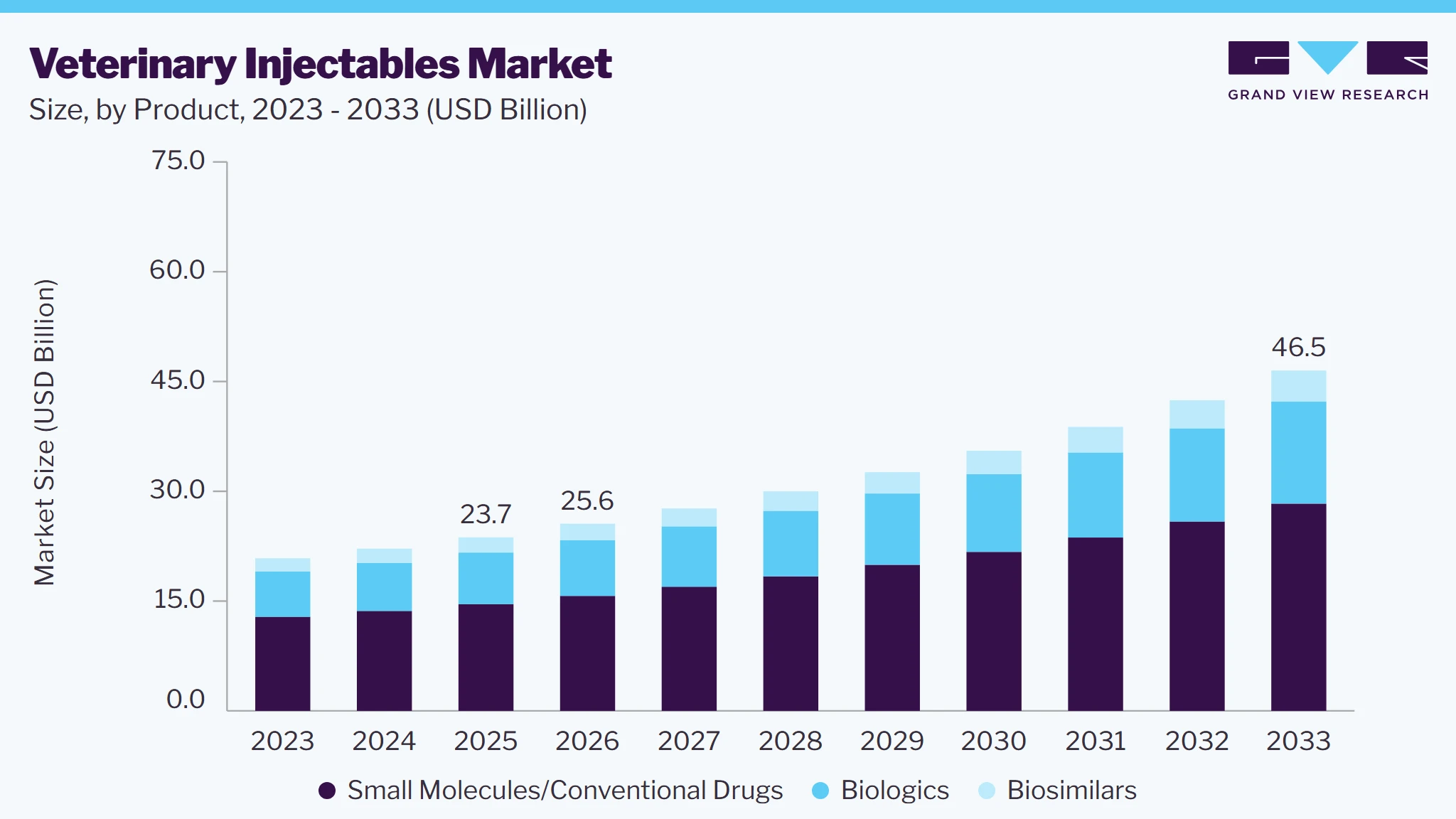 To learn more about this report, Download Free Sample Report
Rising prevalence of parasiticides, increasing livestock production, and greater adoption of preventive veterinary care support the demand for injectable treatments in the veterinary injectables industry. Moreover, technological advancements in long-acting formulations, injectable biologics, drug delivery systems, formulation development, and sterile manufacturing are improving treatment duration, dosing efficiency, product stability, and manufacturing scalability.Market Dynamics
The veterinary injectables market is supported by increasing development and adoption of injectable vaccines, antibiotics, analgesics, anti-inflammatory drugs, anesthetics, and other therapeutic products for companion and production animals. In addition, the growing number of injectable products across infectious, inflammatory, pain-related, reproductive, and metabolic conditions is increasing demand for sterile manufacturing, formulation, quality control, and fill-finish capabilities. These products require controlled formulation processes, sterility assurance, analytical testing, stability assessment, and compliant manufacturing systems. Thus, expansion of injectable veterinary product portfolios is expected to support market growth in the coming years.
In addition, branded and veterinary medicine manufacturers are outsourcing selected injectable development and manufacturing activities to specialized contract manufacturers due to the technical requirements associated with sterile production, specialized equipment, quality control, and regulatory compliance. In addition, contract manufacturers provide formulation development, process optimization, sterile manufacturing, analytical testing, packaging, and fill-finish services. This approach enables veterinary medicine developers to access specialized production capabilities without establishing dedicated injectable manufacturing facilities. The trend is particularly relevant for companies developing new injectable formulations, long-acting products, and biologics that require flexible manufacturing capacity and specialized sterile processing infrastructure.
One of the major drivers of the veterinary injectables market is the increasing use of injectable medicines for the prevention and treatment of parasiticides, parasitic infections, pain, inflammation, reproductive disorders, and other conditions affecting companion and production animals. The injectable formulations provide direct systemic drug delivery and can support rapid therapeutic action, accurate dosing, and administration under veterinary supervision. In addition, demand is particularly relevant in livestock production, where disease prevention and treatment are important for maintaining animal health, productivity, and herd performance. Besides this, injectable vaccines, antibiotics, antiparasitic drugs, analgesics, anti-inflammatory medicines, and hormonal products are used across cattle, swine, poultry, horses, dogs, and cats. Moreover, increasing veterinary healthcare expenditure, greater awareness of preventive animal healthcare, and expansion of Intravenous livestock production are supporting demand for pharmaceutical interventions. In addition, growing adoption of injectable therapies across both production and companion animals is expected to support market growth during the forecast period.
A key restraint in the veterinary injectables market is the technical complexity and cost associated with developing and manufacturing sterile injectable products. The injectable formulations require stringent control of sterility, particulate contamination, microbial quality, dosage accuracy, formulation stability, and container closure integrity. These requirements necessitate specialized manufacturing facilities, aseptic processing systems, validated sterilization procedures, analytical testing capabilities, and comprehensive quality management systems. In addition, development costs can increase when formulations require specialized excipients, controlled-release technologies, biologic ingredients, or extended stability testing. Besides this, manufacturers must comply with veterinary pharmaceutical regulations governing product quality, safety, efficacy, manufacturing, labeling, and post-approval monitoring. These requirements can lengthen development timelines and increase production costs, particularly for smaller manufacturers with limited technical infrastructure. Furthermore, injectable products may require specialized storage and transportation conditions, adding logistics costs and increasing supply-chain requirements. These factors can constrain product development and Intravenous expansion, particularly in price-sensitive veterinary markets.
Opportunity Analysis
The veterinary injectables market is expected to present opportunities through increasing development of long-acting formulations, injectable biologics, vaccines, and advanced drug delivery systems designed to extend therapeutic or preventive effects. In addition, long-acting injectable products can reduce the frequency of administration and improve treatment management, particularly for animals requiring regular parasite control, chronic disease management, or prolonged protection against specific conditions. For instance, in July 2025, the U.S. Food and Drug Administration approved Bravecto Quantum, an extended-release injectable suspension of fluralaner for dogs, providing flea and tick protection for 8 to 12 months. The development of extended-duration products demonstrates opportunities for manufacturers to address administration frequency and treatment-management requirements through injectable formulations. In addition, advances in depot formulations, sustained-release technologies, injectable vaccines, biologics, and formulation optimization can expand the range of veterinary conditions that injectable products can address. Increasing demand for convenient treatment schedules across companion and production animals can further support the development of differentiated injectable products.
Moreover, growing disease-prevention requirements and efforts to improve responsible antimicrobial use are creating opportunities for injectable vaccines, preventive medicines, and alternative therapeutic products. Growing concern about antimicrobial resistance is encouraging greater use of vaccination and other disease-control measures to reduce the need for antimicrobial treatment. In addition, advances in formulation technologies, automated filling systems, aseptic manufacturing, analytical testing, and controlled-release delivery can improve production efficiency and product consistency. Furthermore, manufacturers with capabilities spanning formulation development, sterile production, quality testing, and scalable fill-finish operations can address growing demand for advanced injectable veterinary medicines. Similarly, the expansion of veterinary healthcare infrastructure in emerging economies can further create opportunities, as rising livestock production and companion animal ownership broaden access to injectable treatments.
Veterinary Injectable Drug Routes and Key Applications
Route of Administration
Administration Site
Onset / Absorption
Key Advantages
Major Veterinary Applications
Typical Animal Use
Intramuscular (IM)
Muscle tissue
Relatively rapid absorption; slower than IV
Suitable for systemic treatment; supports sustained drug release
Anti-infectives, analgesics, anti-inflammatory drugs, hormonal/reproductive drugs, some vaccines, and nutritional injections
Cattle, swine, sheep & goats, dogs, cats, horses
Subcutaneous (SC)
Tissue beneath the skin
Gradual absorption
Easy to administer; comparatively less invasive; suitable for repeated or long-acting treatment
Parasiticides, antibiotics, insulin, fluid therapy, vaccines, and long-acting medications
Cattle, sheep & goats, dogs, cats, and other animals
Intravenous (IV)
Directly into the bloodstream/vein
Fastest onset
Immediate systemic availability; precise drug and fluid delivery
Emergency treatment, anesthetics, analgesics, anti-infectives, fluid therapy, critical-care medications
Primarily, dogs, cats, horses, and production animals under veterinary supervision
Intradermal (ID)
Dermis/skin layer
Localized/controlled exposure
Useful for localized immune or diagnostic responses; requires specialized technique
Allergy testing, tuberculosis screening, and selected vaccines
Primarily cattle and other animals requiring diagnostic testing
Intramammary
Mammary gland/udder
Localized action
High local drug concentration with limited systemic exposure
Mastitis treatment and prevention, particularly intramammary anti-infectives
Primarily dairy cattle
Other Parenteral Routes
Specialized anatomical sites
Route-dependent
Enables delivery when conventional injection routes are unsuitable
Epidural analgesia/anesthesia, intrathecal therapy, intra-arterial or other specialized treatments
Species- and procedure-specific
Market Characteristics & Characteristics
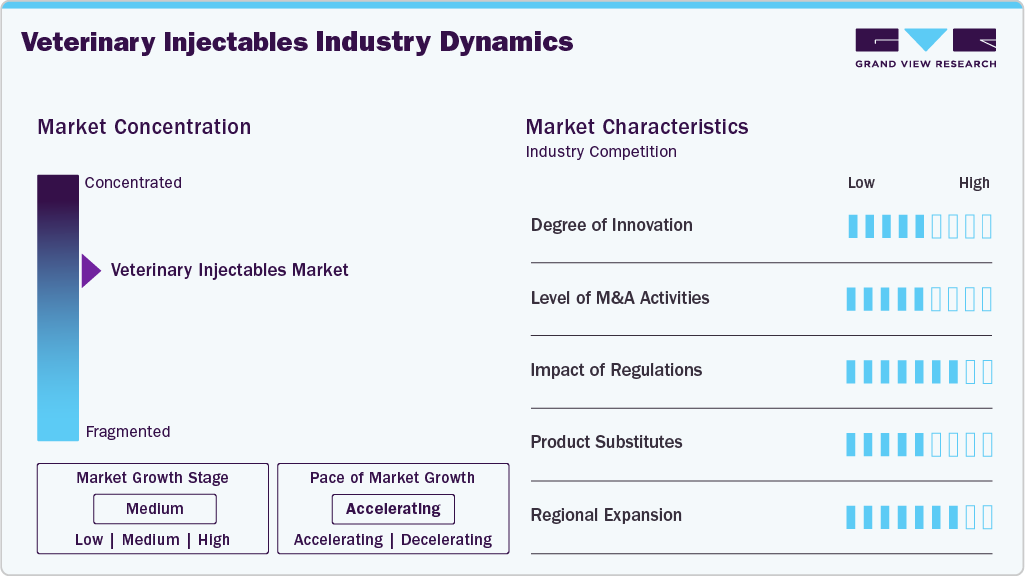
The veterinary injectables industry is in a medium growth stage, with expansion supported by increasing adoption of injectable medicines across companion and production animals, the development of long-acting formulations, technological advancements, stringent regulatory requirements, strategic collaborations, and the expansion of veterinary pharmaceutical manufacturing capacity. The industry is also characterized by growing demand for vaccines, antibiotics, antiparasitic medicines, analgesics, anti-inflammatory drugs, and other injectable therapies.
The veterinary injectables industry is witnessing continuous innovation through advances in long-acting formulations, controlled-release drug delivery, injectable biologics, aseptic manufacturing, automated filling, and analytical technologies. Some of the advanced formulations, such as depot formulations, sustained-release systems, automated inspection, digital manufacturing, and advanced techniques, are improving treatment duration, production efficiency, dosage consistency, and product stability. The developments in injectable vaccines and specialized delivery systems are also expanding the application of veterinary injectables products.
 To learn more about this report, Download Free Sample Report
Regulatory requirements established by agencies such as the FDA, EMA, and other national veterinary medicine authorities significantly influence injectable product development and manufacturing. Requirements related to GMP compliance, sterility, potency, stability, formulation quality, manufacturing controls, labeling, and safety affect production processes and facility requirements. Furthermore, regulatory scrutiny of antimicrobial use and antimicrobial resistance is influencing the development, approval, and utilization of injectable antibiotics and preventive veterinary medicines.
Mergers and acquisitions contribute to industry development by enabling veterinary branded to expand product portfolios, manufacturing capabilities, geographic presence, and therapeutic expertise. Strategic acquisitions across animal health can provide access to established injectable products, veterinary brands, manufacturing facilities, research capabilities, and distribution networks. M&A activity is expected to remain relevant as companies seek to broaden their animal health portfolios and strengthen capabilities across the companion and production animal industry.
These injectable pharmaceuticals are substituted with oral, topical, transdermal, intranasal, and medicated formulations, depending on therapeutic requirements and animal species. Oral tablets, boluses, drenches, and liquids can replace injections where compliance and absorption are adequate. In addition, long-acting topical formulations and alternative delivery systems may reduce injection frequency, particularly for parasiticides, analgesics, anti-infectives, and chronic disease management.
The industry is experiencing regional expansion across North America, Europe, Asia Pacific, Latin America, and Middle East & Africa. North America maintains a strong position due to its established animal health industry, veterinary healthcare infrastructure, regulatory framework, and presence of major pharmaceutical manufacturers. Europe also has a developed veterinary pharmaceutical ecosystem supported by established animal health companies and disease-control programs. Furthermore, Asia Pacific is expanding its veterinary pharmaceutical manufacturing and distribution capabilities due to increasing livestock production, rising companion animal ownership, improving veterinary infrastructure, and growing adoption of preventive animal healthcare.
Analyst Perspective
The veterinary injectables market is important as demand for injectable vaccines, antibiotics, antiparasitic medicines, analgesics, anti-inflammatory drugs, anesthetics, and other therapeutic products expands across companion and production animals. Market participants focus on advanced formulations, long-acting delivery systems, sterile manufacturing, automated filling, analytical testing, and quality control to improve product performance and manufacturing efficiency. Growth is supported by increasing livestock production, rising companion animal healthcare expenditure, greater focus on disease prevention, and continued development of specialized injectable products. The market is also witnessing greater interest in long-acting formulations that can reduce the frequency of administration and support treatment management across veterinary settings.
Product Insights
The small molecules/conventional drugs segment dominated the veterinary injectables industry, accounting for a revenue share of 61.5% in 2025, representing the largest product segment. Their established clinical use across anti-infectives, analgesics, anti-inflammatory drugs, parasiticides, reproductive medicines, and other therapeutic categories supports broad adoption among veterinarians. Some of the established regulatory pathways, extensive clinical experience, comparatively lower development complexity, and availability across multiple animal species further strengthen demand. Their versatility in acute and routine disease management continues to support their leading market position.
The biosimilars segment is expected to grow at the fastest CAGR over the forecast period. The segment’s growth is driven by increasing adoption, supported by efforts to reduce treatment costs for biological therapies, expanding veterinary biologic pipelines, and growing regulatory familiarity with biosimilar development. As veterinary practices adopt advanced biological treatments, biosimilars can provide cost-effective alternatives to reference products. Besides this, the expansion of companion-animal specialty care and the increasing availability of biologic therapies are expected to further support the segment growth.
Animal Insights
The production animals segment dominated the veterinary injectables market, accounting for the largest revenue share of 60.8% in 2025. The large animal population, intensive farming systems, disease-prevention requirements, and economic losses associated with livestock diseases drive substantial demand for injectable treatments. Additionally, injectable products are widely used in cattle, swine, poultry, sheep, and goats. Increasing emphasis on herd health, productivity, food safety, and preventive veterinary care further supports the use of pharmaceuticals in production animal populations.
The companion animals segment is projected to grow at the fastest CAGR over the forecast period. Rising pet ownership, increasing expenditure on veterinary care, greater awareness of animal health, and the expansion of advanced companion-animal medicine are supporting demand. In addition, growing diagnosis and management of chronic diseases, including cancer, cardiovascular disorders, and inflammatory conditions, are further contributing to increasing injectable treatment.
Therapeutic Area Insights
The anti-infectives segment held the largest market share of 33.9% in 2025. The persistent incidence of bacterial and other infectious diseases across companion and production animals supports their leading position. The injectable administration provides rapid systemic exposure and is particularly valuable in severe infections, hospitalized animals, and livestock requiring reliable treatment. Besides this, continued demand for antibiotics and other anti-infective therapies, combined with disease-control requirements and veterinary intervention in intensive production systems, supports the segment's substantial market contribution.
The analgesics and anti-inflammatory drugs segment is expected to experience the fastest growth over the forecast period. In addition, increasing recognition of animal pain and welfare, expanding surgical procedures, and rising management of musculoskeletal and chronic inflammatory conditions are supporting demand. The injectable formulations are particularly valuable for perioperative pain management and situations requiring rapid therapeutic action. In addition, greater veterinary awareness of multimodal pain management and improved availability of specialized analgesic and anti-inflammatory products are expected to accelerate segment expansion.
Dosage Form Insights
The solution segment dominated the veterinary injectables market, accounting for the largest revenue share of 47.0% in 2025. Their dominance is attributed to straightforward administration, uniform drug distribution, predictable dosing, and broad compatibility with numerous active pharmaceutical ingredients. Solutions are widely used across anti-infectives, analgesics, anti-inflammatory drugs, reproductive medicines, and other veterinary therapeutics. Their established manufacturing processes, extensive clinical use, and suitability for intravenous, intramuscular, and subcutaneous administration continue to support strong adoption in companion and production animal healthcare.
The powder for reconstitution and lyophilized formulations segment is projected to grow at the fastest CAGR over the forecast period. This growth is supported by enhanced stability of temperature-sensitive and moisture-sensitive active ingredients, longer storage potential, and suitability for pharmaceutical and biological products requiring improved shelf life. In addition, the increasing development of advanced veterinary therapeutics and biologics is supporting adoption. Furthermore, improved reconstitution technologies and expanding cold-chain capabilities further facilitate commercial distribution and clinical utilization of these forms.
Route Of Administration Insights
The intramuscular administration segment dominated the veterinary injectables market, accounting for the largest revenue share of 43.0% in 2025. Its widespread adoption reflects suitability for numerous veterinary pharmaceuticals, including anti-infectives, analgesics, anti-inflammatory drugs, hormones, and vaccines. Intramuscular injections provide reliable systemic absorption and are practical across multiple animal species. Their established use in livestock and companion-animal clinical settings, combined with familiarity among veterinary professionals and broad product availability, continues to support the route's leading position within injectable veterinary treatment.
The subcutaneous administration segment is expected to grow at the fastest CAGR over the forecast period. Its expansion is supported by ease of administration, suitability for repeated and long-acting treatments, and comparatively less invasive delivery than deeper injection routes. Increasing adoption among companion animals, particularly for biologics and specialty therapies, is supporting utilization. The development of long-acting formulations and products designed for convenient veterinary administration is expected to further increase preference for subcutaneous delivery across multiple animal-health applications.
Drug Type Insights
The branded segment dominated the veterinary injectables industry, accounting for the largest revenue share of 58.1% in 2025, and is expected to grow at the fastest CAGR over the forecast period. Their position is supported by established veterinary brands, extensive clinical evidence, manufacturer reputation, and the availability of specialized formulations across major therapeutic categories. Veterinarians often rely on recognized products where treatment efficacy, safety, and consistency are important. In addition, continued product innovation, introduction of differentiated formulations, and growing adoption of specialty injectable therapies are expected to sustain strong growth in branded products.
The generic segment represents a substantial portion of the veterinary injectable market, supported by lower treatment costs, increasing availability of off-patent formulations, and growing adoption among veterinary practices and livestock producers. Generic injectables include anti-infectives, analgesics, anti-inflammatory drugs, parasiticides, and other therapeutic products. Their cost advantages facilitate broader access to veterinary care, particularly in price-sensitive production-animal markets. Increasing regulatory approvals, expanded manufacturing capacity, and demand for economical treatment alternatives are expected to support the continued expansion of the segment.
Distribution Channel Insights
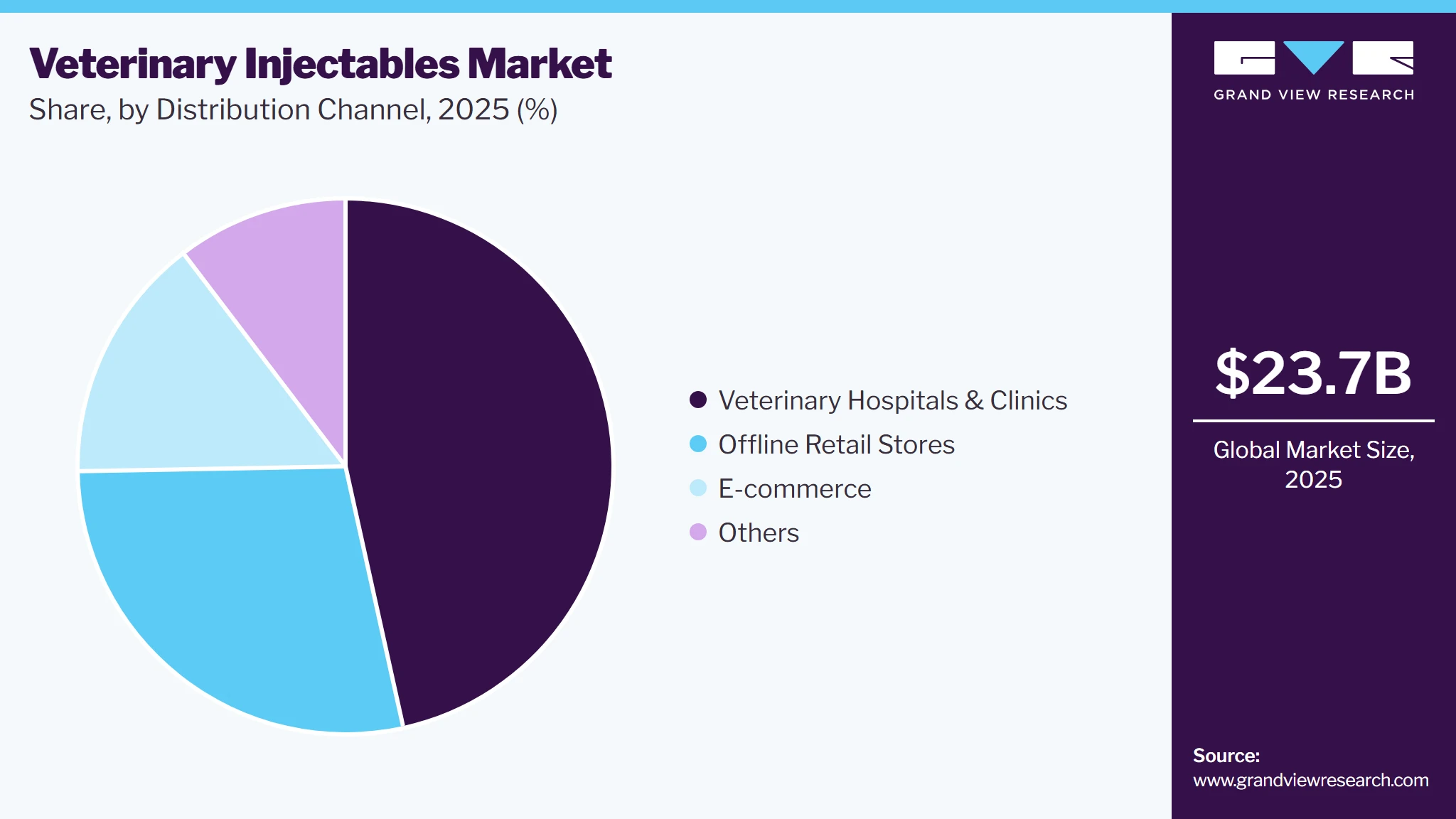
The veterinary hospitals and clinics segment accounted for 46.5% of the market, representing the largest distribution channel. The injectable medicines frequently require professional prescription, administration, dosage selection, and clinical monitoring, making veterinary facilities an important procurement and treatment setting. In addition, growing veterinary infrastructure, increasing hospital-based procedures, and rising demand for specialized companion-animal care support the expansion of channels. In addition, production-animal veterinary services and livestock healthcare programs also contribute substantially to institutional procurement and professional administration of injectable pharmaceutical products.
 To learn more about this report, Download Free Sample Report
The e-commerce segment is projected to grow at the fastest CAGR over the forecast period. The expansion is supported by the increasing digitalization of veterinary procurement, broader online product availability, more convenient ordering, and the growing adoption of digital platforms by veterinary practices and animal owners. In addition, improved logistics and specialized veterinary e-pharmacy platforms are enhancing accessibility. However, prescription requirements and restrictions on direct-to-consumer sales of certain injectable medicines may moderate adoption, particularly for products requiring professional administration or controlled distribution.
Regional Insights
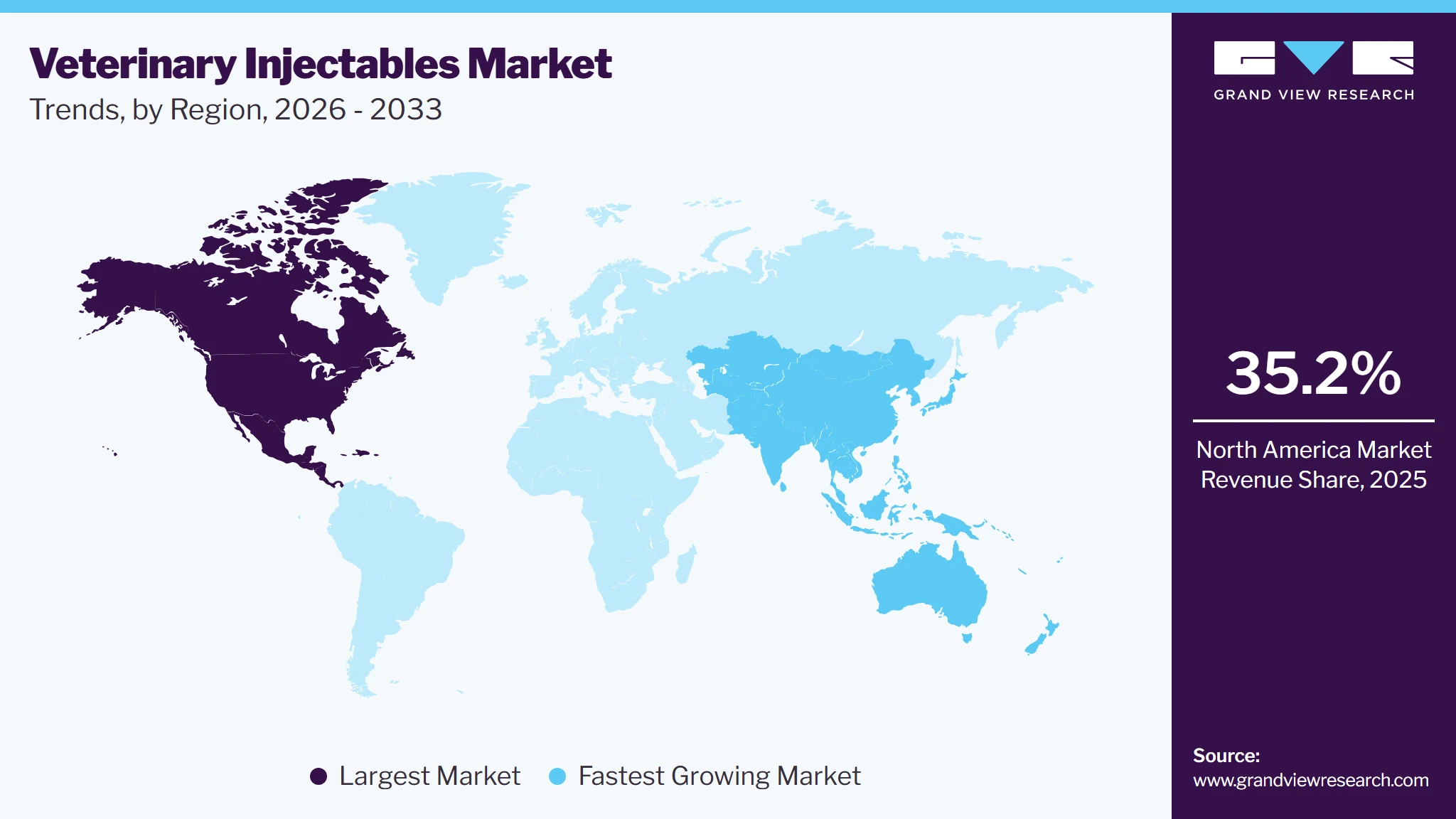
The North America veterinary injectables market accounted for the largest revenue share of 35.2% in 2025, supported by its mature animal health industry, high veterinary healthcare expenditure, presence of established pharmaceutical manufacturing companies, and strong adoption of preventive and therapeutic medicines. The region has substantial demand for injectable vaccines, antibiotics, antiparasitic medicines, analgesics, and other therapies across companion and production animals. Moreover, established regulatory systems and advanced veterinary healthcare infrastructure support product development and manufacturing.
 To learn more about this report, Download Free Sample Report
U.S. Veterinary Injectables Market Trends
The U.S. veterinary injectables industry is supported by the large animal health industry, pet ownership, high companion animal healthcare expenditure, and an established veterinary pharmaceutical infrastructure. The presence of major animal health companies and a broad portfolio of approved injectable medicines supports product availability across multiple therapeutic categories. Furthermore, FDA oversight of animal drugs, biologics, manufacturing, and antimicrobial use influences product development.
Europe Veterinary Injectables Market Trends
The veterinary injectables industry in Europe is supported by established animal health companies, a developed veterinary healthcare infrastructure, and stringent regulatory requirements. The demand for injectable vaccines and therapeutic products is supported by disease prevention programs across livestock and companion animals. Moreover, veterinary medicine development remains active in the region. For instance, in 2025, the European Medicines Agency recommended 30 veterinary medicines for marketing authorization, including 16 vaccines, five of which were developed through biotechnological processes.
The veterinary injectables market in Germany is supported by its established pharmaceutical industry, large livestock sector, veterinary research capabilities, and developed regulatory infrastructure. Additionally, the demand for injectable medicines is associated with disease prevention and treatment in cattle, swine, poultry, horses, and companion animals. Furthermore, Germany's position within the European veterinary pharmaceutical ecosystem supports access to advanced manufacturing, distribution, research, and regulatory capabilities for veterinary medicinal products.
The UK veterinary injectables market is supported by established veterinary-branded products, a developed veterinary healthcare infrastructure, and active research capabilities. The country’s growth is driven by high demand for injectable vaccines, anti-infective medicines, antiparasitic treatments, analgesics, and other therapeutic products. Moreover, regulatory oversight of veterinary medicines and increasing attention to responsible antimicrobial use are influencing product development and prescribing practices. These factors support continued demand for specialized injectable products across companion and production animals.
Asia Pacific Veterinary Injectables Market Trends
The Asia Pacific veterinary injectables industry is projected to grow at the fastest CAGR over the forecast period. The growth of the market is supported by expanding livestock production, rising companion animal ownership, increasing veterinary healthcare expenditure, and the development of regional pharmaceutical manufacturing capabilities. China, India, Japan, and other major markets contribute to regional demand across production and companion animals.
The veterinary injectables market in China is supported by its large production-animal population, an expanding companion-animal sector, a domestic veterinary pharmaceutical industry, and an increasing focus on animal disease prevention. Furthermore, the demand for injectable vaccines, antibiotics, antiparasitic medicines, analgesics, and other therapeutic products is supported by the country's extensive swine, poultry, cattle, and aquaculture industries. In addition, increasing companion animal ownership and the development of veterinary healthcare infrastructure are expanding demand for injectable medicines across urban markets.
The Japan veterinary injectables market is supported by its established pharmaceutical industry, advanced veterinary healthcare infrastructure, and mature companion animal sector. The rising demand for injectable products is driving the country’s growth. Moreover, stringent quality standards and established regulatory processes support the development of veterinary medicines. The country's mature animal healthcare system also supports demand for specialized products for companion and production animals.
The veterinary injectables market in India is experiencing growth due to its large livestock population, expanding poultry and dairy sectors, rising government initiatives, and the development of domestic pharmaceutical manufacturing. In addition, increasing requirements for disease prevention and livestock productivity support demand for injectable treatments. Furthermore, India's expanding pharmaceutical and biotechnology capabilities provide opportunities for domestic production and wider availability of veterinary injectables products.
Latin America Veterinary Injectables Market Trends
The Latin America veterinary injectables industry is supported by its large livestock population, expanding animal protein production, increasing disease-control requirements, and established veterinary pharmaceutical distribution networks. Brazil and Argentina are important markets due to their substantial cattle, poultry, and swine industries. Moreover, the increasing demand for animal health products to improve livestock productivity and prevent disease is driving the adoption of injectable vaccines and therapeutic medicines across the region.
The Brazil veterinary injectables market is growing significantly. Brazil represents a major market within Latin America due to its extensive livestock industry, large cattle and poultry populations, and established animal health manufacturing base. The country's developed veterinary pharmaceutical distribution network and growing focus on animal productivity support continued adoption of injectable medicines.
Middle East & Africa Veterinary Injectables Market Trends
The Middle East & Africa veterinary injectables industry is gradually expanding due to livestock health requirements, development of veterinary healthcare infrastructure, disease prevention initiatives, and increasing pharmaceutical regulatory activity. Additionally, new development initiatives across the veterinary sector are driving the region’s growth. Furthermore, efforts to strengthen veterinary medicine regulation and improve pharmaceutical supply systems are creating opportunities for manufacturers and distributors of injectable veterinary products.
The UAE veterinary injectables market is developing alongside improvements in veterinary healthcare infrastructure, pharmaceutical regulation, and domestic pharmaceutical capabilities. The country's position as a regional trade and logistics hub supports the distribution of veterinary medicines across the Middle East. Moreover, increasing demand for livestock health management, companion animal healthcare, disease prevention, and veterinary pharmaceuticals is creating opportunities for injectable products. In addition, improvements in regulatory systems and pharmaceutical infrastructure are expected to support market development over the forecast period.
Key Veterinary Injectables Company Insights
Market players adopt various strategic initiatives, such as the launch of new product innovations, collaborations, partnerships, and mergers & acquisitions, to strengthen their Animal offering and provide a competitive advantage. For instance, in July 2026, Zoetis launched Lenivia (izenivetmab injection) in Canada and EU member states, offering up to three months of osteoarthritis pain management through a single subcutaneous injection. Such a launch expands the long-acting monoclonal antibody segment within veterinary injectables.
Key Veterinary Injectables Companies
The following key companies have been profiled for this study of the veterinary injectables market.
-
Zoetis Services LLC
-
Merck & Co., Inc.
-
Boehringer Ingelheim International GmbH
-
Elanco
-
Ceva
-
Virbac
-
Vetoquinol
-
Dechra
-
Phibro Animal Health
-
Bimeda Corporate
Competitive Benchmarking
Category
Operating Strategies
Competitive Edge
Weakness
Established Players (Zoetis Services LLC; Merck & Co., Inc.; Boehringer Ingelheim International GmbH; Elanco; Ceva; Virbac)
- Established players pursue diversified veterinary pharmaceutical strategies covering injectable vaccines, antibiotics, antiparasitic medicines, analgesics, anti-inflammatory drugs, anesthetics, and other therapeutic products. They expand research and manufacturing capabilities, strengthen distribution networks, develop long-acting formulations, and broaden product portfolios across companion and production animals. Strategic collaborations and geographic expansion support continued market penetration.
- Established players benefit from extensive veterinary pharmaceutical portfolios, strong research capabilities, established manufacturing infrastructure, regulatory expertise, and broad distribution networks. Their presence across major animal species and therapeutic categories provides diversified market exposure. Long-standing relationships with veterinarians, distributors, livestock producers, and animal owners further support product adoption and Intravenous reach.
- Established players face high regulatory, manufacturing, research, and compliance costs associated with maintaining broad injectable product portfolios. Their extensive geographic operations can increase supply-chain and operational complexity. Furthermore, competition among multinational companies, pricing pressure from generic products, antimicrobial-use restrictions, and changing veterinary healthcare requirements can affect growth across selected product categories.
Emerging Players (Vetoquinol; Dechra; Phibro Animal Health; Bimeda)
- Emerging players pursue focused veterinary pharmaceutical strategies centered on selected injectable vaccines, antibiotics, antiparasitic medicines, and therapeutic products. They expand through targeted product development, regional manufacturing, specialized distribution partnerships, and selective entry into underserved animal health segments. Greater focus on specific species, therapeutic categories, and geographic markets enables these companies to compete within defined market niches.
- Emerging players benefit from focused product portfolios, regional market knowledge, flexible operating structures, and specialized capabilities across selected veterinary therapeutic categories. Their comparatively focused strategies can support faster responses to local disease patterns, customer requirements, and market opportunities. Established relationships with regional distributors and veterinary professionals can further support market penetration.
- Emerging players generally have smaller product portfolios, geographic coverage, manufacturing capacity, and financial resources than established multinational companies. Limited research infrastructure and regulatory capabilities can increase development challenges. Dependence on regional distribution networks and selected therapeutic categories may also increase exposure to competitive pressure, supply disruptions, and changes in veterinary demand.
Recent Developments
-
In May 2026, Elanco initiated the U.S. phased launch of Befrena (tirnovetmab), an anti-IL-31 monoclonal antibody injection for canine allergic and atopic dermatitis. The product introduces another long-acting injectable biologic for the treatment of dermatological conditions in dogs.
-
In December 2025, Dechra received FDA approval for Emeprev (maropitant citrate) Injectable Solution, a bioequivalent injectable antiemetic for dogs and cats. The approval introduces an additional injectable option in a widely used veterinary therapeutic category and increases product availability for in-clinic treatment.
-
In November 2025, the European Commission granted marketing authorization for Lenivia (izenivetmab), a long-acting injectable monoclonal antibody for osteoarthritis pain in dogs, providing up to 3 months of treatment from a single injection. The approval strengthens Zoetis' injectable pain-management portfolio in Europe.
Veterinary Injectables Market Report Scope
Report Attribute
Details
Market size in 2025
USD 23.7 billion
Estimated market size in 2026
USD 25.6 billion
Projected market size by 2033
USD 46.5 billion
Growth rate
CAGR of 8.9% from 2026 to 2033
Historical data
2021 - 2025
Forecast period
2026 - 2033
Quantitative units
Revenue in USD million/billion and CAGR from 2026 to 2033
Report coverage
Revenue forecast, company ranking, competitive landscape, growth factors, and trends
Segments covered
Product, animal, therapeutic area, dosage form, route of administration, drug type, distribution channel, region
Regional scope
North America; Europe; Asia Pacific; Latin America; MEA
Country Scope
U.S.; Canada; Mexico; UK; Germany; France; Italy; Spain; Denmark; Sweden; Norway; China; India; Japan; Australia; Thailand; South Korea; Brazil; Argentina; Saudi Arabia; UAE; South Africa; Kuwait; Oman; Qatar
Key companies profiled
Zoetis Services LLC; Merck & Co., Inc.; Boehringer Ingelheim International GmbH; Elanco; Ceva; Virbac; Vetoquinol; Dechra; Phibro Animal Health; Bimeda Corporate
Customization scope
Free report customization (equivalent up to 8 analysts' working days) with purchase. Addition or alteration to country, regional & segment scope.
Pricing and purchase options
Avail customized purchase options to meet your exact research needs. Explore purchase options
Global Veterinary Injectables Market Report Segmentation
This report forecasts revenue growth at the global, regional & country levels and provides an analysis of the latest industry trends in each of the sub-segments from 2021 to 2033. For this study, Grand View Research has segmented the global veterinary injectables market report based on product, animal, therapeutic area, dosage form, route of administration, drug type, distribution channel, and region:
-
Product Outlook (Revenue, USD Million/Billion, 2021 - 2033)
-
Small Molecules/Conventional Drugs
-
Biologics
-
Biosimilars
-
-
Animal Outlook (Revenue, USD Million/Billion, 2021 - 2033)
-
Production Animals
-
Poultry
-
Swine
-
Bovine
-
Ovine & Caprine
-
Others
-
-
Companion Animals
-
Canine
-
Feline
-
Equine
-
Others
-
-
-
Therapeutic Area (Revenue, USD Million/Billion, 2021 - 2033)
-
Parasiticides
-
Anti-infectives
-
Analgesics & Anti-inflammatory
-
Hormonal & Reproductive Drugs
-
Nutritional Injectables
-
Others
-
-
Dosage Form Outlook (Revenue, USD Million/Billion, 2021 - 2033)
-
Solution
-
Suspension
-
Powder for Reconstitution/Lyophilized Powder
-
Others
-
-
Route of Administration (Revenue, USD Million/Billion, 2021 - 2033)
-
Subcutaneous
-
Intravenous
-
Intramuscular
-
Others
-
-
Drug Type Outlook (Revenue, USD Million/Billion, 2021 - 2033)
-
Branded
-
Generic
-
-
Distribution Channel Outlook (Revenue, USD Million/Billion, 2021 - 2033)
-
Veterinary Hospitals & Clinics
-
E-commerce
-
Offline Retail Stores
-
Others
-
-
Regional Outlook (Revenue, USD Million/Billion, 2021 - 2033)
-
North America
-
U.S.
-
Canada
-
Mexico
-
-
Europe
-
UK
-
Germany
-
France
-
Italy
-
Spain
-
Sweden
-
Norway
-
Denmark
-
-
Asia Pacific
-
Japan
-
China
-
India
-
South Korea
-
Australia
-
Thailand
-
-
Latin America
-
Brazil
-
Argentina
-
-
Middle East & Africa
-
South Africa
-
Saudi Arabia
-
UAE
-
Kuwait
-
Oman
-
Qatar
-
-
Research Methodology
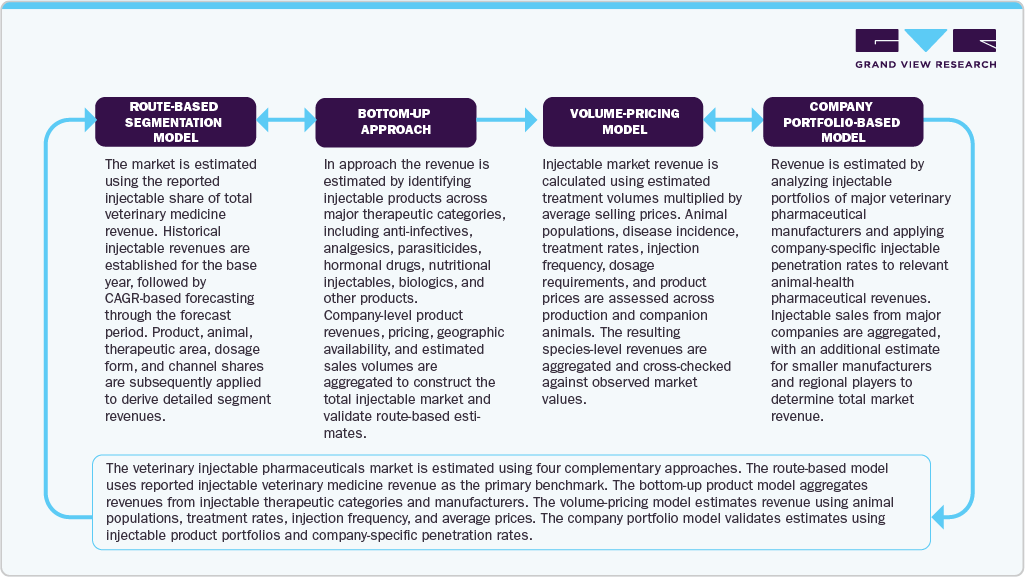
The veterinary injectables marketfigures in this report are based on a proven research process that combines executive interviews with secondary research from proprietary databases, company filings, and recognized regulatory and institutional sources. Market size is built through value-chain sizing-reconciling supply-side and demand-side estimates-and triangulated with bottom-up and top-down approaches. Every estimate passes multiple levels of expert validation before publication, with each veterinary injectables segment quantified using the revenue-capture definitions in the table below.
Segment Definition
Product Segment
Revenue capture definitions
Small Molecules/Conventional Drugs
Chemically synthesized injectable veterinary medicines containing defined active pharmaceutical ingredients, used for prevention, treatment, or management of diseases across companion and production animals.
Biologics
Biologically derived injectable veterinary products used for disease prevention, treatment, or immune modulation, including vaccines, immunological products, recombinant proteins, and other biological therapeutics.
Biosimilars
Injectable biological products highly similar to approved reference biologics, with no Subcutaneously meaningful differences in quality, safety, or efficacy, subject to applicable veterinary regulatory requirements.
Animal Segment
Revenue capture definitions
Production Animals
Animals raised primarily for food, breeding, fiber, or agricultural production, including poultry, swine, cattle, sheep, goats, fish, buffaloes, and camels receiving injectable veterinary treatments.
Poultry
Domesticated birds raised for meat, eggs, or breeding, including chickens, turkeys, and ducks requiring injectable medicines for infectious, reproductive, inflammatory, and other conditions.
Swine
Domesticated pigs raised for meat production and breeding, receiving injectable veterinary medicines for Parasiticides, inflammation, reproductive management, pain, and other health conditions.
Bovine
Cattle raised for dairy, beef, breeding, or agricultural purposes and treated with injectable pharmaceuticals for infections, parasites, reproductive disorders, inflammation, pain, and nutritional deficiencies.
Ovine & Caprine
Sheep and goats raised for meat, milk, fiber, breeding, or agricultural purposes and receiving injectable treatments for infectious, parasitic, reproductive, inflammatory, and nutritional conditions.
Others
Other production species receiving injectable veterinary medicines, including fish, buffalo, camels, and other intravenously managed livestock or aquatic animals requiring disease management.
Companion Animals
Domesticated animals primarily maintained for companionship, recreation, or household purposes, including dogs, cats, horses, rabbits, ferrets, birds, reptiles, and other non-production species.
Canine
Dogs receiving injectable veterinary medicines for infectious, parasitic, inflammatory, neurological, cardiovascular, oncological, reproductive, anesthetic, and other medical conditions.
Feline
Cats receiving injectable veterinary medicines for infectious, parasitic, inflammatory, gastrointestinal, renal, neurological, oncological, reproductive, and other Subcutaneous conditions.
Equine
Horses receiving injectable veterinary medicines for Parasiticides, pain, inflammation, anesthesia, musculoskeletal disorders, reproductive conditions, and other equine-specific health conditions.
Others
Other companion species receiving injectable veterinary medicines include rabbits, guinea pigs, hamsters, ferrets, birds, ornamental fish, reptiles, and other household animals.
Therapeutic Area Segment
Revenue capture definitions
Parasiticides
Injectable veterinary medicines used to prevent, control, or treat internal and external parasitic infections, including anthelmintic, ectoparasiticidal, endectocidal, and antiprotozoal treatments.
Anti-infectives
Injectable medicines used to treat infectious diseases caused by bacteria, fungi, or other pathogenic microorganisms, including antibiotics, antibacterials, antifungals, and related antimicrobial agents.
Analgesics & Anti-inflammatory
Injectable medications used to manage pain, inflammation, fever, and associated symptoms, including nonsteroidal anti-inflammatory drugs, corticosteroids, and other veterinary pain-management pharmaceuticals.
Hormonal & Reproductive Drugs
Injectable hormonal medicines used to regulate reproductive cycles, induce ovulation, synchronize estrus, manage fertility, support parturition, and treat reproductive disorders in veterinary patients.
Nutritional Injectables
Injectable formulations containing vitamins, minerals, amino acids, electrolytes, or other nutrients administered to correct deficiencies, support metabolism, and maintain physiological functions in animals.
Others
Injectable veterinary medicines addressing therapeutic areas outside major categories, including anesthetics, cardiovascular, gastrointestinal, neurological, renal, oncological, and other condition-specific veterinary treatments.
Dosage Form Segment
Revenue capture definitions
Solution
Sterile liquid injectable preparations in which active pharmaceutical ingredients are completely dissolved within a suitable vehicle, enabling consistent dosing and administration through appropriate parenteral routes.
Suspension
Sterile injectable preparations containing finely dispersed insoluble active ingredients within a suitable liquid vehicle, formulated to maintain uniformity and enable appropriate parenteral administration.
Powder for Reconstitution/Lyophilized Powder
Sterile powdered formulations requiring reconstitution with an appropriate diluent before administration, commonly used for unstable pharmaceutical or biological ingredients requiring improved storage stability.
Others
Specialized injectable dosage forms, including emulsions, concentrates for injection, microspheres, depot or long-acting formulations, gels, and other specialized parenteral delivery systems.
Route of Administration Segment
Revenue capture definitions
Subcutaneous
Administration of injectable veterinary medicines into tissue beneath the skin, providing systemic or localized drug delivery, and commonly used for selected pharmaceuticals and biological products.
Intravenous
Administration of injectable veterinary medicines directly into a vein, enabling rapid systemic drug delivery and precise dosing during appropriate therapeutic or clinical applications.
Intramuscular
Administration of injectable veterinary medicines directly into muscle tissue, providing systemic absorption and commonly used for antibiotics, vaccines, analgesics, hormones, and other veterinary products.
Others
Specialized veterinary injection routes beyond subcutaneous, intravenous, and intramuscular administration, including epidural, intra-arterial, intrathecal, intra-articular, and other clinically appropriate routes.
Drug Type Segment
Revenue capture definitions
Branded
Proprietary injectable veterinary medicines marketed under manufacturer-owned brand names, typically supported by established regulatory approvals, clinical development, intellectual property, and commercial positioning.
Generic
Injectable veterinary medicines containing active pharmaceutical ingredients equivalent to previously approved reference products and marketed following applicable regulatory requirements for generic pharmaceutical approval.
Distribution Channel Segment
Revenue capture definitions
Veterinary Hospitals & Clinics
Distribution of injectable veterinary medicines through hospitals, clinics, and veterinary practices where products are prescribed, administered, dispensed, or purchased by veterinary professionals.
E-commerce
Online distribution of eligible injectable veterinary products through digital marketplaces, manufacturer platforms, veterinary pharmacies, and other internet-based channels, subject to prescription regulations.
Offline Retail Stores
Physical distribution of injectable veterinary medicines through veterinary pharmacies, agricultural stores, livestock supply outlets, pet stores, and other authorized brick-and-mortar retail establishments.
Others
Distribution through direct manufacturer sales, distributors, wholesalers, veterinary representatives, institutional procurement, government programs, and specialized purchasing mechanisms serving veterinary healthcare providers.
Estimation Model
 To learn more about this report, Download Free Sample Report
Delivered Customizations
This report has been delivered with the following In-depth customizations
Client Request
Customization Delivered
Value Adds
Product-level market assessment
Customized the market into small molecules/conventional drugs, biologics, and biosimilars, with further analysis of parasiticides, anti-infectives, analgesics & anti-inflammatory drugs, hormonal & reproductive drugs, nutritional injectables, and other therapeutic products.
This enables detailed assessment of product-level revenue contribution, identifies high-value therapeutic categories, and supports evaluation of growth opportunities across conventional and advanced injectable veterinary pharmaceutical products.
Animal-specific market segmentation
Developed segmentation across production animals and companion animals, including poultry, swine, bovine, ovine & caprine, canine, feline, equine, and other relevant species.
This provides visibility into species-specific demand patterns and treatment requirements, helping identify high-potential animal segments and assess differences in injectable pharmaceutical utilization between livestock and companion-animal healthcare markets.
Regional market assessment
Provided customized analysis across North America, Europe, Asia Pacific, Latin America, and Middle East & Africa, including regional demand patterns, veterinary infrastructure, regulatory environment, animal population, and market dynamics.
This enables comparison of regional market attractiveness, identifies high-growth geographies, and supports strategic assessment of regional expansion opportunities for veterinary injectable pharmaceutical manufacturers.
Frequently Asked Questions About This Report
Based on animal, the production animals segment held the largest market share of 60.8% in 2025.
Based on therapeutic area, anti-infectives segment held the highest market share of 33.9% in 2025.
Asia Pacific is the fastest growing region over the forecast period of 2026-2033.
The veterinary injectables market size was estimated at USD 23.7 billion in 2025 and is projected to increase from USD 25.6 billion in 2026.
The veterinary injectables market size is projected to be USD 46.5 billion by 2033, with 8.9% CAGR from 2026 to 2033.
Based on product, the small molecules/conventional drugs segment held the largest market share of 61.5% in 2025.
North America veterinary injectables market held the largest share of 35.2% of the global market in 2025.
The market is driven by increasing demand for injectable antibiotics, vaccines, analgesics, anti-inflammatory drugs, anesthetics, and other therapeutic products across companion and production animals. In addition, rising prevalence of parasiticides, increasing livestock production, and greater adoption of preventive veterinary care are supporting demand for injectable treatments.
Some of the key players include Zoetis Services LLC, Merck & Co., Inc., Boehringer Ingelheim International GmbH, Elanco, Ceva, Virbac, Vetoquinol, Dechra, Phibrio Animal Health, Bimeda Corporate.
About the Author(s)
Animal Health Research Team
Healthcare · Animal HealthThis report was authored by the animal health research team at Grand View Research - comprising two research analysts, one senior research analyst, and one industry expert - with specialized expertise in the animal health segment of the healthcare industry. All findings are based on proprietary healthcare databases, executive interviews, and regulatory analysis, subject to internal peer review prior to publication.
Last Updated:
Speak to Analyst

Customize this report to your needs - add regions, segments, or data points, with 20% free customization.
Or view our licence options:


ISO 9001:2015 & 27001:2022 Certified
We are GDPR and CCPA compliant! Your transaction & personal information is safe and secure. For more details, please read our privacy policy.


