
- Home
- »
- Medical Devices
- »
-
Vision Care Market Size, Share & Trends Report, 2026-2033GVR Report cover

Vision Care Market (2026 - 2033)
Size, Share & Trends Analysis Report By Product (Vision Correction & Ocular Care Products, Ophthalmic Diagnostic Devices), By Application (Therapeutic, Diagnostic), By Distribution Channel (B2B, B2C), By Region, And Segment Forecasts
Market Size, 2025
$37.9BMarket Estimate, 2026
$39.2BMarket Forecast, 2033
$49.5BCAGR, 2026–2033
3.4%Vision Care Market Summary
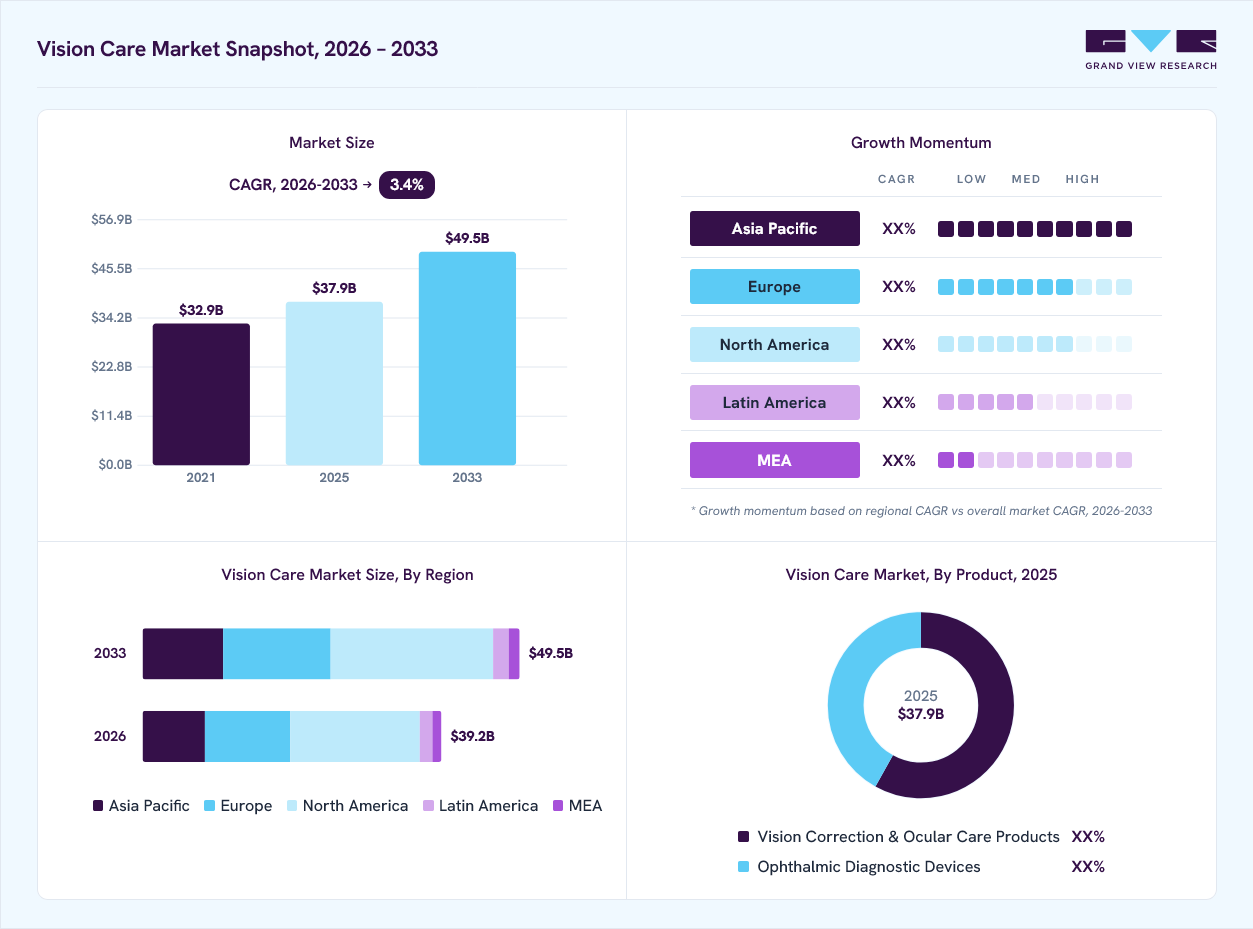
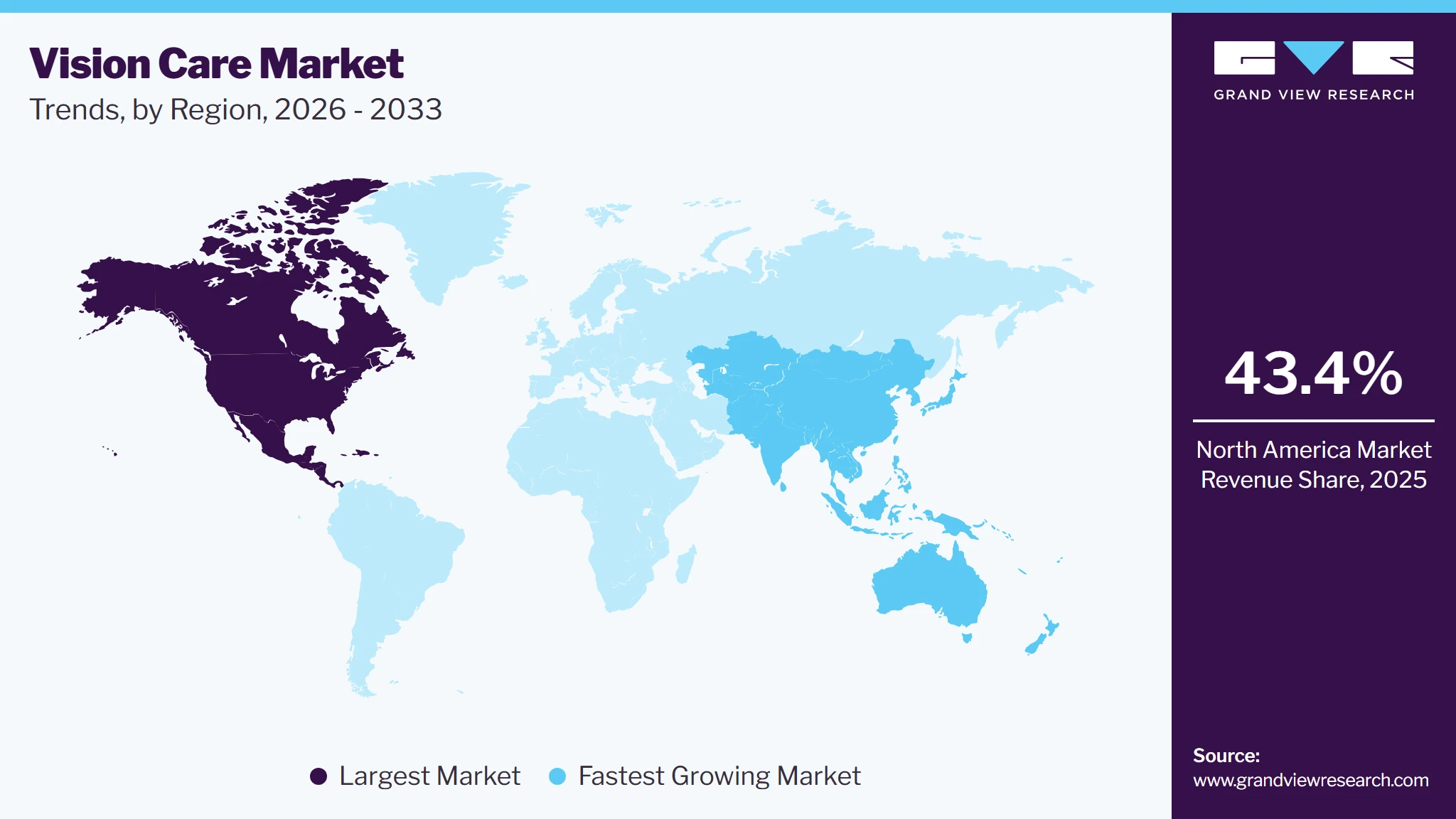
The global vision care market size was valued at USD 37.9 billion in 2025 and is projected to grow from USD 39.2 billion in 2026 to USD 49.5 billion by 2033, at a CAGR of 3.4% from 2026 to 2033. North America's vision care market held the largest share of 43.4% of the global market in 2025. Market growth is primarily supported by the high and increasing burden of vision impairment worldwide.
 Source: Grand View Research, IR Documents, Primary Interviews, Paid DatabasesTo learn more about this report,
 Download Free Sample Report
Key Market Trends & Insights
- By product: Vision correction & ocular care products systems segment held a leading market share of 58.0% in 2025.
- By application: Therapeutic segment held a leading market share of 58.0% in 2025.
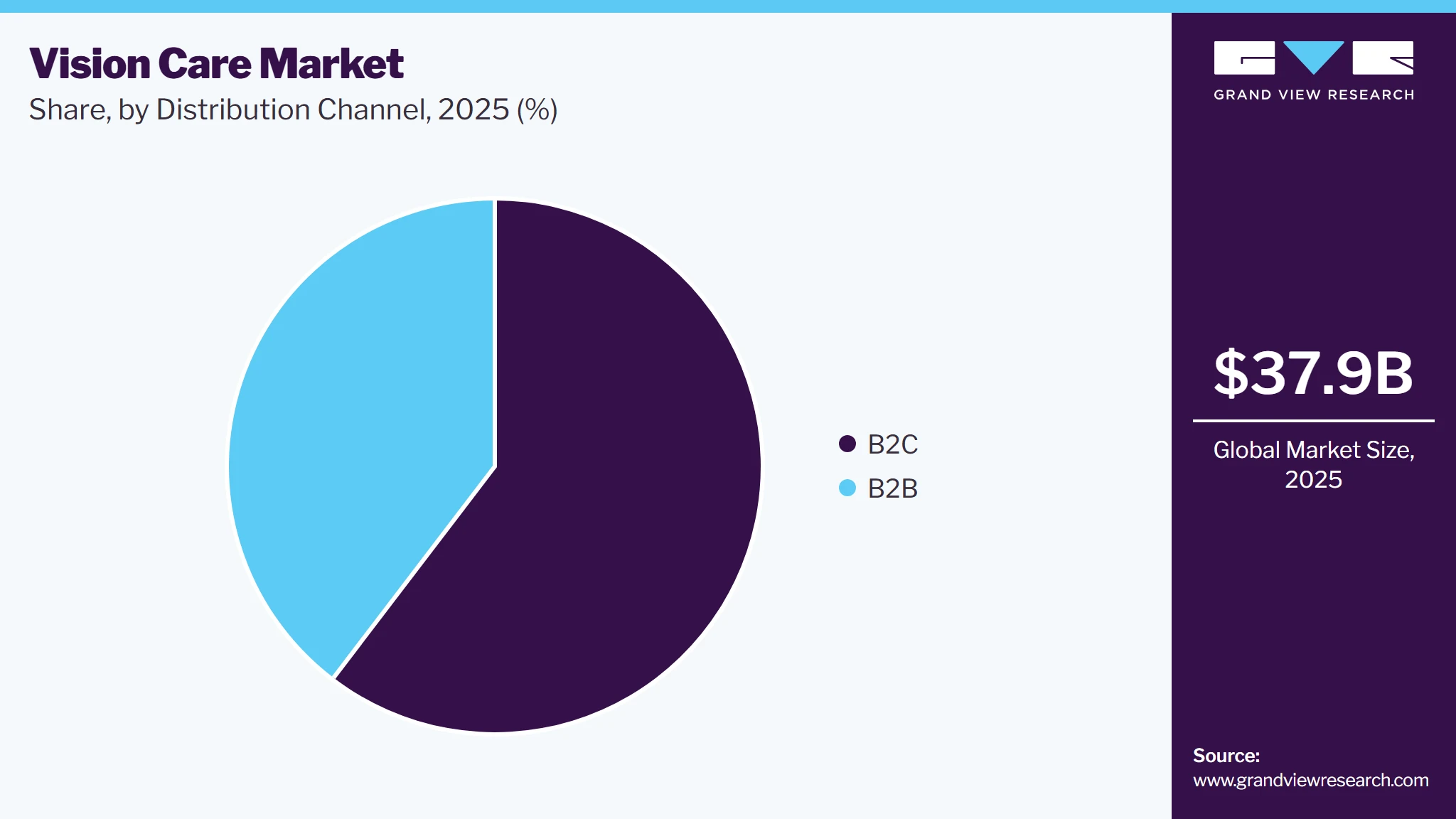
- By distribution channel: B2C segment held a leading market share of 60.4% in 2025.
Regional Highlights
- Largest regional market: North America (43.4% revenue share, 2025)
- Fastest-growing regional market: Asia Pacific (highest CAGR, 2026-2033)
- By country: The U.S. held the largest market share in 2025.
Market Size & Forecast
- Market Size in 2025: USD 37.9 billion
- Estimated market size in 2026: USD 39.2 billion
- Projected market size by 2033: USD 49.5 billion
- CAGR (2025-2033): 3.4 %
Prism AI by Grand View Research Free to tryAsk a question about the vision care marketTry asking✓Every figure cited from GVR research Prefer the report? Download free sample →
A major growth driver is the increasing prevalence of refractive errors and myopia, particularly among children and younger populations. The need for refractive-error management is expected to increase substantially, with WHO estimating that myopia could affect around 3.36 billion people by 2030, while presbyopia is projected to reach approximately 2.1 billion cases. The market is consequently shifting beyond conventional spectacles and contact lenses toward specialized myopia-management and vision-correction products. For instance, in June 2025, Optomed launched Optomed Lumo, a next-generation handheld, non-mydriatic fundus camera designed to provide high-quality retinal imaging across primary-care and other healthcare settings. The device is MDR Class IIa CE certified and incorporates wireless connectivity and flexible handheld/desktop use, supporting wider access to retinal screening.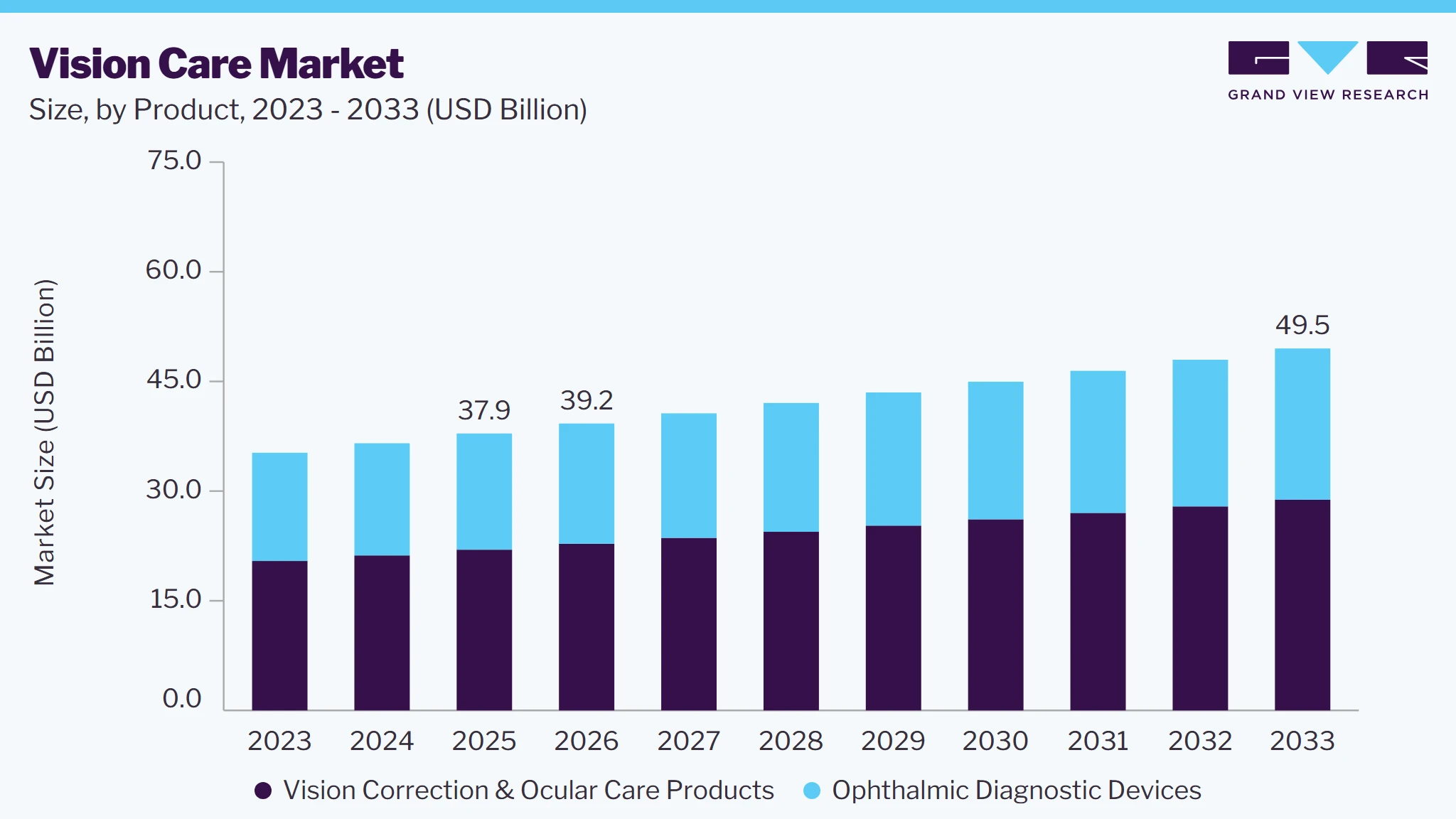 To learn more about this report, Download Free Sample Report
“New camera enables healthcare providers to detect and monitor systemic conditions earlier and more efficiently than ever before.”
-CEO, Optomed
“Optomed Lumo can be used both as a handheld and a desktop form, thus being the choice of any healthcare setting to become a gateway for systemic health insights.”
-Vice President, Optomed
Another important driver is the large unmet need for accessible eye-care products and services, particularly in low- and middle-income countries. In May 2025, the World Health Organization (WHO) highlighted that millions of people continue to experience preventable vision loss due to limited access to basic eye-care services and corrective products such as eyeglasses. In parallel, the expansion of the vision insurance market and broader health-insurance coverage is improving affordability and reducing out-of-pocket costs for eye examinations, prescription eyewear, contact lenses, and other vision-care services.
“Universal access to vision care is entirely achievable but only if we act with urgency and unity”
-WHO Technical Officer
WHO also estimates that approximately two out of three people in low-income countries who need eyeglasses do not have access to them, indicating substantial untapped demand for affordable spectacles, contact lenses, eye examinations, and related services. In response, the WHO SPECS 2030 initiative is supporting countries in expanding access to refractive-error services and quality spectacles, further strengthening the development of the global vision-care ecosystem.
The market is also being supported by technological advancements in ophthalmic diagnostics and personalized eye care, including digital retinal imaging, optical coherence tomography, AI-enabled screening, advanced contact lenses, and specialized therapeutic technologies. Increasing adoption of these technologies enables earlier detection and monitoring of eye diseases and improves the ability of providers to deliver personalized treatment. This trend is reinforced by the growing emphasis on integrating eye care into healthcare systems, as WHO expects the global need for eye care to increase substantially in the coming decades.
Market Dynamics
Vision care products and ophthalmic diagnostic devices are gaining significant traction as they enable eye-care professionals, hospitals, ophthalmology clinics, optical providers, and specialty eye-care centers to address the growing burden of refractive errors, ocular surface disorders, and vision-related conditions through advanced correction, ocular care, diagnostic, and monitoring solutions. The market encompasses vision correction and ocular care products, including contact lenses, intraocular lenses, and ocular health products, alongside ophthalmic diagnostic devices such as optical coherence tomography scanners, fundus cameras, visual field analyzers, autorefractors and others. These solutions support therapeutic applications such as vision correction, ocular health management, refractive error management, and dry eye and ocular surface management, as well as diagnostic applications including vision and functional assessment, ocular examination and screening, ocular disease diagnosis, and ocular disease monitoring.
The rising prevalence of diabetes and other chronic diseases is a major driver of the global vision care market, as these conditions substantially increase the risk of vision-threatening ocular complications and create a recurring need for eye examinations, retinal imaging, screening, monitoring, corrective products, and treatment. Diabetes is particularly important because prolonged hyperglycemia can damage retinal blood vessels and lead to diabetic retinopathy (DR), diabetic macular edema, and potentially irreversible vision loss. WHO identifies diabetic retinopathy as an important cause of vision impairment and emphasizes that early detection and timely treatment are critical to preventing irreversible vision loss. The growing diabetic population is therefore expanding the patient pool requiring regular vision-care services. According to the International Diabetes Federation (IDF) Diabetes Atlas 2025, approximately 589 million adults aged 20-79 years were living with diabetes globally, equivalent to around 1 in 9 adults, and this number is projected to increase to 853 million by 2050. Importantly, approximately 81% of adults with diabetes live in low- and middle-income countries, where access to eye screening and treatment remains comparatively limited, creating substantial unmet demand for affordable and scalable vision-care solutions.
The high cost of vision care products and services is a major restraint to the growth of the vision care market, particularly in low- and middle-income countries and among price-sensitive patient populations. Vision care involves a wide range of expenses, including eye examinations, prescription spectacles, contact lenses, specialty lenses, diagnostic tests, ophthalmic devices, and surgical procedures. Advanced solutions such as premium intraocular lenses, scleral lenses, myopia-control lenses, OCT imaging, and AI-enabled diagnostic systems can be considerably more expensive than conventional alternatives, limiting their adoption among patients with lower disposable incomes. In addition, many vision-care products and services are paid for directly by patients, while insurance or public healthcare programs may provide limited coverage for products such as spectacles, contact lenses, and certain elective procedures. This can encourage patients to delay eye examinations, replace corrective products less frequently, or choose lower-cost alternatives, reducing the utilization of advanced vision-care solutions.
Market Concentration & Characteristics
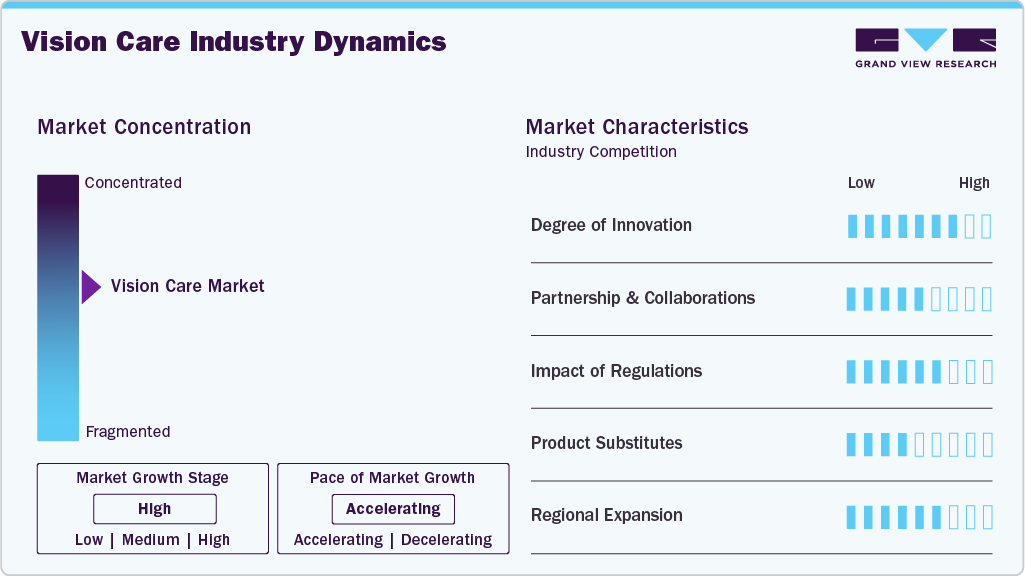
The vision care market is moderately concentrated, with a number of established multinational companies holding strong positions across key segments such as eyeglasses, contact lenses, intraocular lenses, ophthalmic diagnostics, and other eye-care products. Major players benefit from broad product portfolios, strong brands, established distribution networks, technological expertise, and long-standing relationships with ophthalmologists, optometrists, hospitals, optical retailers, and specialty eye-care centers. Companies such as Alcon, EssilorLuxottica, Johnson & Johnson Vision, CooperVision, Bausch + Lomb, and HOYA have established positions across different areas of the vision care industry. Leading companies are continuously investing in advanced contact lenses, myopia-control solutions, premium intraocular lenses, digital eye-care technologies, AI-enabled diagnostics, and other innovative vision-care products to strengthen their market position.
The degree of innovation in the vision care market is high, driven by continuous developments in contact lenses, myopia management, ophthalmic diagnostics, intraocular lenses, refractive surgery, and digital eye-care technologies. Companies are increasingly focusing on products that not only correct vision but also slow disease progression, improve patient comfort, enable earlier diagnosis, and provide more personalized treatment. Manufacturers are also incorporating new lens materials, optical designs, digital technologies, artificial intelligence, and advanced imaging capabilities to improve clinical outcomes and patient experience. For instance, in September 2025, the U.S. FDA approved the Essilor Stellest eyeglass lenses, making them the first eyeglass lenses authorized in the U.S. to both correct myopia and slow its progression in children aged 6-12 years. The development demonstrates the industry's shift from conventional vision correction toward myopia management and disease progression control.
 To learn more about this report, Download Free Sample Report
Strategic partnerships and collaborations are becoming increasingly important in the vision care market, as companies use these relationships to accelerate product development, expand access to eye-care services, strengthen clinical adoption, and enter new geographic markets. Vision care companies are collaborating with ophthalmologists, optometrists, hospitals, eye-care clinics, universities, research organizations, professional associations, distributors, and government or non-government organizations. For instance, EssilorLuxottica's OneSight EssilorLuxottica Foundation, which works with policymakers, government agencies, healthcare institutions, and local NGOs to expand access to vision care. In 2025, the Foundation reported that partnerships across Southeast Asia, India, and China helped provide more than 300,000 pairs of eyeglasses, while nearly 30 vision clinics were organized across the region. Such collaborations support market development by improving access to eye examinations and corrective eyewear while strengthening local eye-care infrastructure.
Regulations have a significant impact on the vision care market because many products, including contact lenses, intraocular lenses (IOLs), ophthalmic diagnostic devices, and other vision-care technologies, are regulated as medical devices. Regulatory authorities require manufacturers to demonstrate that products are safe, effective, and manufactured according to applicable quality standards before they can be marketed. The regulatory requirements also vary according to the type and risk level of the product. For example, in the U.S., the FDA classifies soft contact lenses as Class II or Class III depending on the type of lens, while intraocular lenses are generally classified as Class III devices, requiring a more stringent premarket approval pathway.
The threat of product substitutes in the vision care market is moderate, as patients and eye-care professionals have several alternatives depending on the vision problem, treatment requirement, and patient preference. For refractive correction, spectacles, contact lenses, orthokeratology, and refractive surgery can serve as alternatives to one another. For example, patients with myopia may choose conventional spectacles or contact lenses, while others may opt for myopia-control spectacles, specialty contact lenses, orthokeratology, or refractive surgery. This variety gives patients greater flexibility and can limit the growth of any single vision-care product category.
Regional expansion is an important growth strategy in the vision care market, as companies are increasing their presence in emerging markets while continuing to strengthen their positions in established markets. North America and Europe remain important markets because of their developed healthcare infrastructure, high awareness of eye health, established optical retail networks, and strong adoption of advanced contact lenses, intraocular lenses, ophthalmic diagnostics, and other vision-care products. At the same time, companies are increasingly focusing on Asia-Pacific, Latin America, the Middle East, and Africa, where large populations, rising healthcare expenditure, increasing prevalence of refractive errors, growing awareness of eye care, and improving access to ophthalmic services provide opportunities for market expansion.
Analyst Perspective
The vision care market is positioned at the intersection of several long-term healthcare and ophthalmic trends, including the rising prevalence of vision impairment and eye disorders, an aging global population, increasing screen exposure, and growing demand for preventive and corrective eye care. The increasing incidence of refractive errors, myopia, presbyopia, cataracts, glaucoma, diabetic retinopathy, dry eye disease, and other ocular conditions is creating significant opportunities for vision care manufacturers and healthcare providers as patients seek accessible, effective, and technology-enabled solutions for maintaining and improving visual health. In addition, the expanding adoption of vision care products and services across hospitals, ophthalmology clinics, optometry practices, specialty eye care centers, and retail optical channels is strengthening access to eye care and supporting earlier diagnosis and treatment of vision-related conditions.
Product Insights
The vision correction & ocular health products segment dominated the market in 2025, accounting for the largest revenue share of 58.0%. As the global burden of vision impairment remains substantial, with the World Health Organization reporting that at least 2.2 billion people globally have near or distance vision impairment. The segment is also benefiting from the shift toward products that provide not only vision correction but also longer-term eye-health benefits, particularly for pediatric myopia management. For example, in September 2025, the U.S. FDA authorized Essilor Stellest spectacle lenses, marking the first U.S. authorization of eyeglass lenses specifically indicated to slow the progression of pediatric myopia; the FDA reported a 71% reduction in myopia progression over 24 months compared with single-vision lenses. Such regulatory developments are expanding the segment growth and supporting demand for specialized vision-correction and ocular-health solutions.
The ophthalmic diagnostic devices segment is expected to witness the significant CAGR over the forecast period. The growth is driven by increasing demand for earlier detection, routine screening, and continuous monitoring of eye diseases such as diabetic retinopathy, glaucoma, cataracts, and retinal disorders. Growth is further supported by the increasing integration of artificial intelligence, digital imaging, fundus photography, optical coherence tomography, and automated analysis into ophthalmic diagnostics, which can improve screening efficiency and help extend eye-care services beyond specialist ophthalmology settings. Recent regulatory developments also highlight continued technology development; the FDA's AI-enabled medical device database lists ZEISS CLARUS (700), an ophthalmic device, among products receiving U.S. authorization in April 2025.
Application Insights
The therapeutic segment dominated the market and held the largest revenue share in 2025. The growth is supported by the continued need for products and procedures that directly treat or manage common eye conditions, including cataracts, glaucoma, diabetic retinopathy, corneal disorders, dry eye, and age-related retinal diseases. Demand is increasing as the global burden of eye disorders grows with population ageing, diabetes prevalence, and the persistence of untreated or undertreated vision impairment. Therapeutic adoption is also being supported by advances in less invasive and more patient-friendly treatment technologies. For example, in October 2025, the U.S. FDA approved Glaukos' Epioxa, a new therapy for keratoconus that uses a novel riboflavin formulation and UV-A light delivery system without requiring removal of the corneal epithelium, potentially reducing treatment-related discomfort and recovery time. Such developments demonstrate the shift toward more advanced, minimally invasive, and condition-specific therapeutic solutions, supporting continued demand for the therapeutic application of vision care products and services.
The diagnostic segment is expected to witness the significant CAGR over the forecast period. The growth is driven by the increasing emphasis on early detection and regular monitoring of eye diseases, particularly glaucoma, diabetic retinopathy, age-related macular degeneration, cataracts, and other retinal disorders. The growing ageing population and increasing prevalence of diabetes are expanding the need for routine eye examinations, while healthcare providers are increasingly adopting fundus cameras, optical coherence tomography (OCT), digital retinal imaging, and AI-enabled diagnostic systems to improve screening efficiency and identify disease at earlier stages. Technology advancement is further accelerating this segment; for example, in April 2025, researchers introduced GlobeReady, a clinician-friendly AI platform designed to support ophthalmic image analysis and fundus disease diagnosis without requiring retraining, fine-tuning, or specialized technical expertise. This highlights the growing potential of AI-enabled ophthalmic imaging to improve disease detection and expand access to diagnostic eye-care services.
Distribution Channel Insights
The B2C segment held the largest revenue share in 2025. The growth is primarily due to the direct and recurring demand from consumers for eyeglasses, contact lenses, myopia-management products, dry-eye products, and other vision correction and ocular health solutions. The large unmet need for basic vision correction continues to support consumer spending. Consumer demand is further supported by the increasing prevalence of refractive errors, including myopia and presbyopia, and the need for repeated replacement of optical products. A recent example is the May 2025 WHO-Universal Postal Union partnership, which launched a pilot in Assam, India, to expand access to affordable near-vision spectacles through postal networks, demonstrating efforts to bring vision-care products directly closer to consumers and underserved populations. These factors collectively highlight the rising growth of B2C segment in the global vision care market.
 To learn more about this report, Download Free Sample Report
The B2B segment is expected to grow at significant CAGR over the forecast period. The growth is attributed to the increasing procurement of vision-care products, diagnostic equipment, therapeutic solutions, and optical technologies by hospitals, ophthalmology clinics, optometry practices, optical retailers, specialty eye-care centers, and public healthcare programs. Demand from institutional and professional end users is increasing as healthcare providers expand screening and treatment capacity, adopt advanced diagnostic technologies, and seek standardized, quality-assured optical products. For instance, in May 2025, the WHO published its Summary Guide on Quality Standards for Spectacles, specifically providing guidance for service providers and ministries of health on the quality, safety, and procurement of lenses, frames, and ready-made spectacles. In addition, the WHO's 2025 Competency-Based Refractive Error Teams initiative promotes coordinated delivery of refractive-error services across community, primary, secondary, and tertiary care settings, supporting greater institutional demand for vision-care products and services.
Regional Insights
The North America vision care market is experiencing robust growth, supported by the high prevalence of refractive errors and age-related eye conditions, a well-developed healthcare and optical infrastructure, high awareness of eye health, and strong adoption of advanced vision-care products and services. The region also benefits from established networks of optometrists, ophthalmologists, optical retailers, specialty eye-care clinics, and healthcare providers, which facilitate access to eye examinations, spectacles, contact lenses, intraocular lenses, diagnostic technologies, and surgical procedures. The availability of advanced technologies and relatively strong healthcare spending further supports adoption of premium and specialty vision-care solutions.
 To learn more about this report, Download Free Sample Report
The U.S. vision care market is characterized by a large and diverse patient base, high demand for corrective eyewear, strong adoption of contact lenses and specialty lenses, and increasing utilization of advanced ophthalmic diagnostics and treatments. More than 150 million Americans have a refractive error, making eyeglasses and contact lenses major components of the U.S. vision-care market. In addition, the country has a substantial burden of age-related and chronic-disease-associated eye conditions, including cataracts, glaucoma, diabetic retinopathy, and AMD, creating continued demand for eye examinations, retinal imaging, disease monitoring, and treatment.
Europe Vision Care Market Trends
The European vision care market is growing rapidly, supported by the region's aging population, high prevalence of refractive errors, and well-established eye-care infrastructure. Approximately 90 million people in the WHO European Region have some form of vision impairment or blindness, representing around 9% of the population, creating a substantial need for spectacles, contact lenses, ophthalmic diagnostics, cataract treatment, and other vision-care solutions. The region also has a high proportion of older adults, which increases demand for products and services related to presbyopia, cataracts, glaucoma, and age-related macular degeneration. In addition, strong healthcare systems, widespread access to optometrists and ophthalmologists, established optical retail networks, and increasing focus on preventive eye examinations support market development.
The UK vision care market is steadily expanding, supported by a large demand for corrective eyewear, a well-developed network of opticians and optometrists, and the availability of eye-care services through both the NHS and private providers. The country's aging population is increasing the need for cataract surgery, presbyopia correction, glaucoma monitoring, and other age-related eye-care services, while continued demand for spectacles and contact lenses supports the core vision-correction market. The UK also has a strong optical retail sector and an established system of routine eye examinations, which helps encourage early detection of vision problems.
Asia Pacific Vision Care Market Trends
The Asia Pacific vision care market is experiencing strong growth, driven by the region's large population, high and increasing prevalence of refractive errors, rapid urbanization, growing awareness of eye health, and improving access to eye-care services. East and Southeast Asia have some of the world's highest rates of myopia, creating strong demand for spectacles, contact lenses, myopia-control products, orthokeratology, and regular eye examinations. WHO reports that myopia prevalence is particularly high in the Western Pacific region, with rates approaching 50% among adolescents in countries such as China and Singapore and reaching around 80% among young adults in some areas. At the same time, improvements in healthcare infrastructure and government initiatives to expand refractive-error services are increasing access to vision correction across the region.
The Japan vision care market is highly competitive, supported by an aging population, high awareness of eye health, advanced healthcare infrastructure, and strong domestic expertise in ophthalmic and optical technologies. The country has a mature market for contact lenses, spectacles, intraocular lenses, ophthalmic diagnostic equipment, and surgical technologies, with Japanese companies such as HOYA, NIDEK, Topcon, Menicon, and SEED contributing to product development and technological advancement. Japan's aging population also creates continued demand for products and services addressing presbyopia, cataracts, glaucoma, and other age-related eye conditions, while demand for contact lenses and specialty vision-correction products remains supported by established optical and ophthalmic care networks.
Latin America Vision Care Market Trends
The Latin America vision care market is growing steadily, supported by the region's large population, high unmet need for vision correction, increasing awareness of eye health, and gradual improvement in access to eye-care services. Uncorrected refractive errors remain an important opportunity because spectacles and contact lenses are relatively simple solutions for correcting common vision problems, while access remains uneven across the region. Companies are therefore expanding through optical retail networks, eye-care professionals, local healthcare partnerships, and community-based vision programs. In addition, rising healthcare investment and improving access to ophthalmic services are supporting demand for contact lenses, spectacles, specialty lenses, ocular-health products, and ophthalmic procedures.
The Brazilian vision care market is growing and remains one of the key markets in Latin America, supported by the country's large population, significant need for refractive-error correction, established optical retail sector, and growing access to ophthalmic services. International companies such as Alcon and EssilorLuxottica have established operations in Brazil, providing contact lenses, ocular-health products, spectacle lenses, and other eye-care solutions. Alcon, for example, maintains a dedicated Brazil operation and offers its vision-care portfolio in the country, while its global vision-care business continues to benefit from product innovation in contact lenses and ocular-health products.
Middle East & Africa Vision Care Market Trends
The Middle East & Africa vision care market is experiencing steady growth, driven by a high unmet need for eye-care services, increasing prevalence of refractive errors and chronic-disease-related eye conditions, population growth, and gradual improvements in healthcare infrastructure. The African region alone has an estimated 26.3 million people with some form of visual impairment, including 5.9 million people who are blind, while cataracts, uncorrected refractive errors, glaucoma, and diabetic retinopathy remain important causes of vision loss. In the Middle East, increasing healthcare investment, urbanization, rising awareness of eye health, and expansion of private hospitals and specialty ophthalmology centers are supporting demand for spectacles, contact lenses, ophthalmic diagnostics, cataract surgery, and other vision-care products.
The demand for vision care in Saudi Arabia is driven by the country's large healthcare investment, growing awareness of eye health, increasing prevalence of diabetes and associated eye complications, and the expansion of modern ophthalmology and optical-care facilities. Diabetes is particularly relevant because diabetic retinopathy requires regular retinal screening and long-term monitoring, creating recurring demand for ophthalmic examinations, retinal imaging, and treatment services. Saudi Arabia's relatively high healthcare spending and development of advanced private and public healthcare facilities are also supporting the adoption of modern ophthalmic technologies, premium eyewear, contact lenses, and surgical solutions.
Key Vision Care Company Insights
The vision care market is highly competitive, with key players such as EssilorLuxottica, Alcon, Johnson & Johnson Vision, Bausch + Lomb, CooperVision, HOYA Corporation, Carl Zeiss Meditec, Menicon, NIDEK, and Topcon, among others. These companies compete across different segments of the market, including eyeglasses, contact lenses, specialty lenses, intraocular lenses, ophthalmic diagnostics, and other eye-care solutions. Leading companies benefit from broad product portfolios, strong brands, established distribution networks, technological expertise, and long-standing relationships with ophthalmologists, optometrists, hospitals, optical retailers, and specialty eye-care centers:
Key Vision Care Companies
The following key companies have been profiled for this study on the vision care market.
-
Alcon, Inc.
-
Johnson & Johnson Vision
-
Essilor International
-
Bausch + Lomb
-
CooperVision
-
HOYA Corporation
-
Carl Zeiss Meditec AG (ZEISS)
-
STAAR Surgical Company
-
NIDEK Co., Ltd.
-
TOPCON Corporation
-
Rayner Group
-
Heidelberg Engineering GmbH
Competitive Benchmarking
Category
Operating Strategies
Competitive Edge
Weakness
Established Players (Alcon, Inc., Johnson & Johnson Vision, Essilor International, Bausch + Lomb)
- Focus on expanding ophthalmic lens, eyewear, and vision-care product portfolios across prescription, premium, and specialty segments.
- Strengthen vertical integration, retail networks, strategic partnerships, and digital vision-care capabilities to expand global market presence.
- Strong global brand portfolio, extensive distribution and retail network, and broad lens and eyewear capabilities support strong customer reach.
- Significant investment in lens technologies, myopia management, digital solutions, and personalized vision correction strengthen differentiation.
- Large-scale operations and extensive product portfolios increase organizational complexity and operating costs.
- Exposure to premium eyewear demand and changing consumer preferences can create challenges across different geographic markets.
Emerging Players (TOPCON Corporation, Rayner Group, Heidelberg Engineering GmbH)
- Focus on AI-enabled autonomous retinal screening solutions that allow eye disease detection outside traditional specialist settings.
- Prioritize partnerships with healthcare providers and expansion of AI-based screening into primary care and underserved settings.
- AI-enabled autonomous screening can improve accessibility and reduce dependence on specialist availability for certain retinal screening applications.
- Digital workflow integration supports scalable deployment across primary care, diabetes-care, and other healthcare settings.
- Limited portfolio breadth compared with diversified ophthalmic companies can constrain market reach.
- Regulatory requirements, clinical validation, reimbursement, and integration with healthcare workflows can slow commercial expansion.
Recent Developments
-
In February 2026, Johnson & Johnson Vision launched ACUVUE OASYS MAX 1-Day MULTIFOCAL for ASTIGMATISM, expanding its premium contact lens portfolio with the first daily disposable multifocal toric lens designed for patients with both astigmatism and presbyopia. The launch reflects the company’s strategic focus on advanced vision correction technologies and growing demand for personalized contact lens solutions.
-
In August 2024, Advancing Eyecare (AEC) announced the acquisition of Eyefficient, an Ohio-based supplier of ophthalmic instruments. This acquisition strengthens AEC’s leadership in the eyecare instrumentation ecosystem, enabling expanded support, installation, and repair services for ophthalmic diagnostic devices while providing third-party distributors and independent sales representatives with a more comprehensive selection of technology.
Vision Care Market Report Scope
Report Attribute
Details
Market size in 2025
USD 37.9 billion
Estimated market size in 2026
USD 39.2 billion
Projected market size by 2033
USD 49.5 billion
Growth rate
CAGR of 3.4% from 2026 to 2033
Actual period
2021 - 2024
Forecast period
2026 - 2033
Quantitative units
Revenue in USD million/billion and CAGR from 2026 to 2033
Report coverage
Revenue forecast, company ranking, competitive landscape, growth factors, and trends
Segments covered
Product, application, distribution channel, and region
Regional scope
North America; Europe; Asia Pacific; Latin America; Middle East & Africa (MEA)
Country scope
U.S.; Canada; Mexico; UK; Germany; France; Italy; Spain; Denmark; Sweden; Norway; Japan; China; India; Australia; Thailand; South Korea; Brazil; Argentina; South Africa; Saudi Arabia; UAE; Kuwait
Key companies profiled
Alcon, Inc.; Johnson & Johnson Vision; Essilor International; Bausch + Lomb; CooperVision; HOYA Corporation; Carl Zeiss Meditec AG (ZEISS); STAAR Surgical Company; NIDEK Co., Ltd.; TOPCON Corporation; Rayner Group; Heidelberg Engineering GmbH
Customization scope
Free report customization (equivalent up to 8 analysts working days) with purchase. Addition or alteration to country, regional & segment scope.
Pricing and purchase options
Avail customized purchase options to meet your exact research needs. Explore purchase options
Global Vision Care Market Report Segmentation
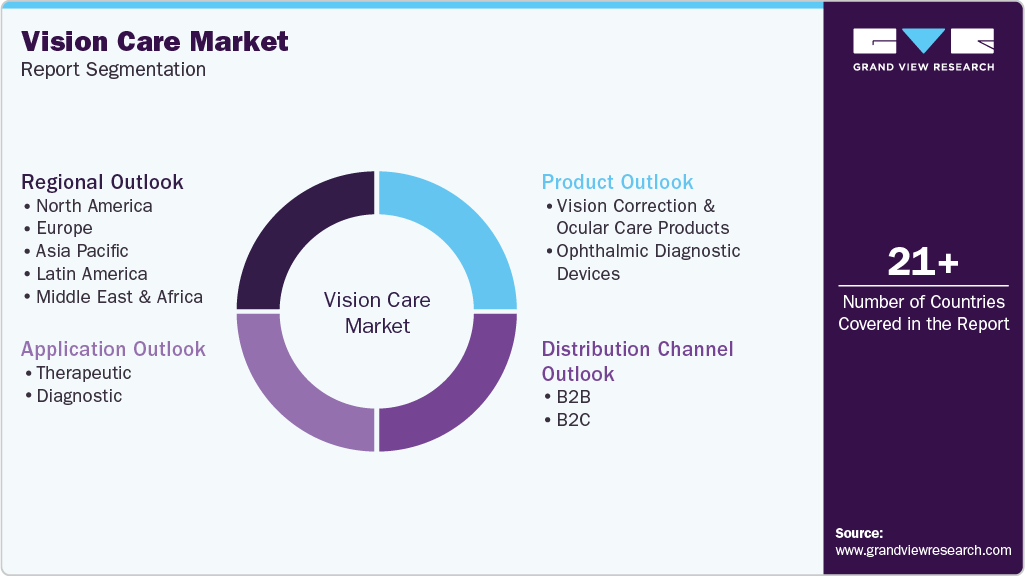
This report forecasts revenue growth at country levels and provides an analysis of the latest industry trends and opportunities in each of the sub-segments from 2021 to 2033. For this study, Grand View Research has segmented the global vision care market report on the basis of product, application, distribution channel and region:
 To learn more about this report, Download Free Sample Report
-
Product Outlook (Revenue, USD Million, 2021 - 2033)
-
Vision Correction & Ocular Care Products
-
Contact Lens
-
Intraocular Lens
-
Ocular Health Products
-
Others
-
-
Ophthalmic Diagnostic Devices
-
Ophthalmic Coherence Tomography Scanners
-
Fundus Cameras
-
Perimeters/Visual Field Analyzers
-
Autorefractors & Keratometers
-
Ophthalmic Ultrasound Imaging Systems
-
Tonometers
-
Slit Lamps
-
Phoropters
-
Wavefront Aberrometers
-
Optical Biometry Systems
-
Ophthalmoscopes
-
Lensmeters
-
Corneal Topography Systems
-
Microscopes
-
Retinoscopes
-
-
-
Application Outlook (Revenue, USD Million, 2021 - 2033)
-
Therapeutic
-
Vision Correction
-
Ocular Health Management
-
Refractive Error Management
-
Dry Eye & Ocular Surface Management
-
Other Therapeutic Applications
-
-
Diagnostic
-
Vision & Functional Assessment
-
Ocular Examination & Screening
-
Ocular Disease Diagnosis
-
Ocular Disease Monitoring
-
Other Diagnostic Applications
-
-
-
Distribution Channel Outlook (Revenue, USD Million, 2021 - 2033)
-
B2B
-
Hospitals & Eye Clinics
-
Academic & Research Laboratories
-
Others
-
-
B2C
-
Optical & Specialty Retail
-
E-Commerce
-
Direct Sales
-
Others
-
-
-
Region Outlook (Revenue, USD Million, 2021 - 2033)
-
North America
-
U.S.
-
Canada
-
Mexico
-
-
Europe
-
UK
-
Germany
-
France
-
Italy
-
Spain
-
Denmark
-
Sweden
-
Norway
-
-
Asia Pacific
-
China
-
Japan
-
South Korea
-
Thailand
-
Australia
-
India
-
-
Latin America
-
Brazil
-
Argentina
-
-
Middle East & Africa
-
South Africa
-
Saudi Arabia
-
UAE
-
Kuwait
-
-
Research Methodology
The vision care market figures in this report are based on a proven research process that combines executive interviews with secondary research from proprietary databases, company filings, and recognized regulatory and institutional sources. Market size is built through value-chain sizing-reconciling supply-side and demand-side estimates-and triangulated with bottom-up and top-down approaches. Every estimate passes multiple levels of expert validation before publication, with each vision care segment quantified using the revenue-capture definitions in the table below.
Segment Definition
Segment - Product
Revenue capture definition
Vision Correction & Ocular Care Products
Revenue is generated through the high-volume manufacturing, prescription dispensing, and retail sale of therapeutic and corrective vision assets. Manufacturers and distributors capture steady income via prescription and over-the-counter (OTC) corrective spectacle lenses, contact lenses, care solutions, and ocular surface pharmaceuticals.
Ophthalmic Diagnostic Devices
Revenue flows from the capital procurement of professional optical examination, imaging, and refractive assessment equipment used by eye care professionals. Market participants earn substantial upfront revenue from capital hardware sales including Optical Coherence Tomography (OCT) scanners, fundus cameras, autorefractors, phoropters, and tonometer platforms supplemented by recurring income from annual service maintenance contracts (AMCs), software licensing for AI-driven image analysis, and specialized consumable components.
Segment - Application
Revenue capture definition
Therapeutic
Revenue is captured through products, devices, and pharmaceuticals deployed to treat, manage, or correct active ocular pathologies and visual refractive errors. Income streams are driven by continuous consumer and patient demand for vision improvement as well as medical interventions for conditions like glaucoma, cataracts, macular degeneration, and dry eye disease, ensuring consistent, long-term product replacement cycles.
Diagnostic
Revenue is derived from clinical systems, screening tools, and diagnostic protocols used to detect ocular conditions, measure refractive parameters, and monitor disease progression. Value is captured by medical device providers when eye care facilities invest in advanced, high-precision imaging and diagnostic technologies to expand point-of-care patient screening capabilities, streamline workflow throughput, and support early-stage disease detection.
Segment - Distribution Channel
Revenue capture definition
B2B
Revenue is generated through institutional procurement networks, wholesale distribution agreements, and bulk contract sales to commercial and medical entities. Market participants capture high-volume revenue by supplying hospital networks, specialized ophthalmic clinics, optometry practice chains, independent optical retailers, and regional healthcare buying groups (GPOs) through structured commercial pricing structures and bulk supply agreements.
B2C
Revenue flows through direct-to-consumer commercial channels, e-commerce retail platforms, and direct-checkout optical chain storefronts. Companies monetize this channel by capturing immediate out-of-pocket payments or insurance-backed consumer transactions for contact lenses, designer frames, reading glasses, OTC eye drops, and automated lens subscription renewal programs.
(b) Estimation Model
Scope Definition
Build the Product Base
Estimate Penetration
Revenue Conversion
What products and vision-care solutions are included in the market being sized?
How many people represent the potential demand for vision-care products?
What proportion of the addressable population uses each vision-care product, and how frequently are products replaced?
How does product utilization translate into market revenue?
Process Steps1. Define the vision-care product categories, such as spectacles, contact lenses, specialty contact lenses.2. Establish segmentation by product type, lens type/design, application or vision condition, and use/distribution channel, as applicable.3. Define whether the market is measured at manufacturer revenue, distributor revenue, retail revenue, or consumer spending level and maintain consistency.4. Align on base year and forecast horizon (2026-2033).
Process Steps1. Assess total population by country, age group, and relevant demographic characteristics.2. Quantify the population requiring vision correction based on myopia, hyperopia, astigmatism, presbyopia, and other relevant vision needs.3. Estimate the proportion of the vision-correction population with access to and utilization of vision-care products.4. Adjust the addressable population for age, income, healthcare access, urbanization, awareness, and availability of optical/eye-care services.
Process Steps1. Estimate penetration of spectacles, contact lenses, specialty lenses, and other included vision-care products within the addressable population.2. Determine the conversion rate from people requiring vision correction to actual product users.3. Estimate annual replacement frequency for different product categories, particularly contact lenses, and distinguish new users from replacement purchases.4. Assess adoption differences between developed and emerging markets and between prescription, specialty, and lifestyle-driven products.
Process Steps1. Collect product-level average selling prices (ASP) across major countries and product categories.2. Calculate revenue by product category using estimated units/active users × ASP.3. Account for differences in ASP by product type, prescription type, specialty design, geography, and distribution channel.4. Validate market estimates using bottom-up and top-down approaches.
Delivered Customizations
This report has been delivered with the following In-depth customizations
Client Request
Customization Delivered
Value Adds
Market Dynamics Analysis
Conducted a comprehensive market dynamics assessment of the global vision care market, evaluating key factors influencing demand across contact lenses, spectacles and lenses, ophthalmic pharmaceuticals, vision correction products, eye care devices, and other vision care solutions. The analysis assessed the impact of the increasing prevalence of refractive errors, myopia, presbyopia, cataracts, glaucoma, diabetic eye diseases, and other vision-related disorders; growing aging populations; increasing screen exposure and digital eye strain; rising awareness of preventive eye care; and expanding access to vision screening and correction services. The study further evaluated technological developments such as myopia-control contact lenses, advanced intraocular lenses, specialty contact lenses, digital eye examination technologies, AI-enabled vision screening, and smart ophthalmic devices. From an economic perspective, the assessment examined healthcare expenditure, consumer disposable income, out-of-pocket spending, affordability of vision correction products, insurance and reimbursement coverage, pricing trends, inflation, currency fluctuations, manufacturing costs, and supply-chain conditions.
Enables stakeholders to understand the principal growth drivers, restraints, opportunities, and emerging trends shaping the vision care market. The analysis helps manufacturers identify high-growth product categories, evaluate the impact of demographic and disease trends on demand, optimize pricing and product positioning according to consumer purchasing power, and identify opportunities for premium, mid-range, and affordable vision care solutions.
Porter's Analysis
Conducted a detailed Porter's Five Forces analysis of the global vision care market, assessing competitive rivalry, threat of new entrants, bargaining power of suppliers, bargaining power of buyers, and threat of substitutes across major product categories. The assessment examined the competitive intensity among established ophthalmic and vision care manufacturers, the importance of brand reputation, clinical evidence, regulatory approvals, intellectual property, manufacturing capabilities, distribution networks, and practitioner relationships. Supplier power was evaluated based on the availability of specialized optical materials, polymers, coatings, electronic components, pharmaceutical ingredients, and precision manufacturing technologies. Buyer power was assessed across ophthalmologists, optometrists, optical retailers, hospitals, clinics, distributors, insurers, and individual consumers, considering price sensitivity, product differentiation, switching costs, and purchasing volumes. The analysis also evaluated barriers to entry associated with regulatory requirements, clinical validation, capital investment, technology development, manufacturing standards, and established distribution networks.
Provides stakeholders with a structured understanding of the competitive and economic forces affecting profitability and market attractiveness. The analysis helps companies evaluate competitive positioning, identify barriers to entry, assess supplier and customer dependencies, determine pricing power, and understand substitution risks. It also supports strategic decisions related to vertical integration, supplier diversification, product differentiation, partnerships, cost optimization, and expansion into markets where competitive intensity and purchasing power are favorable.
Geographic Analysis
Conducted a comprehensive geographic assessment of the global vision care market across North America, Europe, Asia Pacific, Latin America, and the Middle East & Africa, with further evaluation of major countries and high-potential markets. The analysis assessed regional differences in the prevalence of refractive errors and age-related eye diseases, population demographics, healthcare infrastructure, ophthalmology and optometry capacity, availability of eye care professionals, optical retail networks, insurance and reimbursement systems, and consumer awareness. The study also evaluated regional adoption of contact lenses, spectacles, specialty lenses, myopia-control products, ophthalmic pharmaceuticals, and advanced diagnostic and vision correction technologies. Economic factors including GDP growth, healthcare expenditure, disposable income, healthcare affordability, inflation, currency movements, import dependency, manufacturing capabilities, and out-of-pocket healthcare spending were incorporated to assess regional market attractiveness.
Enables stakeholders to identify high-growth geographic markets and regional expansion opportunities based on disease burden, healthcare infrastructure, economic capacity, product adoption, and competitive conditions. The study supports market-entry and localization strategies by identifying regions suitable for premium products versus cost-effective solutions, optimizing distribution networks, evaluating local manufacturing opportunities, and prioritizing investments according to healthcare spending and consumer purchasing power.
Frequently Asked Questions About This Report
The global vision care market size was estimated at USD 37.9 billion in 2025 and is expected to reach USD 39.2 billion in 2026.
The global vision care market is expected to grow at a compound annual growth rate of 3.4% from 2026 to 2033 to reach USD 49.5 billion by 2033.
By product, the vision correction and ocular care products segment dominated the vision care market, accounting for 58.0% in 2025. This is attributable to the rising number of people with near- or distance-vision impairments and the shift towards products that provide not only vision correction but also longer-term eye health benefits.
North America dominated the vision care market with a share of 43.4% in 2025.
Key factors driving market growth include the high and rising burden of vision impairment worldwide, leading to the growing demand for eyeglasses, contact lenses, surgical solutions, and other vision-care products.
Some key players operating in the vision care market include Alcon, Inc.; Johnson & Johnson Vision; Essilor International; Bausch + Lomb; CooperVision; HOYA Corporation; Carl Zeiss Meditec AG (ZEISS); STAAR Surgical Company; NIDEK Co., Ltd.; TOPCON Corporation; Rayner Group; Heidelberg Engineering GmbH
Asia Pacific is the fastest-growing region over the forecast period.
Therapeutic segment held a leading market share of 58.0% in 2025.
B2C segment held a leading market share of 60.4% in 2025.
About the Author(s)
Medical Devices Research Team
Healthcare · Medical DevicesThis report was authored by the medical devices research team at Grand View Research - comprising two research analysts, one senior research analyst, and one industry expert - with specialized expertise in the medical devices segment of the healthcare industry. All findings are based on proprietary healthcare databases, executive interviews, and regulatory analysis, subject to internal peer review prior to publication.
Last Updated:
Speak to Analyst

Customize this report to your needs - add regions, segments, or data points, with 20% free customization.
Or view our licence options:


ISO 9001:2015 & 27001:2022 Certified
We are GDPR and CCPA compliant! Your transaction & personal information is safe and secure. For more details, please read our privacy policy.


