
- Home
- »
- Biotechnology
- »
-
Antibody Discovery Market Size & Share Report, 2026-2033GVR Report cover

Antibody Discovery Market (2026 - 2033)
Size, Share & Trends Analysis Report By Product & Service (Instruments, Software), By Method (Hybridoma, Transgenic Animal Platforms, Phage Display), By Antibody Type, By Disease Area, By End Use, By Region, And Segment Forecasts
Market Size, 2025
$2.9BMarket Estimate, 2026
$3.2BMarket Forecast, 2033
$6.8BCAGR, 2026–2033
11.5%Antibody Discovery Market Summary
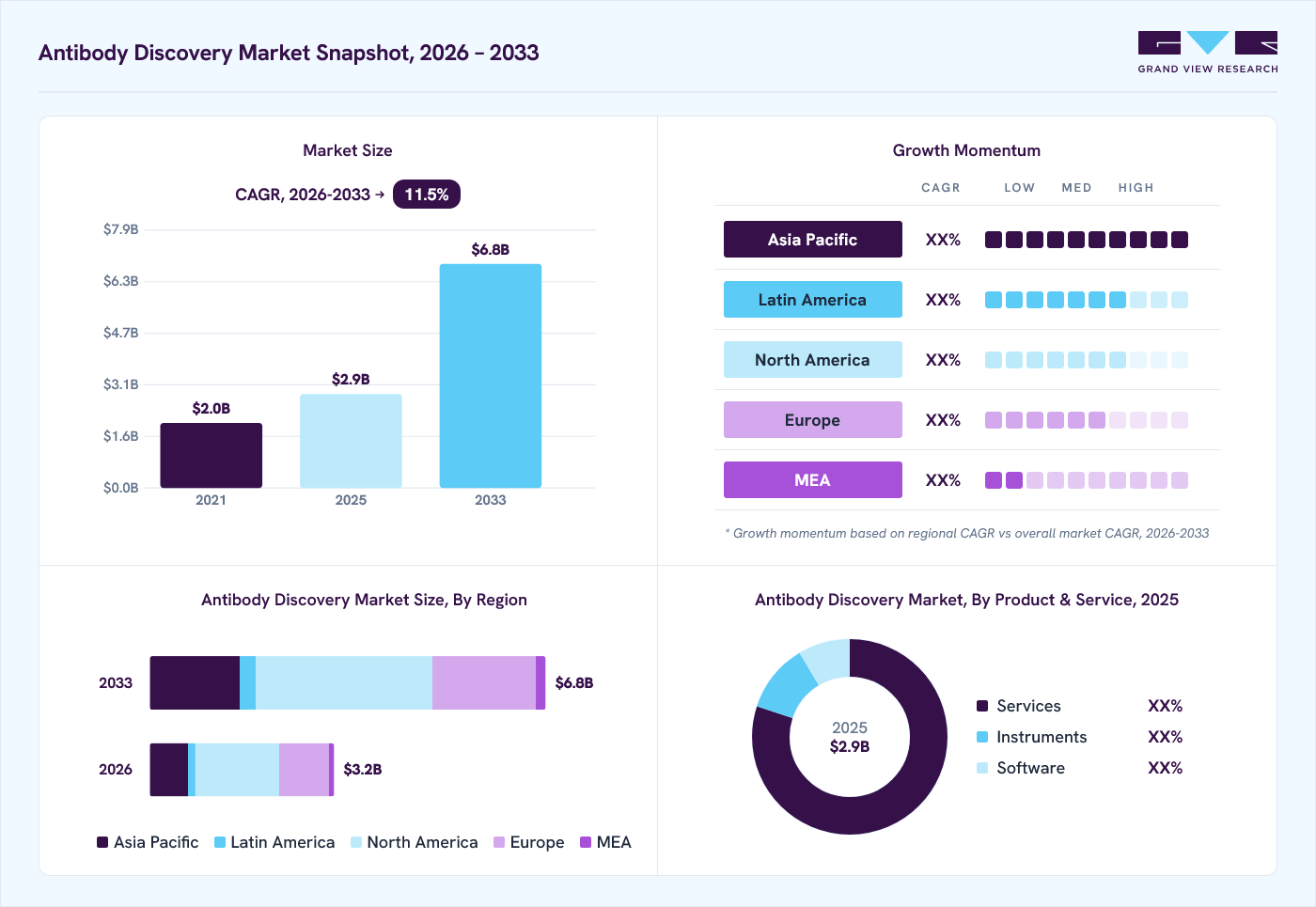
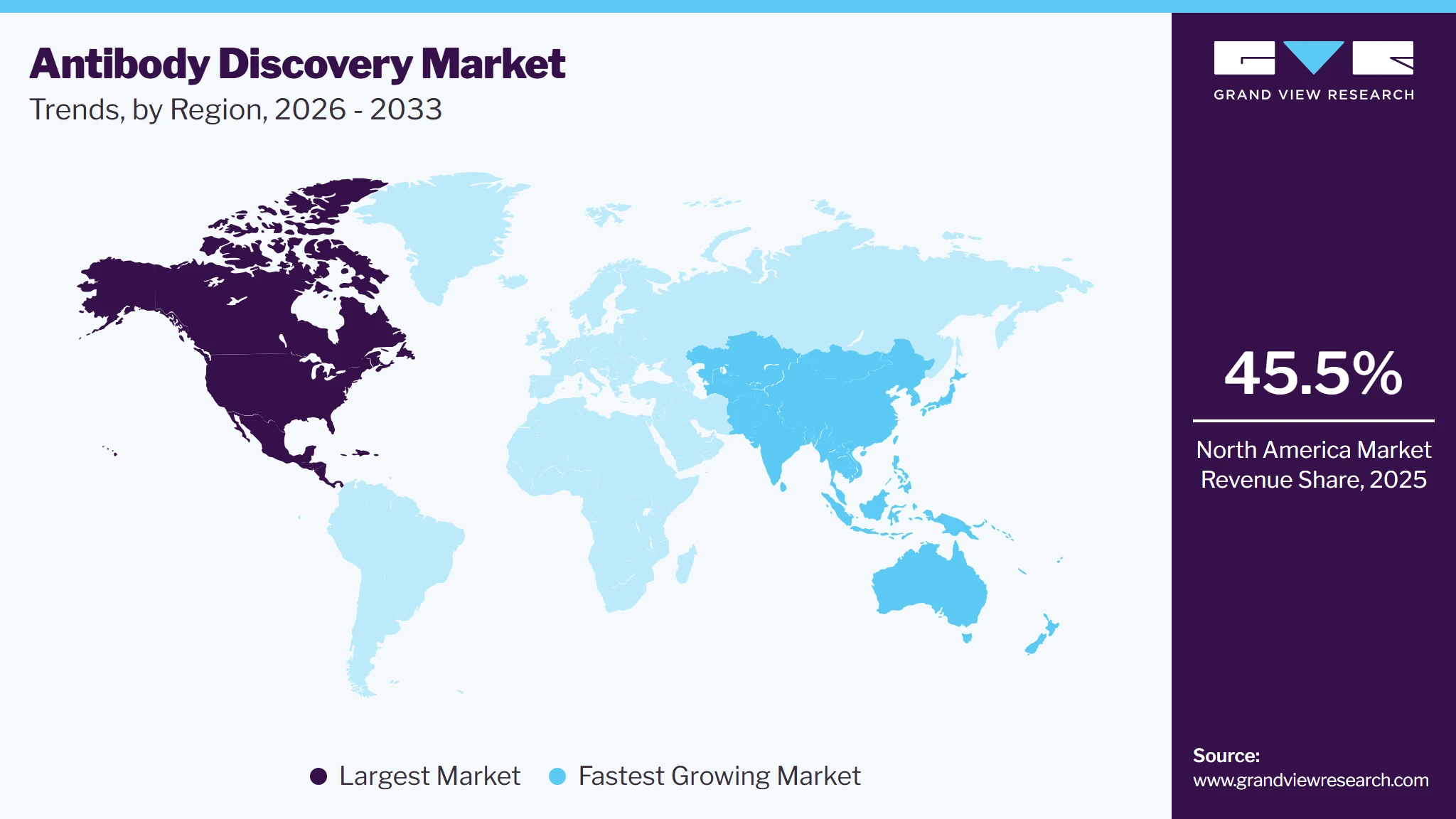
The global antibody discovery market size was valued at USD 2.9 billion in 2025 and is projected to grow from USD 3.2 billion in 2026 to USD 6.8 billion by 2033, at a CAGR of 11.5% from 2026 to 2033. North America antibody discovery market held the largest share of 45.5% of the global market in 2025. Market growth is driven by increasing demand for targeted biologics, rising prevalence of chronic and infectious diseases, and advancements in antibody engineering, single-cell analysis, and high-throughput screening technologies.
 Source: Grand View Research, IR Documents, Primary Interviews, Paid DatabasesTo learn more about this report,
 Download Free Sample Report
Key Market Trends & Insights
- By product & service: Services segment held the highest market share of 66.5% in 2025.
- By method: Hybridoma segment held the highest market share in 2025.
- By antibody type: Human antibodies segment held the highest market share in 2025.
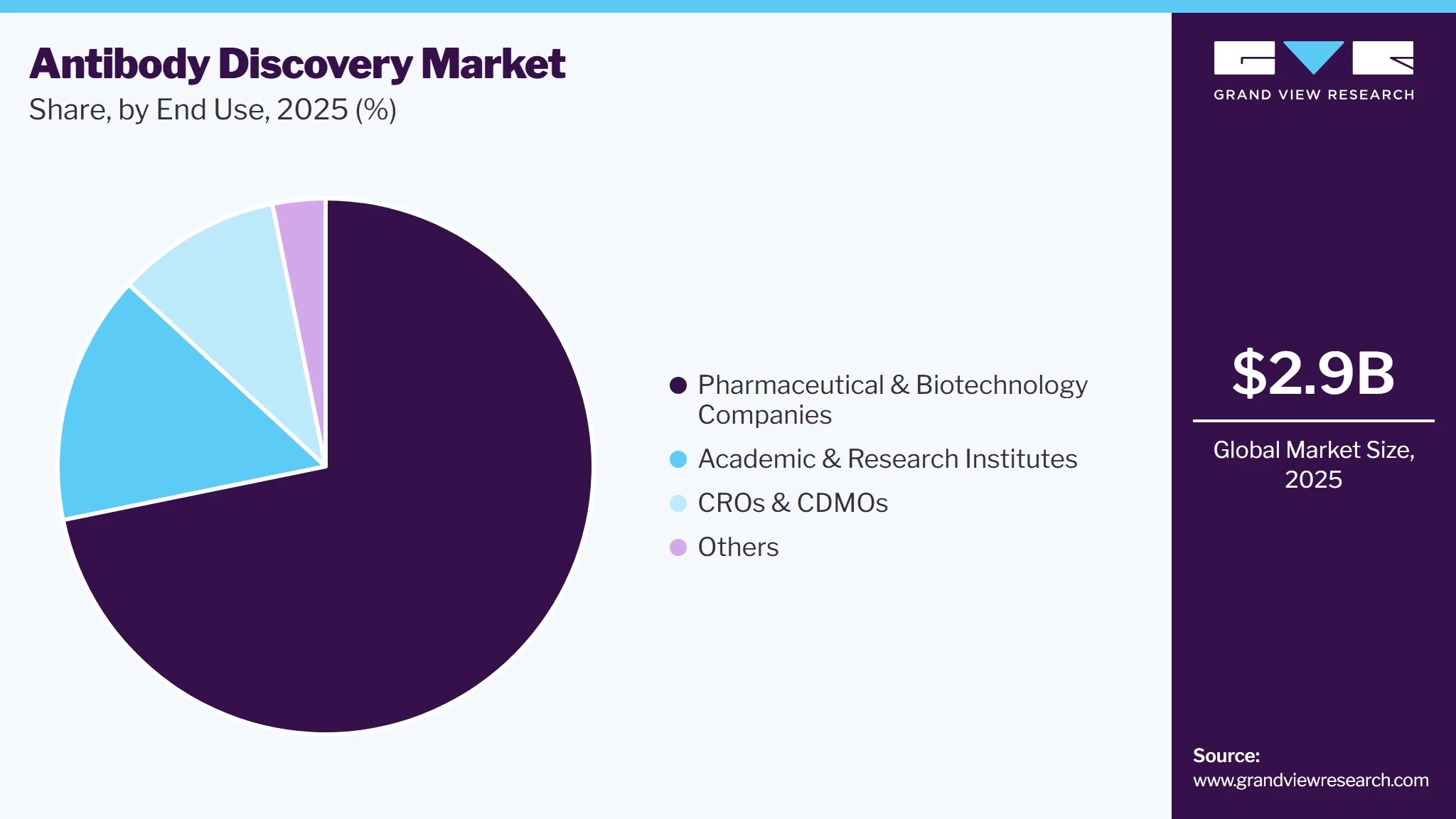
- By end use: Pharmaceutical & biotechnology companies segment dominated the market with a share of 71.8% in 2025.
- By disease area: Oncology segment accounted for the largest revenue share over 41.7% in 2025.
Regional Highlights
- Largest regional market: North America (45.5% revenue share, 2025)
- Fastest-growing regional market: Asia Pacific (highest CAGR, 2026-2033)
- By country: The U.S. held the largest market in 2025.
Market Size & Forecast
- Market size in 2025: USD 2.9 Billion
- Estimated market size in 2026: USD 3.2 Billion
- Projected market size by 2033: USD 6.8 Billion
- CAGR (2026-2033): 11.5%
Prism AI by Grand View Research Free to tryAsk a question about the antibody discovery marketTry asking✓Every figure cited from GVR research Prefer the report? Download free sample →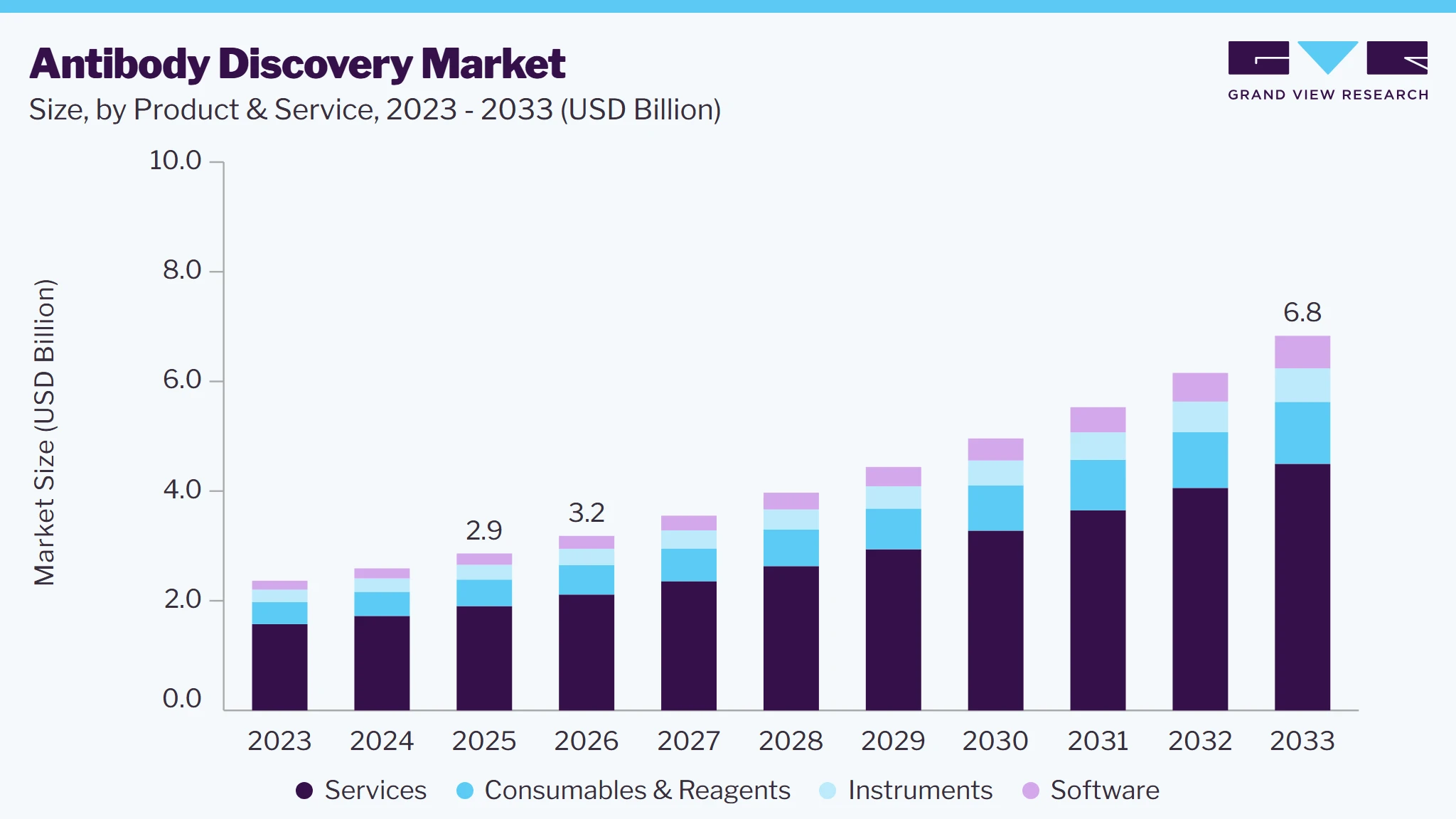 To learn more about this report, Download Free Sample Report
Market Dynamics
The antibody discovery market is witnessing significant growth, driven by increasing investments in biopharmaceutical R&D, rising demand for targeted biologics, and expanding applications of monoclonal and multispecific antibodies. Advancements in antibody engineering and AI-driven molecular design are supporting the development of novel therapeutics. However, high discovery costs, technical complexities, and candidate failure risks may restrain market growth. Growing collaborations between pharmaceutical companies, biotechnology firms, and CROs are expected to create further opportunities.
The increasing adoption of single-cell analysis and B-cell screening platforms is driving the antibody discovery market by enabling the rapid identification and characterization of antibody-producing B cells with desired specificity, affinity, and functional properties. These technologies allow researchers to analyze individual cells, recover paired heavy- and light-chain antibody sequences, and identify promising candidates from diverse antibody repertoires. Compared with conventional screening approaches, advanced microfluidic platforms improve screening throughput, streamline candidate identification, and support the discovery of high-quality therapeutic antibodies.
Moreover, growing demand for human and fully human antibodies for oncology, autoimmune diseases, and infectious diseases is encouraging pharmaceutical and biotechnology companies to adopt advanced B-cell screening technologies. Integration of single-cell sequencing, automated screening, and antibody validation assays is improving candidate selection and accelerating early-stage discovery workflows. For instance, Biointron Biological Inc. offers single B-cell screening services that combine high-throughput screening with antibody sequence recovery and validation capabilities. Such technological advancements demonstrate the potential of these platforms to improve discovery efficiency and support the development of therapeutic antibody candidates.
Key Advantages of Single B-Cell Screening Platforms in Antibody Discovery
Platform Advantage
Market Impact
High-throughput screening
Enables the screening of large numbers of antibody-producing cells, increasing the likelihood of identifying promising antibody candidates.
Preservation of natural antibody chain pairing
Maintains native heavy- and light-chain combinations, supporting the identification and characterization of functional antibodies.
Accelerated candidate identification
Streamlines cell screening and antibody sequence recovery, potentially reducing early-stage discovery timelines.
Antibody specificity assessment
Supports the selection of candidates with desired antigen-binding characteristics through screening and validation assays.
Broad target applicability
Facilitates antibody discovery against diverse targets, supporting research across oncology, infectious diseases, and other therapeutic areas.
Integrated screening and validation workflows
Combines candidate screening, sequence recovery, and validation steps to improve workflow efficiency.
Source: Biointron Biological Inc., Secondary Research, Primary Interviews, Grand View Research Analysis
Technical challenges in antibody screening and validation restrain market growth due to difficulties in identifying candidates with optimal affinity, specificity, stability, and biological activity. Limitations in screening technologies, variability in assay conditions, and challenges in detecting low-abundance antibodies can affect reproducibility and complicate candidate selection. These factors increase the complexity of antibody discovery workflows and require additional optimization.
Moreover, extensive validation is necessary to evaluate antibody functionality, developability, and suitability for therapeutic applications. Differences between initial screening results and subsequent experimental performance may necessitate repeated testing and further characterization. These requirements increase research costs, extend discovery timelines, and contribute to candidate attrition, particularly among smaller biotechnology companies with limited technical expertise and resources.
The expansion of multispecific and next-generation antibody therapeutics presents a significant growth opportunity for the antibody discovery market, as pharmaceutical and biotechnology companies increasingly develop antibodies capable of targeting multiple antigens or engaging distinct immune pathways. These approaches offer potential benefits in enhancing therapeutic specificity and addressing complex diseases, particularly cancer and autoimmune disorders. Growing investment in bispecific and trispecific antibodies is increasing demand for specialized antibody discovery platforms, protein engineering, high-throughput screening, and candidate optimization services, creating opportunities for discovery providers to expand their capabilities and strengthen partnerships with biopharmaceutical companies.
This opportunity is further supported by industry collaborations focused on developing advanced antibody therapeutics. For instance, in June 2026, Jazz Pharmaceuticals and AbCellera announced a collaboration to discover next-generation T-cell-engaging multispecific antibodies for gastrointestinal cancers and other solid tumors, leveraging AbCellera’s antibody discovery and protein engineering platform. This development highlights growing industry investment in complex antibody formats and is expected to create opportunities for specialized discovery service providers to support the development of next-generation therapeutic candidates.
“This research collaboration with AbCellera directly aligns with Jazz’s rare disease strategy, expanding our focus on GI cancers and building on our existing expertise in oncology. We look forward to collaborating with AbCellera to progress potential best-in-class TCE multispecific antibodies for GI cancers and other solid tumors into clinical development and to develop meaningful innovation for patients.”
- Josh Allen, Ph.D., chief scientific officer, oncology, Jazz Pharmaceuticals
Market Concentration & Characteristics
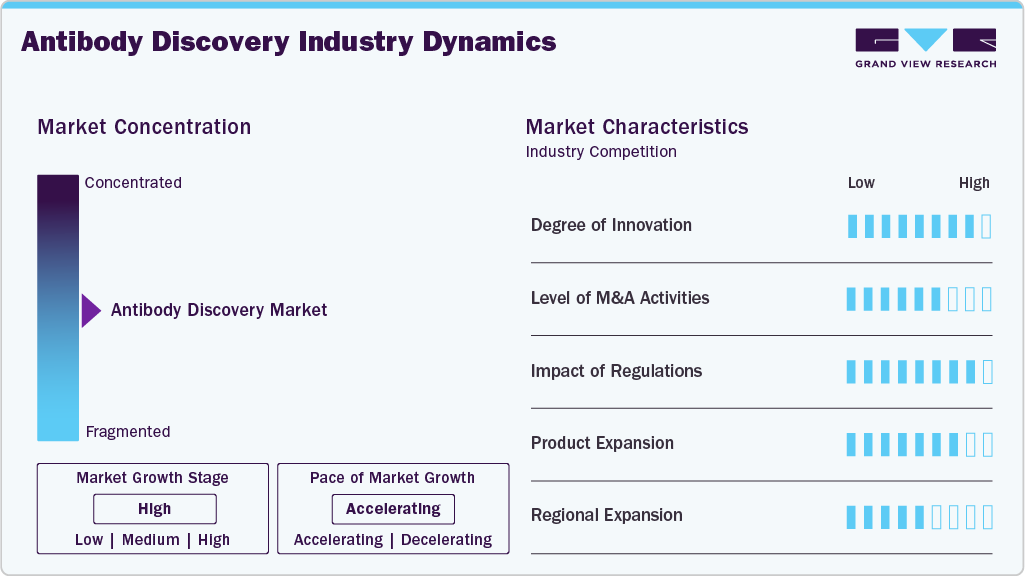
The antibody discovery industry is characterized by a high degree of innovation, driven by advancements in antibody engineering, artificial intelligence (AI), computational design, and novel discovery platforms. For instance, in October 2025, Harbour BioMed launched a generative AI model for fully human heavy-chain-only antibodies, integrating AI design, screening, and laboratory validation to support next-generation biologics discovery.
The antibody discovery industry is experiencing moderate M&A activity, driven by pharmaceutical and biotechnology companies seeking to strengthen proprietary discovery platforms, expand therapeutic pipelines, and access differentiated antibody engineering technologies. These transactions enable companies to broaden their research capabilities and accelerate the development of next-generation biologics. For instance, in February 2025, BioNTech completed its acquisition of Biotheus, strengthening its antibody development capabilities and expanding its pipeline of bispecific antibodies, including candidates targeting cancer. This acquisition highlights the strategic importance of consolidating antibody technologies and therapeutic assets to enhance competitive positioning in the market.
 To learn more about this report, Download Free Sample Report
The antibody discovery market is influenced by regulatory requirements for antibody characterization, biological activity, safety, and product quality. These requirements shape early-stage discovery and validation workflows, increasing the importance of robust analytical methods and reproducible testing. For instance, in December 2025, the U.S. FDA issued draft guidance on streamlined nonclinical safety studies for monoclonal antibodies, reflecting evolving regulatory approaches to antibody development.
The antibody discovery industry is witnessing high product expansion, supported by the development of novel antibody libraries, engineered antibody formats, and integrated discovery technologies. For instance, in December 2025, Fusion Antibodies launched its OptiMAL human antibody discovery platform, combining a synthetic antibody library with mammalian display technology to identify novel human antibodies. This launch expanded the company's discovery technology offerings and strengthened its preclinical antibody engineering capabilities.
The antibody discovery industry is witnessing a moderate to high regional expansion, supported by increasing investments in biotechnology research, expanding biopharmaceutical infrastructure, and growing demand for therapeutic antibodies. Rising R&D expenditure and strategic collaborations across emerging biotechnology hubs, particularly in Asia Pacific, are creating opportunities for market players to strengthen their regional presence and expand service offerings.
Analyst Perspective
The antibody discovery market is expected to witness significant growth, driven by increasing demand for targeted biologics, expanding biopharmaceutical pipelines, and rising investments in oncology and immunology research. Advancements in single-cell analysis, artificial intelligence (AI)-enabled screening, and antibody engineering are improving discovery efficiency and accelerating candidate identification. Growing adoption of outsourced discovery services and strategic collaborations between pharmaceutical companies, biotechnology firms, and CROs is expected to create further growth opportunities, encouraging market participants to focus on technological innovation and high-throughput discovery platforms.
Product & Service Insights
The services segment accounted for the largest revenue share, over 66.5% in 2025, driven by pharmaceutical and biotechnology companies increasing reliance on specialized providers for antibody generation, screening, and optimization. Outsourcing enables access to advanced discovery platforms while reducing infrastructure requirements and research timelines. For instance, in May 2025, AbTherx partnered with Spice Biotechnologies to discover therapeutic antibodies against selected targets using its Atlas Mouse technologies, supporting the development of next-generation immuno-oncology therapeutics.
The software segment is expected to register the fastest CAGR over the forecast period, driven by the growing adoption of artificial intelligence (AI), machine learning, and computational modeling in antibody discovery workflows. These tools enable researchers to predict antibody-antigen interactions, analyze sequence diversity, optimize candidate affinity, and assess developability at an early stage. Increasing demand for data-driven screening and integration of computational platforms with high-throughput experimental systems is expected to accelerate discovery timelines and improve candidate selection efficiency.
Method Insights
The hybridoma segment dominated the market with a 30.1% share in 2025, driven by its established role in generating stable antibody-producing cell lines and producing monoclonal antibodies with consistent specificity. Its well-established protocols, reproducibility, and ability to generate antibodies against diverse targets continue to support its use in therapeutic research, diagnostic development, and preclinical studies.
The yeast & mammalian display segment is expected to register a significant CAGR over the forecast period, driven by its ability to support the expression, screening, and optimization of complex antibody candidates in biologically relevant systems. These platforms enable researchers to evaluate antibody binding affinity, stability, and functional characteristics while facilitating the selection of candidates with improved developability. Growing demand for engineered antibodies, including bispecific and other next-generation formats, is expected to further support the adoption of these display technologies.
Antibody Type Insights
The human antibodies segment dominated the market with a 39.7% share in 2025 and is expected to grow at the fastest CAGR during the forecast period, driven by increasing demand for therapeutics with reduced immunogenicity and greater compatibility with the human immune system. Advancements in fully human antibody libraries, transgenic animal models, and single B-cell screening are supporting the identification of candidates with favorable therapeutic properties. For instance, in June 2026, Cyagen Biosciences partnered with Macau University of Science and Technology to advance AI-driven fully human antibody discovery by integrating computational design, genetically engineered mouse models, and antibody screening technologies, supporting the development of next-generation therapeutic candidates.
The humanized antibodies segment is expected to register a significant CAGR over the forecast period, driven by their ability to retain antigen-binding specificity while reducing immunogenic responses associated with non-human antibody sequences. Increasing research into antibody engineering and sequence optimization is supporting the development of humanized candidates with improved pharmacokinetic properties and therapeutic performance. Growing applications in oncology, autoimmune disorders, and other chronic diseases are further encouraging pharmaceutical and biotechnology companies to expand their humanized antibody pipelines.
Disease Area Insights
The oncology segment accounted for the largest revenue share, over 41.7% in 2025, driven by increasing demand for targeted cancer therapies and growing research into antibody-based treatments for diverse tumor types. Rising investments in monoclonal antibodies, bispecific antibodies, and antibody-drug conjugates are encouraging pharmaceutical and biotechnology companies to expand discovery programs targeting tumor-specific antigens and immune checkpoints. The need to identify antibodies with enhanced tumor selectivity and therapeutic efficacy continues to support discovery activities across oncology research and drug development.
The neurology segment is expected to register the fastest CAGR over the forecast period, driven by increasing research into antibody-based therapies for neurodegenerative and neurological disorders, including Alzheimer's disease, Parkinson's disease, and multiple sclerosis. Advances in blood-brain barrier transport technologies and antibody engineering are expanding opportunities to develop candidates capable of targeting disease-associated proteins and neuroinflammatory pathways. Growing investment in neuroscience research and the pursuit of disease-modifying treatments are further supporting antibody discovery activities in this segment.
End Use Insights
The pharmaceutical & biotechnology companies segment dominated the market with a share of 71.8% in 2025, driven by increasing investments in biologics research, expanding therapeutic antibody pipelines, and rising demand for targeted treatments across oncology, autoimmune, and infectious diseases. Growing adoption of advanced antibody discovery platforms is enabling these companies to identify promising candidates, improve screening efficiency, and accelerate preclinical development.
 To learn more about this report, Download Free Sample Report
The CROs & CDMOs segment is projected to witness the fastest CAGR, driven by increasing outsourcing of antibody discovery activities by pharmaceutical and biotechnology companies seeking to optimize research costs and access specialized technical expertise. Growing demand for high-throughput screening, antibody engineering, and candidate optimization services is encouraging service providers to expand their platform capabilities and support complex biologics development programs.
Regional Insights
North America dominated the antibody discovery industry, accounting for the largest revenue share of 45.5% in 2025, supported by established biotechnology infrastructure, substantial biopharmaceutical R&D investments, and the presence of specialized antibody discovery service providers. For instance, in April 2025, U.S.-based Antibody Solutions expanded its Cellestive platform to include single plasma B-cell discovery services, strengthening its capabilities in identifying antibodies against challenging therapeutic targets.
 To learn more about this report, Download Free Sample Report
U.S. Antibody Discovery Market Trends
The antibody discovery industry in the U.S. is expected to grow over the forecast period, supported by a well-established biotechnology ecosystem, substantial pharmaceutical R&D expenditure, and the presence of specialized contract research organizations (CROs). Increasing adoption of high-throughput screening, AI-driven antibody design, and automated candidate evaluation is improving discovery efficiency and supporting the development of novel therapeutic antibodies. For instance, in June 2026, Biointron launched RushData, an integrated high-throughput platform designed to support AI-driven antibody discovery through rapid antibody expression and developability assessment, highlighting the growing integration of computational tools and experimental workflows in antibody research.
Europe Antibody Discovery Market Trends
The antibody discovery market in Europe was identified as a lucrative region in this industry, supported by established biotechnology infrastructure, strong academic research capabilities, and increasing investment in AI-enabled biologics development. Growing collaboration between pharmaceutical companies and technology providers is strengthening antibody design and optimization capabilities. For instance, in January 2026, Germany-based Bayer entered into a three-year collaboration with Cradle to integrate AI-powered protein engineering into its R&D workflows, supporting the generation and optimization of therapeutic antibody candidates.
"We believe AI-driven molecule design, discovery and optimization will be a key accelerator of our productivity moving forward. Cradle’s platform provides us with scalable scientist-centric solutions to maximize the opportunities in our biologics portfolio and potentially deliver faster, more effective medicines to patients."
Anastasia Hager, Ph.D., Global Head of Drug Discovery Sciences at Bayer’s Pharmaceuticals Division
The UK antibody discovery market is supported by established life sciences research infrastructure, academic-industry collaborations, and increasing investment in advanced biologics development. Growing adoption of AI-driven antibody design, protein engineering, and computational screening is enhancing research capabilities and supporting the development of therapeutic candidates for complex diseases. In addition, the presence of specialized biotechnology companies and contract research organizations is strengthening the country's antibody discovery ecosystem.
The antibody discovery market in Germany is anticipated to grow significantly over the forecast period, supported by protein engineering expertise and advanced biologics research. For instance, in April 2025, Düsseldorf-based LenioBio launched its ALiCE High-Throughput Protein Expression platform, enabling rapid production and screening of multiple antibody formats, including monoclonal antibodies, nanobodies, and multispecific antibodies.
Asia Pacific Antibody Discovery Market Trends
Asia-Pacific is expected to grow at the fastest CAGR of 13.0% during the forecast period, supported by expanding biotechnology research, increasing pharmaceutical R&D, and investments in advanced biologics platforms. For instance, in May 2026, China-based Biocytogen launched its RenSuper platform, integrating AI-driven candidate selection with automated antibody validation to accelerate therapeutic antibody discovery.
“We believe the future of antibody discovery will be driven by speed, scale, and data-driven intelligence. With RenSuper, we are building an intelligence-native system that makes antibody discovery more intelligent, scalable, and efficient. Our goal is to reduce the time and complexity of early-stage discovery, accelerate the development of innovative therapeutics, and bring new medicines to patients faster.”
- Dr. Yuelei Shen, Founder and CEO of Biocytogen
China's antibody discovery market is supported by growing domestic biotechnology capabilities, investment in proprietary antibody platforms, and collaborations with global pharmaceutical companies. For instance, in December 2025, China-based Harbour BioMed entered into a global collaboration with Bristol Myers Squibb to discover and develop next-generation multispecific antibodies, strengthening opportunities for cross-border research and the development of advanced antibody therapeutics.
The antibody discovery market in Japan is expected to grow steadily, supported by its focus on developing antibody-based treatments for age-related diseases and difficult-to-treat cancers. The country's pharmaceutical industry is increasingly exploring antibody-drug conjugates (ADCs), immune checkpoint targets, and novel antibody formats to improve therapeutic precision. These research priorities are creating opportunities for specialized discovery providers to support target validation, antibody optimization, and early-stage therapeutic development.
Latin America Antibody Discovery Market Trends
The Latin America antibody discovery market is expected to grow gradually, supported by emerging opportunities through local antibody research, infectious disease programs, and collaborations between biotechnology companies and public research institutions. For instance, in November 2025, Mabloc partnered with Brazil's Instituto Butantan to co-develop a monoclonal antibody therapy for yellow fever, highlighting the potential for regionally focused antibody discovery and therapeutic development.
MEA Antibody Discovery Market Trends
MEA antibody discovery market is growing steadily, supported by ongoing investments in biotechnology infrastructure and increasing focus on local biopharmaceutical research. Rising demand for antibody-based therapies for cancer and infectious diseases is encouraging the development of regional research capabilities. Efforts to strengthen scientific expertise and expand access to advanced biologics are further supporting market growth.
Key Antibody Discovery Company Insights
Several well-established companies operate in the antibody discovery market, supported by their capabilities in antibody screening, engineering, high-throughput discovery platforms, and associated reagents and instruments. Prominent players, including WuXi Biologics (Cayman) Inc., GenScript, Charles River Laboratories, AbCellera Biologics Inc., Biocytogen Pharmaceuticals (Beijing) Co., Ltd., Bruker, and Fusion Antibodies, etc. strengthen their market positions through technological advancements, platform development, strategic collaborations, and service expansion. These initiatives focus on improving antibody identification, screening efficiency, candidate optimization, and the development of novel therapeutic antibodies.
Key Antibody Discovery Companies
The following key companies have been profiled for this study on the antibody discovery market.
-
WuXi Biologics (Cayman) Inc.
-
GenScript
-
Charles River Laboratories
-
AbCellera Biologics Inc.
-
Biocytogen Pharmaceuticals (Beijing) Co., Ltd.
-
Bruker
-
Twist Bioscience
-
OmniAb, Inc.
-
Bio-Rad Laboratories, Inc.
-
Danaher Corporation
-
10x Genomics
-
Sino Biological, Inc.
-
BD
-
MindWalk Holdings Corp.
-
Fusion Antibodies
Competitive Benchmarking
Category
Operating Strategies
Competitive Edge
Weakness
Established Players (WuXi Biologics (Cayman) Inc., GenScript, Charles River Laboratories, AbCellera Biologics Inc., Biocytogen Pharmaceuticals (Beijing) Co., Ltd., Danaher Corporation, 10x Genomics, BD, etc.)
- Strengthen market presence through strategic collaborations, service portfolio expansion, and investments in advanced antibody engineering and high-throughput discovery technologies.
- Strong R&D infrastructure, global reach, and integrated discovery services that support antibody development from early-stage research to preclinical evaluation.
- High R&D expenditure and infrastructure costs associated with advanced antibody discovery platforms and technologies.
Emerging Players (Bruker, Twist Bioscience, OmniAb, Inc., Bio-Rad Laboratories, Inc., Sino Biological, Inc., MindWalk Holdings Corp., Fusion Antibodies)
- Develop differentiated discovery solutions through targeted R&D investments, technology licensing, and collaborations with pharmaceutical and biotechnology companies.
- Specialized expertise in antibody screening, library development, engineering, and characterization enables differentiated solutions for specific research requirements.
- Dependence on partnership opportunities, research funding, and successful commercialization of proprietary discovery technologies.
Recent Developments
-
In November 2025, U.S.-based OmniAb entered into a technology licensing and services agreement with Mabtrx Biosciences to discover novel antibodies using its OmnidAb single-domain antibody technology for therapeutic development.
-
In October 2025, Charles River Laboratories partnered with the Francis Crick Institute in the United Kingdom to advance antibody-drug conjugate discovery, leveraging phage display libraries to identify high-affinity, target-specific antibodies for therapeutic development.
“This integrated ADC development agreement represents a powerful synergy between cutting-edge antibody discovery and rigorous safety profiling.”
- Justin Bryans, PhD, Chief Scientific Officer, Charles River
-
In August 2025, China-based Biocytogen partnered with MegaRobo Technologies to advance fully human antibody discovery by integrating intelligent automation, artificial intelligence, and data analytics, improving research efficiency and scalability across antibody development workflows.
-
In August 2025, GenScript partnered with Bioelectronica to integrate AI-powered single B-cell screening with antibody development services, accelerating therapeutic antibody discovery and improving candidate identification and validation efficiency.
"Bioelectronica’s collaboration with GenScript marks a significant step in expanding the applications of single B-cell technology. Leveraging GenScript’s extensive expertise in antibody services and its global network, this partnership provides an ideal platform for the commercialization of single B-cell technology, helping users reduce costs and accelerating the adoption of our solutions by customers worldwide."
- Jianjun Sun, CEO of Bioelectronica
Antibody Discovery Market Report Scope
Report Attribute
Details
Market size in 2025
USD 2.9 billion
Estimated market size in 2026
USD 3.2 billion
Projected market size by 2033
USD 6.8 billion
Growth rate
CAGR of 11.5% from 2026 to 2033
Historical data
2021 - 2025
Forecast period
2026 - 2033
Quantitative units
Revenue in USD million, and CAGR from 2026 to 2033
Report coverage
Revenue forecast, company ranking, competitive landscape, growth factors, and trends
Segments covered
Product & service, method, antibody type, disease area, end use, and region
Regional scope
North America; Europe; Asia Pacific; Latin America; MEA
Country scope
U.S., Canada, Mexico, UK, Germany, France, Italy, Spain, Norway, Denmark, Sweden, China, Japan, India, South Korea, Australia, Thailand, Brazil, Argentina, Saudi Arabia, South Africa, UAE, and Kuwait
Key companies profiled
WuXi Biologics (Cayman) Inc., GenScript, Charles River Laboratories, AbCellera Biologics Inc., Biocytogen Pharmaceuticals (Beijing) Co., Ltd., Bruker, Twist Bioscience, OmniAb, Inc., Bio-Rad Laboratories, Inc., Danaher Corporation, 10x Genomics, Sino Biological, Inc., BD, MindWalk Holdings Corp., and Fusion Antibodies
Customization scope
Free report customization (equivalent up to 8 analysts' working days) with purchase. Addition or alteration to country, regional & segment scope.
Pricing and purchase options
Avail customized purchase options to meet your exact research needs. Explore purchase options
Global Antibody Discovery Market Report Segmentation
This report forecasts revenue growth and provides an analysis on the latest trends in each of the sub-segments from 2021 to 2033. For the purpose of this report, Grand View Research has segmented the global antibody discovery market on the basis of product & service, method, antibody type, disease area, end use, and region
-
Product & Service Outlook (Revenue, USD Million, 2021 - 2033)
-
Services
-
Consumables & Reagents
-
Instruments
-
Software
-
-
Method Outlook (Revenue, USD Million, 2021 - 2033)
-
Hybridoma
-
Transgenic Animal Platforms
-
Phage Display
-
Single B-Cell Screening
-
Yeast & Mammalian Display
-
Others
-
-
Antibody Type Outlook (Revenue, USD Million, 2021 - 2033)
-
Human Antibodies
-
Humanized Antibodies
-
Chimeric Antibodies
-
Murine Antibodies
-
-
Disease Area Outlook (Revenue, USD Million, 2021 - 2033)
-
Oncology
-
Immunology & Inflammation
-
Infectious Diseases
-
Neurology
-
Cardiovascular & Metabolic Diseases
-
Others
-
-
End Use Outlook (Revenue, USD Million, 2021 - 2033)
-
Pharmaceutical & Biotechnology Companies
-
Academic & Research Institutes
-
CROs & CDMOs
-
Others
-
-
Regional Outlook (Revenue, USD Million, 2021 - 2033)
-
North America
-
U.S.
-
Canada
-
Mexico
-
-
Europe
-
UK
-
Germany
-
France
-
Italy
-
Spain
-
Denmark
-
Sweden
-
Norway
-
-
Asia Pacific
-
Japan
-
China
-
India
-
Australia
-
Thailand
-
South Korea
-
-
Latin America
-
Brazil
-
Argentina
-
-
Middle East and Africa (MEA)
-
South Africa
-
Saudi Arabia
-
UAE
-
Kuwait
-
-
Research Methodology
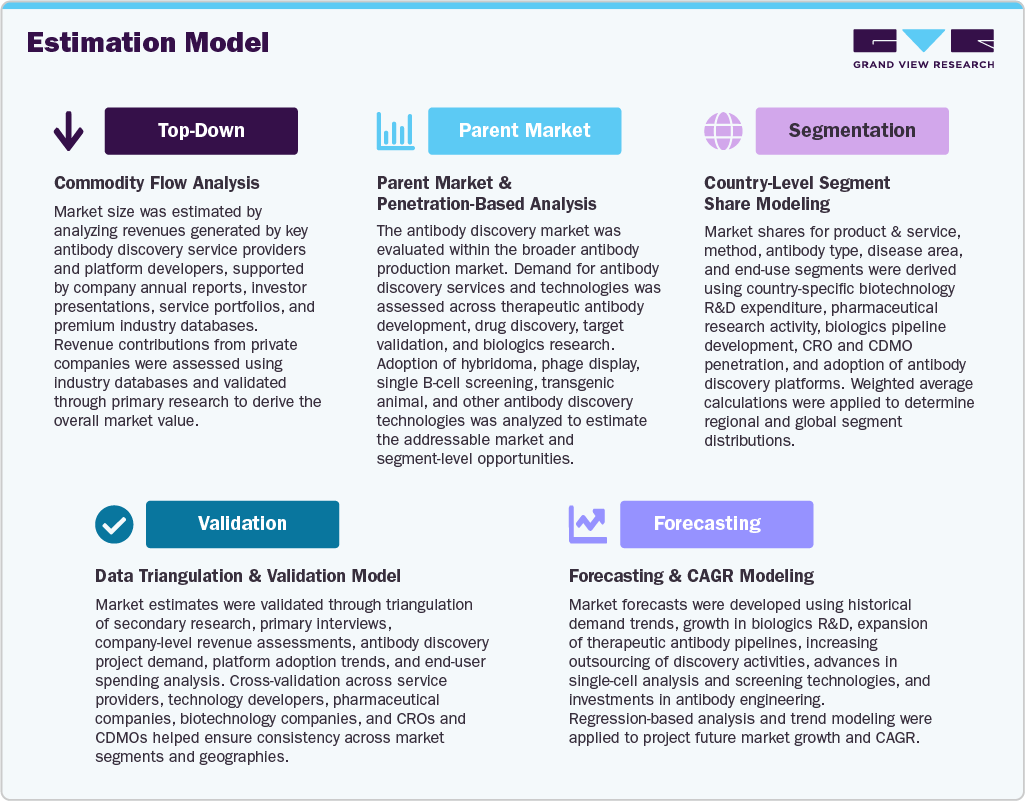
The antibody discovery market figures in this report are based on a proven research process that combines executive interviews with secondary research from proprietary databases, company filings, and recognized regulatory and institutional sources. Market size is built through value-chain sizing - reconciling supply-side and demand-side estimates - and triangulated with bottom-up and top-down approaches. Every estimate passes multiple levels of expert validation before publication, with each antibody discovery segment quantified using the revenue-capture definitions in the table below.
Segment Definition
Segment- Product & Service
Revenue Capture Definition
Services
Revenue derived from antibody discovery services provided to pharmaceutical, biotechnology, and research organizations for identifying, screening, and optimizing antibody candidates. These offerings include target-specific antibody generation, screening, affinity maturation, characterization, and lead validation to support preclinical research and therapeutic development.
Consumables & Reagents
This segment captures revenue from reagents and consumable products used throughout antibody discovery workflows, including antibodies, antigens, assay kits, cell culture media, buffers, screening reagents, and molecular biology supplies required for antibody generation, selection, and characterization.
Instruments
Market revenue stems from equipment used to generate, screen, isolate, and characterize antibody candidates. These systems include high-throughput screening platforms, automated liquid handling equipment, flow cytometers, microfluidic instruments, and analytical systems that support efficient antibody identification and evaluation.
Software
Revenue generated from software solutions used to manage, analyze, and interpret antibody discovery data. These platforms support sequence analysis, antibody design, repertoire analysis, screening data interpretation, candidate ranking, and workflow automation to improve discovery efficiency and selection accuracy.
Segment- Method
Revenue Capture Definition
Hybridoma
Revenue associated with antibody discovery workflows that use hybridoma technology to generate monoclonal antibodies by fusing antibody-producing B cells with immortal myeloma cells. The method supports antibody generation, screening, and selection for research, diagnostic, and therapeutic development applications.
Transgenic Animal Platforms
This segment includes revenue from platforms that use genetically engineered animals carrying human or modified antibody genes to generate antibody candidates with desired binding characteristics. These systems support the discovery of therapeutic antibodies for infectious diseases, oncology, and other disease areas.
Phage Display
Revenue generated from phage display technologies and associated services used to identify antibodies by presenting antibody fragments on bacteriophages and selecting candidates against specific targets. The method enables large-scale library screening, affinity optimization, and discovery of human or engineered antibodies.
Single B-Cell Screening
This segment captures revenue from technologies and services that isolate individual antibody-producing B cells and screen their antibody sequences or secreted products to identify promising candidates. Applications include rapid antibody discovery, immune repertoire analysis, and development of highly specific therapeutic antibodies.
Yeast & Mammalian Display
Market value in this category stems from display platforms that present antibody candidates on yeast or mammalian cell surfaces for screening and selection based on binding affinity, specificity, stability, and other functional properties. These methods support antibody optimization and the identification of candidates with favorable therapeutic characteristics.
Others
Includes revenue from alternative antibody discovery methods not classified under the primary categories, such as ribosome display, mRNA display, and other in vitro selection or computationally assisted discovery approaches used to identify and optimize antibody candidates.
Segment- Antibody Type
Revenue Capture Definition
Human Antibodies
Revenue generated from the discovery of fully human antibodies with sequences derived from human immunoglobulins. These antibodies are developed for therapeutic and diagnostic applications, with discovery efforts focused on target specificity, functional activity, and reduced risk of immune reactions associated with non-human antibody sequences.
Humanized Antibodies
This segment represents revenue from the discovery and development of antibodies engineered by incorporating selected non-human antigen-binding regions into a human antibody framework. These candidates retain target recognition while reducing non-human sequence content, supporting therapeutic development across oncology, immunology, and other indications.
Chimeric Antibodies
Market revenue stems from antibody candidates that combine variable regions from one species, commonly mouse, with constant regions from another, typically human. These antibodies support targeted binding and therapeutic development while reducing the proportion of non-human antibody components compared with fully murine formats.
Murine Antibodies
Revenue reflects antibody discovery activities involving antibodies derived entirely from mouse immunoglobulin sequences. These antibodies are used in research, assay development, target validation, and selected diagnostic and therapeutic applications, particularly during early-stage discovery and preclinical investigations.
Segment- Disease Area
Revenue Capture Definition
Oncology
Revenue generated from antibody discovery activities targeting cancer-associated antigens, tumor-specific markers, and immune regulatory pathways. These programs support the identification of monoclonal antibodies, immune checkpoint-targeting candidates, and other antibody-based approaches for cancer detection and treatment development.
Immunology & Inflammation
This segment captures revenue from antibody discovery programs focused on immune pathways, inflammatory mediators, cytokines, and receptors implicated in autoimmune and inflammatory disorders. The resulting candidates support the development of targeted therapies for conditions involving abnormal immune activation or chronic inflammation.
Infectious Diseases
Market value in this category stems from antibody discovery initiatives targeting viral, bacterial, fungal, and other infectious agents. These programs seek antibodies with neutralizing or pathogen-binding activity for therapeutic development, prevention strategies, and diagnostic applications.
Neurology
Revenue originates from antibody discovery programs directed at neurological disease-associated proteins, receptors, and pathological mechanisms. These efforts support the development of antibody candidates for neurodegenerative disorders and other conditions affecting the central or peripheral nervous system.
Cardiovascular & Metabolic Diseases
This segment reflects revenue from antibody discovery targeting molecular pathways associated with cardiovascular conditions, metabolic disorders, and related complications. Programs focus on identifying candidates against disease-associated proteins and biological targets to support novel therapeutic development.
Others
Includes revenue from antibody discovery programs addressing disease areas beyond the primary categories, such as rare genetic disorders, ophthalmic diseases, musculoskeletal conditions, and other indications requiring targeted antibody-based research.
Segment- End Use
Revenue Capture Definition
Pharmaceutical & Biotechnology Companies
Revenue generated from antibody discovery platforms, products, and services used by pharmaceutical and biotechnology companies to identify therapeutic candidates, validate molecular targets, optimize antibody properties, and advance biologic drug pipelines from early discovery toward clinical development.
Academic & Research Institutes
This segment captures revenue from antibody discovery resources utilized by universities, government laboratories, and independent research institutes for basic and translational research, target validation, immunology studies, and the investigation of disease mechanisms.
CROs & CDMOs
Market value stems from antibody discovery services and related infrastructure used by contract research organizations (CROs) and contract development and manufacturing organizations (CDMOs) to support outsourced antibody generation, screening, characterization, optimization, and associated development activities for client programs.
Others
Revenue originates from other organizations involved in antibody discovery, including diagnostic developers, public research agencies, nonprofit research organizations, and specialized laboratories using antibody discovery technologies for research and product development.
Estimation Model
 To learn more about this report, Download Free Sample Report
Delivered Customizations
This report has been delivered with the following In-depth customizations
Client Request
Customization Delivered
Value Adds
Antibody Discovery Platform & Technology Benchmarking
Comparative assessment of hybridoma, phage display, single B-cell screening, display-based technologies, and transgenic animal platforms based on discovery efficiency, antibody diversity, screening throughput, development timelines, and suitability for different therapeutic targets.
Enables clients to benchmark competing discovery technologies, identify suitable platforms for specific research objectives, and prioritize investments in differentiated antibody discovery capabilities.
Antibody Discovery Pipeline & Therapeutic Target Assessment
Evaluation of antibody discovery pipelines across oncology, autoimmune diseases, infectious diseases, and other therapeutic areas, including target selection, antibody formats, development stages, candidate characteristics, and emerging research priorities.
Helps clients identify promising therapeutic targets, assess opportunities across antibody formats and disease indications, and align discovery programs with evolving biopharmaceutical R&D priorities.
AI-Enabled Antibody Discovery & Computational Design Assessment
Evaluation of artificial intelligence, machine learning, computational antibody design, structure prediction, sequence optimization, and in silico screening applications across antibody discovery workflows.
Helps clients assess technology adoption opportunities, identify approaches to improve candidate selection and optimization, and evaluate potential efficiencies in antibody discovery research.
About the Author(s)
Biotechnology Research Team
Healthcare · BiotechnologyThis report was authored by the biotechnology research team at Grand View Research - comprising two research analysts, one senior research analyst, and one industry expert - with specialized expertise in the biotechnology segment of the healthcare industry. All findings are based on proprietary healthcare databases, executive interviews, and regulatory analysis, subject to internal peer review prior to publication.
Last Updated:
Speak to Analyst

Customize this report to your needs - add regions, segments, or data points, with 20% free customization.
Or view our licence options:


ISO 9001:2015 & 27001:2022 Certified
We are GDPR and CCPA compliant! Your transaction & personal information is safe and secure. For more details, please read our privacy policy.


