
- Home
- »
- Medical Devices
- »
-
Breast Augmentation Market Size & Share Report, 2026-2033GVR Report cover

Breast Augmentation Market (2026 - 2033)
Size, Share & Trends Analysis Report By Procedure Type (Breast Implants, Fat Transfer, By Incision Procedure), By Surface (Smooth, Textured), By Shape, By Application, By End Use, By Region, And Segment Forecasts
Market Size, 2025
$2.0BMarket Estimate, 2026
$2.1BMarket Forecast, 2033
$3.0BCAGR, 2026–2033
5.3%Breast Augmentation Market Summary
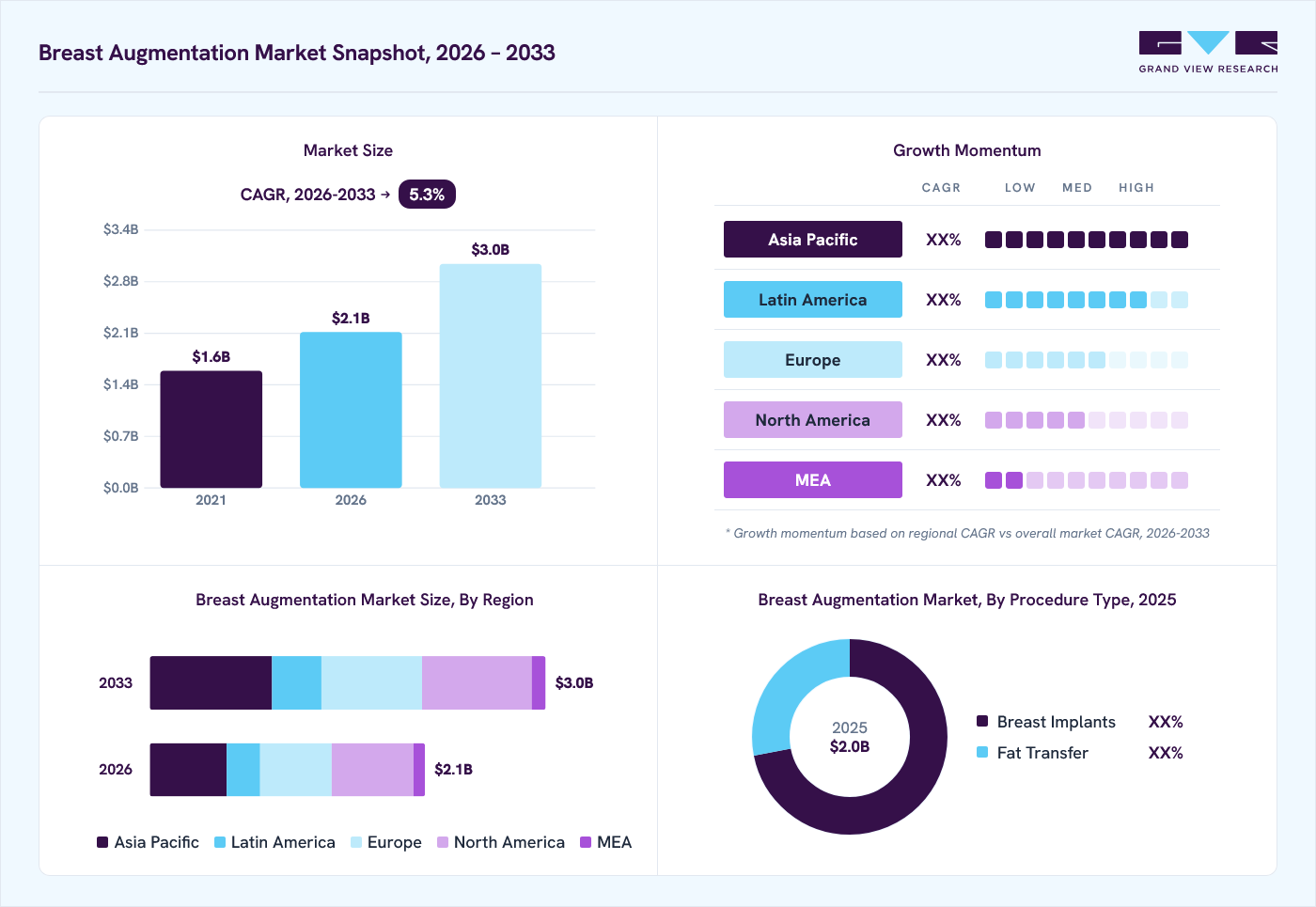
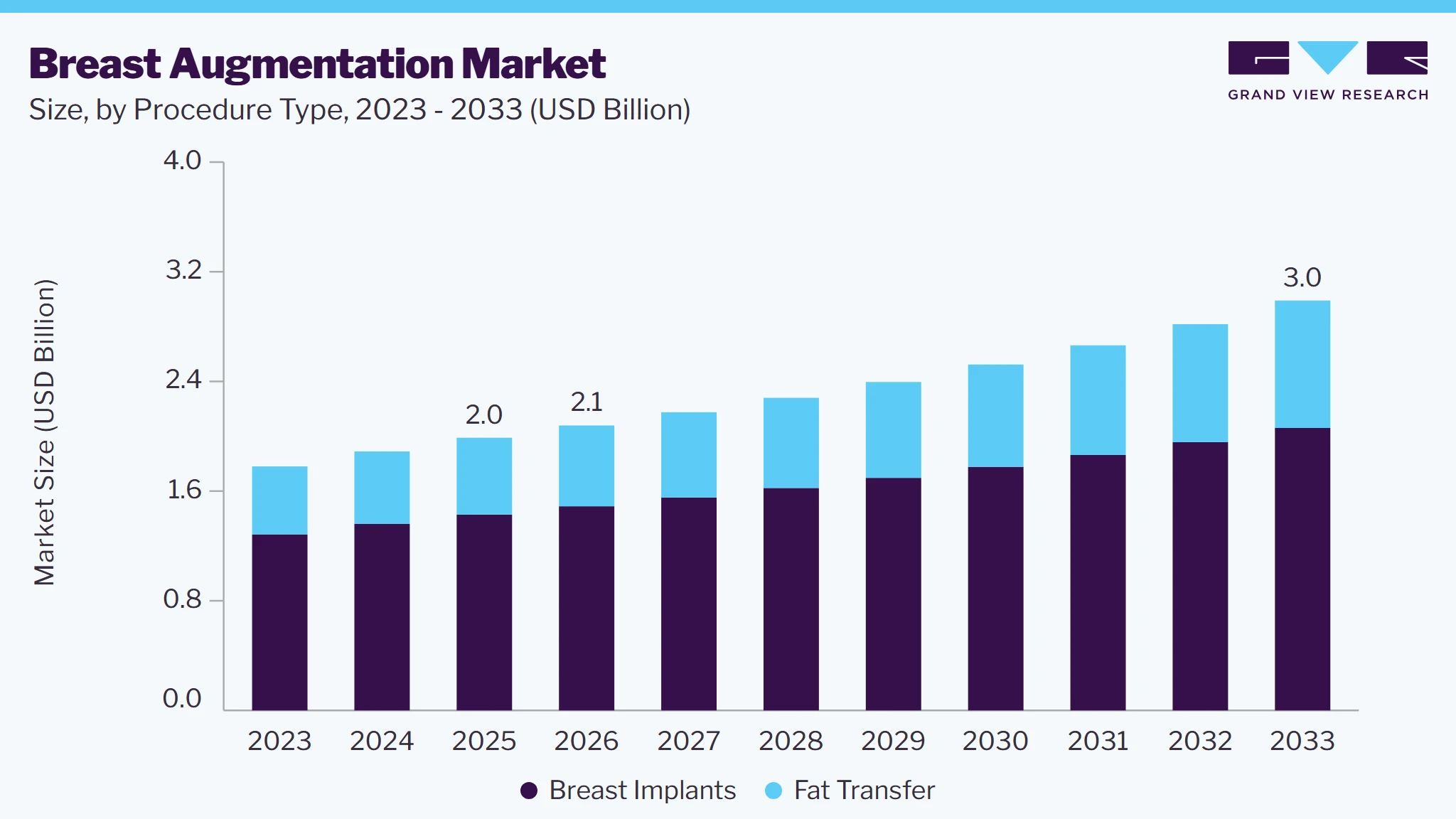
The global breast augmentation market size was valued at USD 2.0 billion in 2025 and is projected to grow from USD 2.1 billion in 2026 to USD 3.0 billion by 2033, growing at a CAGR of 5.3% from 2026 to 2033. The growth of the global breast augmentation market is driven by the increasing focus on physical appearance and growing acceptance of cosmetic procedures.
 Source: Grand View Research, IR Documents, Primary Interviews, Paid DatabasesTo learn more about this report,
 Download Free Sample Report
 Key Market Trends & Insights
- By procedure type: Breast implants held the largest revenue share of 71.8% in 2025.
- By incision procedure: Periareolar held the largest revenue share of 78.0% in 2025.
- By surface: Smooth surface held the largest revenue share of 66.7% in 2025.
- By shape: Round shape held the largest revenue share of 80.9% in 2025.
- By application: Cosmetic surgery held the largest revenue share of 74.2% in 2025.
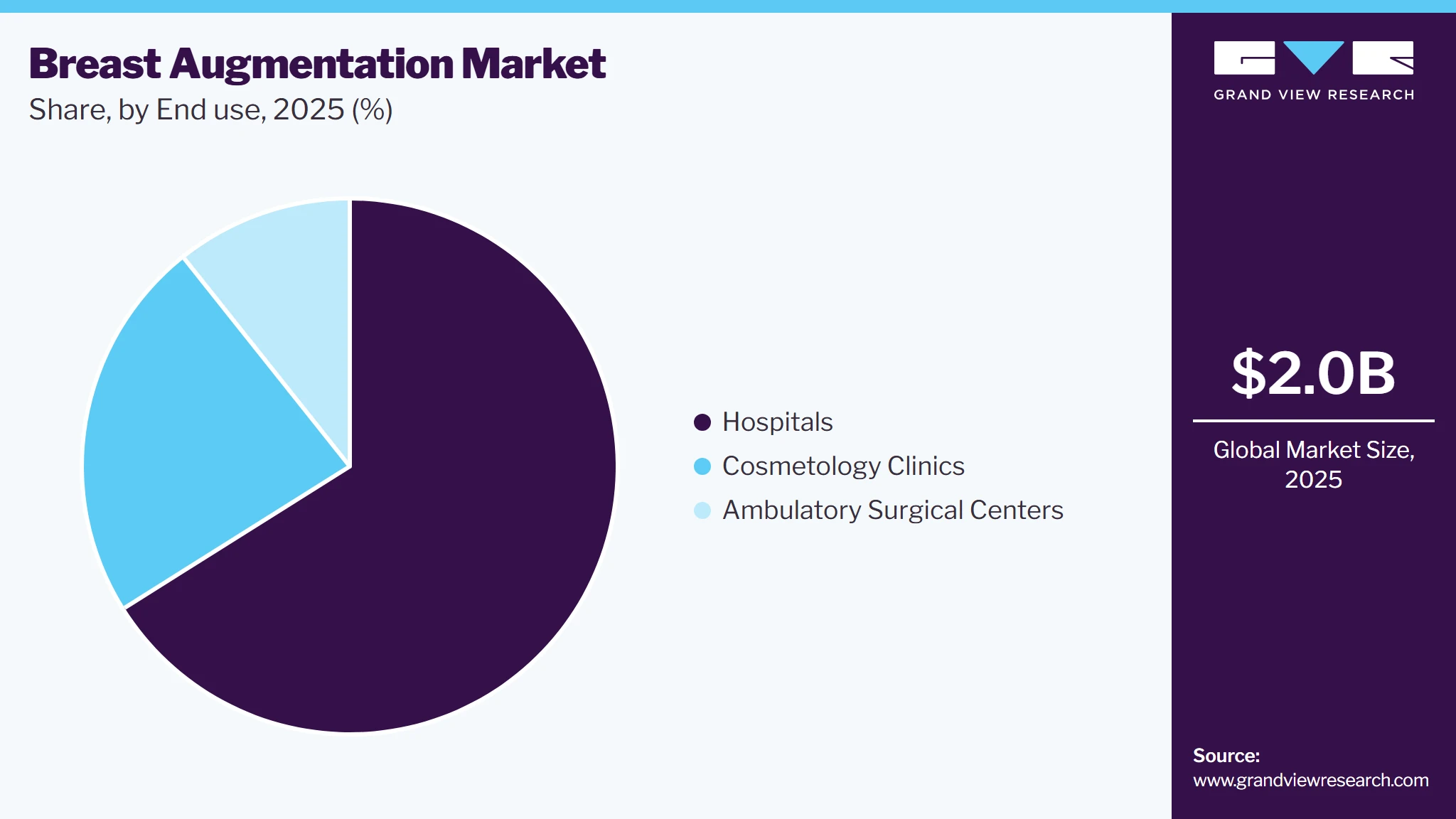
- By end use: Hospitals held the largest revenue share of 66.1% in 2025.
Regional Highlights
- Largest regional market: North America (29.9% revenue share, 2025)
- Fastest-growing regional market: Asia Pacific (fastest CAGR, 2026-2033)
Market Size & Forecast
- Market size in 2025: USD 2.0 Billion
- Estimated market size in 2026: USD 2.1 Billion
- Projected market size by 2033: USD 3.0 Billion
- CAGR (2026-2033): 5.3%
Three ways to get this report
Buy it, customize it, or ask a question.Ask an Analyst
Analyst response in 1 business day
- AccessReport author, directly
- Reply timeWithin 1 working day
- No sales callDirect answer only
- FormatEmail reply
- CostFree, no cost
Get the Full Report
What the study covers
- FormatsPDF · Excel · Dashboard
- Timeline2026–2033 annual, 2025 base
- Coverage20+ countries, 5 regions
- Companies10+ key players profiled
Customize the Report
20% free customization
- IncludeCountries, segments, points
- TailorTo your product definition
- ExtendDeeper competitor detail
- OrA fully bespoke study
- Turnaround5–10 working days
Consumers are more conscious about body image, influenced by social media, celebrity culture, and changing beauty standards. This has encouraged a larger population, particularly in urban areas, to opt for breast augmentation procedures to enhance confidence and self-esteem. Breast augmentation, also known as augmentation mammoplasty, is a surgical procedure performed to increase the size and improve the shape of the breasts. This is typically achieved by placing breast implants either under the breast tissue or beneath the chest muscles. The procedure is widely chosen for both cosmetic and reconstructive purposes, depending on individual needs and medical conditions. In addition, the rising volume of cosmetic surgery procedures are being performed worldwide.
 To learn more about this report, Download Free Sample Report
 This growth is largely attributed to increasing awareness about aesthetic treatments and the growing desire among individuals to enhance their physical appearance. Breast augmentation remains one of the most performed cosmetic procedures due to its ability to improve body proportion, restore breast volume after weight loss or pregnancy, and enhance overall confidence. For instance, according to the American Society of Plastic Surgeons (ASPS) Procedural Statistics Report, the number of breast augmentation procedures has shown a consistent upward trend over recent year. The total procedures increased from 298,568 in 2022 to 304,181 in 2023 and further reached 306,196 in 2024. This steady rise highlights the growing demand for breast augmentation as one of the most preferred cosmetic surgical procedures. The increasing procedure volume reflects higher consumer acceptance, improved awareness, and advancements in surgical safety and outcomes. It also indicates that more individuals are opting for aesthetic enhancements to improve body image and confidence. Such consistent growth in procedure numbers reinforces the strong contribution of cosmetic surgery trends toward the expansion of the breast augmentation market.
 To learn more about this report, Download Free Sample Report
 The breast augmentation market is further driven by the introduction of next-generation technologies that focus on achieving natural looking results with enhanced safety and patient comfort. Manufacturers and healthcare providers are prioritizing innovations that use biocompatible materials, improved implant designs, and less invasive techniques to deliver more personalized and aesthetically refined outcomes. These advancements are particularly appealing to patients seeking subtle enhancements with minimal disruption to their natural anatomy and lifestyle. In addition, the shift toward procedures that involve shorter recovery times, reduced scarring, and lower surgical risks is encouraging a broader patient base to consider breast augmentation. For instance, in 2026, La Belle Vie Cosmetics reported that breast augmentation is evolving with advanced technologies such as Motiva implants and Mia Femtech systems, which emphasize natural-looking outcomes and improved safety. These solutions utilize biocompatible materials and minimally invasive techniques to enhance results while preserving breast tissue. Furthermore, newer injectable breast augmentation approaches, such as Mia Femtech, reduce the need for traditional surgery by using small incisions and local anesthesia, thereby enabling faster recovery and minimal scarring. Such continuous technological advancements are strengthening patient confidence, expanding treatment accessibility, and supporting sustained growth in the breast augmentation market.
Consumer Behaviour Analysis
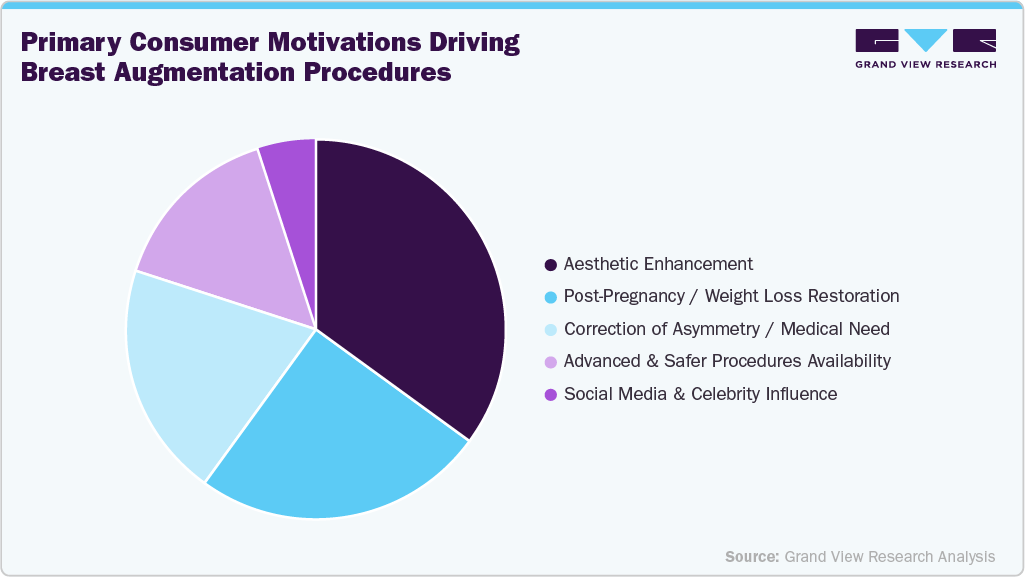
Consumer behavior in the breast augmentation market is influenced by aesthetic preferences, social perceptions, and personal confidence goals. A growing number of individuals seek procedures to enhance body image and self-esteem, often motivated by lifestyle changes, post-pregnancy body restoration, or age-related concerns.
 To learn more about this report, Download Free Sample Report
 Digital influence plays a major role, with social media platforms, celebrity trends, and before-after visual content shaping expectations and decision-making. Consumers are well-informed and actively research procedure types, safety standards, surgeon expertise, and outcomes before making decisions. There is a shift toward natural-looking results and minimally invasive techniques, reflecting a preference for subtle enhancement over dramatic changes. Safety, product quality, and long-term outcomes are key purchase drivers, leading consumers to favor premium implants and experienced surgeons, even at higher costs. Price sensitivity varies across segments. While some consumers prioritize affordability, a significant portion is willing to pay more for quality assurance, advanced technology, and reduced complication risks. Consumer behavior in the breast augmentation market reflects a growing preference for informed decision-making, prioritizing safety, quality, and natural results over cost alone.
3D printing in breast reconstruction
Three-dimensional (3D) printing is becoming an important technology in breast reconstruction by improving surgical planning, accuracy, and patient outcomes. It allows surgeons to create patient-specific digital models that help visualize breast anatomy before surgery. These models support better surgical planning, reduce procedural uncertainty, and improve decision-making. During reconstruction, 3D-printed molds and templates help shape implants or autologous tissue more precisely, resulting in improved breast symmetry and natural-looking outcomes. Technology also assists in selecting the appropriate implant size and estimating breast volume through advanced 3D surface imaging. In autologous reconstruction, customized molds improve flap shaping and may reduce operating time. In addition, 3D-printed biodegradable scaffolds are being explored to support tissue regeneration and improve fat graft survival, offering a potential alternative to traditional implants in the future. Although further clinical validation is needed, 3D printing is expected to play a significant role in advancing personalized breast reconstruction by improving surgical precision, aesthetic outcomes, and overall patient satisfaction.
Key Applications for 3D Printing in Breast Reconstruction
Application Area
Key Applications
Clinical Benefit
Preoperative Planning
3D digital breast models, breast volume measurement, implant size selection, and patient-specific deep inferior epigastric artery perforator (DIEP) flap planning using perforator vessel templates
Improves surgical planning, implant selection, and procedural accuracy while reducing operative uncertainty
Intraoperative Reconstruction
Customized silicone implants, 3D-printed molds for flap shaping, and biodegradable scaffolds for tissue engineering
Enhances breast symmetry, flap positioning, and supports future adipose tissue regeneration
Postoperative Assessment
Three-dimensional imaging to evaluate breast volume, shape, projection, and symmetry
Provides objective assessment of reconstructive outcomes and supports postoperative follow-up
Medical Education & Training
Patient-specific anatomical and vascular models, realistic anatomical replicas, and variable anatomy simulation models
Improves microsurgical training, anatomical understanding, and procedural practice
Future Clinical Potential
Personalized regenerative scaffolds, biofabrication, and patient-specific reconstruction strategies
Supports precision medicine, reduces dependence on permanent implants, and advances regenerative breast reconstruction
Source: National Library of Medicine
Breast augmentation cost comparison across leading global destinations (2026)
Medical tourism has become an important factor influencing the breast augmentation market, as patients travel abroad to access high-quality procedures at lower costs. Countries such as India, Turkey, Thailand, South Korea, and Mexico offer internationally accredited hospitals, experienced plastic surgeons, and comprehensive treatment packages at significantly lower prices than many developed nations. Cost savings, shorter waiting times, advanced surgical technologies, and personalized care continue to attract international patients. Meanwhile, countries such as the U.S. and the UK remain preferred for patients seeking highly regulated healthcare systems and advanced clinical standards. This growing cross-border demand is supporting the expansion of the global breast augmentation market.
Country
Average Cost (USD)
Surgeon Quality
Medical Accreditation
Best For
India
2,000 - 4,500
Excellent
JCI / NABH
Value + expertise
Turkey
2,500 - 4,500
Very High
JCI Certified
Affordability
Thailand
2,500 - 5,000
High
JCI / TEMOS
Holistic experience
South Korea
3,000 - 7,000
World-class
KHIDI Certified
Precision & advanced technology
Czech Republic
2,500 - 4,000
High
EU-standard
European patients
Mexico
3,000 - 5,000
Very High
COFEPRIS Certified
North American patients
Croatia
3,500 - 5,500
High
EU-standard
European medical tourism
Brazil
3,000 - 6,000
World-class
CFM Certified
Natural-looking techniques
U.S.
6,000 - 10,000
Excellent
FDA / AAAASF
Highest regulatory standards
UK
4,500 - 7,500
Excellent
CQC / NHS-aligned
Strict safety standards
Source: Shobhit Aesthetics
Market Dynamics
Breast augmentation is one of the most performed cosmetic surgical procedures worldwide, driven by the growing demand for aesthetic enhancement and body contouring. The procedure helps improve breast size, shape, and symmetry using either breast implants or autologous fat transfer. It is also widely used to restore breast volume after pregnancy, significant weight loss, or breast reconstruction following mastectomy. Compared with non-surgical alternatives, breast augmentation provides longer lasting and more predictable results, along with a personalized approach based on individual patient needs. Increasing awareness of cosmetic procedures, advancements in surgical techniques and implant technologies, and rising acceptance of aesthetic treatments continue to support the growth of the breast augmentation market.
The increasing acceptance of cosmetic surgery, growing focus on physical appearance, and advancements in surgical techniques continue to drive demand for breast augmentation. According to the American Society of Plastic Surgeons (ASPS), cosmetic surgical procedures remained resilient in 2024 despite economic uncertainty, with breast augmentation continuing to rank among the most frequently performed cosmetic surgeries. Growing disposable income, social acceptance, and improved surgical outcomes are further supporting procedure volumes worldwide.
Despite technological improvements, concerns regarding implant-related complications remain a major restraint. Patients continue to consider risks such as capsular contracture, implant rupture, infection, reoperation, and rare implant-associated cancers including Breast Implant-Associated Anaplastic Large Cell Lymphoma (BIA-ALCL). In February 2025, the U.S. FDA updated its safety review, reporting 1,380 worldwide medical device reports of BIA-ALCL since surveillance began, reinforcing the importance of long-term monitoring and informed patient consent.
Demand is shifting toward customized breast augmentation, including patient-specific implant selection, advanced 3D surgical planning, and autologous fat transfer to achieve more natural-looking results. Improvements in imaging technologies, implant design, hybrid augmentation (implant plus fat grafting), and regenerative fat grafting techniques are expected to create significant growth opportunities over the coming years as patients prioritize individualized outcomes and reduced invasiveness.
Market Concentration & Characteristics
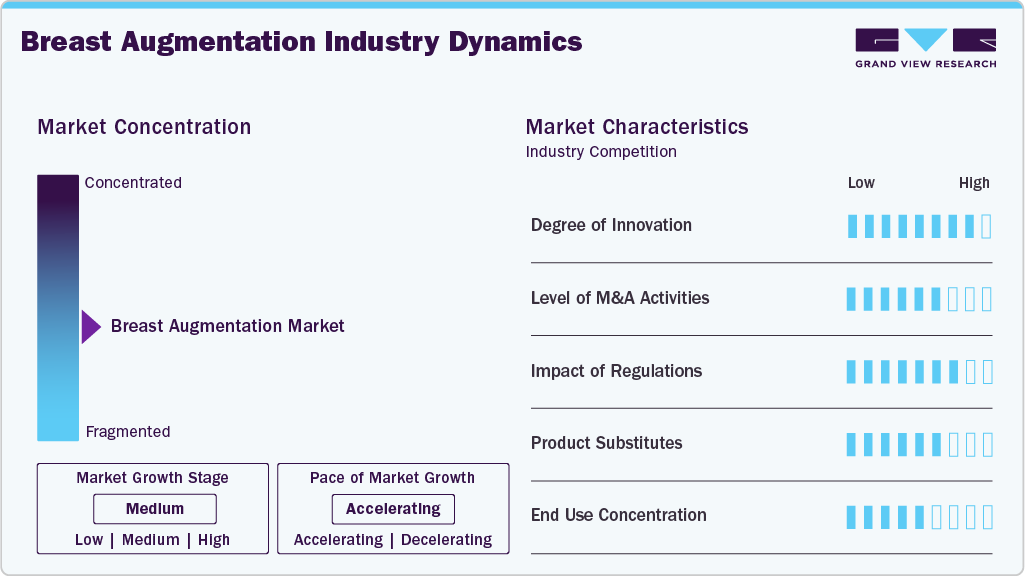
Innovation plays a critical role in shaping the breast augmentation market. Companies are focused on developing advanced implant materials, improved gel cohesiveness, ergonomic designs, and minimally invasive surgical techniques. These innovations aim to provide more natural results, enhanced safety, and shorter recovery times, which strongly influence patient preference and surgeon adoption. The introduction of technologies such as 3D imaging for surgical planning and next-generation implants has intensified competition among manufacturers. High innovation levels also create barriers for new entrants due to the need for continuous research and development investment. For instance, in February 2025, Establishment Labs Holdings Inc. launched Preservé in Brazil as part of its global rollout, marking the first market introduction of this minimally invasive solution. Preservé builds on the innovations of Mia Femtech, strengthening the company’s portfolio in breast aesthetics and reconstruction technologies.
Mergers and acquisitions have a moderate to strong impact on the breast augmentation market. Leading companies often engage in strategic acquisitions to expand their product portfolios, gain access to new technologies, and strengthen their geographic presence. These activities help established players consolidate their positions and improve distribution networks. For instance, in August 2023, a subsidiary of Bimini Health Tech acquired key assets of Ideal Implant, Inc., including intellectual property, FDA approvals, and manufacturing capabilities. This acquisition strengthens its portfolio with the Serene Breast Implant and aims to expand adoption in hospital settings to support future growth. Such strategic mergers and acquisitions are expected to enhance competitive positioning and accelerate innovation, thereby contributing to the steady growth and consolidation of the breast augmentation market.
 To learn more about this report, Download Free Sample Report
 Regulatory frameworks significantly influence the breast augmentation market. Medical devices such as breast implants must meet strict safety, quality, and clinical performance standards set by regulatory authorities. These requirements increase the time and cost associated with product development and market entry. Regulatory scrutiny has intensified in recent years due to concerns about implant safety, leading to product recalls, additional testing requirements, and stricter approval processes. This creates high entry barriers for new players and favors established companies with strong compliance capabilities.
The presence of product substitutes moderately affects the breast augmentation market. Alternatives such as fat transfer procedures, non-surgical enhancement techniques, and external prosthetics provide patients with additional choices. Fat grafting has gained popularity due to its use of natural tissue and reduced risk of implant-related complications. However, these substitutes not always deliver the same volume, predictability, or long-term results as traditional implants. As a result, implants remain the dominant solution for many patients seeking significant augmentation.
End-use concentration in the breast augmentation market is moderately high, with procedures primarily performed in specialized cosmetic surgery clinics, hospitals, and accredited surgical centers. A significant portion of demand is concentrated among urban and high-income populations, where access to advanced healthcare infrastructure and aesthetic procedures is greater. Leading clinics and experienced surgeons tend to influence patient decisions, often favoring well-known implant brands.
Analyst Perspective
The breast augmentation market is driven by the growing demand for cosmetic breast enhancement procedures, increasing awareness of aesthetic body contouring, and rising acceptance of plastic surgery across both developed and emerging economies. Market growth is further supported by increasing disposable incomes, expanding medical tourism, advancements in breast reconstruction following mastectomy, and rising preference for minimally invasive aesthetic procedures.
The most successful companies will be those that offer a comprehensive portfolio of breast implants, tissue expanders, and breast reconstruction solutions while maintaining strong product quality, safety standards, and regulatory compliance. As demand for cosmetic and reconstructive breast procedures continues to grow, market leadership will depend on continuous product innovation, strong long-term clinical evidence, effective surgeon training programs, strategic partnerships with plastic surgeons and healthcare providers, and strong global manufacturing and distribution capabilities.
Procedure Type Insights
The breast implants segment dominated the breast augmentation market, accounting for 71.8% of the market in 2025. This dominance is driven by the growing adoption of advanced silicone and saline implants, supported by continuous product innovation and regulatory approvals. Technological advancements have further improved implant safety, durability, and natural appearance, increasing both surgeon and patient confidence. For instance, in September 2024, Motiva SmoothSilk Round and SmoothSilk Round Ergonomix silicone breast implants received U.S. FDA Premarket Approval (PMA) after meeting rigorous safety and effectiveness standards. The approval introduced a new generation of silicone gel implants designed to deliver more natural-looking outcomes with structured long-term clinical follow-up. Such regulatory approvals and ongoing innovations in silicone and saline implants continue to expand product availability, accelerate adoption, and reinforce the dominance of the breast implants segment in the global breast augmentation market.
Core Design Features of Motiva Breast Implants
Feature
What it is
Patient Benefits
SmoothSilk controlled surface
A smooth-feeling shell with a controlled, uniform surface finish
Surface design may influence how the implant interacts with surrounding tissue over time.
Ergonomix design
Designed for a natural look in motion
May be a good fit if you want breasts that look soft and natural in motion.
ProgressiveGel (PLUS vs. ULTIMA)
Different gel formulations for different aesthetic goals
Helps match softness and structure to your goal and tissue coverage rather than forcing one “feel” for everyone
TrueMonobloc shell design
Shell design intended to support stable placement and durability.
May support stable implant positioning during early healing (technique dependent).
BluSeal QC indicator
A visible indicator used for quality-control verification
Focuses on quality-control verification rather than appearance.
Qid (optional RFID ID)
Optional microtransponder with a unique implant identifier
Clean long-term documentation and identification if you ever move, change practices, or plan revision later
Source: Stoker Plastic Surgery: David Stoker
The fat transfer segment in the breast augmentation market is expected to grow at the fastest rate during the forecast period due to increasing patient preference for minimally invasive, natural-looking breast enhancement procedures that use the patient's own fat instead of implants. Fat transfer eliminates concerns associated with implant-related complications, such as rupture or capsular contracture, while also providing the added benefit of body contouring through liposuction. Growing awareness of autologous fat grafting, improvements in fat harvesting and graft retention techniques, and rising demand for personalized aesthetic outcomes are further driving adoption.
Surface Insights
The smooth surface segment dominated the breast augmentation market, accounting for 66.7% in 2025. This dominance is supported by the growing clinical preference for smooth implants due to their established safety and lower association with breast implant-associated anaplastic large cell lymphoma (BIA-ALCL). In February 2026 systematic review and meta-analysis evaluating 35,052 breast implants across 33 comparative studies found that, after adjusting for surgical technique and implant placement, smooth implants demonstrated complication rates comparable to textured implants, while avoiding the BIA-ALCL risk associated with textured devices. These findings have reinforced surgeons' preference for smooth implants, particularly for cosmetic breast augmentation, contributing to their continued market leadership.
The textured surface segment in the breast augmentation market is expected to grow at a significant rate during the forecast period. This growth is driven by the increasing use of textured implants in breast reconstruction and anatomical (teardrop-shaped) breast augmentation procedures, where enhanced implant stability and reduced risk of rotation are important clinical advantages. Ongoing advancements in implant surface technologies, including the development of micro-textured designs, are improving product performance while addressing safety considerations.
Shape Insights
The round shape segment dominated the breast augmentation market, accounting for 80.9% in 2025. This dominance is driven by the broad product portfolios of leading manufacturers, which primarily feature round implants in multiple sizes, profiles, and gel cohesivity options to meet diverse patient preferences and surgical requirements. Continuous product innovation and regulatory approvals have further strengthened the segment's position. For instance, in August 2025, Boston Plastic Surgery announced the addition of FDA-approved Motiva Round breast implants to its breast augmentation offerings, becoming one of the first practices in the Greater Boston area to introduce the next-generation implant technology. The implants incorporate advanced features such as the SmoothSilk surface and BluSeal barrier layer, designed to enhance safety while delivering natural-looking aesthetic outcomes. Such product launches and the expanding availability of advanced round implants continue to reinforce the segment's market leadership.
The anatomical shape segment in the breast augmentation market is expected to grow at the fastest rate during the forecast period. Growth is expected to be driven by increasing awareness of personalized breast augmentation and reconstruction options, supported by educational and patient engagement initiatives from leading manufacturers. For instance, in August 2025, Allergan Aesthetics launched its "Faces of Natrelle" campaign, featuring nine women sharing their breast augmentation and breast reconstruction experiences. The campaign emphasizes confidence, self-expression, and restoration while promoting greater transparency and patient education around breast implant procedures. Such awareness initiatives are encouraging informed decision-making and increasing acceptance of anatomical implants, particularly among patients seeking natural-looking outcomes following reconstructive or cosmetic breast surgery.
Application Insights
Cosmetic surgery application segment dominated the breast augmentation market, accounting for 74.2% in 2025. This dominance is driven by the sustained global demand for aesthetic breast enhancement procedures. According to the 2024 Global Survey by the International Society of Aesthetic Plastic Surgery (ISAPS), plastic surgeons performed more than 17.4 million surgical aesthetic procedures worldwide in 2024, with breast augmentation ranking among the top three most-performed cosmetic surgical procedures globally. The survey also reported that 54% of all breast augmentation procedures were performed on individuals aged 18-34 years, highlighting the strong demand for cosmetic breast enhancement among younger adults. The increasing preference for aesthetic body contouring, rising disposable incomes, and greater acceptance of cosmetic surgery continue to support the dominance of the cosmetic surgery segment.
Reconstructive surgery application segment in the breast augmentation market is expected to grow at a significant rate during the forecast period. Growth is driven by the increasing number of post-mastectomy breast reconstruction procedures and continued regulatory approvals for advanced reconstruction-specific implants. For instance, in December 2024, Mentor Worldwide LLC, part of Johnson & Johnson MedTech, received U.S. FDA approval for its MENTOR MemoryGel Enhance Breast Implants for primary and revision breast reconstruction following mastectomy. The newly approved implant line is the first specifically designed for women requiring larger-volume breast implants, offering sizes ranging from 930 cc to 1,445 cc, with a commercial U.S. launch initiated in mid-2025. Such product approvals expand reconstructive treatment options for women with larger breast sizes and reinforce the adoption of implant-based breast reconstruction, supporting the segment's growth over the forecast period.
End Use Insights
The hospitals segment dominated the breast augmentation market, accounting for 66.1% in 2025. This dominance is driven by the continuous expansion of hospital infrastructure, the establishment of specialized breast care and reconstructive surgery centers, and the availability of multidisciplinary teams capable of managing complex cosmetic and reconstructive procedures. Hospitals are investing in advanced surgical technologies and dedicated plastic and reconstructive surgery services to meet growing patient demand. For instance, in February 2026, Fortis Hospital, Mulund launched BreastCare360, a comprehensive breast health initiative offering integrated breast cancer diagnosis, treatment, reconstructive surgery, and aesthetic breast procedures under one specialized program. Such hospital expansions enhance access to comprehensive breast care and strengthen hospitals' position as the preferred setting for breast augmentation procedures.
 To learn more about this report, Download Free Sample Report
 The cosmetology clinics segment of the breast augmentation market is expected to grow at a significant rate during the forecast period. Growth is driven by the increasing number of specialized aesthetic clinics, rising consumer preference for personalized cosmetic procedures, shorter waiting times, and access to board-certified plastic surgeons. Many cosmetology clinics are expanding their breast augmentation service portfolios by adopting advanced implant technologies, digital 3D treatment planning, and minimally invasive surgical techniques to improve patient outcomes and satisfaction. In addition, growing investments in dedicated aesthetic centers, increasing medical tourism, and greater consumer awareness through digital marketing and patient education initiatives are encouraging more individuals to undergo cosmetic breast augmentation procedures in specialized clinics, supporting the segment's significant growth over the forecast period.
Regional Insights
North America Breast Augmentation Market Trends
The breast augmentation market in North America held the largest share of 29.9% in 2025. The region, including the U.S., Canada, and Mexico, have a strong network of hospitals, specialized clinics, and certified plastic surgeons, enabling easy access to breast augmentation procedures. The presence of modern surgical technologies, high standards of patient safety, and efficient post-operative care further support market growth.
 To learn more about this report, Download Free Sample Report
 U.S. Breast Augmentation Market Trends
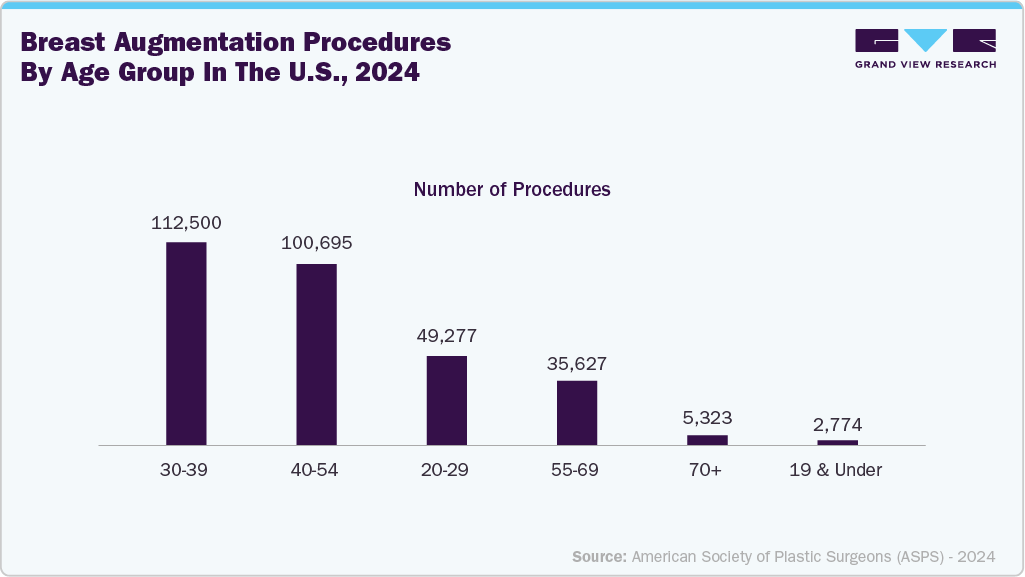
The U.S. breast augmentation market is witnessing significant growth. Strong demand from middle-aged and young adult populations is driving the growth of the U.S. breast augmentation market. For instance, according to the American Society of Plastic Surgeons (ASPS) Procedural Statistics report, 2024, breast augmentation procedures were highest among the 30-39 age group at 112,500 cases, followed by the 40-54 years age group with 100,695 cases, indicating strong demand among middle-aged adults. The 20-29 group also showed significant uptake at 49,277 procedures, while usage was comparatively lower in older and younger populations, including 19 and under (2,774) and 70+ (5,323). This consistent age-specific demand pattern highlights the strong and sustained preference for breast augmentation procedures in the U.S., thereby reinforcing the market’s continued growth outlook.
 To learn more about this report, Download Free Sample Report
 Europe Breast Augmentation Market Trends
The Europe breast augmentation market is witnessing significant growth due to increasing cosmetic awareness, a growing number of aesthetic procedures, and a well-developed healthcare infrastructure. Rising social acceptance of aesthetic enhancements and greater exposure to cosmetic trends through digital media have encouraged more individuals to opt for breast augmentation procedures. In addition, the availability of advanced surgical techniques and improved implant technologies has made these procedures safer, more precise, and more natural-looking, further boosting patient confidence. Countries such as Germany, France, Italy, and the UK are leading the regional market due to their high procedural volumes and strong presence of skilled plastic surgeons. These countries also benefit from well-established hospitals, strict medical standards, and advanced post-operative care systems, which enhance patient outcomes.
UK Breast Augmentation Market Trends
The UK breast augmentation market is growing strongly over the forecast period driven by rising aesthetic consciousness and increasing influence of social media. Growing acceptance of body enhancement procedures among younger and middle-aged populations is significantly boosting demand, as individuals seek improved body confidence and proportionate appearance. In addition, the availability of minimally invasive techniques, safer implant materials, and improved surgical outcomes is encouraging more patients to opt for the procedure.
France Breast Augmentation Market Trends
The France breast augmentation market is growing strongly over the forecast period driven by evolving regulatory frameworks and stringent medical safety standards governing cosmetic surgical procedures. These regulations ensure higher patient safety, standardized clinical practices, and mandatory certification of surgeons, which significantly increases consumer confidence in aesthetic procedures. In addition, strict approval processes for implants and advanced technologies reduce medical risks while encouraging the adoption of innovative and high-quality products in the market. This regulatory environment also limits unqualified providers, strengthens trust in clinics, and ultimately supports steady demand growth across France’s cosmetic surgery sector.
Asia Pacific Breast Augmentation Market Trends
The Asia Pacific breast augmentation market is gaining momentum, driven by the rising disposable income and the rapid expansion of the middle-class population across key economies in the region. This growth is enabling higher consumer spending on aesthetic and elective healthcare procedures. For instance, according to People Research on India’s Consumer Economy (PRICE), India’s economy is set for significant transformation, shifting from an aspirer-led to a middle-class driven model. Total income is projected to grow from USD 2.2 trillion in 2021 to USD 7.1 trillion by 2031, while consumer spending is expected to rise from USD 1.9 trillion to nearly USD 5.2 trillion. This sustained rise in income levels and consumer expenditure is expected to significantly enhance affordability and accessibility of cosmetic procedures, thereby supporting strong and long-term growth of the breast augmentation market in Asia Pacific.
China Breast Augmentation Market Trends
The China breast augmentation market is growing rapidly, driven by the rising disposable income and increasing aesthetic consciousness among young urban consumers. As middle-class income levels expand, particularly in Tier 1 and Tier 2 cities such as Beijing, Shanghai, and Shenzhen, more individuals can afford elective cosmetic procedures. For instance, according to the World Bank Group, China’s urban population increased from 64% in 2020 to 66% in 2024. These economic improvements and shifting lifestyle preferences are expected to continue driving strong and sustained growth in China’s breast augmentation market over the forecast period.
Latin America Breast Augmentation Market Trends
The Latin America breast augmentation market is growing at a moderate pace. The growing focus on personal appearance and body aesthetics is significantly influencing demand for breast augmentation procedures across the region. Consumers are seeking cosmetic enhancements to improve self-confidence and align with modern beauty standards. In addition, the expansion of advanced cosmetic surgery clinics and improved healthcare infrastructure is further supporting market growth by ensuring safer and more reliable surgical outcomes. Countries such as Brazil and Argentina are emerging as major contributors due to their well-established cosmetic surgery industries and strong acceptance of aesthetic procedures.
MEA Breast Augmentation Market Trends
The MEA breast augmentation market is witnessing strong growth due to the increasing adoption of minimally invasive and technologically advanced procedures that offer enhanced aesthetic outcomes with reduced recovery time. These innovations are replacing traditional implant-based surgeries with safer, faster, and more patient-friendly solutions. For instance, in July 2024, a minimally invasive breast augmentation procedure is now available in Dubai at Beauté Concept, offering Mia Femtech, a 15-minute treatment performed under local anesthesia. This innovative approach enhances breast size and shape with minimal recovery time and avoids traditional implants. The procedure is certified by the UAE Ministry of Prevention and Health, reflecting a safer and advanced aesthetic solution that supports quicker results with reduced downtime. These advancements are strengthening patient confidence and accelerating the shift toward minimally invasive aesthetic procedures, thereby supporting sustained market growth across MEA and related emerging regions.
Key Companies & Market Share Insights
Some of the key companies in the breast augmentation market include ALLERGAN (AbbVie Inc.), Johnson & Johnson, Sientra, Inc. (Tiger Aesthetics Medical, LLC), SEBBIN, Establishment Labs, POLYTECH Health & Aesthetics GmbH, and GC Aesthetics. Organizations are focusing on increasing customer base to gain a competitive edge in the industry. Therefore, key players are taking several strategic initiatives, such as product launch, and partnerships with other major companies.
Key Medical Crutches Companies
The following key companies have been profiled for this study on the breast augmentation market.
-
ALLERGAN (AbbVie Inc.)
-
Johnson & Johnson
-
Sientra, Inc. (Tiger Aesthetics Medical, LLC)
-
SEBBIN
-
Establishment Labs
-
POLYTECH Health & Aesthetics GmbH
-
GC Aesthetics
-
HansBioMed
-
Bimini Health Tech
-
ARION LABORATORIES
-
SILIMED INDUSTRIA DE IMPANTES LTDA
-
Guangzhou Wanhe Plastic Material Co., Ltd
Competitive Benchmarking
Operating Strategies
Competitive Edge
Weaknesses
Established Players (ALLERGAN (AbbVie Inc.), Johnson & Johnson, Establishment Labs, POLYTECH Health & Aesthetics GmbH, GC Aesthetics)
- Invest in R&D to develop advanced silicone gel breast implants, ergonomic implant designs, textured and smooth implant technologies, and enhanced safety features.
- Expand global presence through regulatory approvals, strategic partnerships with plastic surgeons, hospitals, aesthetic clinics, and medical distributors.
- Strong global brand recognition, extensive clinical evidence, broad regulatory approvals, and well-established international distribution networks.
- Comprehensive product portfolios, including silicone and saline implants, and breast reconstruction solutions, provide a competitive advantage in both cosmetic and reconstructive procedures.
- High R&D investments, stringent regulatory compliance, and product liability risks increase operational costs.
- Premium pricing and extensive clinical validation requirements limit adoption in price-sensitive markets.
Emerging Players (Sientra, Inc. (Tiger Aesthetics Medical, LLC), SEBBIN, HansBioMed, Bimini Health Tech, ARION LABORATORIES)
- Focus on cost-effective breast implant solutions, regional manufacturing, and customized implant portfolios tailored to local market needs.
- Strengthen market presence through partnerships with plastic surgery clinics, distributors, and healthcare providers while expanding regulatory approvals into new geographic markets.
- Competitive pricing, operational flexibility, and faster response to regional demand.
- Strong relationships with local surgeons and distributors, along with specialized implant offerings, support growth in emerging markets and selected international regions.
- Limited global brand recognition, relatively smaller distribution networks, and lower investment capacity for large-scale clinical trials and global marketing.
- Regulatory expansion into highly regulated markets can be time-consuming and resource intensive.
Recent Developments
-
In April 2026, Zuri Plastic Surgery in Miami introduced Motiva Preservé breast augmentation, a minimally invasive technique focused on tissue preservation and enhanced safety. The procedure uses smaller incisions and customized planning to improve aesthetic outcomes while maintaining natural tissue, sensation, and muscle integrity.
“Patients are more informed now,” said Dr. Alexander Zuriarrain, MD, FACS, founder of Zuri Plastic Surgery. “They are not only asking how they will look in photos. They want to know how the breast will feel, how much tissue disruption is involved, and whether the procedure respects their native anatomy. Preservé fits that conversation because it is built around tissue preservation and careful surgical planning.”
-
In April 2026, Erin Lichy, entrepreneur and mother of four, has shared her breast augmentation journey using Natrelle breast implants in collaboration with Allergan Aesthetics (AbbVie company). She highlights her experience from consultation to recovery, aiming to promote transparency around aesthetic procedures. Her openness seeks to normalize breast surgery and support other women considering similar choices.
-
In January 2026, Johnson & Johnson launched the Arbrea Breast Simulator Surgeon App for Mentor in the U.S. This mobile-based tool enables real-time 3D visualization of breast augmentation outcomes during consultations. The app supports plastic surgeons in personalizing treatment planning and improving patient understanding, aligning with recent research highlighting the importance of informed decision-making tools.
“The Arbrea Breast Simulator Surgeon App for Mentor gives surgeons an easy-to use digital tool that helps transform their augmentation consultations into clear, patient-centered conversations,” said Alenka Brzulja, Worldwide President, Aesthetics & Reconstruction, MedTech, Johnson & Johnson.
-
In April 2024, Tiger Aesthetics Medical, LLC acquired substantially all assets of Sientra Inc.’s breast implant business. This acquisition strengthens its aesthetics portfolio and supports upcoming launches in adipose cell and tissue products. Sientra will now operate as a division of Tiger Aesthetics Medical LLC.
Breast Augmentation Market Report Scope
Report Attribute
Details
Market size value in 2025
USD 2.0 billion
Market size value in 2026
USD 2.1 billion
Revenue forecast in 2033
USD 3.0 billion
Growth rate
CAGR of 5.3% from 2026 to 2033
Base year for estimation
2025
Actual estimates/Historical data
2021 - 2024
Forecast period
2026 - 2033
Market representation
Revenue in USD Million/ Billion and CAGR from 2026 to 2033
Segments covered
Procedure type, surface, shape, application, end use, and region
Regional scope
North America; Europe; Asia Pacific; Latin America; Middle East & Africa
Country scope
U.S.; Canada; Mexico; UK; Germany; France; Italy; Spain; Denmark; Sweden; Norway; Japan; China; India; Thailand; Australia; South Korea; Brazil; Argentina; South Africa; Saudi Arabia; UAE; Kuwait
Key companies profiled
ALLERGAN (AbbVie Inc.), Johnson & Johnson, Sientra, Inc. (Tiger Aesthetics Medical, LLC), SEBBIN, Establishment Labs, POLYTECH Health & Aesthetics GmbH, GC Aesthetics, HansBioMed, Bimini Health Tech, ARION LABORATORIES, SILIMED INDUSTRIA DE IMPLANTES LTDA, Guangzhou Wanhe Plastic Material Co., Ltd.
Customization scope
Free report customization (equivalent up to 8 analyst’s working days) with purchase. Addition or alteration to country, regional & segment scope
Pricing and purchase options
Avail customized purchase options to meet your exact research needs. Explore purchase options
Global Breast Augmentation Market Report Segmentation
This report forecasts revenue growth at global, regional & country levels and provides an analysis of the latest industry trends in each of the sub-segments from 2021 to 2033. For this study, Grand View Research has segmented the global breast augmentation market report based on procedure type, surface, shape, application, end use, and region:
-
Procedure Type Outlook (Revenue, USD Million, 2021 - 2033)
-
Breast Implants
-
By Product
-
Silicone
-
Saline
-
-
By Incision Procedure
-
Periareolar
-
Inframammary
-
Transaxillary
-
-
Fat Transfer
-
-
Surface Outlook (Revenue, USD Million, 2021 - 2033)
-
Smooth
-
Textured
-
-
Shape Outlook (Revenue, USD Million, 2021 - 2033)
-
Round
-
Anatomical
-
-
Application Outlook (Revenue, USD Million, 2021 - 2033)
-
Cosmetic Surgery
-
Reconstructive Surgery
-
-
End Use Outlook (Revenue, USD Million, 2021 - 2033)
-
Hospitals
-
Cosmetology Clinics
-
Ambulatory Surgical Centers
-
-
Regional Outlook (Revenue, USD Million, 2021 - 2033)
-
North America
-
U.S.
-
Canada
-
Mexico
-
-
Europe
-
UK
-
Germany
-
France
-
Italy
-
Spain
-
Denmark
-
Sweden
-
Norway
-
-
Asia Pacific
-
Japan
-
China
-
India
-
Thailand
-
Australia
-
South Korea
-
-
Latin America
-
Brazil
-
Argentina
-
-
Middle East & Africa
-
South Africa
-
Saudi Arabia
-
UAE
-
Kuwait
-
-
Research Methodology
The breast augmentation market figures in this report are based on a proven research process that combines executive interviews with secondary research from proprietary databases, company filings, and recognized regulatory and institutional sources. Market size is built through value-chain sizing-reconciling supply-side and demand-side estimates-and triangulated with bottom-up and top-down approaches. Every estimate passes multiple levels of expert validation before publication, with each breast augmentation segment quantified using the revenue-capture definitions in the table below.
Segment Definition
Segment - Procedure Type
Revenue capture definition
Breast Implants
Revenue captured from the sale of silicone gel-filled and saline-filled breast implants used in cosmetic breast augmentation procedures. This segment includes implant devices utilized in primary and revision augmentation surgeries, irrespective of implant shape, surface texture, or profile.
Fat Transfer
Revenue captured from breast augmentation procedures performed using autologous fat grafting. This includes revenues associated with fat harvesting, processing, purification, and reinjection techniques used to increase breast volume without implants. The segment covers procedure-related products and consumables directly involved in fat transfer breast augmentation.
Estimation Model
Approach
Description
Bottom-Up Estimation
The market is estimated by analyzing the annual volume of breast augmentation and breast reconstruction procedures performed across cosmetic surgery clinics, multispecialty hospitals, ASCs, and reconstructive care facilities at the country, regional, and global levels. The assessment incorporates the utilization of silicone gel implants, saline implants, and implant replacement procedures. Average procedure pricing, implant penetration rates, and surgeon adoption patterns are further evaluated to derive the overall market value.
Top-Down Approach
The market estimation begins with an assessment of the global aesthetic medical devices and plastic surgery market, followed by evaluating the share contributed by breast augmentation products through secondary research and expert validation. The analysis considers key market indicators such as the volume of cosmetic breast augmentation and post-mastectomy reconstruction procedures, the prevalence of breast cancer requiring reconstructive surgery, consumer spending on aesthetic treatments, and the growth in medical tourism.
Supply-Side Analysis
The analysis considers production capacity, annual implant shipments, product portfolio diversification including silicone gel, saline, round, anatomical, and lightweight implants, manufacturing facilities, average selling prices, regulatory approvals, and regional distribution networks. In addition, factors such as strategic partnerships with plastic surgery clinics and hospitals, product launches, inventory flow, and geographic revenue contribution are assessed to estimate the overall market size and supply potential.
Delivered Customizations
This report has been delivered with the following In-depth customizations
Client Request
Customization Delivered
Value Adds
Breast Implant Product Portfolio & Market Position Analysis
Delivered a comprehensive competitive analysis of the global breast augmentation market by benchmarking leading manufacturers based on breast implant revenues, procedure penetration, implant portfolio (silicone, saline, round, and anatomical), regulatory approvals, surgeon adoption, and geographic presence. The study also compared pricing strategies, premium versus value product offerings, and market penetration across cosmetic and reconstructive surgery segments.
Enables stakeholders to assess competitive positioning, identify underserved regional markets, evaluate pricing and product differentiation strategies, and benchmark manufacturers based on commercial performance and product adoption. The study supports market entry planning, portfolio expansion, and competitive intelligence initiatives.
Next-Generation Breast Implant Technologies & Clinical Adoption Study
Conducted an extensive evaluation of emerging technologies and clinical innovations, including highly cohesive silicone gel implants, lightweight implant designs, advanced shell technologies, and smooth-surface implants. The assessment also reviewed clinical evidence, product development pipelines, regulatory advancements, and evolving surgical techniques influencing future product adoption.
Provides insights into technology evolution, innovation leadership, clinical adoption trends, and future commercialization opportunities. The study enables clients to identify high-growth technology segments, evaluate investment opportunities, and anticipate evolving patient and surgeon preferences that will shape future market competitiveness.
Breast Implant Manufacturing Footprint & Global Supply Network Assessment
Performed a detailed analysis of breast implant manufacturing processes, including medical-grade silicone elastomer sourcing, implant shell fabrication, gel filling technologies, sterilization methods, quality assurance protocols, packaging standards, and global manufacturing footprints. The study further assessed regulatory compliance, supplier ecosystems, production scalability, inventory management, and distribution strategies across major manufacturers.
Supports strategic sourcing, manufacturing optimization, and investment decisions by identifying resilient supply chains, production capabilities, and regulatory best practices. The assessment helps stakeholders evaluate operational efficiency, supply continuity, manufacturing scalability, compliance risks, and long-term competitiveness in the global breast augmentation market.
Frequently Asked Questions About This Report
The global breast augmentation market size was valued at USD 2.0 billion in 2025 and is estimated at USD 2.1 billion for 2026.
The global breast augmentation market is expected to grow at a CAGR of 5.3% from 2026 to 2033, reaching USD 3.0 billion.
Key factors include increasing focus on physical appearance and growing acceptance of cosmetic procedures. Consumers are more conscious about body image, influenced by social media, celebrity culture, and changing beauty standards.
North America dominated with a 29.9% revenue share in 2025.
Asia Pacific is the fastest-growing region over the forecast period.
The breast implants segment held the largest share of 71.8% in 2025, while fat transfer is the fastest-growing segment over the forecast period.
The hospitals held the largest share of 66.1% in 2025 and is the fastest-growing segment over the forecast period.
The smooth held the largest share of 66.7% in 2025 and is the fastest-growing segment over the forecast period.
The round shape held the largest share of 80.9% in 2025, while anatomical is the fastest-growing segment over the forecast period.
Key players include ALLERGAN (AbbVie Inc.), Johnson & Johnson, Sientra, Inc. (Tiger Aesthetics Medical, LLC), SEBBIN, Establishment Labs, POLYTECH Health & Aesthetics GmbH, GC Aesthetics, HansBioMed, Bimini Health Tech, ARION LABORATORIES, SILIMED INDUSTRIA DE IMPLANTES LTDA, Guangzhou Wanhe Plastic Material Co., Ltd.
About the Author(s)
Medical Devices Research Team
Healthcare · Medical DevicesThis report was authored by the medical devices research team at Grand View Research - comprising two research analysts, one senior research analyst, and one industry expert - with specialized expertise in the medical devices segment of the healthcare industry. All findings are based on proprietary healthcare databases, executive interviews, and regulatory analysis, subject to internal peer review prior to publication.
Last Updated:
Speak to Analyst

Customize this report to your needs - add regions, segments, or data points, with 20% free customization.
Or view our licence options:


ISO 9001:2015 & 27001:2022 Certified
We are GDPR and CCPA compliant! Your transaction & personal information is safe and secure. For more details, please read our privacy policy.


