
- Home
- »
- Medical Devices
- »
-
Cancer Treatment Facilities Market Size, Share Report, 2033GVR Report cover

Cancer Treatment Facilities Market (2026 - 2033)
Size, Share, & Trends Analysis Report By Treatment (Bone Marrow Transplantation, Cancer Surgery, Chemotherapy), By Cancer Type (Blood Cancer, Breast Cancer, Prostate Cancer), By Provider, By Region, And Segment Forecasts
Market Size, 2025
$54.5BMarket Estimate, 2026
$58.9BMarket Forecast, 2033
$82.8BCAGR, 2026–2033
5.0%Cancer Treatment Facilities Market Summary
The global cancer treatment facilities market size was valued at USD 54.5 billion in 2025 and is projected to grow from USD 58.9 billion in 2026 to USD 82.8 billion by 2033, at a CAGR of 5.0% from 2026 to 2033. Asia Pacific dominated the market, accounting for a revenue share of 37.6% in 2025. The market is expected to increase significantly due to a rise in cancer prevalence and increasing international tourism, with numerous international malignant treatment facility providers that attract patients across the globe.
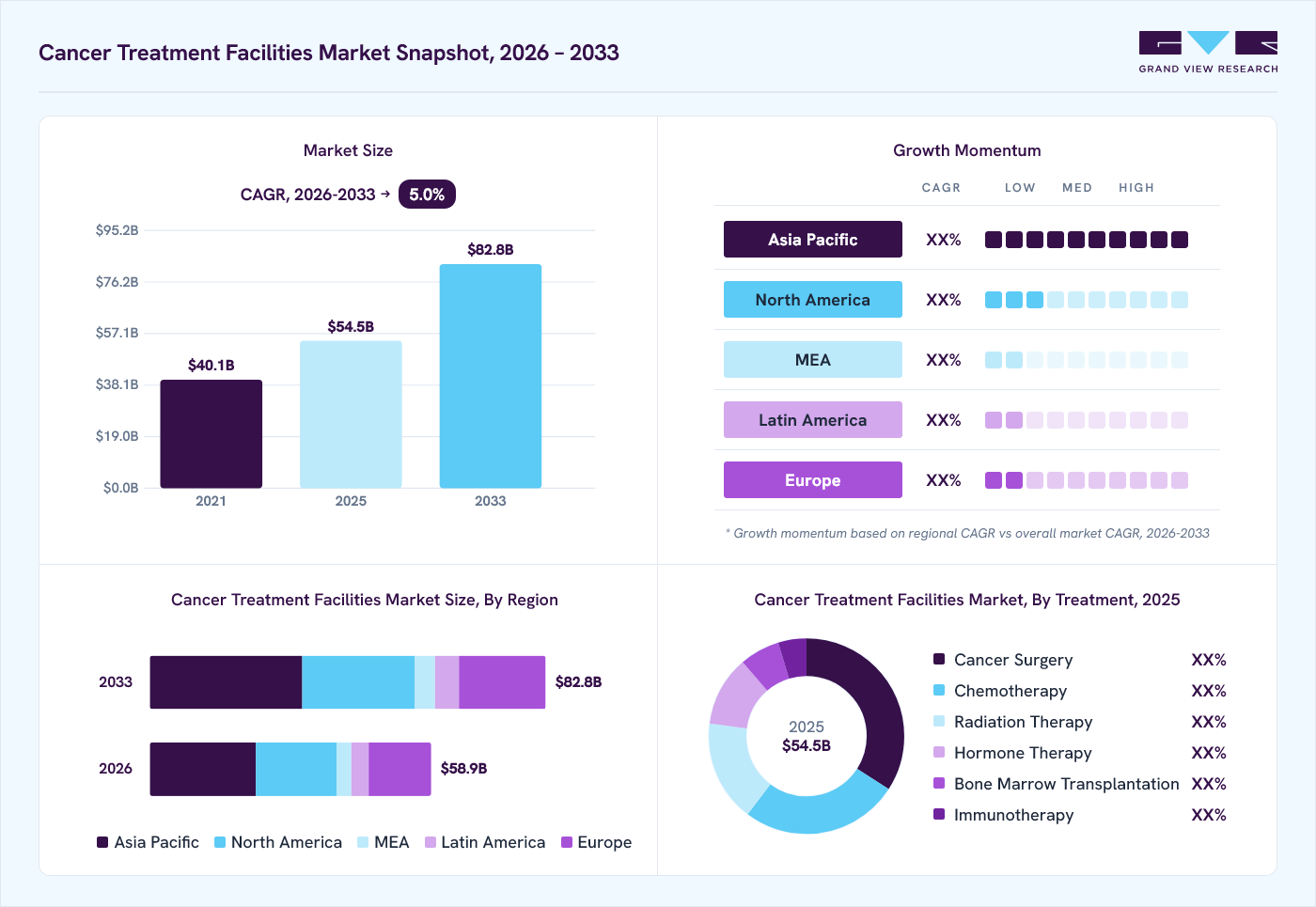 Source: Grand View Research, IR Documents, Primary Interviews, Paid DatabasesTo learn more about this report,
 Download Free Sample Report
Key Market Trends & Insights
- By treatment: Cancer surgery segment led the market with the largest revenue share of 34.1% in 2025.
- By cancer type: Blood cancer segment led the market with the largest revenue share of 25.4% in 2025.
- By provider: Hospitals segment led the market with the largest revenue share of 69.3% in 2025.
Regional Highlights
- Largest regional market: Asia Pacific (37.6% revenue share, 2025)
- By country: China held the largest market share in 2025.
Market Size & Forecast
- Market size in 2025: USD 54.5 Billion
- Estimated market size in 2026: USD 58.9 Billion
- Projected market size by 2033: USD 82.8 Billion
- CAGR (2026-2033): 5.0%
Three ways to get this report
Buy it, customize it, or ask a question.Ask an Analyst
Analyst response in 1 business day
- AccessReport author, directly
- Reply timeWithin 1 working day
- No sales callDirect answer only
- FormatEmail reply
- CostFree, no cost
Get the Full Report
What the study covers
- FormatsPDF · Excel · Dashboard
- Timeline2026–2033 annual, 2025 base
- Coverage20+ countries, 5 regions
- Companies10+ key players profiled
Customize the Report
20% free customization
- IncludeCountries, segments, points
- TailorTo your product definition
- ExtendDeeper competitor detail
- OrA fully bespoke study
- Turnaround5–10 working days
Moreover, the growing advancement in medical technology to boost digital presence and enhance end-to-end patient engagement drives market growth and better realizations. The growing prevalence of cancer leads to a rise in demand for advanced treatment facilities. According to the World Health Organization (WHO) cancer agency, the International Agency for Research on Cancer (IARC) published an estimate that around 20 million new cancer cases and 9.7 million deaths occurred across 115 countries in 2022. It is estimated to reach around 35 million new cases by 2050. In addition, around 1 out of 5 people are diagnosed with malignancy in their lifetime, and approximately 1 in 12 women and 1 in 9 men die due to the disease.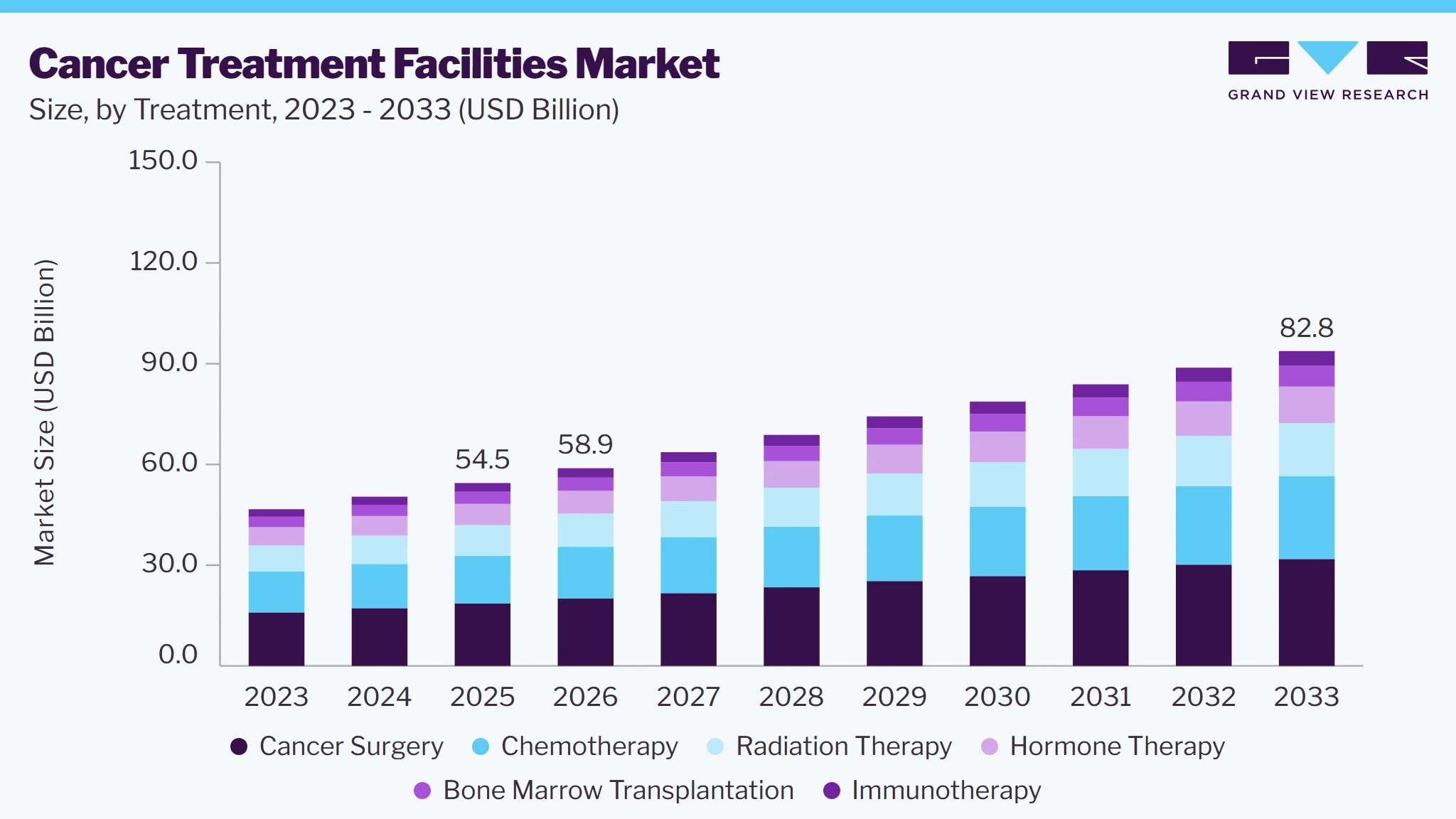 To learn more about this report, Download Free Sample Report
Furthermore, the increasing demand for cancer treatment centers has led the health facility provider to increase their presence to ensure the availability of treatment services. For instance, in April 2024, RUSH University System for Health partnered with The University of Texas MD Anderson Cancer Center to build RUSH MD Anderson Cancer Center in the Chicago area. The aim of this new cancer center is to provide advanced clinical and operational integration in the delivery of oncology care to RUSH patients and access to cancer treatment and research. This rapid global expansion of new treatment facilities is expected to fuel market growth.
Market Dynamics
The cancer treatment facilities market is experiencing steady growth, driven by the increasing global burden of cancer, rising demand for comprehensive oncology care, and continuous expansion of specialized cancer treatment infrastructure. Cancer treatment facilities play a critical role in delivering multidisciplinary care, including medical oncology, radiation therapy, surgical oncology, immunotherapy, targeted therapy, and supportive care services, enabling improved patient outcomes across various cancer types. Growing cancer incidence, an aging population with a higher risk of malignancies, and increasing awareness regarding early diagnosis and timely treatment are significantly contributing to market growth. Furthermore, advancements in precision oncology, radiotherapy technologies, minimally invasive cancer surgeries, molecular diagnostics, and the integration of artificial intelligence into cancer care are enhancing treatment accuracy, operational efficiency, and clinical outcomes, supporting broader adoption of advanced cancer treatment facilities across healthcare systems.
The increasing adoption of advanced radiation therapy technologies is a key driver of the cancer treatment facilities market. Healthcare providers are investing in next-generation radiotherapy systems that enable highly precise tumor targeting while minimizing damage to surrounding healthy tissues, improving treatment outcomes and reducing side effects.
The following are recent developments in radiation therapy:
• In May 2026, Sir HN Reliance Foundation Hospital successfully implemented India's first AI-powered mask-free, simulation-free radiotherapy protocol by combining Surface Guided Radiotherapy (SGRT) with adaptive radiotherapy, enabling precise cancer treatment without immobilization masks or simulation CT scans while improving treatment speed, accuracy, and patient comfort.
• In July 2024, Varian, a Siemens Healthineers company, received U.S. FDA 510(k) clearance for enhanced functionality in its Ethos adaptive radiotherapy system, incorporating AI-powered treatment planning, expanded automated anatomical contouring, and improved data connectivity to streamline personalized radiotherapy workflows and enhance clinical and operational efficiency.
• In May 2024, Elekta launched Elekta Evo, a next-generation CT-Linac featuring AI-enhanced high-definition imaging and online adaptive radiotherapy capabilities. The system was designed to improve treatment precision, automate planning workflows, reduce radiation exposure to healthy tissues, and support personalized cancer care across diverse clinical settings.
The growing adoption of targeted cancer therapies is a significant driver of the cancer treatment facilities market. Increasing use of biomarker testing, genomic profiling, and targeted therapies is enabling clinicians to deliver personalized treatment plans that improve clinical outcomes while reducing unnecessary treatments. In May 2026, Tempus AI received U.S. FDA approval for its xT CDx next-generation sequencing assay as a companion diagnostic to identify patients eligible for targeted cancer therapies. The approval expanded access to comprehensive genomic profiling, enabling healthcare providers to make more precise treatment decisions and increasing demand for cancer treatment facilities equipped with advanced molecular diagnostics.
The cancer treatment facilities market faces challenges due to the high capital investment and operational costs associated with establishing and maintaining advanced oncology infrastructure. Cancer treatment facilities require significant expenditure on radiotherapy systems, surgical equipment, molecular diagnostic laboratories, imaging technologies, and specialized oncology professionals, making them difficult to develop and sustain, particularly in low- and middle-income regions. In addition, the high cost of innovative therapies, including immunotherapies, targeted therapies, and CAR-T cell therapies, can limit patient access and increase the financial burden on healthcare systems.
Cancer Therapy
Typical Cost
Chemotherapy
USD 500-1,500
Radiation Therapy
USD 3,000-8,000
Cancer Surgery
USD 3,000-15,000
Targeted Therapy
USD 950-3,000
Immunotherapy (Checkpoint Inhibitors)
USD 1,800-4,800
CAR-T Cell Therapy
USD 40,000-80,000
CAR-T Cell Therapy (Commercial, U.S.)
USD 370,000-530,000
Bone Marrow Transplant
USD 15,000-45,000
The integration of artificial intelligence (AI), precision oncology, and advanced molecular diagnostics presents a significant opportunity for the cancer treatment facilities market. AI-powered technologies can enhance cancer detection, automate treatment planning, support clinical decision-making, and enable personalized therapies through genomic profiling and biomarker analysis. These advancements are expected to improve diagnostic accuracy, optimize treatment outcomes, and increase operational efficiency across oncology care settings. In May 2026, Sir HN Reliance Foundation Hospital introduced India's first AI-powered mask-free, simulation-free radiotherapy protocol by integrating Surface Guided Radiotherapy (SGRT) with adaptive radiotherapy. The innovation enabled highly precise radiation delivery without the need for conventional immobilization masks or simulation CT scans, improving treatment accuracy, streamlining clinical workflows, enhancing patient comfort, and reinforcing the growing role of artificial intelligence in advancing precision oncology and personalized cancer care.
Industry Dynamics
The chart below illustrates the relationship between industry concentration, industry characteristics, and industry participants. The x-axis represents the level of industry concentration, ranging from low to high. The y-axis represents various market characteristics, including industry competition, degree of innovation, impact of regulations, level of partnerships & collaborations activities, service expansion, and regional expansion. For instance, the industry is fragmented, with many service providers entering the industry. The degree of innovation is high, and the level of partnerships & collaboration activities is also moderate. The impact of regulations on the market is high, service expansion is high, and the regional expansion of the industry is moderate.
Cancer research is producing an impressive range of potential new treatments, including targeted therapies that directly kill cancerous cells and immunotherapies that activate the immune system to fight malignance. Innovative therapies like antibody-drug conjugates (ADCs) are proving vastly more effective than previous treatments. Scientists are also exploring ways to enhance cell therapies through combinations with other agents.
 To learn more about this report, Download Free Sample Report
The industry has a moderate level of partnerships and collaborations as service providers engage in joint activities to expand their presence and offer treatment services. For instance, in April 2024, the University of Maryland Medical Center (UMMC) partnered with AstraZeneca, a biopharmaceutical company, with funding of over USD 8 million for the next five years. The partnership aims to provide easy access to lung cancer screening and early detection that leads to earlier diagnosis and several treatment options for patients across the Maryland community.
Regulations significantly impact the industry. Various regulatory authorities oversee laws and regulations, depending on the health departments of different countries. In India, the Ministry of Health and Family Welfare manages cancer control programs and treatment facilities. In addition, the Atomic Energy Regulatory Board (AERB) regulates radiation therapy equipment and facilities, and the National Cancer Grid coordinates treatment guidelines and standards across centers.
Service providers across the globe are undertaking strategic initiatives to expand facilities to rural areas, reducing the need for patients and their caregivers to travel to hospitals and giving them more time to go about their daily lives. For instance, in April 2024, the Department of Veterans Affairs, a part of the Biden Cancer Moonshot, expanded its Close to Me cancer care program. This program allows Veteran Affairs clinicians to provide Veterans with comprehensive care at close community-based patient clinics, including the rural locations. The expansion aims to open new treatment, surveillance, and diagnosis services to an added 9,000 Veterans and 30 places by the end of October 2025.
The level of regional expansion in the industry is moderate due to the growing need for advanced treatment in populated areas, which are experiencing significant growth in the industry. For instance, in May 2024, Healthcare Global Enterprises Limited, a healthcare provider, expanded its cancer care centers to two locations such as North Bengaluru and Whitefield in Bengaluru in India. The new locations offer personalized treatment, high-precision diagnosis, and comprehensive care, and these centers are to be operational in early 2025.
Analyst Perspective
The cancer treatment facilities market is benefiting from the rising prevalence of orthopedic disorders, osteoporosis, traumatic bone injuries, spinal disorders, and age-related bone degeneration requiring bone reconstruction and regeneration procedures. Increasing volumes of spinal fusion, trauma repair, dental implant, and joint reconstruction surgeries, coupled with growing preference for allografts over autografts due to reduced donor-site morbidity, are supporting market expansion. Furthermore, advancements in tissue processing technologies, demineralized bone matrix (DBM), cellular bone matrices, and regenerative medicine solutions are enhancing clinical outcomes and driving broader adoption of cancer treatment facilities across orthopedic, spinal, dental, and reconstructive applications.
Treatment Insights
Based on treatment, the cancer surgery segment led the market with the largest revenue share of 34.1% in 2025. The development and increasing adoption of robotic surgery techniques is having a significant impact on the growth of the segment. Robotic surgery offers enhanced precision, dexterity, and visualization for surgeons, leading to improved patient outcomes and driving greater demand for these advanced procedures. However, advancements in systemic treatments, such as targeted therapies and immunotherapies, are also shaping the market. These innovative treatments are providing new options for patients, which can impact the need for certain surgical interventions.
Moreover, the chemotherapy segment is expected to grow significantly during the forecast period. The growth of this segment can be attributed to the presence of numerous chemotherapy treatment providers and the easy treatment of various types of cancer. The wait time for treatment is less compared to other treatments, and the shortage of bed capacity for tumor treatment by chemotherapy is increasing.
This shortage is driving the demand for treatment facilities. According to a survey conducted by the National Comprehensive Cancer Network (NCCN) in May 2023, in the U.S., about 2 million people were diagnosed with cancer, and there was over a 90% shortage of chemotherapy treatment due to a shortage of drugs. These factors are anticipated to drive the demand for facilities with better treatment infrastructure to meet the demand for chemotherapy treatment.
Cancer Type Insights
Based on cancer type, the blood cancer segment led the market with the largest revenue share of 25.4% in 2025. The ongoing research and clinical trials focusing on novel therapies continue to expand treatment options and improve patient outcomes, driving investment and specialization in blood cancer care within treatment facilities. Moreover, the increasing prevalence of blood cancers, attributed to factors such as aging populations and environmental influences, underscores the growing demand for specialized treatment facilities equipped to manage these complex diseases. For instance, in June 2024, UC Health opened a Blood Cancer Healing Center to improve care for people with blood cancers. They also have plans to open more space in 2024 and 2025, including a research lab for new treatments and wellness areas for food as medicine, mind, and movement therapies.
The prostate cancer segment is expected to grow at the fastest CAGR over the forecast period. The rising prevalence of prostate cancer cases is boosting demand for therapies. According to WHO estimates, approximately 1.5 million cases of prostate cancer will be reported globally in 2024. The rising prevalence of cancer, advancements in diagnostic technologies and screening methods, and government initiatives for new treatments are positively impacting the segment growth during the forecast period.
Provider Insights
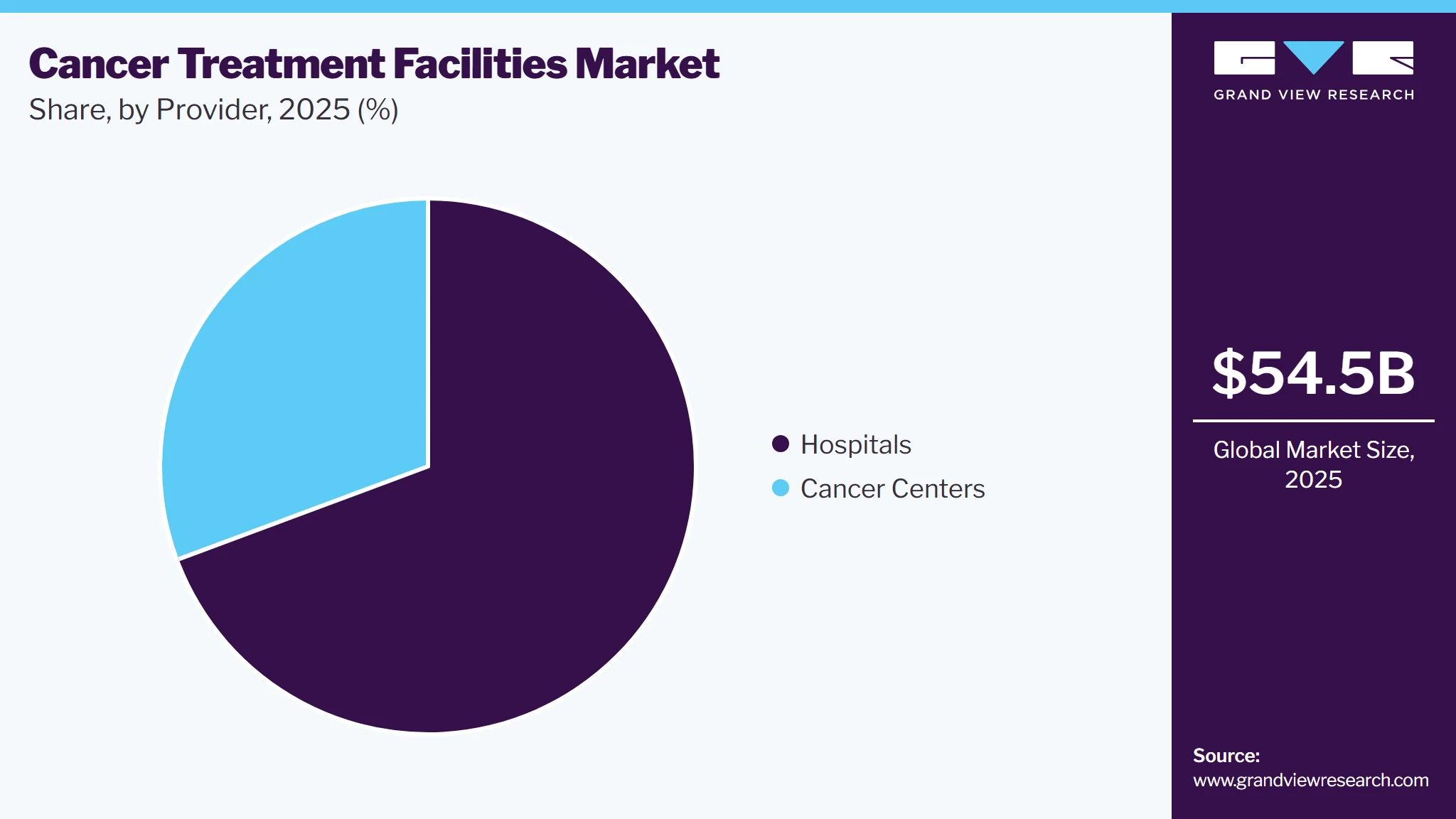
Based on provider, the hospital segment led the market with the largest revenue share of 69.3% in 2025. The increasing global incidence of oncological diseases, along with the availability of advanced diagnostic tools, multidisciplinary medical teams, and surgical expertise in hospitals, has led to a growing demand for more advanced treatment technologies. Hospitals offer a wide range of therapy options, including chemotherapy, hormone therapy, and radiotherapy, making them a preferred choice for patients due to their advanced treatment capabilities. For instance, in March 2024, Fortis Healthcare announced plans to invest in oncology facilities, including MR LINAC and Gamma Knife technologies. These investments will expand bed capacity and lead to significant upgrades in various locations across North India.
 To learn more about this report, Download Free Sample Report
The cancer centers segment is expected to grow at the fastest CAGR during the forecast period. The rise in demand for high-quality care and in-person treatment is increasing the demand for specialized centers to meet the demand. The rising number of cancer centers providing high-quality, patient-centric treatment for specific tumors, leading to the opening of new centers across the countries, is anticipated to drive market growth. For instance, in April 2024, St. Elizabeth Healthcare opened its St. Elizabeth Dearborn Cancer Center in Southeastern Indiana. This center strives to provide quality care and convenient access to cancer prevention, screening, and treatment.
Regional Insights
The cancer treatment facilities market in North America held the second-largest global revenue share in 2023. This can be attributed to the rise in investment in research and development activities and the presence of major players in the region. Furthermore, the rise in the adoption of cancer therapy and the growing incidence of cancer in the U.S. and Canada are expected to fuel the industry's growth.
U.S. Cancer Treatment Facilities Market Trends
The U.S. cancer treatment facilities market held the largest revenue share in 2023 in the North American region due to the ongoing demand for personalized and multidisciplinary approaches to attract medical tourists seeking quality cancer care. Renowned cancer hospitals, a growing network of research institutions and clinical trials, and the availability of cutting-edge technologies have all contributed to offering patients innovative therapies and treatment options.
Asia Pacific Cancer Treatment Facilities Market Trends
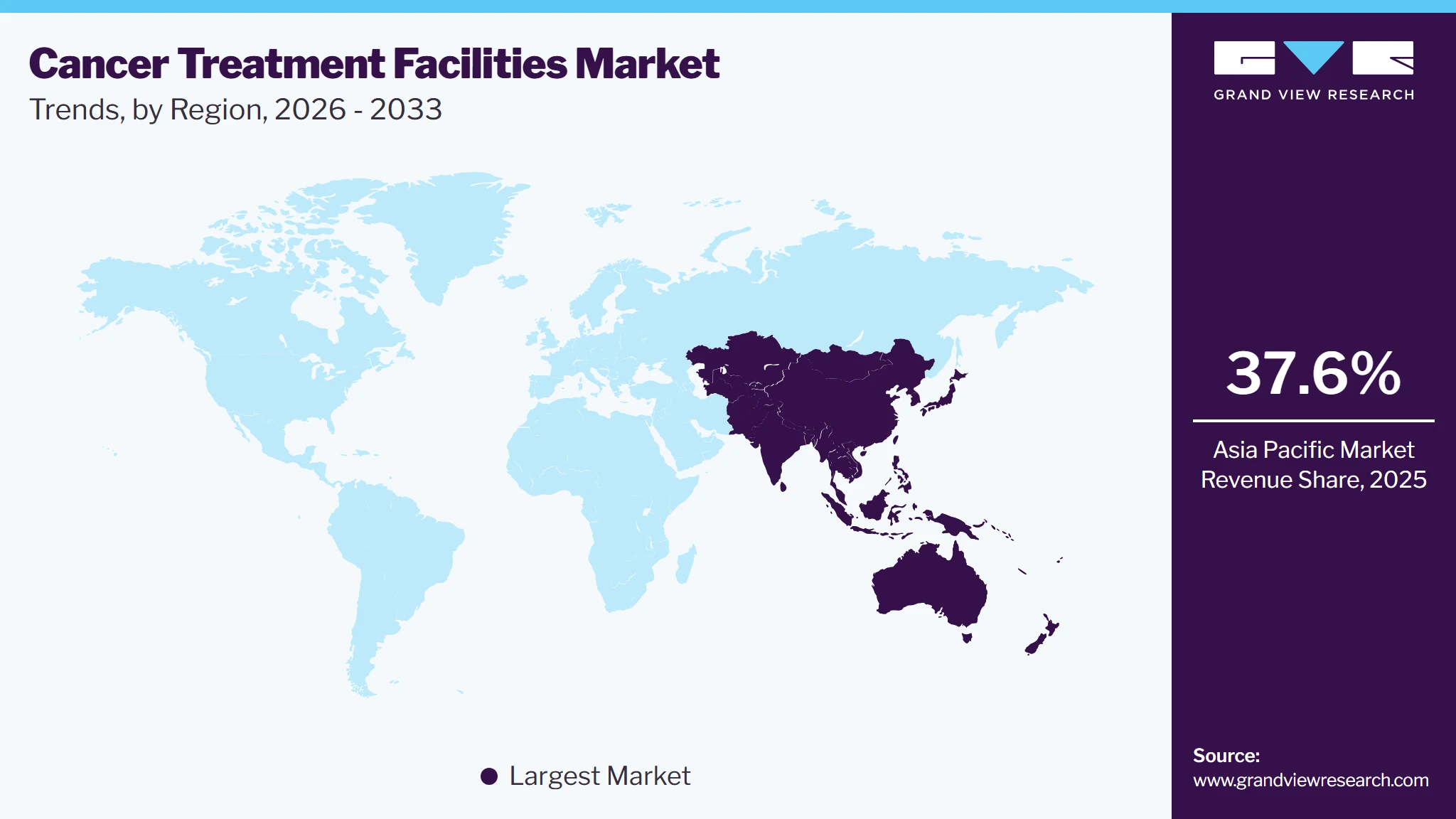
Asia Pacific dominated the cancer treatment facilities market with the largest revenue share of 37.6% in 2025. The increasing medical tourism, growing awareness of early diagnosis and treatment, rising investment in oncology research & development, and the presence of cost-effective facilities available are expected to offer better cancer treatment for patients and anticipated to drive the market growth.
 To learn more about this report, Download Free Sample Report
The market in the China held the largest share in the Asia Pacific region in 2025, due to the increasing demand for advanced monitoring and diagnostic technologies driven by the rising cases of cancer in the country. The increase in cancer cases is attributed to factors such as the growing number of cigarette smokers and specific dietary habits. In addition, the rising number of campaign programs aimed at creating awareness about cancer, such as the Basic Plan to Promote Cancer Control Programs, has contributed to this trend.
The cancer treatment facilities market in India is driven by factors such as the presence of cost-effective treatment options equipped with innovative technology. This is leading to an increase in medical tourists seeking affordable and high-quality cancer treatment. Furthermore, healthcare providers and the government are increasing their investments to expand their presence across the country and provide better cancer treatment facilities. For instance, in June 2024, Morgan Stanley announced an investment of USD 59.85 million in Omega Hospitals, a cancer-focused hospital chain, to acquire a 23% stake in the hospital.
Europe Cancer Treatment Facilities Market Trends
The cancer treatment facilities market in Europe is anticipated to grow significantly due to increasing government initiatives supporting cancer care and research. Additionally, the rise in collaborations between academic institutions, research centers, and pharmaceutical companies is creating a dynamic environment for clinical trials and the development of advanced treatments, further driving market growth.
The UK cancer treatment facilities market is expected to grow significantly over the forecast period. This growth can be attributed to an increase in medical tourism and collaboration between oncology professionals to provide improved cancer treatment, coupled with the presence of the National Health Service (NHS), offering comprehensive care for cancer patients, ensuring access to innovative treatment modalities, clinical trials, and multidisciplinary expertise.
The cancer treatment facilities market in Germany held the largest share in the European region in 2023, owing to the presence of a well-established network of specialized cancer treatment centers equipped with state-of-the-art technology for early detection, diagnosis, and treatment of various cancer types. Additionally, Germany's stringent regulatory frameworks contributed to its position as a hub for cancer treatment facilities in Europe, providing high-quality treatment to both domestic and international patients.
Latin America Cancer Treatment Facilities Market Trends
The cancer treatment facilities market in Latin America is anticipated to grow significantly due to increasing investment in the healthcare sector and the rising adoption of advanced cancer treatment technologies aimed at providing better treatment facilities. There is also a growing demand for personalized treatment plans tailored to each patient's unique needs, driven by a growing population affected by cancer.
The Brazil cancer treatment facilities market is expected to experience substantial growth due to the presence of well-known cancer centers equipped with cutting-edge technologies and offering a multidisciplinary approach to care.
Middle East & Africa Cancer Treatment Facilities Market Trends
The cancer treatment facilities market in the Middle East and Africa is anticipated to grow significantly due to the growing governments and private sectors in the region enhancing healthcare facilities, expanding oncology departments, and adopting state-of-the-art diagnostic and treatment equipment. Moreover, an increase in collaboration with international healthcare providers and research institutions further supports the development of specialized cancer treatment centers, offering a comprehensive range of therapies, including surgery, chemotherapy, radiation therapy, and targeted therapies is expected to fuel the market.
South Africa cancer treatment facilities market is anticipated to grow significantly due to the increase in demand for advanced cancer treatment due to the incidence of cancer in country and rise in favorable measures are undertaken to develop the cancer treatment facilities in the region which is expected to fuel the market.
Key Cancer Treatment Facilities Company Insights
The market is highly fragmented, with the presence of many country-level service providers. Some of the emerging players include EverHealth Solutions Inc., Helium Health, and Remedly.
Key Cancer Treatment Facilities Companies
The following key companies have been profiled for this study on the cancer treatment facilities market.
-
Compass Oncology
-
American Oncology Institute
-
Mayo Foundation for Medical Education and Research (MFMER)
-
HCA International Limited
-
The Royal Marsden
-
National Cancer Institute at the National Institutes of Health
-
Apollo Hospitals Enterprise Ltd.
-
Kokilaben Dhirubhai Ambani Hospital
-
HEALTHCARE GLOBAL ENTERPRISES LIMITED
-
The Johns Hopkins Hospital
-
Tata Memorial Centre.
Competitive Benchmarking
Category
Operating Strategies
Competitive Edge
Weakness
Established Players (e.g., Zimmer Biomet, Medtronic, Stryker, Smith+Nephew, Johnson & Johnson Services, Inc., Baxter)
- Expand bone graft and orthobiologics portfolios through acquisitions, product innovation, and strategic partnerships. Focus on spinal fusion, orthopedic reconstruction, trauma, and regenerative medicine applications. Invest in advanced allografts, demineralized bone matrix (DBM), cellular bone matrices.
- Strong brand recognition, extensive distribution networks, diversified orthopedic and spine product portfolios, established surgeon relationships, and significant R&D capabilities. Their global presence, regulatory expertise, and manufacturing scale support broad commercialization and market penetration across multiple geographies.
- High operational and regulatory compliance costs associated with donor tissue processing and quality assurance. Lengthy product development and approval timelines, pricing pressures, and integration challenges from acquisitions may impact growth. Large organizational structures may also reduce responsiveness to niche market opportunities.
Emerging and Specialized Players (e.g., Lynch Biologics, LLC., Biomatlante, Royal Biologics, Xtant Medical)
- Focus on specialized bone grafting and regenerative medicine solutions, including allografts, synthetic graft substitutes, and biologically active bone regeneration products. Emphasize innovation in tissue processing, graft preservation, cellular technologies.
- Greater flexibility in product development, faster innovation cycles, and strong expertise in tissue banking, regenerative medicine, and bone healing technologies. Their focused portfolios enable differentiation through specialized graft solutions and customized clinical applications.
- Limited global reach, lower brand visibility, and smaller financial resources compared with multinational orthopedic companies. Dependence on specific product categories, donor tissue availability, and regional distribution networks may restrict scalability and long-term market expansion.
Recent Developments
-
In April 2024, President of India, Droupadi Murmu, launched India's first home produced CAR T-cell therapy for cancer treatment. The NexCAR19 therapy, developed by IIT Bombay and Tata Memorial Centre, represents a significant breakthrough that will substantially reduce treatment costs.
-
In March 2024, City of Hope launched its Cell Therapy Program and Blood and Marrow Transplantation at City of Hope Cancer Center Atlanta.
-
In January 2024, Apollo Cancer Centers has launched India's first AI-precision oncology Centre. This Centre will aid oncologists, patients, and caregivers in achieving optimal results promptly, harnessing the extensive capabilities of AI.
Cancer Treatment Facilities Market Report Scope
Report Attribute
Details
Market size value in 2025
USD 54.5 billion
Estimated market size in 2026
USD 58.9 billion
Projected market size by 2033
USD 82.8 billion
Growth rate
CAGR of 5.0% from 2026 to 2033
Historical data
2021 - 2025
Forecast period
2026 - 2033
Quantitative units
Revenue in USD billion and CAGR from 2026 to 2033
Report coverage
Revenue forecast, company ranking, competitive landscape, growth factors, and trends
Segments covered
Treatment, cancer type, provider, region
Regional scope
North America; Europe; Asia Pacific; Latin America; MEA
Country scope
U.S.; Canada; Mexico; Germany; UK; France; Italy; Spain; Norway; Denmark; Sweden; China; Japan; India; South Korea; Australia; Thailand; Brazil; Argentina; Saudi Arabia; South Africa; UAE; Kuwait
Key companies profiled
Compass Oncology; American Oncology Institute; Mayo Foundation for Medical Education and Research (MFMER); HCA International Limited; The Royal Marsden; National Cancer Institute at the National Institutes of Health; Apollo Hospitals Enterprise Ltd.; Kokilaben Dhirubhai Ambani Hospital; HEALTHCARE GLOBAL ENTERPRISES LIMITED; The Johns Hopkins Hospital, Tata Memorial Centre.
Customization scope
Free report customization (equivalent up to 8 analysts' working days) with purchasse. Addition or alteration to country, regional & segment scope.
Pricing and purchase options
Avail customized purchase options to meet your exact research needs. Explore purchase options
Global Cancer Treatment Facilities Market Report Segmentation
This report forecasts revenue growth at global, regional, and country levels and analyzes the latest industry trends in each of the sub-segments from 2021 to 2033. For this study, Grand View Research has segmented the global cancer treatment facilities market report based on treatment, cancer type, provider, and region:
 To learn more about this report, Download Free Sample Report
-
Treatment Outlook (Revenue, USD Million, 2021 - 2033)
-
Bone Marrow Transplantation
-
Chemotherapy
-
Radiation Therapy
-
Hormone Therapy
-
Immunotherapy
-
Cancer Surgery
-
-
Cancer Type Outlook (Revenue, USD Million, 2021 - 2033)
-
Blood Cancer
-
Breast Cancer
-
Prostate Cancer
-
Gastrointestinal Cancer
-
Gynecologic Cancer
-
Respiratory/Lung Cancer
-
Other Cancer Type
-
-
Provider Outlook (Revenue, USD Million, 2021 - 2033)
-
Cancer Centers
-
Hospitals
-
-
Regional Outlook (Revenue, USD Million, 2021 - 2033)
-
North America
-
U.S.
-
Canada
-
Mexico
-
-
Europe
-
UK
-
Germany
-
France
-
Italy
-
Spain
-
Denmark
-
Sweden
-
Norway
-
-
Asia Pacific
-
China
-
Japan
-
India
-
South Korea
-
Australia
-
Thailand
-
-
Latin America
-
Brazil
-
Argentina
-
-
Middle East and Africa (MEA)
-
South Africa
-
Saudi Arabia
-
UAE
-
Kuwait
-
-
Research Methodology
The cancer treatment facilities market figures in this report are based on a proven research process that combines executive interviews with secondary research from proprietary databases, company filings, and recognized regulatory and institutional sources. Market size is built through value-chain sizing-reconciling supply-side and demand-side estimates-and triangulated with bottom-up and top-down approaches. Every estimate passes multiple levels of expert validation before publication, with each cancer treatment facilities segment quantified using the revenue-capture definitions in the table below.
Segment Definition
Segment - Treatment
Revenue capture definition
Cancer Surgery
Cancer surgery involves the surgical removal of tumors and surrounding affected tissues. It is commonly used as a primary treatment for localized cancers and may be combined with chemotherapy or radiation therapy to improve treatment outcomes.
Chemotherapy
Chemotherapy is a systemic treatment that uses anticancer drugs to destroy or inhibit the growth and spread of cancer cells. It may be administered before surgery, after surgery, or as a standalone treatment depending on the type of cancer and stage.
Radiation Therapy
Radiation therapy uses high-energy radiation beams to destroy cancer cells, shrink tumors, and reduce the risk of cancer recurrence. It is widely used as a curative, adjuvant, or palliative treatment for various cancers.
Hormone Therapy
Hormone therapy is used to treat hormone-sensitive cancers by blocking or reducing hormone production that promotes tumor growth. It is commonly prescribed for breast and prostate cancers.
Bone Marrow Transplantation
Bone marrow transplantation, also known as hematopoietic stem cell transplantation, replaces damaged or diseased bone marrow with healthy stem cells to restore normal blood cell production. It is primarily used for blood cancers and certain bone marrow disorders.
Immunotherapy
Immunotherapy enhances or restores the body's immune system to recognize and eliminate cancer cells. It includes immune checkpoint inhibitors, monoclonal antibodies, cancer vaccines, and cell-based therapies used across multiple cancer types.
Segment - Cancer Type
Revenue capture definition
Blood Cancer
Blood cancer includes malignancies affecting the blood, bone marrow, and lymphatic system, such as leukemia, lymphoma, and multiple myeloma, which often require specialized systemic therapies and stem cell transplantation.
Breast Cancer
Breast cancer originates in breast tissue and is one of the most common cancers. Treatment typically involves a combination of surgery, radiation therapy, chemotherapy, hormone therapy, targeted therapy, or immunotherapy.
Prostate Cancer
Prostate cancer develops in the prostate gland and is among the most prevalent cancers in men. Treatment options include surgery, radiation therapy, hormone therapy, chemotherapy, and advanced targeted therapies depending on disease progression.
Gastrointestinal Cancer
Gastrointestinal cancer includes cancers of the esophagus, stomach, liver, pancreas, colon, rectum, and other digestive organs. Treatment commonly involves multidisciplinary approaches including surgery, chemotherapy, radiation therapy, and targeted therapies.
Gynecologic Cancer
Gynecologic cancer encompasses cancers of the ovary, cervix, uterus, vagina, and vulva. Management often includes surgery, chemotherapy, radiation therapy, and increasingly targeted immunotherapies.
Respiratory/Lung Cancer
Respiratory or lung cancer includes cancers affecting the lungs and respiratory tract. Treatment depends on disease stage and may include surgery, chemotherapy, radiation therapy, targeted therapy, and immunotherapy.
Other Cancer Types
This segment includes cancers such as skin, brain, kidney, bladder, thyroid, head and neck, bone, and other less common malignancies that require specialized diagnostic and treatment services.
Segment - Provider
Revenue capture definition
Cancer Centers
Cancer centers are specialized healthcare facilities dedicated exclusively to cancer prevention, diagnosis, treatment, rehabilitation, and supportive care. They typically offer multidisciplinary oncology services, advanced treatment technologies, and access to clinical trials.
Hospitals
Hospitals include general, multispecialty, and tertiary care institutions that provide comprehensive oncology services alongside other medical specialties. These facilities offer cancer diagnosis, surgery, chemotherapy, radiation therapy, and supportive care through dedicated oncology departments.
Estimation Model
Section
Key Summary
Research Approach
Hybrid research methodology combining secondary research (oncology journals, hospital databases, cancer registries, regulatory publications, WHO/GLOBOCAN data, and industry reports) with primary interviews involving oncologists, radiation oncologists, surgeons, hospital administrators, cancer center operators, and industry executives. Market estimation is based on a demand-driven oncology care model using cancer incidence, treatment utilization, facility capacity, and patient treatment patterns.
Market Estimation Framework
Market size derived using a triangulated framework integrating: (1) patient-treatment demand model, (2) ASP-based revenue build-up model, and (3) provider/facility revenue validation model. Final market value obtained through weighted reconciliation of all three approaches.
Demand Model
Estimates demand using cancer incidence and treatment utilization across major modalities including cancer surgery, chemotherapy, radiation therapy, hormone therapy, bone marrow transplantation, and immunotherapy. Incorporates treatment penetration rates, repeat treatment cycles, and regional access differences.
ASP Model
Converts treatment volumes into revenue using weighted average pricing across treatment categories, hospital types, and regions. Includes therapy-specific pricing, treatment intensity, reimbursement effects, and regional pricing variations across public and private healthcare systems.
Provider Model
Validates demand estimates using revenue analysis of cancer centers, hospitals, oncology networks, radiotherapy providers, and major healthcare operators. Incorporates hospital procurement data, treatment capacity, and service utilization trends.
Forecast Development
Forecast developed using a structural growth model supported by rising cancer incidence, aging population, expanding screening programs, increasing adoption of precision oncology and immunotherapy, growth in radiotherapy infrastructure, and AI-enabled cancer care technologies.
Segmentation Method
Segments evaluated using a weighted clinical-commercial index considering patient volume, treatment utilization, revenue contribution, technology adoption, reimbursement coverage, and regional healthcare infrastructure maturity.
Scope & Assumptions
Scope includes cancer treatment services across cancer centers and hospitals for major cancer types. Assumptions include USD-based valuation, inclusion of both initial and follow-up treatments, blended ASP normalization across regions, and treatment adoption rates varying by healthcare infrastructure and reimbursement availability.
Delivered Customizations
This report has been delivered with the following In-depth customizations
Client Request
Customization Delivered
Value Adds
Cancer Care Infrastructure & Patient Access Analysis
Developed a comprehensive assessment of global cancer incidence, patient treatment pathways, healthcare infrastructure, and accessibility to cancer treatment facilities across developed and emerging markets. The study evaluated oncology workforce availability, treatment capacity, referral patterns, and regional disparities in cancer care delivery.
Enables stakeholders to identify high-growth regions, evaluate infrastructure gaps, prioritize investments in cancer treatment facilities, and develop strategies to improve patient access and service expansion.
Oncology Patient Journey & Treatment Pathway Analysis
Conducted an end-to-end evaluation of the oncology patient journey, including cancer screening, diagnosis, multidisciplinary treatment planning, surgery, chemotherapy, radiation therapy, immunotherapy, follow-up care, and survivorship management. The study also assessed patient preferences, treatment adoption patterns, reimbursement frameworks, and healthcare provider networks.
Provides actionable insights for optimizing patient care pathways, improving operational efficiency, strengthening patient retention, enhancing treatment outcomes, and supporting strategic planning for healthcare providers and investors.
Advanced Oncology Technologies & Facility Assessment
Conducted an in-depth evaluation of emerging oncology technologies, including AI-enabled diagnostics, precision oncology, molecular diagnostics, robotic-assisted surgery, advanced radiotherapy systems, and digital oncology platforms. The study benchmarked technology adoption, clinical capabilities, regulatory developments, and competitive positioning across leading cancer treatment facilities.
Helps stakeholders identify technology investment opportunities, accelerate adoption of advanced cancer care solutions, strengthen competitive positioning, and capitalize on emerging trends in precision oncology, AI-enabled healthcare, and next-generation cancer treatment infrastructure.
Frequently Asked Questions About This Report
The market is expected to increase significantly due to a rise in cancer prevalence and increasing international tourism, with numerous international malignant treatment facility providers that attract patients across the globe.
The blood cancer segment led with a 25.4% led the market with the largest revenue share of 25.4% in 2025, while prostate cancer is the fastest-growing segment.
The global cancer treatment facilities market size was valued at USD 54.5 billion in 2025 and is estimated at USD 58.9 billion for 2026.
Cancer surgery segment led the market with the largest revenue share of 34.1% in 2025.
The hospital segment led the market with the largest revenue share of 69.3% in 2025, while cancer centers is the fastest-growing segment.
The global cancer treatment facilities market is expected to grow at a CAGR of 5.0% from 2026 to 2033, reaching USD 82.8 billion by 2033.
Asia Pacific dominated the market, accounting for a revenue share of 37.6% in 2025.
Key players include Compass Oncology; American Oncology Institute; Mayo Foundation for Medical Education and Research (MFMER); HCA International Limited; The Royal Marsden; National Cancer Institute at the National Institutes of Health; Apollo Hospitals Enterprise Ltd.; Kokilaben Dhirubhai Ambani Hospital; HEALTHCARE GLOBAL ENTERPRISES LIMITED; The Johns Hopkins Hospital, Tata Memorial Centre.
About the Author(s)
Medical Devices Research Team
Healthcare · Medical DevicesThis report was authored by the medical devices research team at Grand View Research - comprising two research analysts, one senior research analyst, and one industry expert - with specialized expertise in the medical devices segment of the healthcare industry. All findings are based on proprietary healthcare databases, executive interviews, and regulatory analysis, subject to internal peer review prior to publication.
Last Updated:
Speak to Analyst

Customize this report to your needs - add regions, segments, or data points, with 20% free customization.
Or view our licence options:


ISO 9001:2015 & 27001:2022 Certified
We are GDPR and CCPA compliant! Your transaction & personal information is safe and secure. For more details, please read our privacy policy.


