
- Home
- »
- Biotechnology
- »
-
Cell Cryopreservation Consumables Market Report, 2033GVR Report cover

Cell Cryopreservation Consumables Market (2026 - 2033)
Size, Share & Trends Analysis Report By Product (Cryogenic Vials, Cryogenic Tubes), By Cell Type (Stem Cells, Immune Cells), By End Use (Hospitals & Clinics, Cell Banks & Biobanks), By Region, And Segment Forecasts
Market Size, 2025
$1.6BMarket Estimate, 2026
$1.7BMarket Forecast, 2033
$3.7BCAGR, 2026–2033
11.3%Cell Cryopreservation Consumables Market Summary
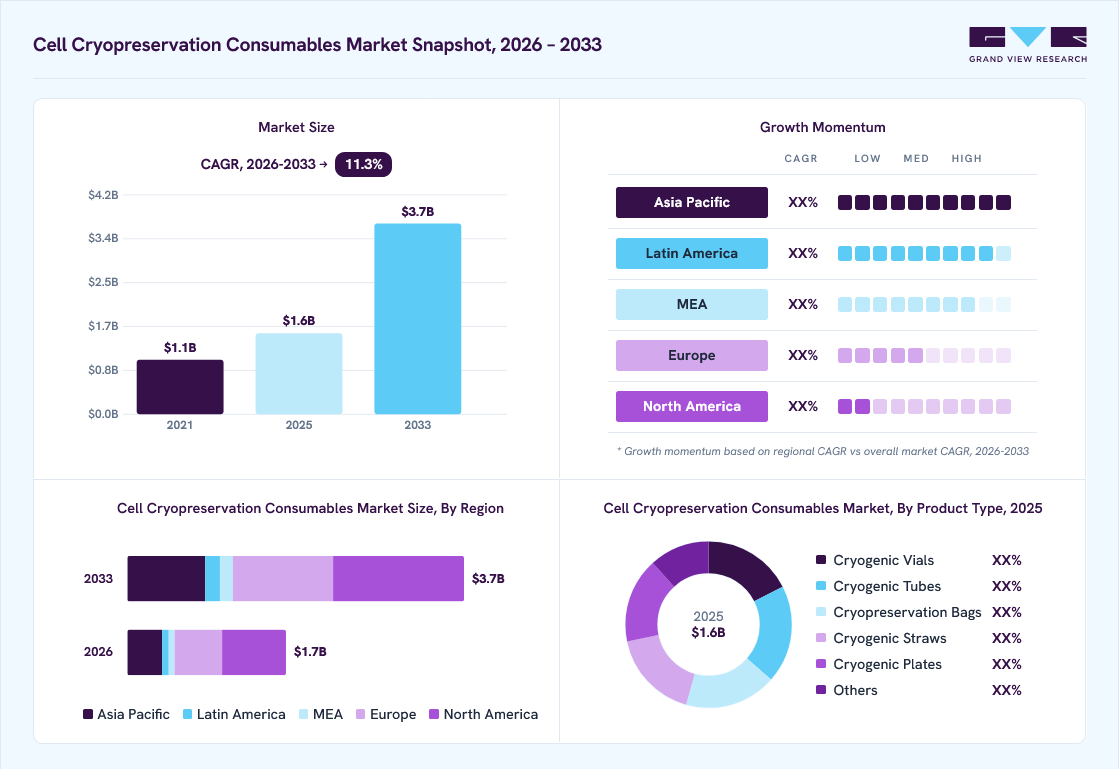
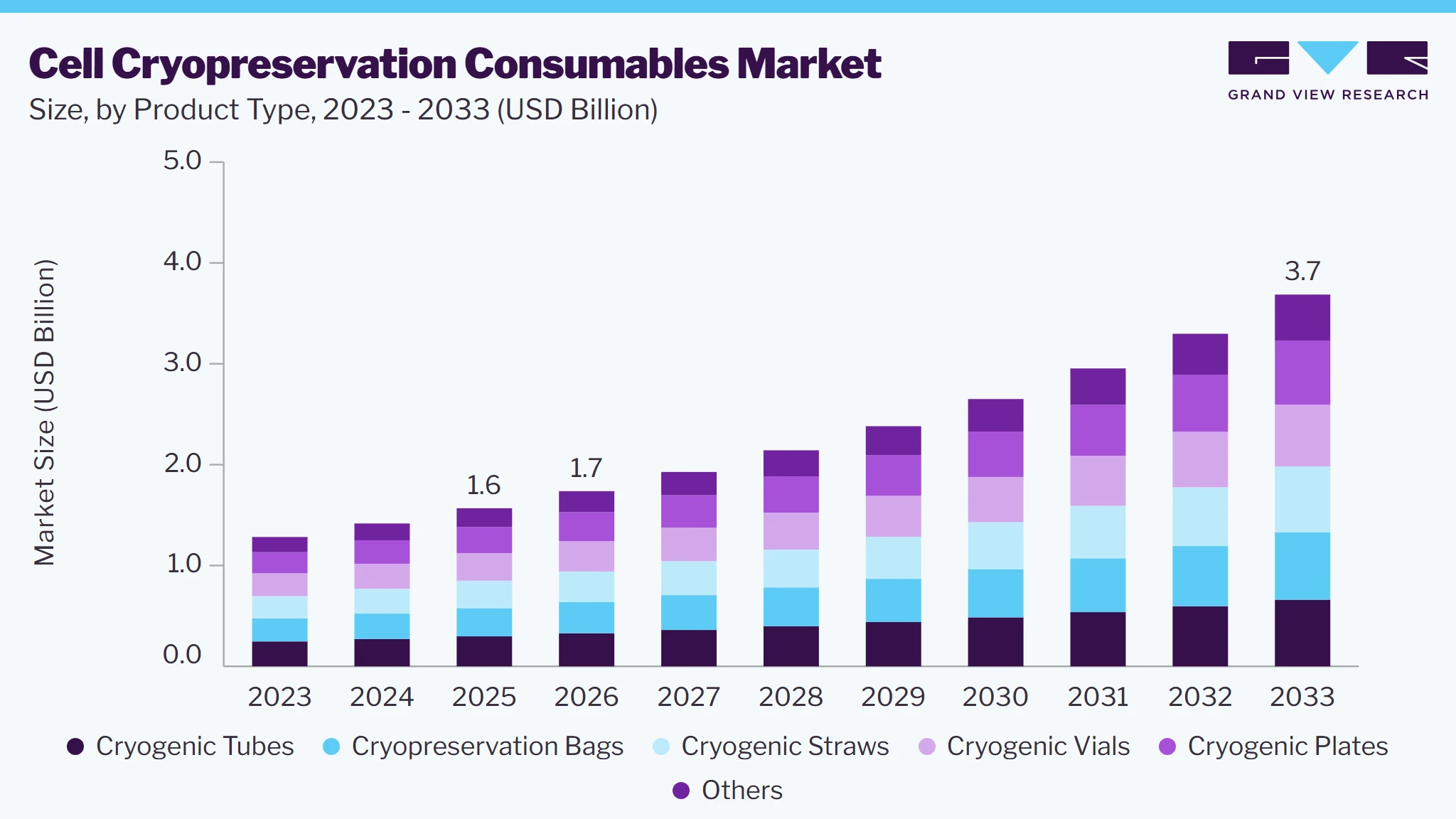
The global cell cryopreservation consumables market size was valued at USD 1.6 billion in 2025 and is projected to grow from USD 1.7 billion in 2026 to USD 3.7 billion by 2033, at a CAGR of 11.3% from 2026 to 2033. North America dominated the market, accounting for a revenue share of 40.4% in 2025. The growth is driven by the increasing adoption of cell and gene therapies, biobanking, and stem cell research.
 Source: Grand View Research, IR Documents, Primary Interviews, Paid DatabasesTo learn more about this report,
 Download Free Sample Report
 Key Market Trends & Insights
- By product: Cryogenic tubes segment held the highest market share of 19.0% in 2025.
- Based on cell type: Stem cells segment held the highest market share in 2025.
- Based on end use: Biopharmaceutical & biotechnology companies segment held the highest market share in 2025.
Regional Highlights
- Largest regional market: North America (40.4% revenue share, 2025)
- Fastest-growing regional market: Asia Pacific (highest CAGR, 2026-2033)
- By country: the U.S. held the largest share in 2025
Market Size & Forecast
- Market Size in 2025: USD 1.6 Billion
- Estimated Market Size in 2026: USD 1.7 Billion
- Projected Market Size in 2033: USD 3.7 Billion
- CAGR (2026-2033): 11.3%
Three ways to get this report
Buy it, customize it, or ask a question.Ask an Analyst
A direct answer, usually in 1 working day
- AccessReport author, directly
- Reply timeWithin 1 working day
- No sales callDirect answer only
- FormatEmail reply
- CostFree, no cost
Get the Full Report
What the study covers
- FormatsPDF · Excel · Dashboard
- Timeline2026–2033 annual, 2025 base
- Coverage20+ countries, 5 regions
- Companies10+ key players profiled
Customize the Report
20% free customization
- IncludeCountries, segments, points
- TailorTo your product definition
- ExtendDeeper competitor detail
- OrA fully bespoke study
- Turnaround5–10 working days
 To learn more about this report, Download Free Sample Report
 Market Dynamics
The industry is witnessing strong growth, driven by the rising demand for reliable long-term cell storage, advancements in cryopreservation technologies, and increasing adoption of standardized cell banking workflows, which are supporting market expansion. Furthermore, growing investments in biotechnology and life sciences research are expected to create new opportunities for market growth.
The expansion of biobanks and cell repositories is increasing demand for reliable cryopreservation consumables, as these facilities store large volumes of stem cells, immune cells, primary cells, tissues, and other biological specimens for long-term research and clinical applications. The growing emphasis on sample quality, traceability, reproducibility, and standardized cell banking is driving the adoption of cryogenic vials, tubes, cryopreservation media, and other specialized consumables.
According to an article published by the NIH in February 2026, research on cryopreservation and thawing protocols for ex vivo expanded hematopoietic stem and progenitor cells (HSPCs) focused on developing less harmful freezing approaches, highlighting continued advancements in cell preservation workflows. Such developments are expected to support demand for specialized cryopreservation media and storage consumables as biobanks and cell repositories expand their collections and preserve an increasingly diverse range of cell types.
The risk of cell damage during freezing and thawing is a key restraint for the market, as exposure to extreme temperatures can cause ice crystal formation, osmotic stress, membrane disruption, and reduced cell viability. Variations in cell type, cryopreservation media, cooling rates, and thawing protocols can further affect post-thaw recovery and functionality, increasing the need for optimized consumables and standardized preservation procedures.
These challenges can increase operational complexity and costs for research laboratories, biobanks, and cell therapy manufacturers. In applications involving sensitive cells, such as stem cells and immune cells, inconsistent post-thaw viability may compromise downstream research or therapeutic outcomes, encouraging users to adopt highly validated cryopreservation consumables and protocols and potentially limiting adoption among facilities with limited technical capabilities.
The growing adoption of automated cryopreservation workflows presents an opportunity for the market by enabling more consistent, scalable, and reproducible cell preservation. Automated systems reduce manual handling and operator variability while improving process control, particularly across cell therapy, biobanking, and reproductive medicine applications. The increasing adoption of standardized and automated preservation processes is expected to drive demand for compatible cryogenic vials, tubes, bags, media, and other specialized consumables.
For instance, in February 2026, Hana Health by DSS Imagetech partnered with Overture Life to introduce automated egg-freezing technology in India, highlighting the increasing adoption of automation in cryopreservation workflows. The technology automates the vitrification process and is designed to improve consistency and reduce variability associated with manual procedures. Such developments are expected to encourage the adoption of automated cryopreservation systems and support demand for compatible consumables across clinical and research applications.
“Automation in general is the future of IVF procedures, and the microfluidics technology from Overture represents a decisive next step in advancing precision and efficiency in cryopreservation."
- Dr. Hrishikesh Pai, Medical Director at Bloom IVF, CEO at WAGO.
Market Concentration & Characteristics
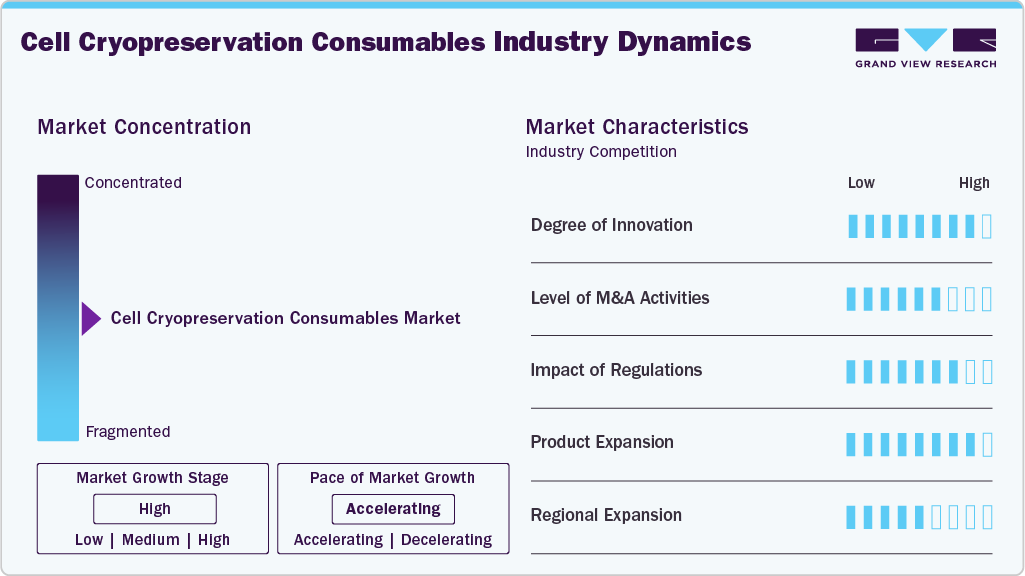
The industry is characterized by a high degree of innovation, driven by advancements in cryopreservation media, controlled-rate freezing, closed-system solutions, and technologies that improve post-thaw cell viability. Manufacturers are increasingly developing specialized formulations tailored to different cell types and applications, including stem cells, immune cells, and cell therapy products. For instance, in April 2024, Pluristyx launched its PluriFreeze cryopreservation medium, designed to support the freezing and thawing of pluripotent stem cells and other energetically active cells while maintaining their viability and functionality, highlighting continued innovation in cell preservation solutions.
The industry is experiencing moderate M&A activity, with companies pursuing acquisitions to strengthen their cryopreservation technology portfolios and expand capabilities in cell and tissue preservation. For instance, in April 2025, BioLife Solutions acquired PanTHERA CryoSolutions, adding ice recrystallization inhibitor technology to improve cell survival and functionality during freezing and thawing.
 To learn more about this report, Download Free Sample Report
 “This acquisition is an extension of our strategy to strengthen BioLife's leadership position as a pure play consumables provider and enabler of advanced therapies. PanTHERA's differentiated IRI technology enhances our core capabilities in biopreservation, and their talented scientific team shares our commitment to deliver innovative, enabling solutions for the fast-growing CGT market.”
- Roderick de Greef, BioLife Chairman and CEO
The industry is influenced by quality, sterility, traceability, and GMP requirements, particularly for consumables used in cell and gene therapy manufacturing and clinical applications. The increasing commercialization of cell-based therapies is driving demand for validated, standardized, and closed-system consumables that maintain cell integrity throughout processing, storage, and transportation. In addition, regulatory and quality requirements are encouraging manufacturers to develop consumables that are compatible with controlled, reproducible workflows.
The industry is witnessing high product expansion, with manufacturers broadening portfolios across cryogenic vials, cryopreservation bags, preservation media, controlled-rate freezing containers, and automated fill-and-finish consumables. For instance, in March 2025, Teknova and Pluristyx launched the PluriFreeze cryopreservation system, designed to support large-scale, automated, and banking processes for allogeneic cell therapies.
The industry is experiencing moderate to high regional expansion, supported by growth in cell therapy manufacturing and regenerative medicine infrastructure. The expansion of localized cell-processing capabilities is increasing demand for standardized cryopreservation consumables across emerging and established markets.
Analyst Perspective
The market is expected to grow strongly, driven by increasing adoption of cell-based research, biobanking, regenerative medicine, and cell & gene therapies. Rising demand for long-term preservation of viable cells is accelerating the use of cryopreservation media, bags, vials, and related consumables across research and clinical workflows. Advancements in cryopreservation technologies, growing biopharmaceutical investments, and the expansion of cell therapy manufacturing are expected to support market growth.
Product Insights
The cryogenic tubes segment accounted for the largest revenue share of 19.0% in 2025, driven by their extensive application in the long-term storage and preservation of biological samples, cells, and tissues at ultra-low temperatures. Increasing cell-based research, biobanking activities, and the growing adoption of cell and gene therapies have further supported demand for durable, contamination-resistant, and reliable cryogenic storage consumables.
The cryogenic plates segment is expected to register the fastest CAGR over the forecast period, driven by increasing demand for high-throughput cell preservation and sample processing in biobanking, drug discovery, and cell-based research. The growing adoption of microplate-based workflows, which enable simultaneous handling of multiple samples and improve processing efficiency, is further supporting the adoption of cryogenic plates.
Cell Type Insights
The stem cells segment dominated the market with a 19.2% share in 2025, driven by the expanding use of stem cells in regenerative medicine, cell-based research, and therapeutic development, along with increasing investments in stem cell banking and biobanking infrastructure. According to an article published in Frontiers in February 2026, researchers evaluated a DMSO-free cryopreservation reagent for establishing a mesenchymal stem cell bank platform, demonstrating improved pre-freeze stability, post-thaw recovery, and expansion potential, thereby highlighting the growing focus on advanced cryopreservation solutions for stem cell banking and manufacturing.
The reproductive cells segment is expected to register the fastest CAGR over the forecast period, driven by the increasing adoption of fertility preservation and assisted reproductive technologies, including cryopreservation of oocytes, sperm, and embryos. Rising fertility-related challenges, growing demand for elective fertility preservation, and the expanding use of cryopreserved reproductive cells in IVF procedures are expected to further support segment growth.
End Use Insights
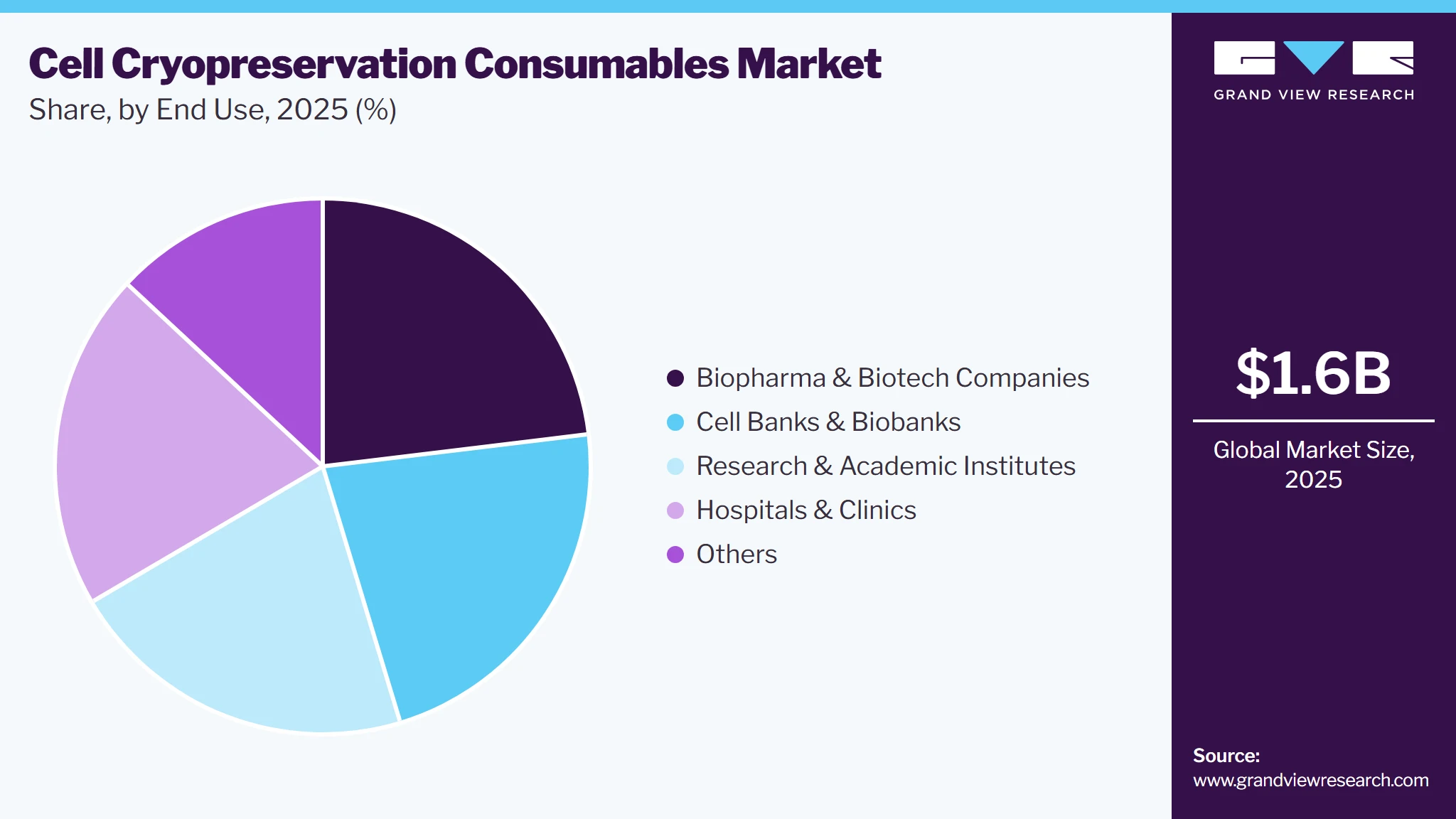
The biopharmaceutical & biotechnology companies segment dominated the market with a share of 23.1% in 2025, driven by the increasing use of cryopreserved cells in biologics development, cell-based therapies, and biopharmaceutical manufacturing. Growing investments in cell and gene therapy pipelines and the need to maintain cell viability, consistency, and functional integrity across research and manufacturing workflows further supported demand for cryopreservation consumables.
 To learn more about this report, Download Free Sample Report
 The cell banks & biobanks segment is projected to witness the fastest CAGR, driven by increasing investments in large-scale biobanking infrastructure and the growing use of biological samples for precision medicine, disease research, and proteomics. For instance, in April 2026, Thermo Fisher Scientific announced a strategic collaboration with PRECISE-SG100K Singapore to advance a population-scale biobank initiative, reflecting growing investments in national biobanking programs and supporting the need for efficient long-term preservation and management of biological samples.
Regional Insights
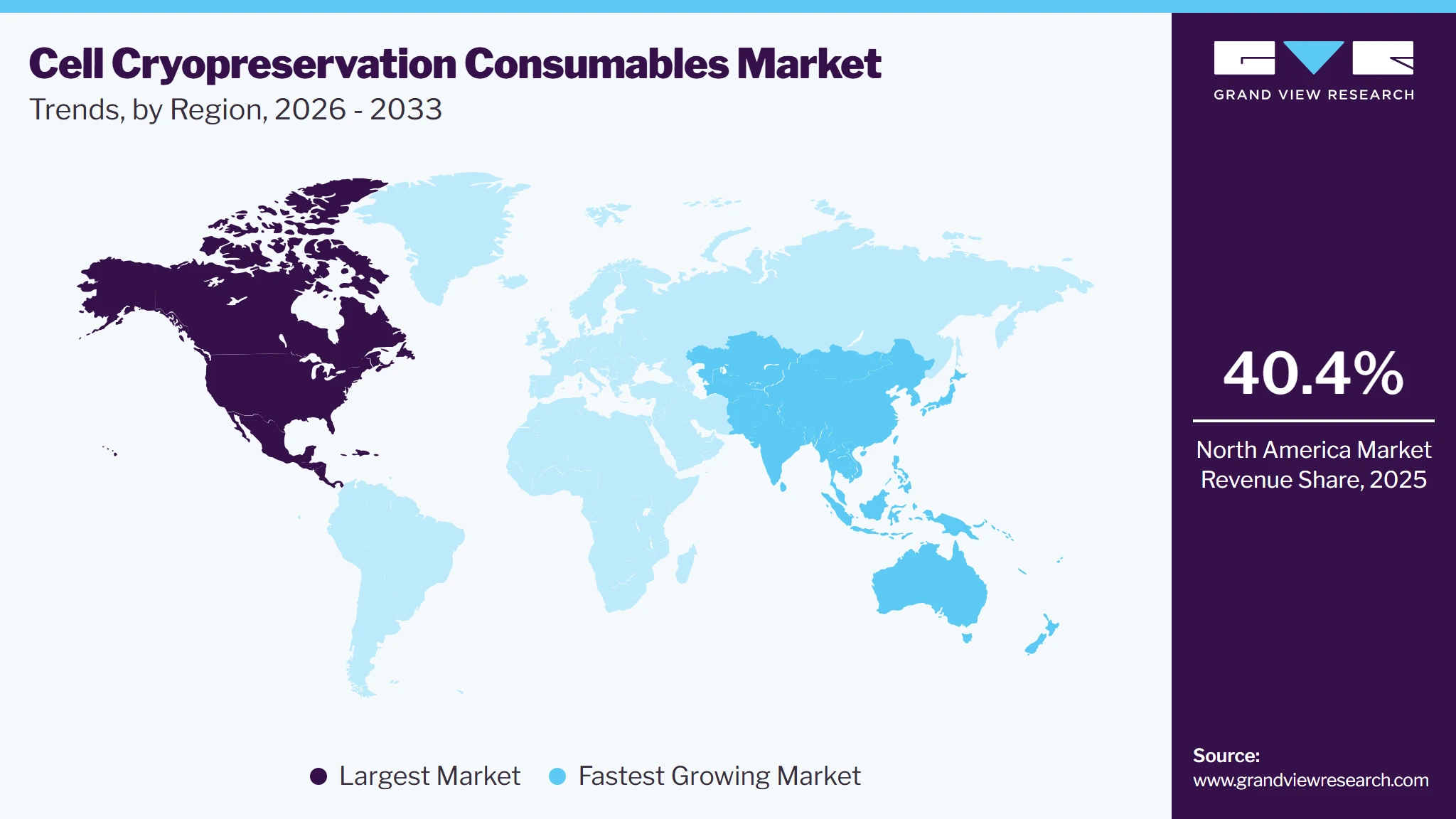
The North America cell cryopreservation consumables industry accounted for the largest revenue share of 40.4% in 2025, supported by established cell therapy and life sciences infrastructure in the region. In July 2026, Azenta Life Sciences introduced CoolCell cell freezing containers, which enable alcohol-free, standardized controlled-rate freezing and are designed to improve cryopreservation consistency and cell sample integrity. The development highlights continued adoption of advanced cryopreservation consumables across research, biopharmaceutical, and clinical applications in the region.
 To learn more about this report, Download Free Sample Report
 “CoolCell Cell Freezing Containers provide researchers with a simple, reliable solution for standardized controlled-rate freezing without the need for alcohol or programmable freezers. By delivering consistent cooling performance while eliminating the use of up to 12 liters of isopropanol per unit each year, CoolCell helps laboratories improve workflow consistency, reduce operating costs and protect valuable cell samples.”
- Alexis MacLeod, Global Product Manager – Consumables & Instruments at Azenta Life Sciences
U.S. Cell Cryopreservation Consumables Market Trends
The cell cryopreservation consumables industry in the U.S. is expected to grow significantly over the forecast period, supported by the growing commercialization of cell-based therapies and increasing demand for validated biopreservation solutions across clinical and manufacturing workflows. For instance, in February 2026, CaseBioscience launched CaseCryo CTG DMSO cryopreservation media and CaseStor HSS, designed to support cell therapy manufacturing and improve cell survival and functional performance after thawing. The development highlights the continued expansion of specialized cryopreservation consumables for advanced cell therapy applications.
Europe Cell Cryopreservation Consumables Market Trends
The cell cryopreservation consumables market in Europe was identified as a lucrative region in this industry, supported by the increasing standardization of cell preservation practices. For instance, in February 2025, the ALLTogether Consortium published recommendations in the British Journal of Cancer to harmonize biobanking practices across participating European countries, including standardized cryopreservation of viable leukemia cells and storage in multiple cryovials. The initiative highlights growing demand for reliable cryogenic storage consumables and standardized preservation workflows across European biobanks.
The UK cell cryopreservation consumables market is supported by expanding advanced therapy manufacturing and established cryogenic storage infrastructure. For instance, in July 2025, Cell and Gene Therapy Catapult, Cellular Origins, and Resolution Therapeutics formed a consortium to develop a fully automated robotics-based cell therapy manufacturing platform, incorporating closed processing and advanced manufacturing capabilities. The development is expected to strengthen the UK’s cell therapy manufacturing ecosystem and support demand for standardized cryopreservation consumables compatible with automated workflows.
Asia Pacific Cell Cryopreservation Consumables Market Trends
The cell cryopreservation consumables market in Asia-Pacific is expected to grow at the fastest CAGR of 12.2% during the forecast period, supported by expanding cell therapy manufacturing and regenerative medicine activities. For instance, in August 2025, Porton Advanced and Cellstore entered into a strategic collaboration in China to optimize cryopreservation technologies for cell therapy drugs, including the development of specialized cryopreservation media compatible with automated production. The collaboration highlights the increasing demand for advanced, application-specific cryopreservation consumables across the region.
The China cell cryopreservation consumables market is witnessing increasing standardization, supported by the expansion of cell therapy and biobanking applications. For instance, in December 2025, the Shanghai Medical Quality Association issued T/SHQAP 020-2025, a standard specifically for cell cryopreservation bags that establishes requirements for materials, physical properties, foreign particles, transparency, and heat-sealing strength. The standard, which took effect in January 2026, is expected to support greater consistency and quality assurance for cell cryopreservation consumables in China.
The cell cryopreservation consumables market in Japan is expected to grow steadily, supported by the growing adoption of automated cell preservation systems. Nippon Sanso has sold approximately 90,000 cryopreservation containers in Japan and has about 50% domestic market share, while its CryoLibrary system enables automated management and cryopreservation of biological samples in vials and vial boxes. These developments highlight the established use of specialized cryopreservation containers and automated storage solutions in Japan.
Latin America Cell Cryopreservation Consumables Market Trends
The cell cryopreservation consumables market in Latin America is expected to grow gradually, supported by the region’s relatively developed life sciences and clinical research ecosystems. Increasing the localization of laboratory capabilities and improvements in sample management practices are expected to support the adoption of standardized cryopreservation consumables.
Middle East & Africa Cell Cryopreservation Consumables Market Trends
The cell cryopreservation consumables market in the Middle East & Africa is expected to grow steadily, with demand concentrated in countries with comparatively advanced healthcare and research infrastructure. Increasing availability of specialized laboratory equipment and improvements in biological sample handling are expected to gradually expand the addressable market for cryopreservation consumables.
Key Cell Cryopreservation Consumables Company Insights
Several well-established companies operate in the market, supported by their portfolios of cryogenic vials, tubes, cryopreservation bags, straws, and other specialized cell preservation consumables. Leading players maintain a strong market presence through product innovation, expansion of cryopreservation portfolios, development of application-specific solutions, and strategic initiatives focused on improving cell viability, preservation consistency, scalability, and cell therapy manufacturing workflows.
Key Cell Cryopreservation Consumables Companies
The following key companies have been profiled for this study on the cell cryopreservation consumables market:
-
Corning Incorporated
-
Thermo Fisher Scientific Inc.
-
Merck KGaA
-
Azenta US Inc.
-
Greiner Bio-One International GmbH
-
Saint-Gobain
-
OriGen Biomedical, Inc.
-
CellBios
-
Miltenyi Biotec
-
Pluristyx, Inc.
-
BioLife Solutions
-
HOH Cells
Competitive Benchmarking
Category
Operating Strategies
Competitive Edge
Weakness
Established Players (Corning Incorporated, Thermo Fisher Scientific Inc., Merck KGaA, Azenta US Inc., Greiner Bio-One International GmbH, Saint-Gobain, OriGen Biomedical Inc., Miltenyi Biotec, BioLife Solutions, etc.)
Focus on expanding cryopreservation consumables portfolios, including cryogenic bags, vials, tubes, containers, and associated cell-processing solutions for cell and gene therapy applications.
Broad portfolios and expertise in cell therapy, bioprocessing, and cryogenic storage, enabling suppliers to address both research and commercial-scale applications.
Dependence on cell and gene therapy development and biopharmaceutical production cycles, which can create demand fluctuations.
Emerging Players (CellBios, Pluristyx, Inc., HOH Cells)
Focus on specialized cryopreservation products and cell-processing solutions designed for cell therapy, regenerative medicine, and research applications.
Ability to develop innovative, application-specific solutions and respond rapidly to emerging requirements in the cell therapy ecosystem.
Limited global scale, manufacturing capacity, and distribution reach compared with multinational life science companies.
Recent Developments
-
In March 2026, OriGen Biomedical introduced O-Wrap Bags to reduce cryopreservation bag breakage by providing a protective barrier for freezing bags during cryogenic storage, with EVO copolymer construction enabling flexibility and protection at temperatures as low as −196°C.
-
In March 2026, HOHCells launched FreezOpt in the U.S., a patented cryovial insert designed to control ice nucleation during cell cryopreservation, thereby improving freezing consistency, post-thaw viability, and reproducibility across biological research and cell therapy workflows.
-
In May 2024, BioLife Solutions introduced the CellSeal CryoCase in Vancouver, Canada, as a rigid, cryo-compatible primary container designed to replace cryopreservation bags, support closed-system processing, improve product integrity, and reduce particulate-related risks in cell and gene therapy manufacturing.
Cell Cryopreservation Consumables Market Report Scope
Report Attribute
Details
Market size in 2025
USD 1.6 billion
Estimated market size in 2026
USD 1.7 billion
Projected market size by 2033
USD 3.7 billion
Growth rate
CAGR of 11.3% from 2026 to 2033
Historical data
2021 - 2025
Forecast period
2026 - 2033
Quantitative units
Revenue in USD billion, and CAGR from 2026 to 2033
Report coverage
Revenue forecast, company ranking, competitive landscape, growth factors, and trends
Segments covered
Product, cell type, end use, region
Regional scope
North America; Europe; Asia Pacific; Latin America; MEA
Country scope
U.S.; Canada; Mexico; UK; Germany; France; Italy; Spain; Norway; Denmark; Sweden; China; Japan; India; South Korea; Australia; Thailand; Brazil; Argentina; Saudi Arabia; South Africa; UAE; Kuwait
Key companies profiled
Corning Incorporated; Thermo Fisher Scientific Inc.; Merck KGaA; Azenta US Inc.; Greiner Bio-One International GmbH; Saint-Gobain; OriGen Biomedical, Inc.; CellBios; Miltenyi Biotec; Pluristyx, Inc.; BioLife Solutions; HOH Cells
Customization scope
Free report customization (equivalent up to 8 analysts' working days) with purchase. Addition or alteration to country, regional & segment scope.
Pricing and purchase options
Avail customized purchase options to meet your exact research needs. Explore purchase options
Global Cell Cryopreservation Consumables Market Report Segmentation
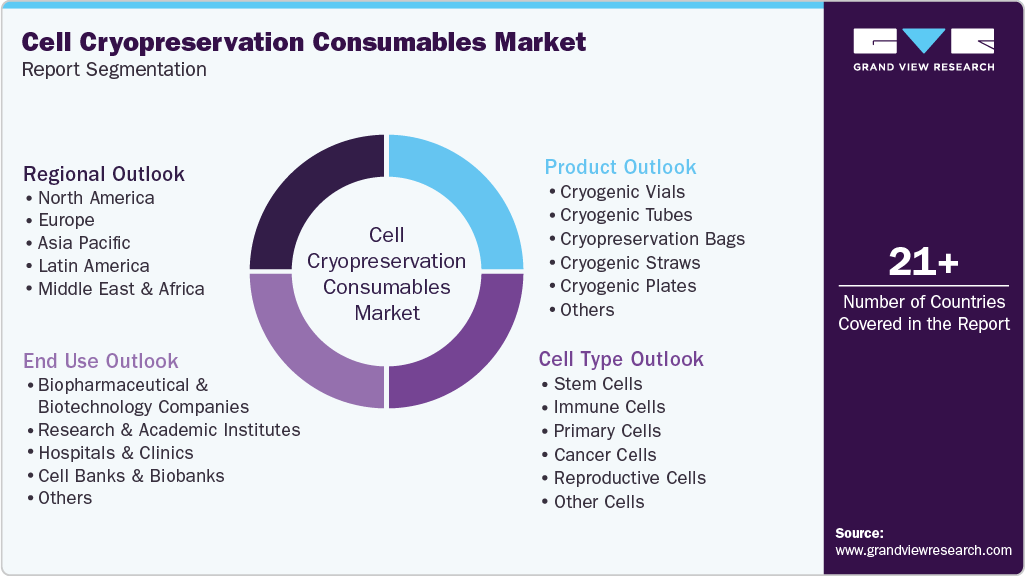
This report forecasts revenue growth at the global, regional and country levels and provides an analysis on the latest trends and opportunities in each of the sub-segments from 2021 to 2033. For this study, Grand View Research has segmented the global cell cryopreservation consumables market report based on product, cell type, end use, and region:
 To learn more about this report, Download Free Sample Report
 -
Product Outlook (Revenue, USD Billion, 2021 - 2033)
-
Cryogenic Vials
-
Cryogenic Tubes
-
Cryopreservation Bags
-
Cryogenic Straws
-
Cryogenic Plates
-
Others
-
-
Cell Type Outlook (Revenue, USD Billion, 2021 - 2033)
-
Stem Cells
-
Immune Cells
-
Primary Cells
-
Cancer Cells
-
Reproductive Cells
-
Other Cells
-
-
End Use Outlook (Revenue, USD Billion, 2021 - 2033)
-
Biopharmaceutical & Biotechnology Companies
-
Research & Academic Institutes
-
Hospitals & Clinics
-
Cell Banks & Biobanks
-
Others
-
-
Regional Outlook (Revenue, USD Billion, 2021 - 2033)
-
North America
-
U.S.
-
Canada
-
Mexico
-
-
Europe
-
UK
-
Germany
-
France
-
Italy
-
Spain
-
Denmark
-
Sweden
-
Norway
-
-
Asia Pacific
-
Japan
-
China
-
India
-
Australia
-
Thailand
-
South Korea
-
-
Latin America
-
Brazil
-
Argentina
-
-
Middle East and Africa (MEA)
-
South Africa
-
Saudi Arabia
-
UAE
-
Kuwait
-
-
Research Methodology
The cell cryopreservation consumables market figures in this report are based on a proven research process that combines executive interviews with secondary research from proprietary databases, company filings, and recognized regulatory and institutional sources. Market size is built through value-chain sizing—reconciling supply-side and demand-side estimates—and triangulated with bottom-up and top-down approaches. Every estimate passes multiple levels of expert validation before publication, with each cell cryopreservation consumables segment quantified using the revenue-capture definitions in the table below.
Segment Definition
Product
Revenue Capture Definition
Cryogenic Vials
Revenue generated from specialized vials designed for the storage and preservation of cells and biological specimens at ultra-low temperatures. These containers are used across cell therapy, biobanking, biopharmaceutical manufacturing, and research workflows, with designs supporting sample integrity, identification, and long-term cryogenic storage.
Cryogenic Tubes
This segment captures income from cryogenic tubes used to collect, process, aliquot, and store cellular materials under low-temperature conditions. Products are utilized for preserving cell lines, primary cells, immune cells, and other biological samples in research and clinical environments.
Cryopreservation Bags
Market value in this category stems from flexible, single-use bags engineered for the cryogenic storage and transport of larger volumes of cell suspensions. These products are particularly relevant to cell and gene therapy manufacturing, where scalable and closed-system preservation of cellular products is required.
Cryogenic Straws
Revenue originates from narrow, sealed storage straws used for cryopreservation of cells and biological specimens in controlled volumes. These products are commonly associated with reproductive cell preservation, biobanking, and specialized cell storage applications requiring efficient sample organization.
Cryogenic Plates
This segment reflects earnings from multi-well plates and related formats designed for high-throughput cryogenic storage of cellular samples. Such products support screening, cell-based research, biobanking, and workflows requiring simultaneous preservation of multiple samples.
Others
Includes revenue from additional cryogenic storage and preservation consumables not classified within the primary product categories, including specialized containers and supporting components used to maintain cell viability and sample integrity during cryogenic storage and handling.
Cell Type
Revenue Capture Definition
Stem Cells
Revenue generated from cryopreservation consumables used to preserve stem cell populations, including embryonic, induced pluripotent, and adult stem cells, for research, regenerative medicine, cell therapy development, and biobanking applications.
Immune Cells
This segment captures income from consumables used to cryopreserve immune cell populations such as T cells, B cells, natural killer cells, and other immune cells. These products support immunotherapy development, cell therapy manufacturing, clinical research, and long-term cellular storage.
Primary Cells
Market value arises from cryopreservation products designed for freshly isolated cells obtained directly from tissues or biological specimens. Such consumables help maintain cellular characteristics and viability for downstream research, drug development, and disease modeling applications.
Cancer Cells
Revenue stems from consumables used to preserve tumor cells, cancer cell lines, and other malignant cell populations for oncology research, drug screening, biomarker studies, and the development of cancer models.
Reproductive Cells
This category reflects income from cryogenic consumables used for preserving reproductive cells, including sperm and oocytes, as well as related cellular material. These products support fertility preservation, assisted reproductive technologies, reproductive research, and biobanking.
Other Cells
Includes revenue from cryopreservation consumables utilized for cell types outside the primary categories, including differentiated cells, engineered cells, and specialized research cell populations requiring long-term low-temperature preservation.
End Use
Revenue Capture Definition
Biopharmaceutical & Biotechnology Companies
Revenue generated from cell cryopreservation consumables purchased by biopharmaceutical and biotechnology companies for cell therapy development, biologics research, bioprocessing, clinical manufacturing, and storage of cellular materials throughout development and production workflows.
Research & Academic Institutes
This segment represents income from consumables utilized by universities, research centers, and academic laboratories for cell biology, stem cell research, disease modeling, drug discovery, and other experimental studies requiring reliable long-term cell preservation.
Hospitals & Clinics
Demand within this category is driven by cryopreservation consumables used in healthcare facilities for clinical cell processing, fertility-related applications, cellular therapy workflows, specimen preservation, and other patient-oriented procedures involving cryogenic storage.
Cell Banks & Biobanks
Revenue stems from consumables employed by cell banks and biobanks for the collection, processing, cataloging, preservation, storage, and distribution of cell lines and biological specimens under controlled cryogenic conditions.
Others
Includes revenue from cryopreservation consumables used by contract research and manufacturing organizations, government laboratories, fertility centers, and other specialized facilities involved in cellular research, processing, or preservation.
Estimation Model
Approach
Model
Description
Top-Down
Commodity Flow Analysis
Market size was estimated by analyzing revenues generated by key manufacturers of cell cryopreservation, consumables, including cryopreservation bags, vials, containers, and related consumable solutions. Data were gathered from company annual reports, investor presentations, product portfolios, industry databases, and primary research. Revenue contributions from private and regional players were assessed and validated to derive the overall market value.
Parent Market
Parent Market & Penetration-Based Analysis
The cell cryopreservation consumables market was evaluated within the broader cell cryopreservation market. Adoption rates of cryopreservation consumables across cell therapy, stem cell research, biobanking, regenerative medicine, and research applications were analyzed to estimate the addressable market and segment-level opportunities.
Segmentation
Country-Level Segment Share Modeling
Market shares for product type, cell type, and end-use segments were derived using country-specific cell therapy activity, biobanking infrastructure, stem cell research investments, clinical research activity, adoption of cryopreservation technology, and weighted average calculations were applied to determine regional and global segment distributions.
Validation
Data Triangulation & Validation Model
Market estimates were validated through triangulation of secondary research, primary interviews, company-level revenue assessments, consumable volume analysis, cell processing activity, and end-user adoption trends to ensure consistency and accuracy across all market segments and geographies.
Forecasting
Forecasting & CAGR Modeling
Market forecasts were developed using historical demand trends, growth in cell and gene therapy manufacturing, expansion of biobanks and cell banks, increasing stem cell research, regenerative medicine applications, and technological advancements in cryopreservation. Regression-based analysis and trend modeling were applied to project future market growth and CAGR.
Delivered Customizations
This report has been delivered with the following In-depth customizations
Client Request
Customization Delivered
Value Adds
Biobank & Cell Repository Consumables Demand Assessment
Analysis of consumable requirements across biobanks and cell repositories, including sample volumes, storage formats, cryogenic vial and tube utilization, labeling and tracking requirements, and long-term storage practices.
Enables clients to estimate addressable demand, identify high-volume applications, and target growing biobanking and cell repository opportunities.
Cryopreservation Workflow & Consumables Mapping
Detailed mapping of consumables used across cell collection, preparation, cryoprotectant addition, controlled-rate freezing or vitrification, cryogenic storage, transportation, thawing, and cell recovery workflows.
Enables clients to identify high-value consumable touchpoints, assess unmet needs across the workflow, and develop integrated product offerings.
Automated Cryopreservation Workflow Compatibility Assessment
Evaluation of cryopreservation consumables compatible with automated and closed-system workflows, including robotic sample handling, automated freezing, filling, sealing, labeling, and cryogenic storage systems.
Helps clients identify automation-ready product opportunities, improve system compatibility, and develop consumables suited for high-throughput cell processing.
Frequently Asked Questions About This Report
The global cell cryopreservation consumables market size was valued at USD 1.6 billion in 2025 and is estimated at USD 1.7 billion for 2026.
Which product type segment accounted for the largest cell cryopreservation consumables market share?The cryogenic tubes segment accounted for the largest revenue share, over 19.0% in 2025.
North America dominated with a 40.4% revenue share in 2025.
Market growth is driven by the increasing adoption of cell and gene therapies, biobanking, and stem cell research, along with advancements in cryopreservation technologies and the growing need for reliable long-term cell storage.
Key players include Corning Incorporated, Thermo Fisher Scientific Inc., Merck KGaA, Azenta US Inc., Greiner Bio-One International GmbH, Saint-Gobain, OriGen Biomedical, Inc., CellBios, Miltenyi Biotec, Pluristyx, Inc., BioLife Solutions, and HOH Cells
Asia Pacific is the fastest-growing region over the forecast period.
The stem cells segment dominated the market with a 19.2% share in 2025.
The biopharmaceutical & biotechnology companies segment dominated the market with a share of 23.1% in 2025.
The global cell cryopreservation consumables market is expected to grow at a CAGR of 11.3% from 2026 to 2033, reaching USD 3.7 billion by 2033.
About the Author(s)
Biotechnology Research Team
Healthcare · BiotechnologyThis report was authored by the biotechnology research team at Grand View Research - comprising two research analysts, one senior research analyst, and one industry expert - with specialized expertise in the biotechnology segment of the healthcare industry. All findings are based on proprietary healthcare databases, executive interviews, and regulatory analysis, subject to internal peer review prior to publication.
Last Updated:
Speak to Analyst

Customize this report to your needs - add regions, segments, or data points, with 20% free customization.
Or view our licence options:


ISO 9001:2015 & 27001:2022 Certified
We are GDPR and CCPA compliant! Your transaction & personal information is safe and secure. For more details, please read our privacy policy.


