
- Home
- »
- Healthcare IT
- »
-
Digital Therapeutics Market Size & Share Report, 2026-2033GVR Report cover

Digital Therapeutics Market (2026 - 2033)
Size, Share & Trends Analysis Report By Application (Diabetes, Obesity), By End Use (Patients, Employers), By Region (North America, Europe, Asia Pacific), And Segment Forecasts
Market Size, 2025
$9.5BMarket Estimate, 2026
$12.0BMarket Forecast, 2033
$75.2BCAGR, 2026–2033
30.0%Digital Therapeutics Market Summary
The global digital therapeutics market size was valued at USD 9.5 billion in 2025 and is projected to grow from USD 12.0 billion in 2026 to USD 75.2 billion by 2033, at a CAGR of 30.0% from 2026 to 2033. North America dominated the market with a revenue share of 39.8% in 2025. Market growth is being supported by the rising prevalence of chronic diseases, increasing smartphone and internet penetration, growing demand for remote and personalized healthcare, and efforts to improve treatment accessibility and cost efficiency.
 Source: Grand View Research, IR Documents, Primary Interviews, Paid DatabasesTo learn more about this report,
 Download Free Sample Report
Key Market Trends & Insights
- By application: Diabetes held the largest revenue share of 30.1% in 2025.
- By end use: Patients held the largest revenue share of 35.0% in 2025.
Regional Highlights
- Largest regional market: North America (39.8% revenue share, 2025)
- Fastest-growing regional market: Asia Pacific (highest CAGR of 32.1%, 2026-2033)
- By country: The U.S. held the largest market share in 2025.
Market Size & Forecast
- Market size in 2025: USD 9.5 Billion
- Estimated market size in 2026: USD 12.0 Billion
- Projected market size by 2033: USD 75.2 Billion
- CAGR (2026-2033): 30.0%
Three ways to get this report
Buy it, customize it, or ask a question.Ask an Analyst
Analyst response in 1 business day
- AccessReport author, directly
- Reply timeWithin 1 working day
- No sales callDirect answer only
- FormatEmail reply
- CostFree, no cost
Get the Full Report
What the study covers
- FormatsPDF · Excel · Dashboard
- Timeline2026–2033 annual, 2025 base
- Coverage20+ countries, 5 regions
- Companies10+ key players profiled
Customize the Report
20% free customization
- IncludeCountries, segments, points
- TailorTo your product definition
- ExtendDeeper competitor detail
- OrA fully bespoke study
- Turnaround5–10 working days
The global digital therapeutics (DTx) market is rapidly expanding as healthcare systems increasingly shift toward patient-centered, technology-enabled models of care. Digital therapeutics are software-based interventions designed to prevent, manage, or treat medical conditions through clinically evaluated methods and measurable health outcomes. DTx aims to deliver specific therapeutic benefits and can be integrated into treatment pathways alongside conventional medical care. Their ability to provide personalized interventions, behavioral support, continuous monitoring, and data-driven feedback is enhancing their relevance across a range of chronic and lifestyle-related conditions, including diabetes, obesity, cardiovascular disease, respiratory conditions, central nervous system disorders, and smoking cessation. To learn more about this report, Download Free Sample Report
In the U.S., the Centers for Medicare & Medicaid Services (CMS) introduced three new remote therapeutic monitoring codes effective January 2026. These codes specifically address therapy adherence, therapy response, and digital therapeutic interventions. In Germany, a formal regulatory and reimbursement pathway has been established through the Digital Health Applications (DiGA) framework, with the Federal Institute for Drugs and Medical Devices (BfArM) maintaining a directory of assessed digital health applications and their associated prescribing information. The commercialization environment is becoming more supportive as reimbursement and regulatory frameworks are evolving. These developments are enhancing the integration of digital therapeutics into conventional healthcare delivery and creating clearer pathways for providers, patients, and technology developers.
Moreover, the digital therapeutics industry is moving toward more sophisticated digital interventions that incorporate artificial intelligence, connected devices, behavioral analytics, and real-time health data. In July 2026, the U.S. Food and Drug Administration (FDA) selected the first participant for its TEMPO pilot program for digital health devices, developed in collaboration with the CMS Innovation Center. This initiative aims to generate real-world evidence and improve access to technology-enabled care for chronic disease management. As healthcare providers and payers increasingly emphasize value-based care, digital therapeutics are evolving from standalone software products to integrated components of broader digital healthcare ecosystems.
Digital Therapeutics from Different Perspectives
Perspective
Key Points
Consumer
Empowerment and Engagement: Tools for symptom tracking, medication reminders, and behavioral coaching.
Accessibility: Available on smartphones, making it easy for users to integrate into daily routines.
Provider
Clinical Integration: DTx are increasingly integrated into clinical workflows to monitor patient progress and adjust treatments.
Efficacy and Evidence: Providers prioritize DTx with strong clinical evidence showing effectiveness for specific conditions.
Regulatory Approval: Preference for DTx with regulatory clearance or approval to ensure safety and efficacy.
Patient Engagement: Tools that enhance patient engagement and adherence to treatment plans are highly valued.
Payer
Cost-Effectiveness: Payers assess DTx based on their potential to reduce healthcare costs through prevention and improved disease management.
Coverage Policies: Some payers are beginning to cover DTx, particularly for chronic conditions such as diabetes and mental health disorders.
Data-Driven Decisions: Payers use real-world data and outcomes to make informed decisions about coverage.
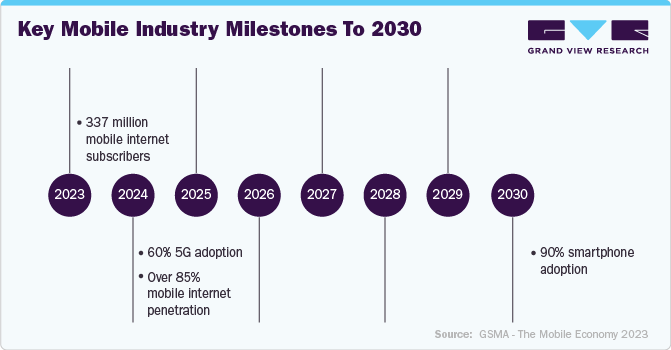
The expansion of mobile connectivity, smartphone adoption, and internet access is broadening the user base for digital therapeutics. Greater access to connected devices allows patients to receive software-based interventions, monitor treatment progress, and engage with healthcare providers outside traditional clinical settings. This is particularly relevant to chronic disease management, where continuous patient engagement and behavioral support are important components of care. As consumers become more familiar with mobile health applications, their acceptance of technology-enabled healthcare is also increasing, creating a stronger foundation for the adoption of clinically validated digital therapeutics.
 To learn more about this report, Download Free Sample Report
The rising prevalence of chronic diseases is driving sustained demand for scalable, accessible disease management solutions. Conditions such as diabetes, cardiovascular disease, obesity, respiratory diseases, and mental health disorders often require continuous monitoring, behavioral modification, and long-term patient engagement-areas where digital therapeutics can complement conventional treatment approaches. According to the CDC, approximately three in four U.S. adults had at least one chronic condition in 2026, while more than half had two or more. The increasing burden of multimorbidity is consequently strengthening the need for personalized interventions that support treatment adherence, symptom management, and ongoing care beyond healthcare facilities.
Digital therapeutics are also becoming increasingly integrated into broader remote and value-based healthcare models. Their ability to deliver standardized interventions, collect patient-generated data, monitor adherence, and provide personalized feedback allows them to support continuous disease management without relying solely on frequent in-person consultations. The expansion of remote therapeutic monitoring is particularly relevant, as it provides healthcare professionals with mechanisms to incorporate technology-enabled monitoring and treatment management into established care pathways. As providers and payers place greater emphasis on measurable outcomes, adherence, and efficient resource utilization, the role of clinically validated digital therapeutics is expected to expand.
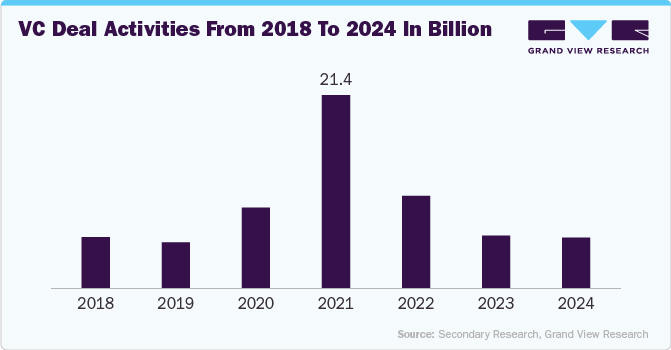
Investment activity within digital health continues to influence product development, commercialization, and technological innovation across the digital therapeutics ecosystem. Funding is increasingly directed toward companies with established products, clinical evidence, healthcare partnerships, and defined reimbursement or commercialization pathways. This is encouraging developers to place greater emphasis on demonstrating measurable clinical and economic outcomes rather than on consumer engagement alone. At the same time, advances in artificial intelligence, behavioral analytics, connected devices, and personalized digital interventions are expanding the capabilities of digital therapeutic platforms and supporting their use across chronic disease management, mental health, neurological disorders, and other therapeutic areas.
 To learn more about this report, Download Free Sample Report
The regulatory landscape for digital therapeutics is becoming favorable, with increasing recognition of their potential benefits. This is encouraging more investment and development in digital therapeutics (DTx) and making it easier for companies to bring their products to market. There is a growing movement towards value-based care, which emphasizes the quality and effectiveness of care over the quantity of services provided. Digital therapeutics products are suited to value-based care models, as they can be shown to improve patient outcomes and reduce healthcare costs. Recent regulatory changes, such as the FDA's establishment of the Digital Health Center of Excellenceand the introduction of new reimbursement codes for remote therapeutic monitoring (RTM), are further supporting the adoption of DTx. Remote therapeutic monitoring codes (98975, 98976, 98977, 98980, and 98981) specify initial setup, education, and device provision, plus two codes for clinician time spent on RTM treatment. These codes support clinical staff in performing RTM remotely, aligning with existing remote and chronic care policies.
Market Dynamics
The growth of the digital therapeutics market is largely driven by the cost-effectiveness of digital health technologies for both providers and patients, as well as increasing smartphone penetration in developed and developing countries alike. There is a rising demand for patient-centered care and integrated healthcare systems, which is also expected to contribute to market growth. Additionally, supportive reimbursement policies and the rising incidence of chronic diseases are likely to drive market expansion further.
The increasing prevalence of chronic diseases is a significant factor driving the digital therapeutics market. Conditions such as diabetes, cardiovascular diseases, obesity, respiratory disorders, and mental health issues require continuous management and sustained patient engagement. According to the U.S. CDC, in 2023, 76.4% of American adults, over 194 million people, reported having at least one chronic condition, while 51.4% reported multiple conditions. This growing burden of chronic disease is creating a demand for accessible and scalable solutions that support treatment adherence, behavioral modification, symptom management, and ongoing monitoring, especially beyond traditional healthcare settings.
Digital therapeutics are well-suited to meet these needs by providing personalized, software-based interventions accessible via smartphones, connected devices, and digital healthcare platforms. Unlike general wellness applications, digital therapeutics (DTx) are designed with therapeutic goals and measurable health outcomes in mind, allowing them to complement conventional clinical treatments. The increasing adoption of remote care and patient-centric healthcare models further enhances the relevance of digital therapeutics for long-term disease management, particularly in situations where frequent clinical visits pose challenges related to cost, accessibility, or adherence. As healthcare providers increasingly seek scalable approaches to managing chronic diseases, the demand for clinically validated digital therapeutic interventions is expected to grow.
The complexity of regulatory and reimbursement processes remains a significant challenge for the digital therapeutics market. Developers of digital therapeutics (DTx) must provide adequate clinical evidence, ensure safety, maintain data security, demonstrate usability, and demonstrate therapeutic effectiveness while navigating varying regulatory and reimbursement requirements across countries. Furthermore, reimbursement options are inconsistent across therapeutic areas and healthcare systems, which complicates commercialization and broader clinical adoption. Although the reimbursement landscape in the U.S. is evolving-particularly with the introduction of new remote therapeutic monitoring codes-there is no universal reimbursement available for all digital therapeutics. As a result, developers may encounter prolonged product development timelines, substantial costs for evidence generation, and uncertainty about long-term reimbursement and payer acceptance.
The integration of artificial intelligence (AI) with digital therapeutics is creating opportunities to deliver more personalized, adaptive, and data-driven interventions. AI and machine learning can analyze information from wearable devices, connected medical devices, patient-reported outcomes, and behavioral patterns to identify changes in patient status and tailor therapeutic recommendations. This can enable DTx platforms to move beyond standardized digital interventions toward continuously adaptive treatment and behavioral support. CMS has highlighted the use of AI-enabled technology to analyze real-time health data, identify anomalies, support personalized coaching, and enable continuous care outside conventional clinical settings.
Integration with remote patient monitoring and value-based care models can further expand the commercial potential of AI-enabled digital therapeutics. Connected devices can continuously collect physiological and behavioral data, while AI can help interpret these inputs and identify trends requiring attention, allowing healthcare professionals to intervene more efficiently. In July 2026, the FDA selected Dexcom as the first participant in its TEMPO pilot for digital health devices, which incorporates real-time data and AI insights for chronic disease management under the CMS ACCESS Model. As reimbursement models increasingly emphasize measurable outcomes over service volume, DTx developers have an opportunity to integrate AI-driven personalization, remote monitoring, and clinical oversight into scalable solutions that demonstrate improvements in adherence, disease management, and patient outcomes.
Market Concentration & Characteristics
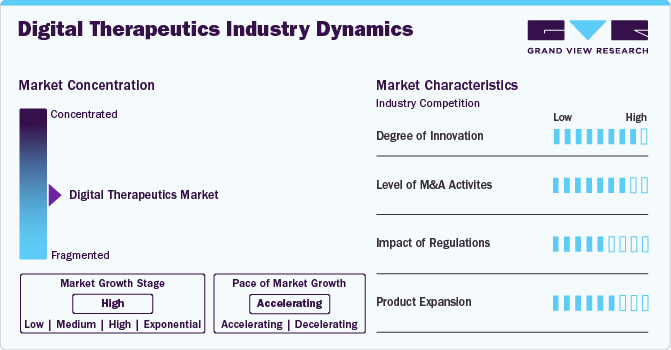
The digital therapeutics market is characterized by continued product innovation, expansion across therapeutic areas, and increasing integration of artificial intelligence (AI), connected devices, and behavioral analytics. Developers are increasingly focusing on prescription digital therapeutics that can complement conventional pharmacological treatments and deliver measurable clinical outcomes. Product development is expanding beyond established areas such as diabetes and mental health toward migraine, schizophrenia, obesity, neurological disorders, and cardiometabolic conditions. In April 2025, Click Therapeutics announced FDA marketing authorization for CT-132 to prevent episodic migraine, expanding the use of prescription digital therapeutics in neurology. In April 2026, Click Therapeutics and Boehringer Ingelheim announced a USD 50 million Series D strategic investment and additional funding to support the commercialization of CT-155, an investigational prescription digital therapeutic for negative symptoms of schizophrenia, subject to FDA clearance.
AI is becoming an increasingly important component of digital therapeutics development, supporting personalized interventions, patient engagement, and data-driven treatment approaches. Developers are combining AI and machine learning with behavioral data, wearable devices, and patient-generated health information to adapt digital interventions to individual patient needs. The involvement of pharmaceutical companies is also strengthening the commercialization ecosystem by combining clinical development expertise, therapeutic-area knowledge, and digital technologies. In November 2023, AstraZeneca launched Evinova as a health-tech business focused on digital health solutions, including remote patient monitoring and digital therapeutics, with capabilities spanning data science, AI, behavioral science, and digital product development.
 To learn more about this report, Download Free Sample Report
Regulatory and reimbursement developments continue to influence the commercialization of digital therapeutics across major markets. In the U.S., digital therapeutic developers must address requirements related to medical-device regulation, clinical evidence, patient safety, cybersecurity, and data privacy, while reimbursement remains an important consideration for broader adoption. In January 2026, CMS introduced new remote therapeutic monitoring codes that reference therapy adherence, therapy response, and digital therapeutic intervention, providing additional mechanisms for incorporating eligible technology-enabled services into clinical care. Germany's DiGA framework also provides an established pathway for certain digital health applications to undergo assessment and gain access to statutory health insurance reimbursement. These developments are encouraging companies to place greater emphasis on clinical validation, interoperability, patient outcomes, and evidence of value to the healthcare system.
Strategic partnerships, investments, and portfolio expansion are increasingly shaping the competitive landscape of the digital therapeutics industry. Pharmaceutical companies, technology providers, healthcare organizations, and specialized DTx developers are collaborating to combine therapeutic expertise with software development and digital engagement capabilities. In January 2026, Click Therapeutics and Ultrahuman announced a partnership to develop a biomarker-driven migraine management tool based on Click's FDA-authorized technology, illustrating the growing convergence between prescription digital therapeutics and wearable health technologies. In 2024, Click acquired assets from Better Therapeutics, expanding its portfolio to include cardiometabolic applications, such as treatments for type 2 diabetes. These collaborations and portfolio expansions are enhancing the therapeutic capabilities of digital therapeutics (DTx) platforms, offering developers more avenues for commercialization and improving patient access.
Analyst Perspective
The digital therapeutics market is evolving as healthcare providers and patients increasingly adopt software-based interventions for disease management and behavioral care. The market is shifting toward clinically validated solutions for chronic diseases, mental health, and targeted indications, supported by growing emphasis on evidence-based care. Developers are strengthening clinical validation, regulatory compliance, and integration with healthcare workflows, while AI, connected devices, and remote patient monitoring enable more personalized interventions. Reimbursement pathways, physician adoption, patient engagement, and measurable clinical outcomes remain key commercialization factors. Future growth will depend on integrating digital therapeutics into routine care, generating stronger clinical evidence, and establishing sustainable business models that support adoption by healthcare systems and payers.
Application Insights
The diabetes segment dominated the digital therapeutics market, accounting for a revenue share of 30.1% in 2025, and is expected to register the fastest CAGR of 31.6% during the forecast period. Growth is supported by the substantial and increasing burden of diabetes worldwide, which creates sustained demand for solutions that support glucose management, medication adherence, lifestyle modification, and behavioral change. The U.S. CDC estimated that 40.1 million people in the country had diagnosed or undiagnosed diabetes in 2023, while 115.2 million adults had prediabetes. The growing availability of connected glucose monitoring, digital coaching, and clinically validated diabetes management applications is further expanding the role of digital therapeutics in chronic disease care.
The integration of digital therapeutics with continuous glucose monitoring, wearable devices, remote monitoring, and AI-enabled analytics is creating additional opportunities for the diabetes application segment. The American Diabetes Association's 2026 Standards of Care recommend considering technologies such as CGM, insulin pumps, and diabetes apps, as well as online or virtual coaching, to improve glycemic outcomes in people with diabetes or prediabetes. As DTx platforms increasingly combine patient-generated data with personalized feedback and behavioral interventions, their applications are expanding from basic disease management to continuous, data-driven care.
The obesity segment accounted for the second-largest revenue share in 2025, supported by the growing prevalence of overweight and obesity and increasing demand for scalable weight-management interventions. Digital therapeutics can support behavioral modification through personalized nutrition guidance, physical activity tracking, coaching, and adherence support, making them increasingly relevant as complementary tools within broader obesity management programs. Cardiovascular disease and smoking cessation are also expected to witness significant growth as healthcare providers increasingly adopt digital interventions for behavioral risk modification, disease prevention, and long-term patient engagement.
End Use Insights
The patients segment dominated the digital therapeutics industry, accounting for a revenue share of 35.0% in 2025, and is expected to grow at the fastest CAGR during the forecast period. Growth is supported by increasing patient adoption of personalized, evidence-based digital interventions for chronic disease management, behavioral modification, medication adherence, and disease monitoring. Digital therapeutics can extend care beyond conventional clinical settings by enabling patients to access therapeutic programs remotely and share health information with providers. The increasing integration of digital therapeutics with connected devices, remote monitoring, and digital coaching is further strengthening patient engagement and supporting continuous management of chronic conditions. In February 2026, the CDC highlighted telehealth as an efficient and scalable approach to delivering diabetes self-management education and support, particularly for underserved populations facing transportation and provider access barriers.
 To learn more about this report, Download Free Sample Report
The employers segment is expected to grow at the fastest CAGR of 30.8% during the forecast period. Growing interest in digital therapeutics is driving growth within employer-sponsored health and wellness programs. Employers are increasingly adopting digital interventions to provide their employees with convenient and scalable support for behavioral health, chronic conditions, and lifestyle-related health needs. Digital therapeutics can be accessed remotely and integrated into existing employee benefits platforms, thereby expanding access and reducing logistical barriers. A growing emphasis on employee well-being, healthcare cost management, and preventive care is encouraging employers to further explore technology-enabled interventions. Moreover, the integration of virtual care, digital health platforms, and connected devices is enhancing the potential role of digital therapeutics in workplace healthcare programs. As employers focus more on measurable health outcomes and employee engagement, the demand for clinically supported digital interventions is expected to grow.
Regional Insights
North America dominated the digital therapeutics market, accounting for the largest revenue share of 39.8% in 2025. The regional market is expected to maintain strong growth through the forecast period, supported by the increasing adoption of digital health technologies, expanding reimbursement opportunities, and growing emphasis on technology-enabled chronic disease management. Rising smartphone penetration, widespread access to high-speed connectivity, increasing healthcare costs, and the growing burden of chronic diseases are supporting demand for digital therapeutics across the region. In addition, the integration of digital therapeutics with remote monitoring, connected devices, and personalized care models is strengthening their role in extending healthcare delivery beyond traditional clinical settings. In January 2026, CMS introduced new remote therapeutic monitoring (RTM) codes covering therapy adherence, therapy response, and digital therapeutic interventions, further supporting the integration of technology-enabled therapies into reimbursed care pathways.
 To learn more about this report, Download Free Sample Report
The U.S. digital therapeutics marketaccounted for 82.6% of North America in 2025, driven by its robust digital health ecosystem and regulatory support for software-based chronic care interventions. Key developments include the FDA's TEMPO pilot, launched in July 2026 to promote digital health technologies in chronic disease management, and a USD 50 million investment in April 2026 by Click Therapeutics and Boehringer Ingelheim for CT-155, a digital therapeutic for schizophrenia. These trends highlight the growing integration of digital therapeutics, clinical evidence, and value-based care in the U.S. healthcare system.
Europe Digital Therapeutics Market Trends
Europe’s digital therapeutics industry is expected to gain momentum over the forecast period, supported by increasing adoption of digital health technologies, established healthcare systems, and growing emphasis on evidence-based, technology-enabled care. Germany, the UK, France, Italy, and Spain represent important markets across the region, with digital therapeutics increasingly being integrated into chronic disease management, mental healthcare, and remote care pathways. The implementation of the European Health Data Space (EHDS), which entered into force in March 2025, is expected to support further interoperability and secure exchange of electronic health data across European healthcare systems. The framework is intended to facilitate evidence-based care, personalized treatment, and innovation in digital health while creating a more harmonized environment for health technology adoption.
The UK digital therapeutics market is set to grow as the NHS increases its adoption of digitally enabled care, with a focus on clinical evidence and patient outcomes. NHS England has established criteria for these therapies, emphasizing clinical effectiveness and safety for routine use in NHS Talking Therapies. The NHS Medium Term Planning Framework for 2026/27-2028/29 also encourages the integration of digital therapeutics for supportive care and clinical delivery, enhancing the role of validated digital interventions within the UK healthcare system.
Asia Pacific Digital Therapeutics Market Trends
The Asia Pacific digital therapeutics industry is expected to grow at the fastest CAGR of 32.1% over the forecast period, supported by expanding healthcare digitization, rising smartphone and internet penetration, a growing burden of chronic diseases, and increasing government investment in digital health infrastructure. The region's large and aging population, combined with disparities in healthcare access between urban and remote areas, is driving demand for technology-enabled approaches to chronic disease management and continuous patient engagement. Japan, China, South Korea, Australia, and other developed Asia Pacific markets are advancing digital healthcare infrastructure, while emerging economies are expanding access to mobile-based healthcare services. The increasing integration of software, connected devices, remote monitoring, and artificial intelligence into healthcare delivery is expected further to support the adoption of digital therapeutics across the region.
Latin America Digital Therapeutics Market Trends
The Latin America digital therapeutics industry is poised for growth as healthcare systems embrace digital transformation and technology-enabled care. Factors such as increased internet and smartphone use, heightened awareness of digital healthcare, a rising burden of chronic diseases, and the need for better healthcare access are driving this trend. Governments are enhancing digital health infrastructure and telehealth capabilities. Notably, in August 2026, Brazil's National Council of Health approved a policy to integrate clinical data and improve healthcare efficiency and accessibility. These initiatives are expected to bolster the infrastructure needed for wider adoption of digital therapeutics and remote care in the region.
Middle East & Africa Digital Therapeutics Market Trends
The Middle East and Africa (MEA) digital therapeutics industry is poised for growth as healthcare systems undergo digital transformation. Factors such as rising smartphone usage, increased access to telehealth, and a growing burden of chronic disease are driving this trend. Government-led initiatives to enhance digital health infrastructure further support the adoption of technology-enabled care. In February 2026, the WHO African Region began consultations for the Global Strategy on Digital Health 2028-2033, emphasizing interoperability, sustainable financing, workforce capacity, and equitable access. These efforts will facilitate the integration of digital therapeutics with remote monitoring and chronic disease management in MEA.
Key Digital Therapeutics Company Insights
The global digital therapeutics market is characterized by active competition among specialized digital therapeutics developers, pharmaceutical companies, and digital health technology providers. Companies are pursuing strategic partnerships, collaborations, licensing agreements, and investments to expand therapeutic pipelines, strengthen clinical and commercialization capabilities, and integrate digital therapeutics with broader healthcare platforms. These developments highlight the increasing integration of digital therapeutics with pharmaceutical development, wearable technologies, and personalized digital healthcare.
Key Digital Therapeutics Companies
The following key companies have been profiled for this study on the digital therapeutics market.
-
2Morrow, Inc.
-
Big Health
-
Canary Health
-
DarioHealth Corp.
-
GAIA AG
-
Hygieia, Inc.
-
Noom, Inc.
-
Omada Health, Inc.
-
ResMed
-
Teladoc Health
-
Virtual Therapeutics
-
Welldoc, Inc.
Competitive Benchmarking
Category
Operating Strategies
Competitive Edge
Weakness
Established Players (Omada Health, Inc.; Teladoc Health, Inc.; DarioHealth Corp.)
- Expand digital therapeutics and chronic disease management platforms through partnerships with healthcare providers, payers, employers, and pharmaceutical companies. Invest in AI-driven coaching, remote patient monitoring, behavioral health programs, connected devices, and data analytics to improve clinical outcomes and patient engagement.
- Strong brand recognition, extensive clinical evidence, large patient populations, and established relationships with healthcare organizations and insurers. Advanced analytics capabilities, scalable digital health platforms, and diversified offerings across diabetes, cardiovascular health, obesity, respiratory care, and wellness management support market leadership.
- High regulatory, clinical validation, and reimbursement-related costs can increase operational complexity. Dependence on payer coverage, long sales cycles, and evolving digital health regulations may affect commercialization and adoption rates.
Emerging & Specialized Players (Big Health; GAIA AG)
- Focus on specialized therapeutic areas such as mental health, substance use disorders, cognitive disorders, medication adherence, and disease-specific digital interventions. Leverage evidence-based treatment models, agile product development, and targeted partnerships to address unmet clinical needs and expand market presence.
- Greater flexibility in innovation and the ability to rapidly develop targeted digital therapeutic solutions for specific patient populations. A strong focus on personalized care, behavioral interventions, and niche clinical applications enables differentiation within underserved therapeutic segments.
- Limited financial resources, smaller commercial infrastructures, and lower brand visibility compared to larger digital health companies. Dependence on regulatory approvals, reimbursement expansion, and provider adoption may constrain scalability and long-term market penetration.
Recent Developments
-
In July 2026, XRHealth acquired Swing Therapeutics, adding FDA-authorized digital therapeutics for fibromyalgia and chronic pain to its platform. The acquisition expands XRHealth’s portfolio beyond immersive technologies into mobile digital therapeutics, wearables, and virtual care.
-
In April 2026, Boehringer Ingelheim and Click Therapeutics revised their strategic agreement for CT-155, an investigational prescription digital therapeutic for schizophrenia. Click assumed full commercial and marketing authorization rights, while Boehringer committed USD 50 million through a Series D investment and additional funding to support commercialization.
-
In January 2026, Ultrahuman and Click Therapeutics partnered to develop Migraine PowerPlug, combining Ultrahuman’s biomarker analytics with technology underlying Click’s FDA-authorized migraine digital therapeutic. The tool is designed to provide personalized migraine insights and guided behavioral interventions through Ultrahuman’s platform.
-
In March 2025, ATA Action acquired the Digital Therapeutics Alliance (DTA) to create a unified platform for policy and advocacy supporting digital therapeutics and other technology-enabled healthcare solutions.
Digital Therapeutics Market Report Scope
Report Attribute
Details
Market size in 2025
USD 9.5 billion
Estimated market size in 2026
USD 12.0 billion
Projected market size by 2033
USD 75.2 billion
Growth rate
CAGR of 30.0% from 2026 to 2033
Actual data
2021 - 2025
Forecast period
2026 - 2033
Quantitative units
Revenue in USD million/billion and CAGR from 2026 to 2033
Report coverage
Revenue forecast, company ranking, competitive landscape, growth factors, and trends
Segments covered
Application, end use, region
Regional scope
North America; Europe; Asia Pacific; Latin America; Middle East & Africa
Country scope
U.S.; Canada; Mexico; Germany; UK; France; Italy; Spain; Norway; Denmark; Sweden; China; Japan; India; South Korea; Australia; Thailand; Brazil; Argentina; Saudi Arabia; South Africa; UAE; Kuwait
Key companies profiled
2Morrow, Inc.; Big Health; Canary Health; DarioHealth Corp.; GAIA AG; Hygieia, Inc.; Noom, Inc.; Omada Health, Inc.; ResMed; Teladoc Health; Virtual Therapeutics; Welldoc, Inc.
Customization scope
Free report customization (equivalent up to 8 analysts' working days) with purchase. Addition or alteration to country, regional & segment scope.
Pricing and purchase options
Avail customized purchase options to meet your exact research needs. Explore purchase options
Global Digital Therapeutics Market Report Segmentation
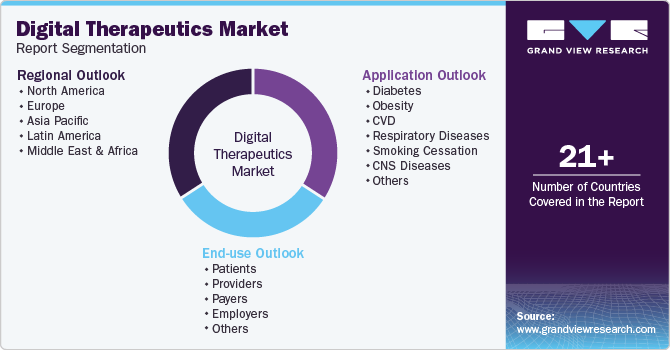
This report forecasts revenue growth and provides an analysis of the latest trends in each of the sub-segments from 2021 to 2033. For this study, Grand View Research has segmented the global digital therapeutics market report based on application, end use, and region:
 To learn more about this report, Download Free Sample Report
-
Application Outlook (Revenue, USD Million, 2021 - 2033)
-
Diabetes
-
Obesity
-
CVD
-
Respiratory Diseases
-
Smoking Cessation
-
CNS Diseases
-
Others
-
-
End Use Outlook (Revenue, USD Million, 2021 - 2033)
-
Patients
-
Providers
-
Payers
-
Employers
-
Others
-
-
Regional Outlook (Revenue, USD Million, 2021 - 2033)
-
North America
-
U.S.
-
Canada
-
Mexico
-
-
Europe
-
UK
-
Germany
-
France
-
Italy
-
Spain
-
Denmark
-
Sweden
-
Norway
-
Rest of Europe
-
-
Asia Pacific
-
China
-
Japan
-
India
-
Australia
-
South Korea
-
Thailand
-
Rest of Asia Pacific
-
-
Latin America
-
Brazil
-
Argentina
-
Rest of Latin America
-
-
Middle East & Africa
-
South Africa
-
Saudi Arabia
-
UAE
-
Kuwait
-
Rest of Middle East & Africa
-
-
Research Methodology
The digital therapeutics market figures in this report are based on a proven research process that combines executive interviews with secondary research from proprietary databases, company filings, and recognized regulatory and institutional sources. Market size is built through value-chain sizing - reconciling supply-side and demand-side estimates - and triangulated with bottom-up and top-down approaches. Every estimate passes multiple levels of expert validation before publication, with each digital therapeutics segment quantified using the revenue-capture definitions in the table below.
Segment Definition
Segment - Application
Revenue capture definition
Diabetes
Digital therapeutics (DTx) solutions are designed to prevent, manage, or treat diabetes through evidence-based software interventions. These platforms help patients monitor blood glucose levels, improve medication adherence, manage diet and physical activity, and support behavioral changes to achieve better glycemic control.
Obesity
DTx applications focused on weight management and obesity treatment through personalized coaching, behavioral modification programs, dietary guidance, physical activity tracking, and cognitive interventions to achieve sustainable weight loss and improve metabolic health.
Cardiovascular Diseases (CVD)
Software-based therapeutic solutions have been developed to manage cardiovascular conditions such as hypertension, heart failure, coronary artery disease, and related risk factors. These solutions support lifestyle modifications, medication adherence, remote monitoring, and patient education to improve cardiovascular outcomes.
Respiratory Diseases
DTx platforms are designed to manage chronic respiratory conditions, including asthma, chronic obstructive pulmonary disease (COPD), and other pulmonary disorders. They provide symptom tracking, inhaler adherence monitoring, breathing exercises, and patient education to improve disease control.
Smoking Cessation
Evidence-based digital interventions aimed at helping individuals quit tobacco and nicotine use. These solutions leverage behavioral therapy, motivational support, personalized coaching, progress tracking, and cognitive behavioral techniques to reduce dependence and prevent relapse.
Central Nervous System (CNS) Diseases
DTx solutions are developed for neurological and mental health disorders affecting the central nervous system, including depression, anxiety, ADHD, insomnia, multiple sclerosis, and cognitive disorders. These applications deliver therapeutic content, cognitive training, behavioral therapy, and symptom management tools.
Others
Includes digital therapeutics developed for additional therapeutic areas such as gastrointestinal disorders, musculoskeletal conditions, substance use disorders, chronic pain, oncology support, women's health, sleep disorders, and rare diseases.
Segment - End Use
Revenue capture definition
Patients
Individuals who directly use digital therapeutics applications to manage, treat, or prevent health conditions. Patients access these solutions independently or through prescriptions from healthcare professionals to improve clinical outcomes and self-management capabilities.
Providers
Healthcare organizations and professionals, including hospitals, clinics, physicians, therapists, and care teams, that prescribe, monitor, and integrate digital therapeutics into patient care pathways to enhance treatment effectiveness and support remote care delivery.
Payers
Public and private health insurance providers, employers, government healthcare programs, and reimbursement organizations that finance, reimburse, or provide coverage for digital therapeutics as part of healthcare benefit programs and value-based care initiatives.
Estimation Model
Our research methodology entails an ideal mixture of primary and secondary initiatives. The key steps involved in the process are listed below:
-
Information procurement
-
The stage involves the procurement of market data or related information via different sources & methodologies.
-
-
Information analysis
-
This step involves the analysis & mapping of all the information procured from the previous step. It also encompasses the analysis of data discrepancies observed across various data sources.
-
-
Market formulation
-
The final step entails the placement of data points at appropriate market spaces in an attempt to deduce viable conclusions. Analyst perspective & subject matter expert-based heuristic form of market sizing also play an integral role in this step.
-
-
Validation & publishing
-
Validation is the most important step in the process. Validation & revalidation through an intricately designed process help us finalize data points for the final calculations.
-
The movement between steps 1 and 2 is bidirectional. The process follows a to & for from both ends. This is an integral data filtration technique used by GVR. The validation & market formulation steps are also reversible. They are running in parallel to ensure data accuracy and process flexibility.
The process of market sizing & data point identification runs throughout the report schedule. The process moves from steps 1&2 to steps 3&4 while keeping the steps 1&2 and 3&4 reversible. The cycle of market sizing & variable identification also repeats until every data point is duly validated and fit for publication.
Market-Specific Research Models
-
Multi-Lens Modeling Framework (Model 1)
The study incorporates three independent yet interlinked analytical lenses:
Model 1: Bottom-Up Platform Analysis (MAU-Driven Model)
-
Aggregated data across key digital health companies.
-
Key inputs:
-
Monthly Active Users (MAU)
-
Paying users/subscribers
-
Visit frequency
-
Conversion rates
-
-
Revenue derived using:
-
Consultation monetization
-
Subscription-based services
-
Platform-driven healthcare transactions
-
Model 2: Healthcare Utilization Model (Demand-Side Validation)
-
Estimated total healthcare interactions globally and applied:
-
Digital health penetration rates
-
Average revenue per interaction
-
-
Incorporated:
-
Outpatient visit volumes
-
Chronic disease burden
-
Virtual care adoption trends
-
Model 3: Infrastructure & Ecosystem Layer (Supply-Side Model)
-
Captures non-consultation revenue streams:
-
Remote Patient Monitoring (RPM)
-
Digital Health software platforms
-
Connected medical devices
-
-
Inputs include:
-
RPM patient population
-
Device penetration
-
SaaS pricing benchmarks
-
Replacement cycles
-
-
Model 2: Commodity Flow Analysis
Commodity flow analysis was employed to track the movement of digital therapeutics through the value chain, from technology providers to end users. This analysis provided insights into demand generation points, intermediary roles, and ultimate consumption patterns.
Delivered Customizations
This report has been delivered with the following In-depth customizations
Client Request
Customization Delivered
Value Adds
Digital Therapeutics Adoption & Patient Engagement Analysis
Developed a tailored analysis of the global digital therapeutics (DTx) market focused on software-based therapeutic interventions for chronic disease management, mental health disorders, diabetes, cardiovascular conditions, respiratory diseases, neurological disorders, and substance use disorders. The study assessed adoption trends across healthcare providers, payers, employers, and patients while evaluating digital health integration, reimbursement developments, and patient engagement initiatives influencing market growth.
Enables stakeholders to understand evolving digital care delivery models, identify high-growth therapeutic areas, assess patient engagement opportunities, and evaluate the impact of digital therapeutics on clinical outcomes, treatment adherence, healthcare utilization, and long-term market expansion.
Clinical Outcomes, Reimbursement & Technology Assessment
Delivered a customized evaluation of digital therapeutics utilization across prescription digital therapeutics, mobile health applications, AI-enabled therapeutic platforms, remote monitoring solutions, and behavior modification programs. The analysis assessed clinical validation requirements, reimbursement frameworks, regulatory pathways, patient adherence patterns, healthcare provider acceptance, and demand for evidence-based digital treatment solutions supporting disease management and preventive care.
Provides actionable insights into changing reimbursement dynamics, commerciality attractive therapeutic categories, regulatory developments, and emerging opportunities linked to personalized treatment, improved medication adherence, reduced healthcare costs, and enhanced patient outcomes through technology-enabled interventions.
Digital Health Infrastructure, Regulatory Environment & Competitive Landscape Assessment
Conducted a focused assessment of the digital therapeutics ecosystem, including software platforms, healthcare IT integration, interoperability requirements, cybersecurity considerations, regulatory compliance frameworks, payer adoption trends, and competitive positioning. The analysis evaluated implementation challenges, data privacy requirements, technology adoption barriers, clinical evidence standards, and competitive differentiation strategies among market participants.
Supports strategic planning for product development, reimbursement strategies, healthcare partnerships, technology investments, geographic expansion initiatives, and market entry decisions by identifying adoption drivers, regulatory challenges, revenue opportunities, and competitive advantages across the global digital therapeutics value chain.
Frequently Asked Questions About This Report
The global digital therapeutics market size was estimated at USD 9.5 billion in 2025 and is expected to reach USD 12.0 billion in 2026.
The global digital therapeutics market is expected to grow at a compound annual growth rate of 30.0% from 2026 to 2033 to reach USD 75.2 billion by 2033.
Based on application, the diabetes segment led the market with the largest revenue share of 30.1% in 2025. In addition, this segment is expected to grow at the fastest CAGR over the forecast period.
Based on end use, the patients’ segment led the market with the largest revenue share of 35.0% in 2025. In addition, this segment is expected to grow at the fastest CAGR over the forecast period.
Asia Pacific is the fastest-growing region over the forecast period.
Some of the key companies are OMADA HEALTH, INC.; Welldoc, Inc.; 2Morrow, Inc; Teladoc Health, Inc.; Propeller Health (ResMed); Fitbit LLC; CANARY HEALTH; Noom, Inc.; Pear Therapeutics, Inc.; Akili Interactive Labs, Inc.; HYGIEIA; DarioHealth Corp.; BigHealth; GAIA AG; Limbix Health, Inc.; Mango Health.
Market growth is primarily driven by the cost-effectiveness of digital health technology for providers and patients and rising smartphone penetration in developed & developing countries.
North America dominated the digital therapeutics market with a share of 39.8% in 2025. 5This is attributable to the growing number of reforms to curb the increase in healthcare spending in the country coupled with a drive to focus on a patient-centric healthcare approach.
About the Author(s)
Healthcare IT Research Team
Healthcare · Healthcare ITThis report was authored by the healthcare it research team at Grand View Research - comprising two research analysts, one senior research analyst, and one industry expert - with specialized expertise in the healthcare it segment of the healthcare industry. All findings are based on proprietary healthcare databases, executive interviews, and regulatory analysis, subject to internal peer review prior to publication.
Last Updated:
Speak to Analyst

Customize this report to your needs - add regions, segments, or data points, with 20% free customization.
Or view our licence options:


ISO 9001:2015 & 27001:2022 Certified
We are GDPR and CCPA compliant! Your transaction & personal information is safe and secure. For more details, please read our privacy policy.


