
- Home
- »
- Biotechnology
- »
-
Gene Vector Market Size, Share, Trends Report, 2026 - 2033GVR Report cover

Gene Vector Market (2026 - 2033)
Size, Share & Trends Analysis Report By Type (Viral, Non-viral), By Delivery Method (In-vivo Gene Delivery, Ex-vivo Gene Delivery), By Therapeutic Area (Oncology, Genetic Diseases), By End Use, By Region, And Segment Forecasts
Market Size, 2025
$9.3BMarket Estimate, 2026
$11.1BMarket Forecast, 2033
$34.0BCAGR, 2026–2033
17.4%Gene Vector Market Summary
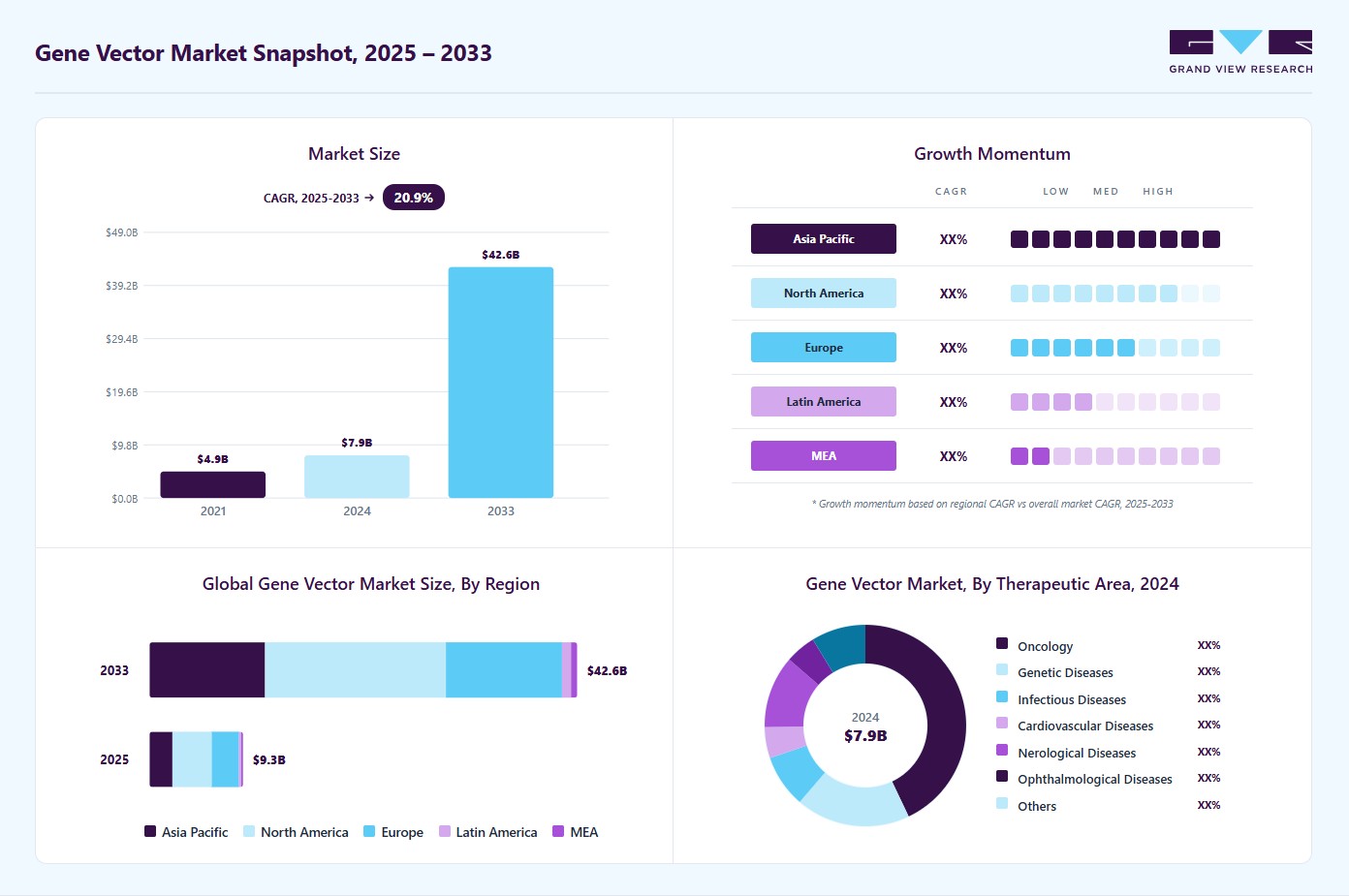
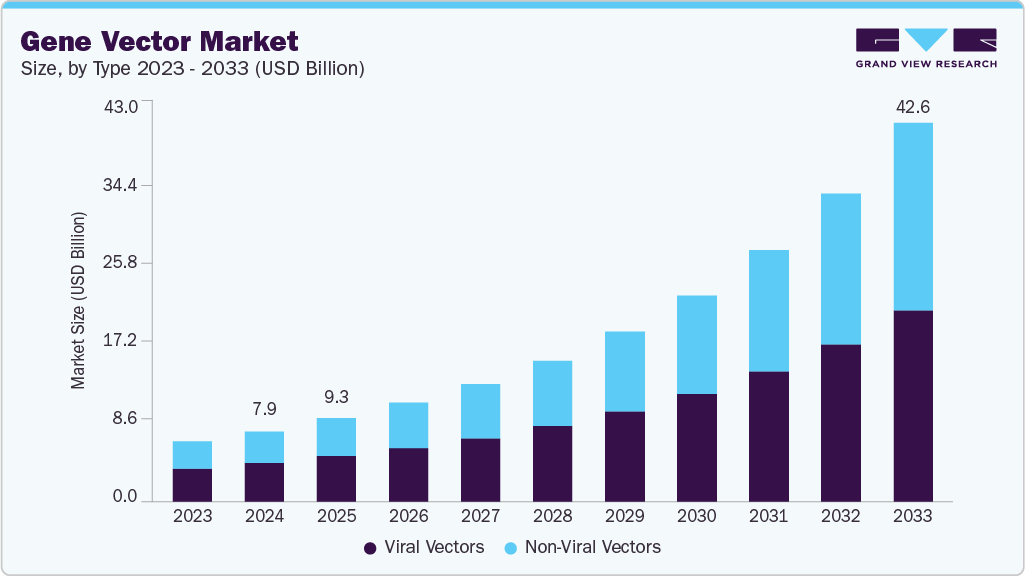
The global gene vector market size was valued at USD 9.3 billion in 2025 and is projected to grow from USD 11.1 billion in 2026 to USD 34.0 billion by 2033, growing at a CAGR of 17.4% from 2026 to 2033. North America dominated the market, accounting for a revenue share of 42.1% in 2025. The main growth drivers are the increasing prevalence of genetic disorders, advancements in gene therapy, and a boom in research and development efforts to create innovative gene delivery systems.
 Source: Grand View Research, IR Documents, Primary Interviews, Paid DatabasesTo learn more about this report,
 Download Free Sample Report
 Key Market Trends & Insights
- By type: Viral vectors segment held the largest revenue share of over 54.6% in 2025.
- By delivery method: In-vivo gene delivery segment held the largest share of 8.1% in 2025.
- By therapeutic area: Oncology segment held the largest share of over 42.7% in 2025.
- By end-use: Pharmaceutical and biotechnology companies segment held the largest share of 58.0% in 2025.
Regional Highlights
- Largest regional market: North America (42.1% revenue share, 2025)
- Fastest-growing regional market: Asia Pacific (fastest CAGR, 2026-2033)
- By country: The U.S. is expected to grow significantly from 2026 to 2033
Market Size & Forecast
- Market size in 2025: USD 9.3 Billion
- Estimated market size in 2026: USD 11.1 Billion
- Projected market size by 2033: USD 34.0 Billion
- CAGR (2026-2033): 17.4%
Three ways to get this report
Buy it, customize it, or ask a question.Ask an Analyst
A direct answer, usually in 1 working day
- AccessReport author, directly
- Reply timeWithin 1 working day
- No sales callDirect answer only
- FormatEmail reply
- CostFree, no cost
Get the Full Report
What the study covers
- FormatsPDF · Excel · Dashboard
- Timeline2026–2033 annual, 2025 base
- Coverage20+ countries, 5 regions
- Companies10+ key players profiled
Customize the Report
20% free customization
- IncludeCountries, segments, points
- TailorTo your product definition
- ExtendDeeper competitor detail
- OrA fully bespoke study
- Turnaround5–10 working days
 To learn more about this report, Download Free Sample Report
 Advancements in Viral and Non-viral Vectors
The global gene vector industry is seeing significant growth due to advancements in viral and non-viral vector technology. Adeno-associated viruses (AAV), lentiviruses, and retroviruses are viral vectors whose safety profiles, transduction efficiency, and tissue-specific targeting have all been greatly enhanced by ongoing innovation. For example, next-generation AAVs are being developed with improved delivery efficiency and decreased immunogenicity, making them ideal for treating inherited and chronic diseases.
Approved Gene Therapies based on Viral and Non-viral Vectors (April 2025)
The market momentum is being strengthened by the advancements associated with non-viral vectors. Lipid nanoparticles (LNPs), carriers from polymers, and some form of physical delivery, such as electroporation, are increasingly used as alternatives to viral systems because they can be scaled up, have fewer safety concerns, and carry larger genetic payloads. LNPs, specifically, were brought to the forefront of global attention with the COVID-19 pandemic because mRNA vaccines utilized lipid nanoparticles as carriers, further demonstrating their therapeutic potential in the treatment of oncology, rare genetic diseases, and infectious diseases. The dedicated research and development to improve delivery efficiency, reduce cytotoxicity, and improve targeting accuracy of non-viral vectors are still attractive to large-scale commercial manufacturing.
Growing Demand for Personalized Medicine
The rising trend toward personalized medicine is a major growth driver for the gene vector market. Generic, one-size-fits-all treatments often fail to address the underlying cause of complex and rare diseases. This creates a demand for therapy designed for individual patients based on their genetic profile. Gene vectors will be integral to developing these personalized treatments that deliver therapeutic genes directly into targeted cells to help treat the molecular basis of disease, rather than simply addressing symptoms. As advancements in genomic sequencing and biomarker discovery accelerate, healthcare providers are better equipped to design therapies specific to a patient’s genetic makeup, which, in turn, is increasing reliance on viral and non-viral vectors as essential tools in this transformation.
Growing investments in precision medicine initiatives across the globe further underscore this trend. Governments, research institutes, and pharmaceutical companies are focusing on personalized treatment models. They aim to improve patient outcomes, reduce side effects, and make healthcare more cost-effective. Gene and cell therapies, many of which are vector-based, are at the forefront of this movement, with increasing approvals of treatments for cancers, rare genetic disorders, and inherited conditions.
Market Dynamics
The gene vector market is witnessing strong growth due to the increasing adoption of gene therapies, cell and gene-based research, and advanced biopharmaceutical development. Rising investments in genetic engineering, expanding clinical trials for gene therapies, and growing demand for efficient gene delivery systems are driving market expansion. Moreover, technological advancements in viral and non-viral vectors, along with increasing applications in regenerative medicine and precision therapeutics, are expected to support market growth over the forecast period.
The global gene vector industry is experiencing significant growth driven by advancements in viral and non-viral vector technologies. Adeno-associated viruses (AAV), lentiviruses, and retroviruses are viral vectors whose safety profiles, transduction efficiency, and tissue-specific targeting have all been greatly enhanced by ongoing innovation. For example, next-generation AAVs are being developed with improved delivery efficiency and decreased immunogenicity, making them ideal for treating inherited and chronic diseases.
Approved Gene therapies based on viral and non-viral vectors (April 2025)
Drug name
Company
Condition
Year first approved
Regulatory agency
Zynteglo
bluebird bio
Transfusion-dependent beta thalassaemia
2019/2022
EMA/FDA
Breyanzi
Celgene (Bristol Myers Squibb)
Diffuse large B-cell lymphoma; follicular lymphoma; chronic lymphocytic leukaemia; mantle cell lymphoma
2021
FDA
Abecma
bluebird bio
Multiple myeloma
2021
FDA
Carteyva (Relma-cel)
JW Therapeutics (Shanghai)
Diffuse large B-cell lymphoma; follicular lymphoma; mantle cell lymphoma
2021
NMPA
Skysona
bluebird bio
Early cerebral adrenoleukodystrophy (CALD)
2021
FDA
Carvykti
Legend Biotech
Multiple myeloma
2022
FDA
Lyfgenia
bluebird bio
Sickle cell disease
2023
FDA
Libmeldy/Lenmeldy
Orchard Therapeutics
Metachromatic leukodystrophy
2020/2024
EMA/FDA
Breyanzi
Bristol Myers Squibb
Relapsed/Refractory Chronic Lymphocytic Leukaemia
2024
FDA
Tecelra (Afami-cel)
Adaptimmune
Synovial sarcoma
2024
FDA
Adstiladrin
Merck & Co.
Bladder cancer
2022
FDA
Zolgensma
Norvartis
Spinal muscular atrophy
2019
EMA
Upstaza
PTC Therapeutics
Aromatic l-amino acid decarboxylase (AADC) deficiency
2022
EMA
Hemgenix
uniQure
Hemophilia B
2022
FDA
Elevidys
Sarepta Therapeutics
Duchenne muscular dystrophy
2023
FDA
Roctavian
BioMarin
Hemophilia A
2022
FDA
Beqvez
Pfizer
Hemophilia B
2024
FDA
BBM-H901
Belief BioMed
Hemophilia B
2025
NMPA
Vyjuvek
Krystal Biotech
Dystrophic epidermolysis bullosa
2023
FDA
Delytact
Daiichi Sankyo
Malignant glioma
2021
MHLW
Tecartus (ex vivo)
Kite pharma (Gilead)
Metachromatic leukodystrophy
2020
FDA
Onpattro
Alnylam & Sanofi
Human transthyretin amyloidosis (hATTR)
2018
FDA
Givlaari
Alnylam
Acute hepatic porphyria (AHP)
2019
FDA
Oxlumo
Alnylam
Primary hyperoxaluria type1 (PH1)
2020
FDA
Leqvio
Novartis
Hypercholesterolaemia
2020
FDA
Amvuttra
Alnylam
hATTR
2022
FDA
Rivfloza
Novo Nordisk A/S
Primary hyperoxaluria
2023
FDA
Source: Biomedicines Secondary Research, Grand View Research
The market momentum is being strengthened by advances in non-viral vectors. Lipid nanoparticles (LNPs), polymer-based carriers, and physical delivery methods, such as electroporation, are increasingly used as alternatives to viral systems because they can be scaled up, pose fewer safety concerns, and accommodate larger genetic payloads. LNPs, specifically, were brought to the forefront of global attention during the COVID-19 pandemic because mRNA vaccines used lipid nanoparticles as carriers, further demonstrating their therapeutic potential in oncology, rare genetic diseases, and infectious diseases. The dedicated research and development to improve delivery efficiency, reduce cytotoxicity, and enhance targeting accuracy of non-viral vectors remain attractive for large-scale commercial manufacturing.
Stringent quality control and validation requirements remain a major constraint on the growth of the gene vector market. Gene vectors, particularly viral vectors used in gene and cell therapies, must meet rigorous regulatory standards to ensure safety, purity, potency, and consistency throughout the manufacturing process. Regulatory agencies require extensive characterization and testing of vectors to detect impurities, contaminants, and batch-to-batch variations, increasing both development complexity and operational costs for manufacturers.
In addition, validating manufacturing processes, analytical methods, and storage conditions requires substantial investments in specialized equipment, skilled personnel, and compliance infrastructure. As gene therapies advance toward commercialization, maintaining consistent product quality across large-scale production remains a critical challenge. These stringent quality assurance requirements can prolong product development timelines and create barriers for emerging biotechnology companies entering the market.
Market Concentration & Characteristics
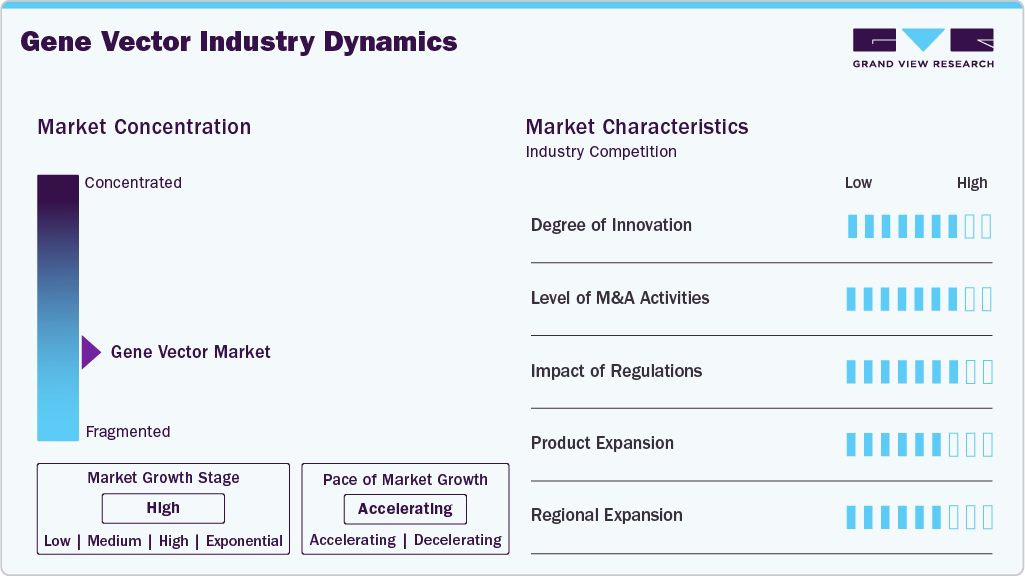
The gene vector industry shows strong innovation. This is driven by quick progress in both viral and non-viral delivery technologies. Next-generation AAVs, lentiviral, and retroviral vectors are made for better targeting efficiency, reduced immunogenicity, and a broader range of therapeutic uses. At the same time, non-viral platforms like lipid nanoparticles (LNPs) are becoming more popular after their success with mRNA vaccine delivery. Furthermore, using AI-driven design, CRISPR-based editing, and improved vector manufacturing platforms is changing development processes. With strong R&D investments and over 2,000 active clinical trials worldwide, the market’s innovation landscape shapes competition. This speeds up the use of gene therapies in oncology, rare diseases, and regenerative medicine.
The gene vector market is experiencing moderate to high mergers and acquisitions (M&A) activity. This is mainly due to the need for pharmaceutical and biotechnology companies to build their gene therapy pipelines and improve their manufacturing capabilities. Large companies are buying specialized vector manufacturers and technology providers to secure their supply chains, enhance their knowledge in viral and non-viral delivery platforms, and speed up clinical development timelines. For instance, in May 2024, MilliporeSigma (U.S./Canada) announced a USD 600M agreement to acquire Wisconsin-based Mirus Bio, strengthening its viral vector manufacturing portfolio with leading transfection reagents for gene therapy.
 To learn more about this report, Download Free Sample Report
 Regulations are important in shaping the market for gene vectors. Strict guidelines control the development, manufacturing, and approval of vector-based therapies. Regulatory agencies like the U.S. FDA, EMA, and Japan’s PMDA enforce high standards for vector safety, effectiveness, and quality. This is especially important because of concerns about immunogenicity, long-term expression, and off-target effects. While these frameworks improve patient safety and build trust in new therapies, they pose challenges for developers. These challenges include long approval timelines, high compliance costs, and complicated clinical trial requirements. At the same time, regulators use adaptive pathways like fast-track designations, orphan drug status, and accelerated approvals to support innovation in gene and cell therapies.
Product expansion is a major growth driver for the gene vector industry. Companies constantly diversify their portfolios to meet a wider range of therapeutic areas and patient needs. Manufacturers are working on next-generation viral vectors with better targeting, less immunogenicity, and increased payload capacity. By broadening product offerings and improving delivery capabilities, companies are solidifying their market presence and generating new revenue streams in the fast-changing gene therapy field.
Regional expansion plays a major role in the market growth. Companies are increasingly focusing on emerging markets in Asia-Pacific, Latin America, the Middle East, and established markets in North America and Europe. The rising number of genetic disorders, improved healthcare infrastructure, and supportive government programs in these areas promote the setup of local production facilities, research centers, and partnerships. Expanding into new regions helps companies reach untapped patient populations, cut manufacturing and distribution costs, and strengthen their global presence. This regional diversification speeds up market entry and improves resilience against regulatory and economic changes in individual markets.
Analyst Perspective
The gene vector market is growing significantly driven by rapid advances in gene therapies, cell & gene therapy research, and increasing clinical development activities targeting rare and genetic disorders. Rising demand for viral and non-viral gene-delivery vectors, coupled with growing investments in biotechnology and biopharmaceutical R&D, is accelerating market expansion. Continuous improvements in vector design, manufacturing technologies, and production scalability are enhancing the safety and efficiency of gene transfer applications. As the pipeline of gene therapy candidates continues to expand, demand for high-quality, regulatory-compliant vector solutions is expected to support sustained market growth.
Type Insights
In 2024, the viral vectors segment held the highest share of the gene vector market. This resulted from their established efficacy for genetic material delivery, characterized by high transduction rates, stable gene expression, and being well-suited for various therapeutics. Their key role in cell and gene therapies, including CAR-T, vaccination, and rare disease therapies, results in strong uptake. New developments in an adeno-associated virus (AAV) and lentiviral platforms and increased investment in scalable manufacturing further enhance the role of viral vectors as the backbone of the market.
Based on type, the viral vectors segment held the largest revenue share of over 54.6% in 2025, driven by their favorable safety profile, lower immunogenicity, and cost-effectiveness compared to viral systems. Increasing advancements in lipid nanoparticles, polymer-mediated carriers, and physical delivery methods have led to improved transfection efficiencies and greater ease of scale-up, increasing their appeal for various applications, including mRNA vaccines, gene editing, and regenerative medicine. Furthermore, the ability of non-viral platforms to address the ability to implement repeated doses and overcome limitations of the use of viral vectors will also enhance uptake or utilization across research and therapeutic pipelines.
Delivery Method Insights
Based on delivery method, the in-vivo gene delivery segment held the largest revenue share of over 58.1% in 2025, because it directly delivers therapeutic genes into target tissues, ensuring accuracy, localization, and permanence of actions. This strategy simplifies ex vivo manipulation, shortens treatment times, and improves patient compliance. The competitive demand for delivery systems to develop sophisticated gene therapies for rare genetic disorders, oncology, and neurology, along with continuous use of viral and non-viral carriers targeted for systemic and targeted tissue delivery systems, will further enhance the leadership of in-vivo delivery systems.
The ex vivo gene delivery segment is expected to grow at the fastest CAGR during the forecast period, due to its expanding use in personalized cell and gene therapies, especially CAR-T and other immune cell-based treatments. The ex vivo technique provides more precise control over gene integration, improved safety, and enhanced efficacy by modifying the patient's cells outside the body. The increasing investments in infrastructure for cell therapy manufacturing, coupled with advancements in gene editing technologies such as CRISPR and TALEN, further drive the adoption of ex vivo gene delivery.
Therapeutic Area Insights
Based on therapeutic area, the oncology segment held the largest revenue share of over 42.7% in 2025, driven by the growing adoption of gene therapies and targeted treatments for various cancers. The demand is driven by a fast-increasing incidence of hematologic malignancies and solid tumors, and the ability of CAR-T therapies and other genetically engineered immune cells to treat these cancers successfully. Further, the segment’s position is complemented by clinical advancements, regulatory approvals, and increased investment in oncology research and development.
The neurological disease segment is expected to grow at the fastest CAGR during the forecast period, due to rising demand for innovative gene therapies for treating disorders including Parkinson's disease, Alzheimer's disease, spinal muscular atrophy, and other inherited neurological diseases. Significant improvements have been made with viral and non-viral delivery systems that can cross the blood-brain barrier, and an overall increase in investment in more neurogenetic research and clinical trials has influenced the adoption of technology. The limited effectiveness of traditional therapies for neurological disorders is also accelerating the transition to gene-based therapies, which will contribute to significant growth in this market.
End Use Insights
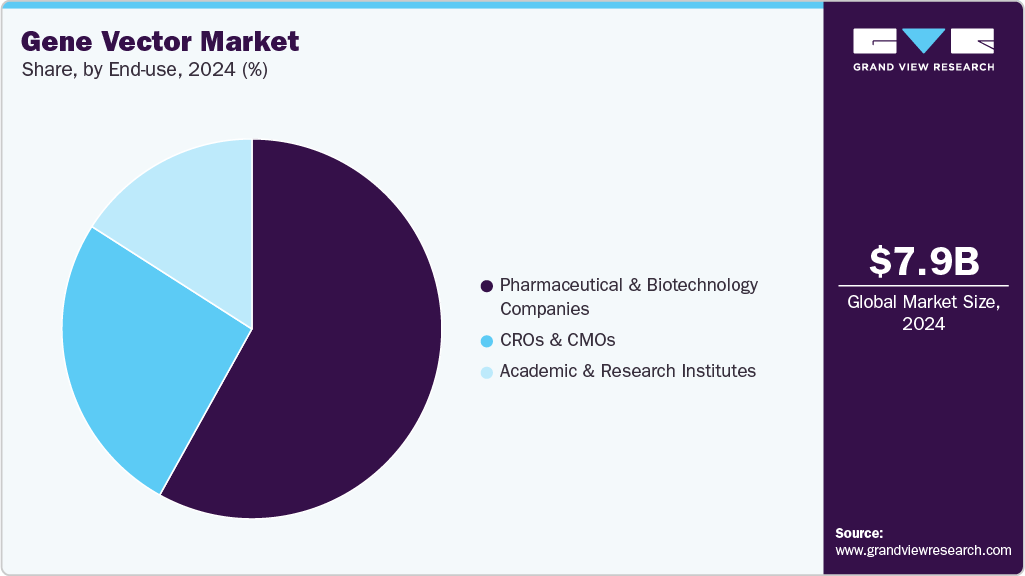
Based on end use, the pharmaceutical and biotechnology companies segment held the largest revenue share of over 58.0% in 2025, with a revenue share of 58.06%. The increase in investment in gene vector therapeutics companies compared to other therapeutic modalities, along with partnerships and collaborations in the market, in the search for new therapeutics for oncology, rare genetic disorders, and neurological disorders, has enhanced the market position of pharmaceutical and biotechnology companies.
 To learn more about this report, Download Free Sample Report
 The CROs & CMOs segment is projected to grow at the fastest CAGR during the forecast period. This growth is driven by the increasing outsourcing of gene therapy development and manufacturing to specialized service providers. Rising demand for cost-effective, scalable, and flexible production solutions, coupled with the growing complexity of gene vector platforms, encourages pharmaceutical and biotechnology companies to collaborate with CROs and CMOs.
Regional Insights
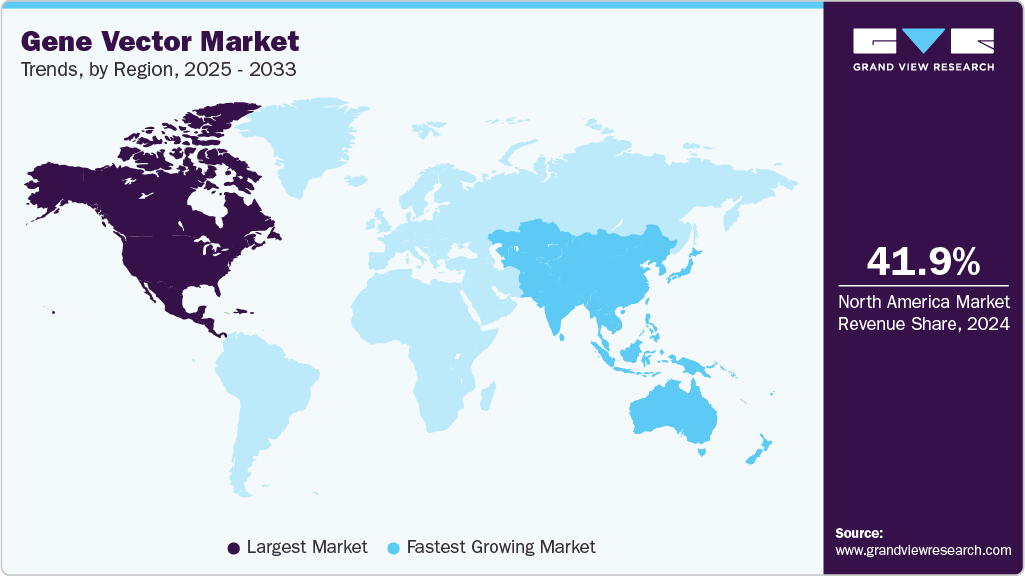
North America dominated the gene vector market with the largest revenue share of 42.1% in 2025. This growth is derived from a strong healthcare system, significant research and development investment, and the presence of top biopharmaceutical companies. The region's established supply chains and emphasis on precision medicine have sped up the use of automation technologies in gene vector production.
 To learn more about this report, Download Free Sample Report
 U.S. Gene Vector Market Trends
The gene vector market in the U.S. held the largest share in the North America region in 2025. The U.S. remains the global leader in the gene vectors industry, backed by robust investments in biopharmaceutical R&D, regenerative medicine, and advanced biologics pipelines. Rapid adoption of process control systems, AI-driven monitoring, and robotics is streamlining large-scale gene therapy production. For instance, in June 2025, the U.S. FDA designated platform technology to the rAAVrh74 viral vector in Sarepta Therapeutics’ SRP-9003 gene therapy. This therapy is based in Cambridge, Massachusetts, and is designed to treat limb-girdle muscular dystrophy.
Europe Gene Vector Market Trends
Europe is witnessing steady growth in the gene vectors industry, backed by government funding and EU research programs like Horizon Europe. Leading companies like Sartorius, Merck KGaA, and Cytiva are expanding their portfolios with improved automation solutions. There is also a growing focus on biobanking, cell-based therapies, and collaborations across borders, which drives regional innovation. For instance, in July 2025, the European Commission approved Autolus Therapeutics' CAR-T therapy AUCATZYL in the EU. The lentiviral vectors for this therapy are produced at AGC Biologics' site in Milan, marking the company's 10th major regulatory approval.
The gene vector market in the UK is growing quickly, fueled by the country’s strong biomedical research system and top academic institutions. Collaborations between universities and businesses speed up the process of moving innovative gene therapies from the lab to clinical development. This mix of research strength, strategic partnerships, and manufacturing skills makes the UK an important center in the global market.
Germany’s gene vector market is growing steadily. This growth comes from its strong biotechnology ecosystem, established pharmaceutical industry, and robust research infrastructure. The country benefits from strong collaborations between universities, specialized biotech startups, and contract development and manufacturing organizations (CDMOs).
Asia Pacific Gene Vector Market Trends
The Asia Pacific gene vector industry is expected to grow at the fastest CAGR of 19.0% over the forecast period, as the region invests significantly in biotechnology research and therapy development. China, Japan, and South Korea are at the forefront of this growth. Governments are backing clinical trial approvals and infrastructure improvements. For instance, in August 2025, Vector BioMed India launched low-cost CAR-T therapy at Kailash Cancer Hospital in rural India. Their LENTIVERSE platform made cell and gene therapies available to underserved communities. New biotech startups, along with established pharmaceutical companies, are emphasizing local production and new delivery technologies. This trend is making the Asia Pacific a more competitive center for gene vector development.
The China gene vector market is becoming an important player in the region. This growth is backed by significant investments in biotechnology and research on therapies. The country is improving its capacity to produce viral vectors, particularly adeno-associated viruses (AAVs). Greater awareness and demand for treatments for genetic disorders and cancers are fueling market growth. These factors make China a vital location for gene vector development in the Asia Pacific.
The gene vector market in Japan is projected to grow over the forecast period. Japan is becoming a major center for gene vector development. This growth is supported by a strong biotech industry and effective government initiatives that promote new therapies. The country focuses on efficient manufacturing of viral and non-viral vectors, thorough research, and clinical expertise, which support the market expansion.
MEA Gene Vector Market Trends
The gene vector industry in the Middle East and Africa is gradually expanding. Countries such as the UAE, Saudi Arabia, and South Africa are investing in research centers and partnerships with global biotech firms to develop gene therapy capabilities. Collaborative programs between academic institutions and industry players foster innovation and enable the translation of gene therapies from research to clinical trials, fueling the demand for the gene vector.
The Kuwait gene vector market is gradually stepping up, leveraging initiatives to modernize its healthcare and biotechnology sectors. There are ongoing efforts to develop clinical expertise and infrastructure for gene therapy trials, especially for rare genetic diseases. Although still evolving, Kuwait’s strategic investments and policy support set the stage for the nation to become an important player in the regional market.
Key Gene Vector Company Insights
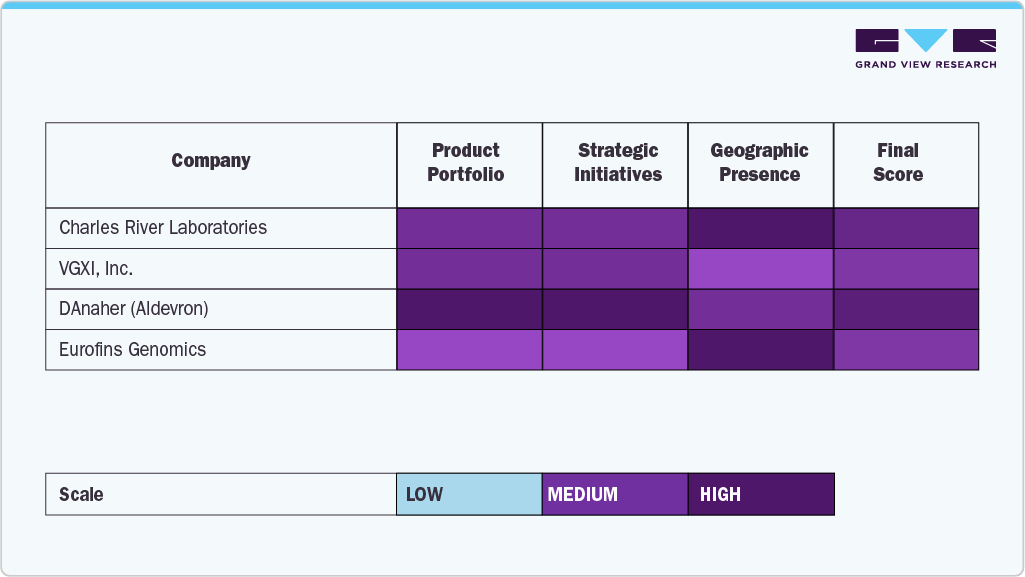
The gene vector industry has several strong competitors that leverage superior technological footholds, large-scale manufacturing capabilities, and long-term investments in innovation to uphold their market leadership positions. Market leaders, including Charles River Laboratories, VGXI, Inc., Danaher (Aldevron), Kaneka Corporation, and Lonza, maintain strong positions in the market with their background in viral and non-viral vectors, proven regulatory history, and ability to provide global support for cell and gene therapy development.
Firms such as Cell and Gene Therapy Catapult, Eurofins Genomics, Luminous BioSciences, LLC, and Akron Biotech are consistently broadening their reach through specialized vector design, analytical services, and flexible manufacturing services for the various needs of biopharmaceutical developers, research organizations, and clinical-stage companies.
 To learn more about this report, Download Free Sample Report
 The gene vector market is developing quickly through mergers and acquisitions, strategic partnerships, and advances in vector engineering and manufacturing productivity. Companies that achieve the integration of innovation and patient-focused, scalable solutions are well-positioned for the realization of long-term value in this paradigm-changing and increasingly competitive market.
Key Gene Vector Companies
The following key companies have been profiled for this study on the gene vector market.
- Charles River Laboratories
- VGXI, Inc.
- Danaher (Aldevron)
- Kaneka Corp.
- Catalent Inc.
- Cell and Gene Therapy Catapult
- Eurofins Genomics
- Lonza
- Luminous BioSciences, LLC
- Akron Biotech
Competitive Benchmarking
Category
Operating Strategies
Competitive Edge
Weakness
Established Players (Charles River Laboratories, Danaher (Aldevron), Kaneka Corp., Catalent Inc., etc.)
- Strengthen market presence through strategic partnerships, capacity expansions, and end-to-end support across vector development, process optimization, and commercial manufacturing.
- Strong relationships with biotechnology and pharmaceutical companies, supported by integrated development and manufacturing capabilities.
- High capital and operational costs associated with advanced biomanufacturing facilities.
Emerging Players (VGXI, Cell and Gene Therapy Catapult, Luminous BioSciences, etc.)
- Focus on specialized vector development, plasmid DNA production, process development, and technical support services for gene therapy applications.
- Strong technical expertise in niche gene vector technologies and customized development services.
- Limited manufacturing scale and global reach compared to established CDMO leaders.
Recent Development
- In May 2026, Andelyn Biosciences launched the LVV Curator platform, a standardized lentiviral vector manufacturing solution designed to streamline the transition from research to GMP production, improve scalability and reproducibility, reduce development timelines and costs, and support regulatory readiness for cell therapy programs.
Gene Vector Market Report Scope
Report Attribute
Details
Market size in 2025
USD 9.3 billion
Market size value in 2026
USD 11.1 billion
Revenue forecast in 2033
USD 34.0 billion
Growth rate
CAGR of 17.4% from 2026 to 2033
Historical data
2021 - 2025
Forecast period
2026 - 2033
Quantitative units
Revenue in USD million/billion, and CAGR from 2026 to 2033
Report coverage
Revenue forecast, company ranking, competitive landscape, growth factors, and trends
Segments covered
Type, delivery method, therapeutic area, end use, region
Regional scope
North America; Europe; Asia Pacific; Latin America; MEA
Country scope
U.S., Canada, Mexico, UK, Germany, France, Italy, Spain, Norway, Denmark, Sweden, China, Japan, India, South Korea, Australia, Thailand, Brazil, Argentina, Saudi Arabia, South Africa, UAE, and Kuwait
Key companies profiled
Charles River Laboratories; VGXI, Inc.; Danaher (Aldevron); Kaneka Corp.; Cell and Gene Therapy Catapult; Eurofins Genomics (Eurofins Scientific); Lonza; Luminous BioSciences, LLC; Akron Biotech; Catalent, Inc.
Customization scope
Free report customization (equivalent up to 8 analysts' working days) with purchase. Addition or alteration to country, regional & segment scope.
Pricing and purchase options
Avail customized purchase options to meet your exact research needs. Explore purchase options
Global Gene Vector Market Report Segmentation
This report forecasts revenue growth and provides an analysis on the latest trends in each of the sub-segments from 2021 to 2033. For this report, Grand View Research has segmented the global gene vector market on the basis of type, delivery method, therapeutic area, end use, and region:
-
Type Outlook (Revenue, USD Million, 2021 - 2033)
-
Viral Vectors
-
Adenoviral Vectors
-
Adeno-Associated Viral (AAV) Vectors
-
Lentiviral Vectors
-
Retroviral Vectors
-
Herpes Simplex Virus (HSV) Vectors
-
Others
-
-
Non-Viral Vectors
-
Plasmid DNA
-
Lipid Nanoparticles
-
Polymer-based Vectors
-
Others
-
-
-
Delivery Method Outlook (Revenue, USD Million, 2021 - 2033)
-
In-vivo Gene Delivery
-
Ex-vivo Gene Delivery
-
Others
-
-
Therapeutic Area Outlook (Revenue, USD Million, 2021 - 2033)
-
Oncology
-
Genetic Diseases
-
Infectious Diseases
-
Cardiovascular Diseases
-
Neurological Diseases
-
Ophthalmological Diseases
-
Others
-
-
End Use Outlook (Revenue, USD Million, 2021 - 2033)
-
Pharmaceutical & Biotechnology Companies
-
Academic & Research Institutes
-
CROs & CMOs
-
-
Regional Outlook (Revenue, USD Million, 2021 - 2033)
-
North America
-
U.S.
-
Canada
-
Mexico
-
-
Europe
-
Germany
-
UK
-
France
-
Italy
-
Spain
-
Denmark
-
Sweden
-
Norway
-
-
Asia Pacific
-
China
-
India
-
Japan
-
South Korea
-
Australia
-
Thailand
-
-
Latin America
-
Brazil
-
Argentina
-
-
Middle East and Africa (MEA)
-
South Africa
-
Saudi Arabia
-
UAE
-
Kuwait
-
-
Research Methodology
The gene vector market figures in this report are based on a proven research process that combines executive interviews with secondary research from proprietary databases, company filings, and recognized regulatory and institutional sources. Market size is built through value-chain sizing - reconciling supply-side and demand-side estimates - and triangulated with bottom-up and top-down approaches. Every estimate passes multiple levels of expert validation before publication, with each gene vector segment quantified using the revenue-capture definitions in the table below.
Segment Definition
Segment- Type
Revenue Capture Definition
Viral Vectors
Revenue generated from viral-based gene delivery systems used to transfer genetic material into target cells for gene therapy, vaccine development, cell therapy manufacturing, and biomedical research applications. This segment includes adenoviral vectors, adeno-associated viral (AAV) vectors, lentiviral vectors, retroviral vectors, herpes simplex virus (HSV) vectors, and other engineered viral platforms designed to achieve efficient gene transfer, long-term expression, or targeted therapeutic delivery.
Non-Viral Vectors
This segment captures income from non-viral gene delivery technologies that transport nucleic acids without the use of viral components. The category includes plasmid DNA vectors, lipid nanoparticles (LNPs), polymer-based vectors, and other synthetic delivery systems utilized in gene therapy, nucleic acid therapeutics, vaccine development, and research applications where scalability, safety, and manufacturing flexibility are critical considerations.
Segment- Delivery Method
Revenue Capture Definition
In-vivo Gene Delivery
Revenue originates from gene vectors administered directly into patients to deliver therapeutic genetic material to targeted tissues or organs. These delivery approaches are widely used in gene therapy programs addressing inherited disorders, oncology, ophthalmology, and other disease areas that require direct in-body gene transfer.
Ex-vivo Gene Delivery
This segment reflects earnings from gene vectors used to genetically modify cells outside the patient's body prior to reinfusion or transplantation. Applications commonly include CAR-T cell therapies, stem cell engineering, gene-modified immune cell therapies, and other advanced cellular therapeutic approaches.
Others
Market value in this category stems from alternative gene-delivery approaches and emerging vector-administration methods that do not fall within conventional in vivo or ex vivo classifications.
Segment- Therapeutic Area
Revenue Capture Definition
Oncology
Revenue generated from gene vectors utilized in cancer-focused applications, including gene therapies, oncolytic viral therapies, immune cell engineering, cancer vaccines, and targeted genetic interventions aimed at improving treatment outcomes.
Genetic Diseases
This segment captures income from vectors developed for the treatment of inherited and rare genetic disorders through gene replacement, gene editing, gene silencing, or other corrective genetic approaches.
Infectious Diseases
Demand within this category is driven by the use of gene vectors in vaccine development, antiviral therapies, and infectious disease research targeting bacterial, viral, and emerging pathogens.
Cardiovascular Diseases
Revenue stems from gene vector technologies designed to address heart and vascular disorders through therapeutic gene delivery, tissue repair, angiogenesis stimulation, and regenerative medicine applications.
Neurological Diseases
This segment reflects earnings from gene vectors used in the treatment and investigation of neurological and neurodegenerative conditions through targeted delivery of therapeutic genes to the central or peripheral nervous system.
Ophthalmological Diseases
Market value is associated with gene vectors employed in therapies targeting inherited retinal disorders, vision impairment, and other ocular diseases requiring localized genetic intervention.
Others
Includes revenue from gene vector applications across metabolic disorders, autoimmune diseases, hematological conditions, regenerative medicine, and additional therapeutic areas not classified within the major disease categories.
Segment- End Use
Revenue Capture Definition
Pharmaceutical & Biotechnology Companies
Revenue generated from gene vectors utilized by pharmaceutical and biotechnology companies for research, clinical development, commercial manufacturing, and commercialization of gene therapies, cell therapies, vaccines, and nucleic acid-based therapeutics.
Academic & Research Institutes
This segment represents income from gene vector products used by universities, government-funded laboratories, and research organizations conducting studies in molecular biology, genetic engineering, translational medicine, and therapeutic discovery.
CROs & CMOs
Revenue originates from contract research organizations (CROs) and contract manufacturing organizations (CMOs) that employ gene vectors for preclinical research, process development, analytical testing, clinical trial support, vector manufacturing, and outsourced gene therapy production services.
Estimation Model
Top-Down
Parent Market & Penetration-Based Analysis
Segmentation
Validation
Forecasting
Commodity Flow AnalysisMarket size was estimated by analyzing revenues generated by key gene vector manufacturers and service providers, supported by company annual reports, investor presentations, CDMO disclosures, regulatory filings, and premium industry databases. Revenue contributions from private companies were assessed through secondary research and validated through primary interviews to derive the overall market value.
Parent Market & Penetration-Based AnalysisThe gene vector market was evaluated within the broader gene therapy market. Adoption rates of viral and non-viral vectors across approved gene therapies, clinical-stage programs, preclinical research, and manufacturing activities were analyzed to estimate the addressable market and segment-level opportunities.
Country-Level Segment Share ModelingMarket shares for vector type, delivery method, therapeutic area, and end-use segments were derived using country-specific gene therapy clinical trial activity, biopharmaceutical R&D investments, regulatory approvals, manufacturing infrastructure, and adoption of advanced gene delivery technologies. Weighted-average calculations were used to determine regional and global segment distributions.
Data Triangulation & Validation ModelMarket estimates were validated through triangulation of secondary research, primary interviews, company-level revenue assessments, clinical pipeline analysis, manufacturing capacity evaluations, and end-user demand trends to ensure consistency and accuracy across all market segments and geographies.
Forecasting & CAGR ModelingMarket forecasts were developed using historical trends in gene therapy development, growth in clinical trial pipelines, increasing regulatory approvals, expansion of vector manufacturing capacity, technological advancements in vector engineering, and investments in genetic medicine. Regression-based analysis and trend modeling were applied to project future market growth and CAGR.
Delivered Customizations
This report has been delivered with the following In-depth customizations
Client Request
Customization Delivered
Value Adds
Cross-Segmentation Analysis Across Gene Vector Type, Therapeutic Area & End Use
Detailed cross-tabulation of gene vector demand across viral vectors (AAV, lentiviral, adenoviral, retroviral, HSV), non-viral vectors (plasmid DNA, lipid nanoparticles, polymer-based vectors), therapeutic areas (oncology, genetic diseases, infectious diseases, neurological diseases, ophthalmology), and end users including pharmaceutical & biotechnology companies, academic institutes, and CROs/CMOs.
Helps identify the highest-growth vector-therapy combinations, uncover emerging application opportunities, optimize product portfolio strategies, and prioritize investments in high-demand therapeutic segments.
Gene Vector Manufacturing, CDMO & Competitive Benchmarking Assessment
Comprehensive benchmarking of key market participants based on vector manufacturing capabilities, viral and non-viral technology platforms, production scale, regulatory expertise, CDMO service offerings, geographic footprint, strategic collaborations, and innovation pipeline.
Enables clients to assess competitive positioning, identify partnership and acquisition opportunities, benchmark manufacturing strengths, and support outsourcing and capacity expansion decisions.
Regional Commercialization & Demand Opportunity Analysis
Customized regional and country-level assessment covering North America, Europe, Asia Pacific, Latin America, and MEA, including gene therapy pipeline activity, clinical trial concentration, regulatory environment, manufacturing infrastructure, reimbursement landscape, and adoption trends for viral and non-viral vectors.
Supports identification of high-growth regional markets, evaluation of commercialization readiness, prioritization of geographic expansion strategies, and alignment of market-entry plans with gene therapy adoption trends.
Frequently Asked Questions About This Report
The gene vector market is expanding, driven by advances in gene therapy, rising prevalence of genetic disorders, increasing research funding, and demand for targeted treatment solutions.
The viral vectors segment led with a 54.6% revenue share in 2025.
The in-vivo gene delivery segment led with a 58.1% revenue share in 2025.
The oncology segment led with a 42.7% revenue share in 2025.
The pharmaceutical and biotechnology companies segment led with a 58.0% revenue share in 2025.
Some key players operating in the gene vector market include Charles River Laboratories, VGXI, Inc., Danaher (Aldevron), Kaneka Corp., Nature Technology, Cell and Gene Therapy Catapult, Eurofins Genomics, Lonza, Luminous BioSciences, LLC, and Akron Biotech.
The global gene vector market size was estimated at USD 9.3 billion in 2025 and is expected to reach USD 11.1 billion in 2026.
The global gene vector market is expected to grow at a compound annual growth rate of 17.4% from 2026 to 2033 to reach USD 34.0 billion by 2033.
North America dominated the gene vector market with a share of 42.1% in 2025. This is attributable to strong healthcare infrastructure, significant R&D investments, advanced biotech companies, supportive regulatory frameworks, and high demand for personalized treatments.
About the Author(s)
Biotechnology Research Team
Healthcare · BiotechnologyThis report was authored by the biotechnology research team at Grand View Research - comprising two research analysts, one senior research analyst, and one industry expert - with specialized expertise in the biotechnology segment of the healthcare industry. All findings are based on proprietary healthcare databases, executive interviews, and regulatory analysis, subject to internal peer review prior to publication.
Last Updated:
Speak to Analyst

Customize this report to your needs - add regions, segments, or data points, with 20% free customization.
Or view our licence options:


ISO 9001:2015 & 27001:2022 Certified
We are GDPR and CCPA compliant! Your transaction & personal information is safe and secure. For more details, please read our privacy policy.


