
- Home
- »
- Pharmaceuticals
- »
-
GLP-1 Agonists Weight Loss Drugs Market (2026 - 2033)GVR Report cover

GLP-1 Agonists Weight Loss Drugs Market (2026 - 2033)
Size, Share & Trends Analysis Report By Drugs (Semaglutide (Wegovy), Tirzepatide (Zepbound)), By Route of Administration, By Distribution Channel, By Region, And Segment forecasts
Market Size, 2025
$20.9BMarket Estimate, 2026
$27.5BMarket Forecast, 2033
$65.2BCAGR, 2026–2033
13.1%GLP-1 Agonists Weight Loss Drugs Market Summary
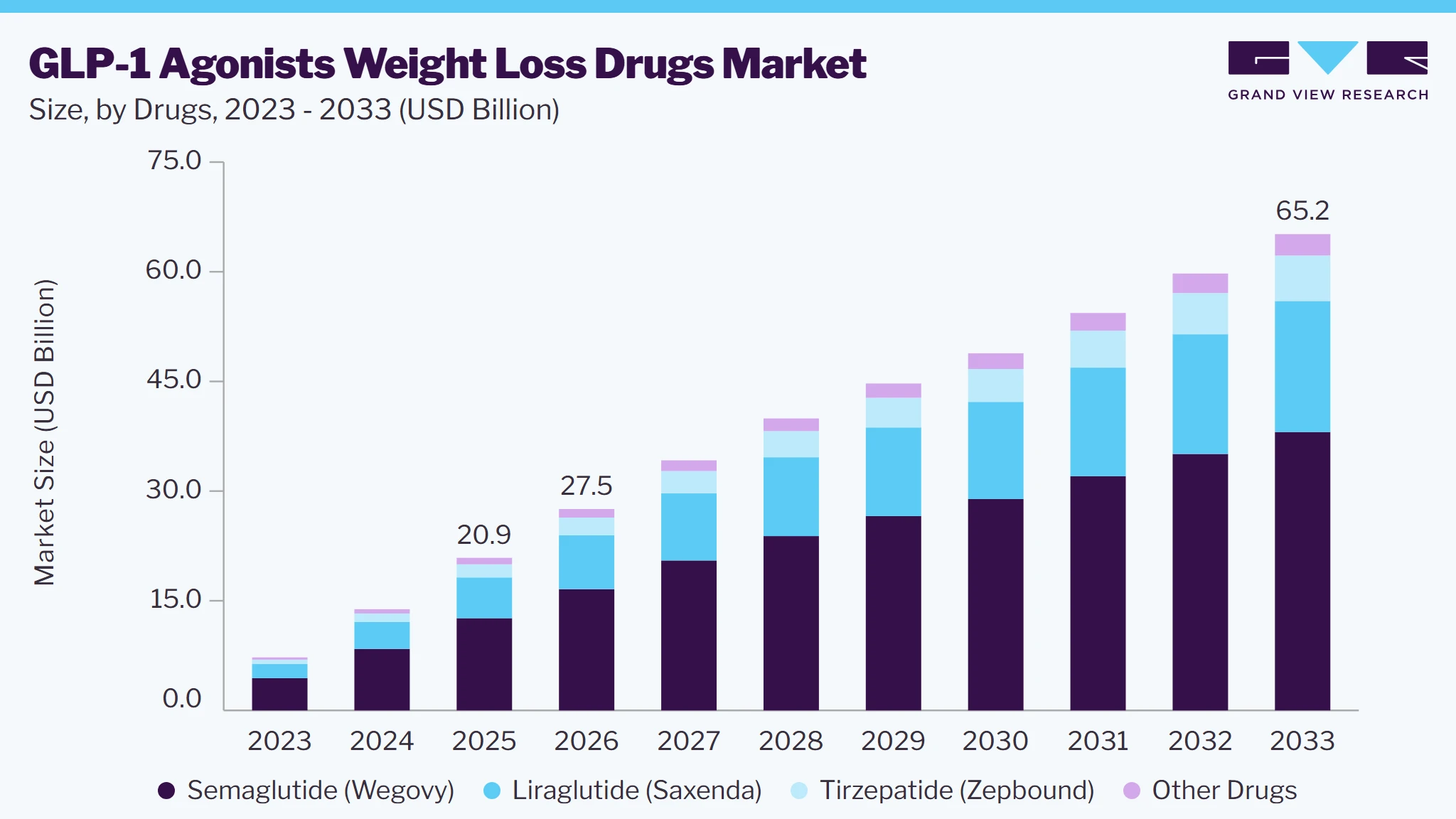
The global GLP-1 agonists weight loss drugs market size was valued at USD 20.9 billion in 2025 and is projected to grow from USD 27.5 billion in 2026 to USD 65.2 billion by 2033, at a CAGR of 13.1% from 2026 to 2033. The market in North America dominated with a revenue share of 77.2% in 2025. The market for GLP-1 agonist weight loss drugs is experiencing rapid growth, driven by rising obesity rates, increasing health awareness, and strong clinical efficacy of drugs like semaglutide (Wegovy, Ozempic) and tirzepatide (Mounjaro, Zepbound).
 Source: Grand View Research, IR Documents, Primary Interviews, Paid DatabasesTo learn more about this report,
 Download Free Sample Report
Key Market Trends & Insights
- By drugs: Semaglutide (wegovy) segment held the largest market share of 60.5% in 2025.
- By route of administration: Parenteral segment held the largest market share of 92.9% in 2025.
- By distribution channel: Retail pharmacies segment held the largest market share of 55.0% in 2025.
Regional Highlights
- Largest regional market: North America (77.2% revenue share, 2025)
- By country: The U.S. held the largest market share in 2025.
Market Size & Forecast
- Market size in 2025: USD 20.9 Billion
- Estimated market size in 2026: USD 27.5 Billion
- Projected market size by 2033: USD 65.2 Billion
- CAGR (2026-2033): 13.1%
Three ways to get this report
Buy it, customize it, or ask a question.Ask an Analyst
Analyst response in 1 business day
- AccessReport author, directly
- Reply timeWithin 1 working day
- No sales callDirect answer only
- FormatEmail reply
- CostFree, no cost
Get the Full Report
What the study covers
- FormatsPDF · Excel · Dashboard
- Timeline2026–2033 annual, 2025 base
- Coverage20+ countries, 5 regions
- Companies10+ key players profiled
Customize the Report
20% free customization
- IncludeCountries, segments, points
- TailorTo your product definition
- ExtendDeeper competitor detail
- OrA fully bespoke study
- Turnaround5–10 working days
Pharmaceutical advancements, favorable regulatory approvals, and growing insurance coverage further fuel adoption. In addition, celebrity endorsements and social media influence have heightened consumer demand, expanding the market beyond diabetics to a broader weight management segment. The increasing prevalence of obesity worldwide is a major driver for the GLP-1 agonist weight loss drugs industry. In 2022, 2.5 billion adults were overweight, including 890 million with obesity, while 37 million children under five were overweight. Key contributors to obesity include poor diet, physical inactivity, and obesogenic environments. However, it is preventable and manageable through healthy eating, regular exercise, and lifestyle changes. The WHO advocates for global action, emphasizing regulations on food and marketing, as well as health sector interventions to address obesity and its associated risks.
 To learn more about this report, Download Free Sample Report
According to World Obesity data, global obesity prevalence (BMI ≥30kg/m²) varies significantly, highlighting a strong market potential for GLP-1 agonist weight loss drugs. Countries with the highest obesity rates, such as the United States (40.2%), Kuwait (43.75%), and Mexico (36.9%), present key opportunities for pharmaceutical expansion. South Africa's notable gender disparity, with 41.3% of females and 15.3% of males obese, suggests targeted demand for weight loss treatments. In contrast, lower obesity rates in Japan (4.6%) and India (5.2%) may indicate slower market growth. In Europe, where prevalence ranges from 10.4% in Italy to 20.1% in the UK, and in Asia, where South Korea reports higher male obesity (36.3%) than female (27.6%), demand for GLP-1 agonists weight loss drugs will be shaped by regional and gender-specific obesity trends. These variations emphasize the need for tailored healthcare strategies and policy support to drive the adoption of GLP-1 therapies.
In July 2024, China launched a public awareness campaign to address rising obesity rates, with half of the adult population now overweight or obese—creating a significant market opportunity for GLP-1 agonist weight loss drugs. Led by the National Health Commission, the initiative promotes lifelong weight control through balanced diets, physical activity, quality sleep, and family support. Given obesity's strong link to chronic diseases like cardiovascular issues and diabetes, demand for effective pharmacological interventions, including GLP-1 therapies, is expected to grow. Additionally, government strategies like "15-minute fitness circles" and updated dietary guidelines indicate a broader push for weight management solutions, positioning GLP-1 drugs as a potential complement to lifestyle interventions in China’s evolving healthcare landscape.
Market Dynamics
The GLP-1 agonists weight loss drug market is experiencing steady growth due to the increasing prevalence of obesity and obesity-related metabolic disorders across developed and developing countries. Growing awareness of the long-term health risks associated with excess body weight is encouraging more patients to seek prescription therapies alongside lifestyle modifications. Strong clinical evidence supporting sustained weight reduction and improvements in cardiovascular and metabolic outcomes has increased physician confidence in prescribing GLP-1 receptor agonists for chronic weight management. The market is further supported by expanding regulatory approvals, increasing healthcare expenditure, and continued investment by pharmaceutical companies in new obesity therapies and lifecycle management strategies. Broader acceptance of medical weight management, rising diagnosis rates, and growing availability of specialized obesity care are contributing to market expansion. At the same time, affordability challenges, reimbursement limitations, and periodic supply shortages continue to affect patient access in several countries. Ongoing clinical research and product development are expected to strengthen treatment options and support the continued growth of the market.
The increasing clinical adoption of GLP-1 agonists for chronic weight management is a major driver of the market. Obesity has become a significant public health concern due to its association with type 2 diabetes, cardiovascular disease, obstructive sleep apnea, and several other chronic conditions. Healthcare providers are increasingly recommending pharmacological treatment for patients who do not achieve sufficient weight reduction through diet and physical activity alone. Clinical guidelines are expanding the role of GLP-1 receptor agonists as long term treatment options for eligible patients with obesity or overweight accompanied by weight related comorbidities. Strong clinical evidence demonstrating sustained weight loss and improvements in metabolic health has increased physician confidence in these therapies. Greater patient awareness, wider availability of obesity management services, and continued investments in product development are also supporting market growth. Manufacturers are expanding dosage options and delivery formats to improve treatment accessibility and patient convenience. For instance, in February 2025, Eli Lilly and Company launched Zepbound 7.5 mg and 10 mg single dose vials through LillyDirect, expanding the available dosing options for chronic weight management in eligible adults with obesity or overweight. This launch supported broader patient access to GLP-1 based therapies and strengthened the availability of treatment options for long term obesity management.
The high cost of GLP-1 agonists remains a key restraint for the weight loss drugs market despite growing clinical acceptance. Most therapies require long term administration to maintain weight reduction, resulting in substantial treatment costs for patients without comprehensive insurance coverage. Reimbursement policies continue to vary across countries and healthcare systems, limiting access for a large portion of the eligible patient population. Many insurers continue to apply strict eligibility criteria or exclude anti-obesity medications from standard reimbursement plans, leading to higher out of pocket expenses. In addition, periodic supply shortages in several markets have affected treatment continuity and delayed therapy initiation for new patients. These factors create affordability challenges and reduce the overall adoption of GLP-1 agonists, particularly in middle income countries where healthcare budgets and reimbursement support remain limited. Although manufacturers are introducing patient support programs and pricing initiatives, treatment affordability continues to be an important consideration for patients, healthcare providers, and payers, limiting broader market penetration.
The development of oral GLP-1 therapies and next generation obesity treatments presents a significant opportunity for market growth. Oral formulations have the potential to improve patient convenience by eliminating the need for injections, which may encourage earlier treatment initiation and better long term adherence. Pharmaceutical companies are investing in combination therapies, new molecular targets, and expanded indications to strengthen their obesity treatment portfolios. Increasing research activities and regulatory submissions are expected to broaden the range of available therapies over the coming years. Manufacturers are also expanding production capacity and introducing new delivery systems to meet growing global demand. These developments are expected to improve patient access and provide physicians with additional treatment choices across different patient groups. For instance, in December 2025, Novo Nordisk announced that the U.S. Food and Drug Administration approved Wegovy oral tablets 25 mg, the first oral GLP-1 therapy for chronic weight management, expanding the available treatment options for eligible adults with obesity or overweight.
Market Concentration & Characteristicstics
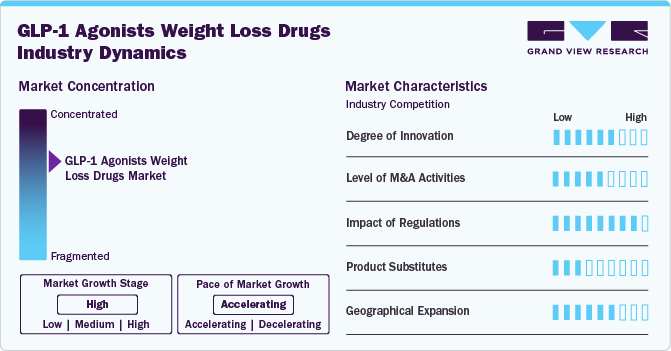
The GLP-1 agonists weight loss drugs industry is rapidly evolving with advancements in drug formulations, delivery methods, and combination therapies. Research is focused on enhancing efficacy, reducing side effects, and developing next-generation treatments with longer-lasting effects. Innovations such as oral GLP-1 therapies and dual or triple agonists targeting multiple metabolic pathways aim to improve patient adherence and weight loss outcomes.
Mergers and acquisitions are shaping the GLP-1 weight loss drug industry, with major pharmaceutical companies acquiring biotech firms to strengthen their obesity treatment portfolios. The increasing demand for effective weight management solutions is driving consolidation, with companies seeking to expand production capacity, gain access to novel formulations, and establish a competitive edge in the growing obesity treatment sector.
 To learn more about this report, Download Free Sample Report
Regulatory bodies such as the FDA and EMA impose stringent approval processes and safety guidelines for GLP-1 therapies. While these regulations ensure efficacy and patient safety, they also contribute to extended clinical trial timelines and market entry barriers. Reimbursement policies play a crucial role in adoption, as GLP-1 drugs are often high-cost therapies, and insurance coverage significantly impacts patient accessibility, particularly in developing markets.
While the GLP-1 agonists weight loss drugs industry is gaining popularity as a leading pharmacological treatment for obesity, alternative weight-loss interventions exist, including lifestyle modifications, bariatric surgery, and other pharmacotherapies such as GIP/GLP-1 dual agonists or amylin analogs. However, GLP-1 drugs remain a preferred option due to their significant weight reduction benefits, metabolic improvements, and growing physician and consumer acceptance.
Companies are aggressively expanding into high-growth regions such as Asia-Pacific, Latin America, and the Middle East, where obesity rates are rising, and healthcare access is improving. Increasing awareness, policy support for obesity management, and improving insurance coverage are driving market penetration. However, challenges related to affordability, supply chain logistics, and healthcare infrastructure continue to influence the pace of market expansion.
Analyst Perspective
The GLP-1 agonists weight loss drugs market is evolving from a limited treatment segment to an important part of obesity management, supported by growing clinical acceptance, expanding treatment guidelines, and continued investment in incretin based therapies. The market is becoming more concentrated around companies with established obesity treatment portfolios, strong clinical development capabilities, and global manufacturing networks. Novo Nordisk A/S and Eli Lilly and Company continue to maintain leading positions through the commercial adoption of Wegovy and Zepbound, supported by ongoing clinical studies, manufacturing expansion, and lifecycle management strategies. At the same time, Pfizer Inc., Viking Therapeutics, and Structure Therapeutics are advancing pipeline candidates and oral obesity therapies to strengthen their position in the market. Continued investment in product development, expanded production capacity, and next generation incretin therapies is expected to support competition and broaden treatment options for patients with obesity.
Drugs Insights
Based on drugs, the market has been categorized into Semaglutide (Wegovy), Liraglutide (Saxenda), Tirzepatide (Zepbound), and other drugs. The semaglutide (wegovy) segment led the market with the largest revenue share of 60.5% in 2025. The Semaglutide market is experiencing rapid growth, driven by its proven efficacy in significant weight reduction and metabolic benefits. With obesity rates rising globally, increasing healthcare awareness, and strong clinical trial results, demand for semaglutide-based treatments like Wegovy and Ozempic continues to surge. Regulatory approvals for chronic weight management, expanding insurance coverage, and growing physician adoption further fuel market expansion. In addition, social media influence, celebrity endorsements, and patient success stories have heightened consumer interest. However, challenges such as high costs, supply shortages, and competition from emerging weight-loss therapies remain.
The Tirzepatide (Zepbound) segment is expected to exhibit at the fastest CAGR over the forecast period, owing to its innovative dual mechanism of action targeting both glucose-dependent insulinotropic polypeptide (GIP) and glucagon-like peptide-1 (GLP-1) receptors. In November 2023, the FDA approved Zepbound (tripeptide) for chronic weight management in adults with obesity or overweight, in correspondence with diet and exercise. This weekly injection reduces appetite by activating intestinal hormone receptors. Moreover, clinical trials are further strengthening the drug's applicability and effectiveness in weight loss treatment with associated complications
Route Of Administration Insights
Based on route of administration, the market has been categorized into parenteral and oral. The parenteral segment led the market with the largest revenue share of 92.9% in 2025. The parenteral segment is experiencing strong growth, driven by the high efficacy and bioavailability of injectable formulations. Leading drugs like semaglutide (Wegovy, Ozempic) and tripeptide (Zepbound, Mounjaro) have demonstrated significant weight reduction, fueling demand among patients and healthcare providers. The convenience of once-weekly dosing, improved patient adherence, and advancements in auto-injector technology further support adoption. Regulatory approvals and expanding insurance coverage are also key growth drivers.
The oral segment is expected to exhibit at a significant CAGR over the forecast period. Oral GLP-1 agonist weight loss drugs are gaining traction as a convenient option for the long-term management of obesity, where consistent treatment adherence is essential. Advancements in drug delivery systems have enhanced the appeal of oral formulations, with controlled-release tablets and capsules offering steady therapeutic effects while minimizing common side effects like gastrointestinal discomfort. This innovation provides patients with an easier, non-injectable alternative to traditional parenteral treatments like semaglutide (Ozempic, Wegovy), improving overall patient compliance and satisfaction. As these oral GLP-1 therapies continue to evolve, they are poised to expand the market by making weight management more accessible and convenient for a broader range of individuals.
Distribution Channel Insights
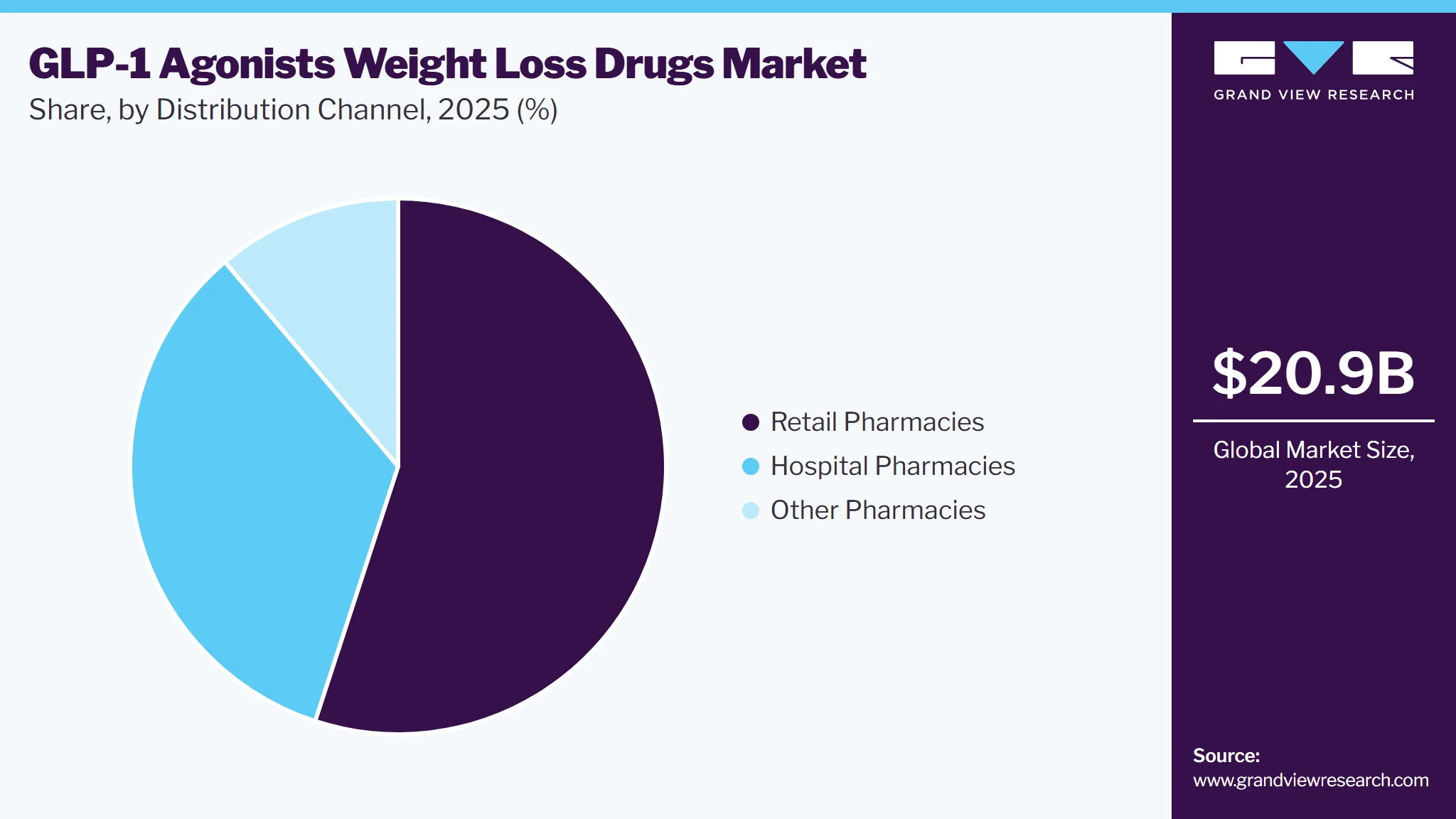
Based on distribution channel, the market has been categorized into hospital pharmacies, retail pharmacies, and other pharmacies. The retail pharmacies segment led the market with the largest revenue share of 55.0% in 2025. This dominance is driven by increasing consumer demand for accessible, convenient weight loss treatments. As more patients seek solutions for obesity management, retail pharmacies are becoming a key distribution channel, offering easy access to medications like semaglutide (Wegovy, Ozempic) without the need for specialized clinics. Expanding pharmacy services, including consultations, patient education, and home delivery options, are further fueling the adoption of GLP-1 agonists and weight loss drugs. In addition, growing acceptance and coverage by insurance plans, along with increased awareness through retail pharmacy campaigns, are contributing to wider availability.
 To learn more about this report, Download Free Sample Report
The other pharmacies are expected to grow at the highest CAGR over the forecast period. The other pharmacies segment is benefiting from the growing demand for effective weight loss solutions, particularly in specialized healthcare settings such as mail-order pharmacies, compounding pharmacies, and online pharmacies. These pharmacies cater to patients who may require personalized treatment plans, such as those with unique medical conditions or preferences for specific formulations of GLP-1 agonists weight loss drugs like semaglutide (Wegovy, Ozempic). In addition, the rise of telemedicine and online health platforms has increased the accessibility of these medications, allowing patients to receive prescriptions and treatments directly from remote or specialized pharmacies. This segment is becoming increasingly important as patients seek tailored healthcare services, flexible delivery options, and more direct access to weight loss therapies.
Regional Insights
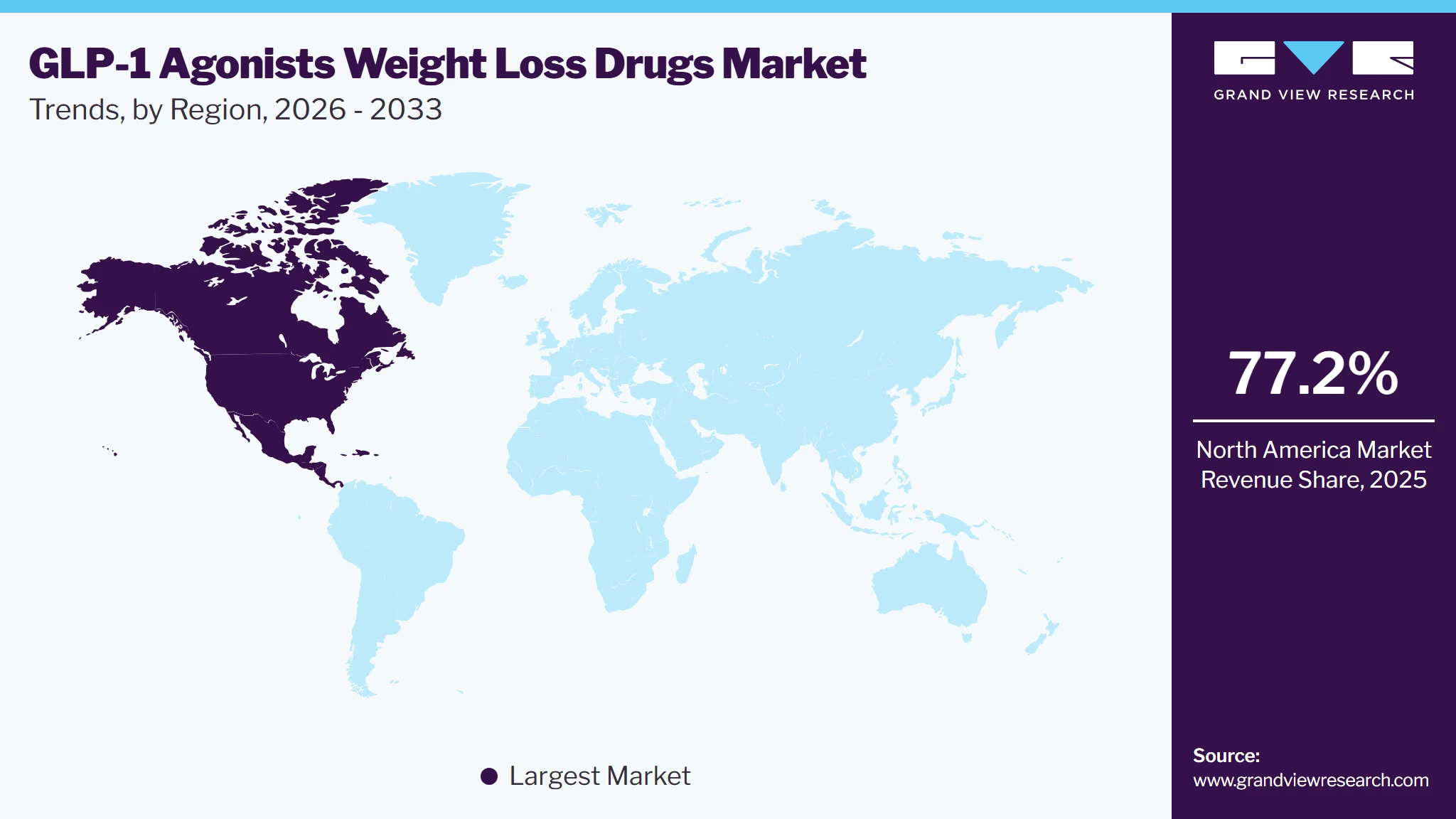
North America dominated the GLP-1 agonists weight loss drugs market with the largest revenue share of 77.2% in 2025. Driven by the increasing prevalence of obesity and related conditions, the demand for GLP-1 agonists, such as Semaglutide (Wegovy), Liraglutide (Saxenda), and Tirzepatide (Zepbound), is rising. The market is also benefiting from a shift toward more accessible treatment options, with both parenteral and oral formulations available in retail and hospital pharmacies.
 To learn more about this report, Download Free Sample Report
U.S. GLP-1 Agonists Weight Loss Drugs Market Trends
The GLP-1 agonists weight loss drug market in the U.S. held the largest share in the North America region in 2025. Semaglutide and Tirzepatide have gained significant popularity due to their effectiveness in weight loss, with widespread distribution through hospital pharmacies and retail pharmacies. In addition, the oral formulations of these drugs are gaining traction, making them more accessible to a broader patient base.
Europe GLP-1 Agonists Weight Loss Drugs Market Trends
The GLP-1 agonists weight loss drugs market in Europe is experiencing rapid growth, largely driven by the rising awareness of Semaglutide (Wegovy) and the increasing popularity of other effective GLP-1 therapies such as Liraglutide (Saxenda). These drugs are becoming a preferred option for weight management, particularly in countries like the UK, Germany, and France, where demand is rising steadily. The market growth is being further fueled by the positive reception of GLP-1 agonists among healthcare providers and patients, as well as the increasing prevalence of obesity-related conditions.
The UK GLP-1 agonists weight loss drugs market demand is increasing rapidly as part of efforts to combat rising obesity rates. Semaglutide and Liraglutide are the primary agents used in the market, with both retail and hospital pharmacies playing an essential role in distribution. The growth is also supported by public health initiatives to promote weight management therapies, which are expanding access to these treatments.
The GLP-1 agonists weight loss drugs market in Germany is seeing significant growth in the use of GLP-1 agonists, driven by high demand for Semaglutide and Tirzepatide. Both parenteral and oral formulations are being utilized, with hospital pharmacies and retail pharmacies serving as primary distribution channels. The increase in lifestyle-related conditions like obesity is fueling the growth of these medications, with a rising number of patients seeking effective weight loss treatments.
The France GLP-1 agonists weight loss drugs market is expanding rapidly, particularly for drugs like Semaglutide and Liraglutide, as they offer an effective solution for managing obesity. Hospital pharmacies remain crucial in distributing these therapies, while retail pharmacies are seeing increased access due to government health policies focusing on obesity management.
Asia Pacific GLP-1 Agonists Weight Loss Drugs Market Trends
The GLP-1 agonists weight loss drugs market in Asia Pacific is experiencing notable growth, especially in China, India, Japan, and Australia, due to rising obesity rates and increasing awareness of weight loss treatments. In China, the market is rapidly expanding, with an emphasis on the availability of both parenteral and oral formulations through hospital pharmacies and retail channels. In Japan, Tirzepatide and Semaglutide are gaining popularity, with a strong focus on hospital pharmacies.
The Japan GLP-1 agonists weight loss drugs market is growing, particularly with Tirzepatide and Semaglutide. Hospital pharmacies dominate the distribution, but retail pharmacies are seeing rising demand, especially for oral formulations. The increase in obesity-related diseases and the aging population are key factors driving this demand.
The GLP-1 agonists weight loss drugs market in China is expanding rapidly due to rising obesity rates and increasing healthcare access. Semaglutide and Liraglutide are seeing strong demand in both parenteral and oral formulations, with retail pharmacies and hospital pharmacies playing essential roles in distribution. The rising prevalence of metabolic disorders is a key driver in this growth.
Latin America GLP-1 Agonists Weight Loss Drugs Market Trends
The GLP-1 agonists weight loss drugs market in Latin America is witnessing rapid growth, with increasing awareness about the effectiveness of Semaglutide and Tirzepatide in weight loss. Brazil leads the region where both parenteral and oral formulations are being distributed through hospital pharmacies and retail pharmacies. The increasing demand is driven by rising obesity rates and healthcare system improvements.
The Brazil GLP-1 agonists weight loss drugs market is seeing significant growth in GLP-1 agonist treatments, primarily for Semaglutide and Liraglutide. Hospital pharmacies are crucial distribution points, with an increasing focus on oral formulations. Government initiatives aimed at improving public health and combating obesity are further accelerating the demand for these drugs.
MEA GLP-1 Agonists Weight Loss Drugs Market Trends
The GLP-1 agonists weight loss drugs market in the MEA is experiencing growth due to rising obesity rates and increased awareness about the availability of effective weight loss treatments like Semaglutide. Hospital pharmacies are the leading distributors, with retail pharmacies gradually increasing their market share. Countries like Saudi Arabia and South Africa are experiencing notable demand.
The Saudi Arabia GLP-1 agonists weight loss drugs market is witnessing rapid growth, especially with Tirzepatide and Semaglutide. The increasing prevalence of obesity and lifestyle-related diseases is driving demand. Hospital pharmacies dominate the market, while retail pharmacies are seeing a rise in the distribution of both parenteral and oral formulations, supported by government health initiatives like Vision 2033.
Key GLP-1 Agonists Weight Loss Drugs Company Insights
Leading players in the GLP-1 agonists weight loss drugs industry include Novo Nordisk (Semaglutide), Eli Lilly (Tirzepatide), and other pharmaceutical giants. These companies are focused on enhancing the availability of oral formulations and expanding their distribution channels, including hospital and retail pharmacies, to meet the growing demand for weight loss treatments across different regions. Research and innovation, along with regulatory approvals, will continue to be key drivers for these companies to maintain competitive advantages.
Emerging companies in the GLP-1 agonists weight loss drugs industry are exploring niche areas, including personalized weight loss therapies that cater to specific patient needs. Novel delivery mechanisms, such as sublingual tablets or extended-release formulations, are also being developed to offer more convenient options for patients. These innovations aim to address unmet medical needs, particularly in markets with lower treatment access or where injection-based therapies face adoption challenges.
Key GLP-1 Agonists Weight Loss Drugs Companies:
The following key companies have been profiled for this study on the GLP-1 agonists weight loss drugs market.
-
Eli Lilly and Company
-
Pfizer Inc.
-
Novo Nordisk A/S
-
Viking Therapeutics
-
Structure Therapeutics
Competitive Benchmarking
Category
Operating Strategies
Competitive Edge
Weakness
Established Players (Eli Lilly and Company, Novo Nordisk A/S, Pfizer Inc.)
Focus on expanding obesity treatment portfolios through new product launches, label expansions, clinical trials, and manufacturing capacity. Strengthen market presence through collaborations with healthcare providers, payer engagement, and investments in global distribution and supply capabilities.
Strong product portfolios with approved GLP-1 based therapies and established commercial infrastructure. Broad geographic presence, extensive manufacturing capabilities, and established relationships with healthcare providers, payers, and regulatory authorities support sustained market presence.
High manufacturing and supply chain costs associated with biologic therapies. Dependence on large scale production and increasing demand may lead to supply constraints, while complex regulatory requirements can extend product development and approval timelines.
Emerging Players (Viking Therapeutics, Structure Therapeutics)
Focus on developing next generation GLP-1 agonists and oral obesity therapies through clinical research and differentiated product candidates. Expand development capabilities through strategic collaborations, licensing agreements, and investments in innovative drug delivery technologies to address unmet treatment needs.
Ability to develop differentiated therapies with novel mechanisms, improved convenience, and competitive clinical profiles. Agile research and development structure enables faster progression of early stage programs and focus on innovation within obesity treatment.
Limited commercial infrastructure and financial resources compared with established pharmaceutical companies. Dependence on successful clinical trial outcomes, regulatory approvals, and partnership opportunities may delay market entry and broader commercial adoption.
Recent Developments
-
In March 2024, Novo Nordisk’s Wegovy (semaglutide) received FDA approval to reduce the risk of serious cardiovascular events, including heart attack, stroke, and cardiovascular death, in adults with cardiovascular disease and obesity or overweight. This makes Wegovy the first weight loss medication approved for this purpose. The approval is based on clinical trial results showing that Wegovy significantly lowers the risk of major cardiovascular events compared to placebo.
-
In November 2024, Rhythm Pharmaceuticals presented new data at ObesityWeek 2024, showcasing setmelanotide's effectiveness in treating hypothalamic obesity, MC4R pathway diseases, and pediatric obesity. The data highlighted significant BMI reductions, improved hunger scores, and favorable body composition changes. Additionally, genetic testing revealed associations between obesity and specific genetic variants.
-
In November 2023, Eli Lilly and Company’s Zepbound (tirzepatide) was approved by the FDA on November 8, 2023, for chronic weight management in adults with obesity or overweight and weight-related conditions. Administered weekly, Zepbound significantly reduced body weight in trials. Adverse effects include nausea and constipation. It is not recommended for those with certain thyroid or pancreatic conditions.
GLP-1 Agonists Weight Loss Drugs Market Report Scope
Report Attribute
Details
Market size in 2025
USD 20.9 billion
Estimated market size in 2026
USD 27.5 billion
Projected market size by 2033
USD 65.2 billion
Growth rate
CAGR of 13.1% from 2026 to 2033
Historical data
2021 - 2024
Forecast period
2026 - 2033
Quantitative units
Revenue in USD million/billion and CAGR from 2026 to 2033
Report coverage
Revenue forecast, company ranking, competitive landscape, growth factors, and trends
Segments covered
Drugs, route of administration, distribution channel, region
Regional scope
North America; Europe; Asia Pacific; Latin America; MEA
Country scope
U.S.; Canada; Mexico; UK; Germany; France; Italy; Spain; Denmark; Norway; Sweden; Japan; China; India; South Korea; Australia; Thailand; Brazil; Argentina; South Africa; Saudi Arabia; UAE; Kuwait.
Key companies profiled
Eli Lilly and Company; Pfizer Inc.; Novo Nordisk A/S; Viking Therapeutics; Structure Therapeutics.
Customization scope
Free report customization (equivalent up to 8 analysts' working days) with purchase. Addition or alteration to country, regional & segment scope.
Pricing and purchase options
Avail customized purchase options to meet your exact research needs. Explore purchase options
Global GLP-1 Agonists Weight Loss Drugs Market Report Segmentation
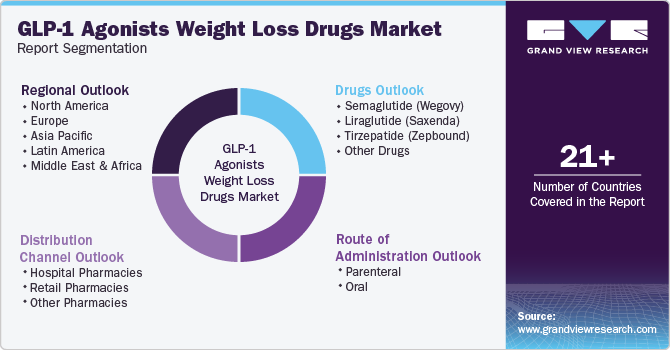
This report forecasts revenue growth at global, regional & country levels and provides an analysis of the industry trends in each of the sub-segments from 2021 to 2033. For this study, Grand View Research has segmented the global GLP-1 agonists weight loss drugs market report based on the drug, route of administration, distribution channel, and region:
 To learn more about this report, Download Free Sample Report
-
Drugs Outlook (Revenue, USD Million, 2021 - 2033)
-
Semaglutide (Wegovy)
-
Liraglutide (Saxenda)
-
Tirzepatide (Zepbound)
-
Other Drugs
-
-
Route of Administration Outlook (Revenue, USD Million, 2021 - 2033)
-
Parenteral
-
Oral
-
-
Distribution Channel Outlook (Revenue, USD Million, 2021 - 2033)
-
Hospital Pharmacies
-
Retail Pharmacies
-
Other Pharmacies
-
-
Regional Outlook (Revenue, USD Million, 2021 - 2033)
-
North America
-
U.S.
-
Canada
-
Mexico
-
-
Europe
-
UK
-
Germany
-
France
-
Italy
-
Spain
-
Denmark
-
Sweden
-
Norway
-
-
Asia Pacific
-
China
-
Japan
-
India
-
Australia
-
Thailand
-
South Korea
-
-
Latin America
-
Brazil
-
Argentina
-
-
Middle East & Africa
-
South Africa
-
Saudi Arabia
-
UAE
-
Kuwait
-
-
Research Methodology
The GLP-1 agonists weight loss drugs market figures in this report are based on a proven research process that combines executive interviews with secondary research from proprietary databases, company filings, and recognized regulatory and institutional sources. Market size is built through value-chain sizing - reconciling supply-side and demand-side estimates - and triangulated with bottom-up and top-down approaches. Every estimate passes multiple levels of expert validation before publication, with each GLP-1 Agonists Weight Loss Drugs segment quantified using the revenue-capture definitions in the table below.
Segment Definition
Segment - Drugs
Revenue capture definition
Semaglutide (Wegovy)
This segment includes all sales of Wegovy, the semaglutide based GLP-1 receptor agonist approved for chronic weight management. It covers all approved dosage strengths, pack sizes, and presentations marketed for obesity treatment across all geographic regions and distribution channels, while excluding semaglutide products approved for other therapeutic indications.
Liraglutide (Saxenda)
This segment includes all sales of Saxenda, the liraglutide based GLP-1 receptor agonist approved for chronic weight management. It covers all approved dosage strengths, pack sizes, and presentations marketed for obesity treatment across all geographic regions and distribution channels, while excluding liraglutide products approved for other therapeutic indications.
Tirzepatide (Zepbound)
This segment includes all sales of Zepbound, the tirzepatide based dual GIP and GLP-1 receptor agonist approved for chronic weight management. It covers all approved dosage strengths, pack sizes, and presentations marketed for obesity treatment across all geographic regions and distribution channels, while excluding tirzepatide products approved for other therapeutic indications.
Other Drugs
This segment includes all approved prescription incretin based weight loss drugs within the scope of the study that are not classified under Semaglutide (Wegovy), Liraglutide (Saxenda), or Tirzepatide (Zepbound). It covers marketed products across all approved dosage strengths, formulations, manufacturers, and distribution channels.
Segment - Route of Administration
Revenue capture definition
Parenteral
This segment includes GLP-1 agonist weight loss drugs administered through subcutaneous or other approved injectable routes for chronic weight management. It covers all injectable dosage forms regardless of active ingredient, brand, dosage strength, manufacturer, or distribution channel, while excluding oral formulations included under the oral segment.
Oral
This segment includes GLP-1 agonist weight loss drugs formulated for oral administration and approved for chronic weight management. It covers all tablet based dosage forms regardless of active ingredient, brand, dosage strength, manufacturer, or distribution channel, while excluding injectable therapies included under the parenteral segment.
Segment - Distribution Channel
Revenue capture definition
Hospital Pharmacies
This segment includes GLP-1 agonist weight loss drugs dispensed through hospital pharmacy departments as part of inpatient or outpatient care. It covers all approved products supplied within hospital affiliated facilities, irrespective of drug, formulation, route of administration, or manufacturer, based on the channel through which the product reaches the patient.
Retail Pharmacies
This segment includes GLP-1 agonist weight loss drugs dispensed through community, chain, and independent retail pharmacies against valid prescriptions. It covers all approved products supplied directly to patients for outpatient use, irrespective of drug, formulation, route of administration, or manufacturer, based on the dispensing channel.
Other Pharmacies
This segment includes GLP-1 agonist weight loss drugs distributed through specialty pharmacies, mail order pharmacies, online pharmacies, and other licensed dispensing channels outside hospital and retail pharmacies. It covers all approved products irrespective of drug, formulation, route of administration, or manufacturer, based on the channel through which prescriptions are fulfilled.
Estimation Model
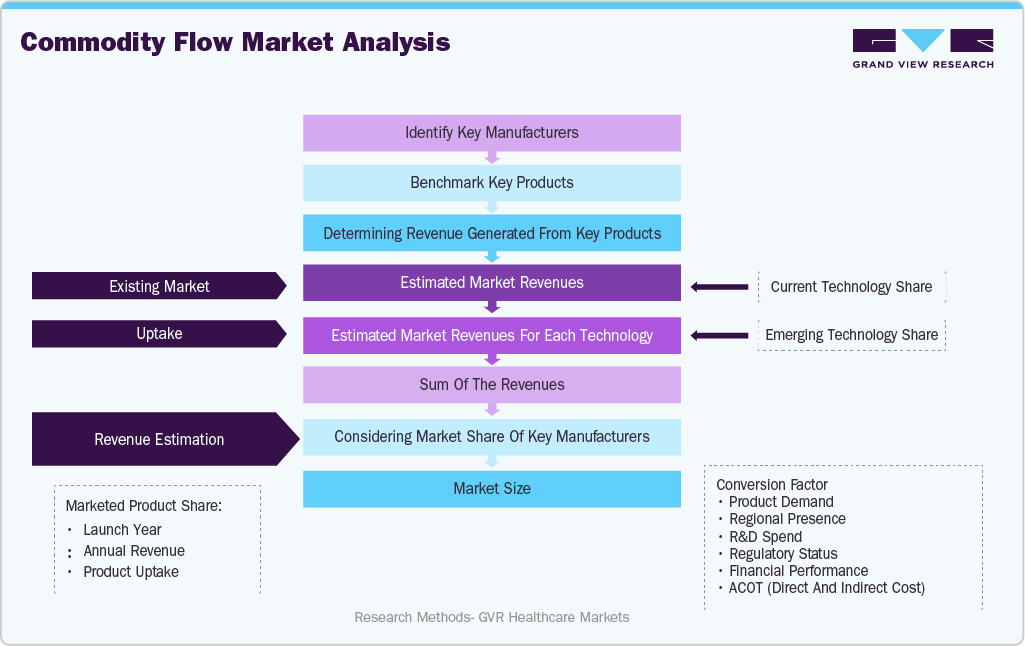
The study adopted a commodity flow market analysis approach to estimate the size of the global GLP-1 agonists weight loss drug market. Key manufacturers and approved GLP-1 agonist weight loss drugs were identified, followed by benchmarking products based on dosage strengths, regulatory approvals, geographic availability, pricing, prescription trends, and product lifecycle. Revenue generated from leading products was evaluated using company annual reports, investor presentations, regulatory filings, product labels, and official company press releases. Product level revenues were allocated across major regions based on prescription volumes, obesity treatment adoption, distribution footprint, and manufacturer presence. Market estimates were further validated by assessing physician prescribing patterns, patient access, reimbursement coverage, healthcare expenditure, and commercial availability across key countries. The market size was derived by aggregating product level revenues and validating the estimates through primary interviews with industry participants and secondary research from reliable healthcare and regulatory sources.
 To learn more about this report, Download Free Sample Report
Delivered Customizations
This report has been delivered with the following In-depth customizations
Client Request
Customization Delivered
Value Adds
GLP-1 Agonists Competitive Landscape & Pipeline Assessment
Conducted a targeted assessment of the global GLP-1 agonists weight loss drug market, evaluating approved products, late -stage pipeline candidates, clinical development progress, regulatory status, and competitive positioning. The study analyzed key companies including Eli Lilly and Company, Novo Nordisk A/S, Pfizer Inc., Viking Therapeutics, and Structure Therapeutics, along with emerging trends in obesity treatment, oral GLP-1 therapies, and next generation incretin-based drug development.
Helped the client identify pipeline opportunities, evaluate competitive positioning, benchmark product differentiation, and assess licensing, acquisition, and partnership opportunities within the evolving obesity treatment market.
GLP-1 Agonists Product & Clinical Benchmarking Study
Delivered a comprehensive benchmarking assessment of approved and pipeline GLP-1 agonists, focusing on mechanism of action, dosage forms, clinical efficacy, safety profile, regulatory progress, patient convenience, and product differentiation. The assessment compared marketed therapies with pipeline candidates to evaluate development progress and positioning across the obesity treatment market.
Enabled the client to assess product competitiveness, identify development gaps, compare clinical positioning, and support portfolio planning and investment decisions for obesity treatment programs.
GLP-1 Agonists Manufacturing & Supply Chain Feasibility Assessment
Conducted a strategic assessment of the GLP-1 agonists manufacturing ecosystem, evaluating active pharmaceutical ingredient production, fill finish capabilities, injectable device manufacturing, oral formulation development, regulatory compliance requirements, contract manufacturing organizations, supply chain capacity, and regional manufacturing capabilities supporting commercial production.
Supported manufacturing strategy by identifying qualified production partners, evaluating supply chain capabilities, assessing outsourcing opportunities, and strengthening commercial readiness through improved production planning and distribution capabilities across major markets.
Frequently Asked Questions About This Report
The global GLP-1 agonists weight loss drugs market size was valued at USD 20.9 billion in 2025 and is estimated at USD 27.5 billion for 2026.
The global GLP-1 agonists weight loss drugs market is expected to grow at a CAGR of 13.1% from 2026 to 2033, reaching USD 65.2 billion by 2033.
The Semaglutide (Wegovy) segment accounted for the largest market share, representing 60.5% of the global revenue in 2025.
North America dominated the market with a 77.2% revenue share in 2025.
North America is expected to be the fastest-growing regional market during the forecast period, driven by increasing obesity prevalence, expanding healthcare infrastructure, and improving access to innovative weight management therapies.
The parenteral segment led the market with a 92.9% revenue share in 2025, owing to the widespread adoption of injectable GLP-1 therapies.
The retail pharmacies segment accounted for the largest market share, representing 55.0% of the global revenue in 2025.
Key players include Eli Lilly and Company, Novo Nordisk A/S, Pfizer Inc., Viking Therapeutics, Structure Therapeutics, Amgen Inc., Roche Holding AG, AstraZeneca PLC, Altimmune, Inc., and Zealand Pharma A/S.
Key factors include the rising prevalence of obesity and obesity-related metabolic disorders, increasing clinical adoption of GLP-1 therapies, expanding regulatory approvals, growing healthcare expenditure, strong clinical evidence supporting sustained weight loss, and continued investment in next-generation obesity therapies.
About the Author(s)
Pharmaceuticals Research Team
Healthcare · PharmaceuticalsThis report was authored by the pharmaceuticals research team at Grand View Research - comprising two research analysts, one senior research analyst, and one industry expert - with specialized expertise in the pharmaceuticals segment of the healthcare industry. All findings are based on proprietary healthcare databases, executive interviews, and regulatory analysis, subject to internal peer review prior to publication.
Last Updated:
Speak to Analyst

Customize this report to your needs - add regions, segments, or data points, with 20% free customization.
Or view our licence options:


ISO 9001:2015 & 27001:2022 Certified
We are GDPR and CCPA compliant! Your transaction & personal information is safe and secure. For more details, please read our privacy policy.


