
- Home
- »
- Pharmaceuticals
- »
-
Hantavirus Market Size, Share & Trends Report, 2026-2033GVR Report cover

Hantavirus Market (2026 - 2033) Size, Share & Trends Analysis Report By Type (By Therapeutic (Product Type, Route of Administration, Procurement Channel), By Diagnostic (Test Type, End Use, Disease Type)), By Region (North America, Europe, APAC), And Segment Forecasts
Market Size, 2025
$64.8MMarket Estimate, 2026
$68.3MMarket Forecast, 2033
$102.0MCAGR, 2026–2033
5.9%Hantavirus Market Summary
The global hantavirus market size was valued at USD 64.8 million in 2025 and is projected to grow from USD 68.3 million in 2026 to USD 102.0 million by 2033, at a CAGR of 5.9% from 2026 to 2033. The North America Hantavirus market held the largest global share of 36.1% in 2025. The global market is growing, driven by the increasing incidence of infections across endemic and non-endemic regions worldwide.
 Source: Grand View Research, IR Documents, Primary Interviews, Paid DatabasesTo learn more about this report,
 Download Free Sample Report
 Key Market Trends & Insights
- By product type: Supportive care therapies segment held the largest market share of 78.4% in 2025.
- By route of administration: Intravenous (IV) segment held the largest market share in 2025.
- By procurement channel: Public segment held the largest market share in 2025.
- By test type: Molecular diagnostic tests segment held the largest market share in 2025.
Regional Highlights
- Largest regional market: North America (36.1% revenue share, 2025)
- Fastest-growing regional market: Asia Pacific (highest CAGR, 2026-2033)
- By country: The U.S. Hantavirus industry is expected to grow significantly from 2026 to 2033.
Market Size & Forecast
- Market size in 2025: USD 64.8 Million
- Estimated market size in 2026: USD 68.3 Million
- Projected market size by 2033: USD 102.0 Million
- CAGR (2026-2033): 5.9%
Three ways to get this report
Buy it, customize it, or ask a question.Ask an Analyst
A direct answer, usually in 1 working day
- AccessReport author, directly
- Reply timeWithin 1 working day
- No sales callDirect answer only
- FormatEmail reply
- CostFree, no cost
Get the Full Report
What the study covers
- FormatsPDF · Excel · Dashboard
- Timeline2026–2033 annual, 2025 base
- Coverage20+ countries, 5 regions
- Companies10+ key players profiled
Customize the Report
20% free customization
- IncludeCountries, segments, points
- TailorTo your product definition
- ExtendDeeper competitor detail
- OrA fully bespoke study
- Turnaround5–10 working days
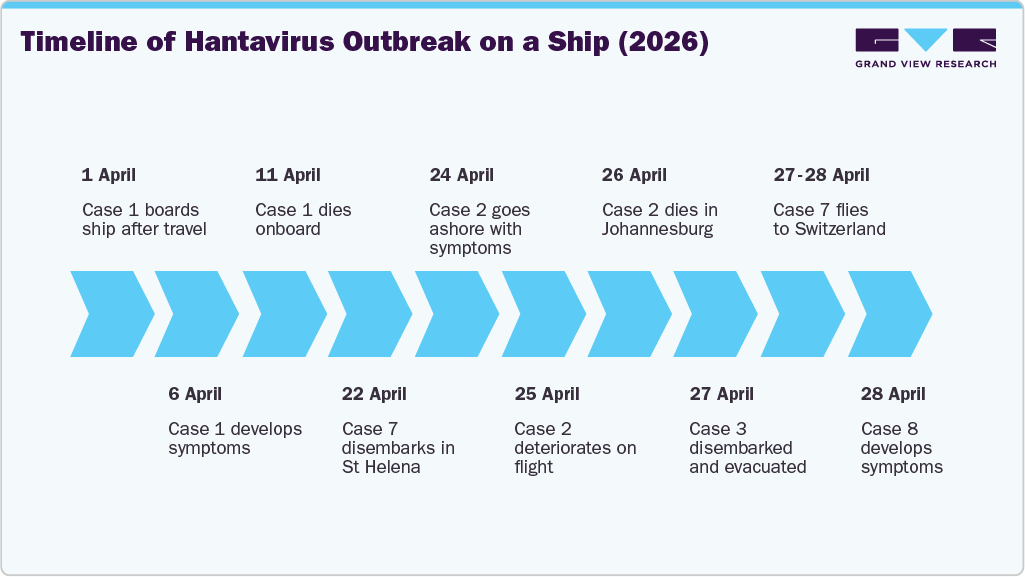
Healthcare providers are expanding the adoption of molecular diagnostic technologies to improve early detection, clinical accuracy, and patient management efficiency. Rising awareness of zoonotic viral diseases is strengthening the use of RT-PCR and serological testing across hospitals, diagnostic laboratories, and public health institutions. Severe manifestations of Hantavirus Pulmonary Syndrome (HPS) are increasing demand for respiratory support systems, intensive care management, and specialized hospital services. Continuous improvements in infectious disease testing infrastructure, laboratory automation, and molecular biology technologies are further supporting market expansion, while rapid diagnostic integration in emergency care enhances outbreak response and clinical decision-making. For instance, in May 2026, the CDC issued Health Alert Network notice CDCHAN-00529 reporting an Andes virus cruise ship outbreak confirmed on May 2, 2026 and strain confirmation on May 6, 2026, with WHO reporting 10 cases, including 8 confirmed and 3 deaths as of May 18, 2026.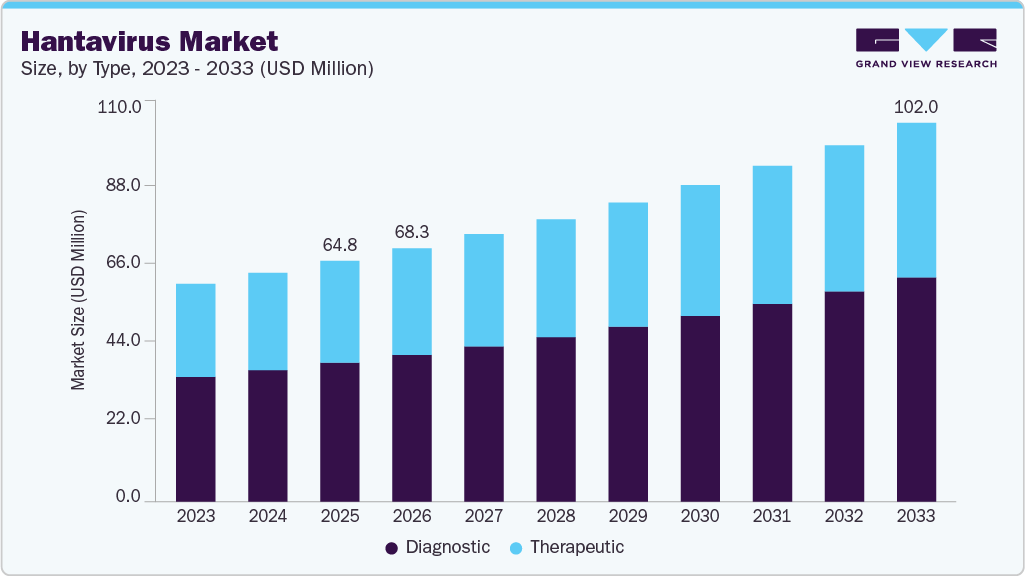 To learn more about this report, Download Free Sample Report
 The growing burden of Hemorrhagic Fever with Renal Syndrome (HFRS) in Asia Pacific is contributing significantly to the commercial growth of the Hantavirus market. Diagnostic laboratories are increasingly incorporating high-sensitivity molecular assays to strengthen outbreak surveillance, epidemiological monitoring, and confirmatory disease testing activities. Hospitals and critical care centers are focusing on advanced renal support systems and emergency treatment solutions for severe hantavirus-associated complications. Expanding research efforts related to antiviral therapies, monoclonal antibodies, and immunotherapy-based treatment approaches are improving the overall therapeutic landscape of the market. Rapid advancements in molecular testing platforms are enhancing operational efficiency and reducing diagnostic turnaround times across healthcare facilities. Increasing collaborations between diagnostic manufacturers and healthcare organizations are further supporting product development activities and strengthening commercial penetration in high-risk regions globally.
 To learn more about this report, Download Free Sample Report
 Increasing focus on infectious disease preparedness is creating favorable opportunities for Hantavirus diagnostics, therapeutics, and vaccine-related products across the healthcare sector. Research institutes and biotechnology companies are actively developing innovative diagnostic assays and laboratory solutions to enhance viral detection and disease surveillance. Commercial availability of inactivated Hantavirus vaccines in selected countries is supporting gradual adoption among high-risk populations residing in endemic regions. Rising investments in advanced laboratory technologies and specialized diagnostic platforms are strengthening infectious disease management capabilities across hospitals and public health laboratories. The expanding use of rapid antibody testing solutions is improving field-level disease screening and enabling faster clinical intervention during suspected outbreaks. Continuous advancements in molecular biology technologies, automated testing systems, and the modernization of healthcare infrastructure are expected to sustain long-term market growth.
Market Concentration & Characteristics
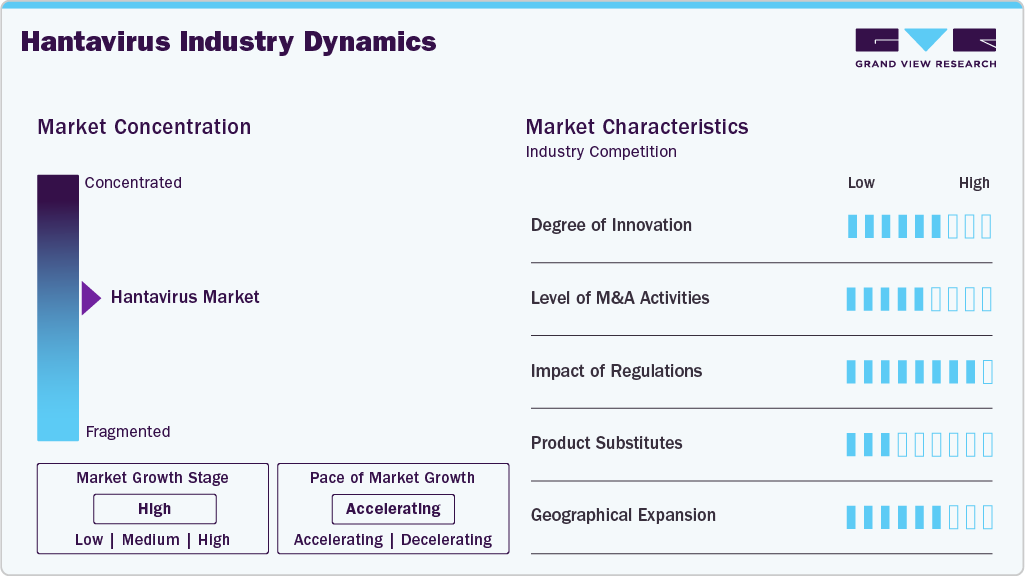
The Hantavirus market demonstrates a moderate to high degree of innovation driven by advancements in molecular diagnostics, infectious disease surveillance technologies, and targeted therapeutic research. Diagnostic manufacturers are focusing on high-sensitivity RT-PCR assays, rapid antibody testing platforms, and automated laboratory systems to improve clinical accuracy and operational efficiency. The increasing adoption of next-generation molecular testing technologies is enabling faster disease detection and enhanced outbreak monitoring. Biotechnology companies and research institutes are exploring monoclonal antibody-based therapies and improved antiviral treatment approaches for severe Hantavirus infections. Innovation in laboratory automation and multiplex testing systems is enhancing diagnostic throughput across healthcare facilities. Continuous development of advanced infectious disease testing platforms is expected to strengthen the technological landscape of the market during the forecast period.
The Hantavirus industry has moderate to high barriers to entry due to limited disease prevalence, specialized diagnostic requirements, and stringent regulatory standards for infectious disease products. New market participants require substantial investments in molecular diagnostic technologies, laboratory validation, and clinical research. Limited patient populations in several regions reduce large-scale commercial opportunities, creating challenges for smaller biotechnology companies. Complex manufacturing requirements for diagnostic assays and biologics further increase operational and compliance costs. Established diagnostic companies benefit from strong distribution networks, advanced laboratory infrastructure, and long-standing relationships with healthcare institutions. High technical expertise requirements and strict quality assurance standards continue to restrict rapid market entry for emerging players.
 To learn more about this report, Download Free Sample Report
 Regulatory frameworks have a significant impact on the Hantavirus market due to the infectious nature of the disease and the need for highly accurate diagnostic solutions. Diagnostic assays, antiviral therapies, and vaccine products require extensive clinical validation and regulatory approvals before commercialization. Regulatory agencies emphasize laboratory safety, diagnostic sensitivity, specificity standards, and manufacturing quality controls for hantavirus-related products. Compliance with infectious disease testing guidelines increases development timelines and operational costs for manufacturers. Stringent approval pathways for biologics and vaccines further influence product launch strategies and commercialization timelines across different regions. Continuous updates in public health surveillance protocols and infectious disease reporting standards are shaping product development and market expansion activities.
The Hantavirus market has limited direct product substitutes due to the specialized nature of Hantavirus diagnosis and treatment. Broad infectious disease diagnostic panels and multiplex viral testing platforms serve as partial alternatives for initial screening in clinical settings. Supportive care therapies used for other severe respiratory and renal infections may overlap with Hantavirus treatment management approaches in hospitals. General antiviral medications are sometimes utilized in supportive treatment protocols despite limited disease-specific therapeutic options. However, RT-PCR assays and serological testing methods remain the primary standard for confirmatory Hantavirus diagnosis. The absence of widely approved targeted therapies and limited vaccine availability reduce the threat of direct product substitution within the market.
Geographical expansion in the Hantavirus industry is increasing steadily due to rising surveillance activities and growing awareness of zoonotic viral diseases across multiple regions. North America is witnessing increasing focus on Hantavirus Pulmonary Syndrome (HPS) surveillance, diagnostic preparedness, and hospital-based disease management capabilities. Diagnostic manufacturers are expanding commercial partnerships and laboratory networks to strengthen market penetration in emerging healthcare systems. Improvements in molecular testing infrastructure and public health laboratory capacity are supporting market growth across Latin America and selected European countries. Expanding infectious disease monitoring programs and laboratory modernization initiatives are expected to create additional growth opportunities across developing regions.
Therapeutic
Product Type Insights
The supportive care therapies segment dominated the market with the largest revenue share of 78.4% in 2025, driven by high clinical dependence on respiratory support, renal management, and intensive care services for severe Hantavirus infections. Hospitals and critical care centers continue to use advanced supportive measures to manage complications associated with Hantavirus Pulmonary Syndrome (HPS) and Hemorrhagic Fever with Renal Syndrome (HFRS). Severe respiratory distress and kidney-related complications are increasing the demand for intensive monitoring and specialized hospital care. Healthcare providers are prioritizing rapid stabilization and emergency care management to improve outcomes, while rising hospitalization rates in endemic regions further encourage the utilization of supportive therapies. Continuous expansion of critical care infrastructure is also driving segment growth. For instance, in May 2026, the American Lung Association stated that HPS had no curative treatment and required ICU-based supportive care, including oxygen therapy, mechanical ventilation, fluid replacement, and occasional consideration of ribavirin with limited clinical evidence.
The immunotherapies & biologics segment is projected to grow at a CAGR of 10.5% over the forecast period, driven by increasing research focus on targeted antiviral treatment approaches and rising development of monoclonal antibody-based therapies for severe Hantavirus infections. Biotechnology companies are expanding investments in advanced biologics platforms to improve therapeutic effectiveness and clinical response in high-risk patients. The growing use of immunotherapy technologies in infectious disease management is driving innovation in viral treatment strategies across specialized healthcare settings. Research institutes are actively exploring antibody-mediated neutralization approaches to strengthen therapeutic outcomes for Hantavirus Pulmonary Syndrome (HPS) and Hemorrhagic Fever with Renal Syndrome (HFRS). Advancements in biologics manufacturing technologies and precision medicine capabilities are improving the scalability and development potential of immunotherapy-based products. Increasing collaborations between biotechnology firms and infectious disease research organizations are further supporting long-term expansion of the segment.
Route of Administration Insights
The Intravenous (IV) segment dominated the Hantavirus market with the largest revenue share of 87.3% in 2025, due to the extensive use of intravenous therapies in critical care management and emergency treatment settings for severe Hantavirus infections. Hospitals and intensive care units rely heavily on IV administration for the rapid delivery of fluids, supportive medications, and emergency clinical interventions. Severe respiratory complications and renal dysfunction associated with Hantavirus infections require continuous intravenous treatment and patient monitoring. Healthcare providers are increasingly utilizing advanced IV infusion systems to improve treatment precision and patient stabilization outcomes. Critical care protocols for HPS and HFRS management continue to strengthen the demand for intravenous therapeutic administration. Expanding intensive care infrastructure and rising hospitalization rates in endemic regions are further supporting the segment’s market dominance.
The Intramuscular (IM) segment is projected to grow at a CAGR of 8.9% over the forecast period, driven by the increasing utilization of intramuscular vaccine administration for Hantavirus prevention in selected healthcare settings. Inactivated Hantavirus vaccines available in certain endemic regions are primarily administered through intramuscular delivery methods. Healthcare providers are emphasizing preventive immunization strategies to reduce disease burden among high-risk populations. Advancements in vaccine delivery technologies and biologics manufacturing processes are improving product accessibility and clinical adoption. Growing awareness of infectious disease prevention is driving increased use of vaccine-based healthcare interventions. The expansion of immunization activities and the rising focus on preventive care solutions are expected to sustain segment growth during the forecast period.
Procurement Channel Insights
The public segment dominated the Hantavirus industry, accounting for the largest revenue share of 74.0% in 2025, due to the high utilization of Hantavirus diagnostic and treatment products across public healthcare institutions and infectious disease surveillance programs. Public healthcare laboratories and hospitals continue to account for significant demand for molecular diagnostic assays and critical care management solutions. Large-scale disease monitoring activities are increasing the utilization of RT-PCR testing platforms and serological diagnostic technologies. Healthcare systems in endemic regions are strengthening infectious disease detection capabilities by expanding laboratory testing. Public sector healthcare facilities are emphasizing rapid diagnosis and outbreak management to improve clinical response efficiency. Continuous modernization of healthcare laboratories and infectious disease management infrastructure is supporting segment dominance.
The institutional segment is projected to grow at the fastest CAGR of 6.5% over the forecast period, driven by the increasing adoption of advanced infectious disease diagnostic systems across hospitals, research institutes, and specialized healthcare facilities. Healthcare institutions are investing in molecular testing platforms and laboratory automation technologies to improve operational efficiency and diagnostic accuracy. The rising focus on epidemiological monitoring and outbreak preparedness is driving increased procurement of high-sensitivity diagnostic assays. Research institutes are expanding the utilization of specialized viral detection technologies for infectious disease studies and laboratory analysis. Hospitals are strengthening critical care capabilities and advanced patient management systems for severe Hantavirus infections. The continuous expansion of healthcare infrastructure and modernization of laboratories are expected to accelerate institutional procurement activities.
Diagnostic
Test Type Insights
The molecular diagnostic tests segment dominated the Hantavirus market with the largest revenue share of 75.1% in 2025 due to the widespread adoption of RT-PCR assays and high-sensitivity molecular testing technologies for accurate Hantavirus detection. Healthcare providers and diagnostic laboratories rely heavily on molecular diagnostics for confirmatory disease identification and outbreak surveillance. Rapid turnaround times and high analytical accuracy are increasing the preference for molecular testing methods across clinical settings. Advanced laboratory automation systems support efficient large-scale testing and improve diagnostic workflow management. Infectious disease monitoring programs continue to strengthen the demand for molecular diagnostic platforms in endemic regions. Continuous technological advancements in PCR-based testing solutions are further reinforcing the segment’s market leadership.
The serological diagnostic tests segment is projected to grow at a significant CAGR of 5.2% over the forecast period, driven by the increasing use of antibody-based testing methods for epidemiological studies and disease surveillance. Healthcare laboratories are expanding the adoption of ELISA and immunofluorescence assays for large-scale screening and retrospective infection analysis. Serological testing methods are gaining importance in regions with a growing focus on infectious disease monitoring and population-level surveillance programs. Diagnostic companies are improving assay sensitivity and laboratory efficiency through advancements in immunodiagnostic technologies. Rising awareness of early disease identification is driving increased use of rapid antibody testing solutions. Expanding laboratory testing capabilities and broader adoption of serological screening approaches are expected to support long-term segment growth.
End Use Insights
The hospitals & clinics segment dominated the Hantavirus industry, accounting for the largest revenue share of 60.7% in 2025, due to the high volume of hantavirus-related hospitalizations requiring intensive clinical care and advanced diagnostic services. Severe cases of HPS and HFRS often require respiratory support, renal management, and continuous patient monitoring within hospital settings. Healthcare providers are increasingly utilizing molecular diagnostic platforms and advanced treatment solutions to improve patient outcomes and clinical efficiency. Hospitals continue to serve as the primary centers for confirmatory testing, emergency treatment, and supportive care management for Hantavirus infections. Rising patient admissions associated with severe viral complications are strengthening demand for specialized healthcare services across hospitals and clinics. The expansion of critical care capabilities and the modernization of healthcare infrastructure are further supporting the segment's dominance.
The government & public health Agencies segment is projected to grow at the fastest CAGR of 7.3% over the forecast period, driven by increased emphasis on infectious disease surveillance, outbreak monitoring, and laboratory preparedness. Public health laboratories are expanding the use of molecular testing technologies and serological assays for large-scale disease detection and epidemiological analysis. Healthcare agencies are strengthening disease monitoring systems to improve outbreak response capabilities and laboratory efficiency. The increasing focus on zoonotic disease identification is supporting higher adoption of advanced diagnostic platforms across public health settings. The expansion of laboratory infrastructure and the integration of automated testing systems are improving operational performance within surveillance networks. Continuous improvements in infectious disease monitoring capabilities are expected to accelerate segment growth during the forecast period.
Disease Type Insights
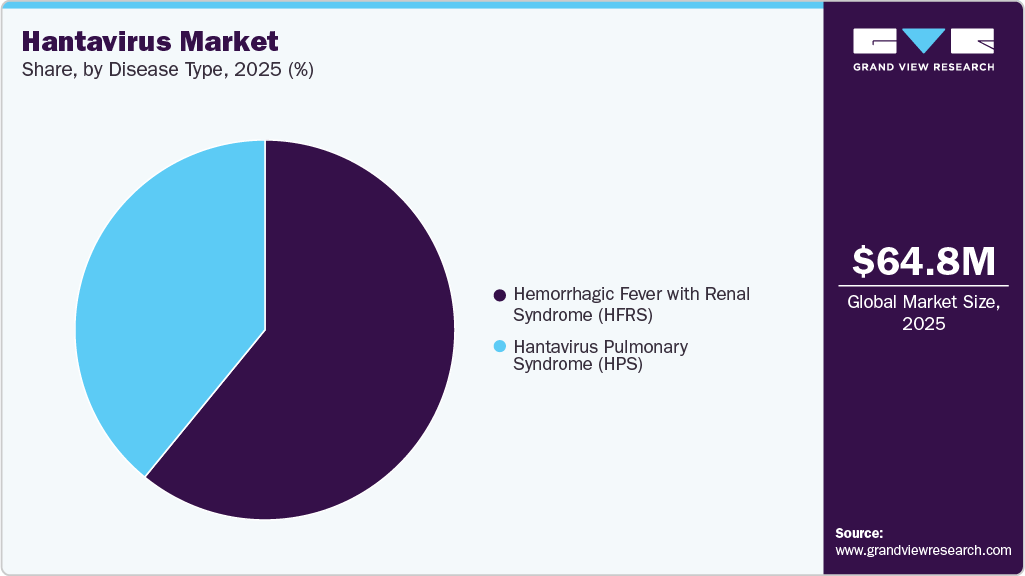
The Hemorrhagic Fever with Renal Syndrome (HFRS) segment dominated the market with the largest revenue share of 60.9% in 2025, due to the high prevalence of HFRS cases across endemic countries in Asia Pacific and Eastern Europe. The large patient population associated with HFRS continues to increase demand for diagnostic testing, supportive therapies, and hospital-based disease management solutions. Healthcare providers are emphasizing rapid molecular diagnosis and advanced renal support systems to improve clinical outcomes in severe HFRS cases. Diagnostic laboratories are expanding testing activities to strengthen epidemiological surveillance and disease monitoring programs in affected regions. Rising utilization of serological testing methods for population-level screening and outbreak analysis is further supporting market growth. Continuous expansion of infectious disease management infrastructure is reinforcing the segment’s dominant market position.
 To learn more about this report, Download Free Sample Report
 The Hantavirus Pulmonary Syndrome (HPS) segment is projected to grow at the fastest CAGR of 6.84% over the forecast period, driven by the increasing awareness regarding severe respiratory complications associated with Hantavirus infections in the Americas. Hospitals and diagnostic centers are strengthening the utilization of molecular testing platforms for rapid HPS identification and outbreak surveillance activities. Severe pulmonary complications and high mortality rates are increasing the demand for advanced respiratory support systems and intensive care management solutions. Healthcare providers are focusing on improving emergency clinical response capabilities for acute hantavirus-associated respiratory conditions. Diagnostic manufacturers are expanding the availability of rapid molecular testing solutions to support faster disease confirmation and patient management. Growing focus on infectious disease preparedness and advanced critical care capabilities is expected to support sustained segment growth.
Regional Insights
North America held the largest Hantavirus market share of 36.1% in 2025 due to the strong presence of advanced diagnostic infrastructure and high adoption of molecular testing technologies across healthcare facilities. The region experiences continuous surveillance activities for Hantavirus Pulmonary Syndrome (HPS), particularly in the United States and Canada. Hospitals and public health laboratories are increasingly using RT-PCR assays and rapid diagnostic tests for early disease detection and outbreak monitoring. The growing focus on critical care management and intensive respiratory support systems is driving market expansion across the region. Diagnostic manufacturers are strengthening commercial partnerships with healthcare institutions to improve infectious disease testing capabilities. Rising investments in laboratory automation and epidemiological monitoring technologies continue to support long-term market growth in North America.
 To learn more about this report, Download Free Sample Report
 U.S. Hantavirus Market Trends
The U.S. represents the largest contributor to the North America Hantavirus industry due to increasing awareness of zoonotic viral infections and advanced infectious disease management capabilities. The country has established laboratory networks and widely adopted molecular diagnostic assays for Hantavirus detection and surveillance. Hospitals and critical care centers are focusing on advanced respiratory support systems for severe HPS-associated complications. Increasing adoption of high-sensitivity RT-PCR testing platforms is improving clinical accuracy and reducing diagnostic turnaround times across healthcare facilities. Biotechnology companies and diagnostic manufacturers are actively expanding research into antiviral therapies and serological testing solutions. Continuous advancements in healthcare infrastructure and laboratory technologies are further strengthening the commercial landscape of the market in the U.S.
Europe Hantavirus Market Trends
Europe is witnessing steady growth in the Hantavirus industry, driven by increased awareness of infectious disease surveillance and expanding laboratory diagnostic capabilities. Several countries across the region are focusing on strengthening epidemiological monitoring systems for rodent-borne viral diseases. Diagnostic laboratories are increasingly adopting molecular assays and serological testing methods to improve early disease detection and clinical management efficiency. Hospitals across Europe are emphasizing advanced intensive care services and renal support systems for severe hantavirus-associated complications. Growing collaborations between research institutes and diagnostic companies are supporting innovation in infectious disease testing solutions. The rising modernization of healthcare infrastructure and laboratory automation systems is contributing to stable market expansion across the European region.
The UK Hantavirus market is expanding steadily due to increasing focus on zoonotic disease surveillance and advanced laboratory testing practices. Diagnostic laboratories are adopting high-sensitivity molecular testing platforms to enhance their capabilities for infectious disease identification. Healthcare institutions are emphasizing rapid clinical diagnosis and improved patient management approaches for severe viral infections. Research organizations in the country are actively involved in epidemiological studies and in the development of viral detection technologies. The growing use of automated laboratory systems is improving operational efficiency and enabling faster diagnostic workflows. Increasing awareness among healthcare professionals of rodent-borne diseases is further supporting market growth across the UK.
The Hantavirus market in Germany holds a significant share of Europe, due to its strong diagnostic infrastructure and advanced clinical laboratory capabilities. Hospitals and diagnostic centers are increasingly using molecular diagnostic technologies to accurately detect Hantavirus and monitor outbreaks. The country has a well-established healthcare system that supports rapid integration of advanced infectious disease testing platforms. The increasing use of automated RT-PCR systems is improving diagnostic efficiency and strengthening laboratory throughput capacity. Research institutes and biotechnology companies are expanding their activities in viral diagnostics and immunological testing solutions. Continuous technological advancements in healthcare laboratories are contributing to stable market growth across Germany.
The France Hantavirus market is experiencing gradual growth, due to increasing adoption of advanced infectious disease diagnostic technologies across healthcare facilities. Diagnostic laboratories are strengthening surveillance activities through the use of molecular testing assays and serological diagnostic platforms. Hospitals are focusing on improved respiratory care management and intensive clinical support services for patients with severe viral infections. Growing awareness regarding zoonotic disease transmission is encouraging the adoption of rapid laboratory testing procedures. Research institutions are expanding studies related to viral epidemiology and advanced detection methodologies for rodent-borne diseases. Continuous modernization of laboratory infrastructure and healthcare technologies is supporting market expansion across France.
Asia Pacific Hantavirus Market Trends
The Asia Pacific Hantavirus industry is expected to grow at the fastest CAGR of 8.0% over the forecast period, due to the high prevalence of Hemorrhagic Fever with Renal Syndrome (HFRS) across several endemic countries. Increasing demand for molecular diagnostic technologies and improved infectious disease surveillance systems is accelerating market growth across the region. Hospitals and diagnostic laboratories are expanding the utilization of RT-PCR assays and serological testing methods for early disease detection and outbreak monitoring. The rising focus on advanced renal support systems and intensive care management is strengthening therapeutic demand in healthcare facilities. Diagnostic manufacturers are increasing commercial expansion activities and laboratory collaborations to improve regional market penetration. Continuous improvements in healthcare infrastructure and laboratory automation technologies are expected to sustain strong market growth across Asia Pacific.
The Hantavirus market in Japan is witnessing steady growth, due to increasing emphasis on advanced infectious disease diagnostics and laboratory preparedness. Healthcare facilities across the country are adopting highly sensitive molecular testing systems to strengthen clinical detection and epidemiological monitoring capabilities. Hospitals are focusing on improving intensive care management and rapid response protocols for severe viral infection cases. Research institutes are actively involved in the development of advanced serological testing technologies and viral detection methods. The growing use of automated diagnostic platforms is enhancing operational efficiency and enabling faster laboratory workflows. The ongoing modernization of healthcare infrastructure and rising awareness of zoonotic infections are further contributing to market expansion in Japan.
The China Hantavirus market is the largest in Asia Pacific, driven by the high burden of Hemorrhagic Fever with Renal Syndrome (HFRS) and extensive infectious disease surveillance. Diagnostic laboratories across the country are rapidly adopting molecular testing technologies to improve disease monitoring and outbreak response capabilities. Hospitals are emphasizing advanced renal support systems and critical care management solutions for severe hantavirus-associated complications. Commercial availability of inactivated Hantavirus vaccines is contributing to gradual market penetration among high-risk populations. Biotechnology companies and diagnostic manufacturers are expanding their product development activities for infectious disease testing solutions. The continuous expansion of healthcare infrastructure and laboratory modernization initiatives is supporting significant market growth across China.
Latin America Hantavirus Market Trends
Latin America is experiencing gradual growth in the Hantavirus industry, driven by the increasing incidence of Hantavirus Pulmonary Syndrome (HPS) in selected countries across the region. Healthcare providers are expanding the utilization of molecular diagnostic assays and serological testing methods for early disease identification and surveillance activities. Hospitals are strengthening critical care management capabilities to improve treatment outcomes for severe Hantavirus infections. Growing awareness regarding rodent-borne diseases is supporting increased adoption of laboratory-based infectious disease testing solutions. Diagnostic companies are expanding commercial partnerships with healthcare institutions to improve regional testing accessibility and operational efficiency. Continuous improvements in healthcare infrastructure and epidemiological monitoring systems are contributing to stable market development across Latin America.
The Brazil Hantavirus market is significant within Latin America, due to the increasing prevalence of HPS and expanding infectious disease surveillance activities. Diagnostic laboratories are increasingly adopting RT-PCR assays and advanced serological testing platforms to accurately detect Hantavirus. Hospitals across the country are focusing on improving respiratory care management and intensive clinical support systems for severe infection cases. Research organizations are actively conducting epidemiological studies and laboratory-based viral detection research activities. Growing utilization of molecular diagnostic technologies is improving outbreak monitoring efficiency and strengthening disease surveillance capabilities. Continuous expansion of healthcare infrastructure and laboratory modernization initiatives is supporting commercial market growth across Brazil.
Middle East & Africa Hantavirus Market Trends
The Middle East and Africa Hantavirus industry is witnessing moderate growth driven by improved infectious disease awareness and the gradual expansion of laboratory diagnostic infrastructure. Healthcare facilities across the region are increasing the adoption of molecular testing technologies to improve viral disease identification and surveillance. Diagnostic laboratories strengthen operational capabilities through the integration of automated testing systems and advanced laboratory workflows. Hospitals are focusing on enhancing intensive care services and emergency clinical management for severe infectious disease cases. Rising investments in healthcare modernization and laboratory expansion projects are contributing to improved access to infectious disease diagnostics. Increasing collaborations between healthcare providers and diagnostic manufacturers are further supporting market development across the MEA region.
The Saudi Arabia Hantavirus market is experiencing steady growth, driven by increased focus on infectious disease preparedness and the development of advanced healthcare infrastructure. Hospitals and diagnostic laboratories are expanding the adoption of molecular diagnostic technologies to improve clinical detection and laboratory efficiency. Healthcare institutions are emphasizing rapid screening for infectious diseases and advanced patient management for severe viral infections. The growing implementation of automated laboratory systems is supporting faster diagnostic workflows and improved operational performance across healthcare facilities. Research organizations are strengthening epidemiological monitoring of zoonotic diseases and viral outbreak surveillance. Continuous modernization of healthcare services and increasing integration of advanced diagnostic platforms are contributing to market expansion across Saudi Arabia.
Key Hantavirus Company Insights
The Hantavirus market remains moderately fragmented, with diagnostic companies accounting for a major share of the competitive landscape due to increasing demand for molecular testing and infectious disease surveillance. F. Hoffmann-La Roche Ltd.; Thermo Fisher Scientific Inc.; and QIAGEN N.V. maintain strong market presence through advanced RT-PCR platforms and automated laboratory systems. Abbott Laboratories; Bio-Rad Laboratories, Inc.; and Siemens Healthineers AG are expanding their infectious disease testing portfolios through serological and immunodiagnostic solutions. Danaher Corporation, through Cepheid and Hologic, Inc. are strengthening market penetration with rapid molecular diagnostic technologies and integrated testing platforms. GC Biopharma Corp. and Creative Diagnostics continue supporting the market through vaccine research activities, viral diagnostic assay development, and specialized infectious disease research solutions across global healthcare and laboratory sectors.
Key Hantavirus Companies
The following key companies have been profiled for this study on the hantavirus market.
-
F. Hoffmann-La Roche Ltd.
-
Thermo Fisher Scientific Inc.
-
QIAGEN N.V.
-
Abbott Laboratories
-
Bio-Rad Laboratories, Inc.
-
Siemens Healthineers AG
-
Danaher Corporation (Cepheid)
-
Hologic, Inc.
-
GC Biopharma Corp.
-
Creative Diagnostics
Recent Developments
-
In May 2026, Thermo Fisher Scientific published a blog on its Behind the Bench platform describing an RT-qPCR workflow for Andes virus detection. The process included sample preparation, RNA extraction using MagMAX Prime Viral/Pathogen system, RT-qPCR amplification with TaqPath 1-Step RT-qPCR Master Mix (CG) or DuraPlex mix, and data analysis for detection. It also used TaqMan assays targeting AP7D4WY and APU7ANW and compatible with QuantStudio, StepOne, ViiA, and Applied Biosystems 7500 instruments.
-
In May 2026, BIOBASE Group published a release titled “Focus on Hantavirus | BIOBASE Launches One-Stop Detection Solution,” describing an integrated diagnostic workflow for Hantavirus detection following reported Andes virus cases linked to a cruise ship outbreak in the Atlantic Ocean. The solution covered sample collection, nucleic acid extraction, PCR testing, and biological waste disposal to support rapid laboratory response and biosafety management. The publication also noted that Andes virus mortality rates can reach up to 50% and its capacity for human-to-human transmission, highlighting the need for strengthened surveillance and early detection systems.
-
In May 2026, FibroBiologics, Inc. expanded its fibroblast-based platform into Hantavirus pulmonary syndrome (HPS), as reported by BioPharmaBoardroom. The update highlighted that HPS had mortality rates exceeding 35-40% and no approved antiviral or disease-modifying therapies. It also noted rapid progression to severe respiratory failure, pulmonary edema, and multi-organ damage. The company indicated ongoing research on fibroblast-driven mechanisms targeting inflammatory cytokines, endothelial dysfunction, and lung tissue repair for potential therapeutic development.
Hantavirus Market Report Scope
Report Attribute
Details
Market size in 2025
USD 64.8 million
Estimated Market size in 2026
USD 68.3 million
Projected Market size by 2033
USD 102.0 million
Growth rate
CAGR of 5.9% from 2026 to 2033
Base year for estimation
2025
Historical data
2021 - 2024
Forecast period
2026 - 2033
Quantitative units
Revenue in USD million and CAGR from 2026 to 2033
Report coverage
Revenue forecast, company ranking, competitive landscape, growth factors, trends
Segments covered
Type, region
Regional scope
North America; Europe; Asia Pacific; Latin America; Middle East & Africa
Country scope
U.S.; Canada; Mexico; UK; Germany; France; Italy; Spain; Denmark; Sweden; Norway; China; Japan; India; Australia; South Korea; Thailand; Brazil; Argentina; South Africa; Saudi Arabia; UAE; Kuwait
Key company profiled
F. Hoffmann-La Roche Ltd.; Thermo Fisher Scientific Inc.; QIAGEN N.V.; Abbott Laboratories; Bio-Rad Laboratories, Inc.; Siemens Healthineers AG; Danaher Corporation (Cepheid); Hologic, Inc.; GC Biopharma Corp.; Creative Diagnostics
Customization scope
Free report customization (equivalent to 8 analysts working days) with purchase. Addition or alteration to country, regional & segment scope.
Pricing and purchase options
Avail customized purchase options to meet your exact research needs. Explore purchase options
Global Hantavirus Market Report Segmentation
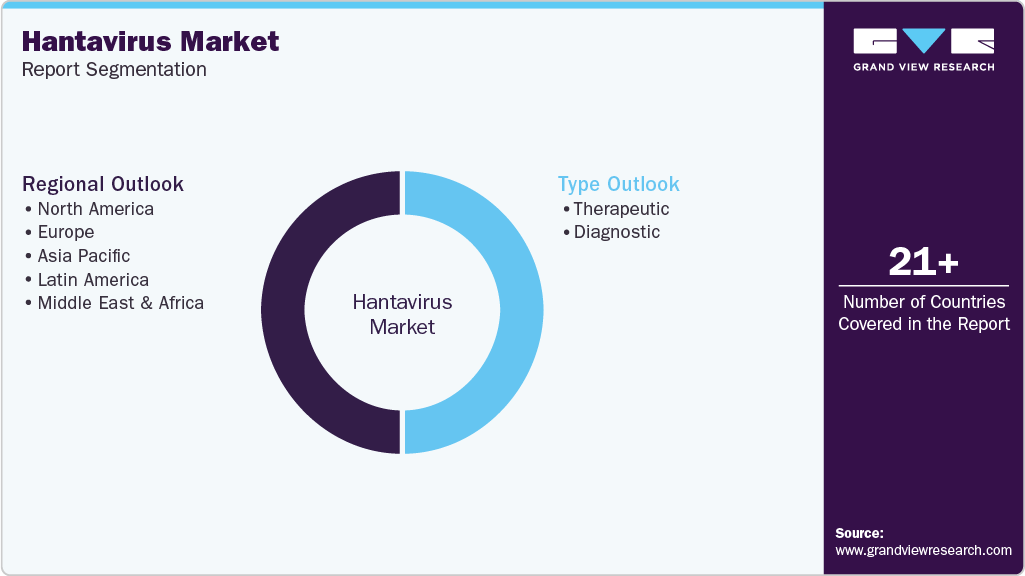
This report forecasts revenue growth at the global, regional, and country levels and provides an analysis of the latest industry trends in each of the sub-segments from 2021 to 2033. For this study, Grand View Research has segmented the global Hantavirus market report based on type and region:
 To learn more about this report, Download Free Sample Report
 -
Type Outlook (Revenue, USD Million, 2021 - 2033)
-
Therapeutic
-
Product Type
-
Vaccine
-
Antiviral Therapies
-
Immunotherapies & Biologics
-
Supportive Care Therapies
-
-
Route of Administration
-
Intravenous (IV)
-
Intramuscular (IM)
-
Other
-
-
Procurement Channel
-
Public
-
Institutional
-
-
-
Diagnostic
-
Test Type
-
Molecular Diagnostic Tests
-
RT-PCR Molecular Diagnostic Tests
-
Real-Time RT-PCR Assays
-
-
Serological Diagnostic Tests
-
ELISA Tests
-
Rapid Antibody Tests
-
Others
-
-
Others
-
-
End Use
-
Hospitals & Clinics
-
Diagnostic Laboratories
-
Government & Public Health Agencies
-
Research Institutes
-
-
Disease Type
-
Hantavirus Pulmonary Syndrome (HPS)
-
Hemorrhagic Fever with Renal Syndrome (HFRS)
-
-
-
-
Regional Outlook (Revenue, USD Million, 2021 - 2033)
-
North America
-
U.S.
-
Canada
-
Mexico
-
-
Europe
-
UK
-
Germany
-
France
-
Italy
-
Spain
-
Denmark
-
Sweden
-
Norway
-
-
Asia Pacific
-
Japan
-
China
-
India
-
Australia
-
South Korea
-
Thailand
-
-
Latin America
-
Brazil
-
Argentina
-
-
Middle East & Africa
-
South Africa
-
Saudi Arabia
-
UAE
-
Kuwait
-
-
Frequently Asked Questions About This Report
Asia Pacific is the fastest-growing region over the forecast period.
The supportive care therapies segment held the highest market share of 78.4%in 2025, while immunotherapies & biologics is the fastest-growing segment.
The intravenous segment held the highest market share of 87.3% in 2025.
The public segment held the highest market share of 74.0% in 2025, while institutional is the fastest-growing segment.
The Hemorrhagic Fever with Renal Syndrome segment held the highest market share of 60.9% in 2025, while hantavirus pulmonary syndrome is the fastest-growing segment.
The global hantavirus market size was valued at USD 64.8 million in 2025 and is anticipated to reach USD 68.3 million in 2026.
The global hantavirus market is expected to witness a compound annual growth rate of 5.9% from 2026 to 2033 to reach USD 102.0 million by 2033.
North America dominated with a 36.1% revenue share in 2025.
Some of the key players in hantavirus market are F. Hoffmann-La Roche Ltd., Thermo Fisher Scientific Inc., QIAGEN N.V., and Abbott Laboratories
Key factors include increasing incidence of infections across endemic and non-endemic regions worldwide. Healthcare providers are expanding adoption of molecular diagnostic technologies to improve early detection, clinical accuracy, and patient management efficiency.
About the Author(s)
Pharmaceuticals Research Team
Healthcare · PharmaceuticalsThis report was authored by the pharmaceuticals research team at Grand View Research - comprising two research analysts, one senior research analyst, and one industry expert - with specialized expertise in the pharmaceuticals segment of the healthcare industry. All findings are based on proprietary healthcare databases, executive interviews, and regulatory analysis, subject to internal peer review prior to publication.
Last Updated:
Speak to Analyst

Customize this report to your needs - add regions, segments, or data points, with 20% free customization.
Or view our licence options:


ISO 9001:2015 & 27001:2022 Certified
We are GDPR and CCPA compliant! Your transaction & personal information is safe and secure. For more details, please read our privacy policy.


