
- Home
- »
- Biotechnology
- »
-
In Vivo Cell Therapy Market Size & Share Report, 2026-2033GVR Report cover

In Vivo Cell Therapy Market (2026 - 2033)
Size, Share & Trends Analysis Report By Therapeutic Cell Type (T Cells, NK Cells, Myeloid Cells), By Therapeutic Application (Hematological Malignancies, Solid Tumors), By In Vivo Cell-Engineering, By Delivery Modality, By Region, And Segment Forecasts
Market Size, 2025
$229.2MMarket Estimate, 2026
$340.7MMarket Forecast, 2033
$5,726.3MCAGR, 2026–2033
49.6%In Vivo Cell Therapy Market Summary
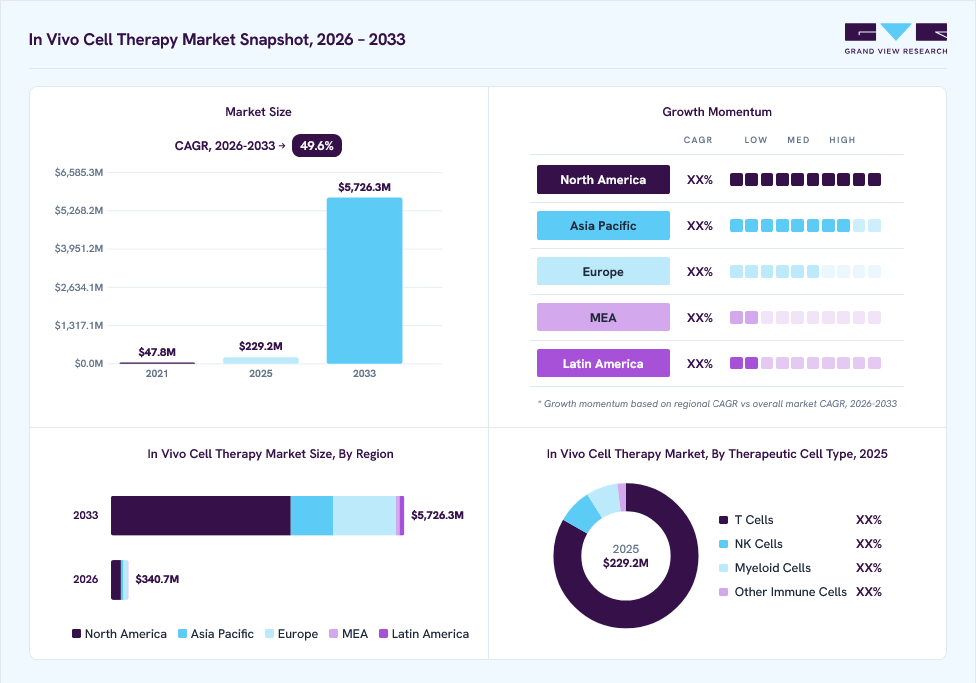
The global in vivo cell therapy market size was valued at USD 229.2 million in 2025 and is projected to grow from USD 340.7 million in 2026 to USD 5726.3 million by 2033, at a CAGR of 49.6% from 2026 to 2033. North America dominated the global market, accounting for the largest revenue share of 55.9% in 2025. The investment in vivo cell therapy development, advances in targeted delivery technologies, and growing adoption of programmable cell-engineering approaches for precision medicine.
 Source: Grand View Research, IR Documents, Primary Interviews, Paid DatabasesTo learn more about this report,
 Download Free Sample Report
Key Market Trends & Insights
- By therapeutic cell type: The T cell segment held the highest market share of 83.2% in 2025.
- Based on therapeutic application: The hematological malignancies segment held the highest market share in 2025.
- Based on in vivo cell engineering: The receptor engineering segment held the highest market share in 2025.
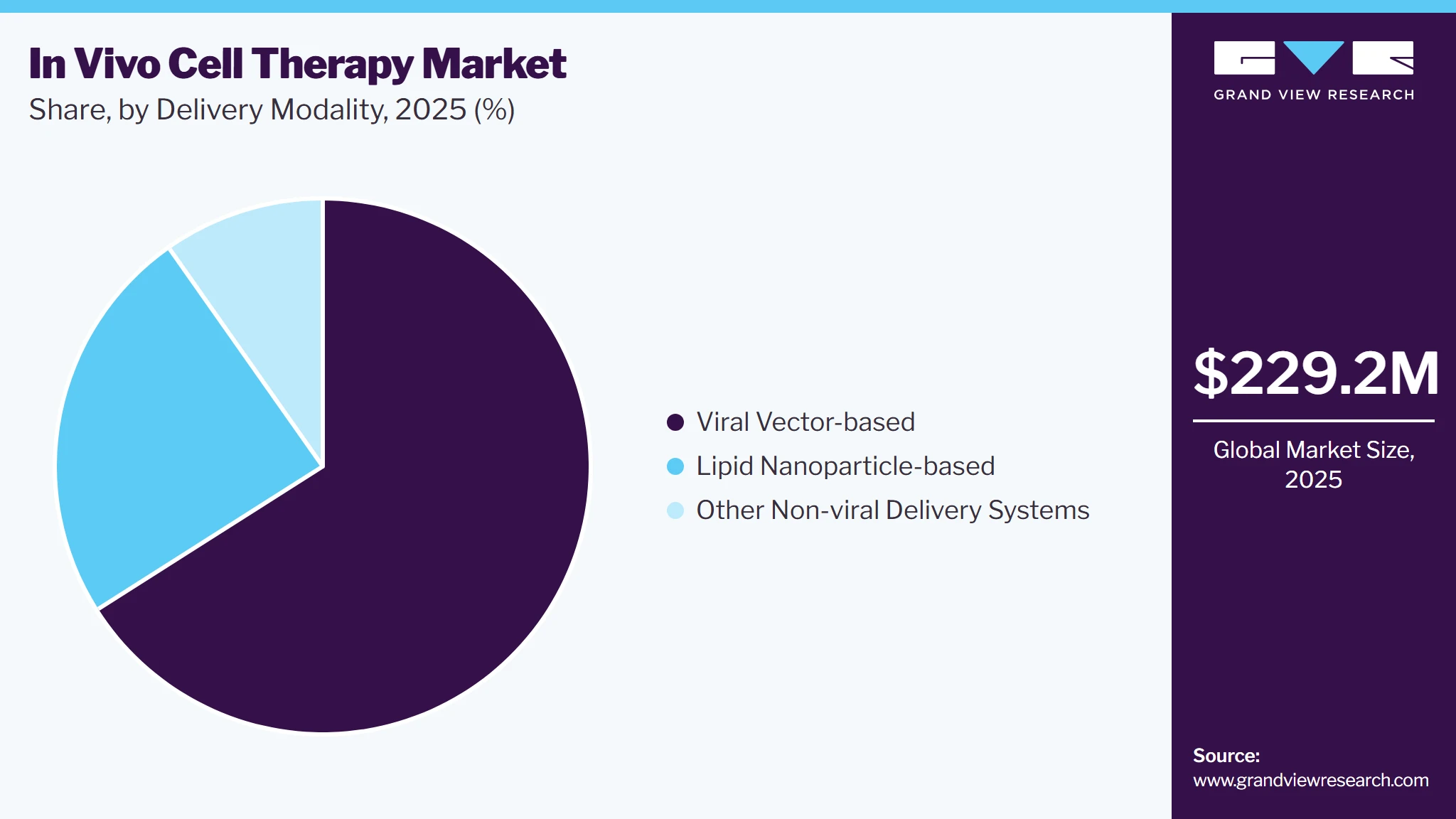
- By delivery modality: The viral vector-based segment held the highest market revenue share of 66.0% in 2025.
Regional Highlights
- Largest regional market: North America (55.9% revenue share, 2025)
- Fastest-growing regional market: North America (highest CAGR, 2026-2033)
- By country: The U.S. held the largest market share in 2025.
Market Size & Forecast
- Market size in 2025: USD 229.2 Million
- Estimated market size in 2026: USD 340.7 Million
- Projected market size by 2033: USD 5726.3 Million
- CAGR (2026-2033): 49.6%
Prism AI by Grand View Research Free to tryAsk a question about the in vivo cell therapy marketTry asking✓Every figure cited from GVR research Prefer the report? Download free sample →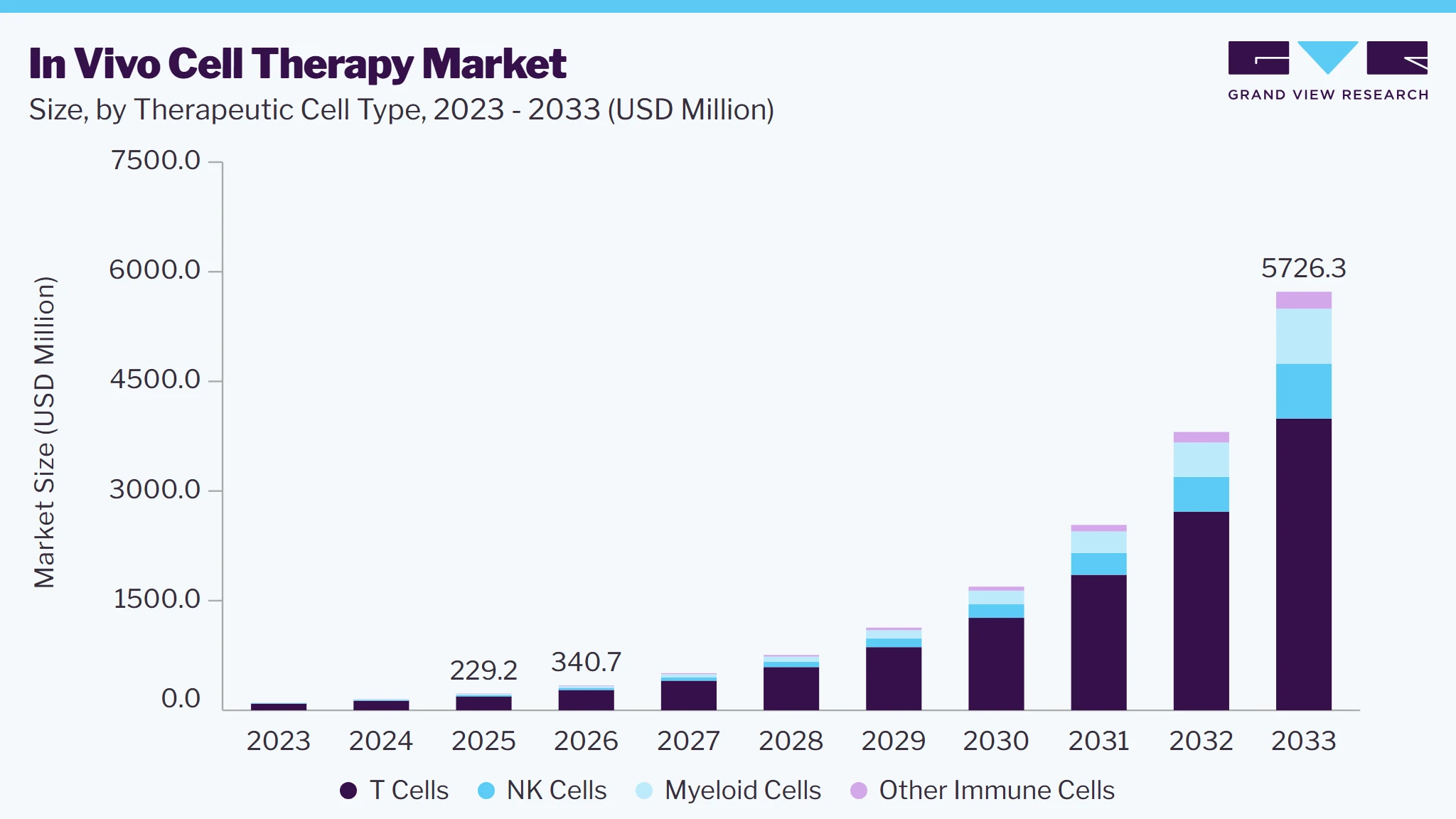 To learn more about this report, Download Free Sample Report
Market Dynamics
The in vivo cell therapy market is experiencing strong growth, driven by advances in vivo cellular engineering, gene editing, and targeted delivery technologies that enable therapeutic cells to be modified directly within the body. Growing investment in cell and gene therapy development, increasing research into in vivo CAR-T therapies, and the potential to simplify the manufacturing and delivery of cell therapies are supporting market expansion. Moreover, developments in lipid nanoparticles, viral vectors, RNA-based medicines, and gene-editing technologies are improving the delivery of therapeutic materials to target cells, creating further opportunities for the development and clinical use of in vivo cell therapies.
Increasing investment in in vivo cell therapy development is supporting the growth of the global in vivo cell therapy market by advancing in vivo CAR-T platforms, expanding research and development activities, and supporting the progression of these therapies toward clinical development. Growing participation from major biopharmaceutical companies is also strengthening the development of in vivo approaches and supporting efforts to address the manufacturing and accessibility challenges associated with conventional cell therapies. For instance, in July 2026, Eli Lilly completed its acquisition of Kelonia Therapeutics, adding Kelonia’s in vivo gene placement system (iGPS) platform and its KLN-1010 in vivo CAR-T therapy to Lilly’s portfolio. The acquisition strengthens Lilly’s efforts to develop scalable in vivo CAR-T therapies for multiple myeloma and other diseases
"Autologous CAR-T therapies have meaningfully improved outcomes for patients with various cancers, but significant manufacturing, safety, and access barriers mean that only a fraction of eligible patients actually receive them. Kelonia's in vivo platform has the potential to change that by delivering rapid, durable responses in a far simpler, off-the-shelf format"
- Jacob Van Naarden, executive vice president and president of Lilly Oncology and head of corporate business development.
Challenges in delivering therapeutic genetic material specifically to target T cells remain a key restraint to the in vivo cell therapy market, as effective treatment requires efficient, selective delivery while minimizing toxicity and off-target effects. Limited targeting specificity of viral vectors and nanocarriers can lead to unintended transduction of other cell types, reducing treatment precision and potentially compromising safety and efficacy. These delivery challenges increase the complexity of developing in vivo cell therapies and may slow their clinical translation and broader adoption.
The expansion of in vivo cell therapy into autoimmune disease indications is creating new growth opportunities for the market by broadening applications beyond oncology. In vivo CAR-T approaches may enable targeted depletion of disease-causing immune cells or an immune system reset directly within the patient, while reducing the complexity of conventional cell therapy manufacturing. For instance, in June 2026, Cartesian Therapeutics entered a strategic licensing agreement with WestGene Biopharma to develop an in vivo CAR-T platform for autoimmune indications, combining WestGene’s targeted LNP technology with Cartesian’s mRNA payload. This expansion into autoimmune diseases can increase the use of in vivo cell therapies and expand the potential patient base.
“We believe that the potential for in vivo to further enhance the delivery of cell therapies in the field of autoimmune disease provides a compelling commitment to scientific innovation. This partnership provides an accelerated and efficient path to human clinical data, with expected proof-of-concept being evaluated in patients with myasthenia gravis. With positive clinical data, we intend to advance programs across multiple autoimmune diseases into U.S. clinical development. We believe this collaboration has the potential to further transform the treatment paradigm for cell therapy in autoimmune diseases.”
- Carsten Brunn, Ph.D., President and Chief Executive Officer of Cartesian
Market Concentration & Characteristics
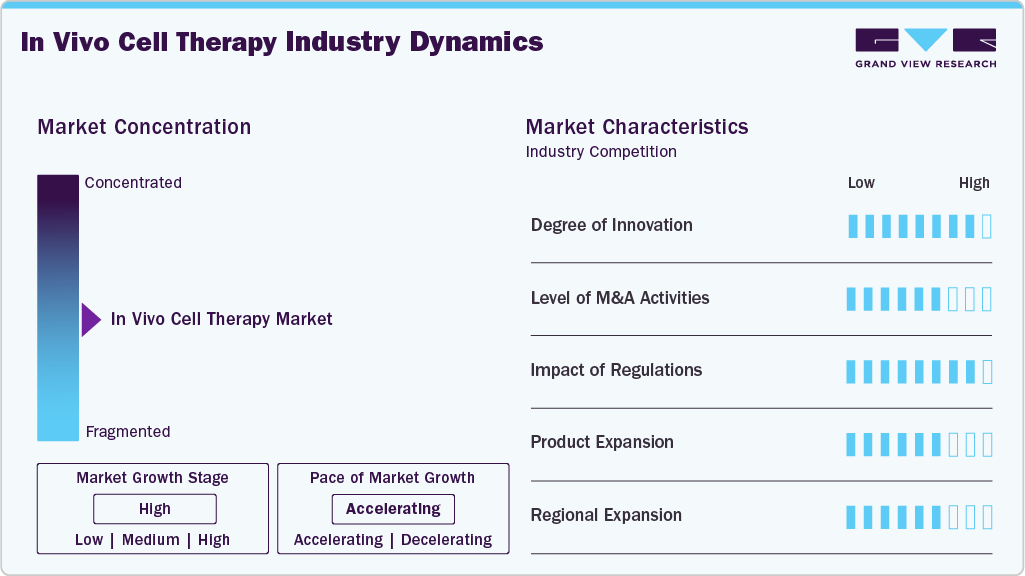
The in-vivo cell therapy market is undergoing rapid technological advancement, supported by developments in targeted delivery, genetic engineering, and approaches that enable therapeutic cells to be generated directly within the body. For instance, in March 2026, the Innovative Genomics Institute reported an in-vivo CAR-T approach that generated cancer-fighting CAR-T cells directly inside mice, eliminating the need for conventional ex-vivo cell extraction and manufacturing. The approach demonstrated the potential for an off-the-shelf treatment model and could reduce the complexity, cost, and time associated with conventional cell therapies, highlighting the emergence of next-generation in-vivo cell therapy approaches.
The in-vivo cell therapy industry is experiencing increasing merger and acquisition activity as pharmaceutical companies seek to strengthen their capabilities in next-generation cell engineering and in-vivo delivery platforms. For instance, in May 2025, AstraZeneca completed the acquisition of EsoBiotec for USD 425 million upfront, with potential milestone payments of up to USD 575 million. The acquisition added EsoBiotec’s ENaBL platform, which enables therapeutic immune cells to be generated directly within the body, strengthening AstraZeneca’s in-vivo cell therapy capabilities and supporting the development of more accessible and scalable cell therapy approaches.
 To learn more about this report, Download Free Sample Report
The regulatory environment significantly impacts the in-vivo cell therapy market by establishing requirements for safety, manufacturing, genome editing, and long-term monitoring of emerging therapies. For instance, in June 2026, the U.S. FDA issued draft guidance on leveraging prior knowledge for human gene therapies incorporating genome editing, including in-vivo approaches. The guidance helps developers use existing chemistry, manufacturing, and controls (CMC), nonclinical, and clinical knowledge to streamline development and review, potentially reducing development timelines while maintaining safety standards.
The in-vivo cell therapy market is expanding through the introduction of new platforms designed to broaden the range of immune cells that can be programmed directly within the body. For instance, in April 2026, CREATE Medicines introduced its RetroT platform, an all-mRNA system designed for stable and durable gene delivery without viral components, with applications across T cells, NK cells, and myeloid cells. The platform broadens in-vivo cell engineering beyond conventional approaches and supports the development of next-generation therapies using multiple immune-cell types.
The in-vivo cell therapy market is expanding geographically through collaborations that extend development and commercialization rights into new markets. For instance, in January 2025, Orna Therapeutics and Shanghai Simnova Biotech expanded their strategic partnership to include BCMA-targeted in-vivo panCAR cell therapies in Greater China. Under the expanded agreement, Simnova will lead research, development, and commercialization of these in-vivo therapies in Greater China, while Orna retains rights in other regions. The agreement strengthens the regional development of in-vivo cell therapies and expands their potential availability in the Chinese market.
"We are excited to deepen our partnership with Simnova to bring an in vivo BCMA panCAR therapy to patients with multiple Myeloma"
- Ansbert Gadicke, M.D., Chairman of Orna and Managing Partner of MPM BioImpact
Analyst Perspective
In vivo cell therapy market is expected to witness high growth, driven by increasing investment in next-generation cell and gene therapy development and the potential to simplify conventional cell therapy manufacturing and delivery. Growing research into in vivo CAR-T therapies, targeted delivery technologies, and direct cellular engineering is supporting market expansion across oncology and emerging autoimmune applications. Advancements in lipid nanoparticles, viral vectors, RNA-based technologies, and gene-editing platforms are further enhancing the ability to generate therapeutic cells directly within patients. Moreover, market participants are focusing on strategic collaborations, platform development, and targeted delivery capabilities to advance scalable and accessible in vivo cell therapy approaches.
Therapeutic Cell Type Insights
The T cell segment accounted for the largest revenue share, over 83.2% in 2025, driven by growing research and development of therapies that modify T cells directly inside the body. The segment is supported by increasing research on CAR-T and T-cell engineering for cancer and other diseases, particularly for improving T-cell activity and tumor targeting. According to an article published by Nature in 2026, researchers developed an in vivo genome-wide CRISPR screening platform for human T cells in solid tumors and identified genetic factors that could improve T-cell function and tumor infiltration, with further testing showing improved activity of CAR-T and TCR-based therapies in preclinical models. These advances are expected to support further development of T-cell-based in vivo therapies and expand their use in cancer treatment.
The myeloid cells segment is expected to register the significant CAGR over the forecast period, supported by increasing research on the in vivo engineering of macrophages, monocytes, and other myeloid cells. These cells are gaining attention due to their ability to migrate to tissues and tumors and interact with the tumor microenvironment. The development of lipid nanoparticle-based delivery systems and CAR-macrophage therapies is further supporting the segment by enabling targeted immune responses with lower manufacturing requirements than conventional ex vivo approaches. Increasing research on myeloid cell therapies, particularly for solid tumors, is expected to support segment growth.
Therapeutic Application Insights
The hematological malignancies segment dominated the market with a share of 77.8% in 2025, driven by increasing development of in vivo CAR-T therapies for B-cell malignancies and multiple myeloma. It mainly focuses on validated targets such as CD19 and BCMA. For instance, in July 2024, Umoja Biopharma received FDA clearance for the IND application of UB-VV111, a CD19-directed in vivo CAR-T therapy being evaluated in patients with relapsed/refractory large B-cell lymphoma and chronic lymphocytic leukemia. The program is expected to support the development of simpler and faster CAR-T treatment approaches for patients with hematological cancers.
“The IND clearance for UB-VV111 is a significant milestone in Umoja’s mission to develop off-the- shelf therapies that overcome the limitations of current ex vivo cellular immunotherapies”
-Andrew Scharenberg, M.D., Co-Founder and Chief Executive Officer of Umoja
The autoimmune diseases segment is expected to register the fastest CAGR over the forecast period. Growth is anticipated to be driven by increasing research on targeted therapies for conditions such as systemic lupus erythematosus and rheumatoid arthritis. Growing development of in vivo CAR-T and immune-cell engineering approaches is focused on selective depletion of pathogenic B cells and improved disease control. Advances in targeted delivery systems, including lipid nanoparticles and viral vectors, are supporting the development of these therapies. Moreover, increasing research and investment in autoimmune disease treatment are expected to support segment growth over the forecast period.
In Vivo Cell-Engineering Insights
The receptor engineering segment dominated the market with a share of 83.8% in 2025, owing to its ability to improve immune-cell targeting and therapeutic activity through CAR and TCR-based approaches. Advances in gene editing and targeted delivery are supporting the direct modification of receptors within immune cells. For instance, in March 2026, a study published in Nature demonstrated an in vivo CRISPR-Cas9 approach for inserting a CAR into the T-cell receptor alpha (TRAC) locus, generating CAR-T cells in humanized mouse models of hematological and solid tumors. These technological advances are expected to increase the use of receptor engineering in in vivo cell therapy applications.
The gene editing & gene modification segment is expected to witness the fastest CAGR over the forecast period, driven by the ability to make targeted genetic changes directly within cells. Technologies such as CRISPR-Cas systems, base editing, and prime editing are being explored for genetic disorders, cancer, and immune-related diseases. Advances in viral vectors and lipid nanoparticles are improving the delivery of editing components to specific cells and tissues, supporting further development of in vivo cell therapies.
Delivery Modality Insights
The viral vector-based companies segment dominated the market with a share of 66.0% in 2025, supported by the ability of engineered viral vectors to deliver genetic material directly to target cells. Lentiviral vectors are being investigated for in vivo CAR-T generation, while viral vector engineering is improving cell targeting and transduction efficiency. Increasing development of targeted viral delivery systems is expected to support the use of viral vectors in in vivo cell therapy applications.
 To learn more about this report, Download Free Sample Report
The lipid nanoparticle-based segment is projected to witness the fastest CAGR, driven by the ability of lipid nanoparticles to deliver mRNA directly to immune cells without ex vivo cell processing. Targeted LNPs are being developed for in vivo CAR-T generation, particularly for hematological malignancies. According to an article published in the Journal of Clinical Oncology in June 2026, researchers reported the first-in-human use of a CD8-targeted LNP platform to generate CD19 CAR-T cells in patients with relapsed/refractory B-cell lymphoma. The clinical results demonstrated rapid CAR-T generation and B-cell depletion, supporting the use of targeted LNPs for in vivo CAR-T development.
Regional Insights
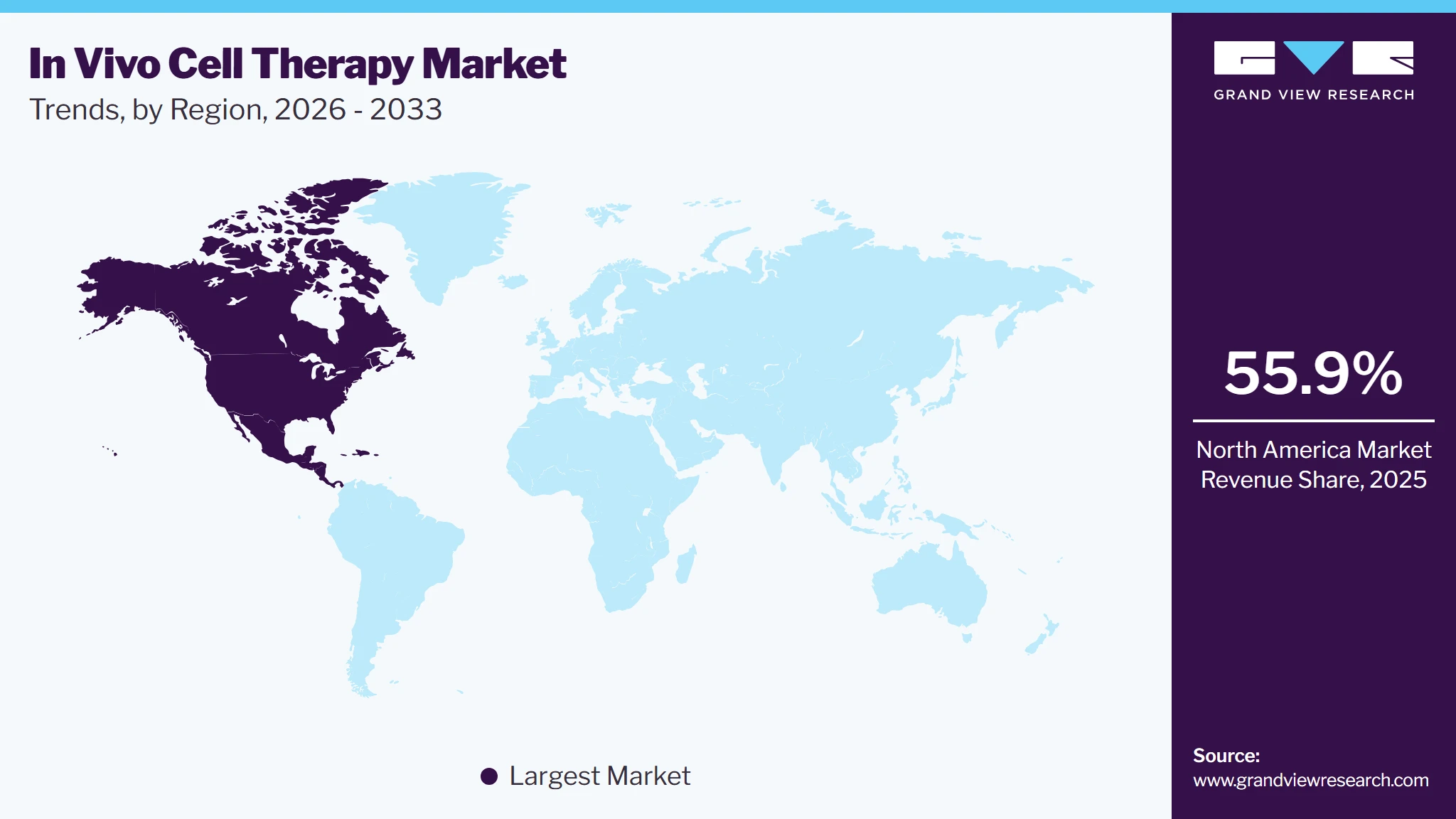
North America dominated the global in vivo cell therapy market with the largest market share of 55.9% in 2025 and is expected to register the fastest CAGR of 51.3% during the forecast period. The market is driven by growing clinical activity around technologies that generate therapeutic cells directly within patients. For instance, in May 2026, Emory University’s Winship Cancer Institute administered the first U.S. dose of Kelonia Therapeutics’ KLN-1010, an investigational in vivo CAR-T therapy, in a Phase 1 trial for relapsed or refractory multiple myeloma. This development reflects the progress of in vivo cell therapy from preclinical research into clinical development in the region.
 To learn more about this report, Download Free Sample Report
U.S. In Vivo Cell Therapy Market Trends
The U.S. in vivo cell therapy industry is expected to grow over the forecast period, driven by increasing biopharmaceutical R&D, rising investment in next-generation cell and gene therapies, and the presence of leading biotechnology and research institutions. For instance, in August 2026, researchers from Gladstone Institutes and the University of California, San Francisco (UCSF) reported an in-vivo CRISPR screening approach that identified gene edits improving CAR-T cell function against solid tumors, supporting advances in next-generation in vivo cell therapies. These developments are expected to strengthen the U.S. market’s growth and leadership.
Europe In Vivo Cell Therapy Market Trends
In vivo cell therapy market in Europe was identified as a lucrative region, driven by increasing investment in advanced cell and gene therapies, growing research activity, and strong support for innovative therapeutic platforms. For instance, in June 2026, the European Innovation Council supported the NANOCAR project, coordinated by NanoCell Therapeutics in the Netherlands, to develop a non-viral in vivo CAR-T platform using targeted lipid nanoparticles to generate CAR-T cells directly within patients. These developments are expected to strengthen Europe’s position in the emerging in vivo cell therapy market.
The UK in vivo cell therapy market is expected to show significant growth over the forecast period, supported by increasing clinical research, a strong advanced therapy ecosystem, and continued development of innovative gene and cell-based treatments. For instance, in January 2026, according to an article published by the Cell and Gene Therapy Catapult, the UK had 193 ongoing advanced therapy clinical trials in 2025, with more than 80% focused on gene therapies and an even split between ex-vivo and in-vivo approaches. This growing clinical activity highlights the UK’s continued development of in vivo therapy capabilities.
The Germany in vivo cell therapy market is expected to grow, supported by strong biotech and pharmaceutical R&D, increasing investment in advanced therapies, and established clinical research infrastructure. Academic–industry collaboration and clinical translation are expected to further support market development.
Asia Pacific In Vivo Cell Therapy Market Trends
The Asia Pacific in vivo cell therapy industry is driven by increasing biotechnology investment, expanding clinical research, growing cell-engineering capabilities, and rising interest in innovative in vivo therapies. The region’s developing research infrastructure and focus on gene delivery technologies are expected to support the growth and adoption of in vivo cell therapies.
The China in vivo cell therapy market is witnessing rapid growth, driven by increasing clinical research, advances in cell-engineering technologies, and growing interest in direct in vivo therapeutic approaches. For instance, in July 2025, a new clinical study of JY231 was registered in China to evaluate the safety and preliminary efficacy of an in vivo CAR-T therapy in patients with relapsed or refractory B-cell malignancies, following the initiation of an earlier JY231 study. This expansion highlights the growing clinical development of in vivo cell therapy technologies in China.
The Japan in vivo cell therapy market is driven by advances in cell engineering, targeted delivery technologies, and growing collaboration in next-generation therapies. For instance, in March 2026, according to an announcement by Circio, the company entered a research collaboration with Tokyo-based United Immunity to develop in vivo CAR-Macrophage therapies using circular RNA and lipid nanoparticle technologies. The collaboration aims to advance in vivo therapies targeting myeloid cells for cancer, fibrosis, and autoimmune disorders, supporting the development of Japan’s emerging in vivo cell therapy market.
“In vivo cell therapy is currently an extremely active development field highlighted by several recent strategic transactions, including two circular RNA companies”
- Dr. Victor Levitsky, CSO of Circio
Latin America In Vivo Cell Therapy Market Trends
Latin America’s in vivo cell therapy market is expected to witness gradual growth, supported by improving regulatory frameworks, expanding advanced therapy research, and developing clinical and manufacturing capabilities.
MEA In Vivo Cell Therapy Market Trends
The Middle East and Africa in vivo cell therapy market is expected to grow steadily, supported by improving healthcare infrastructure, increasing investment in advanced therapies, and expanding biotechnology capabilities.
Key In Vivo Cell Therapy Company Insights
The in vivo cell therapy market is witnessing significant growth, driven by advances in gene editing, targeted delivery, in vivo CAR-T, and next-generation cell engineering. Leading players are strengthening their market presence through innovation, strategic collaborations, and investments in advanced therapeutic platforms.
Key In Vivo Cell Therapy Companies:
The following key companies have been profiled for this study on the in vivo cell therapy market.
-
Gilead Sciences, Inc.
-
Legend Biotech
-
Eli Lilly and Company
-
CRISPR Therapeutics
-
AbbVie Inc.
-
Umoja Biopharma
-
Ensoma, Inc.
-
Intellia Therapeutics, Inc.
-
Tessera Therapeutics
-
AstraZeneca
-
Valerio Therapeutics
-
Johnson & Johnson
Competitive Benchmarking
Category
Operating Strategies
Competitive Edge
Weakness
Established Players (Gilead Sciences, Inc.; Legend Biotech; Eli Lilly and Company; AbbVie Inc.; AstraZeneca; Johnson & Johnson)
Investment in in vivo CAR-T, gene editing, targeted delivery, and cell engineering through internal research, acquisitions, and partnerships.
Strong financial resources, clinical development experience, global presence, and established capabilities in cell and gene therapies.
High development costs, complex clinical requirements, and challenges in proving safety, effectiveness, and long-term benefits.
Emerging Players (Umoja Biopharma; Ensoma, Inc.; CRISPR Therapeutics; Intellia Therapeutics, Inc.; Tessera Therapeutics; Valerio Therapeutics)
Develop new gene-editing, delivery, and cell-engineering technologies to create in vivo therapies with simpler treatment processes.
Specialized technology platforms, strong research expertise, and focus on new approaches to directly modify cells inside the body.
Early-stage programs, limited commercial products, smaller market reach, and uncertainty around clinical development and scalability.
Recent Developments:
-
In July 2026, Johnson & Johnson announced a strategic collaboration with Sail Biomedicines to advance in vivo CAR-T programs for immune-mediated diseases. The collaboration will combine Johnson & Johnson’s expertise in immunology and CAR-T therapy with Sail’s in vivo cell therapy platform, with the aim of developing therapies that can directly reprogram the immune system and potentially transform the treatment of autoimmune diseases.
“Sail’s innovative platform represents an exciting new approach that seeks to harness the power of CAR-T therapy in a simpler, more scalable way. By working together with Sail, we aim to accelerate the development of innovative therapies that have the potential to fundamentally transform how immune-mediated diseases are treated.”
- John Reed, Executive Vice President, Innovative Medicine Research & Development, Johnson & Johnson
-
In May 2026, Valerio Therapeutics launched InVimmune, a new company focused on developing differentiated in-vivo cell therapy approaches. InVimmune will leverage Valerio’s proprietary single-domain antibody platform and targeted-delivery capabilities to develop immune-reprogramming therapies, with an initial focus on oncology and potential applications in fibrosis and autoimmune diseases.
-
In August 2025, AbbVie completed its acquisition of Capstan Therapeutics for approximately USD 2.1 billion. The acquisition strengthened AbbVie’s capabilities in in-vivo CAR-T therapies and added Capstan’s targeted lipid nanoparticle (tLNP) platform and CPTX2309, an investigational therapy designed to generate CD19-specific CAR-T cells directly in the body for the treatment of B-cell-mediated autoimmune diseases.
"The addition of CPTX2309 and Capstan's tLNP platform strengthens our ability to deliver new treatments aimed at resetting the immune system and enables application of Capstan's proprietary technology more broadly for in vivo programming of cells."
- Jonathon Sedgwick, Ph.D., senior vice president and global head of discovery research, AbbVie
In Vivo Cell Therapy Market Report Scope
Report Attribute
Details
Market size in 2025
USD 229.2 million
Estimated market size in 2026
USD 340.7 million
Projected market size by 2033
USD 5726.3 million
Growth rate
CAGR of 49.6% from 2026 to 2033
Historical data
2021 - 2025
Forecast period
2026 - 2033
Quantitative units
Revenue in USD million, and CAGR from 2026 to 2033
Report coverage
Revenue forecast, company ranking, competitive landscape, growth factors, and trends
Segments covered
Therapeutic cell type, therapeutic application, in vivo cell-engineering, delivery modality, and region
Regional scope
North America; Europe; Asia Pacific; Latin America; MEA
Country scope
U.S.; Canada; Mexico; UK; Germany; France; Italy; Spain; Norway; Denmark; Sweden; China; Japan; India; South Korea; Australia; Thailand; Brazil; Argentina; Saudi Arabia; South Africa; UAE; Kuwait
Key companies profiled
Gilead Sciences, Inc.; Legend Biotech; Eli Lilly and Company; CRISPR Therapeutics; AbbVie Inc.; Umoja Biopharma; Ensoma, Inc.; Intellia Therapeutics, Inc.; Tessera Therapeutics; Johnson & Johnson; Valerio Therapeutics; AstraZeneca
Customization scope
Free report customization (equivalent up to 8 analysts' working days) with purchase. Addition or alteration to country, regional & segment scope.
Pricing and purchase options
Avail customized purchase options to meet your exact research needs. Explore purchase options
Global In Vivo Cell Therapy Market Report Segmentation
This report forecasts revenue growth and provides an analysis on the latest trends in each of the sub-segments from 2021 to 2033. For the purpose of this report, Grand View Research has segmented the global in vivo cell therapy industry on the basis of therapeutic cell type, therapeutic application, in vivo cell-engineering, delivery modality, and region
-
Therapeutic Cell Type Outlook (Revenue, USD Million, 2021 - 2033)
-
T Cells
-
NK Cells
-
Myeloid Cells
-
Other Immune Cells
-
-
Therapeutic Application Outlook (Revenue, USD Million, 2021 - 2033)
-
Hematological Malignancies
-
Solid Tumors
-
Autoimmune Disease
-
Infectious Disease
-
Other Therapeutic Applications
-
-
In Vivo Cell- Engineering Outlook (Revenue, USD Million, 2021 - 2033)
-
Receptor Engineering
-
Gene Editing & Gene Modification
-
Transient Genetic Programming
-
Other Cell -Engineering Approaches
-
-
Delivery Modality Outlook (Revenue, USD Million, 2021 - 2033)
-
Viral Vector-based
-
Lipid Nanoparticle-based
-
Other Non-viral Delivery System
-
-
Regional Outlook (Revenue, USD Million, 2021 - 2033)
-
North America
-
U.S.
-
Canada
-
Mexico
-
-
Europe
-
UK
-
Germany
-
France
-
Italy
-
Spain
-
Denmark
-
Sweden
-
Norway
-
-
Asia Pacific
-
Japan
-
China
-
India
-
Australia
-
Thailand
-
South Korea
-
-
Latin America
-
Brazil
-
Argentina
-
-
Middle East and Africa (MEA)
-
South Africa
-
Saudi Arabia
-
UAE
-
Kuwait
-
-
Research Methodology
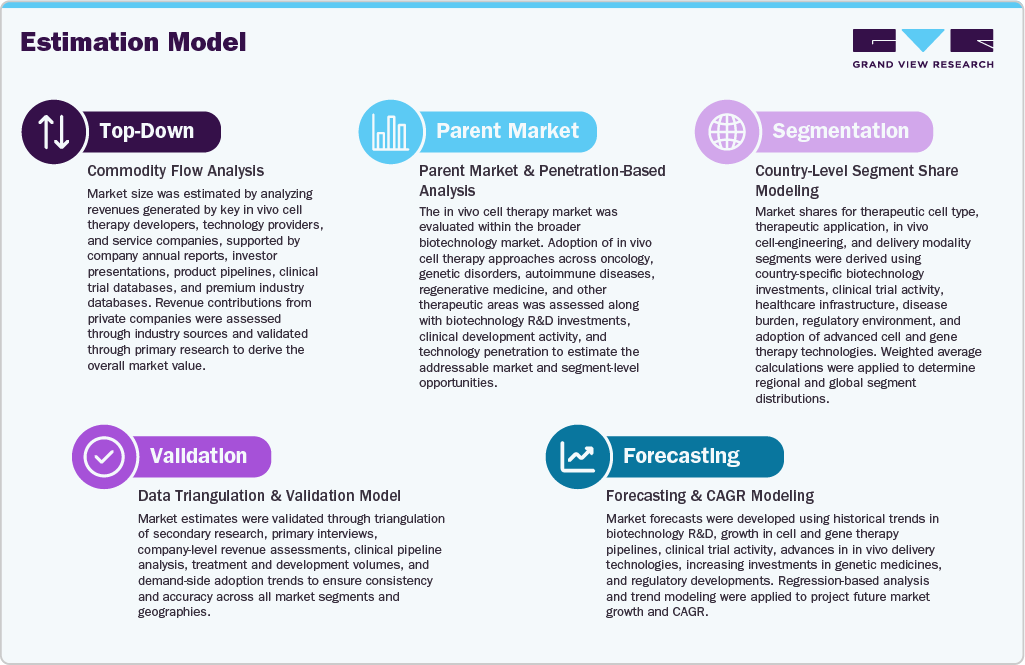
The in vivo cell therapy market figures in this report are based on a proven research process that combines executive interviews with secondary research from proprietary databases, company filings, and recognized regulatory and institutional sources. Market size is built through value-chain sizing—reconciling supply-side and demand-side estimates—and triangulated with bottom-up and top-down approaches. Every estimate passes multiple levels of expert validation before publication, with each in vivo cell therapy segment quantified using the revenue-capture definitions in the table below.
Segment Definition
Segment- Therapeutic Cell Type
Revenue Capture Definition
T Cells
This segment covers in vivo approaches to targeting, activating, engineering, or reprogramming T cells for therapeutic purposes. It includes in vivo CAR-T and TCR engineering, gene modification, transient receptor expression, and targeted delivery systems that generate therapeutic T-cell responses directly in patients.
NK Cells
Revenue is generated from in vivo approaches targeting, activating, engineering, or reprogramming natural killer cells. Applications include CAR-NK generation, receptor engineering, genetic programming, immune activation, and targeted delivery platforms designed to enhance endogenous NK-cell activity for therapeutic purposes.
Myeloid Cells
The segment comprises in-vivo approaches involving macrophages, monocytes, dendritic cells, and other myeloid populations. These applications include cellular reprogramming, CAR-macrophage development, immune modulation, tumor microenvironment targeting, and genetic modification intended to generate therapeutic responses in patients.
Other Immune Cells
Revenue originates from technologies targeting immune cell populations beyond T cells, including NK cells and myeloid cells, as well as B cells and regulatory T cells. These approaches support cellular activation, depletion, reprogramming, genetic modification, and functional modulation for emerging therapeutic applications and clinical development.
Segment- Therapeutic Application
Revenue Capture Definition
Hematological Malignancies
Revenue generated from in-vivo cell therapy applications for leukemia, lymphoma, multiple myeloma, and other blood cancers. Revenue encompasses approaches such as in vivo CAR-T, CAR-NK, and other immune cell engineering strategies designed to generate tumor-specific responses directly in patients.
Solid Tumors
This segment captures income from in vivo cell therapy technologies developed for solid cancers, including approaches that engineer or activate immune cells to recognize tumor-associated antigens and overcome immunosuppressive tumor microenvironments. Applications include emerging CAR-T, CAR-NK, CAR-myeloid, and other targeted cellular engineering approaches.
Autoimmune Disease
Market value in this category stems from technologies designed to modulate pathogenic immune responses or restore immune tolerance directly within patients. Applications include targeted immune-cell depletion, immune-cell reprogramming, regulatory-cell engineering, and in vivo CAR-based approaches intended to eliminate disease-driving immune populations across autoimmune indications.
Infectious Disease
This segment covers technologies that engineer or activate immune cells directly in vivo to recognize, control, or eliminate infectious agents. Applications include antiviral immune-cell engineering, pathogen-specific receptor programming, immune activation, and cellular modulation for viral, bacterial, fungal, and other infectious diseases.
Other Therapeutic Applications
Revenue generated from in-vivo cell therapy technologies applied beyond oncology, autoimmune disease, and infectious disease. Applications span cardiovascular disorders, fibrosis, regenerative medicine, neurological conditions, metabolic diseases, and other emerging indications requiring targeted cellular engineering, reprogramming, or therapeutic functional modulation.
Segment- In Vivo Cell-Engineering
Revenue Capture Definition
Receptor Engineering
This segment includes technologies that introduce, express, modify, or regulate therapeutic receptors directly in target cells in vivo. Applications encompass in vivo CAR-T, CAR-NK, TCR engineering, synthetic receptors, and other receptor-based systems that endow endogenous cells with therapeutic functions for targeted cellular treatment.
Gene Editing & Gene Modification
This segment captures income from products supporting targeted modification of genetic material within endogenous cells. Applications include CRISPR-based editing, base editing, prime editing, gene insertion, deletion, and silencing approaches used to establish therapeutic cellular phenotypes and alter specific cellular functions.
Transient Genetic Programming
This segment captures income from products supporting temporary programming of endogenous cells using mRNA, circular RNA, transient nucleic acids, or other non-integrating expression systems. Applications include transient CAR expression, temporary receptor expression, immune-cell activation, and short-duration cellular reprogramming.
Other Cell -Engineering Approaches
Revenue originates from products supporting cellular modification beyond receptor engineering, permanent gene editing, and transient programming. Applications include epigenetic modulation, transcriptional reprogramming, targeted cellular activation, phenotypic conversion, and other emerging approaches aimed at controlling therapeutic cell behavior.
Segment- Delivery Modality
Revenue Capture Definition
Viral Vector-based
This segment includes viral-vector products used to deliver therapeutic genetic payloads directly to target cells. Platforms encompass engineered lentiviral, AAV, adenoviral, and other viral systems supporting cell-specific transduction, receptor expression, genetic modification, and generation of engineered therapeutic cells.
Lipid Nanoparticle-based
This segment captures income from lipid nanoparticle and related lipid-based systems used to transport mRNA, DNA, gene-editing components, or other therapeutic payloads to target cells. Applications include transient CAR expression, T-cell programming, gene editing, immune activation, and cellular engineering.
Other Non-viral Delivery System
Market value in this category stems from non-viral delivery approaches beyond lipid nanoparticles, including polymeric nanoparticles, extracellular vesicles, conjugates, targeted proteins, plasmid systems, and biomaterials. These platforms support targeted delivery of genetic or cellular-engineering payloads for therapeutic cellular modification.
Estimation Model
 To learn more about this report, Download Free Sample Report
Delivered Customizations
This report has been delivered with the following In-depth customizations
Client Request
Customization Delivered
Value Adds
Cell Therapy Clinical Trial Landscape & Trial Design Analysis
Customized analysis of selected clinical trials by indication, cell type, trial phase, study status, enrollment, endpoints, and geographic distribution. Can also assess trends in trial design and the use of in vivo models during development.
Help clients to understand clinical development activity, identify areas with increasing trial activity, and assess potential demand across specific therapeutic segments.
Cell Therapy Technology & Platform Assessment
Detailed assessment of selected cell therapy platforms based on cell source, cell engineering approach, manufacturing method, therapeutic application, and development maturity.
Enables clients to evaluate technology trends, identify promising approaches, and understand where technological developments may create future market opportunities.
Cell Therapy Indication & Patient Population Assessment
Customized analysis of selected indications covering target patient populations, disease prevalence/incidence, current treatment approaches, unmet medical needs, and potential applicability of cell therapy.
Helps clients identify high-potential patient segments and indications where cell therapy could address significant unmet needs, supporting more focused opportunity prioritization.
Frequently Asked Questions About This Report
The global in vivo cell therapy market size was valued at USD 229.2 million in 2025 and is estimated at USD 340.7 million for 2026.
The global in vivo cell therapy market is expected to grow at a CAGR of 49.6% from 2026 to 2033, reaching USD 5,726.3 million by 2033.
The T cells segment led with a 83.2% revenue share in 2025.
North America dominated with a 55.9% revenue share in 2025.
Key factors driving the in vivo cell therapy market are investment in in vivo cell therapy development, advances in targeted delivery technologies, and growing adoption of programmable cell-engineering approaches for precision medicine.
Key players include Gilead Sciences, Inc., Legend Biotech, Eli Lilly and Company, CRISPR Therapeutics, AbbVie Inc., Umoja Biopharma, Ensoma, Inc., Intellia Therapeutics, Inc., Tessera Therapeutics, and AstraZeneca.
Asia Pacific is the fastest-growing region over the forecast period.
The hematological malignancies segment led with a 77.8% revenue share in 2025.
The receptor engineering segment led with a 83.8% revenue share in 2025.
About the Author(s)
Biotechnology Research Team
Healthcare · BiotechnologyThis report was authored by the biotechnology research team at Grand View Research - comprising two research analysts, one senior research analyst, and one industry expert - with specialized expertise in the biotechnology segment of the healthcare industry. All findings are based on proprietary healthcare databases, executive interviews, and regulatory analysis, subject to internal peer review prior to publication.
Last Updated:
Speak to Analyst

Customize this report to your needs - add regions, segments, or data points, with 20% free customization.
Or view our licence options:


ISO 9001:2015 & 27001:2022 Certified
We are GDPR and CCPA compliant! Your transaction & personal information is safe and secure. For more details, please read our privacy policy.


