
- Home
- »
- Medical Devices
- »
-
Insulin Pump Market Size, Share, Growth Report, 2026-2033GVR Report cover
![Insulin Pump Market (2026 - 2033)Report]()
Insulin Pump Market (2026 - 2033)
Size, Share & Trends Analysis Report By Product (Tubed Pump, Tubeless Insulin Pump), By System Architecture (Open-loop, Closed-Loop), By End Use (Hospitals & Care Providers, Homecare), By Region, And Segment Forecasts
Market Size, 2025
$7.2BMarket Estimate, 2026
$7.8BMarket Forecast, 2033
$13.1BCAGR, 2026–2033
7.8%Insulin Pump Market Summary
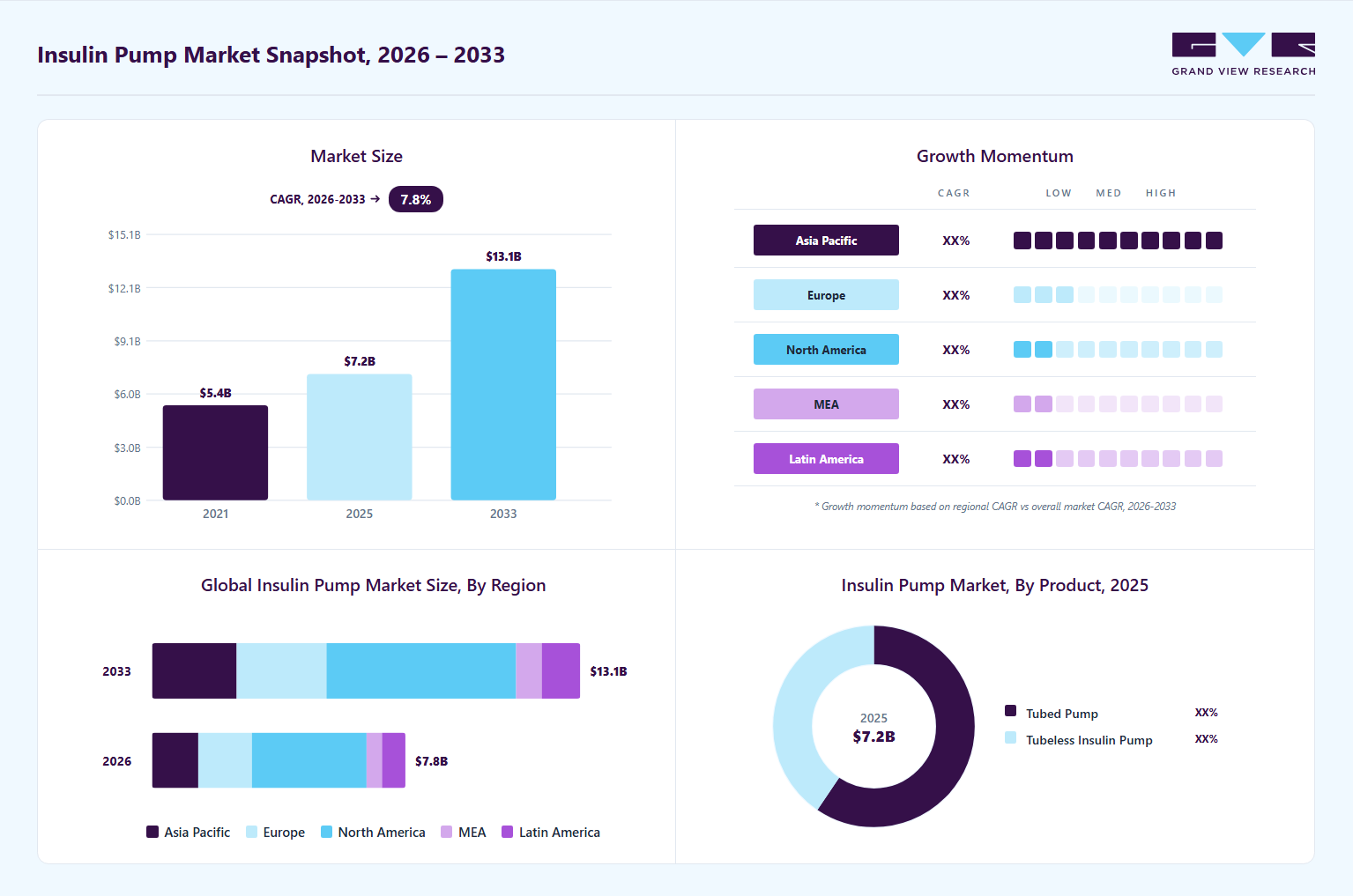
The global insulin pump market size was valued at USD 7.2 billion in 2025 and is projected to grow from USD 7.8 billion in 2026 to USD 13.1 billion by 2033, growing at a CAGR of 7.8% from 2026 to 2033. North America insulin pump market held the largest share of 45.4% of the global market in 2025. The market expansion is primarily driven by the growing elderly population, rising diabetes incidence, and increasing obesity prevalence.
Key Market Trends & Insights
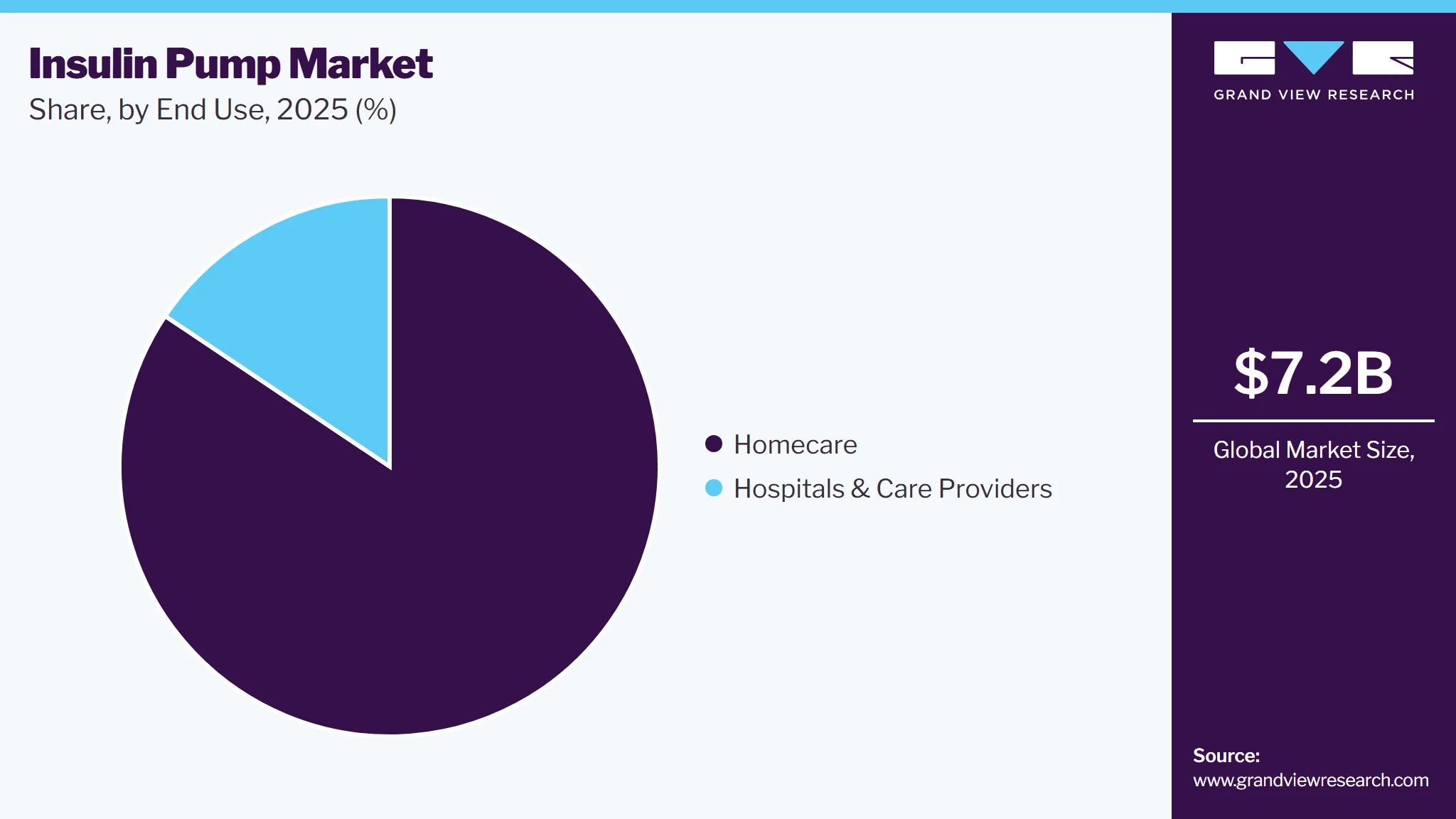
- By end use: Homecare segment accounted for the largest market share of 84.4% in 2025.
- By product: Tubed pump segment held the highest market share of 59.4% in 2025.
- By system architecture: Open-loop systems segment held the leading market share of 52.6% in 2025.
Regional Highlights
- Largest regional market: North America (45.4% revenue share, 2025)
- Fastest-growing regional market: Asia Pacific (highest CAGR, 2026-2033)
- By country: The U.S. held the largest market share in 2025.
Market Size & Forecast
- Market size in 2025: USD 7.2 Billion
- Estimated market size in 2026: USD 7.8 Billion
- Projected market size by 2033: USD 13.1 Billion
- CAGR (2026-2033): 7.8%
Companies are developing next-generation insulin pumps with advanced technology to enhance compliance and integration with IT devices, further driving market growth. Innovations such as home infusion therapy and artificial pancreas technology are expected to create significant growth opportunities in the near future. Additionally, as insulin pumps gain popularity, markets in both developed and developing countries are expanding. An increase in the incidence of diabetes due to aging, obesity, and an unhealthy lifestyle is one of the factors contributing to the growth of the market. Obesity is a major factor causing diabetes, leading to increased incidences of diabetes-associated ophthalmic disorders. Risk factors, such as obesity, smoking, and high cholesterol, are expected to boost the prevalence of type II diabetes. According to the World Health Organization (WHO), recent global projections indicate that more than half of the world's adult population (approximately 3.8 billion people) could be living with overweight or obesity by 2050 if current trends continue.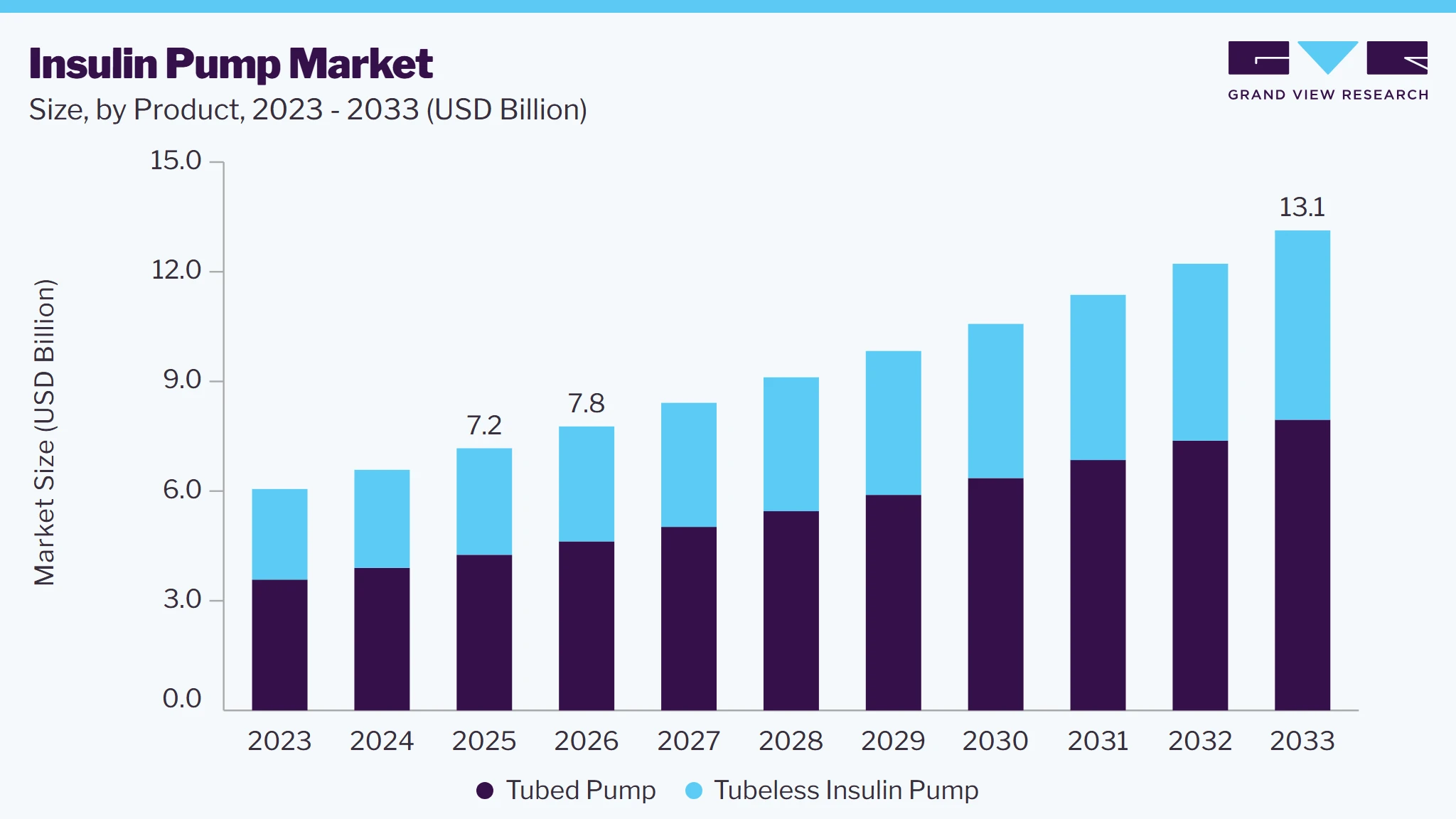
Furthermore, there is a notable increase in the number of elderly individuals prone to developing diabetic neuropathy. The geriatric demographic is particularly vulnerable due to factors such as longer diabetes duration, decreased nerve regeneration capacity, and comorbidities that can exacerbate neuropathic symptoms. As the global population ages, the World Health Organization (WHO) predicts that the number of people aged 60 years and older will increase to 1 in 6 by 2030, rising from 1 billion in 2020 to 1.4 billion recently. The global population of people aged 60 years and older is expected to double to 2.1 billion by 2050, with individuals aged 80 years or older set to triple to 426 million. This demographic shift will lead to a higher likelihood of chronic conditions like diabetes and peripheral neuropathy, increasing the risk of diabetic neuropathy among seniors.
The insulin pump industry growth is anticipated to be driven by the technological advancements and manufacturers competing for product approval in key application area drives the market forwards. As more companies receive FDA approval, their adoption has notably increased. For instance, in April 2023, the FDA approved the Medtronic MiniMed 780G System, an advanced automated insulin delivery system for individuals aged 7 and older with type 1 diabetes. It is the world's first insulin pump with ‘Meal Detection Technology’. This system uses continuous glucose monitoring (CGM) to track glucose levels and automatically adjusts insulin delivery. It includes a glucose sensor, wireless data transmission, and a smart insulin pump. Clinical trials and real-world evidence confirm its safety and effectiveness in managing diabetes, enhancing users' glucose control and quality of life. With the anticipated expansion of the insulin pump market and supported benefits such as better blood sugar control and improved quality of life, insulin pumps are poised to significantly empower individuals with diabetes, leading to healthier and more satisfying lifestyles.
"Mealtimes prove to be one of the biggest challenges for people living with type 1 diabetes and now for the first time, the MiniMed 780G system addresses this unmet need with automatic, real-time insulin corrections”
- Key Professional at Medtronic plc
Increasing government initiatives for global awareness about medicare policies and the management of diabetes are also fueling market growth. Furthermore, there has been a rise in healthcare spending and an increase in the demand for improved tubeless insulin pumps that are both discreet and user-friendly. This is expected to drive market growth during the forecast period.
“We launched this unique contest in the community to better understand how patients describe diabetic nerve pain of their feet in their own terms.
By redefining the symptoms using their own words, our goal is to help diabetic peripheral neuropathy patients and their health care providers start using common language to talk about their symptoms, fostering more productive conversations around diagnosis, disease management and potential solutions.”
- Dr. Lizandra Marcondes, Head Medical Affairs Averitas Pharma
Innovations in integrating advanced technology and improving patient outcomes is driving market growth. The latest developments include the creation of closed-loop systems, also known as artificial pancreas systems, which automate insulin delivery based on real-time glucose monitoring. With their seamless integration with continuous glucose monitoring (CGM) technology and demonstrated effectiveness in blood sugar management, insulin pumps are becoming essential tools in the fight against diabetes. Systems such as a pump connected to an automated insulin delivery (AID) system, paired with a connected insulin pen or smart pen cap, enhance diabetes management. When combined with a powerful continuous glucose monitor (CGM) sensor, this technology offers precise and efficient blood glucose control. Further, the incorporation of wireless connectivity and mobile app integration allows for seamless data tracking and remote monitoring, providing healthcare providers with valuable insights into patient management. Moreover, advancements in pump design, such as smaller, more discreet devices and pain-free insertion techniques, are increasing patient comfort and adherence.
Market Dynamics
The increasing prevalence of diabetes and its associated complications is a major driver of the insulin pump market. According to international health organizations, the number of people living with diabetes continues to rise due to factors such as aging populations, sedentary lifestyles, obesity, and unhealthy dietary habits. Individuals with Type 1 diabetes and insulin-dependent Type 2 diabetes often require intensive insulin therapy to maintain optimal glycemic control and reduce the risk of long-term complications, including cardiovascular disease, kidney failure, neuropathy, and retinopathy. According to the International Diabetes Federation (IDF), approximately 589 million adults were living with diabetes globally in 2024, and this number is projected to reach nearly 853 million by 2050. This substantial increase in the diabetic population is driving demand for advanced insulin delivery technologies that can improve glycemic control and reduce the burden of disease management. Insulin pumps deliver insulin continuously and precisely, helping patients maintain stable blood glucose levels while reducing the frequency of multiple daily injections. The growing prevalence of Type 1 diabetes and insulin-dependent Type 2 diabetes, coupled with the rising incidence of diabetes-related complications such as cardiovascular disease, neuropathy, nephropathy, and retinopathy, is accelerating the adoption of insulin pump therapy.
Stringent regulatory requirements are a challenge for the insulin pump market. Insulin pumps are life-saving devices that help manage blood sugar levels. So manufacturers must follow safety, effectiveness, cybersecurity, and quality rules set by regulatory agencies like the U.S. Food and Drug Administration, the European Medicines Agency, and other national authorities. Receiving approvals for insulin pumps, software updates, automated insulin delivery systems, and integrated continuous glucose monitoring systems is a long and costly process. It often requires clinical studies, technical documents, and post-market surveillance. These lengthy approval processes can delay product launches. This also increases developmental costs, creating barriers for new manufacturers. Moreover, changing requirements related to data security, interoperability, and connected healthcare technologies can limit innovation and make it harder for companies to enter the market.
Market Concentration & Characteristics
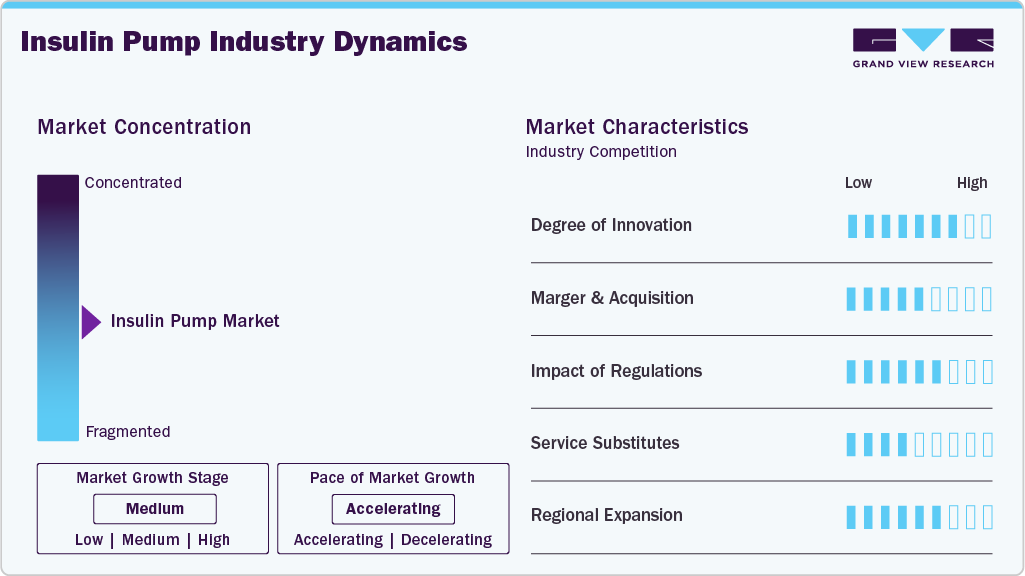
The insulin pump industry is accelerating rapidly and has seen significant innovation driven by technological advancements that have enhanced the accuracy and efficiency of devices. This surge in diabetic issues has emphasized the necessity for more advanced devices such as patch pumps, tethered pumps, and nerve conduction testing devices.
Major players in the industry are continuously working to improve their product offerings to expand their customer base and gain a larger industry share. This involves expanding their products, obtaining approvals, exploring collaborations, securing government approvals, and engaging in key cooperation activities. For instance, in June 2025, Ypsomed and CamDiab announced an agreement to integrate the mylife Loop automated insulin delivery (AID) system with Abbott's next-generation dual glucose-ketone sensor, which is currently under development. The collaboration aims to combine insulin pump therapy, automated insulin delivery algorithms, and advanced glucose-ketone monitoring capabilities to enhance diabetes management and improve patient outcomes.
The insulin pump industry is witnessing significant innovation, driven by advancements in automated insulin delivery and personalized medicine. Recently, in May 2023, the FDA approved the iLet ACE Pump and iLet Dosing Decision Software from Beta Bionics for six years and older with type 1 diabetes. This innovative technology utilizes an adaptive closed-loop algorithm to automate insulin delivery, requiring only the user's body weight for setup. By streamlining insulin management and eliminating the need for manual adjustments and traditional carb counting, this breakthrough aims to enhance diabetes control and increase access to automated insulin delivery solution.
Companies that manufacture insulin pumps are undertaking merger and acquisition activities. For instance, in September 2023, Abbott announced its plan to acquire Bigfoot Biomedical. This aim is to advance the digital innovation in the diabetes care. Such strategic approach seeks to improve technological capabilities, expand industry reach, and maintain competitiveness.
Regulations significantly impact the insulin pump market by ensuring safety, efficacy, and quality standards for insulin delivery devices and associated diabetes management technologies. They guide the development, clinical evaluation, manufacturing, and approval processes of new insulin pumps, automated insulin delivery (AID) systems, and integrated continuous glucose monitoring (CGM) solutions, helping to protect patient safety and maintain product reliability. Regulatory frameworks established by agencies such as the U.S. FDA, the European Commission under the Medical Device Regulation (MDR), and other national authorities also require ongoing post-market surveillance, cybersecurity assessments, and quality management compliance.
The insulin pump market faces competition from alternative diabetes management solutions, including multiple daily injections (MDI), smart insulin pens, and emerging digital diabetes management technologies. However, continuous innovation in insulin pump technology is strengthening the value proposition of pump-based therapy by improving automation, convenience, and glycemic outcomes. Manufacturers are increasingly introducing advanced automated insulin delivery (AID) systems that integrate insulin pumps with continuous glucose monitoring (CGM) devices and intelligent dosing algorithms. For instance, in August 2024, the U.S. FDA cleared the Abbott FreeStyle Libre 2 Plus sensor for integration with automated insulin delivery systems, expanding compatibility with insulin pump platforms and supporting more personalized diabetes management.
Regional expansion in insulin pumps involves extending the availability of treatments and therapies to new geographic areas. This can improve access to care, promote awareness, and address regional disparities in healthcare, ultimately enhancing patient outcomes globally. Recently, in June 2022, Insulet Corporation, a world leader in tubeless insulin pump devices and technology, announced an investment of approximately USD 200 million in its upcoming manufacturing facility in Johor over the next five years. This would produce the company’s Omnipod Insulin Management System as part of its ambition to strengthen its worldwide manufacturing capabilities.
Analyst’s Perspective
The insulin pumps market is positioned at the stage of several long-term healthcare trends, including the rising global prevalence of diabetes, increasing demand for intensive insulin therapy, and the growing adoption of advanced diabetes management technologies. The expanding population of patients with Type 1 diabetes and insulin-dependent Type 2 diabetes is creating significant opportunities for insulin pump manufacturers as healthcare providers and patients increasingly seek solutions that improve glycemic control, reduce hypoglycemic events, and enhance quality of life. In addition, the growing adoption of wearable and tubeless insulin pumps, integration with continuous glucose monitoring (CGM) systems, and the emergence of automated insulin delivery (AID) and closed-loop systems are accelerating market growth. Advancements in wireless connectivity, smartphone-enabled pump management, cloud-based data sharing, and artificial intelligence-supported insulin dosing algorithms are further improving treatment personalization and patient adherence.
Product Insights
The tubed pump segment accounted for the largest market share of 59.4% in 2025, owing to its clinical adoption, extensive installed base, and proven effectiveness in delivering precise insulin therapy. Tubed insulin pumps have been widely used for decades and are supported by strong reimbursement frameworks, particularly across North America and Europe. These systems offer advanced features such as customizable basal rate programming, bolus calculators, continuous glucose monitoring (CGM) integration, and compatibility with automated insulin delivery (AID) algorithms, making them a preferred choice for individuals requiring intensive insulin management. For instance, in March 2024, the U.S. Food and Drug Administration cleared the Twiist Automated Insulin Delivery (AID) System developed by Sequel Med Tech. This system is the first insulin pump to directly measure the volume and flow of insulin delivery, enabling more accurate insulin administration and faster detection of delivery interruptions.
The tubeless insulin pump segment is expected to grow at a significant CAGR during the forecast period, driven by the increasing patient preference for discreet, user-friendly, and minimally invasive insulin delivery solutions. Unlike traditional tubed pumps, tubeless systems eliminate external tubing, offering greater convenience, flexibility, and comfort for users during daily activities. Growing adoption among pediatric and younger diabetic populations, coupled with advancements in wearable medical technologies, is further accelerating segment growth. In addition, the integration of tubeless pumps with continuous glucose monitoring (CGM) systems and automated insulin delivery (AID) algorithms is improving glycemic outcomes and enhancing patient adherence to therapy.
System Architecture Insights
The open-loop systems segment accounted for the largest market share of 52.6% in 2025, primarily due to its extensive installed base, broad availability across global markets, and lower cost compared to fully automated closed-loop systems. Open-loop insulin pumps allow users to manually adjust insulin dosing based on glucose readings, making them a well-established and widely adopted option for diabetes management. The segment continues to benefit from strong physician familiarity, established reimbursement pathways, and increasing integration with digital diabetes management platforms and continuous glucose monitoring (CGM) technologies. In many emerging markets, open-loop systems remain the preferred choice due to affordability considerations and limited access to advanced automated insulin delivery technologies.
The closed-loop systems segment is expected to grow at a significant CAGR during the forecast period, driven by increasing demand for automated insulin delivery (AID) technologies that improve glycemic control while reducing the burden of diabetes self-management. Closed-loop systems integrate insulin pumps with continuous glucose monitoring (CGM) devices and advanced algorithms to automatically adjust insulin delivery in response to real-time glucose levels, offering enhanced treatment precision and improved patient outcomes. Growing adoption of connected diabetes care technologies, rising awareness of the benefits of automated insulin delivery, and expanding reimbursement support are further accelerating market growth.
End Use Insights
Homecare dominated the insulin pump industry with a 84.4% share in 2025. The increasing acceptance and use of home insulin pumps are significantly driving the insulin pump market. Home insulin pumps offer patients the convenience and flexibility to manage their diabetes outside clinical settings, leading to improved adherence and better glycemic control. This shift towards at-home management is driven by advancements in pump technology, including user-friendly interfaces, remote monitoring, and integration with continuous glucose monitors. These features enhance patient autonomy and confidence in self-management. Additionally, the proven safety and efficacy of home insulin pumps, as evidenced by recent studies, bolster their adoption. As more healthcare providers and patients recognize the benefits of at-home insulin pump therapy, the demand for these devices continues to rise, stimulating market growth and encouraging further innovations in this segment.
The hospitals & care providers segment is expected to grow at the highest CAGR in the market during the forecast period. Hospitals are increasingly adopting advanced diabetes management technologies, including insulin pumps, to improve patient outcomes. By integrating these devices into standard care protocols, hospitals improve the precision and effectiveness of insulin therapy, resulting in better glycemic control for patients with diabetes. Hospitals serve as crucial points of education and training for both healthcare providers and patients. Through comprehensive training programs, hospitals ensure that medical staff are well-versed in the latest insulin pump technologies and their proper usage. Additionally, hospitals are often involved in clinical trials and research studies focused on diabetes management. For instance, in June 2024, a study by Cincinnati Children's investigated the safety of home insulin pumps for children in hospitals. The study found that children with type 1 diabetes could safely use their home insulin pumps while hospitalized. The study monitored more than 2,700 children and concluded that pumps managed blood sugar as effectively as hospital injections. It's important to note that the study excluded children in intensive care and psychiatric units.
Regional Insights
North America insulin pumps market held the largest share of 45.4% in 2025. Factors such as the increasing prevalence of diabetes in the region boost adoption of insulin pumps. Furthermore, the high treatment costs, technological advancement, and product launches are also expected to drive the market in the region.

U.S. Insulin Pump Market Trends
The insulin pumps industry in U.S. held the largest market share in 2025 in the North America region. The growth can be attributed to the presence of major market players in this country such as Medtronic, Hoffmann-La Roche AG, Tandem Diabetes Care, Inc., Insulet Corporation and others. Furthermore, the increasing prevalence of obesity, high treatment costs, technological advancement, and product launches are also expected to drive the market in the region. In March 2024, Abbott highlighted its partnership with Tander diabetic care. The combination of Abbott's FreeStyle Libre sensor and Tandem Diabetes Care's insulin pumps enabled real-time glucose monitoring and automatic insulin delivery adjustments. This advancement aimed to enhance patient outcomes by providing more accurate and responsive diabetes management. Abbott's collaboration with Tandem exemplified the growing trend of integrating innovative technologies to improve the lives of people with diabetes. Such strategic initiatives are poised to drive market growth in the country.
Europe Insulin Pump Market Trends
The insulin pumps industry in Europe held a significant market share in 2024. Advanced healthcare infrastructure and high healthcare spending, creating a favorable environment for the adoption of novel insulin pumps. Countries like Germany, France, and the U.K. are key contributors to this growth. Moreover, improvements in its healthcare sector and the implementation of advanced medical products and rise in the geriatric population, which is prone to diabetes are augmenting the demand for insulin pumps in the region. As per IDF estimates, Europe has a total of 1 million diabetics. The region's emphasis on advanced healthcare technologies and significant investments in research and development are key factors driving market growth. Furthermore, the increasing geriatric population and supportive government initiatives aimed at managing diabetes complications are also contributing to this expansion.
The insulin pumps market in the UK is expected to grow owing to the increasing number of diabetic patients and advanced healthcare infrastructure. Government initiatives and funding campaigns for diabetes management are driving market growth. As per the International Diabetes Federation (IDF), out of the 1 million diabetics in Europe, approximately 7.3 million people reside in the UK. Insulin pumps are generally only available on the NHS to some children and adults with type 1 diabetes. It's important to consult with your healthcare team to see if you qualify for an NHS-funded pump.
The insulin pumps market in Germany is expected to grow over the forecast period. Germany has emerged as a key player in the insulin pumps industry, driven by its robust healthcare infrastructure and a strong emphasis on innovative medical technologies. The country has witnessed a growing adoption of insulin pumps due to increasing awareness of advanced diabetes management solutions and supportive government policies. The integration of insulin pumps with continuous glucose monitoring systems, such as Abbott's FreeStyle Libre, has enhanced patient outcomes and driving demand. In December 2022. Abbott integrated its FreeStyle Libre 3 with the mylife Loop automated insulin delivery system in Germany. This collaboration aimed to enhance diabetes management by combining continuous glucose monitoring with automated insulin delivery. The integration was designed to improve patient outcomes through real-time data and precise insulin dosing, reflecting Abbott's commitment to advancing diabetes care technology.
Asia Pacific Insulin Pump Market Trends
Asia Pacific is the fastest-growing region for insulin pumps, driven by countries such as China and Japan are at the forefront of this growth, with substantial investments in healthcare infrastructure and a strong focus on technological advancements. The market is also driven by the increasing adoption of insulin pumps among younger populations and the growing prevalence of type 1 diabetes. Additionally, supportive government initiatives and partnerships between local and international companies have bolstered market development. The region's emphasis on improving diabetes care and management continues to propel the insulin pumps industry forward.
The China insulin pump market is expected to grow at notable growth rate over the forecast period, this growth can be attributed to the large diabetic population and increasing awareness of advanced diabetes management technologies. The government's focus on healthcare reforms and significant investments in medical technology have played a crucial role in market expansion. Additionally, the rising prevalence of diabetes, particularly among the younger population, has led to increased adoption of insulin pumps. Collaborations between domestic and international companies have further enhanced the availability and affordability of these devices. The market's growth is also supported by improving healthcare infrastructure and favorable reimbursement policies.
Insulin pumps market in Japan is expected to grow, over the forecast period. This growth is mainly attributed to the country's focus on medical research and technological innovation, along with substantial healthcare investments, propels market growth.
Latin America Insulin Pump Market Trends
The insulin pumps in the Latin America market is anticipated to undergo moderate growth throughout the forecast period. Latin America presents a promising growth opportunity for the insulin pumps industry, driven by the rising prevalence of diabetes and improving healthcare systems. This is due to a growing geriatric population more susceptible to diabetic complications and increasing healthcare expenditure, with prevalence of 62.3 million diabetics in recent years. However, limited access to advanced healthcare facilities and high treatment costs can act as restraints. Brazil is a key market within Latin America due to its large population and high diabetes burden.
The insulin pumps market in Brazil is anticipated to grow at a substantial rate over the forecast period. Brazil's insulin pumps industry is experiencing significant growth, driven by a rising diabetic population and supportive government initiatives. The country's focus on improving healthcare infrastructure and increasing healthcare expenditure has bolstered the adoption of advanced diabetes management solutions.
Middle East And Africa Insulin Pump Market Trends
The insulin pumps industry in MEA is anticipated to witness growth owing to several key factors. There is a rising prevalence of diabetes in the MEA region. Saudi Arabia and UAE respectively, have 4.2, 1.3 million adults, aged between 20 and 79, who have diabetes. Approximately, 17.1% of total adults were estimated to be affected by some sort of diabetes in Saudi Arabia. Showing an increase in prevalence rate from 2.1% to 9% in recent years. The region's market growth is also fueled by increasing healthcare expenditure and the adoption of advanced medical technologies. Collaboration between local and international companies have enhanced the availability and affordability of insulin pumps.
The insulin pump market in Saudi Arabia is witnessing strong growth, driven by the rising prevalence of diabetes, increasing awareness of advanced diabetes management technologies, and growing demand for personalized insulin delivery solutions. Saudi Arabia has one of the highest diabetes burdens in the Middle East, which is encouraging healthcare providers and patients to adopt technologies that improve glycemic control and reduce the risk of diabetes-related complications.
Key Insulin Pump Company Insights
The major players in the insulin pump industry are actively enhancing their product portfolios through various strategies aimed at staying competitive and expanding their market share. This includes continuous product upgrades to incorporate the latest technological advancements, strategic collaborations, and the exploration of acquisition opportunities. Additionally, obtaining government approvals for their products is crucial to ensure compliance with regulatory standards.
Key Insulin Pump Companies:
The following key companies have been profiled for this study on the insulin pump market.
-
Medtronic
-
Hoffmann-La Roche AG
-
Tandem Diabetes Care, Inc.
-
Insulet Corporation
-
Ypsomed
-
Sanofi S.A.
-
Sooil development
-
Jiangsu Delfu Co., Ltd.
-
Cellnovo Ltd
-
Valeritas, Inc
Competitive Benchmarking
Operating Strategies
Competitive Edge
Weakness
Established Player (Medtronic)
- Focus on expanding Hybrid Closed-Loop/Automated Insulin Delivery (AID) ecosystems that connect durable/patch pumps to Continuous Glucose Monitors (CGM) via proprietary algorithms.
- Securing expansive insurance reimbursement coverage (pharmacy vs. medical channels) and building strong pipelines with endocrinology networks and pediatric clinics.
- Robust portfolios supported by long-term clinical trial evidence and comprehensive FDA/CE regulatory approvals.
- Massive installed global patient bases and long-term brand stickiness backed by comprehensive clinical training networks.
- Huge R&D costs are tied to continuous algorithm optimization, cybersecurity infrastructure, and complex clinical validation.
- Slower timeline to market for major structural redesigns due to rigid regulatory compliance pathways.
Emerging Player (Insulet Corporation)
- Targeting underserved demographics using simplified interfaces that eliminate traditional carb counting or complex settings.
- Focusing on alternative designs and open-protocol software architectures.
- Greater structural flexibility to launch specialized software-driven solutions or subscription/leased-hardware models.
- Distinct market appeal built around specific pain points, such as eliminating decision fatigue or reducing hardware waste via pre-filled cartridges.
- Smaller customer bases and restricted pricing power when negotiating multi-year exclusivity contracts with major payers.
- High reliance on third-party integrations to run their automated algorithms, creating structural supply-chain vulnerabilities.
Recent Developments
-
In August 2025, Diabeloop received CE Mark approval for its DBLG2 automated insulin delivery algorithm, with a broader commercial launch planned for early 2026. The platform is designed to integrate with multiple insulin pumps, including Kaleido and Dana-i pumps, and incorporates Dexcom G7 compatibility.
-
In April 2025, Medtronic announced FDA submissions for an interoperable insulin pump designed to integrate with Abbott's CGM ecosystem. The initiative expands collaboration between the two companies and aims to provide users with greater device choice and enhanced automated insulin delivery capabilities, supporting the broader industry trend toward interoperable diabetes management systems.
-
In March 2024, Sequel’s Twist Automated insulin delivery system received FDA Clearance. System features and benefits for people with type 1 diabetes. The twiist system is the first to directly measure insulin delivered with each dose. This allows for more precise insulin control. The system also integrates with Tidepool Loop technology, which uses CGM readings to adjust insulin delivery.
Insulin Pump Market Report Scope
Report Attribute
Details
Market Size in 2025
USD 7.2 billion
Estimated Market Size in 2026
USD 7.8 billion
Projected market size by 2033
USD 13.1 billion
Growth rate
CAGR of 7.8% from 2026 to 2033
Historical data
2021 - 2024
Forecast period
2026 - 2033
Quantitative units
Revenue in USD million/billion and CAGR from 2026 to 2033
Report coverage
Revenue forecast, company ranking, competitive landscape, growth factors, and trends
Segments covered
Product, system architecture, end use, region
Regional scope
North America; Europe; Asia Pacific; Latin America; MEA
Country scope
U.S.; Canada; Mexico; Germany; UK; France; Italy; Spain; Norway; Denmark; Sweden; China; Japan; India; South Korea; Australia; Thailand; Brazil; Argentina; Saudi Arabia; South Africa; UAE; Kuwait;
Key companies profiled
Medtronic; Hoffmann-La Roche AG; Tandem Diabetes Care, Inc.; Insulet Corporation; Ypsomed; Sanofi S.A.; Sooil development; Jiangsu; Delfu Co., Ltd.; Cellnovo Ltd; Valeritas, Inc
Customization scope
Free report customization (equivalent up to 8 analysts' working days) with purchase. Addition or alteration to country, regional & segment scope.
Pricing and purchase options
Avail customized purchase options to meet your exact research needs. Explore purchase options
Global Insulin Pump Market Report Segmentation
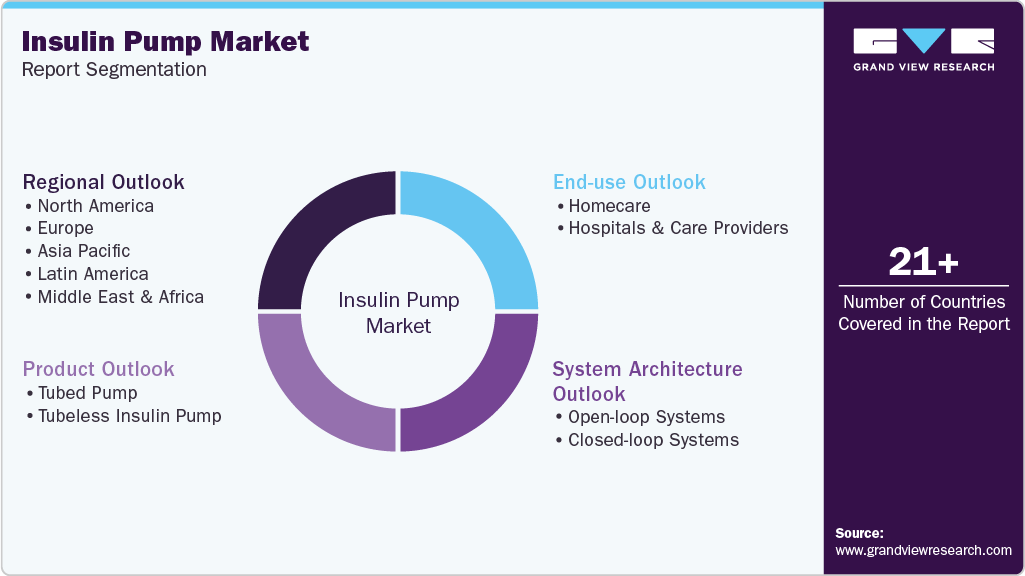
This report forecasts revenue growth at country levels and provides an analysis on the latest industry trends and opportunities in each of the sub-segments from 2021 to 2033. For the purpose of this study, Grand View Research has segmented the global insulin pump market report on the basis of product, system architecture, end use and region:
-
Product Outlook (Revenue, USD Million, 2021 - 2033)
-
Tubed Pump
-
Tubeless Insulin Pump
-
-
System Architecture Outlook (Revenue, USD Million, 2021 - 2033)
-
Open-loop Systems
-
Closed-loop Systems
-
-
End Use Outlook (Revenue, USD Million, 2021 - 2033)
-
Homecare
-
Hospitals & Care Providers
-
-
Region Outlook (Revenue, USD Million, 2021 - 2033)
-
North America
-
U.S.
-
Canada
-
Mexico
-
-
Europe
-
UK
-
Germany
-
France
-
Italy
-
Spain
-
Denmark
-
Sweden
-
Norway
-
-
Asia Pacific
-
Japan
-
China
-
India
-
Australia
-
South Korea
-
Thailand
-
-
Latin America
-
Brazil
-
Argentina
-
-
Middle East & Africa
-
South Africa
-
Saudi Arabia
-
UAE
-
Kuwait
-
-
Research Methodology
Segment Definition
Segment - Product
Revenue capture definition
Tubed Pump
Revenue is generated through the sale of traditional insulin pump systems that deliver insulin via infusion sets connected to the body through tubing. Manufacturers derive income from pump hardware sales, recurring purchases of infusion sets, reservoirs/cartridges, batteries, and accessories required for continuous therapy. Additional revenue is generated through software upgrades, cloud-based diabetes management platforms, and integration with continuous glucose monitoring (CGM) systems that enhance treatment effectiveness and patient monitoring.
Tubeless Insulin Pump
Revenue is generated through the commercialization of patch-style insulin pumps that adhere directly to the body and deliver insulin without external tubing. Market participants earn revenue from reusable controllers or personal diabetes managers (PDMs), disposable pump pods, integrated software platforms, mobile application connectivity, and CGM-enabled automated insulin delivery capabilities. Recurring pod replacements represent a significant source of ongoing revenue within this segment.
Segment –System Architecture
Revenue capture definition
Open-loop Systems
Revenue is generated from insulin pump systems that require users to manually adjust insulin dosing based on glucose readings and personal management decisions. Manufacturers earn revenue through sales of pump hardware, infusion sets, reservoirs, accessories, and associated diabetes management software. Additional revenue may be derived from integration capabilities with glucose monitoring devices and data management platforms that assist patients and healthcare providers in therapy optimization.
Closed-loop Systems
Revenue is generated through advanced automated insulin delivery (AID) systems that integrate insulin pumps with continuous glucose monitoring (CGM) technologies and dosing algorithms to automatically adjust insulin administration. Manufacturers derive revenue from pump sales, CGM integration components, proprietary control algorithms, software licenses, cloud-based monitoring platforms, infusion sets, reservoirs, and other recurring consumables required for long-term therapy management.
Segment –End Use
Revenue capture definition
Homecare
Revenue is generated from insulin pump devices and consumables utilized by patients in home settings for long-term diabetes management. Market participants earn income through pump sales, recurring purchases of infusion sets, reservoirs, pods, replacement components, mobile applications, telehealth-enabled monitoring services, and digital diabetes management platforms that support remote care and self-management.
Hospitals & Care Providers
Revenue is derived from insulin pumps and related supplies procured by hospitals, diabetes clinics, endocrinology centers, and other healthcare providers for patient initiation, training, inpatient diabetes management, and clinical monitoring. Revenue streams include institutional purchases of insulin pump systems, consumables, software platforms, professional training services, and integrated diabetes management solutions used to support patient care and treatment optimization.
Estimation Model
Research Methodology Title
Scope Definition
Build the Product Base
Estimate Penetration
Revenue Conversion
Key Question
What is being sized?
How large is total addressable market?
What portion transitions to Automated Insulin Delivery (AID)?
How does volume become revenue?
Process Steps
1. Triangulate via Cloud Data Platform Metrics
2. Scope Product & Interoperability Specifications
3. Set Geographic Boundaries
4. Align on base year & forecast horizon (2026-2033)1. Gather Patient Volume Data
2. Estimate Daily/Annual Consumption Base
3. Apply Patient Attrition & Compliance Splits
4. Project Forward1. Evaluate MDI-to-Pump Conversion Rates
2. Map Ecosystem Interoperability & CGM Pairings
3. Analyze Advanced Algorithmic Tier Segmentation
4. Triangulate via Cloud Data Platform Metrics1. Collect Price-per-Unit Data
2. Segment by Revenue Streams
3. Apply End-Use Channel Pricing
4. Cross-Check with Trade DataData Sources
IDF, WHO, ADA, EASD, Industry Reports.
National health registries, epidemiological databases, diabetes clinic patient registries.
Primary interviews, medical device manufacturer filings.
Distributor pricing sheets, hospital procurement tender records, import/export databases.
Delivered Customizations
This report has been delivered with the following In-depth customizations
Client Request
Customization Delivered
Value Adds
Insulin Pumps Adoption Analysis
Assessed the impact of rising global Type 1 and insulin-dependent Type 2 diabetes prevalence, mapping the clinical transition of patients from Multiple Daily Injections (MDI) to Continuous Subcutaneous Insulin Infusion (CSII). Researched expanding public/private insurance coverage, specifically tracking the commercial shift of patch pumps from complex Durable Medical Equipment (DME) channels to frictionless pharmacy benefit channels. Evaluated how the introduction of 7-day extended-wear infusion sets, smartphone-controlled bolusing, and miniaturized tubeless form factors are accelerating adoption rates across pediatric and tech-savvy patient demographics
This analysis enables stakeholders to identify and understand the key demand-side drivers, macroeconomic shifts, and clinical guidelines shaping global insulin pump adoption. It provides clear insights into high-growth regional markets, supports strategic portfolio positioning between premium AID ecosystems and cost-effective value-tier devices, and maps long-term expansion trajectories across developed and emerging healthcare systems transitioning toward automated diabetes care.
Market Share Analysis
Evaluated the market standing, commercial revenue, and product portfolios of leading global manufacturers (e.g., Medtronic, Insulet, Tandem) alongside disruptive, emerging innovators. Quantified market share across key hardware categories, specifically Durable (Tethered) Pumps vs. Disposable Patch (Tubeless) Pumps, and assessed their compatibility with Interoperable Continuous Glucose Monitors (iCGM). Monitored and mapped critical corporate developments, including FDA 510(k) / CE Mark clearances for Automated Insulin Delivery (AID) algorithms and cross-industry software-integration partnerships between pump and sensor manufacturers.
This analysis enables stakeholders to decode evolving competitive dynamics, tracking revenue distribution and market share movements within the insulin delivery sector. It identifies growth opportunities driven by the secular shift toward Automated Insulin Delivery (AID) systems over manual dosing methods. Additionally, it highlights how expansions into underserved demographics (like the Type 2 basal-bolus segment) and integration with digital health data platforms are altering global market positioning.
Porter Analysis
Evaluated the bargaining power, competitive rivalry, and threats of substitution across the two primary market pillars: Durable (Tethered) Pumps and Patch (Tubeless) Pumps. Examined how complex automated algorithms, rigorous cybersecurity regulations, and heavy dependence on CGM sensor data integrations create exceptionally high technical barriers for new entrants. Analyzed the intense R&D race centered on algorithm optimization (Time-in-Range maximization) and evaluated the threat of alternative therapies, such as Smart Insulin Pens (InPen) and emerging once-weekly basal insulins.
This structural forces and segmentation analysis empowers stakeholders to identify high-demand device categories, optimize long-term R&D portfolio investments, and project demand shifts between traditional durable hardware and consumable patch-pump ecosystems. It assists manufacturers and investors in aligning their innovation roadmaps with evolving payer reimbursement preferences, regulatory stringency regarding cybersecurity, and patient-centric usability expectations.
Frequently Asked Questions About This Report
The global insulin pump market size was estimated at USD 7.2 billion in 2025 and is expected to reach USD 7.8 billion in 2026.
Some key players operating in the insulin pump market include Medtronic, Hoffmann-La Roche AG, Tandem Diabetes Care, Inc., Insulet Corporation, Ypsomed, Sanofi S.A., Sooil development, Jiangsu Delfu Co., Ltd., Cellnovo Ltd, and Valeritas, Inc.
Key factors that are driving the insulin pump market growth include growing elderly population, increasing diabetes incidence, and rising obesity prevalence.
North America's insulin pump market held the largest share, at 45.4%, in 2025. The increasing prevalence of diabetes in the region is driving the adoption of insulin pumps. Furthermore, high treatment costs, technological advancements, and product launches are expected to drive the market in the region.
Asia Pacific is the fastest-growing region over the forecast period.
Open-loop systems held the largest revenue share in 2025, while the closed-loop system segment is growing significantly.
Homecare held the largest revenue share in 2025, while hospitals & care providers are the fastest-growing area.
The global insulin pump market is expected to grow at a compound annual growth rate of 7.8% from 2026 to 2033 to reach USD 13.1 billion by 2033.
By product, the tubed pump segment led with a 59.4% revenue share in 2025, while the tubeless insulin pump segment is significantly growing.
About the Author(s)
Medical Devices Research Team
Healthcare · Medical DevicesThis report was authored by the medical devices research team at Grand View Research - comprising two research analysts, one senior research analyst, and one industry expert - with specialized expertise in the medical devices segment of the healthcare industry. All findings are based on proprietary healthcare databases, executive interviews, and regulatory analysis, subject to internal peer review prior to publication.
Last Updated:
Speak to Analyst

Need a Tailored Report?
Customize this report to your needs — add regions, segments, or data points, with 20% free customization.
Or view our licence options:


ISO 9001:2015 & 27001:2022 Certified
We are GDPR and CCPA compliant! Your transaction & personal information is safe and secure. For more details, please read our privacy policy.












