
- Home
- »
- Clinical Diagnostics
- »
-
Laboratory Proficiency Testing Market Size Report, 2033GVR Report cover

Laboratory Proficiency Testing Market (2026 - 2033)
Size, Share & Trends Analysis Report By Industry (Clinical Diagnostics, Pharmaceuticals, Microbiology, Cannabis), By Technology (Cell Culture, PCR, Immunoassays), By End-use, By Region, And Segment Forecasts
Market Size, 2025
$1.6BMarket Estimate, 2026
$1.7BMarket Forecast, 2033
$2.5BCAGR, 2026–2033
6.1%Laboratory Proficiency Testing Market Summary
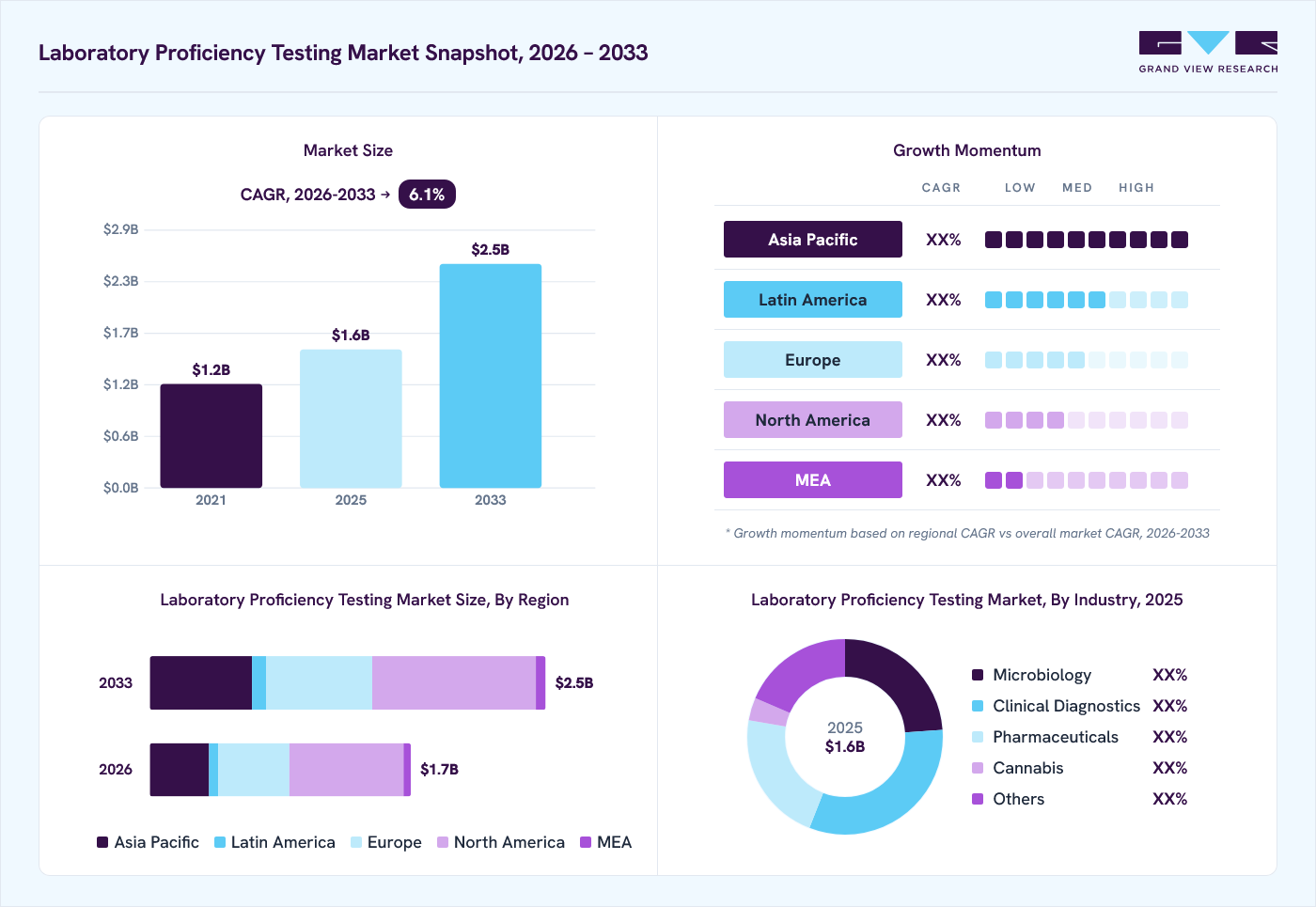
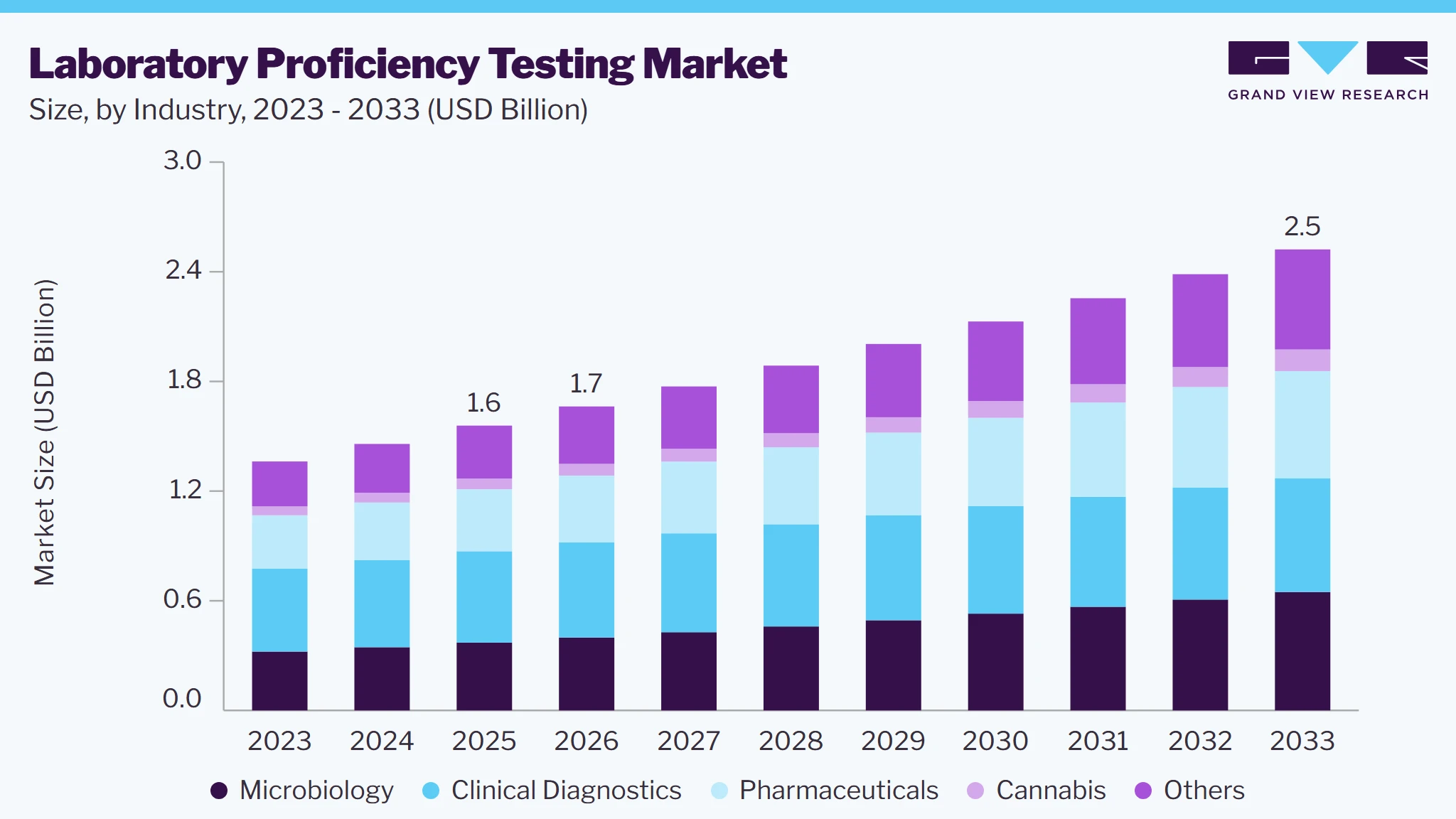
The global laboratory proficiency testing market size was estimated at USD 1.6 billion in 2025 and is projected to grow from USD 1.7 billion in 2026 to USD 2.5 billion by 2033, growing at a CAGR of 6.1% from 2026 to 2033. North America dominated the market, accounting for a revenue share of 44.4% in 2024. This is driven by multiple factors shaping various sectors such as water testing, cannabis testing, and food safety.
 Source: Grand View Research, IR Documents, Primary Interviews, Paid DatabasesTo learn more about this report,
 Download Free Sample Report
 Key Market Trends & Insights
- By industry: Clinical diagnostics segment led the market with the largest revenue share of 32.1% in 2025.
- By technology: Cell culture segment led the market in 2025, and chromatography segment is anticipated to grow at the fastest CAGR over the forecast period.
- By end use: Hospitals led the market in 2025, and contract research organizations segment is anticipated to grow at the fastest CAGR over the forecast period.
Regional Highlights
- Largest regional market: North America (44.1% revenue share, 2025)
- By country: The U.S. held the largest market share in 2025.
Market Size & Forecast
- Market size in 2025: USD 1.6 Billion
- Estimated market size in 2026: USD 1.7 Billion
- Projected market size by 2033: USD 2.5 Billion
- CAGR (2026-2033): 6.1%
Three ways to get this report
Buy it, customize it, or ask a question.Ask an Analyst
A direct answer, usually in 1 working day
- AccessReport author, directly
- Reply timeWithin 1 working day
- No sales callDirect answer only
- FormatEmail reply
- CostFree, no cost
Get the Full Report
What the study covers
- FormatsPDF · Excel · Dashboard
- Timeline2026–2033 annual, 2025 base
- Coverage20+ countries, 5 regions
- Companies10+ key players profiled
Customize the Report
20% free customization
- IncludeCountries, segments, points
- TailorTo your product definition
- ExtendDeeper competitor detail
- OrA fully bespoke study
- Turnaround5–10 working days
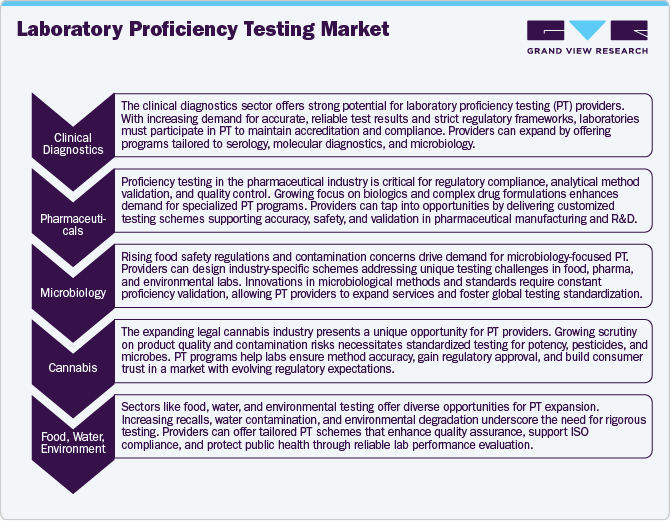
One of the key growth drivers is the increasing focus on water testing to identify micropollutants, contaminants, and microorganisms in freshwater and wastewater. Common microbial contaminants include Legionella, Legionella pneumophila, Salmonella, enterococci, E. coli, Pseudomonas aeruginosa, coliforms, and staphylococci. Proficiency testing is critical in water microbiology as it ensures laboratories can reliably detect and quantify such contaminants. Through blind sample distribution, proficiency testing programs evaluate a laboratory’s capability to perform accurate and consistent water quality analysis, thus safeguarding public health.
 To learn more about this report, Download Free Sample Report
 In addition to microbial testing, laboratory proficiency testing also plays an essential role in measuring endotoxin and pyrogen levels in water, particularly for pharmaceutical manufacturing, medical device production, and dialysis. These toxic substances, originating from bacteria, can have severe health implications. Laboratories must demonstrate their competence in using advanced methods such as Limulus Amebocyte Lysate (LAL) assays to ensure precision in endotoxin detection. Reliable results from such testing are vital for meeting regulatory standards and ensuring water safety.
Further expanding the market, proficiency testing is used in environmental science to determine groundwater age using tritium, helping map aquifer reserves and assess vulnerability to surface contamination. According to the International Atomic Energy Agency (IAEA), only about half of the 78 laboratories conducting tritium testing currently meet the necessary analytical standards. Initiatives like the IAEA’s 2020 training program aim to improve global testing capabilities. Moreover, new product launches continue to create market opportunities. For instance, in March 2022, BIPEA introduced a new Proficiency Testing Scheme (PT 35d) for microbiological water testing, enabling labs to measure yeast and mold levels in freshwater.
The legalization and increasing acceptance of medical cannabis in many countries, including the U.S., has significantly amplified the demand for laboratory proficiency testing. This testing is essential to ensure the safety, potency, and regulatory compliance of cannabis products. With the expansion of the cannabis industry, laboratories must demonstrate accurate performance in areas such as potency determination, pesticide residue analysis, microbial contamination, and heavy metal detection.
Cannabis testing labs employ advanced technologies like mass spectrometry, gas chromatography, and High-Pressure Liquid Chromatography (HPLC), as well as molecular tools like nucleic acid sequencing and Quantitative Polymerase Chain Reaction (qPCR) to assay for biological and chemical contaminants. The rising demand for high-potency cannabis, coupled with regulatory mandates, has led to the proliferation of dedicated cannabis testing laboratories. Proficiency testing enables these labs to validate their methodologies and maintain high standards, contributing to consumer safety and overall industry credibility.
Another critical growth factor is the increasing global incidence of foodborne illnesses, which is creating a heightened demand for laboratory testing and validation. According to the World Health Organization (WHO), foodborne illnesses affect approximately 600 million people annually, leading to around 420,000 deaths. Children under five years old account for 40% of this burden, experiencing approximately 125,000 deaths each year. These diseases are caused by a wide range of contaminants, including bacteria like Vibrio cholerae, Listeria, E. coli, and Salmonella; viruses; parasites such as Cryptosporidium and Entamoeba histolytica; and chemical agents like heavy metals and toxins.
 To learn more about this report, Download Free Sample Report
 In 2024, the U.S. had a sharp spike in foodborne illness outbreaks, with nearly 1,400 reported cases-98% of which were linked to just 13 significant outbreaks involving Listeria, Salmonella, and E. coli. Notably, a Listeria outbreak from frozen supplemental shakes led to 12 deaths across 21 states. These alarming figures have intensified regulatory scrutiny and underscored the necessity for enhanced food testing and quick recall capabilities.
Food production intensification, climate change, and international trade are accelerating the spread of foodborne pathogens while evolving consumer preferences for fresh, minimally processed foods increase exposure risks. In this context, laboratory proficiency testing is vital to validate testing protocols and uphold food safety standards. Moreover, technological innovations such as AI and blockchain are improving traceability and response times, further driving the need for rigorous laboratory validation.
Market Dynamics
The laboratory proficiency testing market is experiencing steady growth driven by increasing emphasis on laboratory quality assurance, regulatory compliance, and accreditation requirements across clinical, pharmaceutical, microbiology, and environmental testing settings. Laboratories are increasingly adopting proficiency testing programs to demonstrate analytical competence, support accreditation under ISO and national quality standards, and ensure consistency of test results across geographically distributed facilities. The market is also benefiting from the expansion of specialized testing disciplines that require independent performance verification and external quality assessment. For instance, in February 2025, Cormay Diagnostics partnered with the Randox International Quality Assessment Scheme to enable broader participation in external quality assessment programs, reflecting the growing importance of standardized quality benchmarking across diagnostic laboratories. In addition, industry participants continue to expand testing portfolios to address evolving laboratory requirements. For instance, in 2025, the College of American Pathologists introduced 21 new PT and EQA programs, highlighting increasing demand for specialized proficiency testing solutions and supporting the ongoing development of quality focused laboratory operations worldwide.
The growing emphasis on laboratory competency, result accuracy, and compliance with international accreditation standards is a key driver for the laboratory proficiency testing market. Regulatory authorities and accreditation bodies increasingly require laboratories to participate in proficiency testing programs as part of quality management and performance verification processes. This trend is particularly evident across clinical diagnostics, pharmaceutical manufacturing, food testing, and environmental laboratories where reliable analytical outcomes are critical for regulatory acceptance and public safety. As testing methodologies become more complex, laboratories are investing in external quality assessment programs to benchmark performance, identify analytical deviations, and maintain accreditation status. The demand is further supported by the expansion of laboratory networks operating across multiple locations that require standardized quality assurance practices. For instance, in November 2024, Hong Kong Accreditation Service adopted updated ISO/IEC 17043 requirements while accreditation bodies in Canada implemented similar competency focused enhancements, increasing the importance of proficiency testing participation for laboratories seeking accreditation and continued regulatory compliance.
Despite the growing importance of proficiency testing, participation remains challenging for many small and resource constrained laboratories due to financial, operational, and administrative burdens. Regular enrollment in proficiency testing programs requires dedicated budgets, trained personnel, sample handling capabilities, and ongoing documentation efforts to meet accreditation expectations. Laboratories operating in developing regions often face additional challenges related to program availability, logistics, and access to specialized testing schemes. These constraints can delay participation or limit the frequency of enrollment, particularly for laboratories with lower testing volumes. The challenge becomes more pronounced as regulatory requirements expand into new testing areas that require additional proficiency assessments. Furthermore, maintaining compliance across multiple analytical disciplines can increase overall quality management costs. As a result, some laboratories continue to balance quality assurance objectives against operational expenditures, which can restrict broader adoption of comprehensive proficiency testing programs despite increasing recognition of their importance.
The emergence of new testing disciplines and evolving analytical requirements is creating significant opportunities for proficiency testing providers to develop specialized programs. Growing demand for advanced molecular diagnostics, microbiology testing, environmental contaminant analysis, food safety assessments, and cannabis testing is increasing the need for tailored proficiency testing schemes capable of evaluating laboratory performance in niche applications. Laboratories adopting new methodologies often require external performance validation to support accreditation and ensure analytical consistency. This trend is encouraging providers to expand program portfolios and address previously underserved testing areas. In addition, increasing adoption of advanced technologies such as next generation molecular assays and rapid microbiological methods is creating demand for proficiency testing solutions that reflect real world testing conditions. For instance, in June 2024, BIPEA introduced the PT 56A program focused on microbiology testing in flour samples with artificial contamination, reflecting the growing market opportunity for specialized proficiency testing programs designed for emerging quality assurance requirements.
Market Concentration & Characteristics
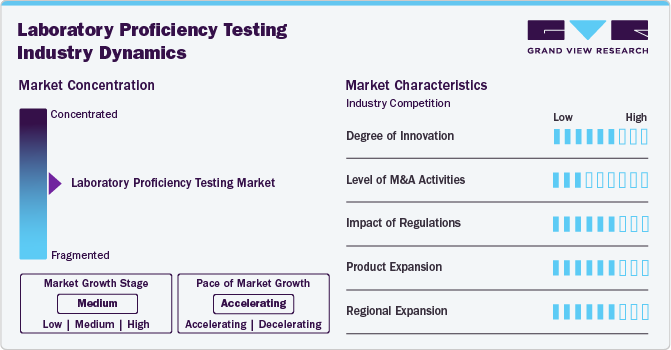
The market is evolving with technological advancements like AI-driven analytics, molecular diagnostics, and high-throughput testing platforms. Innovative proficiency testing schemes tailored for emerging fields such as cannabis, genomics, and environmental monitoring are transforming quality assurance. These innovations enable more accurate, efficient, and scalable PT services, enhancing laboratory capabilities and ensuring compliance with global standards.
Mergers and acquisitions in the market are moderately active, driven by the need for technological capabilities, geographic diversification, and broader test portfolios. Key players are acquiring smaller PT providers to enhance offerings and consolidate market share. These strategic deals allow access to new customer bases, advanced methodologies, and expansion into niche testing areas, thereby fueling overall market growth.
 To learn more about this report, Download Free Sample Report
 Strict regulatory frameworks significantly influence the market. Accreditation bodies like ISO, CLIA, and CAP require routine proficiency testing for compliance. Regulatory mandates ensure laboratories meet minimum quality standards, promoting PT as a necessary service. With a global emphasis on data integrity, public health, and patient safety, regulatory compliance is a major growth driver for LPT providers across all industries.
The introduction of new and specialized PT schemes for clinical diagnostics, cannabis, food safety, and water quality drives market growth. Custom programs tailored to unique industry needs, such as microbiological testing or advanced chemical assays, enable laboratories to demonstrate competence in niche areas. Continuous product expansion ensures relevance, competitive advantage, and the ability to meet evolving customer and regulatory demands.
Growing demand for laboratory accreditation in emerging economies like Asia-Pacific, Latin America, and Africa is driving regional expansion. International proficiency providers are establishing local partnerships, regional labs, and training centers to meet compliance standards and support public health initiatives. Regional diversification not only broadens customer reach but also helps standardize testing practices globally, promoting market sustainability and long-term growth.
Analyst Perspective
The laboratory proficiency testing market is expected to grow steadily, driven by increasing regulatory emphasis on laboratory quality assurance, accreditation requirements, and standardized testing performance. Proficiency testing programs help evaluate laboratory competency, ensure analytical accuracy, and maintain compliance with national and international quality standards. Growth is supported by expanding molecular diagnostics, microbiology, pharmaceutical quality control, food safety, and environmental testing, alongside increasingly complex analytical methods. Favorable accreditation frameworks, ISO/IEC 17043-based requirements, and wider participation in external quality assessment programs are further strengthening demand. Continued investment in digital reporting, specialized testing schemes, and laboratory quality management systems is expected to support long-term market growth across healthcare, pharmaceutical, and industrial sectors.
Industry Insights
Based on industry, the clinical diagnostics segment led the market with the largest revenue share of 32.1% in 2025, driven by the widespread adoption of proficiency testing (PT) to minimize errors and ensure the accuracy and quality of diagnostic results. PT is critical in clinical diagnostics, often serving as a mandatory requirement for CLIA certification-an essential regulatory approval for legal laboratory operations. Acknowledging the importance of PT, the Centers for Medicare and Medicaid Services (CMS) proposed updates to PT requirements under CLIA regulations in July 2022. Clinical diagnostic laboratories have shown a lower incidence of diagnostic errors compared to hospitals, largely due to the routine implementation of PT as part of robust quality management systems. With the increasing complexity of diagnostic procedures and the rising demand for early and accurate disease detection, PT has become vital for maintaining high standards and ensuring reliable outcomes across clinical diagnostics.
The cannabis segment is projected to register the fastest CAGR during the forecast period, fueled by the rapid expansion of the cannabis industry, growing approvals of cannabis-derived products, and the rising number of laboratories offering cannabis-specific proficiency testing (PT). Several strategic initiatives and collaborations are driving quality control and standardization in this space. For example, in May 2022, AOAC INTERNATIONAL partnered with Signature Science to develop PT materials specifically for cannabis testing. Additionally, in April 2023, the Trust in Testing initiative launched national cannabis testing standards aimed at improving consistency, reliability, and trust in laboratory results. Beyond fulfilling regulatory requirements, PT programs play a pivotal role in creating uniform testing protocols and harmonizing laboratory practices across the cannabis sector. This standardization ensures data consistency and helps guarantee that cannabis products meet stringent safety and quality benchmarks, whether for medical, recreational, or industrial use. Participation in PT programs enables cannabis testing laboratories to validate their analytical capabilities, enhance operational accuracy, and reinforce credibility-ultimately supporting the sector’s growth and regulatory alignment.
Technology Insights
Based on technology, the cell culture segment led the market in 2025, and chromatography segment is anticipated to grow at the fastest CAGR over the forecast period. Its substantial market presence is largely due to the widespread application of cell culture techniques for detecting infectious microorganisms. The increased uptake of cell culture-based products has driven the adoption of these technologies, maximizing microbial strain culture yields. Such tests are crucial for preserving the accuracy and integrity of laboratory processes, ensuring both safety and efficacy for cell culture-derived products, and complying with regulatory standards in the pharmaceutical and healthcare sectors. Additionally, the growing use of cell culture-based therapeutics, including monoclonal antibodies, has further bolstered the demand for cell culture testing, which is essential for optimizing microbial strain cultures, ensuring product consistency, and maintaining quality control during biopharmaceutical production.
The chromatography segment is projected to experience the fastest growth rate over the forecast period. Reliability & safety for quality control in pharmaceutical & biotechnology are increasing the segment demand, motivating key market players to adopt chromatography technology to offer laboratory proficiency testing services. For instance, the PHARMASSURE scheme provided by LGC offers High-Performance Liquid Chromatography (HPLC) proficiency testing tailored to meet the specialized demands of the pharmaceutical industry.
End-use Insights
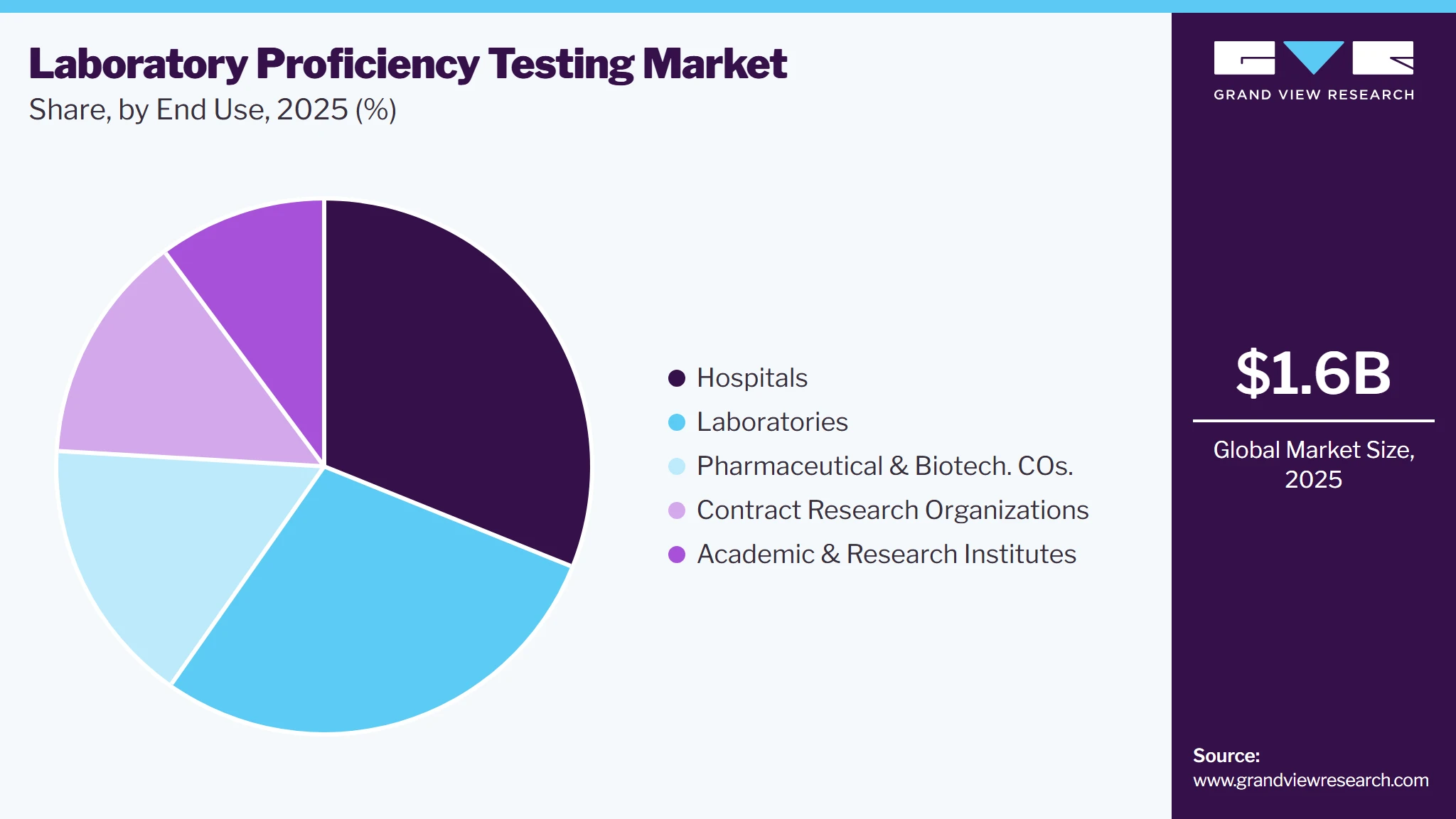
Based on end use, the hospitals led the market in 2025, and contract research organizations segment is anticipated to grow at the fastest CAGR over the forecast period, owing to the increasing need for regular competence evaluation in hospitals. Hospital laboratories are required to deliver accurate results, making regular competence evaluation crucial. Moreover, the increasing number of tests offered by hospitals is further expected to drive the demand for PT. Moreover, developed countries commonly practice proficiency testing programs, with hospitals offering convenient insurance coverage, making them the preferred choice for patients. Moreover, regular participation in proficiency testing enables laboratories to validate evaluating methodologies, identify areas for improvement, and uphold the highest standards of accuracy in diagnostic procedures.
 To learn more about this report, Download Free Sample Report
 The contract research organizations segment is expected to grow at the fastest rate over the forecast period. This rapid expansion is driven by the increasing adoption of outsourced services in healthcare, a growing focus on R&D, and strict regulatory guidelines governing clinical trials. Emerging economies like India and China have become key hubs for CRO activities, further propelling the demand for proficiency testing. With intensifying emphasis on research and stringent FDA mandates for clinical trials, laboratory proficiency testing within CROs is gaining importance. By incorporating proficiency testing programs, CROs can ensure accurate and reliable laboratory analyses, meet regulatory standards, standardize processes, improve data quality, and enhance their reputation as research partners. This, in turn, supports advancements in research and delivers more trustworthy clinical trial outcomes.
Regional Insights
North America laboratory proficiency testing industry accounted for the largest revenue share of 44.1% in 2025 and Asia Pacific is anticipated to grow at fastest growth over the forecast period. The region’s dominance can be attributed to the existence of established pharmaceutical & diagnostics industries, stringent regulatory framework related to laboratory accreditation, and the growing adoption of laboratory competence evaluation. Moreover, the presence of leading market players such as the American Proficiency Institute, College of American Pathologists, and Bio-Rad Laboratories, Inc., and well-established healthcare infrastructure are key drivers for the market in the region.
 To learn more about this report, Download Free Sample Report
 U.S. Laboratory Proficiency Testing Market Trends
The laboratory proficiency testing market in the U.S. held the largest share in the North America region in 2025. The laboratory proficiency testing market in the U.S. is driven by a vast network of accredited laboratories that must comply with strict proficiency testing requirements to sustain their accreditation. In North America, the U.S. dominates the market due to over 200,000 laboratories operating nationwide. Notably, while hospital-based laboratories represent just 5% of this total, they account for approximately 55% of all tests performed. Compliance with Clinical Laboratory Improvement Amendments (CLIA) guidelines, which mandate certification based on testing complexity, further intensifies the demand for proficiency testing.
Europe Laboratory Proficiency Testing Market Trends
The laboratory proficiency testing market in Europe is expanding due to the growing number of applications and the launch of new programs. The region holds the second-largest market share by revenue, following North America, and is projected to experience a strong CAGR in the coming years. Increased research funding and the presence of key market players are significant drivers of this growth. Additionally, organizations like Eurachem are actively promoting quality practices across Europe.
The UK laboratory proficiency testing market is being propelled by the nation's significant role in the European market, underpinned by robust research and development advancements. The rising emphasis on R&D, particularly within the biopharmaceutical and pharmaceutical sectors, is intensifying the demand for proficiency testing services. Strategic partnerships between pharmaceutical companies and industry players are further elevating quality assurance and laboratory proficiency. A notable instance occurred in September 2020 when Diaceutics PLC announced three new collaborations on its DXRX platform. The company partnered with external quality assessment organizations, including the Canadian Pathology Quality Assurance - Assurance Qualité Canadienne en Pathologie (CPQA-AQCP), the European Molecular Genetics Quality Network (EMQN CIC), and the Nordic Immunohistochemical Quality Control (NordiQC), to establish global best practices in diagnostic testing and ensure high in-lab quality assurance standards.
The laboratory proficiency testing market in Germany is fueled by one of Europe’s most robust healthcare systems and advanced infrastructure. The widespread use of automated laboratory equipment necessitates meticulous maintenance and standardization to achieve accurate results, thereby increasing demand for proficiency testing services. Organizations like Kunststoff-Institut für die mittelständische Wirtschaft NRW GmbH and IfEP GmbH has bolstered this market by offering specialized testing solutions, including proficiency programs for computerized tomography focused on coordination determination. Additionally, the growing emphasis on food and water quality and sterility-exacerbated by the SARS-CoV-2 pandemic-has spurred laboratory expansion. With over 100 pharmaceutical companies in Germany required to perform routine testing of raw materials and finished products to meet FDA standards, proficiency testing remains an essential element of quality assurance in the country.
Asia Pacific Laboratory Proficiency Testing Market Trends
The laboratory proficiency testing market in the Asia Pacific is experiencing significant growth, driven by the expansion of the pharmaceutical and biopharmaceutical industries, increased funding, and improved laboratory infrastructure. The region is attracting major investments from global pharmaceutical companies, further fueling demand for standardized testing. In March 2024, Novo Nordisk announced a USD 556 million investment to expand its manufacturing capacity in China. These developments emphasize the growing importance of quality control and regulatory compliance, increasing the need for proficiency testing in laboratories.
Japan laboratory proficiency testing market is experiencing significant growth. As one of the largest such markets in the Asia-Pacific region, Japan is propelled by its rapidly aging population, escalating healthcare demands, and ongoing advancements in diagnostic technologies. With an increase in age-related diseases, there is a heightened need for accurate and high-quality diagnostic services. This drive for precise and efficient laboratory testing is boosting the demand for proficiency testing and accreditation programs across a range of sectors, including clinical diagnostics, pharmaceuticals, food, and cosmetics.
The laboratory proficiency testing market in China is witnessing substantial growth, driven by increasing healthcare expenditure, rising prevalence of chronic diseases, and rapid expansion of the biopharmaceutical sector. According to a study by the UK’s NHS, China's healthcare expenditure is projected to reach USD 25.2 billion by 2027, reflecting the country’s commitment to enhancing its medical and diagnostic infrastructure. With the largest population in the world, China is experiencing a surge in chronic diseases such as Alzheimer’s disease, COPD, breast cancer, and prostate cancer, leading to an increasing demand for advanced, high-precision diagnostic laboratories. The need for accredited and reliable laboratories is growing as healthcare providers strive for accurate disease management and early detection.
Latin America Laboratory Proficiency Testing Market Trends
The laboratory proficiency testing market in Latin America is witnessing significant growth, largely driven by increasing government support for quality assurance in laboratory testing. Governments across the region are investing in proficiency testing programs to enhance the accuracy and reliability of diagnostic results, ensuring compliance with international standards. For instance, in 2023, Colombia developed and implemented a national proficiency test (PT) for SARS-CoV-2 detection using PCR. This initiative involved distributing test samples to 121 laboratories and assessing their ability to detect both low and high levels of viral RNA. The results demonstrated a high level of proficiency, with 98.3% of laboratories achieving satisfactory performance.
The Brazil laboratory proficiency testing market is expanding, driven by initiatives from organizations focused on improving laboratory accuracy and the rapid growth of the pharmaceutical sector. Programs led by international and national organizations are enhancing testing standards, ensuring laboratories meet global quality benchmarks. One key player in this space is the International Atomic Energy Agency (IAEA), which conducts laboratory proficiency testing and interlaboratory comparisons (ILCs). These programs help assess and improve the quality of analytical results from laboratories worldwide, including those in Brazil. By participating in such initiatives, Brazilian laboratories enhance their credibility and ensure the reliability of their testing processes.
Middle East and Africa Laboratory Proficiency Testing Market Trends
The laboratory proficiency testing market in the Middle East and Africa (MEA) is witnessing rapid expansion, fueled by economic growth and increasing healthcare investments. The growing need for accurate and reliable diagnostic testing is driving the adoption of proficiency testing services, ensuring laboratories adhere to global quality and regulatory standards. A key factor propelling market growth is the rising emphasis on regulatory compliance and laboratory accreditation. The accreditation of Algeria’s National Institute of Criminalistics and Criminology of the Gendarmerie Nationale (NICC/GN) by the Organisation for the Prohibition of Chemical Weapons (OPCW) in July 2024 underscores the region’s commitment to upholding international quality benchmarks.
The Saudi Arabia laboratory proficiency testing market is witnessing substantial growth, driven by advancements in healthcare infrastructure, stringent regulatory compliance, and innovations in medical diagnostics. As part of Vision 2030, Saudi Arabia is also focusing on developing its mining and minerals industry, with vast geological resources valued at over USD 2.5 trillion. This economic diversification aligns with the country's broader goal of enhancing medical services, fostering technological advancements, and maintaining high healthcare standards.
Key Laboratory Proficiency Testing Company Insights
Key market players are adopting market strategies, such as new product launches, collaborations, and geographical expansions, to increase their global footprint. For instance, in January 2023, BIPEA introduced a novel proficiency test in surface microbiology, expanding its range of offerings. This new test allows professionals in the field to enhance their expertise and proficiency in surface microbiology analysis. Moreover, in April 2022, NSI Lab partnered with Spex and USP testing, offering a comprehensive solution for professionals to evaluate their capabilities & meet regulatory requirements in the pharmaceutical industry.
Key Laboratory Proficiency Testing Companies
The following key companies have been profiled for this study on the laboratory proficiency testing market.
-
LGC Limited
-
Bio-Rad Laboratories, Inc.
-
Randox Laboratories Ltd.
-
QACS - The Challenge Test Laboratory
-
Merck KGaA
-
Weqas
-
BIPEA
-
NSI Lab Solutions
-
Absolute Standards, Inc.
-
INSTAND
Competitive Benchmarking
Operating Strategies
Competitive Edge
Weaknesses
Well Established Players (LGC Limited, Bio-Rad Laboratories, Randox Laboratories Ltd., Merck KGaA, WEQAS, INSTAND)
- Focus on providing comprehensive proficiency testing and external quality assessment programs across clinical diagnostics, molecular diagnostics, microbiology, pharmaceutical testing, food safety, environmental testing, and specialty laboratory disciplines.
- Emphasize global program expansion, accreditation support, digital reporting platforms, regulatory compliance solutions, and long term relationships with accredited laboratories, healthcare institutions, and regulatory bodies.
- Extensive proficiency testing portfolios, established credibility among accredited laboratories, strong international distribution networks, broad regulatory expertise, and large participant databases that support statistically robust performance evaluations.
- Long operating histories and recognized quality standards strengthen customer retention and recurring program participation.
- Dependence on mature laboratory markets can limit growth rates.
- Large operational structures may reduce flexibility in responding to emerging testing fields.
- Ongoing investments are required to expand specialized programs, maintain accreditation standards, and support evolving regulatory requirements across multiple jurisdictions.
Emerging & Specialized Players (QACS – The Challenge Test Laboratory, BIPEA, NSI Lab Solutions, Absolute Standards, Inc.)
- Focus on specialized proficiency testing programs targeting niche applications including microbiology, food safety, environmental analysis, cannabis testing, pharmaceutical quality control, and industrial laboratories.
- Emphasize customized proficiency testing schemes, technical support services, rapid program development, and partnerships with accreditation bodies and laboratory networks.
- Strong specialization in targeted testing areas, ability to develop application specific proficiency testing programs, flexible service models, and responsiveness to evolving regulatory and industry requirements.
- Expertise in niche laboratory sectors supports differentiation from larger multinational providers.
- Smaller global footprint, lower brand recognition, and limited access to large international laboratory networks compared with established providers.
- Dependence on specialized market segments and narrower program portfolios may restrict scalability and geographic expansion opportunities.
Recent Developments
-
In February 2025, Cormay Diagnostics partnered with the Randox International Quality Assessment Scheme (RIQAS) to provide world-class External Quality Assessment (EQA) programs. This partnership enables the evaluation of Cormay Diagnostics' IVD solutions within one of the world's largest EQA frameworks, engaging over 70,000 laboratories globally.
-
In November 2024, CAP launched a new Proficiency Testing (PT) report aimed at in vitro diagnostics (IVD) companies. The initiative is designed to better understand and meet customer needs, enhancing overall testing quality and accuracy in the diagnostic landscape.
-
In June 2024, BIPEA introduced the experimental PT 56A program, focusing on microbiology in flours with artificial contamination. This initiative is intended to improve laboratory performance by enhancing the detection of microbial contaminants in flour samples, thereby boosting food safety and quality control.
Laboratory Proficiency Testing Market Report Scope
Report Attribute
Details
Market size in 2025
USD 1.6 billion
Estimated market size in 2026
USD 1.7 billion
Projected market size by 2033
USD 2.5 billion
Growth rate
CAGR of 6.1% from 2026 to 2033
Historical data
2021 - 2024
Forecast period
2026 - 2033
Quantitative units
Revenue in USD million/billion and CAGR from 2026 to 2033
Report coverage
Revenue forecast, company ranking, competitive landscape, growth factors, and trends
Segments covered
Industry, Technology, End Use, Regional
Regional scope
North America; Europe; Asia Pacific; Latin America; MEA
Country scope
U.S.; Canada; Mexico; Germany; UK; France; Italy; Spain; Denmark; Sweden; Norway; Japan; China; India; South Korea; Australia; Thailand; Brazil; Argentina; South Africa; Saudi Arabia; UAE; and Kuwait
Key companies profiled
LGC Limited, Bio-Rad Laboratories, Inc., Randox Laboratories Ltd., QACS - The Challenge Test Laboratory, Merck KGaA, Weqas, BIPEA, NSI Lab Solutions, Absolute Standards, Inc., INSTAND.
Customization scope
Free report customization (equivalent up to 8 analysts' working days) with purchase. Addition or alteration to country, regional & segment scope.
Pricing and purchase options
Avail customized purchase options to meet your exact research needs. Explore purchase options
Global Laboratory Proficiency Testing Market Report Segmentation
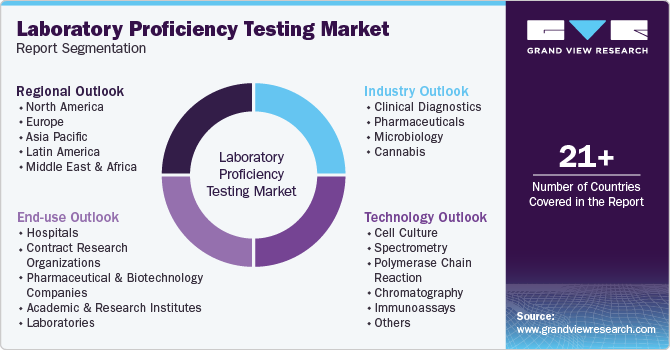
This report forecasts revenue growth at the global, regional and country levels and provides an analysis of the latest trends in each of the sub-segments from 2021 to 2033. For this study, Grand View Research has segmented the global laboratory proficiency testing market report on the basis of industry, technology, end-use, and region:
 To learn more about this report, Download Free Sample Report
 -
Industry Outlook (Revenue, USD Million, 2021 - 2033)
-
Clinical Diagnostics
-
Clinical chemistry
-
Immunochemistry
-
Hematology
-
Oncology
-
Molecular Diagnostics
-
PCR
-
Others
-
-
Coagulation
-
Others
-
-
Pharmaceuticals
-
Biological Products
-
Vaccines
-
Blood
-
Tissues
-
-
Others
-
-
Microbiology
-
Pathogen testing
-
Sterility testing
-
Endotoxin & pyrogen testing
-
Growth promotion testing
-
Others
-
-
Cannabis
-
Medical
-
Non-Medical
-
-
-
Technology Outlook (Revenue, USD Million, 2021 - 2033)
-
Cell Culture
-
Spectrometry
-
Polymerase Chain Reaction
-
Chromatography
-
Immunoassays
-
Others
-
-
End-use Outlook (Revenue, USD Million, 2021 - 2033)
-
Hospitals
-
Contract Research Organizations
-
Pharmaceutical & Biotechnology Companies
-
Academic & Research Institutes
-
Laboratories
-
Independent Laboratories
-
Specialty Laboratories
-
-
-
Regional Outlook (Revenue, USD Million, 2021 - 2033)
-
North America
-
U.S.
-
Canada
-
Mexico
-
-
Europe
-
UK
-
Germany
-
France
-
Italy
-
Spain
-
Denmark
-
Sweden
-
Norway
-
-
Asia Pacific
-
Japan
-
China
-
India
-
Australia
-
Thailand
-
South Korea
-
-
Latin America
-
Brazil
-
Argentina
-
-
Middle East & Africa
-
South Africa
-
Saudi Arabia
-
UAE
-
Kuwait
-
-
Research Methodology
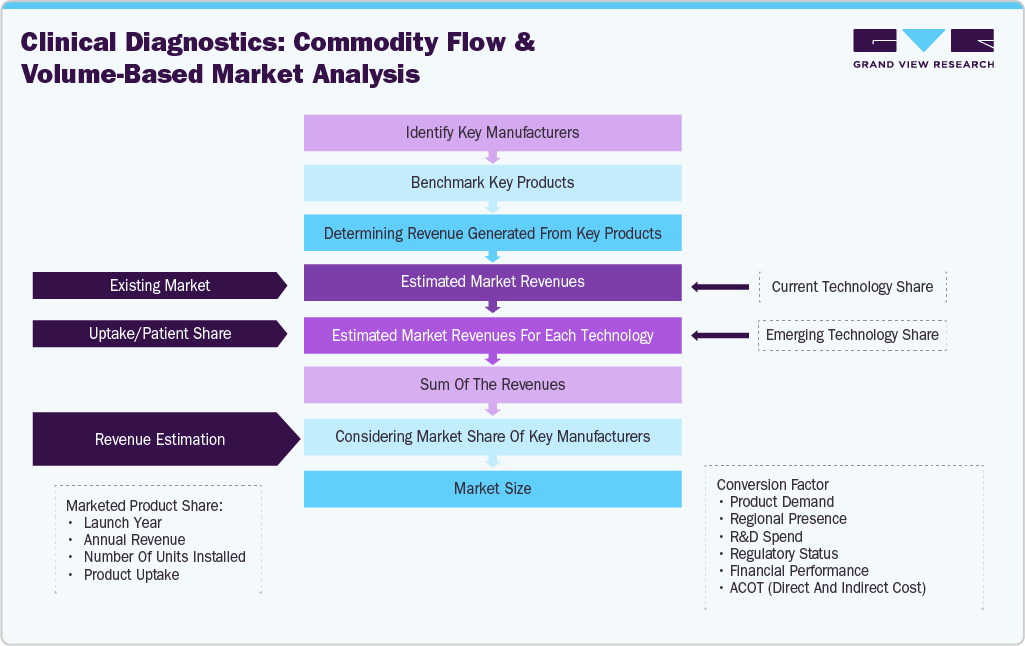
The Laboratory proficiency testing market figures in this report are based on a proven research process that combines executive interviews with secondary research from proprietary databases, company filings, and recognized regulatory and institutional sources. Market size is built through value-chain sizing-reconciling supply-side and demand-side estimates-and triangulated with bottom-up and top-down approaches. Every estimate passes multiple levels of expert validation before publication, with each Laboratory proficiency testing segment quantified using the revenue-capture definitions in the table below.
Segment Definition
Segment - Industry
Revenue capture definition
Clinical Diagnostics
Revenue is primarily captured through proficiency testing programs that evaluate laboratory accuracy, result consistency, and compliance across patient diagnostic testing disciplines performed in clinical laboratory settings.
Clinical Chemistry
Revenue flows from proficiency testing samples and performance assessments used to verify analytical accuracy in biochemical testing of blood, serum, urine, and other clinical specimens.
Immunochemistry
Revenue is derived from proficiency testing schemes assessing laboratory competency in immunoassay based detection of hormones, proteins, infectious disease markers, and related analytes.
Hematology
Revenue accrues from external quality assessment services that measure laboratory performance in blood cell analysis, hemoglobin testing, differential counts, and morphology evaluations.
Oncology
Revenue is generated through proficiency testing programs supporting quality assessment of cancer related biomarker testing, tumor marker analysis, and oncology focused diagnostic procedures.
Molecular Diagnostics
Revenue stems from proficiency testing services evaluating laboratory performance in nucleic acid based assays used for genetic, infectious disease, and mutation analysis.
PCR
Revenue flows from proficiency testing panels specifically designed to assess assay accuracy, amplification reliability, contamination control, and interpretation of polymerase chain reaction results.
Others (Molecular Diagnostics)
Revenue is captured through proficiency testing programs supporting molecular methodologies excluding PCR, including sequencing, hybridization, and other advanced genomic technologies.
Coagulation
Revenue originates from proficiency testing schemes assessing laboratory accuracy in clotting assays, anticoagulation monitoring, hemostasis evaluation, and coagulation related diagnostic testing.
Others (Clinical Diagnostics)
Revenue is obtained from proficiency testing services covering clinical diagnostic disciplines not classified under chemistry, hematology, immunochemistry, coagulation, molecular diagnostics, or oncology.
Pharmaceuticals
Revenue is generated through proficiency testing programs supporting analytical quality assurance, manufacturing control, product release testing, and regulatory compliance within pharmaceutical operations.
Biological Products
Revenue is primarily captured from proficiency testing assessments used to verify analytical performance in biologic product characterization, safety testing, and quality control activities.
Vaccines
Revenue flows from proficiency testing services evaluating laboratory competency in vaccine potency, purity, identity, stability, and safety related analytical procedures.
Blood
Revenue is derived from proficiency testing programs supporting quality assessment of blood product screening, compatibility testing, characterization, and manufacturing quality control processes.
Tissues
Revenue accrues from proficiency testing schemes designed for laboratories conducting tissue product evaluation, contamination assessment, donor screening, and quality assurance activities.
Others (Pharmaceuticals)
Revenue is captured through proficiency testing services supporting pharmaceutical applications not categorized under biologics, vaccines, blood products, or tissue based products.
Microbiology
Revenue originates from proficiency testing programs that evaluate laboratory performance in microorganism detection, identification, enumeration, and contamination monitoring activities.
Pathogen Testing
Revenue is generated through proficiency testing services assessing laboratory accuracy in detecting and identifying bacterial, viral, fungal, and parasitic organisms.
Sterility Testing
Revenue flows from proficiency testing programs verifying laboratory competency in confirming the absence of viable microorganisms within regulated products and materials.
Endotoxin & Pyrogen Testing
Revenue is derived from proficiency testing assessments focused on the detection and quantification of endotoxins and pyrogenic contaminants affecting product safety.
Growth Promotion Testing
Revenue is captured through proficiency testing schemes evaluating laboratory performance in verifying microbiological culture media suitability and microorganism growth characteristics.
Others (Microbiology)
Revenue stems from proficiency testing programs supporting microbiological applications beyond pathogen detection, sterility testing, endotoxin testing, and growth promotion evaluation.
Cannabis
Revenue is generated through proficiency testing services supporting quality assurance, analytical validation, and regulatory compliance within cannabis testing laboratories.
Medical
Revenue flows from proficiency testing programs assessing laboratory performance in medical cannabis testing for potency, contaminants, residual solvents, and product quality attributes.
Non-Medical
Revenue is derived from proficiency testing schemes supporting recreational and industrial cannabis laboratories performing potency verification and contaminant screening analyses.
Segment - Technology
Revenue capture definition
Cell Culture
Revenue is captured through proficiency testing programs evaluating laboratory competency in cell cultivation, viability assessment, contamination monitoring, and cell based analytical procedures.
Spectrometry
Revenue originates from proficiency testing services assessing laboratory performance in analyte identification and quantification using spectrometric analytical techniques.
Polymerase Chain Reaction
Revenue flows from proficiency testing panels designed to evaluate laboratory accuracy, reproducibility, contamination control, and result interpretation in PCR based assays.
Chromatography
Revenue is generated through proficiency testing programs assessing analytical performance in compound separation, identification, quantification, and chromatographic method execution.
Immunoassays
Revenue is derived from proficiency testing schemes verifying laboratory accuracy in antigen, antibody, protein, and biomarker detection using immunoassay technologies.
Others (Technology)
Revenue accrues from proficiency testing services supporting analytical technologies not classified under cell culture, spectrometry, PCR, chromatography, or immunoassay platforms.
Segment – End Use
Revenue capture definition
Hospitals
Revenue is generated from proficiency testing subscriptions and assessment programs purchased by hospital laboratories to maintain accreditation and diagnostic quality standards.
Contract Research Organizations
Revenue flows from proficiency testing services utilized by CRO laboratories conducting regulated analytical testing, outsourced research support, and clinical study activities.
Pharmaceutical & Biotechnology Companies
Revenue is captured through proficiency testing programs supporting manufacturing quality control, product development, validation studies, and compliance requirements.
Academic & Research Institutes
Revenue originates from proficiency testing enrollments used by research laboratories to validate analytical performance and maintain established quality management standards.
Laboratories
Revenue is derived from proficiency testing services procured by testing laboratories requiring external quality assessment across multiple analytical disciplines and workflows.
Independent Laboratories
Revenue stems from proficiency testing participation by standalone commercial laboratories performing diagnostic, environmental, industrial, and analytical testing services.
Specialty Laboratories
Revenue accrues from proficiency testing programs tailored to niche testing facilities specializing in molecular diagnostics, genetics, oncology, microbiology, toxicology, or related disciplines.
Estimation Model
The laboratory proficiency testing market is expected to witness steady growth driven by increasing regulatory requirements for laboratory accreditation, rising emphasis on analytical accuracy, and growing adoption of external quality assessment programs across clinical, pharmaceutical, microbiology, and specialty testing laboratories. Proficiency testing serves as a critical quality assurance tool that enables laboratories to evaluate testing performance, ensure result reliability, and maintain compliance with standards such as ISO/IEC 17043, CLIA, CAP, and other national accreditation frameworks.
 To learn more about this report, Download Free Sample Report
 The market is benefiting from the expansion of molecular diagnostics, microbiology testing, biopharmaceutical quality control, and emerging testing areas that require ongoing competency verification. Growing complexity of diagnostic technologies and increasing demand for standardized laboratory practices are further supporting participation in proficiency testing programs. In addition, the introduction of specialized proficiency testing schemes, broader accreditation requirements, and increasing laboratory investments in quality management systems are contributing to market expansion. The continued focus on patient safety, product quality, and regulatory compliance across healthcare and life sciences industries is expected to support long term growth of the laboratory proficiency testing market.
Delivered Customizations
This report has been delivered with the following In-depth customizations
Client Request
Customization Delivered
Value Adds
Laboratory Proficiency Testing Market Competitive Landscape & Market Assessment
Assessed the global laboratory proficiency testing market landscape, covering clinical diagnostics, molecular diagnostics, microbiology, pharmaceutical quality control, food and environmental testing applications, accreditation requirements, regulatory frameworks, laboratory participation trends, and competitive positioning of proficiency testing providers.
Analyzed key market participants, technology adoption patterns, quality assurance requirements, and laboratory compliance initiatives across healthcare and industrial sectors.
Helped the client identify growth opportunities across proficiency testing applications, evaluate competitive positioning of leading providers, benchmark service portfolios, and prioritize investments in specialized proficiency testing programs, accreditation support services, laboratory quality management initiatives, and emerging testing disciplines.
Laboratory Proficiency Testing Program & Service Benchmarking Study
Delivered a comprehensive benchmarking of proficiency testing providers, including external quality assessment programs, specialty testing schemes, digital reporting platforms, accreditation support services, and laboratory performance evaluation solutions.
Evaluated program breadth, geographic reach, participant engagement, technical capabilities, statistical reporting quality, and service differentiation among leading market participants.
Enabled the client to assess service competitiveness, identify portfolio gaps, benchmark program development strategies, and prioritize investments in specialty proficiency testing offerings, digital quality management tools, laboratory performance analytics, and application specific quality assurance solutions.
Laboratory Quality Infrastructure & Market Access Feasibility Assessment
Assessed laboratory accreditation infrastructure, regulatory compliance requirements, proficiency testing participation trends, quality assurance frameworks, laboratory network maturity, and commercialization pathways supporting proficiency testing adoption.
Evaluated laboratory competency requirements, accreditation body influence, testing volume trends, and quality management practices across major regional markets.
Supported market entry and expansion planning by identifying adoption opportunities, evaluating partnerships with laboratories, accreditation organizations, and healthcare institutions, assessing regulatory and compliance requirements, mitigating operational risks, and strengthening long term scalability and market penetration strategies within the laboratory proficiency testing market.
Frequently Asked Questions About This Report
North America laboratory proficiency market dominated the global market, with a share of 44.4% in 2025. The region’s dominance can be attributed to the existence of established pharmaceutical & diagnostics industries, stringent regulatory framework related to laboratory accreditation, and the growing adoption of laboratory competence evaluation.
The laboratory proficiency testing market in the Asia Pacific is experiencing significant growth, driven by the expansion of the pharmaceutical and biopharmaceutical industries, increased funding, and improved laboratory infrastructure.
Key factors that are driving the laboratory proficiency testing market growth include increasing focus on water testing, legalization of medical cannabis & growing number of cannabis testing laboratories, increasing outbreaks of foodborne illnesses, and rising cases of chemical contamination of foods.
Some key players operating in the laboratory proficiency testing market include LGC Limited, American Proficiency Institute, College of American Pathologists, QACS - The Challenge Test Laboratory, Bio-Rad Laboratories, Inc., Randox Laboratories Ltd., RCPA, and Merck & Co., Inc.
Based on technology, the cell culture segment led the market in 2025, and chromatography segment is anticipated to grow at the fastest CAGR over the forecast period.
Based on end use, the hospitals led the market in 2025, and contract research organizations segment is anticipated to grow at the fastest CAGR over the forecast period.
The global laboratory proficiency testing market size was estimated at USD 1.6 billion in 2025 and is expected to reach USD 1.7 billion in 2026.
The global laboratory proficiency testing market is expected to grow at a compound annual growth rate of 6.1% from 2026 to 2033 to reach USD 2.5 billion by 2033.
Clinical diagnostics dominated the laboratory proficiency testing market with a share of 32.1% in 2025. This is attributable to laboratory proficiency testing procedures being a common practice for quality management of clinical diagnostics.
About the Author(s)
Clinical Diagnostics Research Team
Healthcare · Clinical DiagnosticsThis report was authored by the clinical diagnostics research team at Grand View Research - comprising two research analysts, one senior research analyst, and one industry expert - with specialized expertise in the clinical diagnostics segment of the healthcare industry. All findings are based on proprietary healthcare databases, executive interviews, and regulatory analysis, subject to internal peer review prior to publication.
Last Updated:
Speak to Analyst

Customize this report to your needs - add regions, segments, or data points, with 20% free customization.
Or view our licence options:


ISO 9001:2015 & 27001:2022 Certified
We are GDPR and CCPA compliant! Your transaction & personal information is safe and secure. For more details, please read our privacy policy.


